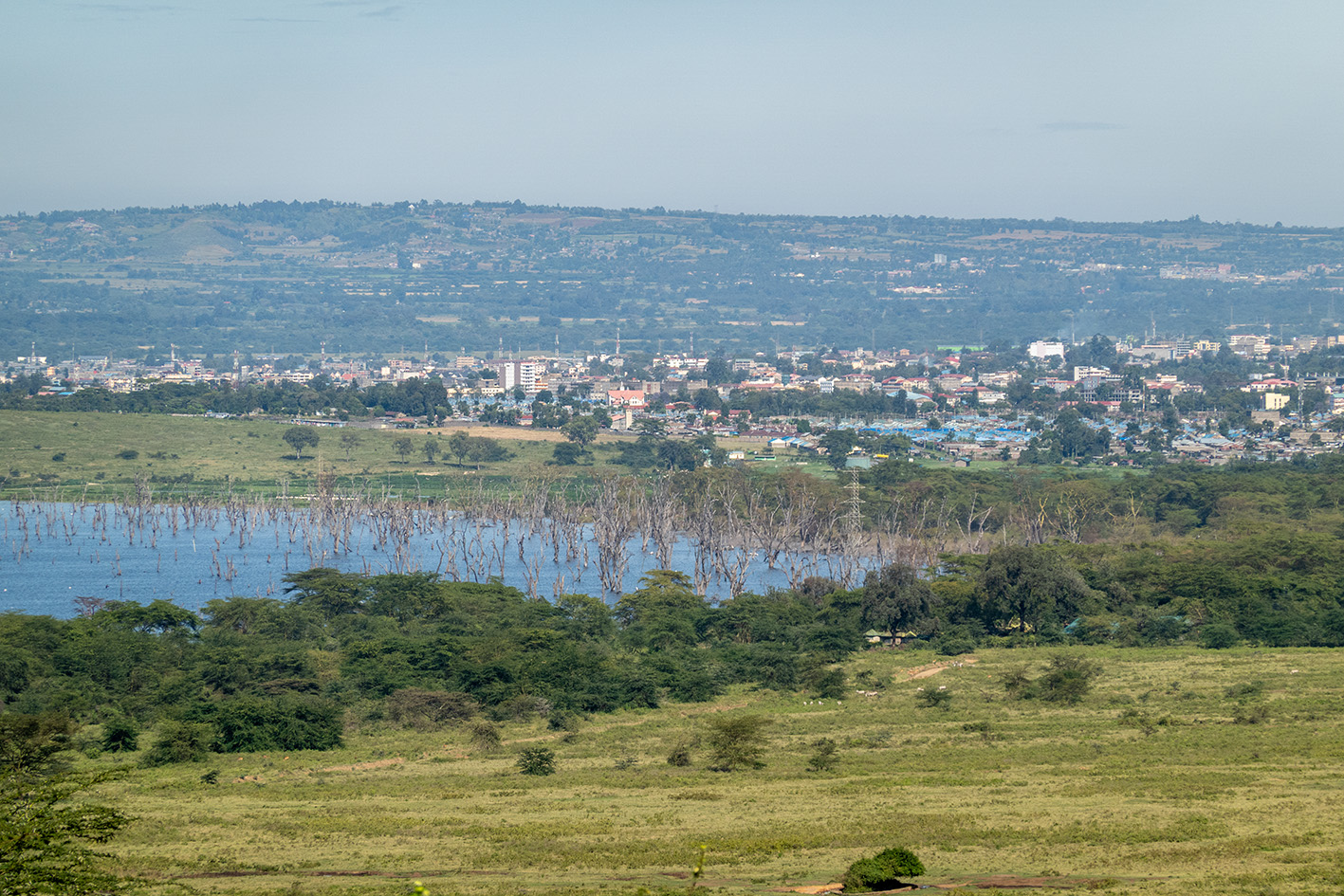
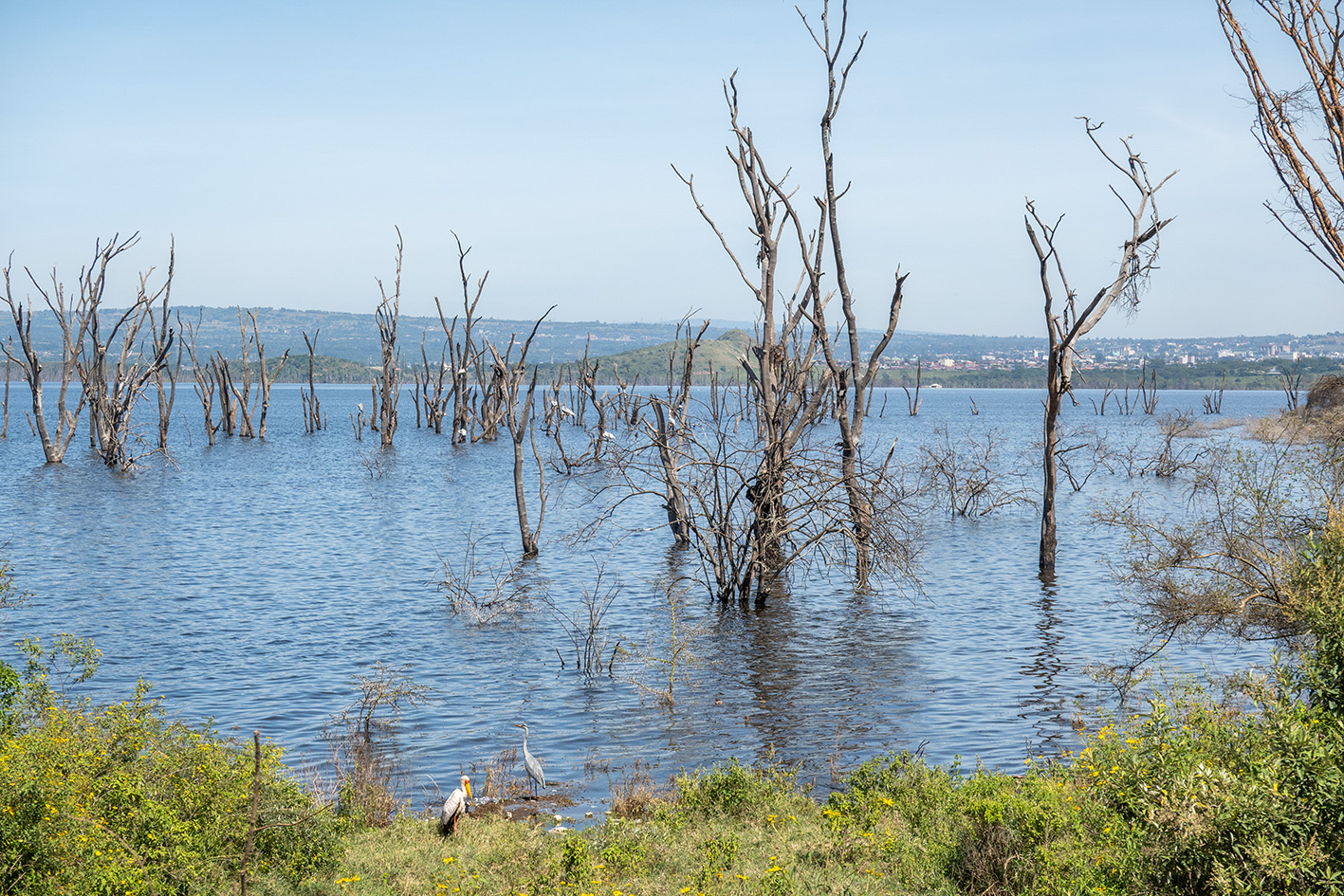
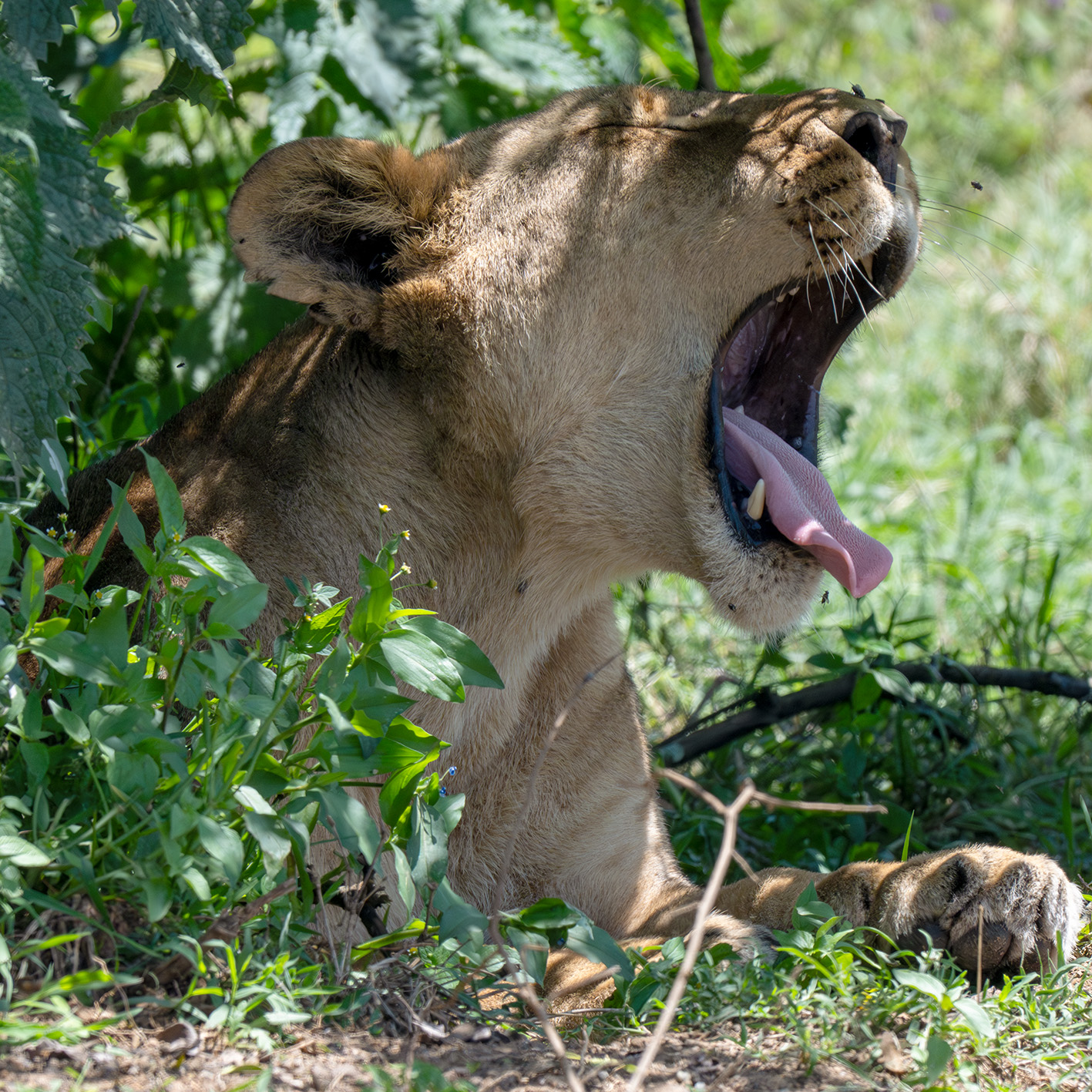
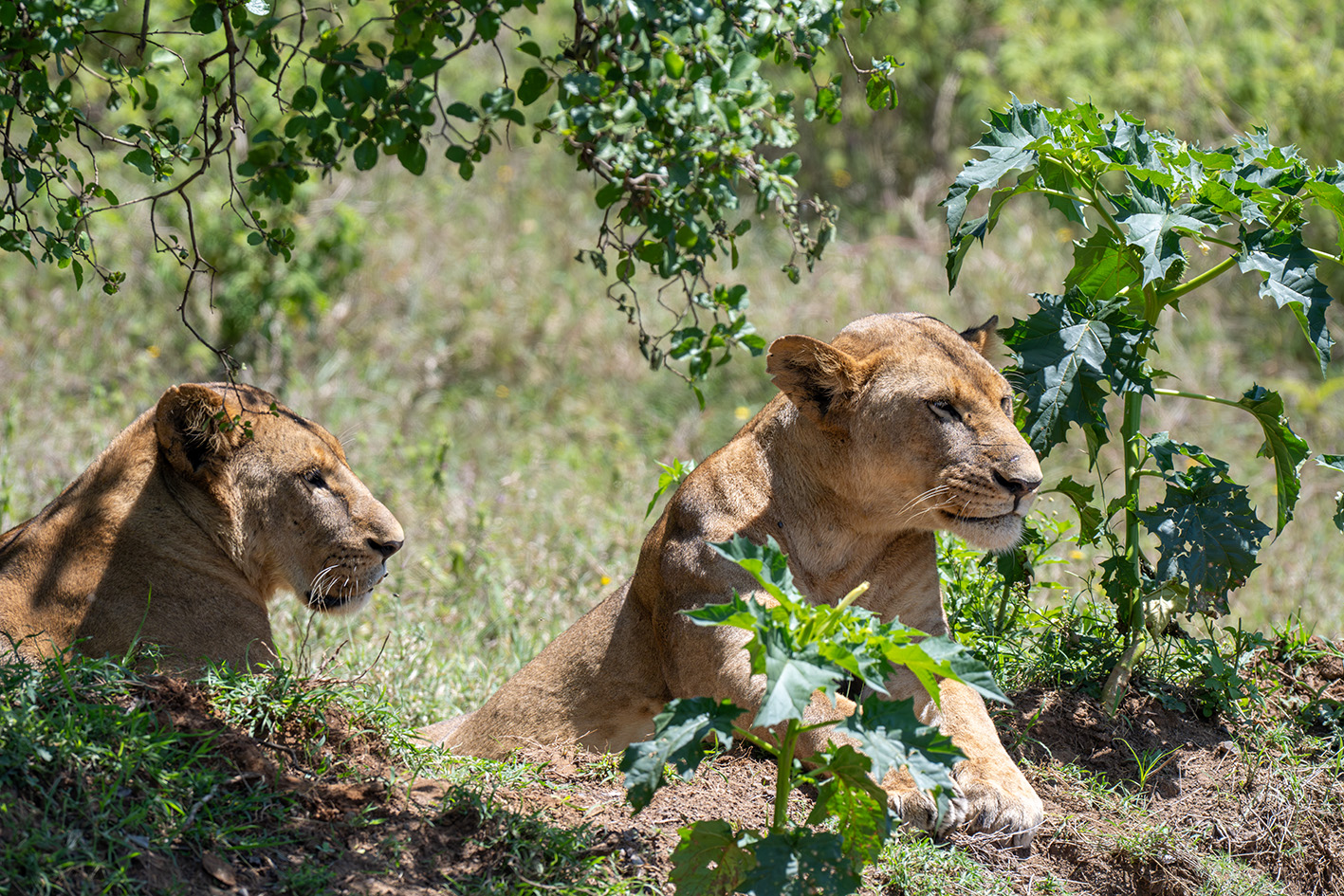
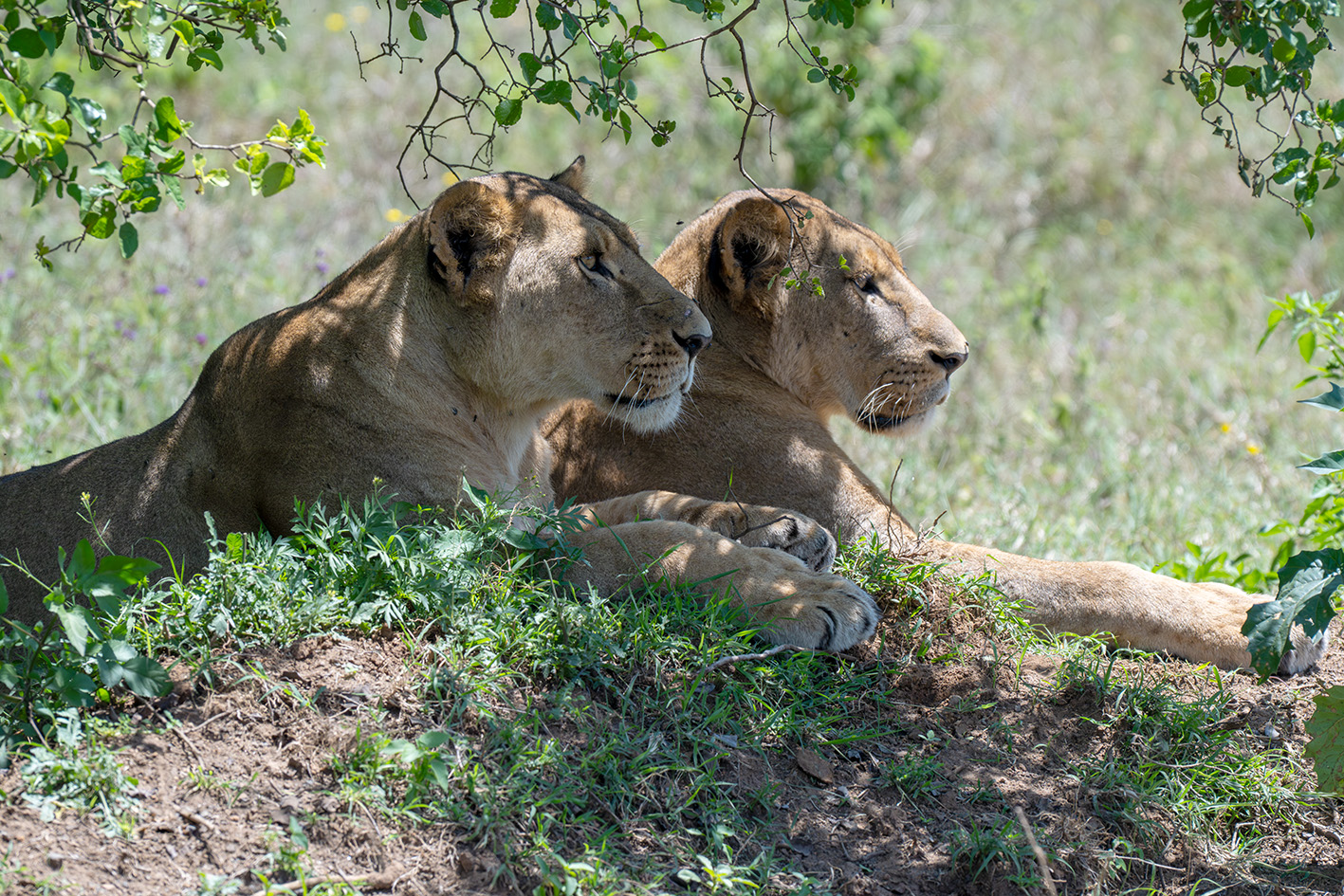
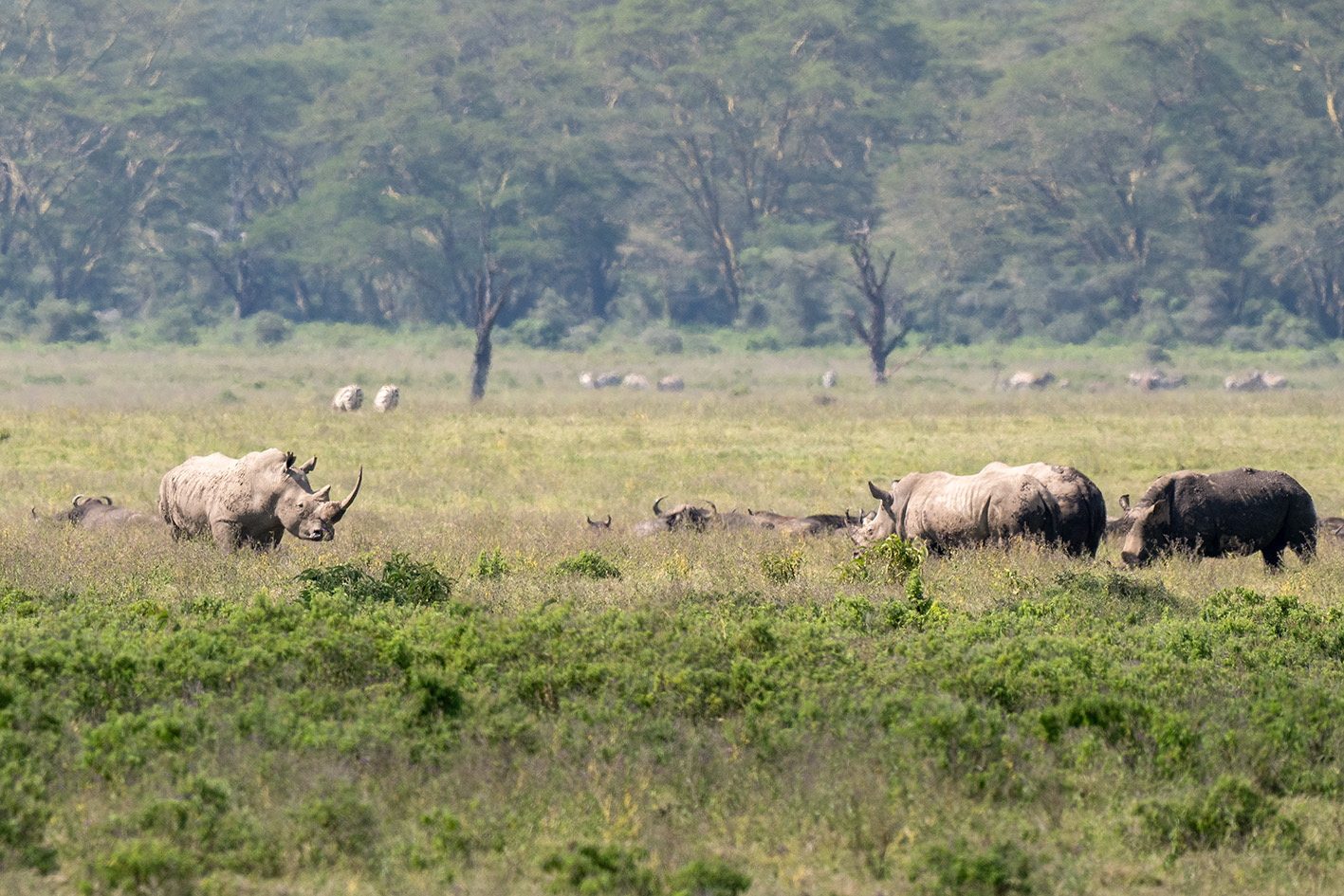
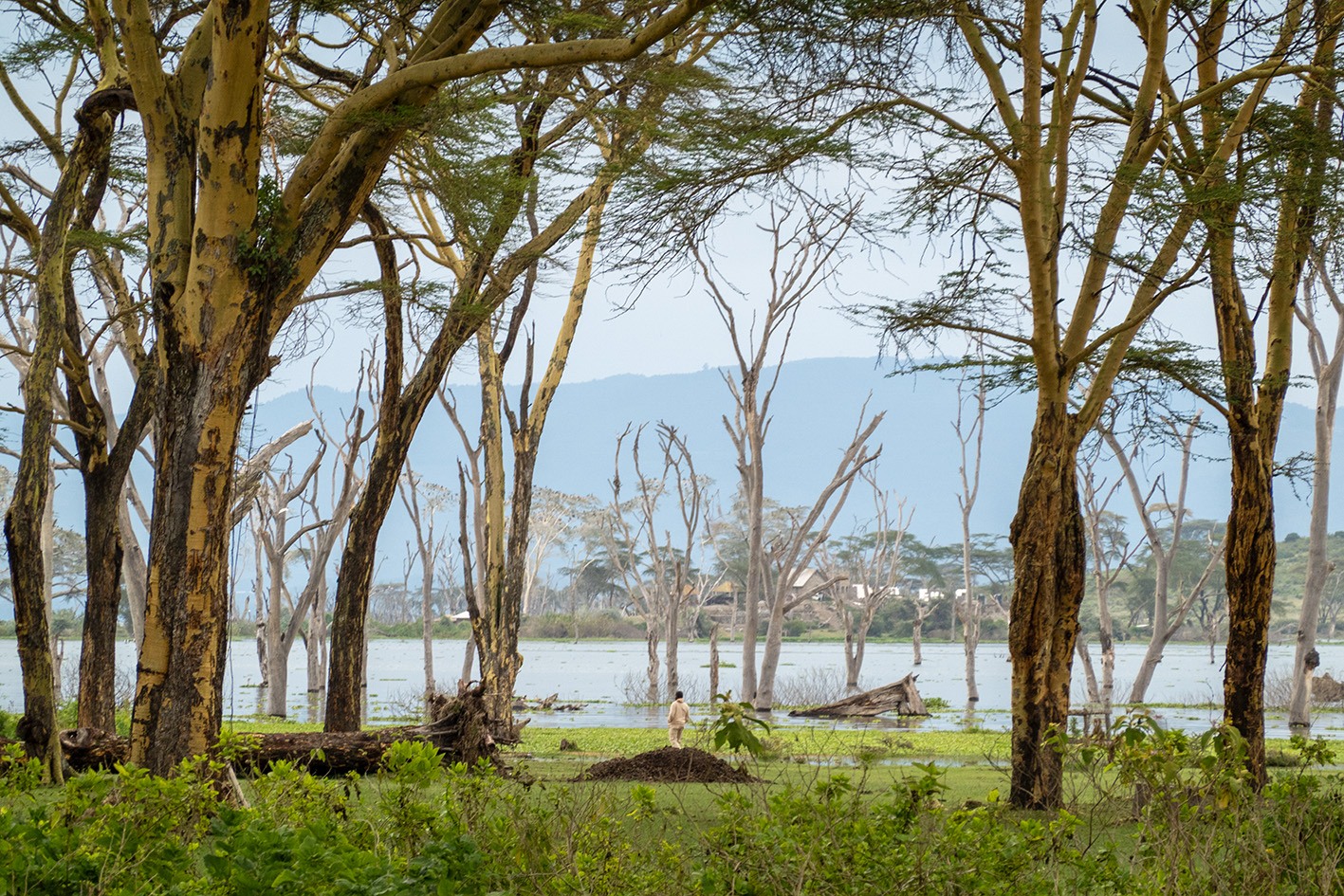
Pal naast de stad Nakuru ligt het national park Lake Nakuru. In Nederland hebben we vaak moeite met wilde dieren in onze menselijke omgeving, maar hier leven leeuwen en luipaarden, en tal van andere grote en vervaarlijke dieren. En ook hier stijgt het water, wat hun leefruimte steeds verder beperkt
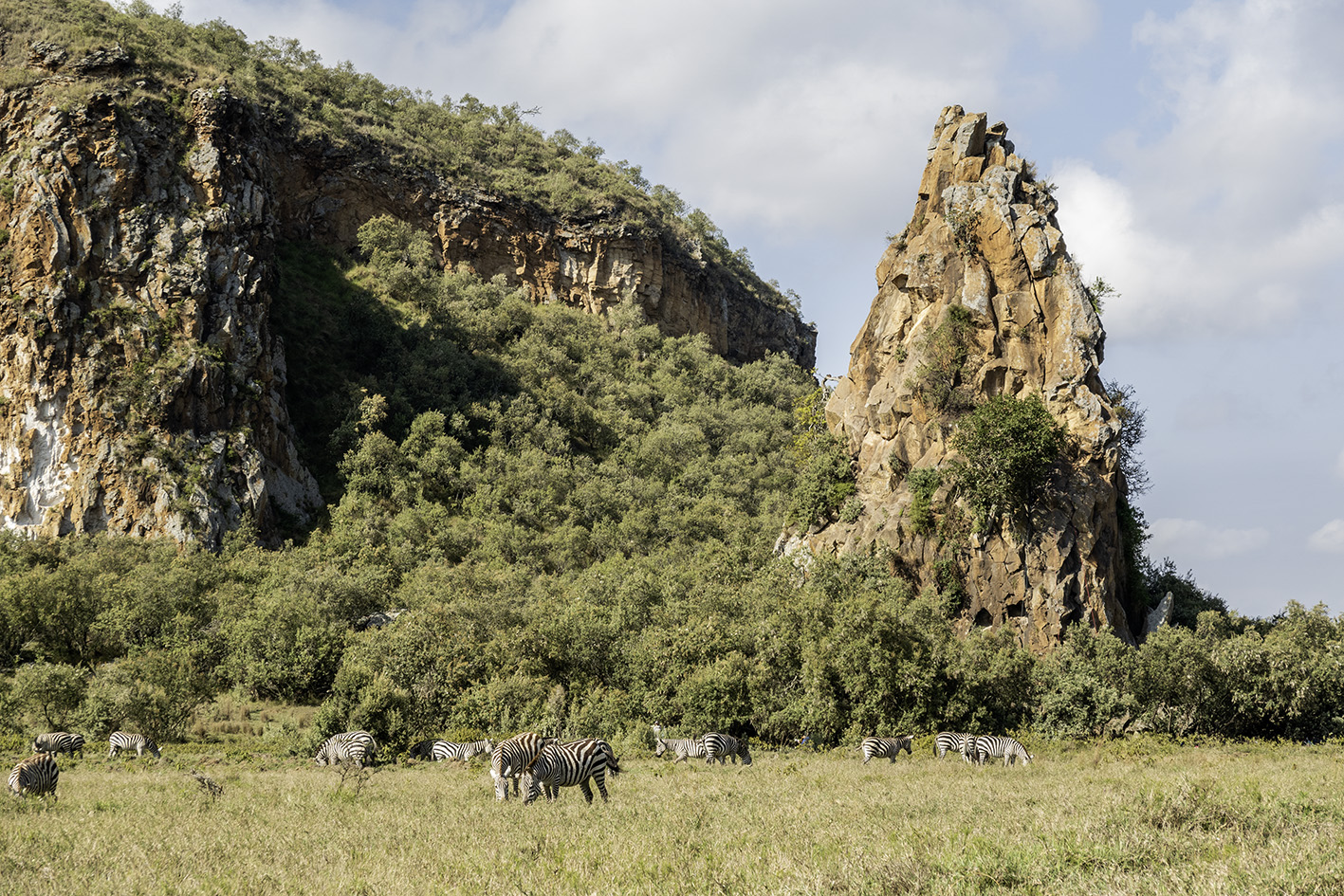
Fietstocht door Hell’s Gate kloof in het geothermisch actieve gebied Olkaria. Op de foto’s niet te zien: het water is zeer warm!
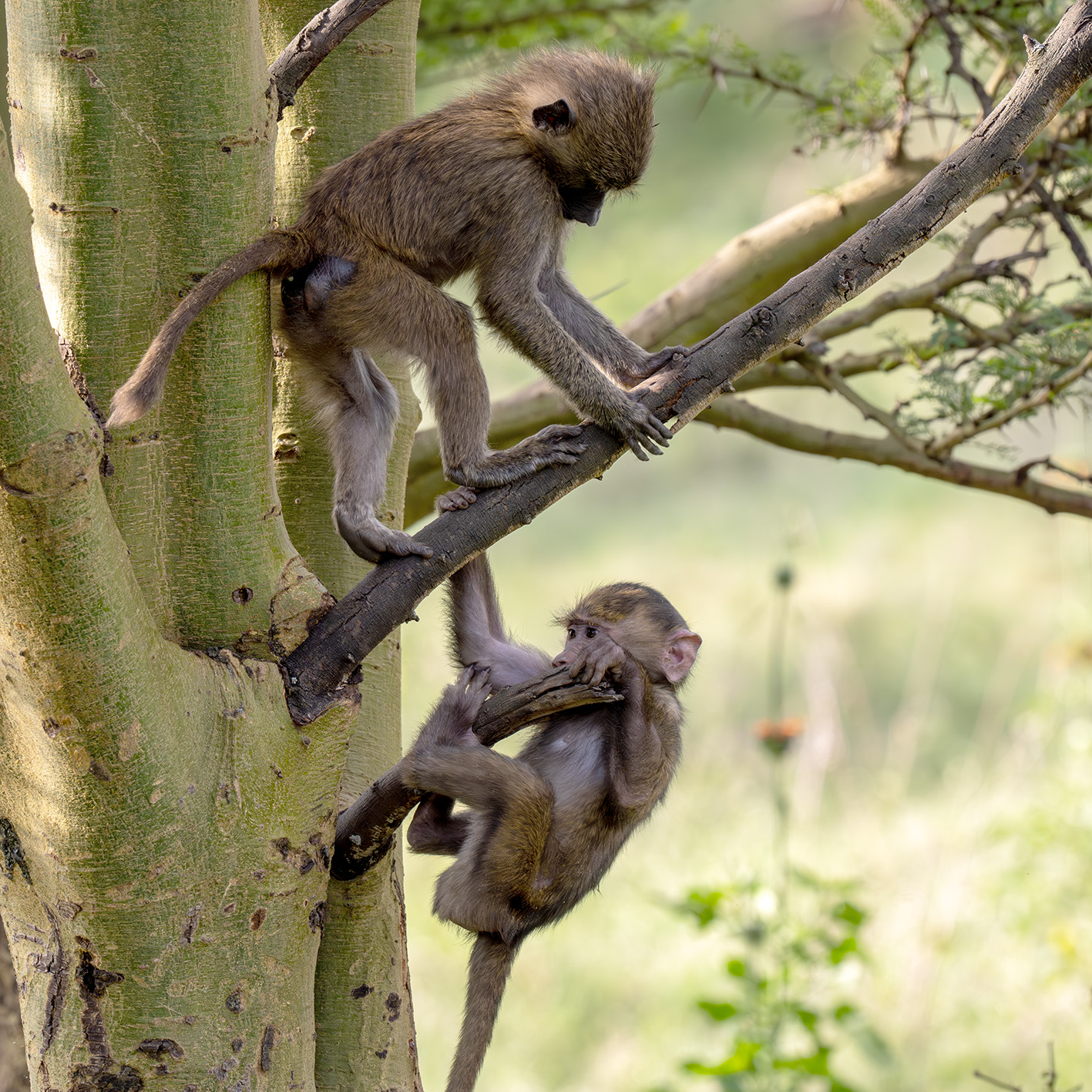
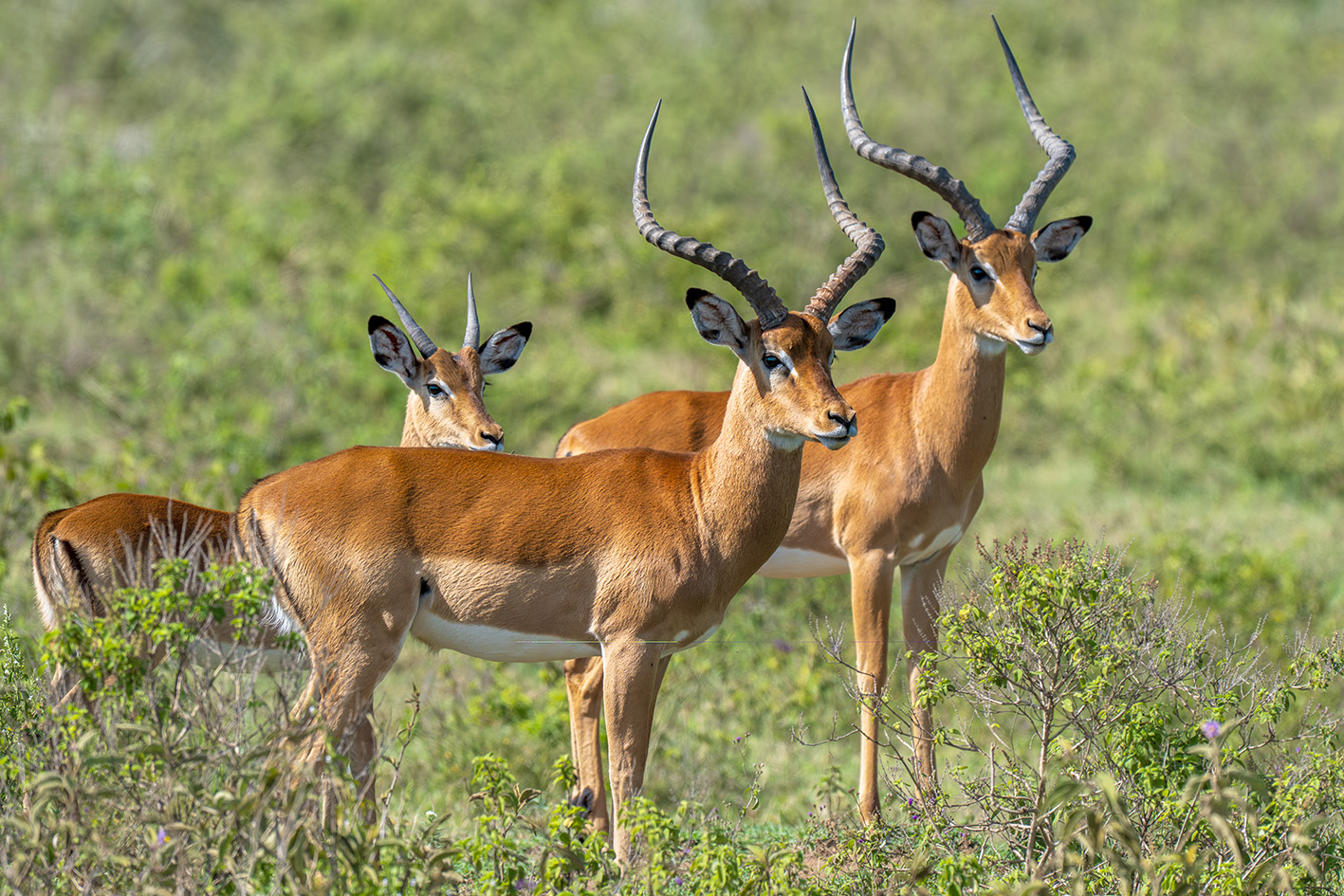
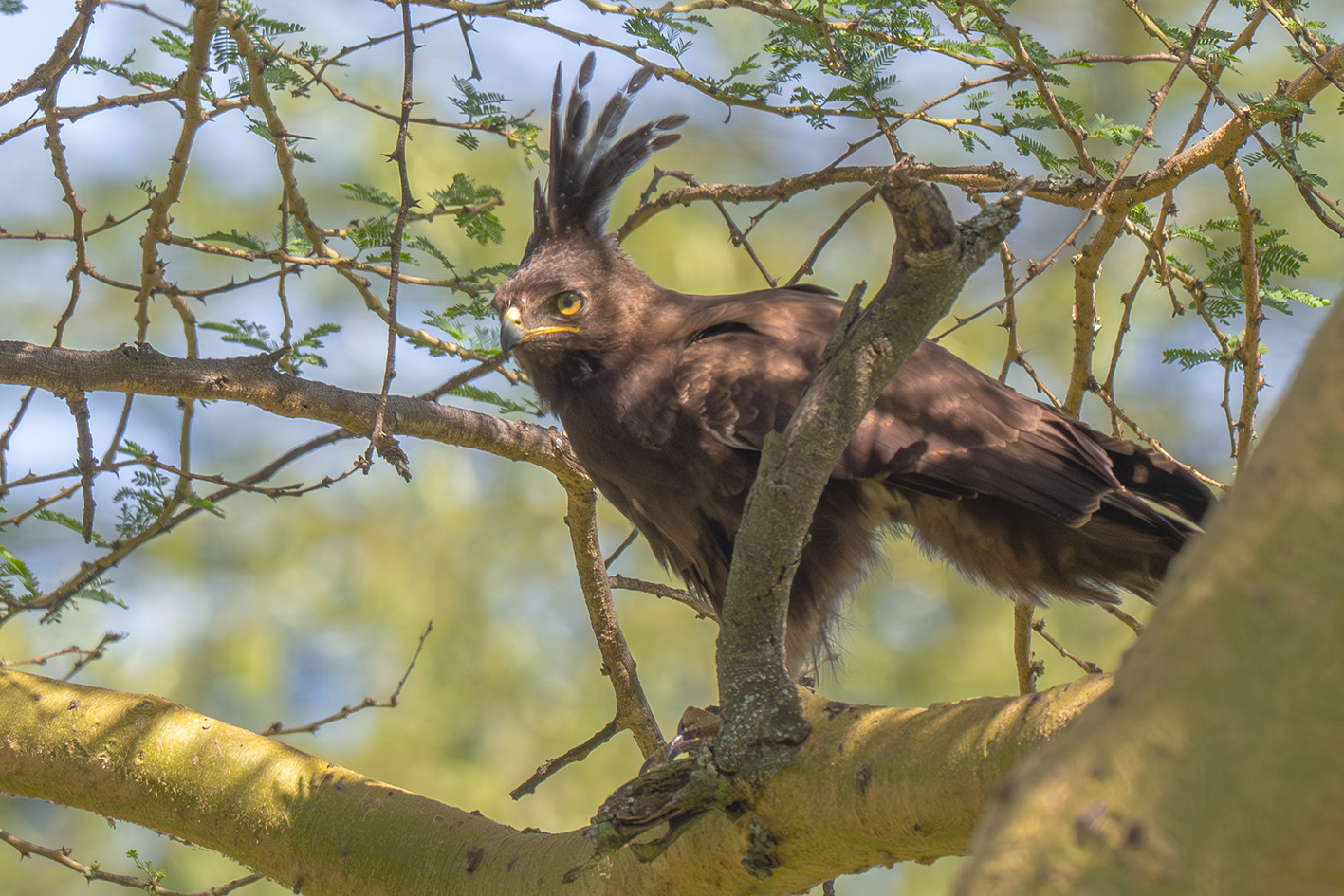
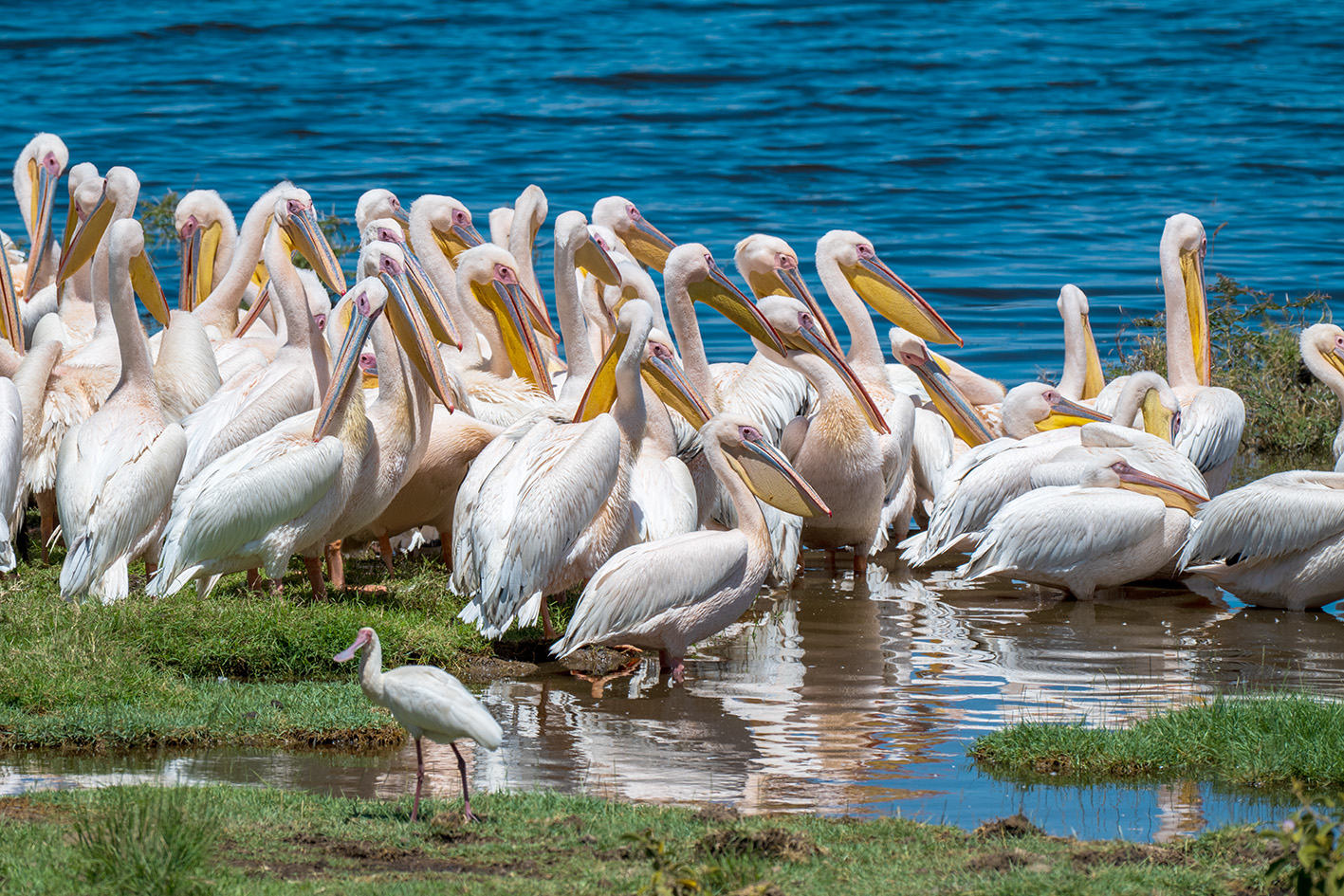
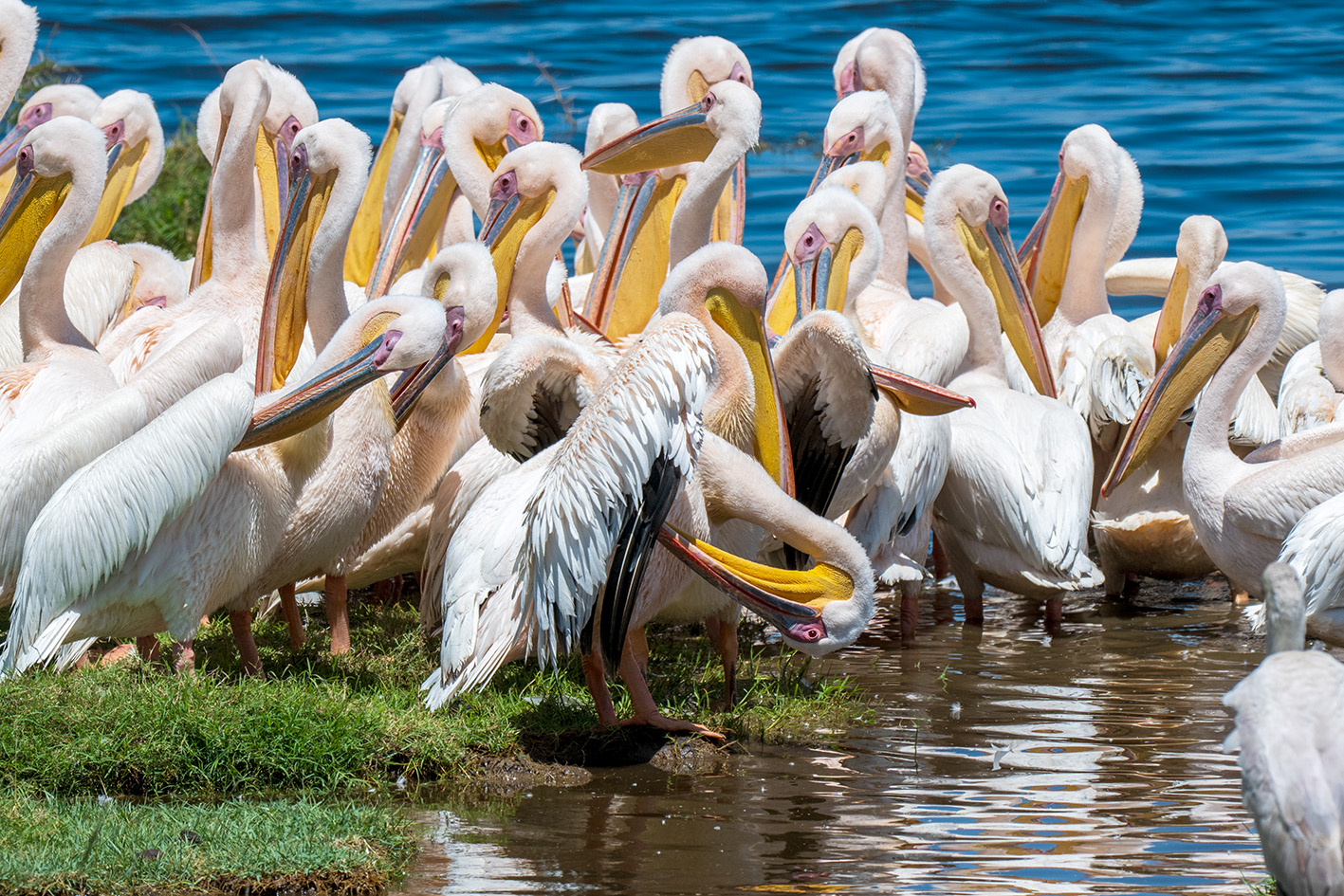
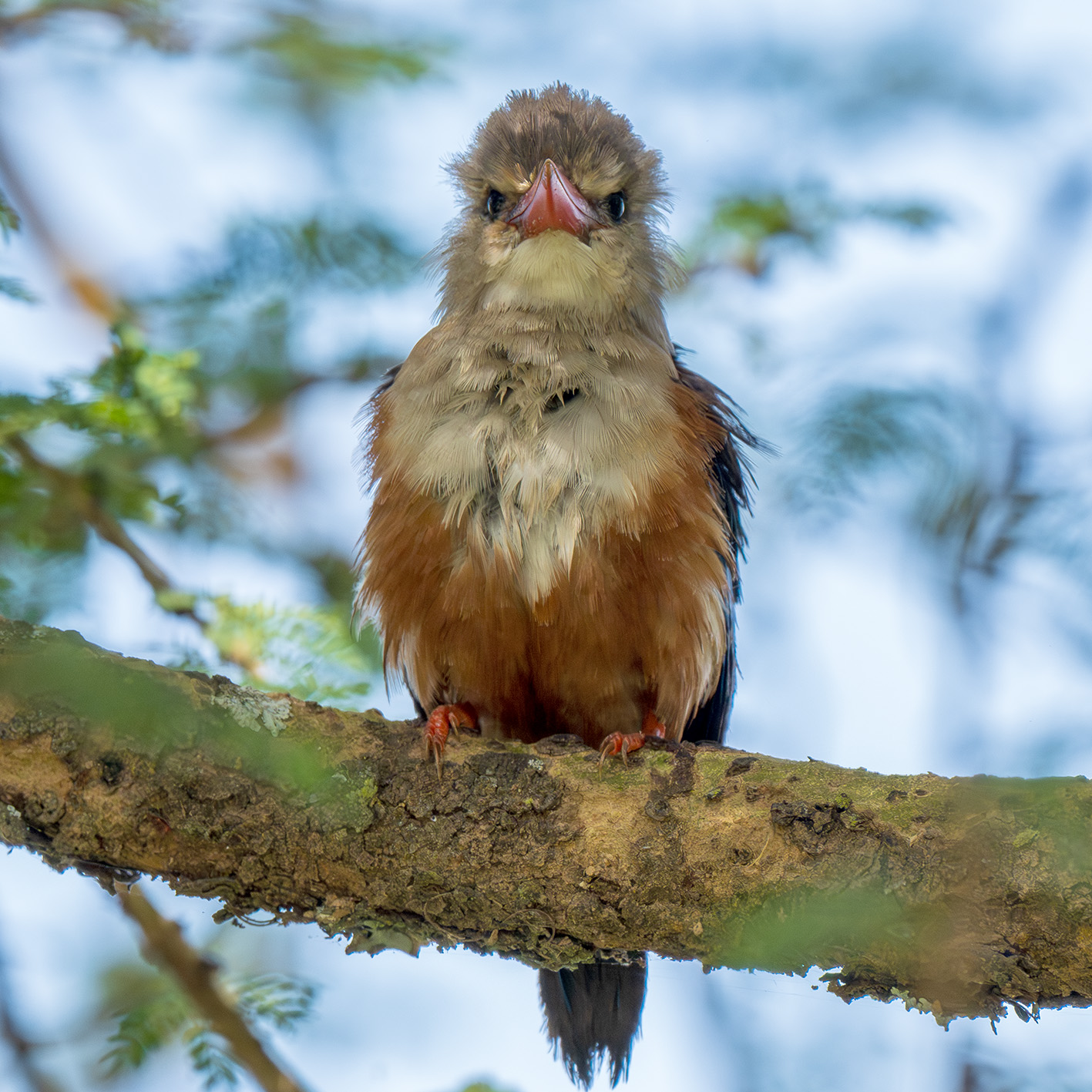
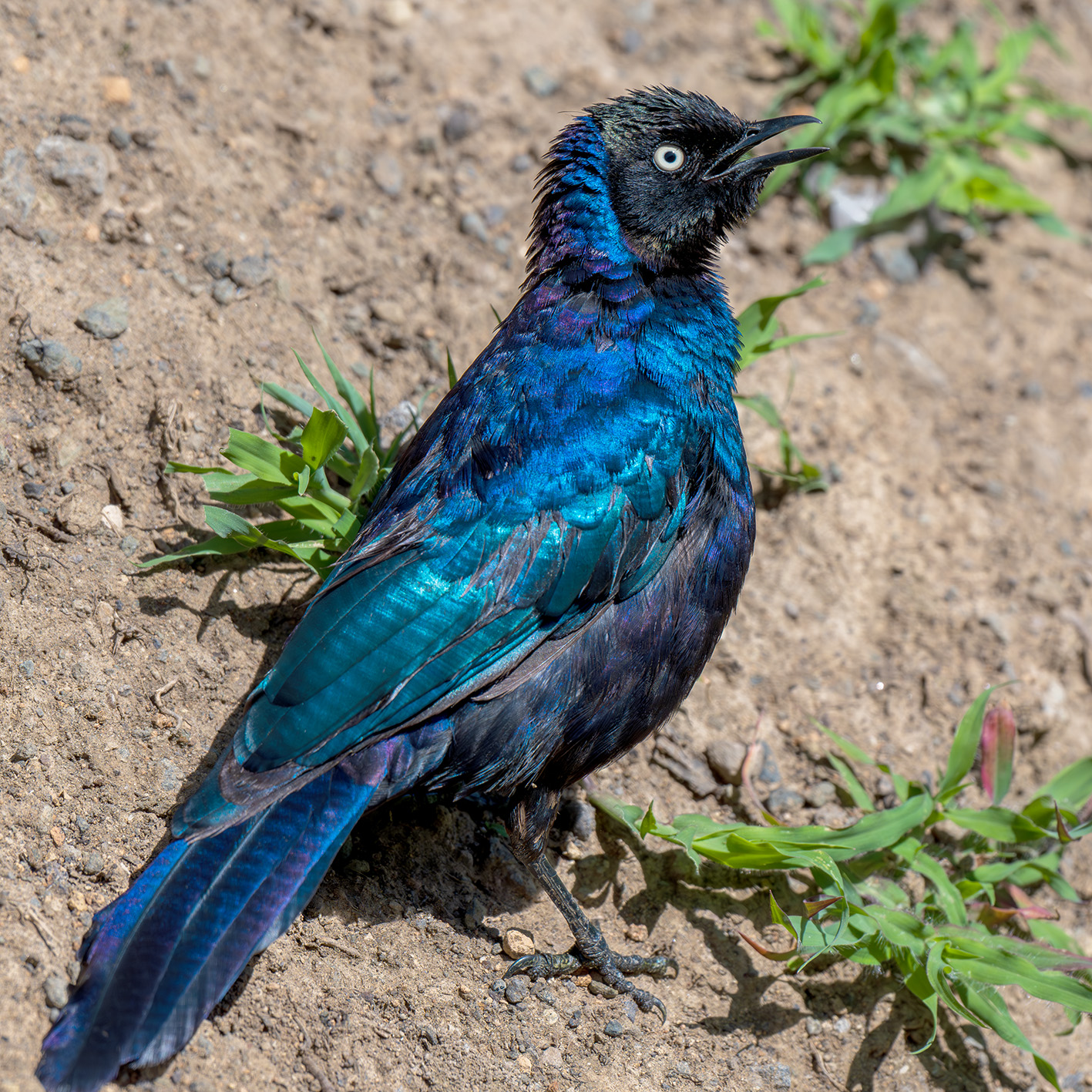
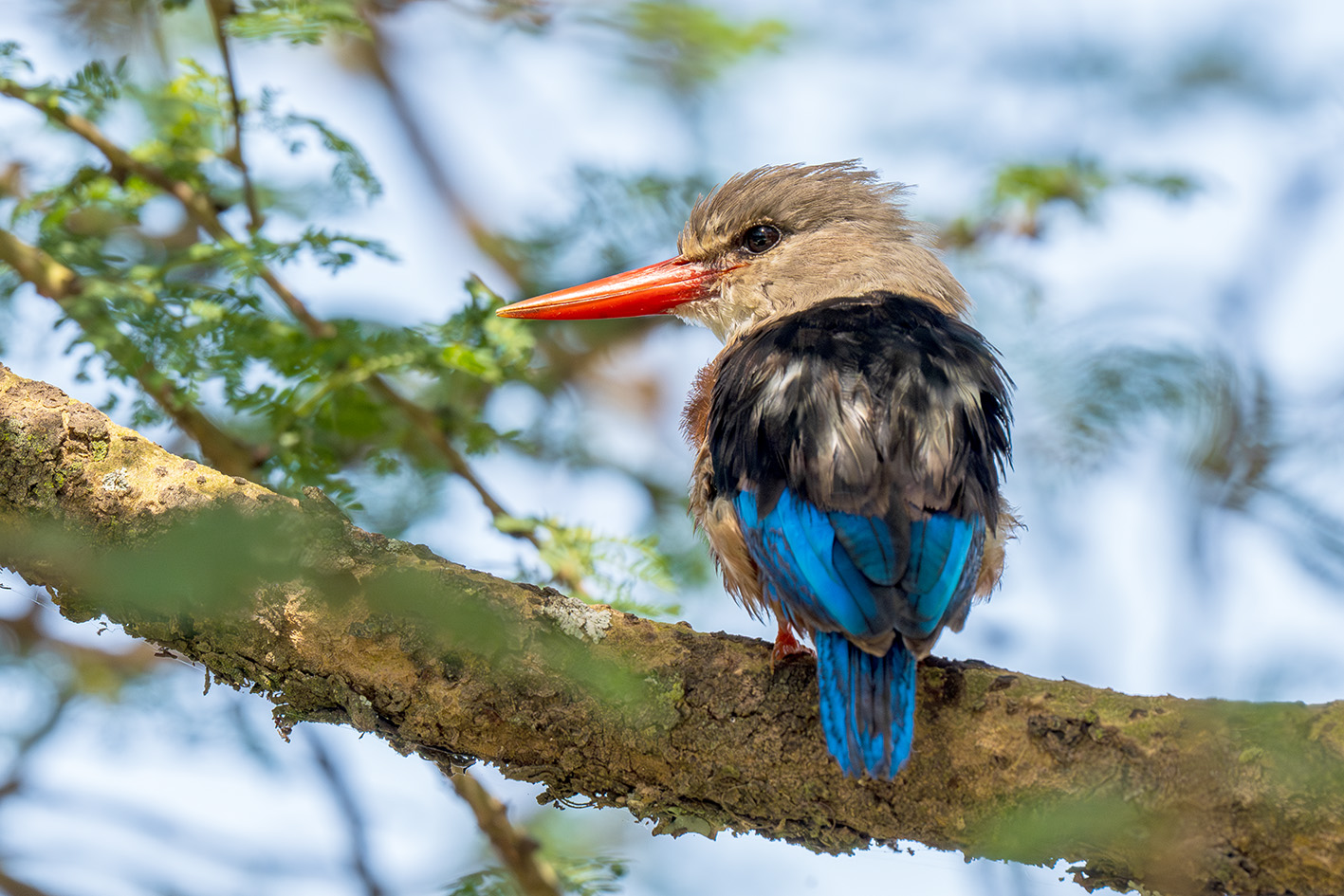
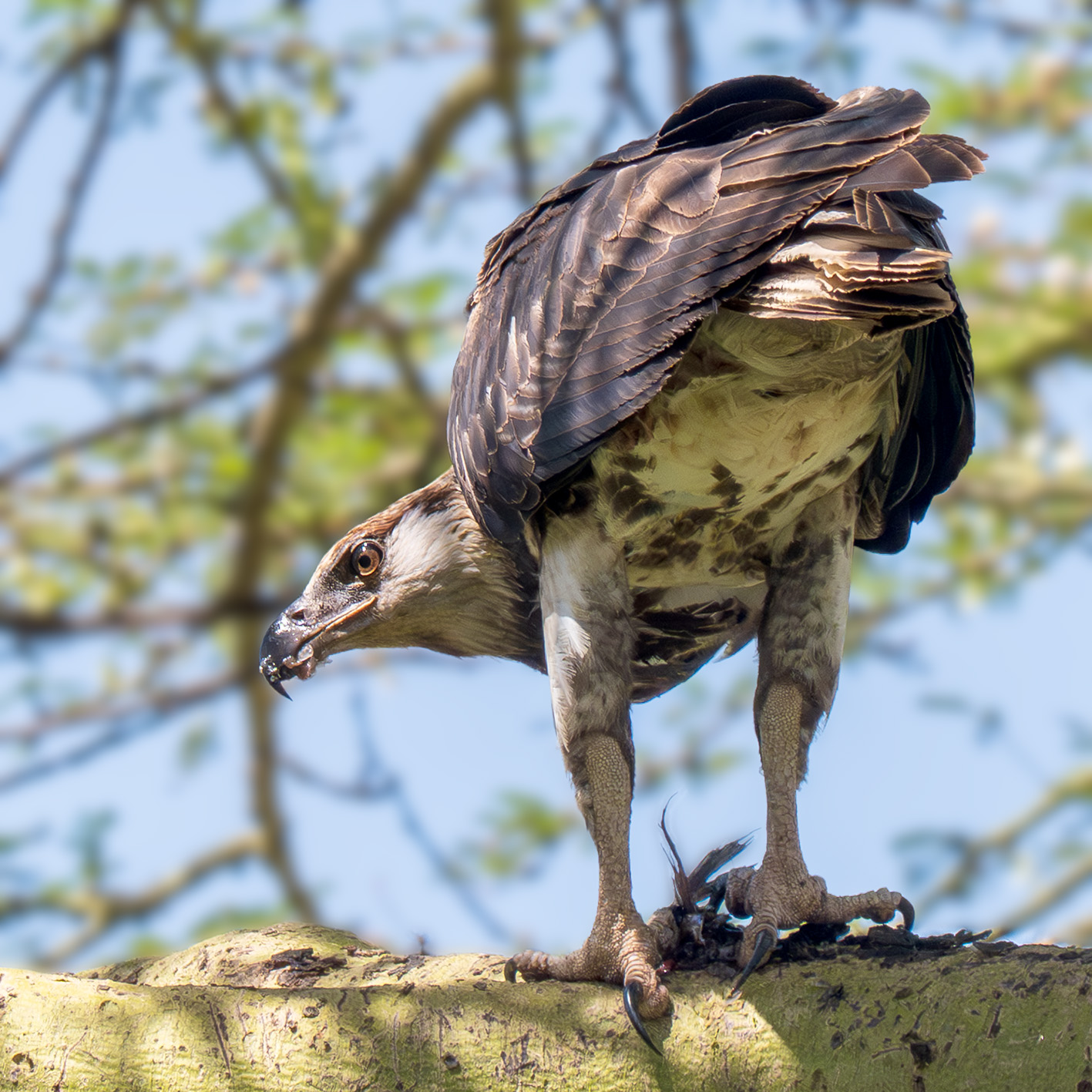
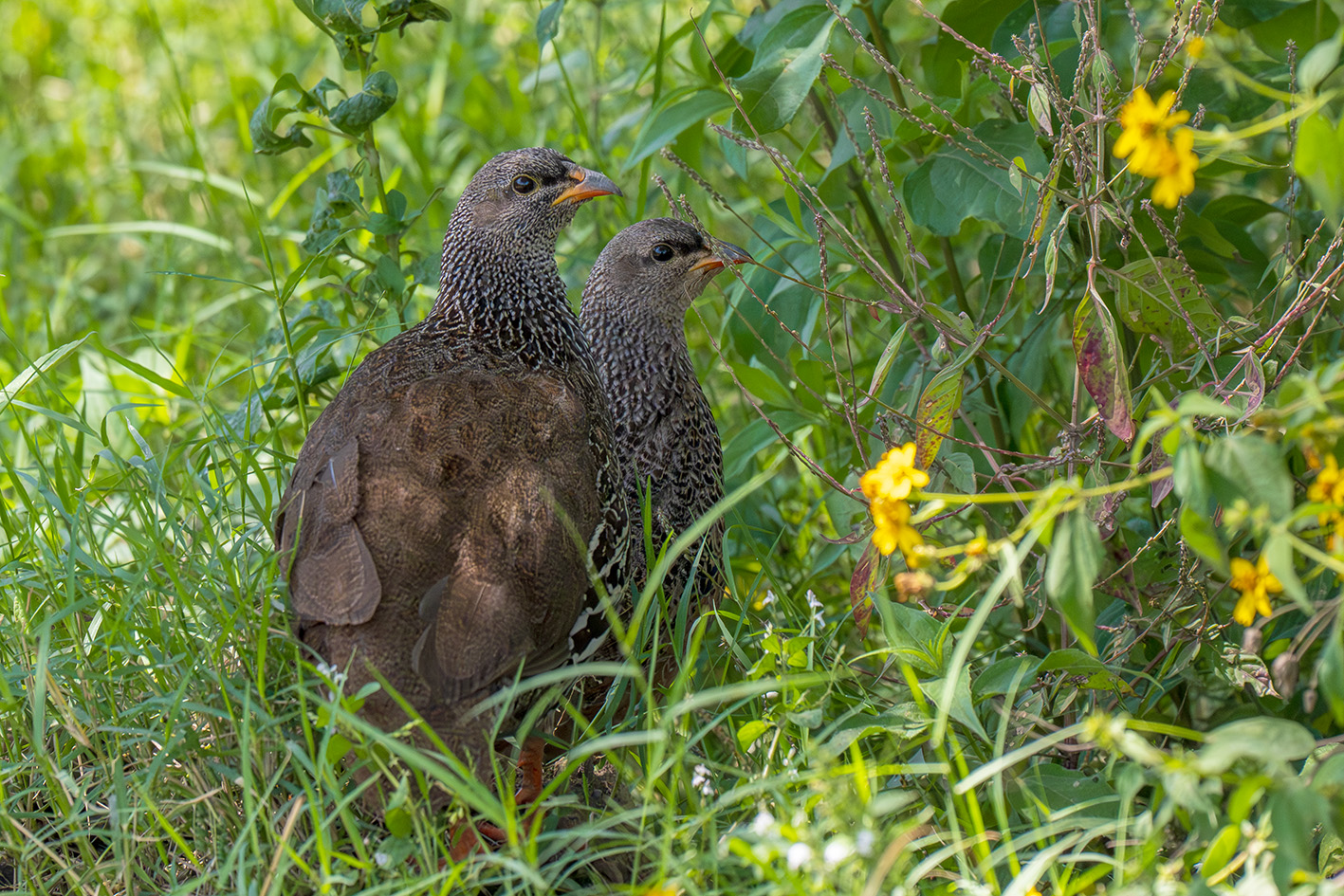
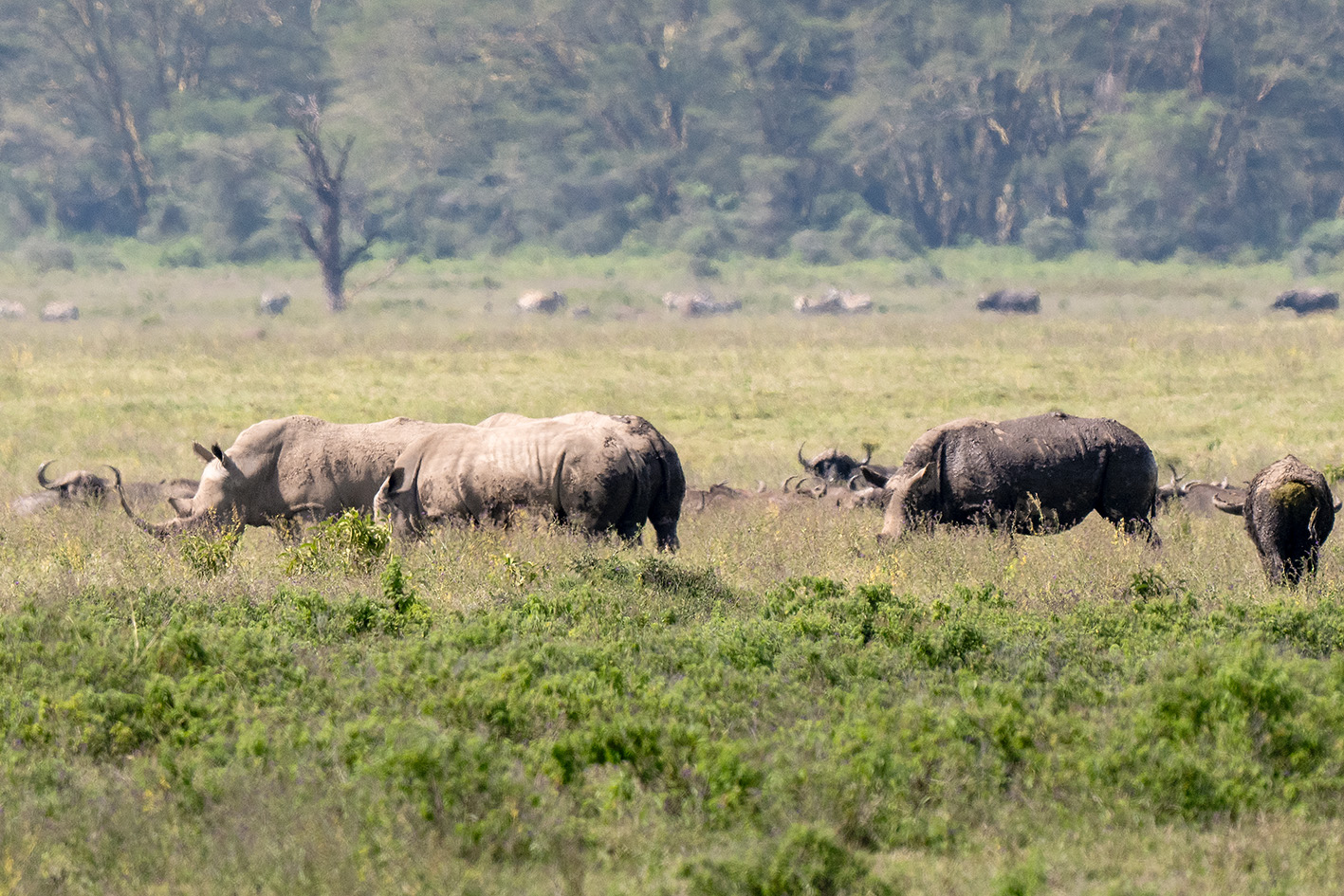
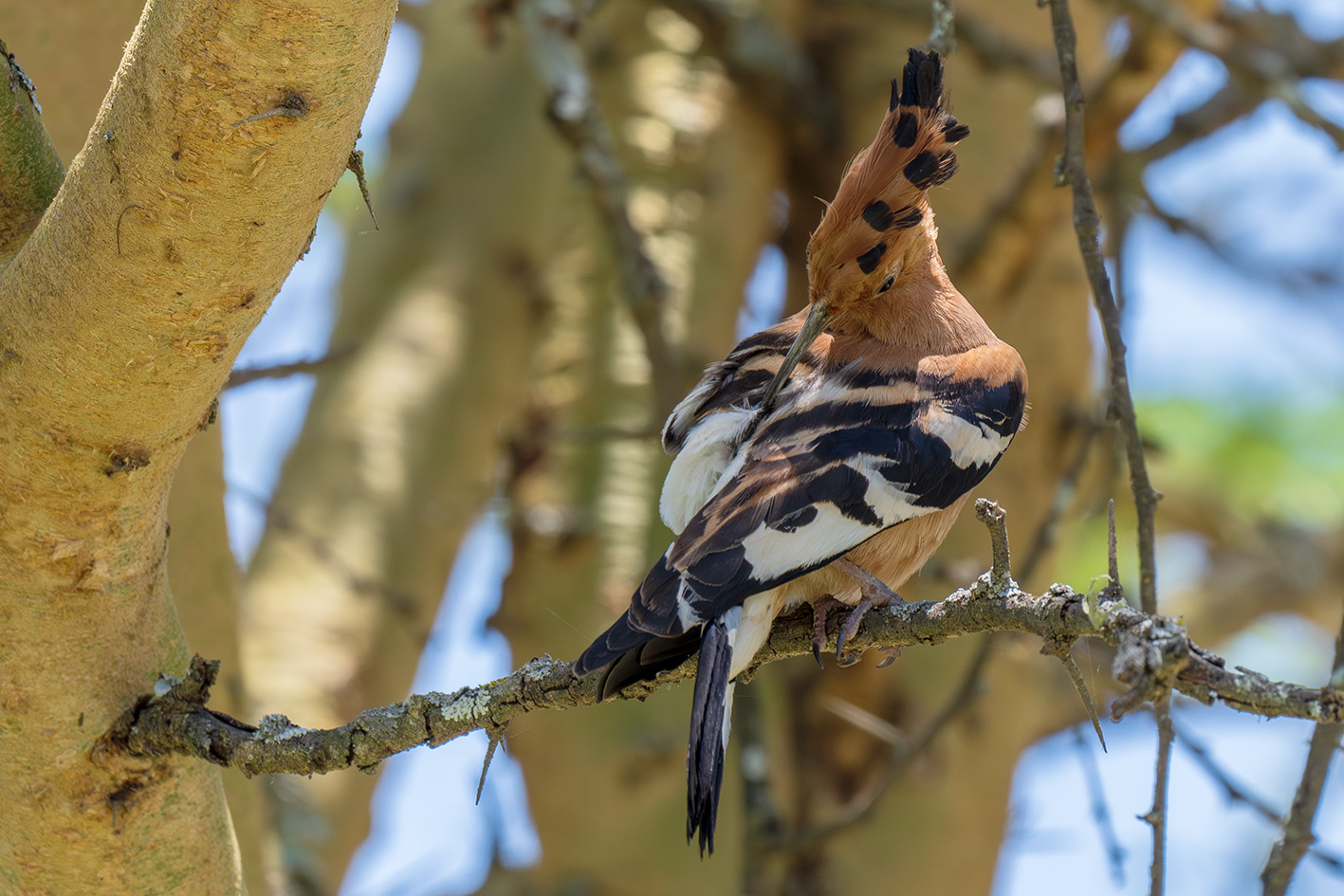
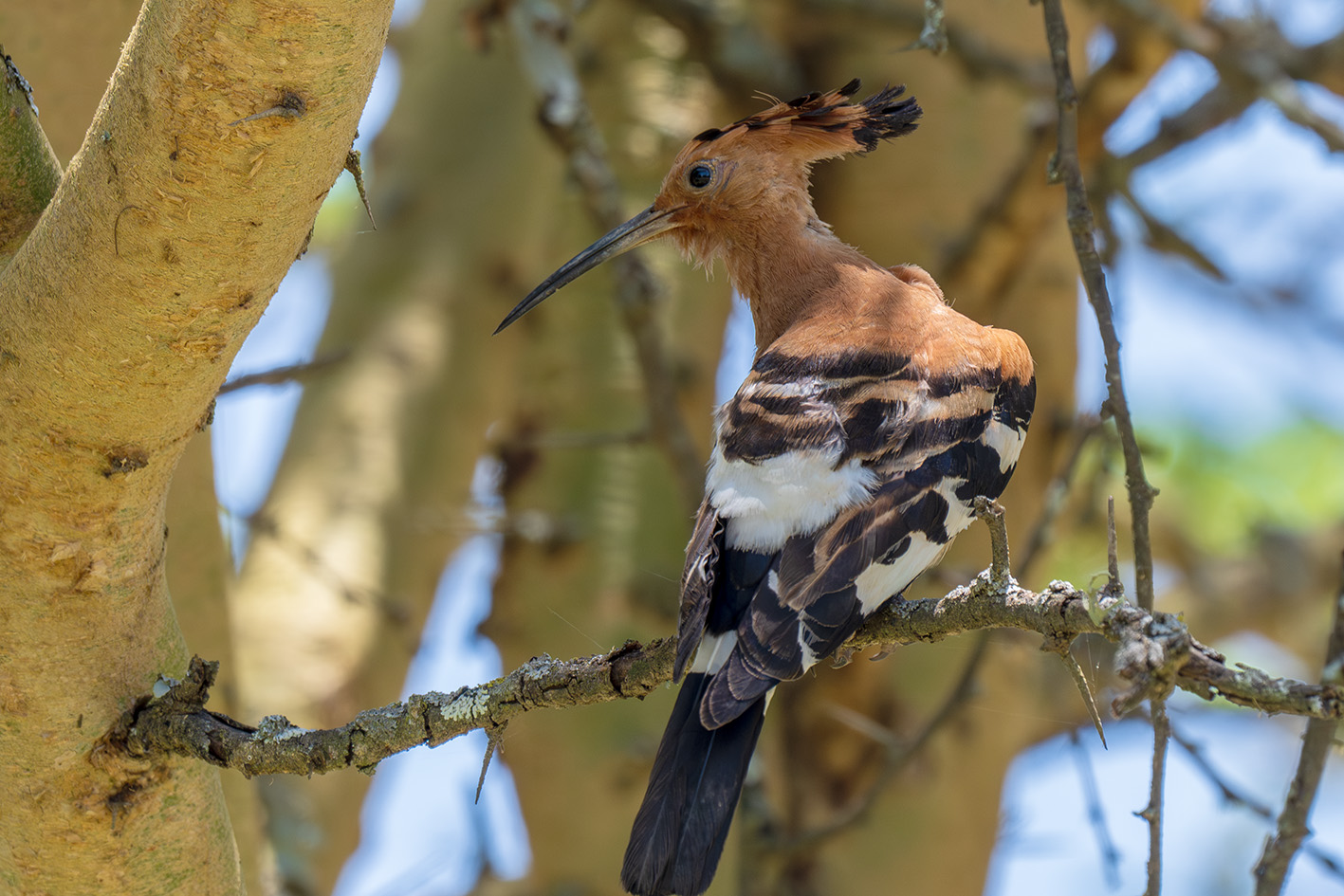
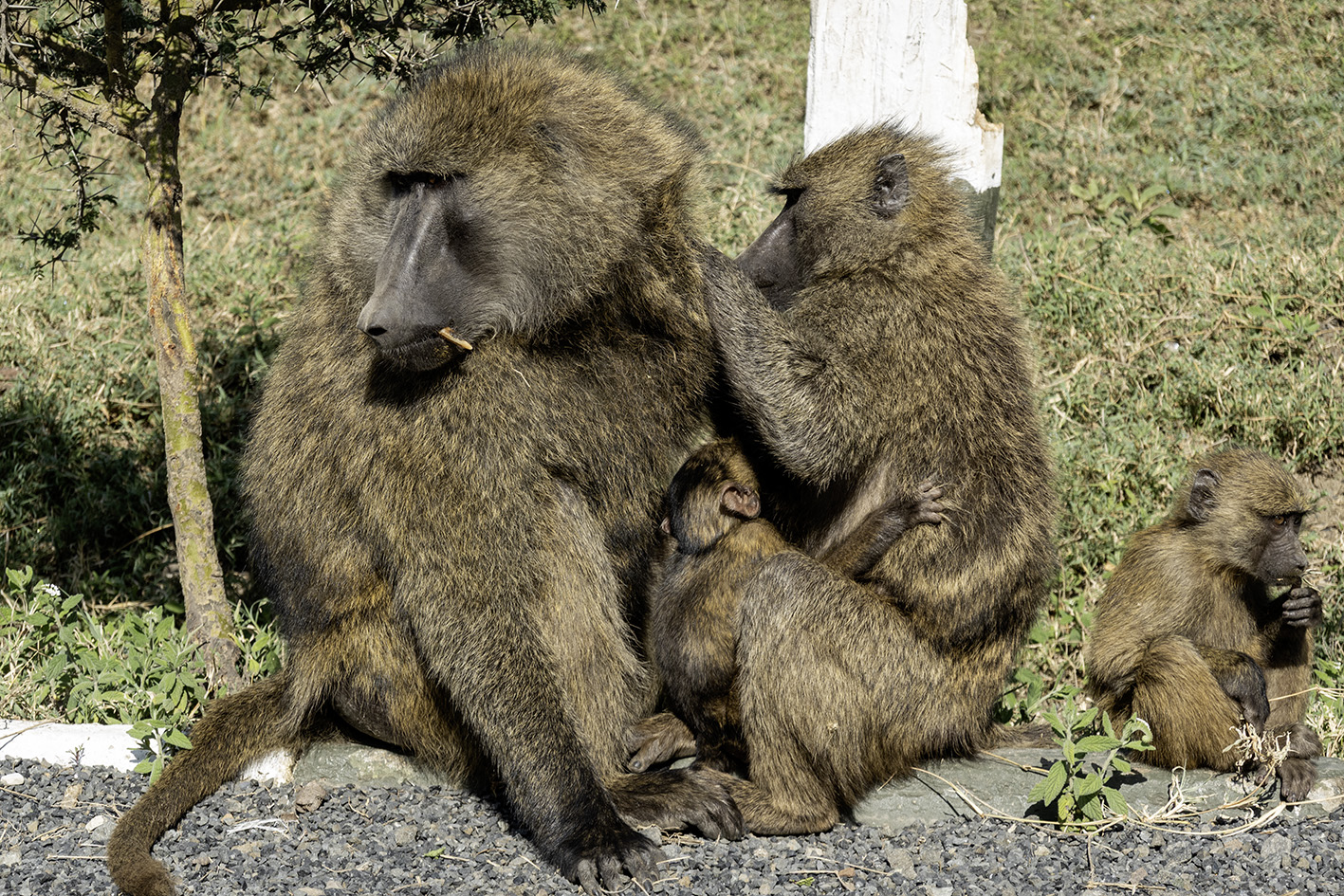
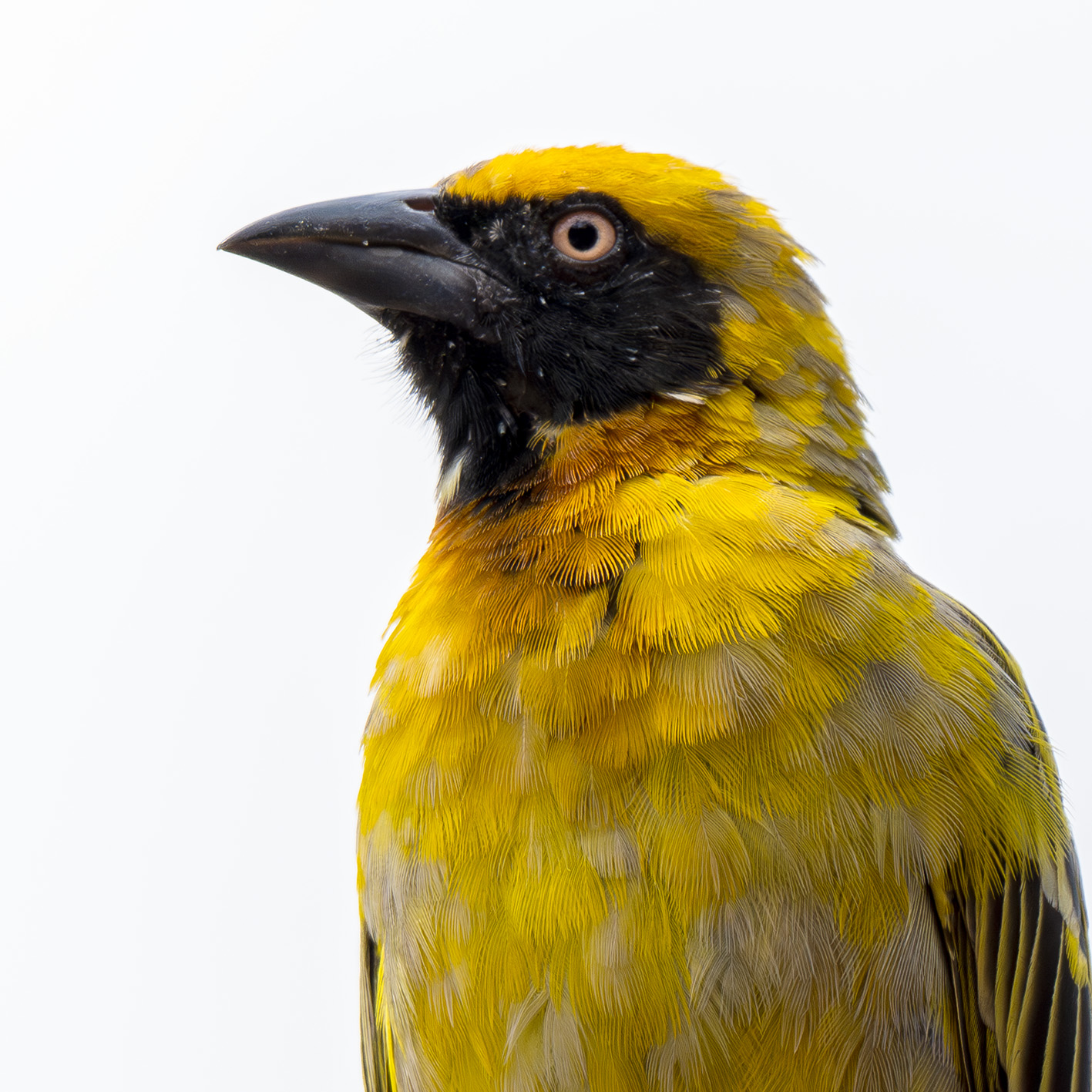
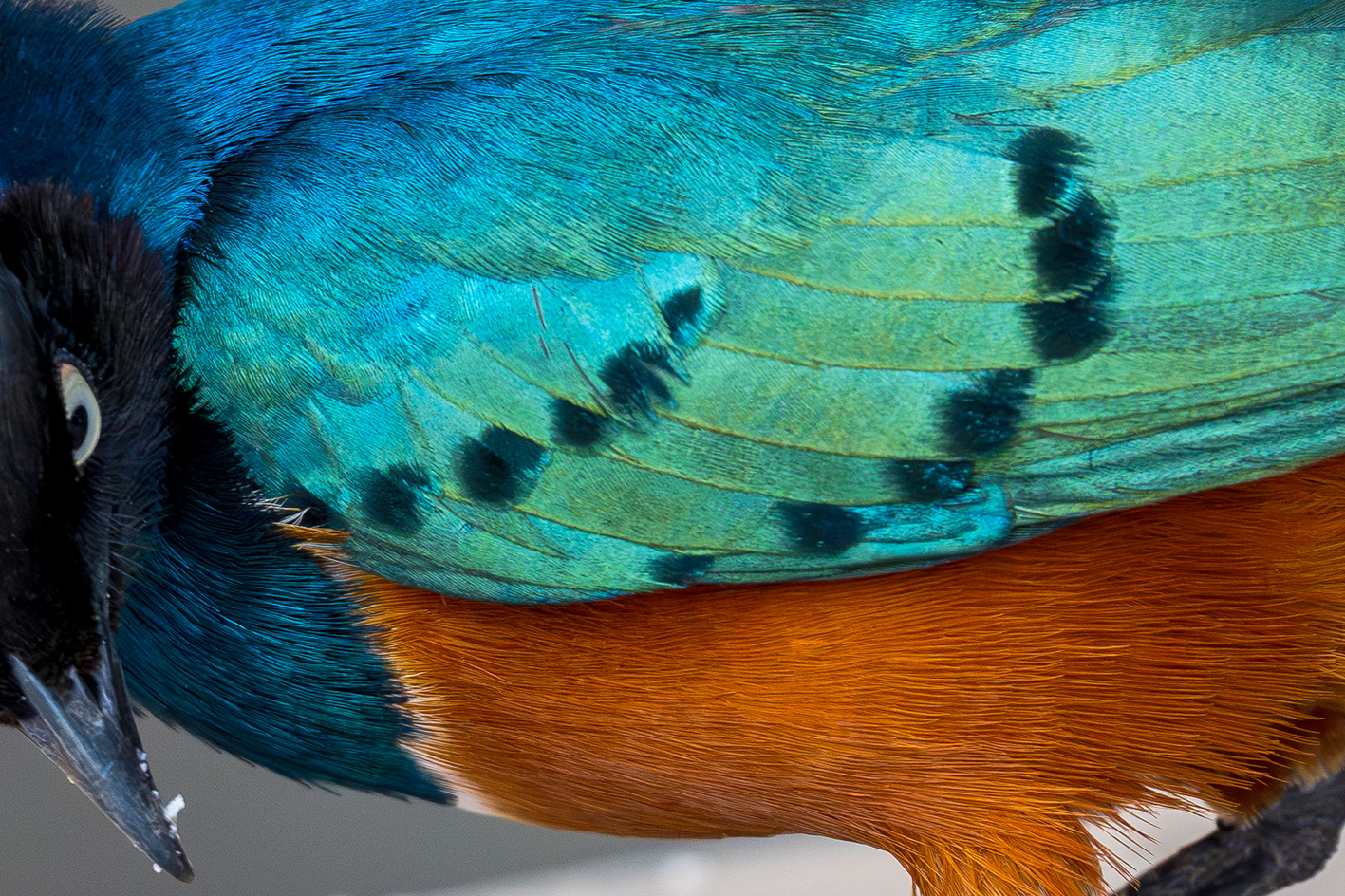
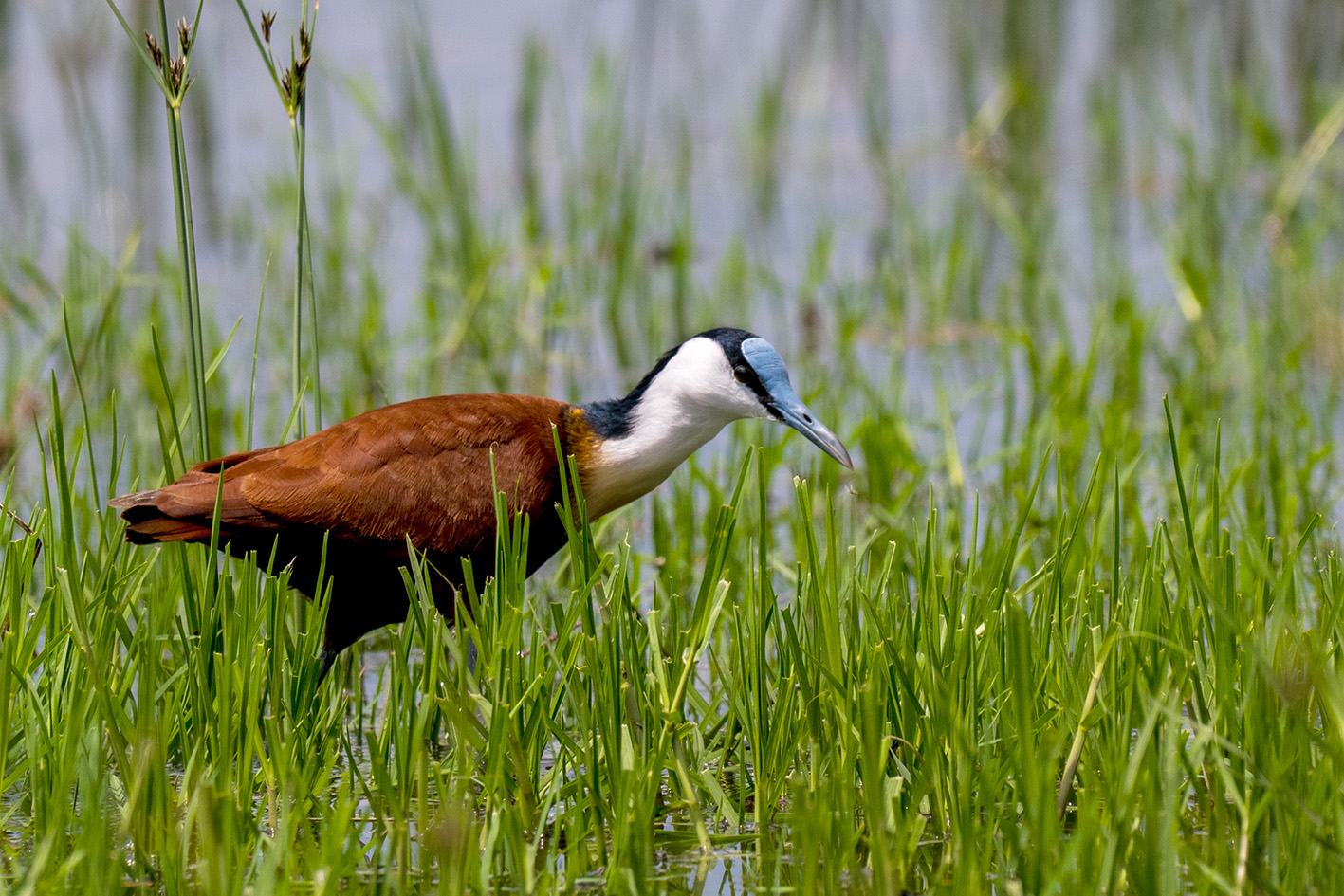
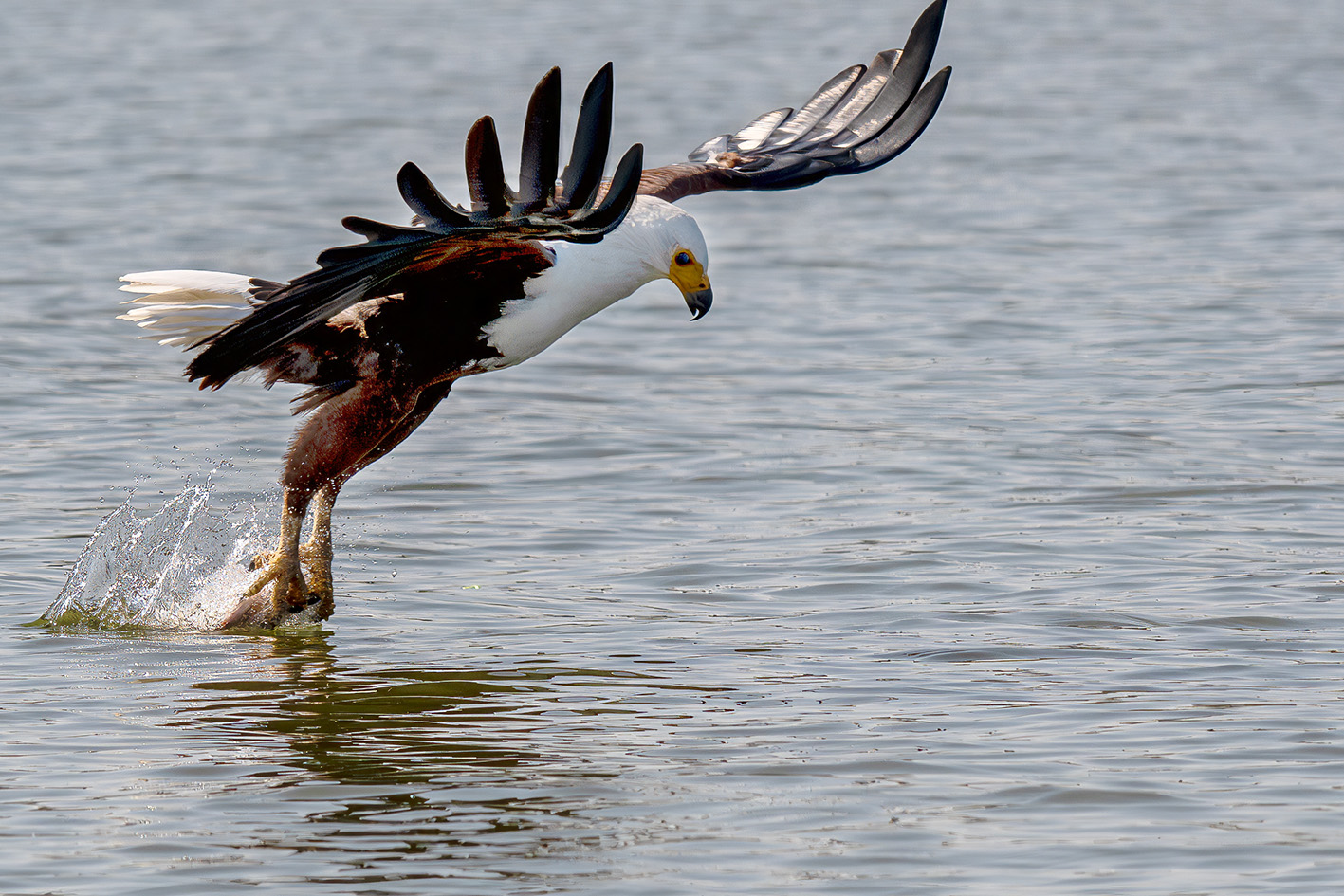
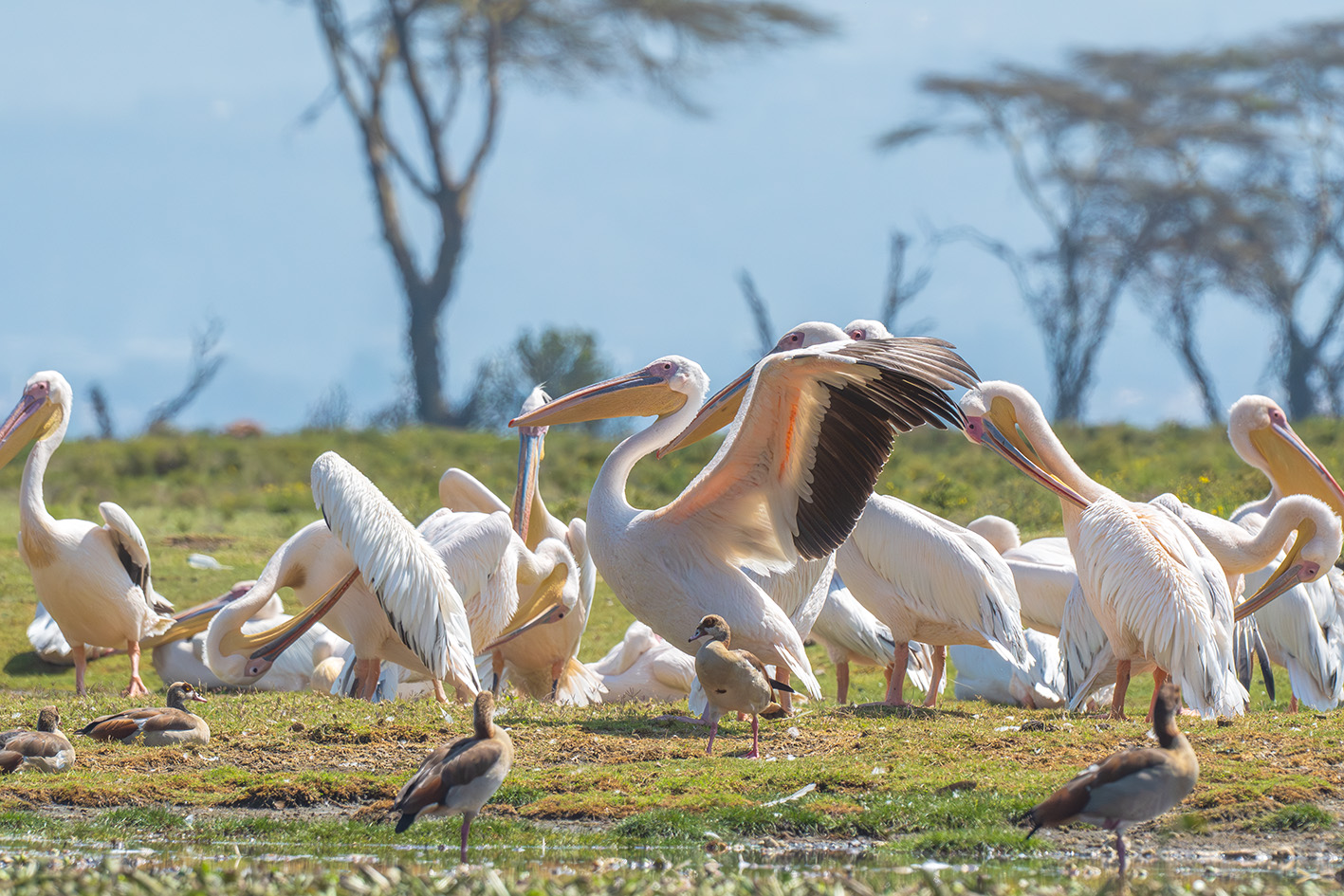
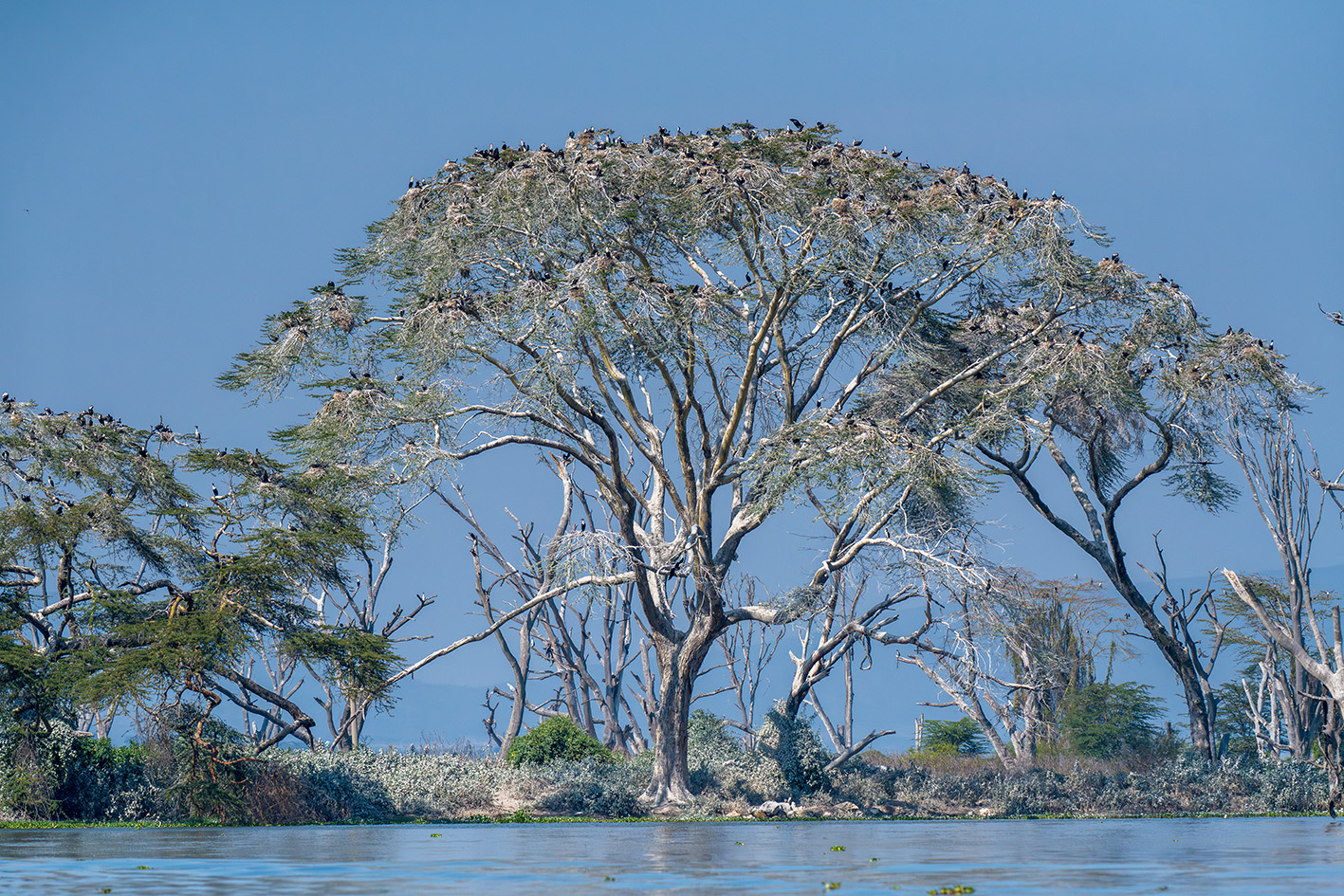
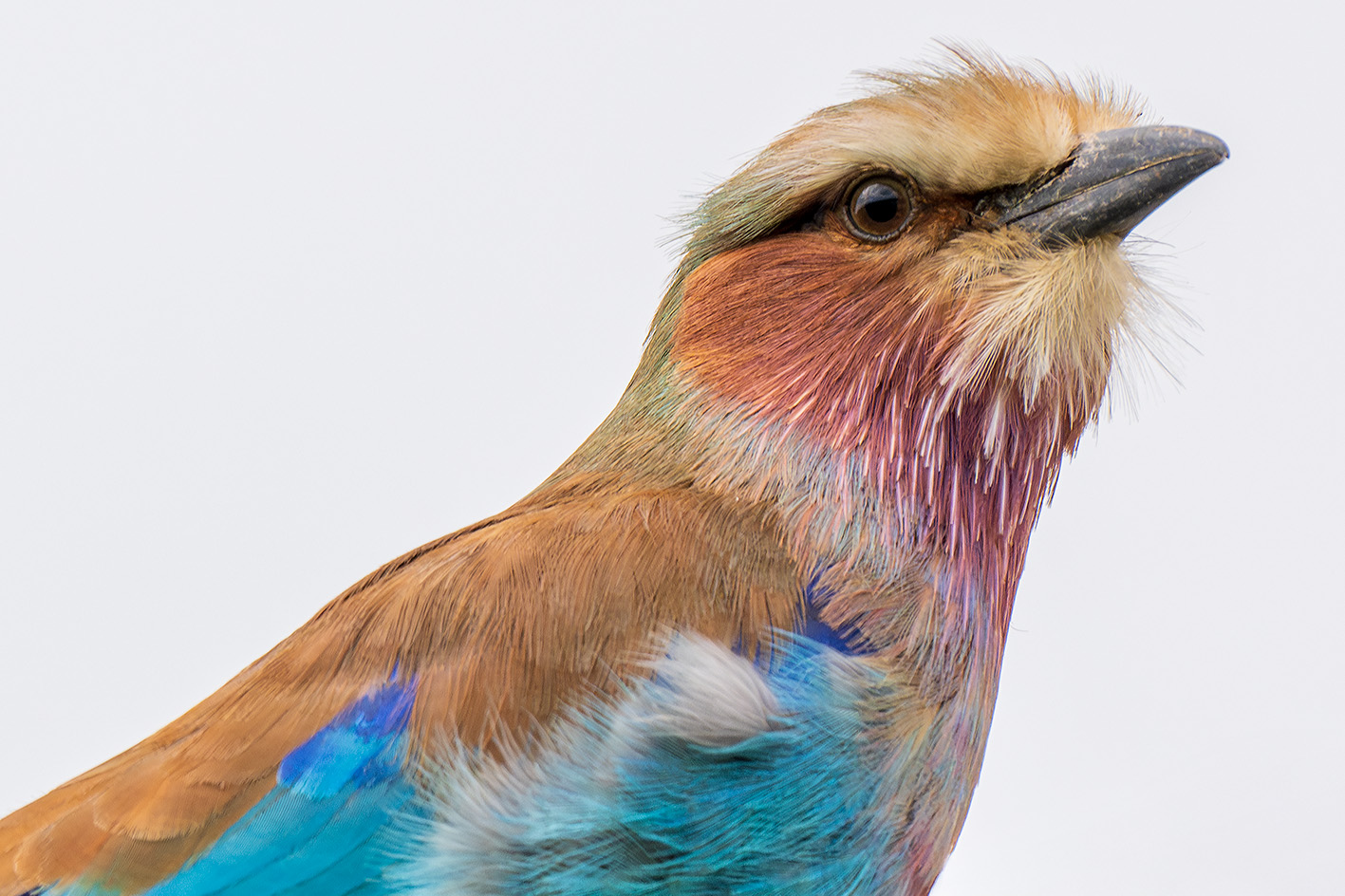
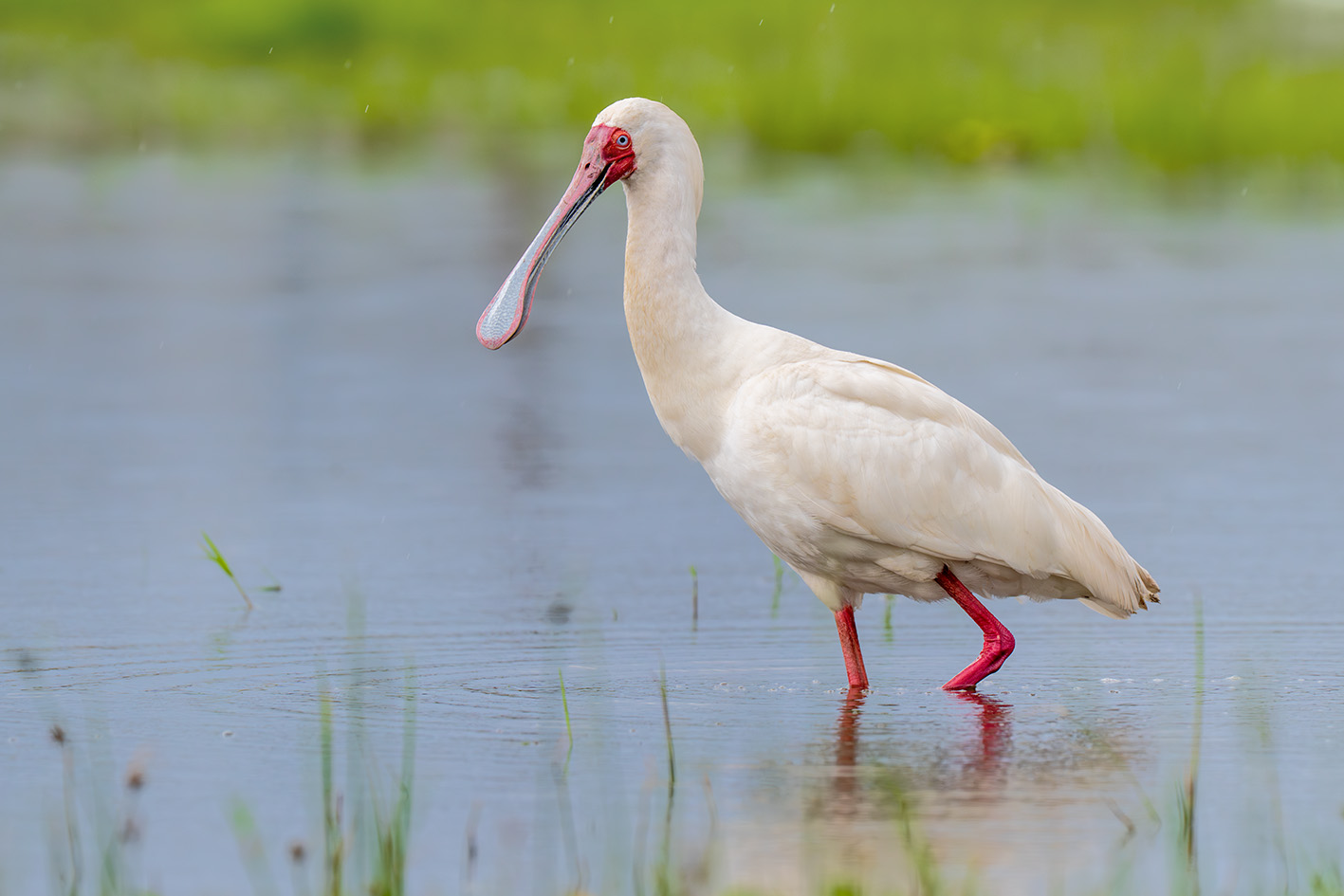
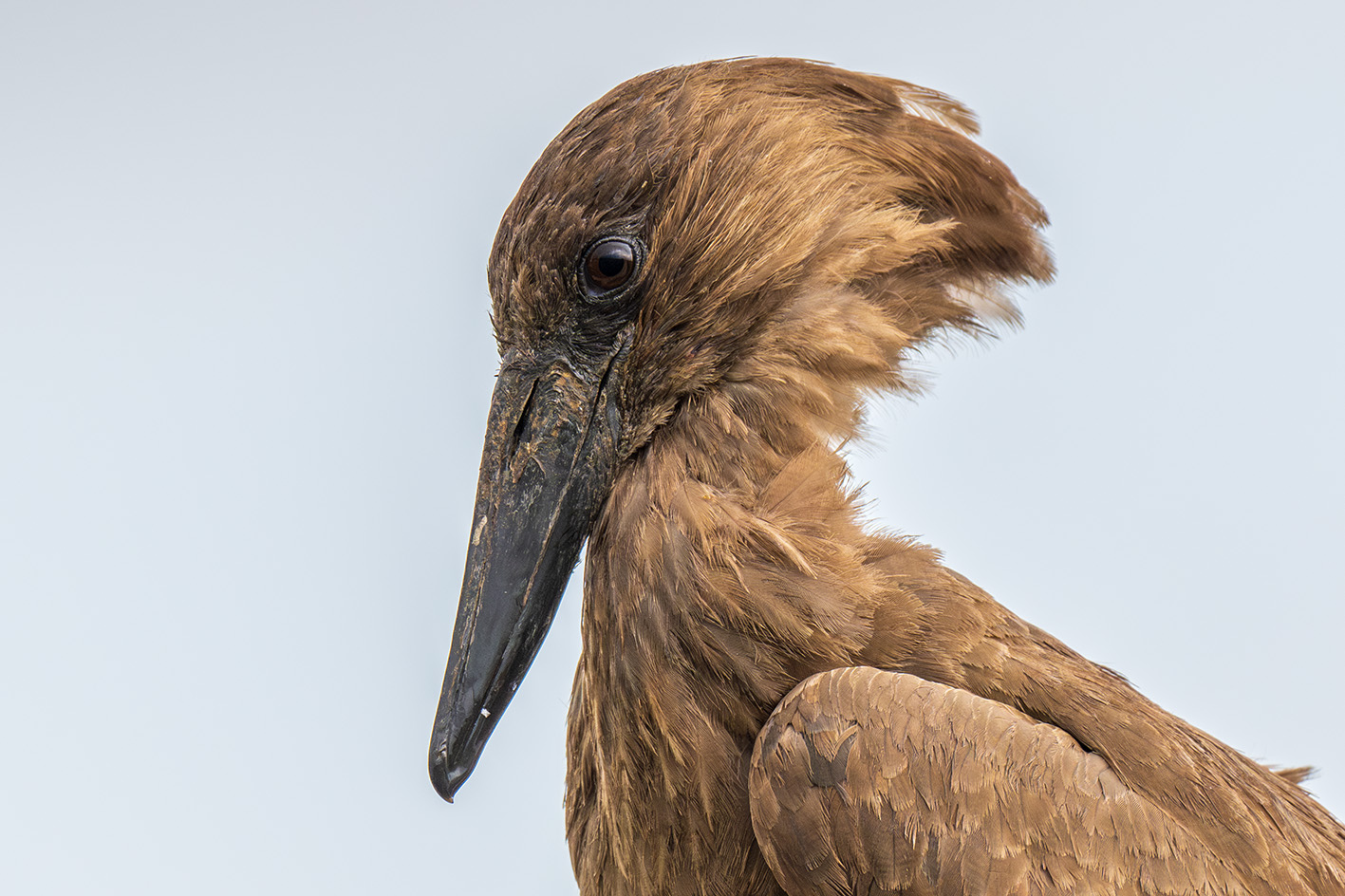
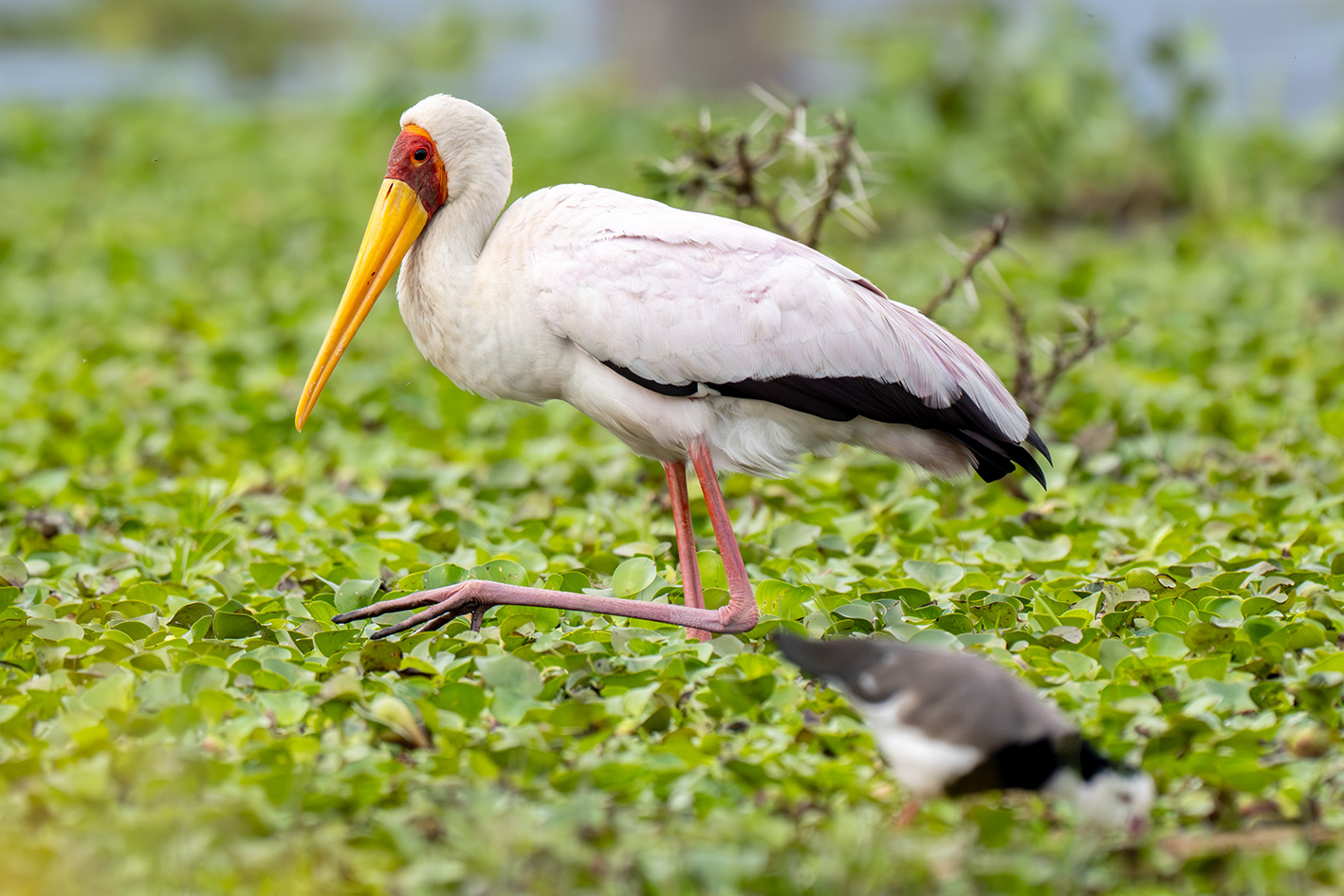
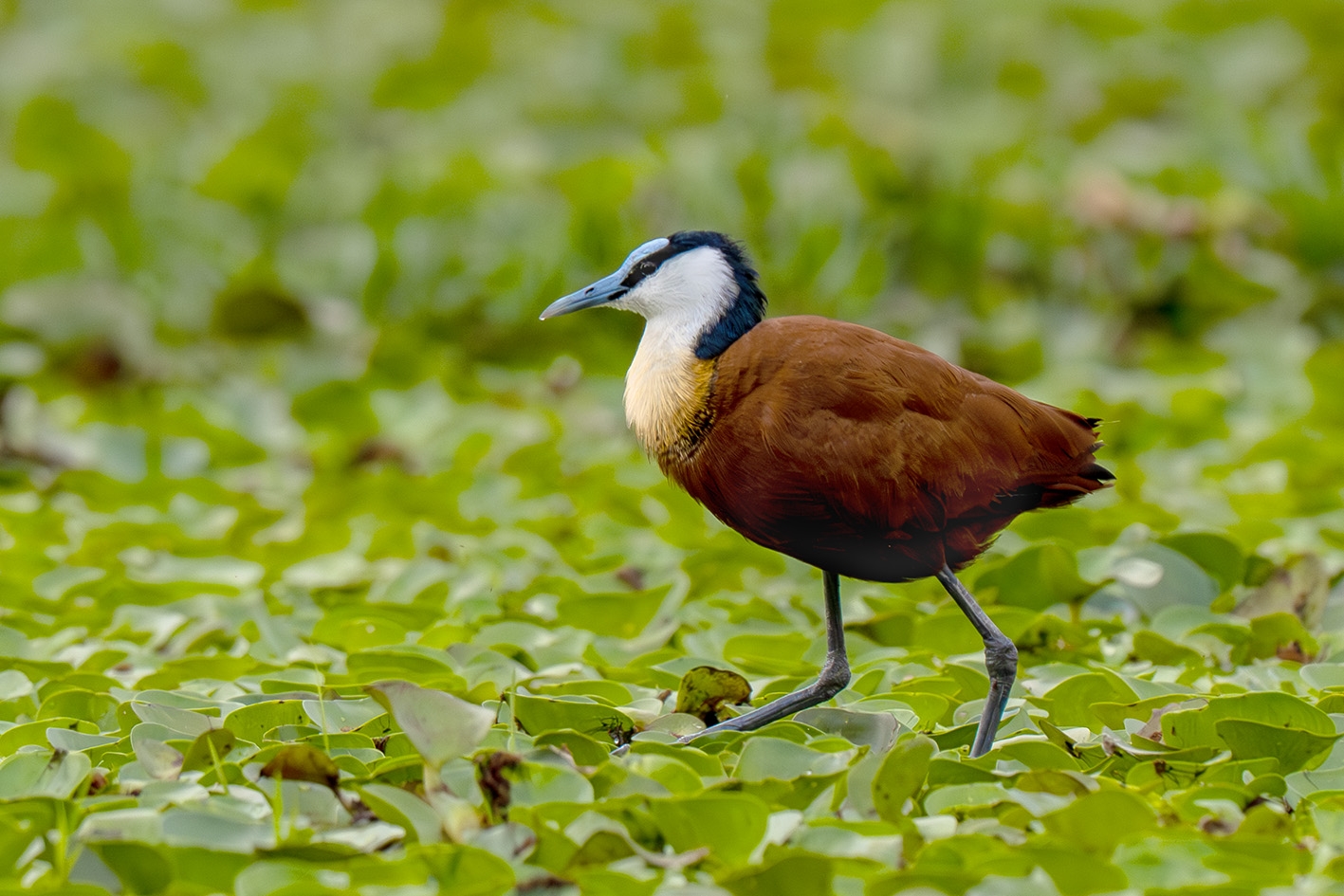
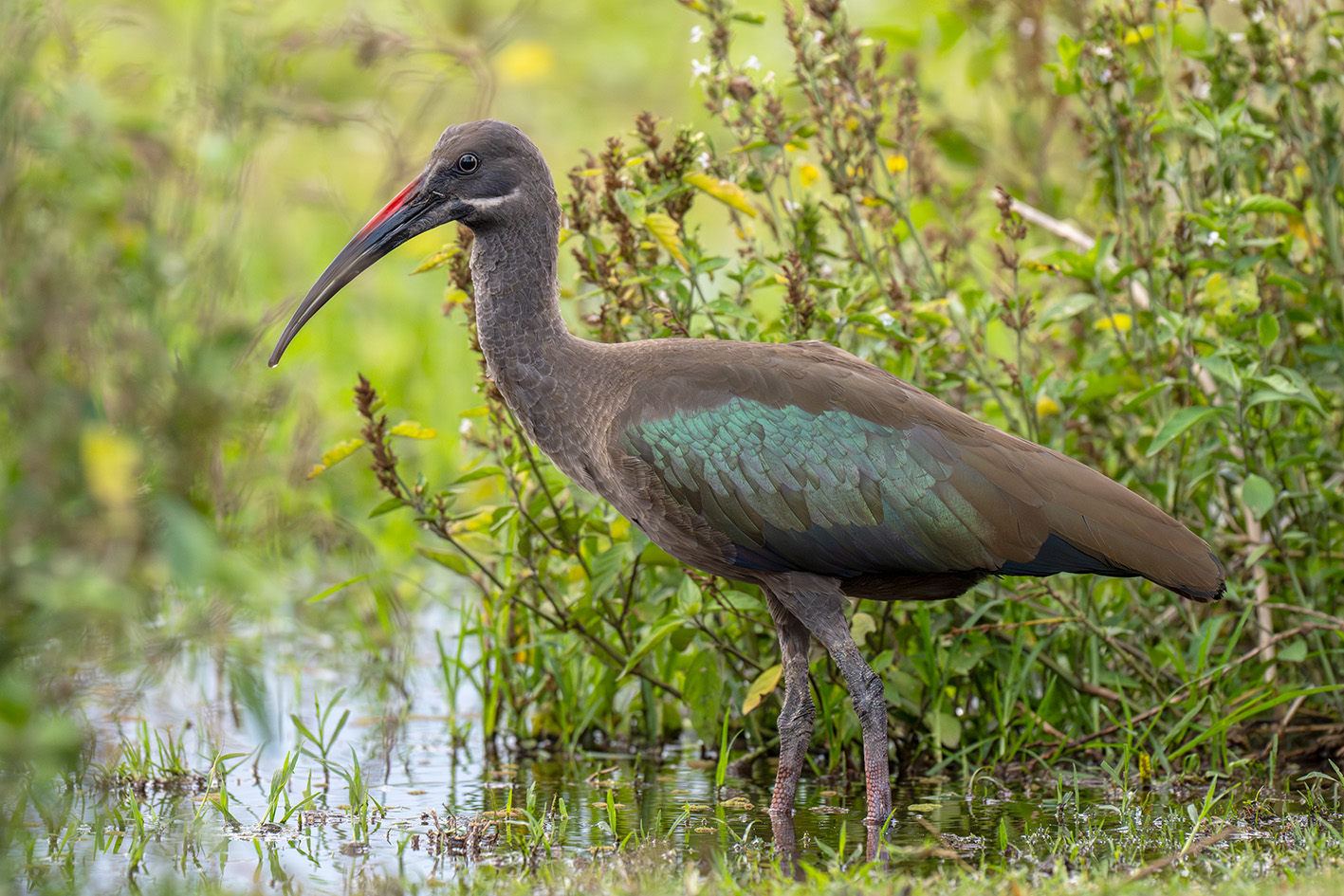
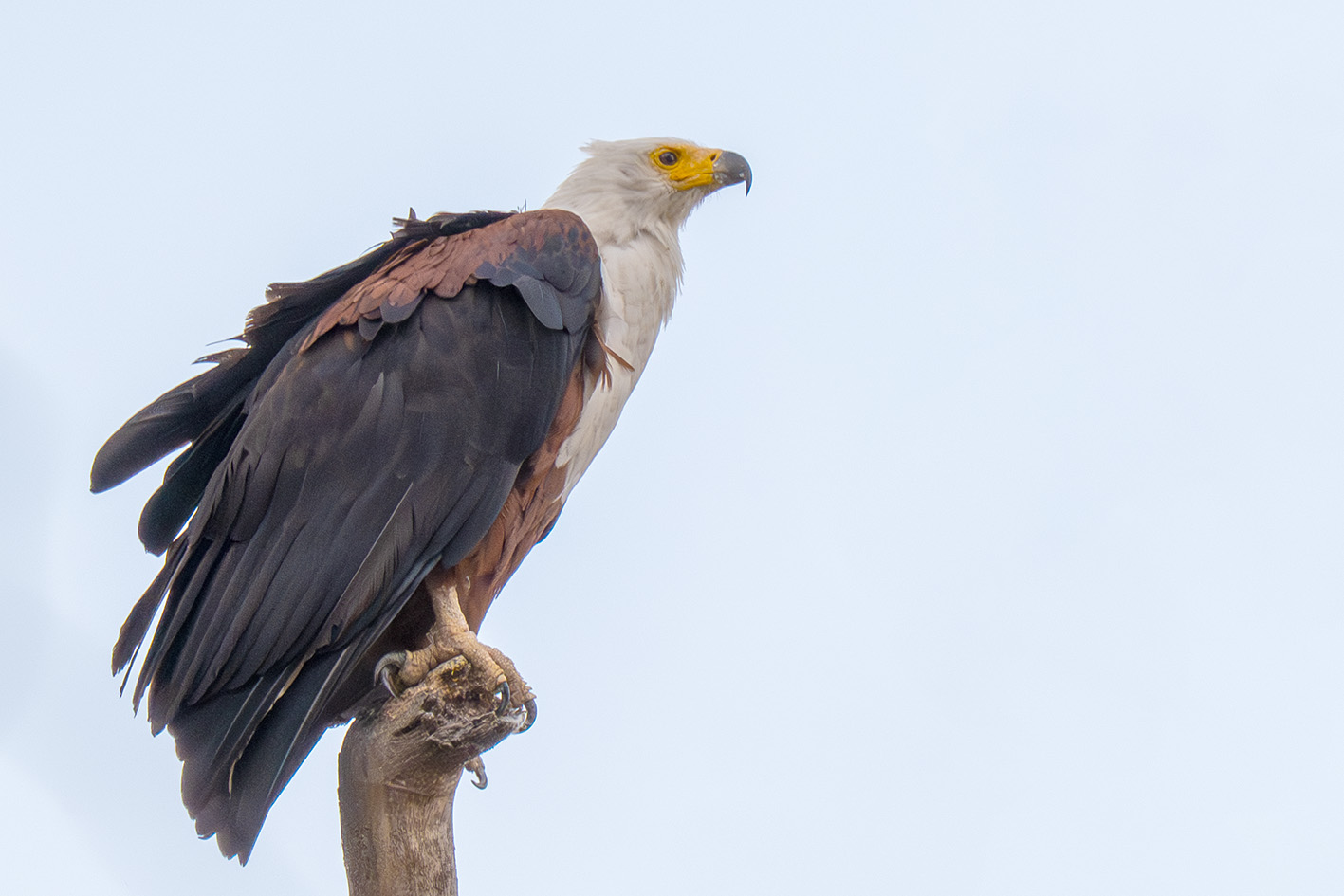
Veel vogels, veel zoogdieren…
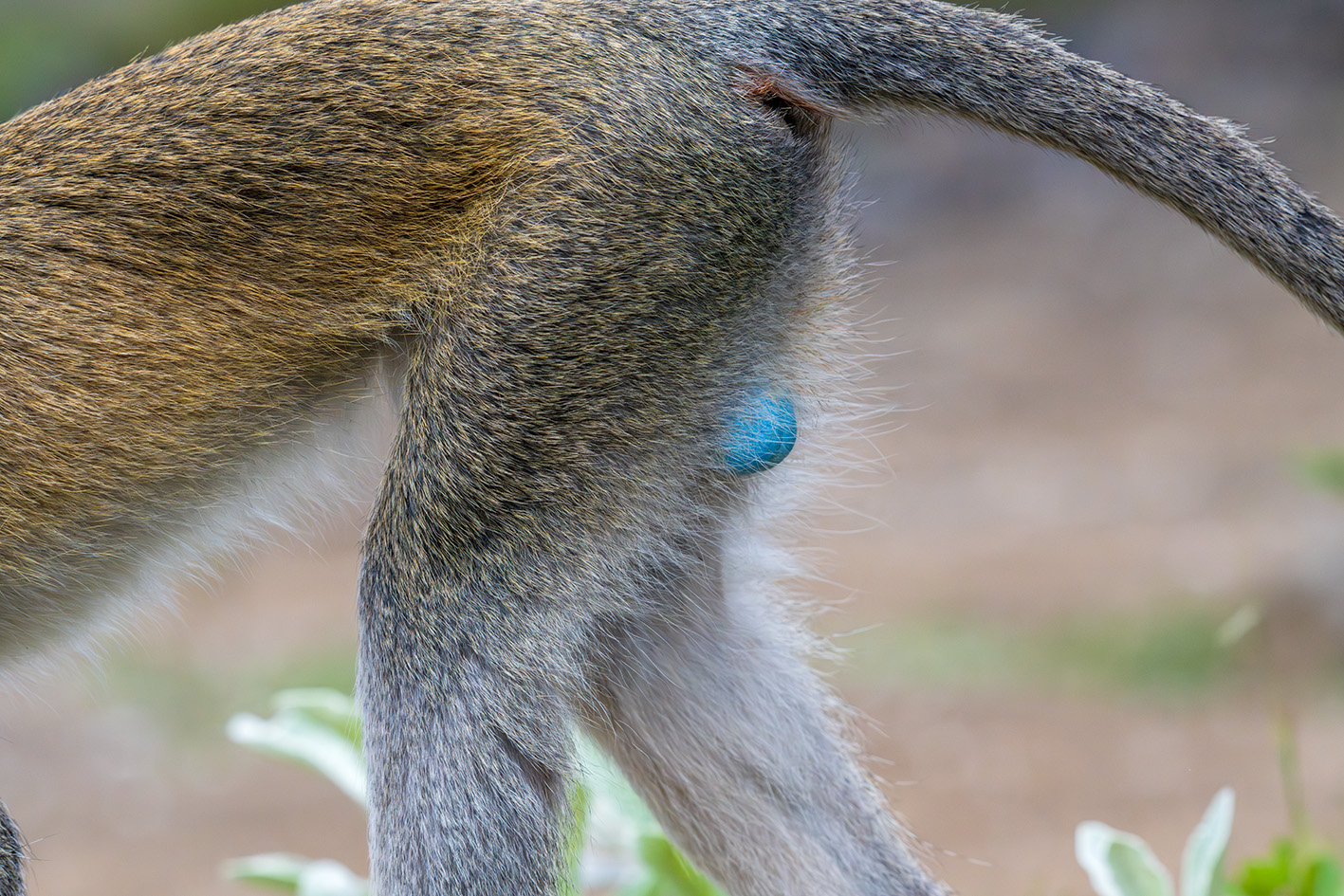
Vervet met z’n blauw ballen
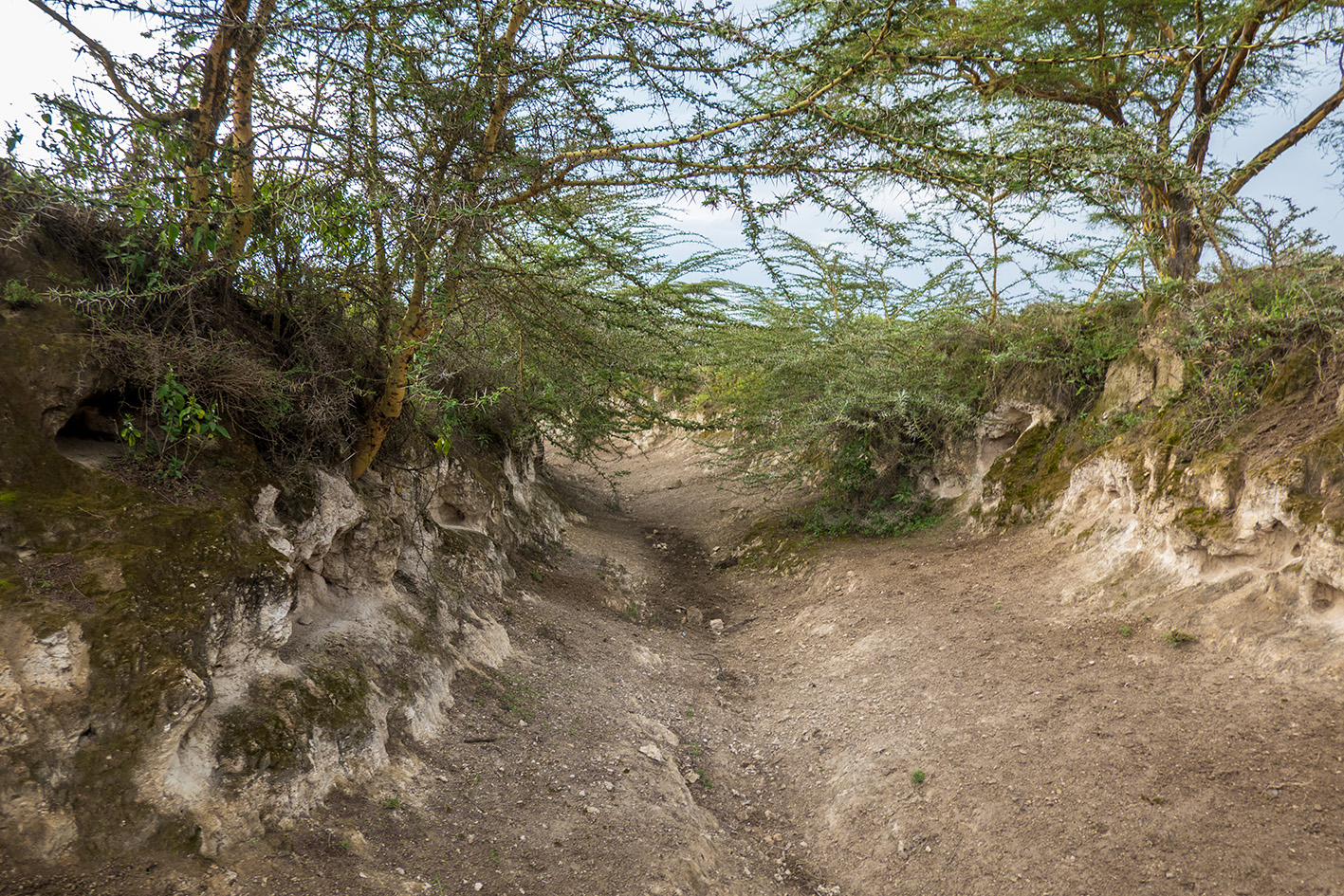
Verder naar de prehistorische opgravingen van Kariandusi – een werkplaats langs een voormalige rivier waar vuistbijlen werden gemaakt van steen en vulkanisch glas
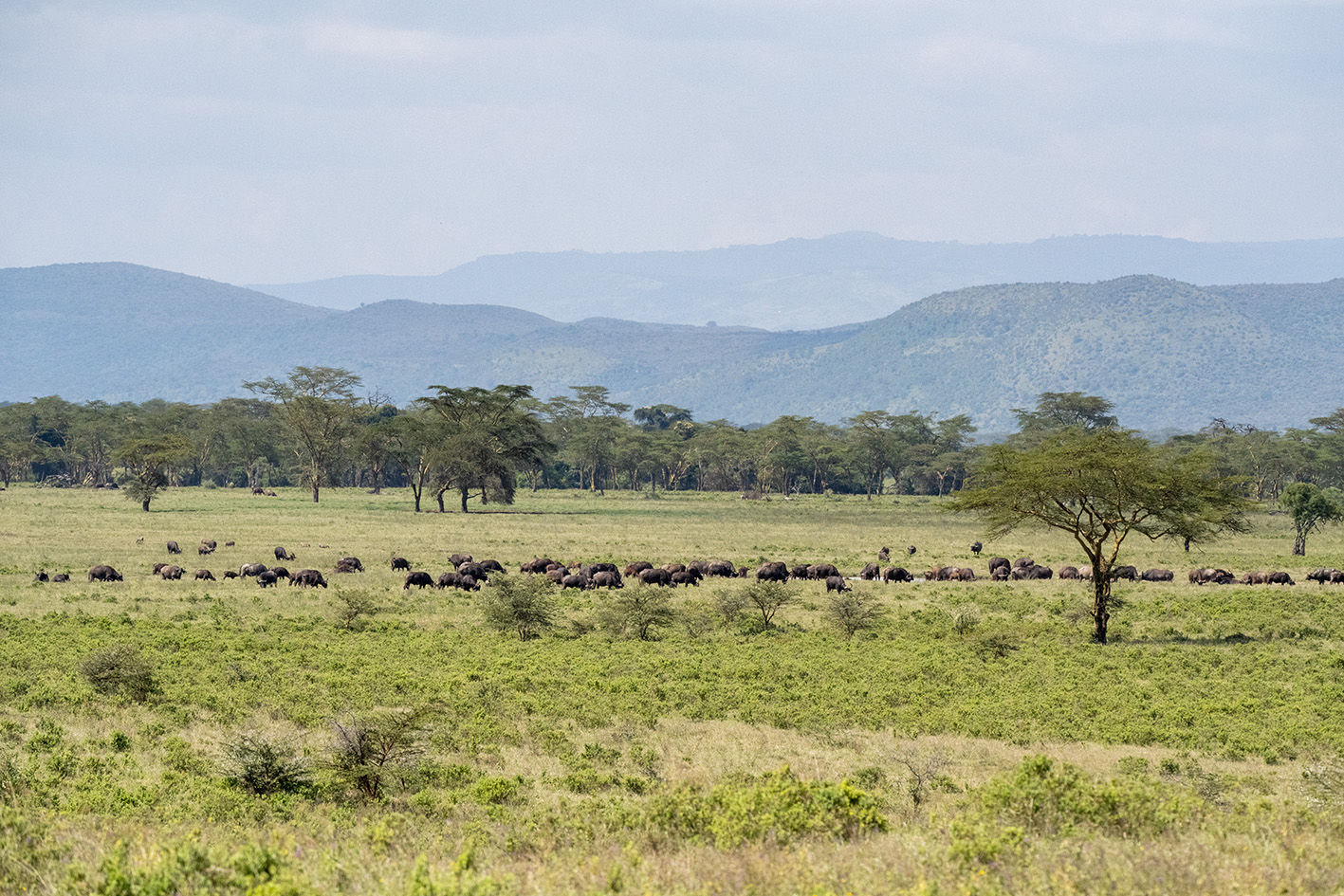
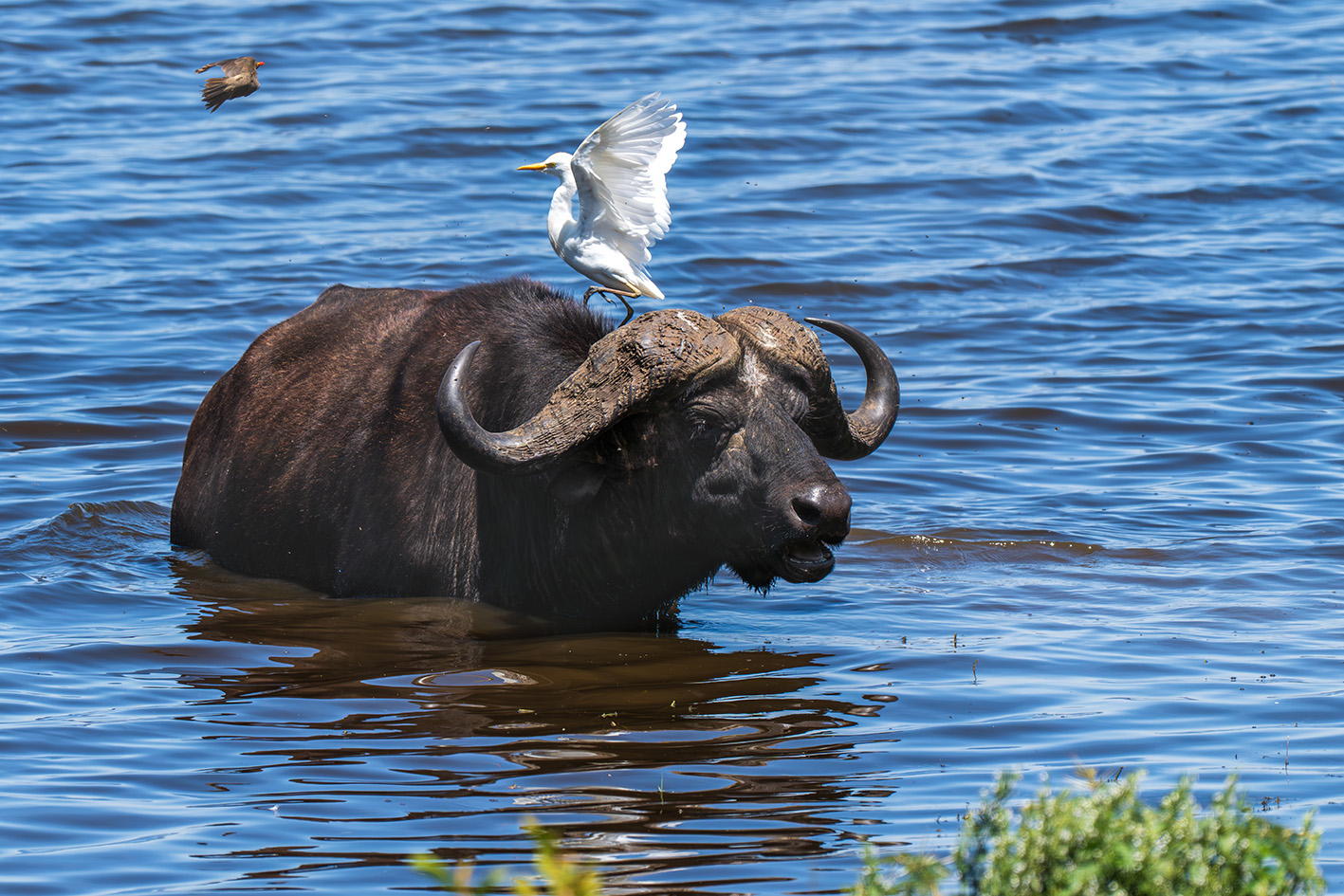
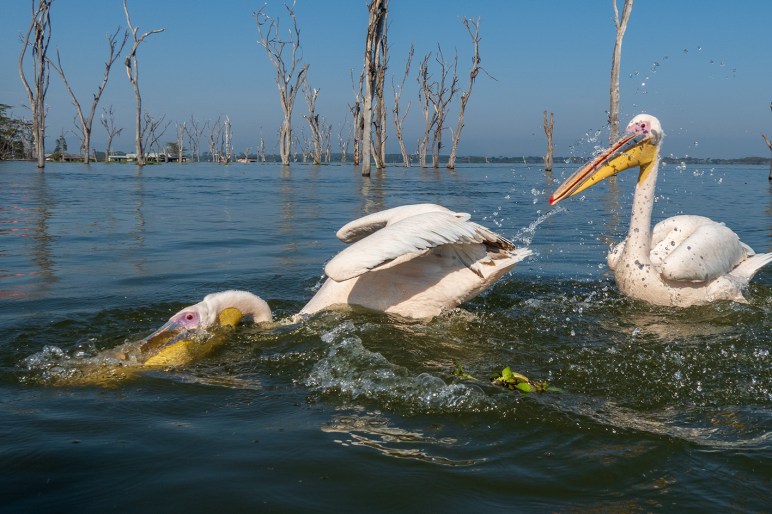
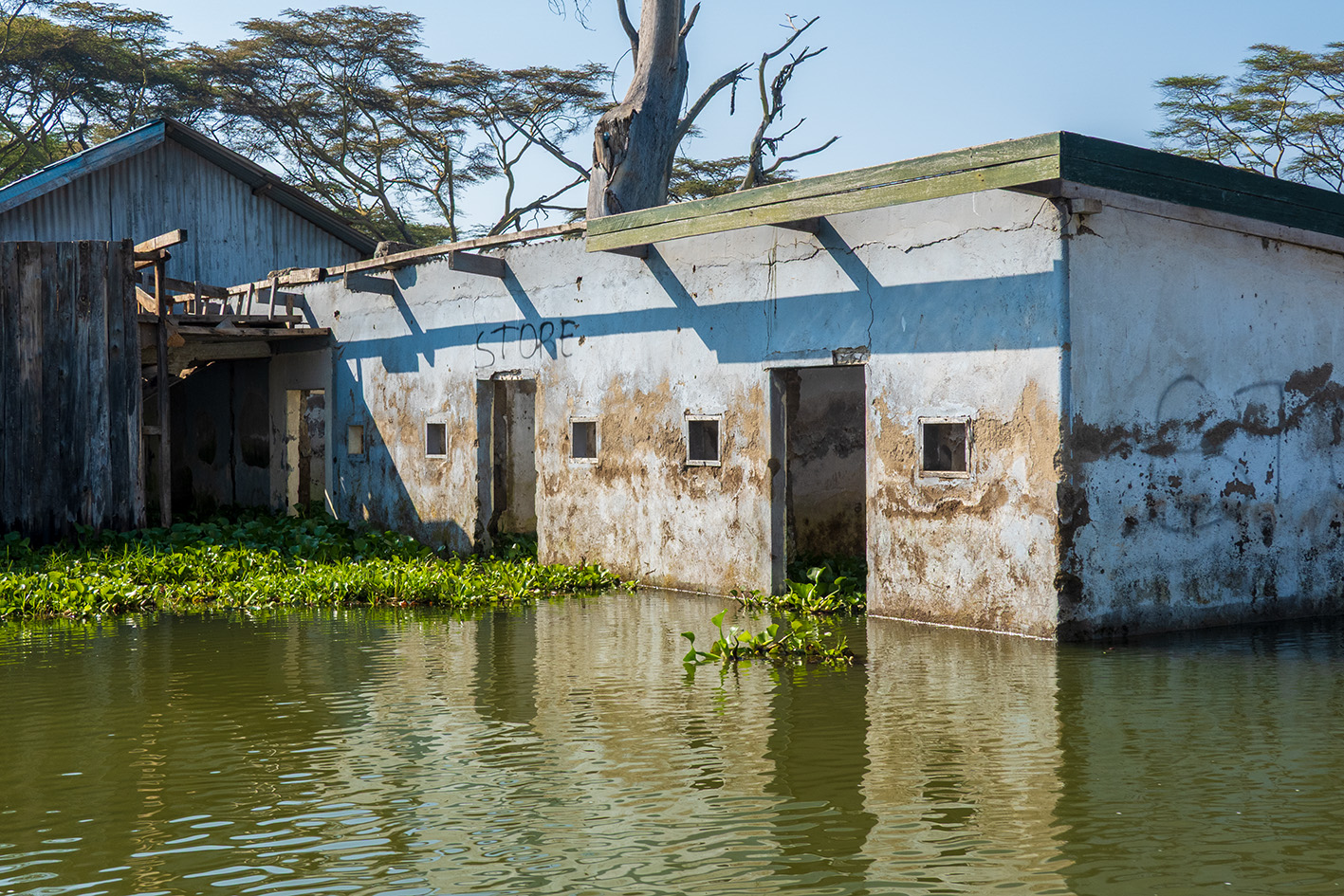
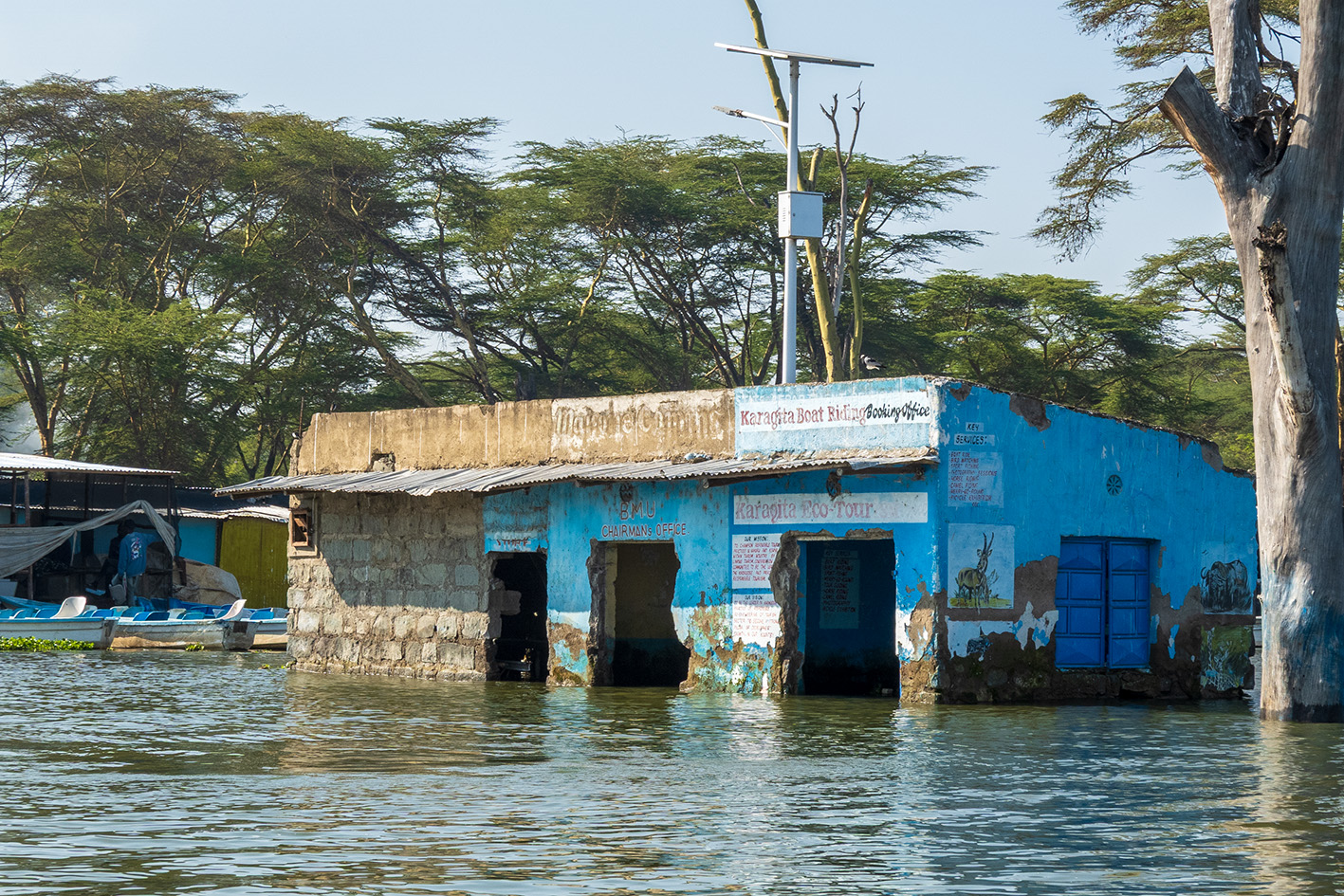
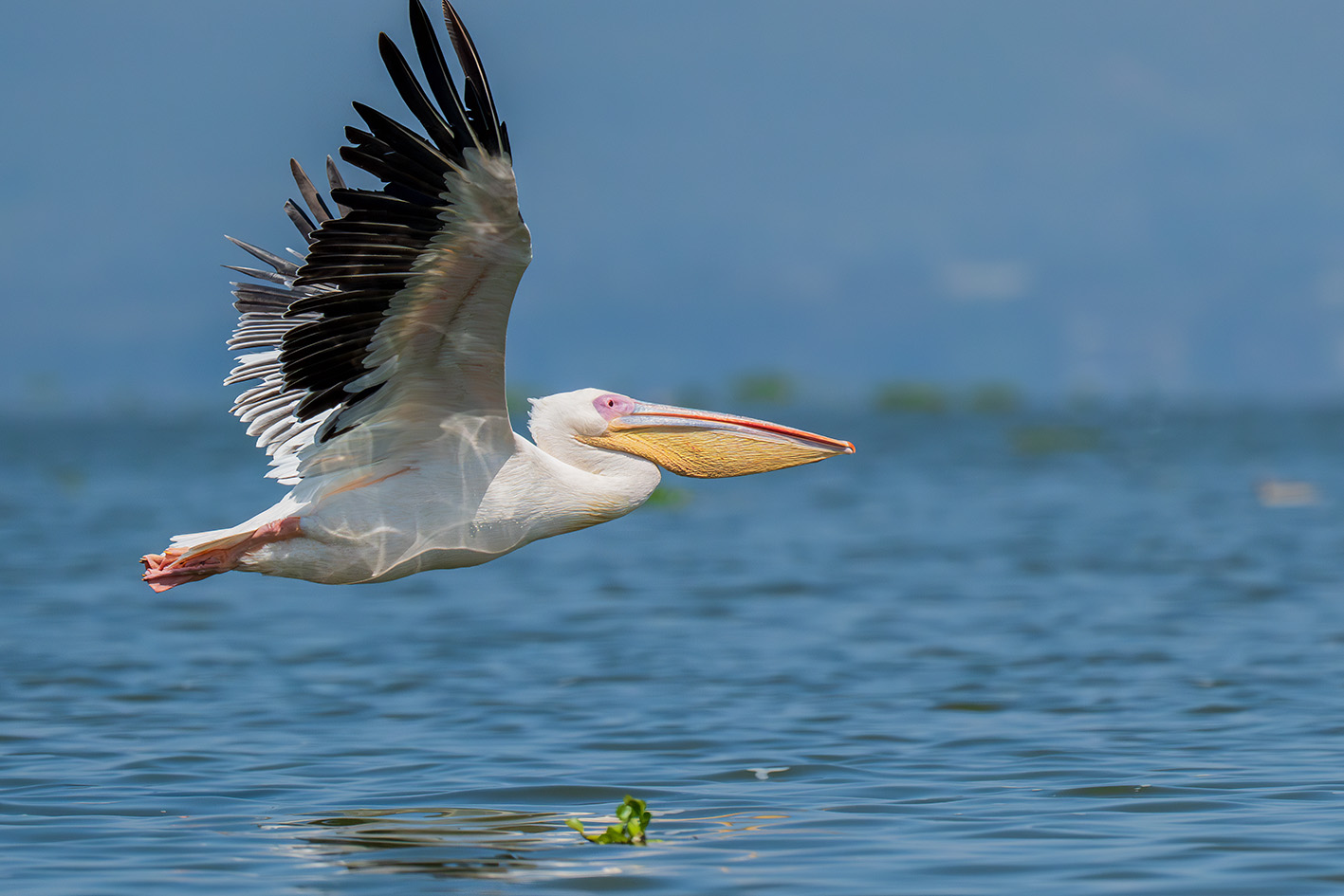
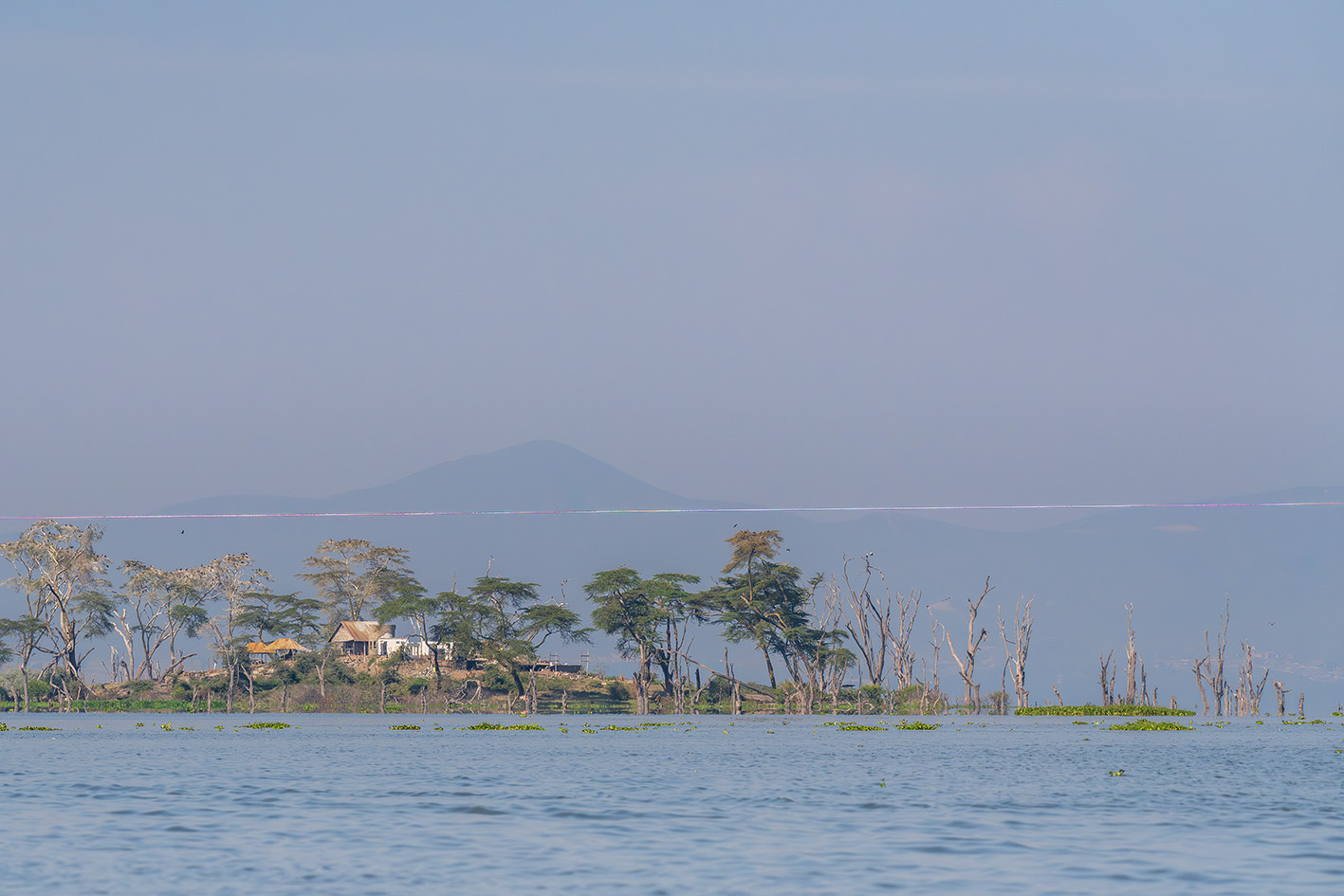
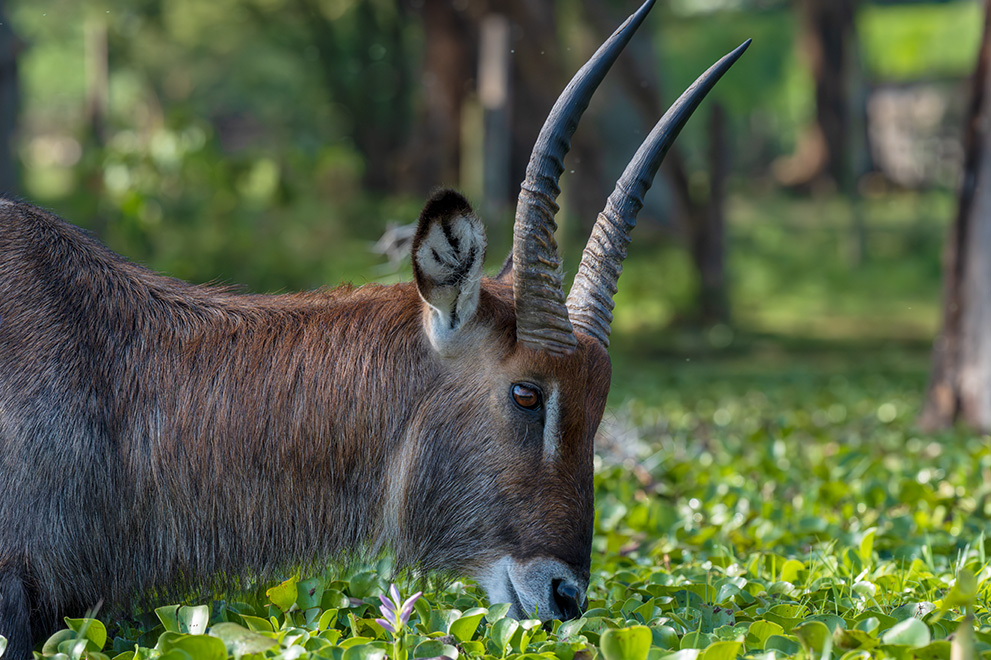
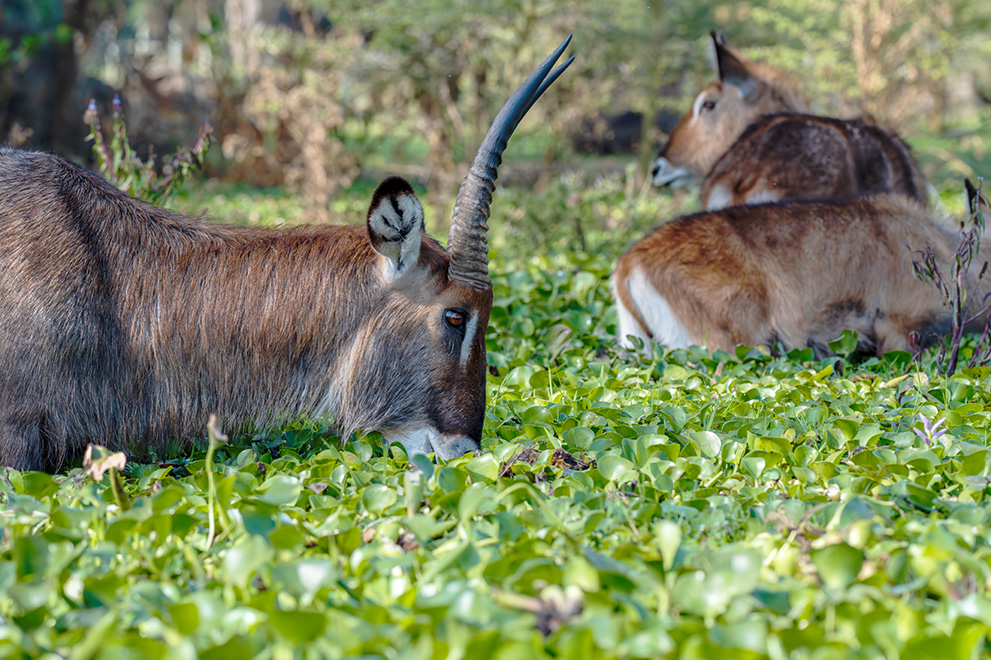
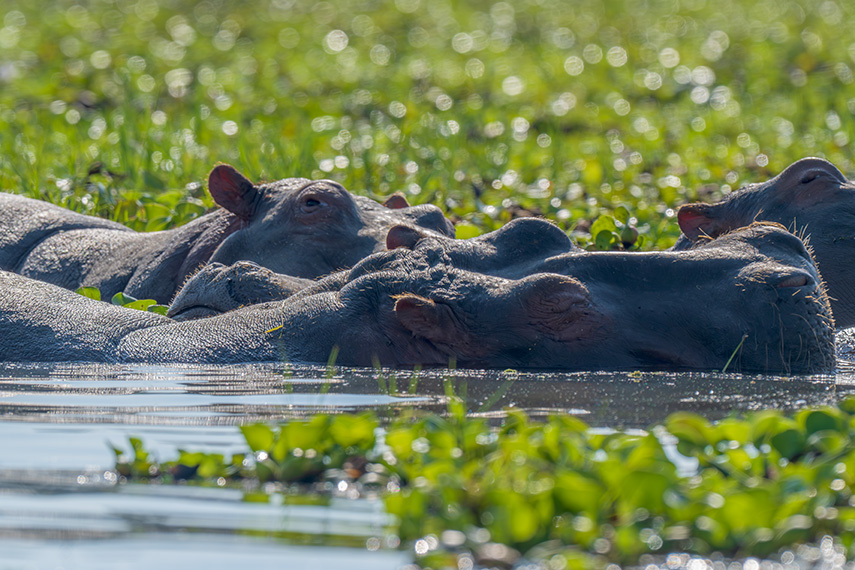
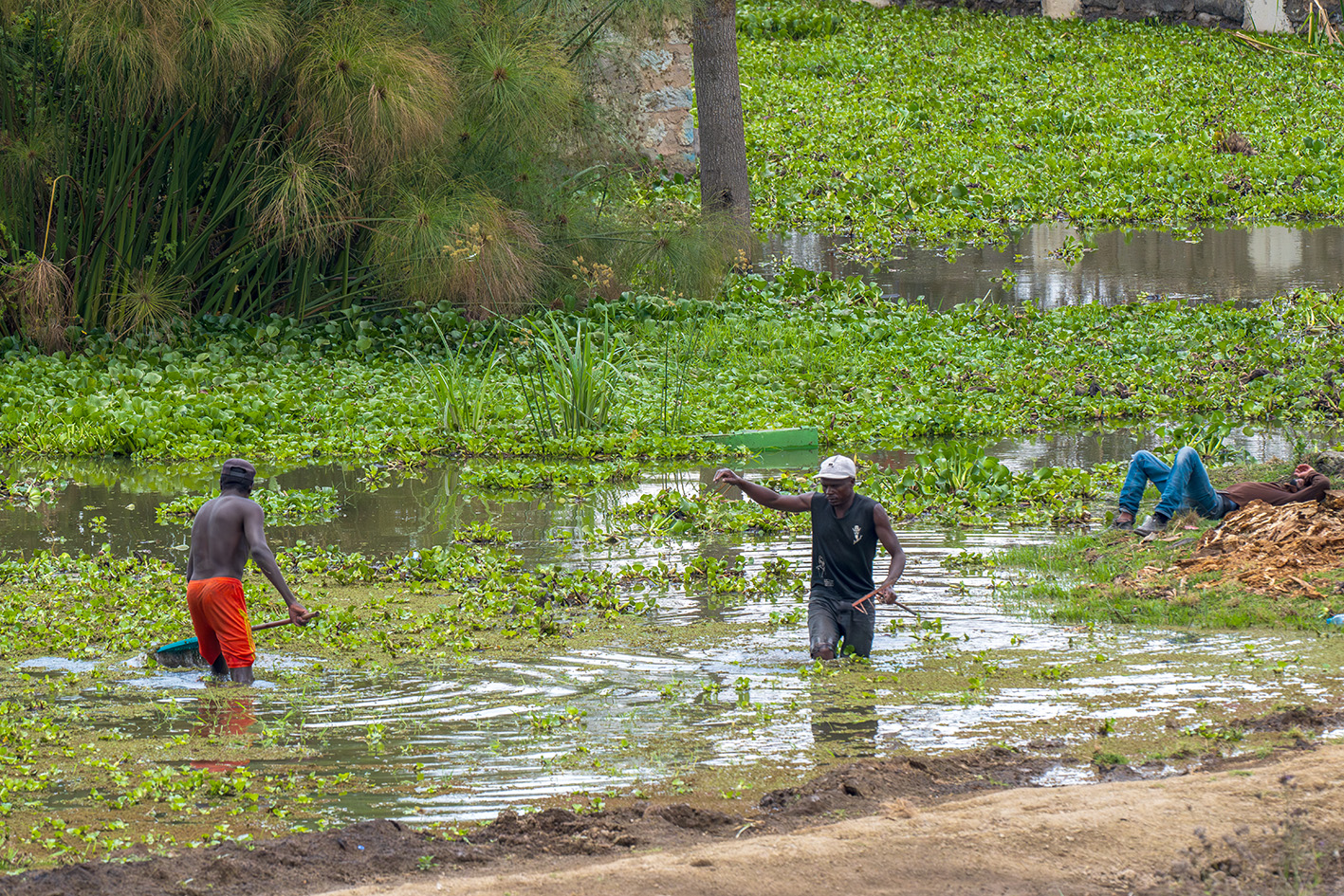
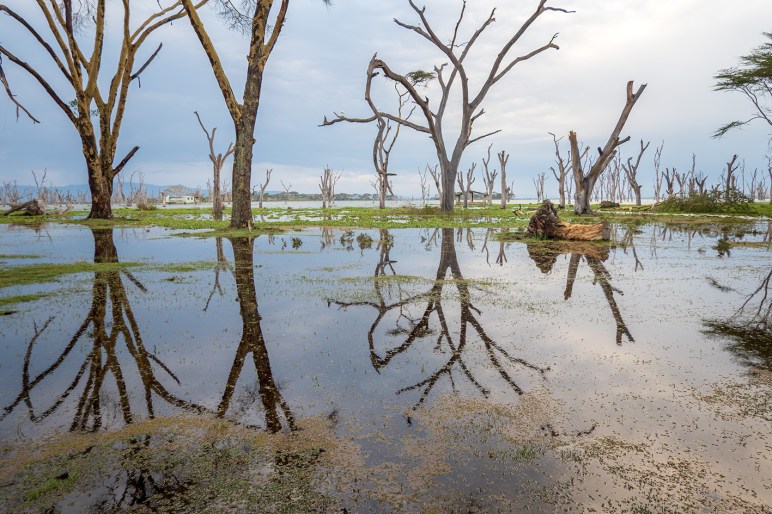
De waterstand stijgt schrikbarend snel. Lodges, winkels, alles loopt onder water. Voor de vissen, waterbuffels, de waterhyacint en de watervogels geen probleem. Maar voor de mensen…
Het meer is zo groot, dat je de kromming van de Aarde kunt zien!
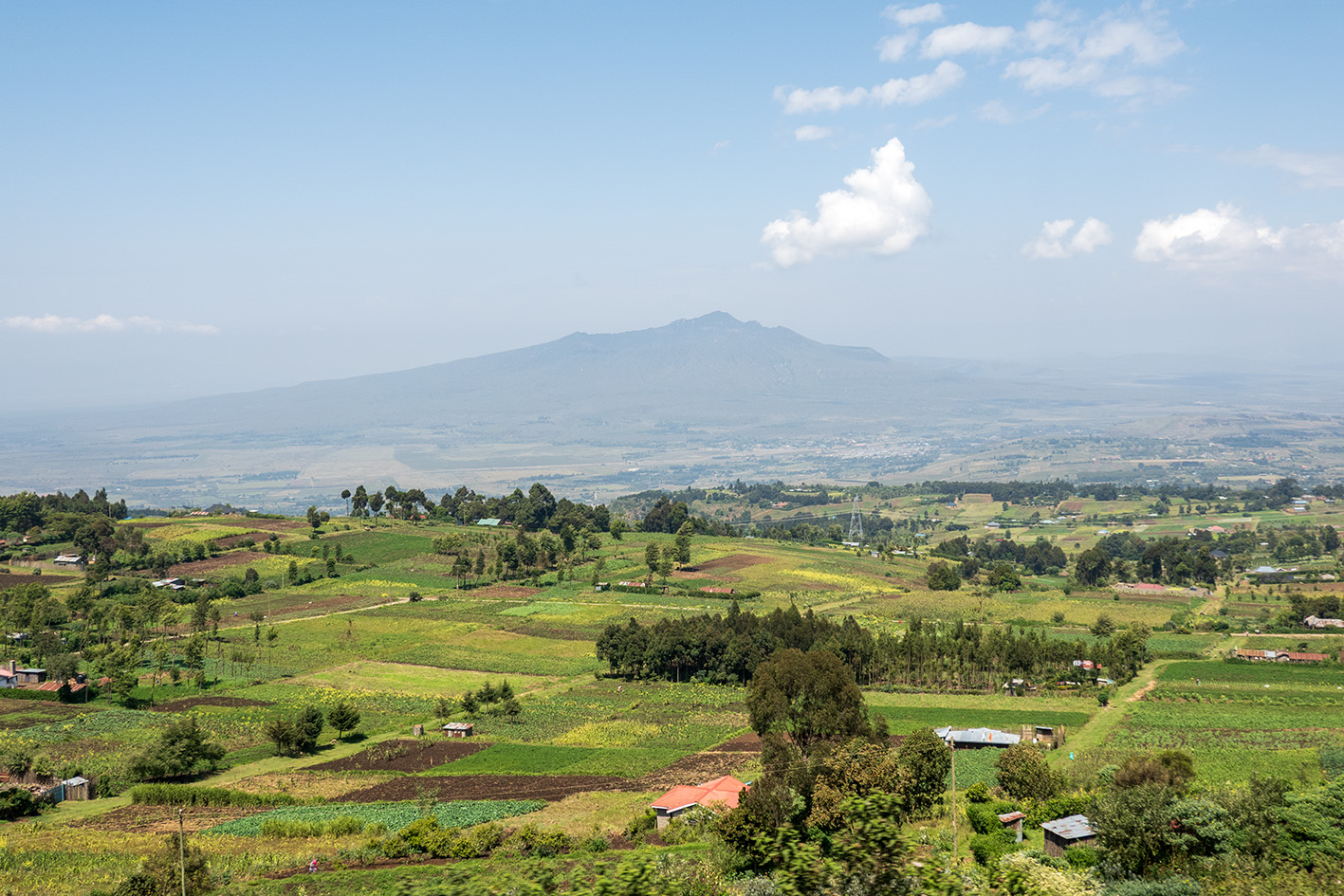
Verder in Kenya, naar Lake Naivasha, Limuru. Op de heenweg langs de indrukwekkende Rift gereden – dezelfde breuk van een jaar of 10 geleden, in Ethiopië. Door een aardbeving zijn het ondergrondse waterlopen langs de Rift Valley (de grote Afrikaagse slenk) verstopt geraakt. Met als gevolg dat de meren niet meer afwateren. Want tja, ook hier regent het wel eens.
In een verbazingwekkend snel tempo stijgt elk jaar de waterspiegel. Bossen en dorpen lopen onder, landbouwgrond gaat verloren…
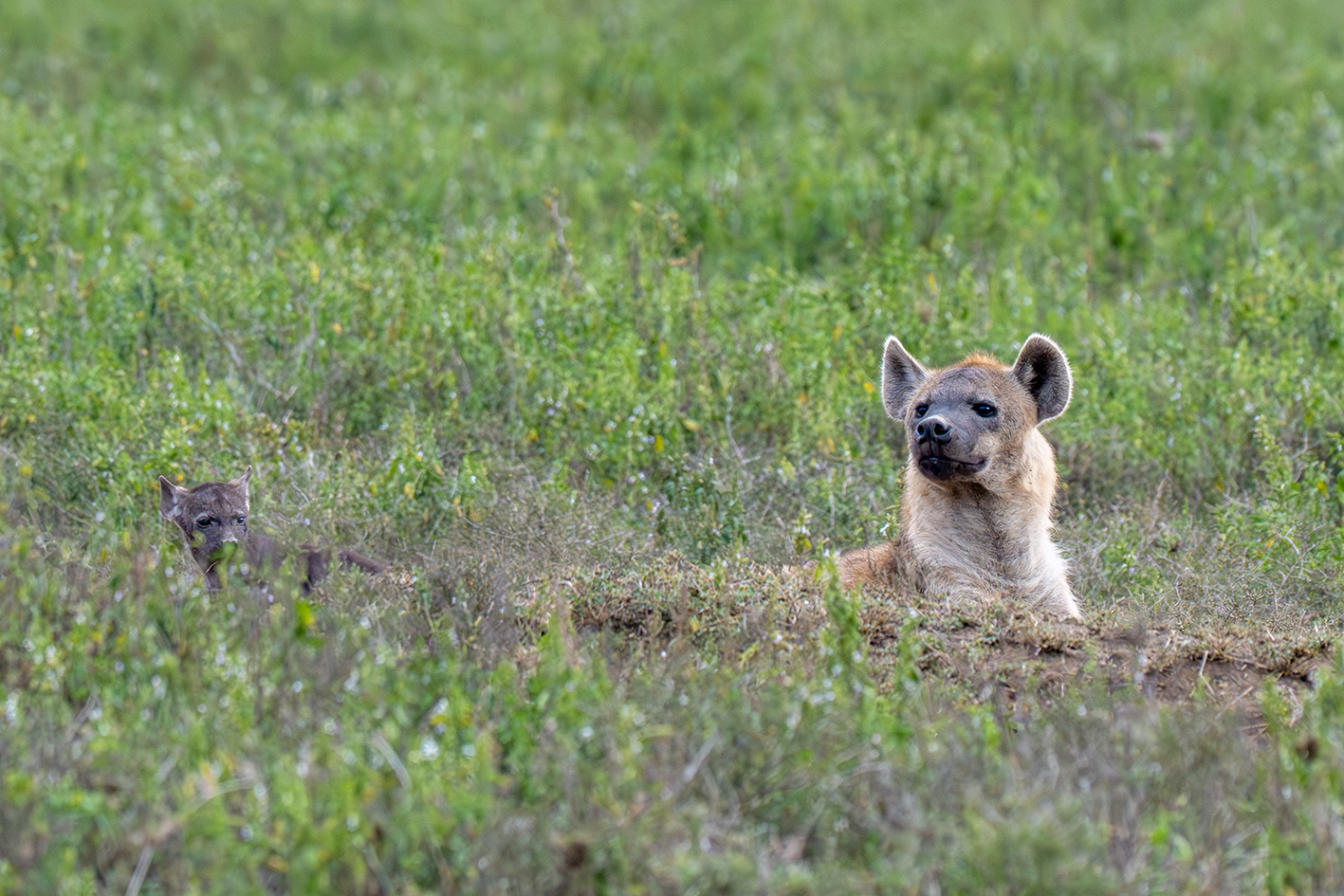
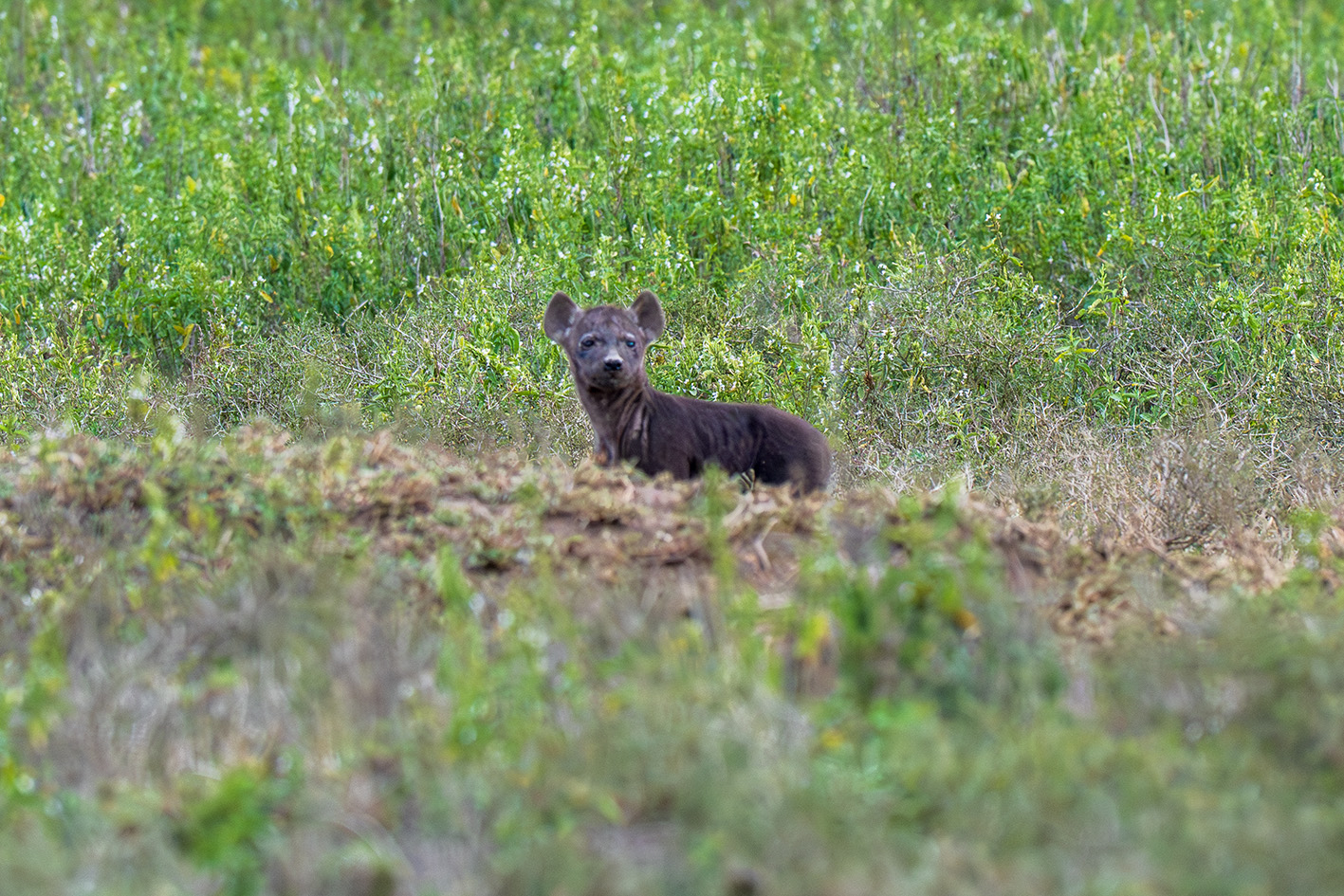
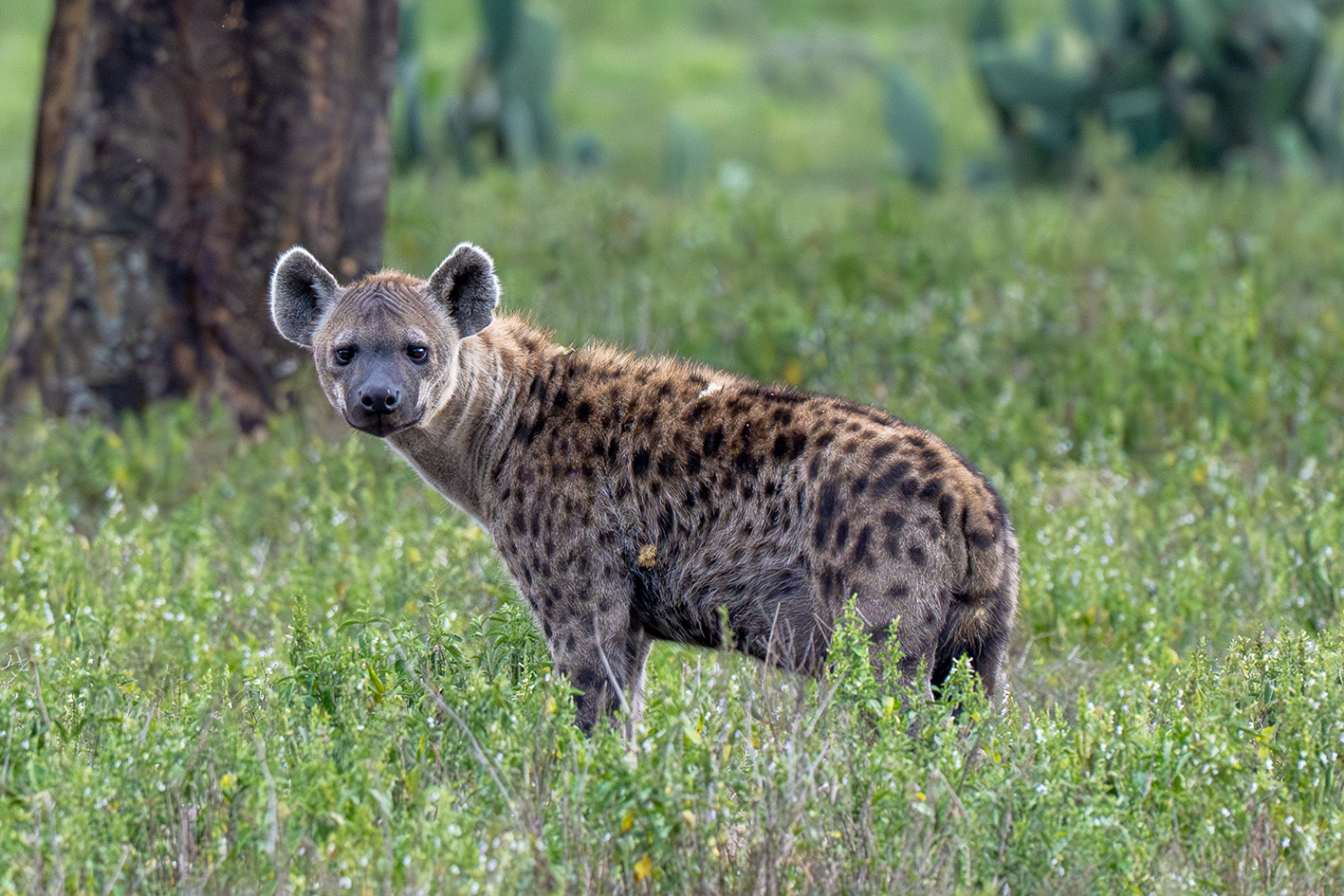
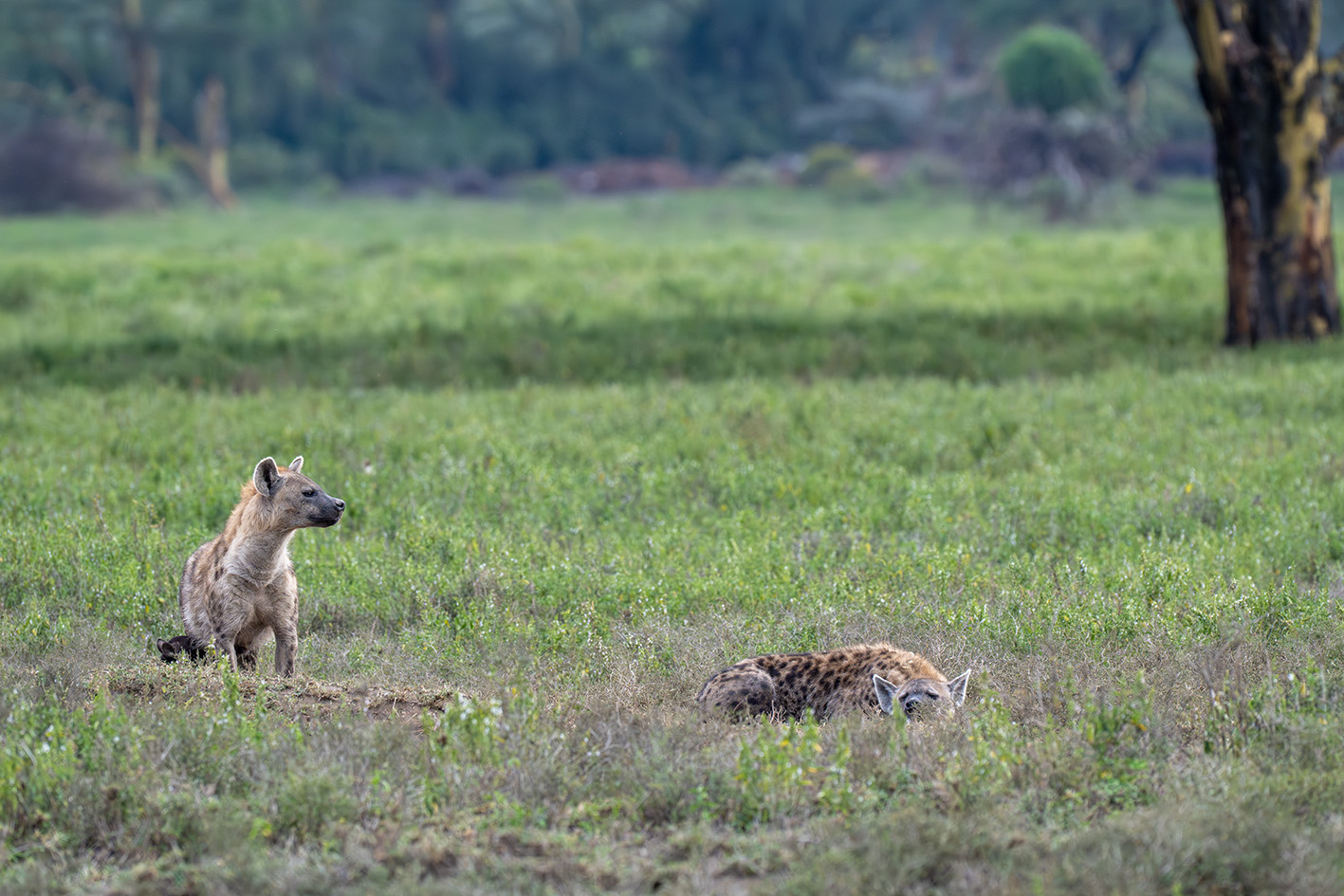
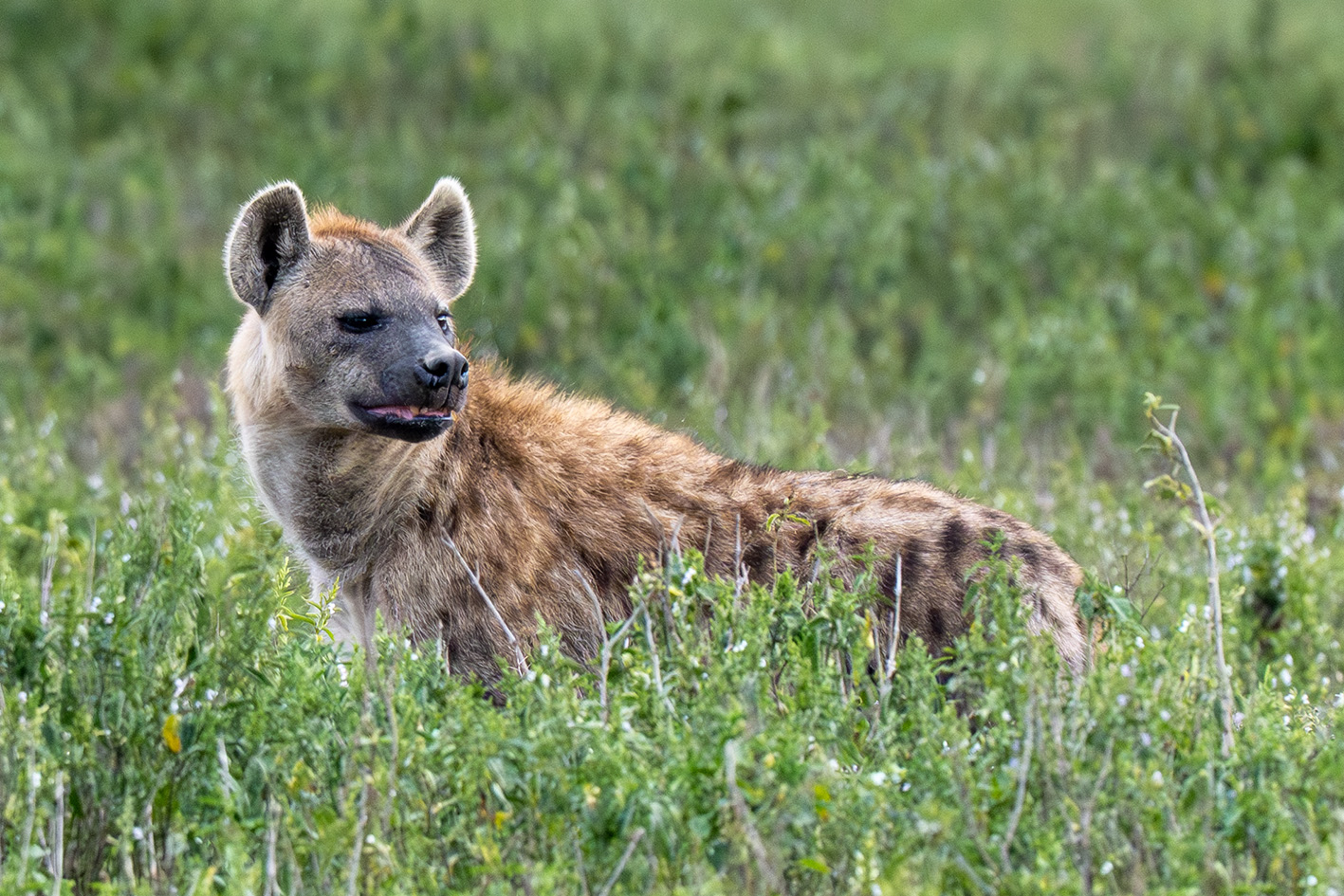
Enorm veel dieren deze eerste dagen. Meest indrukwekkend misschien wel de hyena’s met jongen – toen een groep toeristen te dichtbij kwam, verlieten ze hun burcht om de aandacht af te leiden
Started day four in Sawgrass Recreation park, Everglades… What shall I say? Lots of water. Lots of reed. Further north to Lake Okeechobe and heading to Melbourne
“What about nature in Cyprus?” you might ask. “Where are the birds, the mammals?” Let’s start with the most famous eye-catchers: the flamingos. South of Larnaca, in the salt lakes. Larges groups and easy to see.
Apart from the flamingos, the first few days I hardly saw any birds. Very disappointing. A few common stonechats (Saxicola rubicola) – don’t need to go to Cyprus to see them. This one showed up shortly after sunrise, in the early orange light.
I soon found out why I saw so few birds. They are afraid! It is quite dangerous to be beautiful. In Cyprus, people shoot. Right after my beach house, there was a small nature reserve with a salt marsh. Information panels proudly stated how special the vegetation was. There were huge signs: Nature conservation area. No Hunting! And right after these signs, you find the empty shells. One at least at every 20 meter. No wonder I didn’t see any birds. And the ones I did see – quite special, endemic species – kept well hidden and so far away, that it was pointless to try and take pictures. I do Like Cyprus, but the hunting and shooting – even in nature reserves! – is awful.
Lots of lizards though. For instance this rock agame near Aphrodite’s bath. Previously this reptile was considered a subspecies of Laudakia stellio, but DNA research showed that Cyprus truly has its own endemic species: Laudakia cypriaca.
And another lizard, Schreiber’s fringe-fingered lizard (Acanthodactylus schreiberi). Quite a lot of them – even saw one on the beach.
Lots of dragonflies as well here. For instance the globe skimmer (Pantala flavescens) – a species found all over the world, able to migrate many thousands of miles during the year.
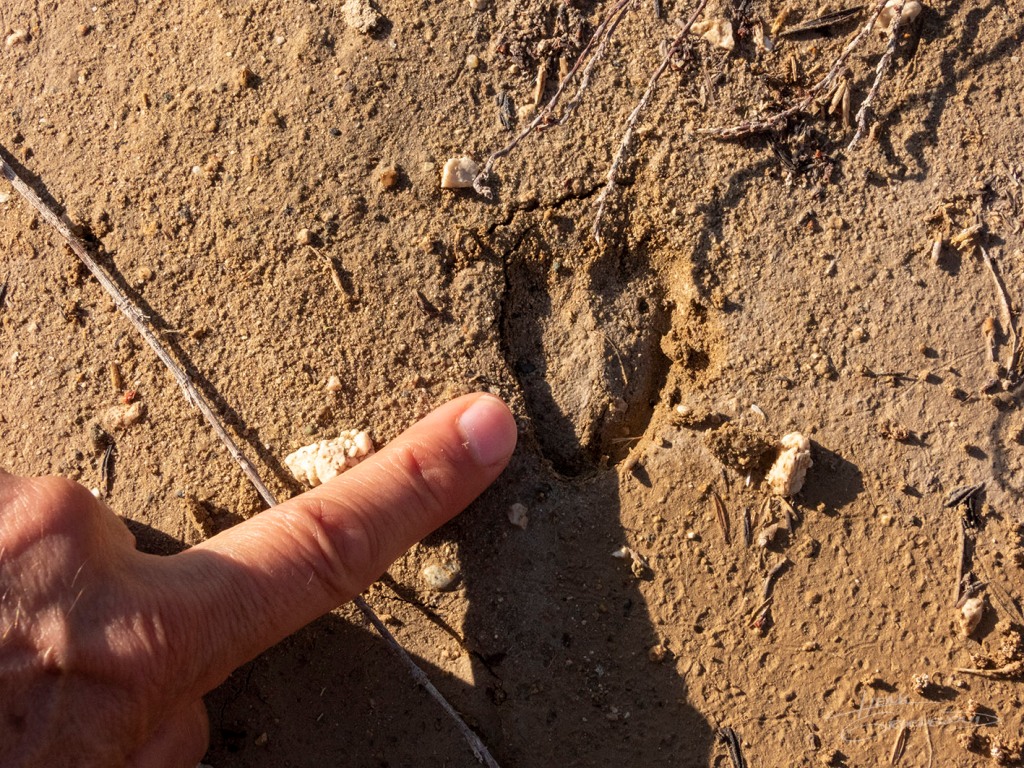
So what about the mammals in Cyprus? Of course they are present, but very, very well hidden. In between the shells, the silent witnesses of hunting in nature conservation areas, I also found fresh footprints of roe deer. The kind of deer that I can see almost daily where I live, where hunting is largely banned, but that are invisible ghosts here.
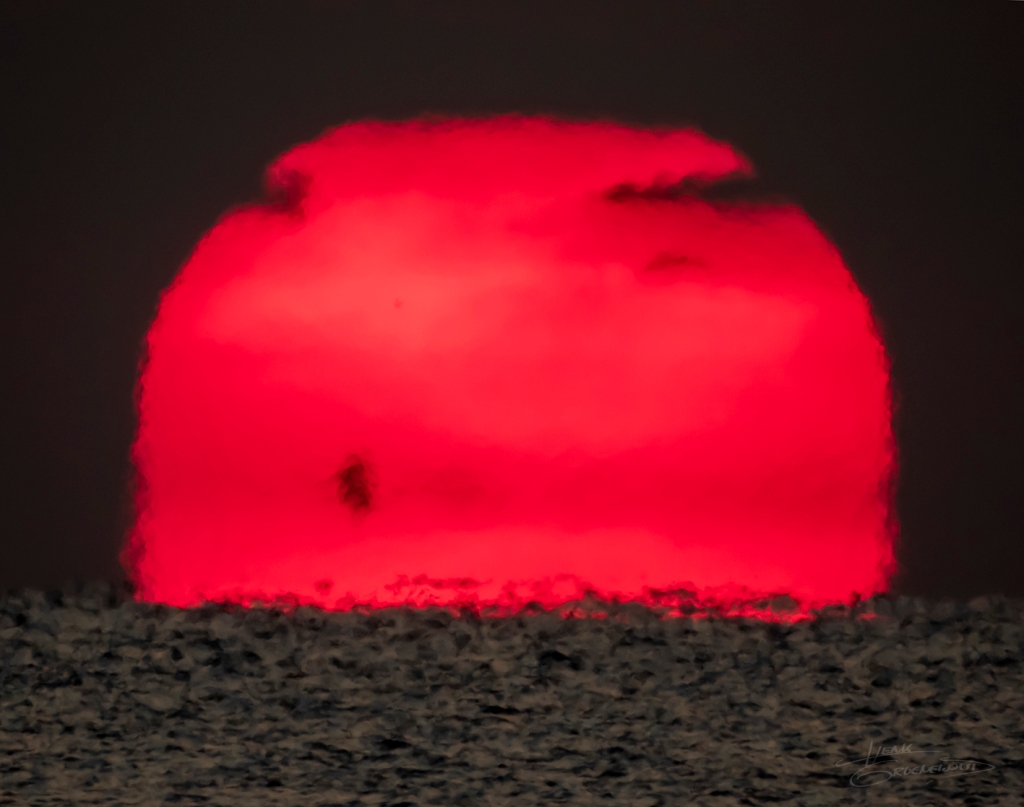
With these final remarks, I close off with some shaky air during another stunning sunrise.
























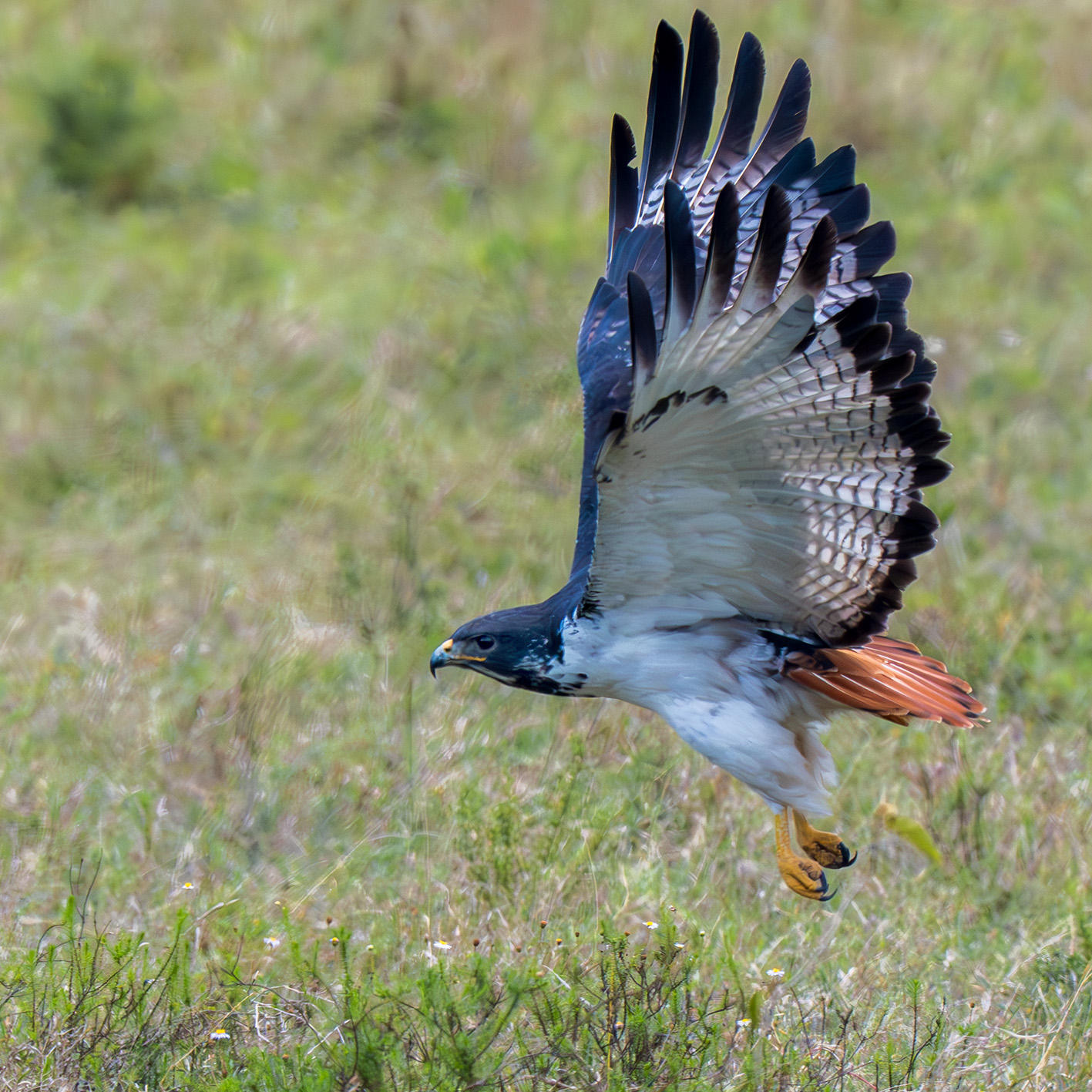
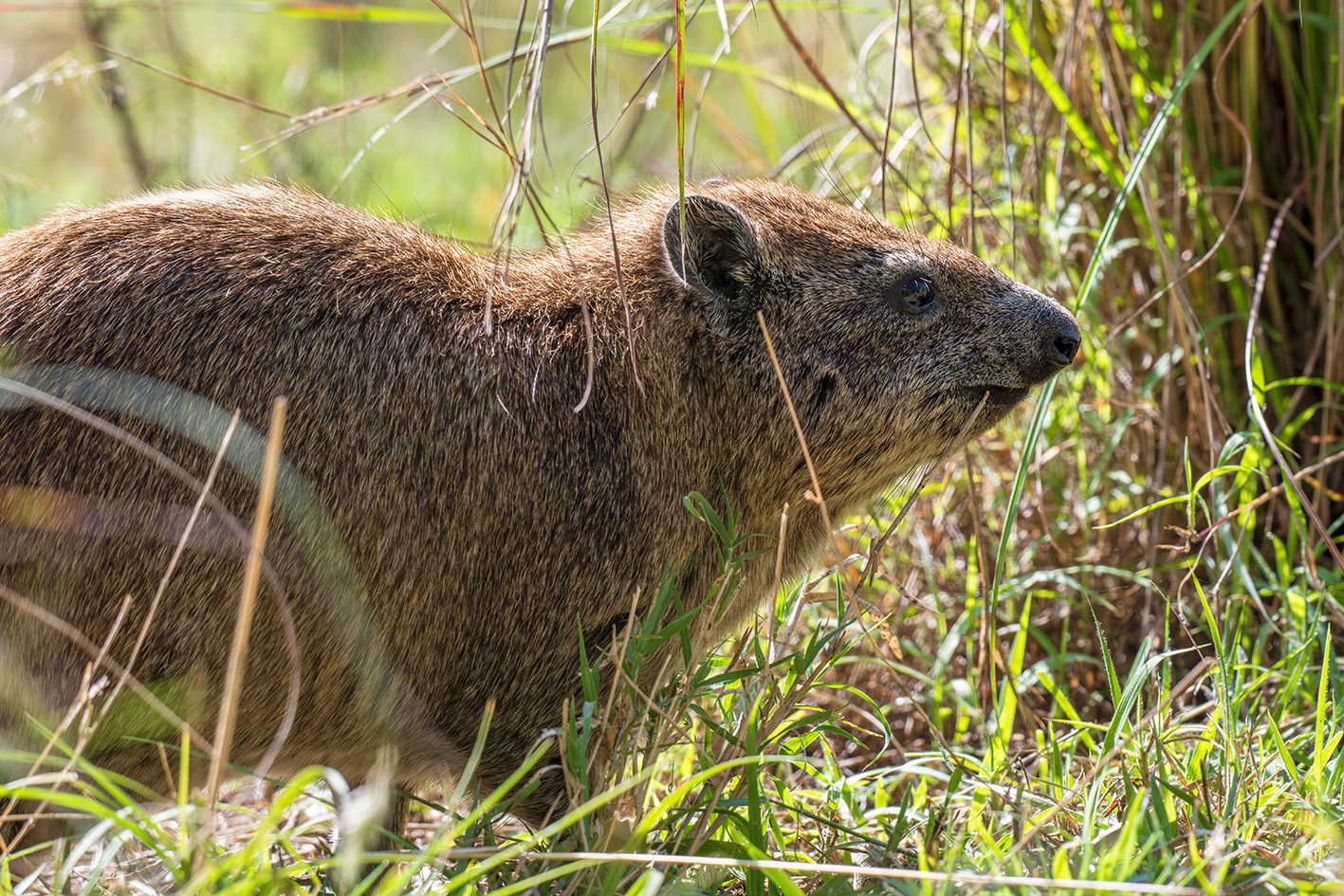


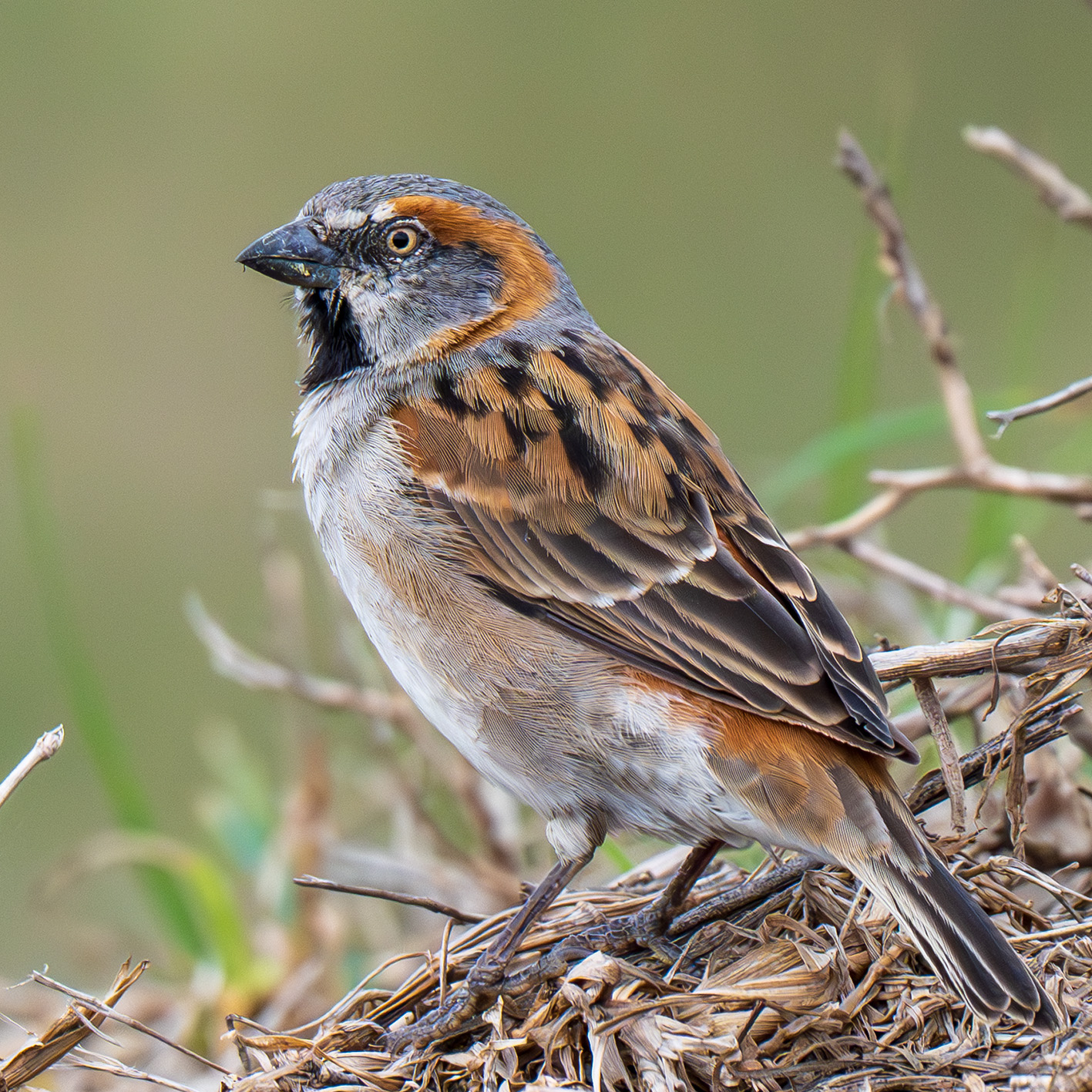
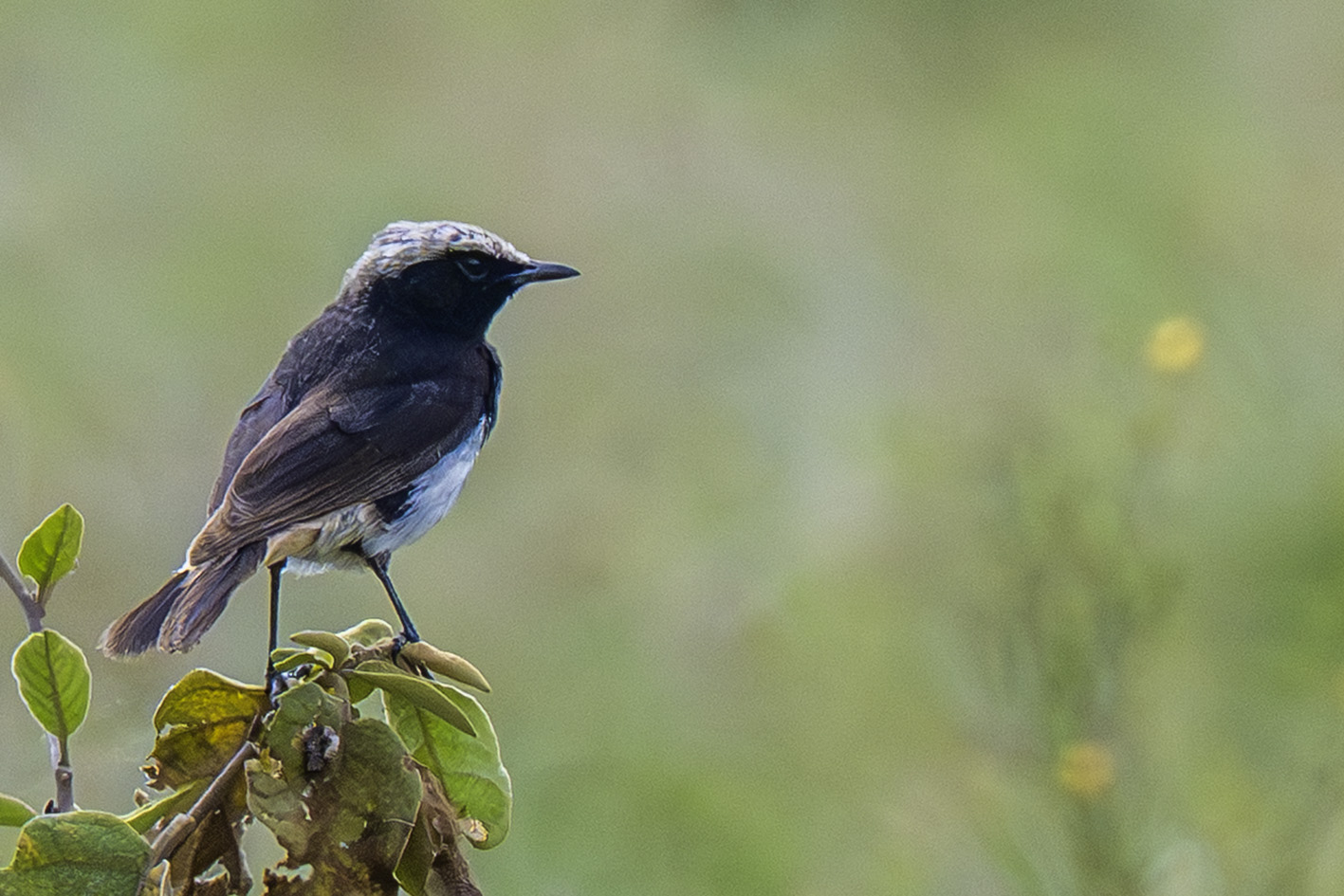

























 De Portrettenmaker