Af en toe moet ik even mijn fantasie de vrije loop laten en sprookjes creëren. Nu dus vakantievos nummer 2: Zonsondergang. Welke waardeer je meer: de vorige of deze?
Vakantievos nummer 2: Zonsondergang

Af en toe moet ik even mijn fantasie de vrije loop laten en sprookjes creëren. Nu dus vakantievos nummer 2: Zonsondergang. Welke waardeer je meer: de vorige of deze?
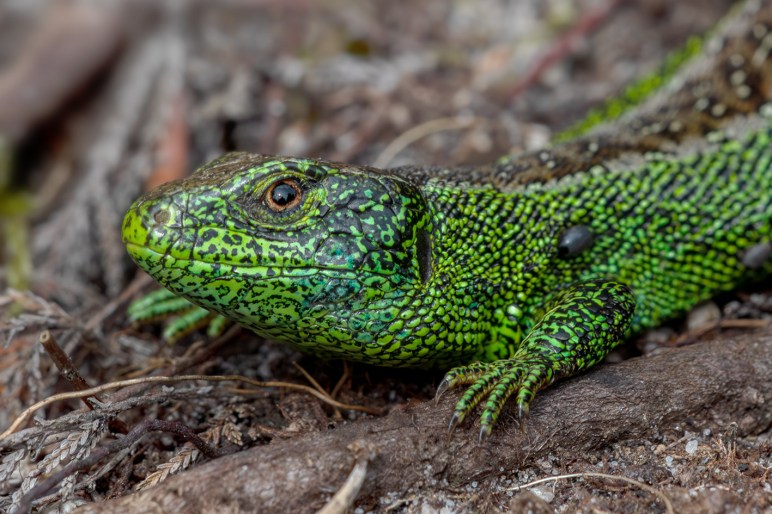
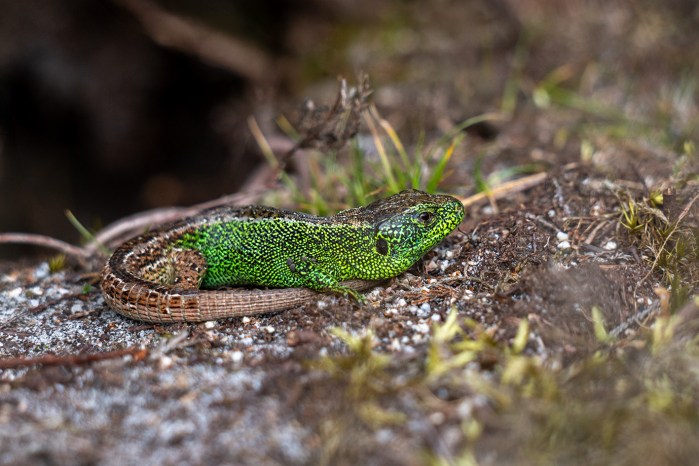
Afgelopen weekend op zoek gegaan naar zandhagedissen. Twee plekken bezocht, en op allebei was het raak! Het kan nog best wel koud zijn, en in de zon strekken de dieren zich zo breed mogelijk uit om maar zo veel mogelijk warmte op te vangen.
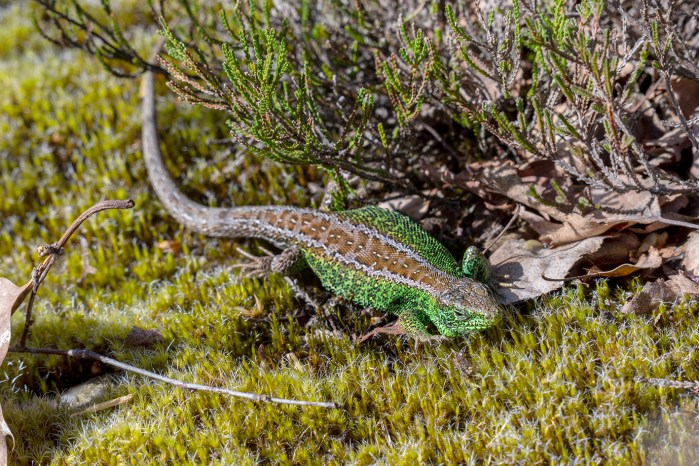
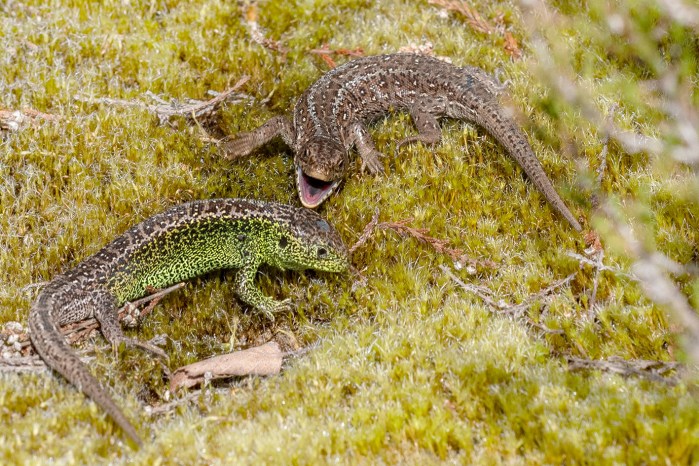
De mannetjes zijn nu op zijn mooist, in hun groene lentekleed. Maar dat maakt dat niet altijd indruk: het vrouwtje hieronder maakte een agressieve beweging, en het mannetje bleef beduusd achter.
Veel hagedissen in dit gebied hebben teken. Dat blijkt vooral de schapenteek te zijn, ixodes ricinus.
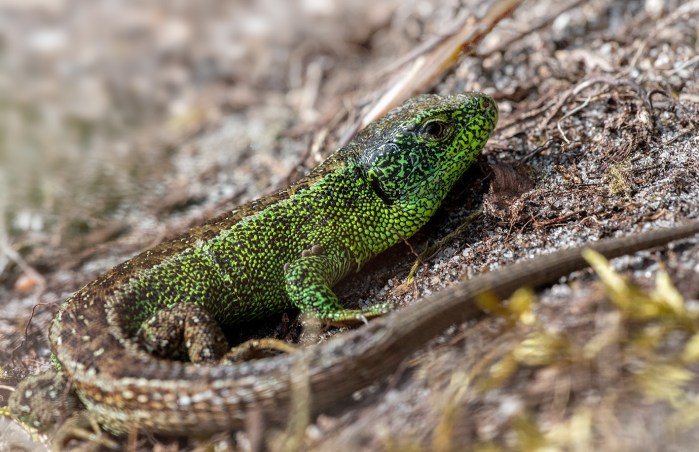
Recent onderzoek toont aan dat de hagedissen immuun zijn voor besmetting met de bacterie Borrelia burgdorferi, die de ziekte van Lyme veroorzaakt. In gebieden met veel zandhagedissen komt de bacterie minder voor in de nimfen.
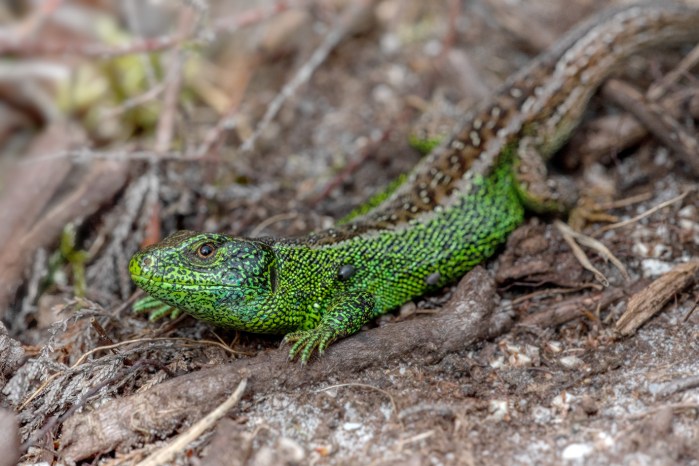
(zie bijvoorbeeld https://ravon.nl/instagram/hoe-de-zandhagedis-zorgt-voor-minder-ziekte-van-lyme)
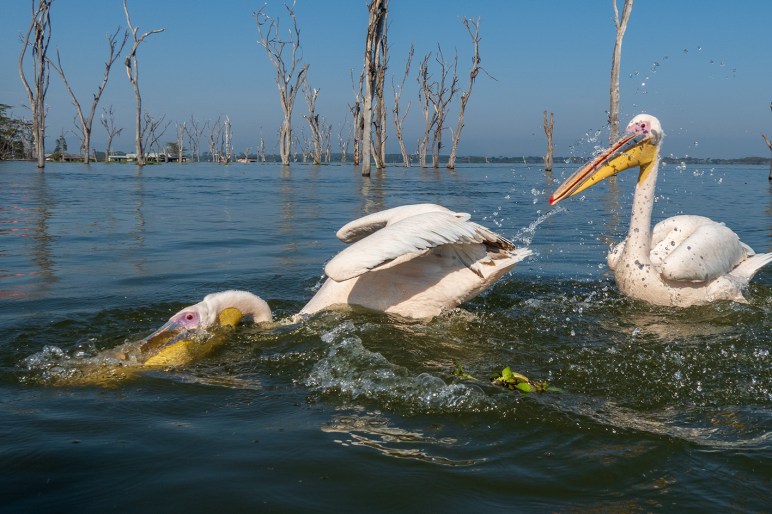
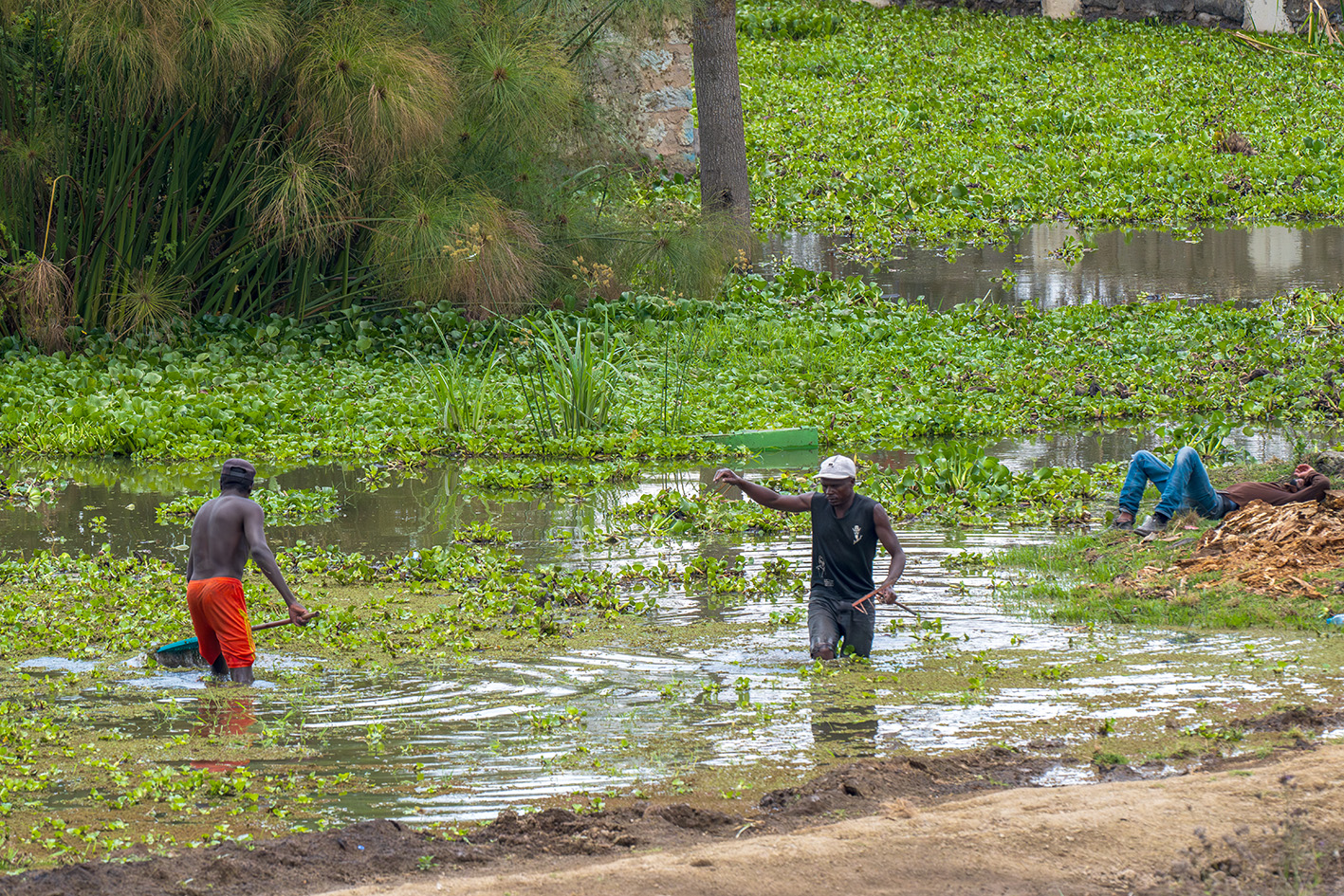
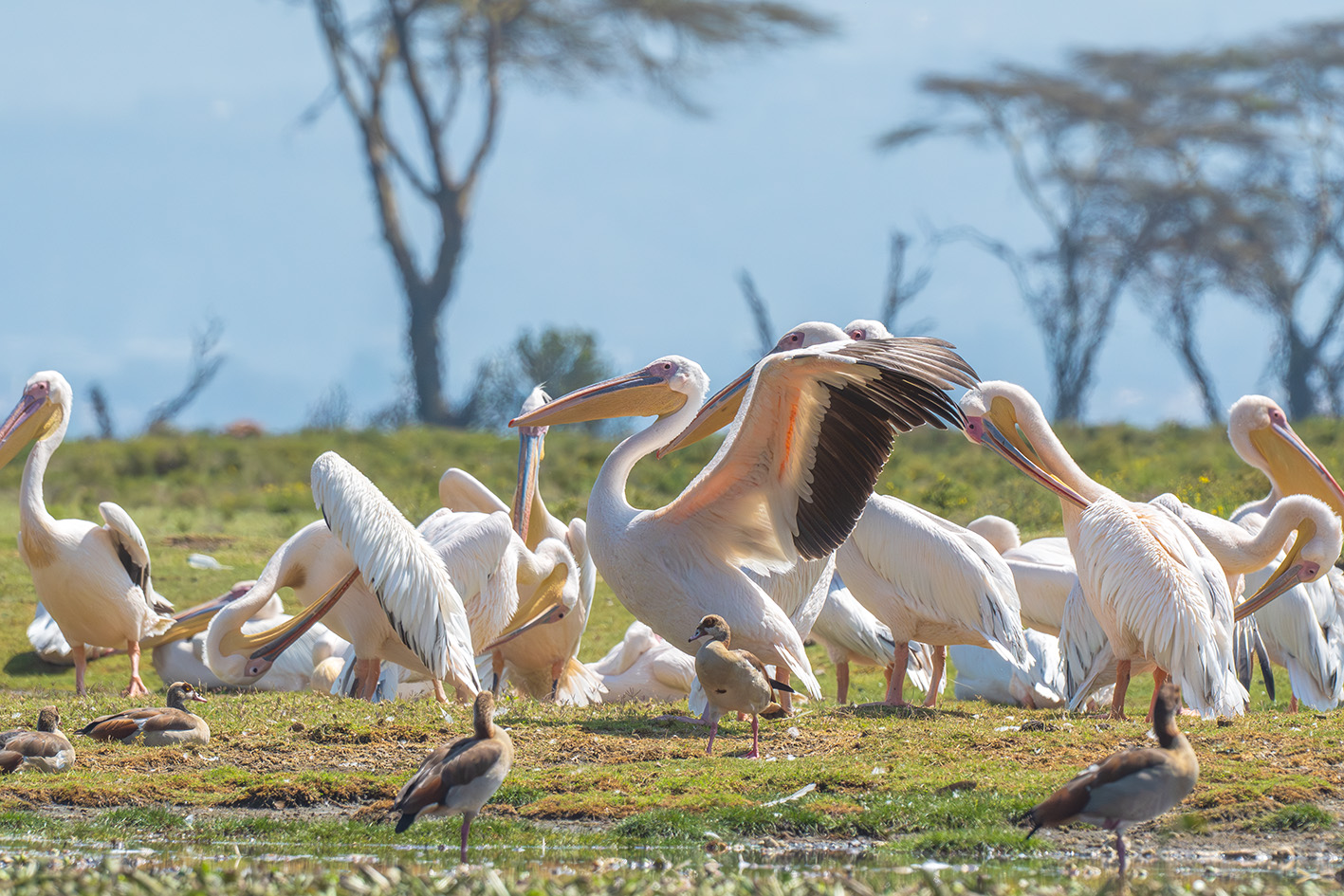
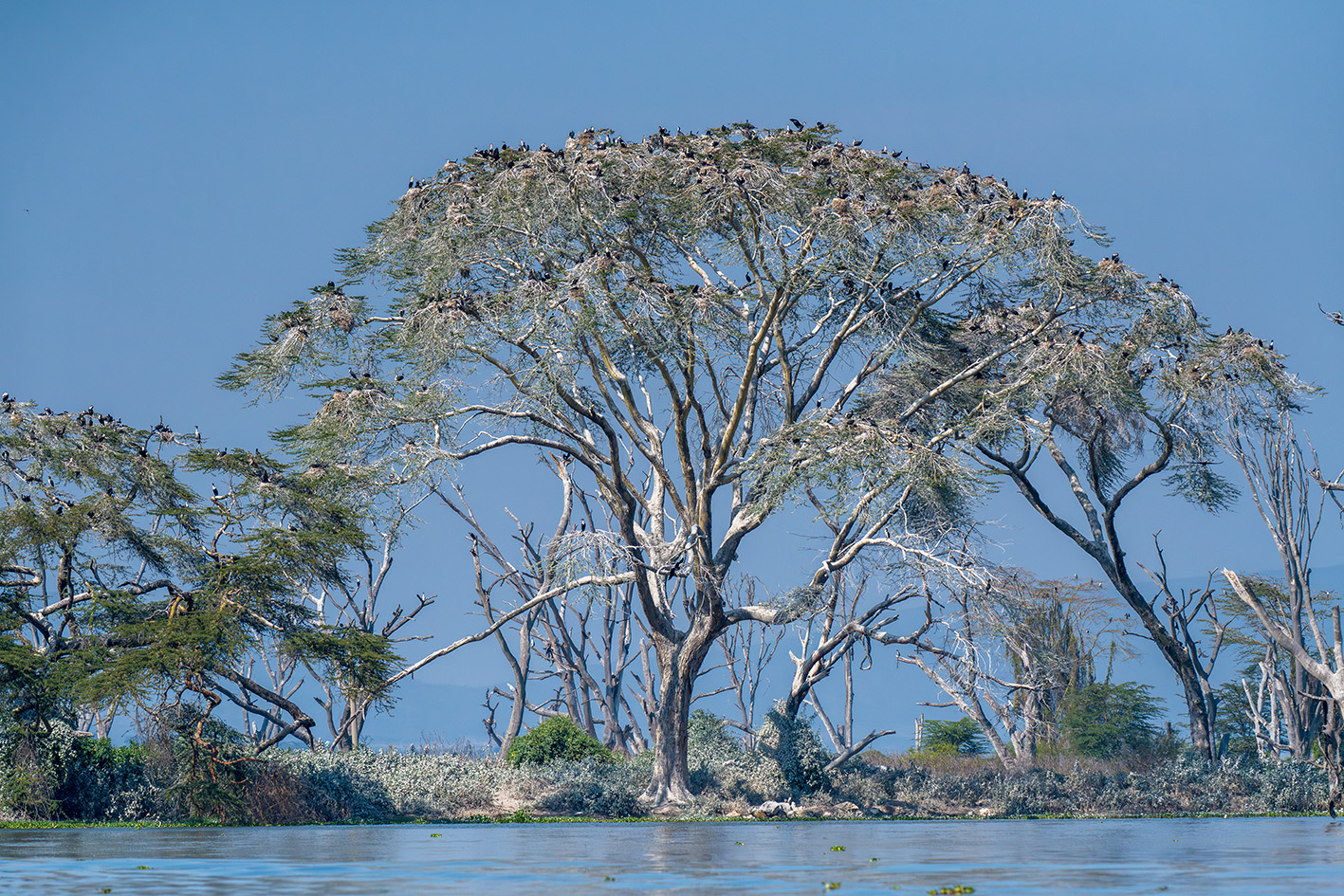
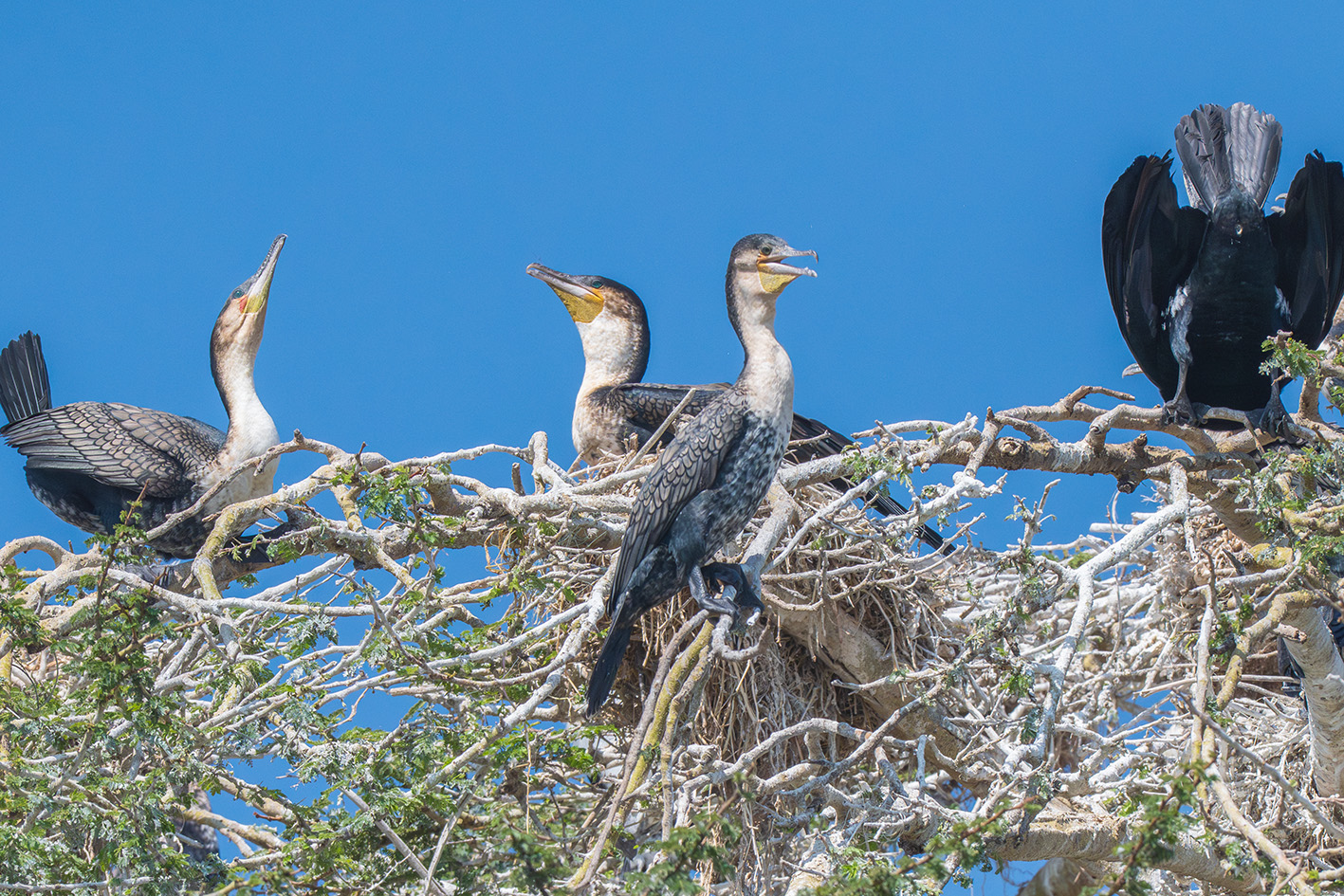
De waterstand stijgt schrikbarend snel. Lodges, winkels, alles loopt onder water. Voor de vissen, waterbuffels, de waterhyacint en de watervogels geen probleem. Maar voor de mensen…
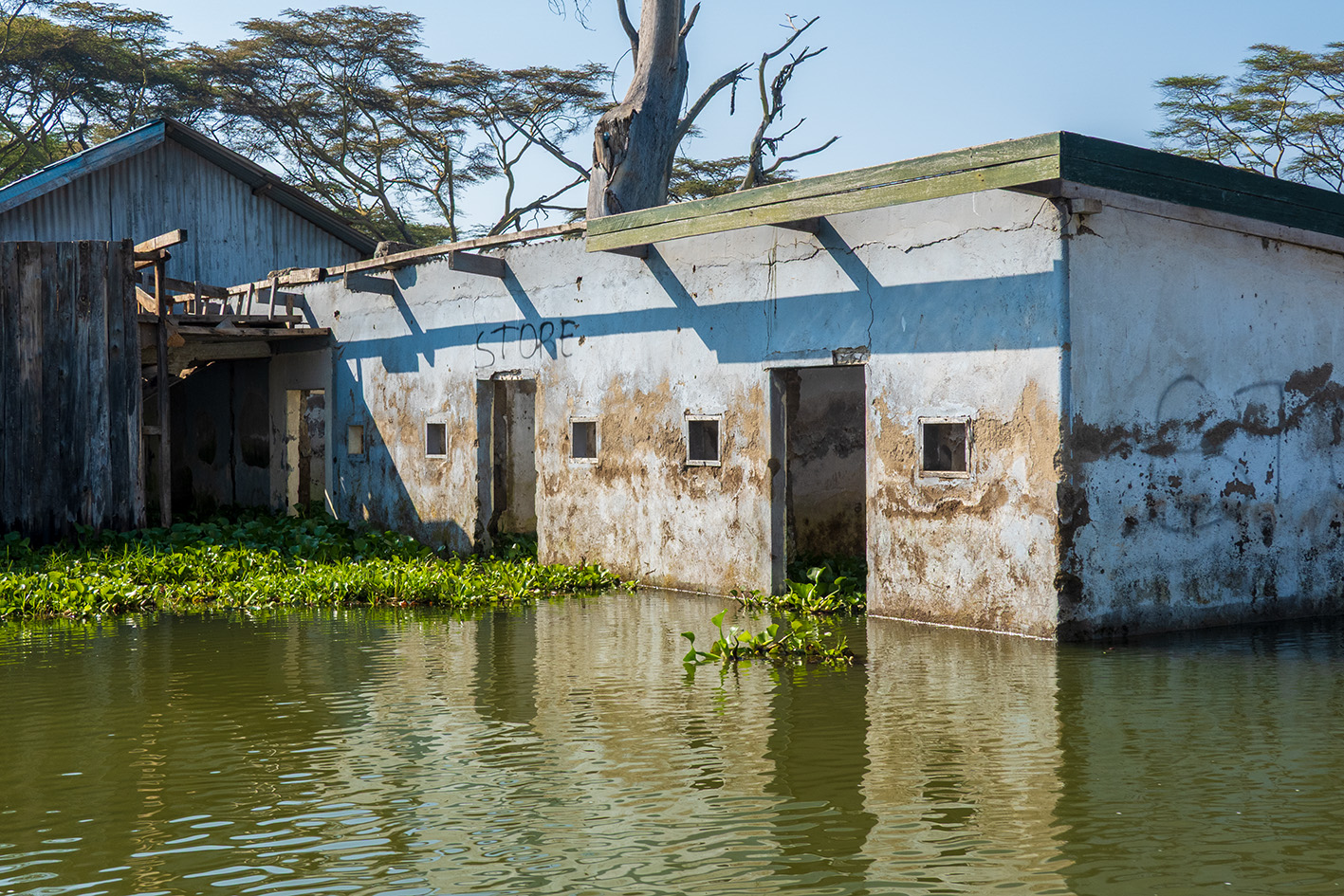
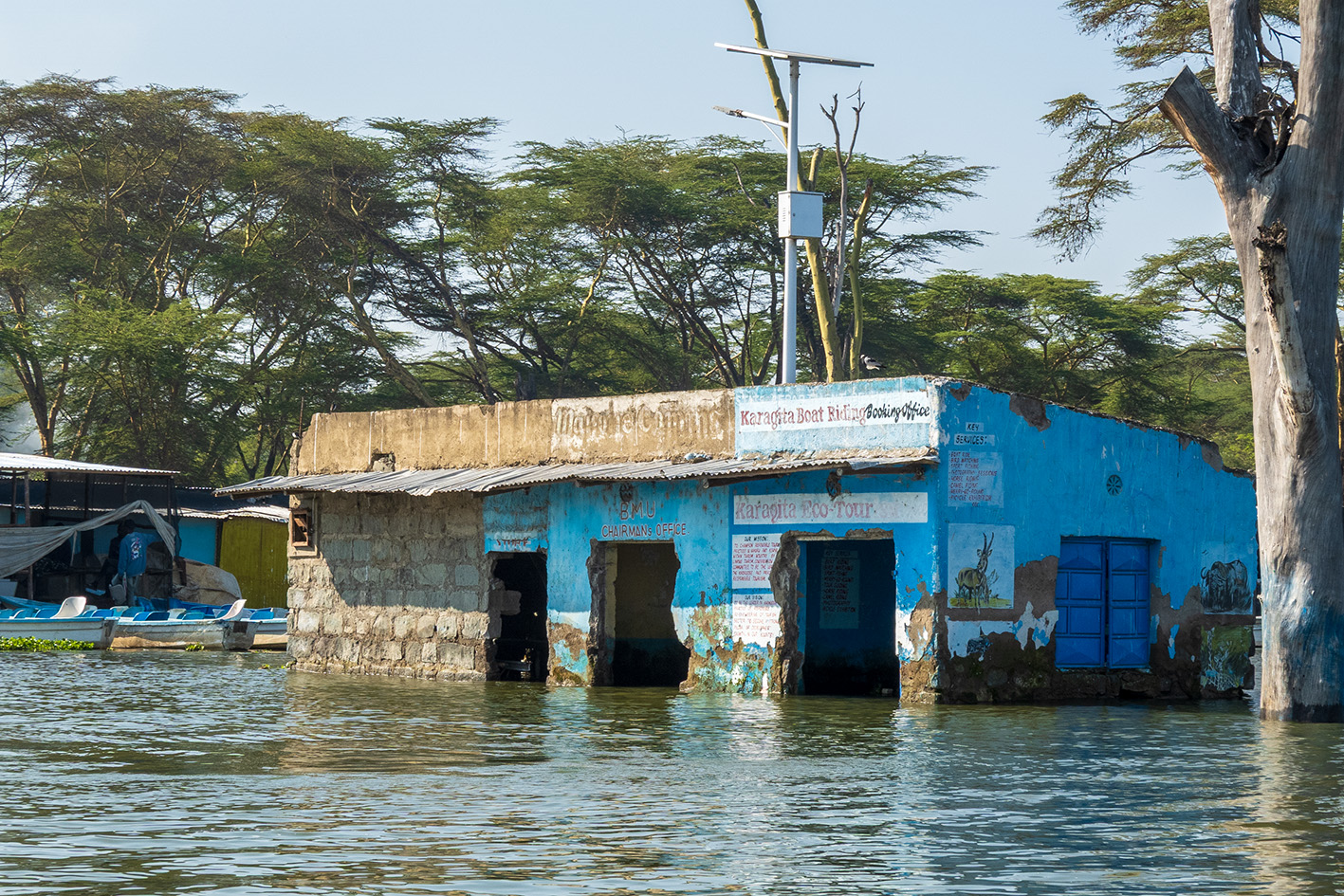
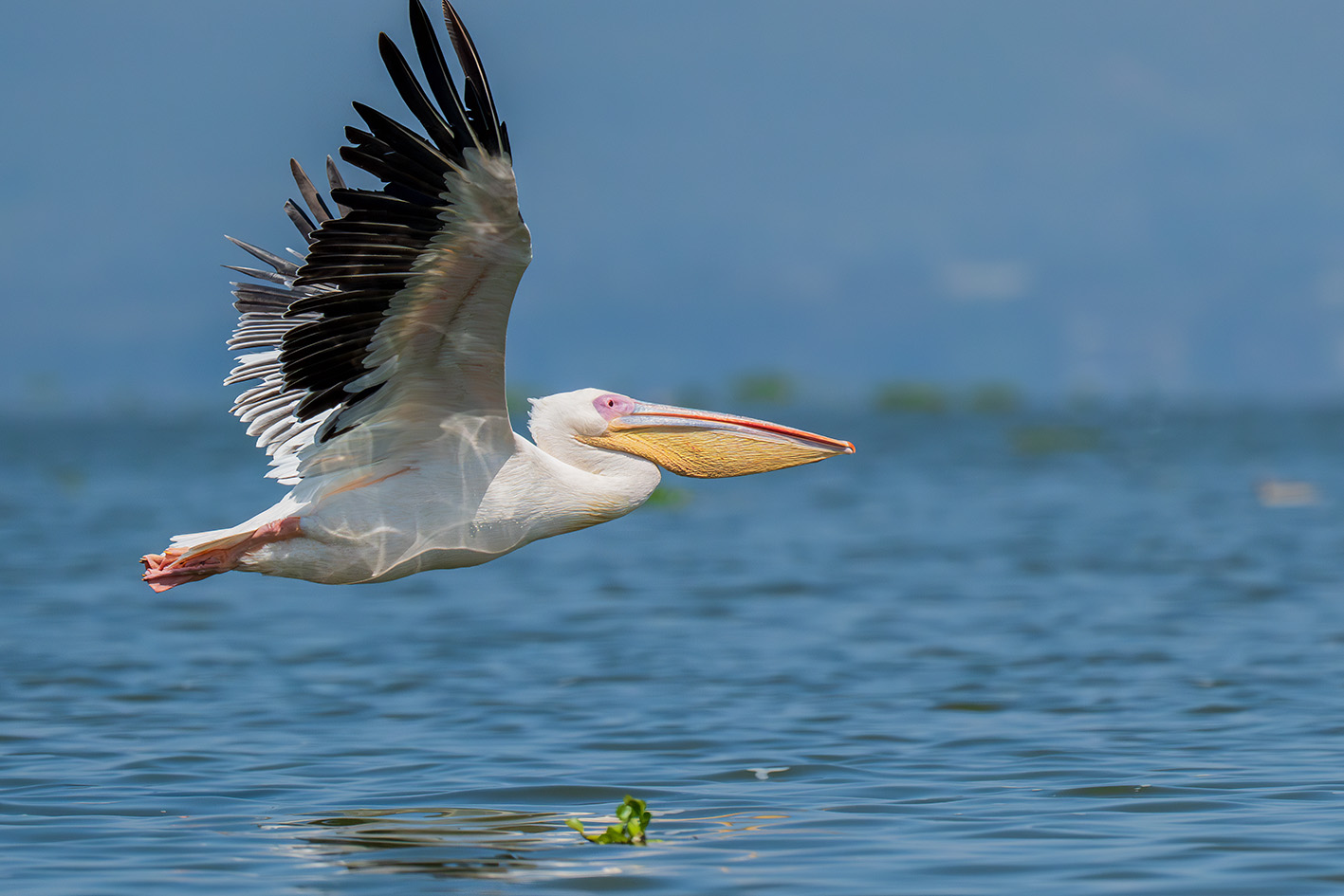
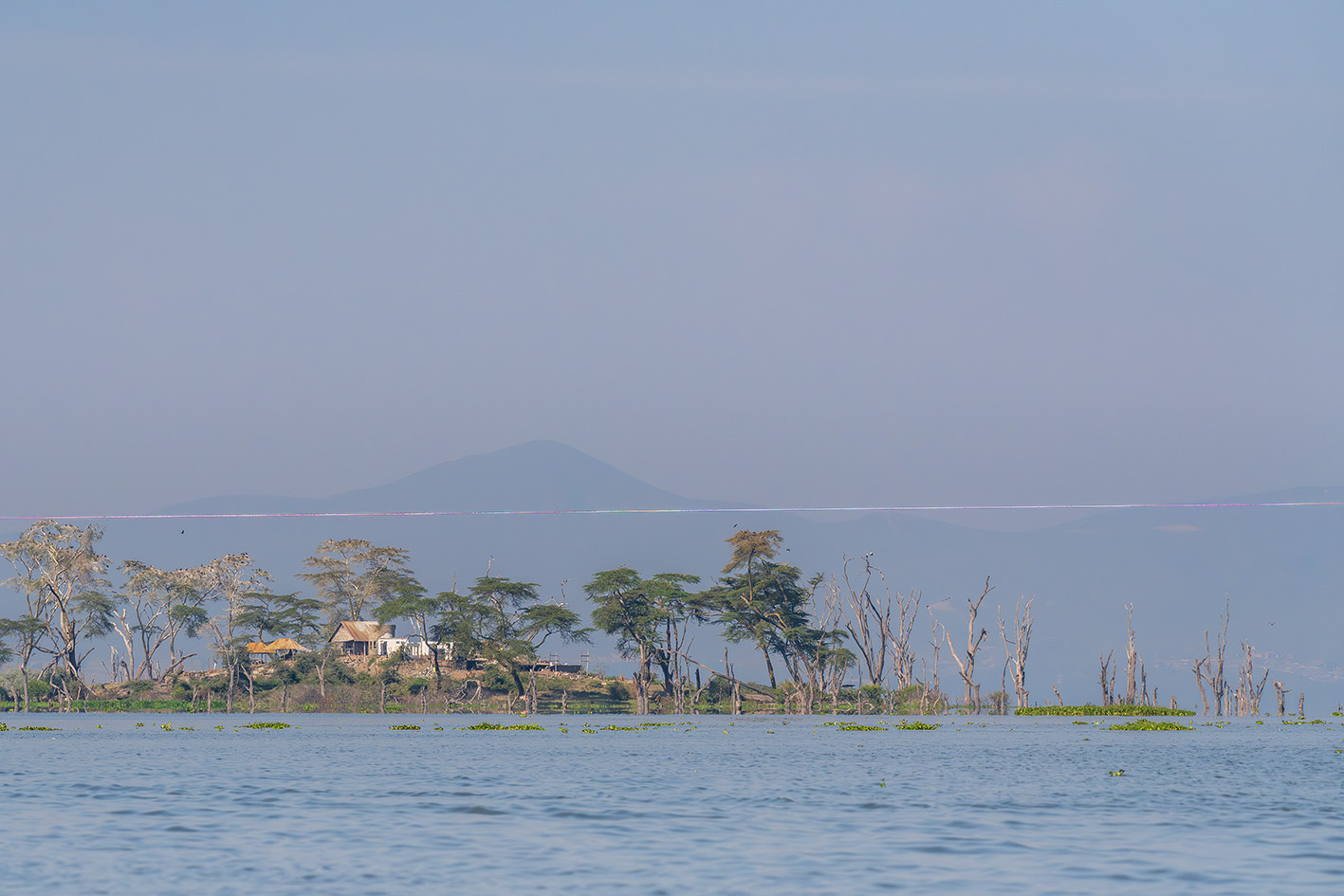

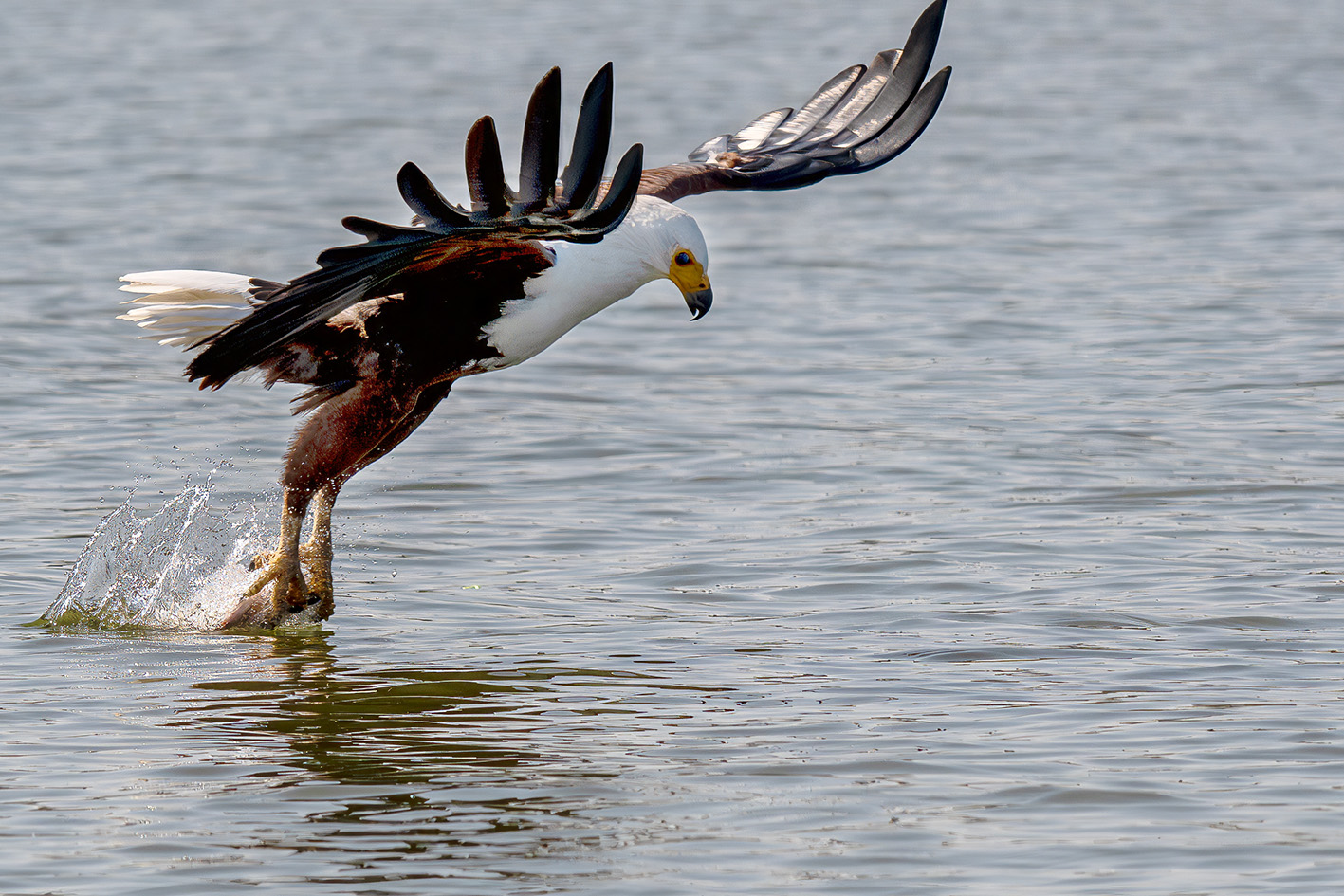
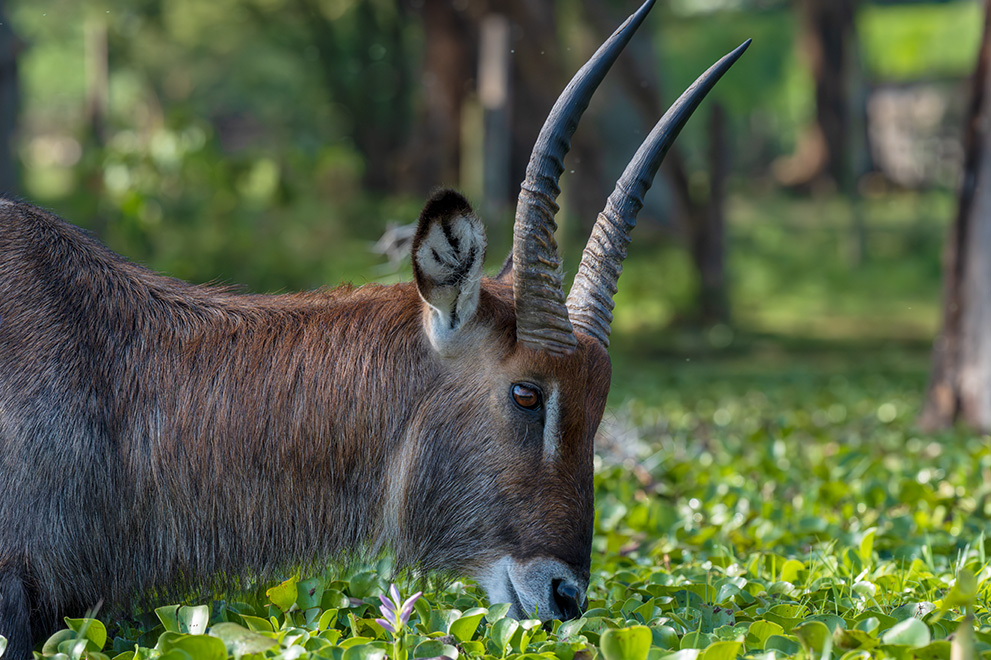
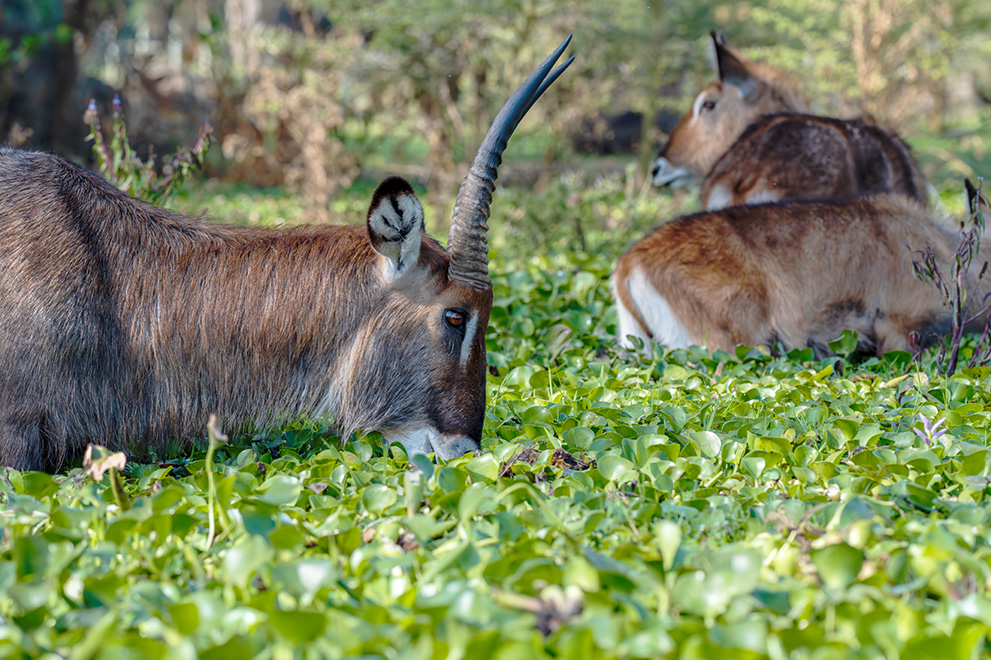
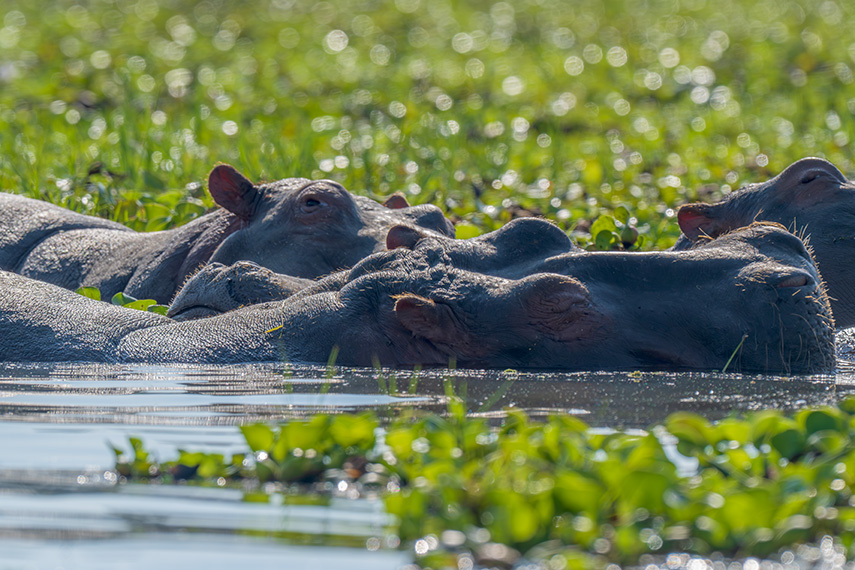
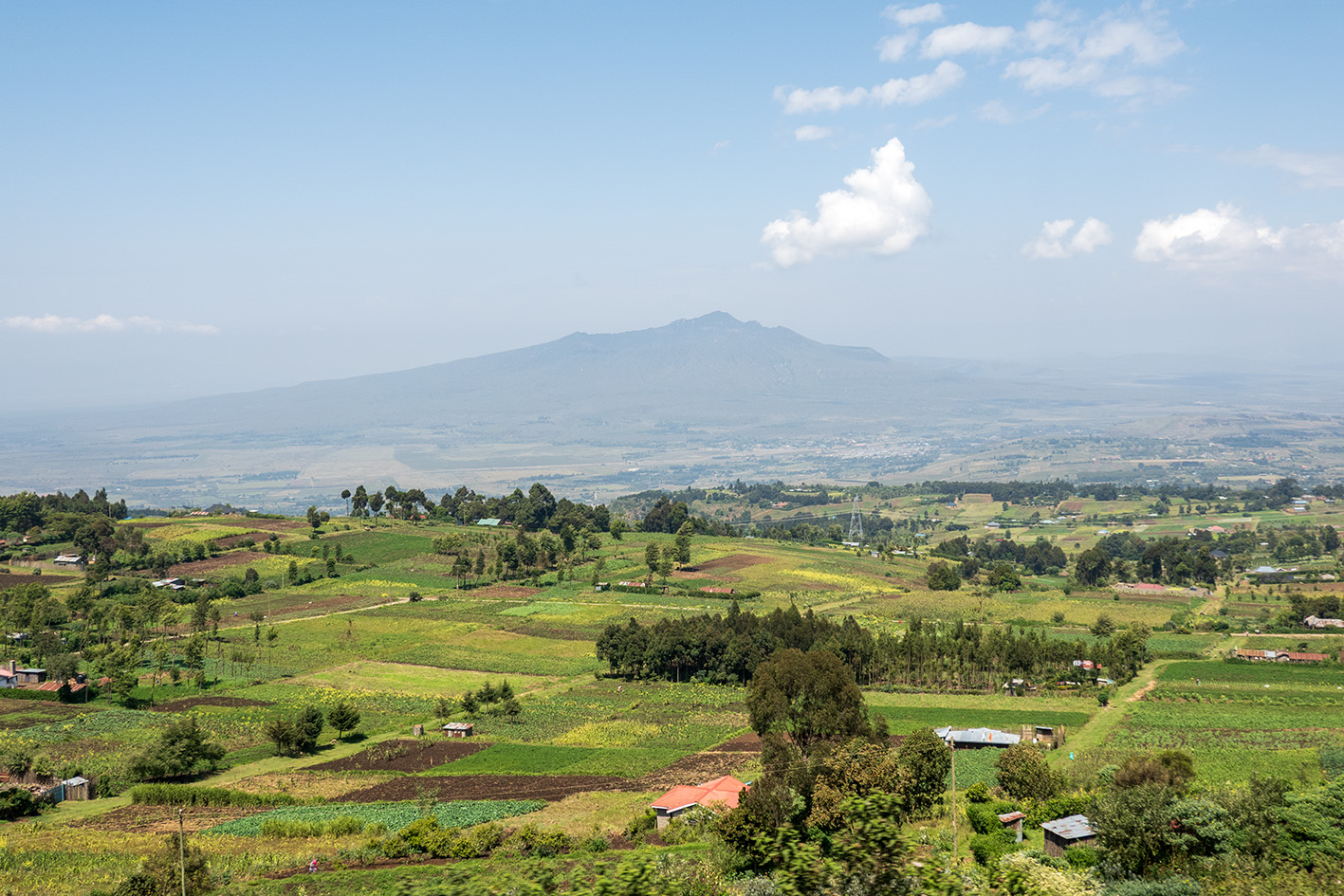
Het meer is zo groot, dat je de kromming van de Aarde kunt zien!

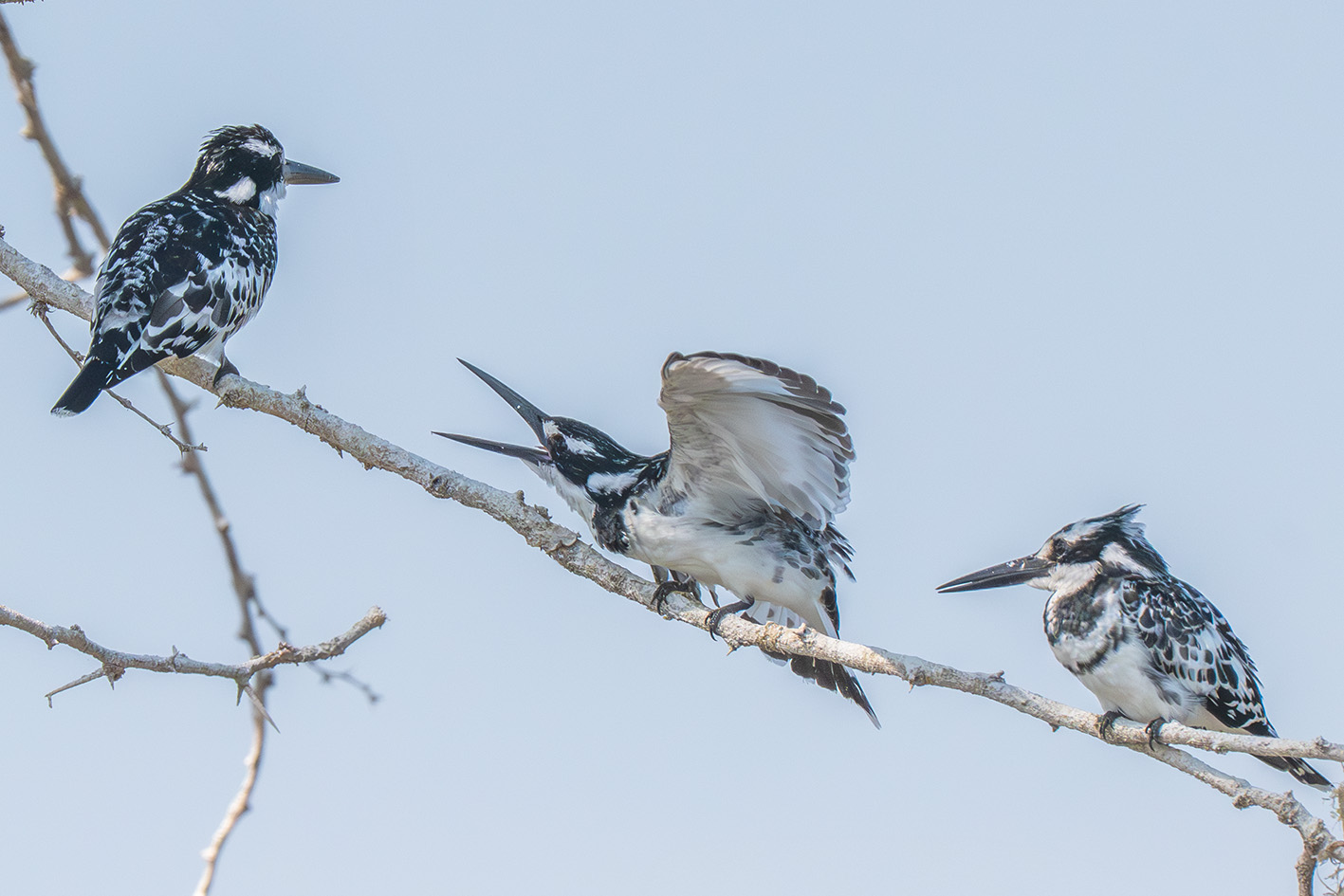
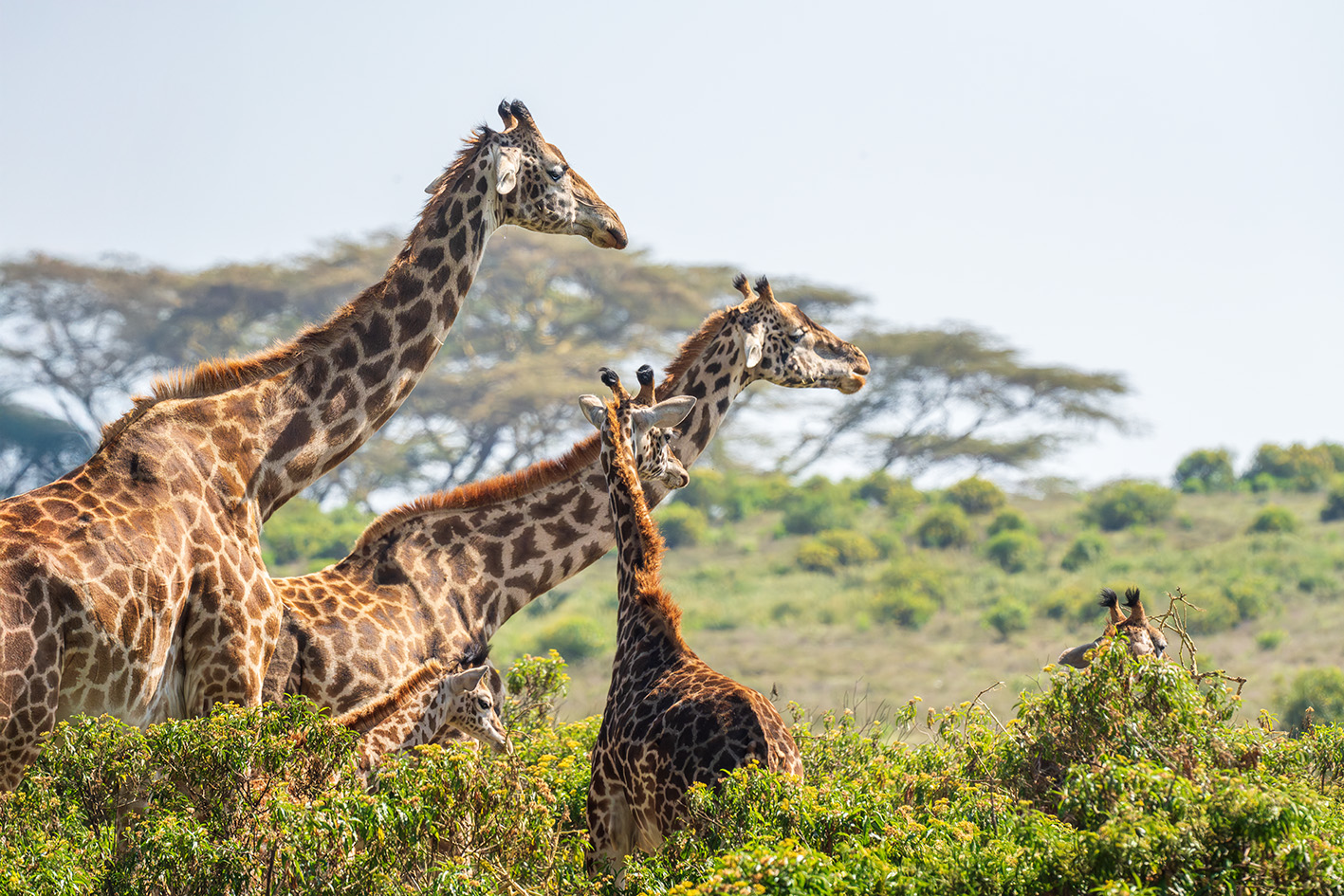
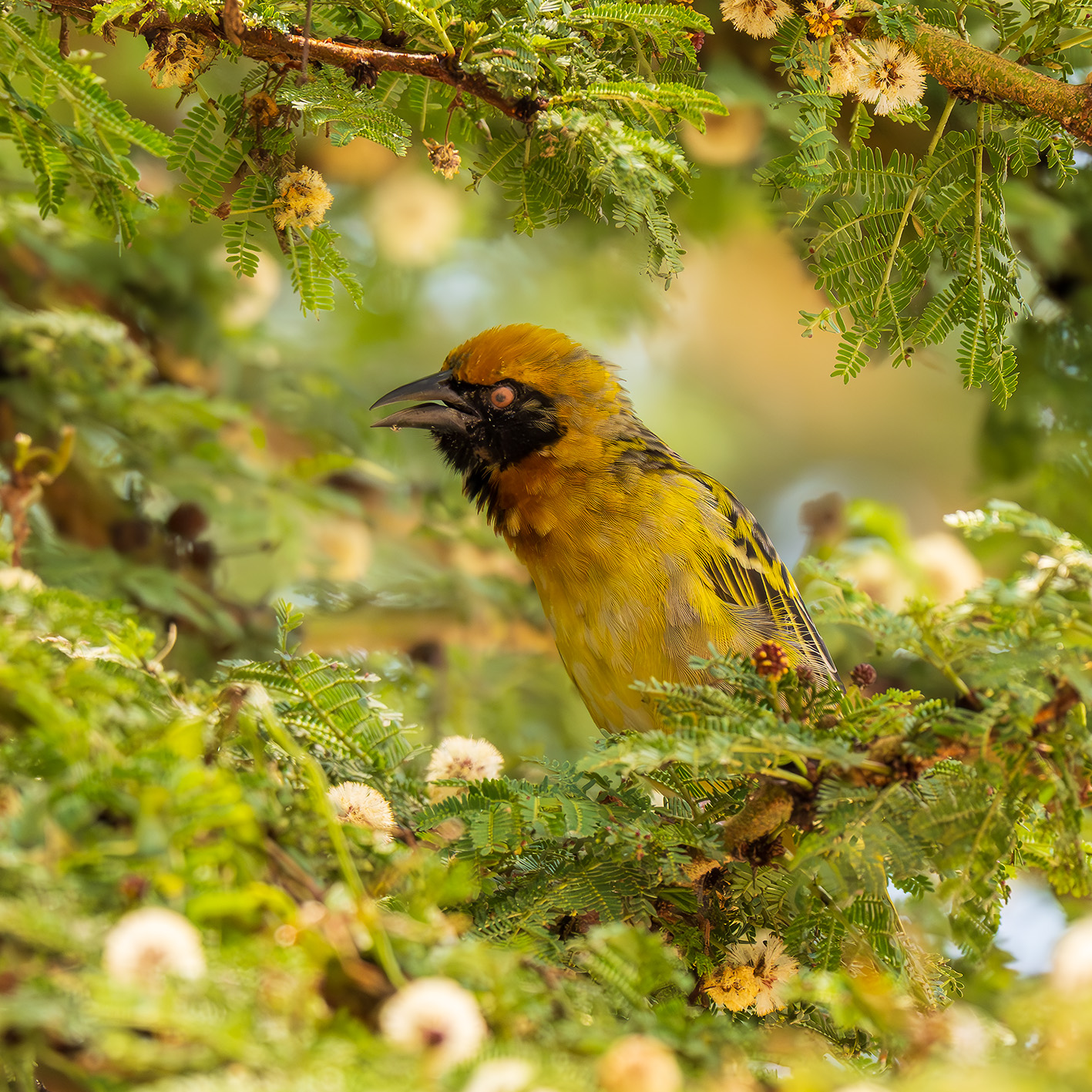
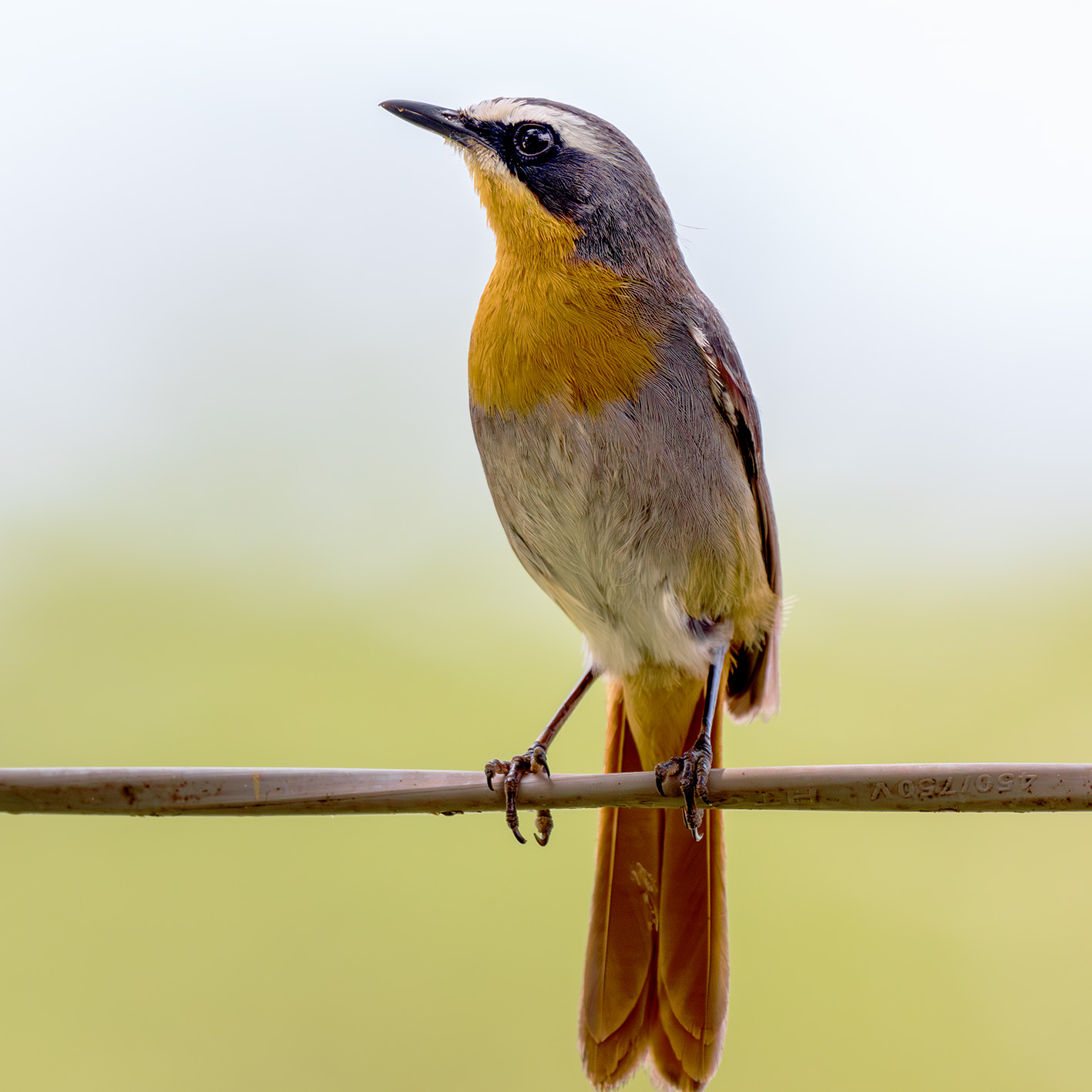


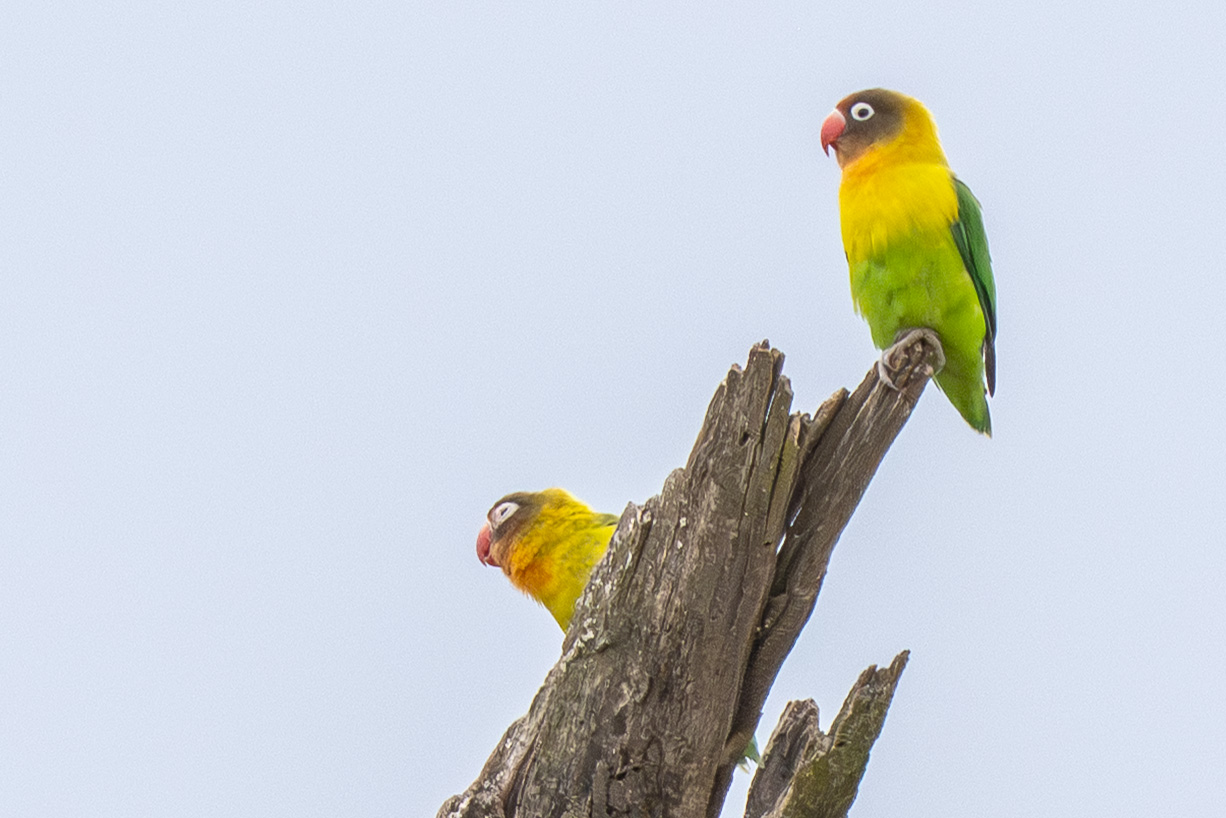
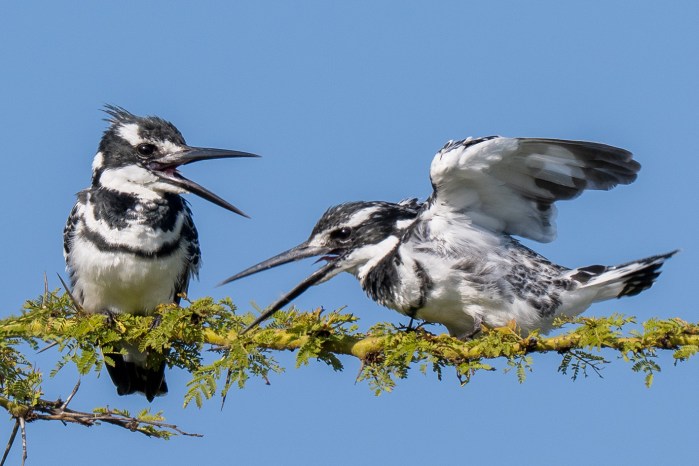
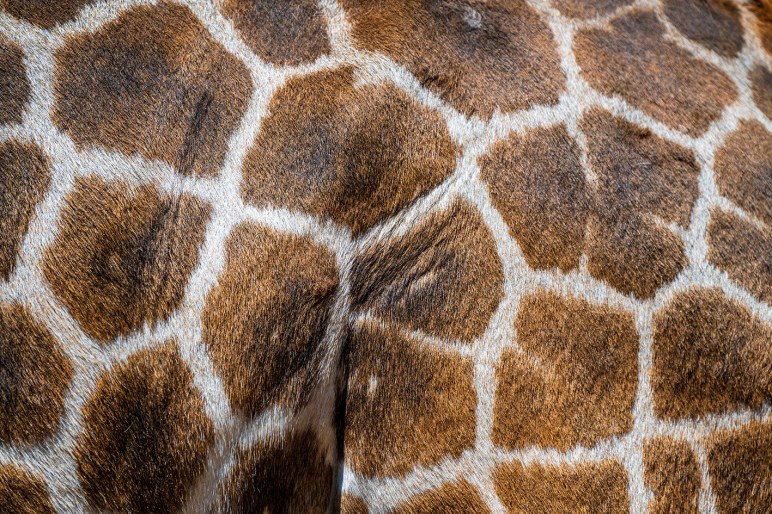
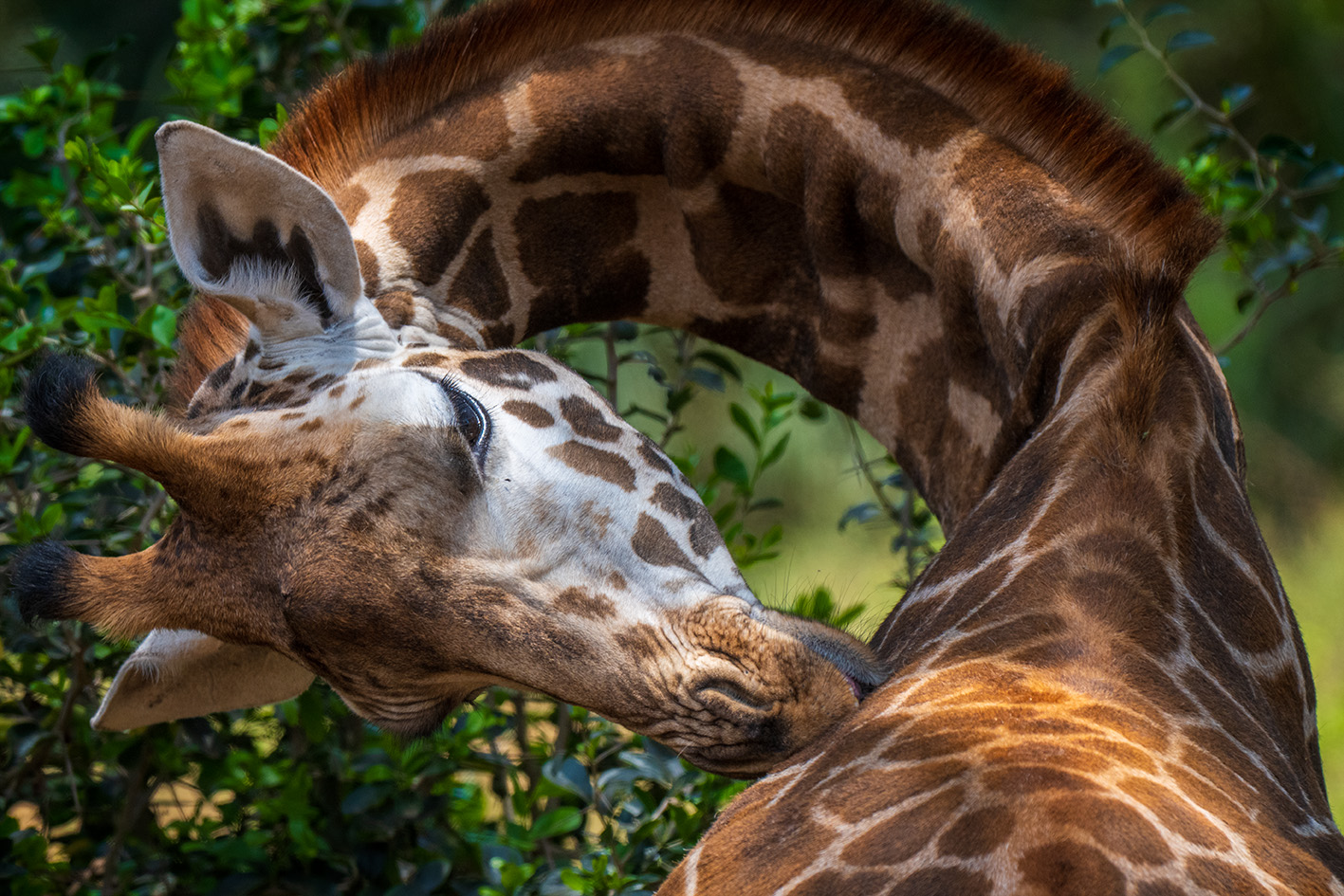
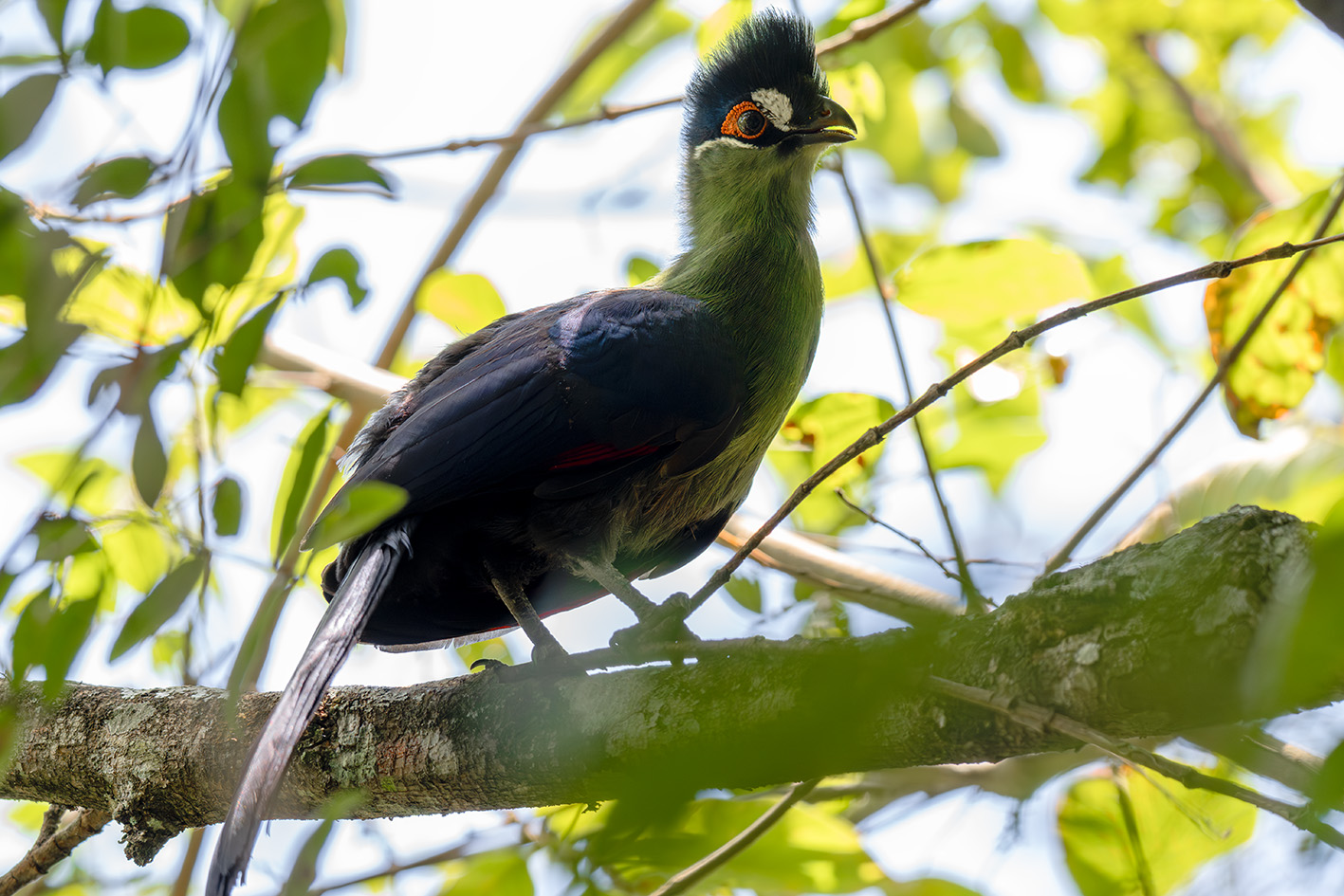
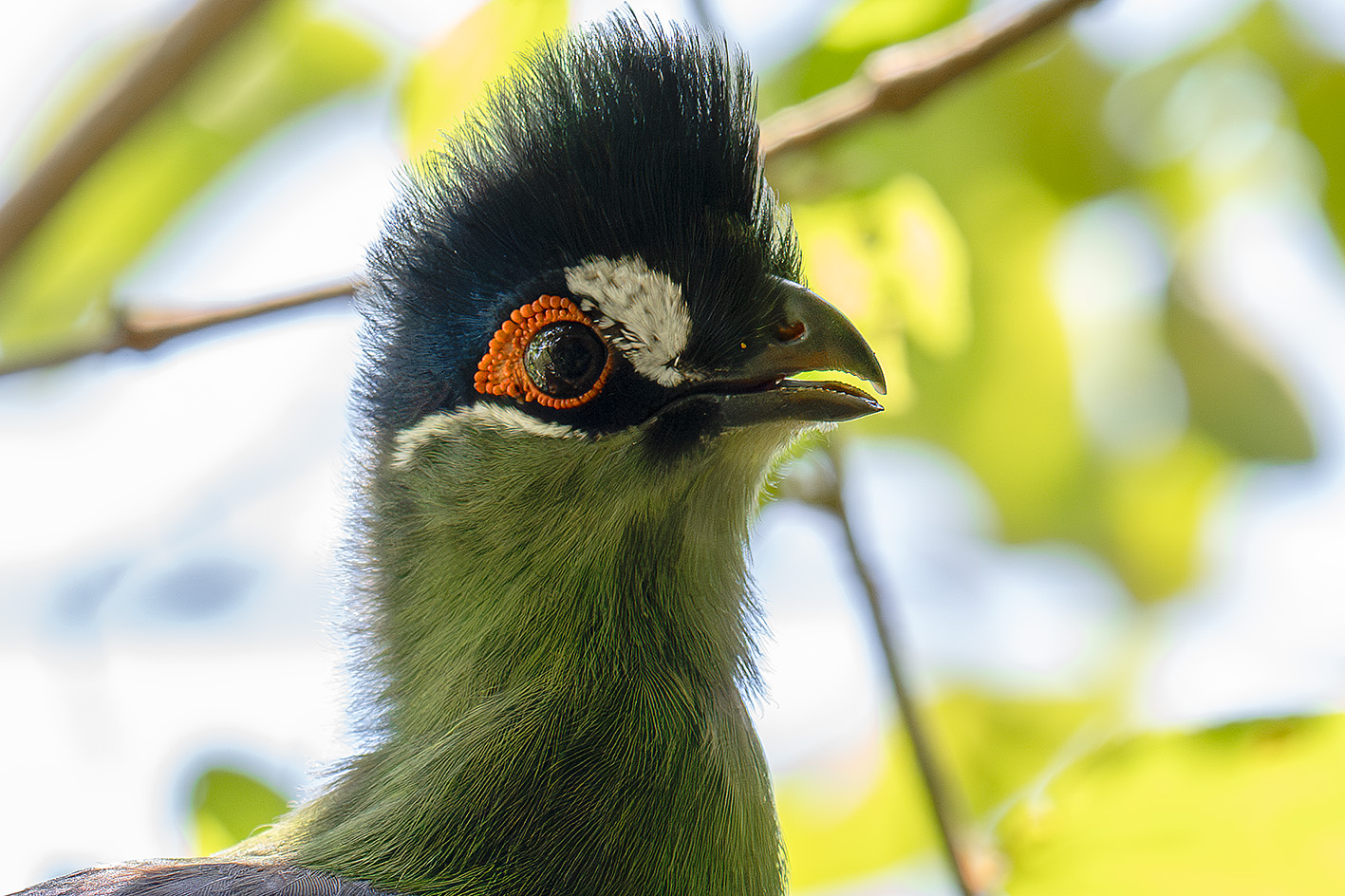


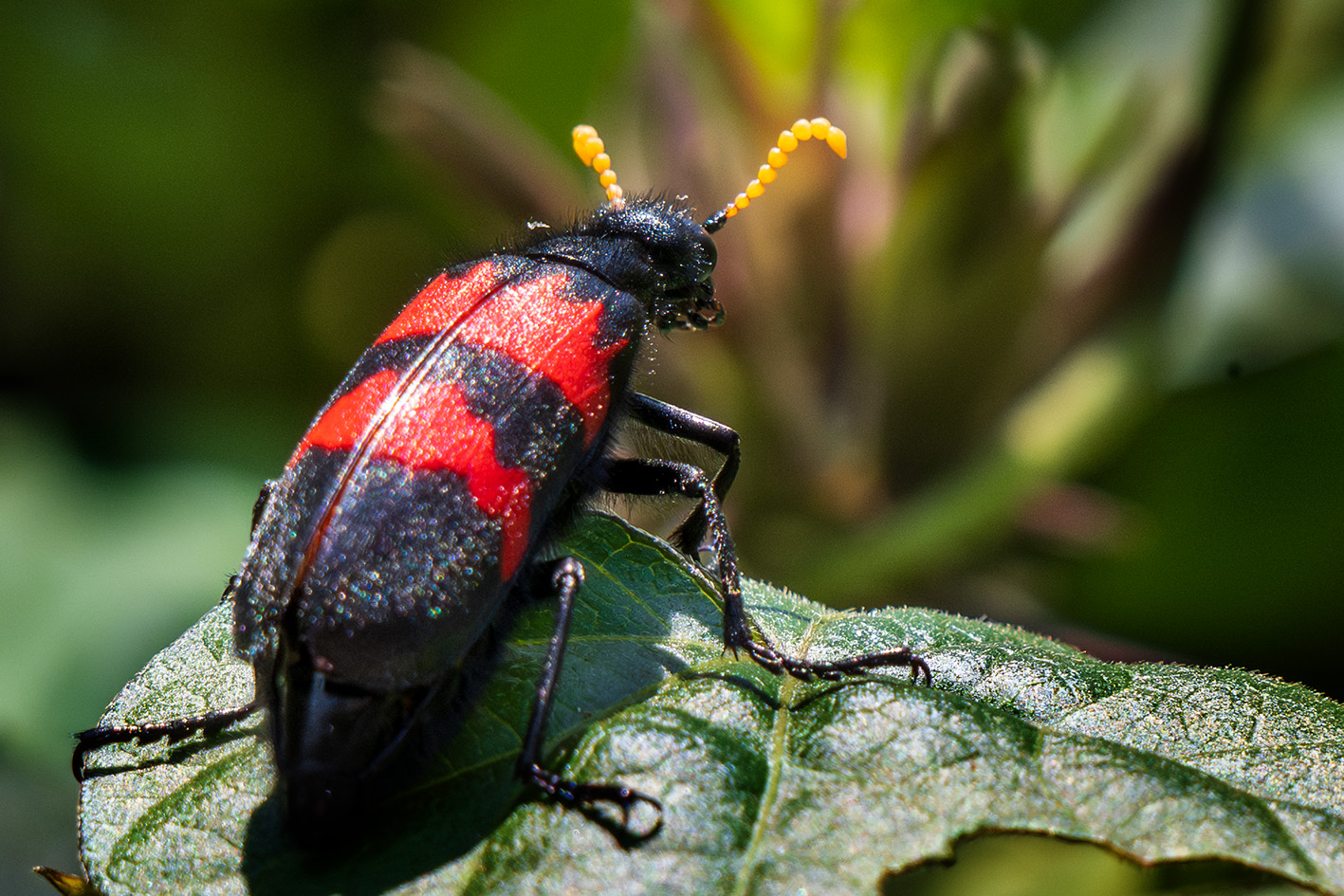
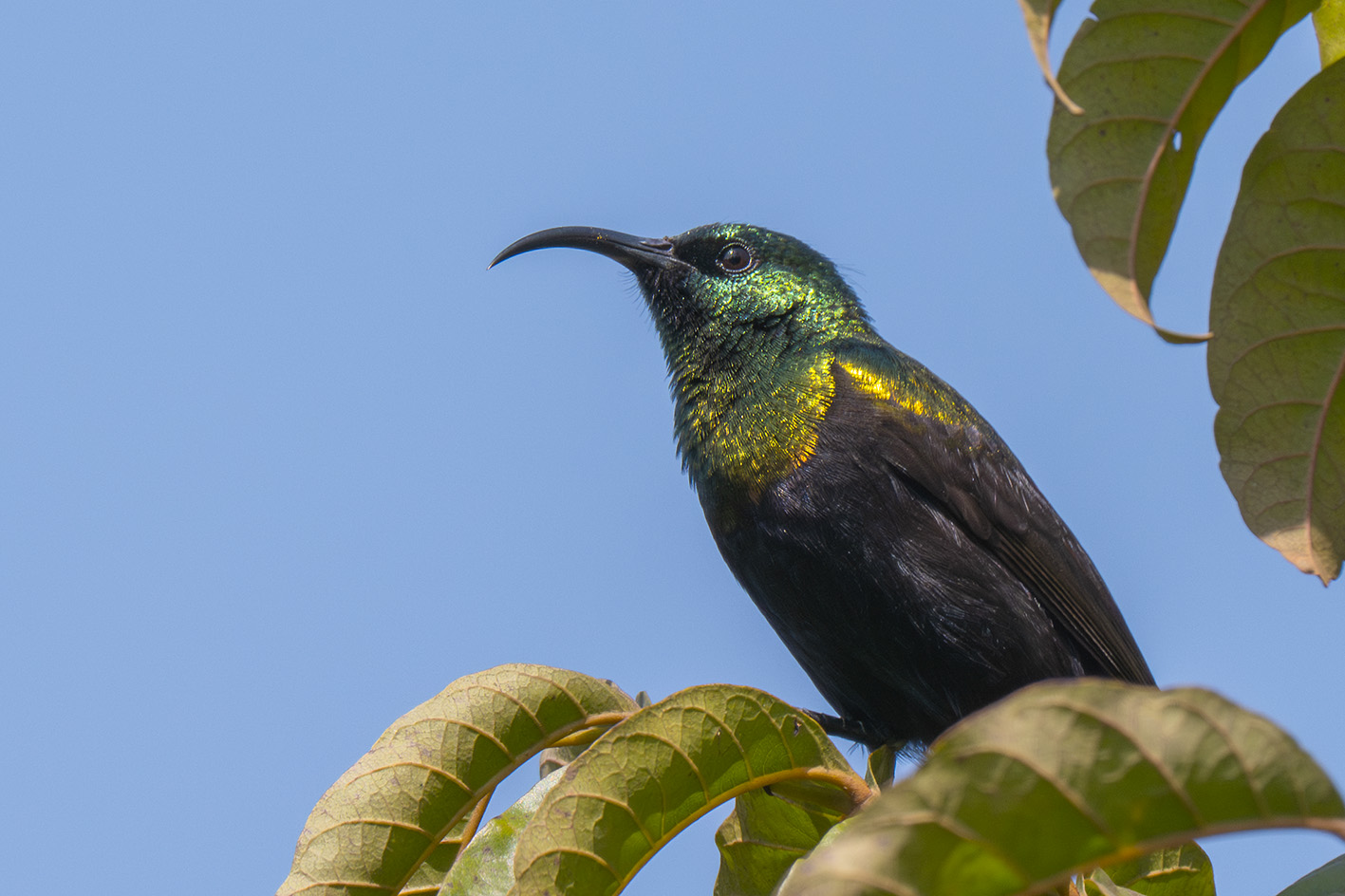
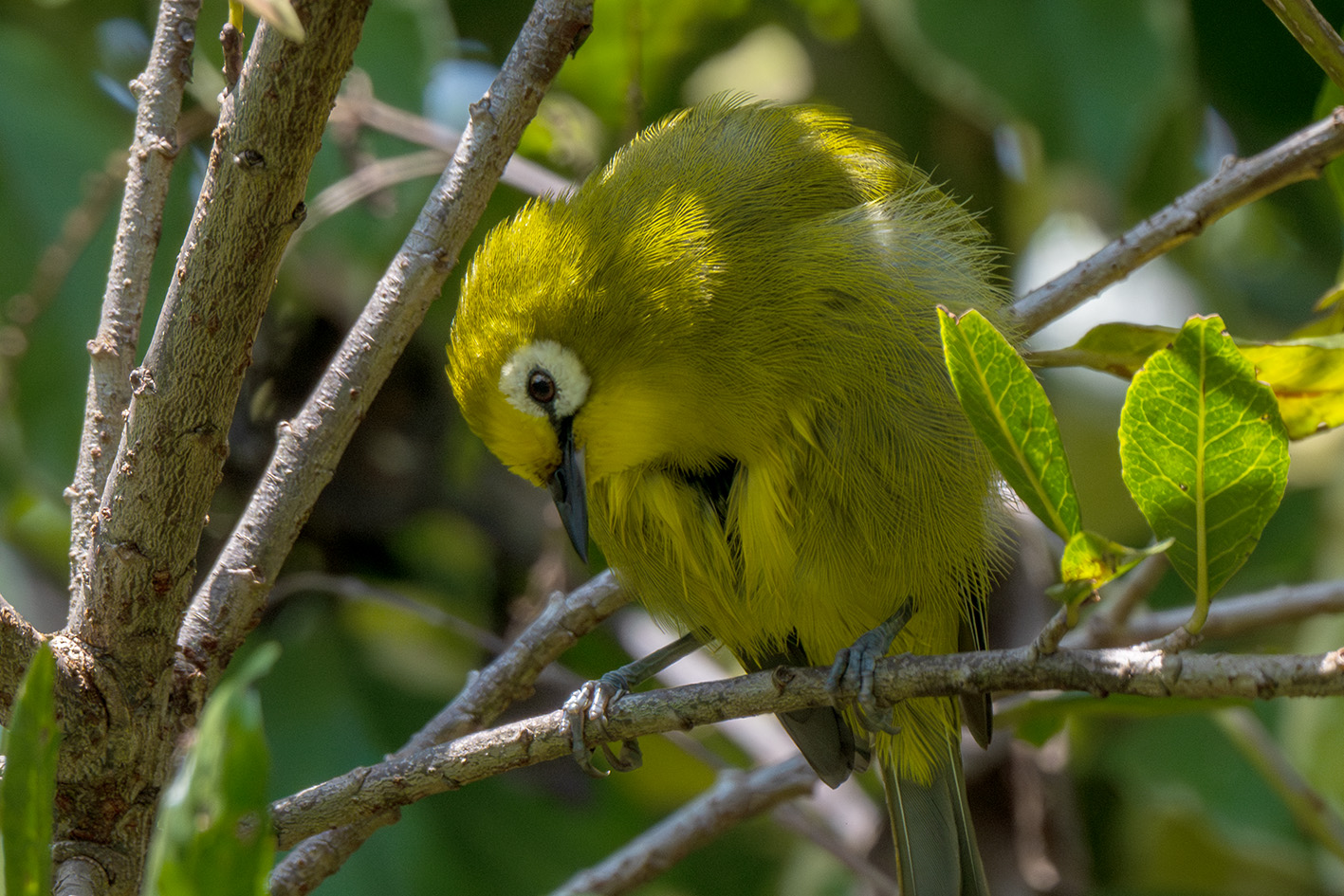
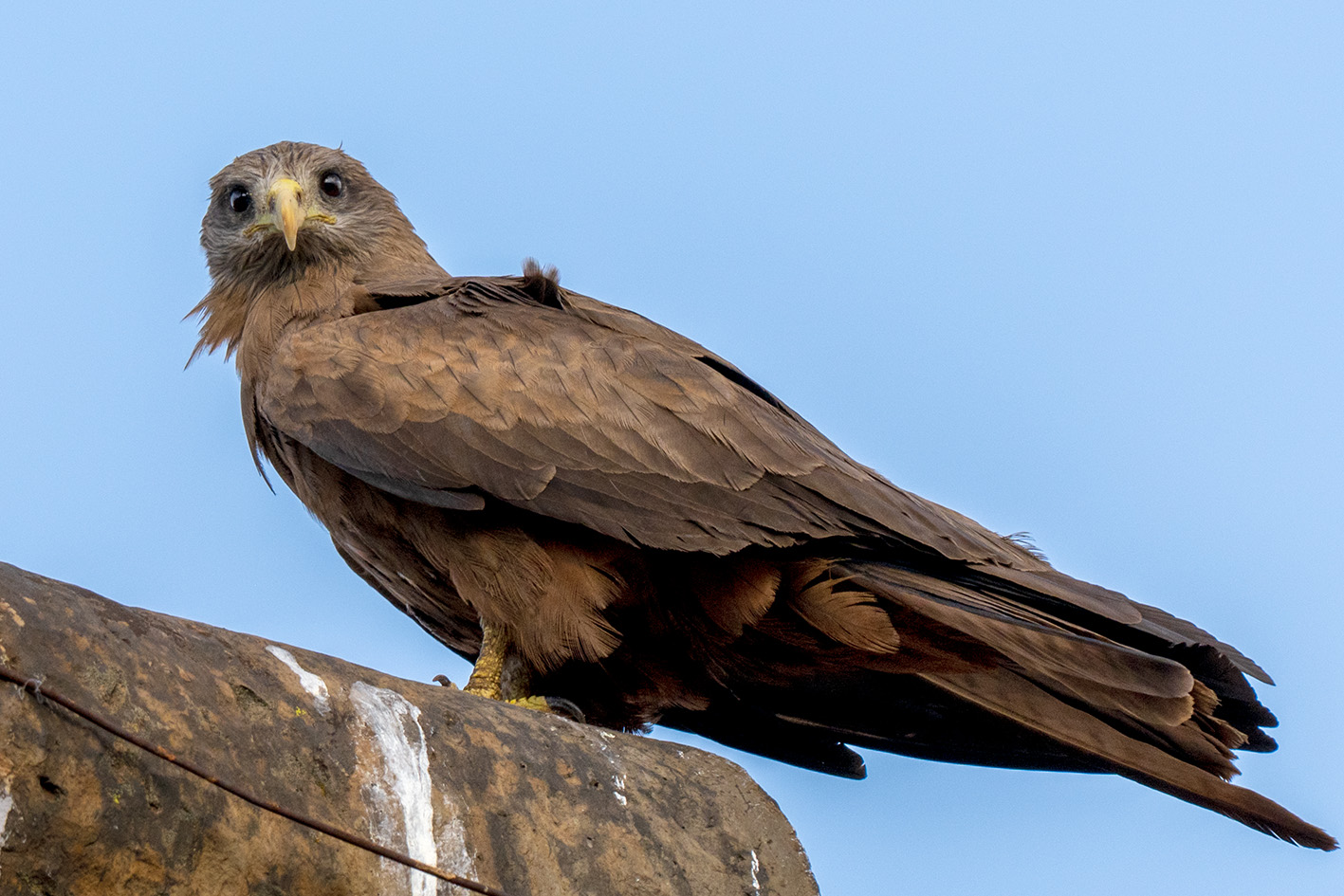
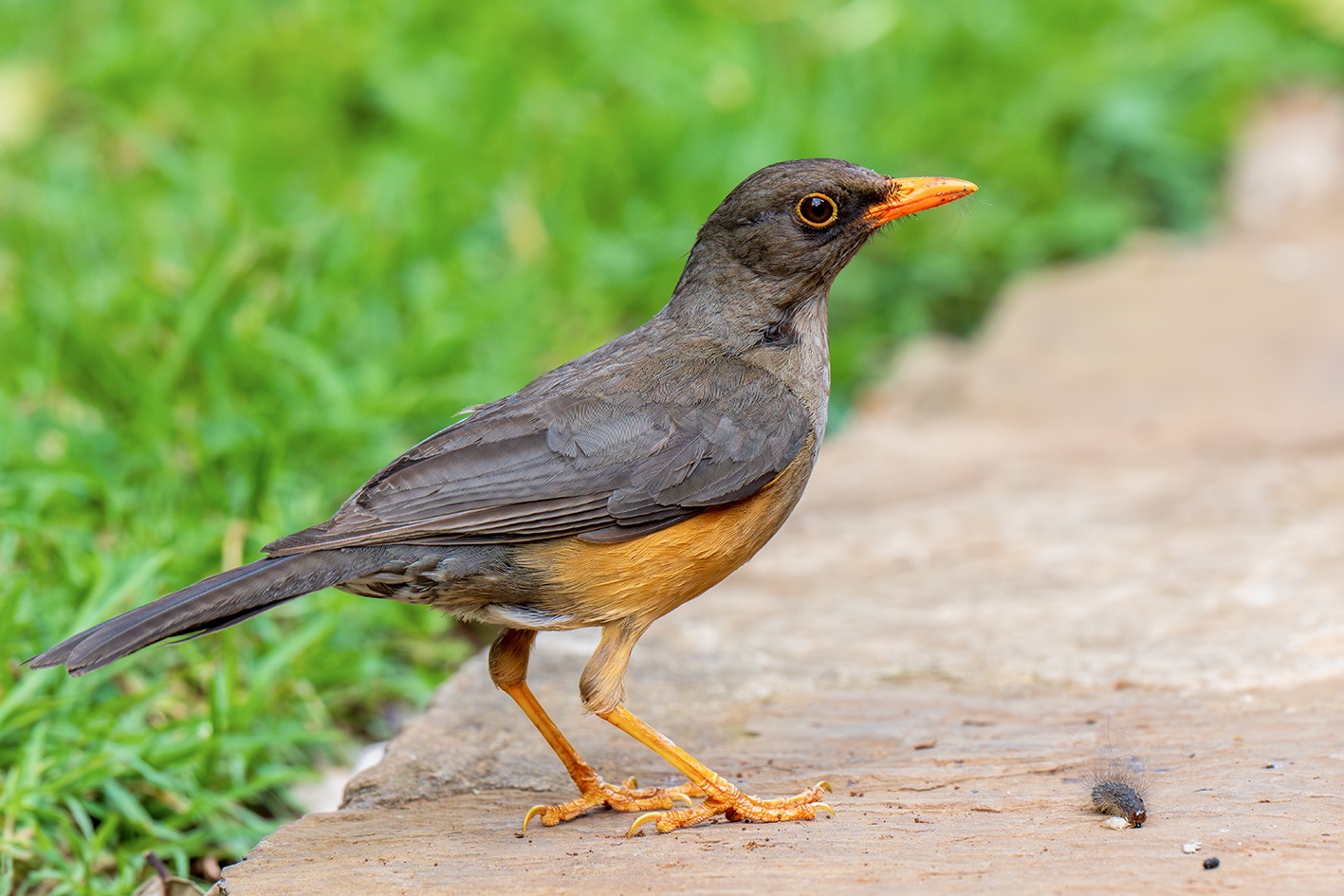
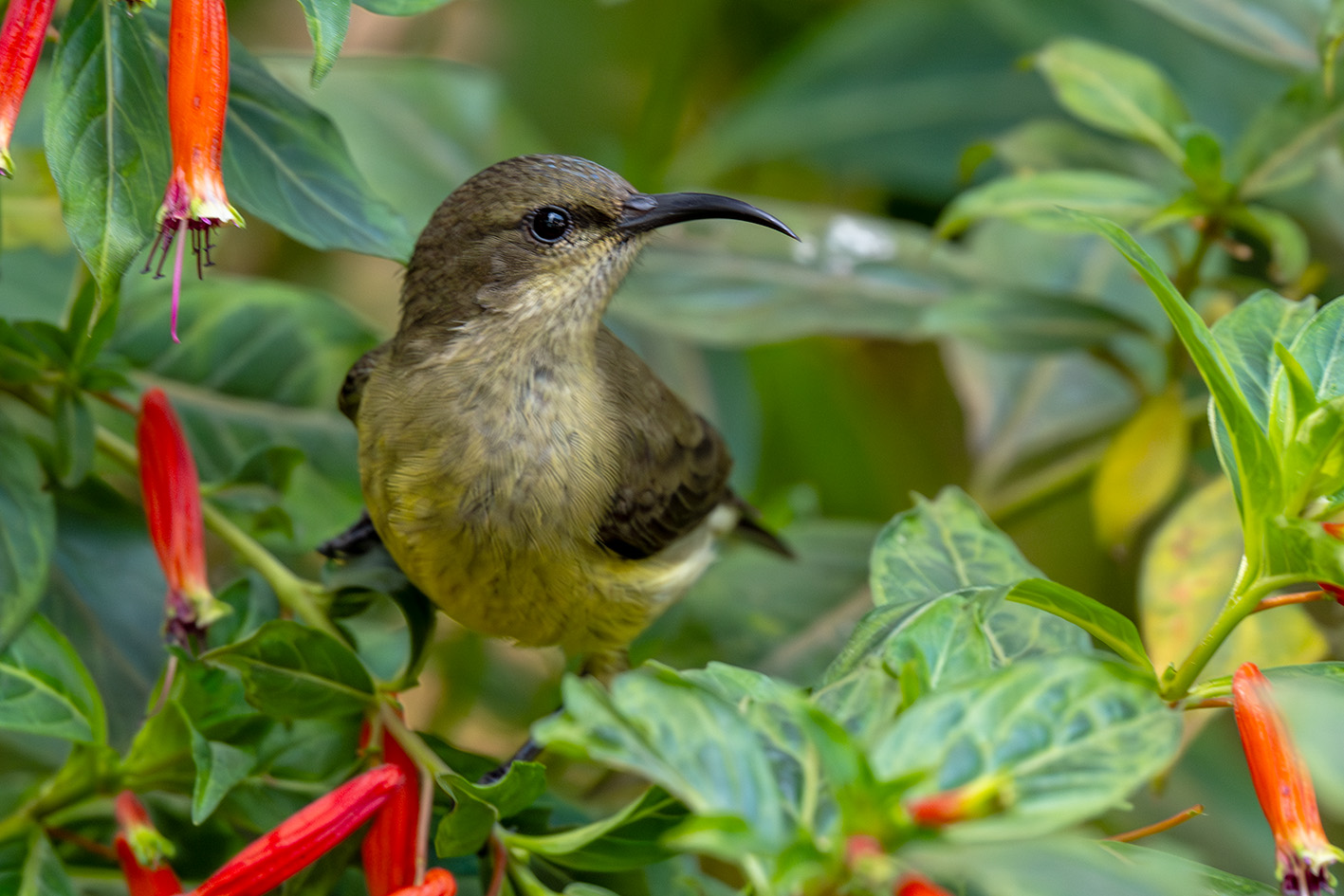
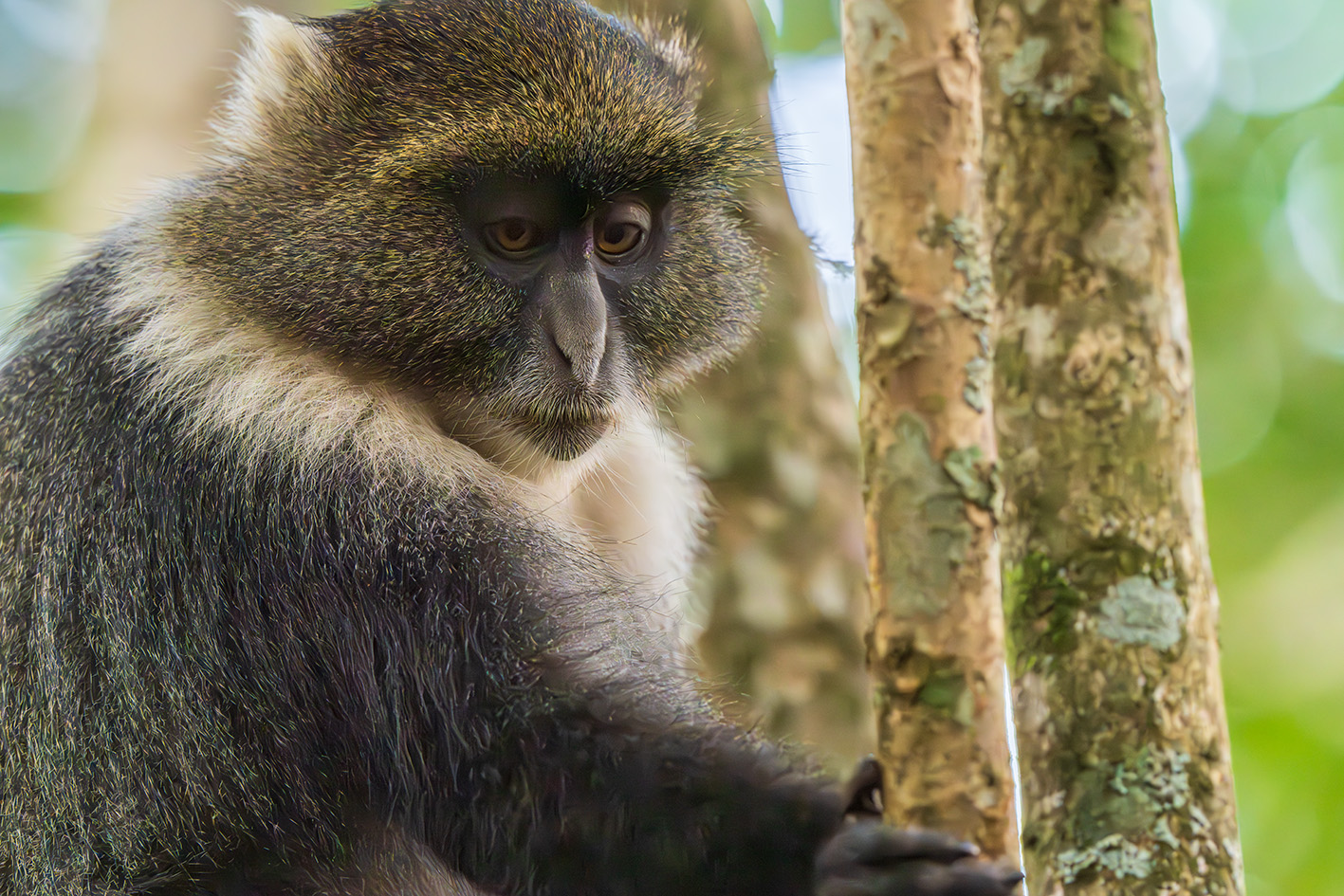
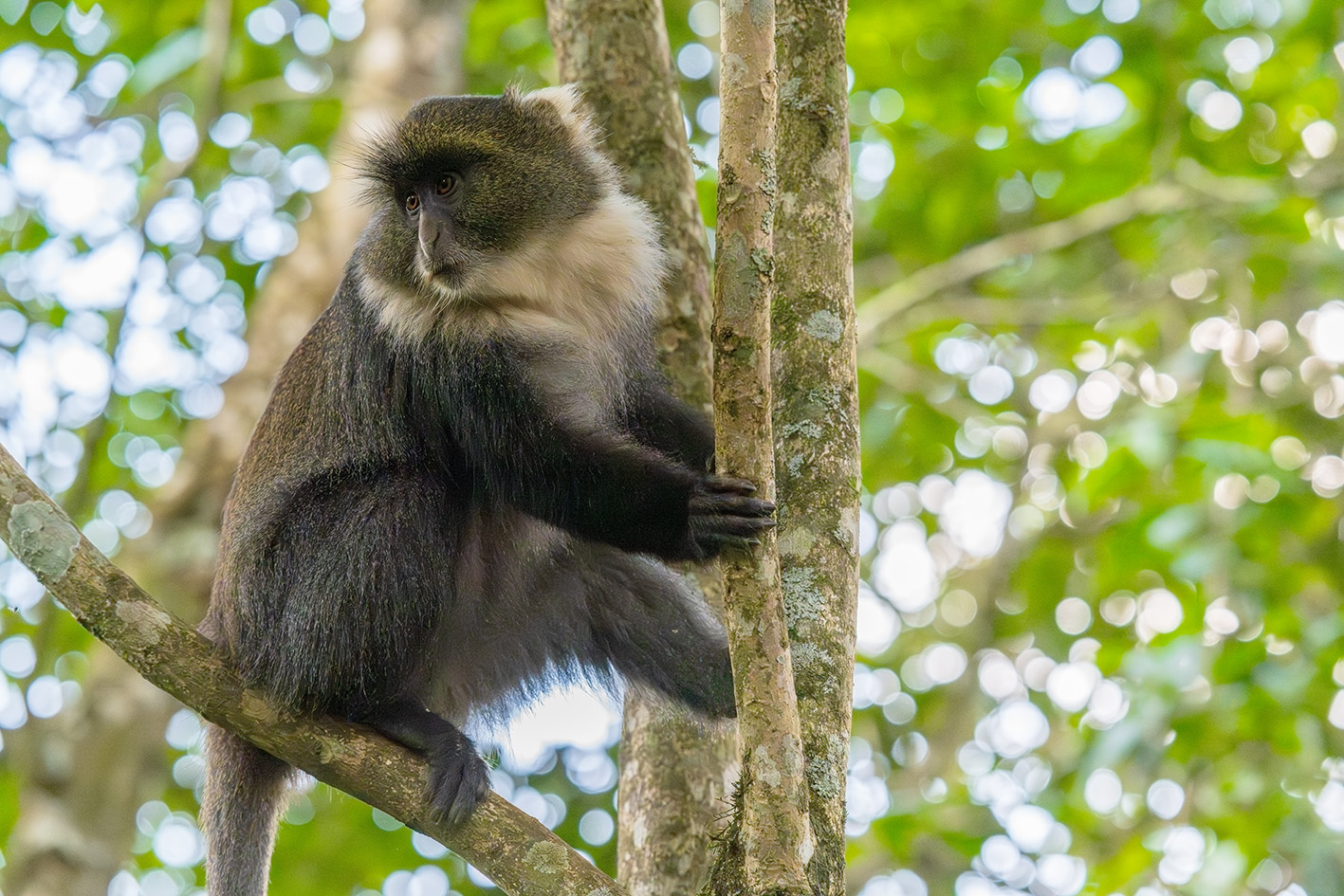
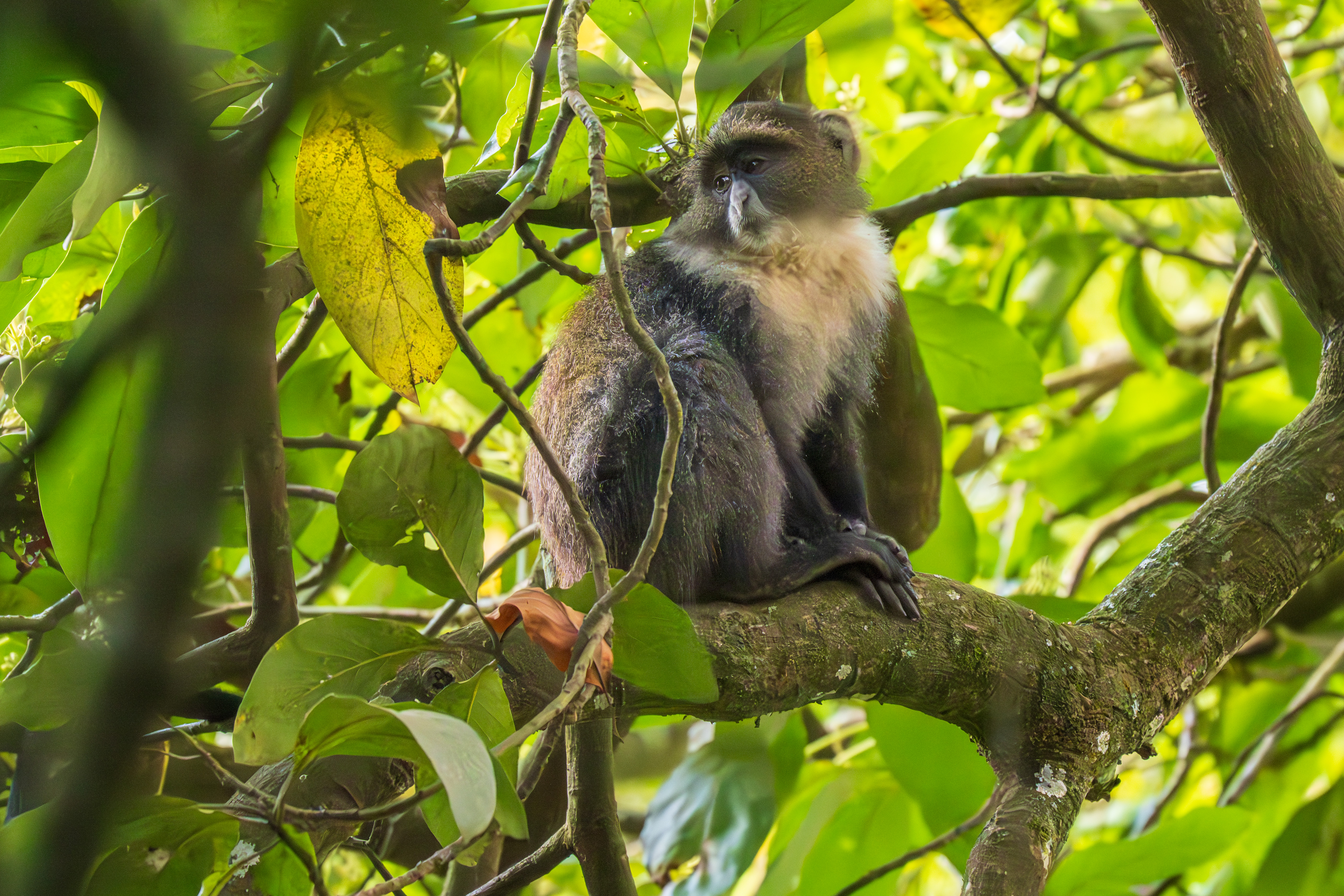
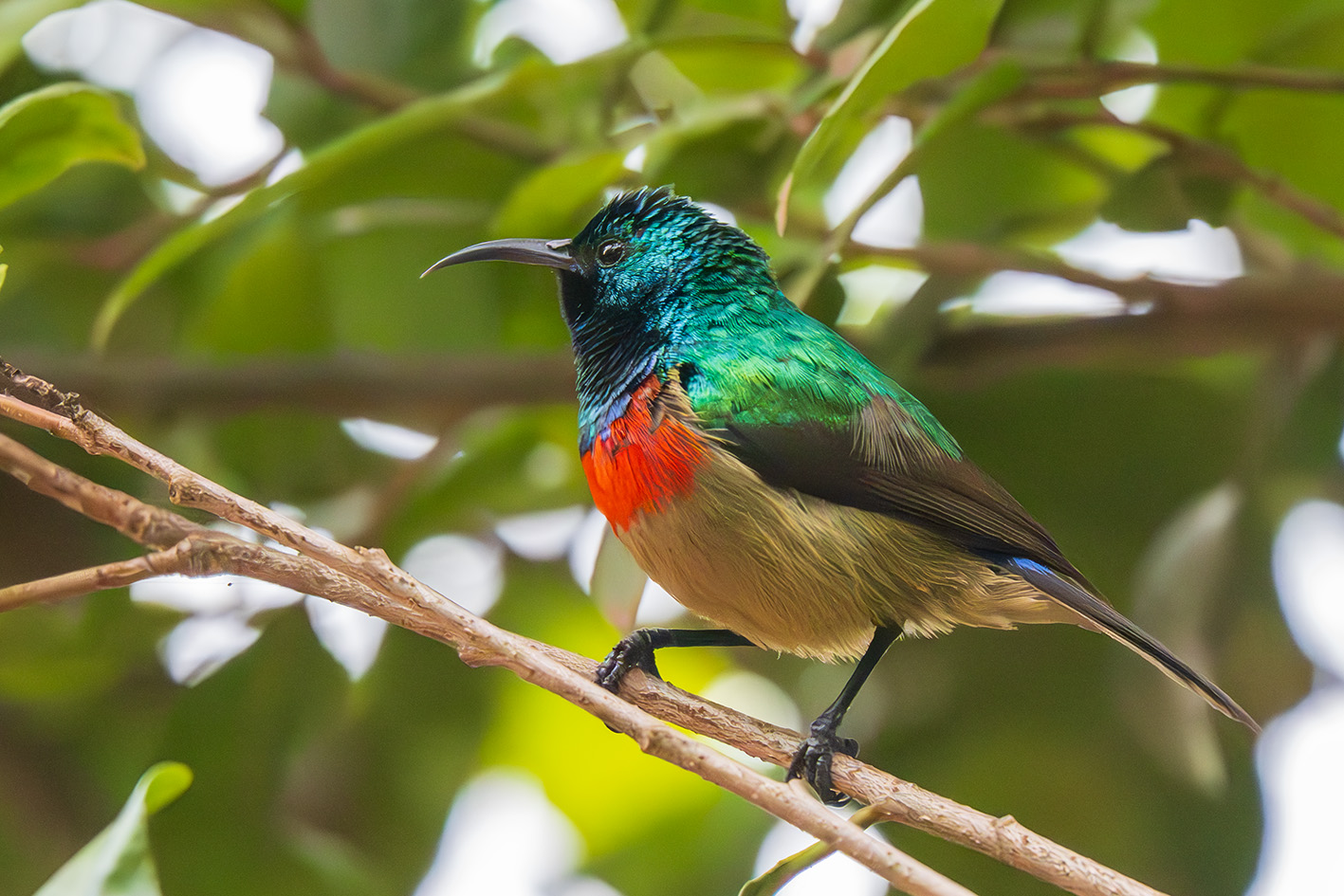
Rothschildgiraffe (Giraffa c. rothschildi)
Hartlaub’s toerako (Hartlaub’s turaco – Tauraco hartlaubi)
bergdrongovliegenvanger (White-eyed Slaty Flycatcher – Melaenornis fischeri
bruine muisvogel (Speckled mousebird – Colius triatus)
zwarte wouw (Black kite – Milvus migrans)
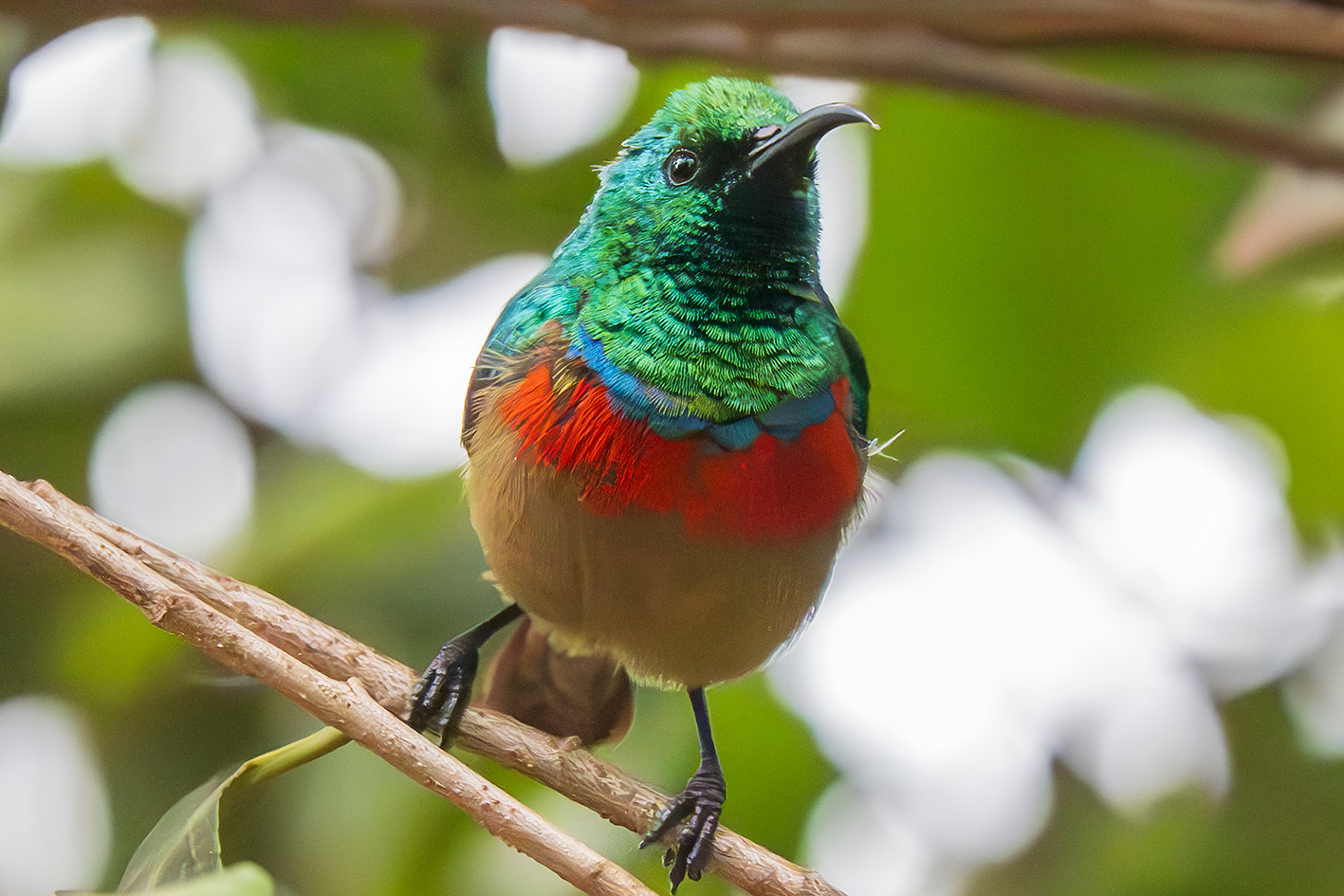
amethisthoningzuiger (Amethist or Black sunbird – Chalcomitra amethystina)
Somalische brilvogel (African yellow white-eye – Zosterops senegalensis)(Mylabris oculata) Een soort oliekever, Red and black blister beetle – Nairobi fly or bean beetle)
Afrikaanse berglijster (Abyssinian thrush – Turdus Abyssinicus)
tacazze-honingzuiger (nectarine subird – Nectarinia tacazze)
diadeemmeerkat (Blue monkey – Cercopithecus mitris)
feeenhoningzuiger (Beautiful sunbird – Cinnyris pulchellus)

Binnenkort meer beelden van Kenia en Tanzania. Ja, er zijn leeuwen daar…

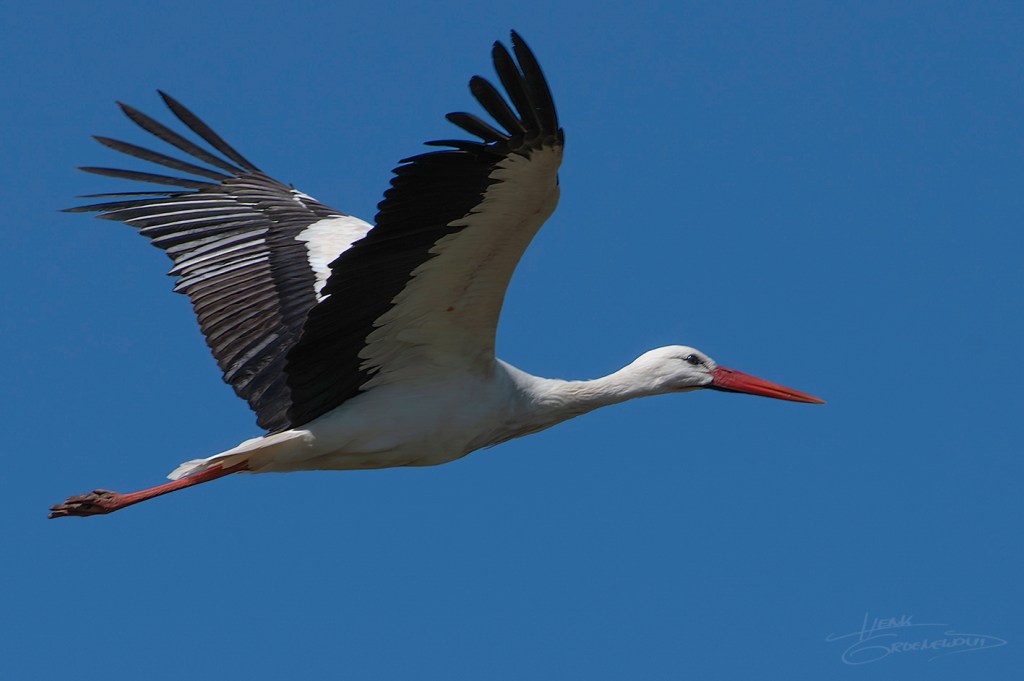
Op 10 minuten fietsen van mijn huis bevindt zich een prachtige kolonie ooievaars. Ze zijn alweer druk aan het broeden.
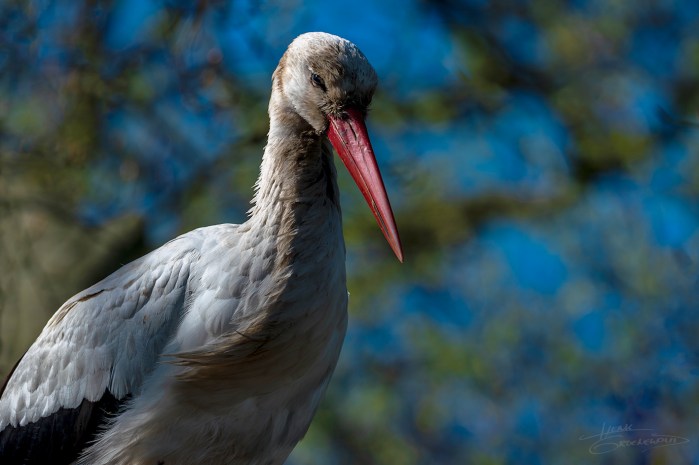
Ik vermoed dat het exemplaar met de bruine veren een eerstejaars is. De snavel is al fel rood in plaats van zwart, maar het verendek is nou niet echt stralend wit te noemen, en hij heeft duidelijk één van de slechtste plekken van de kolonie gekregen: het dichtst de weg, het laagst op de stam. Het arme dier wordt voortdurend bekeken door fotografen zoals ik, en auto’s die even stoppen. Gelukkig lijkt hij gewend aan drukte, want hij bleef onverstoorbaar soezelen (het resultaat: vele, vele foto’s met gesloten ogen).

En wat klinkt dat klepperen toch mooi!

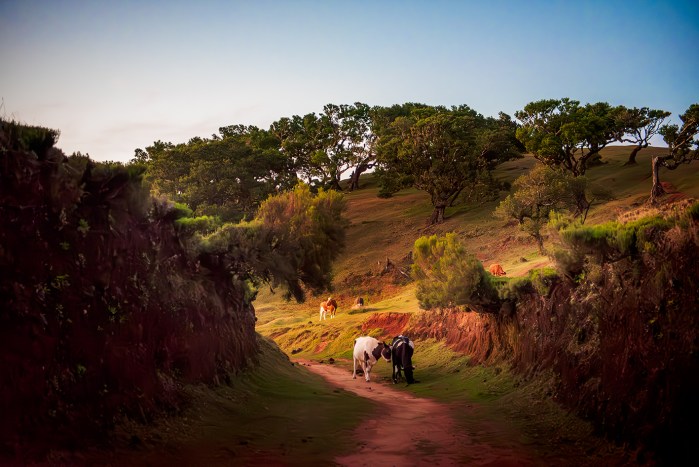
In het laatste licht van de dag – de zon is inmiddels al onder – lopen de koeien naar huis
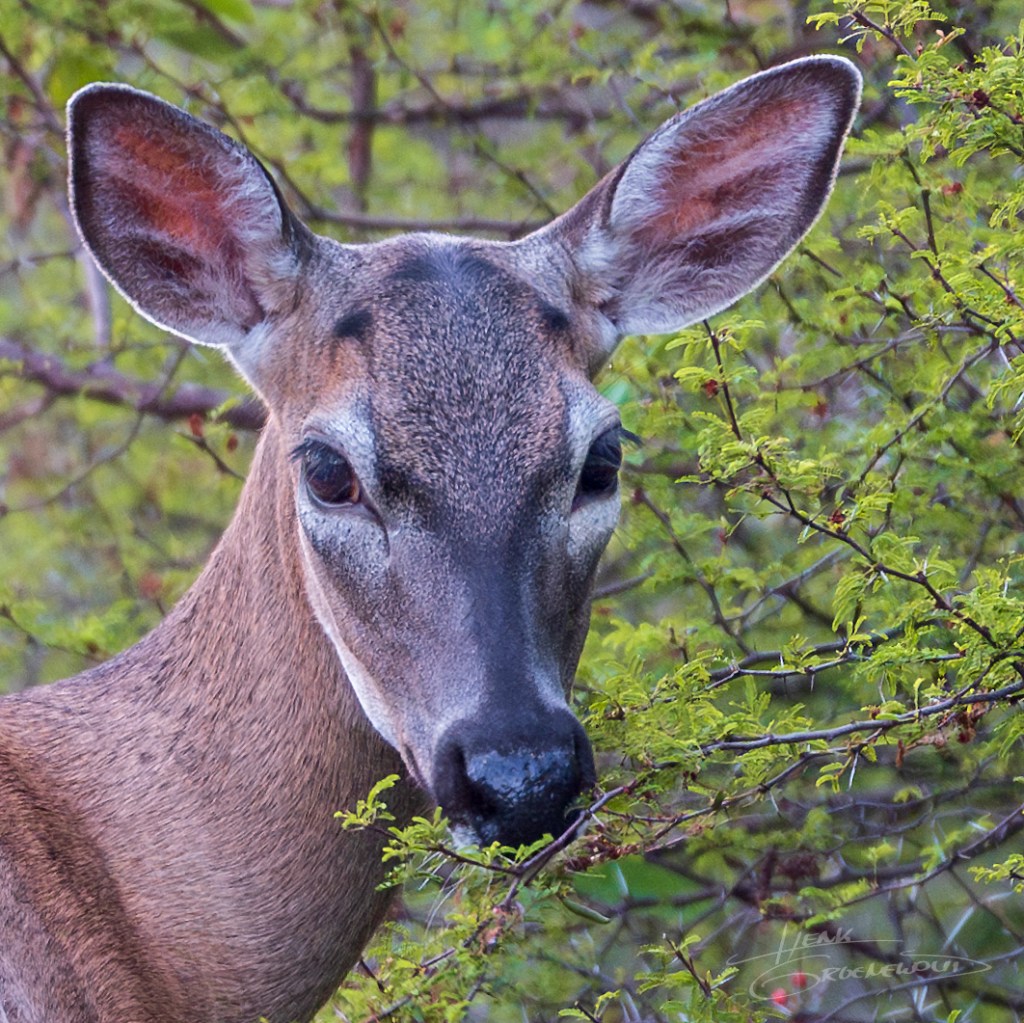
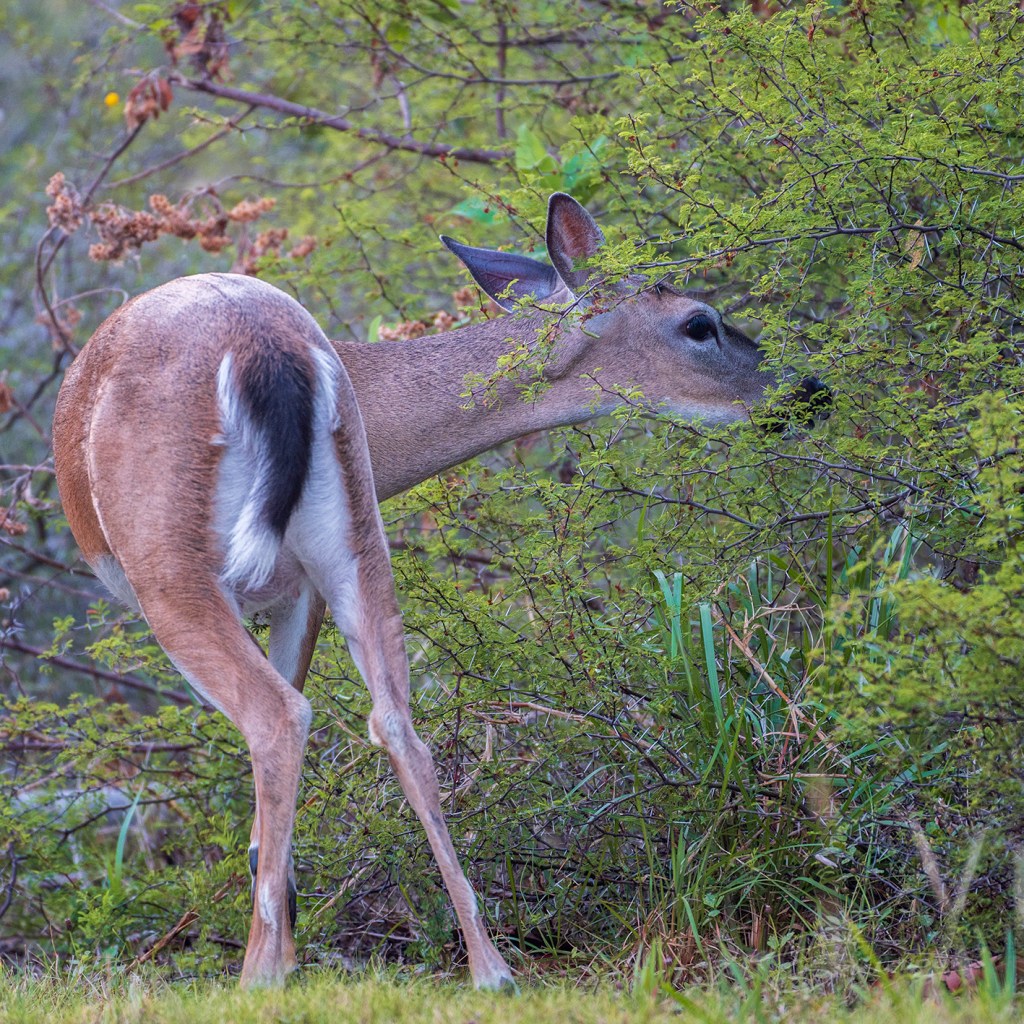
Next morning we were welcomed by this Key deer (Odocoileus virginianus clavium) walking through our garden. A miniature deer, but what beautiful eyes!
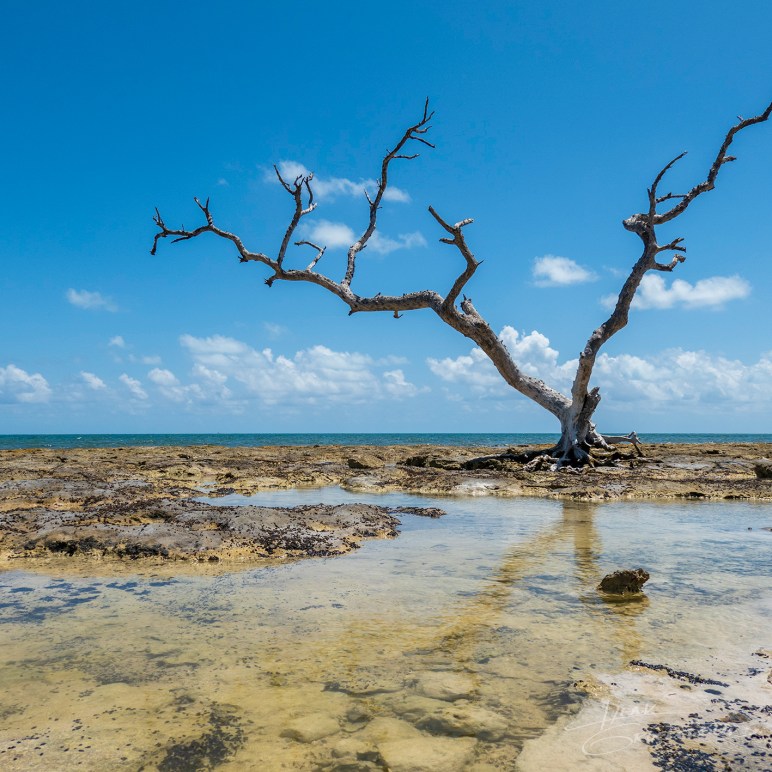
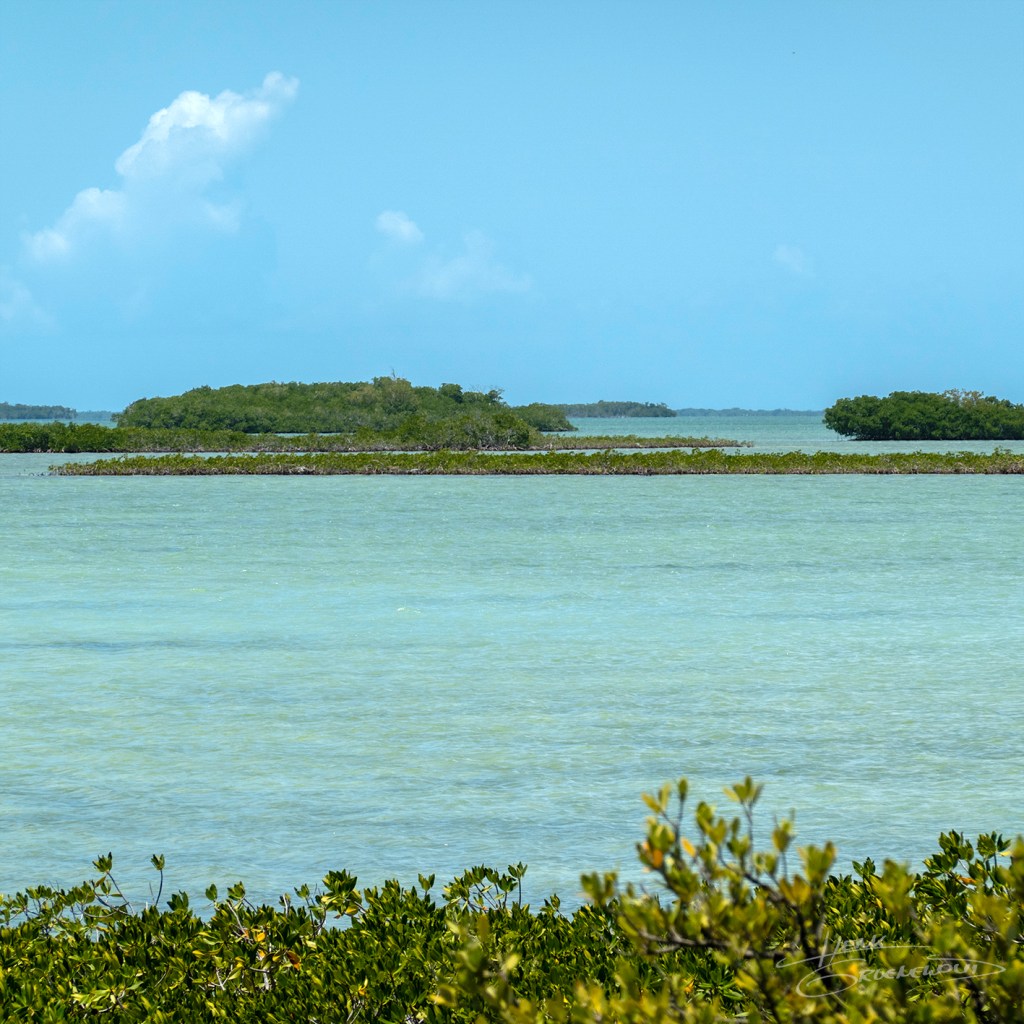
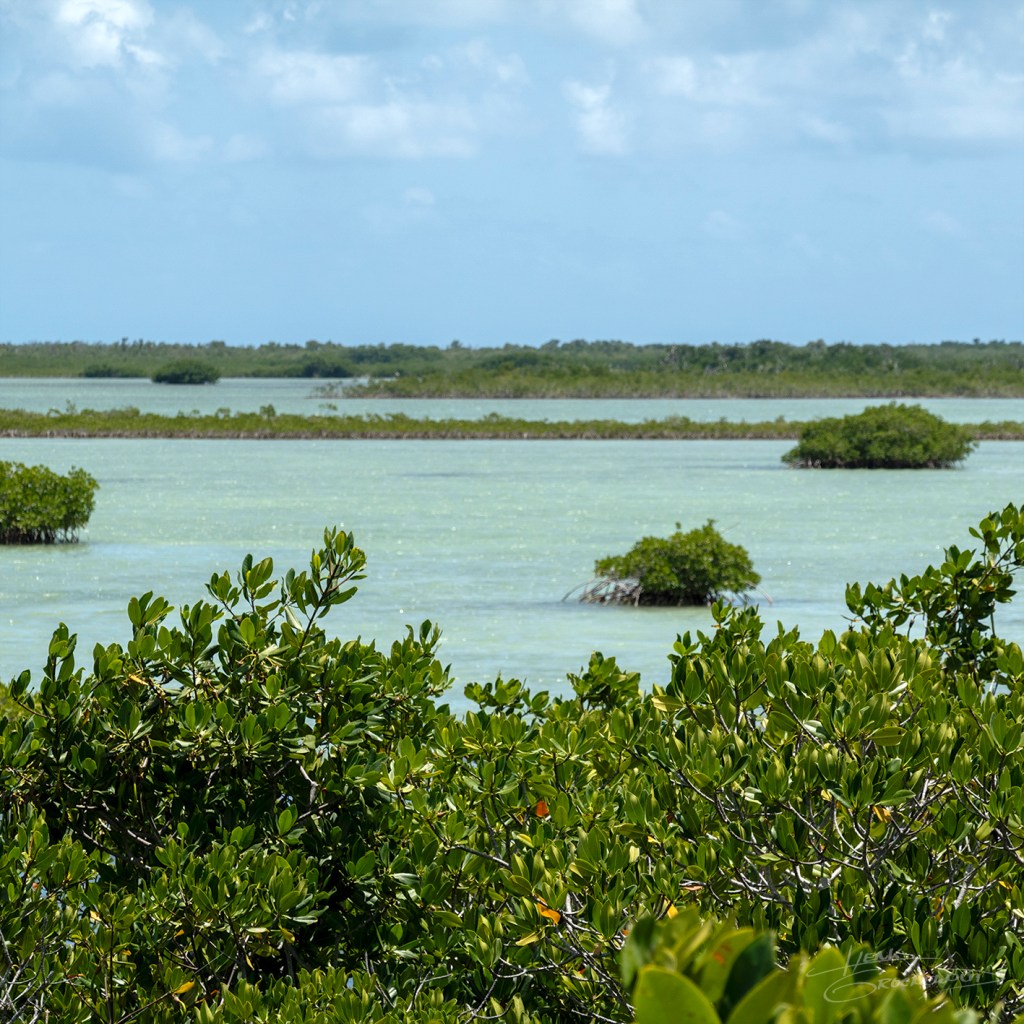
These colors of the mangroves!



Snorkling at the reef
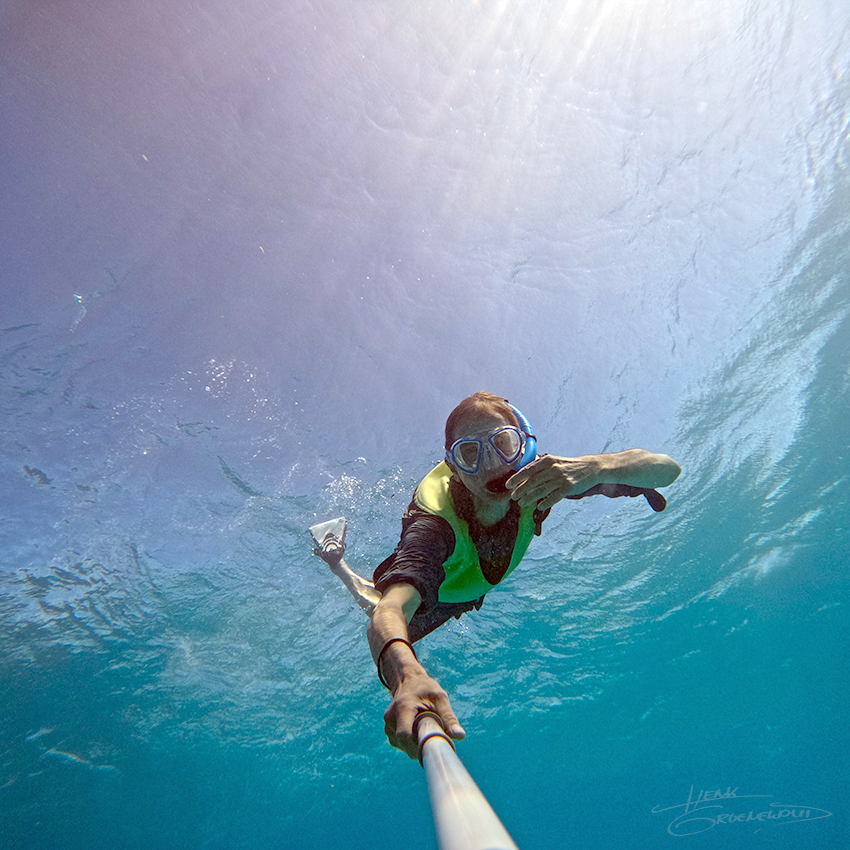

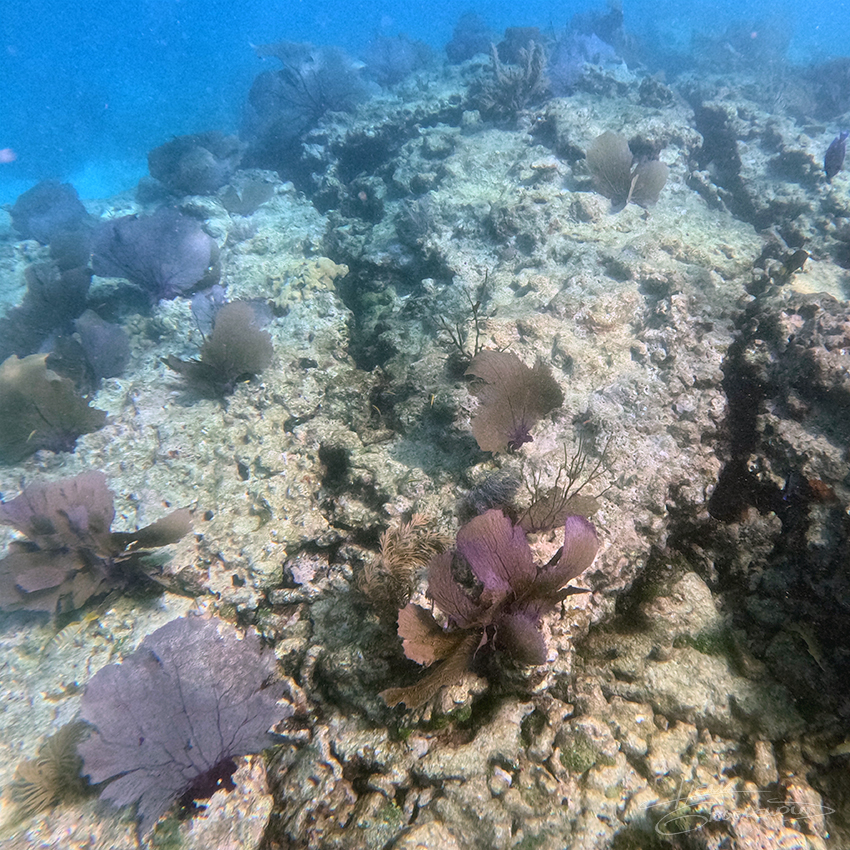
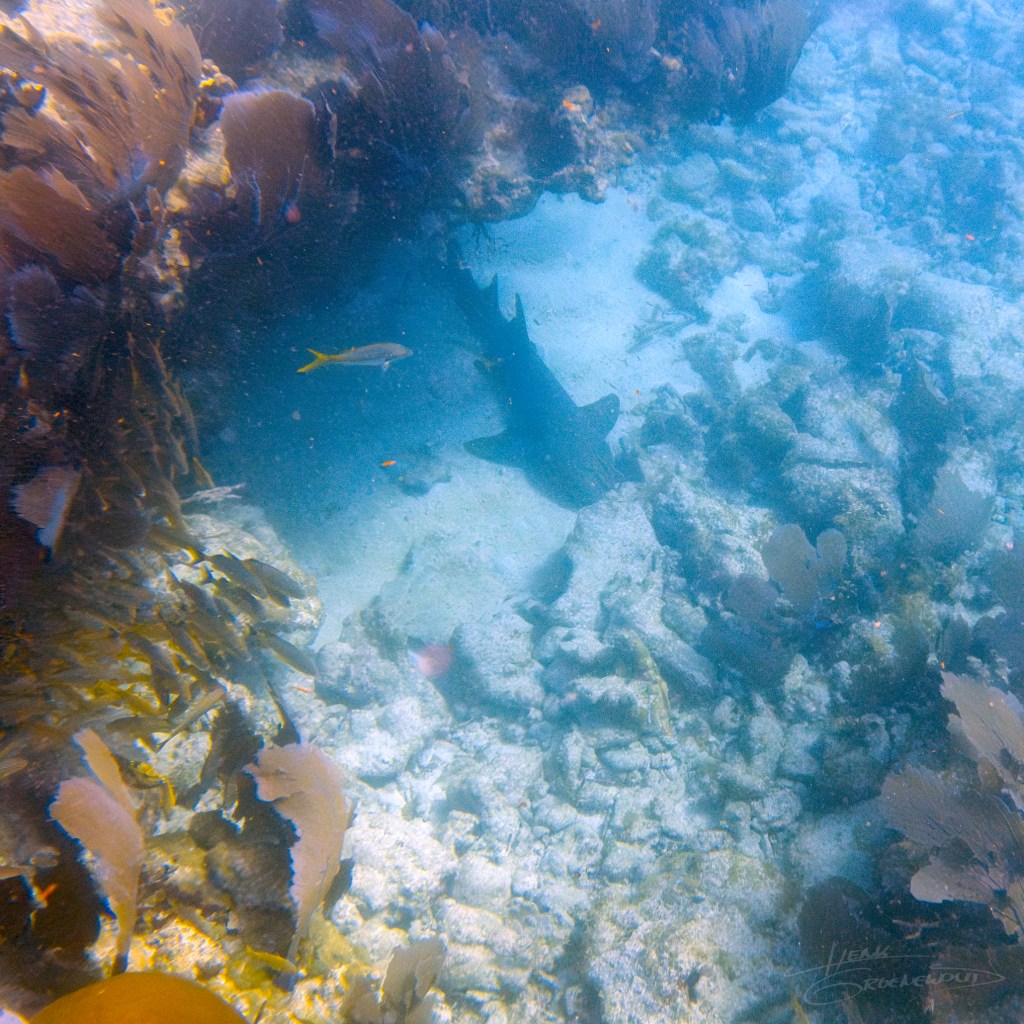
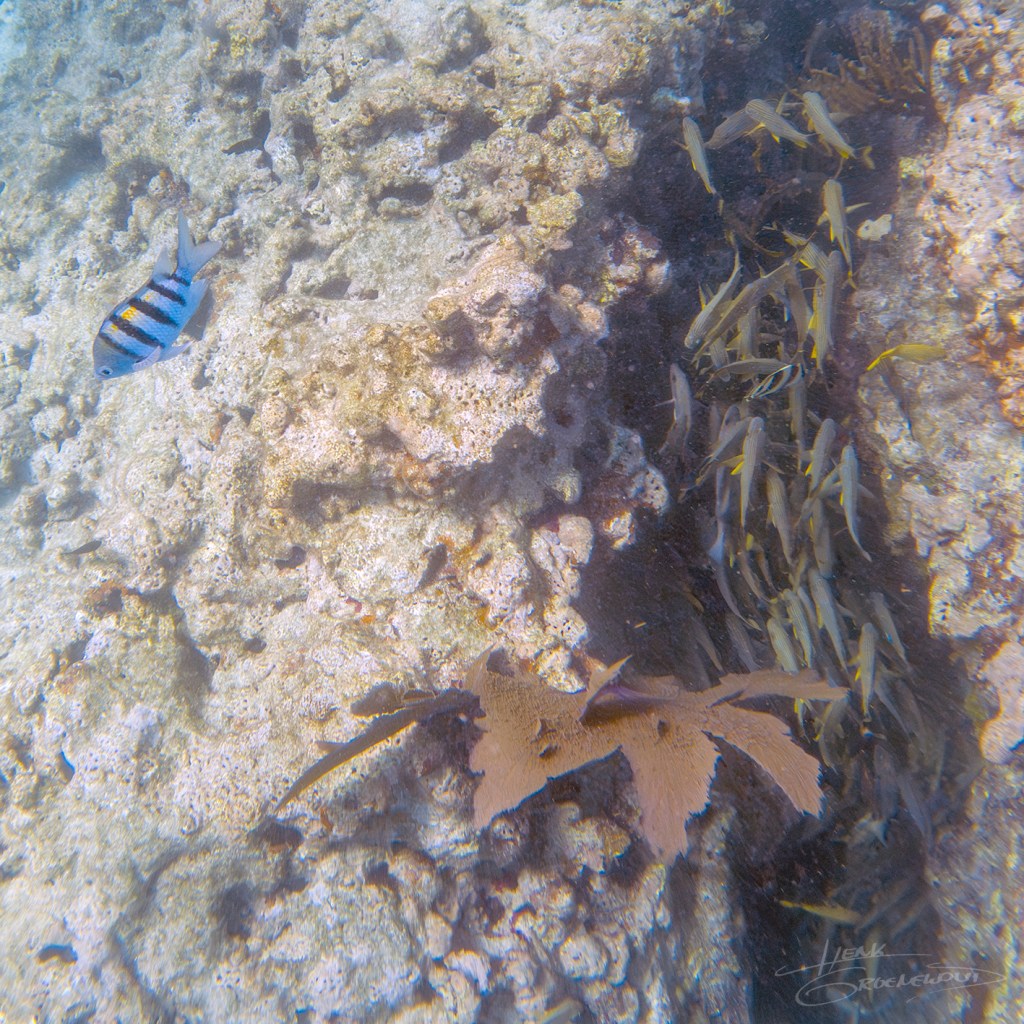

Schematic display of a stay in the Keys, Florida USA





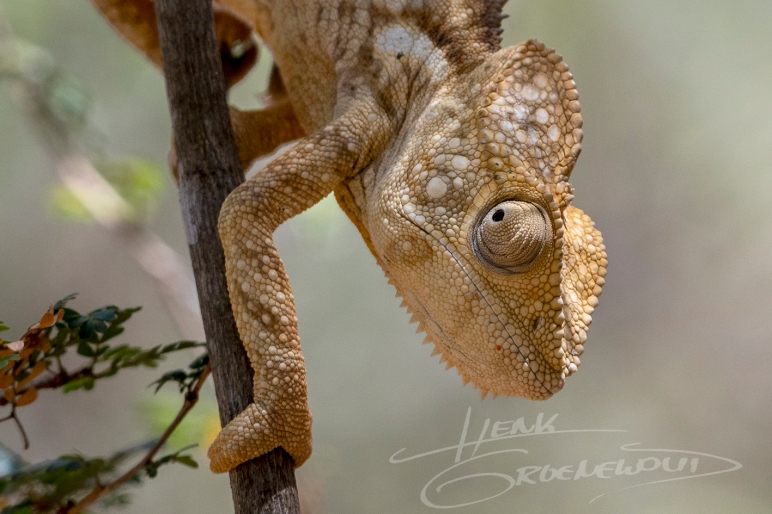
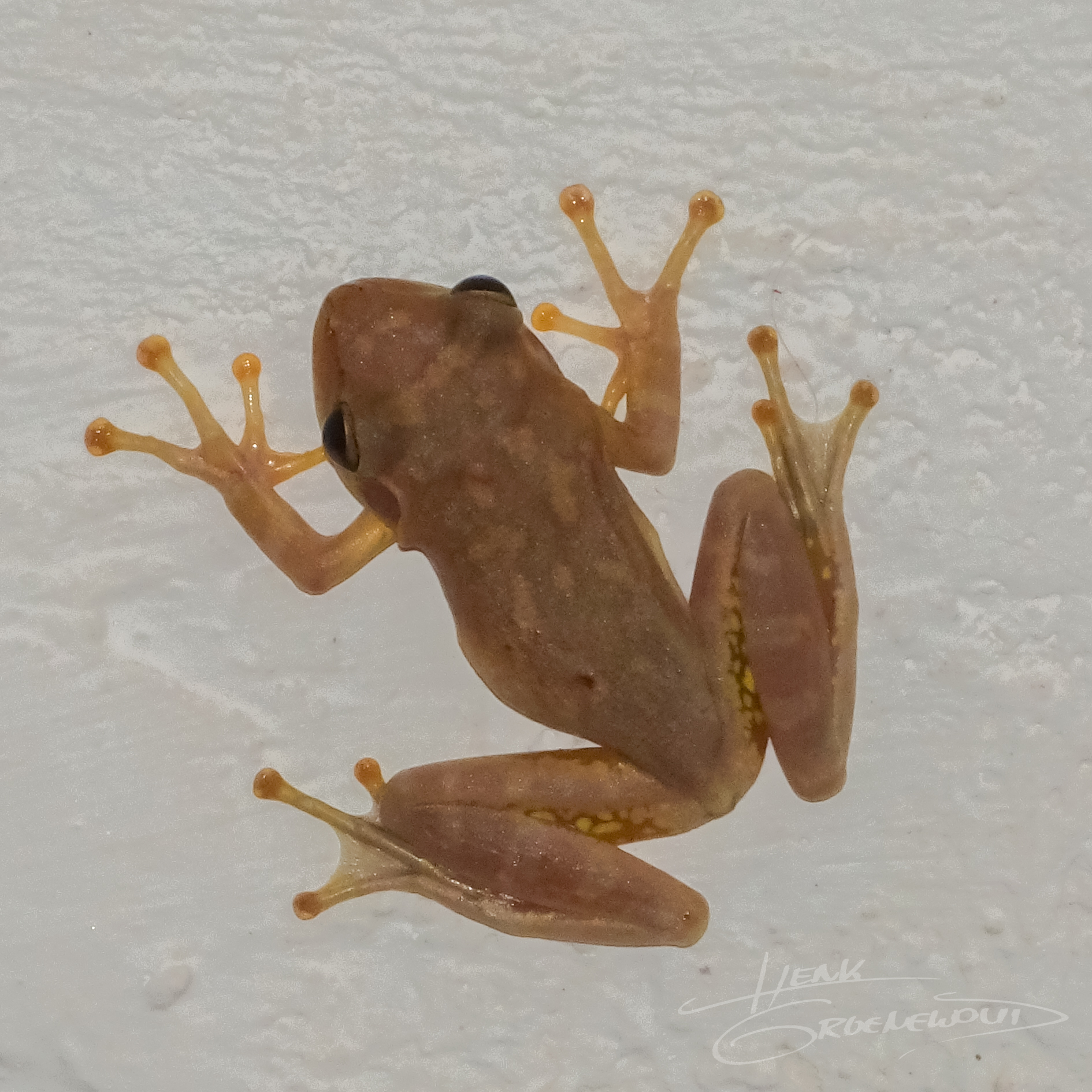
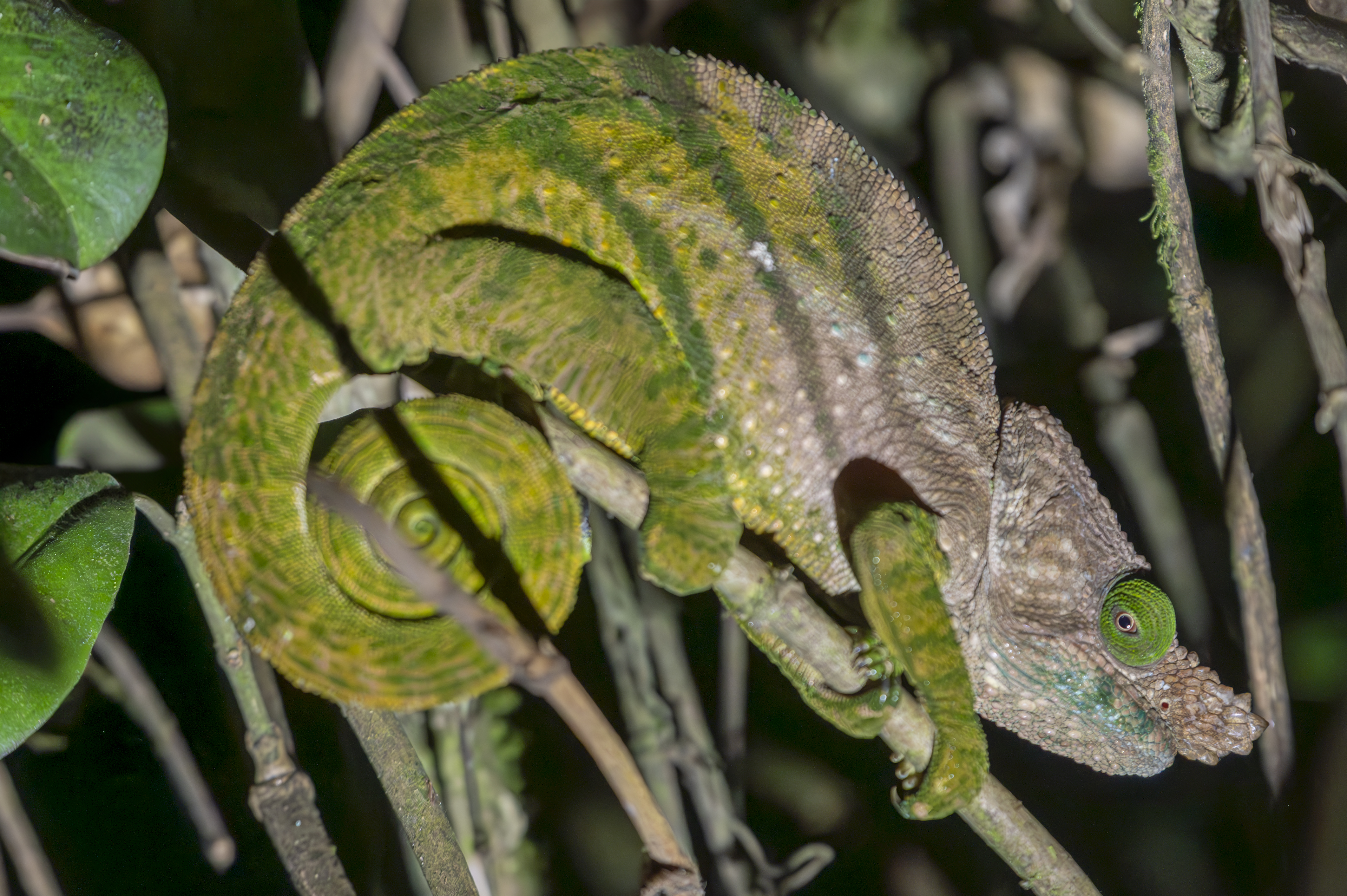
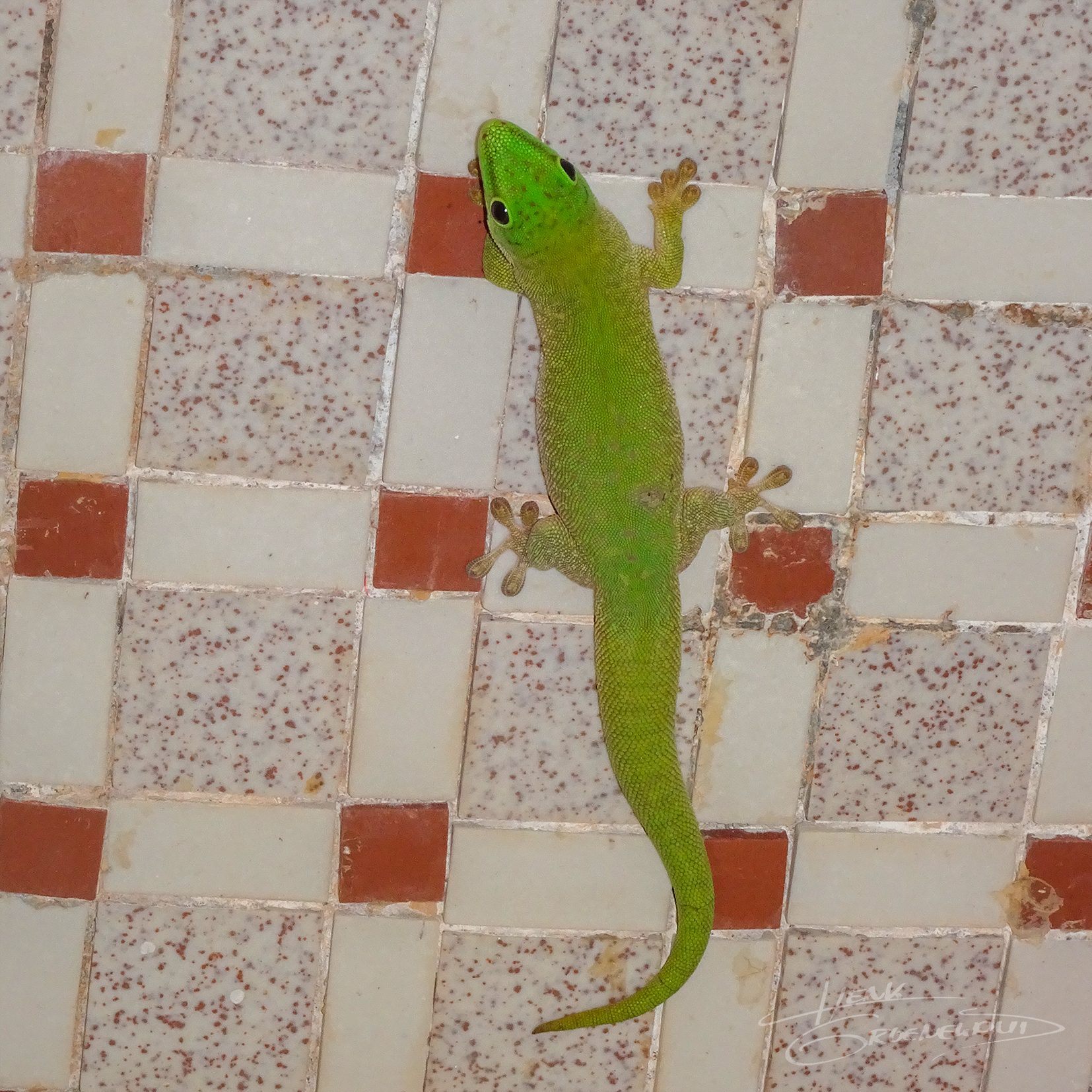
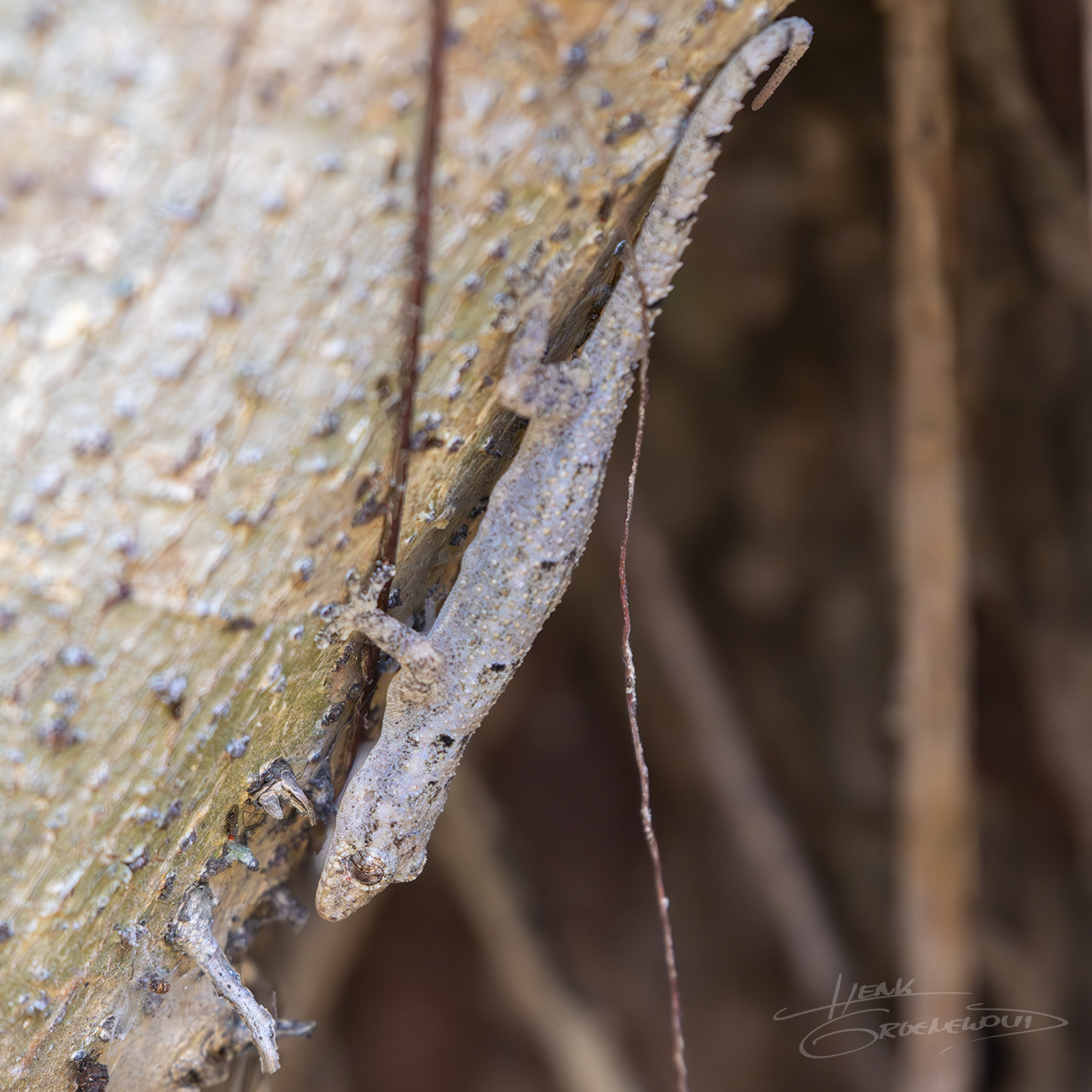
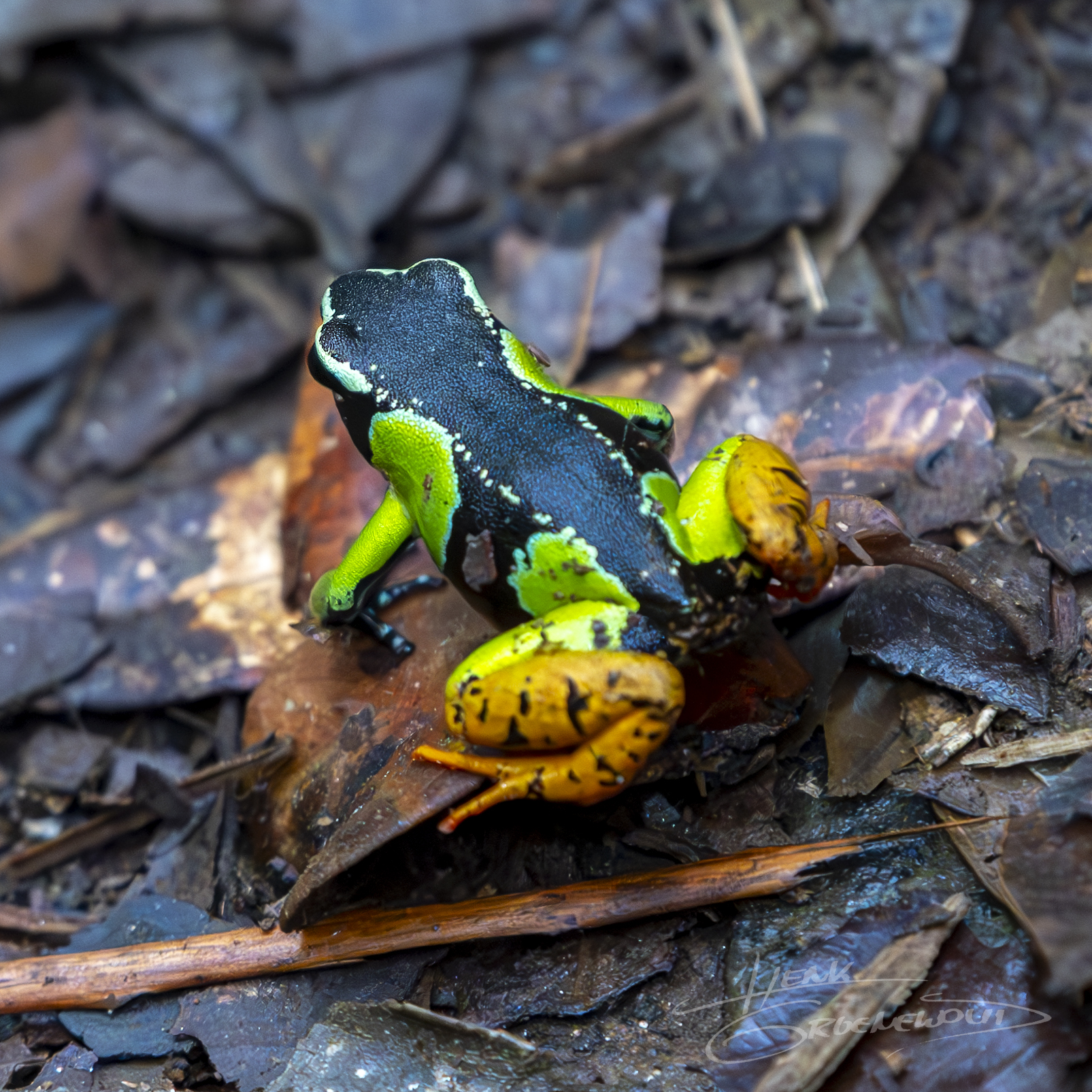
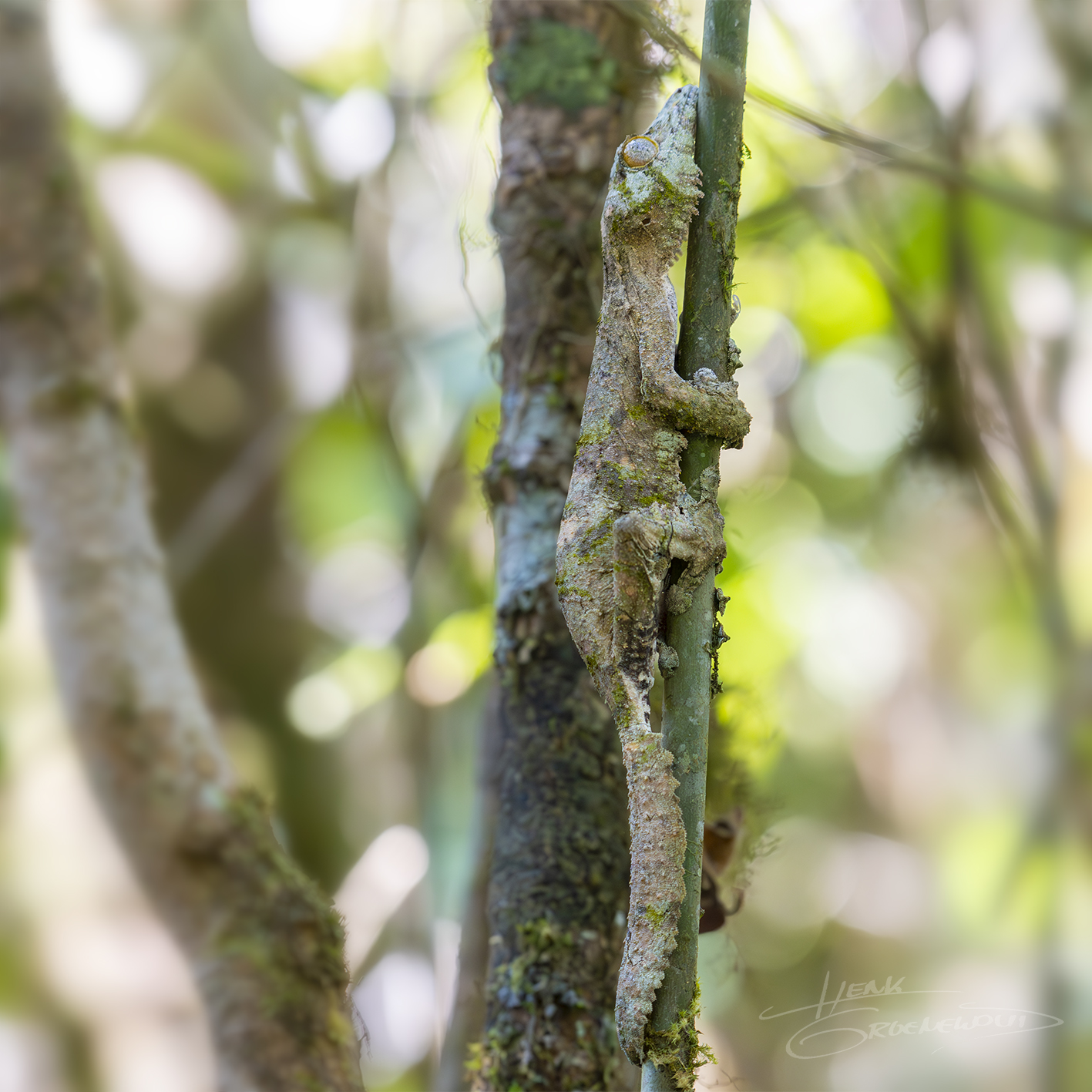
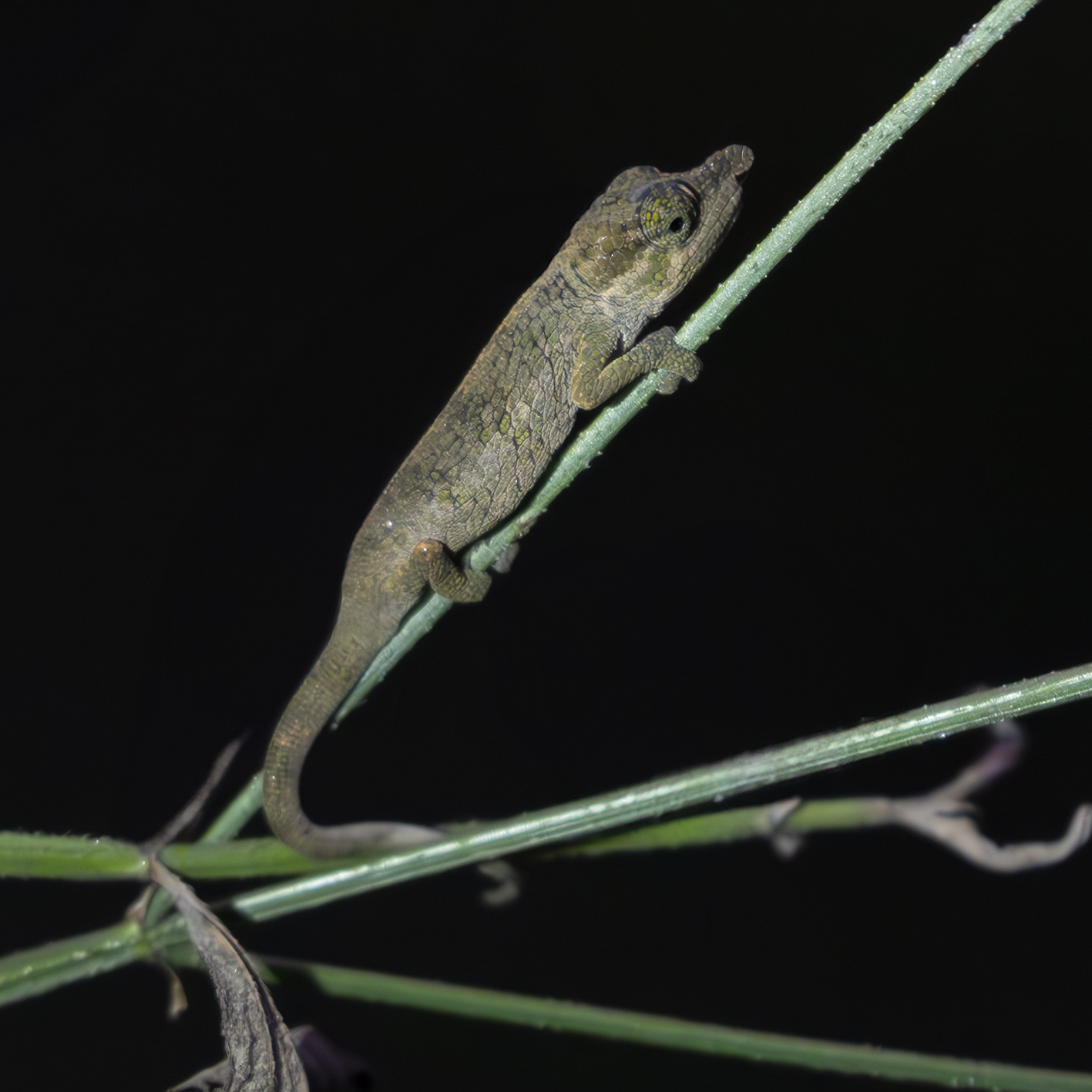
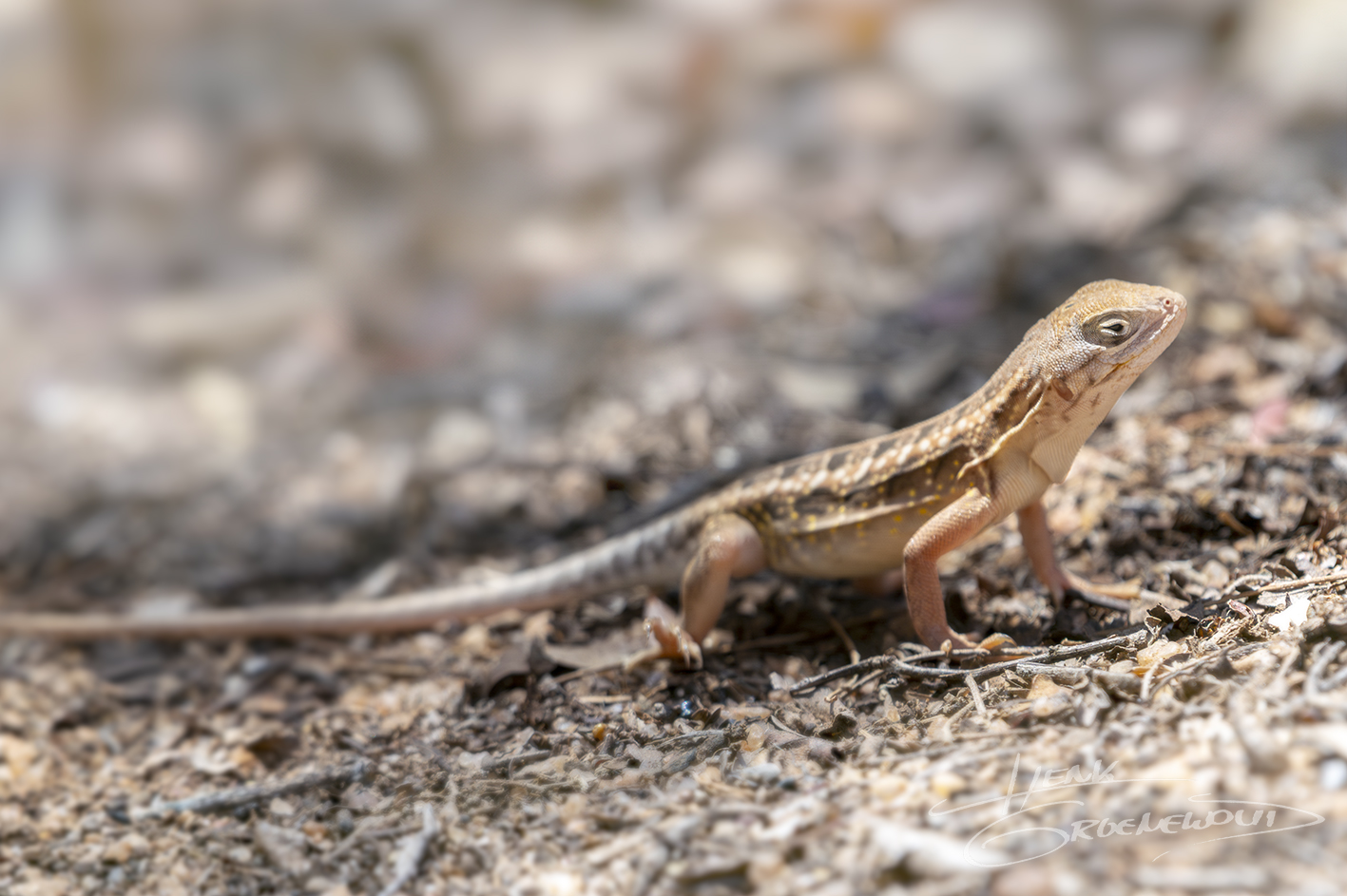
Back to Madagascar. Lots and lots of chameleons, lizards, frogs and snakes. Too much, I’d say. So here’s a whole bunch of them. Pay attention to the perfect disguise of the different chameleons (the smallest less than 5 cm!), the mossy leaf-tailed gecko’s, the beautiful frogs…
And did you know they even have Nile crocodiles? It’s all too much!

















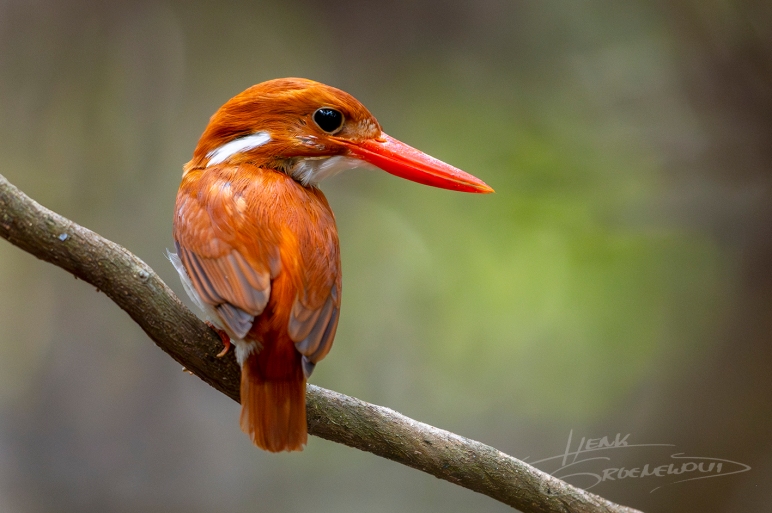
Yes, it was a birding trip to Madagascar. So it’s about time to show some of the beautiful birds that live there. Almost all of them endemic to the island as well, just as the lemurs. First the Madagascar Pygmy kingfisher Corythornis madagascariensis. An amazing success of our guide ‘Jacana’, who was able to spot this tiny bird in the trees of the rainforest

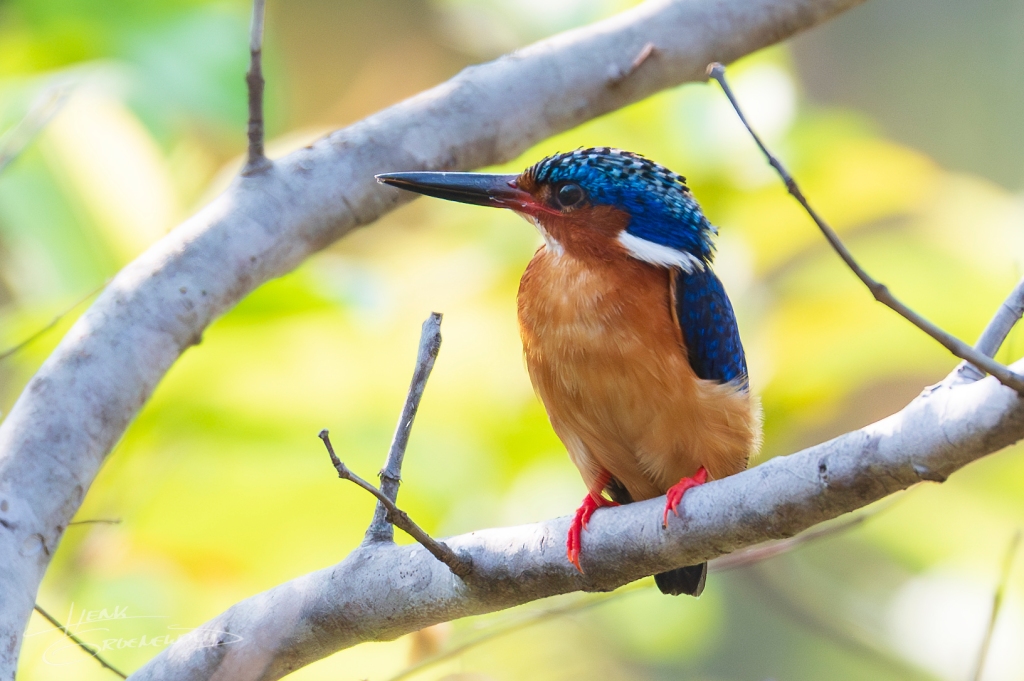
There is another kingfisher that looks a lot like our Eurasian kingfisher. At first glance they appear to be the same. But look closely: there is no blue cheek and less white on the chin. It’s a Madagascar malachite kingfisher Corythornis vintsioides
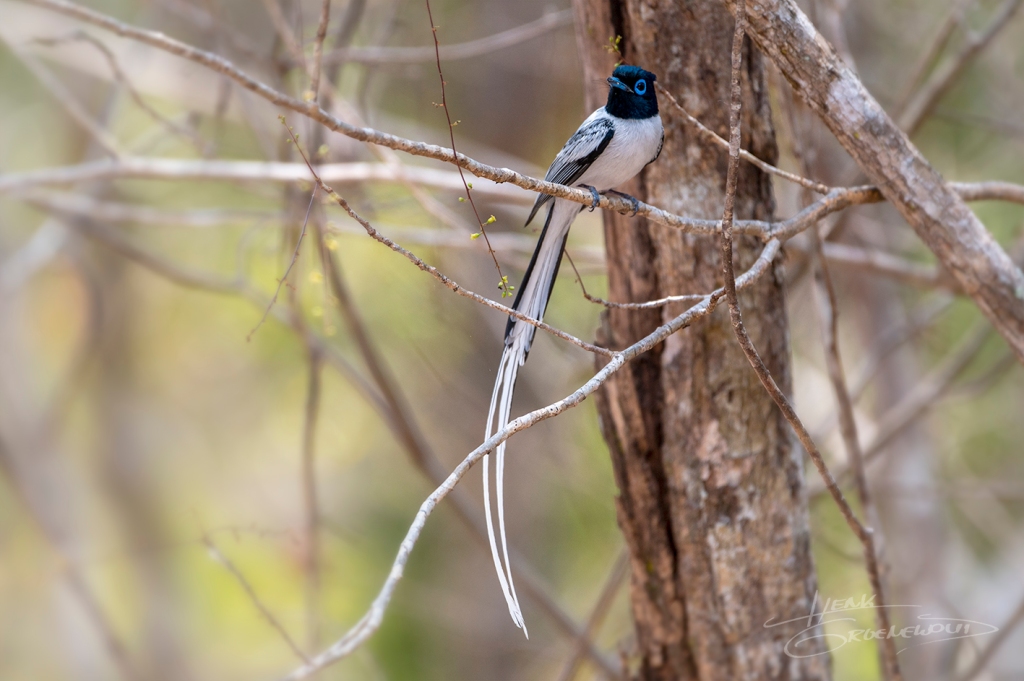
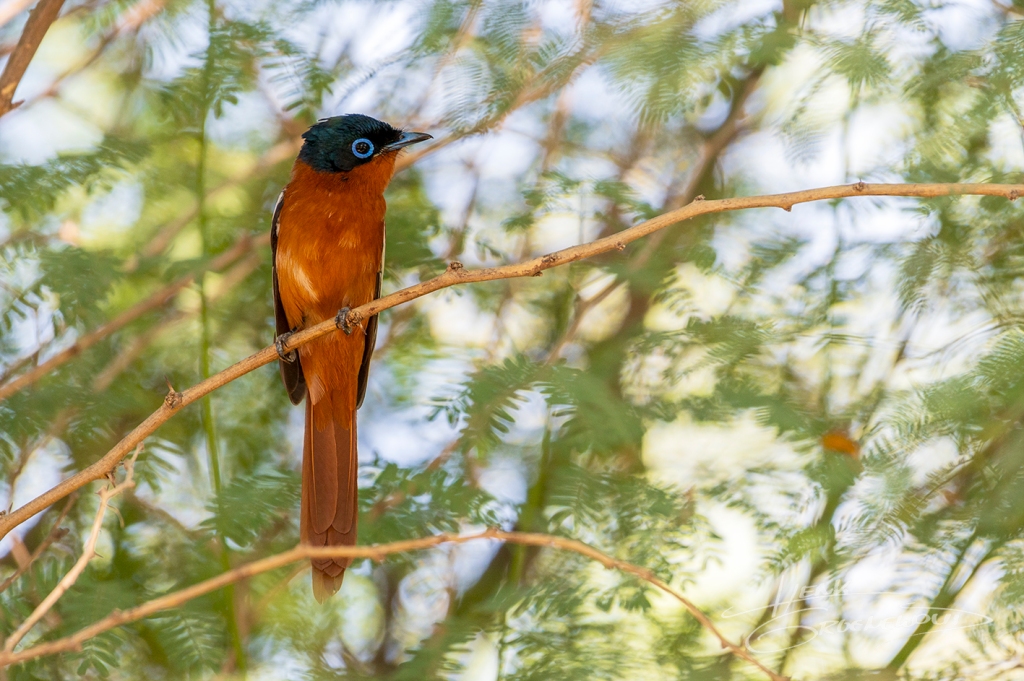
Incredibly graceful these Madagascar paradise flycatchers (Terpsiphone mutata mutata). Same species, white and brown morph
The Madagascar crested ibis Lophotibis cristata; quite shy and difficult to find. It took several days of searching before he showed up. “It has always been an endangered species,” the guide said, “but when the Covid pandemic broke out and tourists didn’t come anymore, lots of them were eaten…”

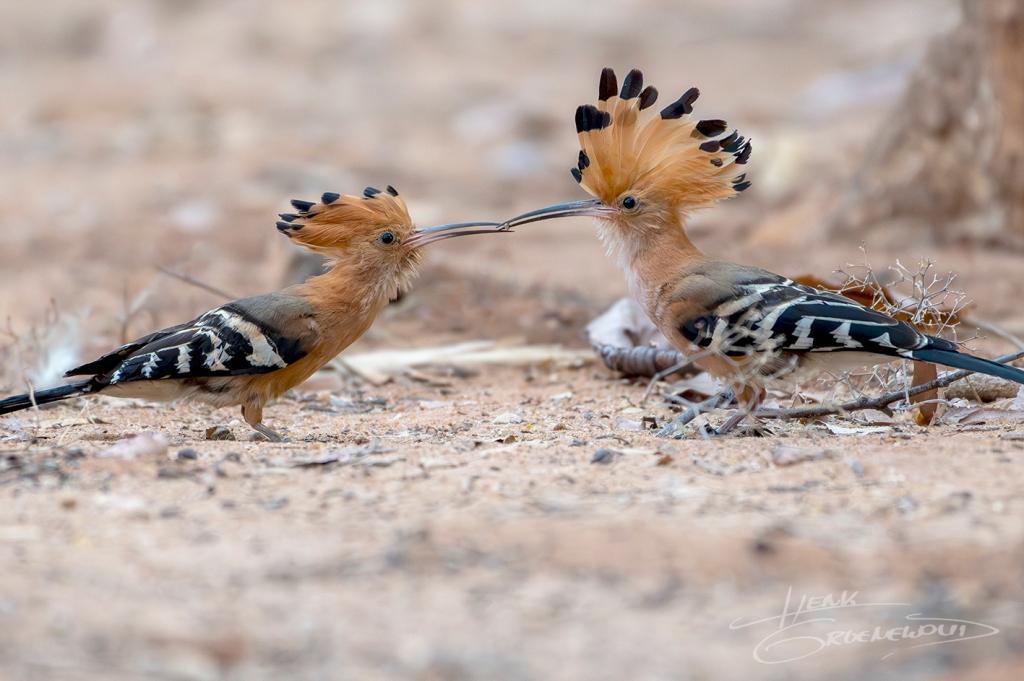
The hoopoe! And again an endemic: the Madagascar hoopoe Upupa marginata. I’m afraid I don’t see the difference with the Eurasian hoopoe
Souimanga sunbird – Cinnyris souimanga. That reflection of light on the feathers!

Another colourful bird: the Pitta-like ground-roller Atelornis pittiodes. Also very difficult to find, as he is walking in dense dark forests. So many colours: Green wings, ruby breast, blue spotted head… truly amazing

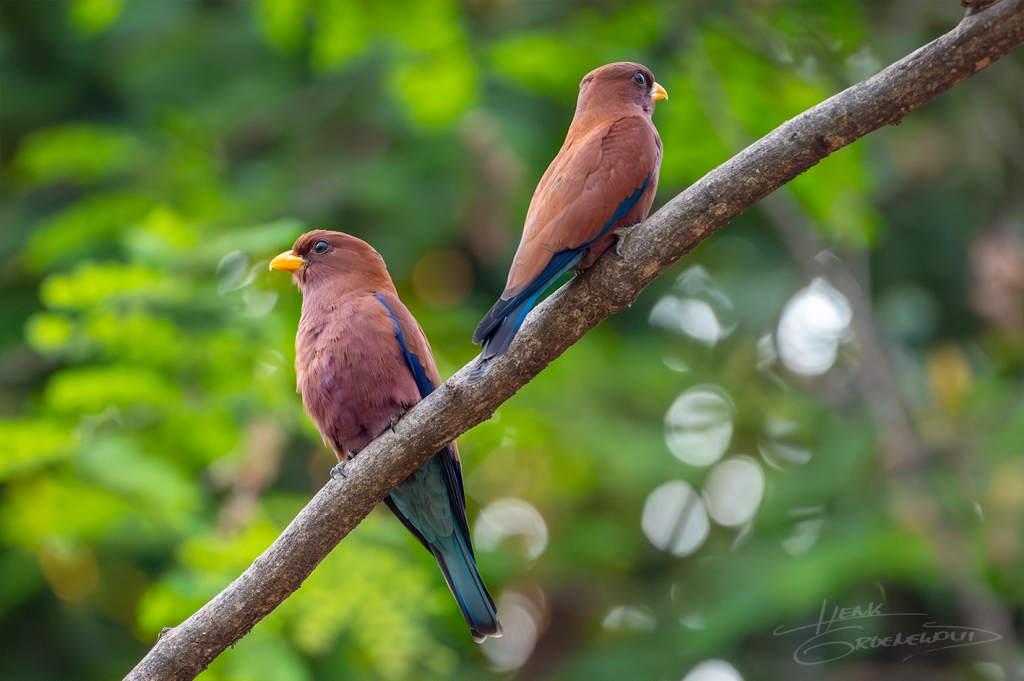
The family of rollers is one of my favourites. This is a Broad-billed roller Eurystomus glaucurus, mostly brown but it has beautiful blue feathers in the wings and tail
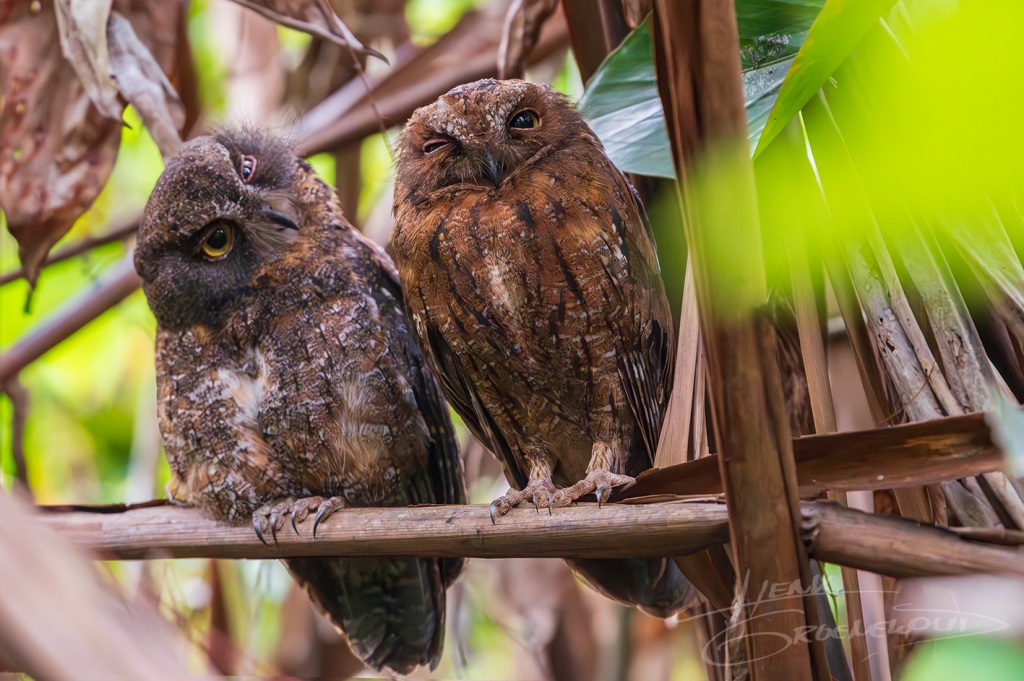
Last one for now: two Madagascar scops owls Otus rutilus happy together