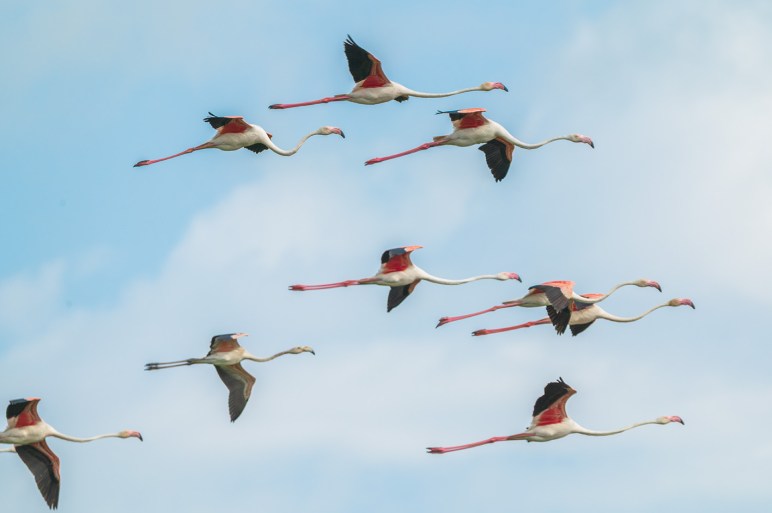
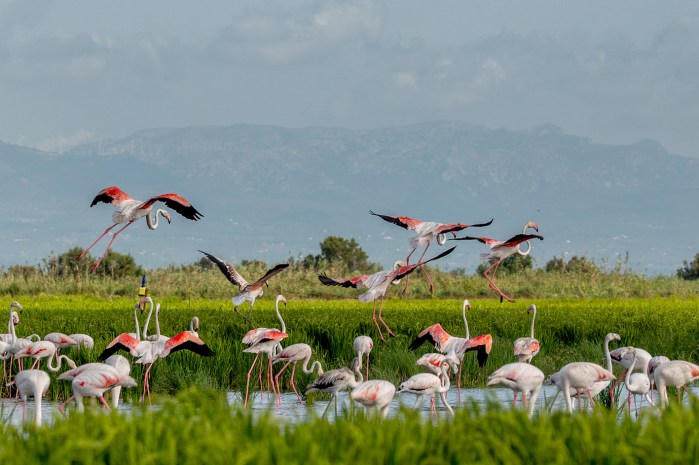
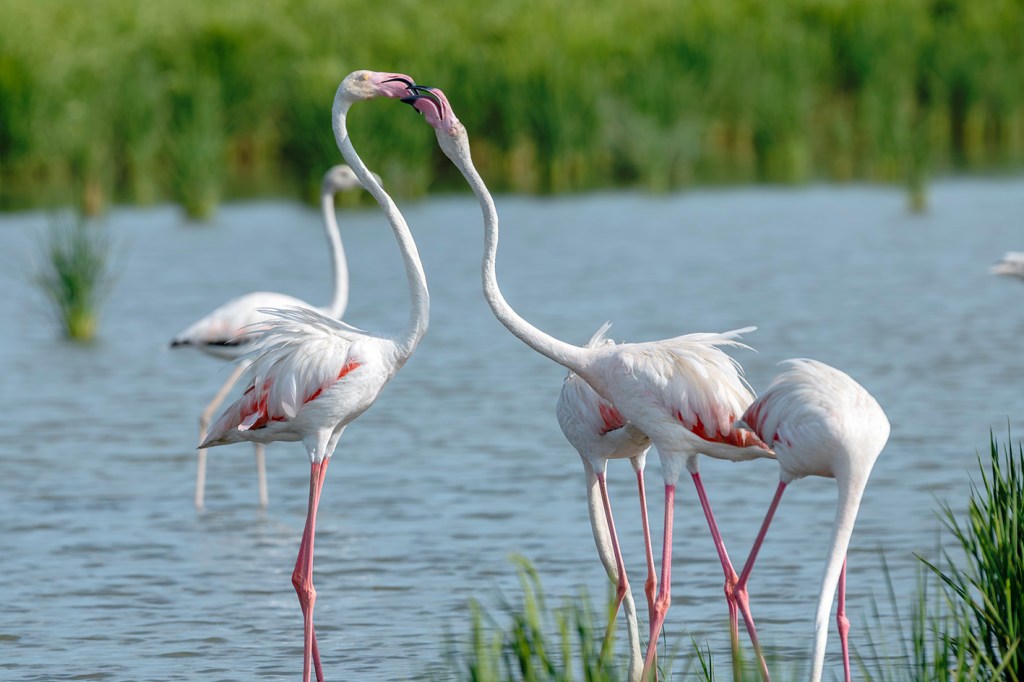
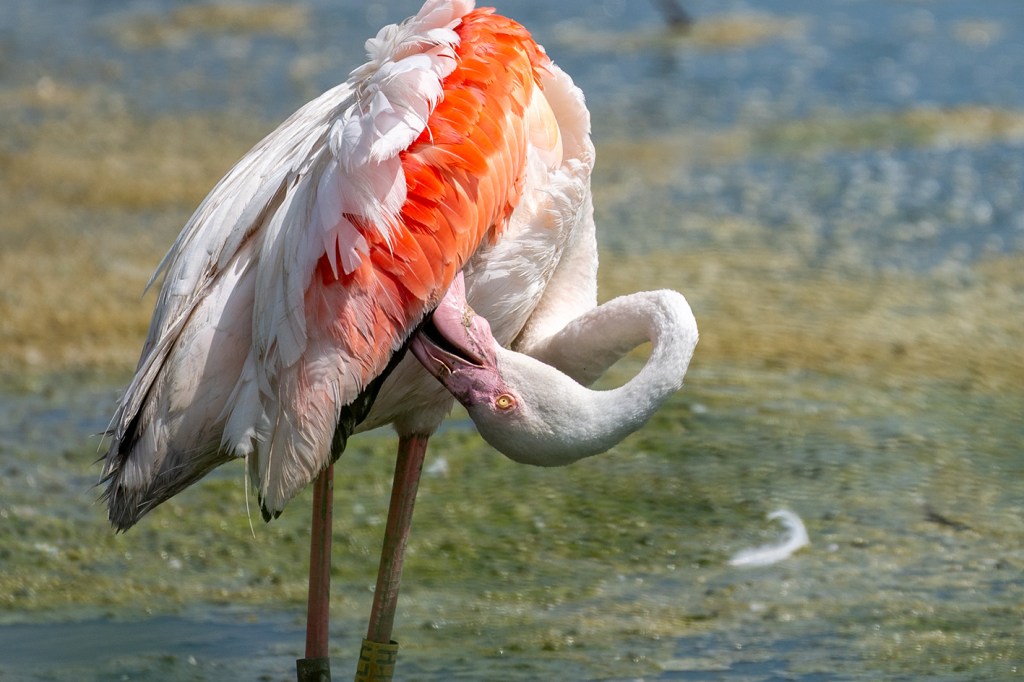
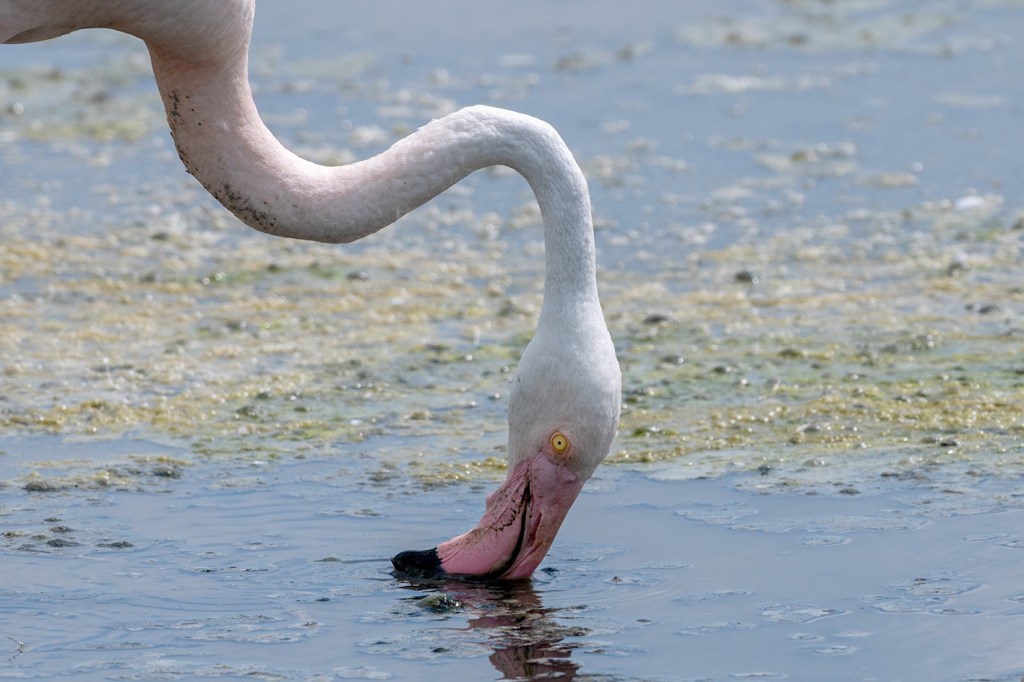
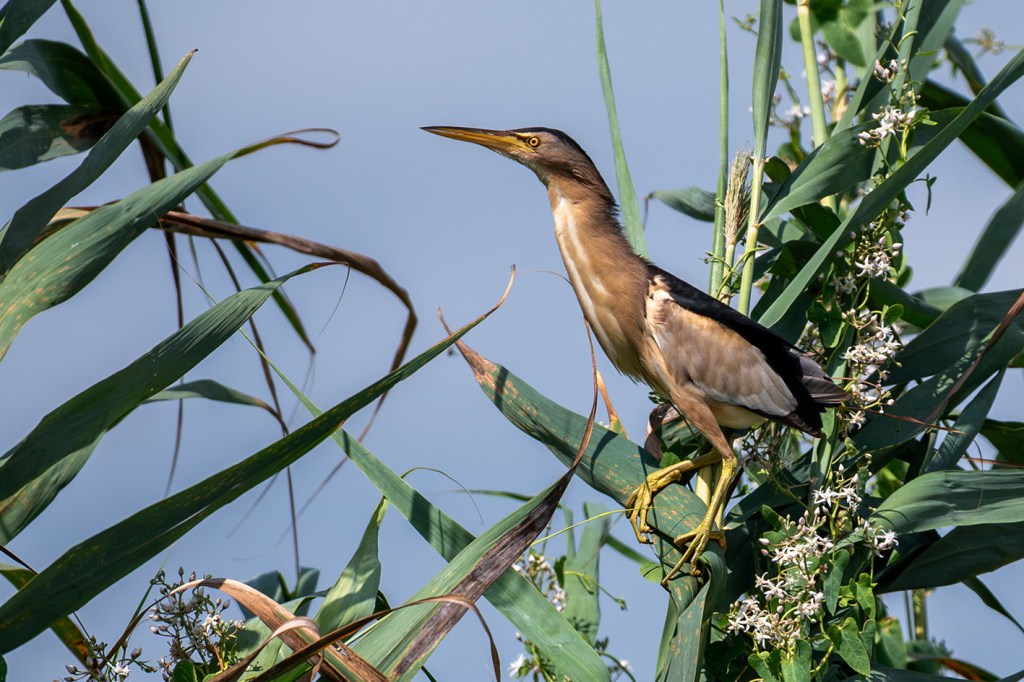
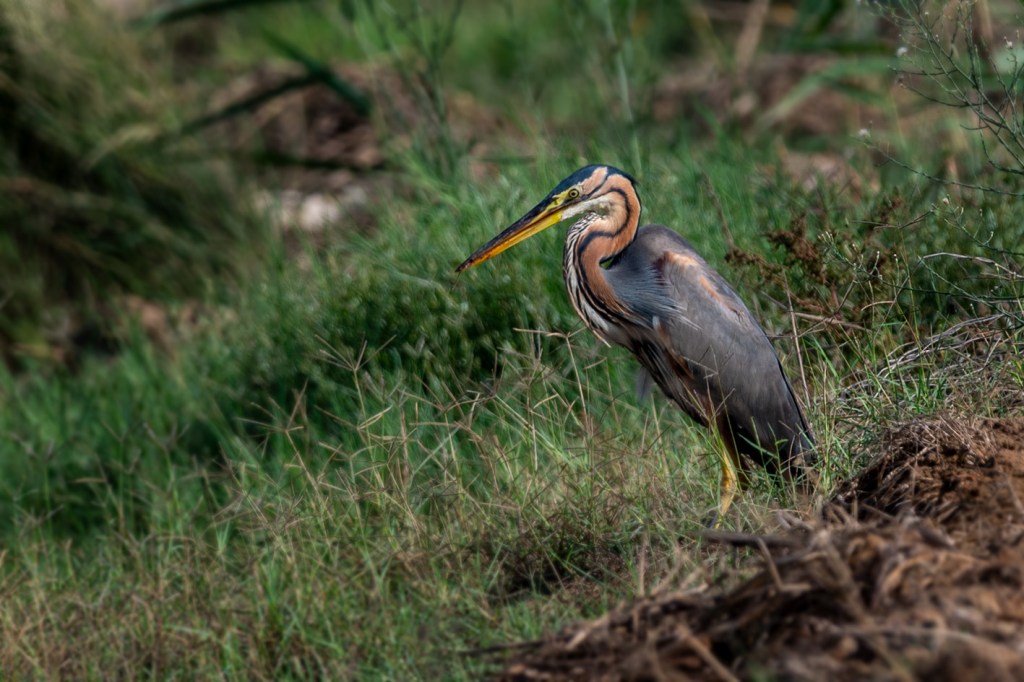
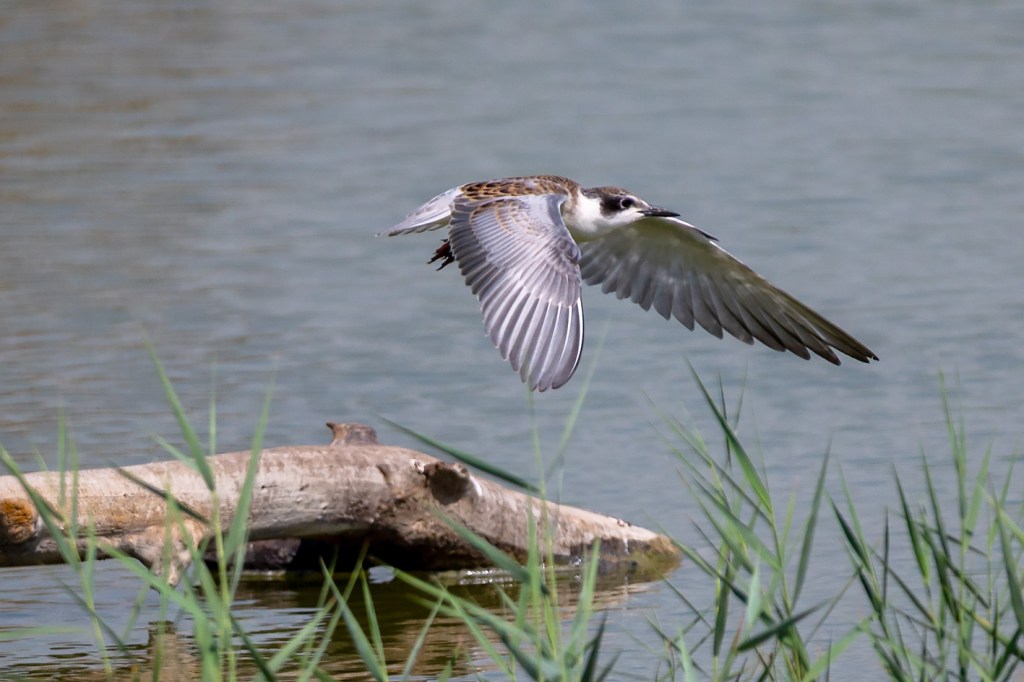
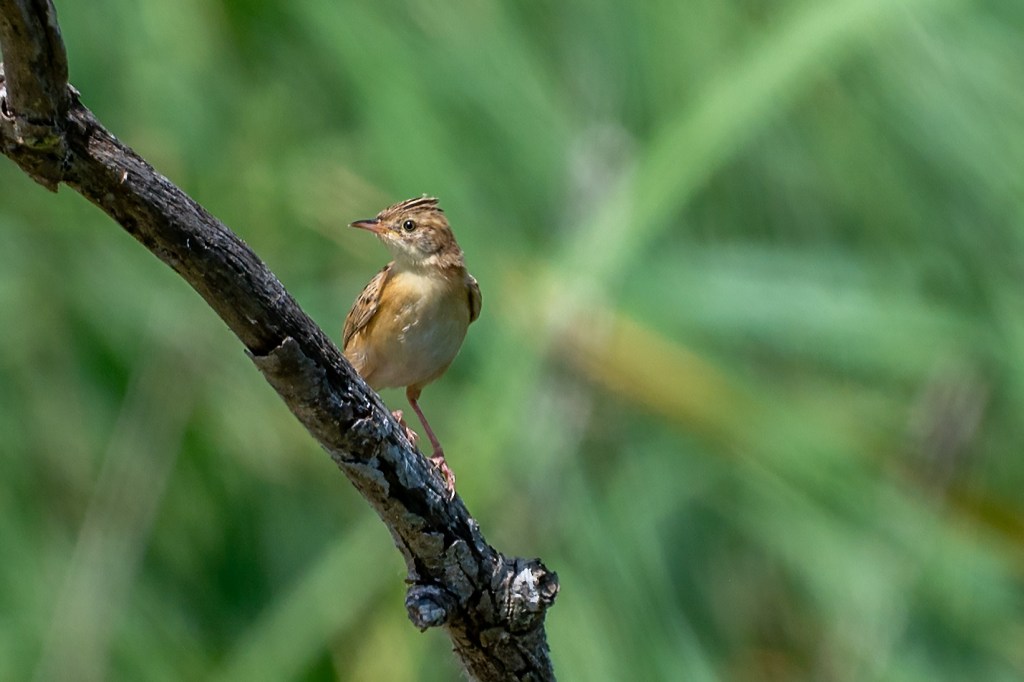
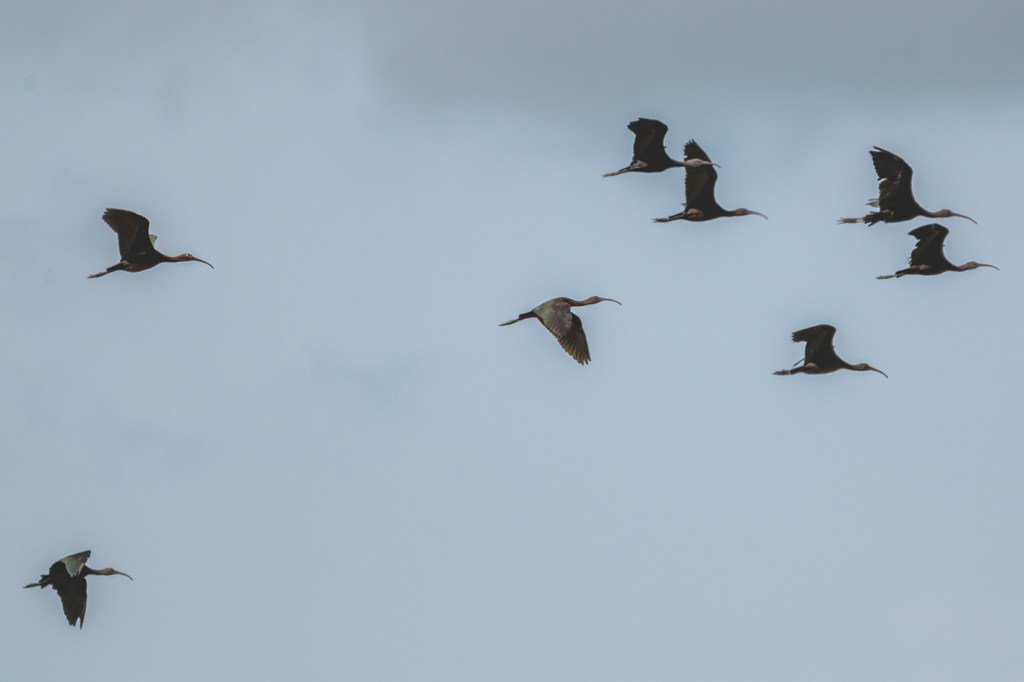
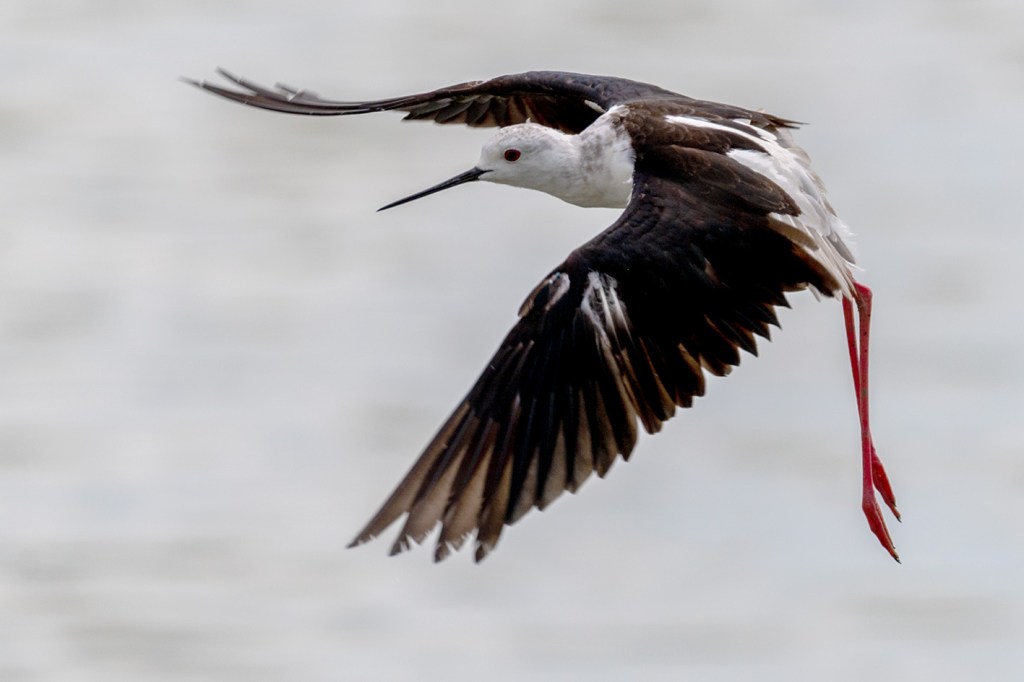
Natuurlijk moest ik tijdens het bezoek aan de Spaanse middellandse zeekust ook even een kijkje nemen in de Ebro-delta. Ongeveer 15 jaar geleden ben ik daar ook eens geweest, en het was nog precies hetzelfde: bloedheet, vlak en de rijstvelden vol vogels. Deze keer had ik aanzienlijk meer geluk dan de vorige keer, want pal naast de weg streek een zwerm flamingo’s neer. En verdraaid, even later ook een woudaapje en een graszanger. Evenals de vorige keer waren de steltkluten, zwarte ibissen, purperreiger en witwangsterns van de partij, en vele andere soorten.
Nu ik de laatste tijd toch van alles door elkaar laat zien, pak ik ook maar dit oudje erbij.
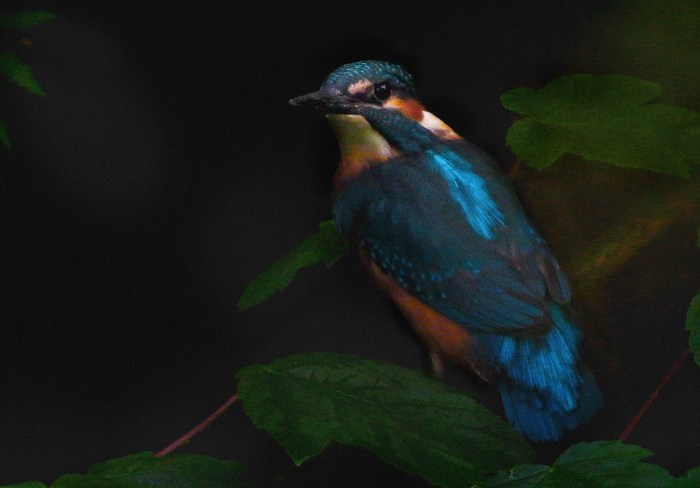
Ik heb mooiere foto’s van ijsvogels, maar deze is me bijzonder dierbaar. Het is eigenlijke geen foto: het is een filmframe uit de tijd dat ik veel bezig was met video. Een paar weken heb ik zo veel mogelijk bij een ijsvogelnest gezeten, hopend op beelden van jonge ijsvogels die het nest uitvliegen. En dat is gelukt! Het nest zat in de over van een slootje in een stadspark, op een plek waar niemand dat zou vermoeden. Met een enorm camouflagenet over me heen zat ik op een grasveldje, onzichtbaar voor de wandelaars die op een paar meter afstand langs liepen.
De dagen ervoor was te merken dat de ouders het tijd vonden om de jongen naar buiten te lokken. Ze bleven langere tijd weg en er werd minder voer gebracht. Daarom zat ik deze ochtend al ver voor zonsopkomst klaar. Bij het eerste licht begonnen vader en moeder een kabaal te maken, en vlogen ze de nestgang in en uit. En verdraaid, daar kwamen zomaar vijf jongen tevoorschijn, onhandig vliegend naar het eerste houvast dat ze zagen.
Moet je je indenken. Je hele leven heb je met broertjes en zusjes in een hol geleefd, en niets anders gezien dan zandmuren. En dan opeens moet je door een gang naar buiten, naar het licht. Je hebt nog nooit je vleugels uitgeslagen, maar hup, je spring en fladdert over het water, naar de struiken.
Dit kleintje landde pal voor me, en keek voor het eerst de wereld in. Dat maakt het voor mij één van de meest dierbare beelden. Het piepkleine filmframepje is enorm opgeblazen om een foto te worden, en door het weinige licht – de zon was nog onder de horizon – ontstaat een effect alsof het een schilderij is. Er zijn inderdaad mooiere foto’s van ijsvogels, maar deze is voor mij onbetaalbaar
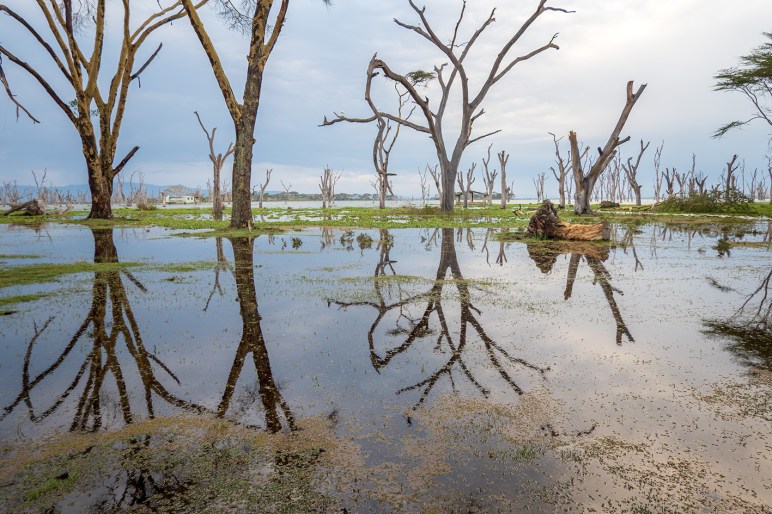
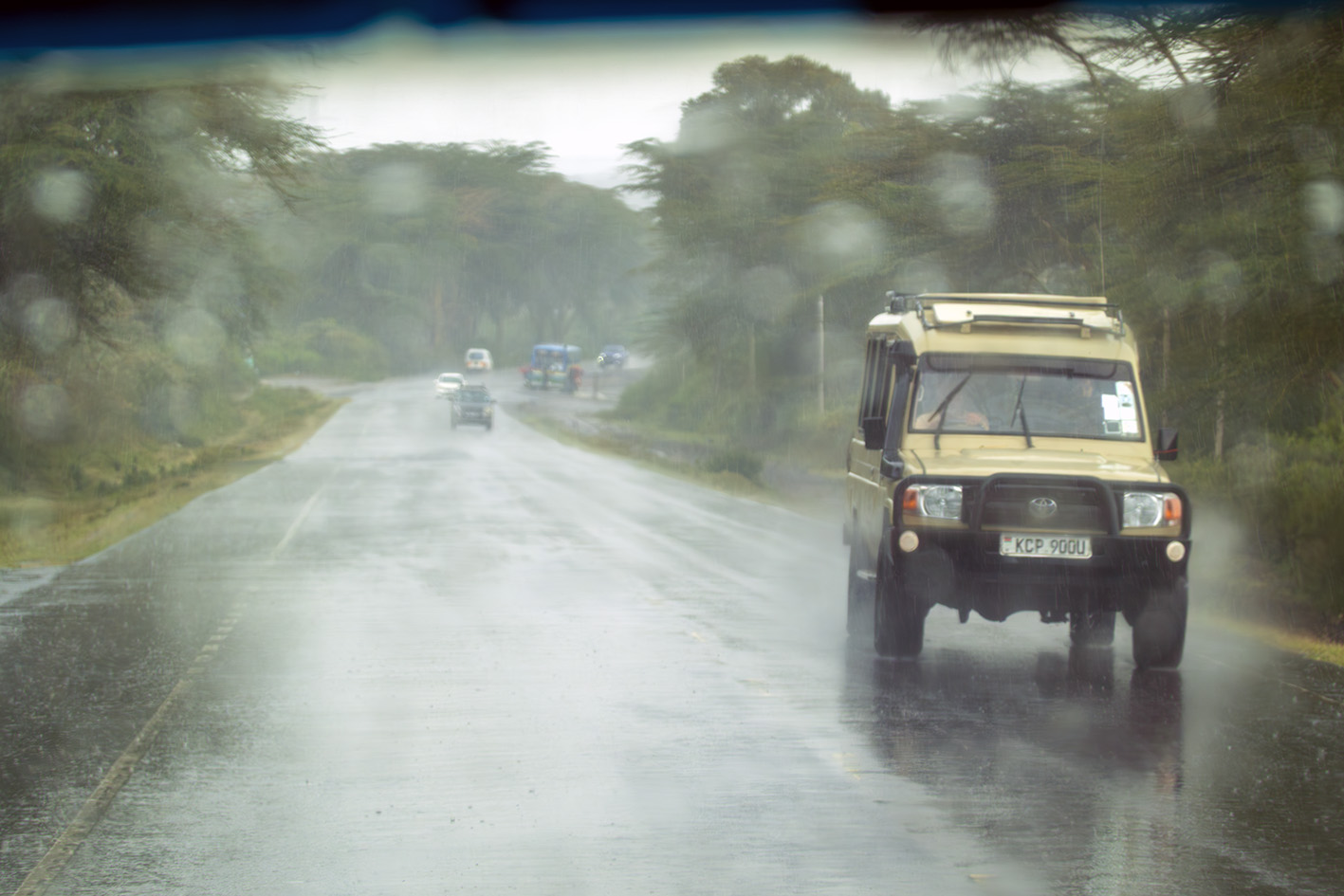
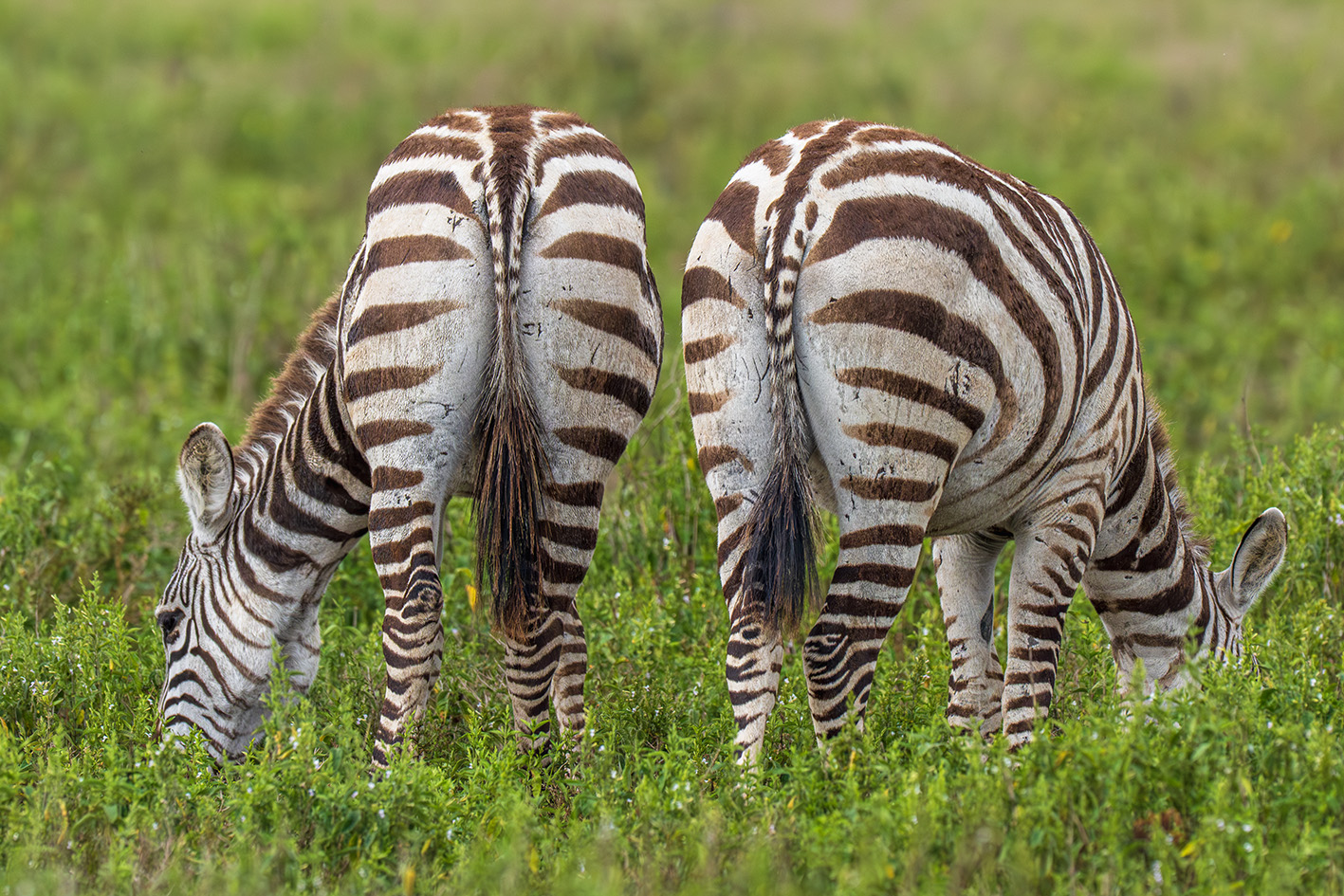
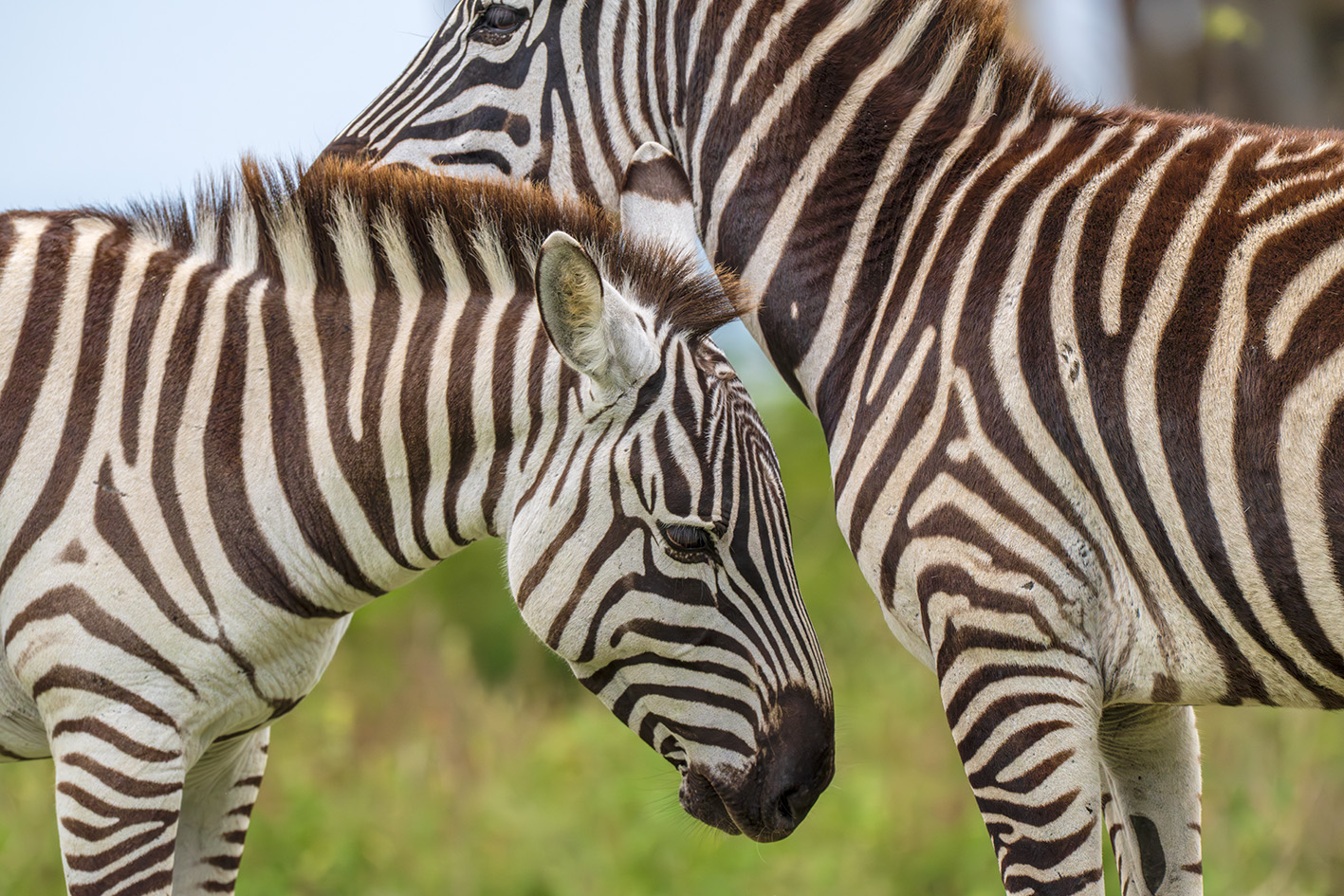
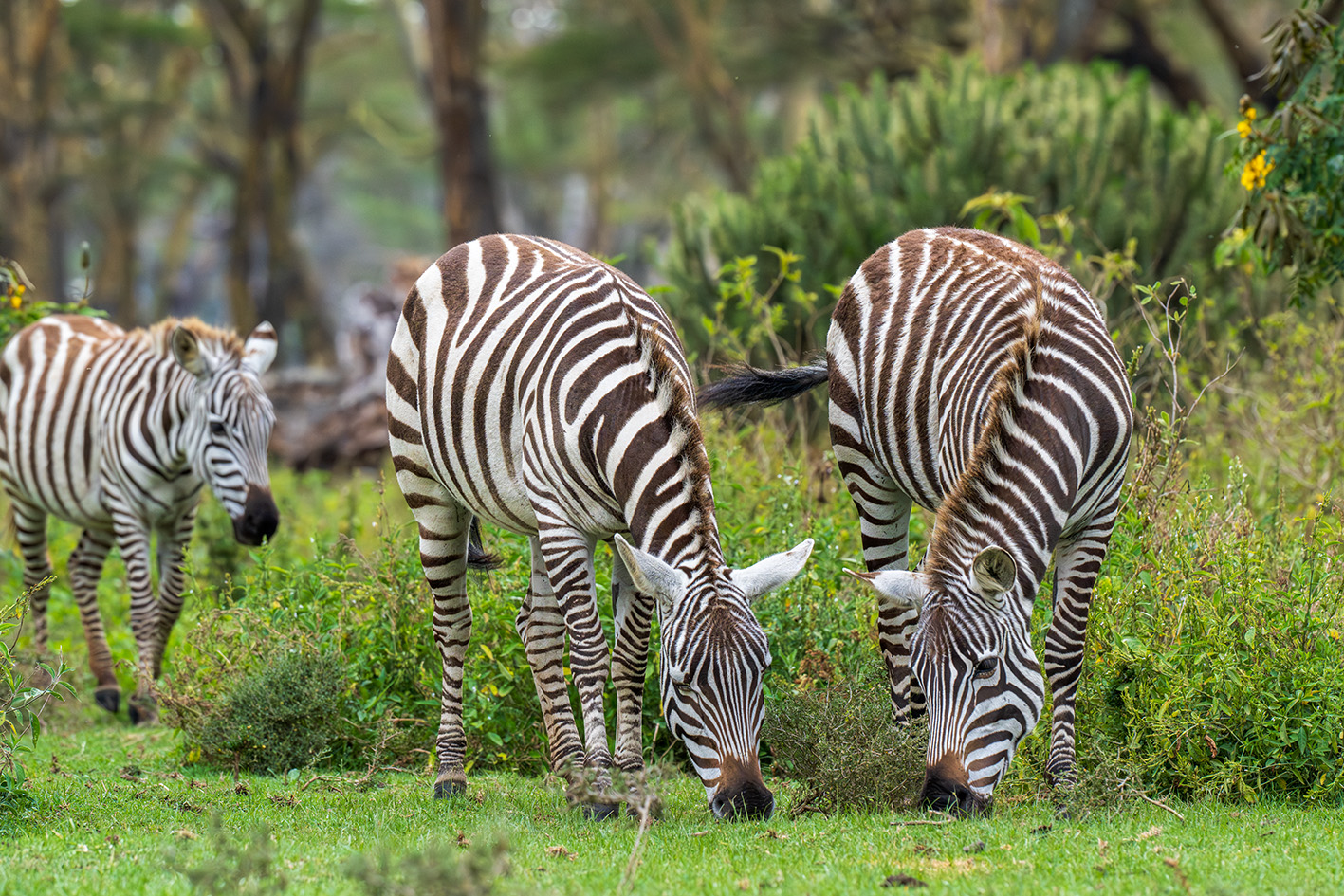
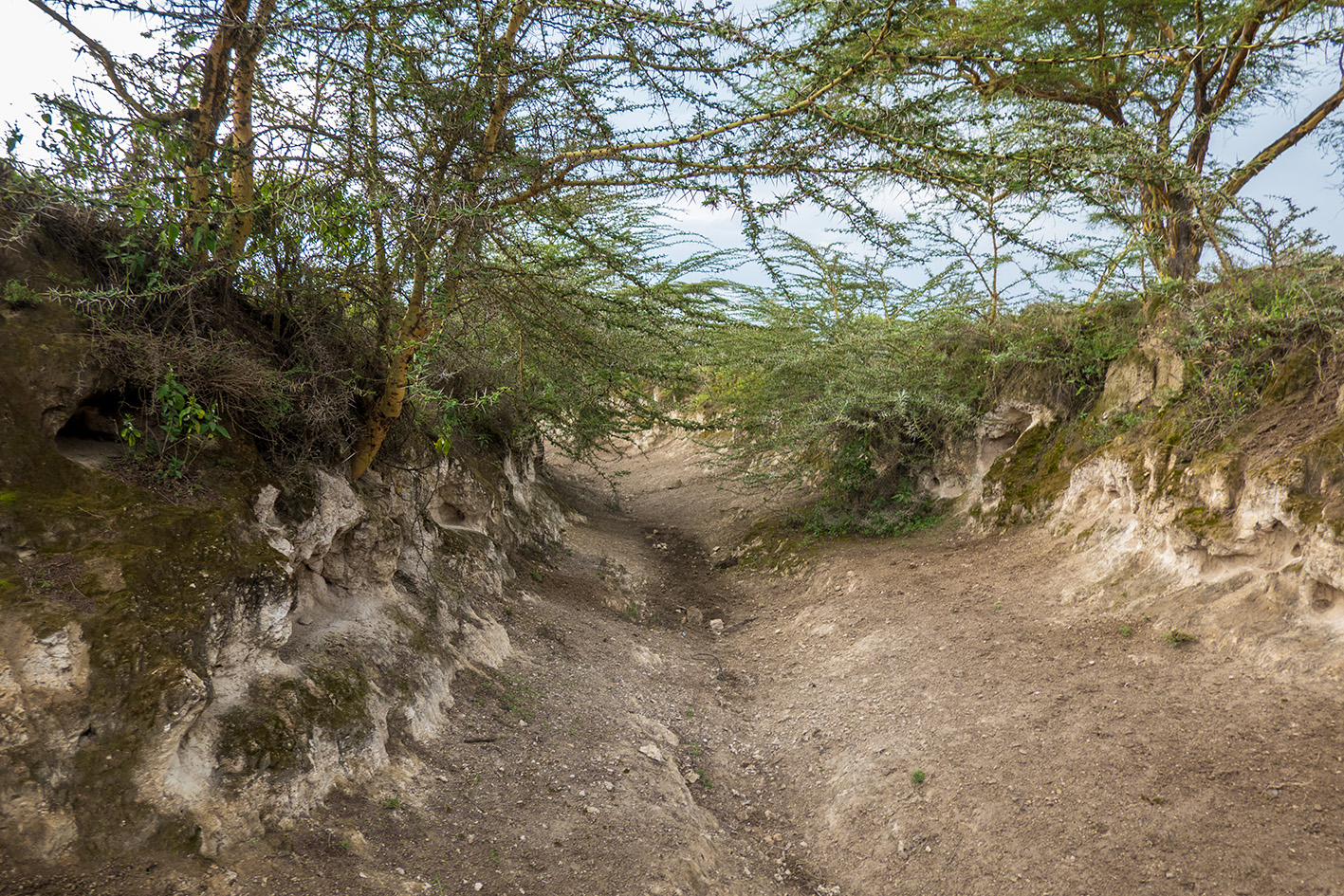
Verder in Kenya, naar Lake Naivasha, Limuru. Op de heenweg langs de indrukwekkende Rift gereden – dezelfde breuk van een jaar of 10 geleden, in Ethiopië. Door een aardbeving zijn het ondergrondse waterlopen langs de Rift Valley (de grote Afrikaagse slenk) verstopt geraakt. Met als gevolg dat de meren niet meer afwateren. Want tja, ook hier regent het wel eens.
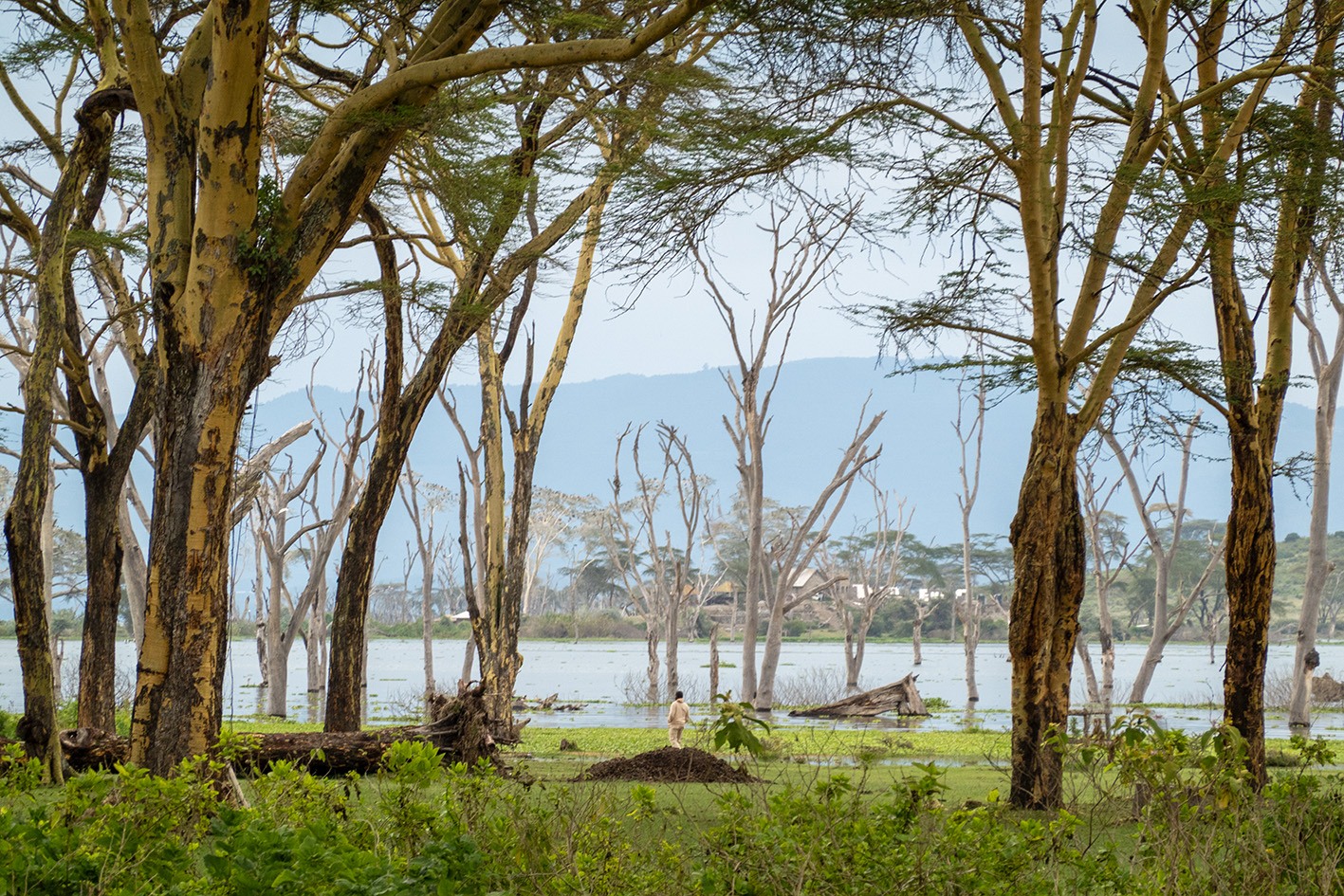
In een verbazingwekkend snel tempo stijgt elk jaar de waterspiegel. Bossen en dorpen lopen onder, landbouwgrond gaat verloren…
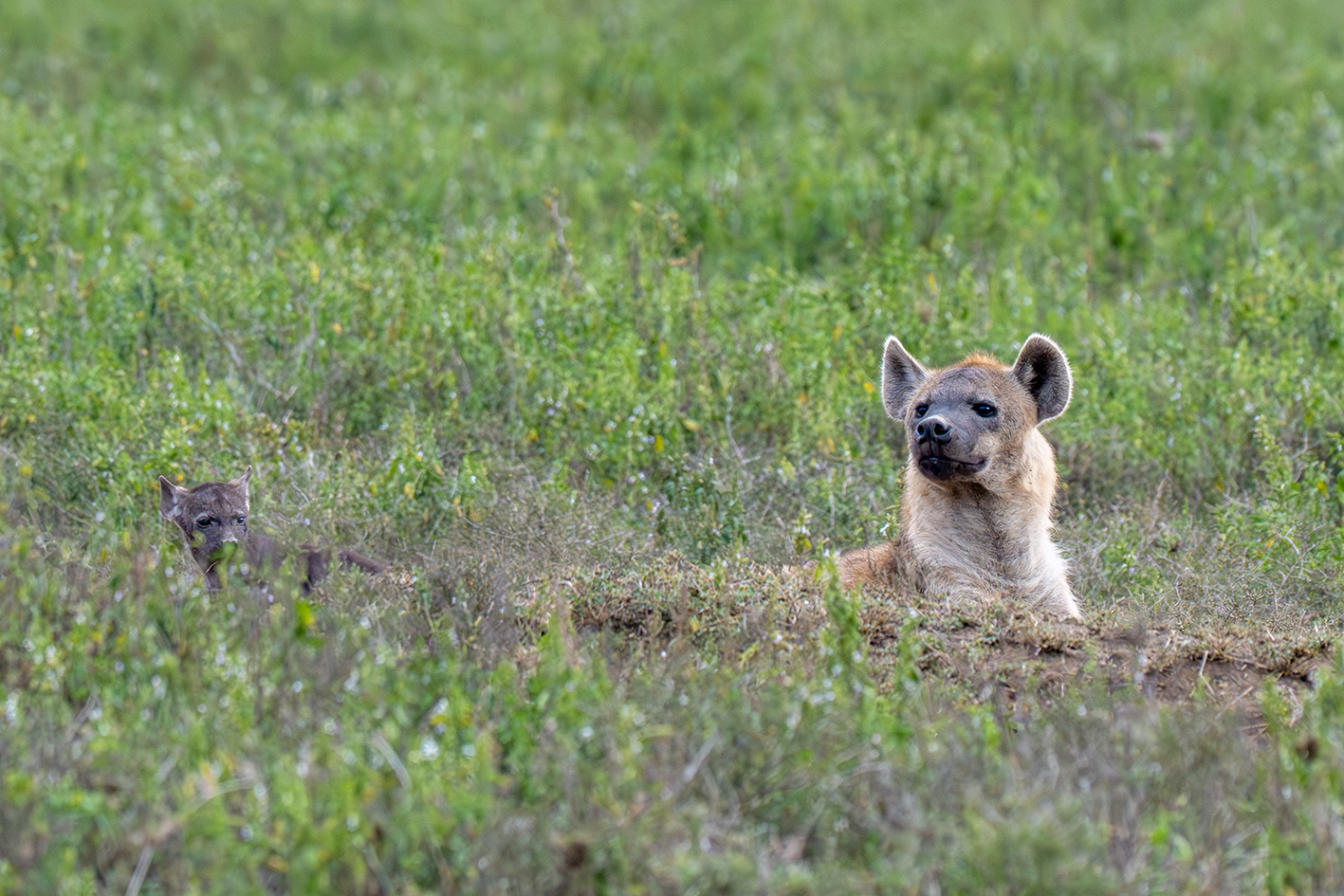
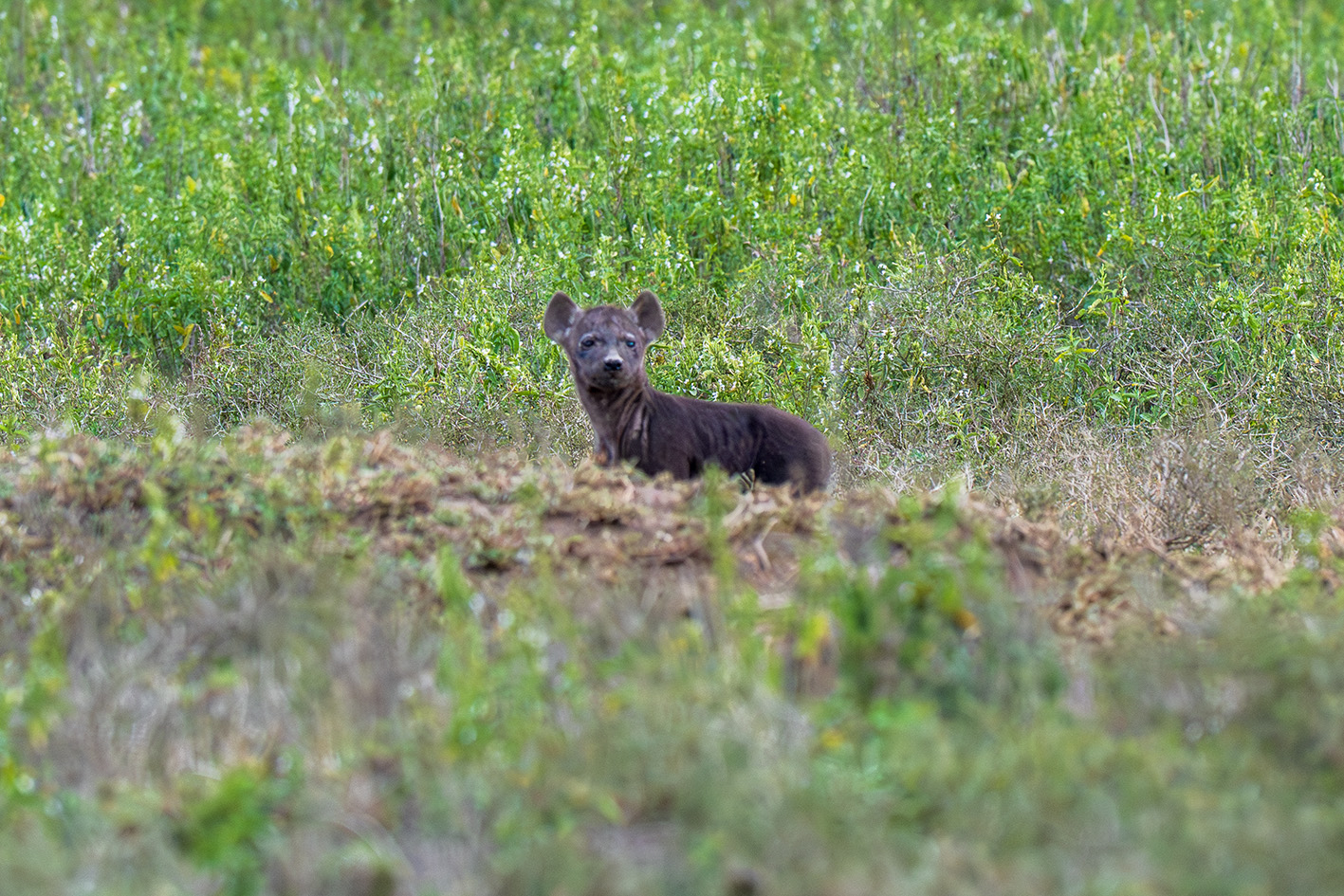
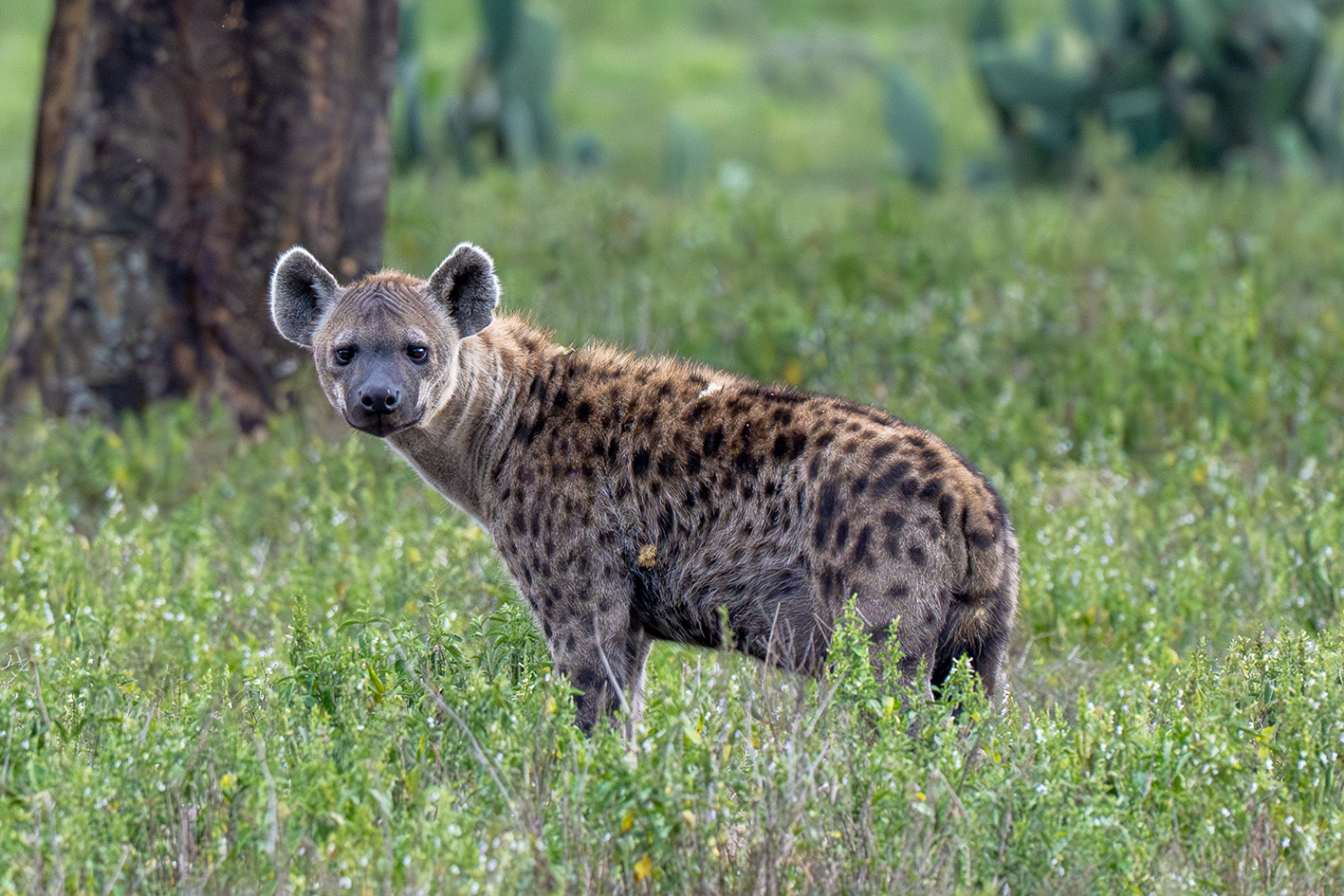
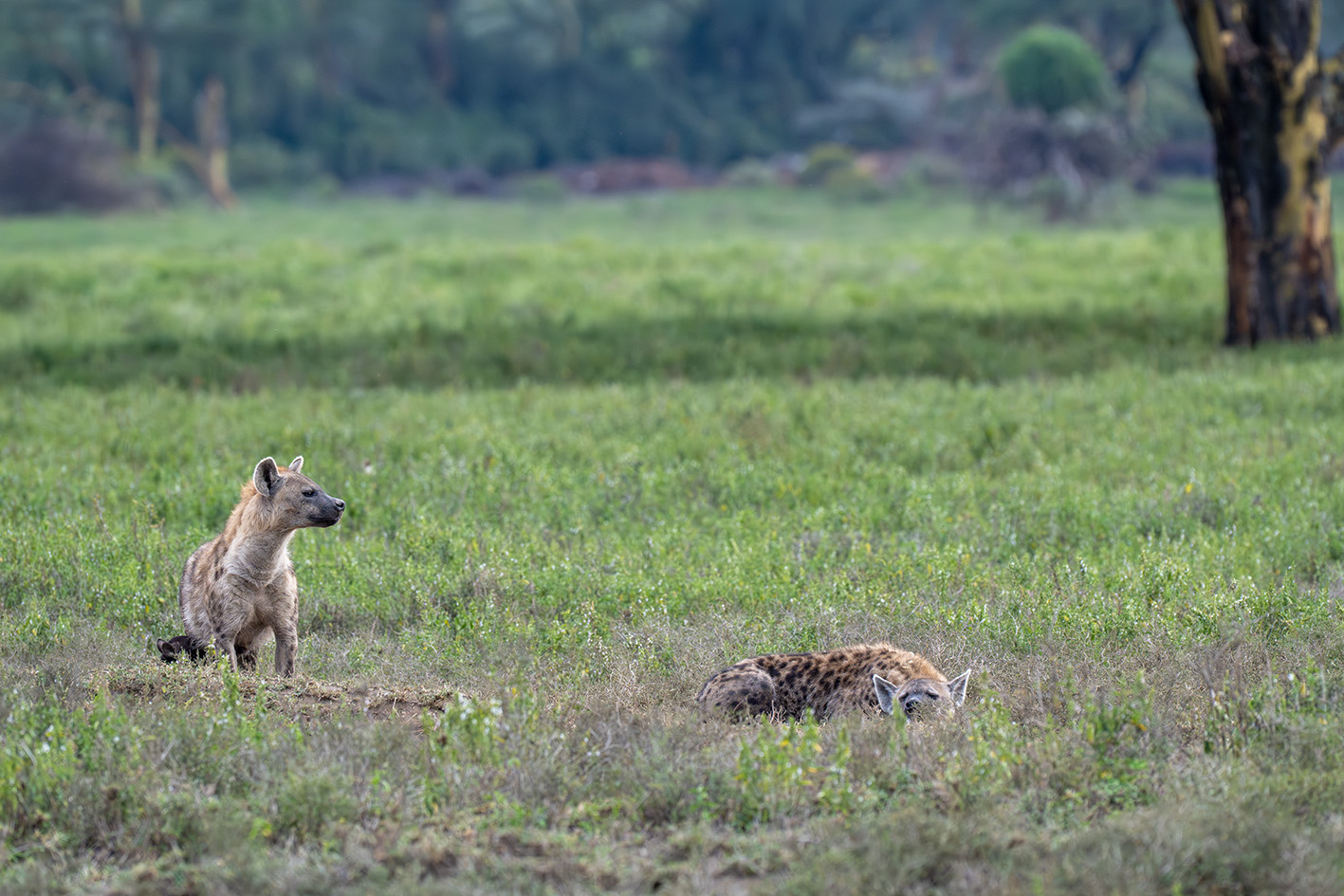
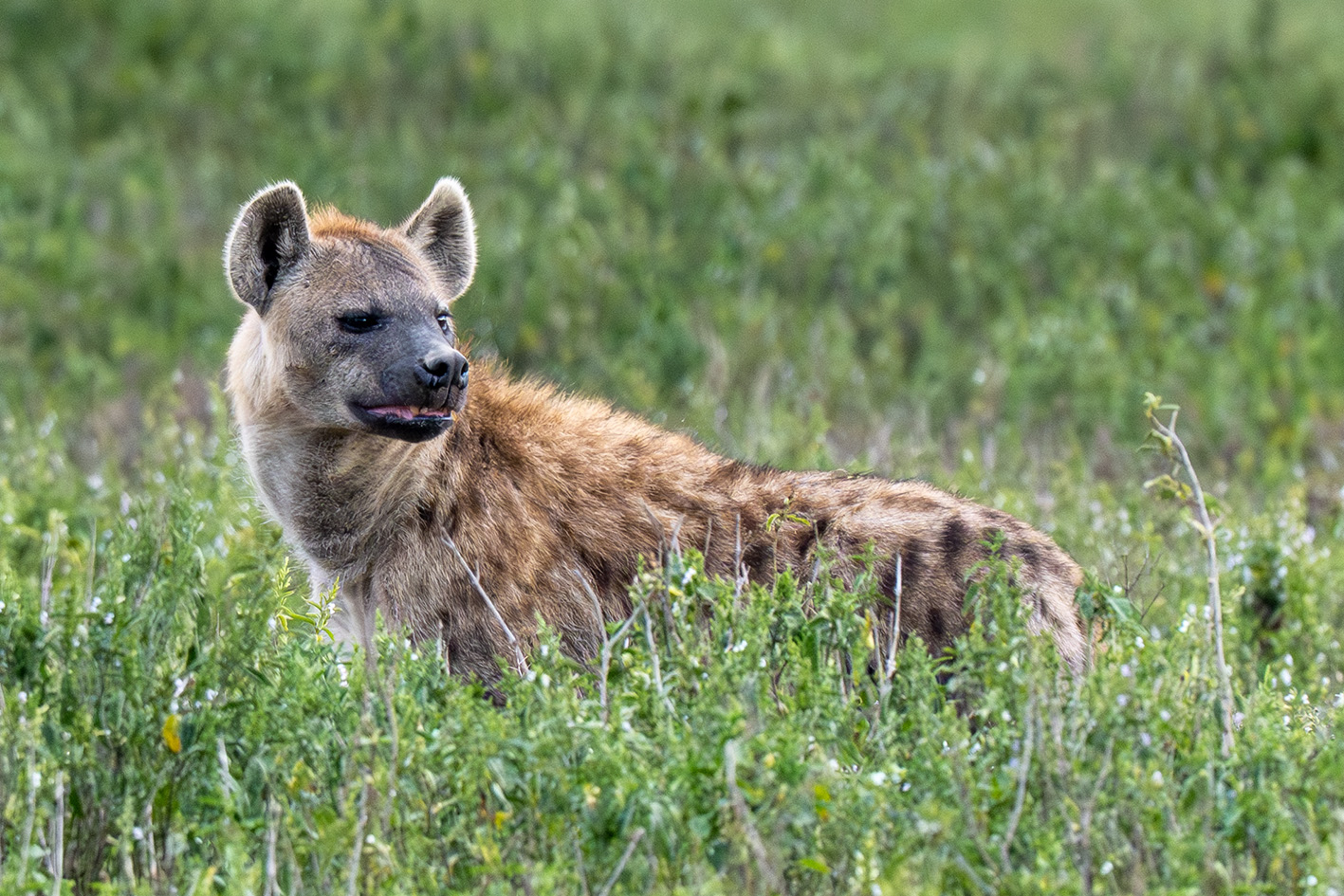
Enorm veel dieren deze eerste dagen. Meest indrukwekkend misschien wel de hyena’s met jongen – toen een groep toeristen te dichtbij kwam, verlieten ze hun burcht om de aandacht af te leiden
“Looking forward to see your pictures of insects of Madagascar,” my former colleague Gert van Ee said when I posted the first results from the Madagascar trip. Gert is a well-known insect expert in the Netherlands.
“I’ll see what I can find, but I’m afraid we didn’t see many insects,” I replied. “And it will take some time to go through those 15.000 pictures.”
So this is the result. A couple of insects indeed, and some other arthropods as well (arachnids)
(lead picture: Brilliant blue – Junonia rhadama) Madagascar Forest nymph – Aterica raben Green lady – Graphium cyrnus (feeding on dung)
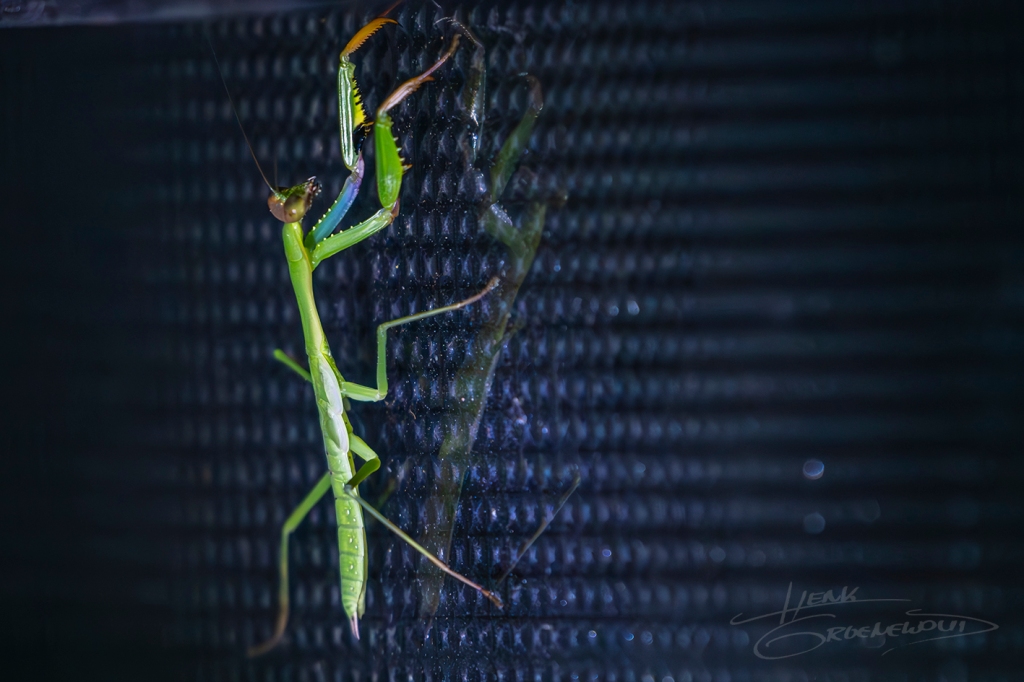
Praying mantis ( I apologise for not always finding the exact species names – If you know them do not hesitate to mention them) Green stick insect – Achrioptera manga
Madagascar Flatid leaf insect – Phromnia rosea. They look like flowers, but they are tiny insects (see detail)
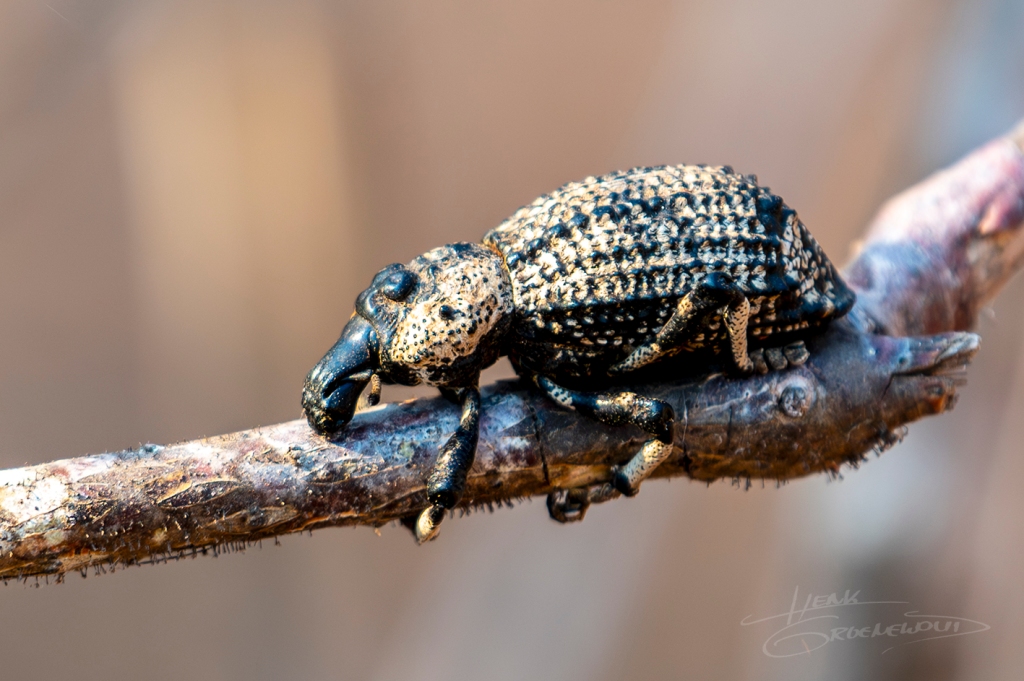
Black & White curculionidae weevil – Rhytidophloeus rothschildi Grasshopper – locust (pretending to be larger than life)
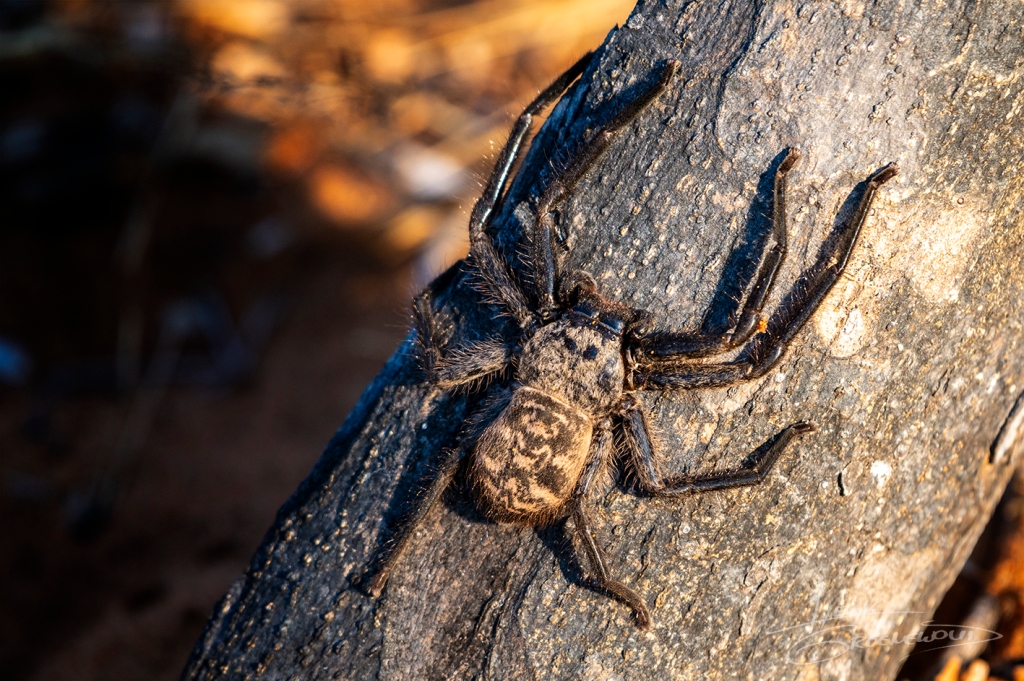
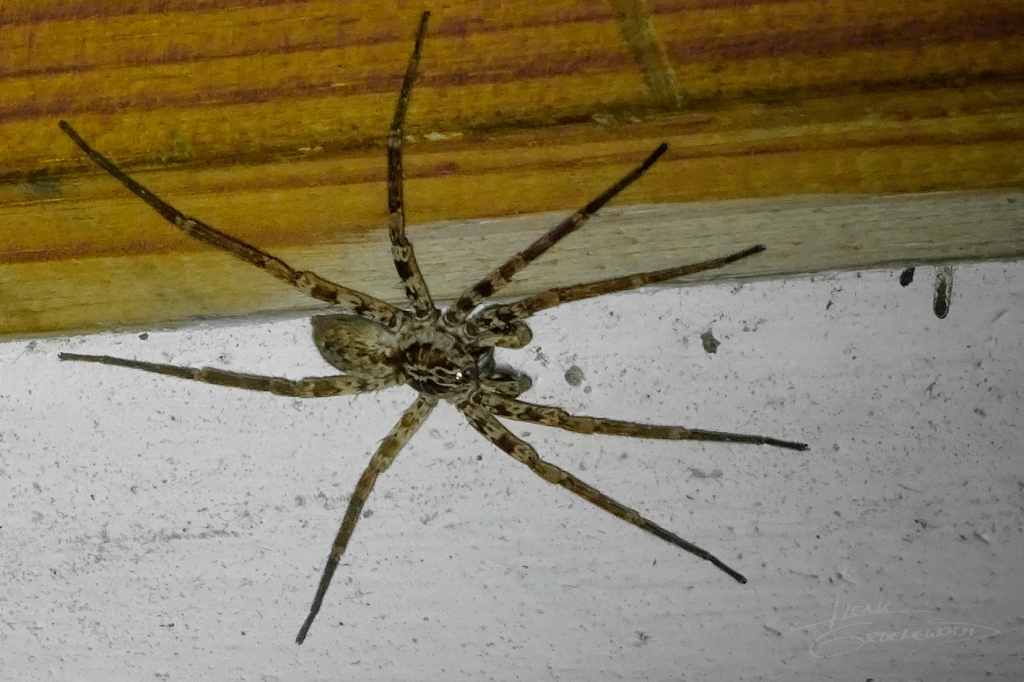
Madagascar black scorpion – Grosphus madagascariensis Huntsman spider – Damastes sp. (Like 10 cm big. And spitting venom to the guides!)
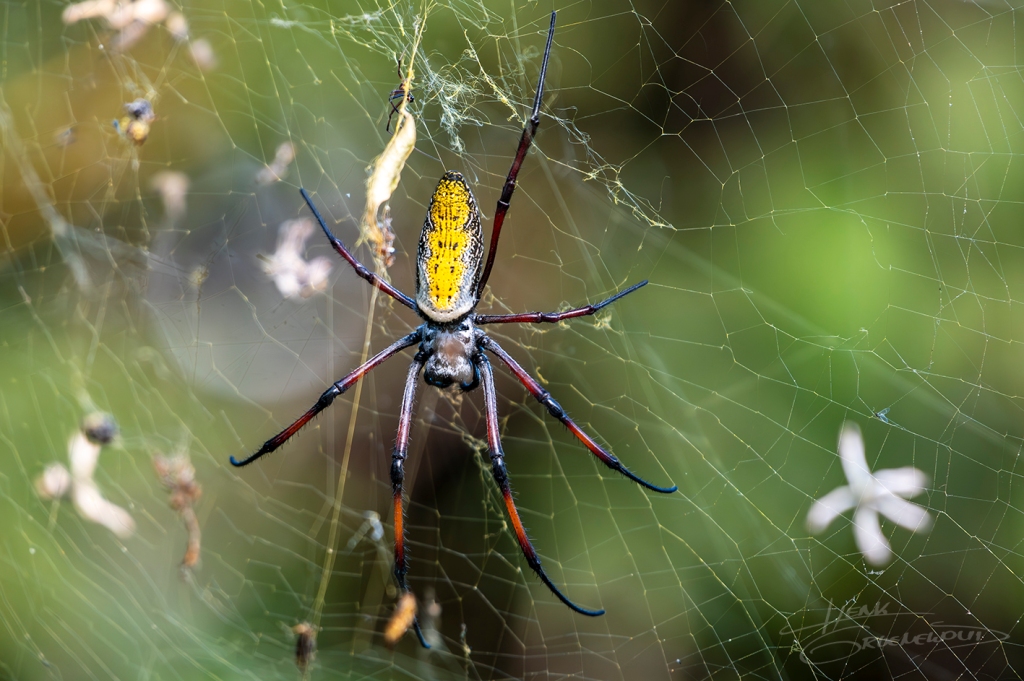
Golden orb web spider – Nephila sp. (Huge female, like 15 cm. And a tiny but very brave male behind her, hoping to mate but fearing to be eaten)
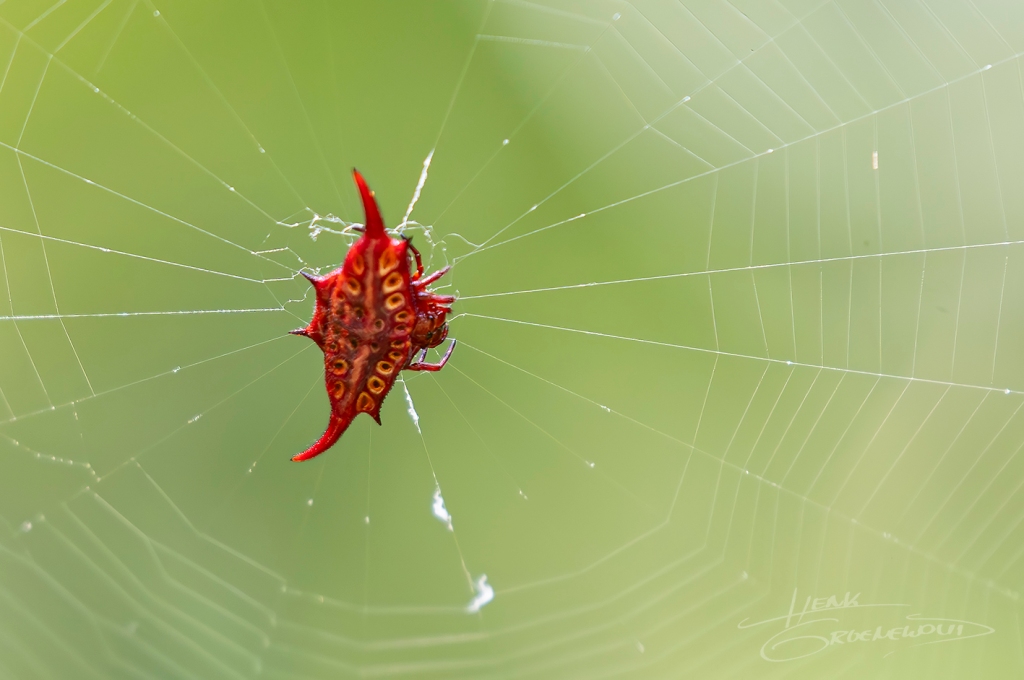
Zebra spider – Viridasius sp. (Huge! Like 15 cm, and living in our lodge) Red crab backed orb weaver – Medium wing kitespider – Gasteracantha versicolor (small but beautiful!)
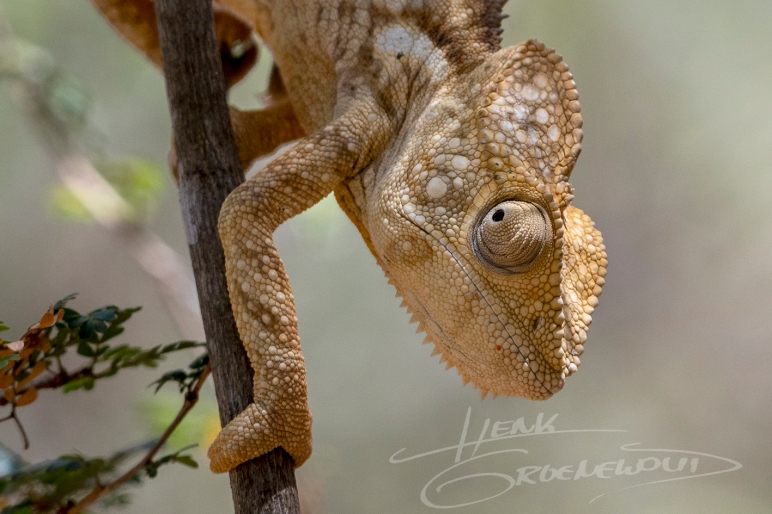
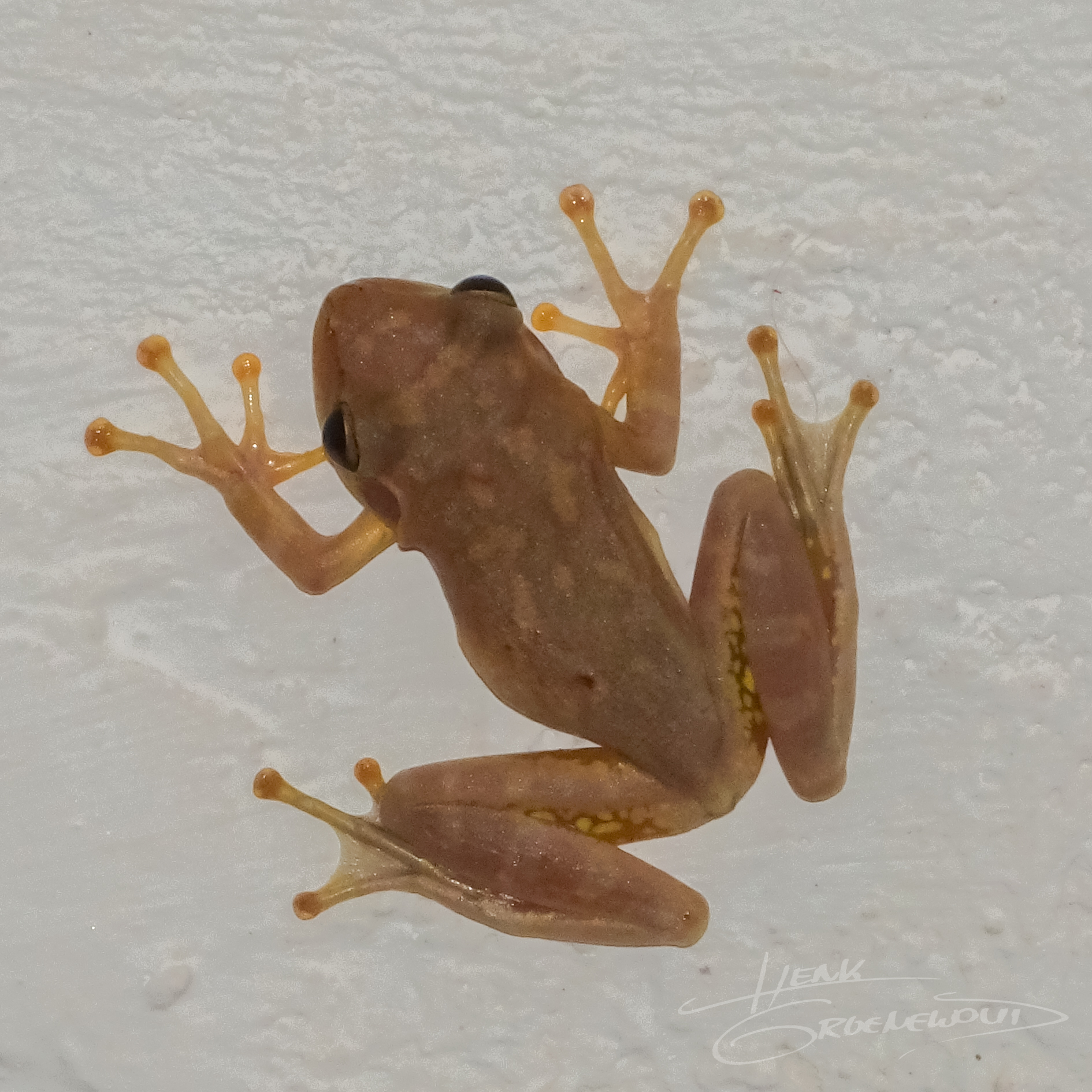
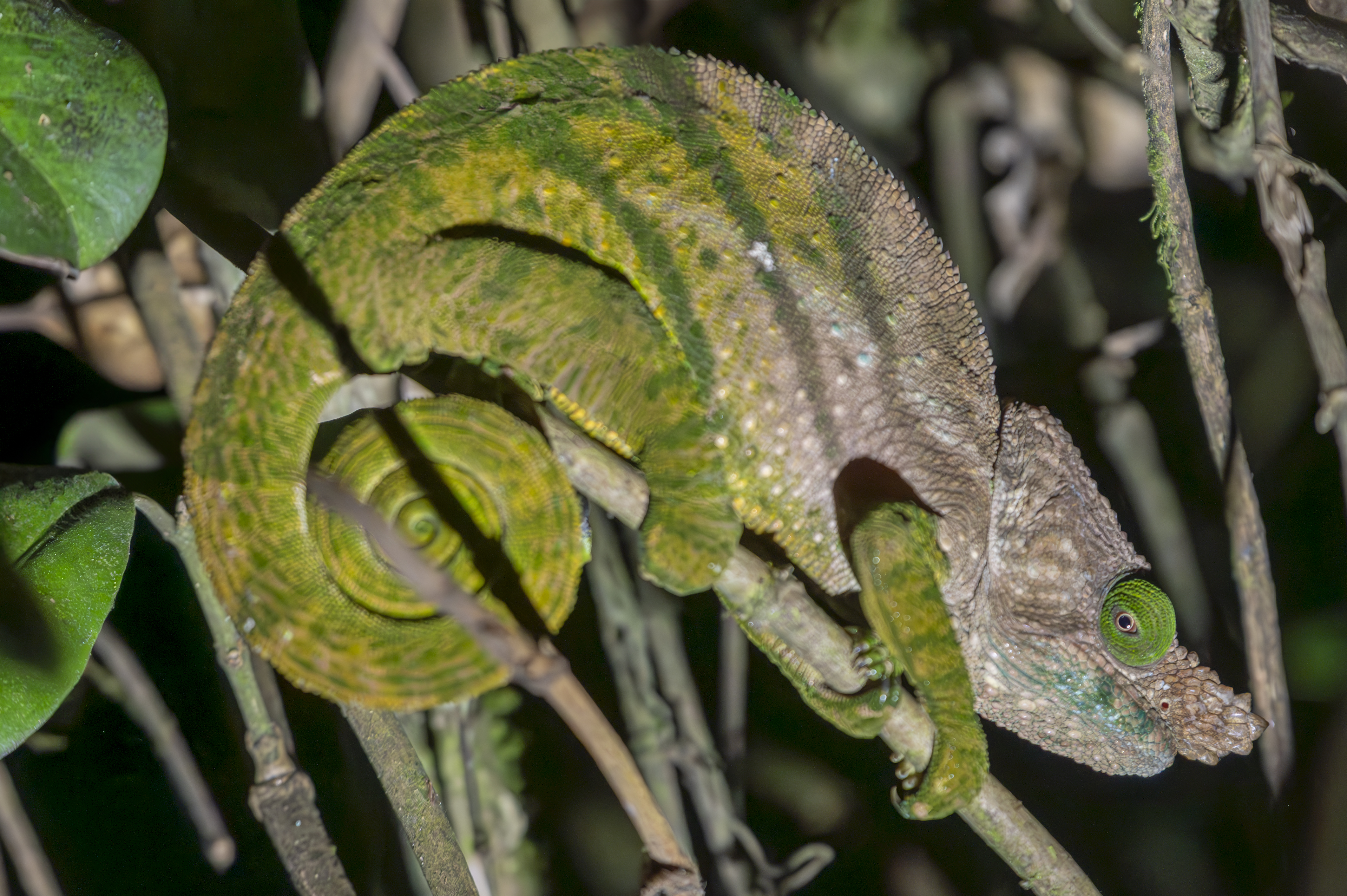
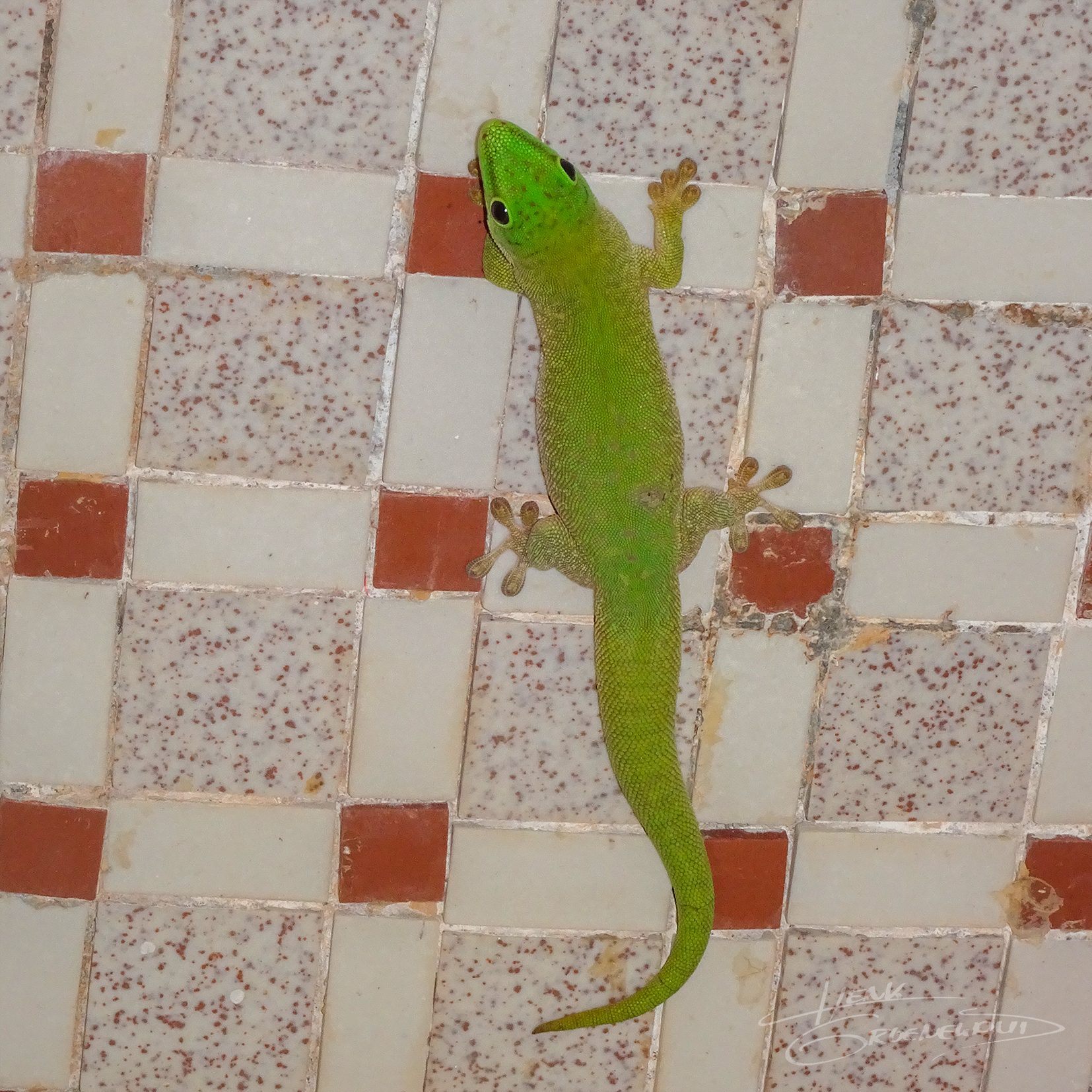
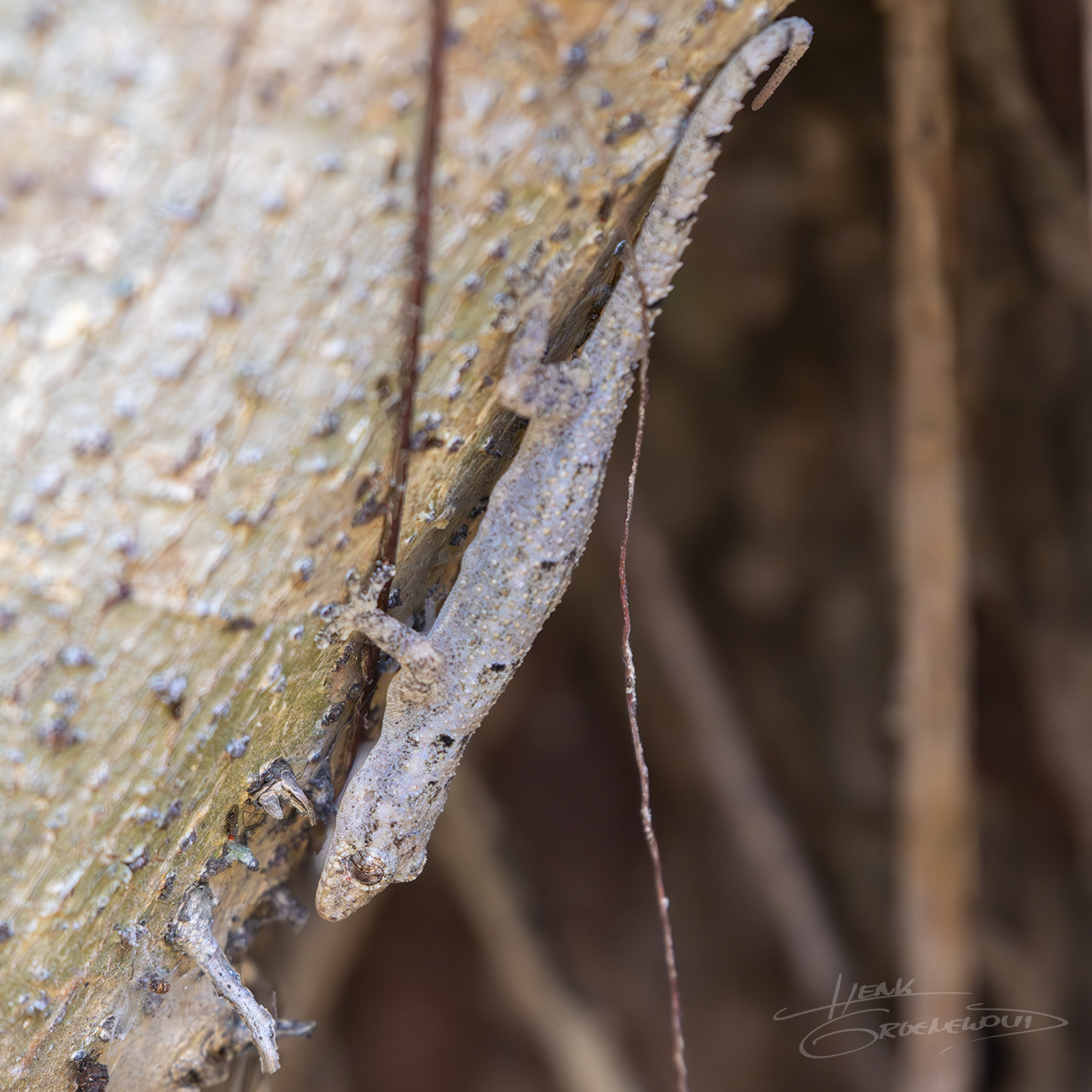
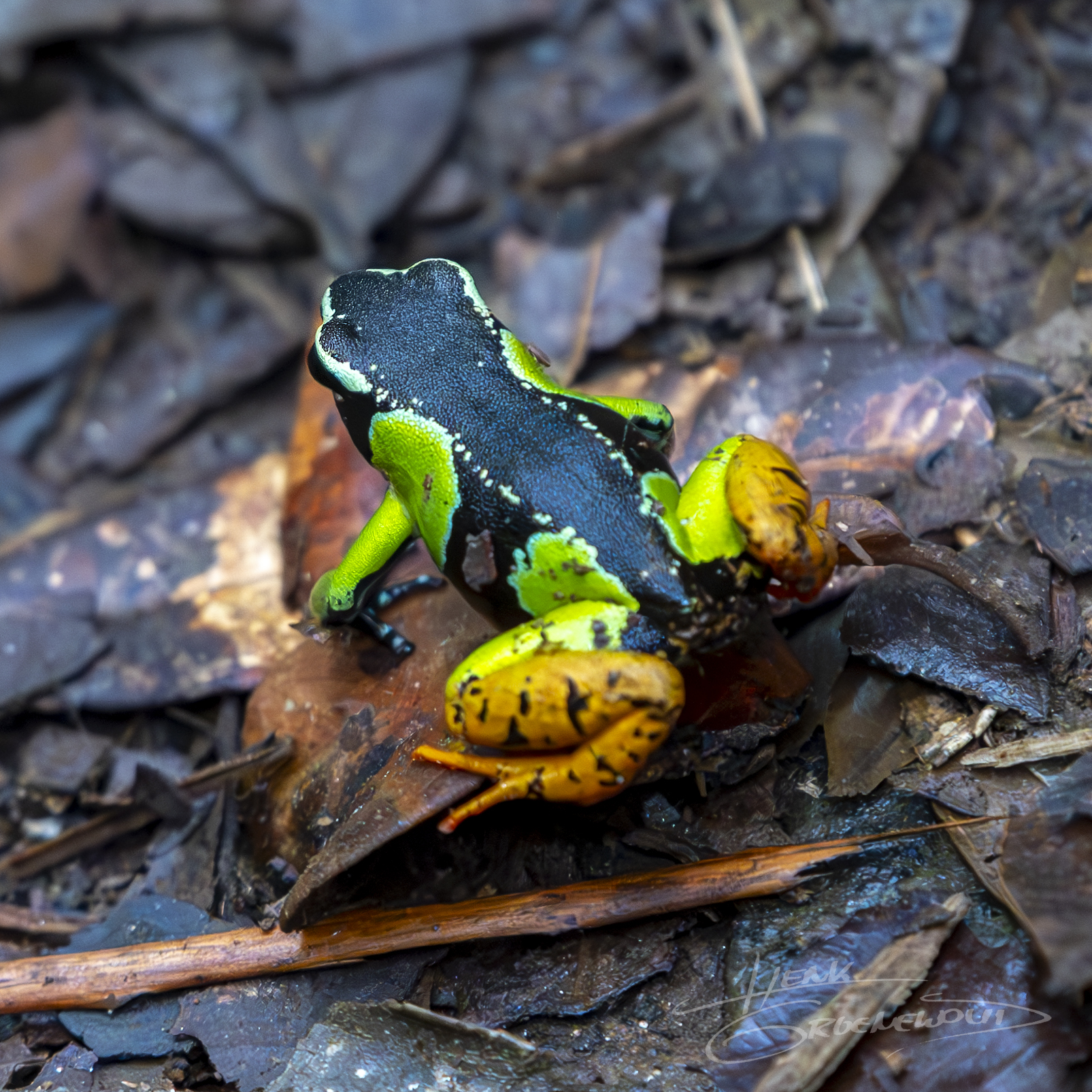
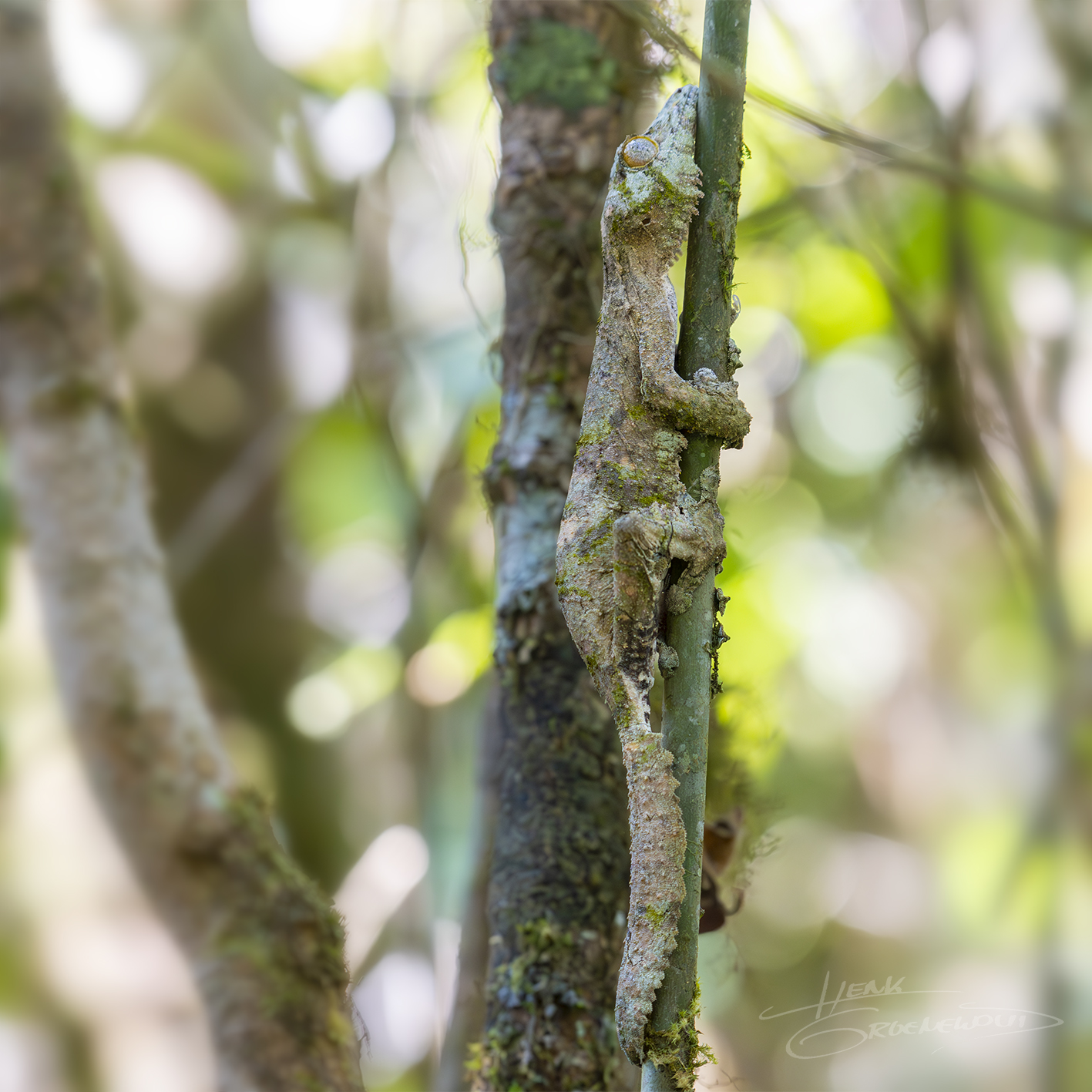
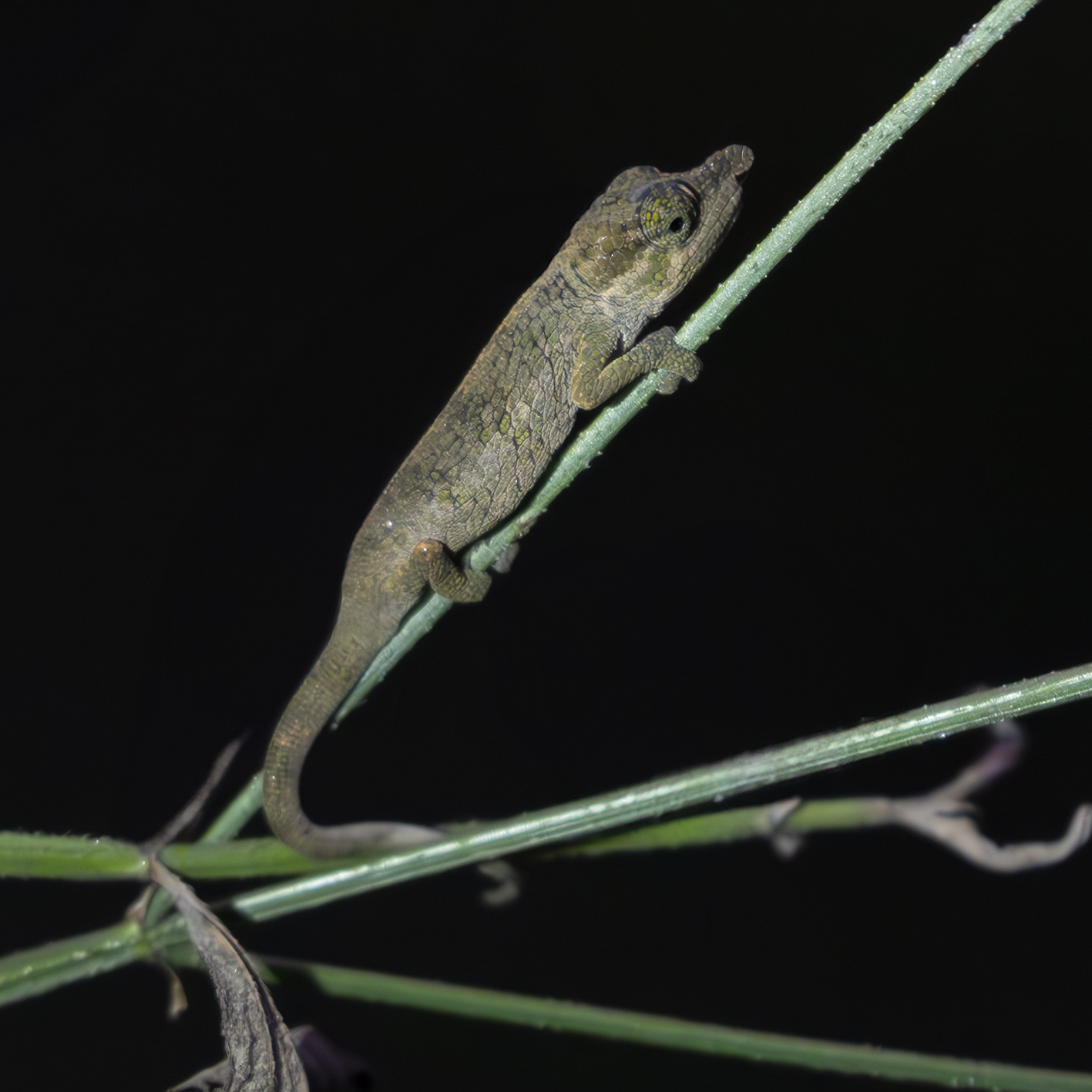
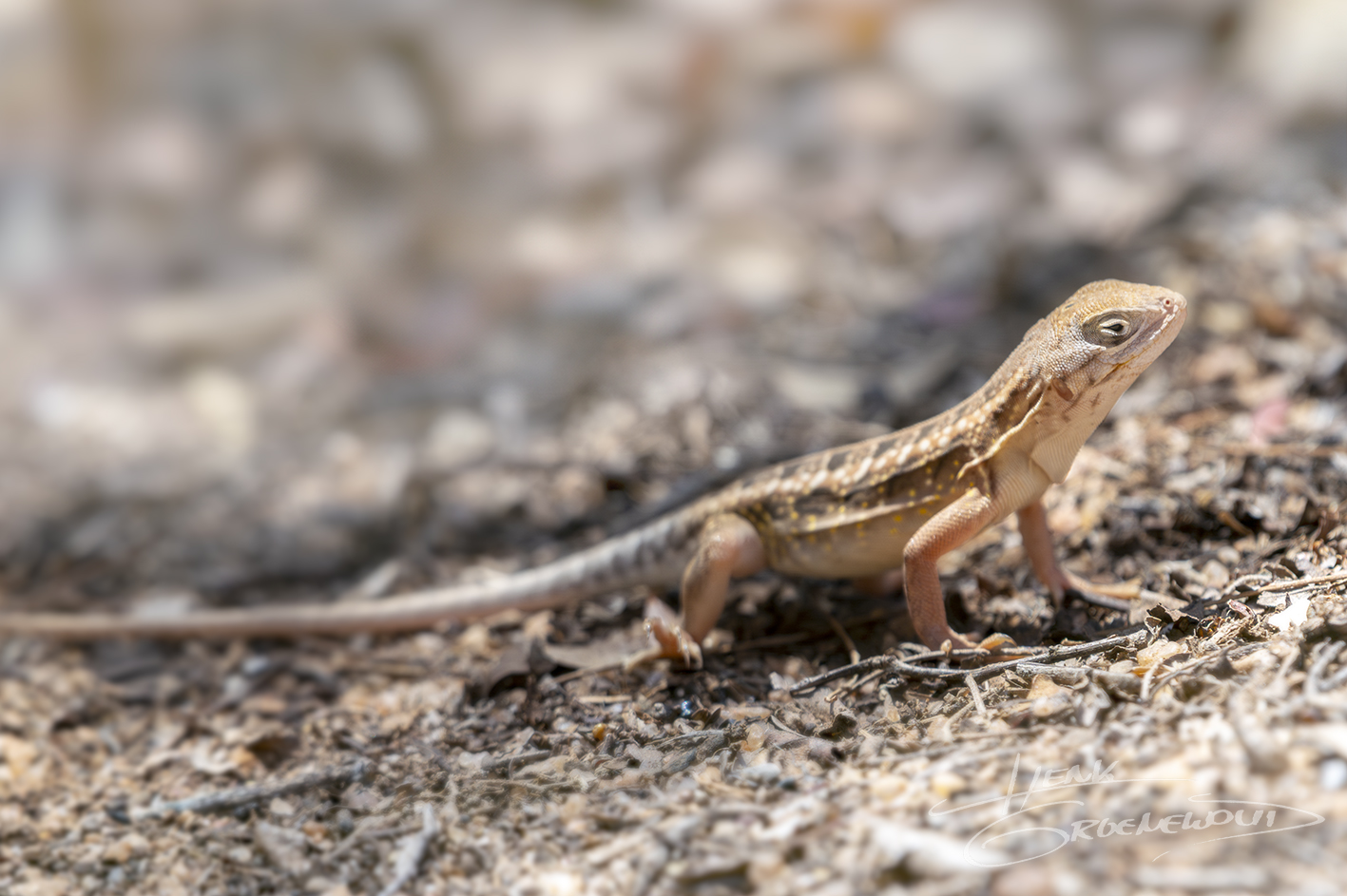
Back to Madagascar. Lots and lots of chameleons, lizards, frogs and snakes. Too much, I’d say. So here’s a whole bunch of them. Pay attention to the perfect disguise of the different chameleons (the smallest less than 5 cm!), the mossy leaf-tailed gecko’s, the beautiful frogs… And did you know they even have Nile crocodiles? It’s all too much!
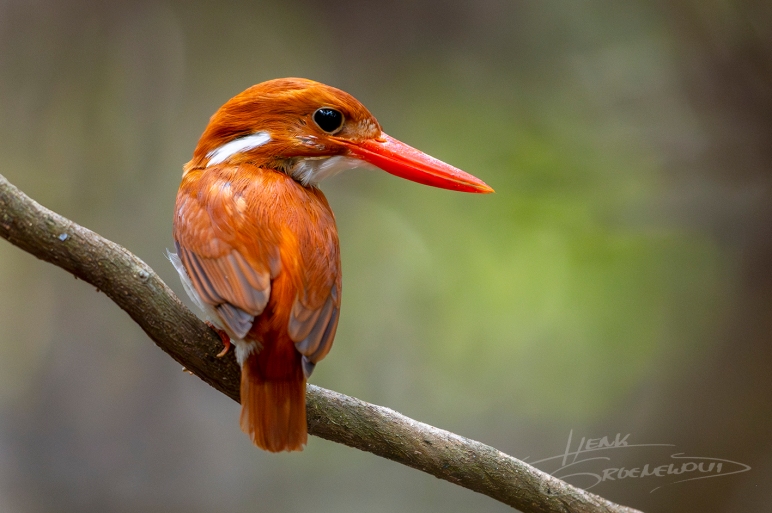
Yes, it was a birding trip to Madagascar. So it’s about time to show some of the beautiful birds that live there. Almost all of them endemic to the island as well, just as the lemurs. First the Madagascar Pygmy kingfisher Corythornis madagascariensis. An amazing success of our guide ‘Jacana’, who was able to spot this tiny bird in the trees of the rainforest
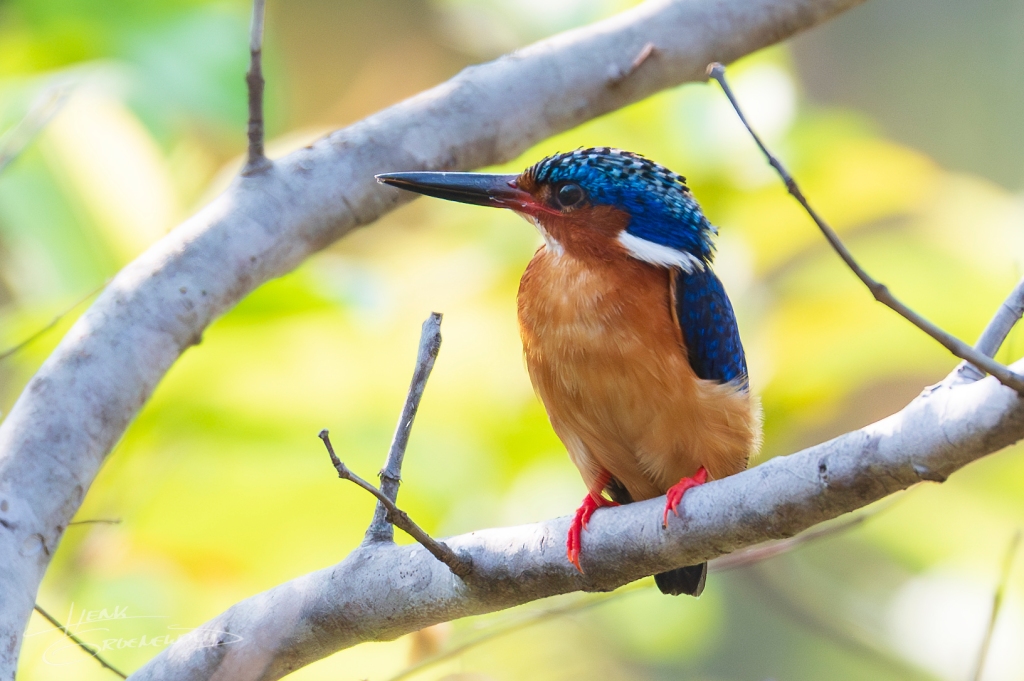
There is another kingfisher that looks a lot like our Eurasian kingfisher. At first glance they appear to be the same. But look closely: there is no blue cheek and less white on the chin. It’s a Madagascar malachite kingfisher Corythornis vintsioides
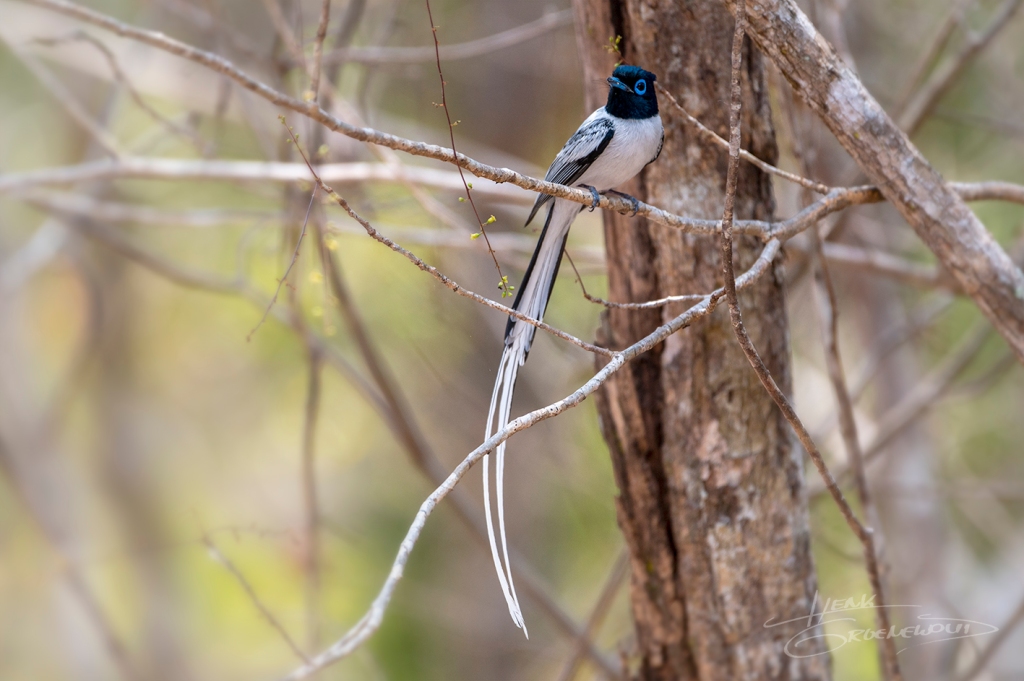
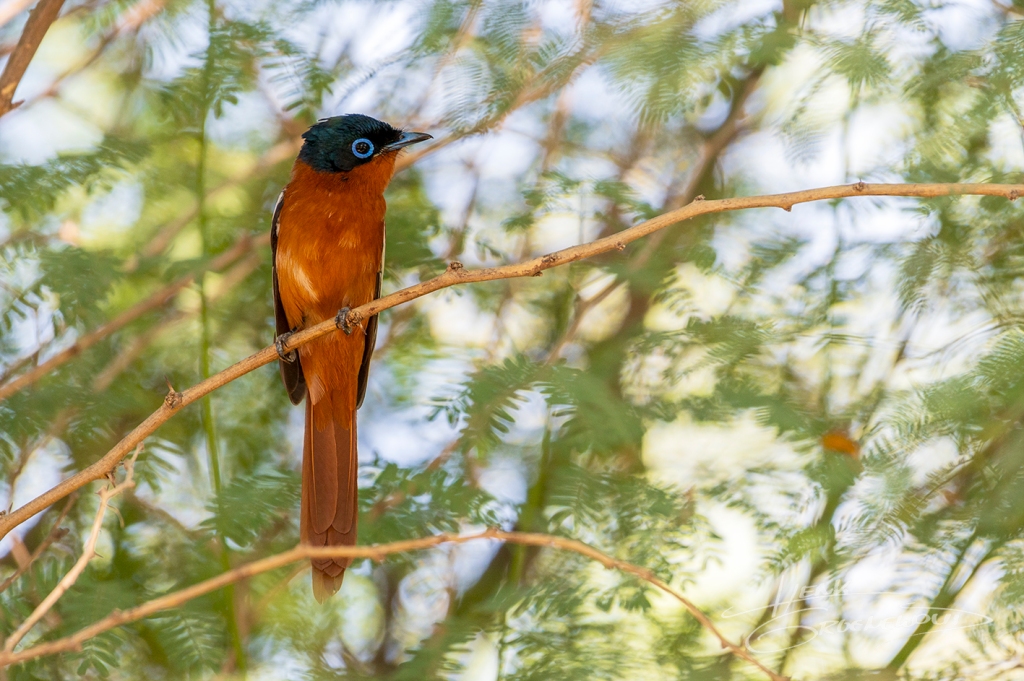
Incredibly graceful these Madagascar paradise flycatchers (Terpsiphone mutata mutata). Same species, white and brown morph
The Madagascar crested ibis Lophotibis cristata; quite shy and difficult to find. It took several days of searching before he showed up. “It has always been an endangered species,” the guide said, “but when the Covid pandemic broke out and tourists didn’t come anymore, lots of them were eaten…”
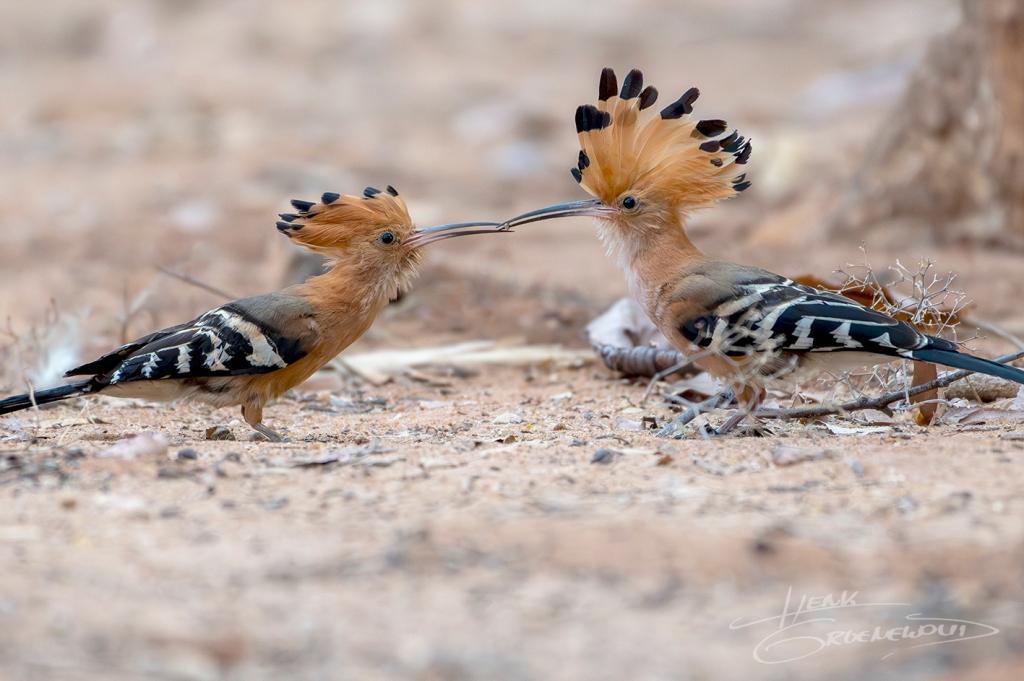
The hoopoe! And again an endemic: the Madagascar hoopoe Upupa marginata. I’m afraid I don’t see the difference with the Eurasian hoopoe
Souimanga sunbird – Cinnyris souimanga. That reflection of light on the feathers!
Another colourful bird: the Pitta-like ground-roller Atelornis pittiodes. Also very difficult to find, as he is walking in dense dark forests. So many colours: Green wings, ruby breast, blue spotted head… truly amazing
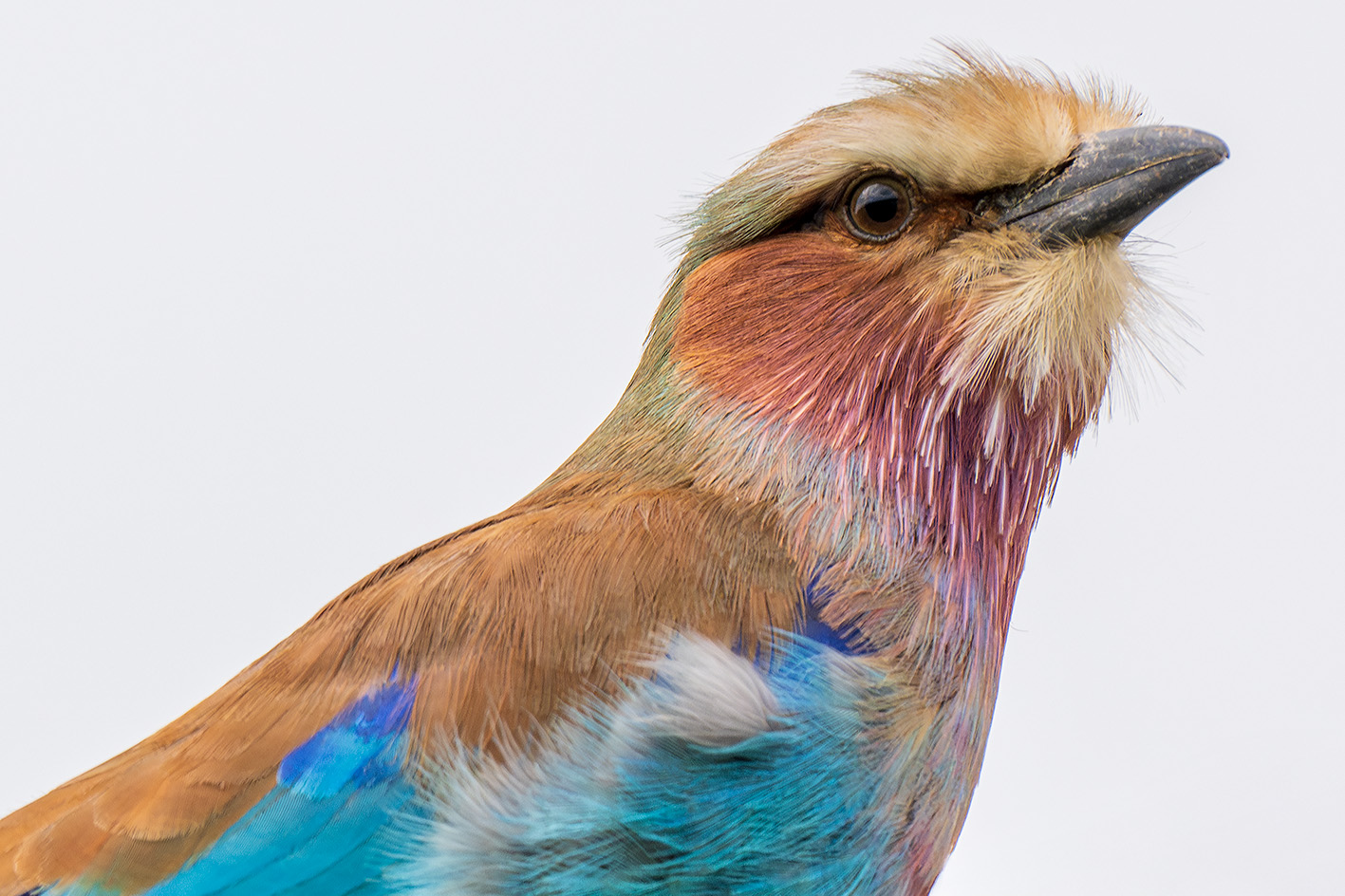
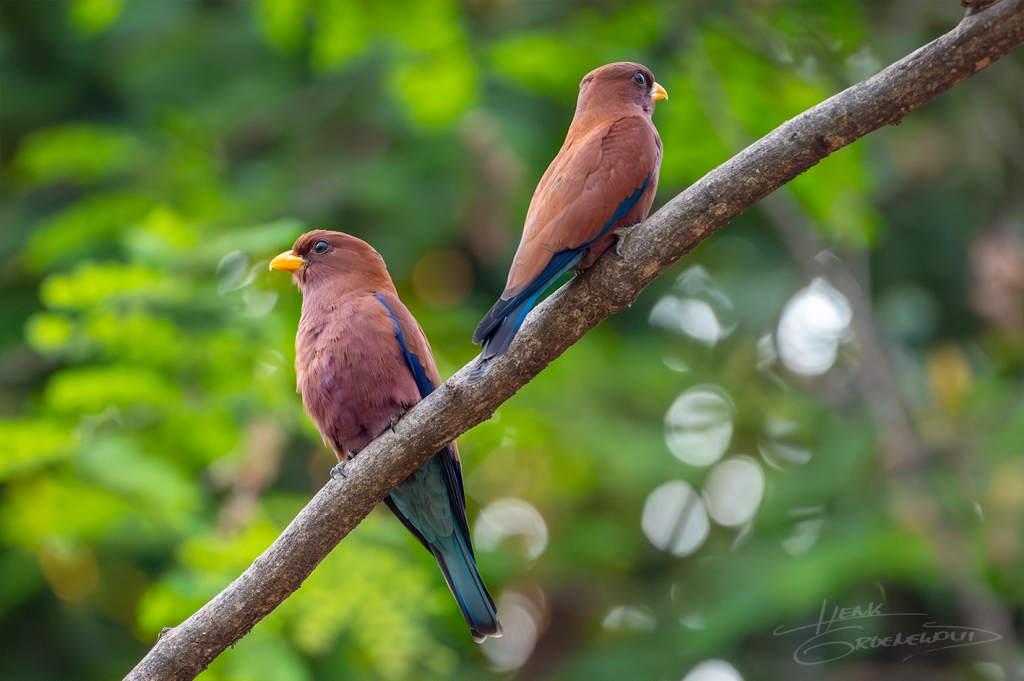
The family of rollers is one of my favourites. This is a Broad-billed roller Eurystomus glaucurus, mostly brown but it has beautiful blue feathers in the wings and tail
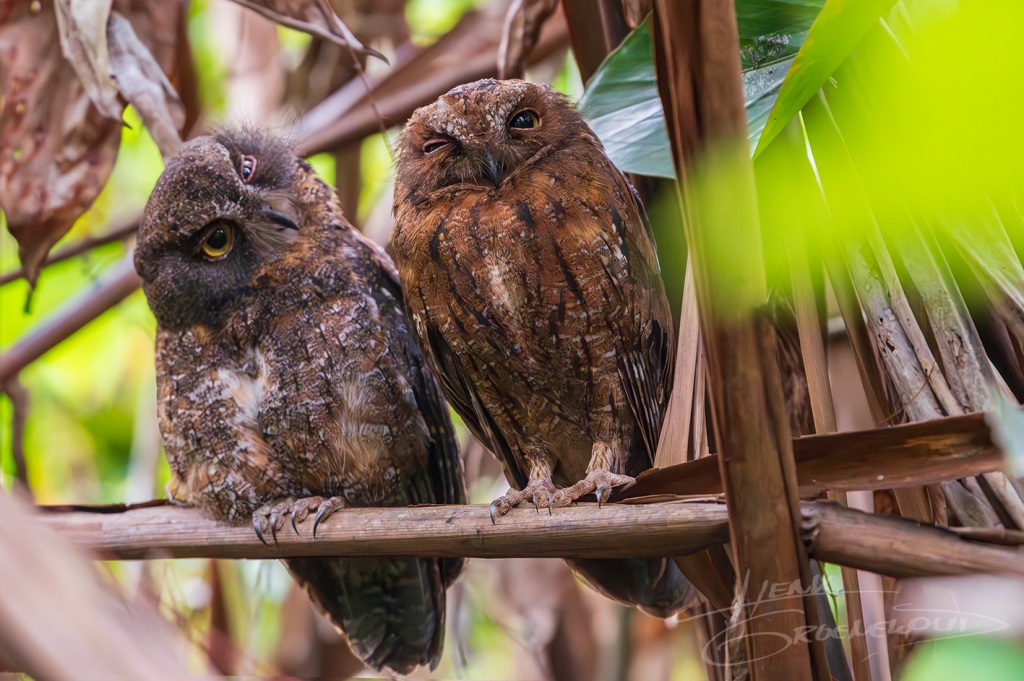
Last one for now: two Madagascar scops owls Otus rutilus happy together
Venus guided us all the way home after the Vienna trip. The picture from the plane resembles a bit the picture I took at home a few days ago, with Jupiter and Venus in conjunction.
Tonight, Venus and Jupiter are standing very close together in the sky. That is: they’re standing very, very far apart, but they appear to look close together to us.
In the sunset picture you can see them cosily in the top right corner, in between the greylag geese. Beautiful sunset today.
I also took a few pictures with the standard 500 mm lens, and was very surprised about the details. You actually see the little balls in the sky, and a few moons around Jupiter. Always makes me feel like that little boy, staring into the sky with a small telescope and dreaming of the stars…
“What about nature in Cyprus?” you might ask. “Where are the birds, the mammals?” Let’s start with the most famous eye-catchers: the flamingos. South of Larnaca, in the salt lakes. Larges groups and easy to see.
Apart from the flamingos, the first few days I hardly saw any birds. Very disappointing. A few common stonechats (Saxicola rubicola) – don’t need to go to Cyprus to see them. This one showed up shortly after sunrise, in the early orange light.
I soon found out why I saw so few birds. They are afraid! It is quite dangerous to be beautiful. In Cyprus, people shoot. Right after my beach house, there was a small nature reserve with a salt marsh. Information panels proudly stated how special the vegetation was. There were huge signs: Nature conservation area. No Hunting! And right after these signs, you find the empty shells. One at least at every 20 meter. No wonder I didn’t see any birds. And the ones I did see – quite special, endemic species – kept well hidden and so far away, that it was pointless to try and take pictures. I do Like Cyprus, but the hunting and shooting – even in nature reserves! – is awful.
Lots of lizards though. For instance this rock agame near Aphrodite’s bath. Previously this reptile was considered a subspecies of Laudakia stellio, but DNA research showed that Cyprus truly has its own endemic species: Laudakia cypriaca.
And another lizard, Schreiber’s fringe-fingered lizard (Acanthodactylus schreiberi). Quite a lot of them – even saw one on the beach.
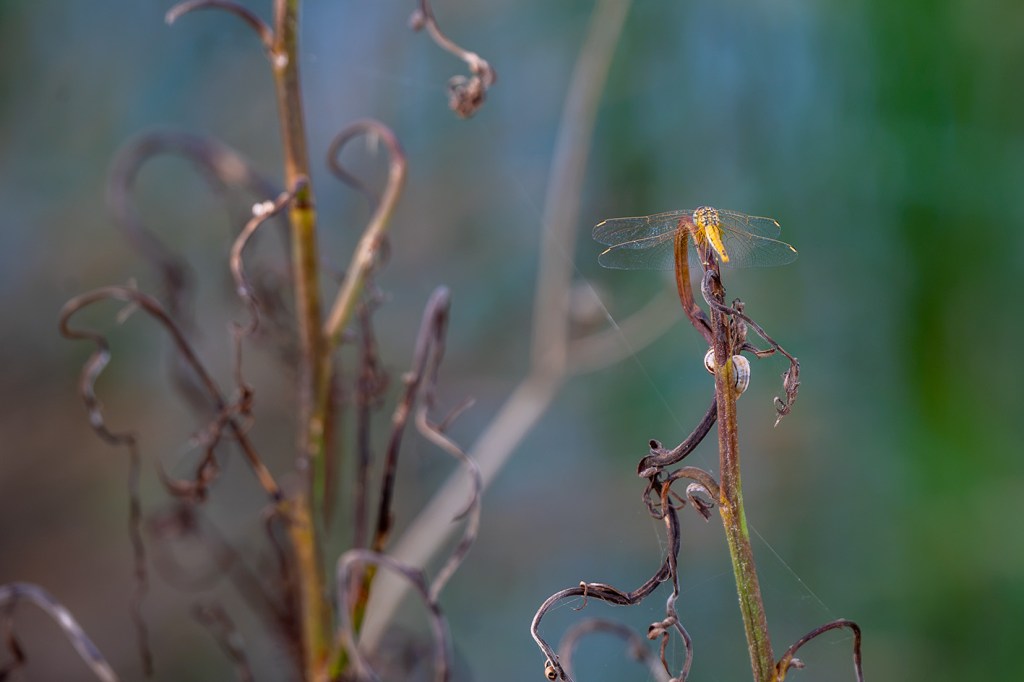
Lots of dragonflies as well here. For instance the globe skimmer (Pantala flavescens) – a species found all over the world, able to migrate many thousands of miles during the year.
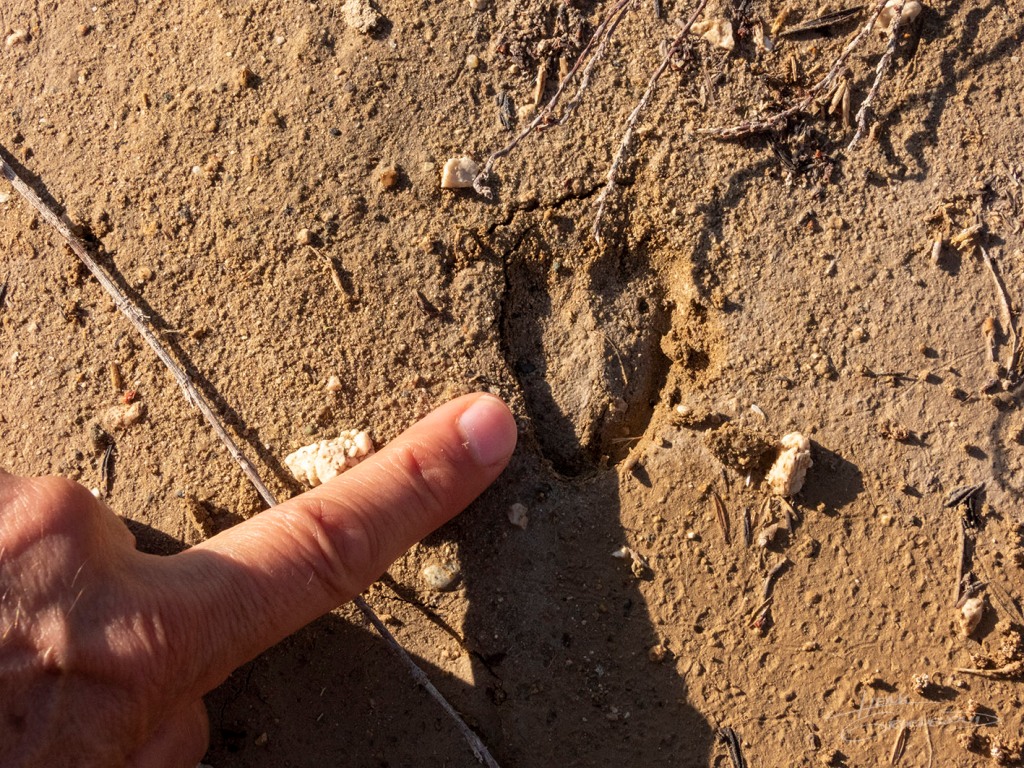
So what about the mammals in Cyprus? Of course they are present, but very, very well hidden. In between the shells, the silent witnesses of hunting in nature conservation areas, I also found fresh footprints of roe deer. The kind of deer that I can see almost daily where I live, where hunting is largely banned, but that are invisible ghosts here.
With these final remarks, I close off with some shaky air during another stunning sunrise.











































 De Portrettenmaker