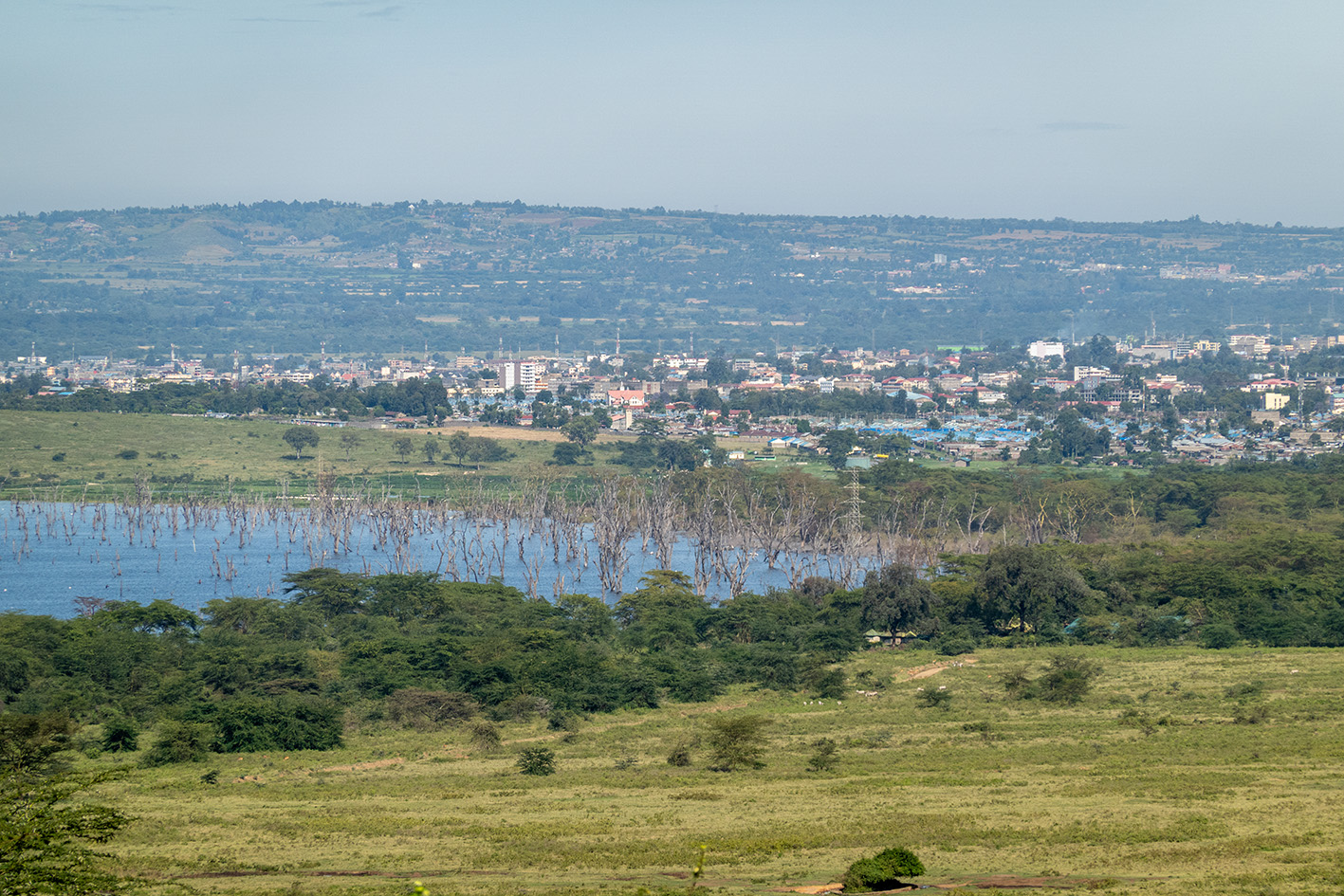
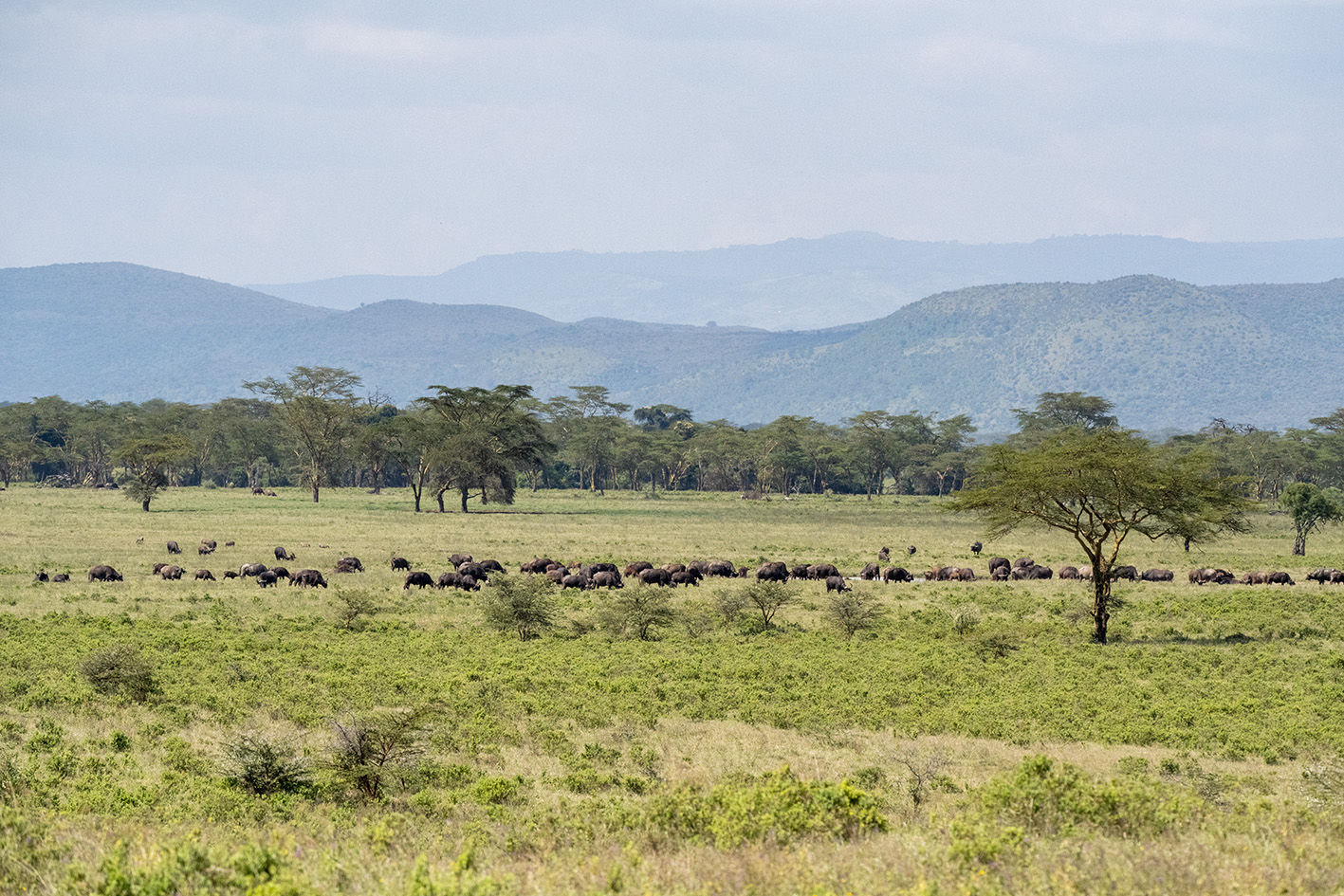
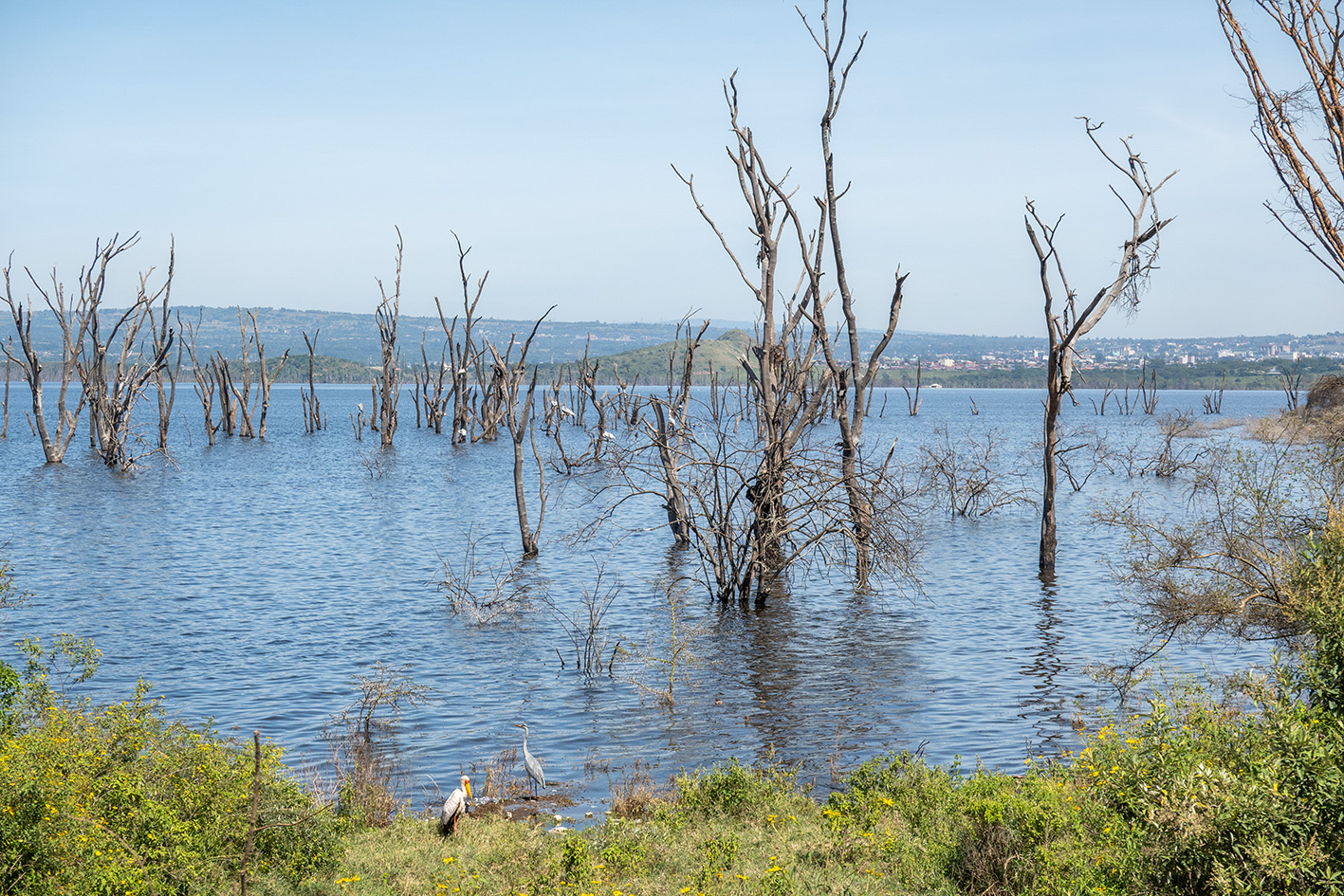
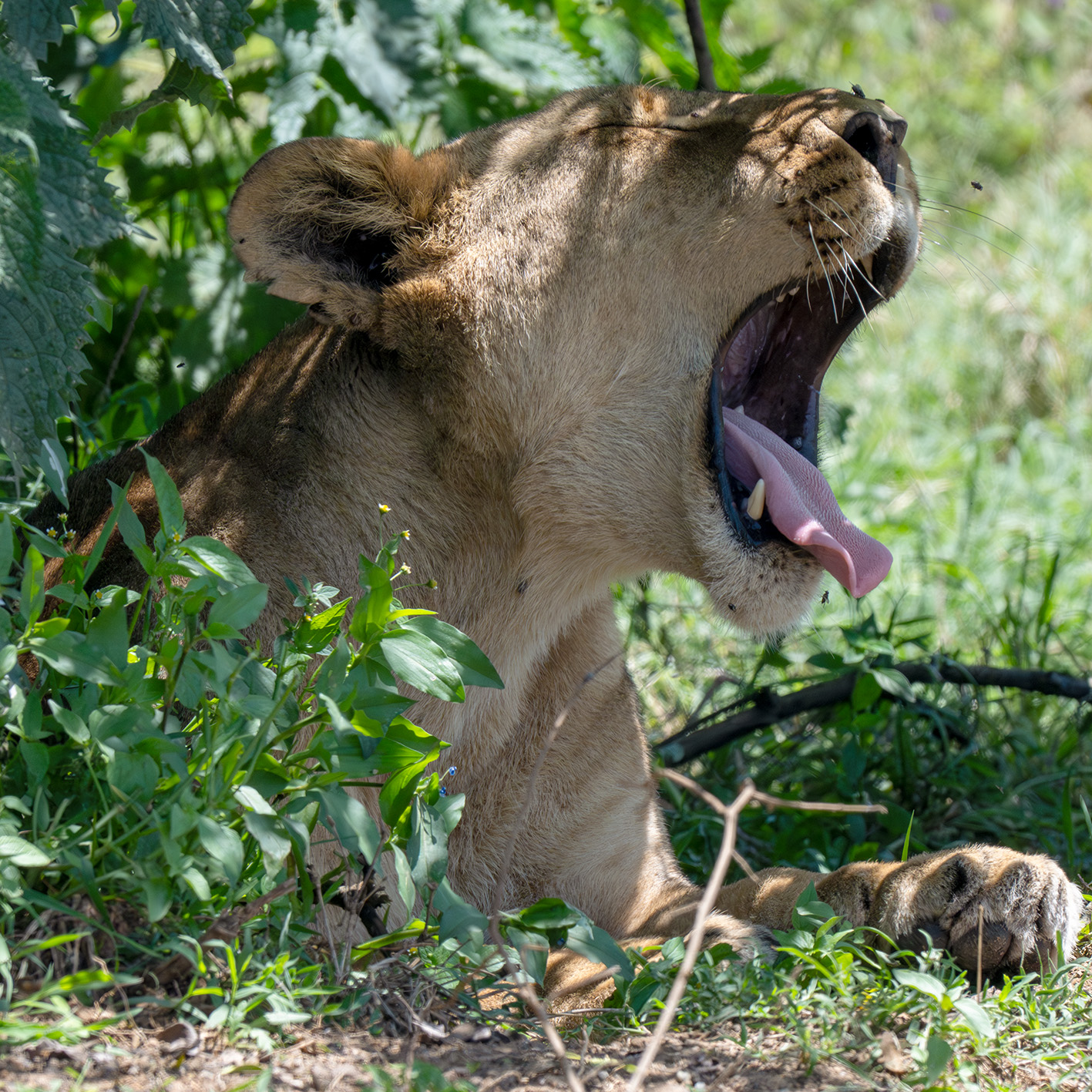
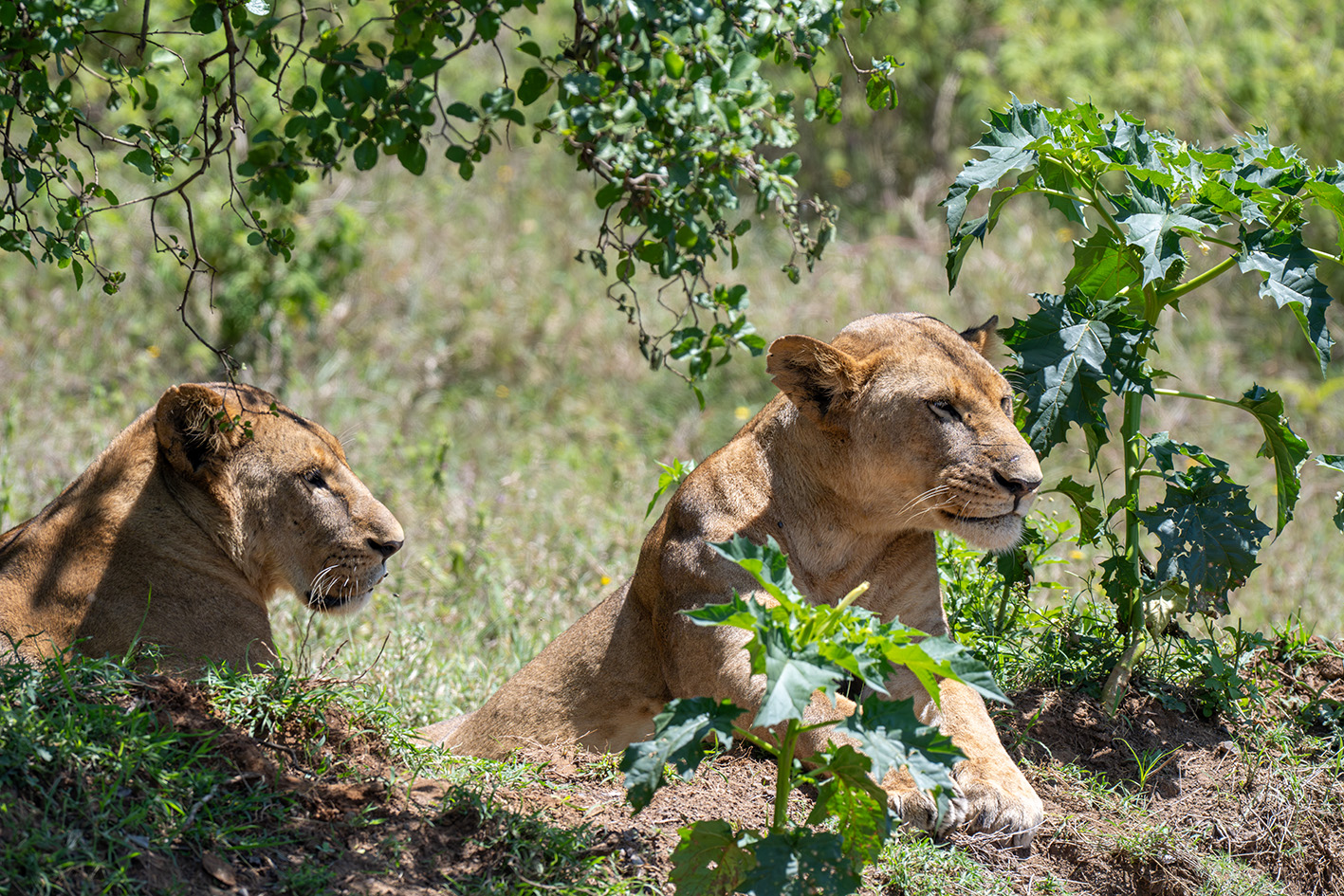
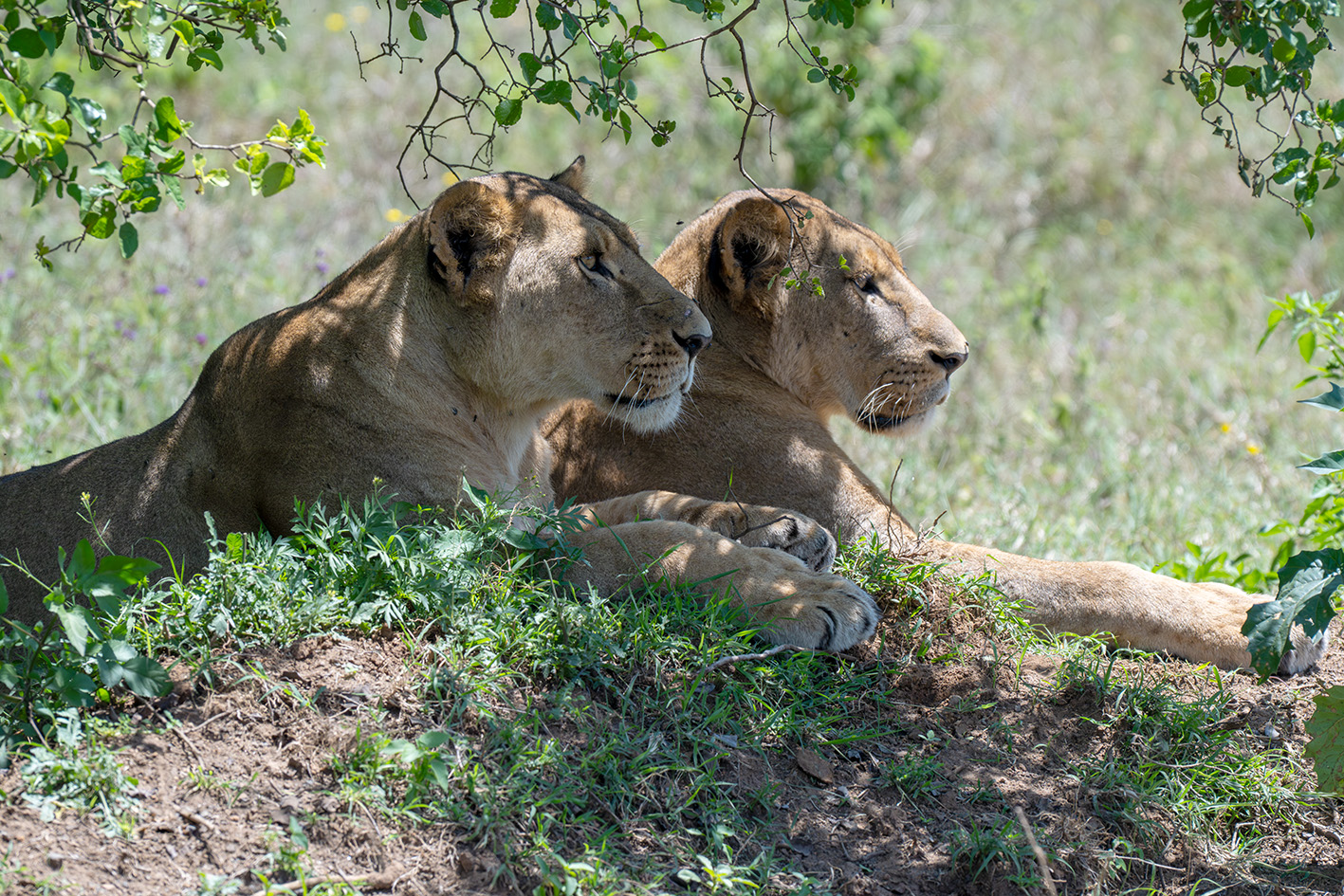
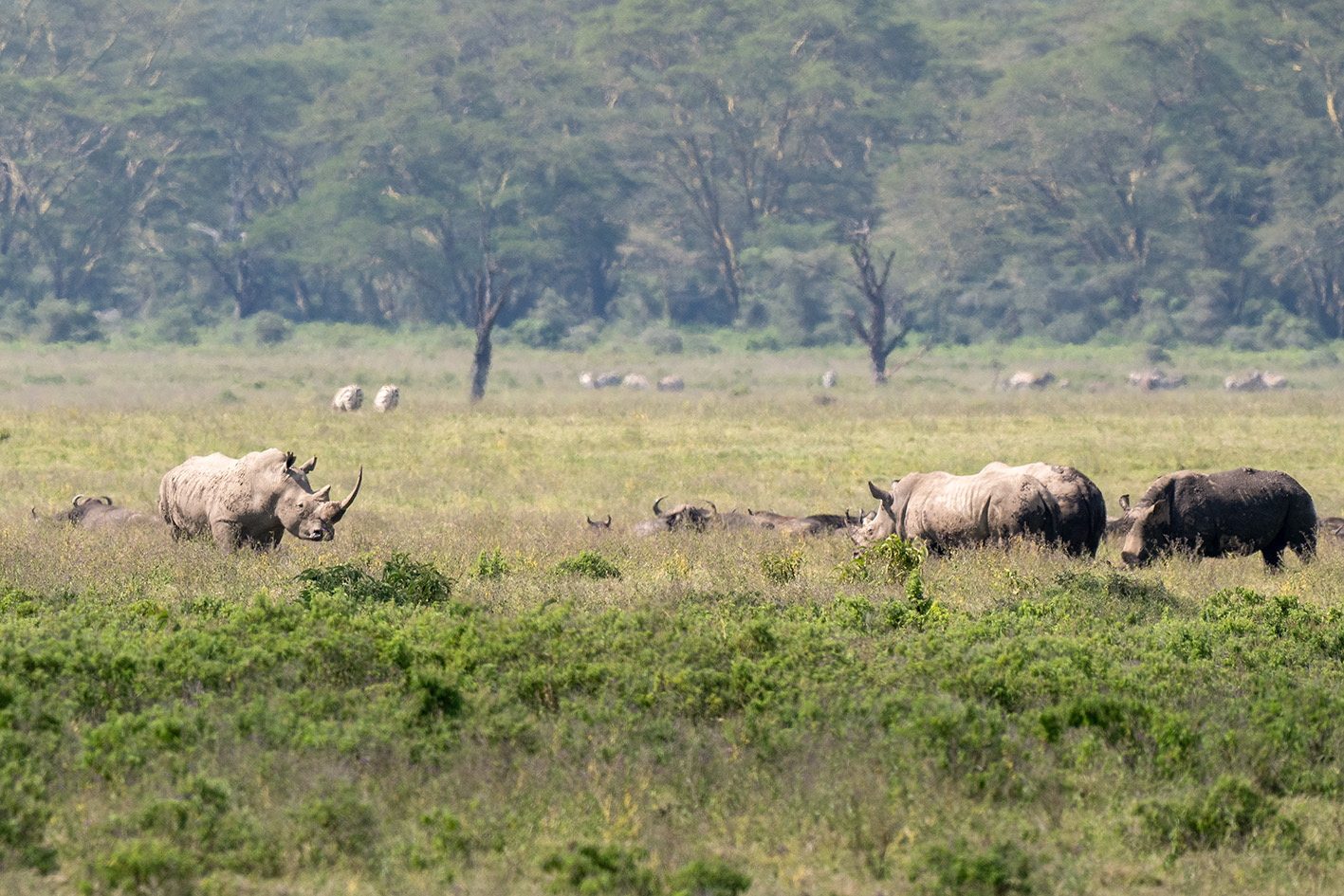
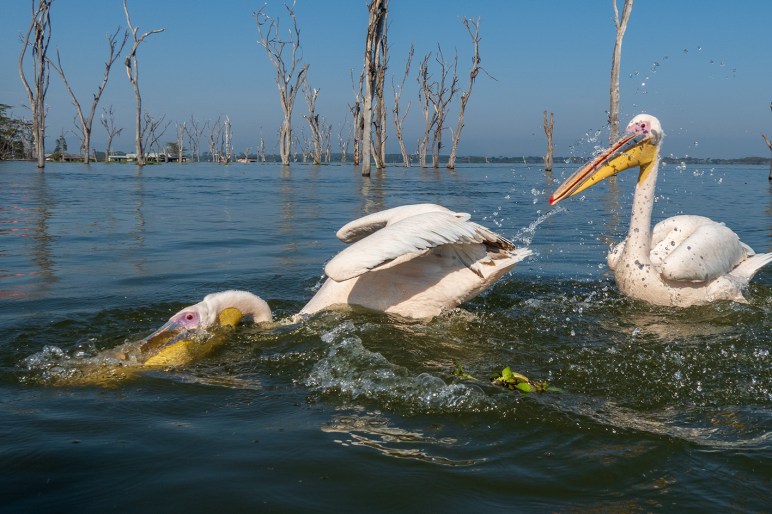
Pal naast de stad Nakuru ligt het national park Lake Nakuru. In Nederland hebben we vaak moeite met wilde dieren in onze menselijke omgeving, maar hier leven leeuwen en luipaarden, en tal van andere grote en vervaarlijke dieren. En ook hier stijgt het water, wat hun leefruimte steeds verder beperkt
Fietstocht door Hell’s Gate kloof in het geothermisch actieve gebied Olkaria. Op de foto’s niet te zien: het water is zeer warm!
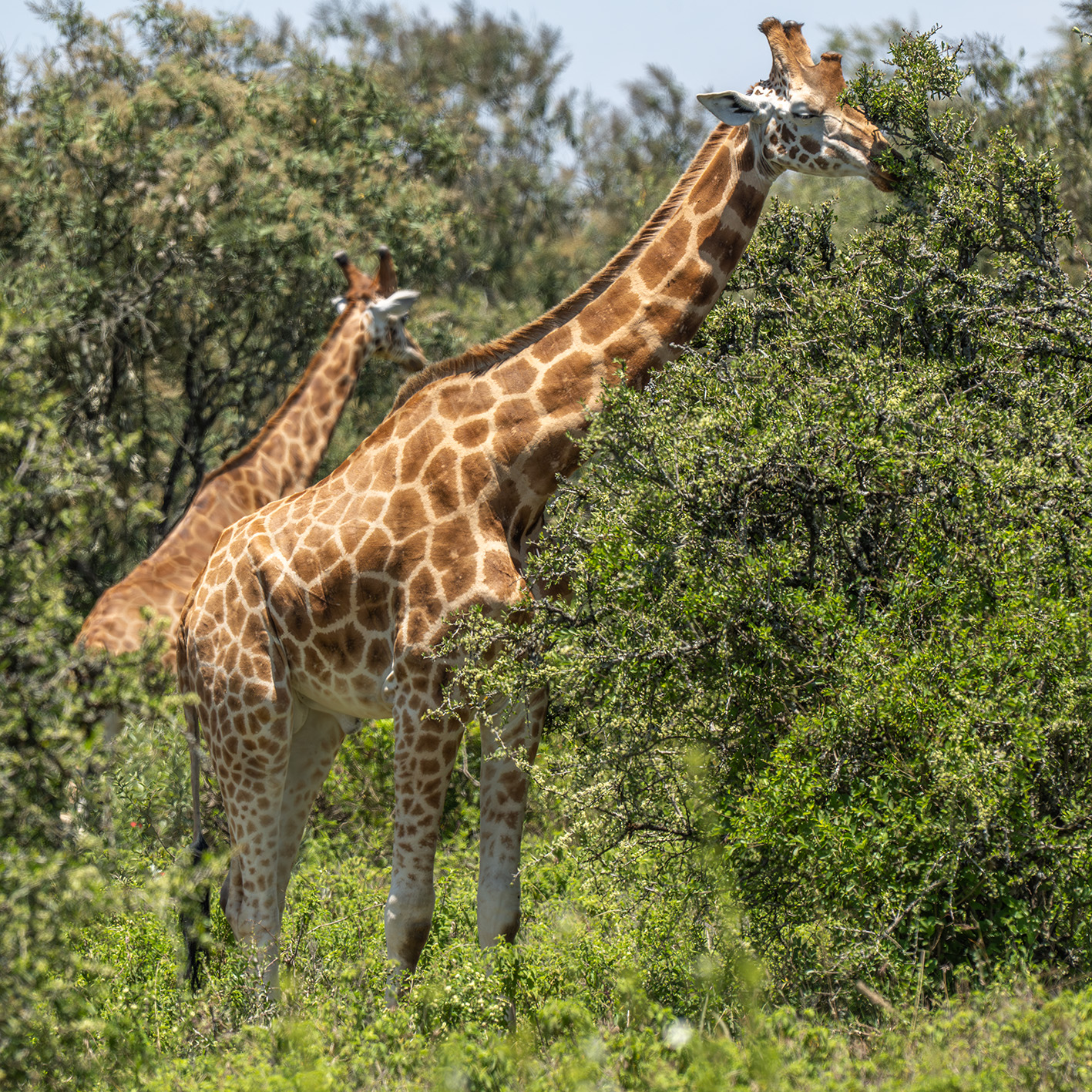
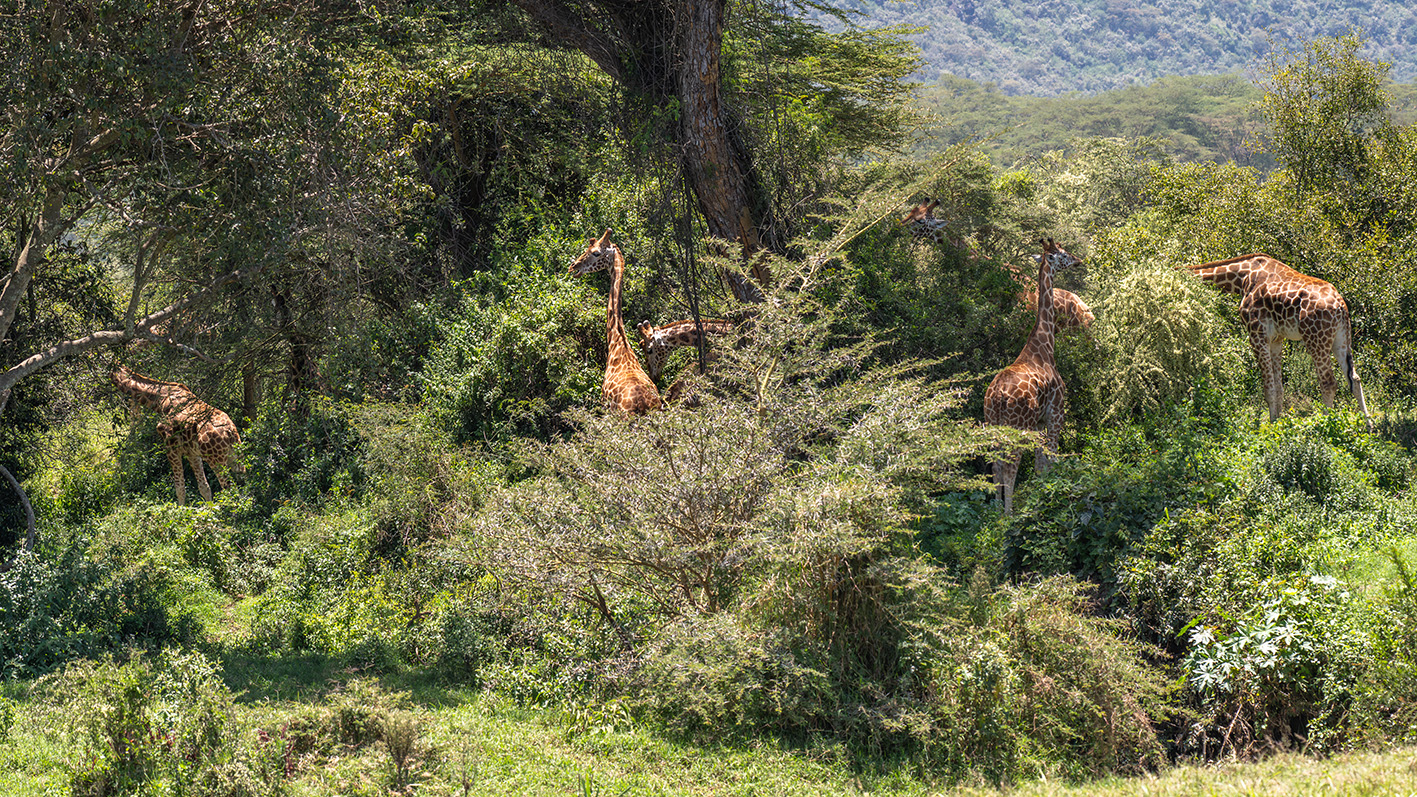
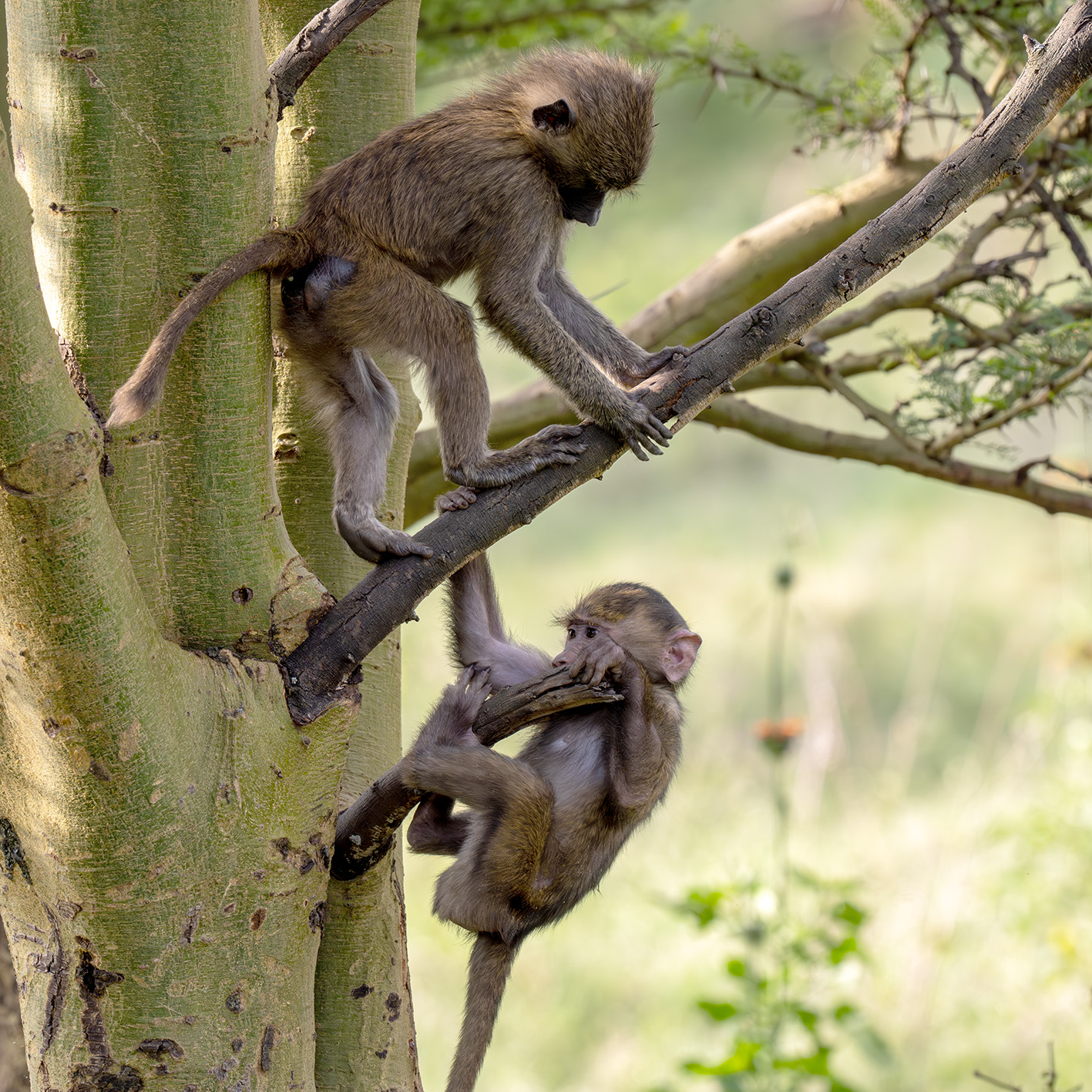
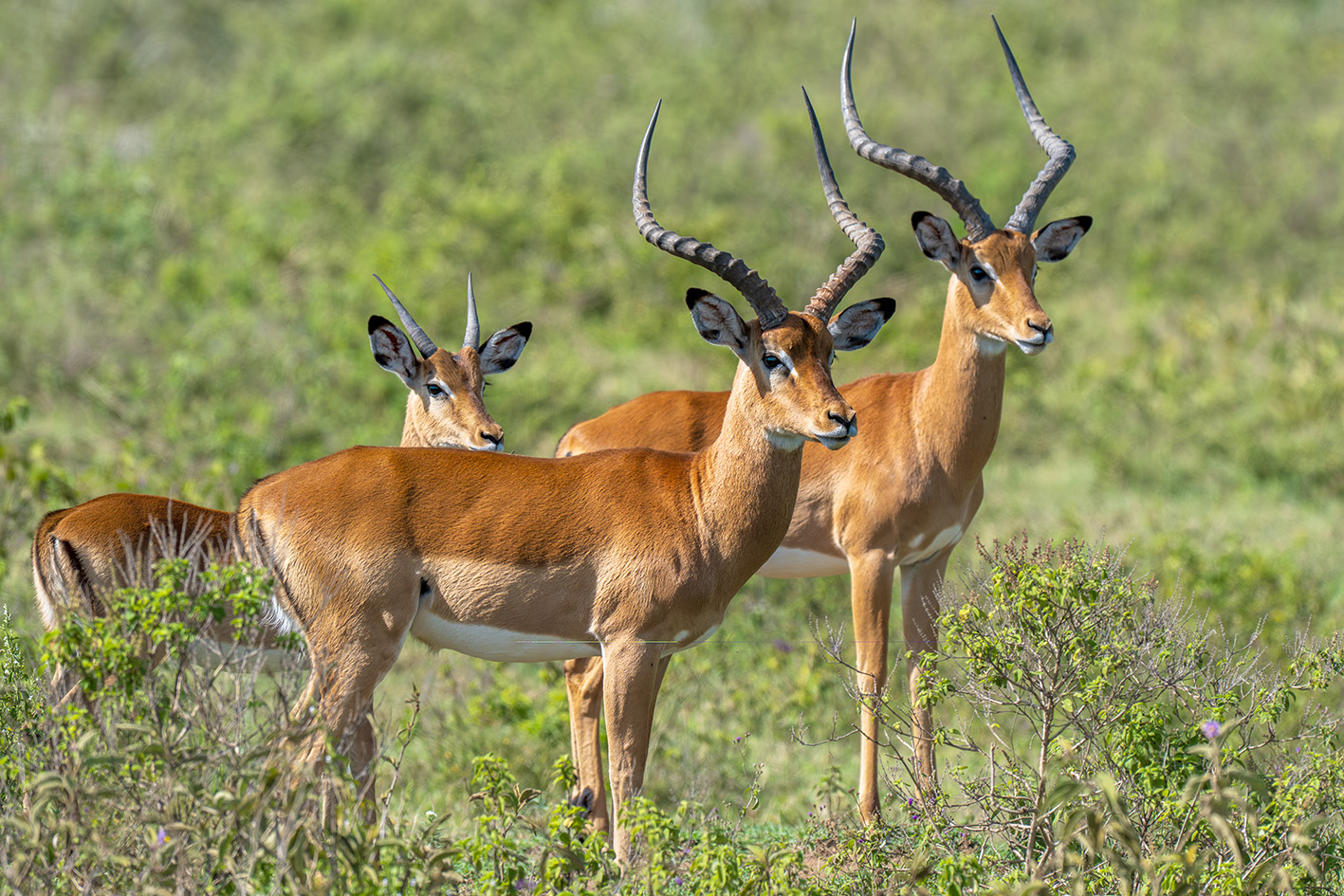
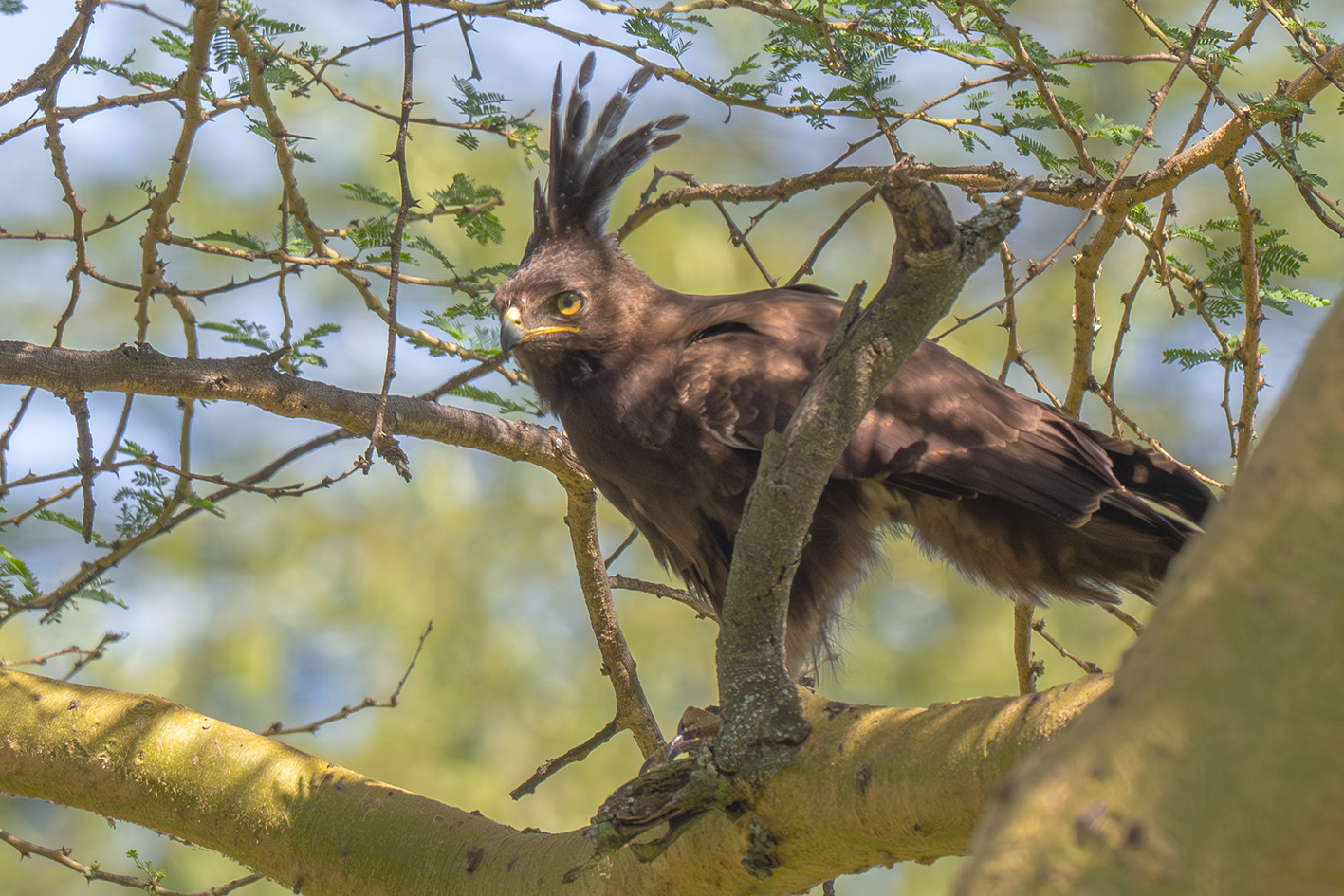
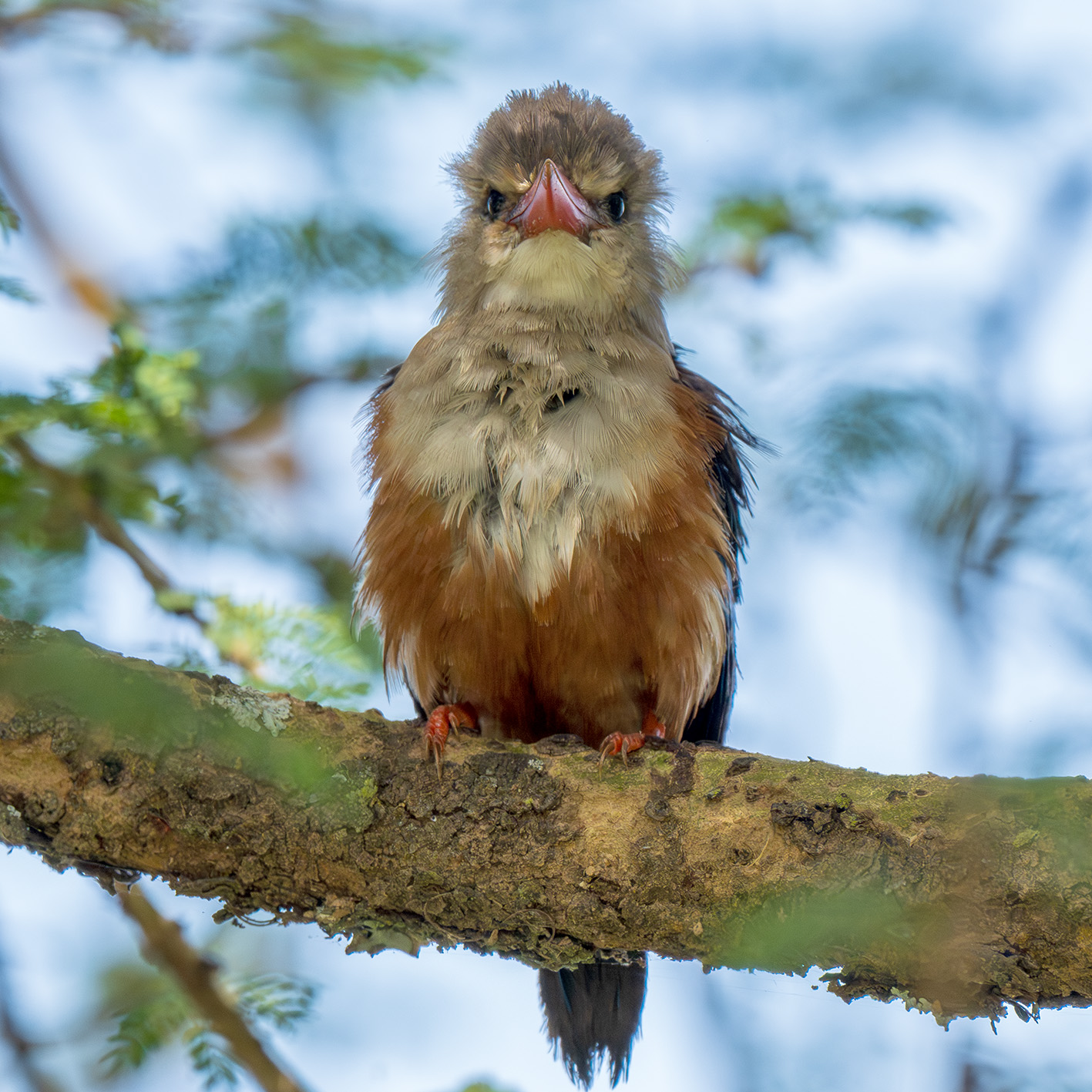
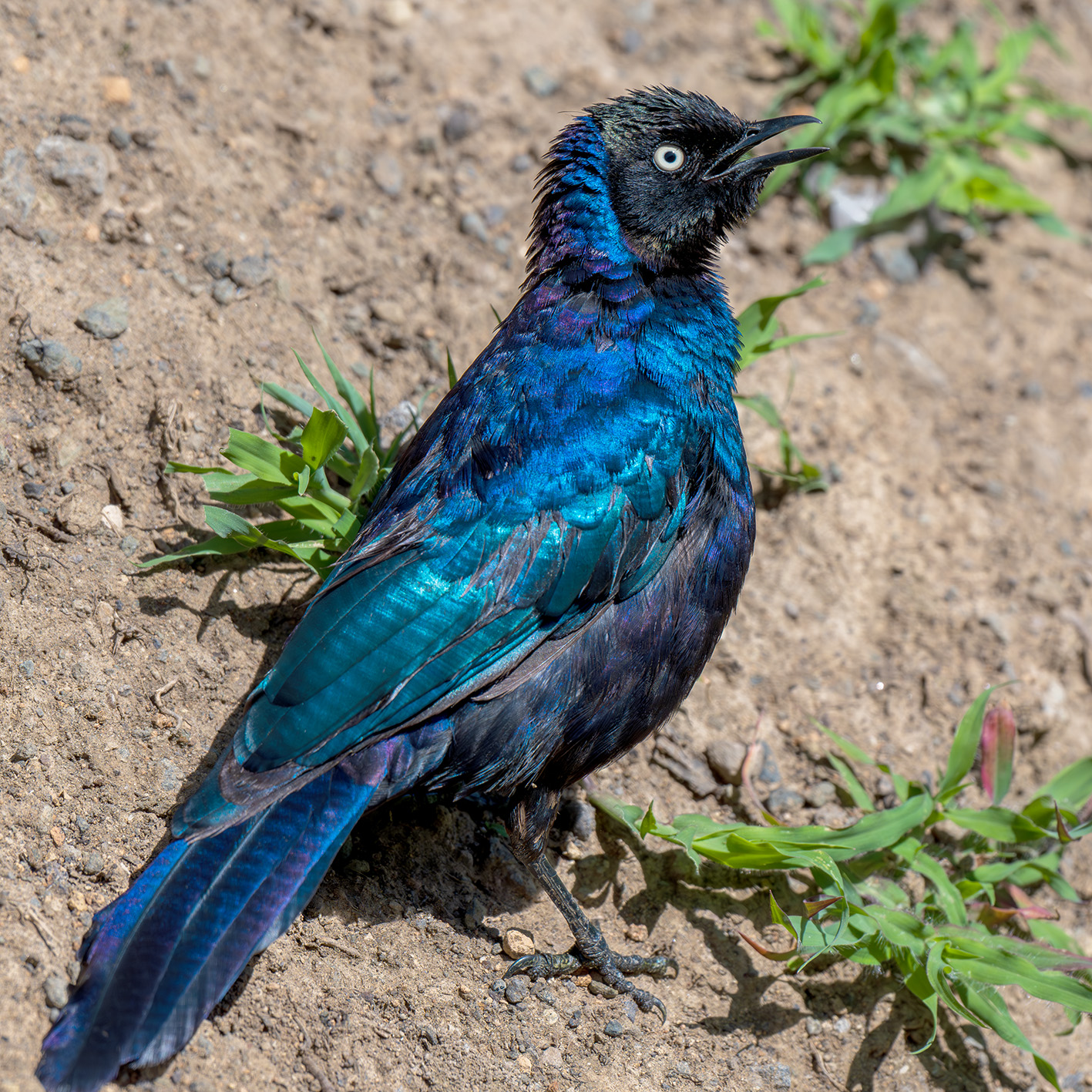
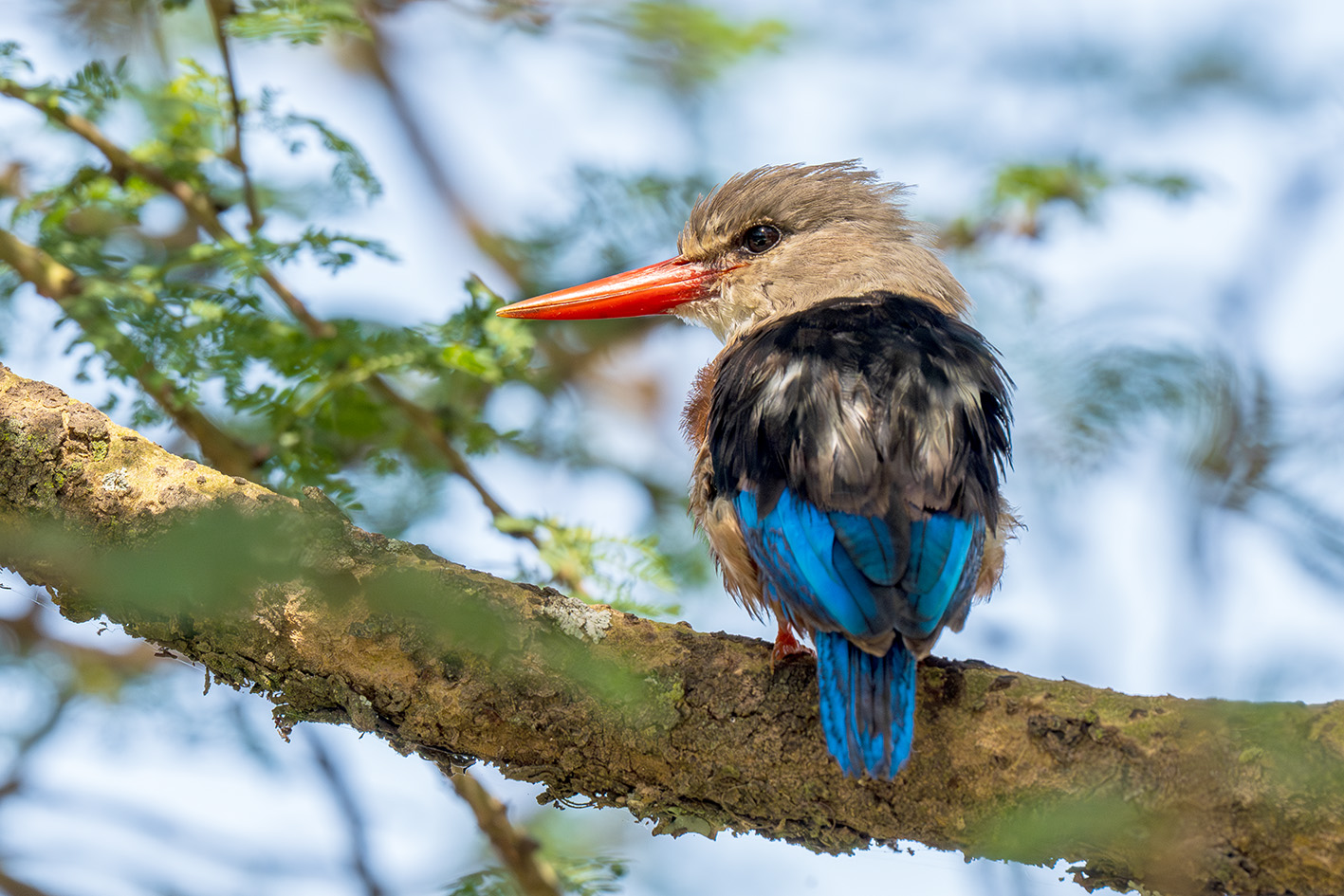
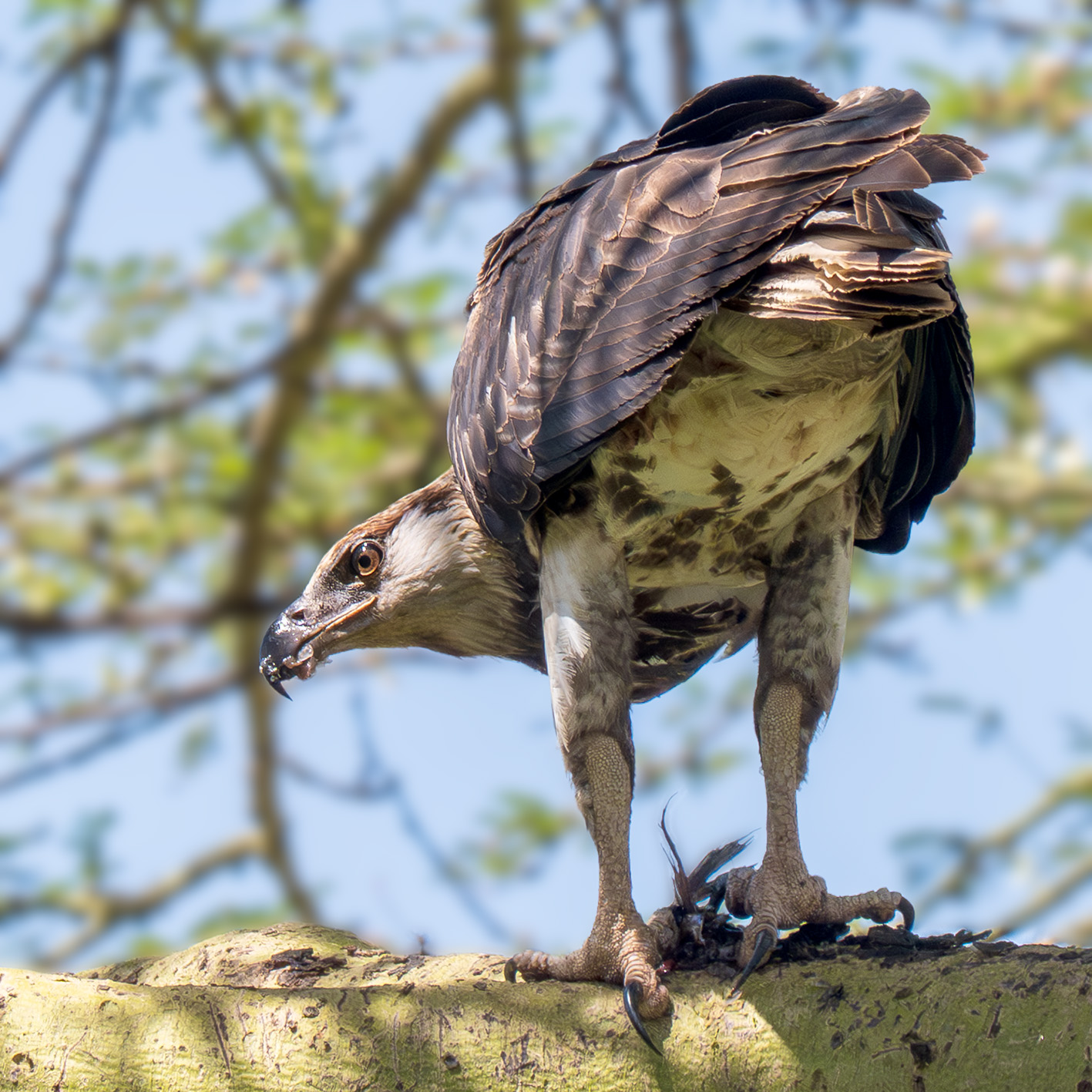
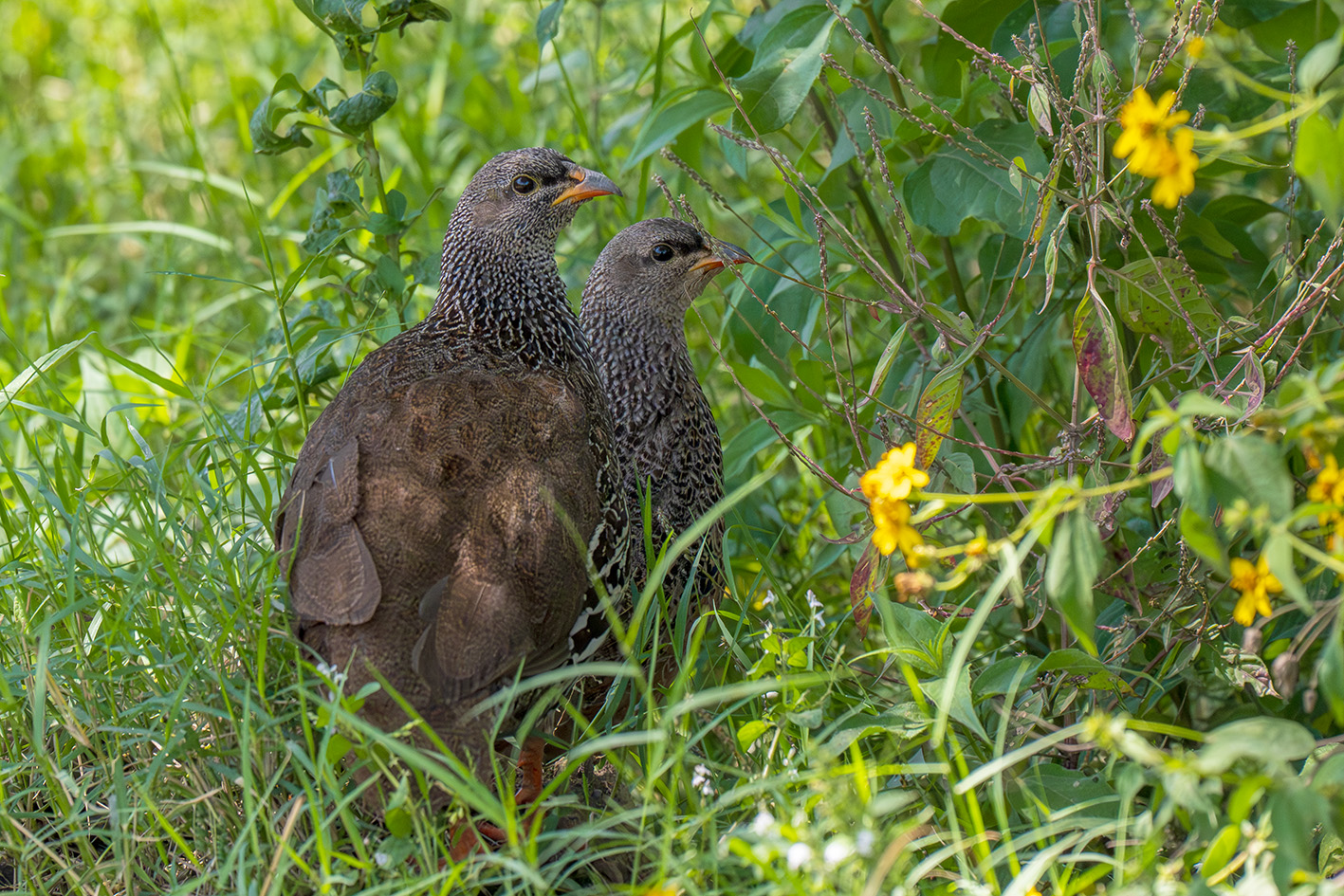
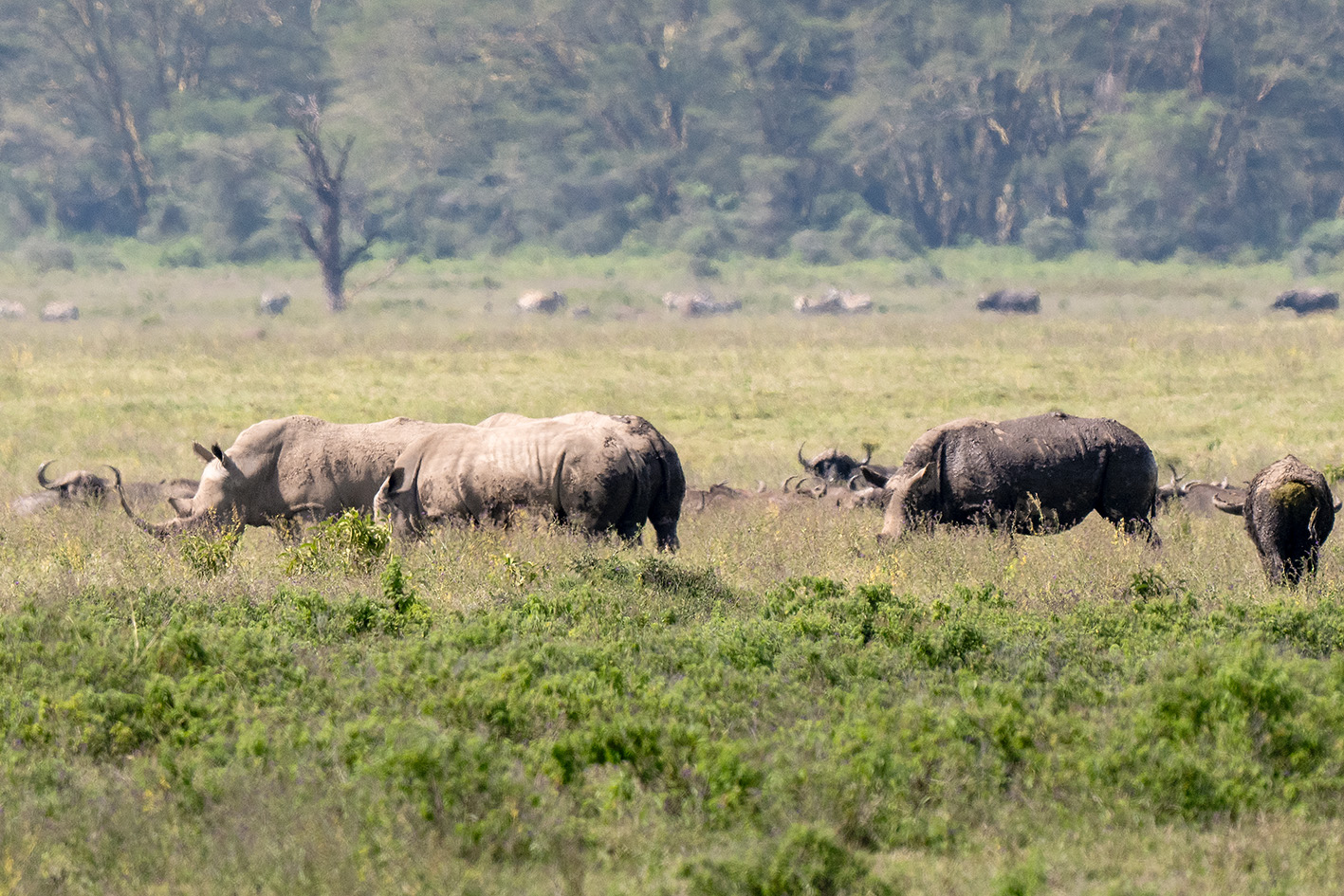
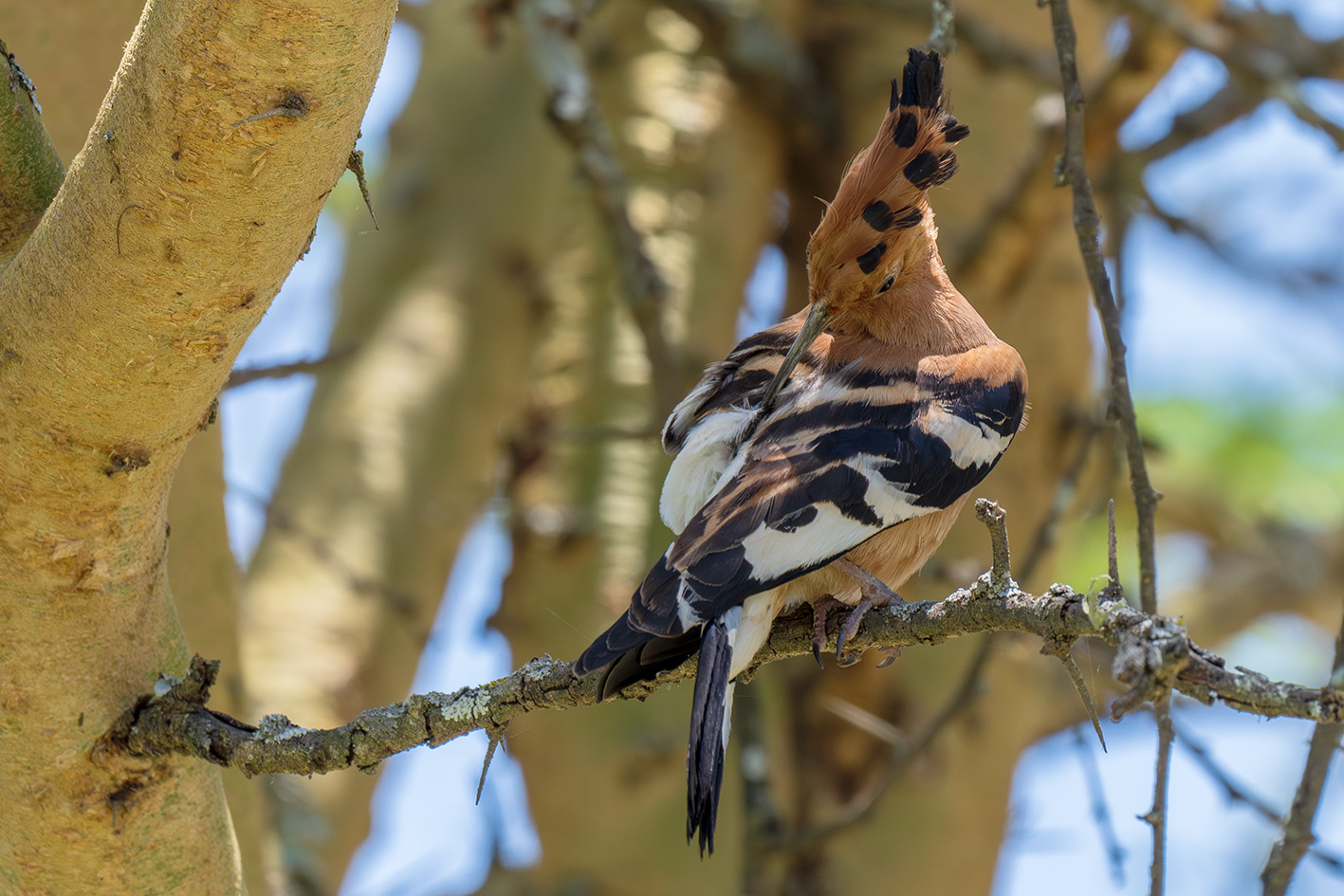
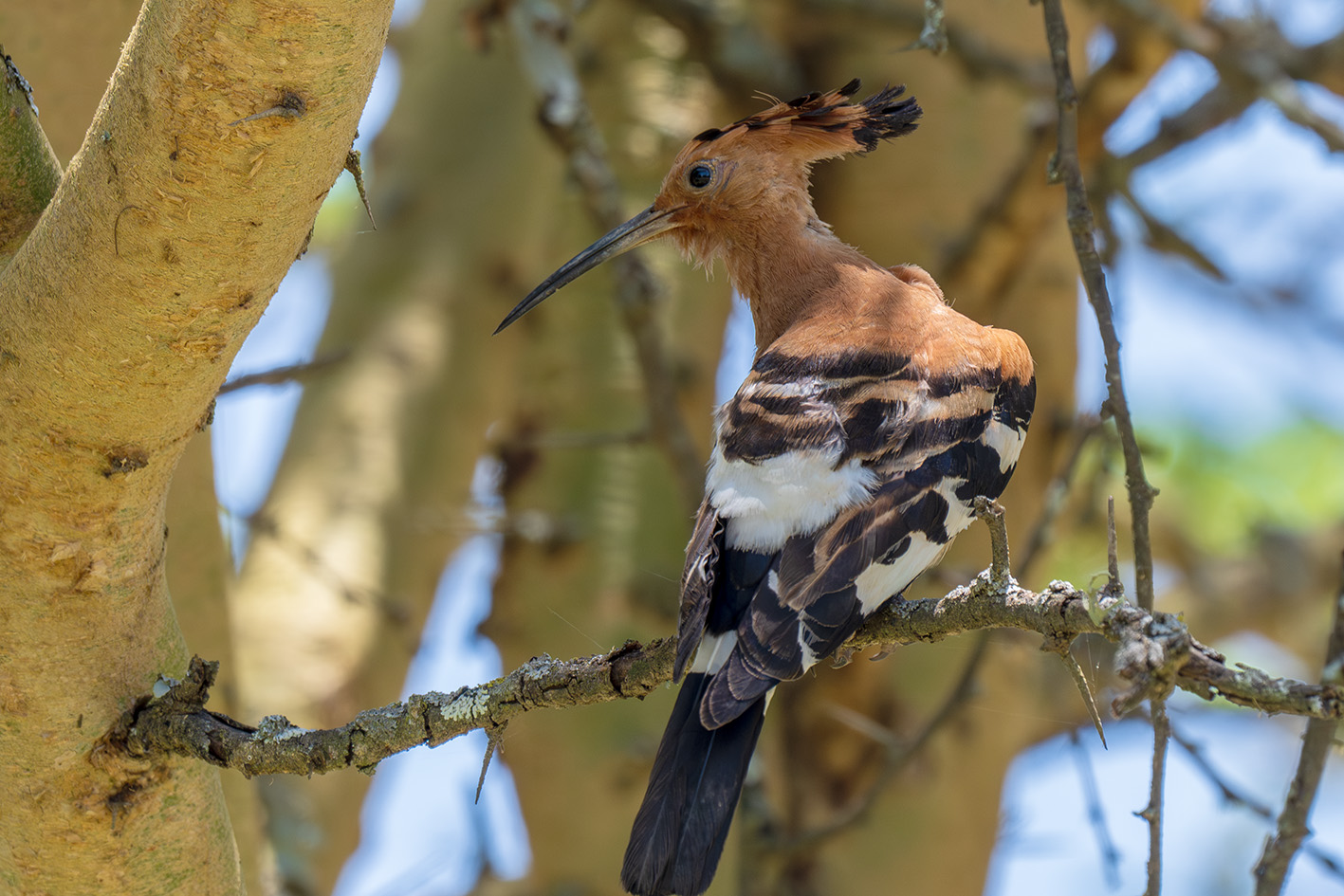
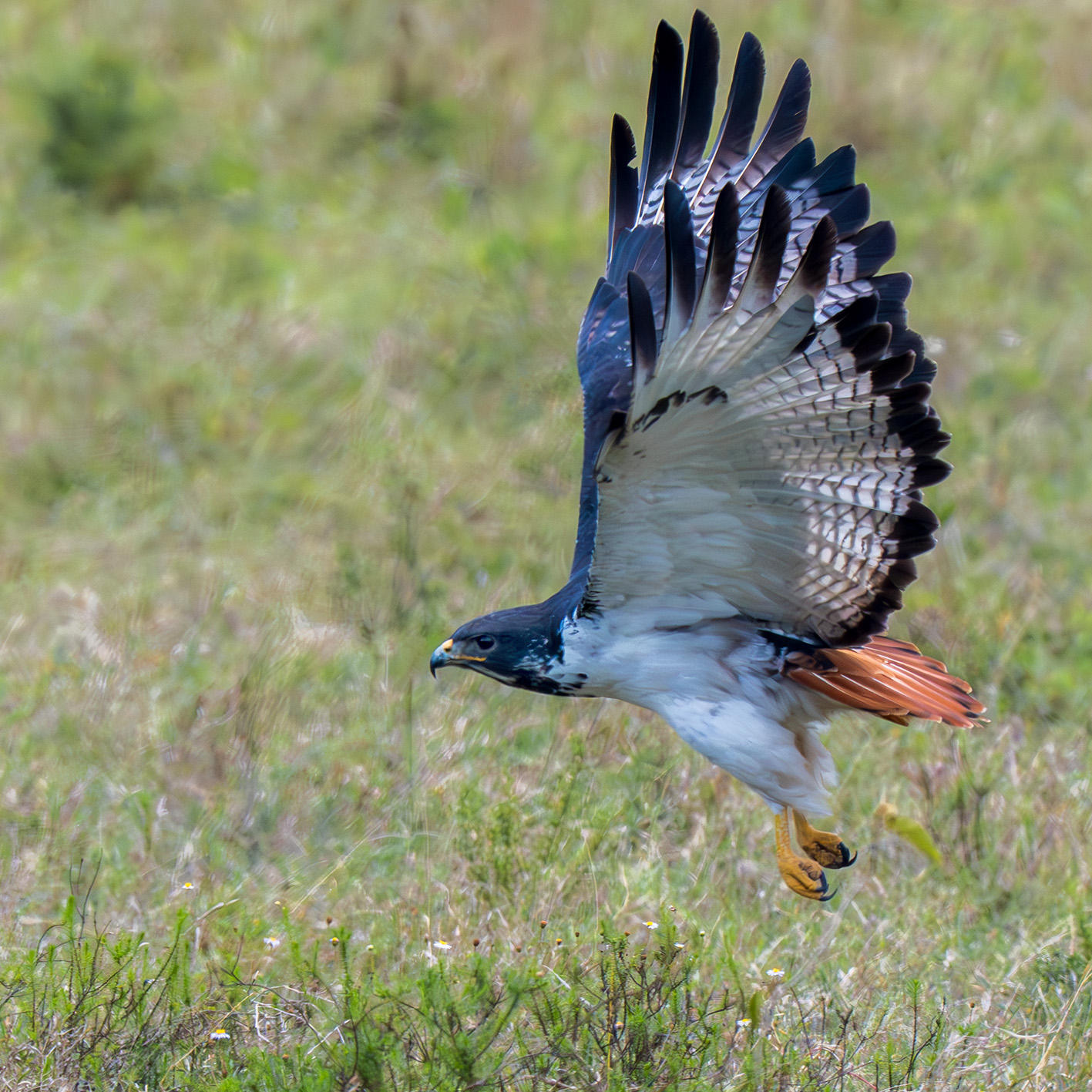
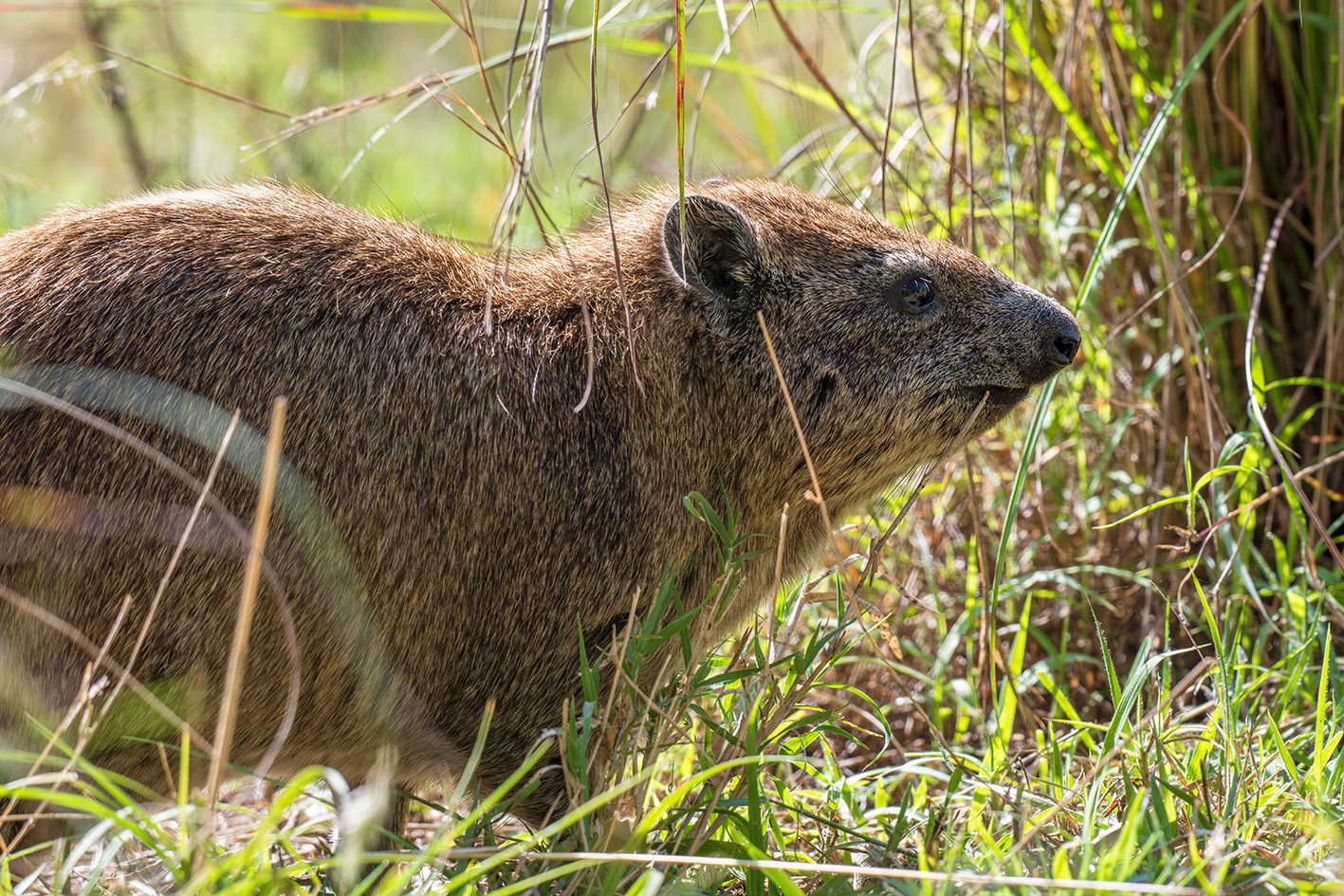
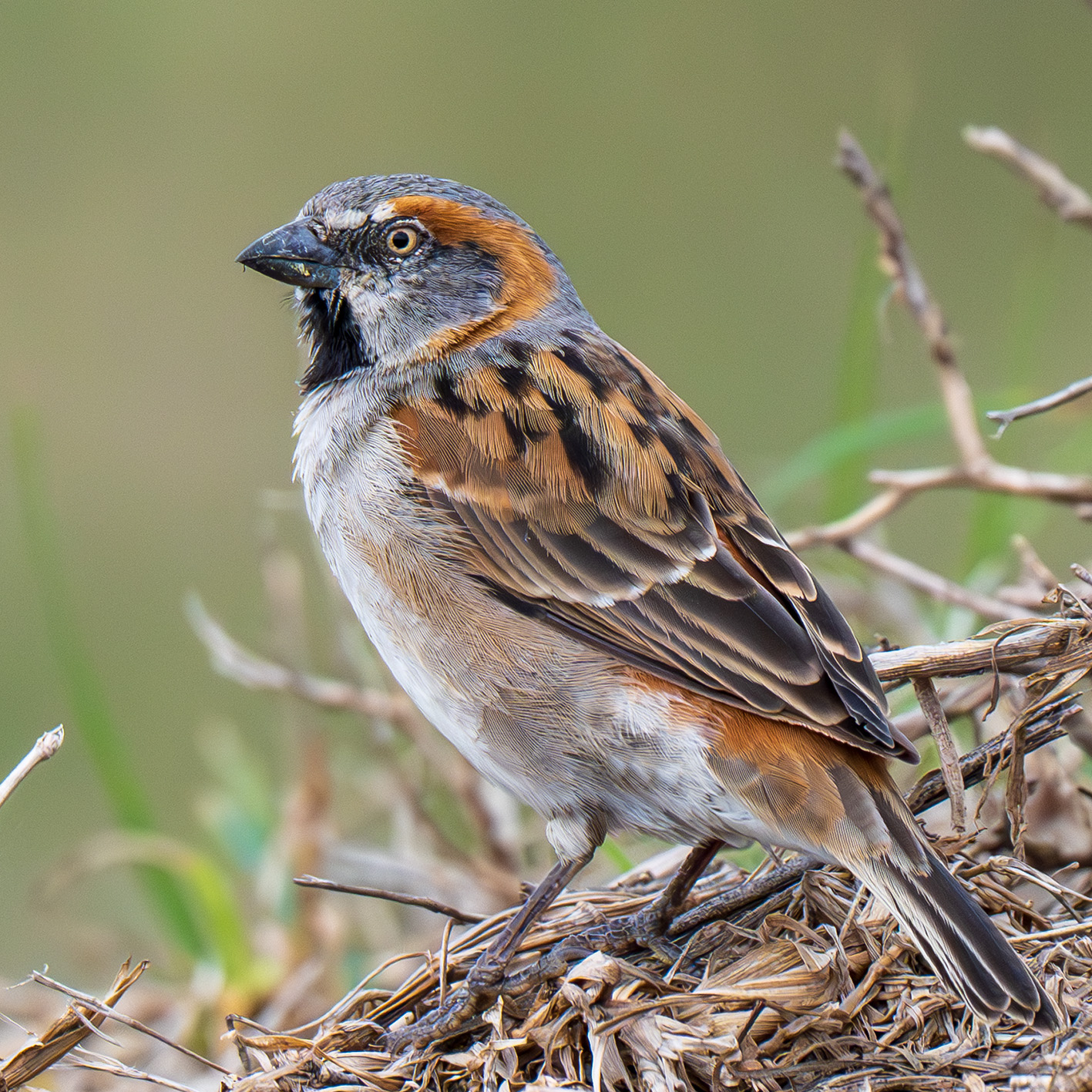
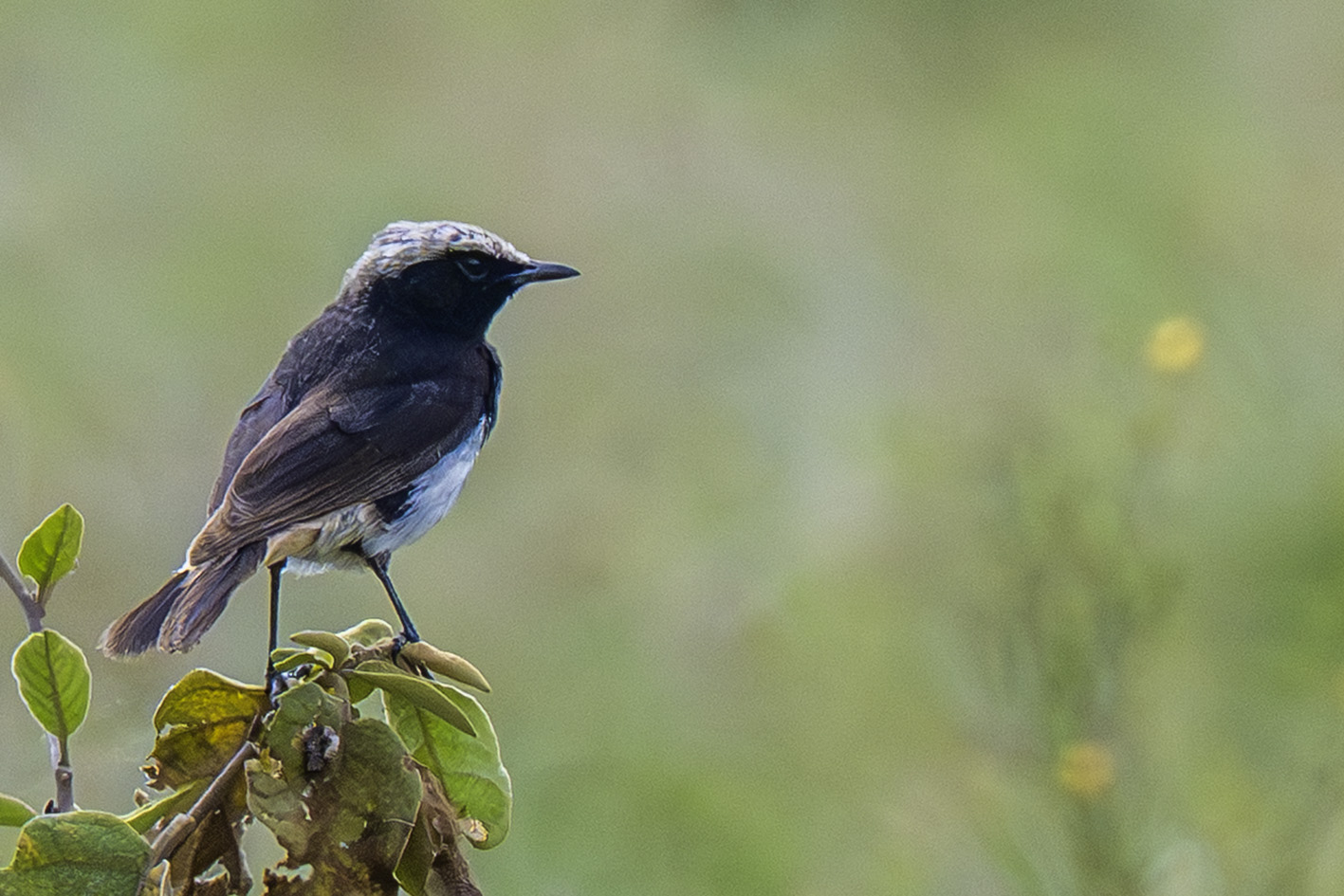
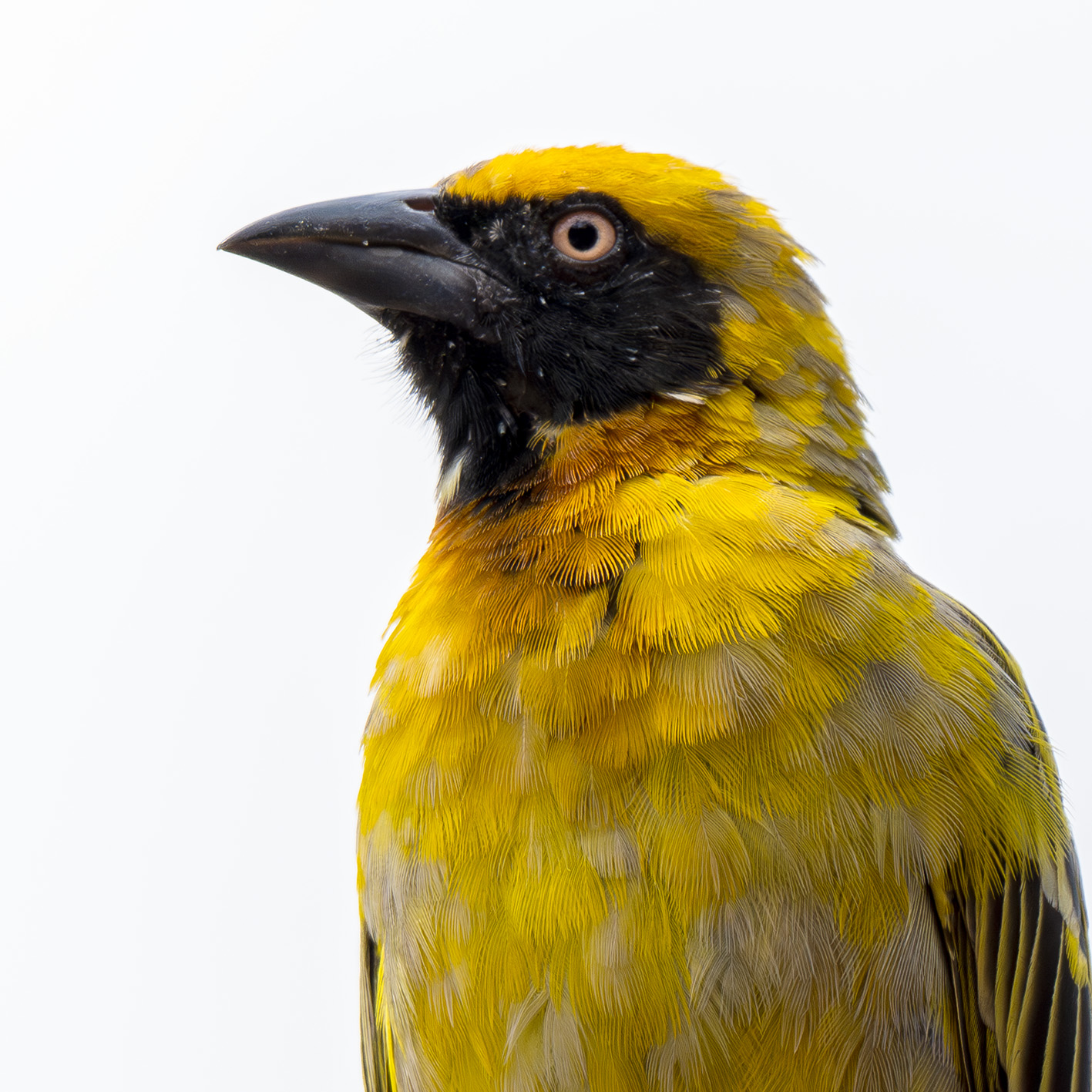
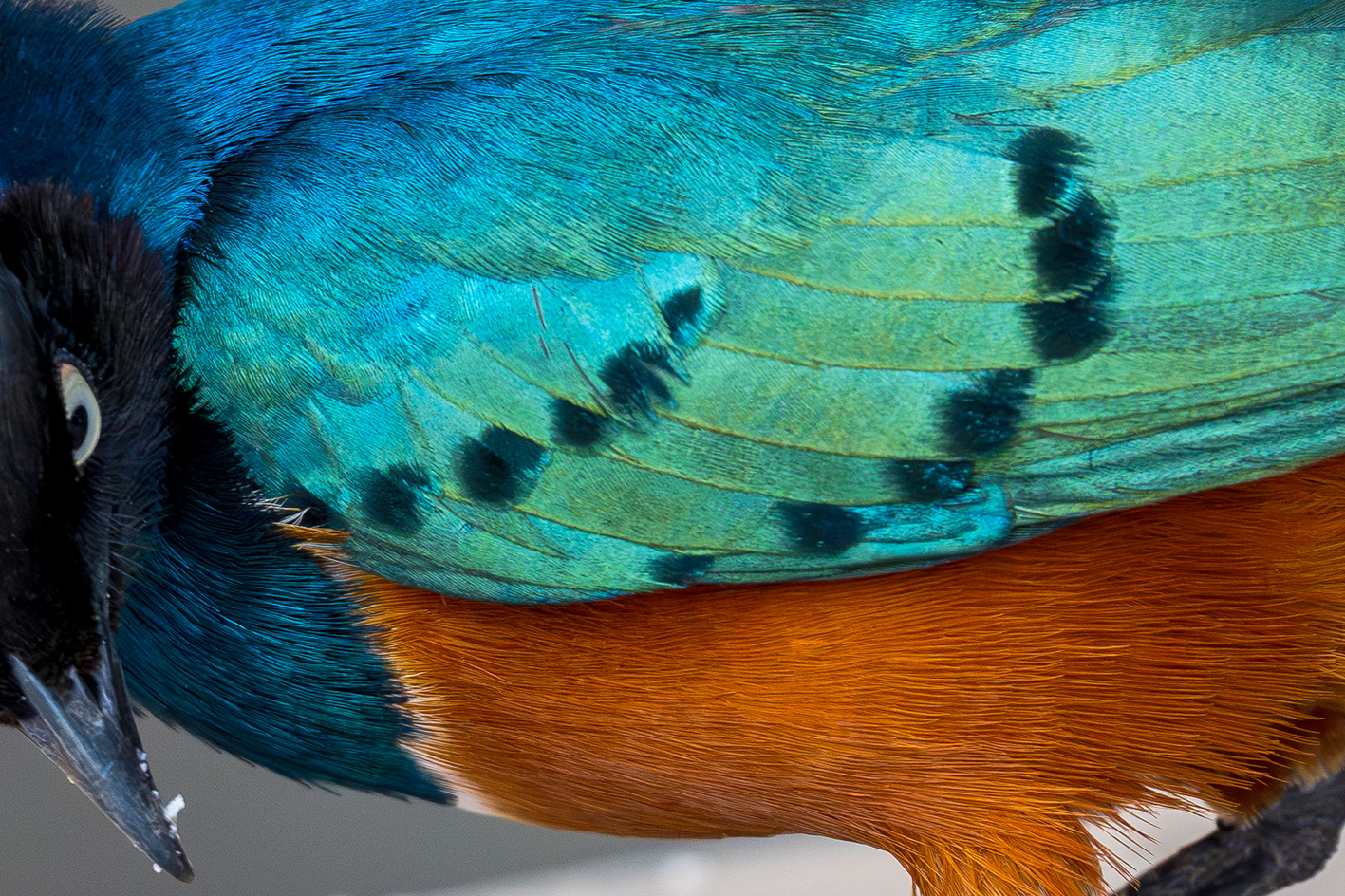
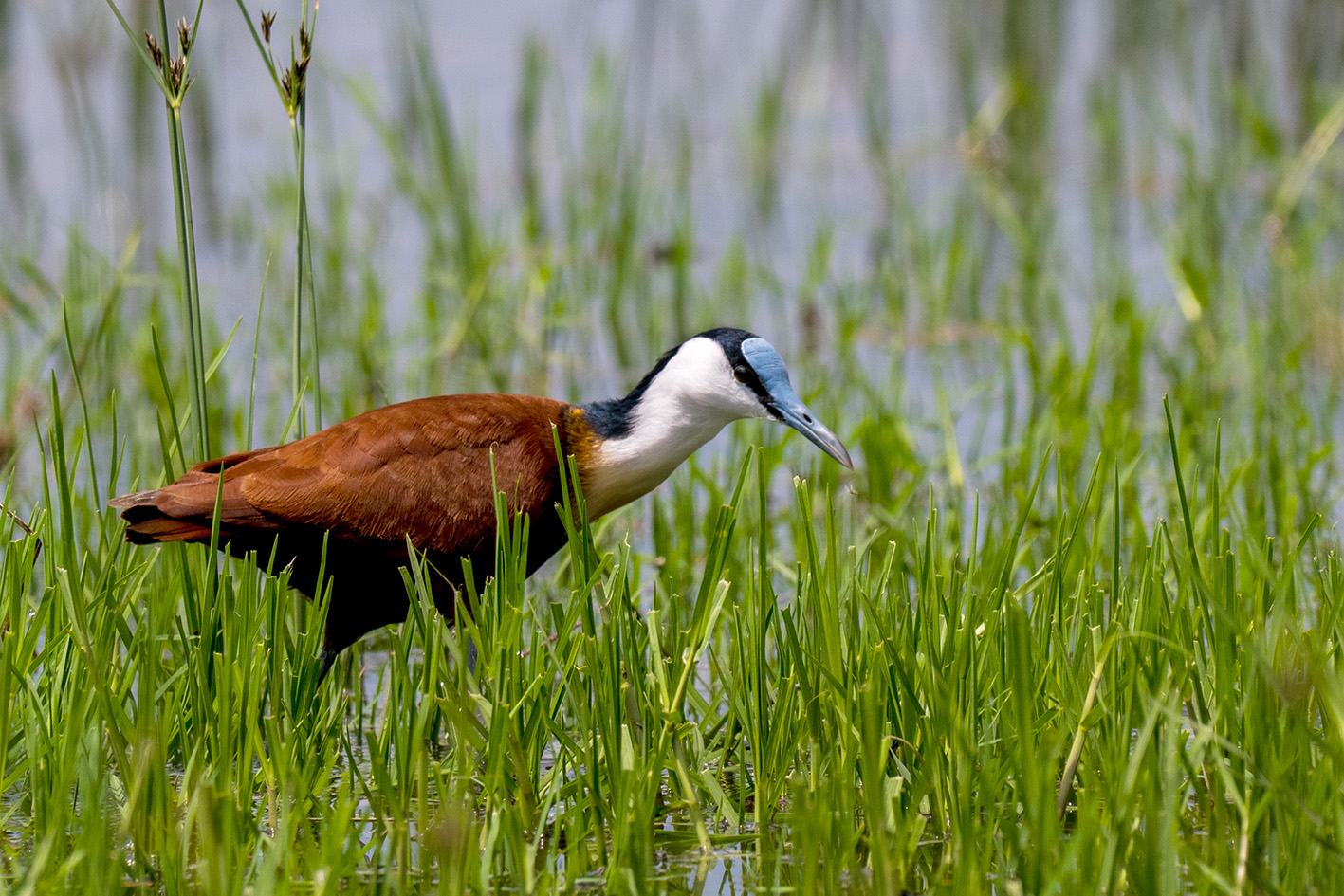
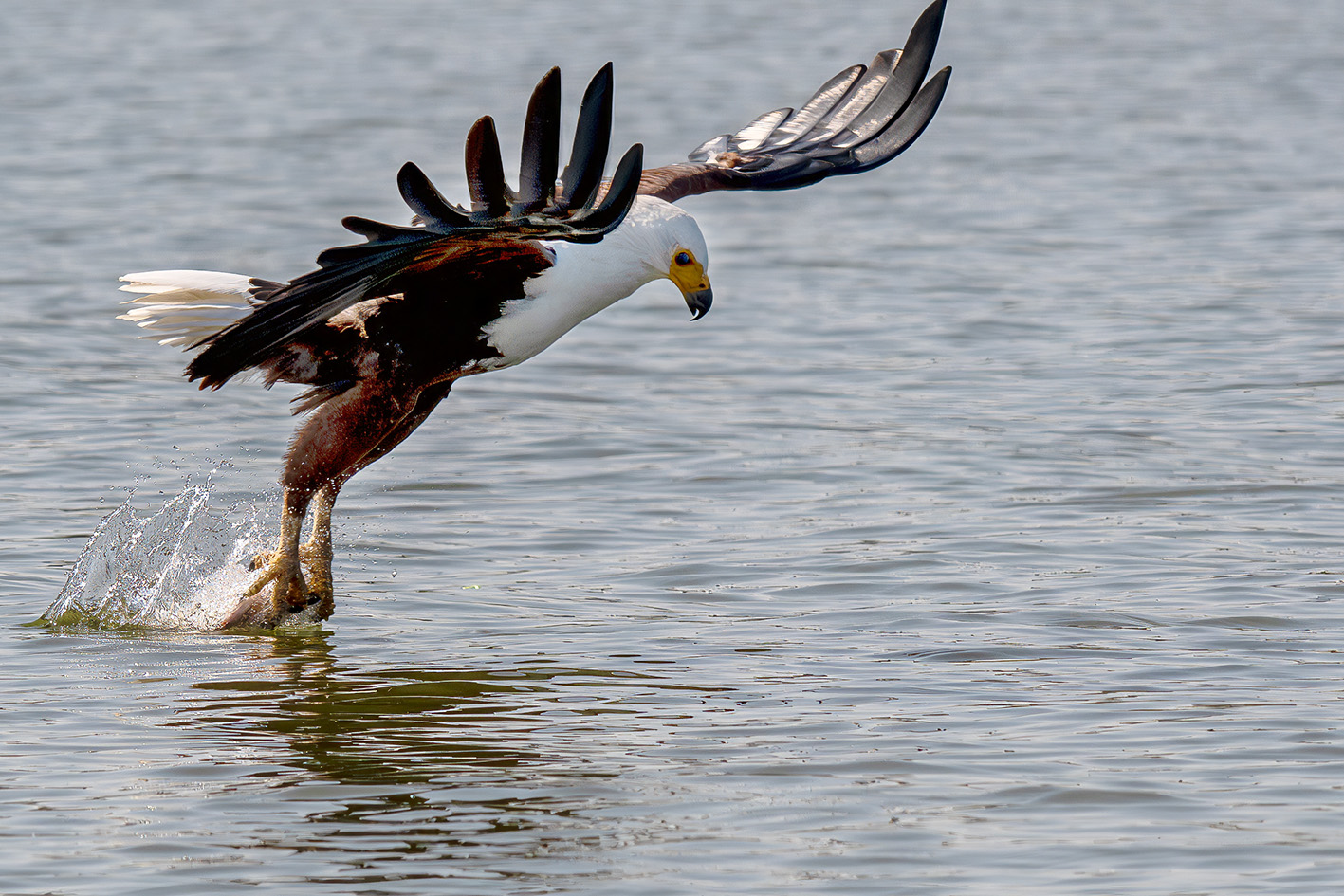
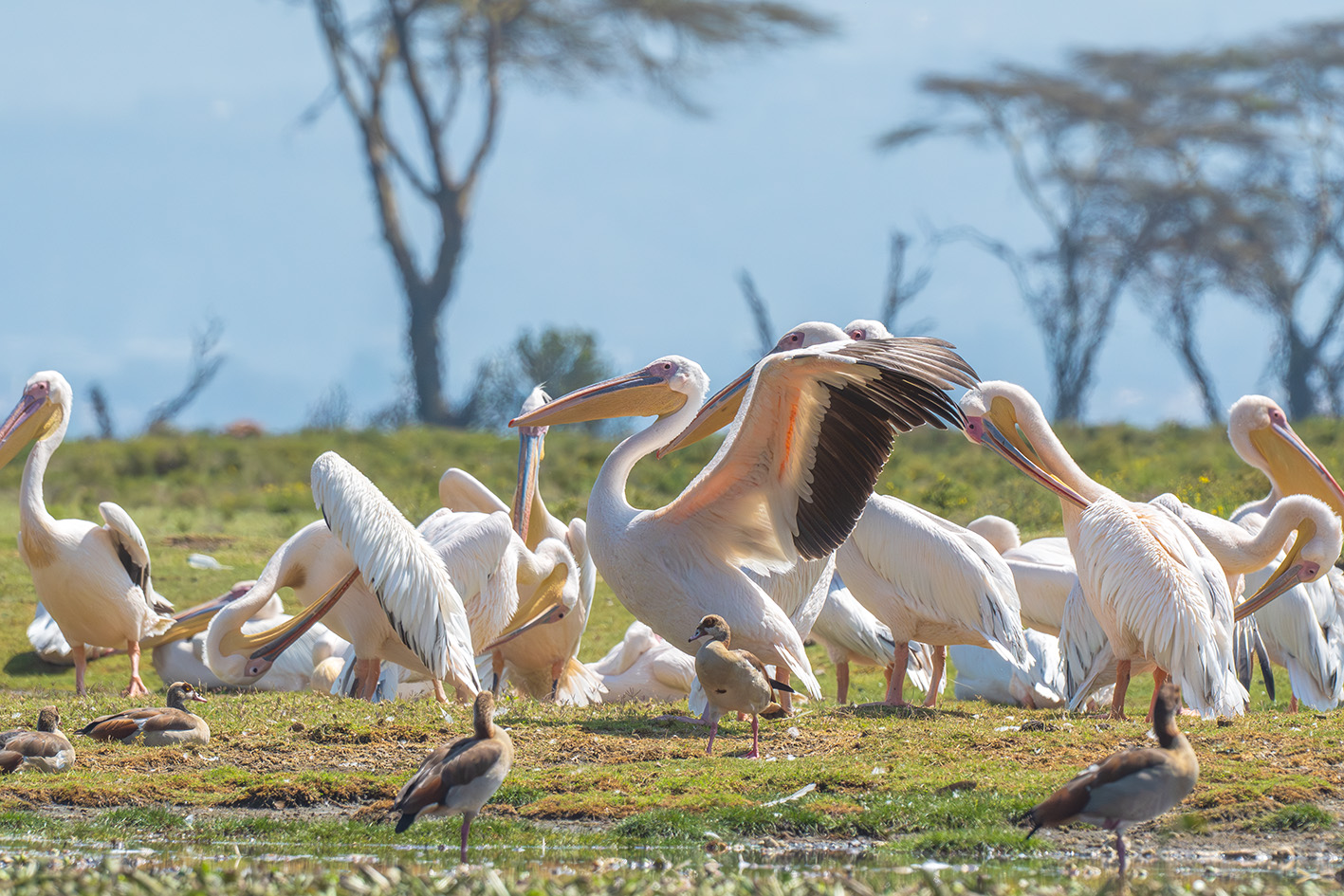
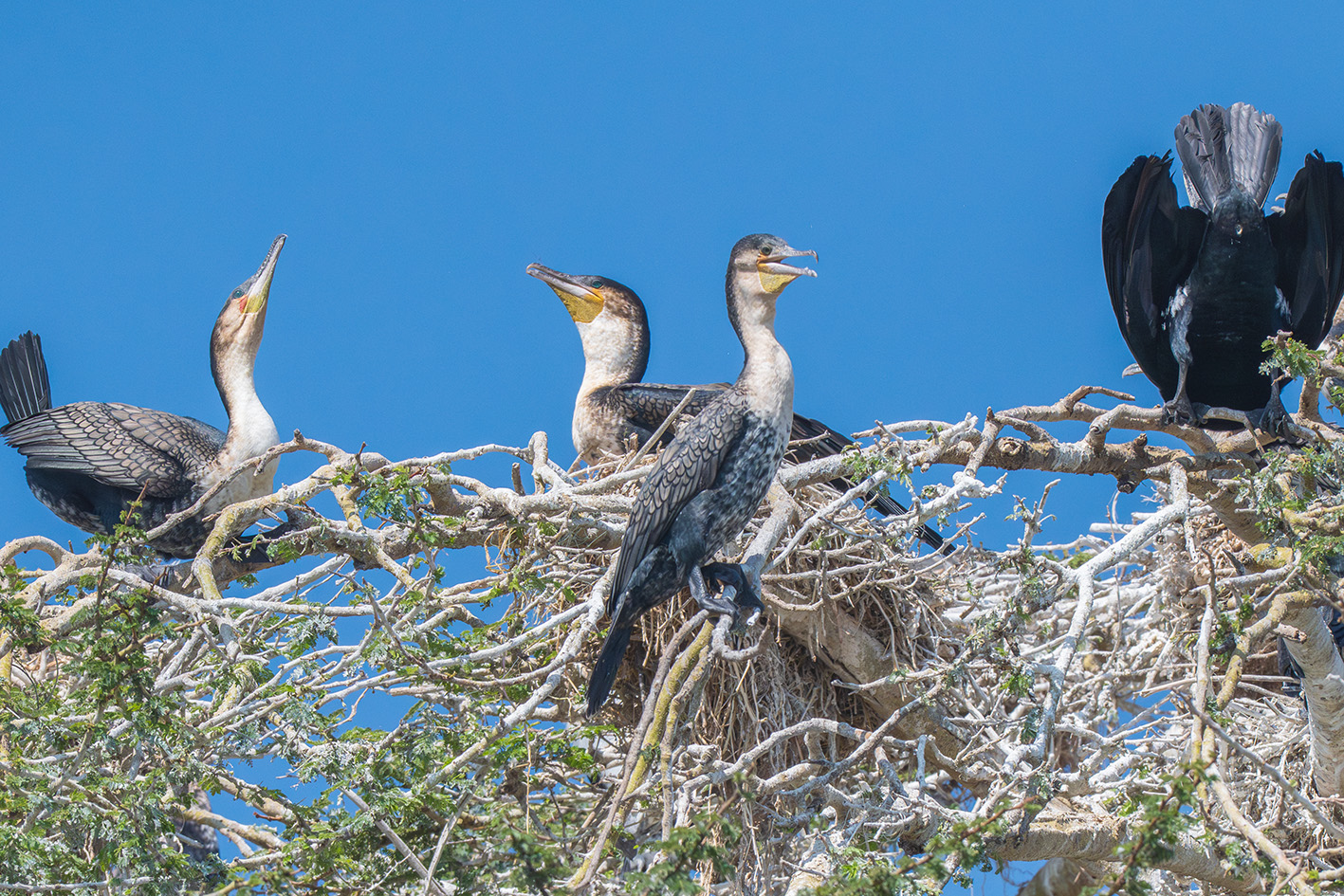
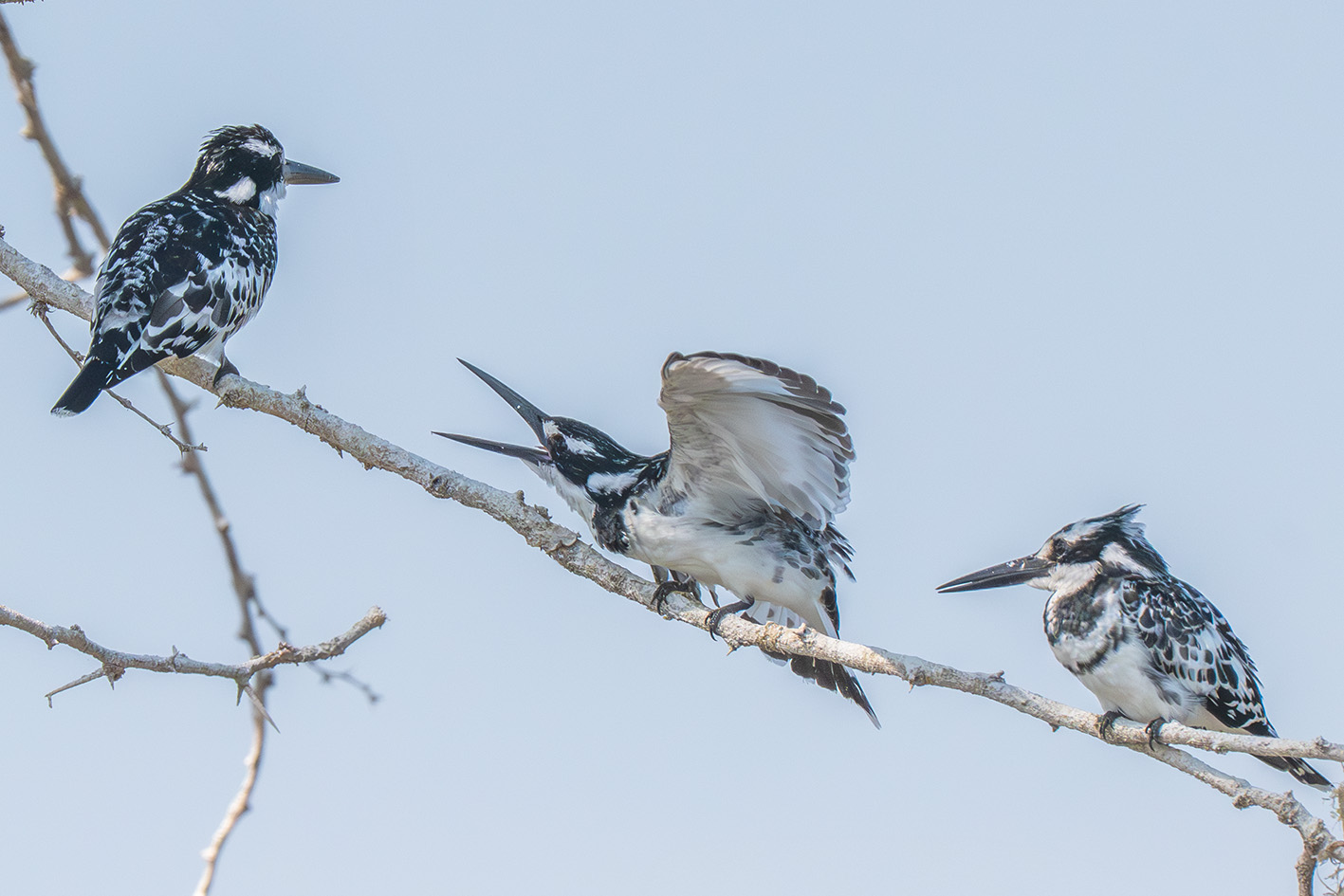
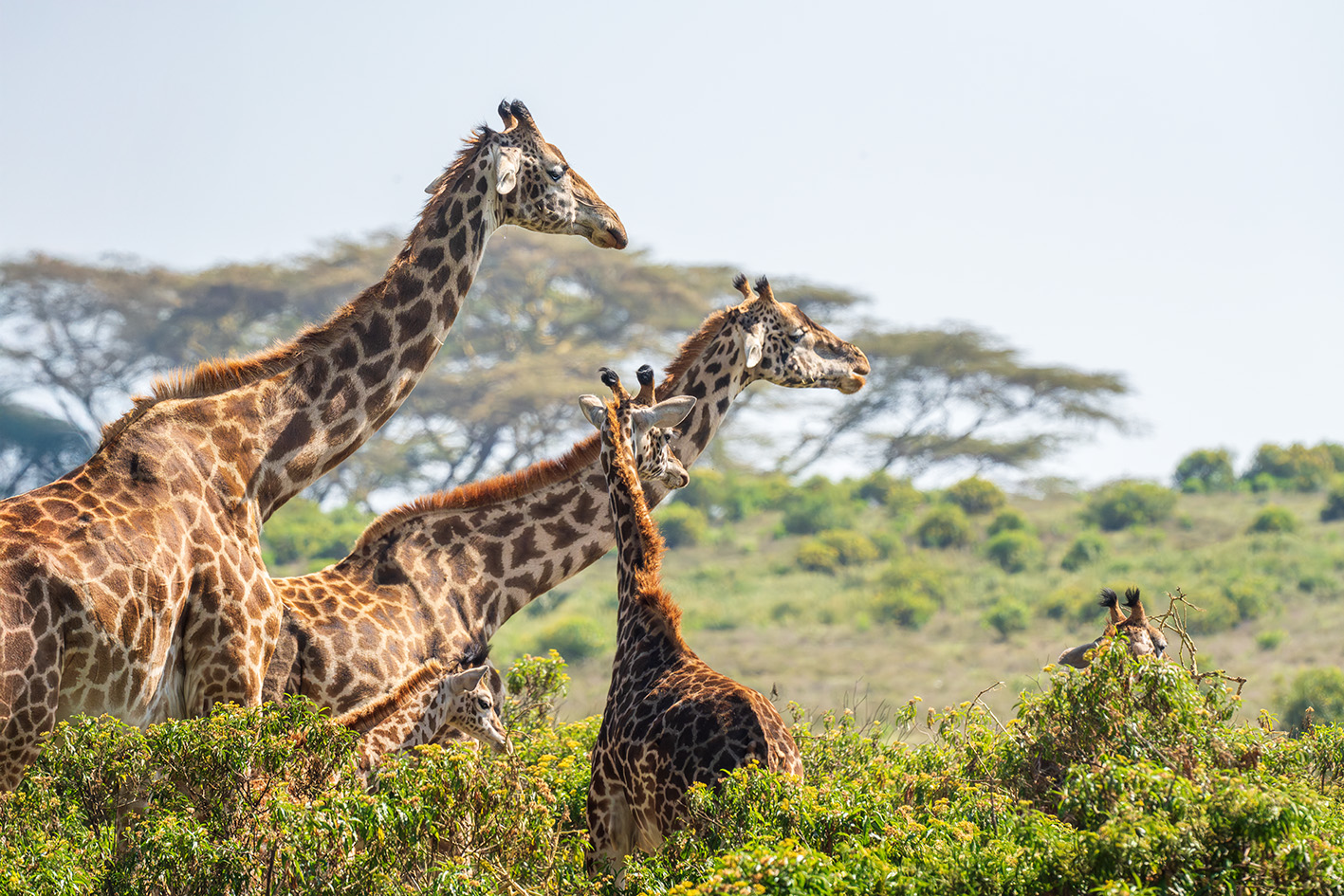
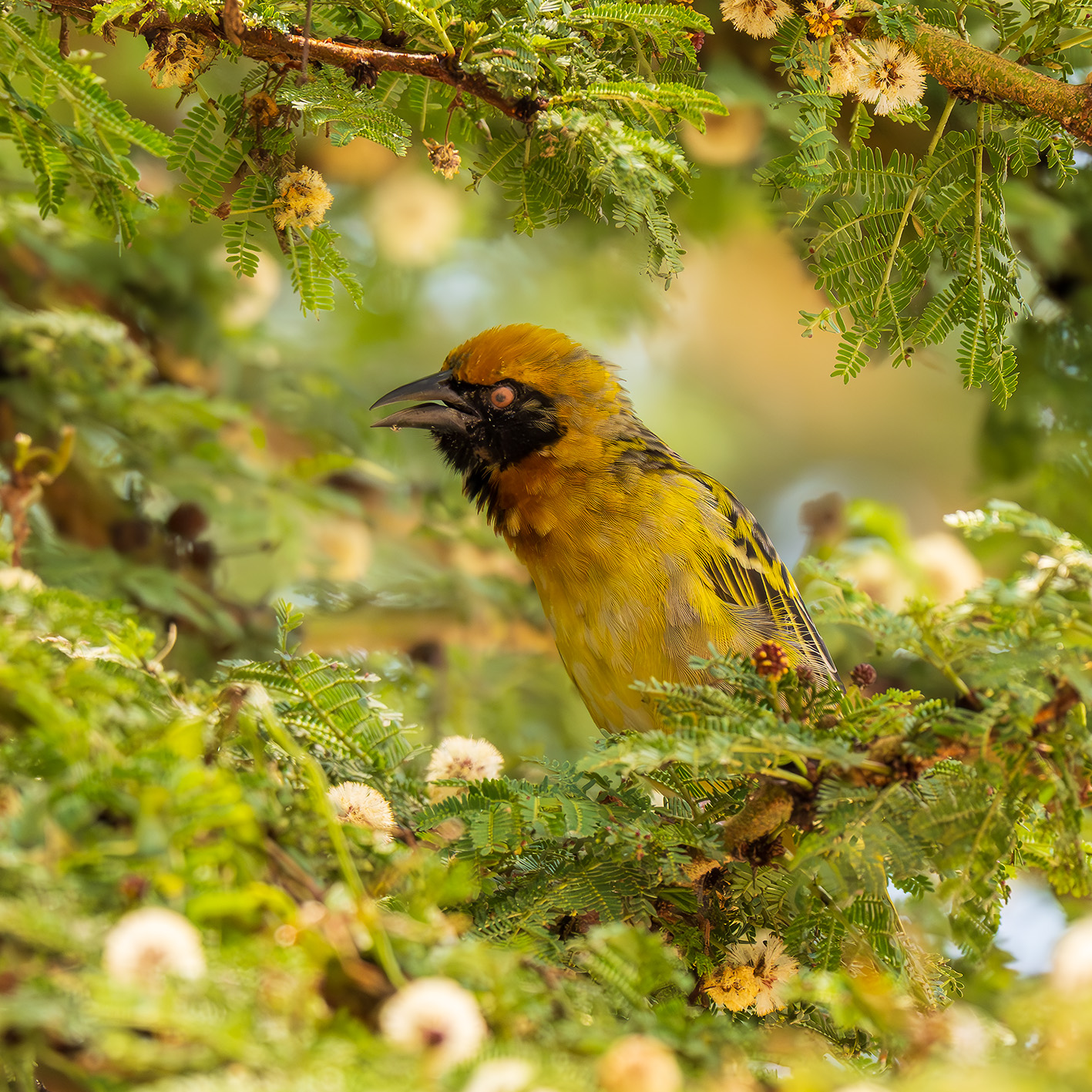
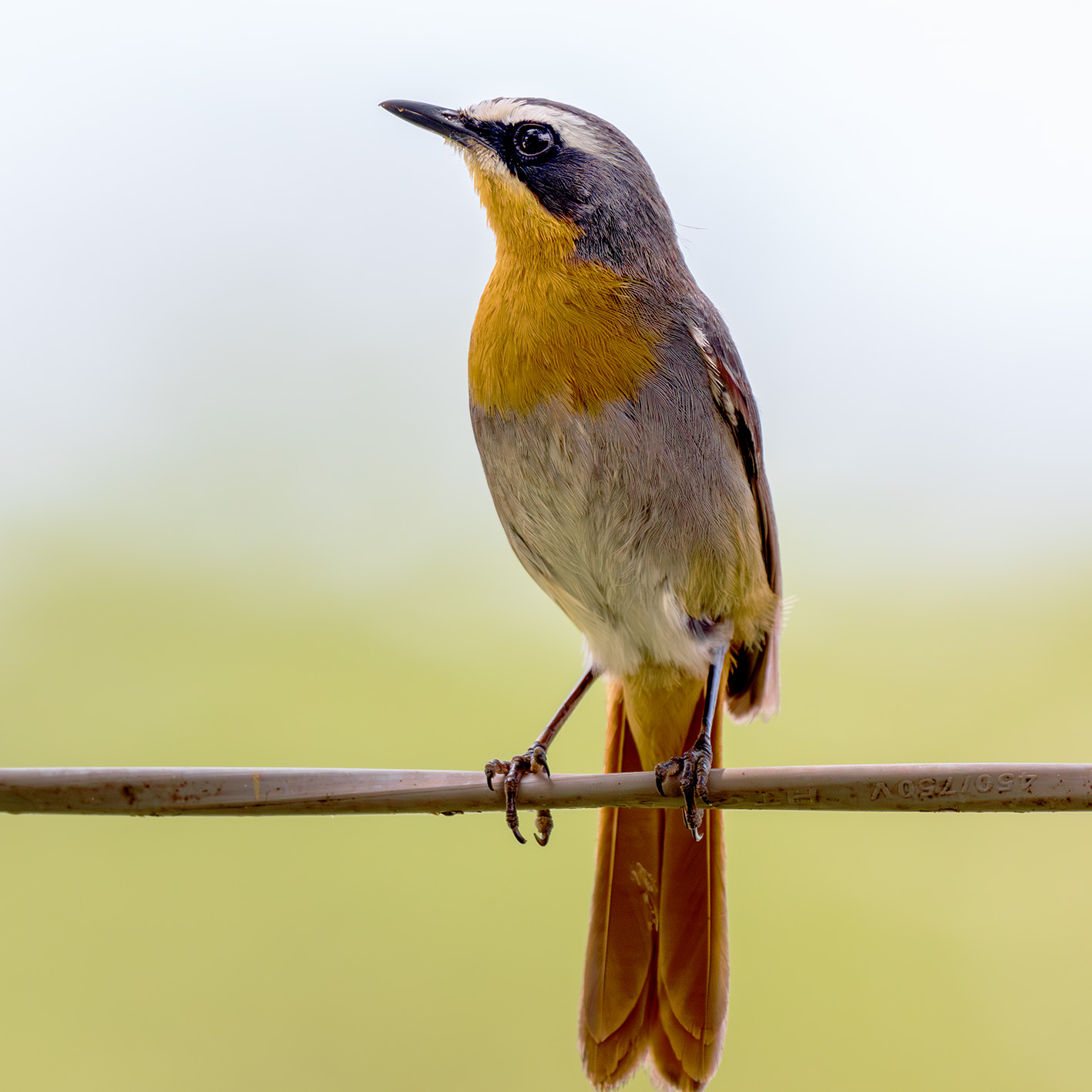
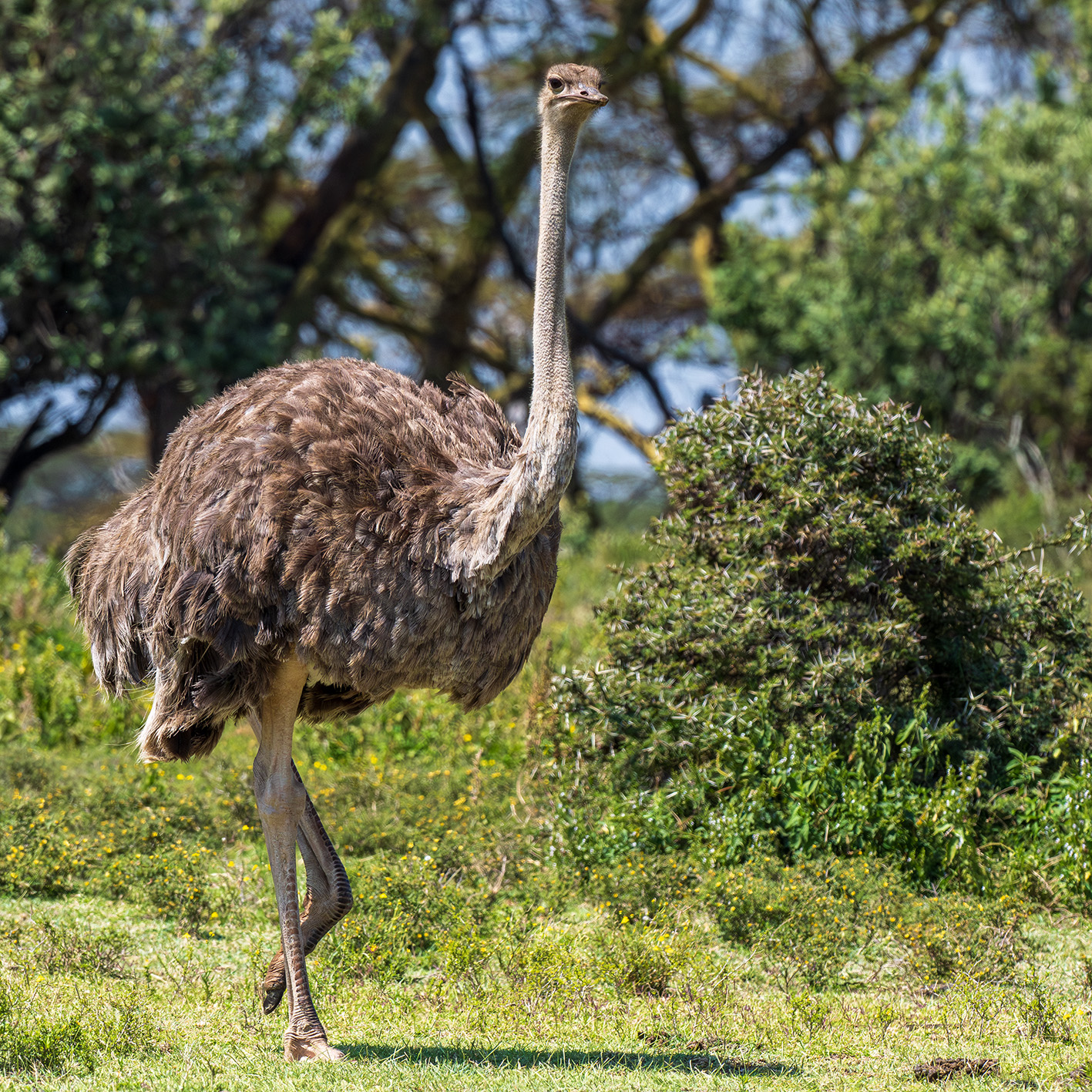
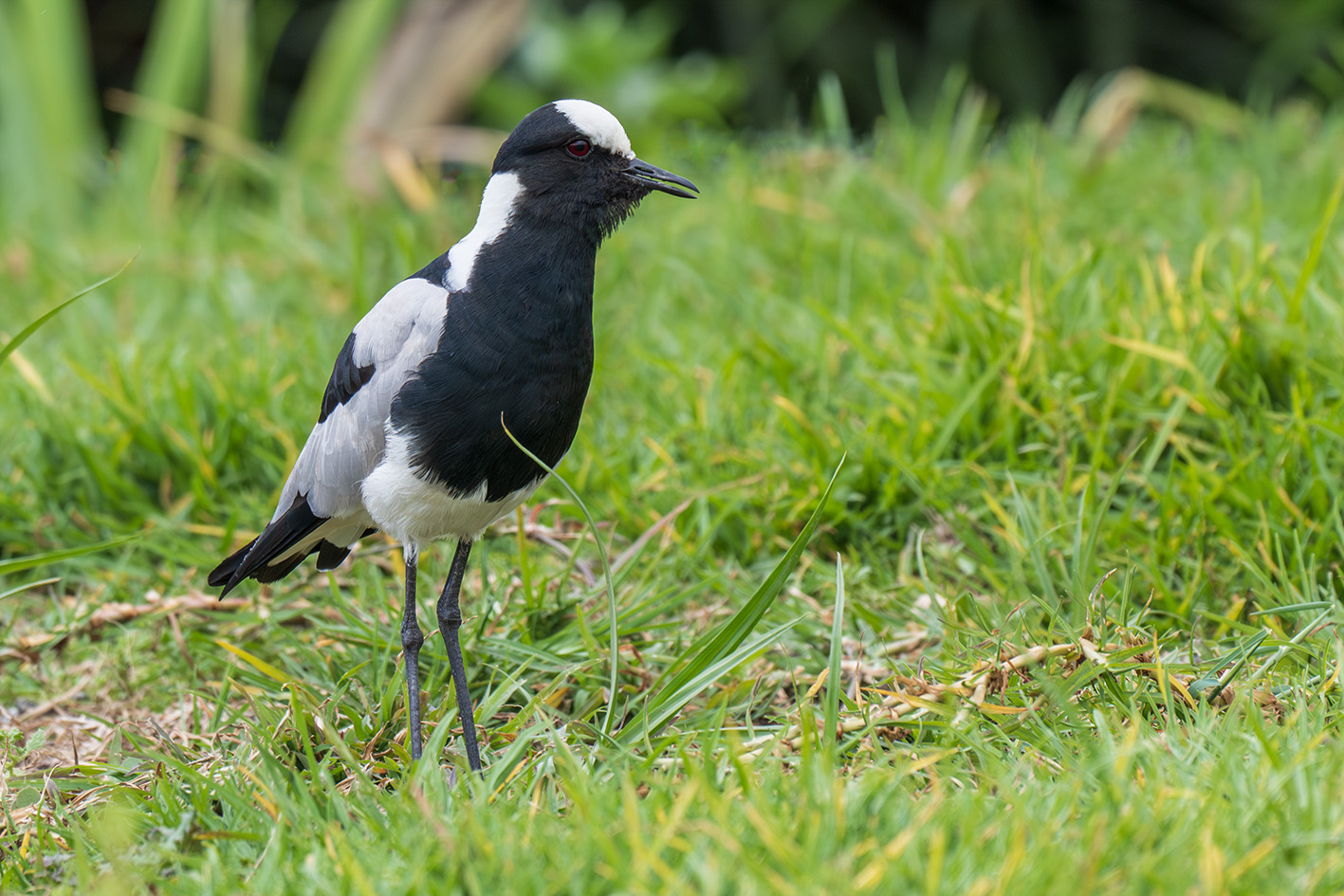
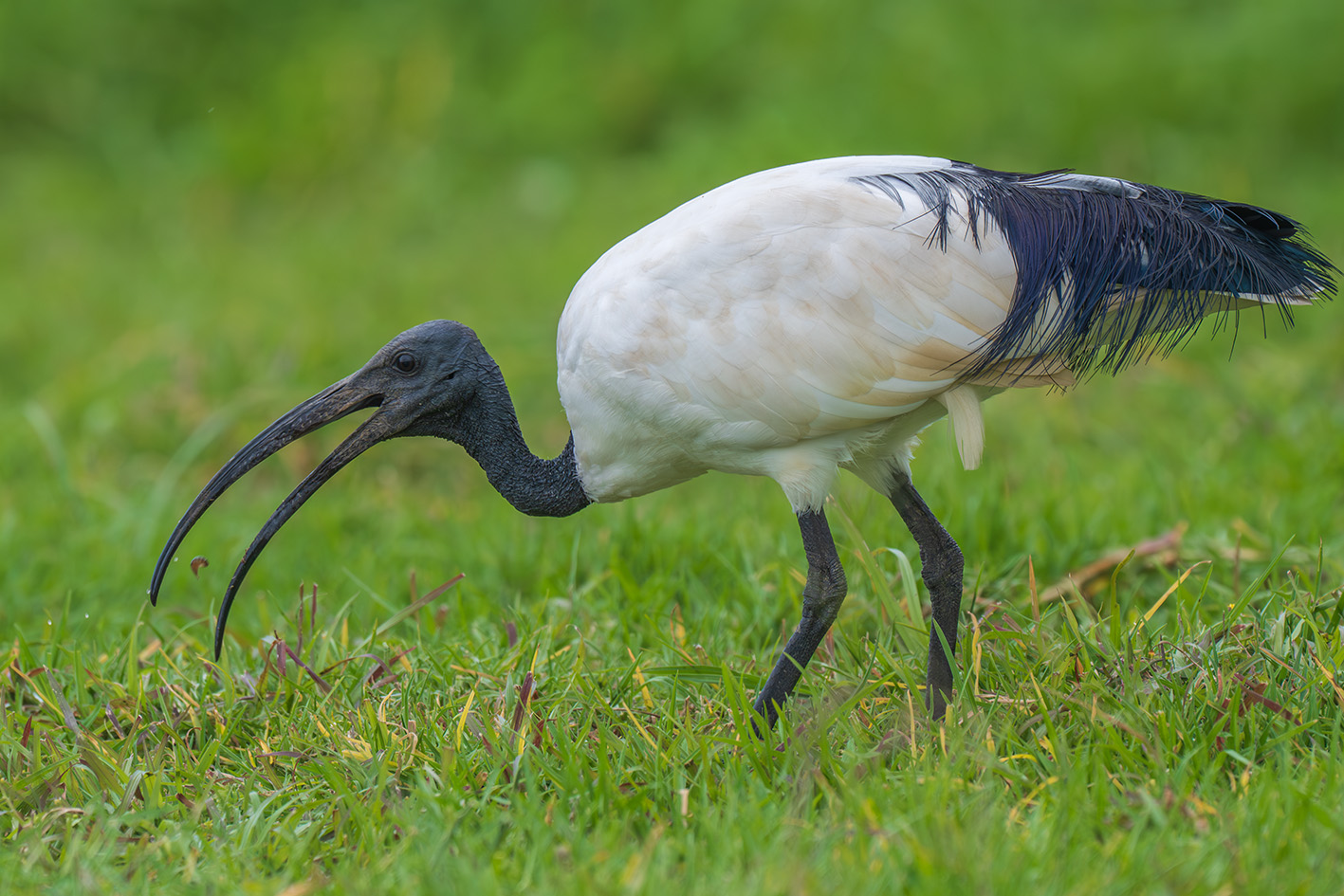
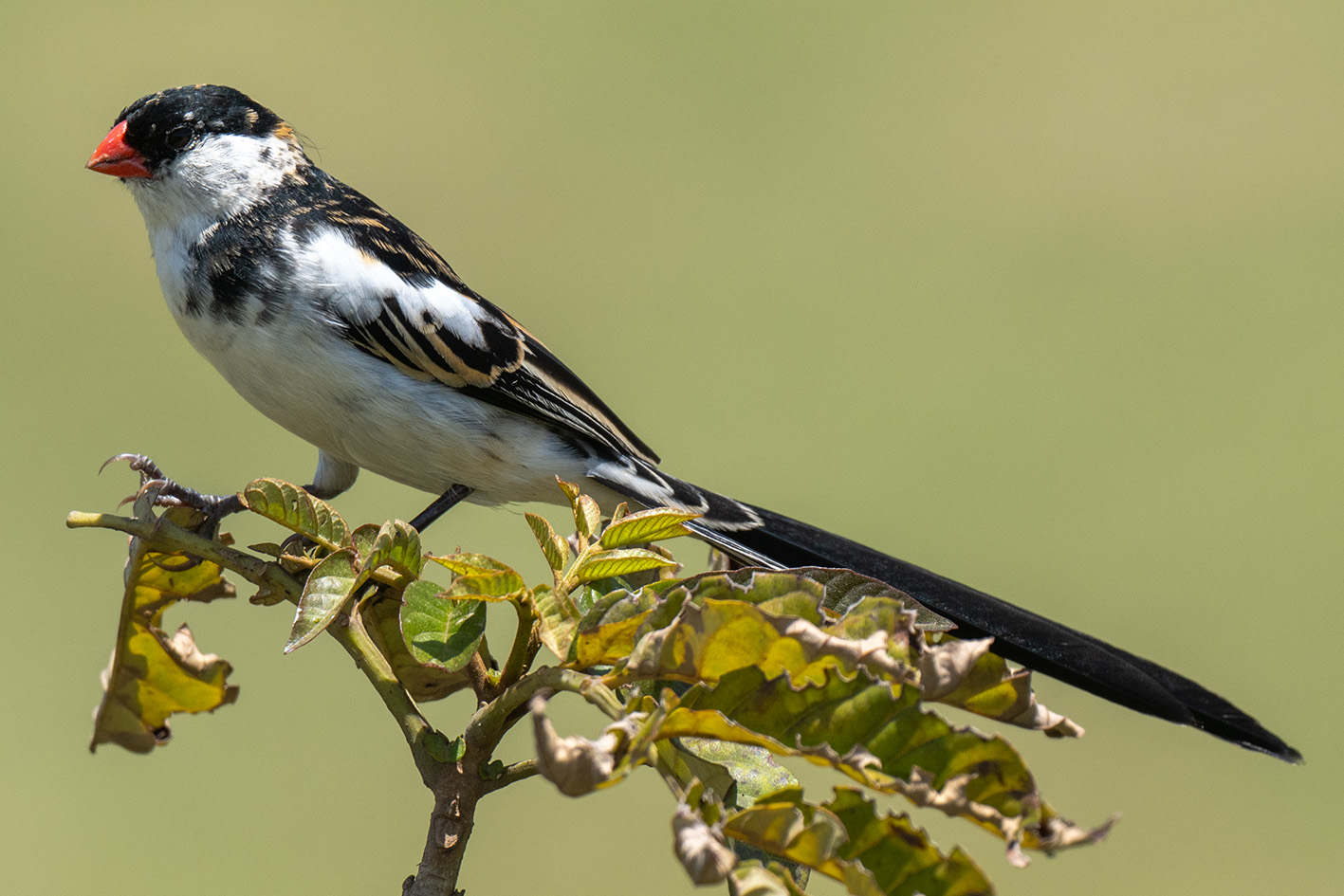
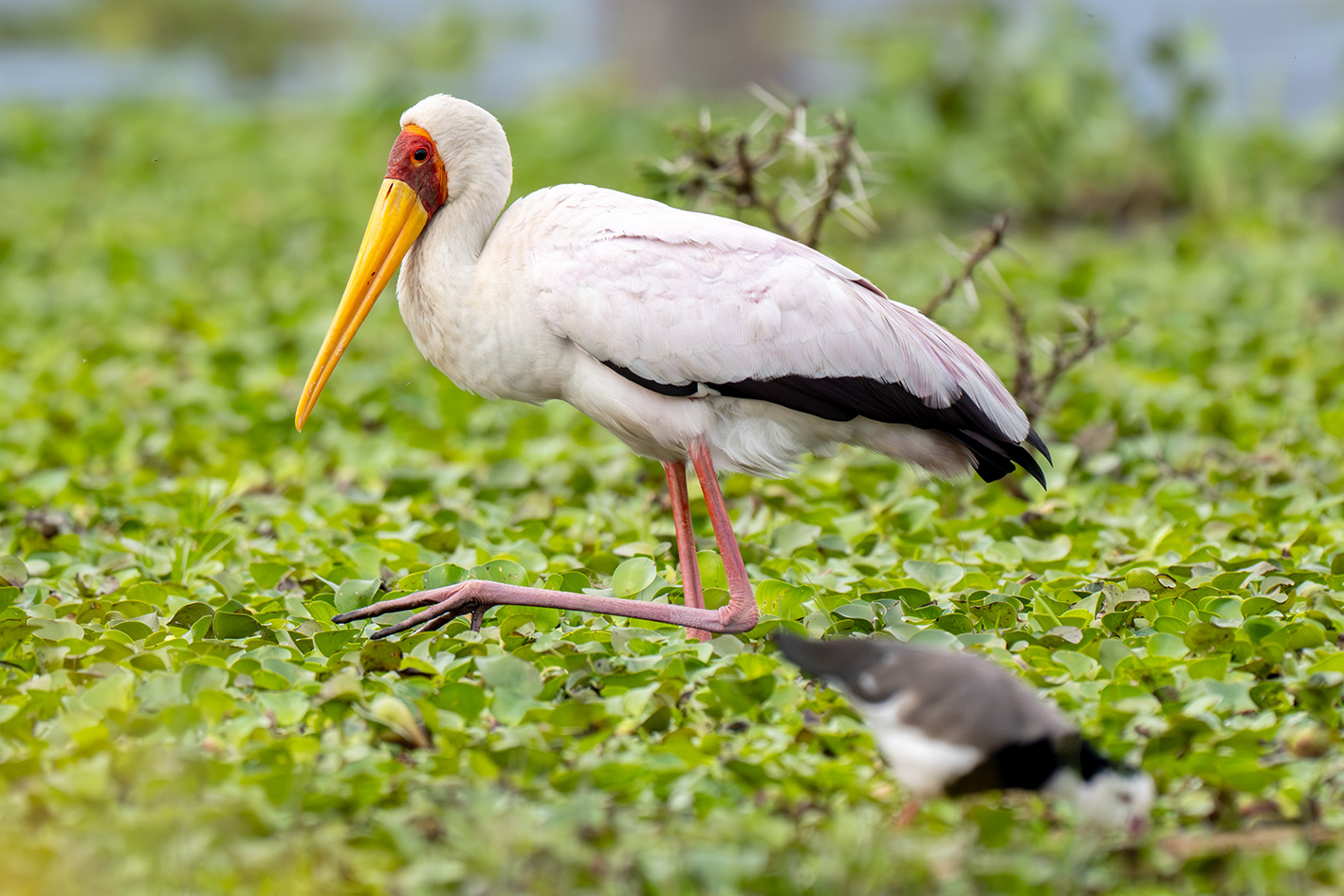
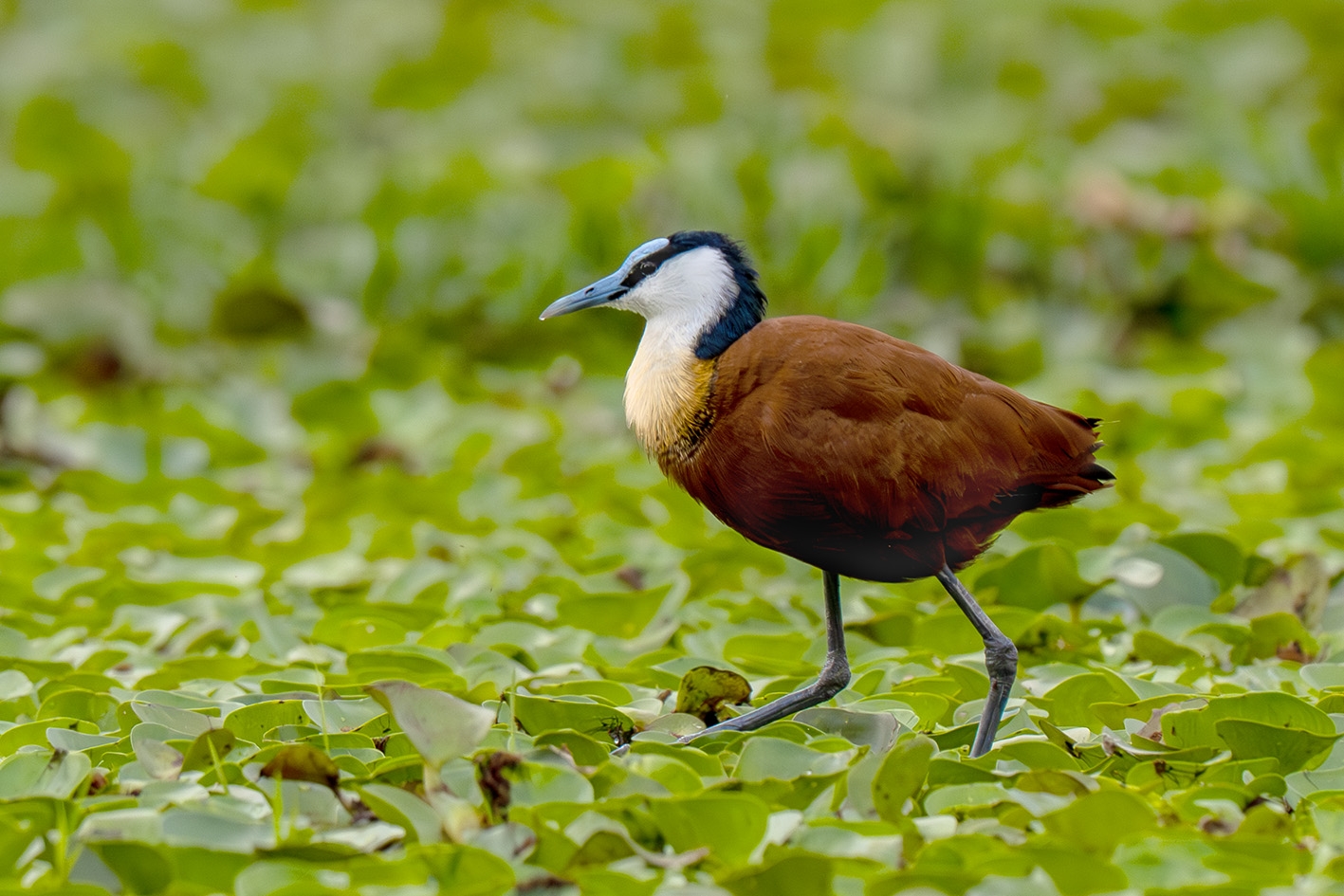
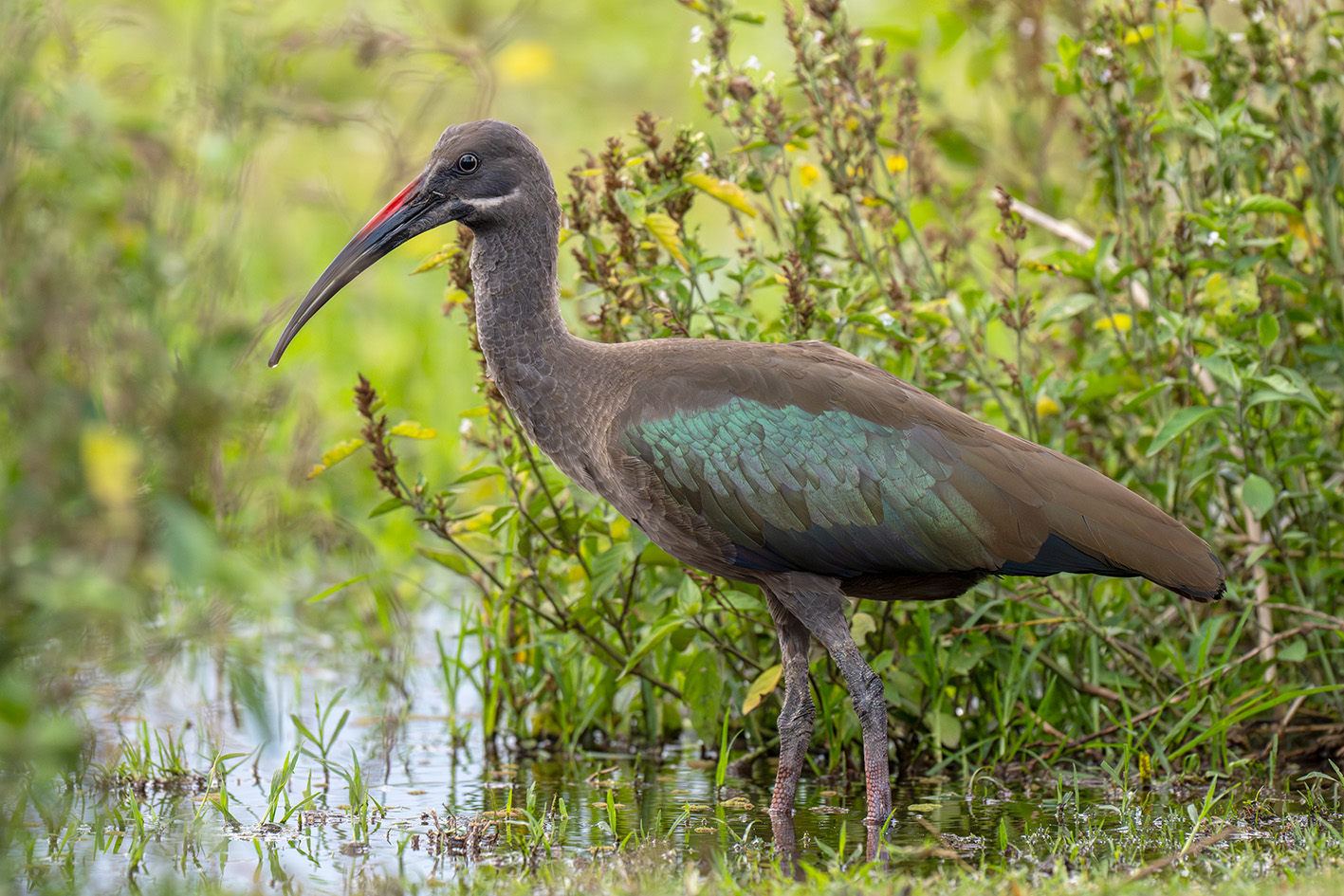
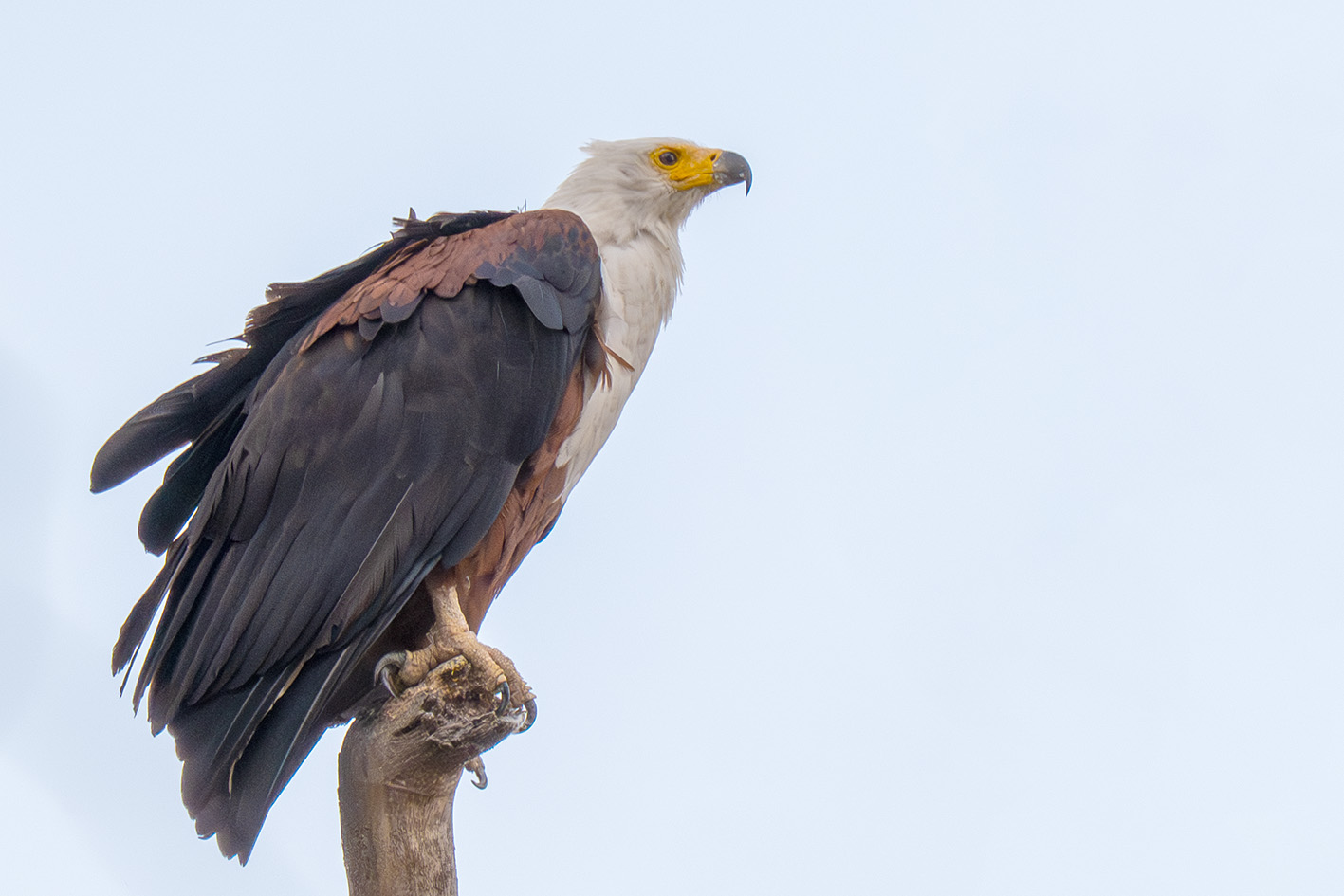
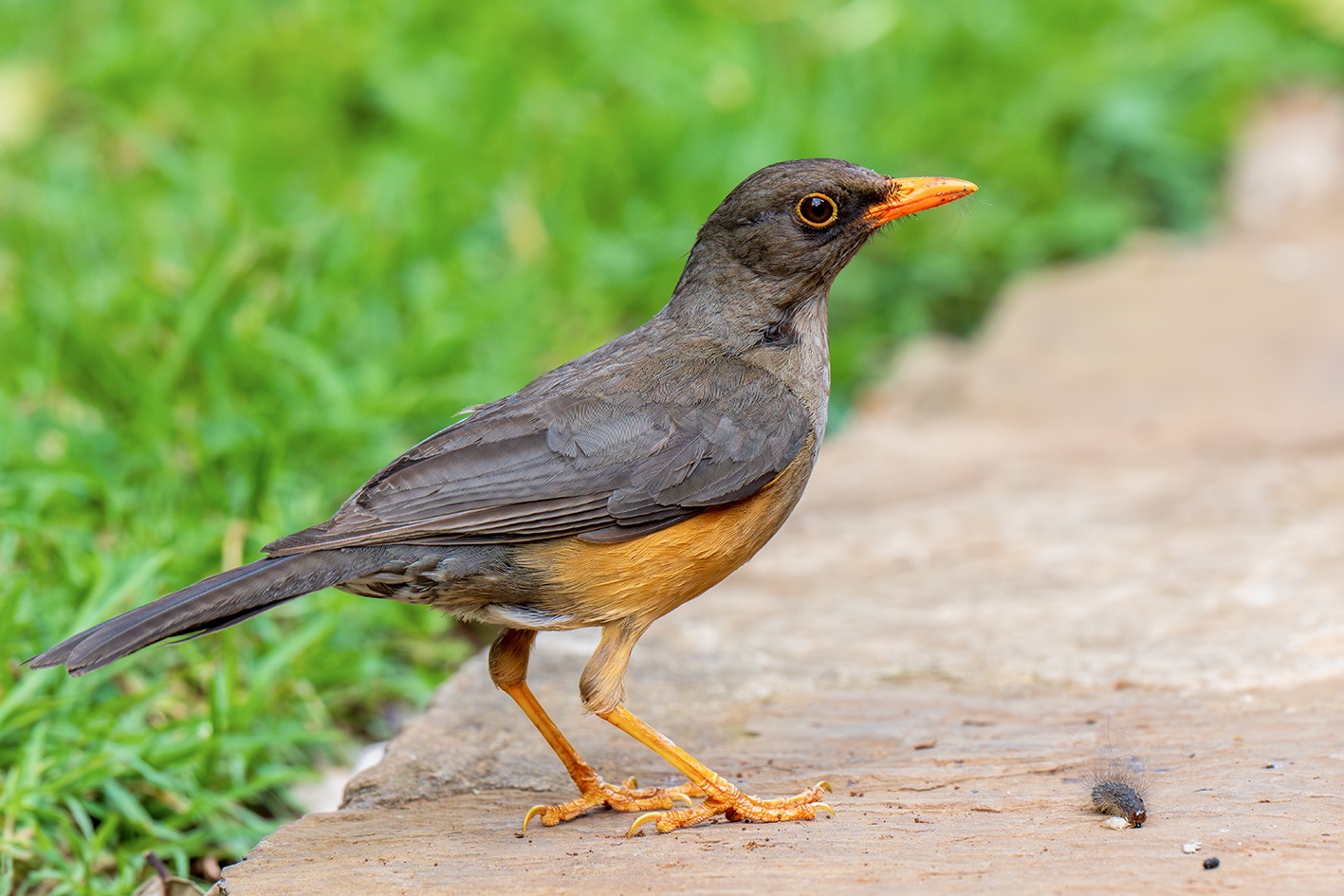
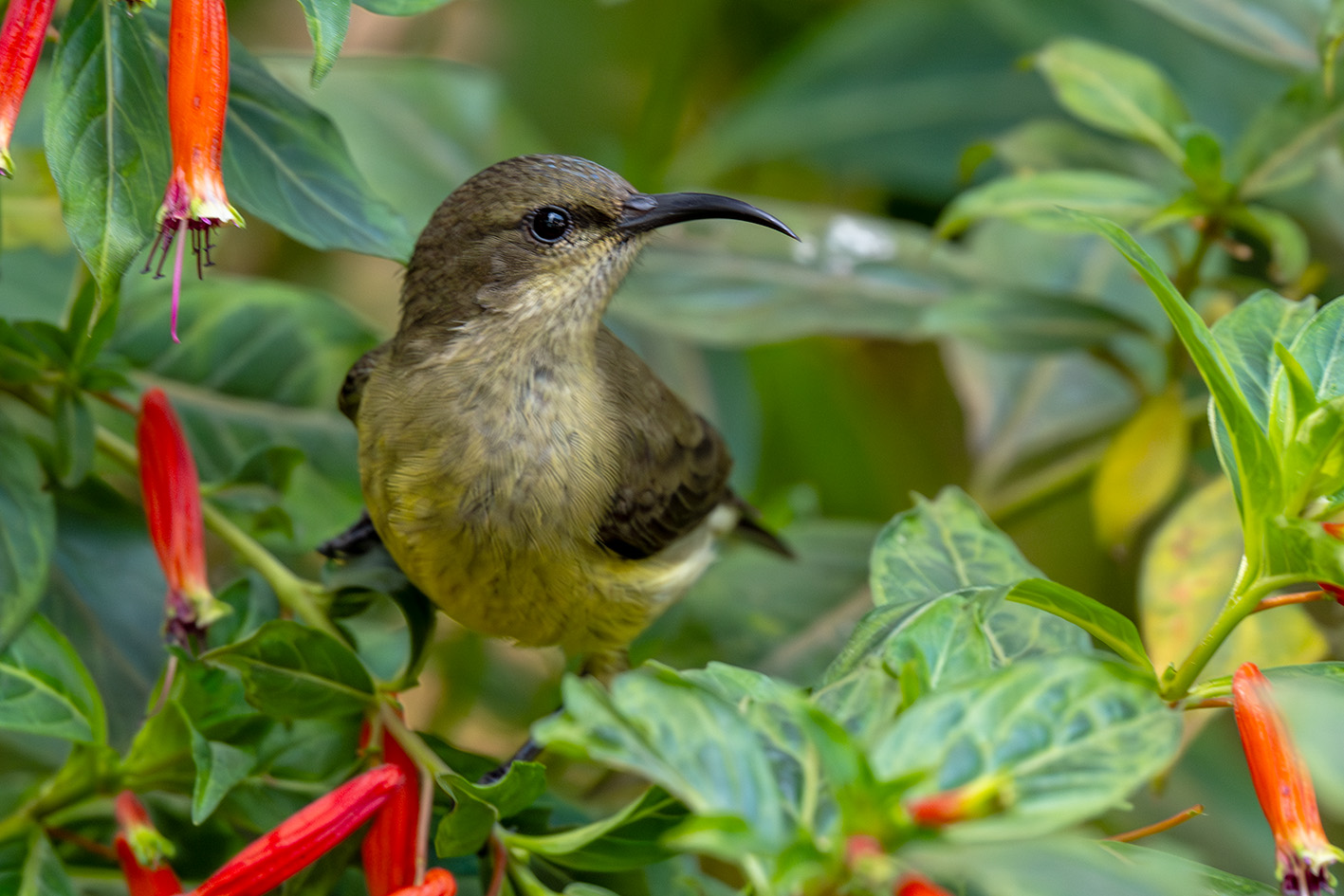
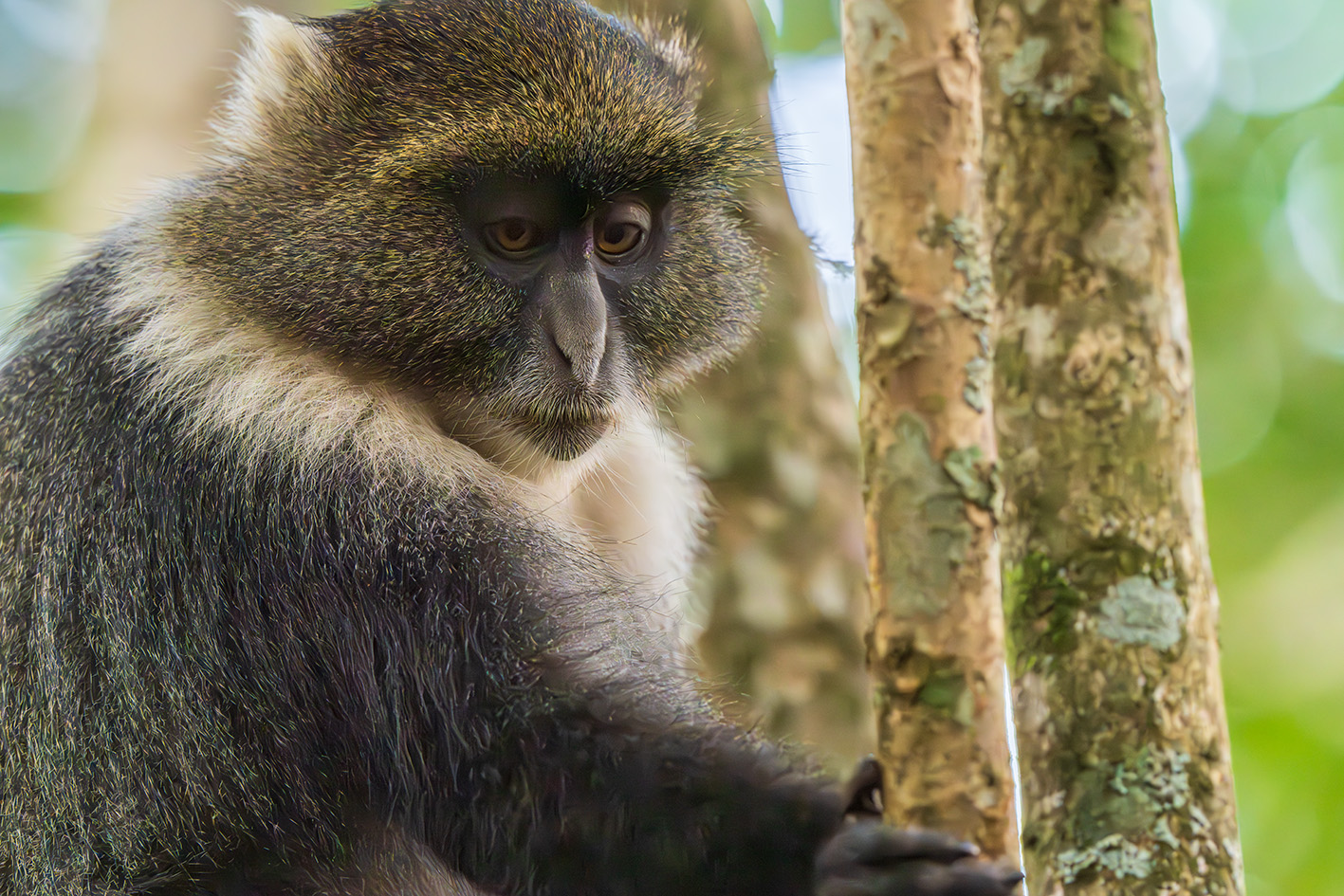
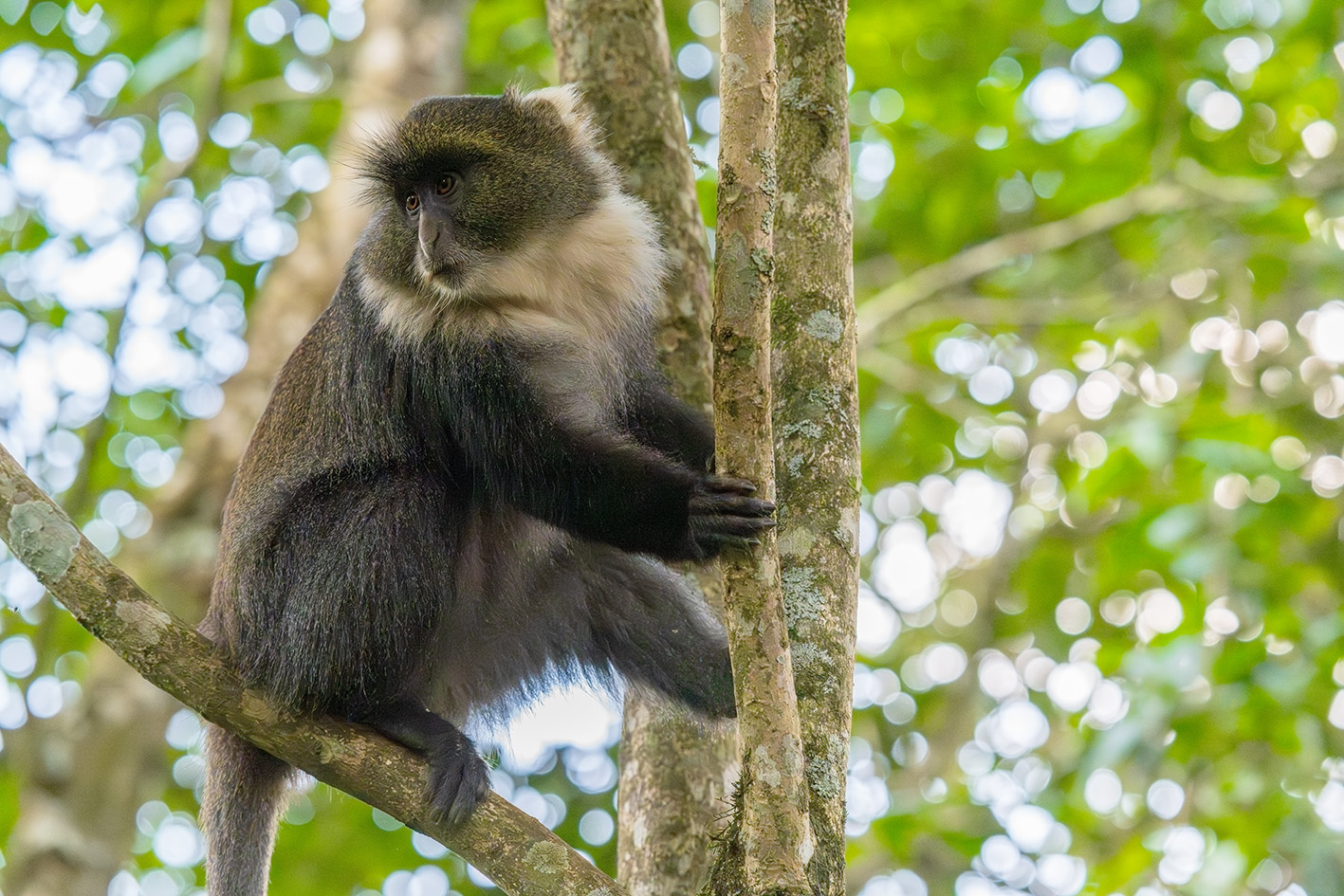
Veel vogels, veel zoogdieren…
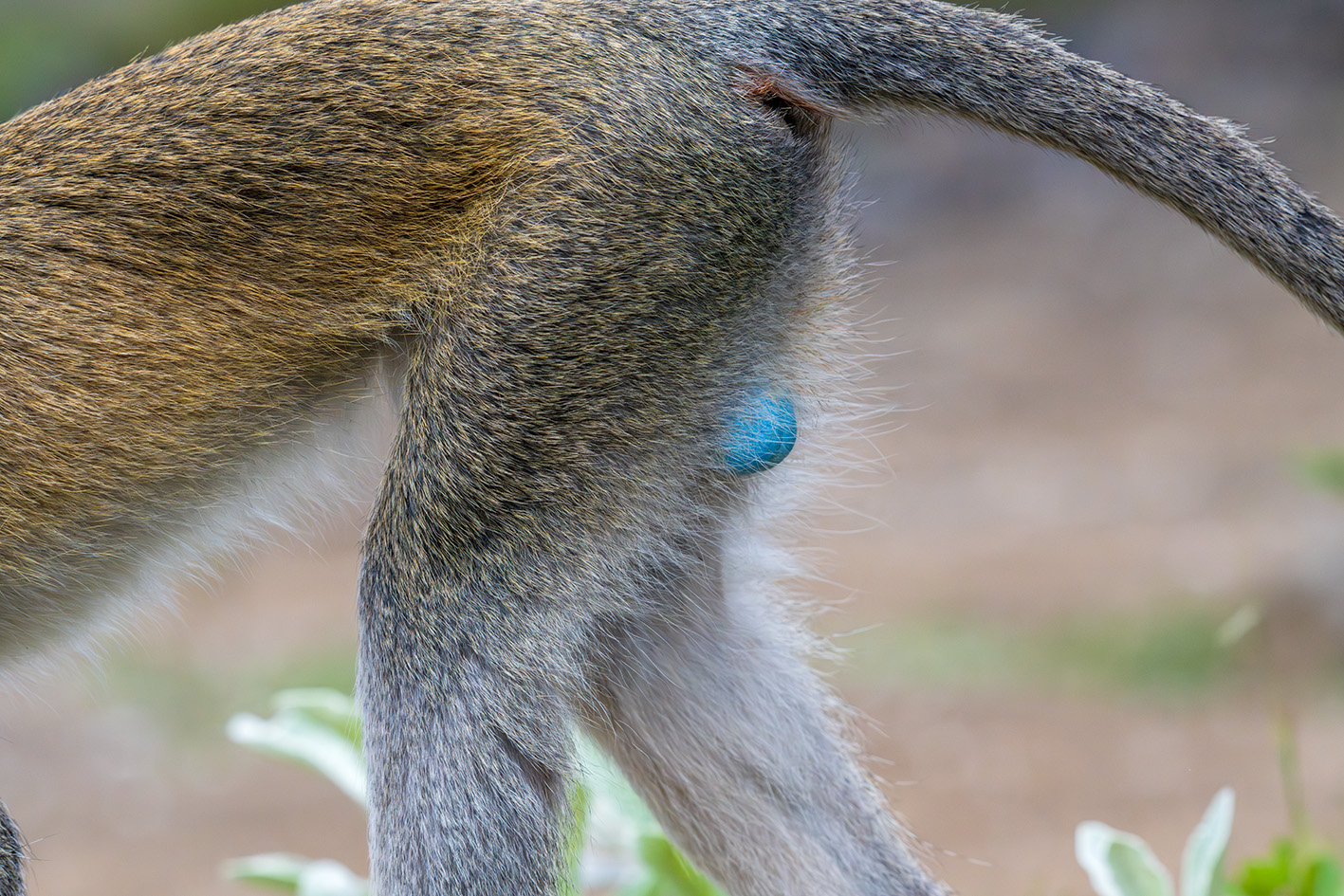
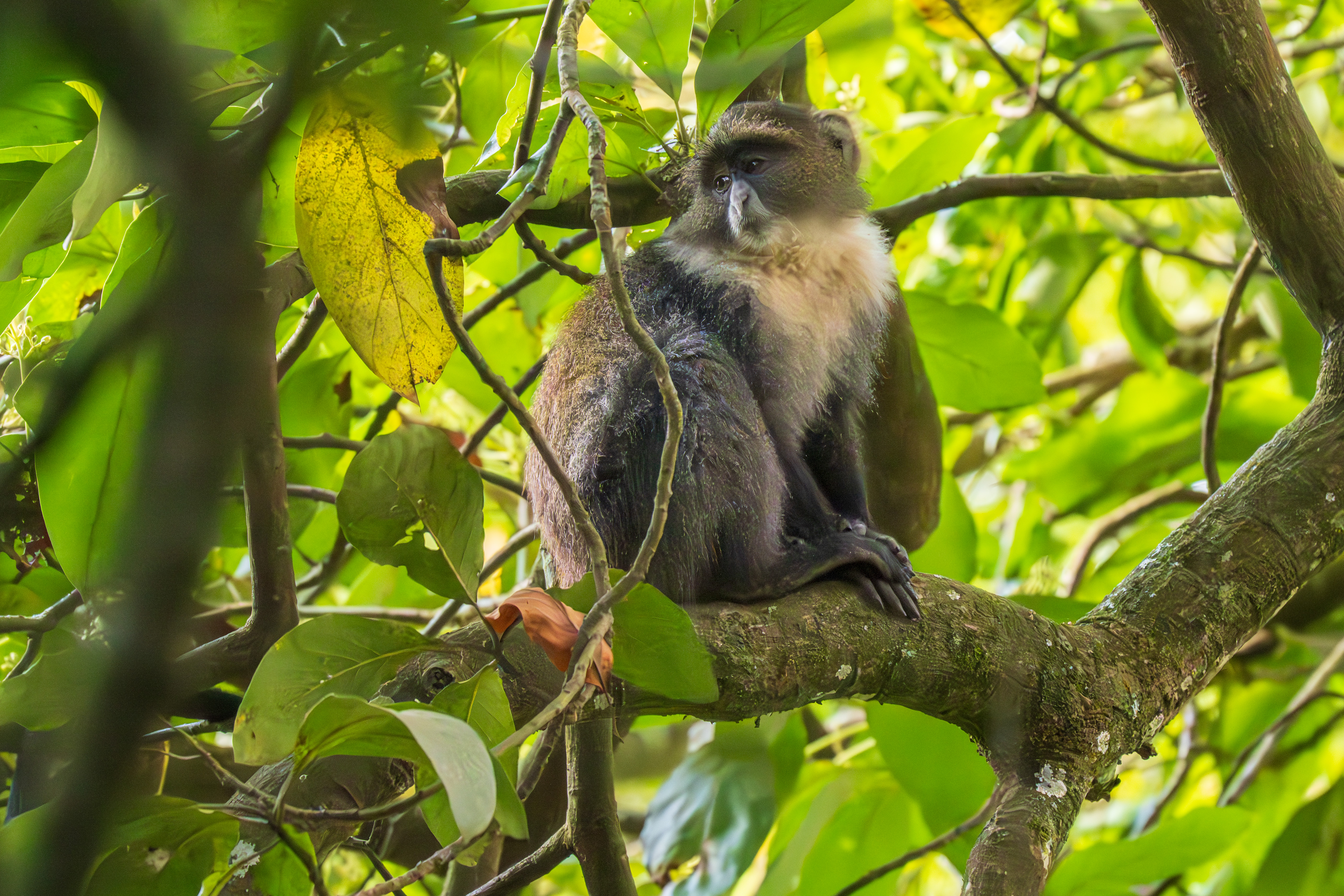
Vervet met z’n blauw ballen
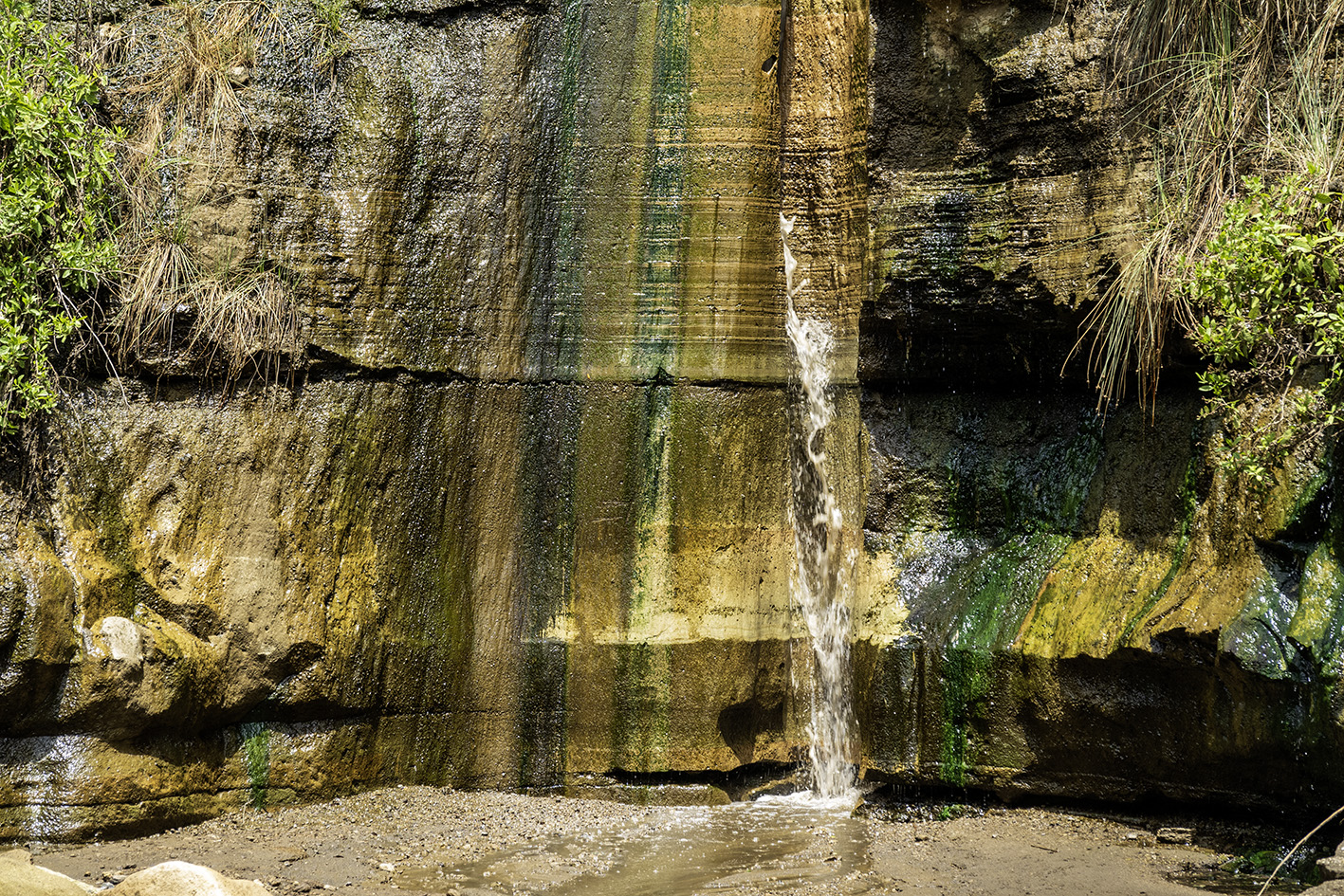
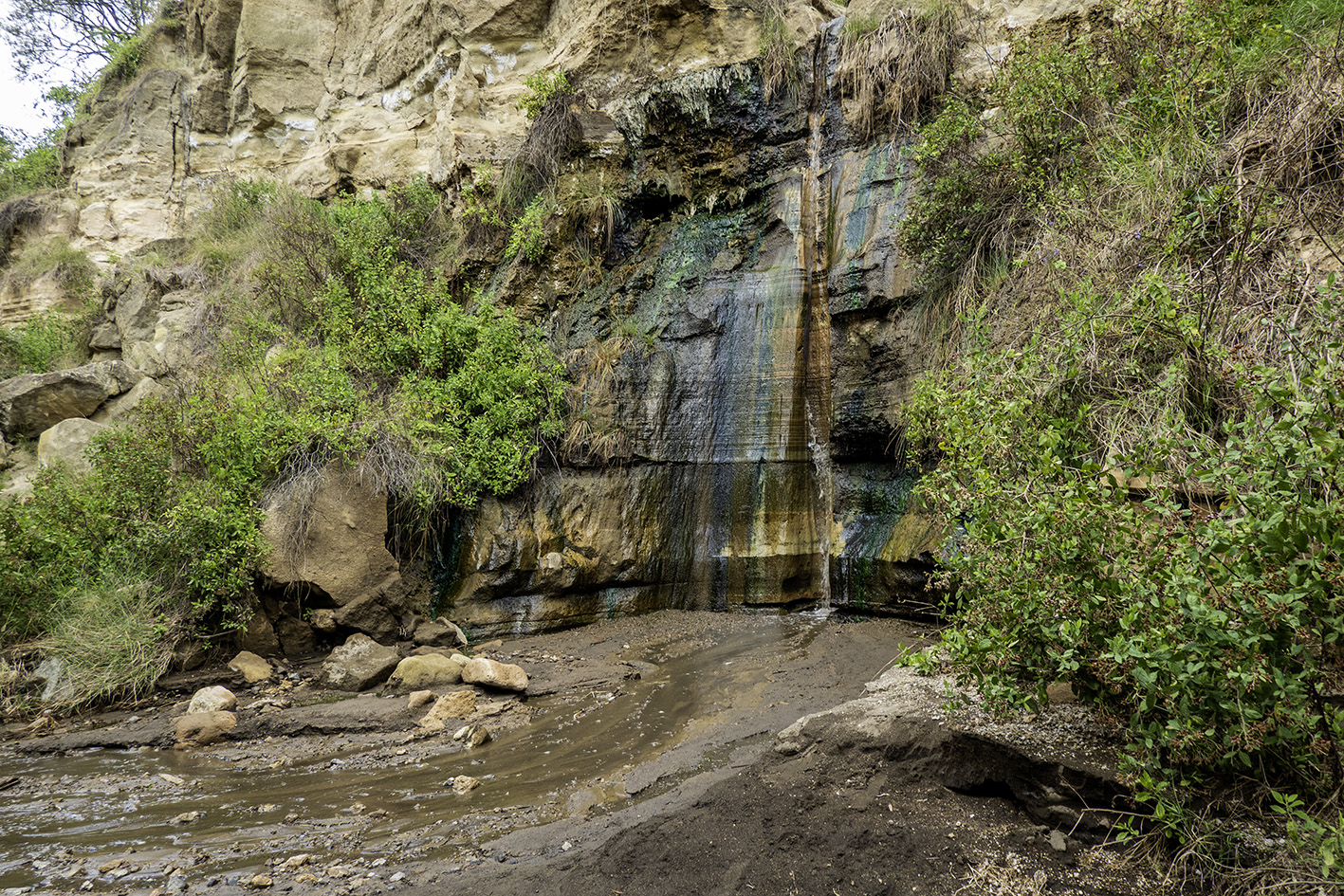
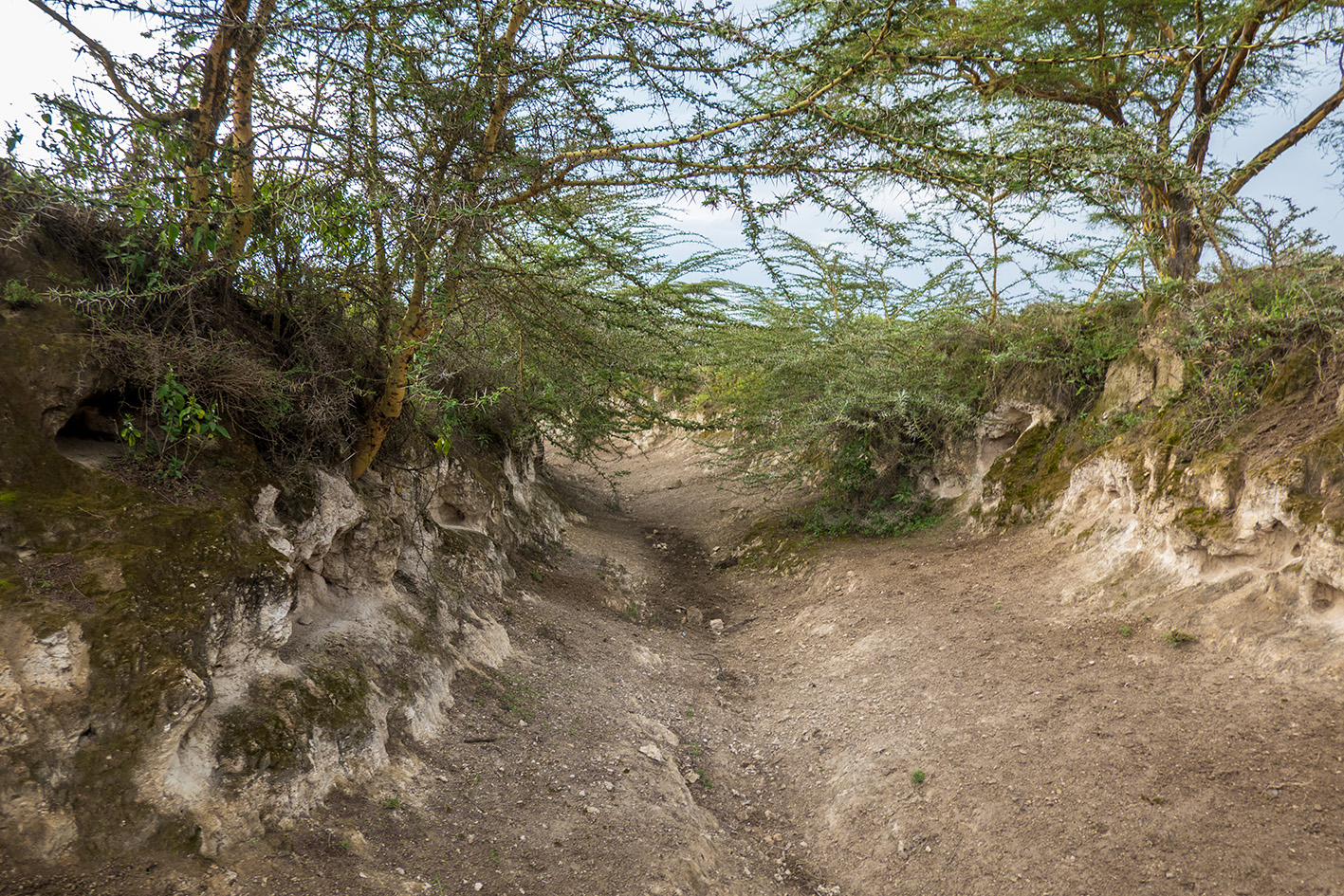
Verder naar de prehistorische opgravingen van Kariandusi – een werkplaats langs een voormalige rivier waar vuistbijlen werden gemaakt van steen en vulkanisch glas
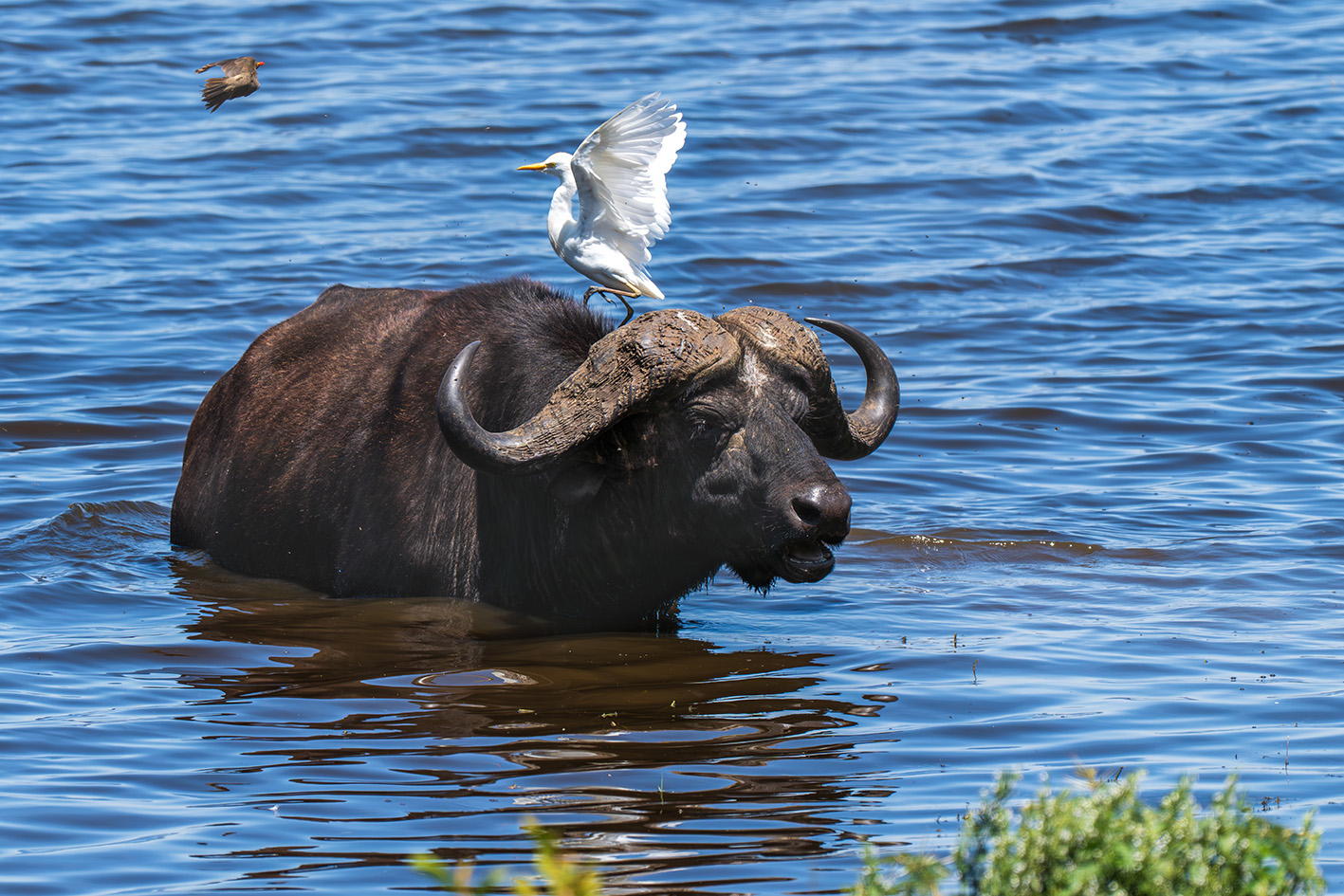
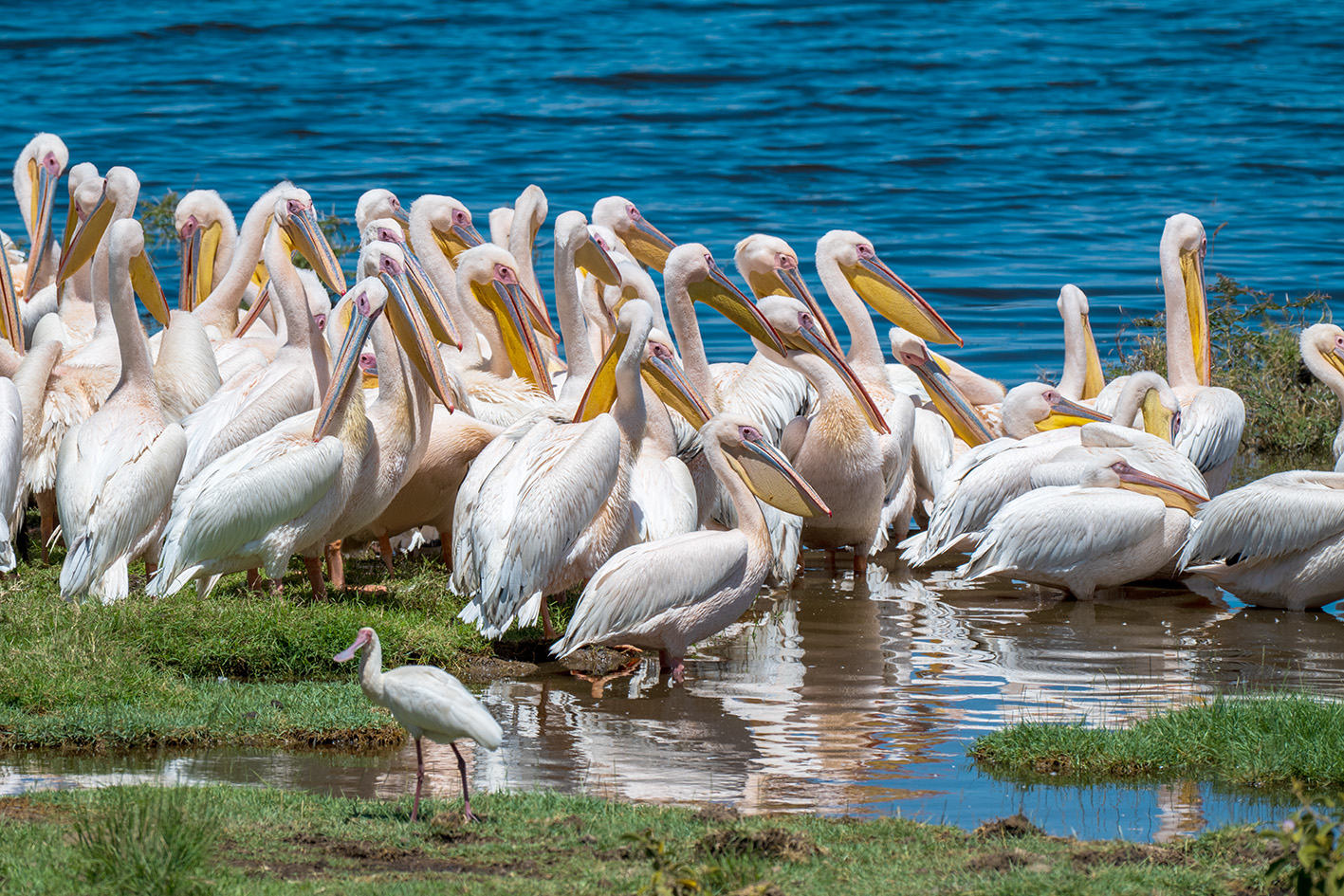
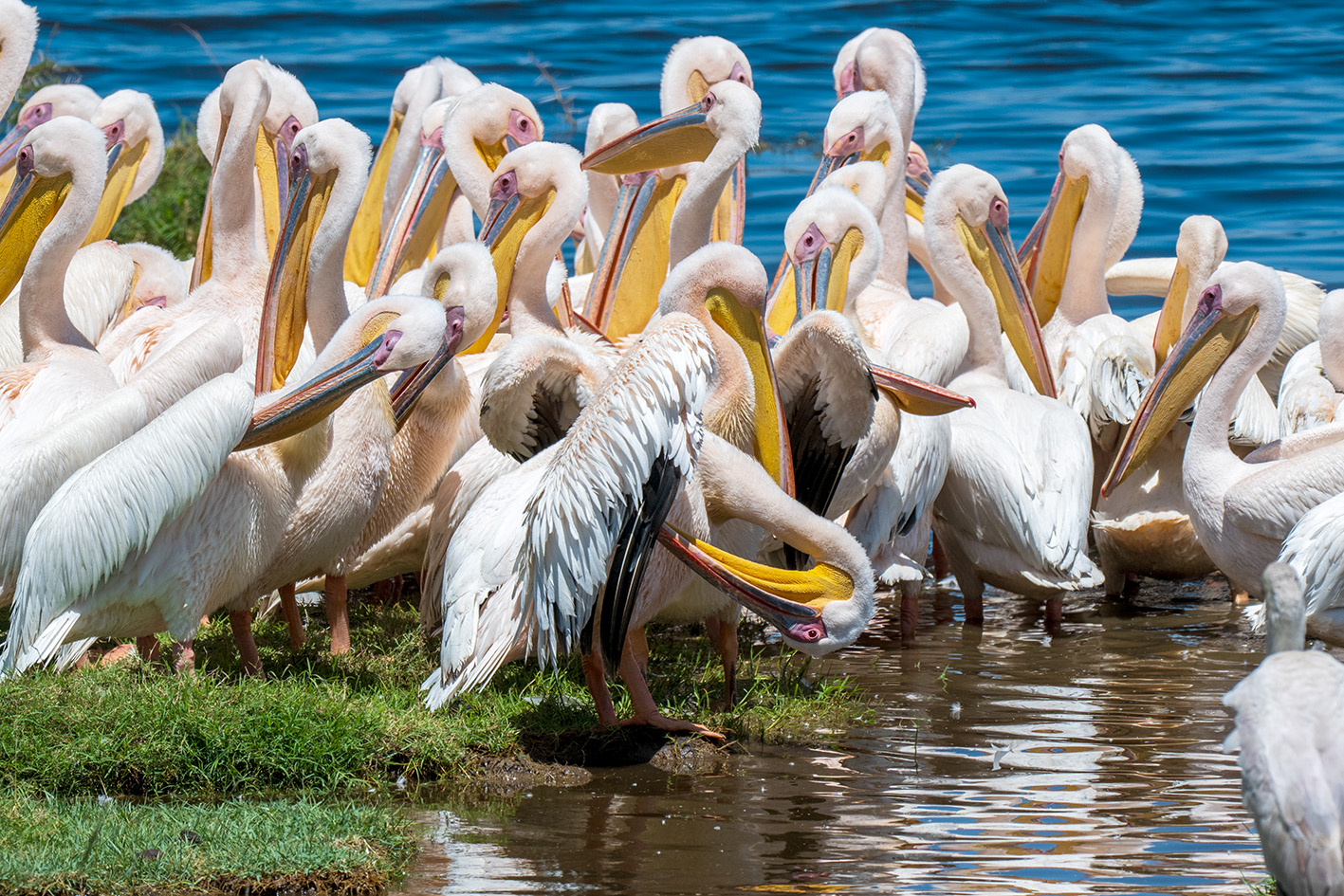
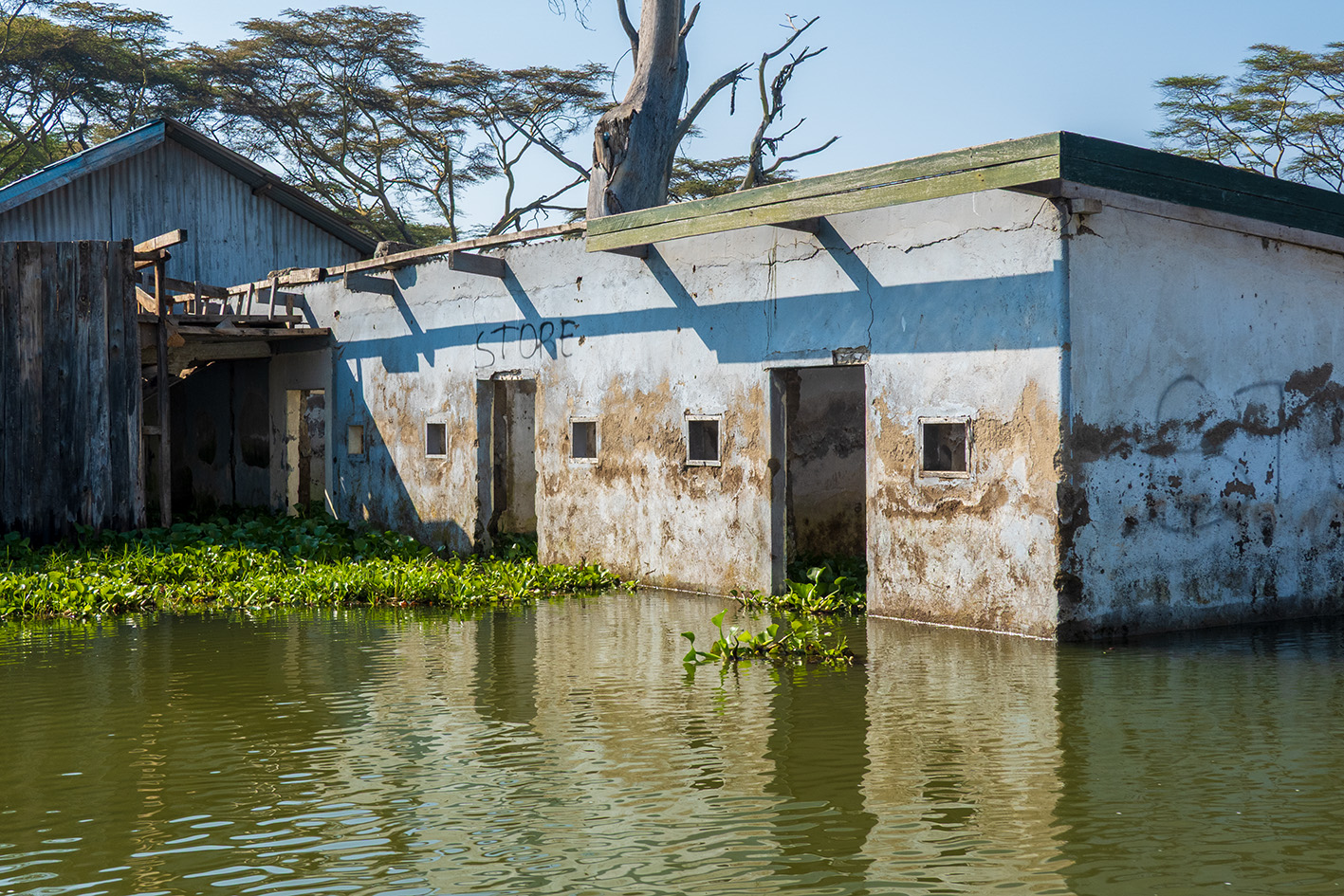
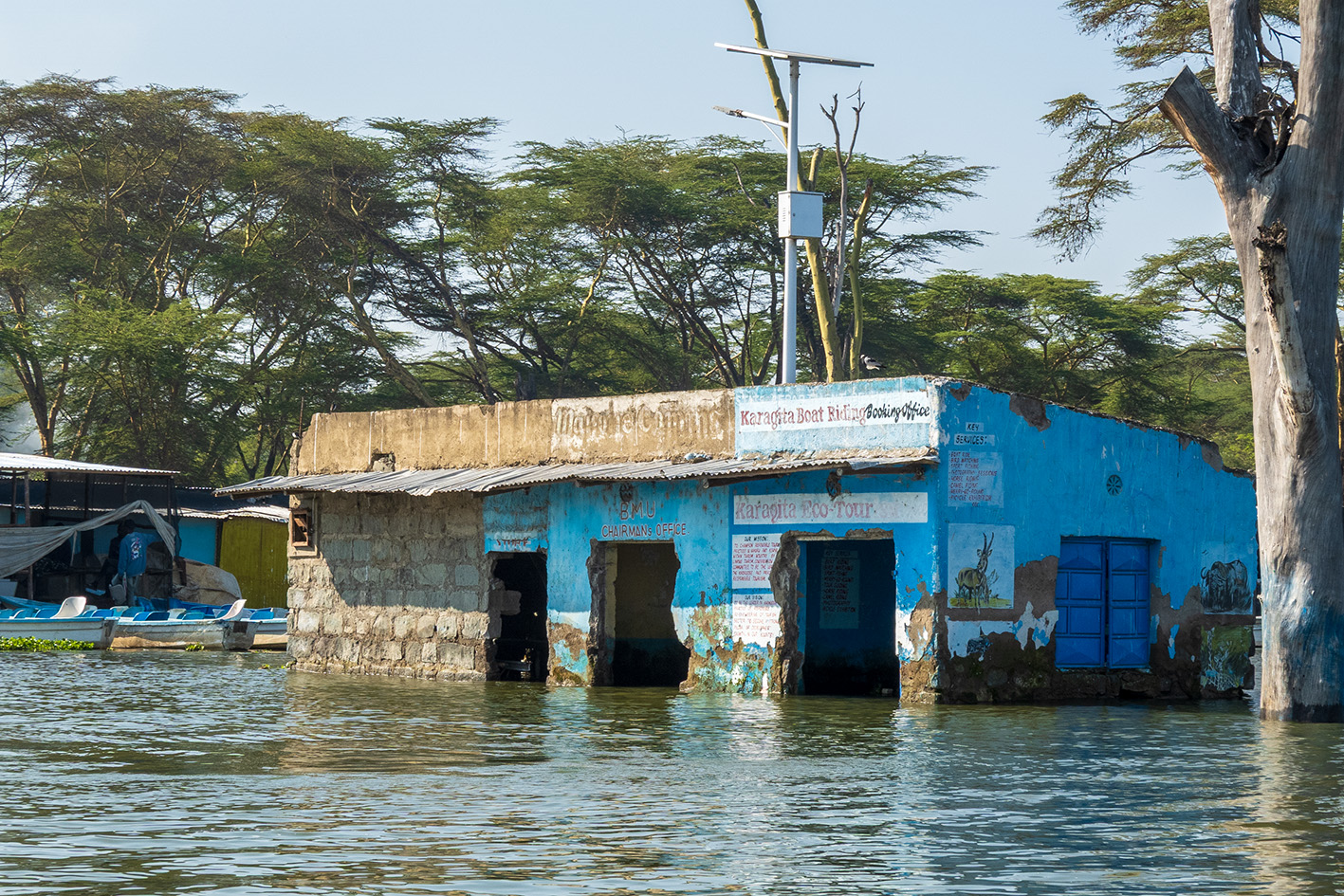
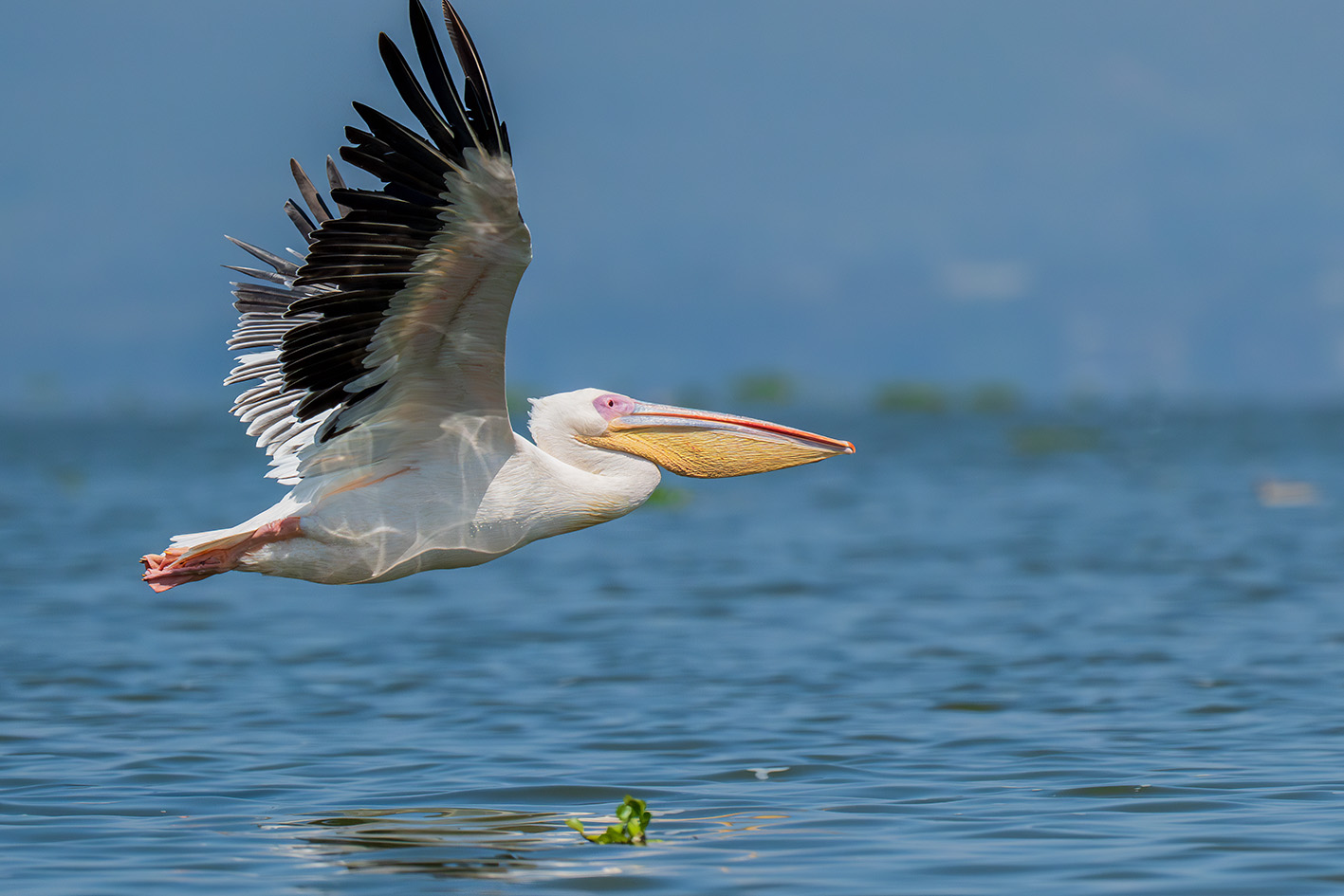
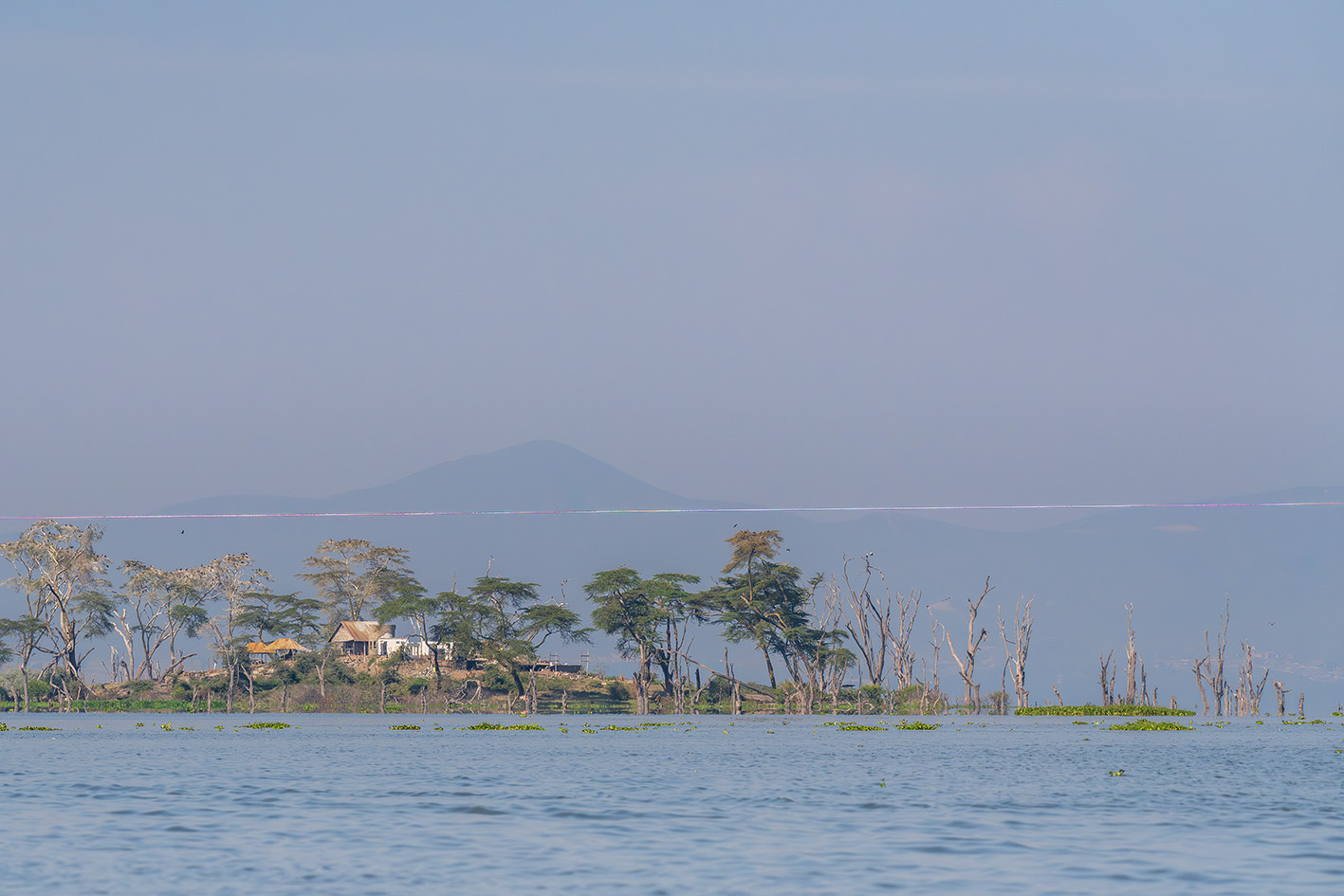
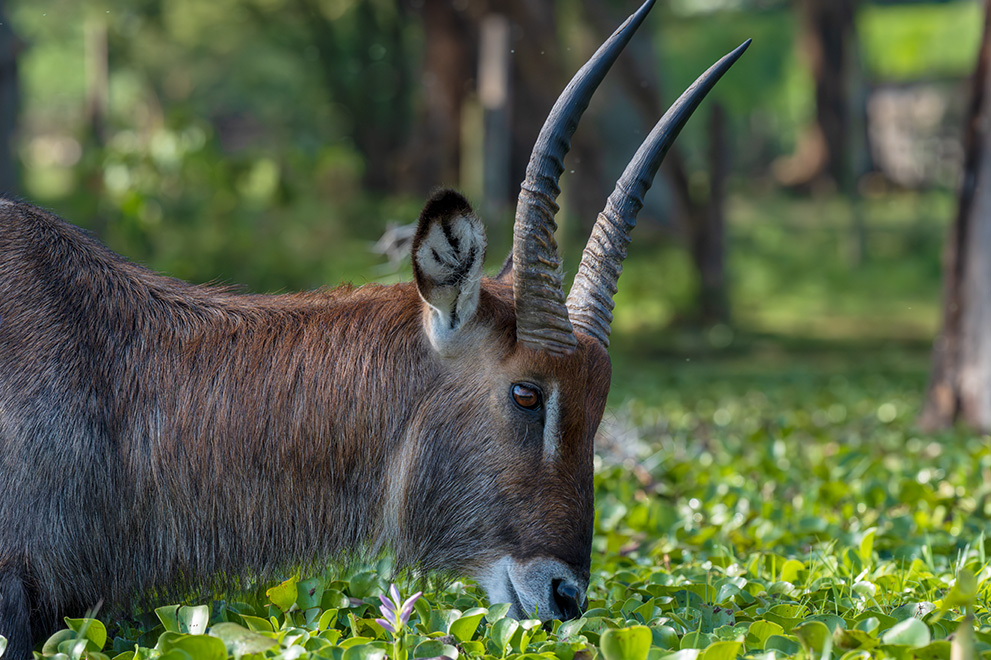
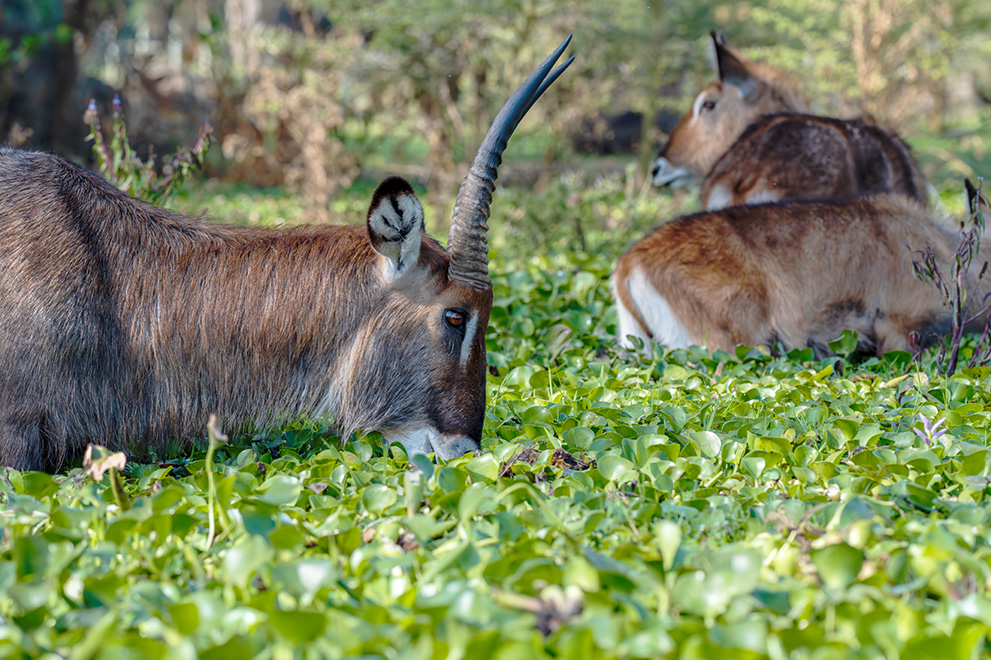
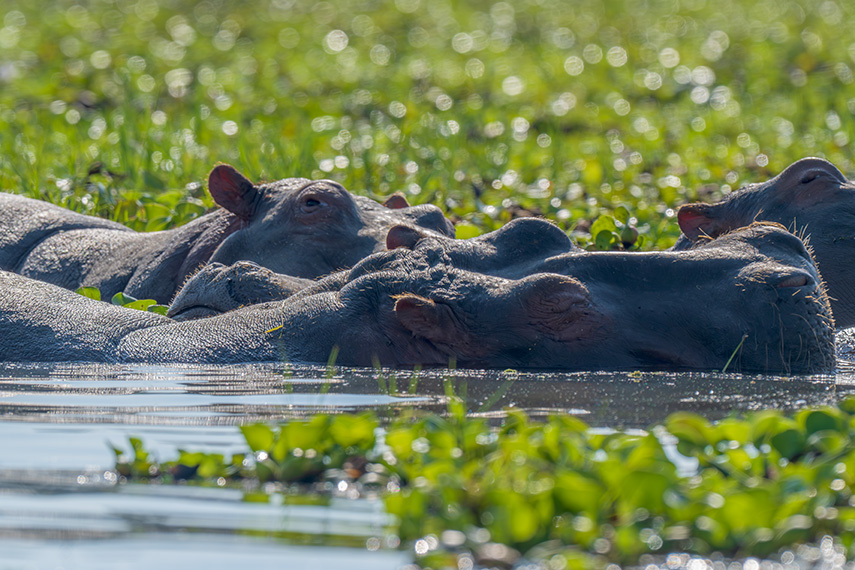
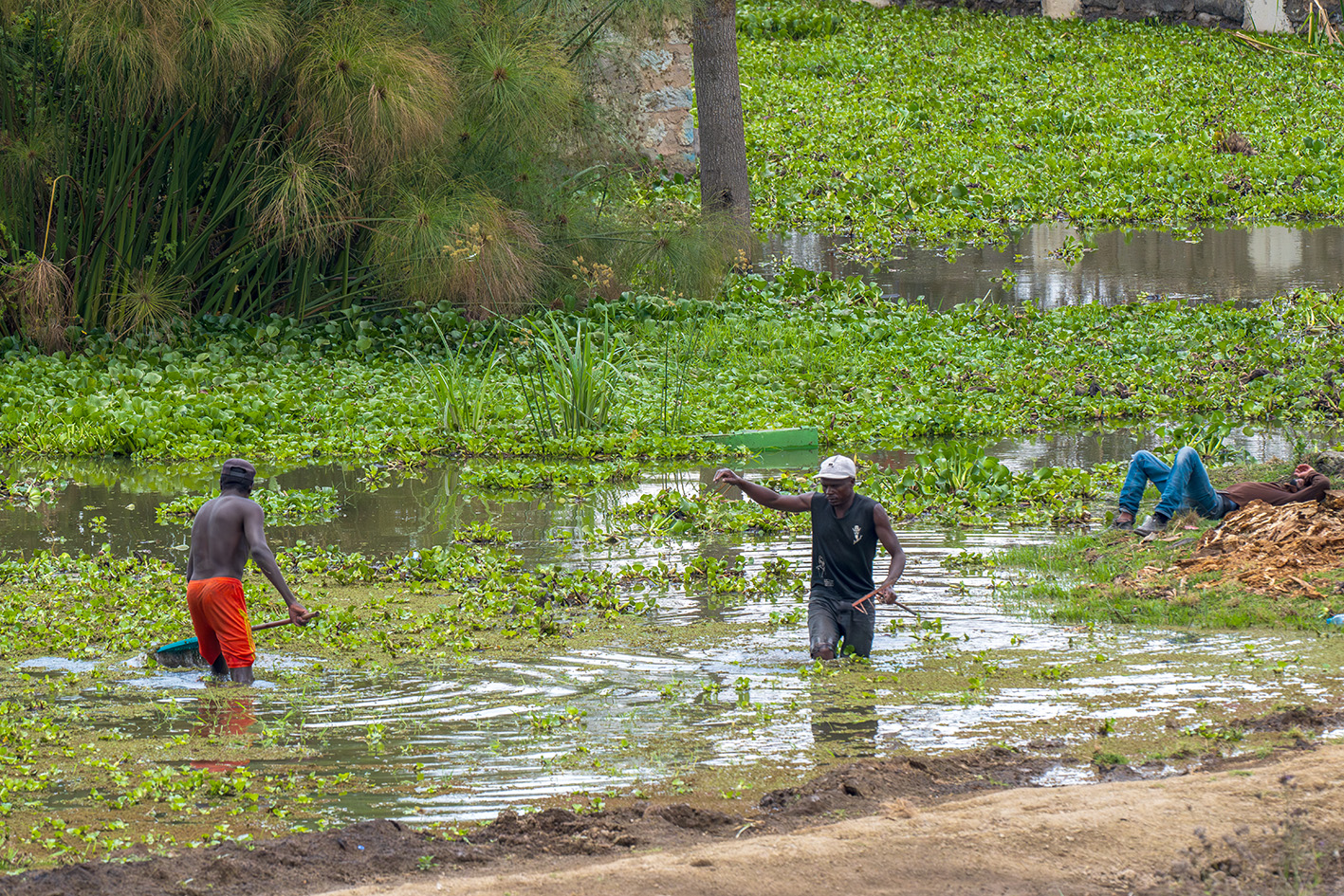
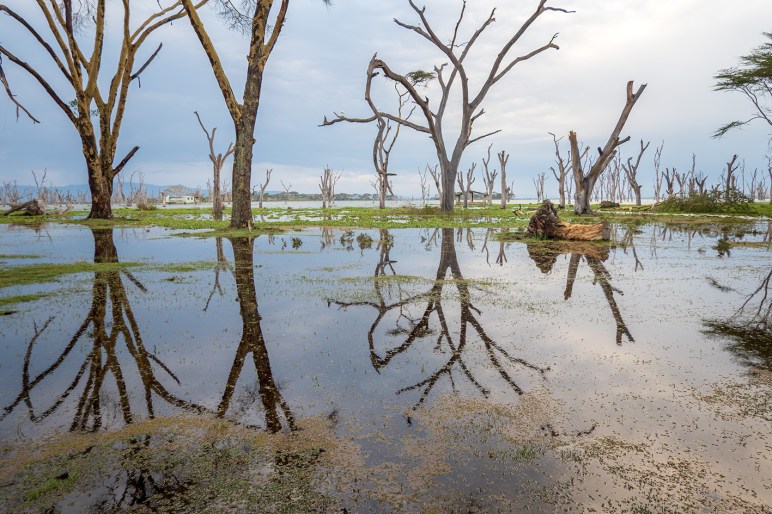
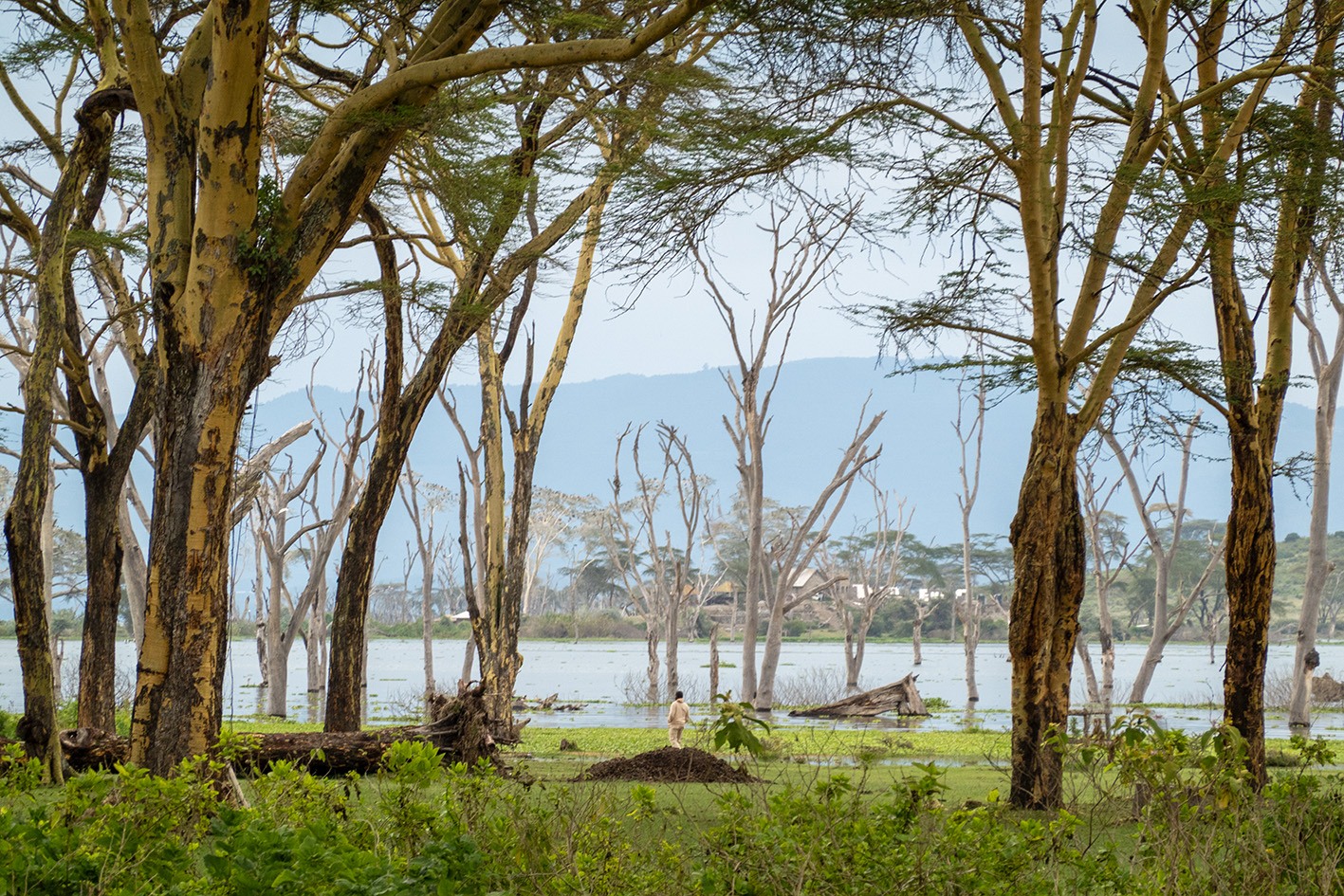
De waterstand stijgt schrikbarend snel. Lodges, winkels, alles loopt onder water. Voor de vissen, waterbuffels, de waterhyacint en de watervogels geen probleem. Maar voor de mensen…
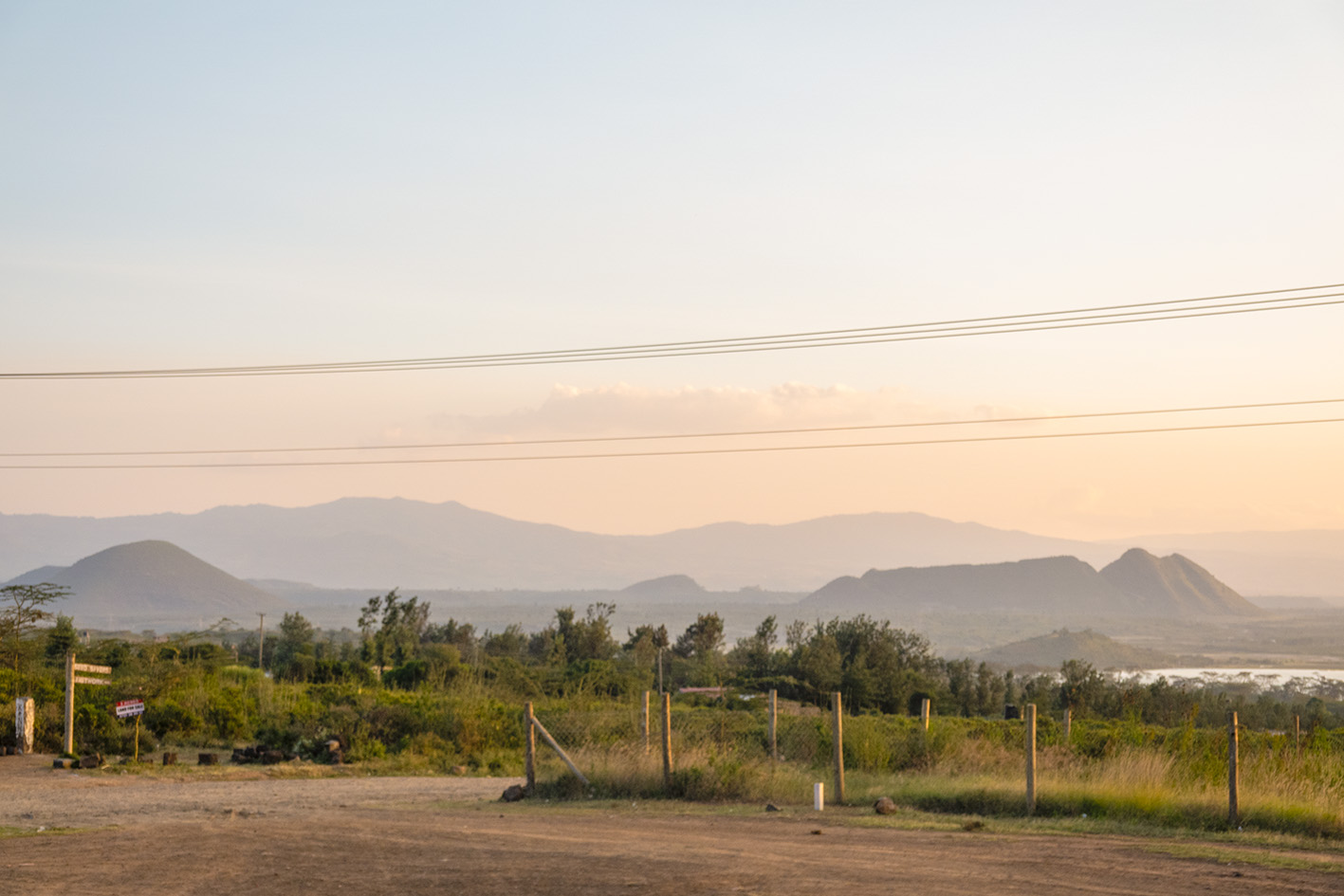
Het meer is zo groot, dat je de kromming van de Aarde kunt zien!
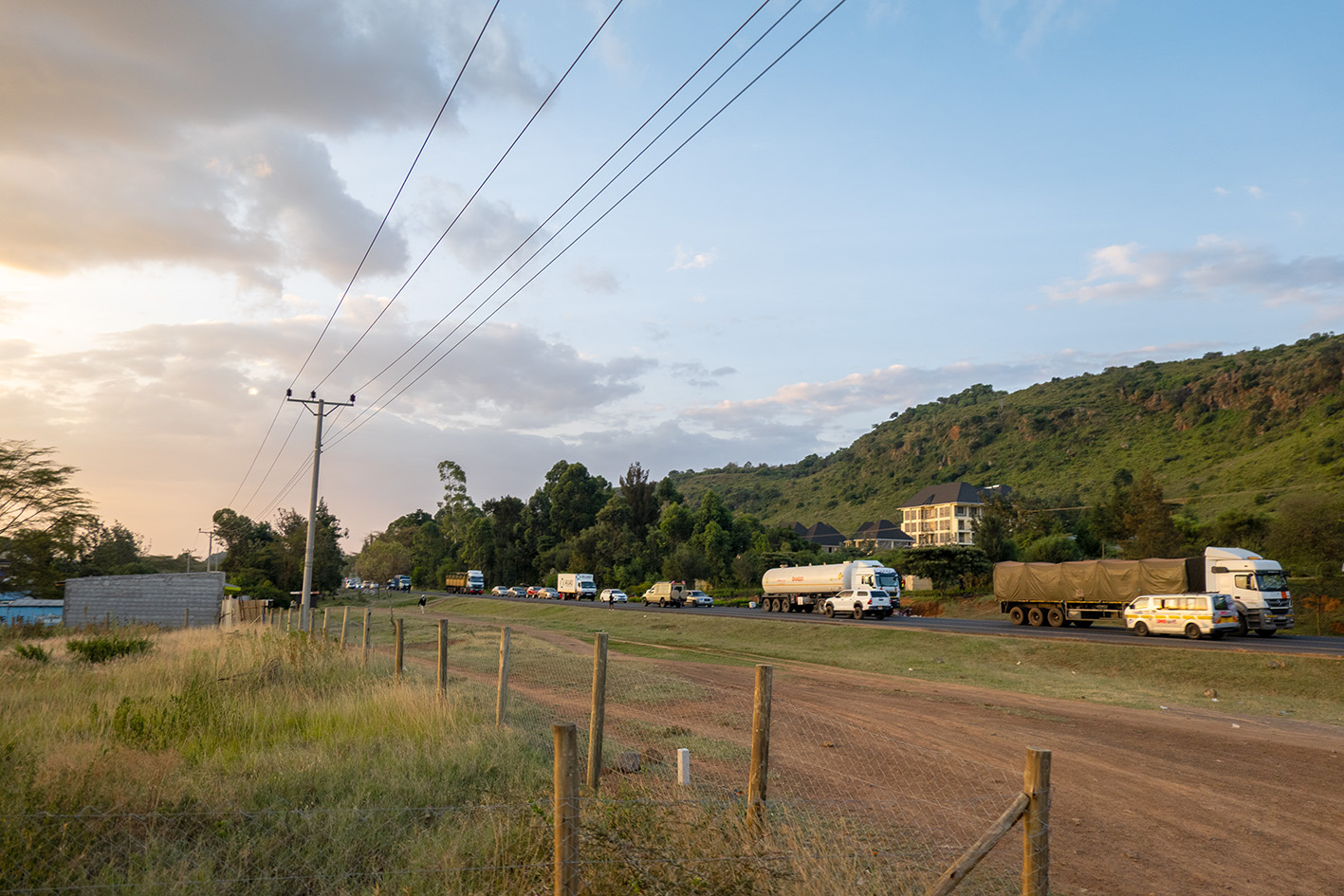
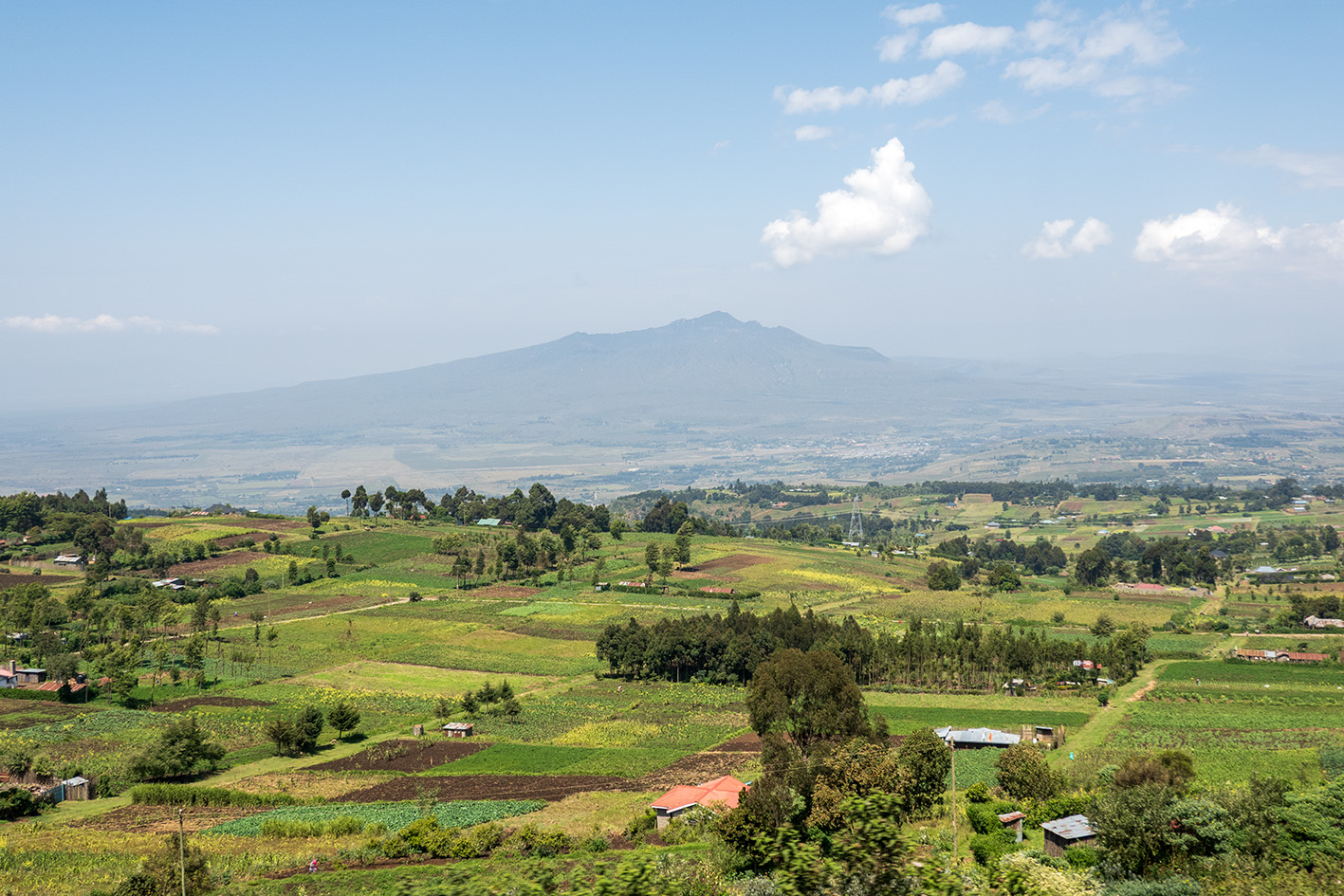
Verder in Kenya, naar Lake Naivasha, Limuru. Op de heenweg langs de indrukwekkende Rift gereden – dezelfde breuk van een jaar of 10 geleden, in Ethiopië. Door een aardbeving zijn het ondergrondse waterlopen langs de Rift Valley (de grote Afrikaagse slenk) verstopt geraakt. Met als gevolg dat de meren niet meer afwateren. Want tja, ook hier regent het wel eens.
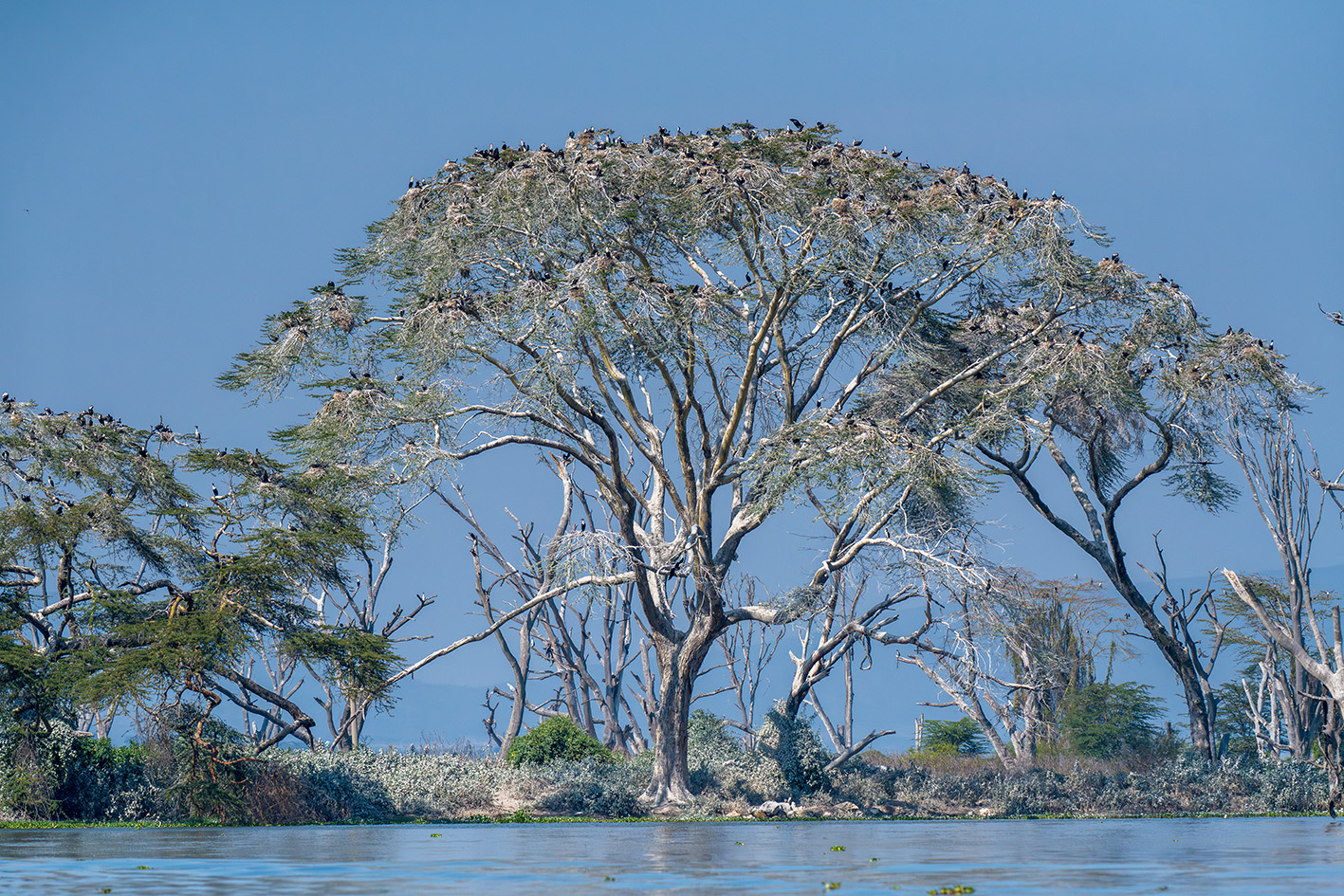
In een verbazingwekkend snel tempo stijgt elk jaar de waterspiegel. Bossen en dorpen lopen onder, landbouwgrond gaat verloren…
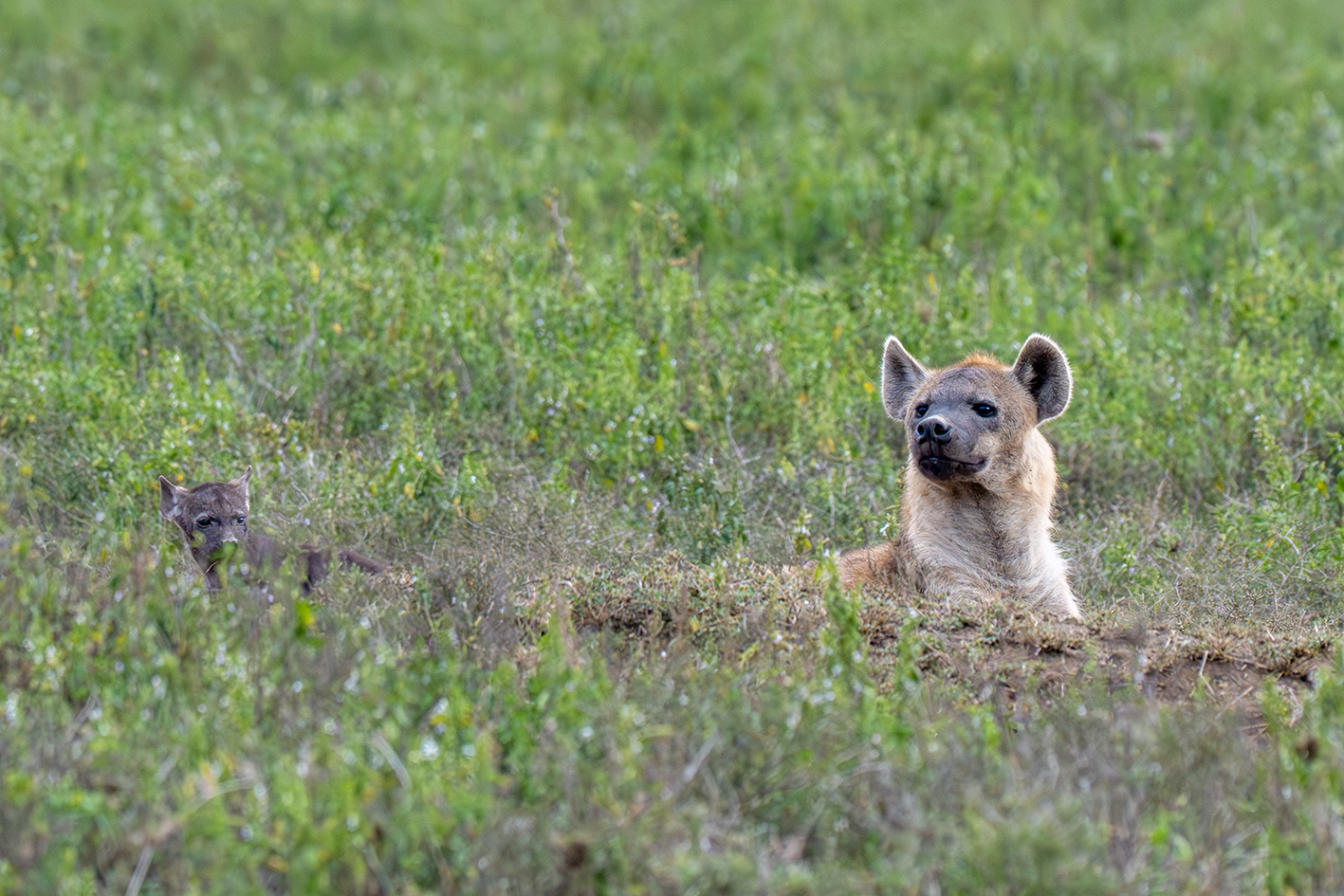
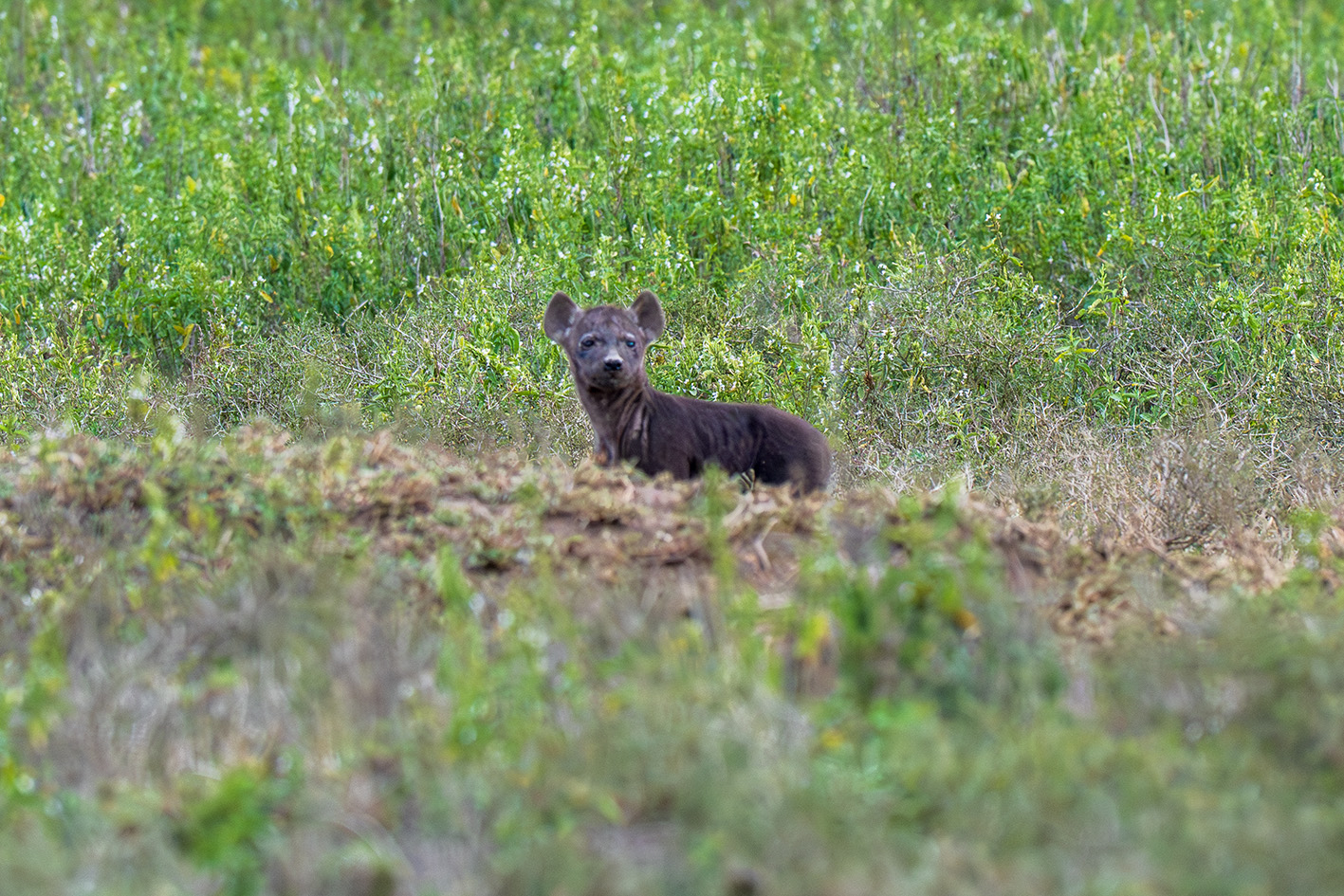
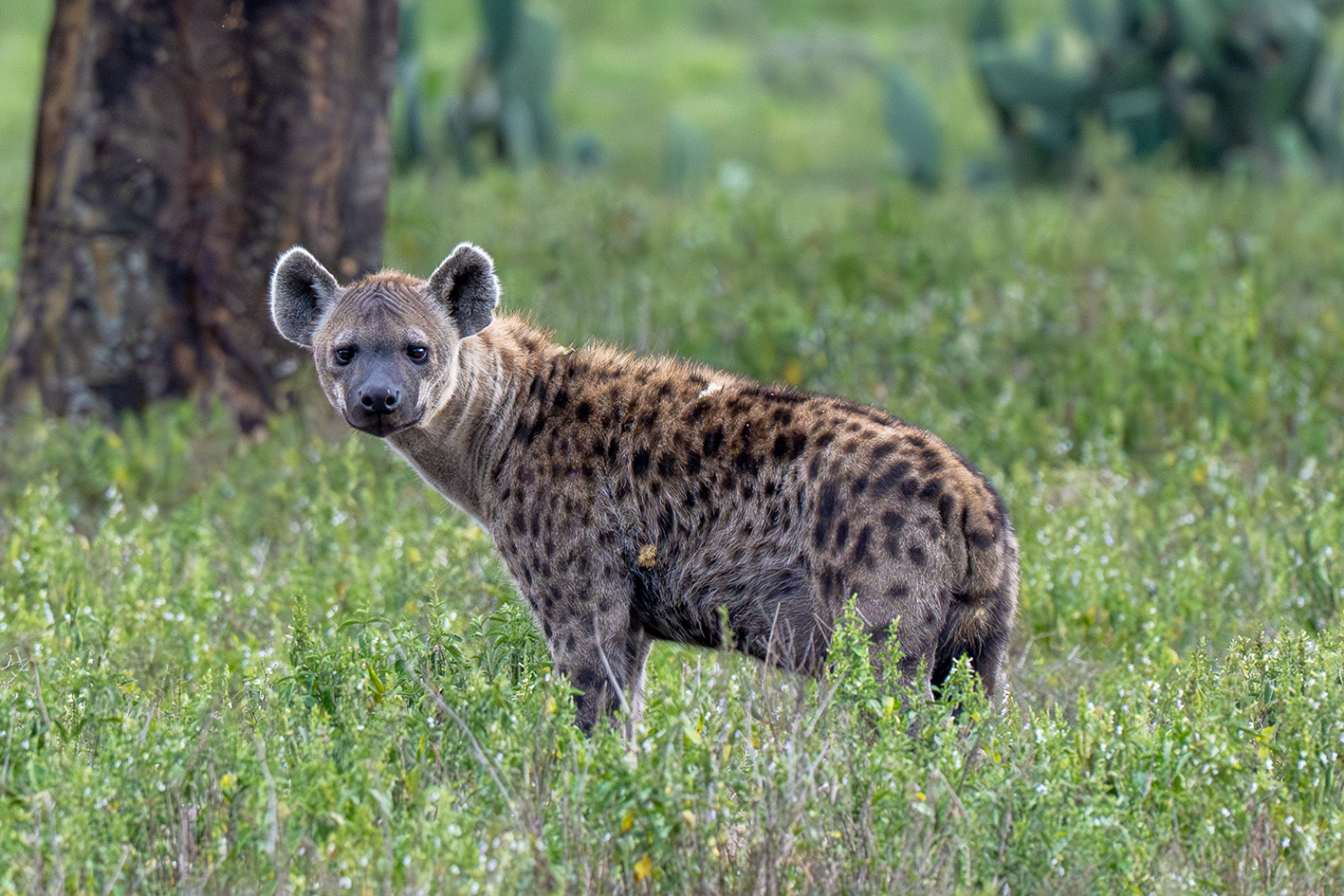
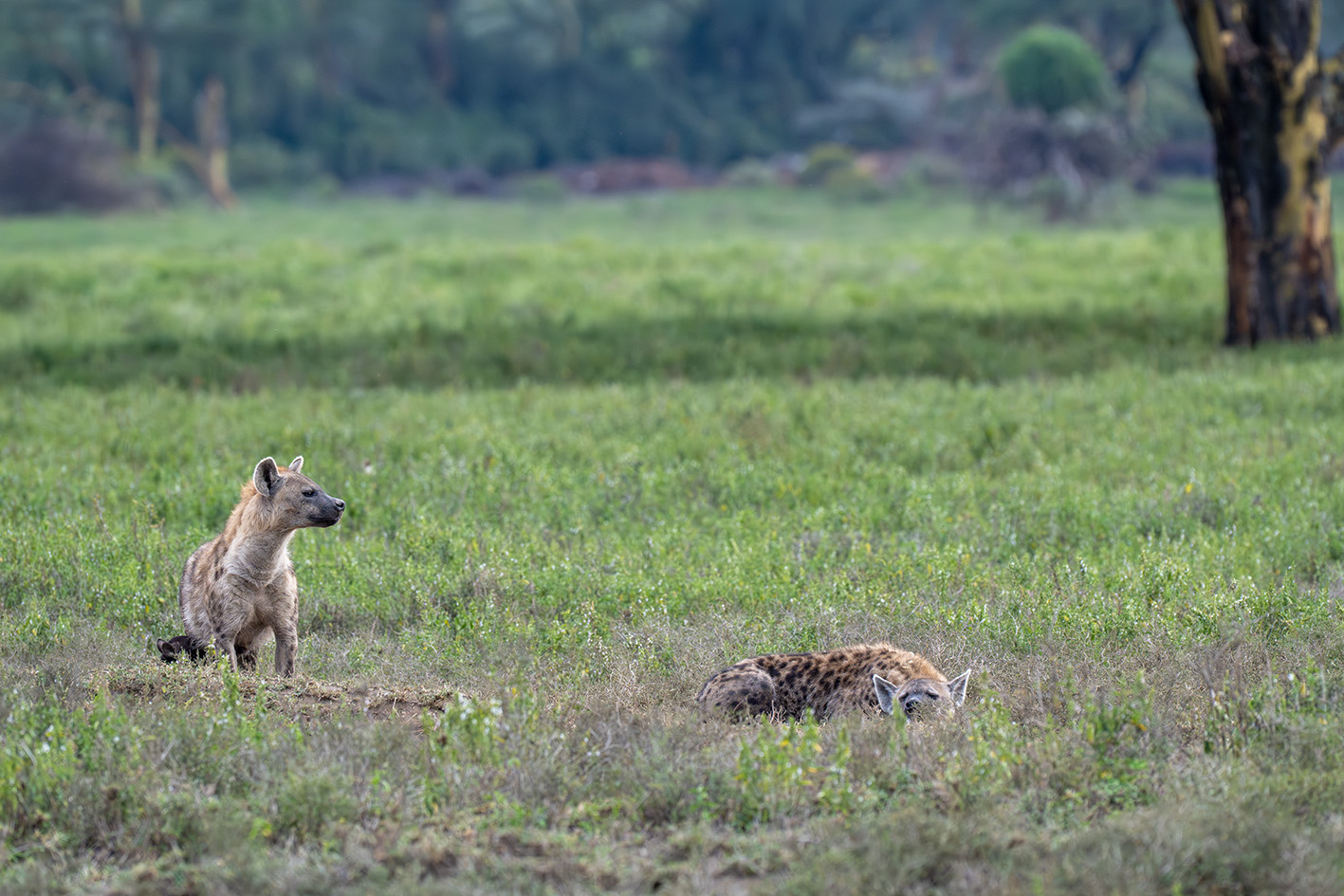
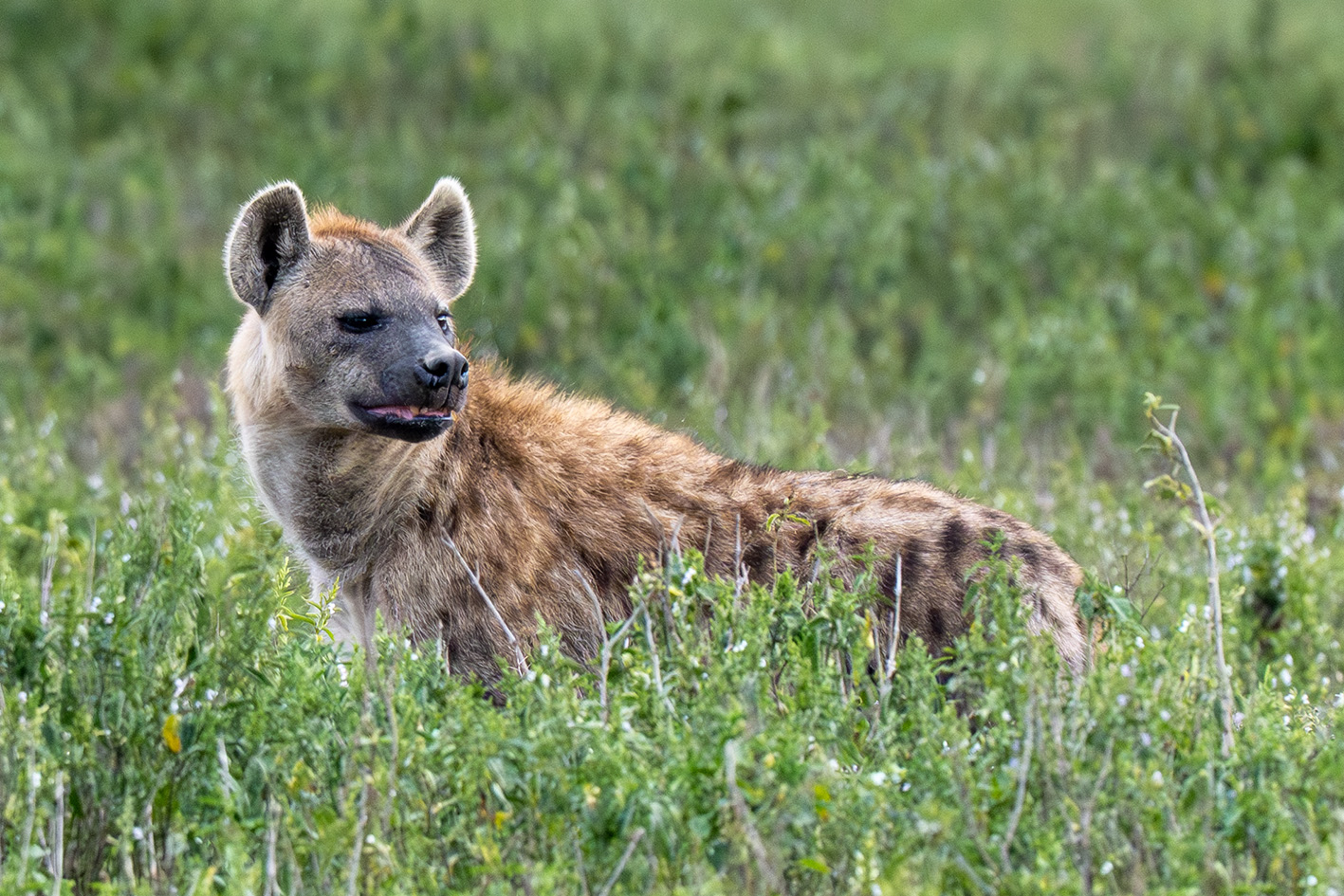
Enorm veel dieren deze eerste dagen. Meest indrukwekkend misschien wel de hyena’s met jongen – toen een groep toeristen te dichtbij kwam, verlieten ze hun burcht om de aandacht af te leiden
Every time in the USA I am overwhelmed by the abundance of nature. There is so much to see! I come home with thousands of pictures. Let me show a few of them here.
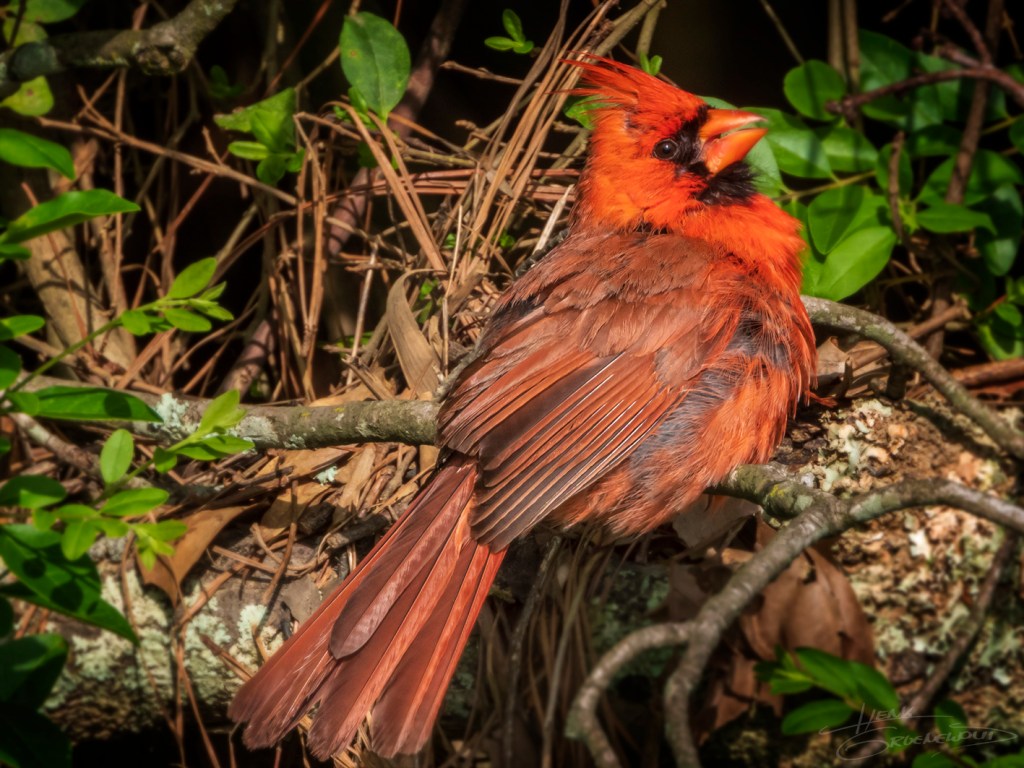
I woke up with birds singing, and they kept on singing all day long. You don’t need to go out to do birding, you can just sit on your veranda and they come to you. The intense red of the Northern cardinal (Cardinalis cardinalis) – just can’t stop taking pictures! I have them hunting for insects in the grass, singing and hiding in the bushes, but this one I like most: sunbathing in the scorching sun.
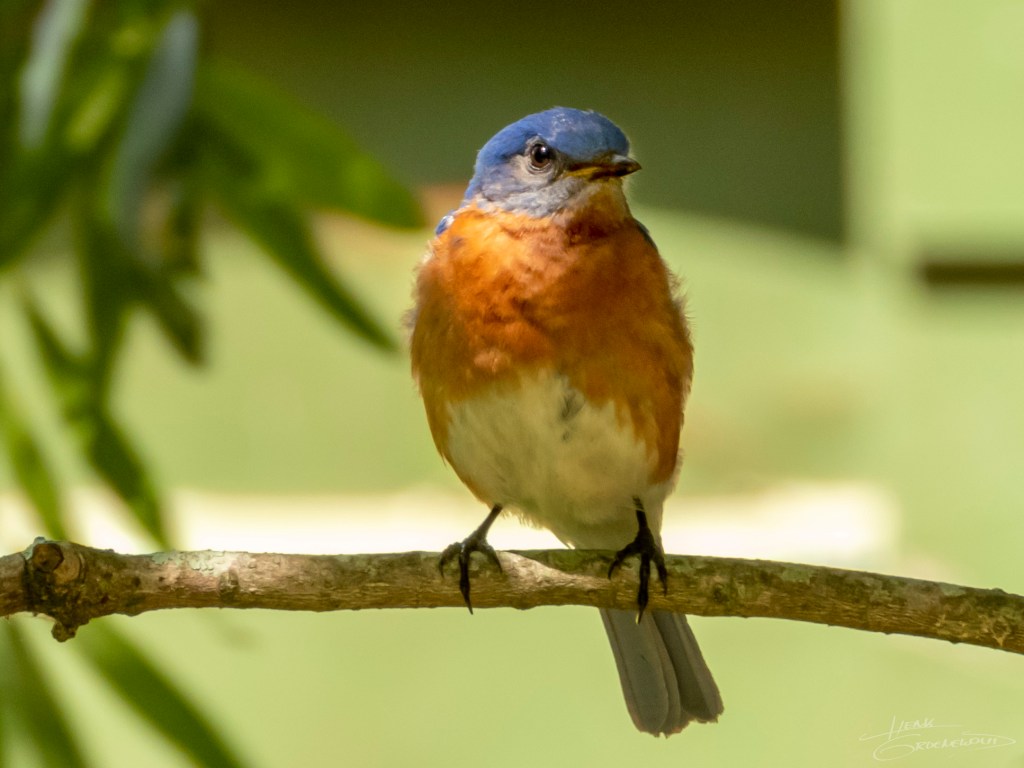
Then the eastern bluebird (Sialia sialis). Such beautiful colours! Funny, the nuthatch in the Netherlands has almost the same colours, but is a little paler.
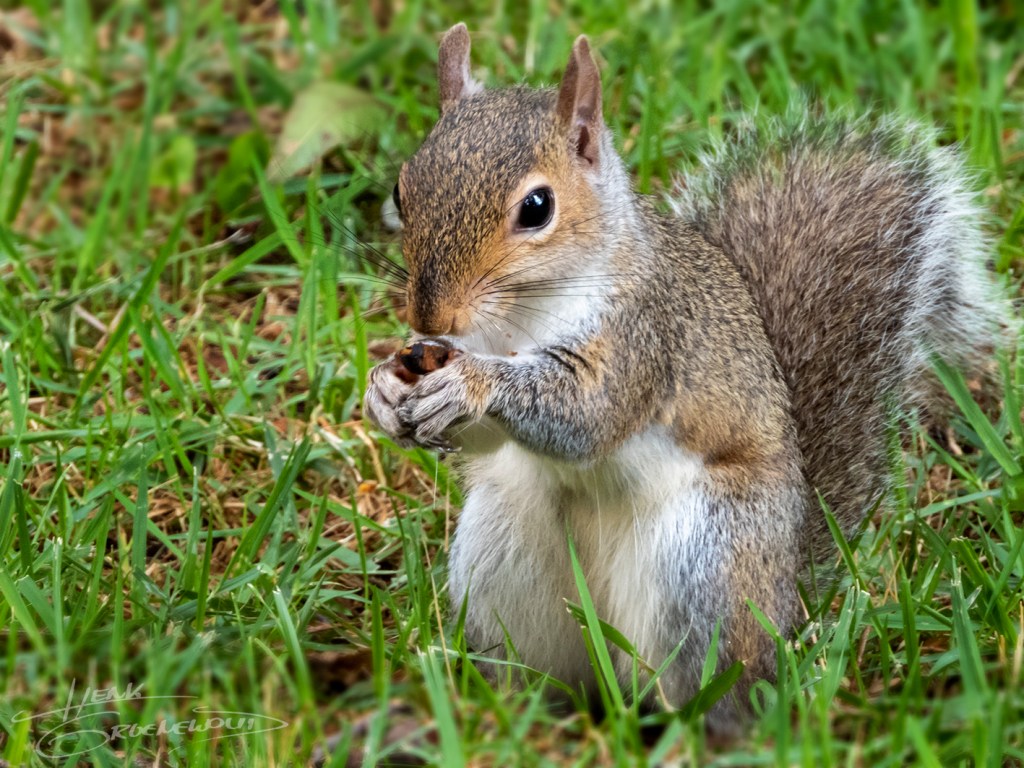
“Look at those cute squirrels!” I was immediately corrected. “They are not cute. They are rats with a tail. They climb through the rain gutter, come into the house. They gnaw and make a huge mess!” “They won’t be that bad will they?” I thought. But indeed. They’re everywhere. Really everywhere, in huge numbers, in and around the houses. In Europe, the grey squirrel (Sciurus carolinensis) is considered an invasive alien species. They eradicated the indigenous red squirrel (Sciurus vulgaris) in most of the United Kingdom, as they are bigger, stronger and resistant to squirrel diseases they carry.
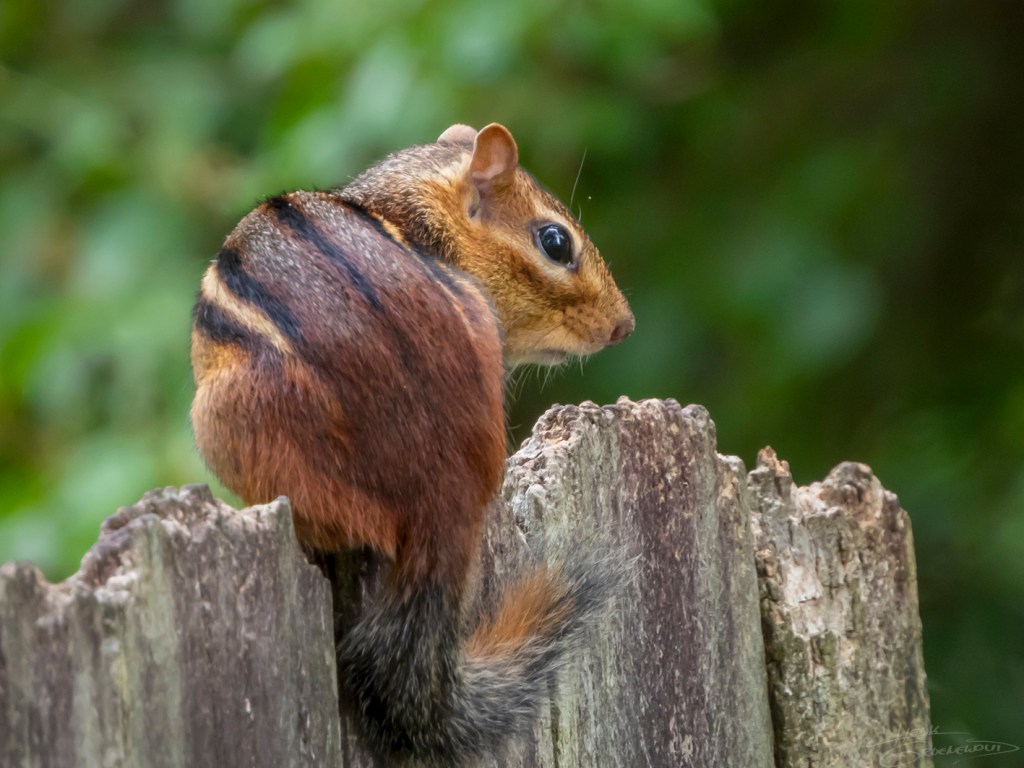
“What about those chipmunks? Those ‘ground squirrels’, as we call them?” “Less bad than the grey squirrels. But I still don’t need them in the garden. They dig holes everywhere.” I have to t confess: last week in my garden back home I saw mouse holes. Shrews probably, there are a lot of them here. And my first thought was: How do I get those bloody mice out of my garden? Anyhow, the Eastern chipmunks (Tamias striatus) is not considered an invasive species in Europe. But it’s nephew, the Siberian chipmunk (Tamias sibiricus) is.
Another unwelcome animal. That is: In Europe again. Many red eared sliders (Trachemys scripta) have been imported as pets. So cute, these tiny baby-sliders with their flip-flop-feet! But baby sliders grow big, too big for small aquariums, and the entire house starts to smell. Eventually all these imported pet sliders are dumped in nature. No one wants to kill his pet, and the animal shelters are full. The pet industry doesn’t care – when a European ban on import and trade was imminent, thousands of extra baby sliders were rapidly imported and ‘put in storage’. To be able to continue selling them for some time after the ban. Anyhow, the one on the picture is enjoying his natural habitat. In the USA.
















































 De Portrettenmaker