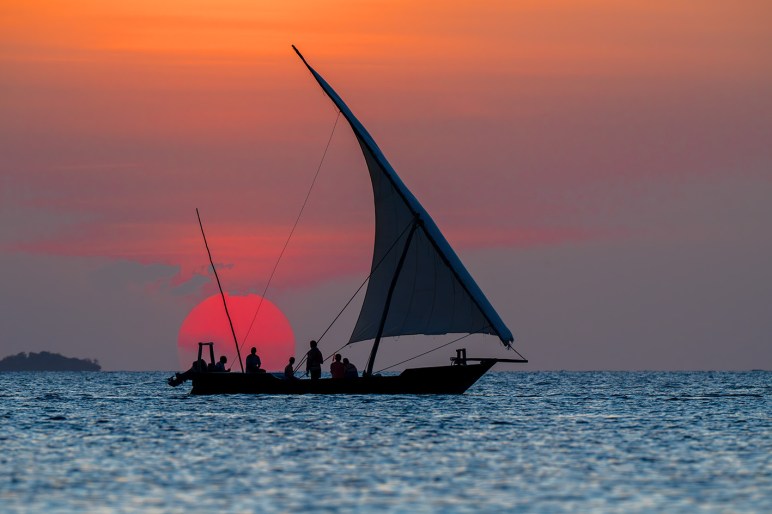
Wat te denken van Zanzibar?

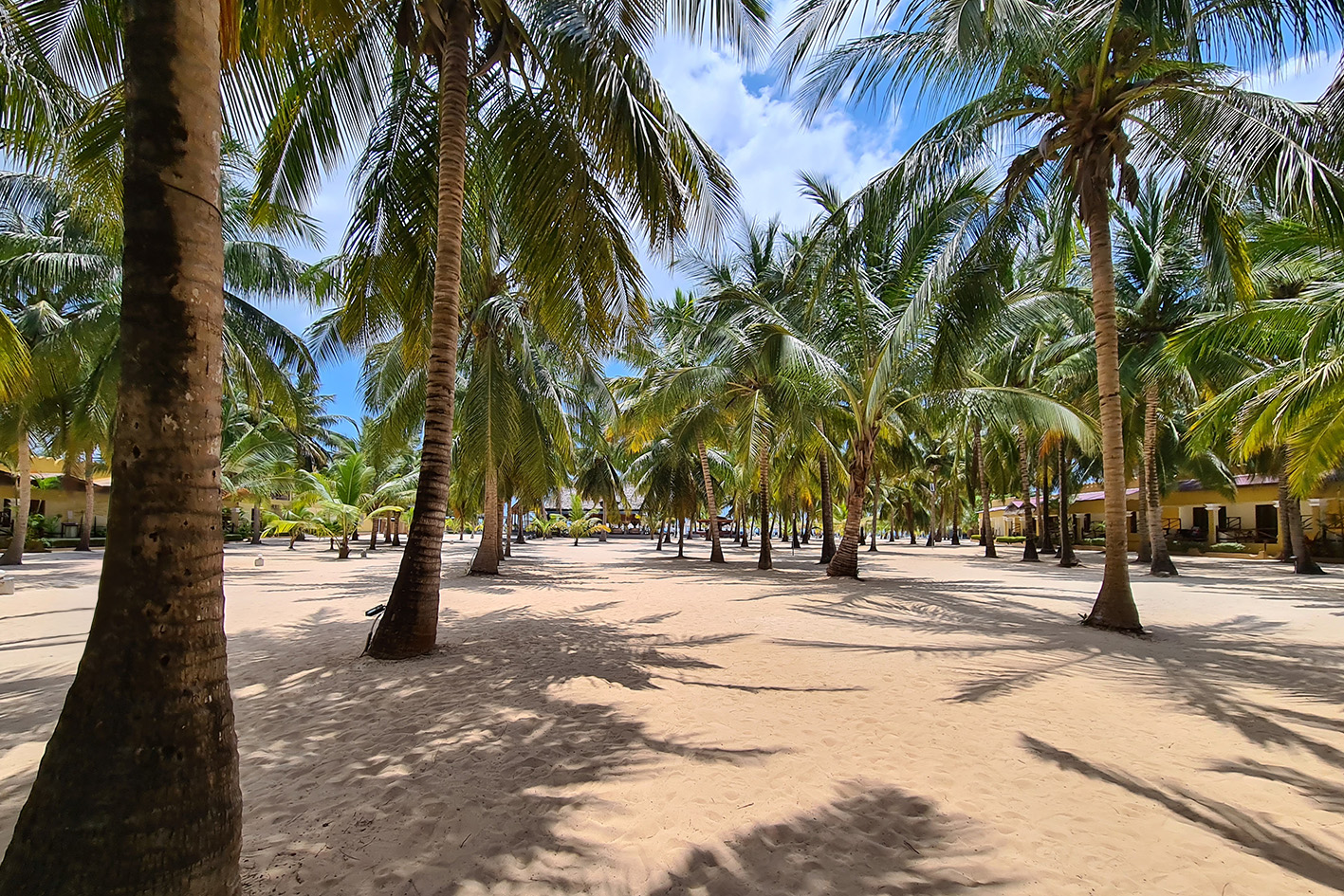
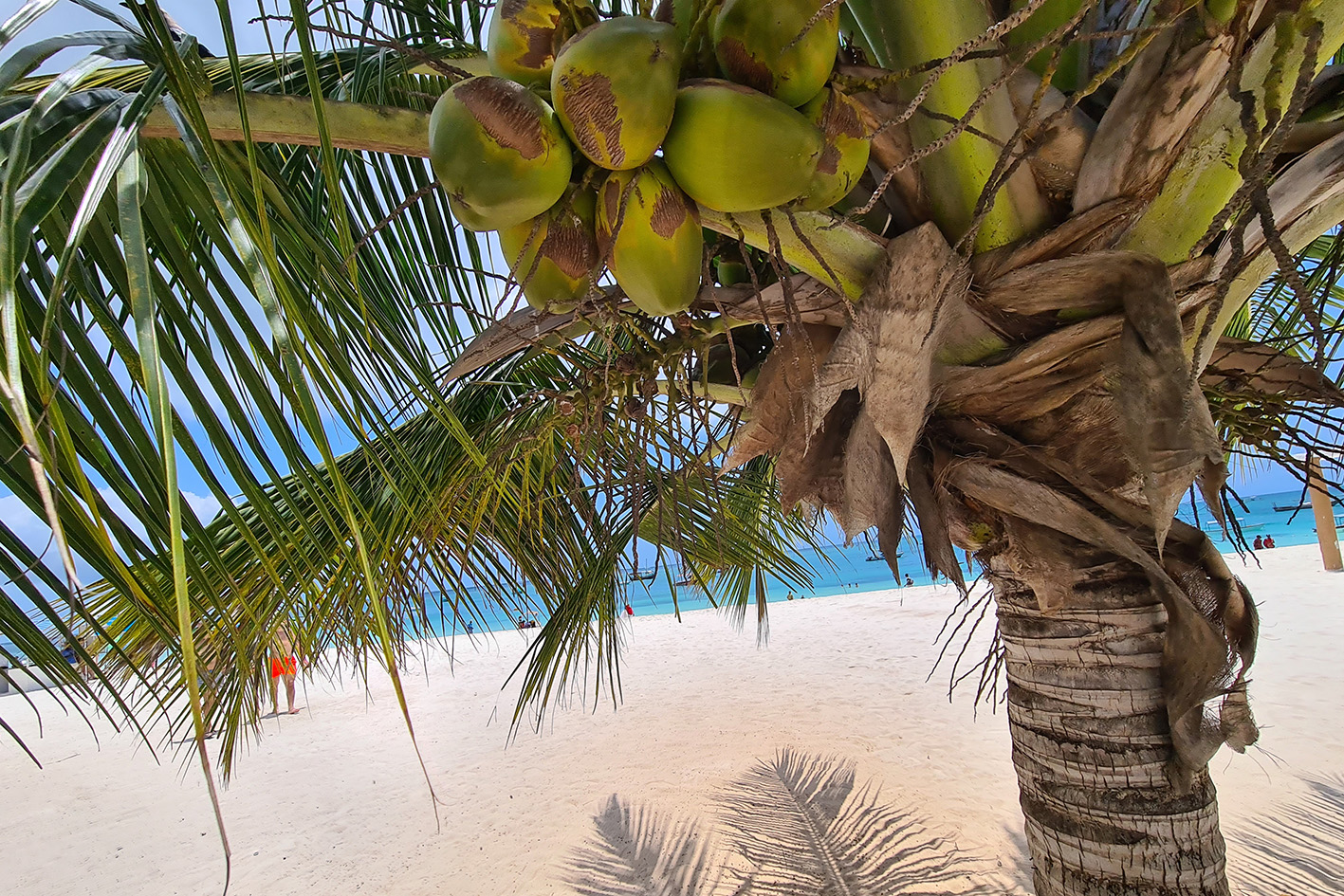
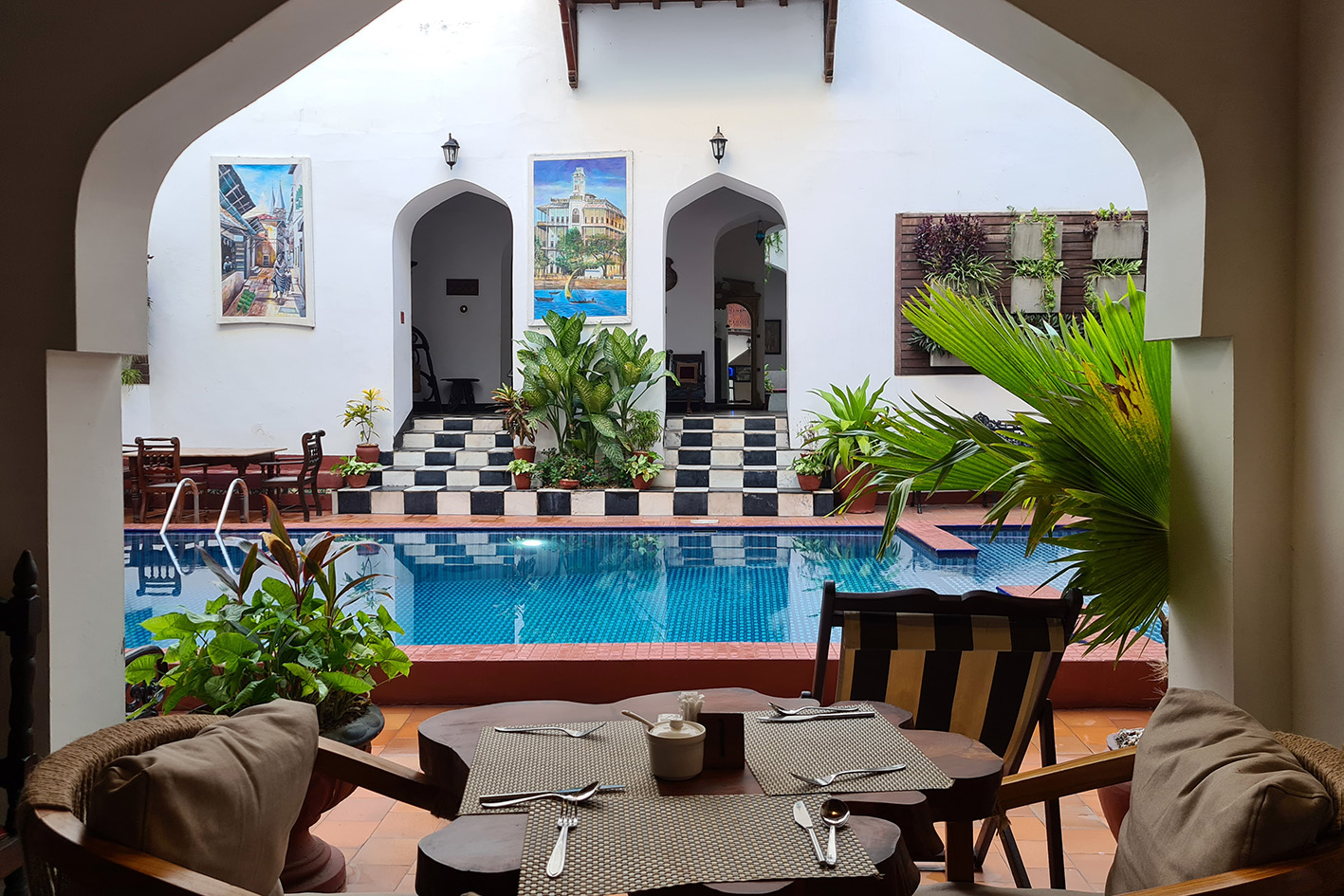
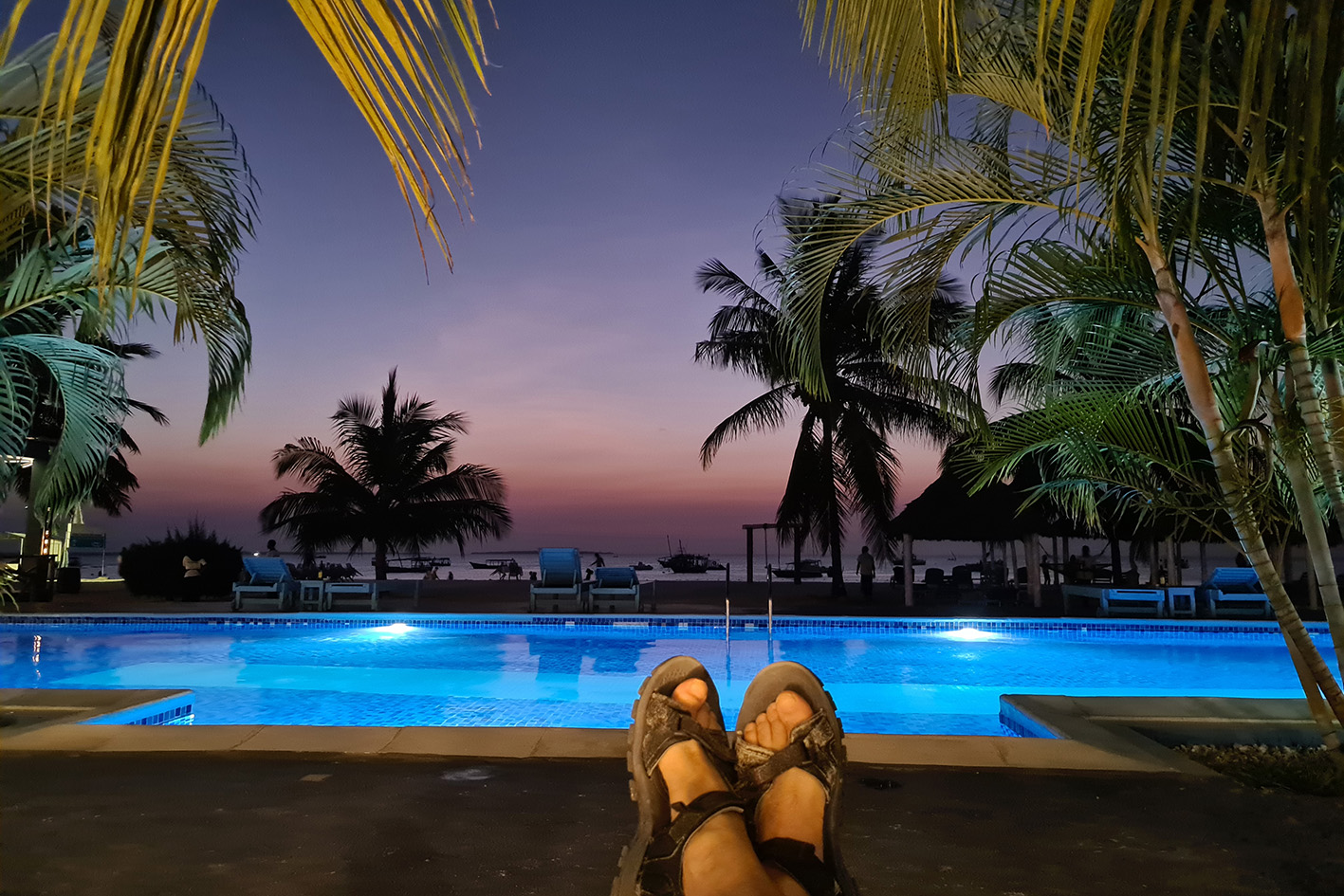
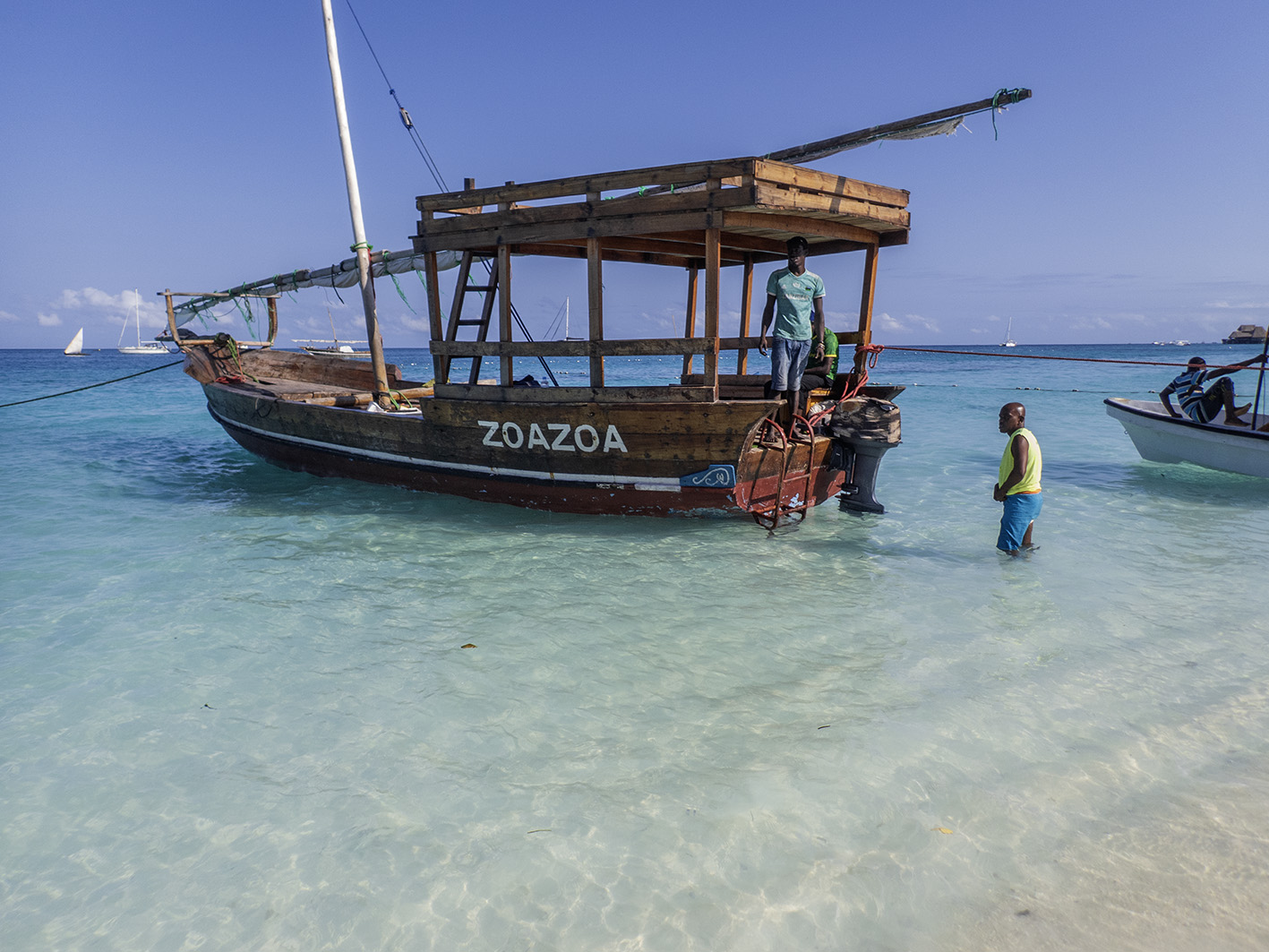
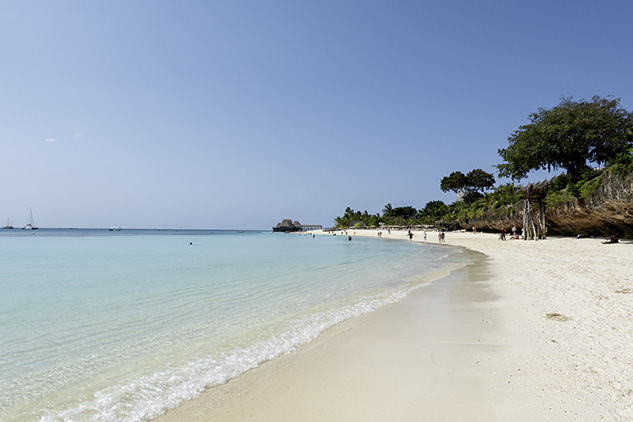
Twee gezichten. Vakantieparadijs voor de rijke toeristen, met hagelwitte stranden, palmbomen en kleuren, kleuren, kleuren. Resorts (afgesloten, dus veilig) uit vakantiefolders. Opvallend veel witte vrouwen die modellerig poseren om zich door hun partner te laten fotograferen: Kijk mij hier!
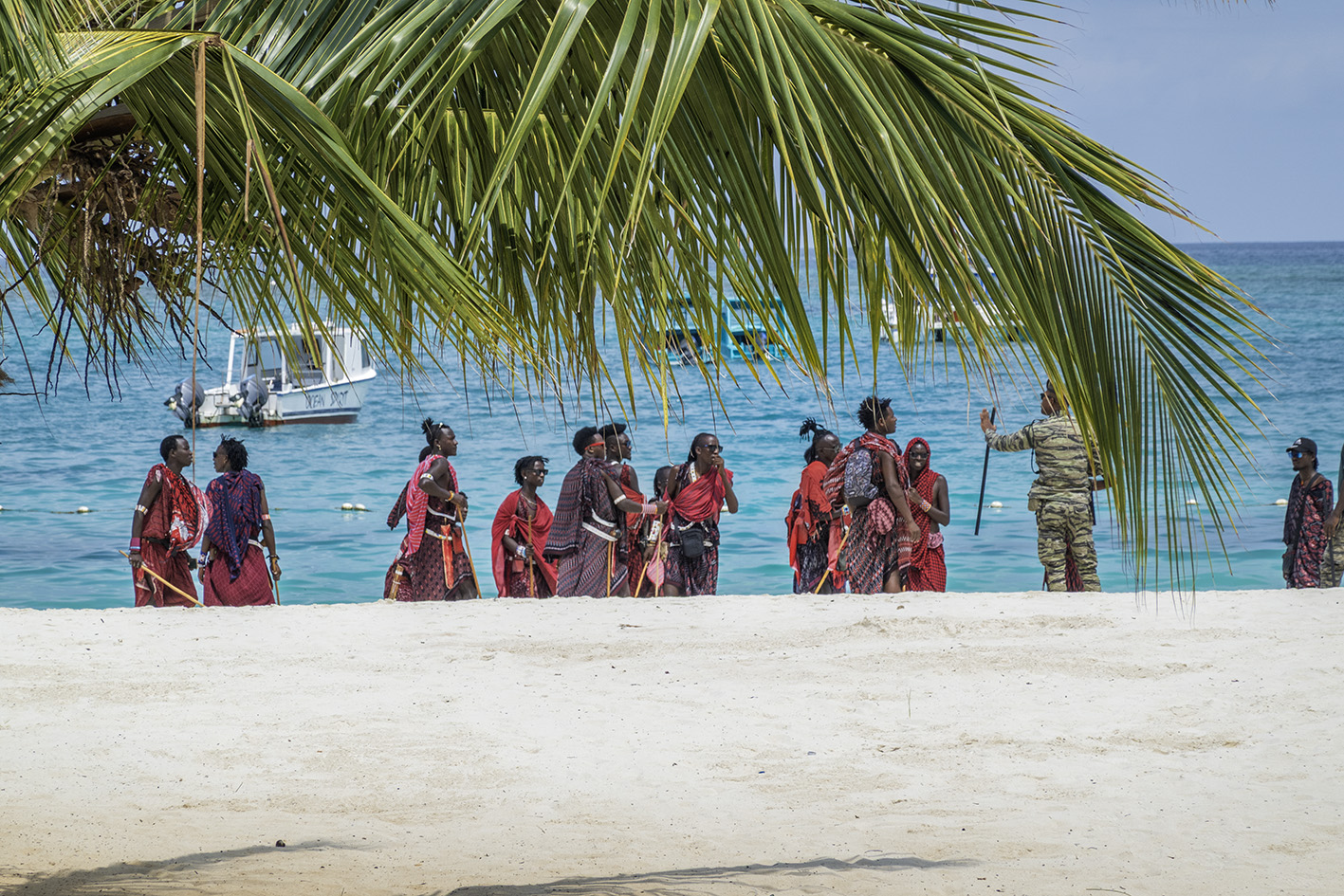
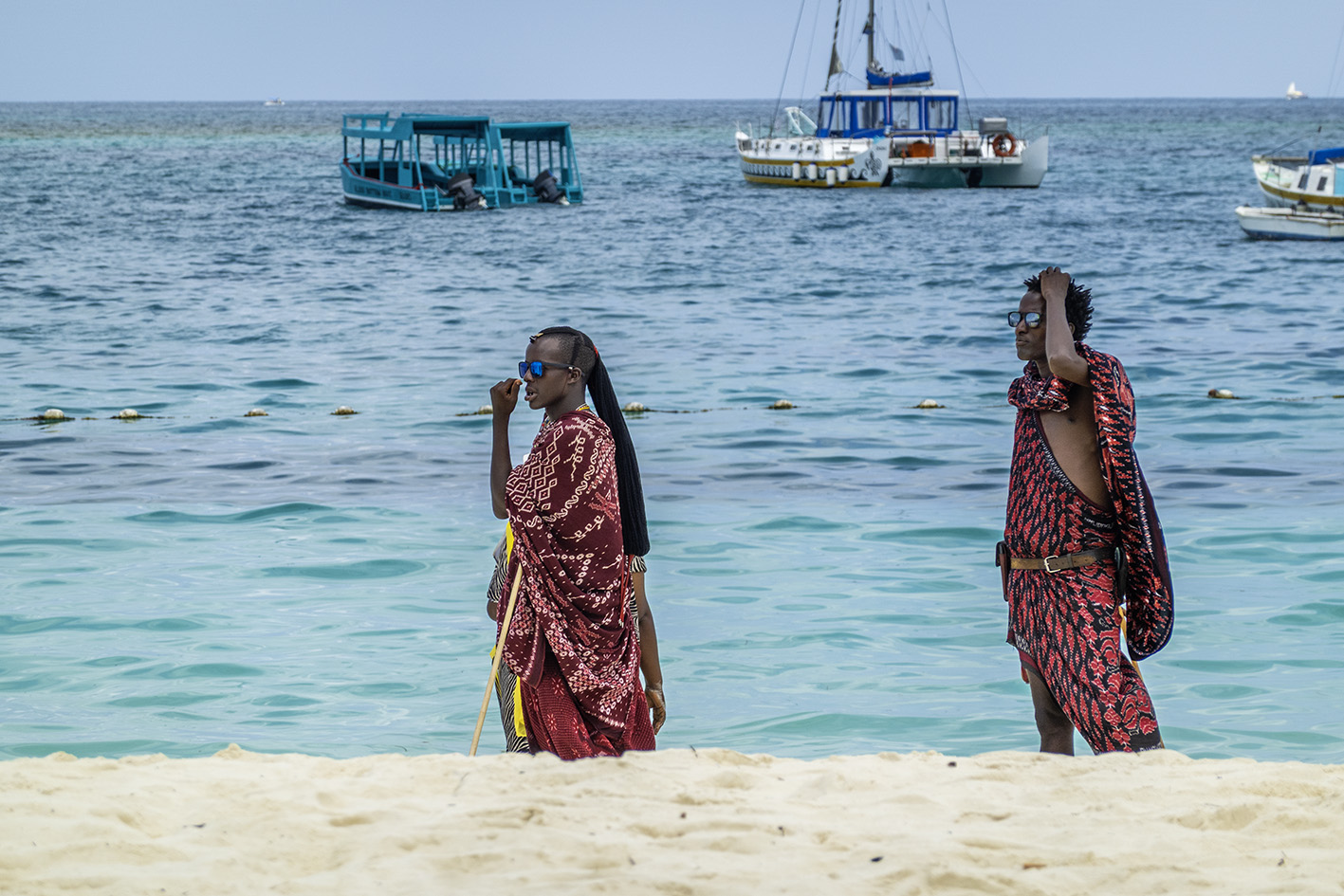
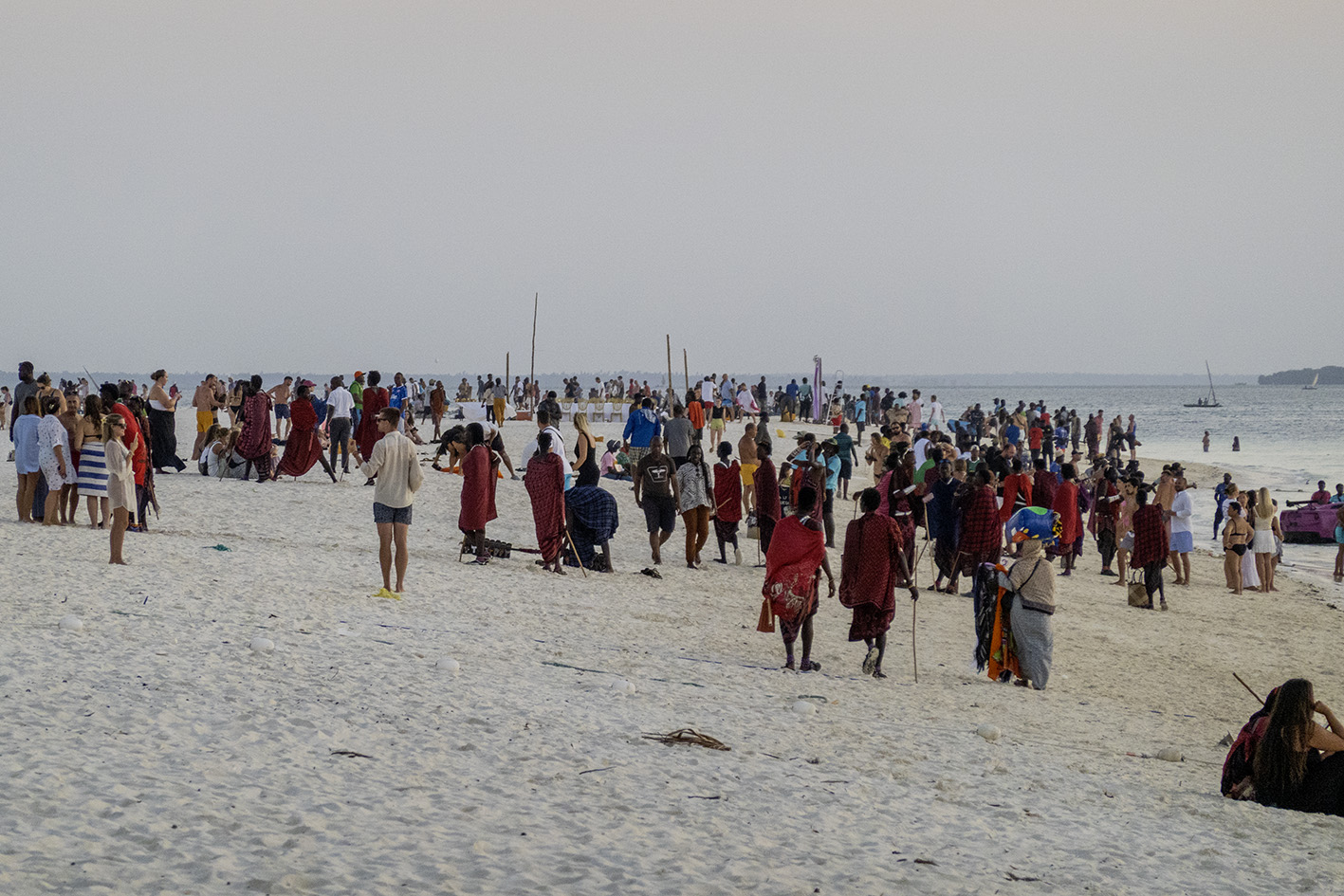
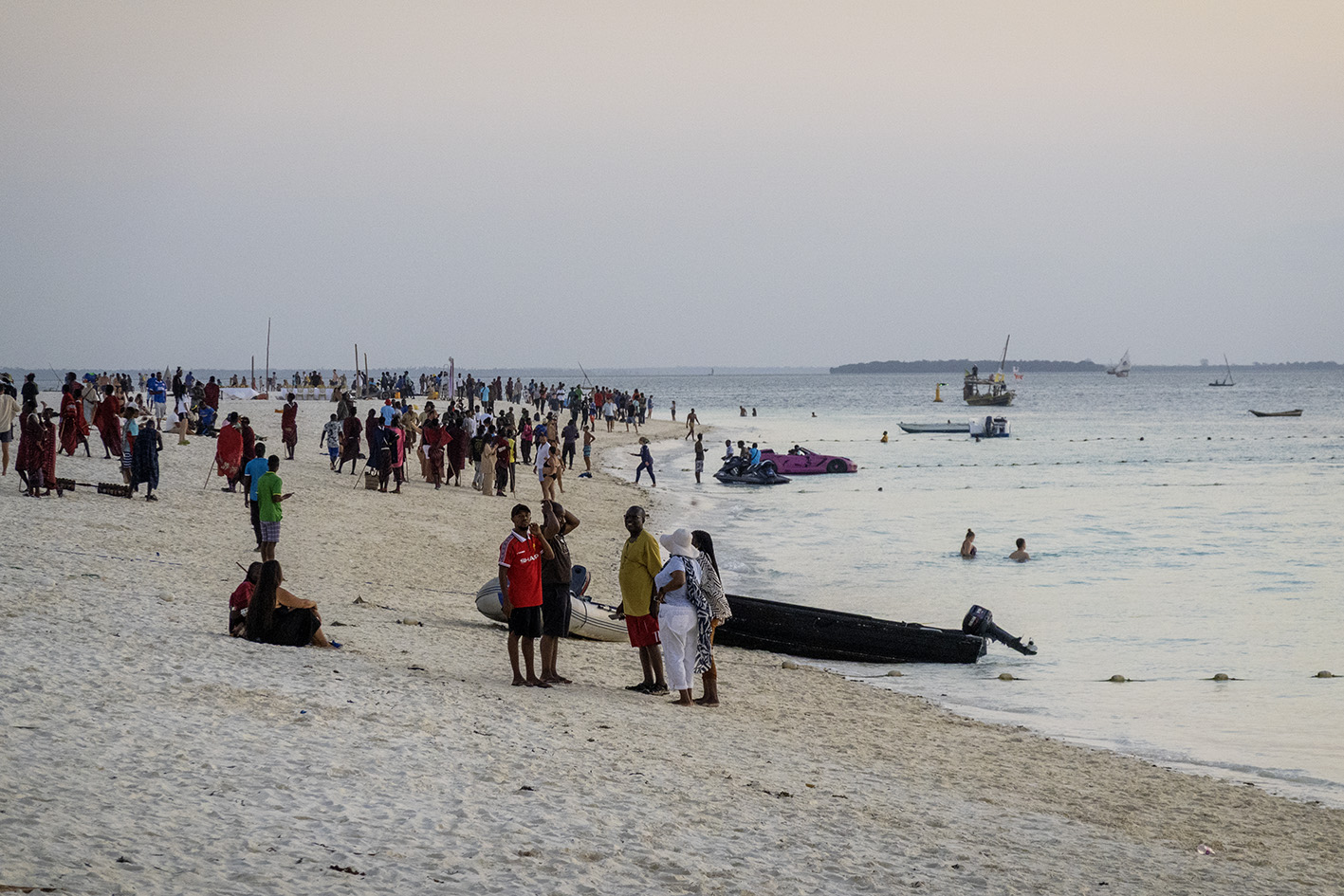
Op de stranden zoeken jonge, gespierde Maasai die een tijdje hun eigen wereld hebben verlaten andere toeristen om hun diensten aan te bieden – diensten die soms zelfs open en bloot op het strand worden verleend. En die, als het wat té opzichtig wordt allemaal, vervolgens weer worden weggestuurd door de politie.
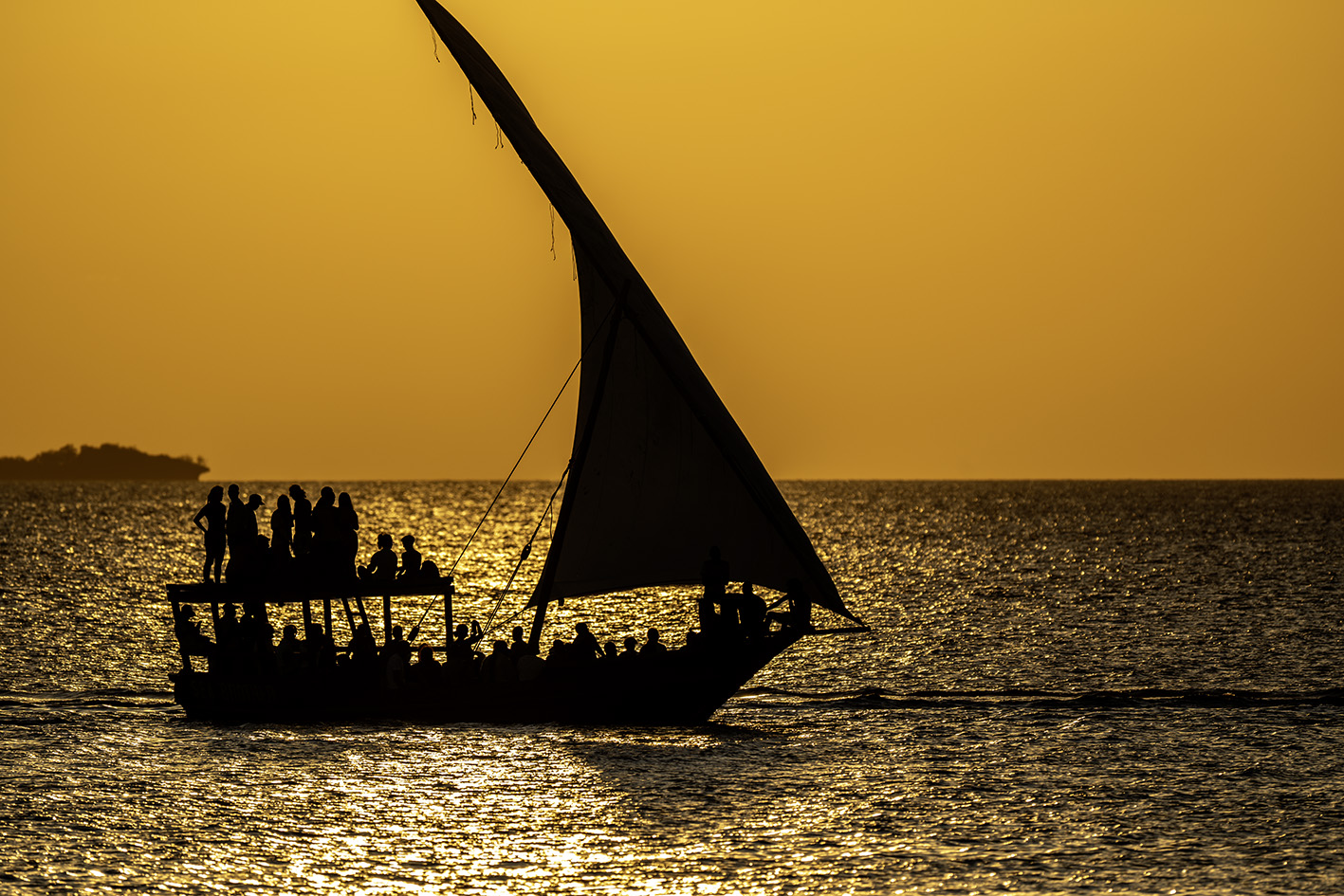
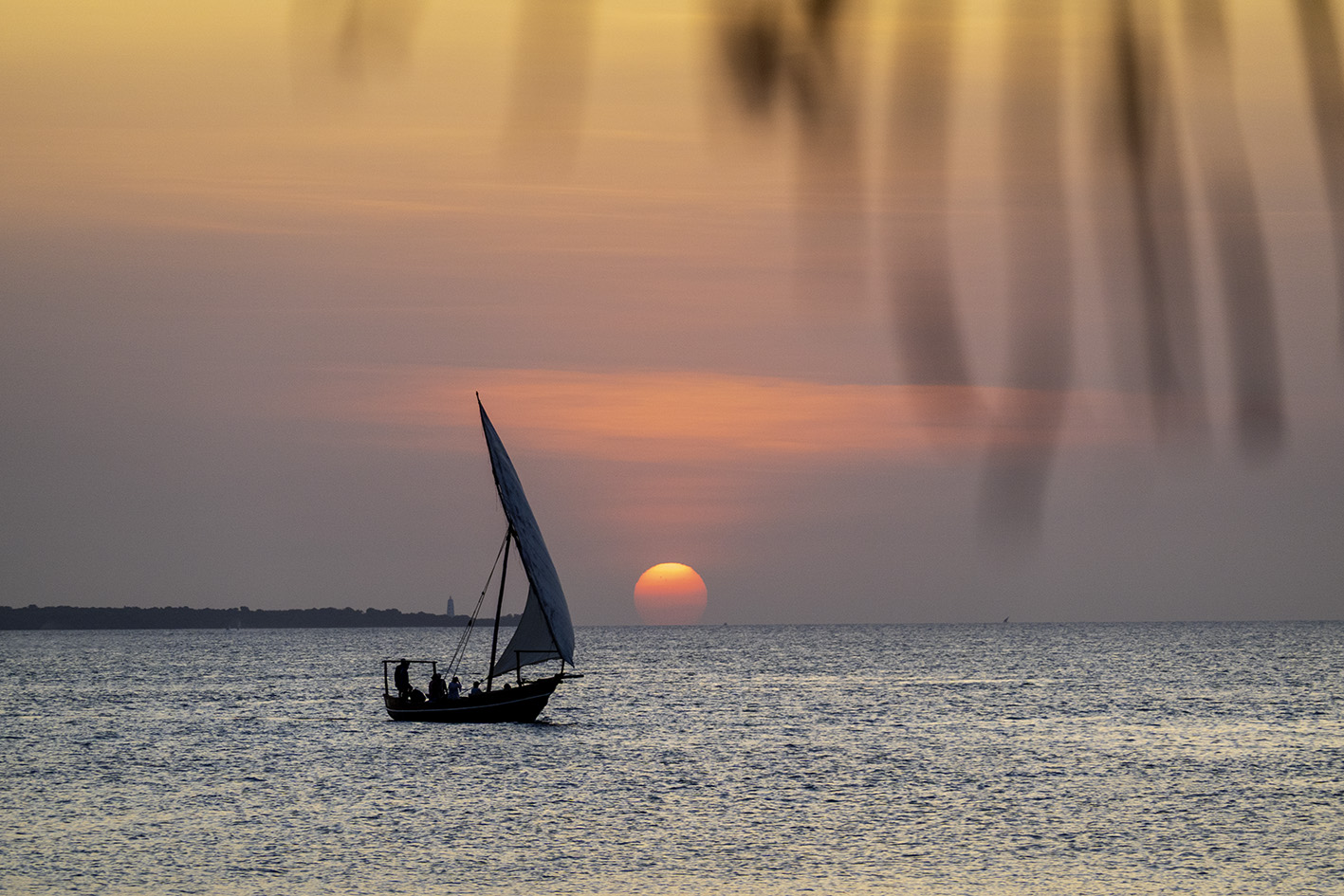
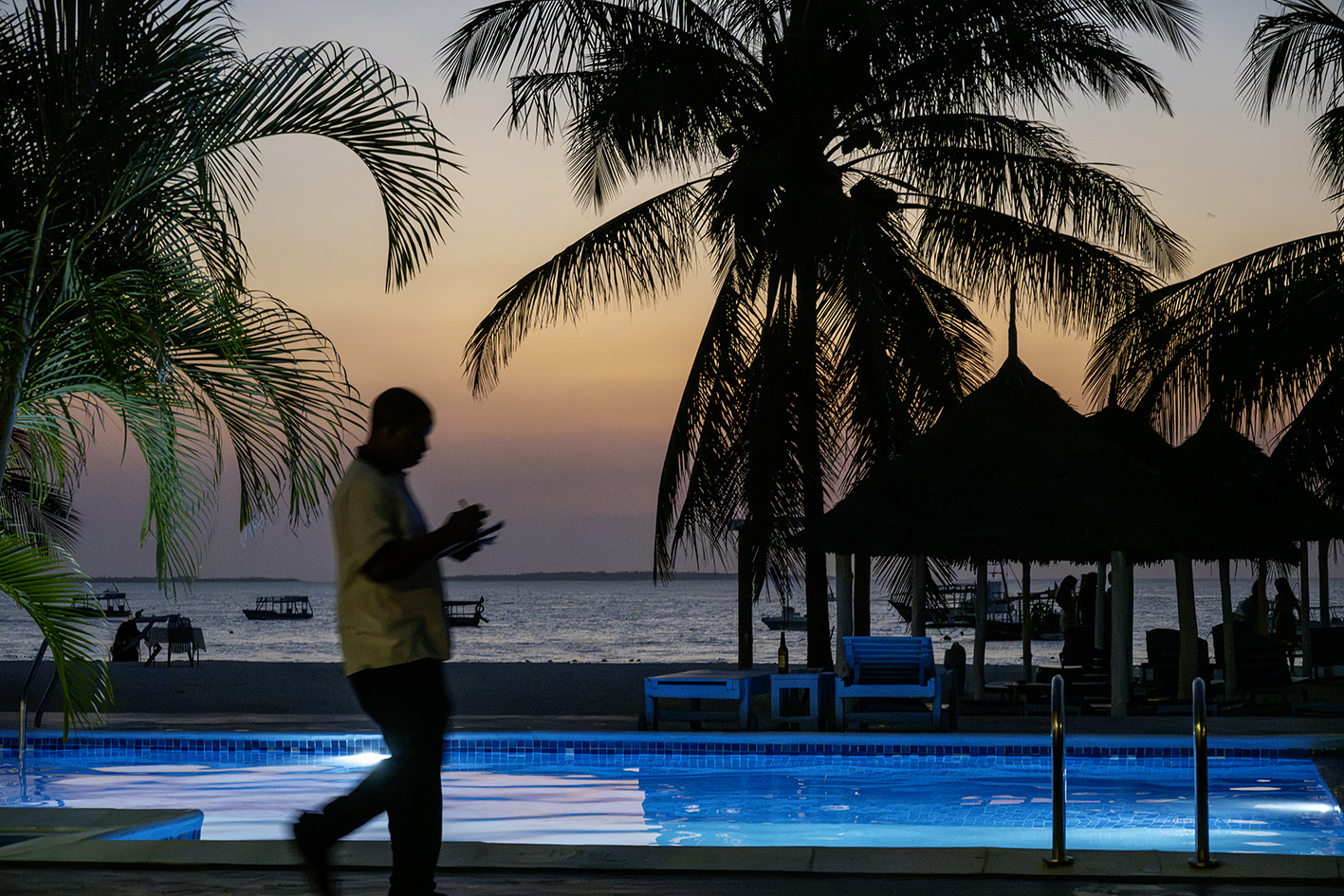
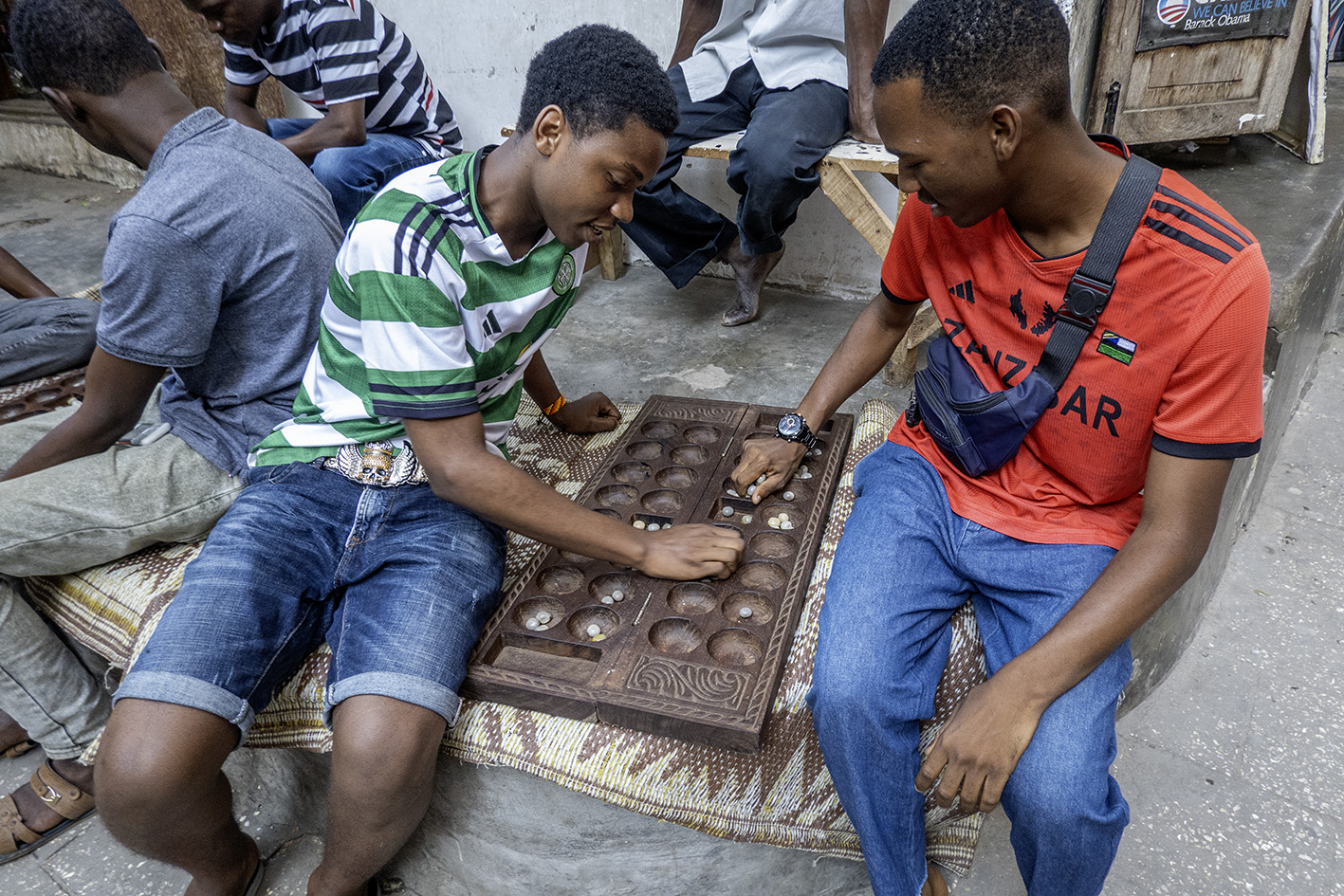
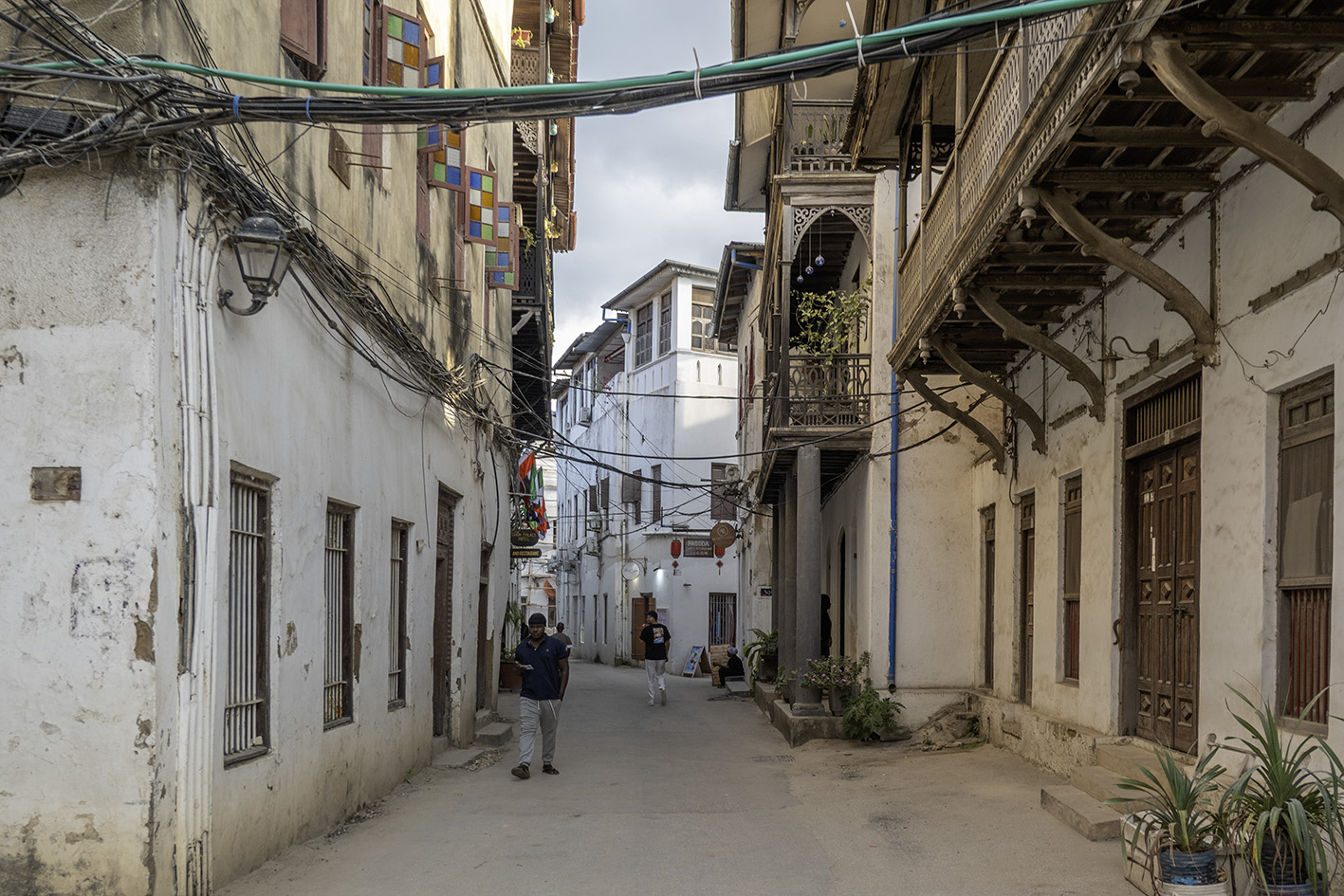
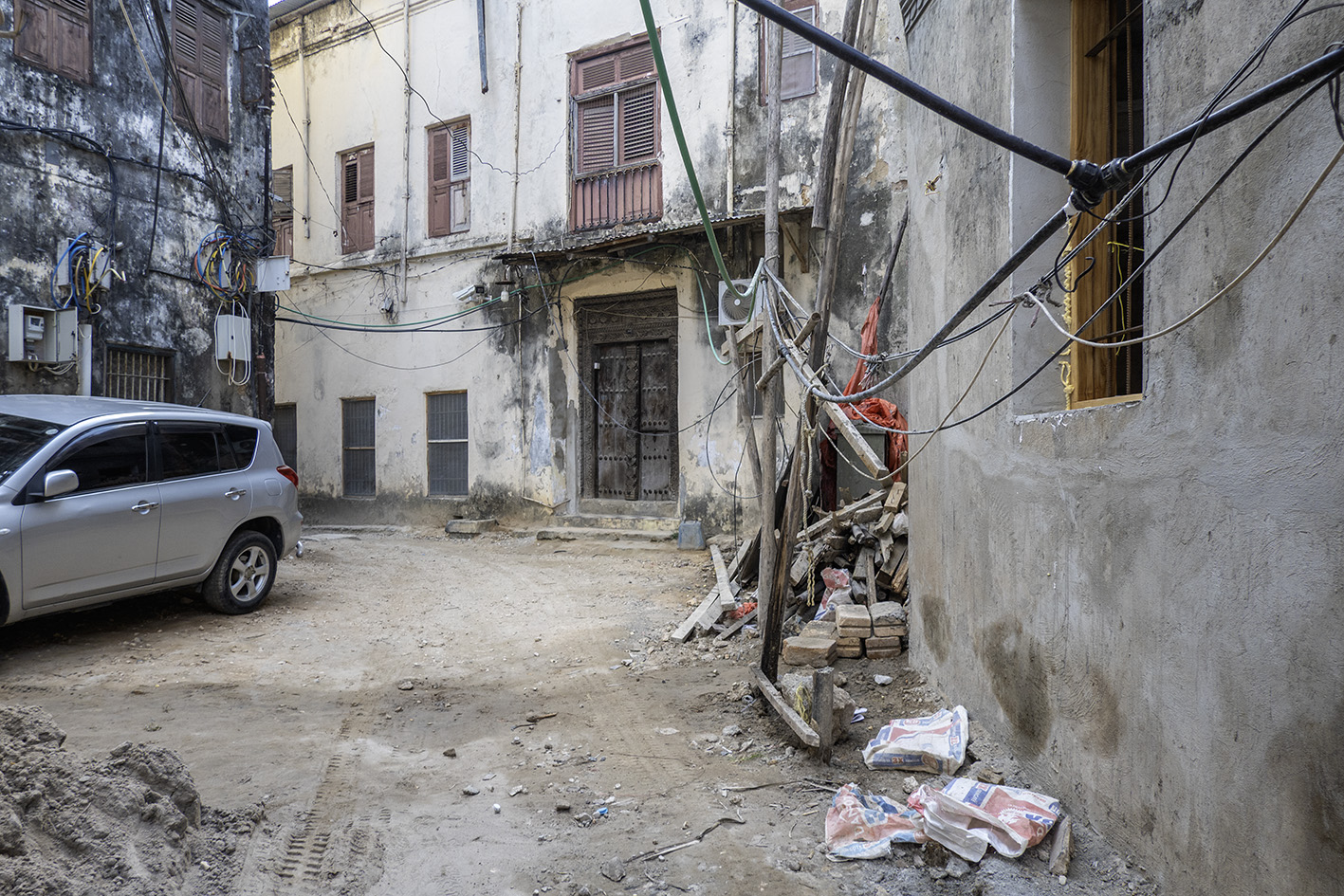
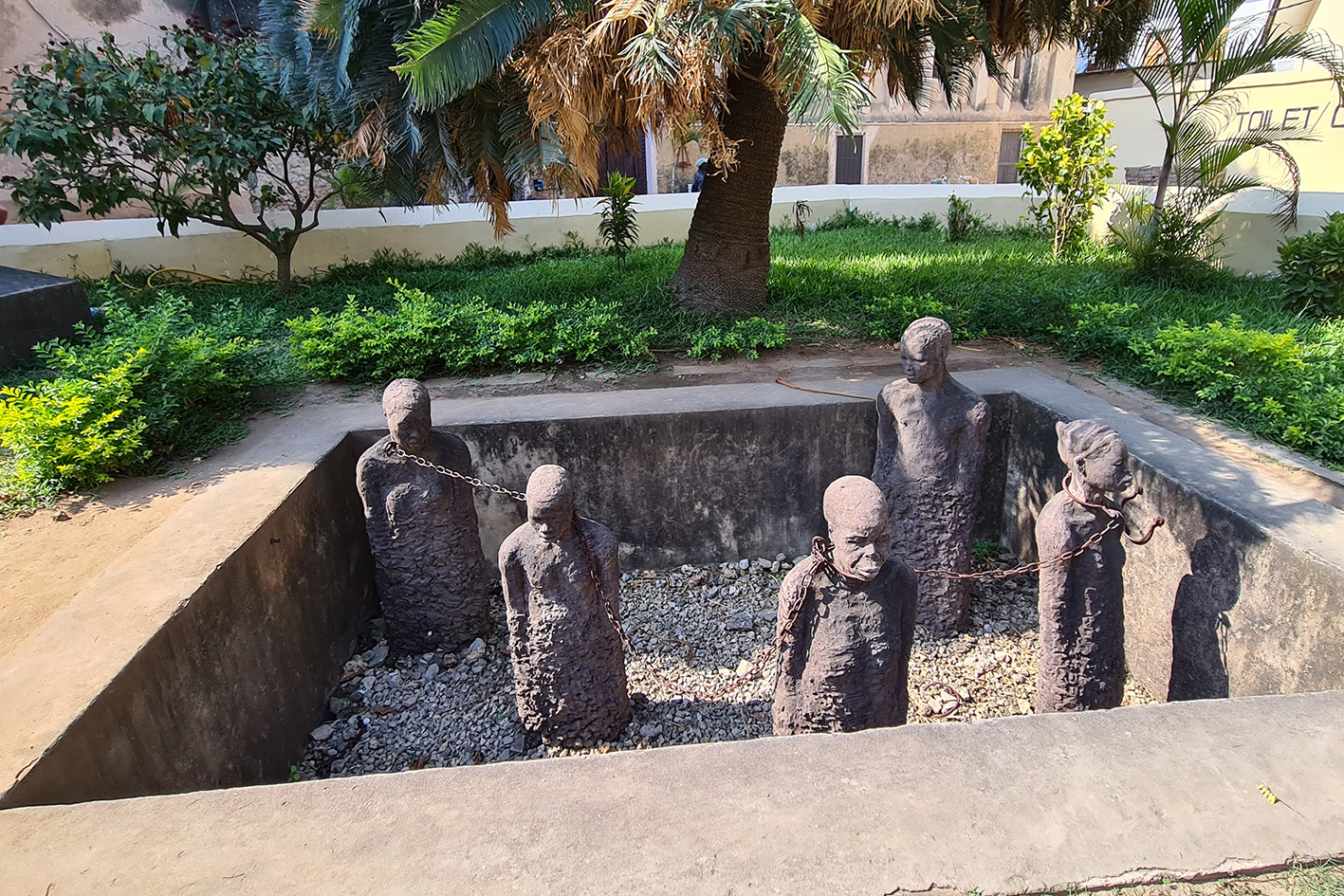
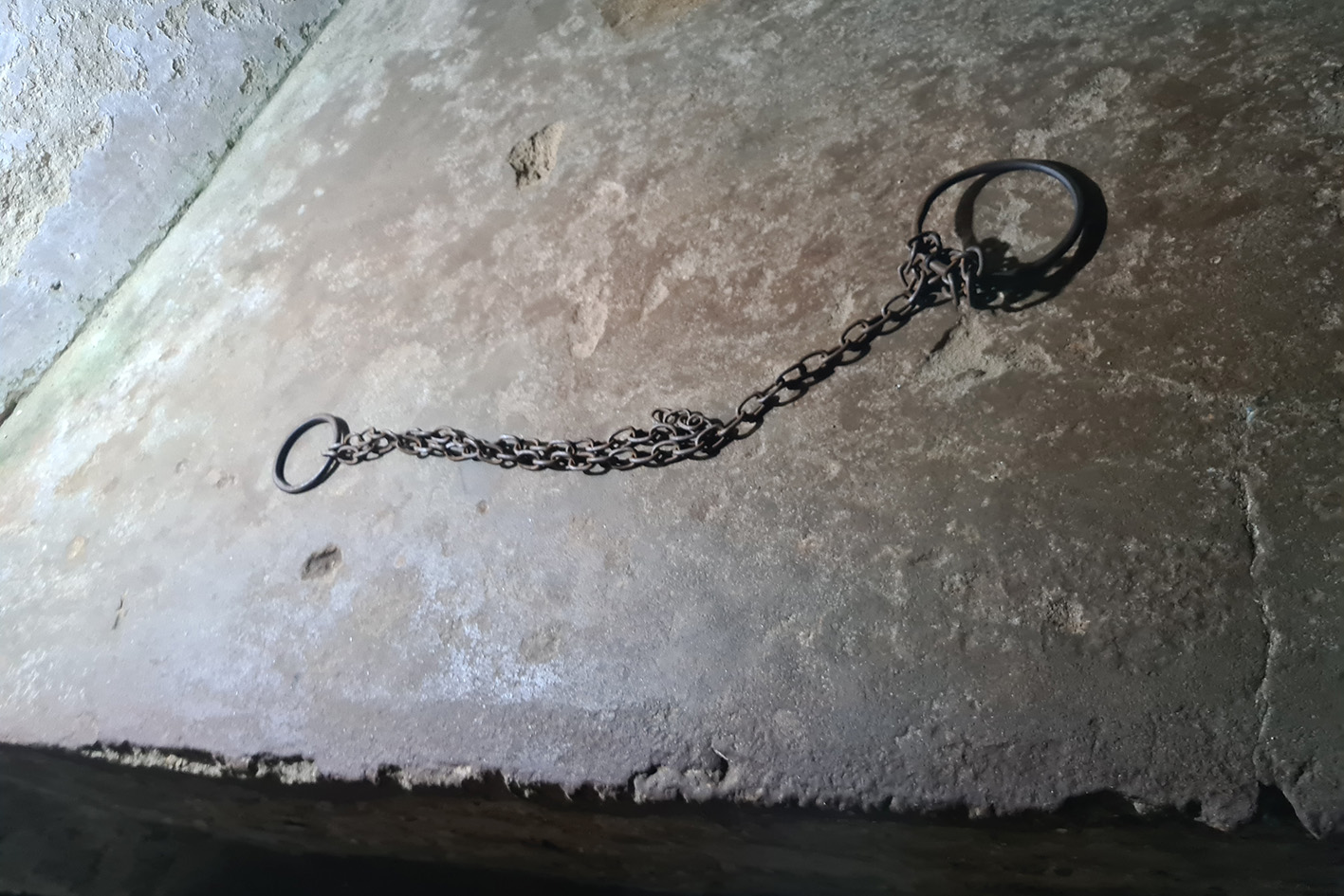
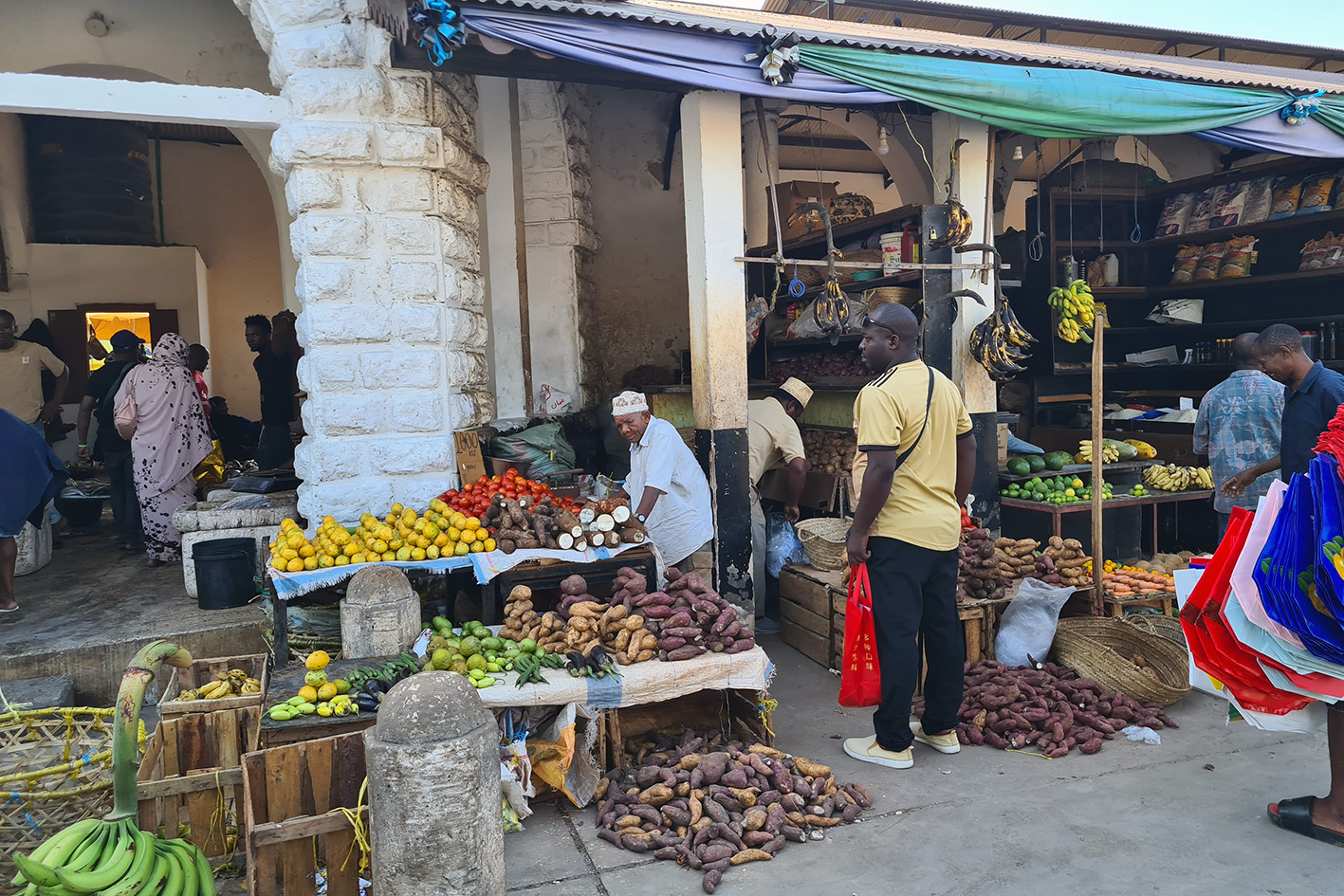
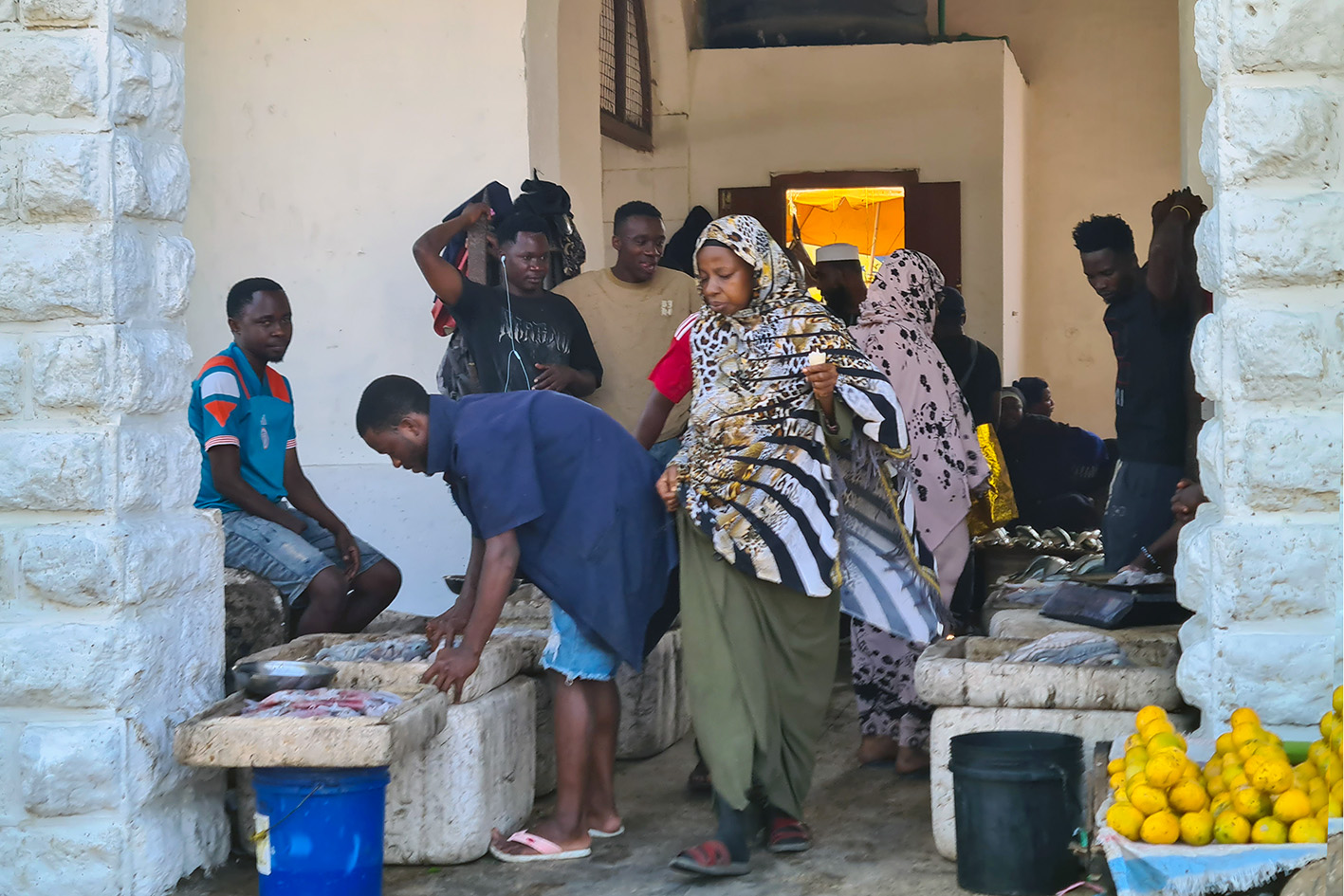
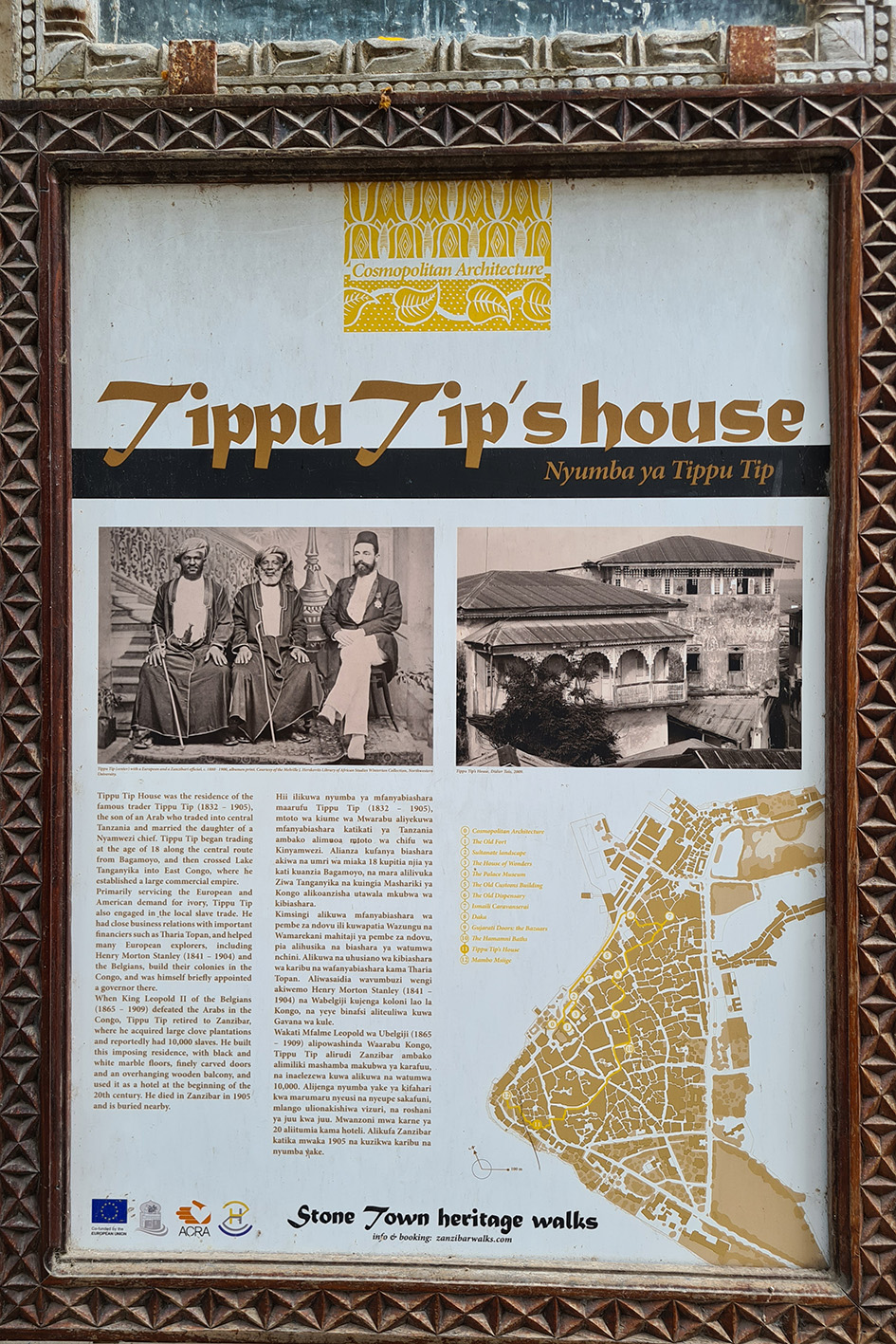
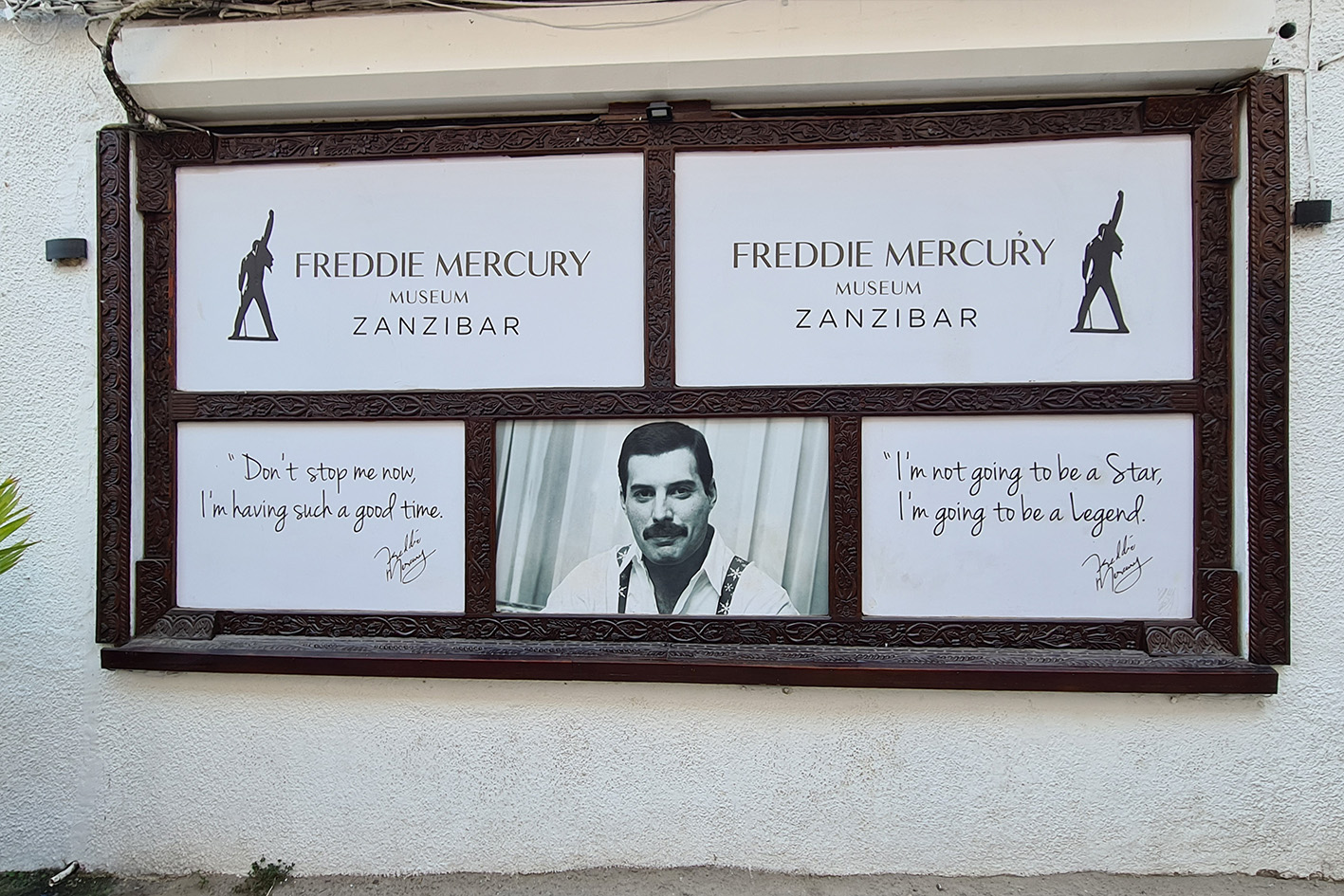
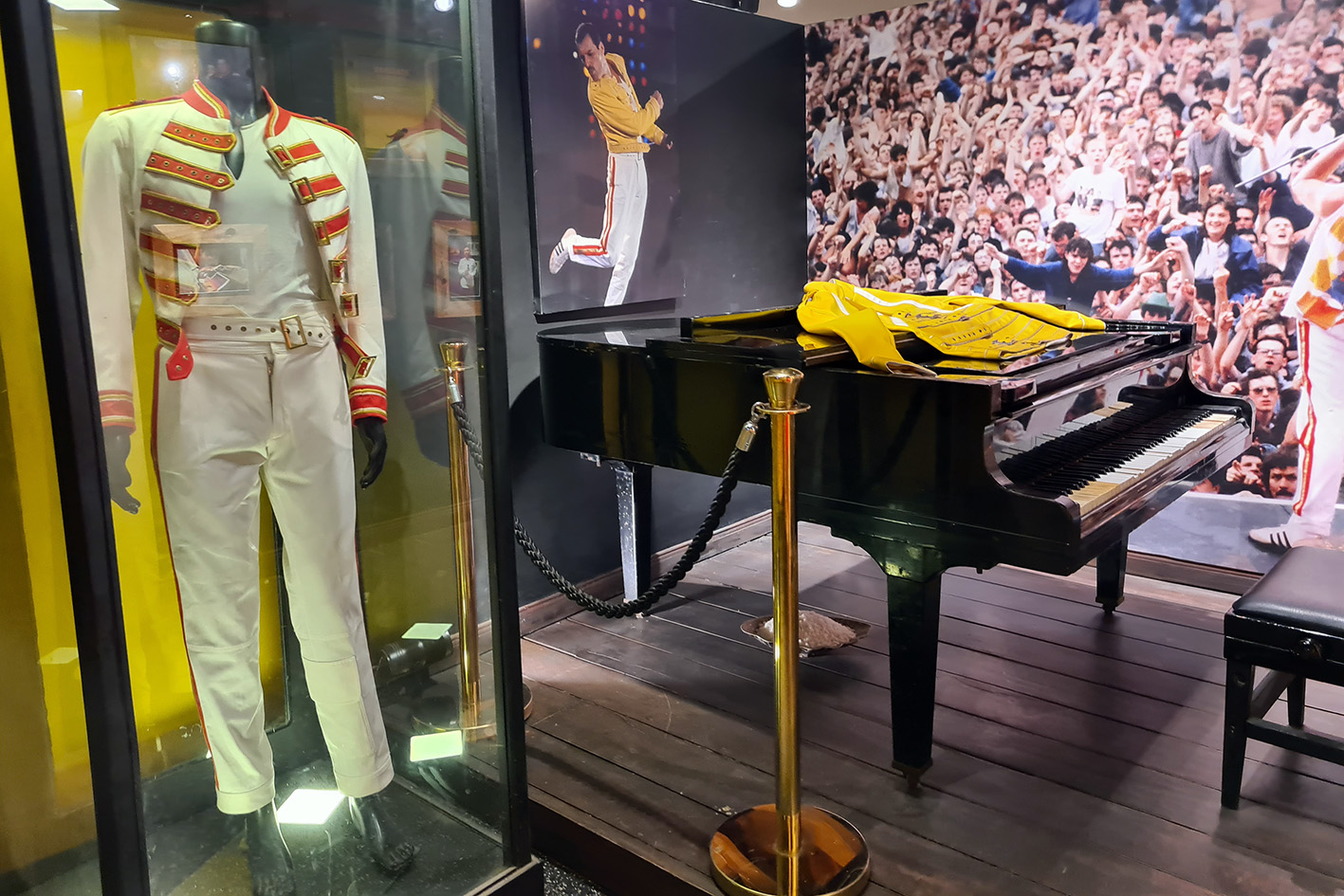
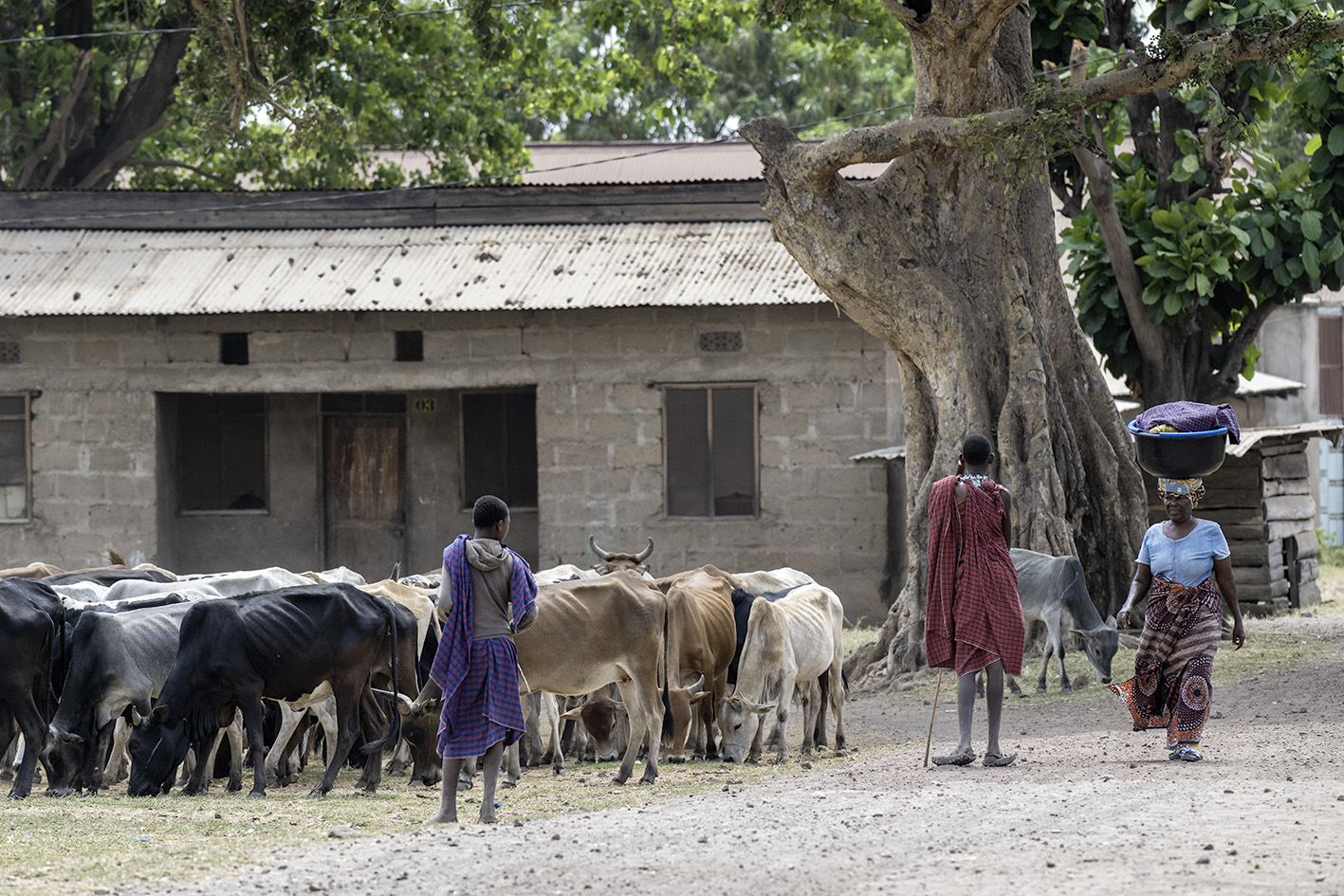
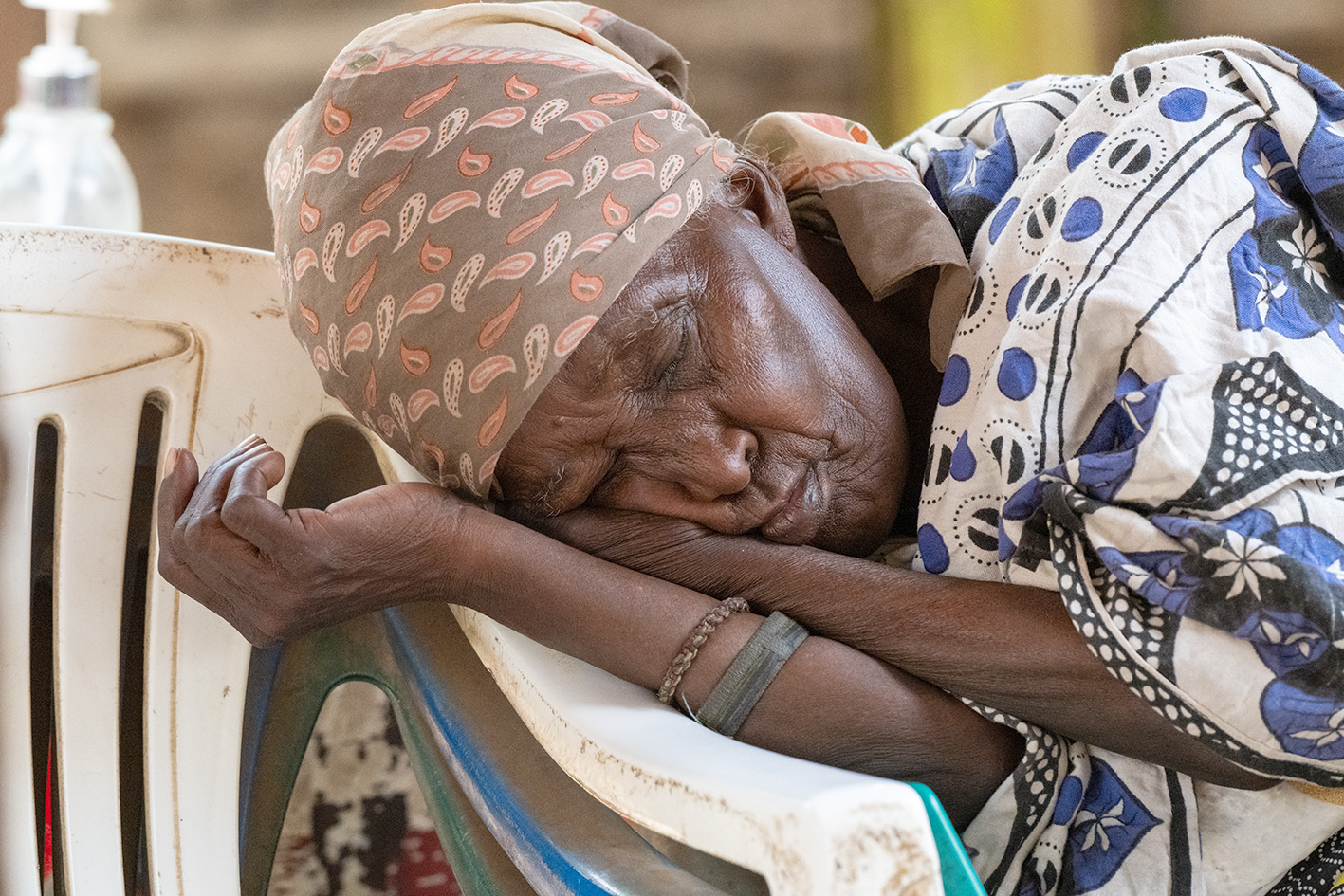
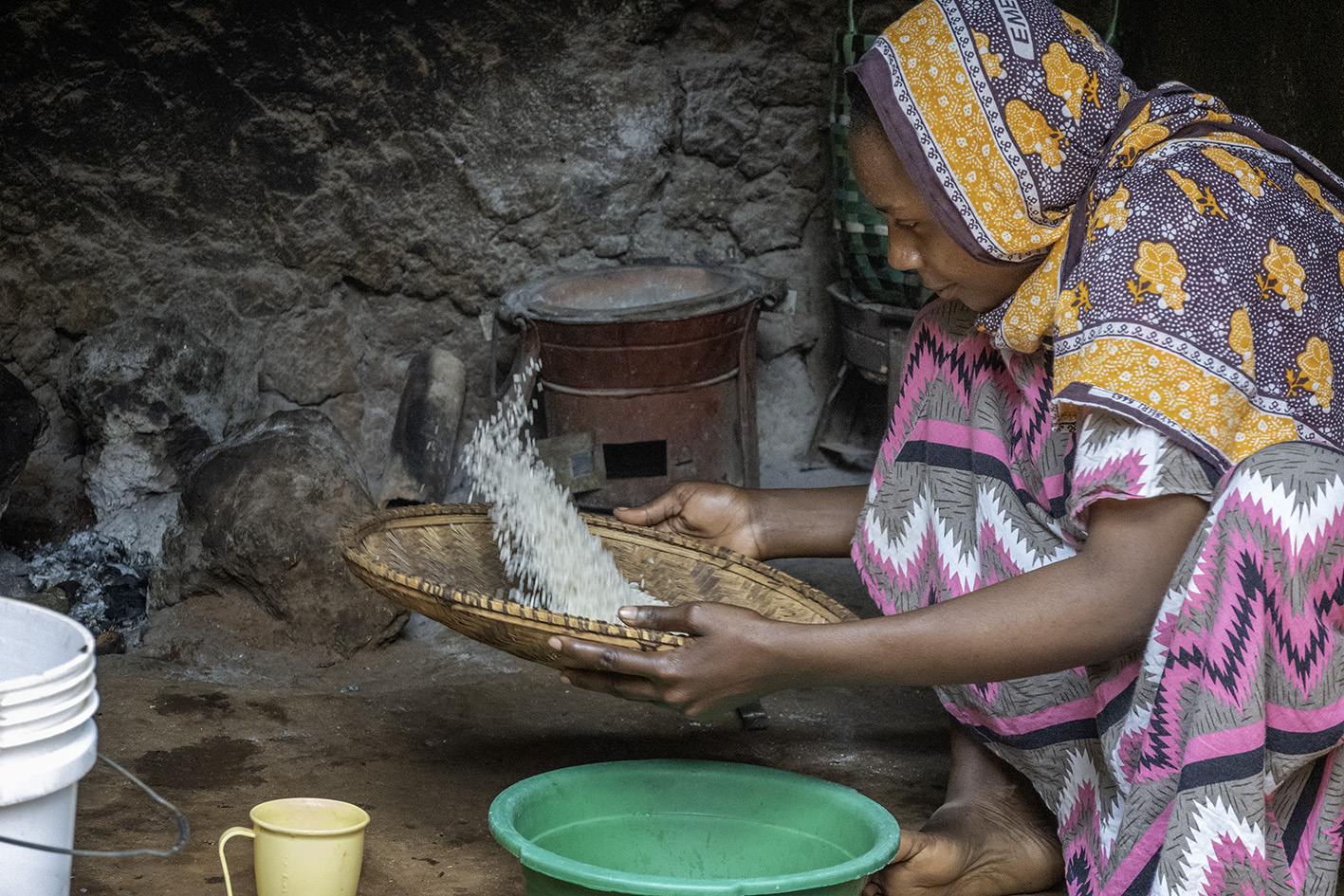
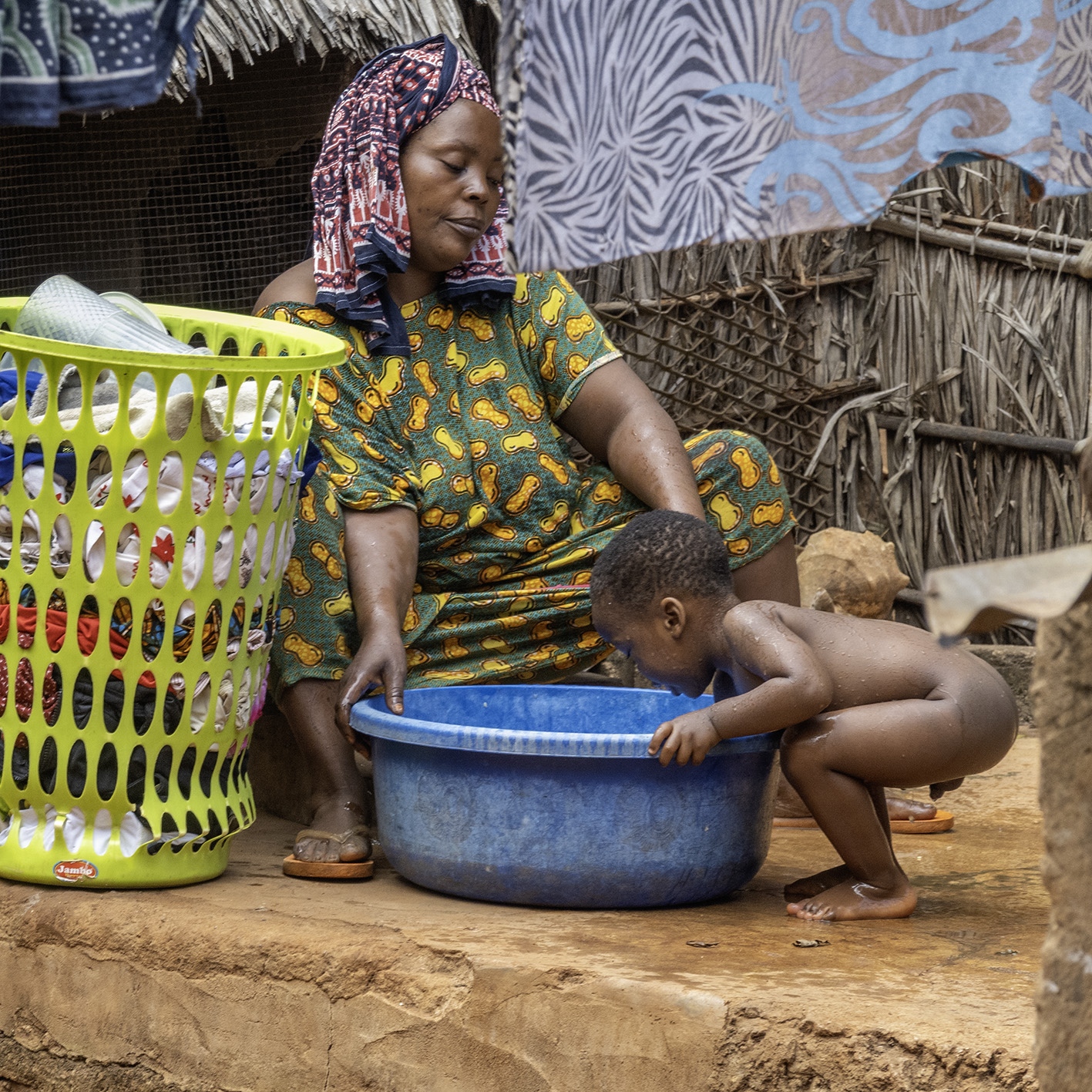
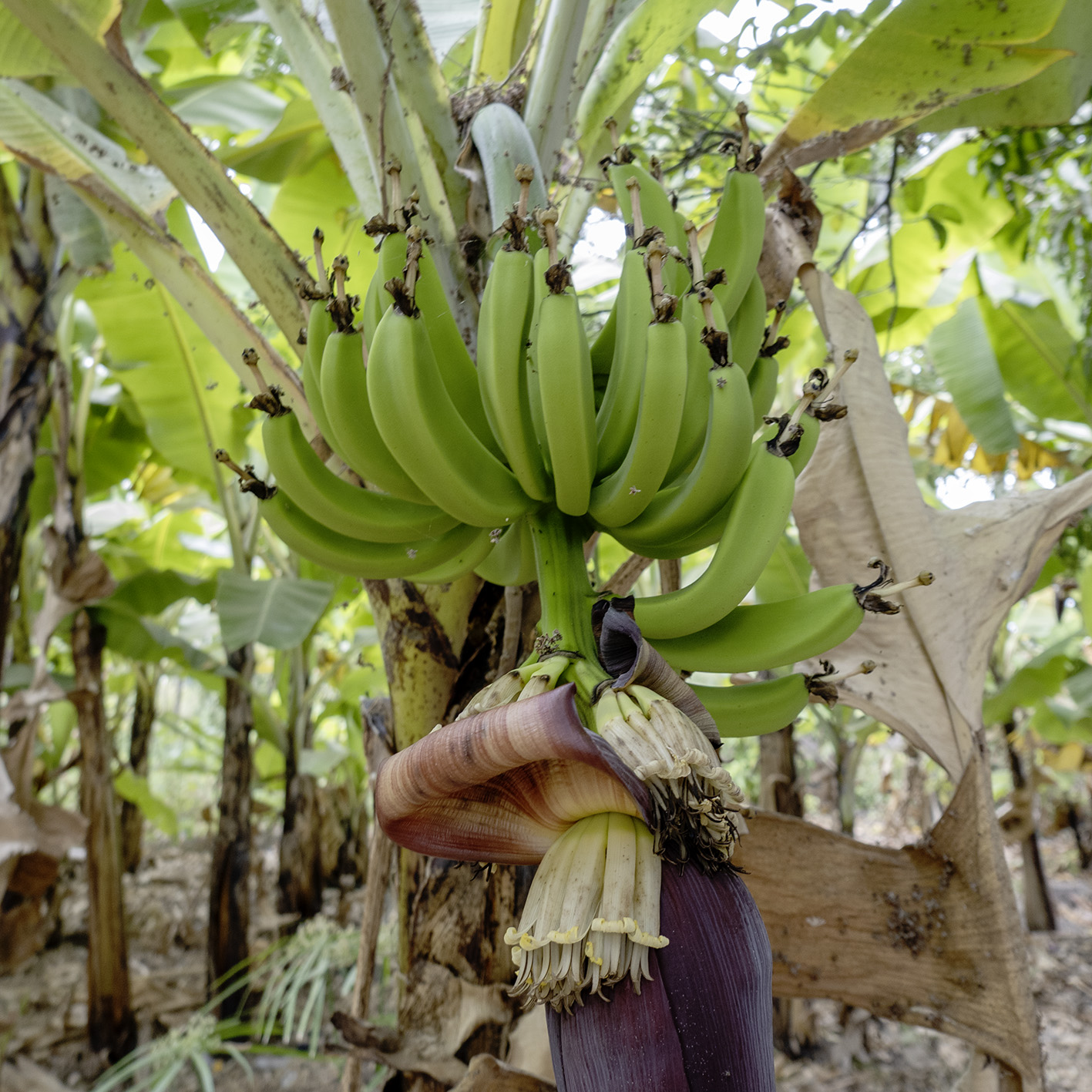
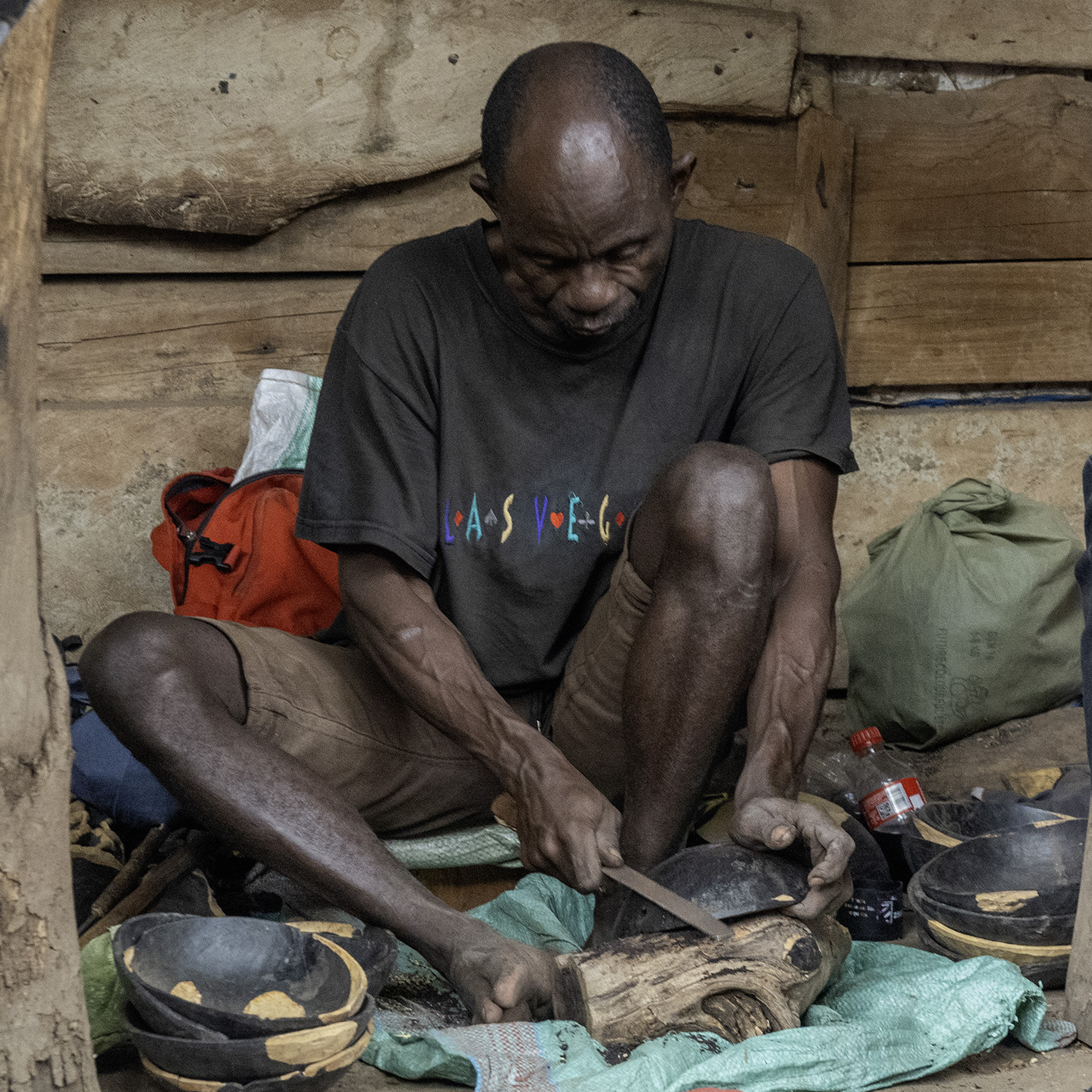
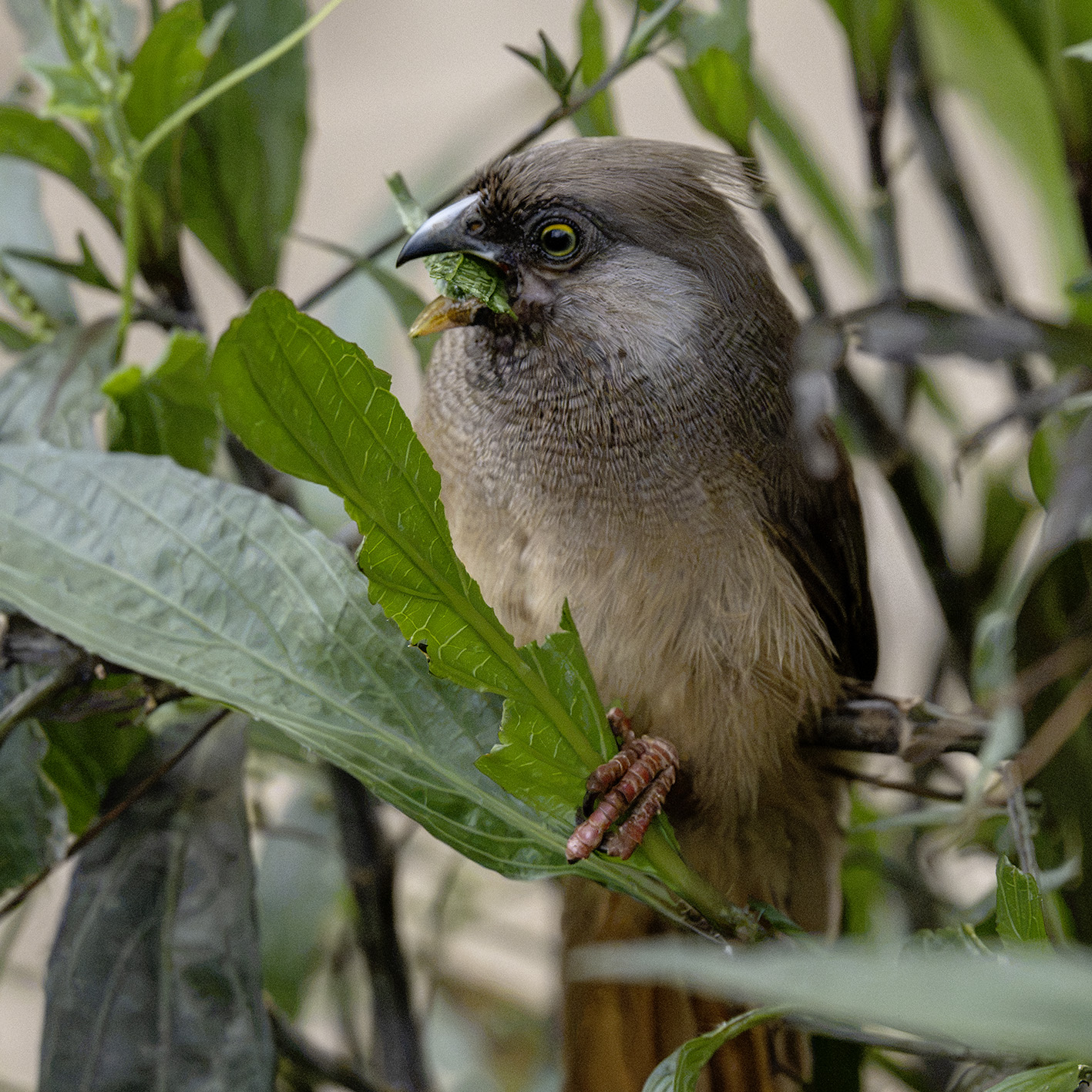
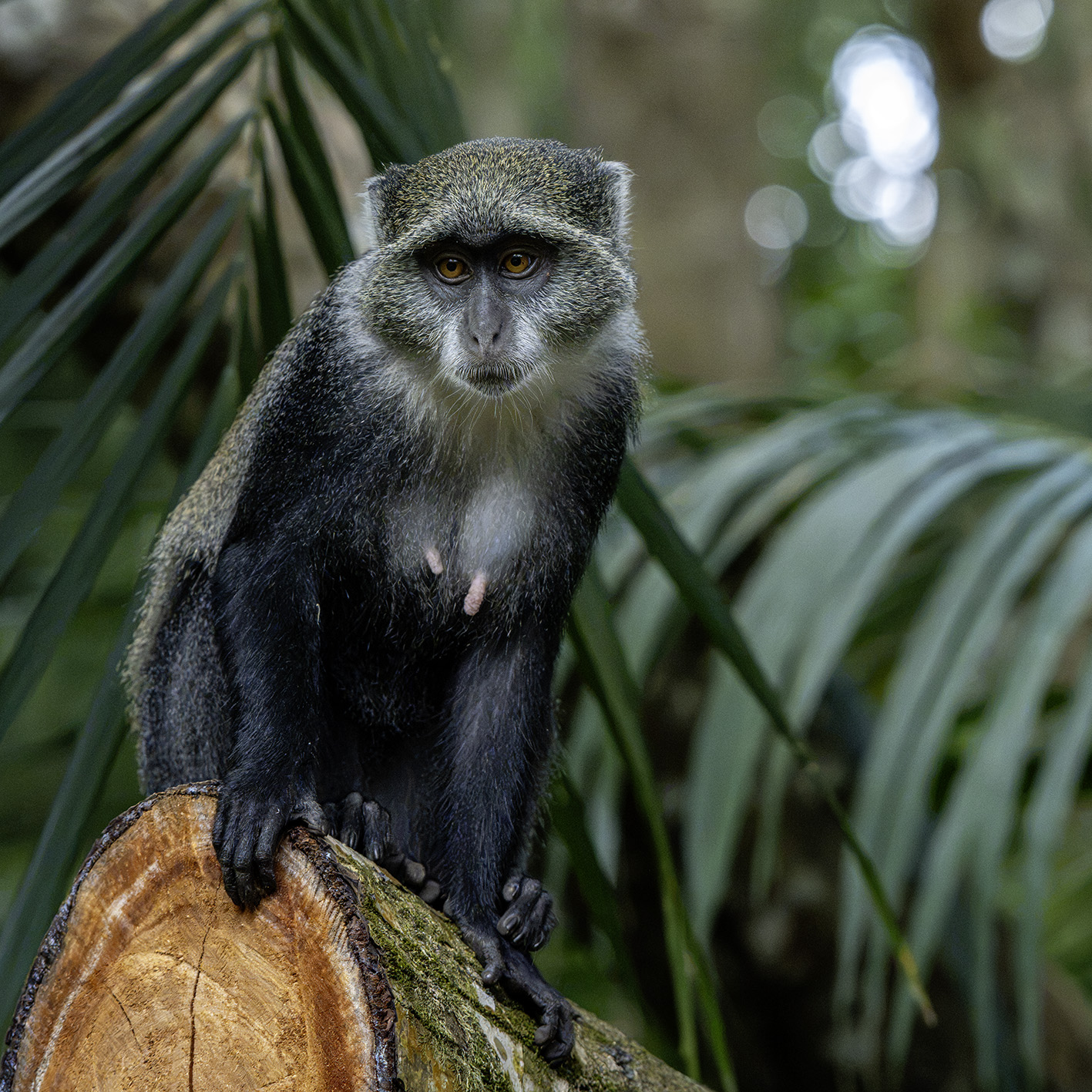
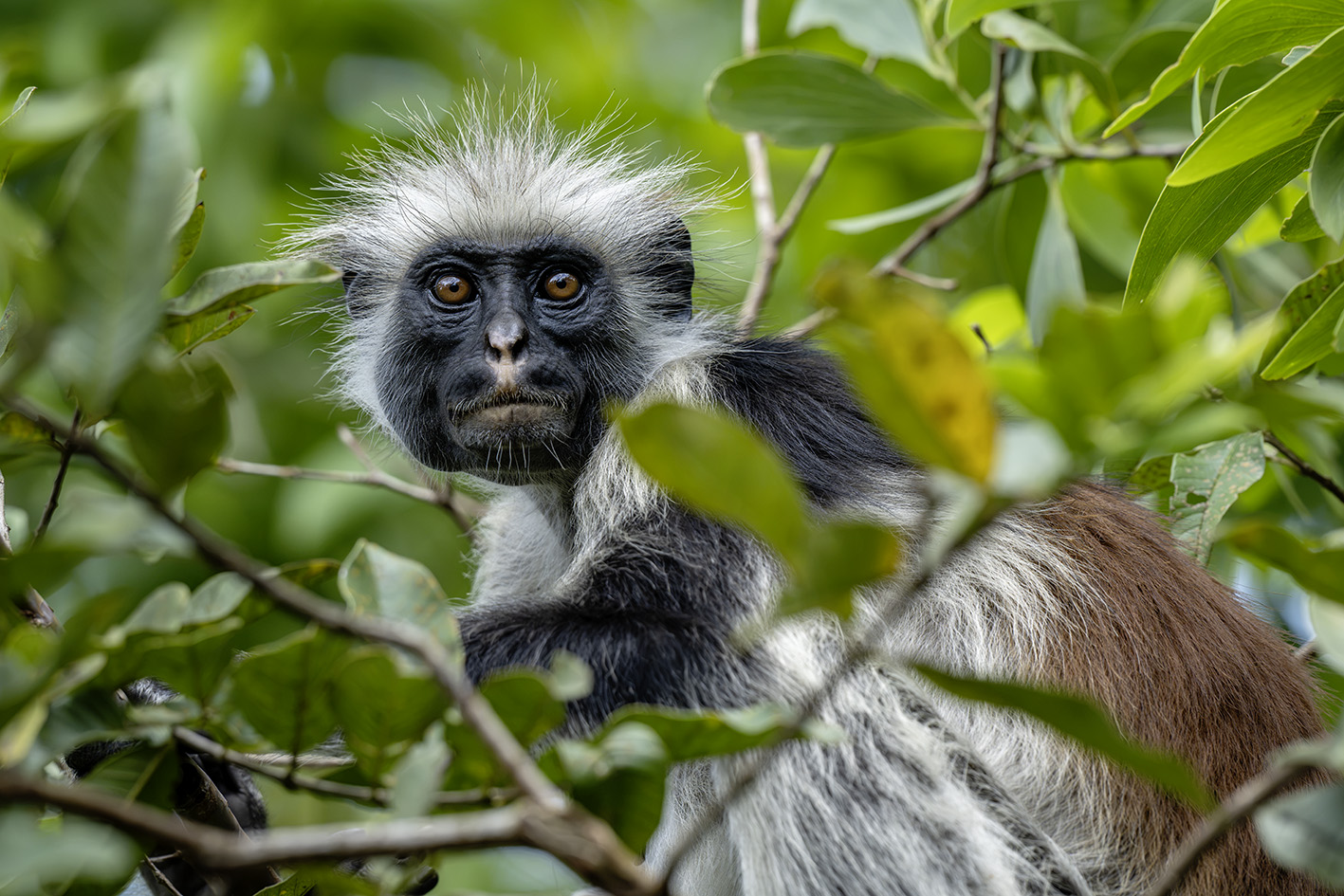
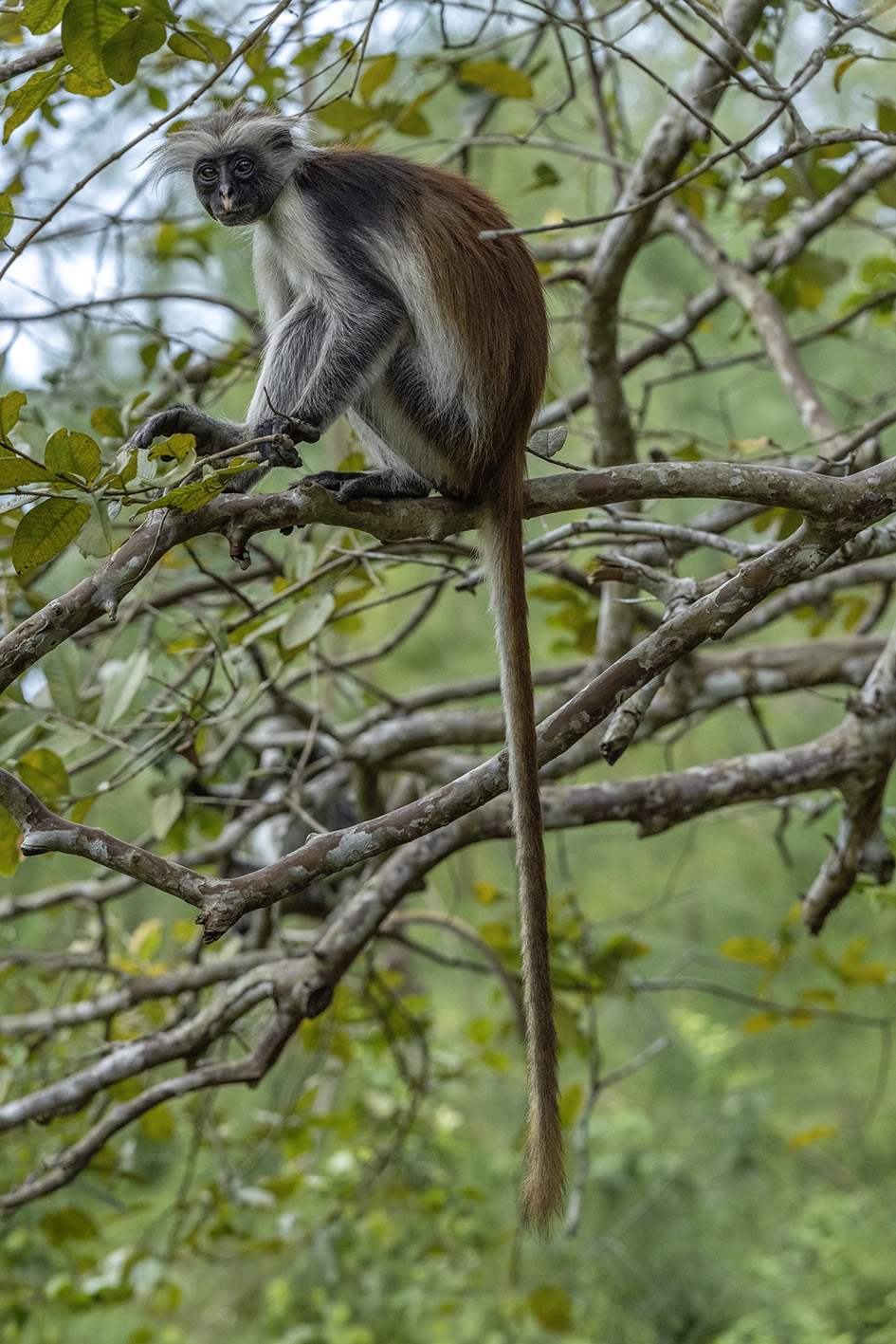
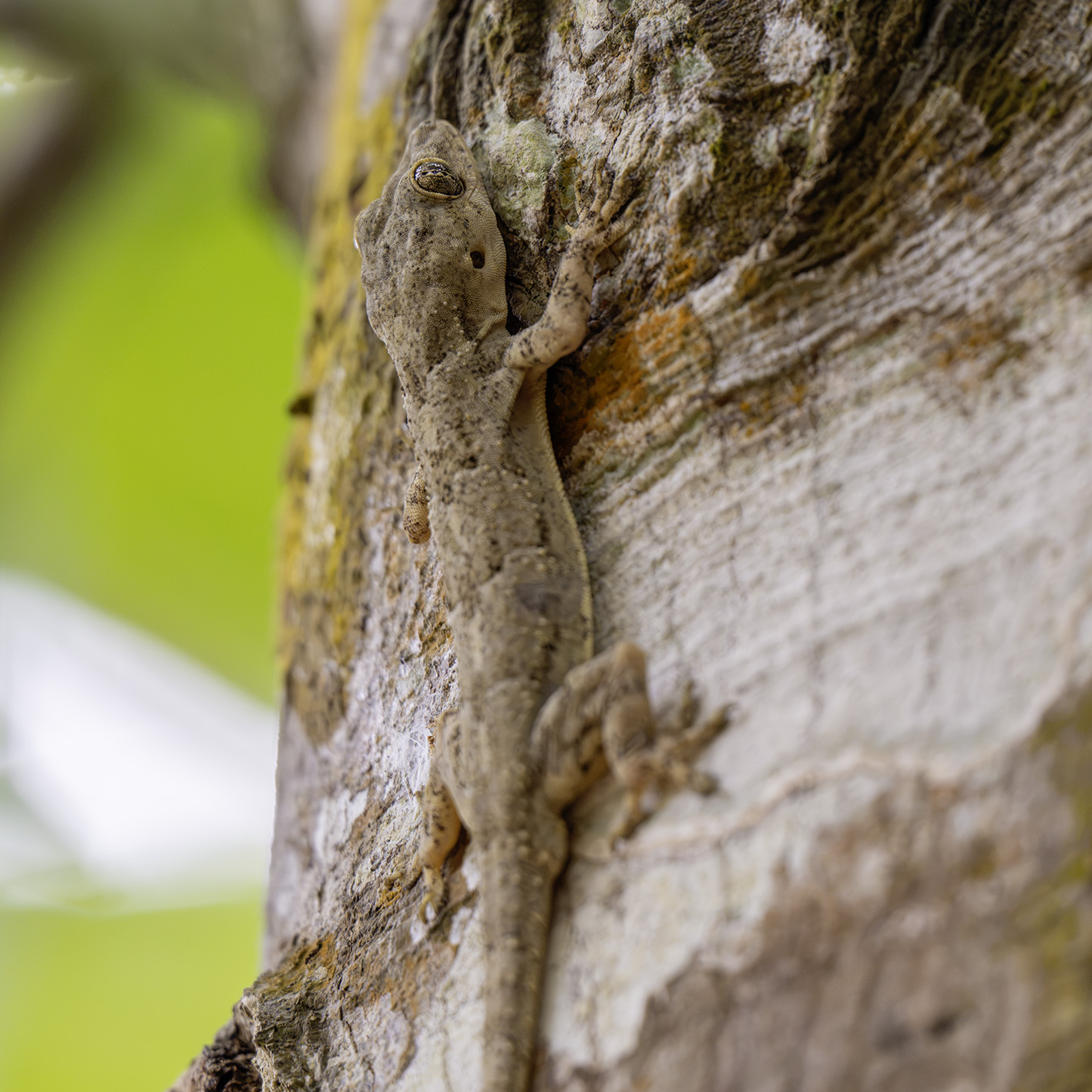
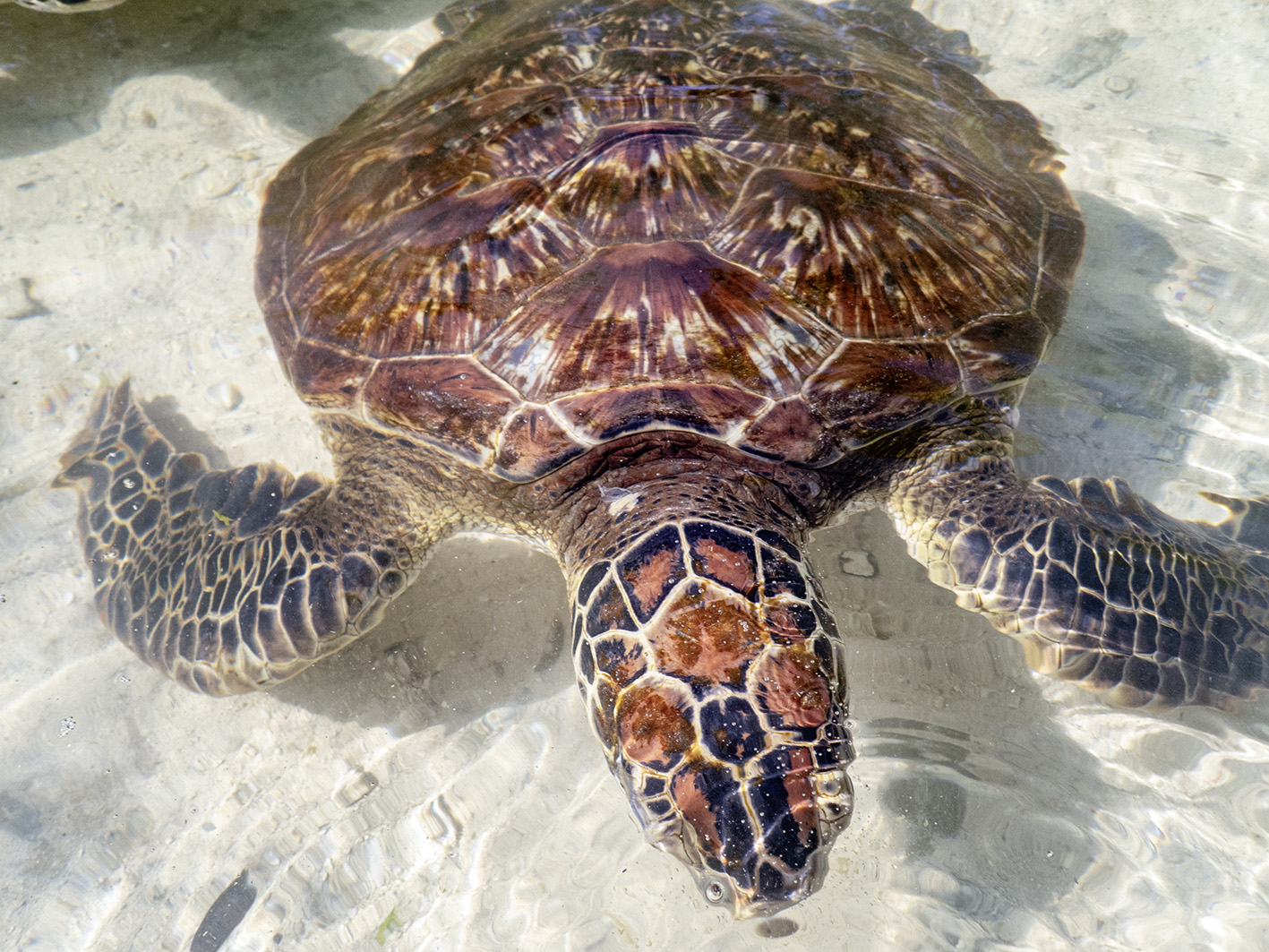
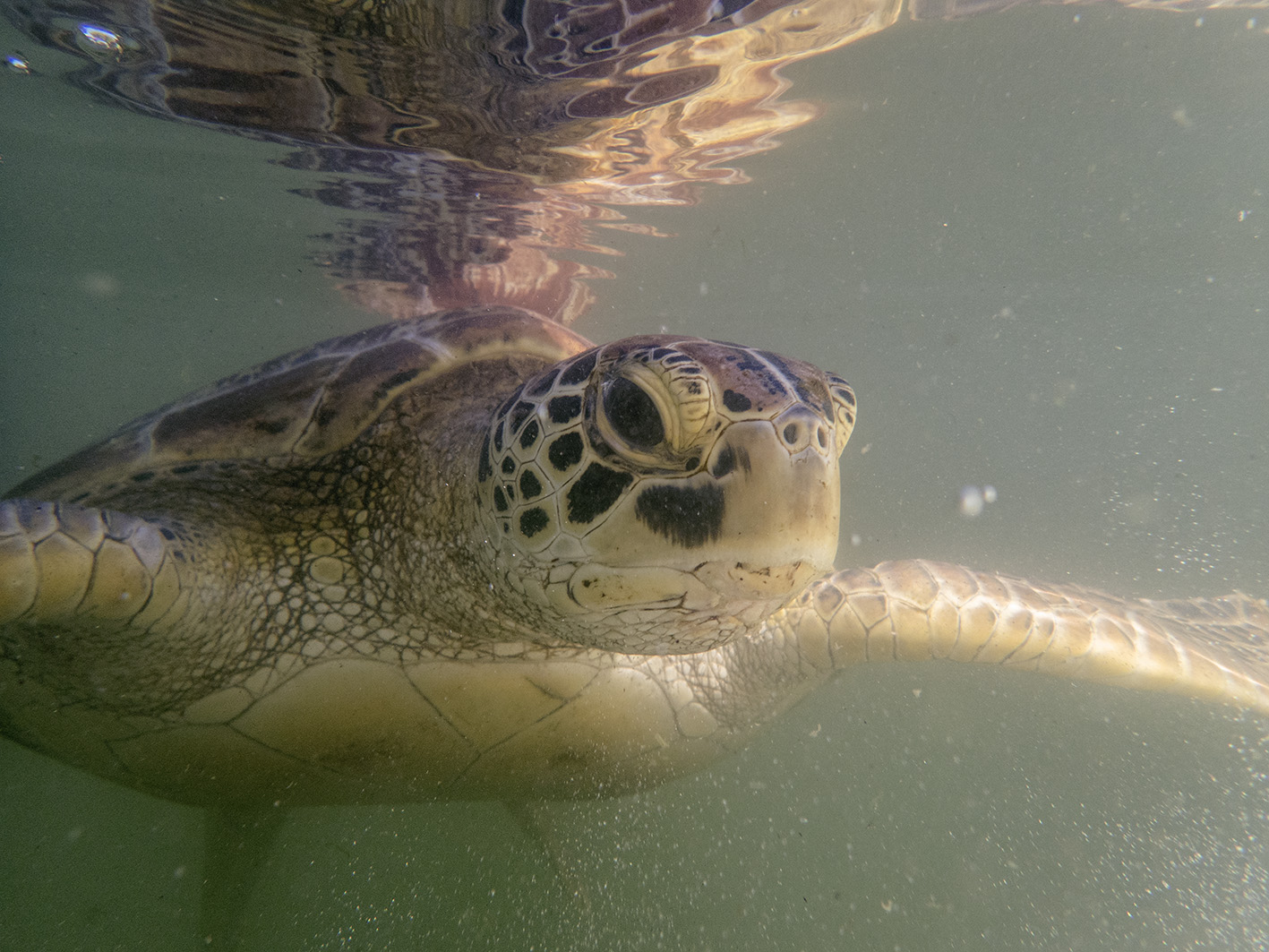
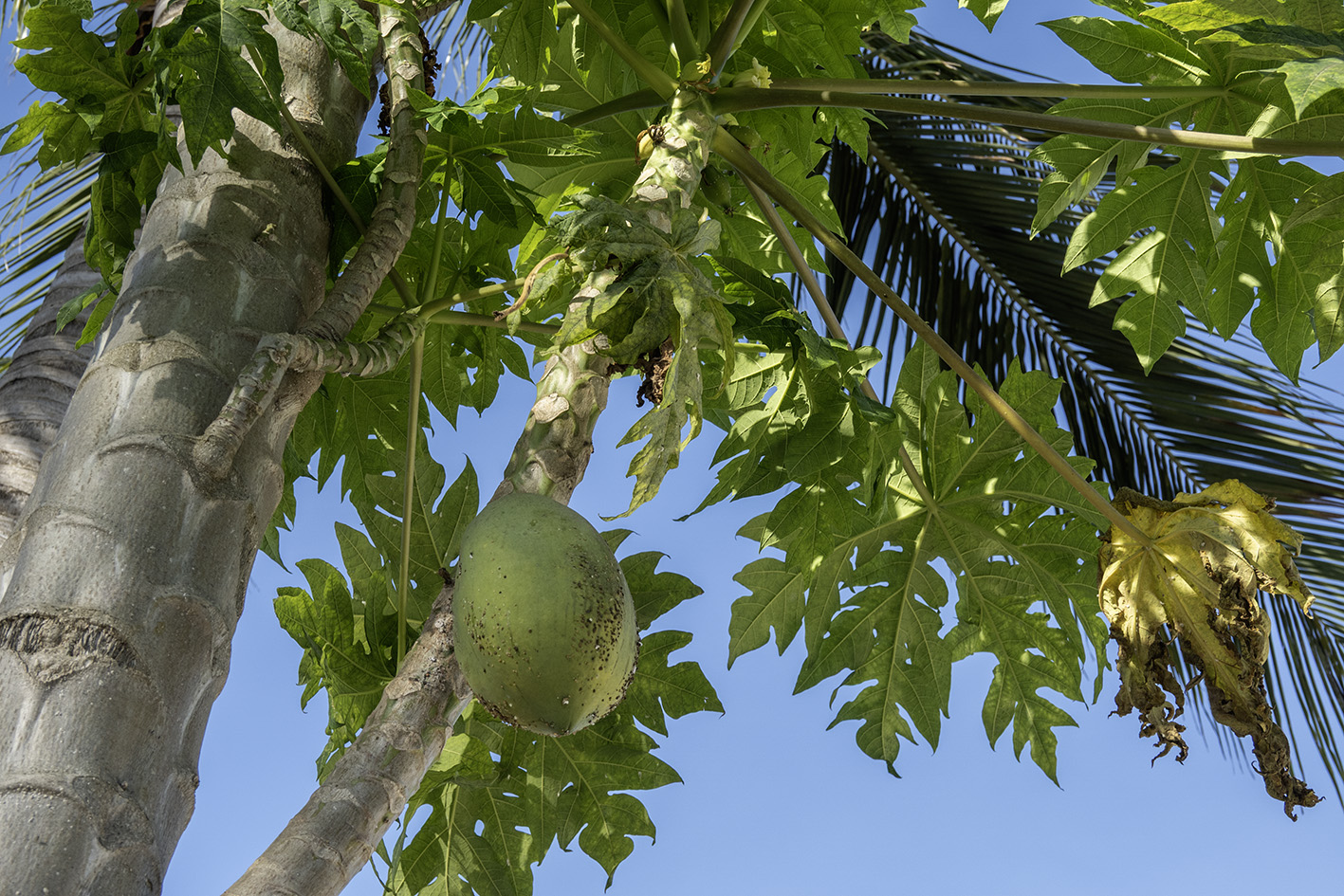
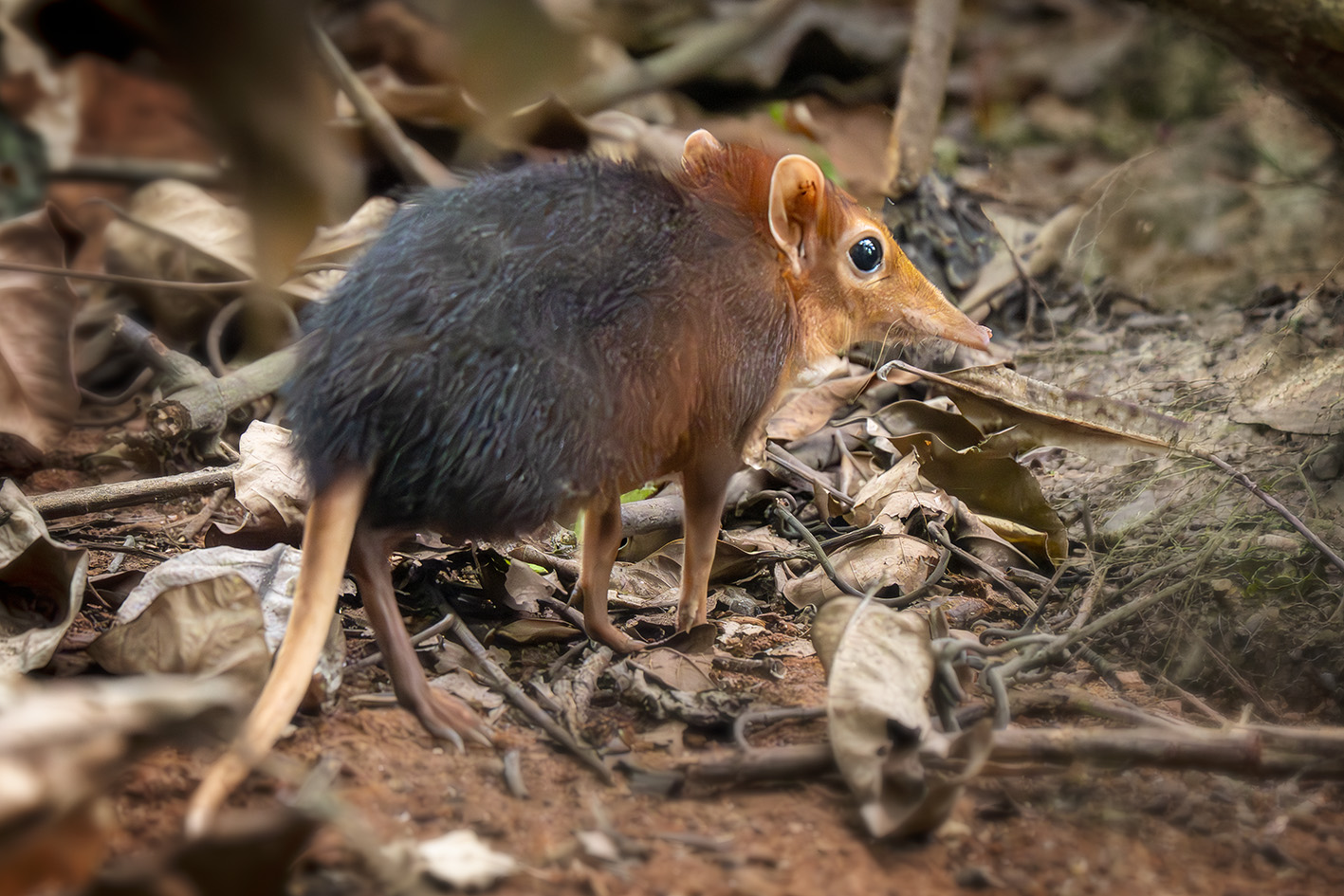
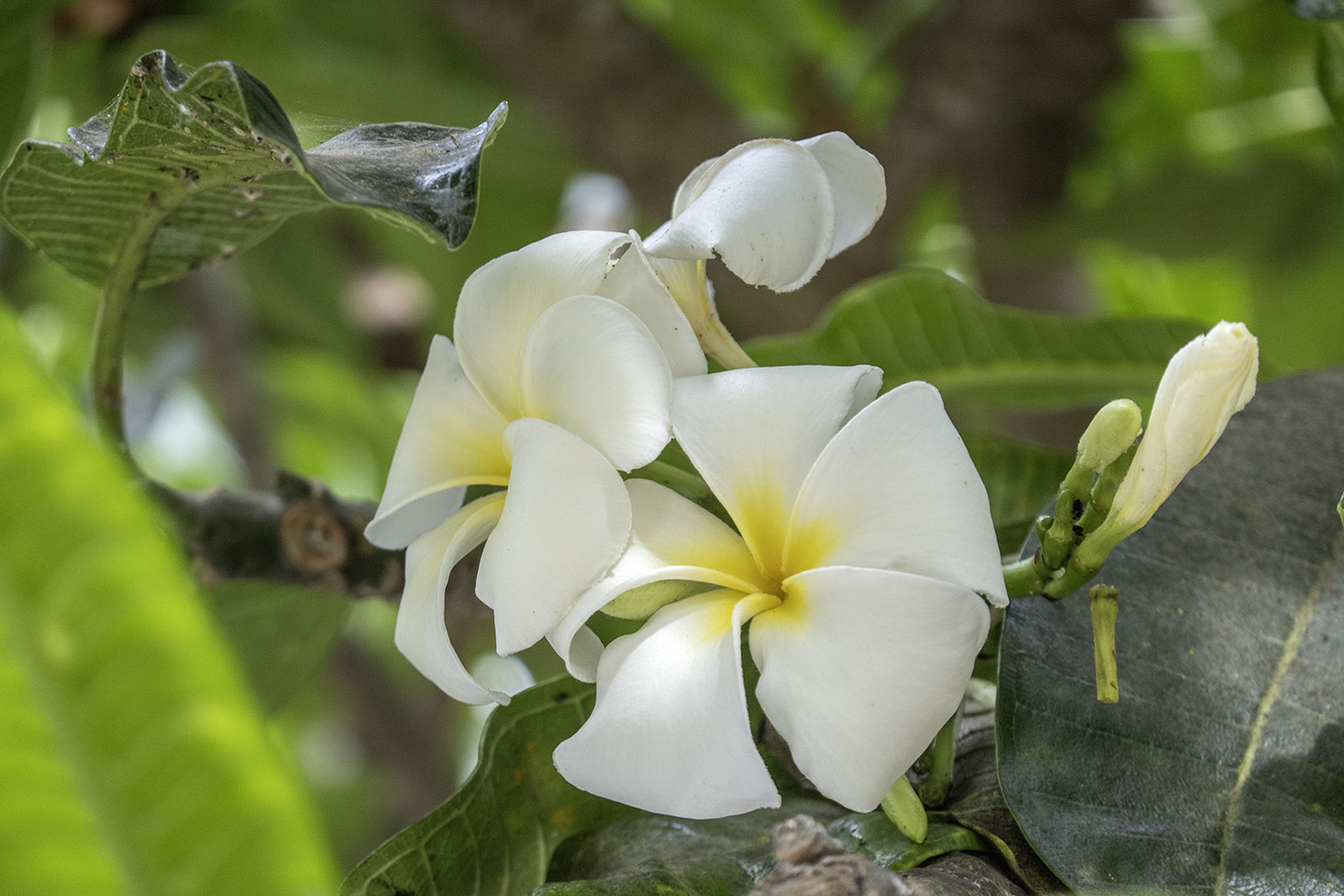
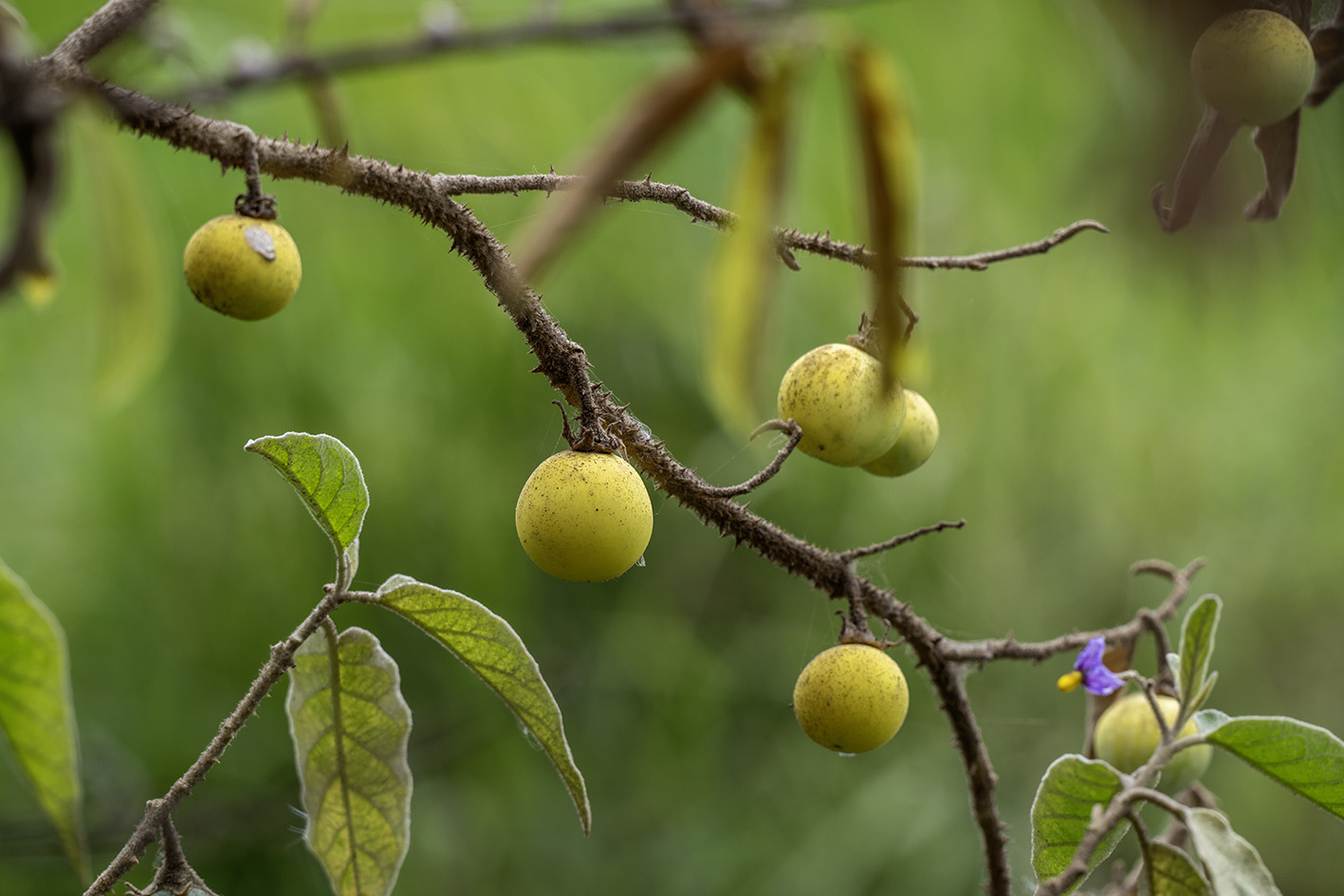
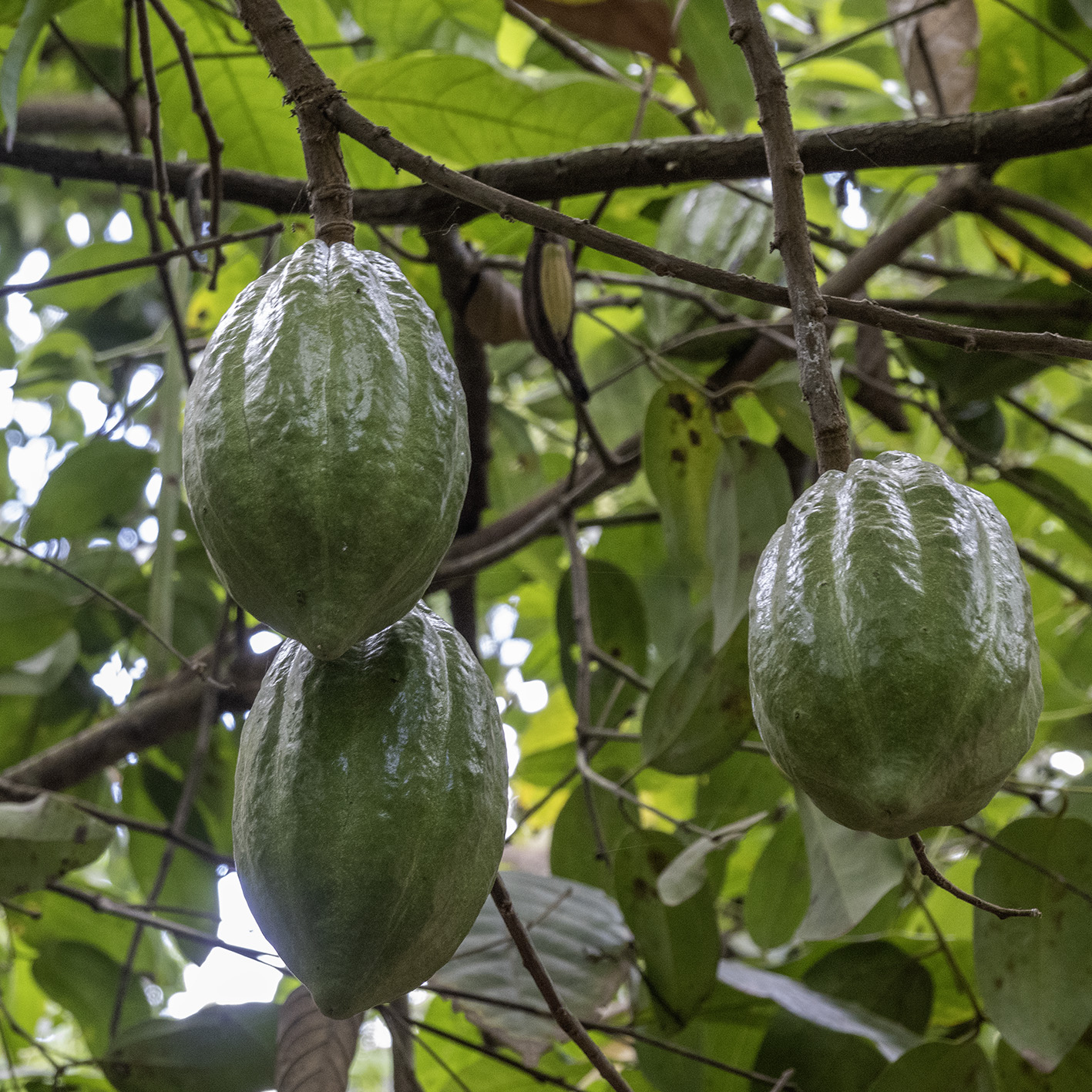
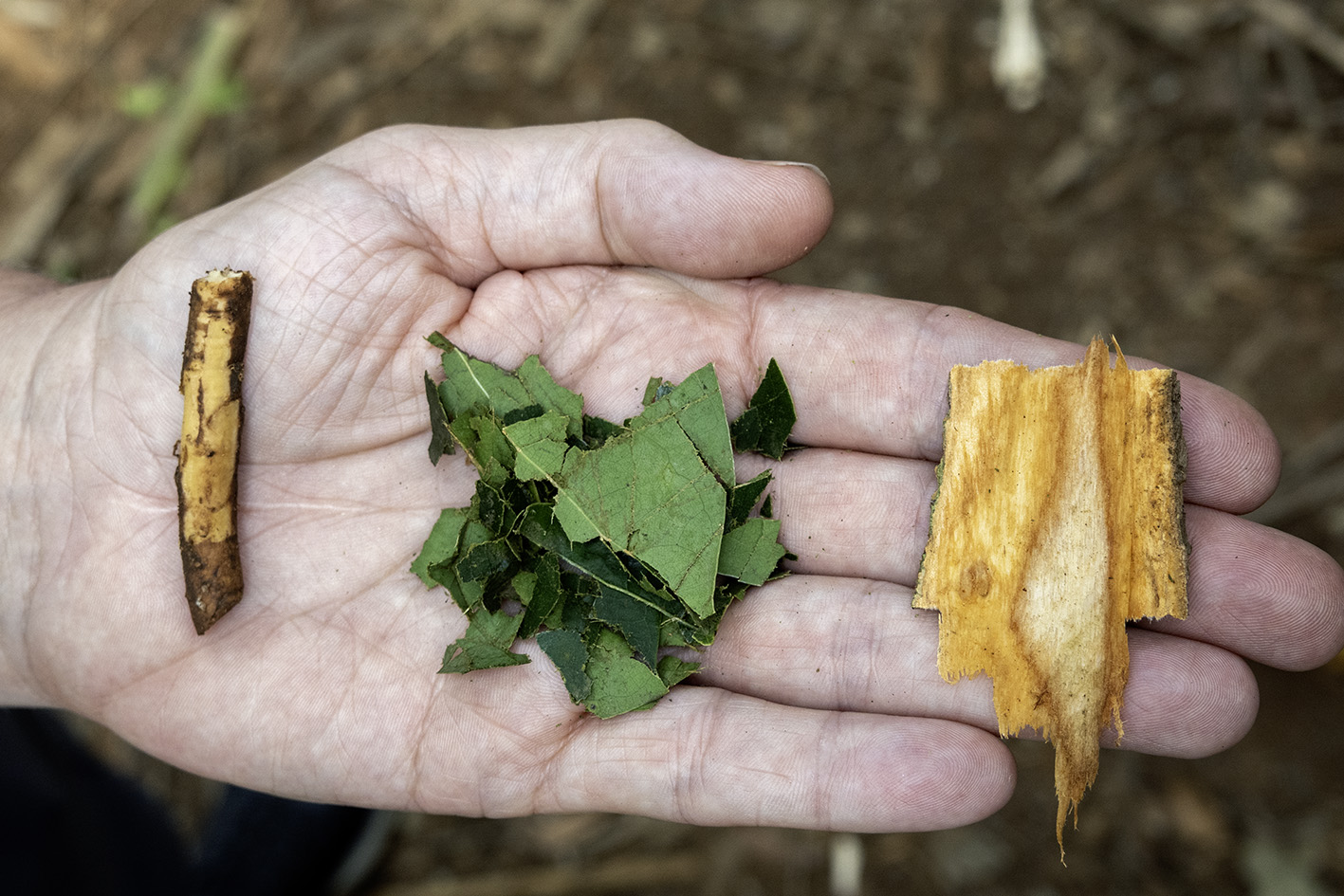
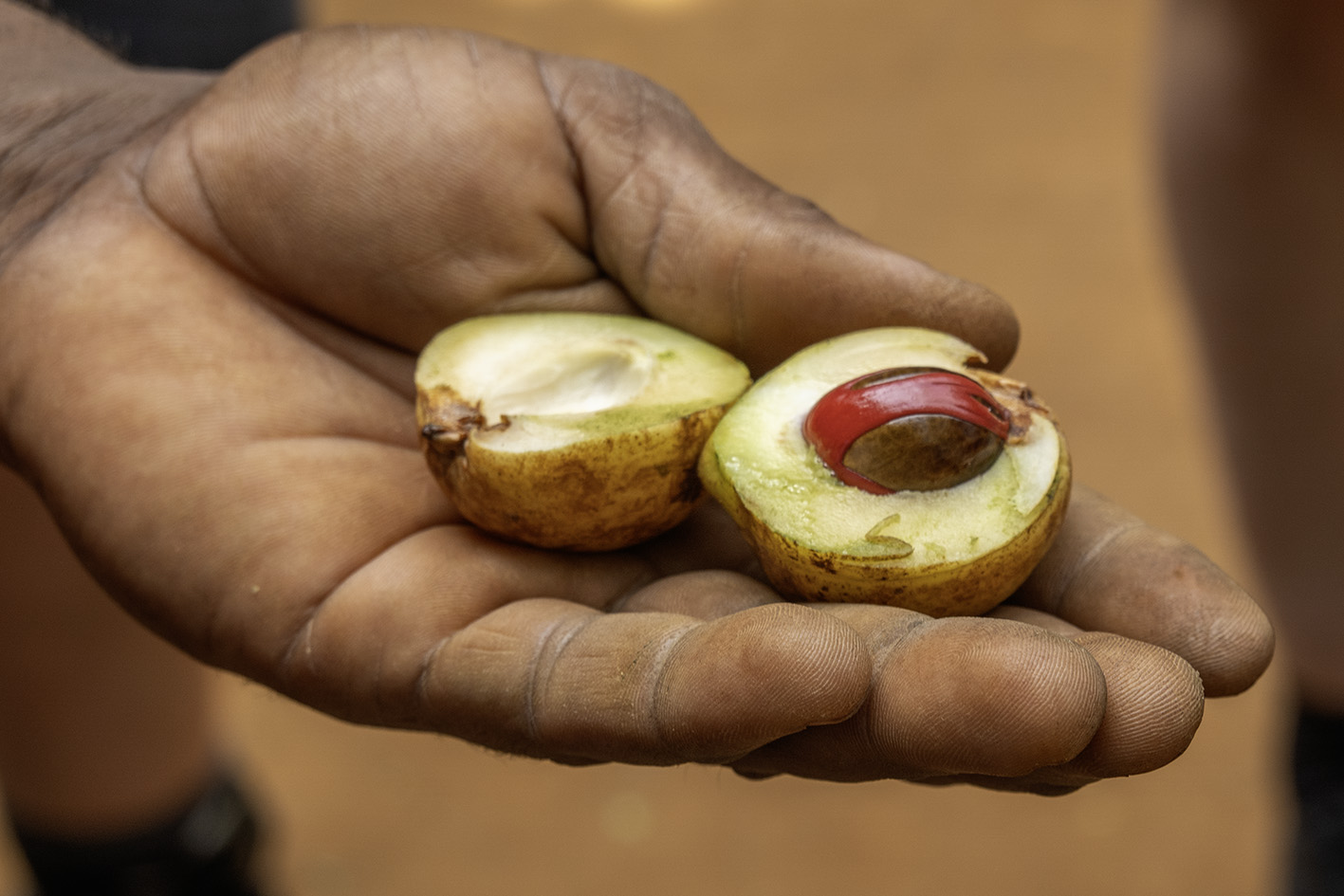
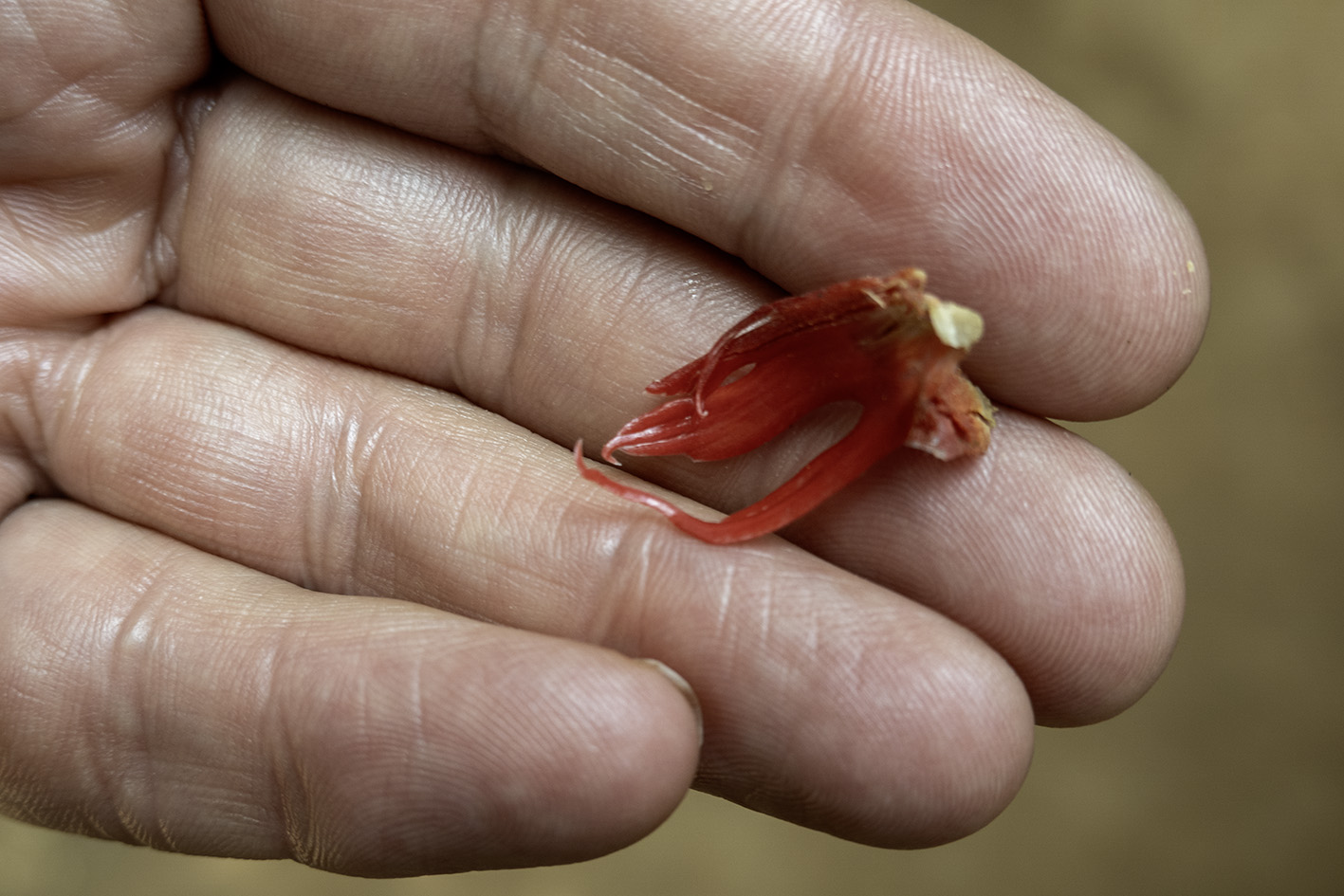
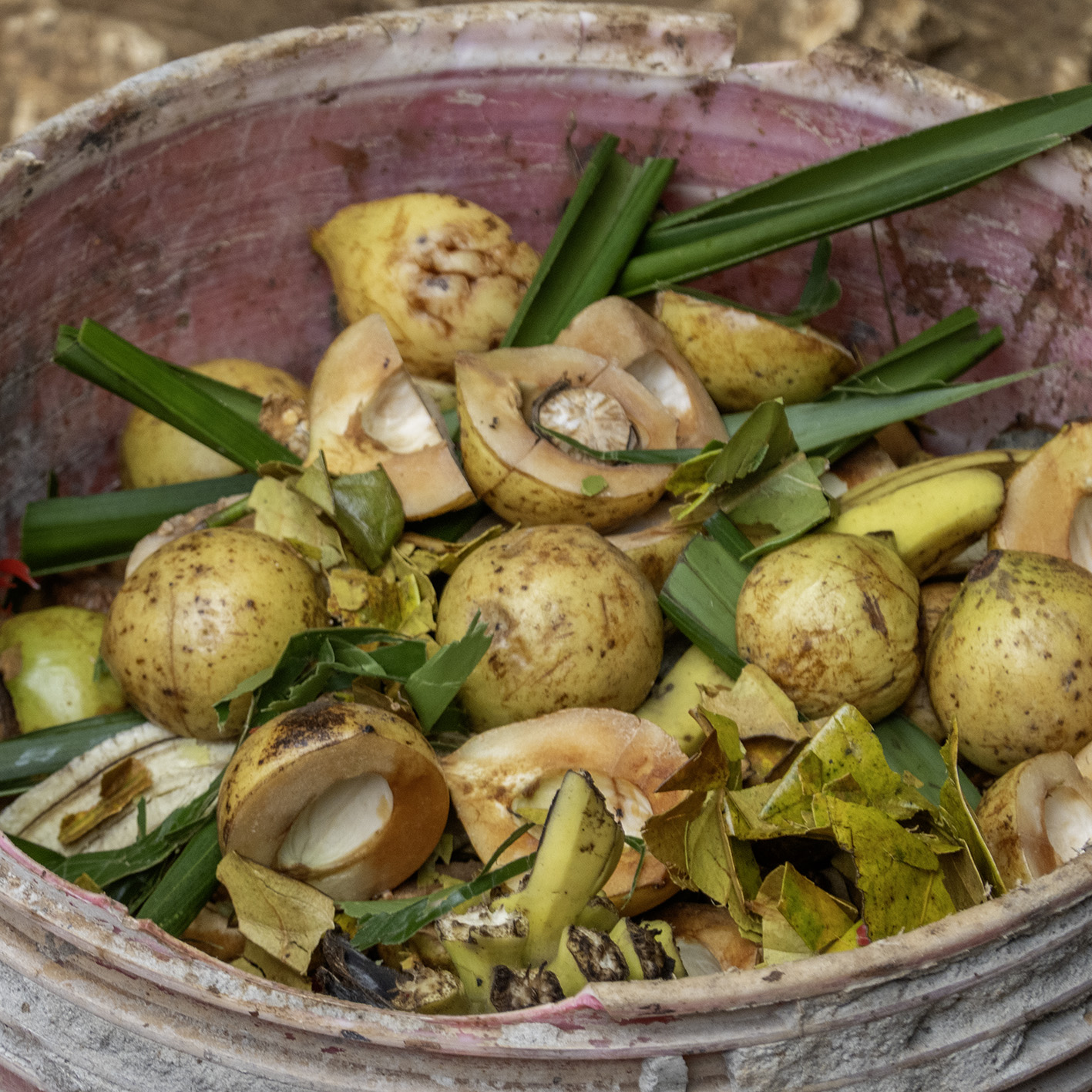
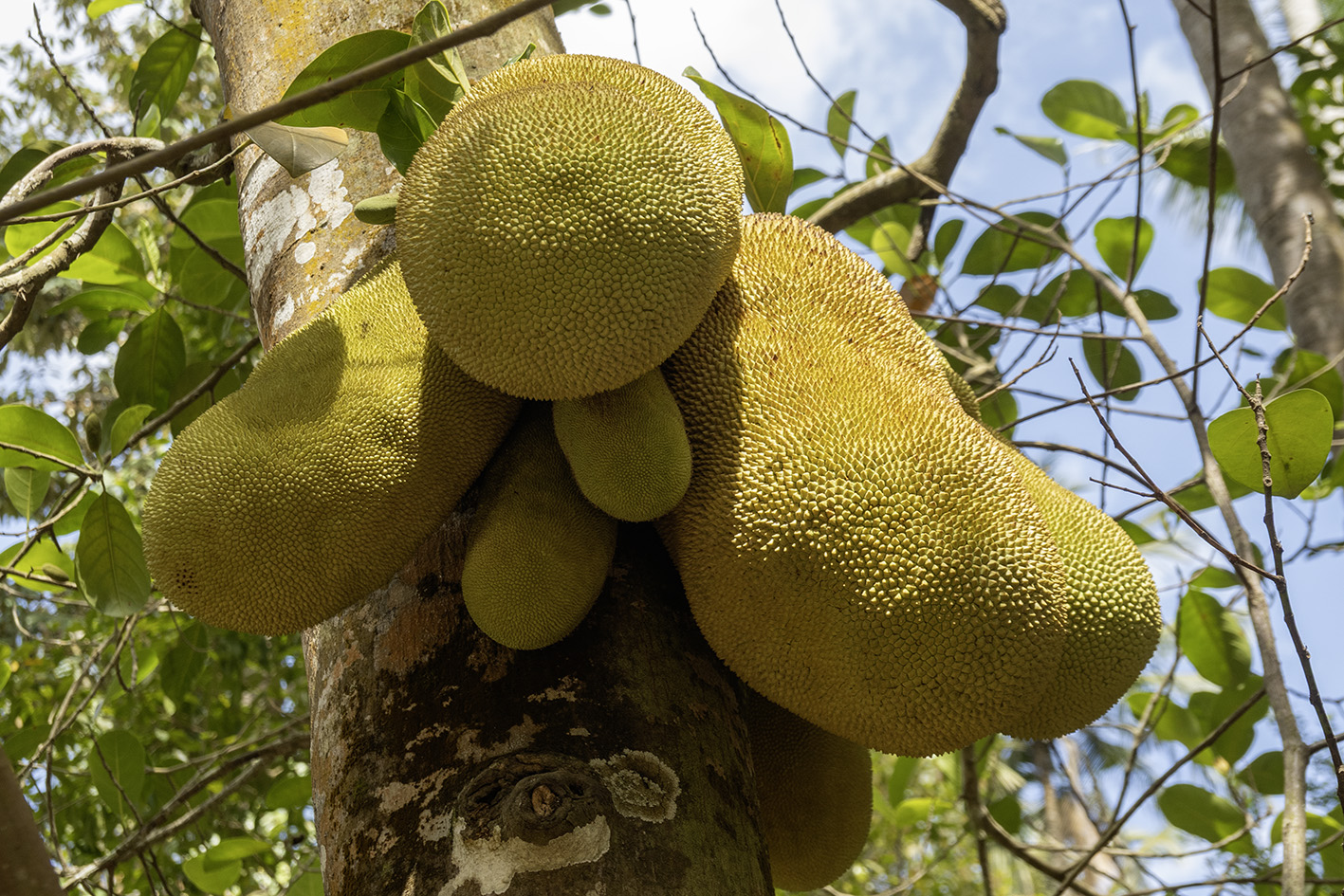
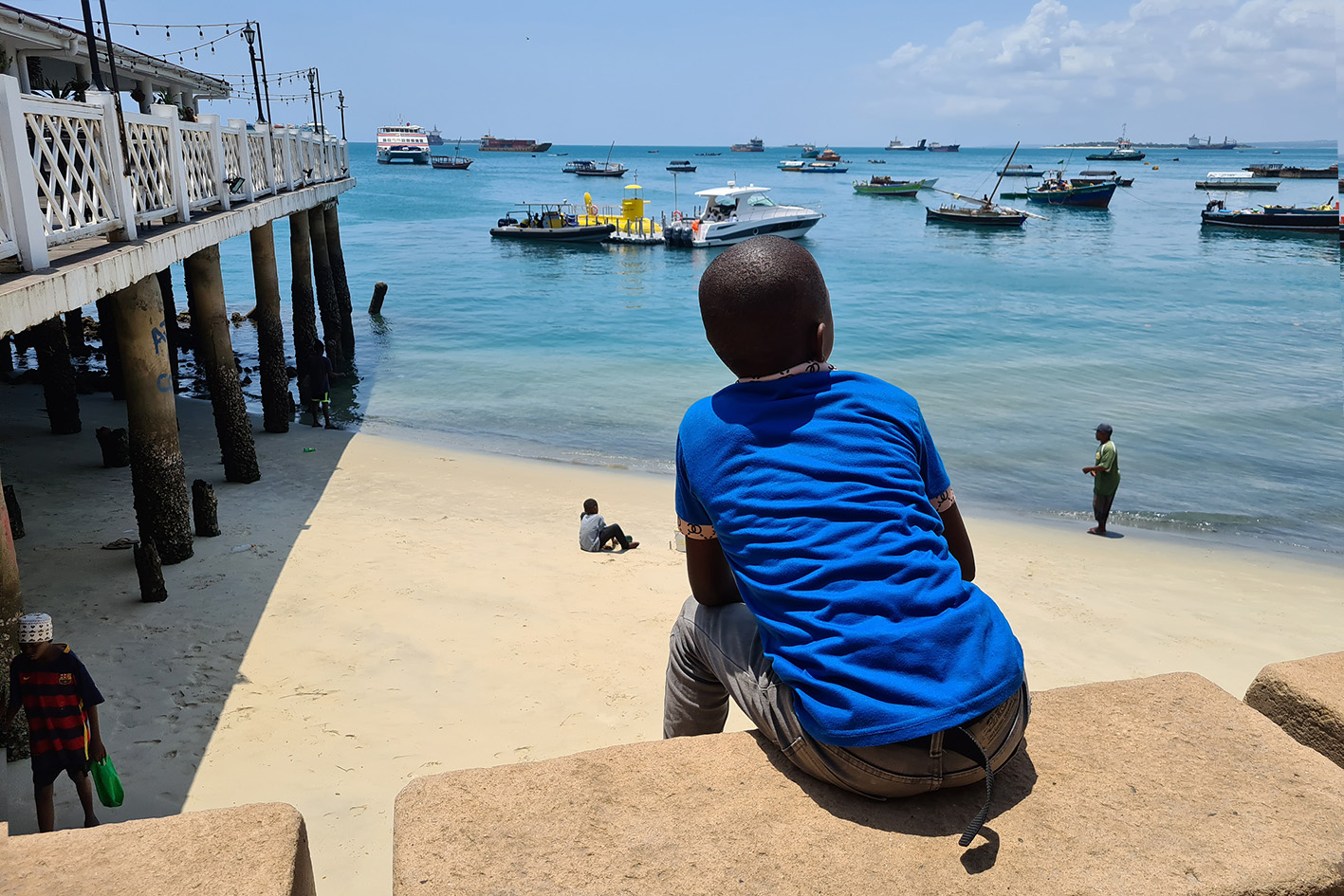
Buiten de resorts puur Afrika. Armoede is overal zichtbaar, maar ook het plezier dat mensen hebben als ze weer even zichzelf zijn. Elke zonsondergang enorme massa’s op het strand. De hoofdstad Stonetown is continu in verbouwing. Als je goed kijkt dan zie je overal de rijke geschiedenis van kolonisatie, uitbuiting, slavenhandel, plantages met specerijen zoals vanille, nootmuskaat en cacao, die ook onderdeel waren van de internationale slavenhandel. Het toerisme zorgt tegenwo ordig voor extra inkomsten, maar het blijft een dubbel gevoel. Als eiland heeft Zanzibar natuurlijk enkele endemische soorten, zoals de Zanzibarfranjeaap (Piliocolobos kirkii). En natuurlijk is er het museum over Freddy Mercury van Queen, in het huis waar hij zijn eerste jaren heeft doorgebracht. En voor mijn vrienden het steppeslurfhondje (Rhynchocyon petersi) in zijn natuurlijke omgeving: een specerijenplantage met een enorme verscheidenheid aan kruiden en vruchten.

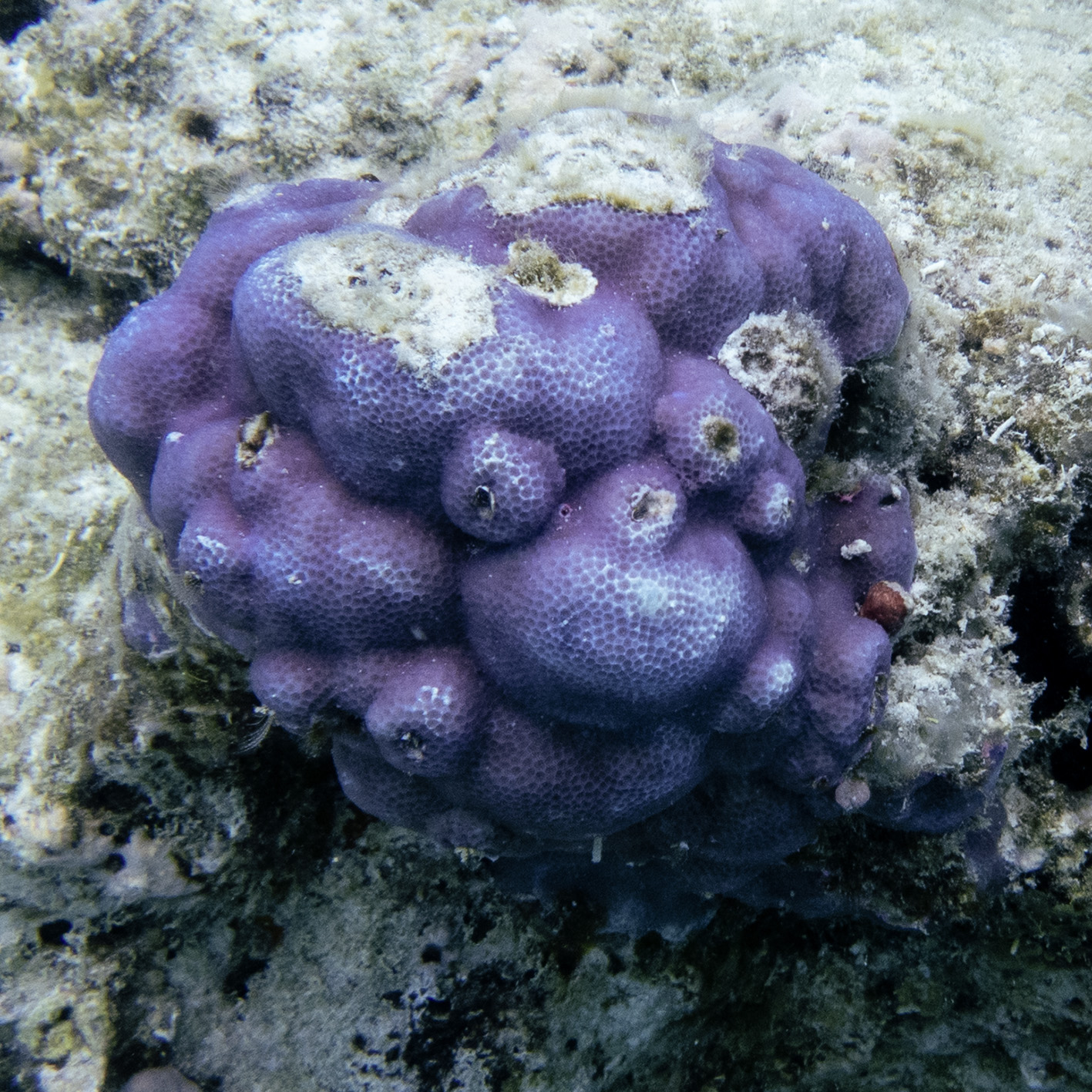
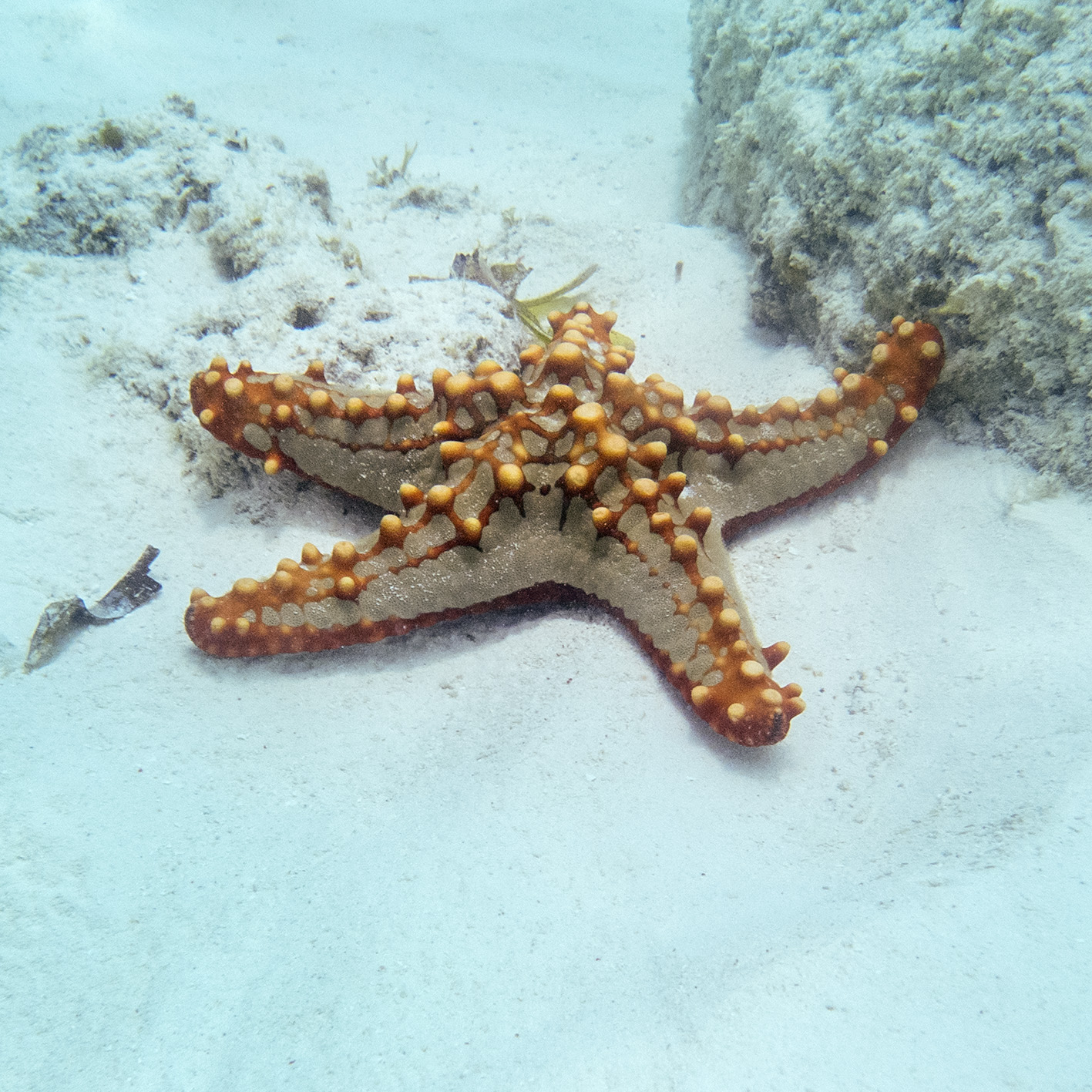
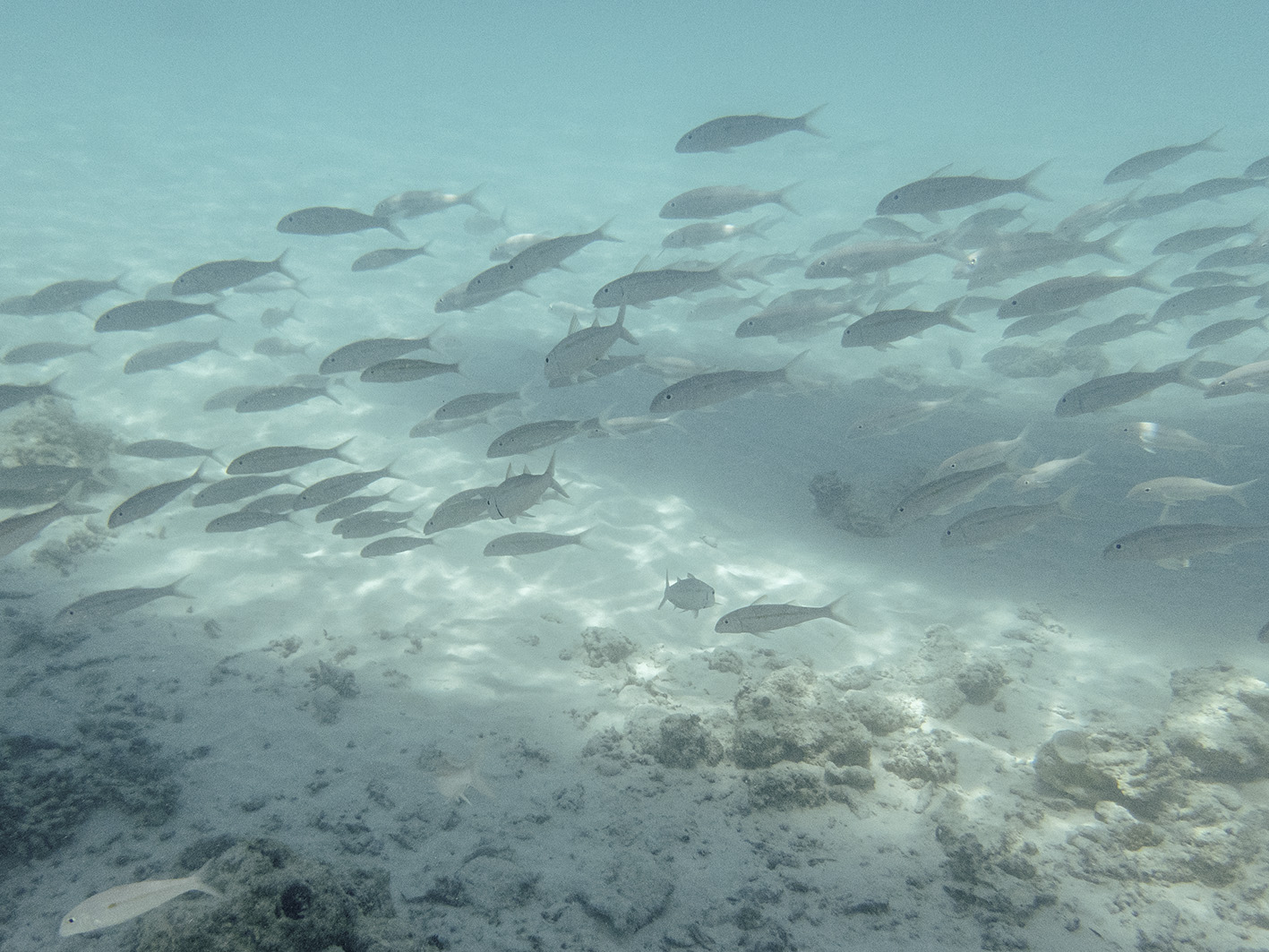
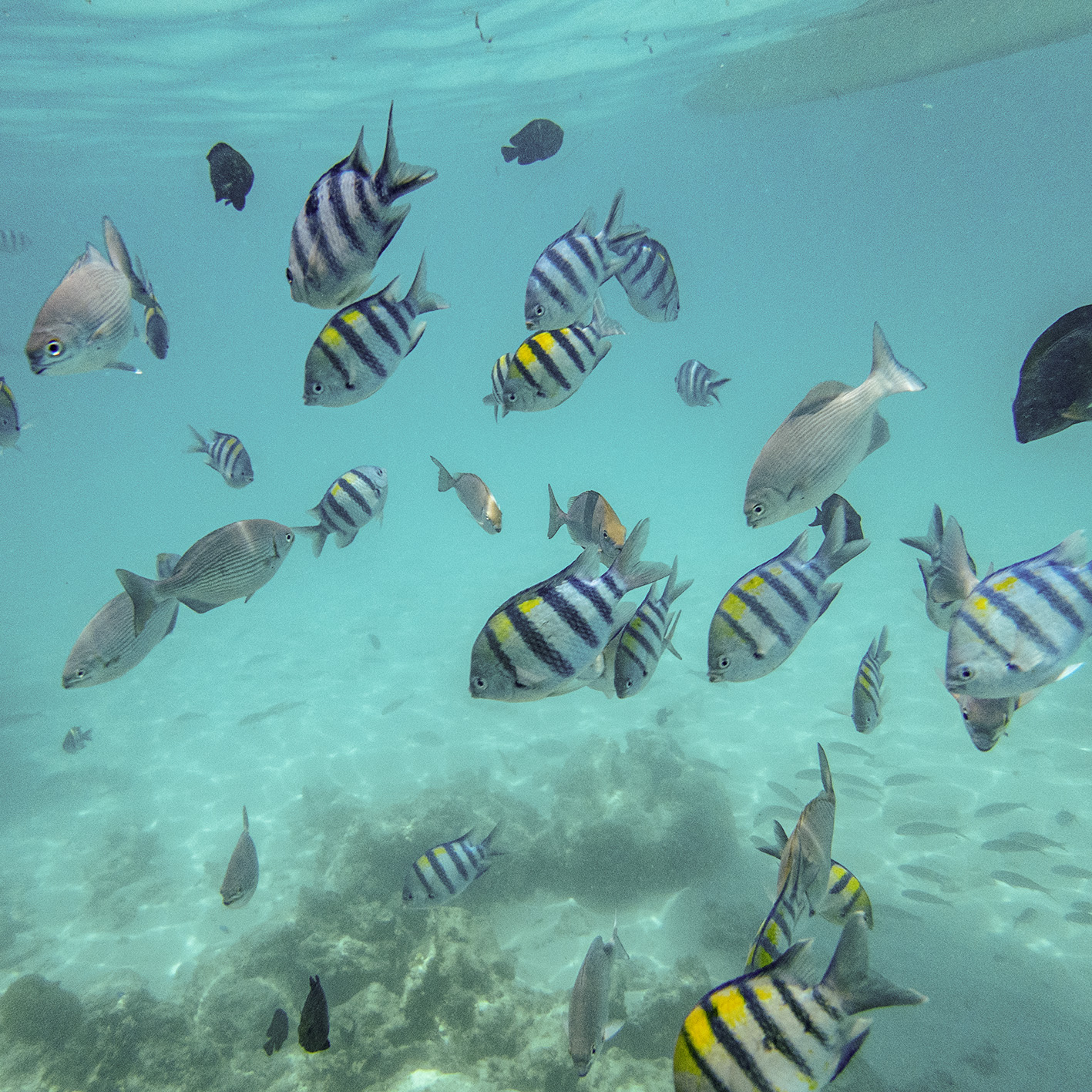
Een impressie van het mooie, maar ook het minder mooie
Too much nature!

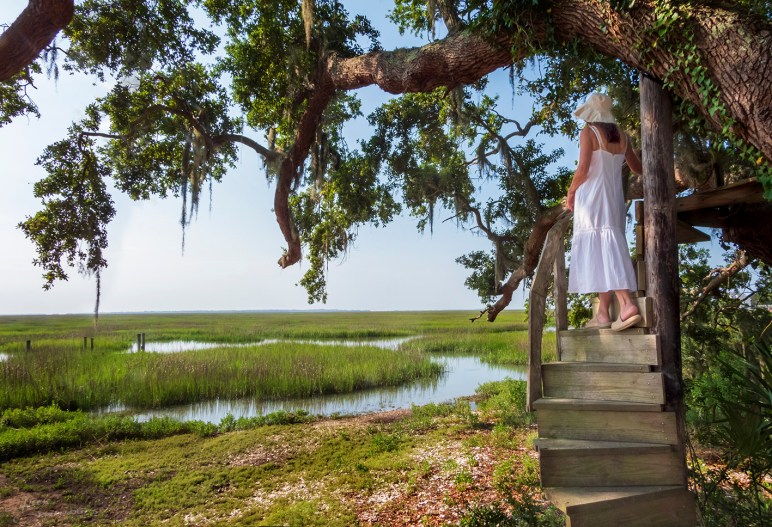
Every time in the USA I am overwhelmed by the abundance of nature. There is so much to see! I come home with thousands of pictures. Let me show a few of them here.
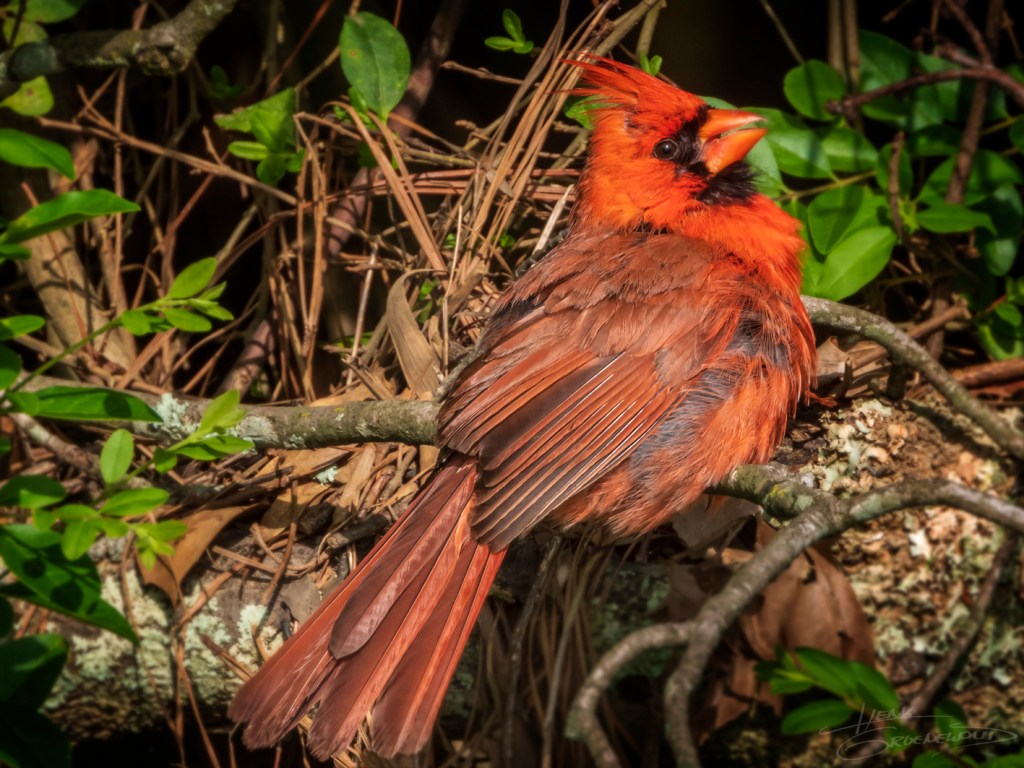
I woke up with birds singing, and they kept on singing all day long. You don’t need to go out to do birding, you can just sit on your veranda and they come to you. The intense red of the Northern cardinal (Cardinalis cardinalis) – just can’t stop taking pictures! I have them hunting for insects in the grass, singing and hiding in the bushes, but this one I like most: sunbathing in the scorching sun.

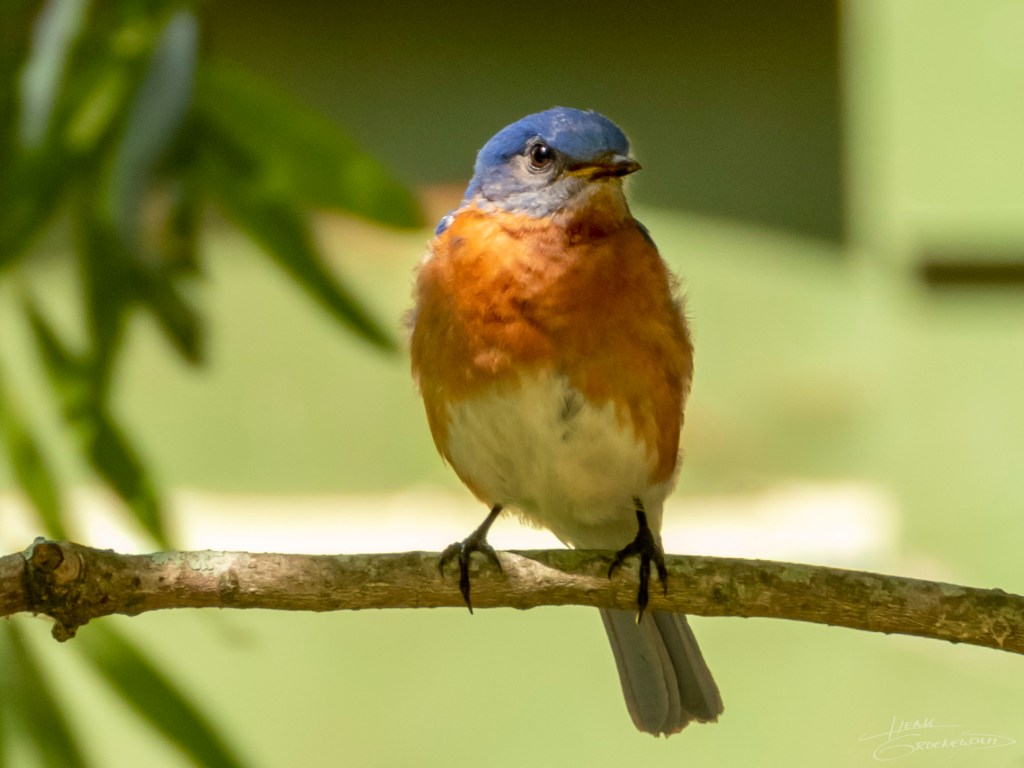
Then the eastern bluebird (Sialia sialis). Such beautiful colours! Funny, the nuthatch in the Netherlands has almost the same colours, but is a little paler.

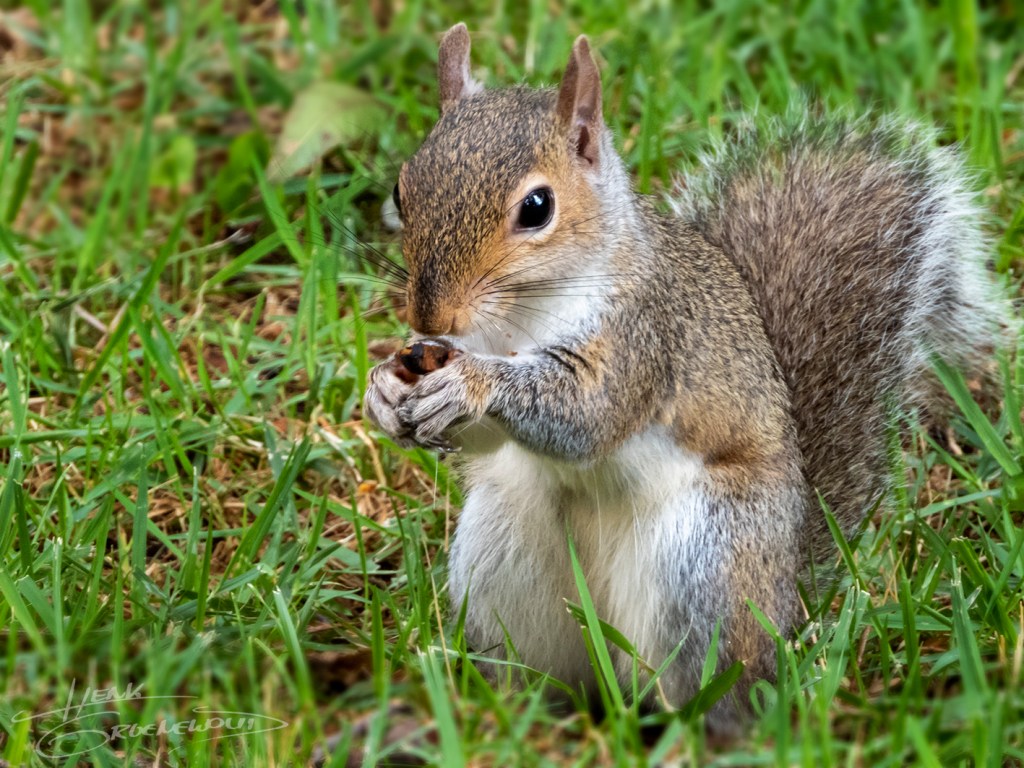
“Look at those cute squirrels!”
I was immediately corrected. “They are not cute. They are rats with a tail. They climb through the rain gutter, come into the house. They gnaw and make a huge mess!”
“They won’t be that bad will they?” I thought. But indeed. They’re everywhere. Really everywhere, in huge numbers, in and around the houses.
In Europe, the grey squirrel (Sciurus carolinensis) is considered an invasive alien species. They eradicated the indigenous red squirrel (Sciurus vulgaris) in most of the United Kingdom, as they are bigger, stronger and resistant to squirrel diseases they carry.

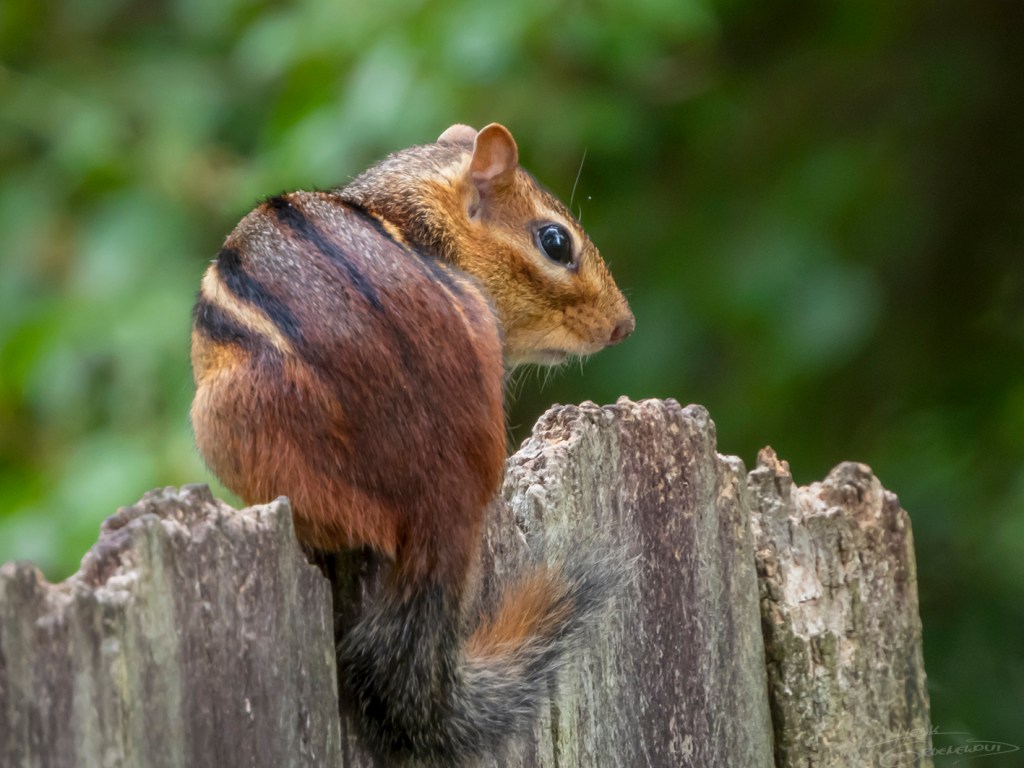
“What about those chipmunks? Those ‘ground squirrels’, as we call them?”
“Less bad than the grey squirrels. But I still don’t need them in the garden. They dig holes everywhere.”
I have to t confess: last week in my garden back home I saw mouse holes. Shrews probably, there are a lot of them here. And my first thought was: How do I get those bloody mice out of my garden?
Anyhow, the Eastern chipmunks (Tamias striatus) is not considered an invasive species in Europe. But it’s nephew, the Siberian chipmunk (Tamias sibiricus) is.

Another unwelcome animal. That is: In Europe again. Many red eared sliders (Trachemys scripta) have been imported as pets. So cute, these tiny baby-sliders with their flip-flop-feet! But baby sliders grow big, too big for small aquariums, and the entire house starts to smell. Eventually all these imported pet sliders are dumped in nature. No one wants to kill his pet, and the animal shelters are full. The pet industry doesn’t care – when a European ban on import and trade was imminent, thousands of extra baby sliders were rapidly imported and ‘put in storage’. To be able to continue selling them for some time after the ban. Anyhow, the one on the picture is enjoying his natural habitat. In the USA.

– To be continued –