De beelden spreken voor zich…



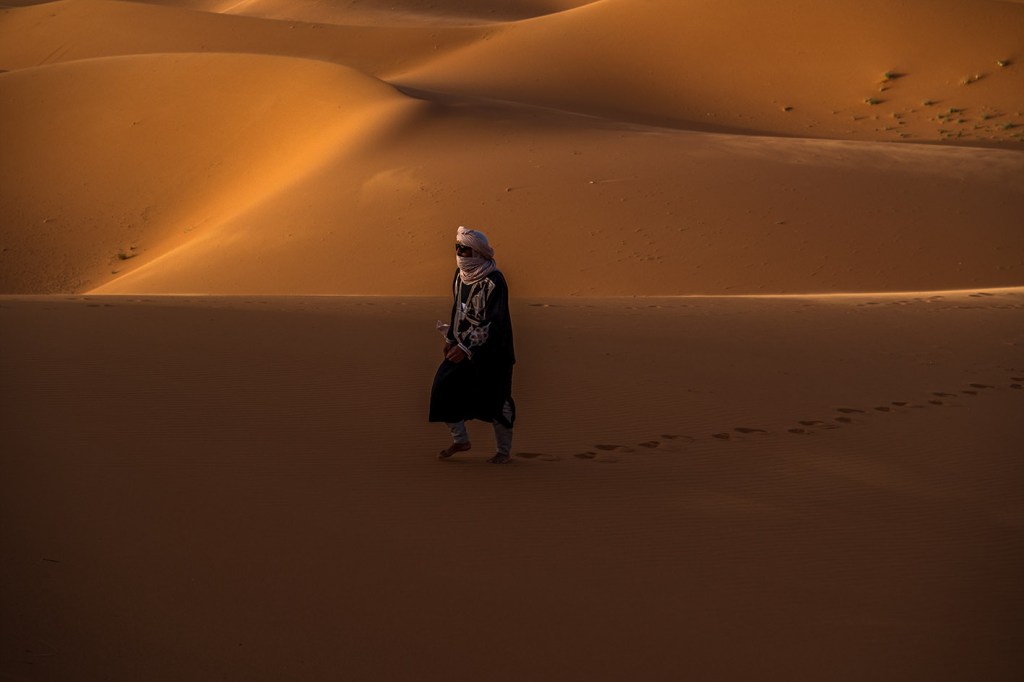

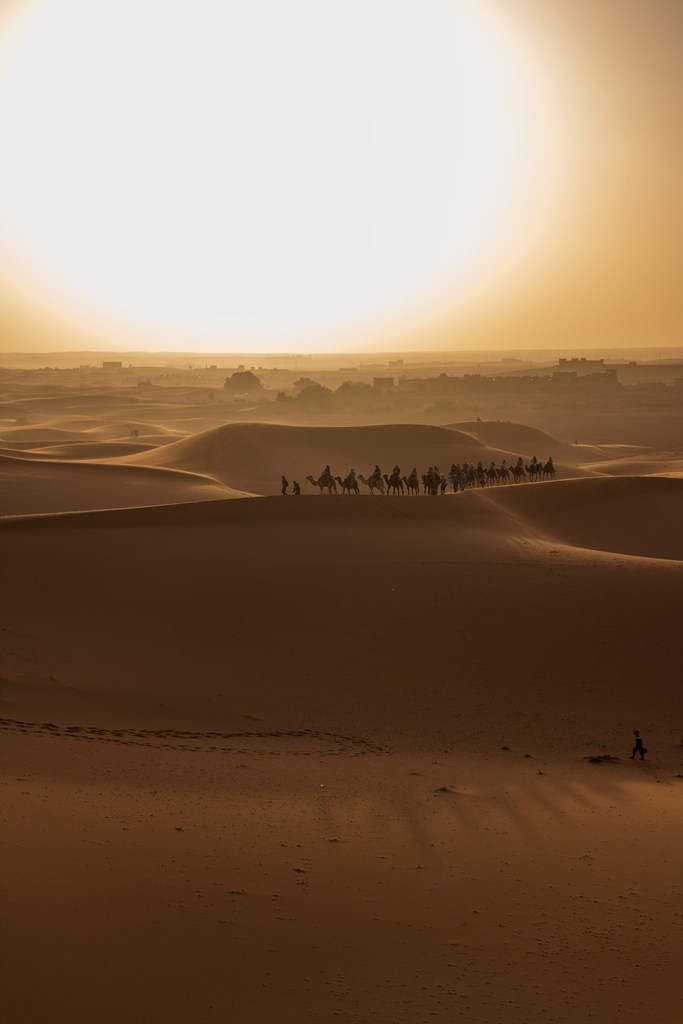
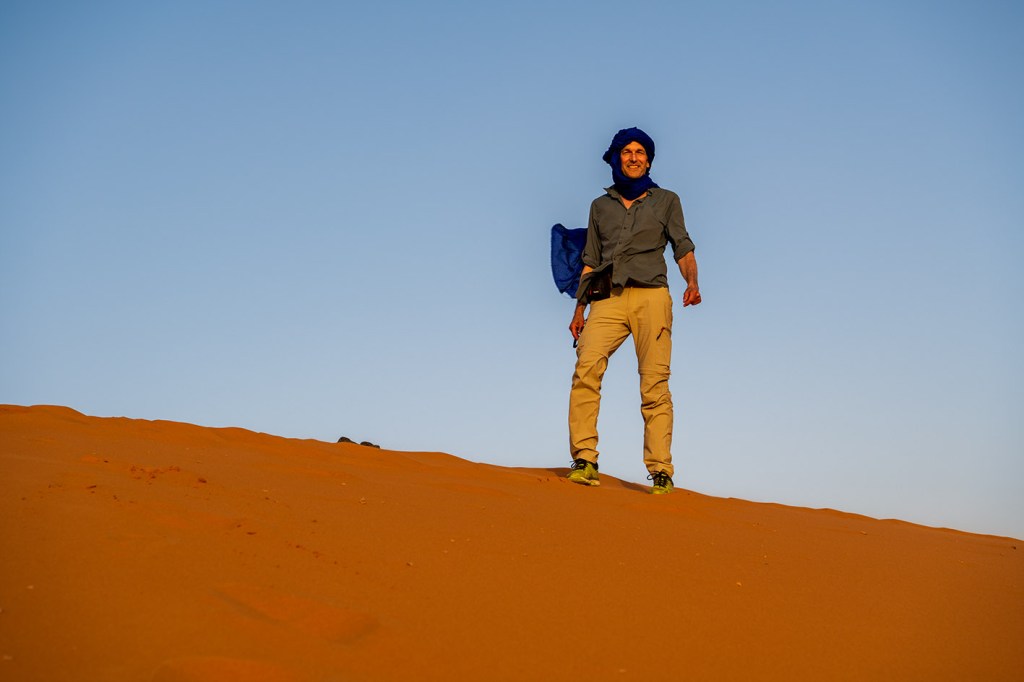
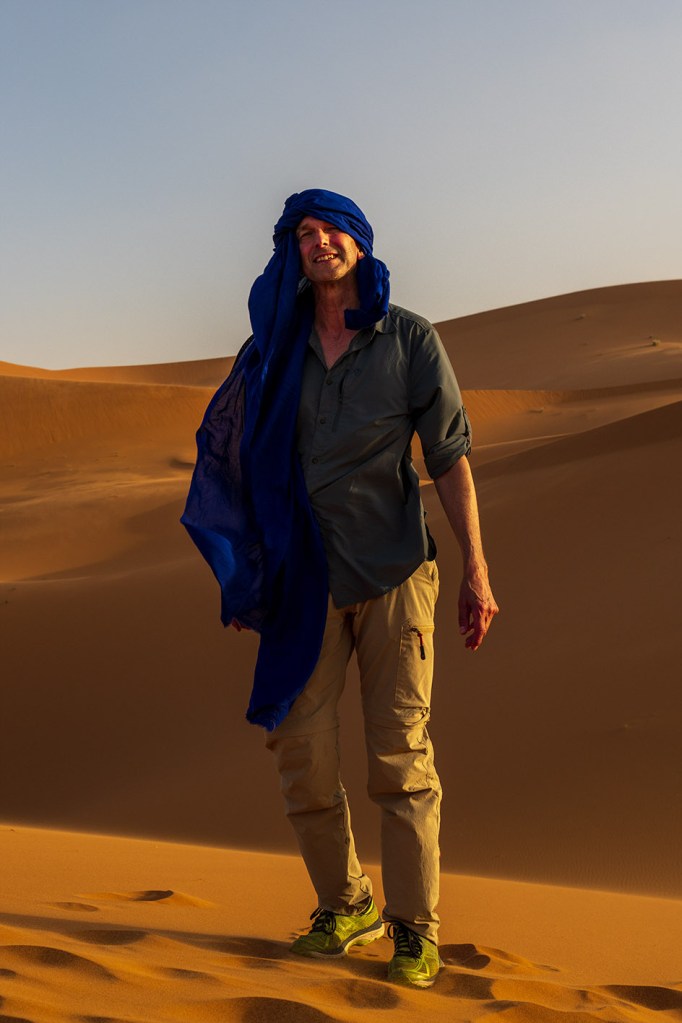
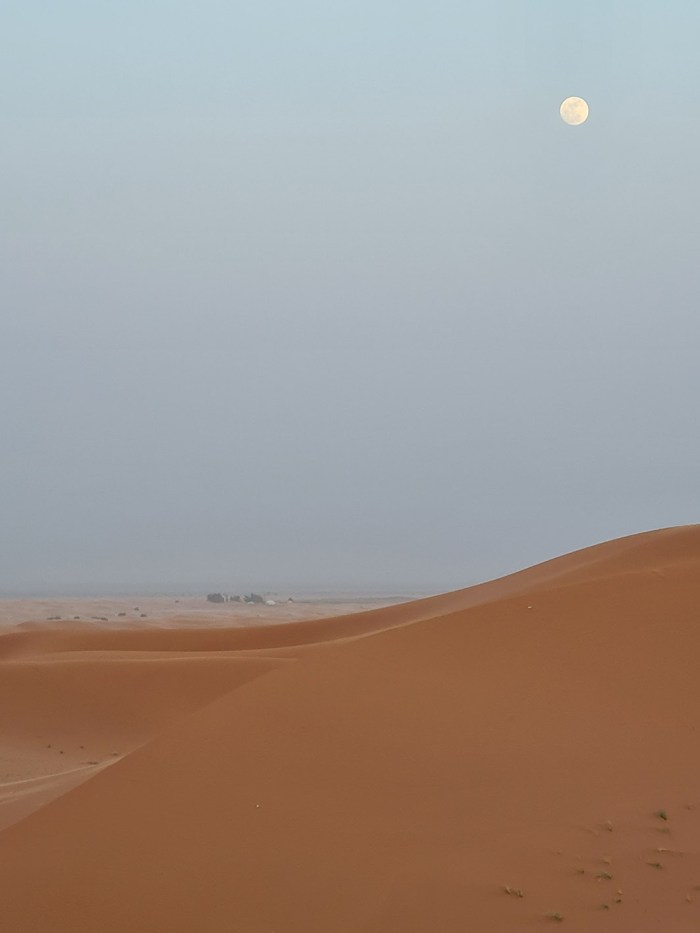
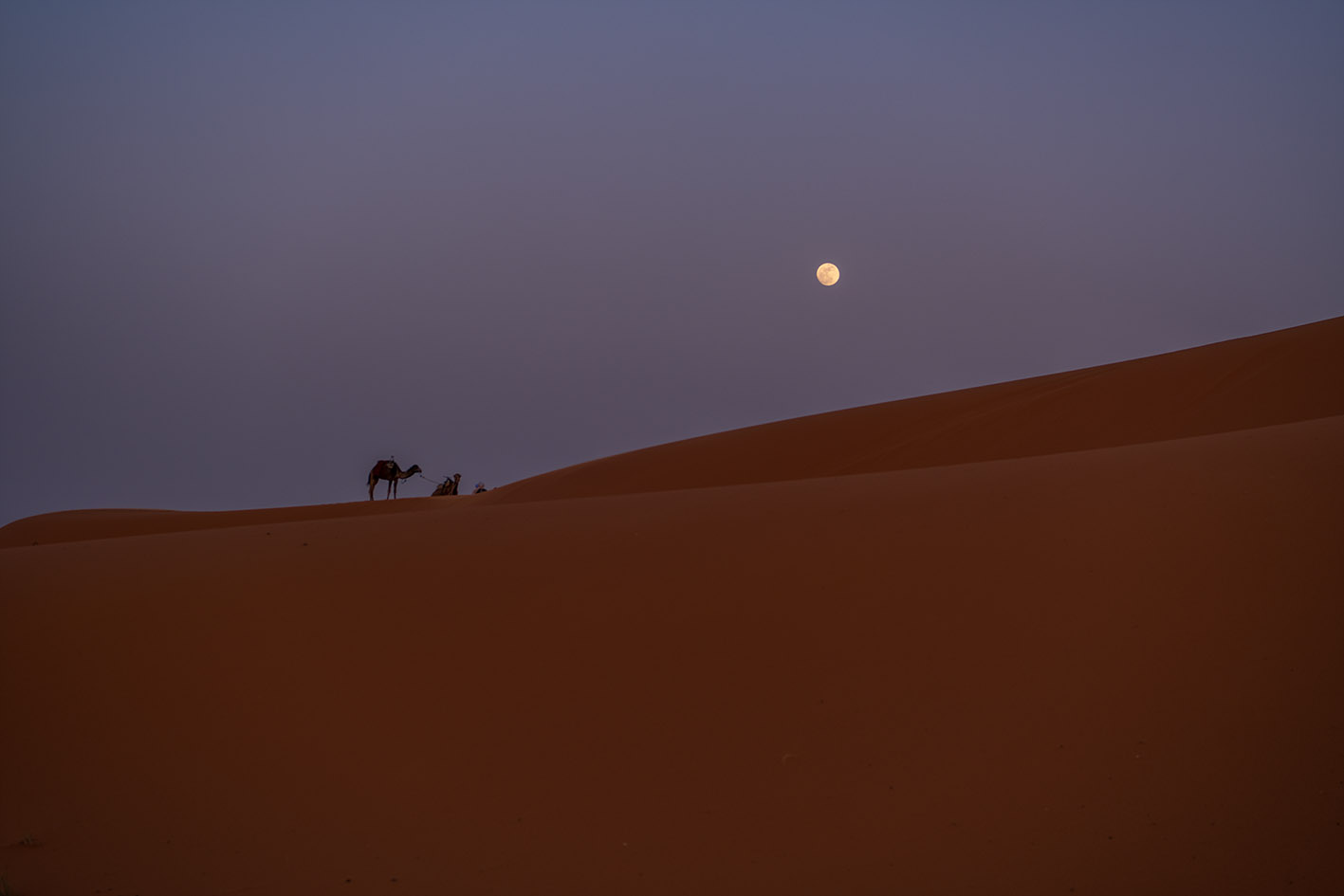

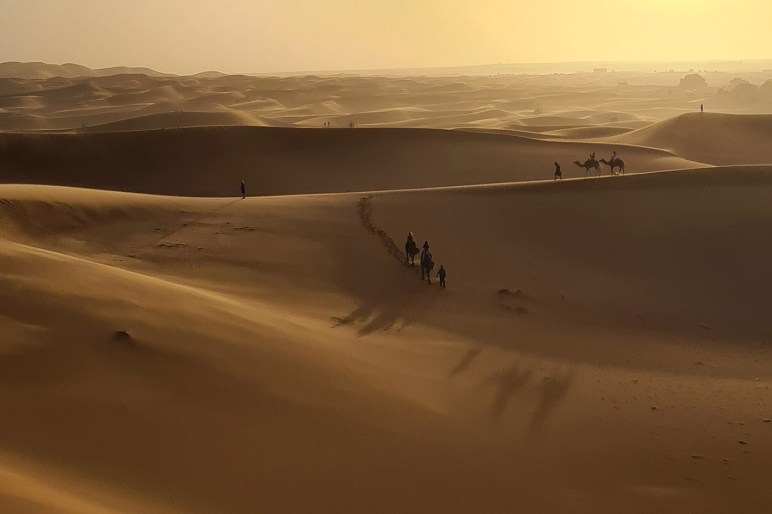
De beelden spreken voor zich…

Zonsopkomst in de steenwoestijn van Tillougui – met precies één zandduin als voorbode van wat gaat komen
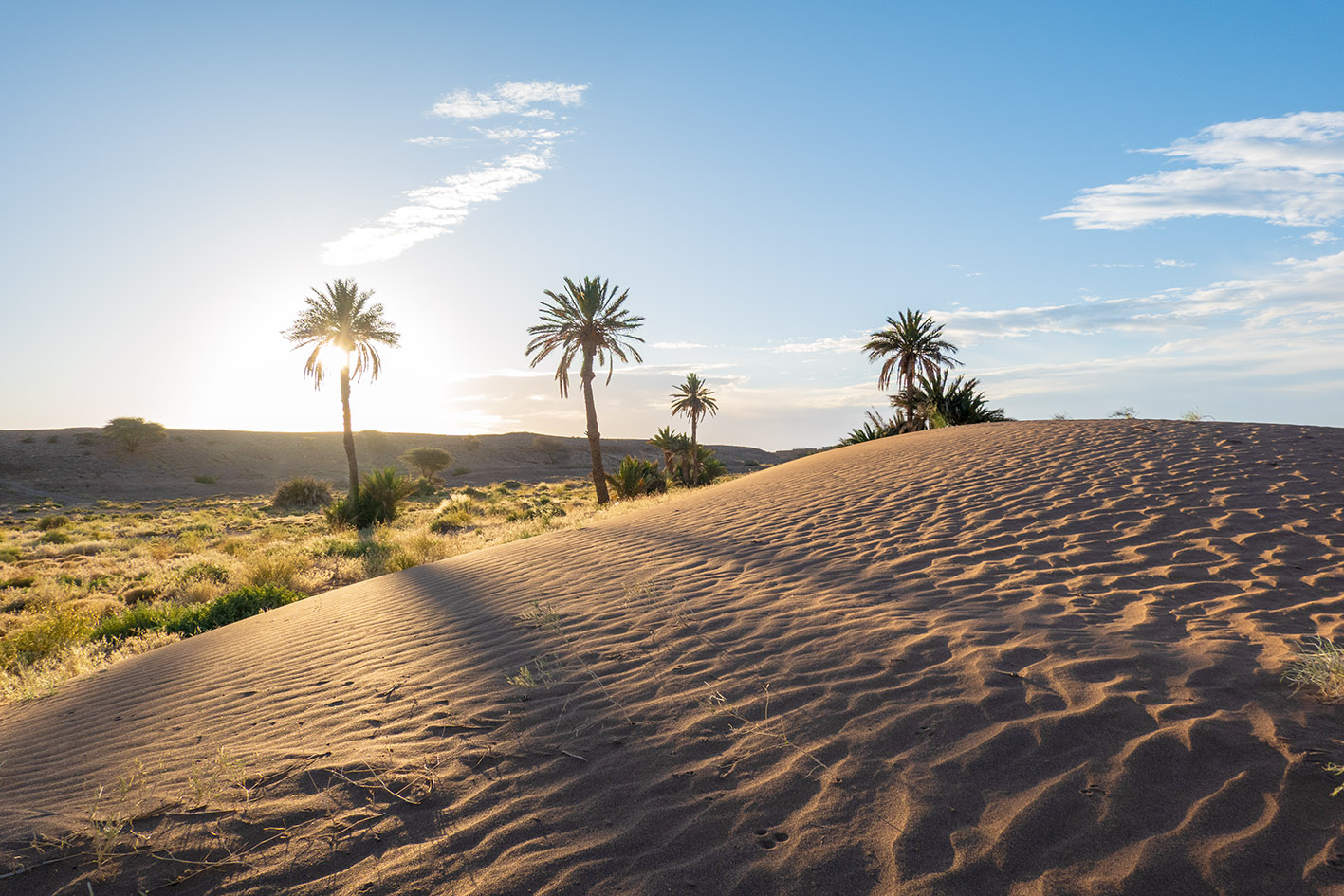
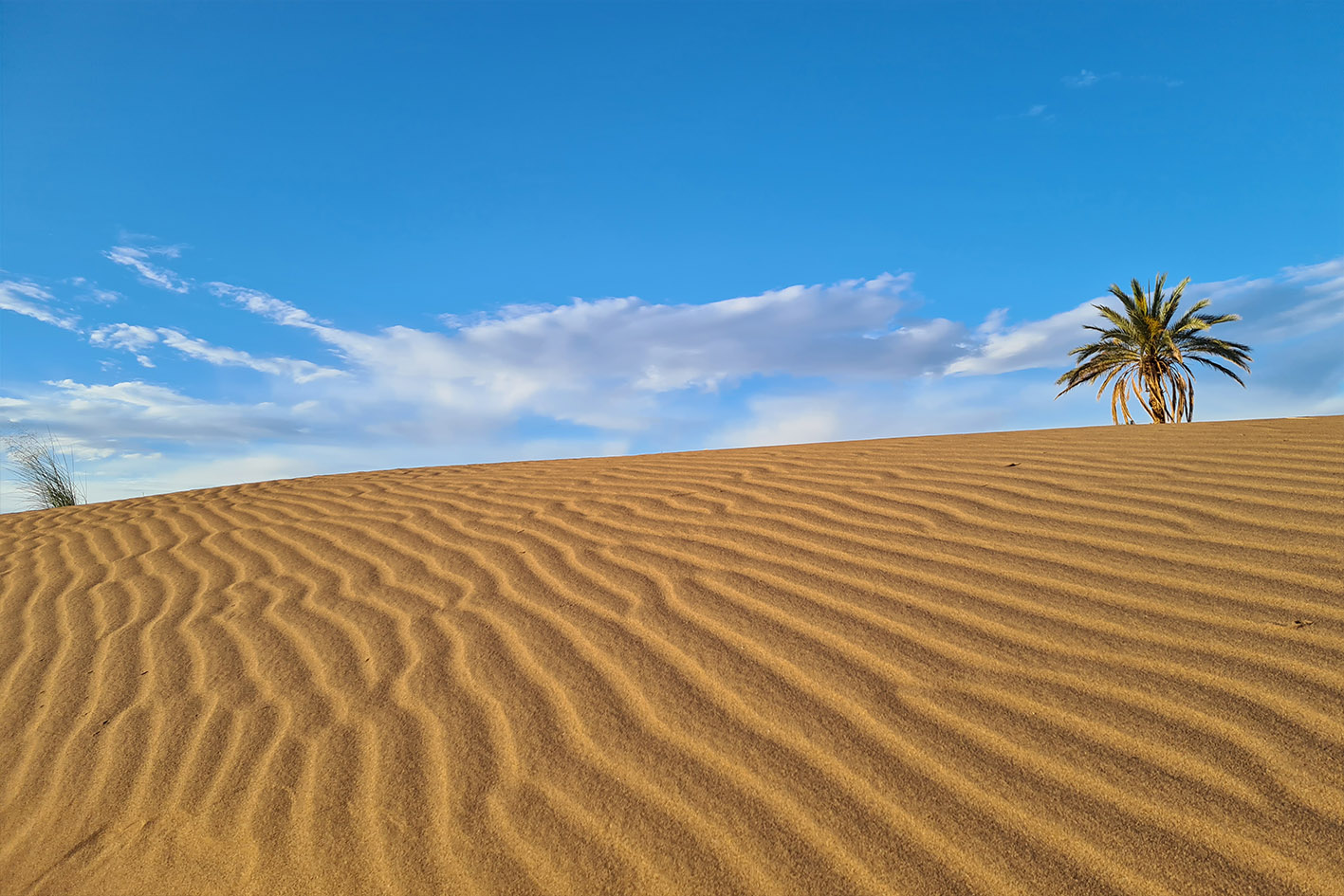
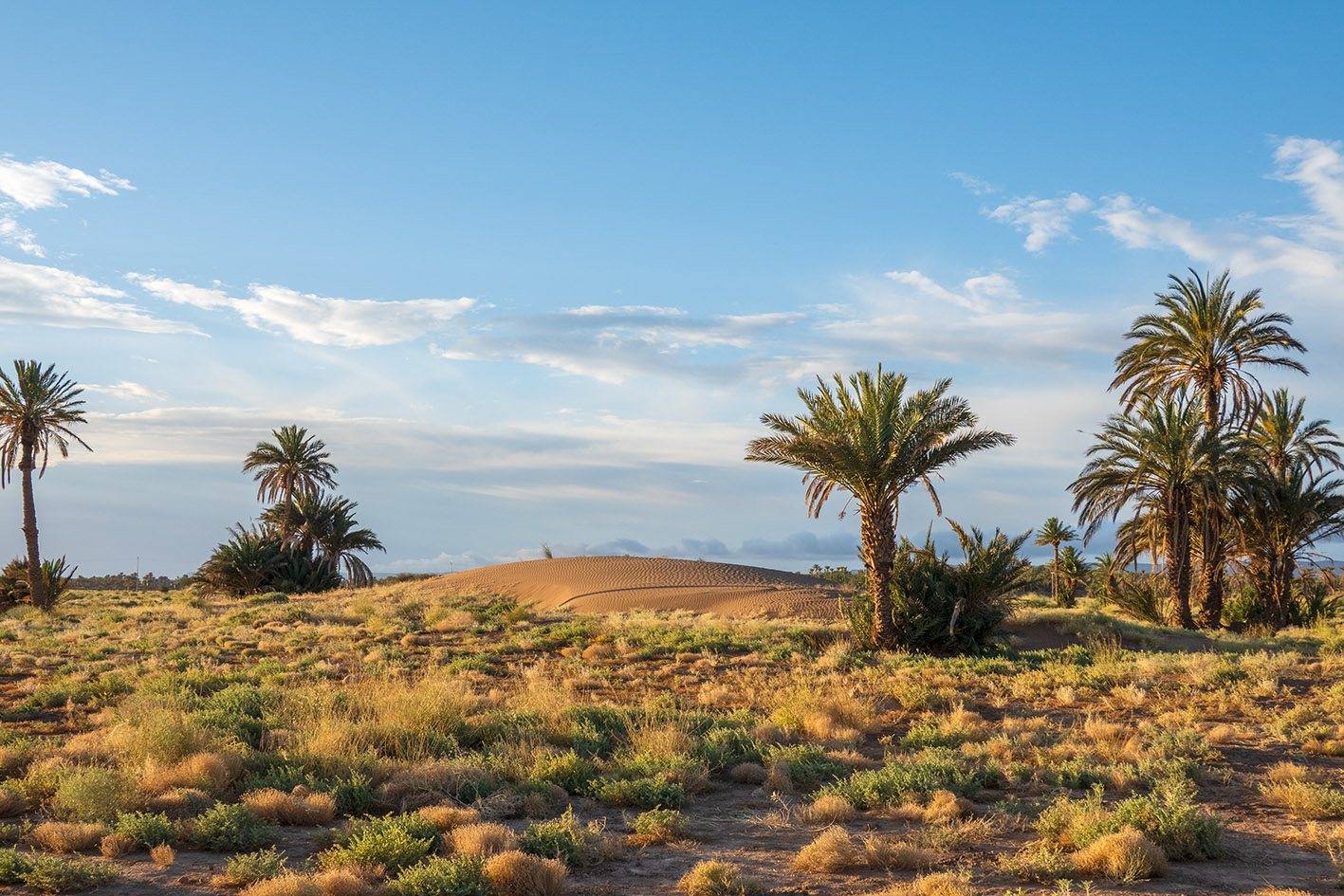
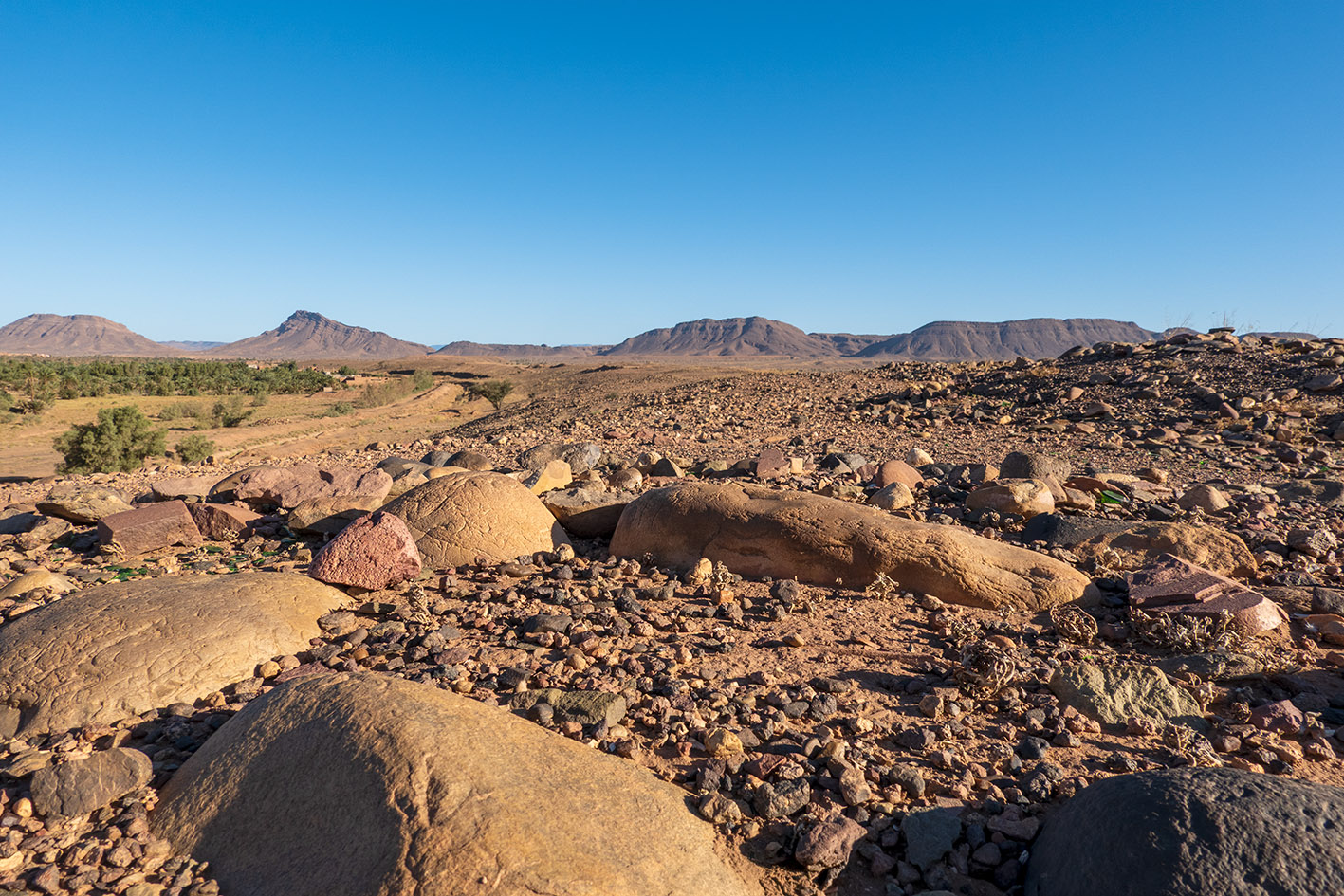
Op naar het oosten. En dan opeens een lekke band. Geen probleem; wordt gewoon in een dorpje ter plekke gerepareerd. Verder gaat het weer, naar Rissani voor de lunch
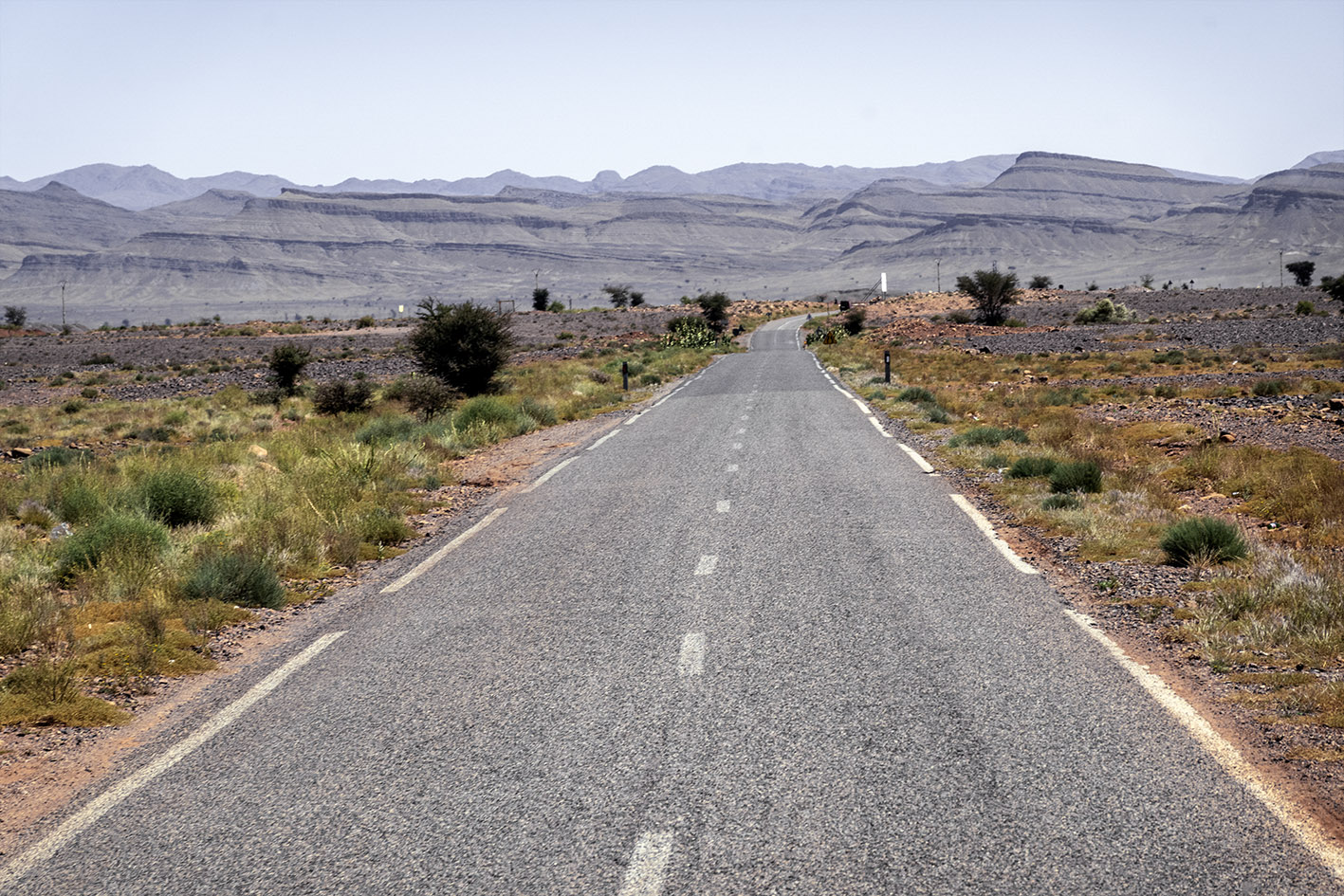
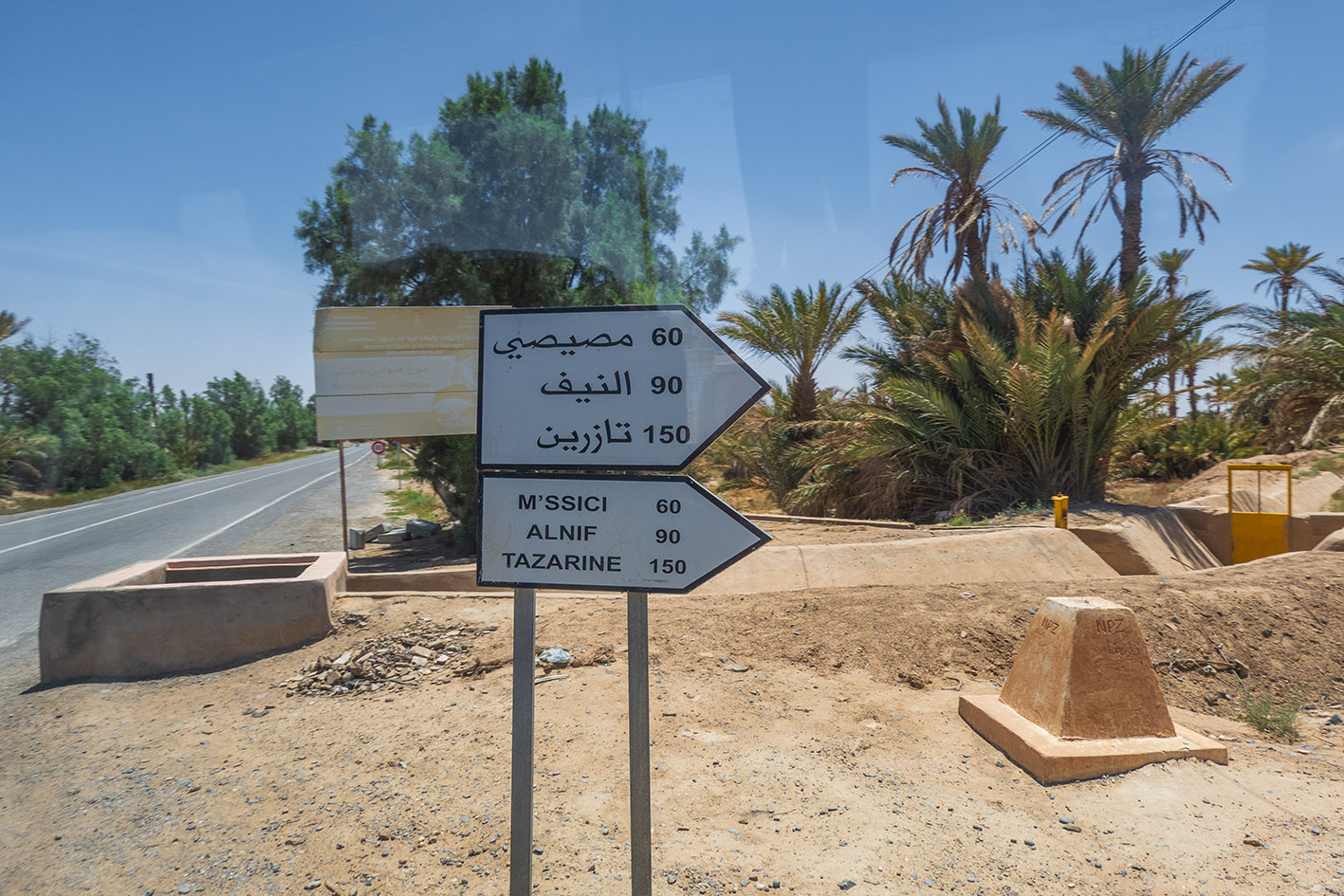

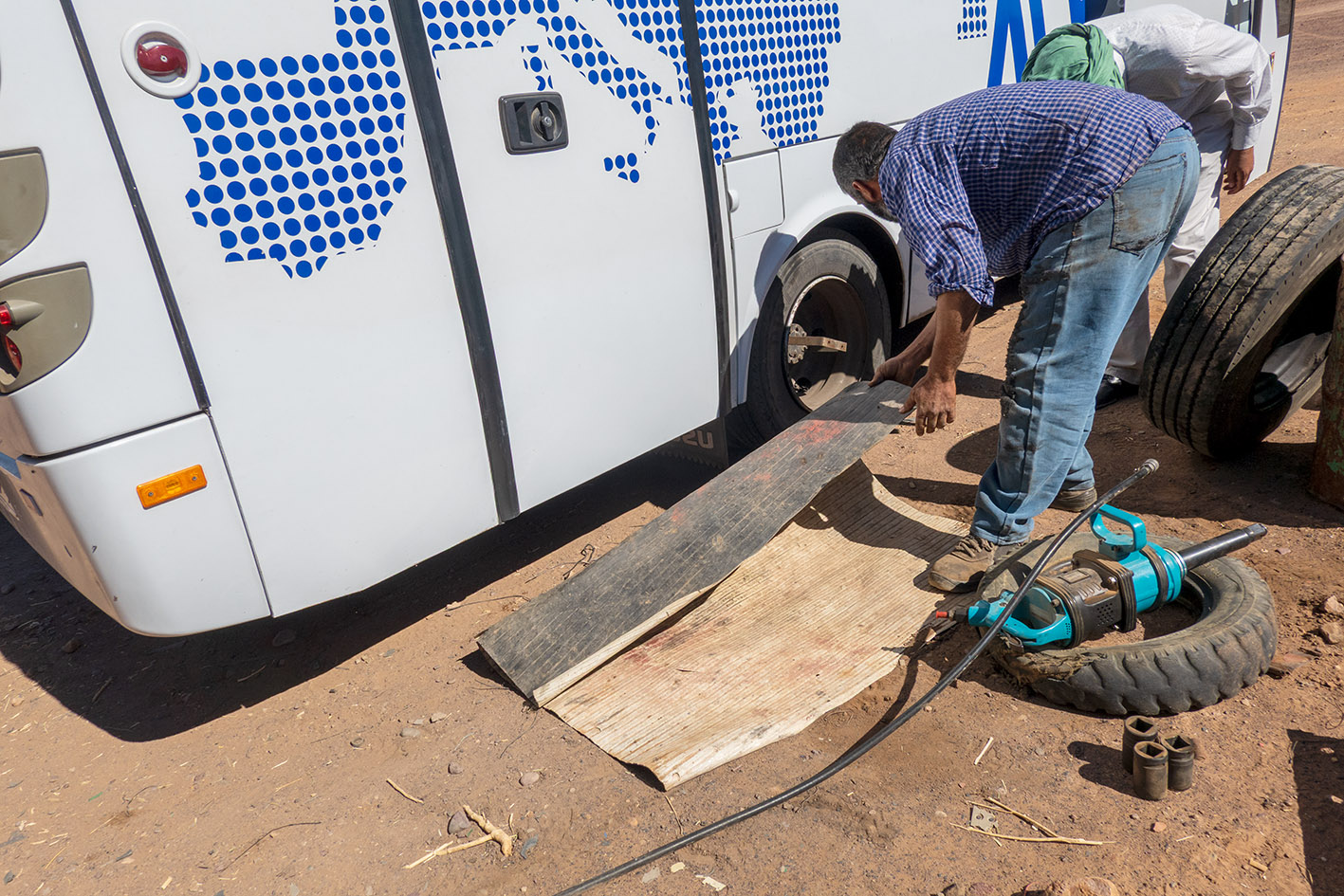
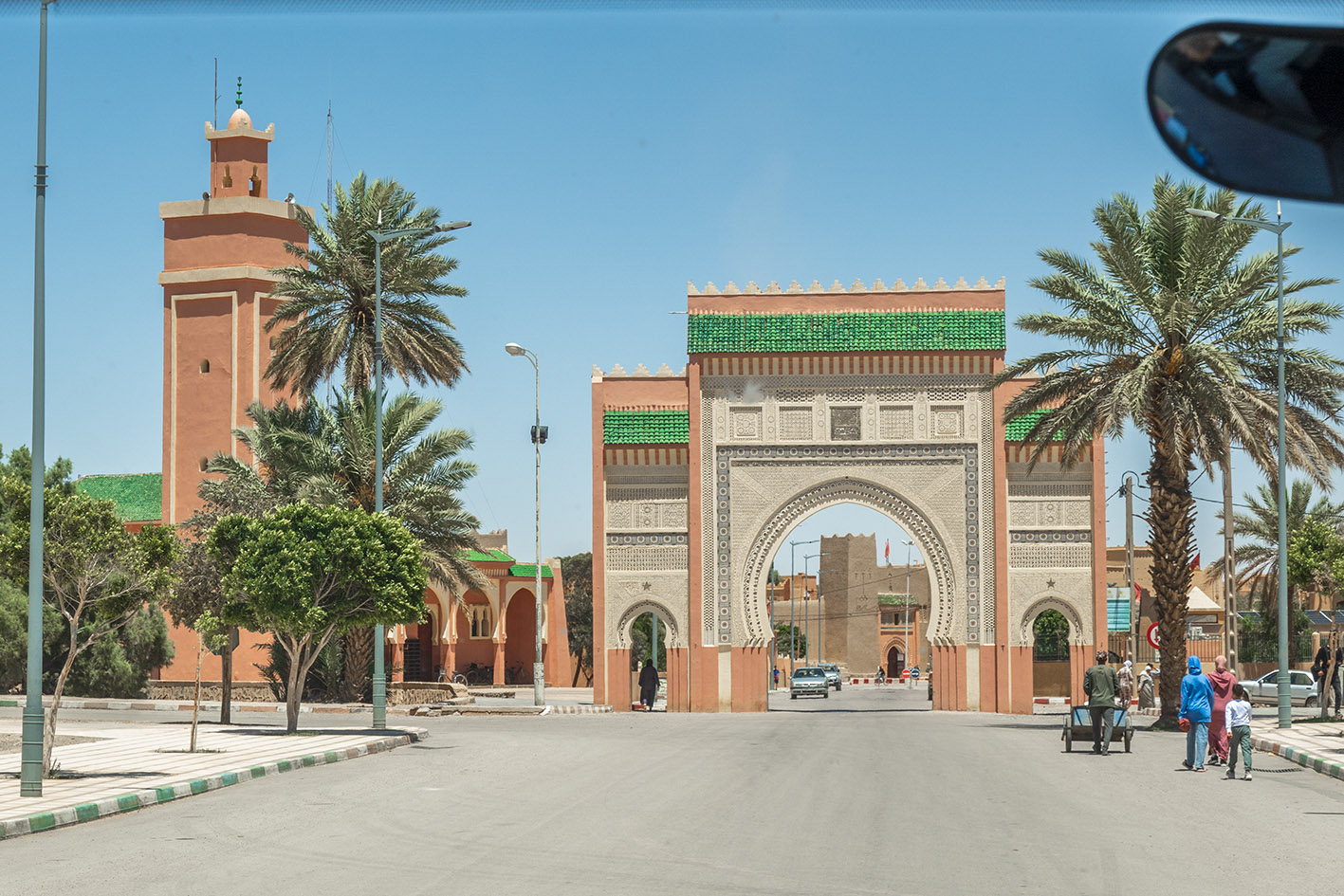
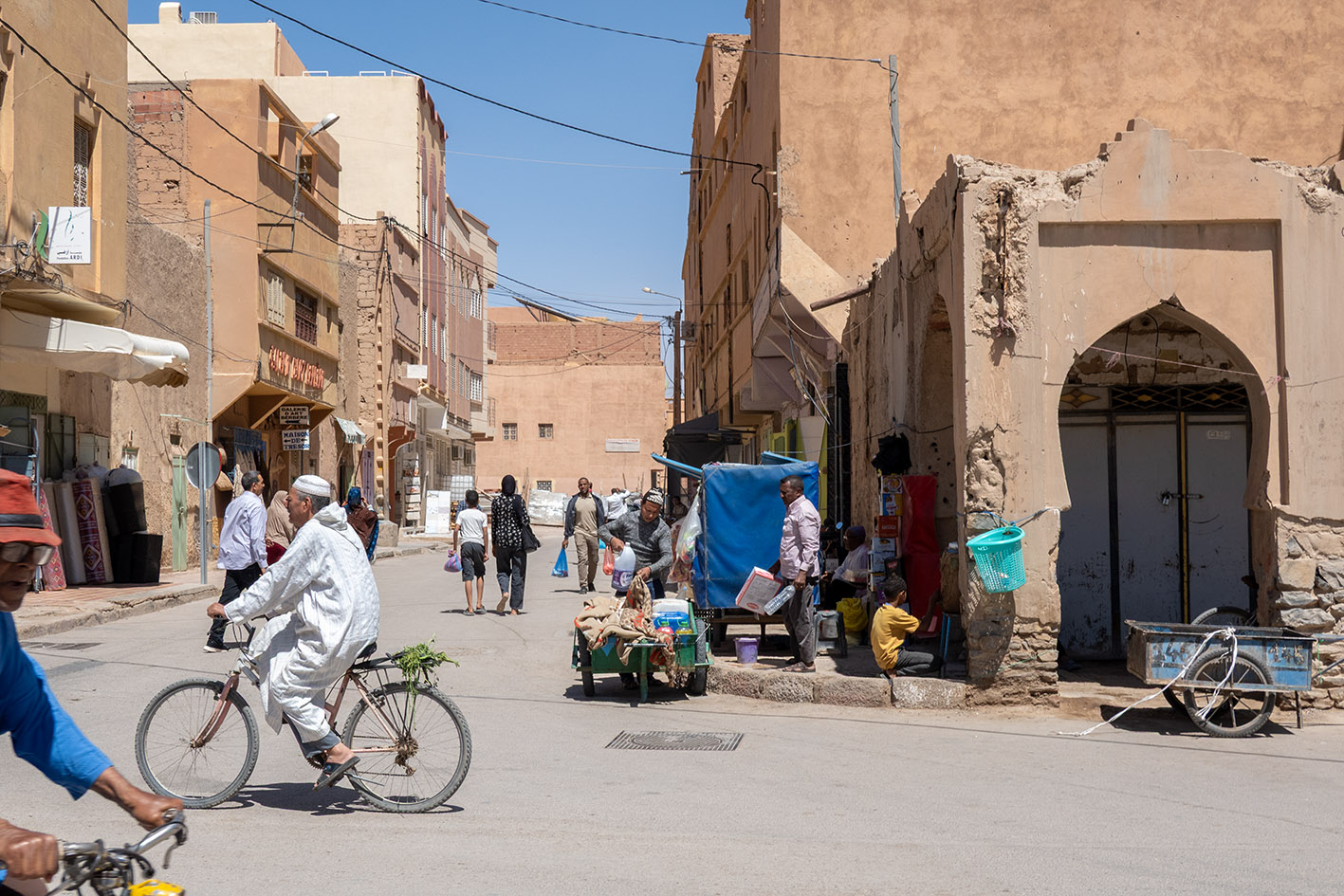
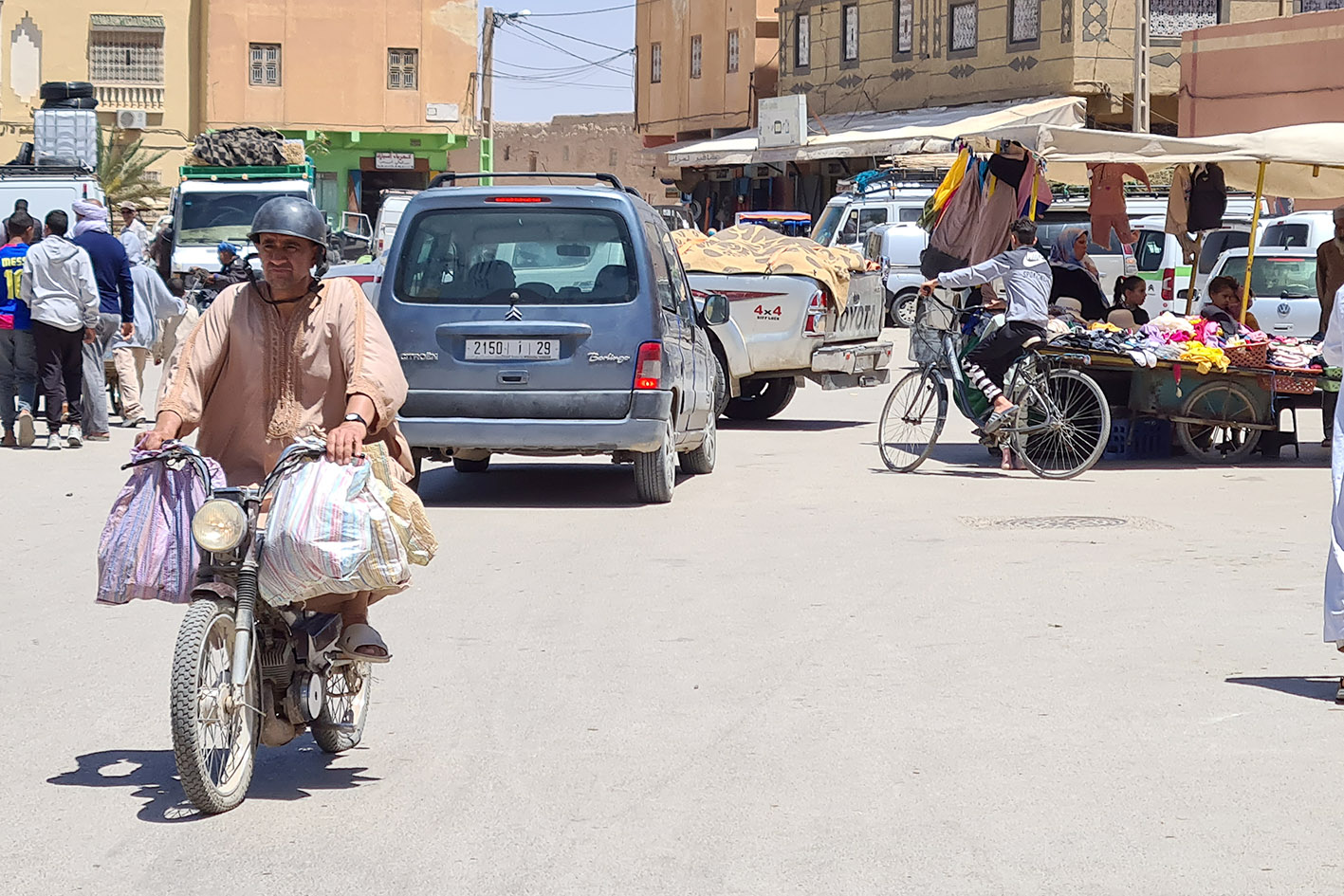
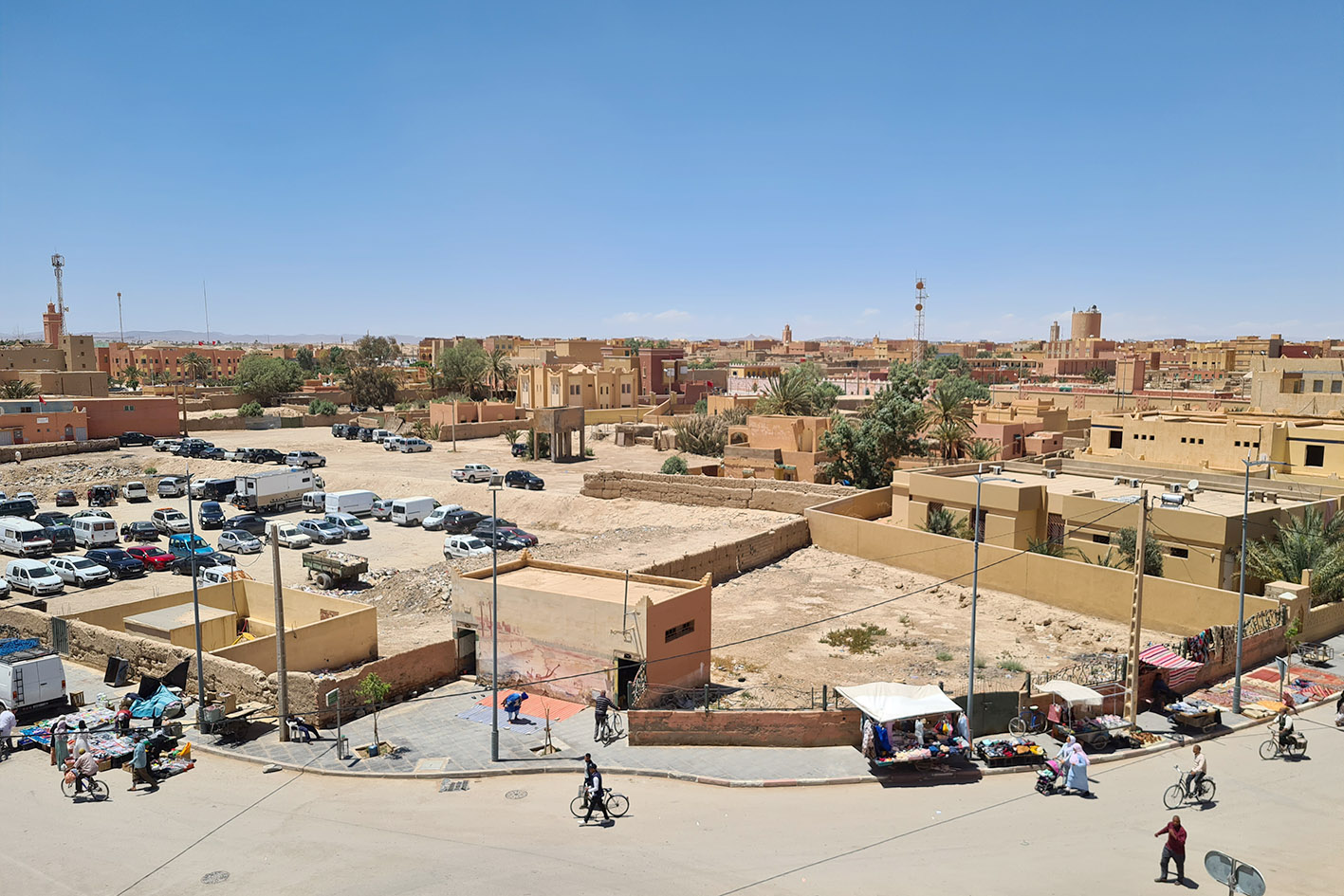

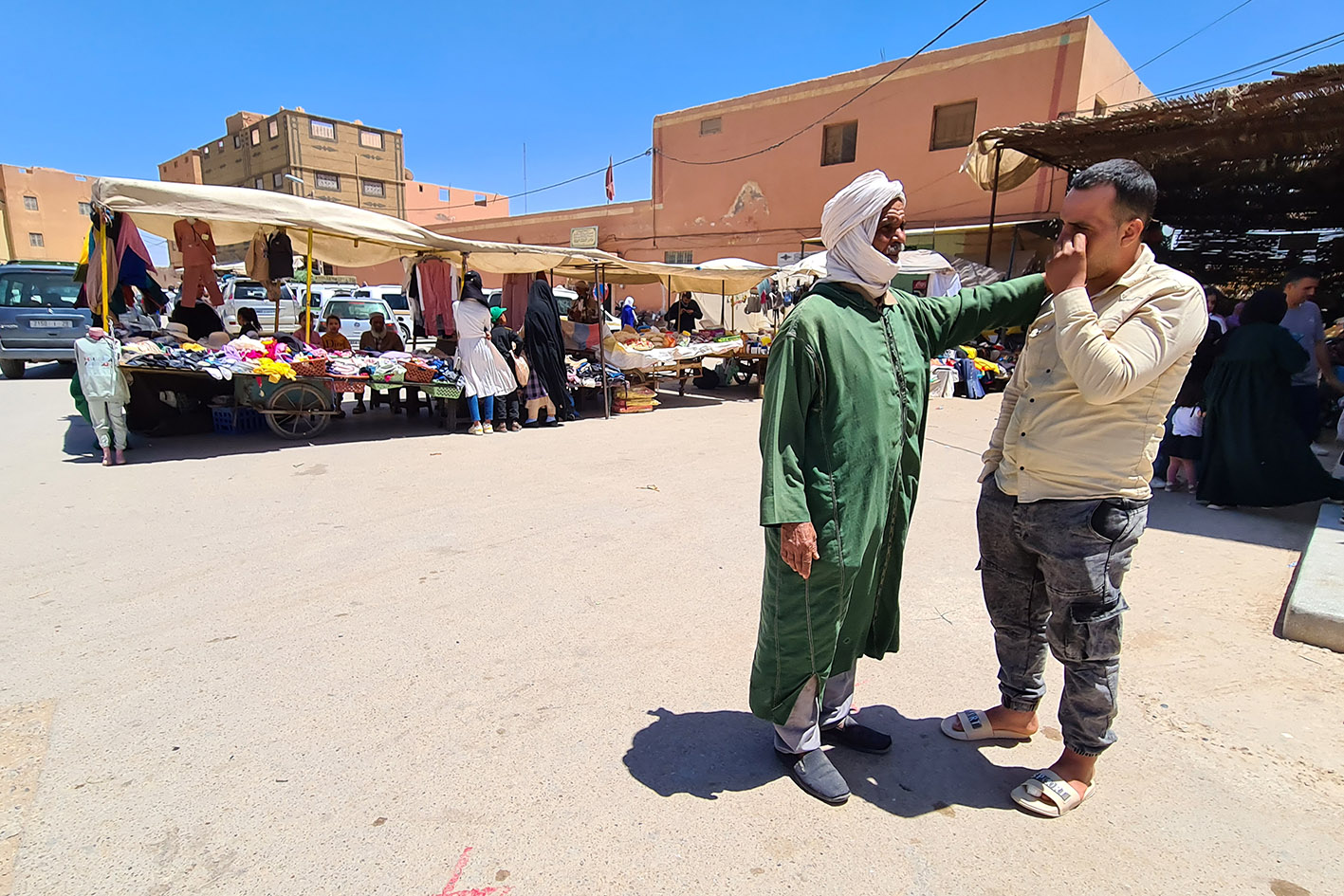
De steden liggen op de grens van het bewoonbare gebied en de meedogenloze leegte van de Sahara. Handelssteden zijn het, met een grote rol voor de markt
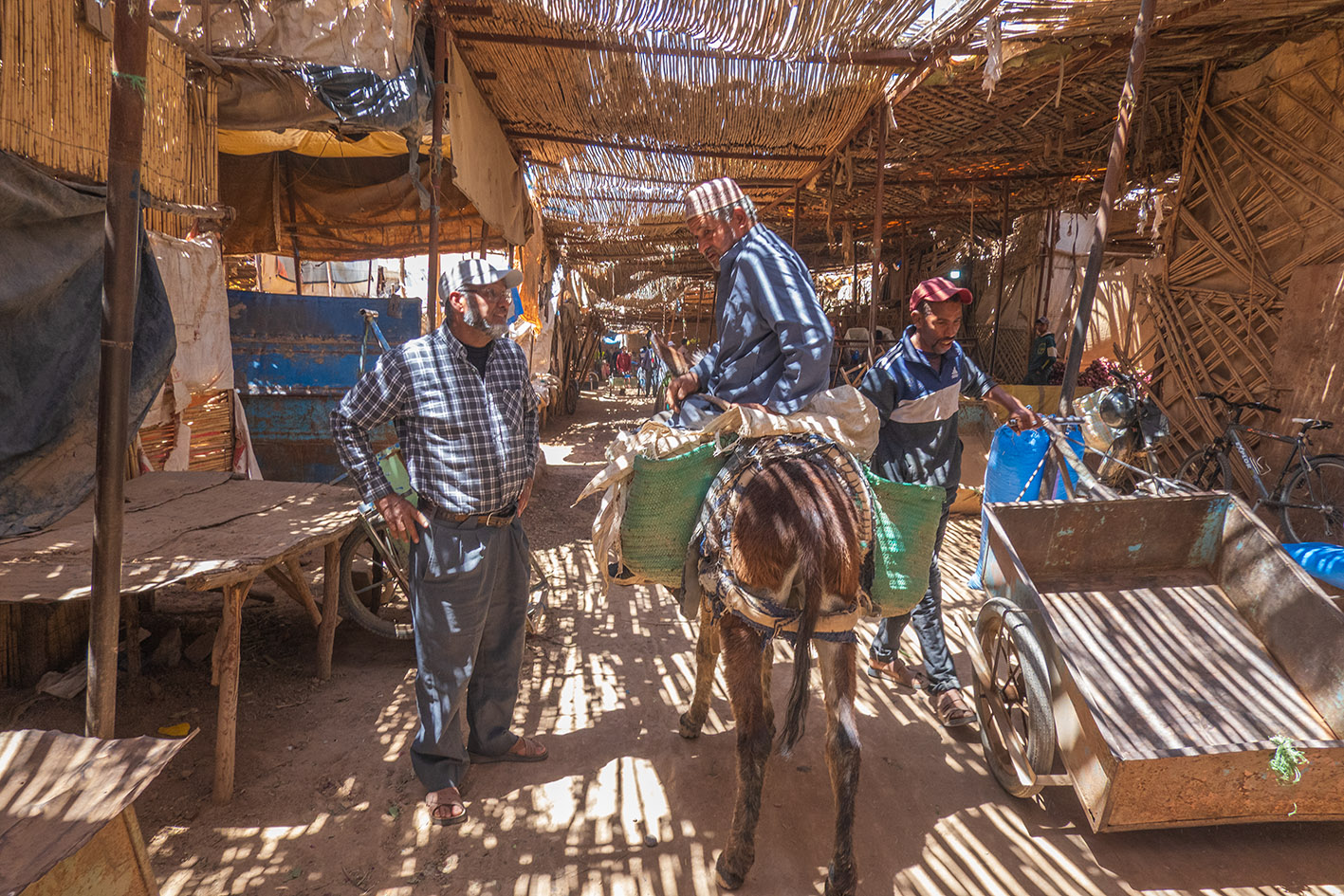
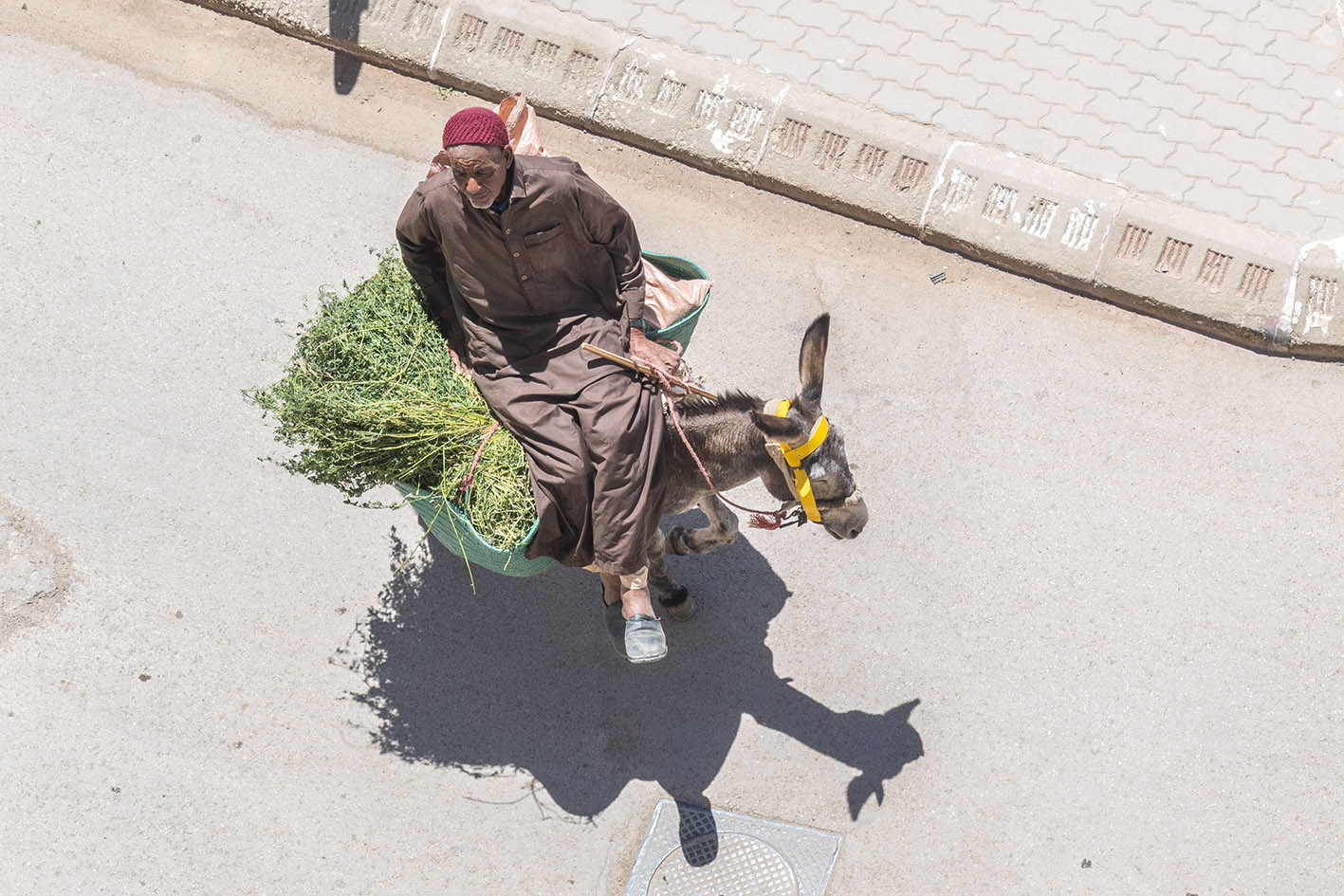
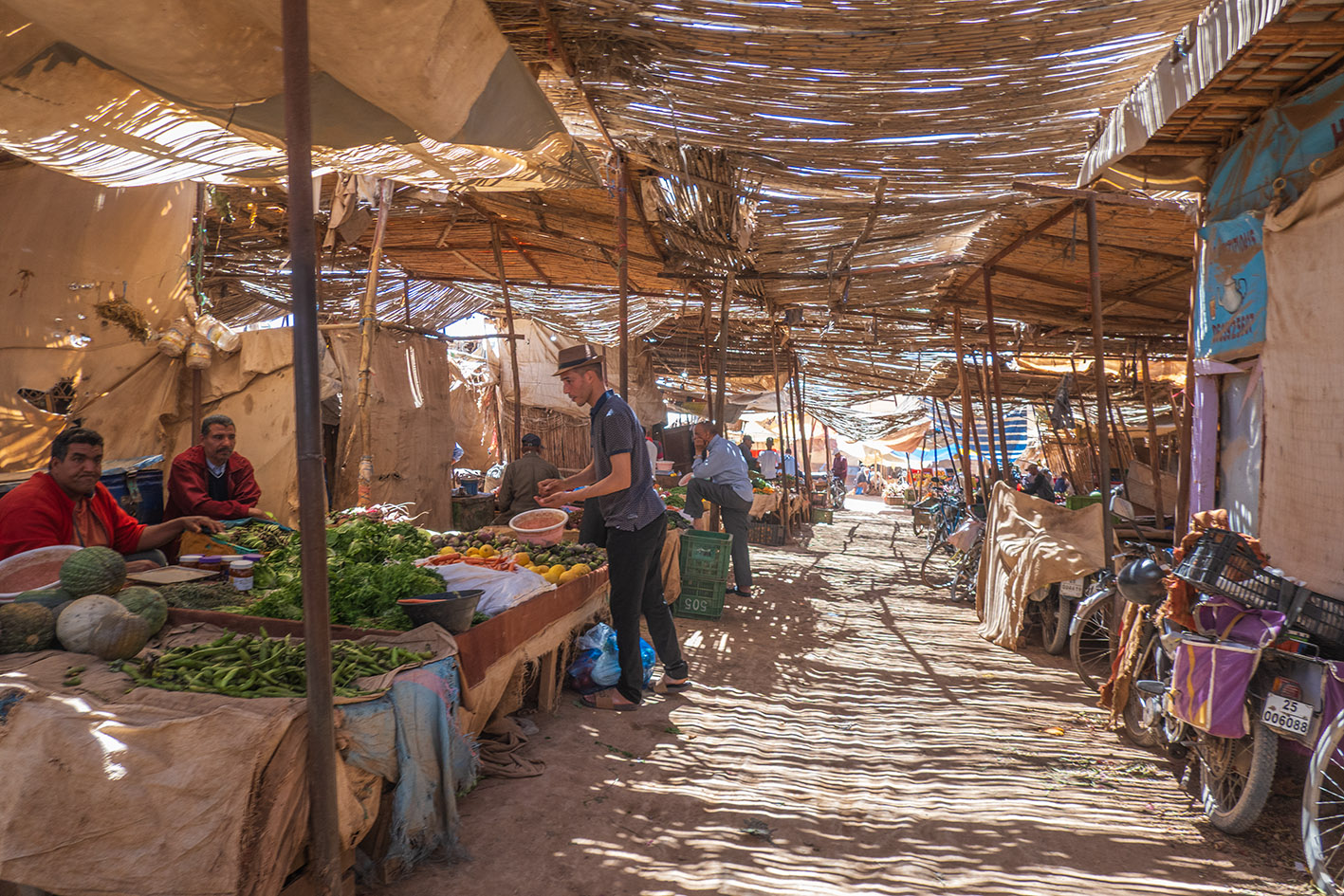
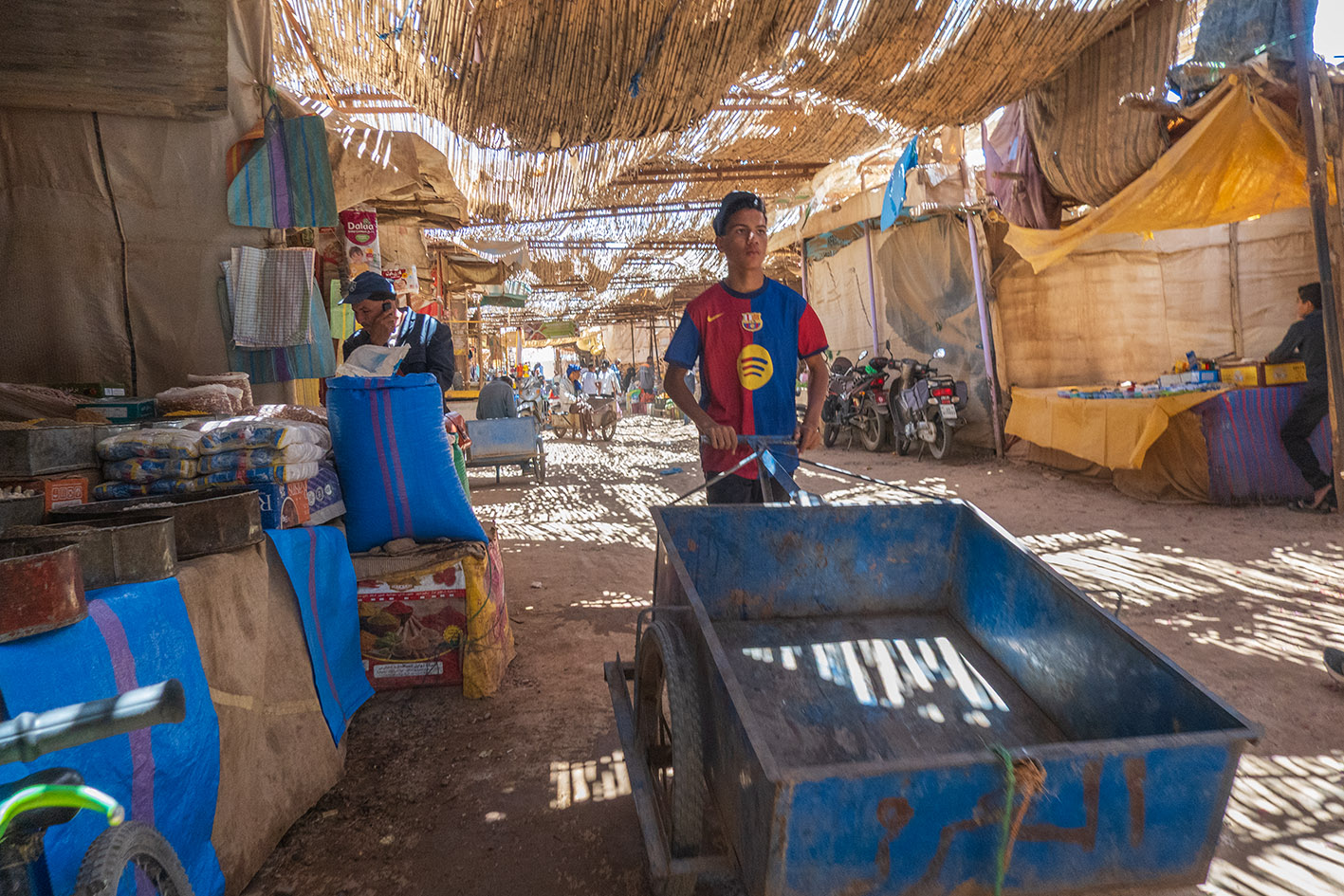
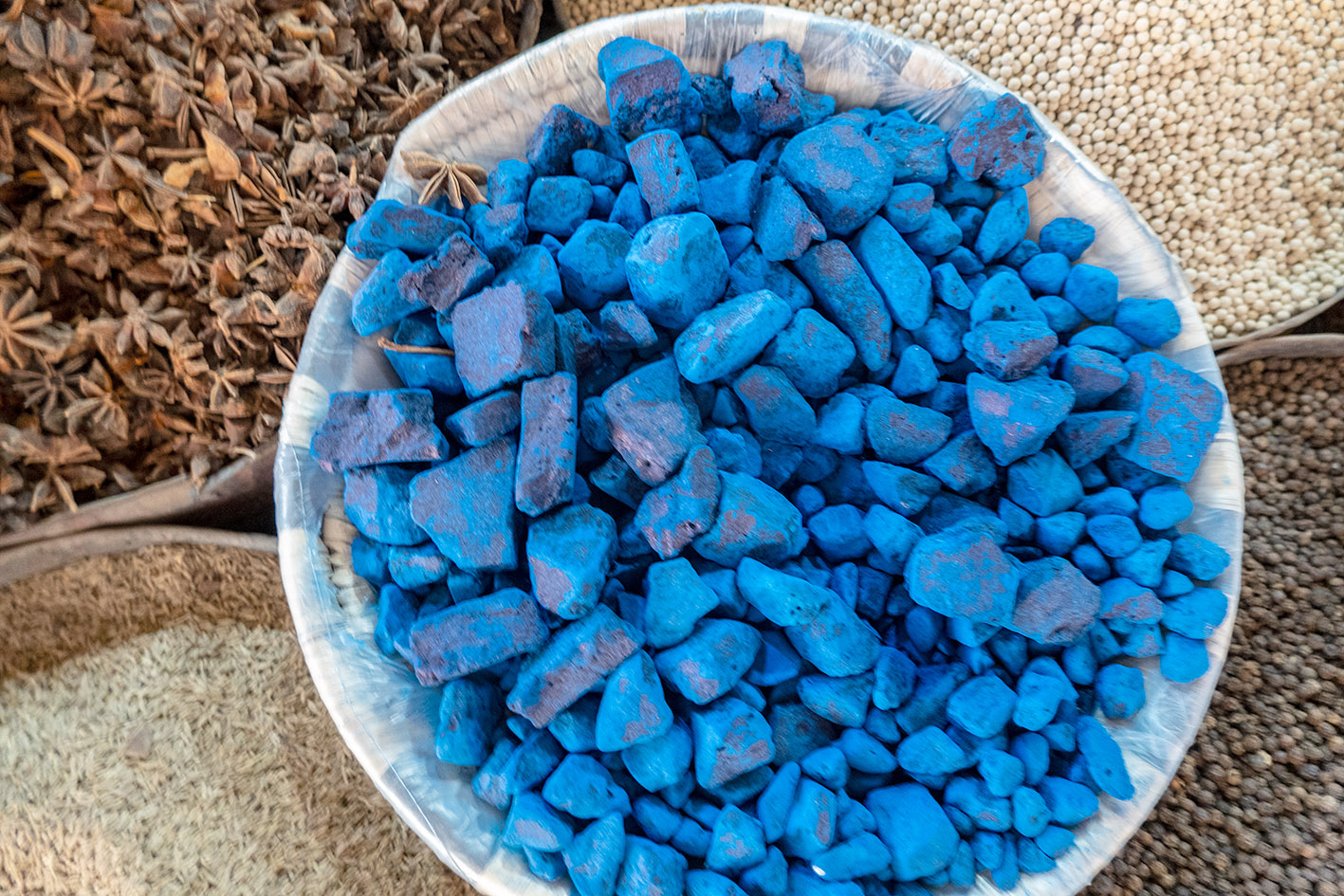


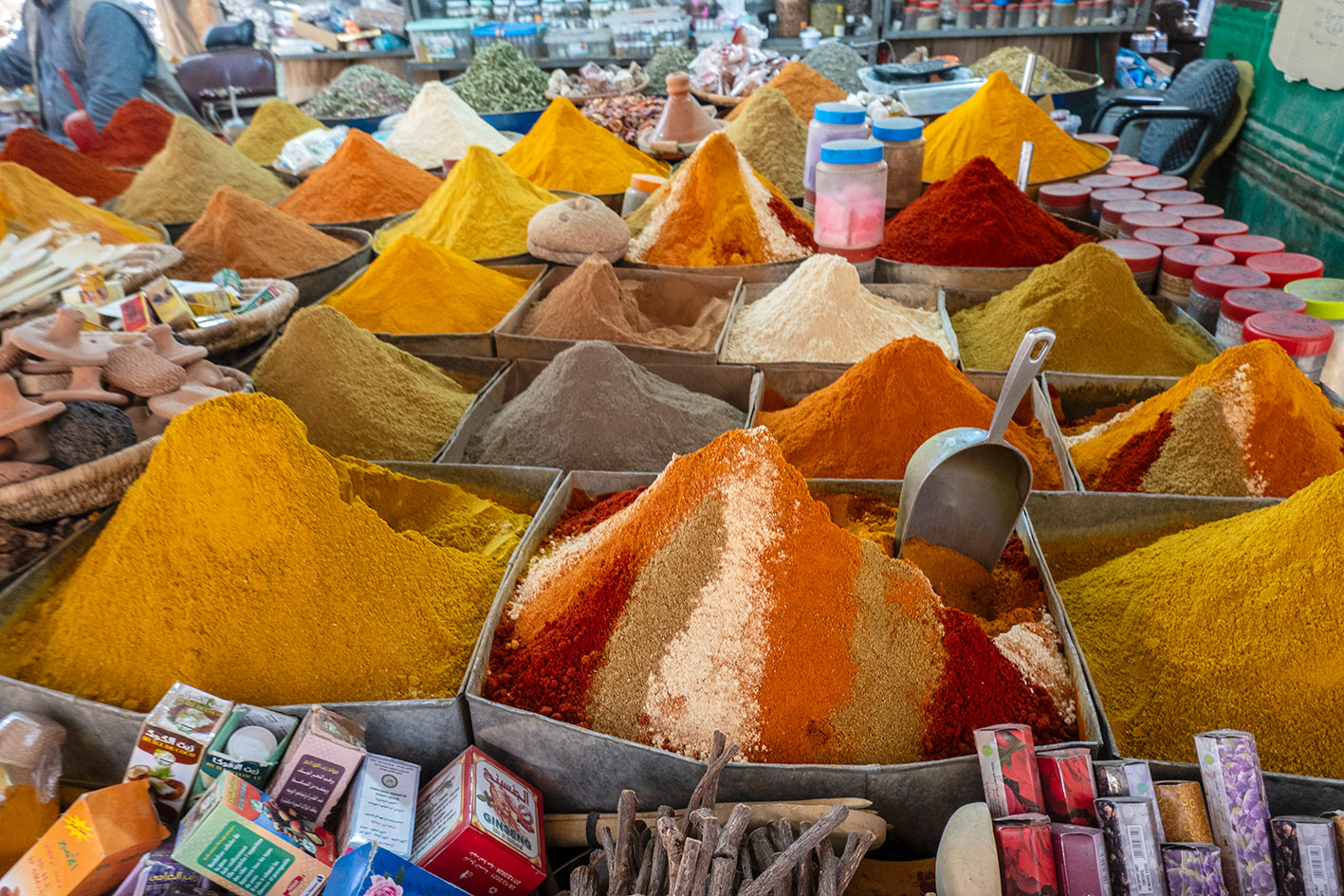
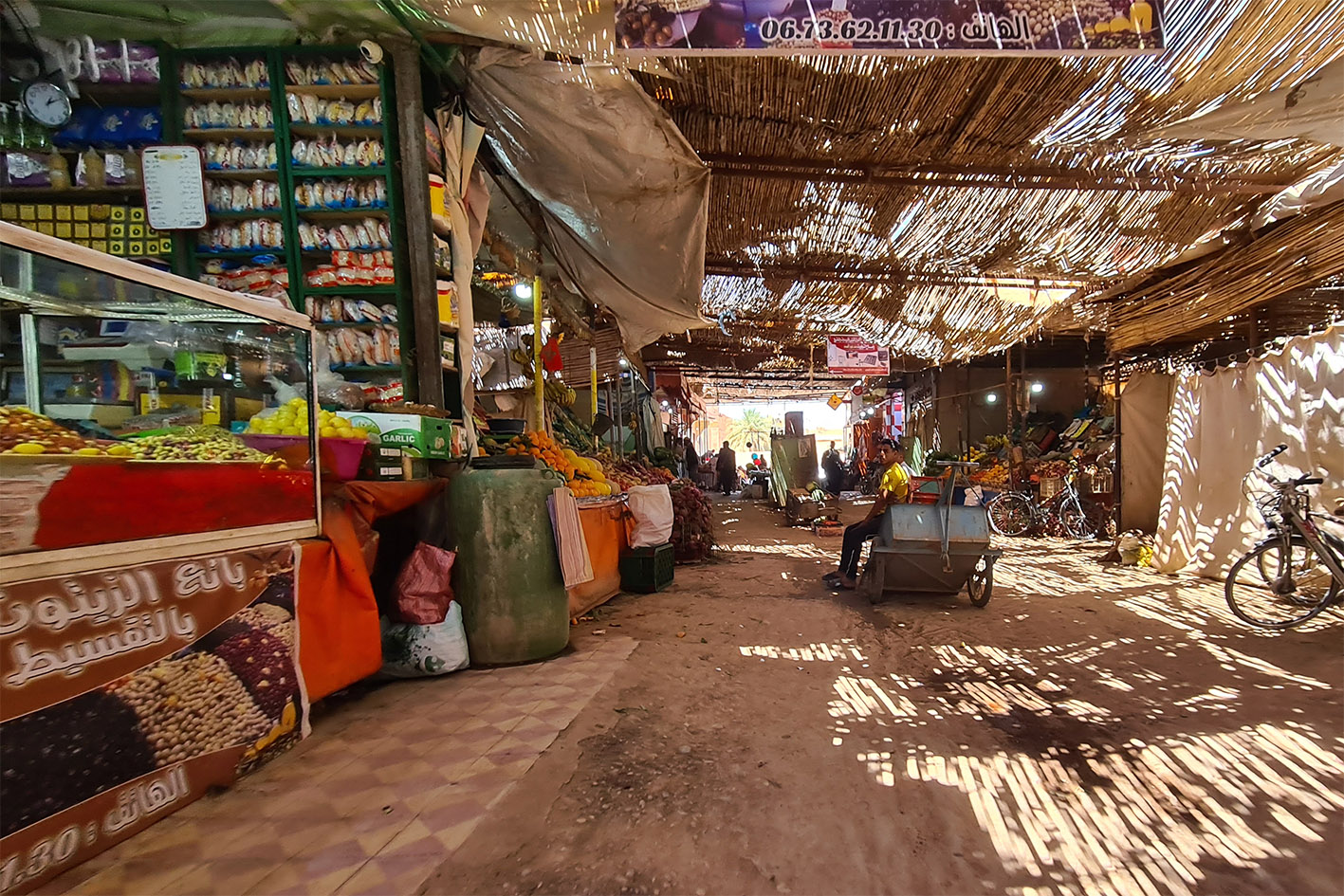
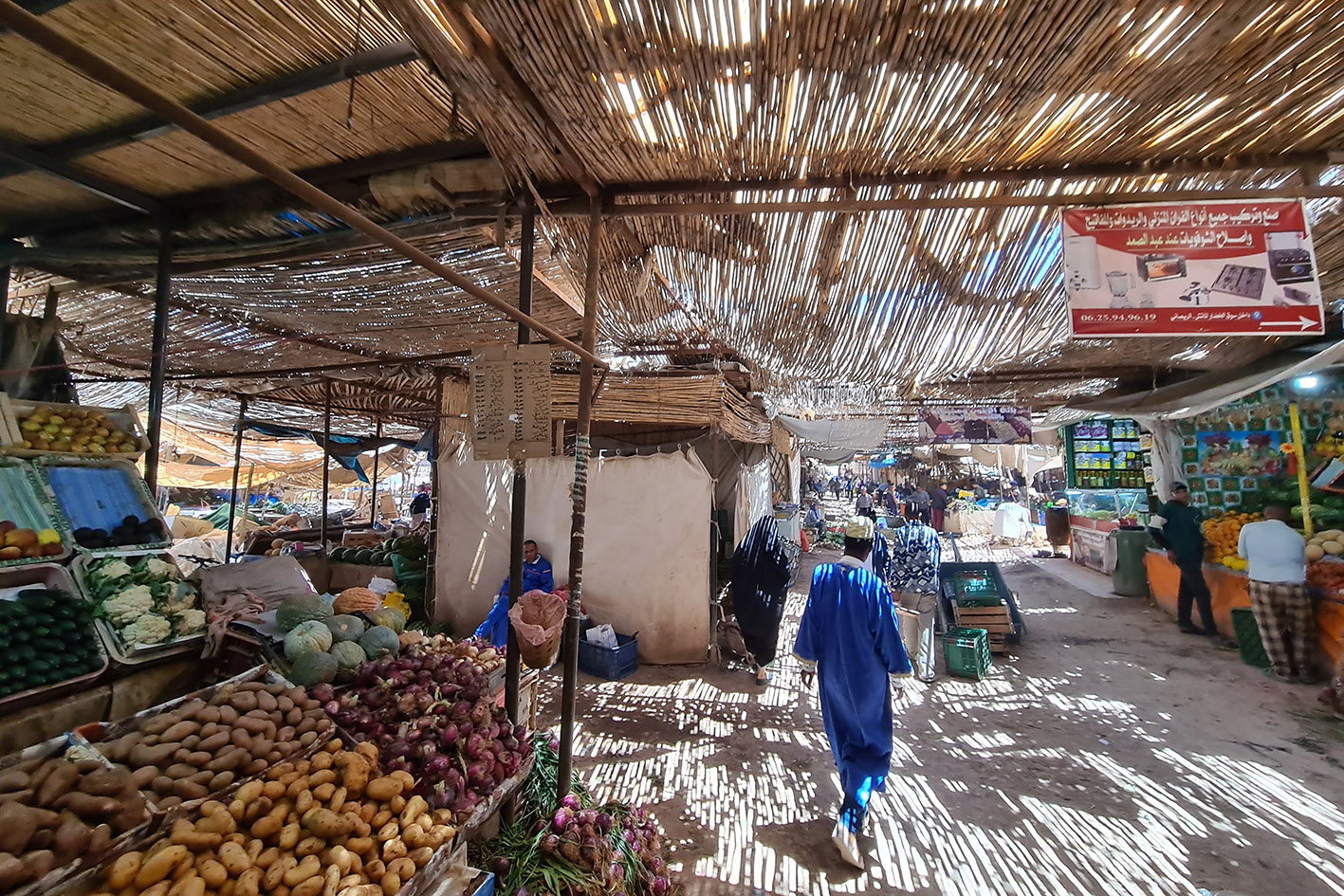
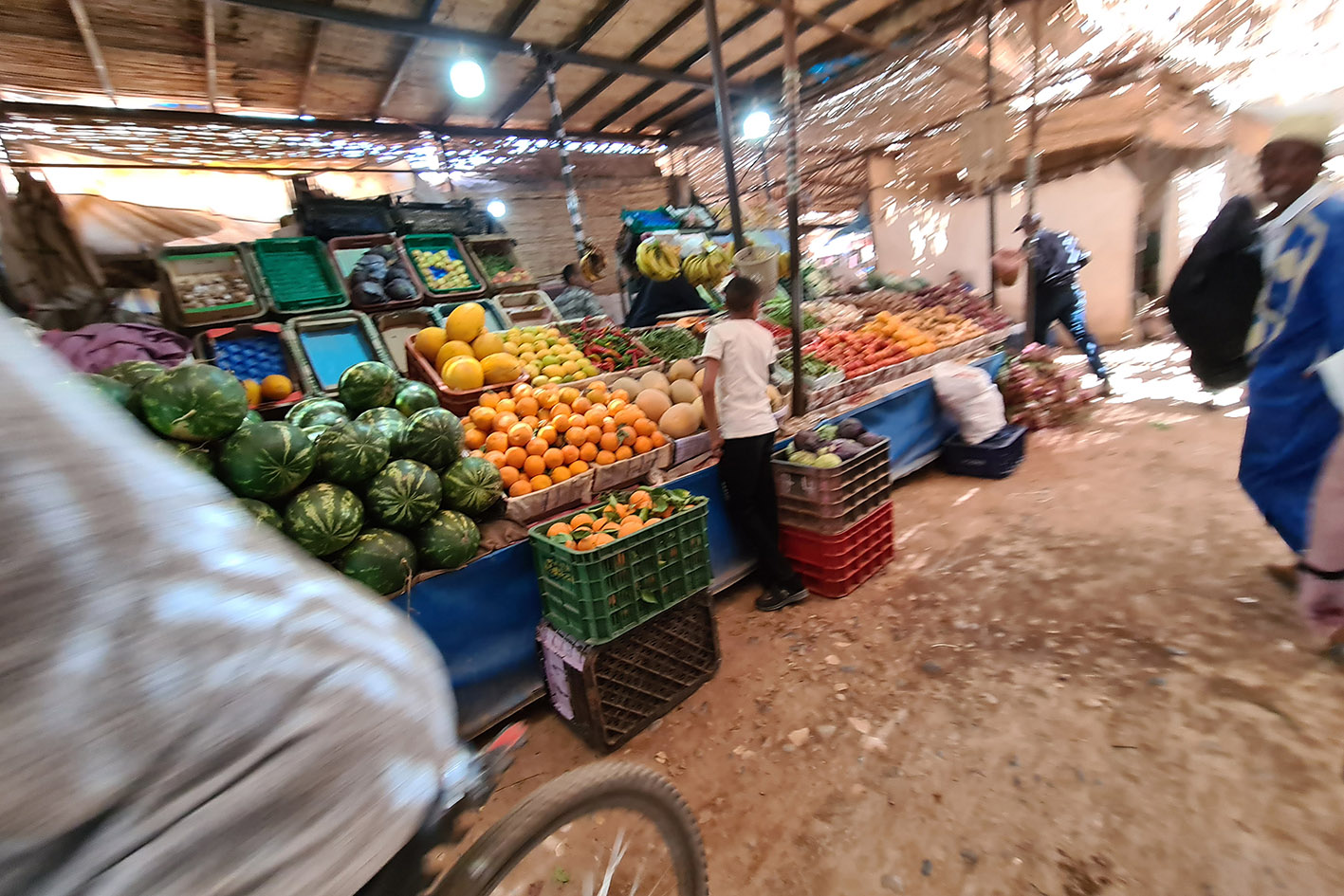
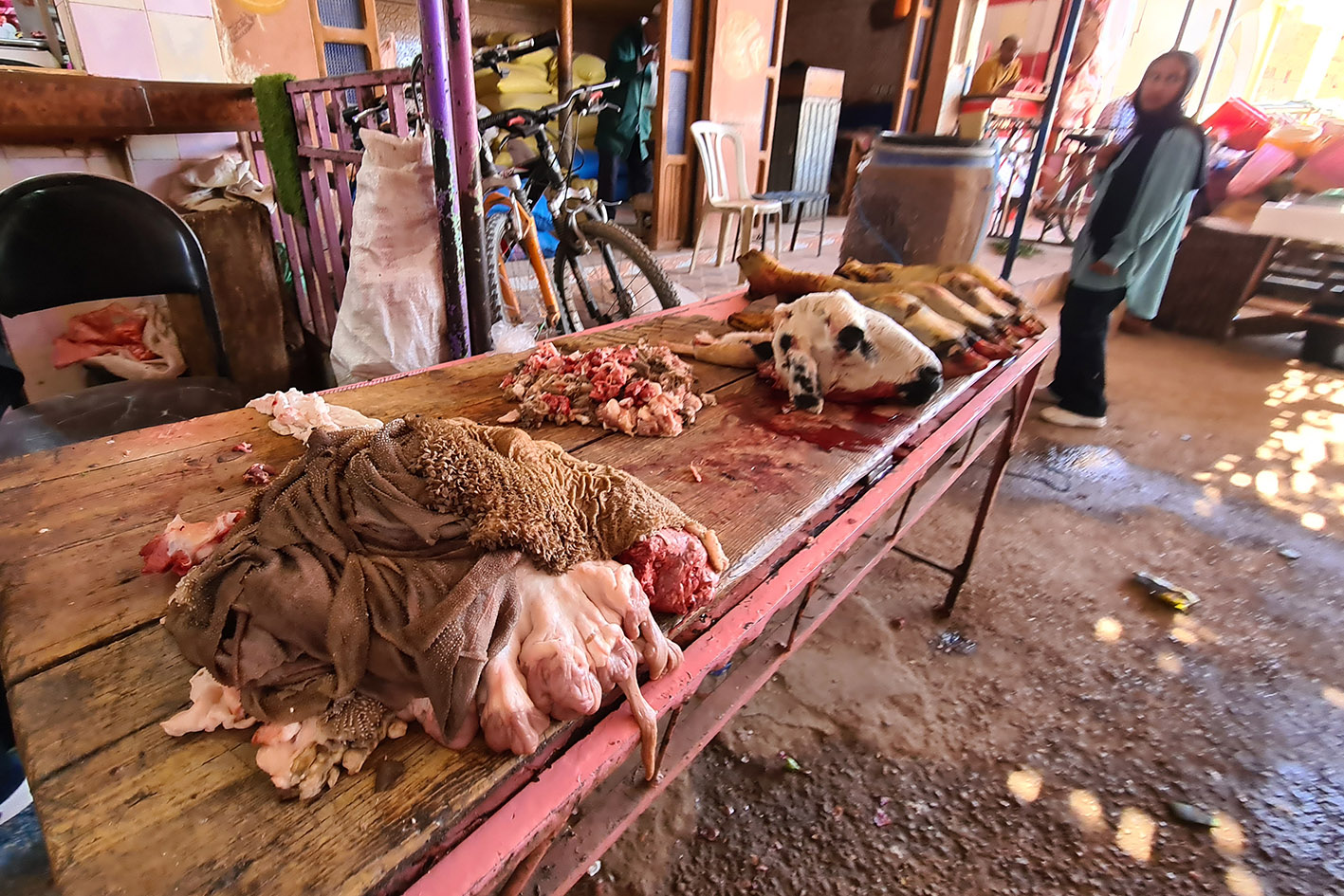
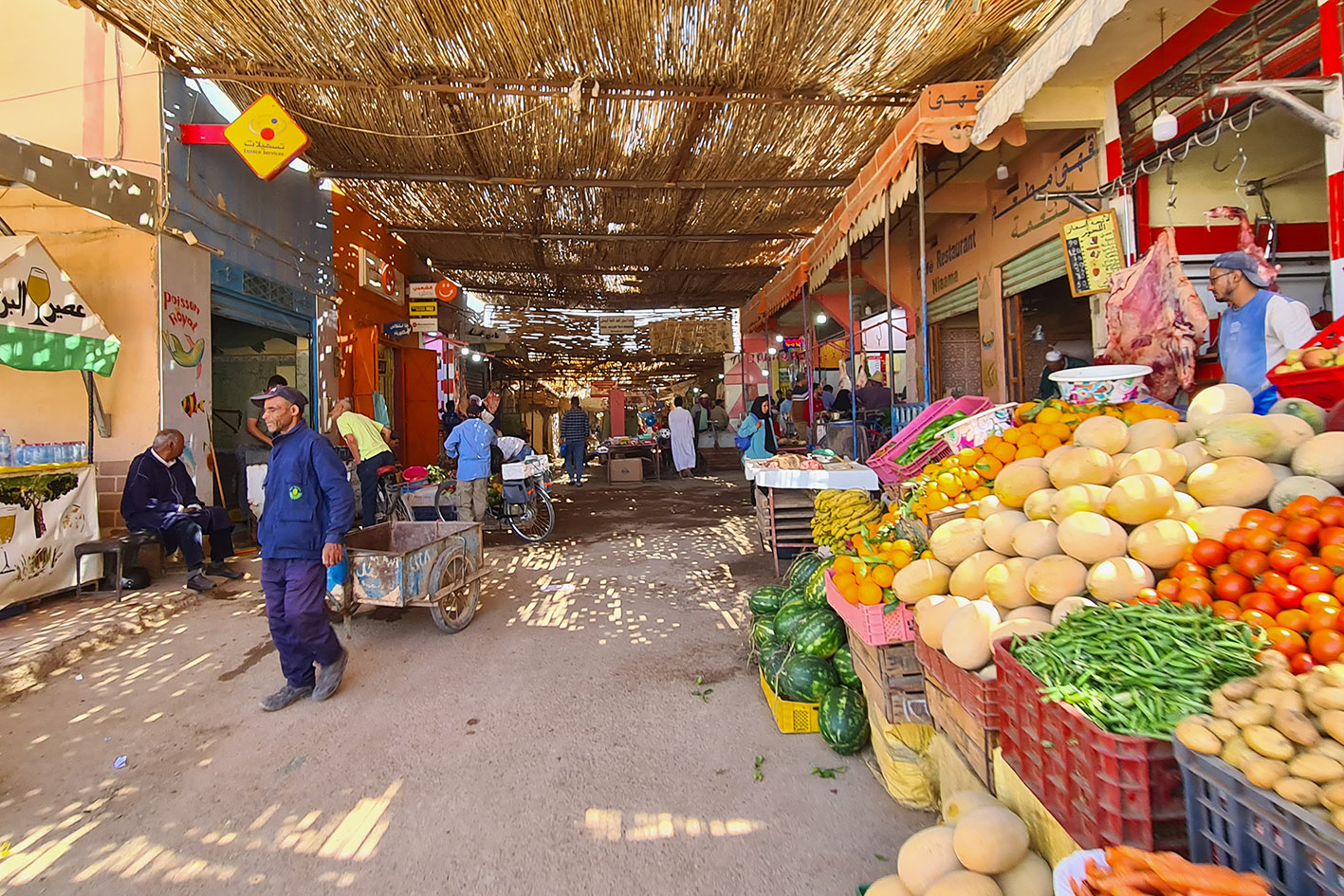
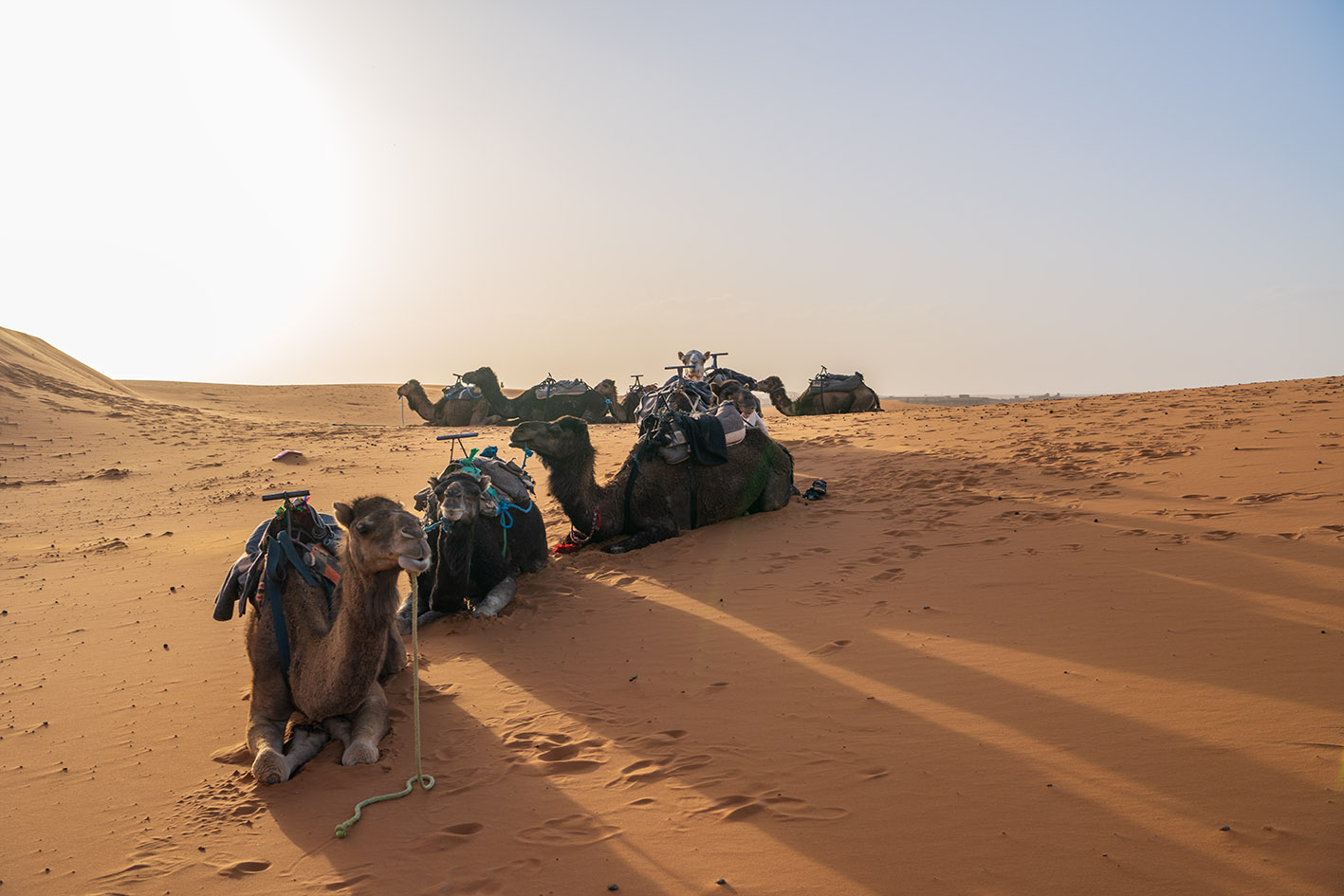
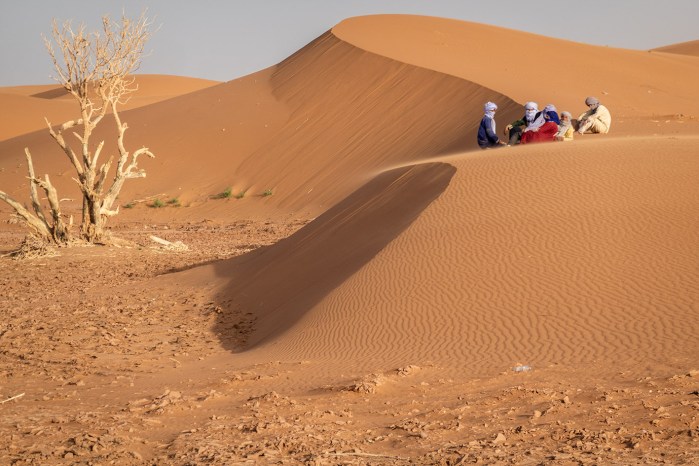
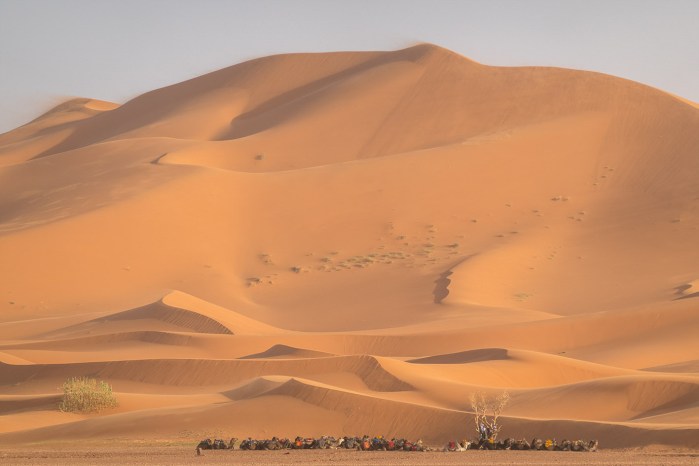
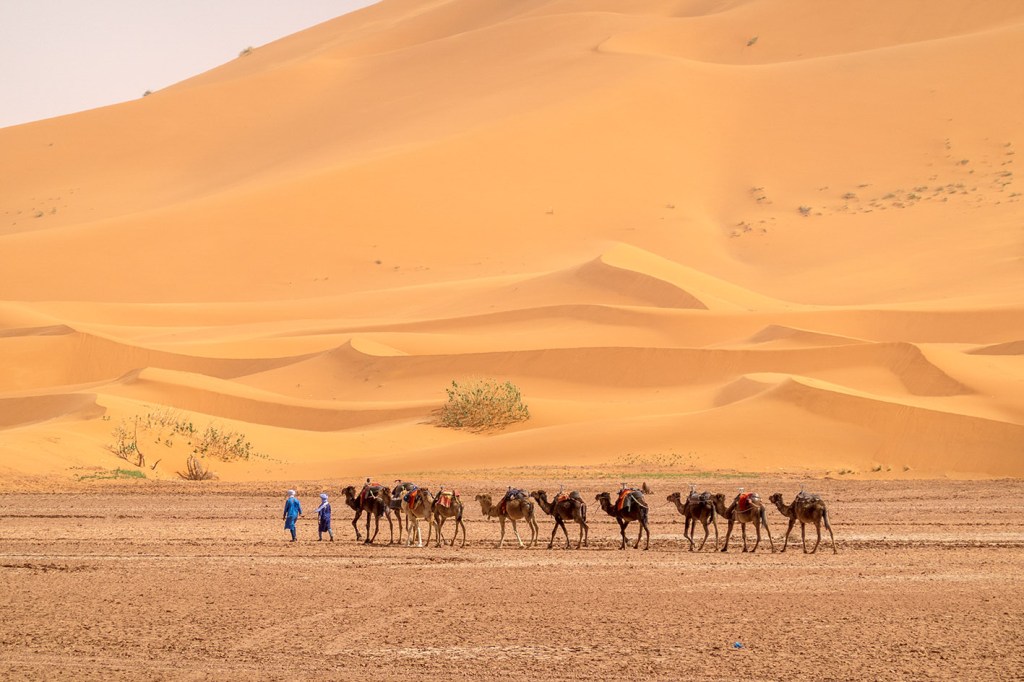
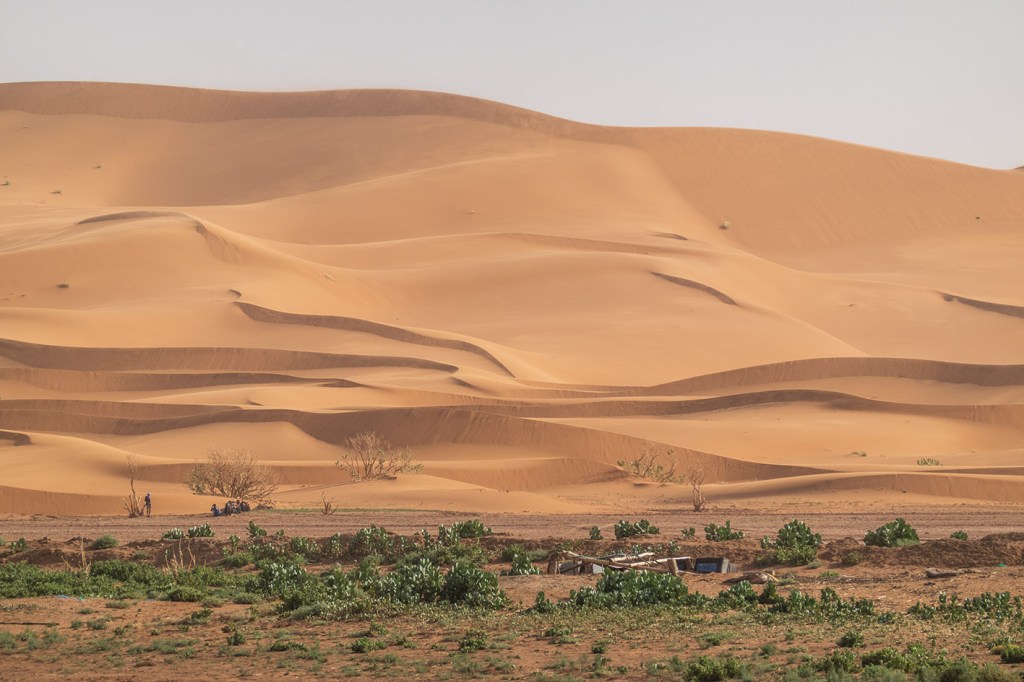
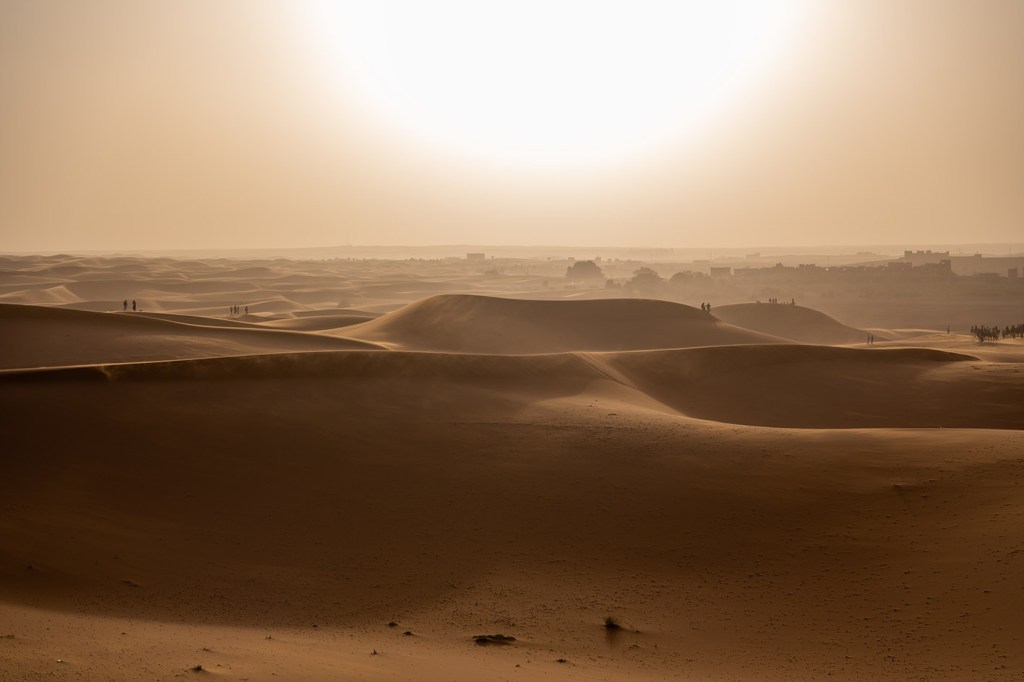
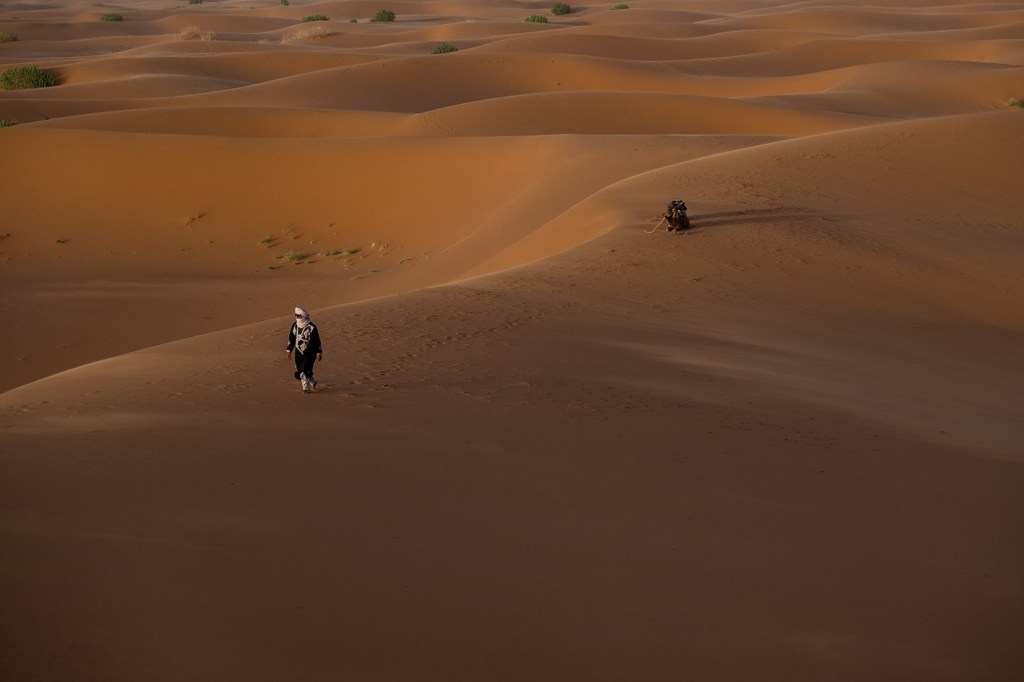
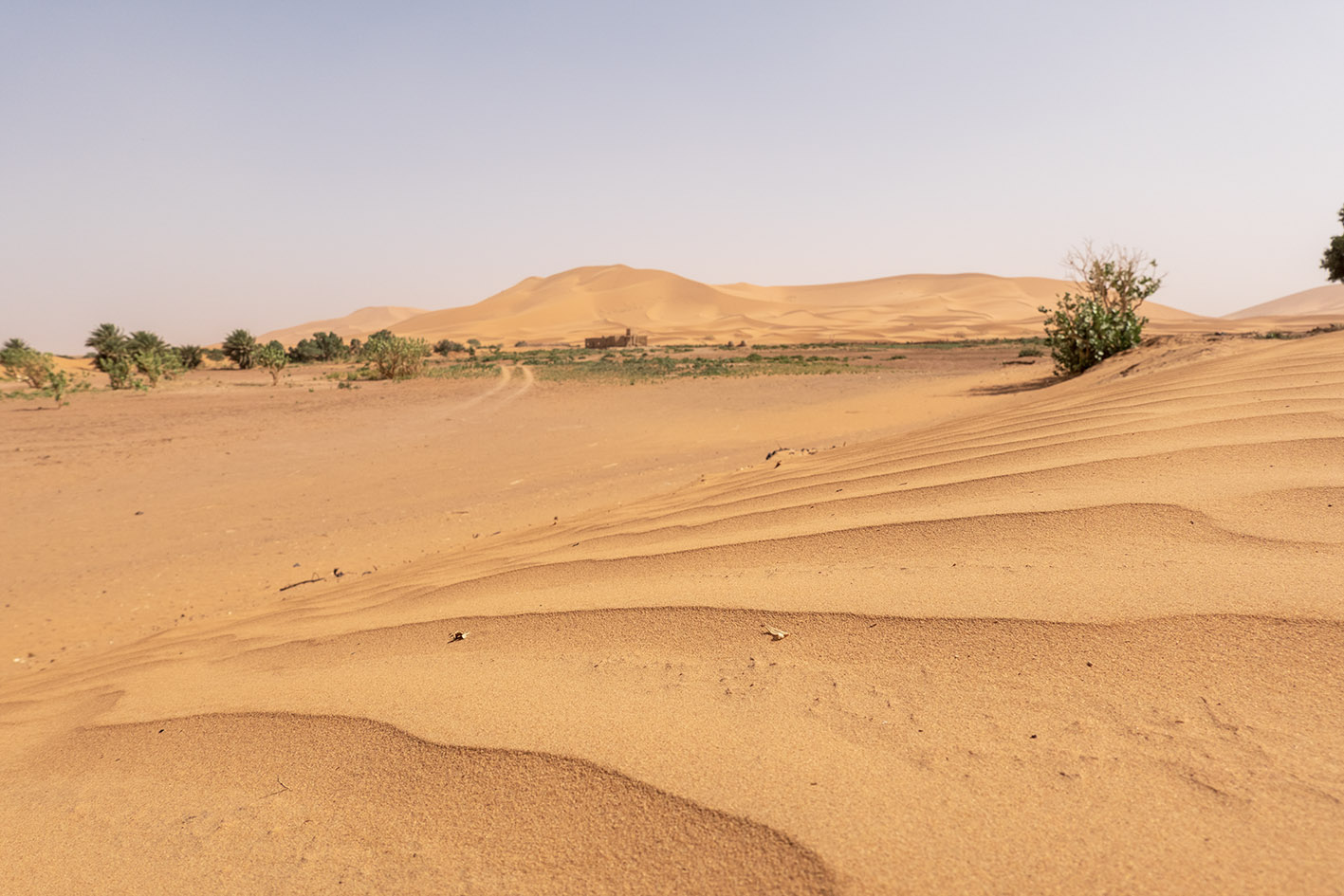
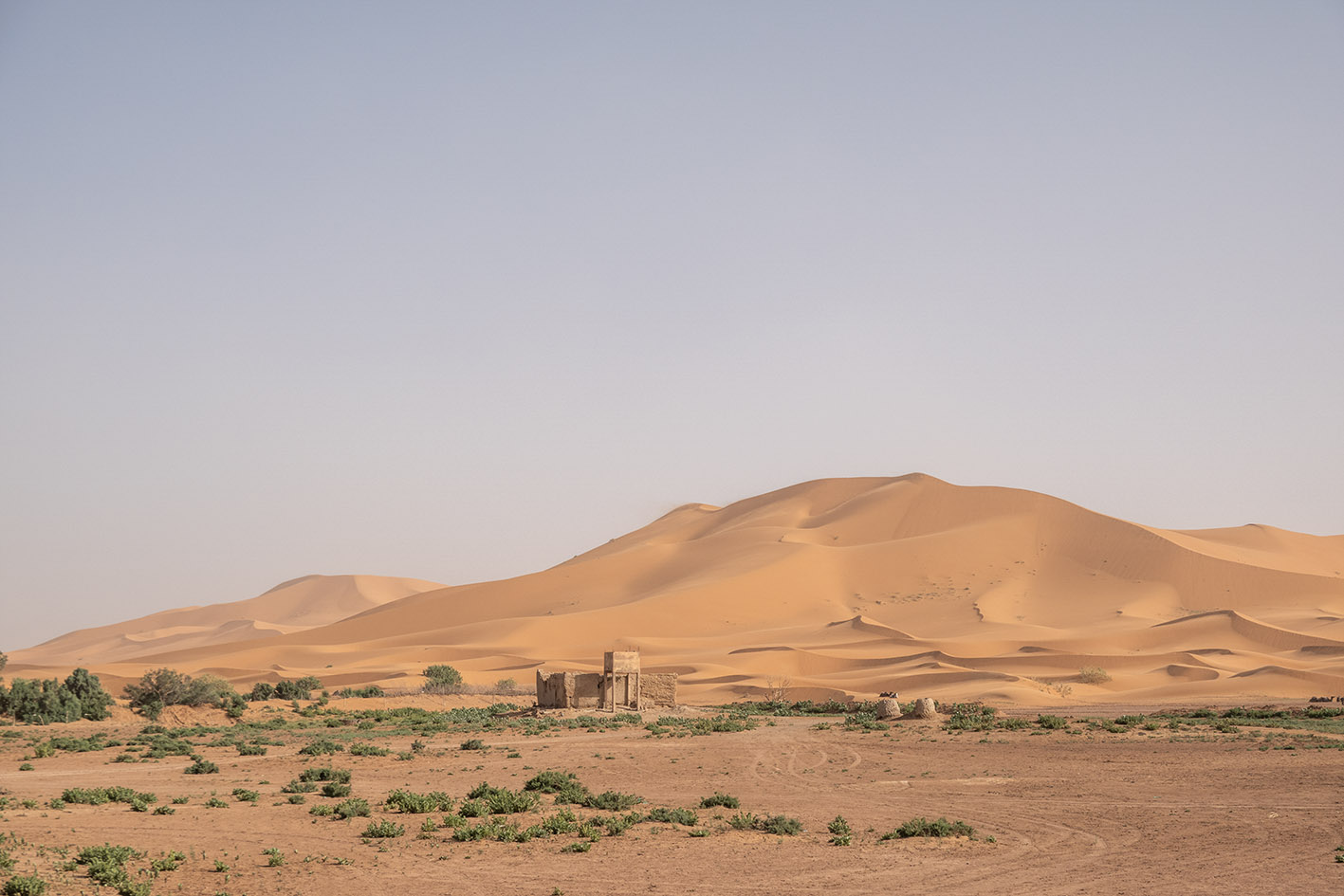
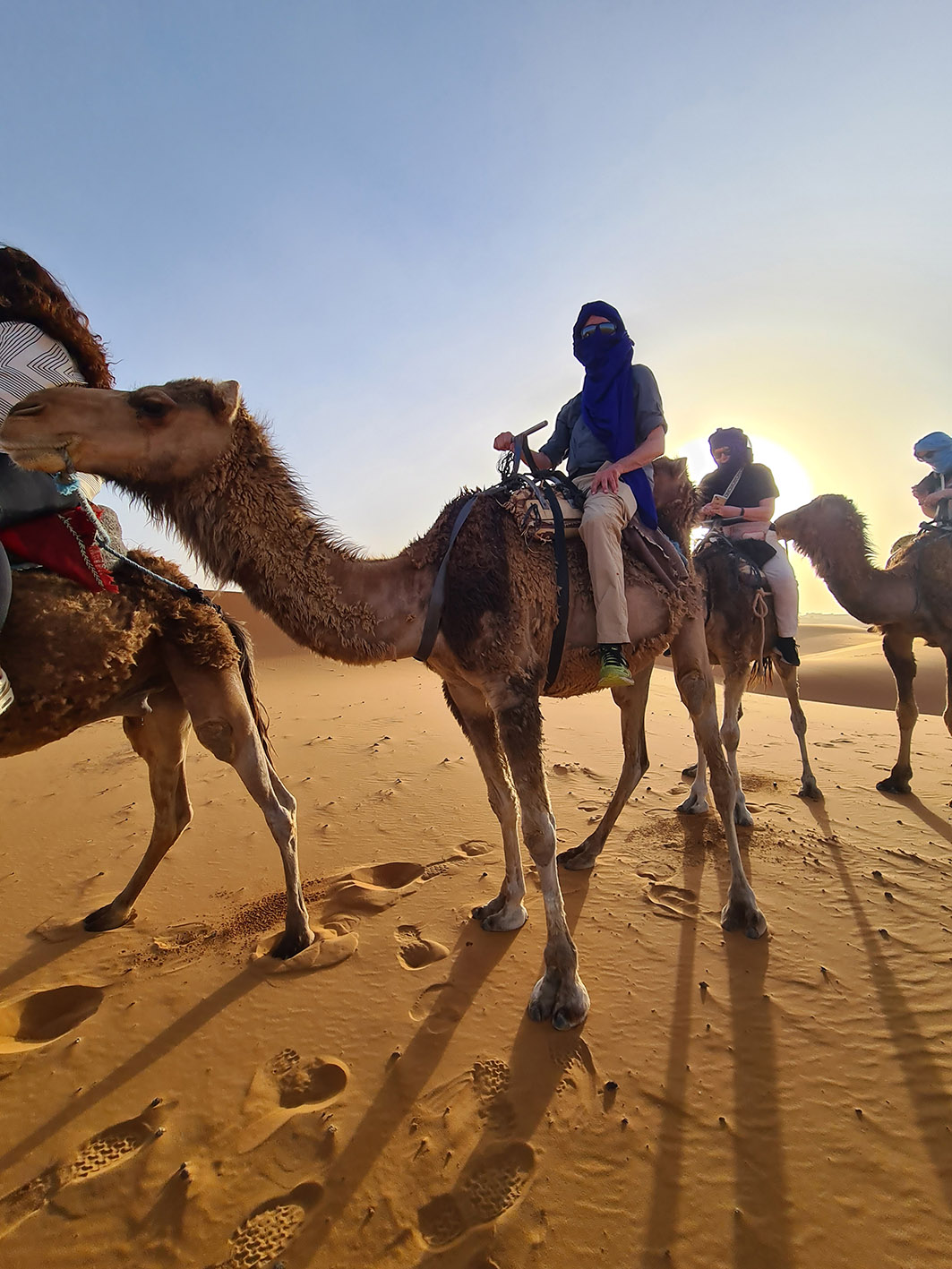
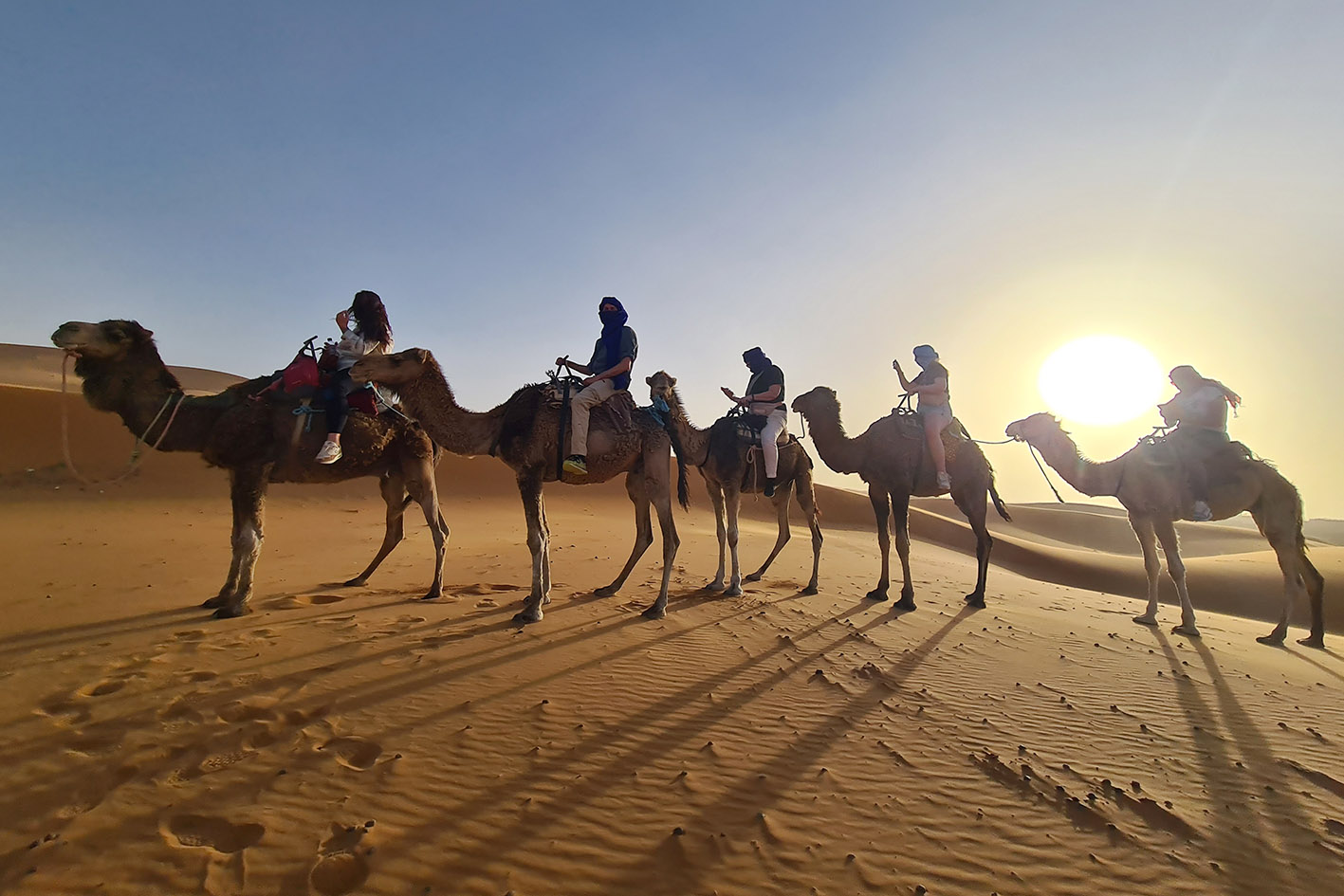
De eindbestemming voor vandaag: zandduinen van Merzouga – het beeld van de Sahara zoals wij dat kennen

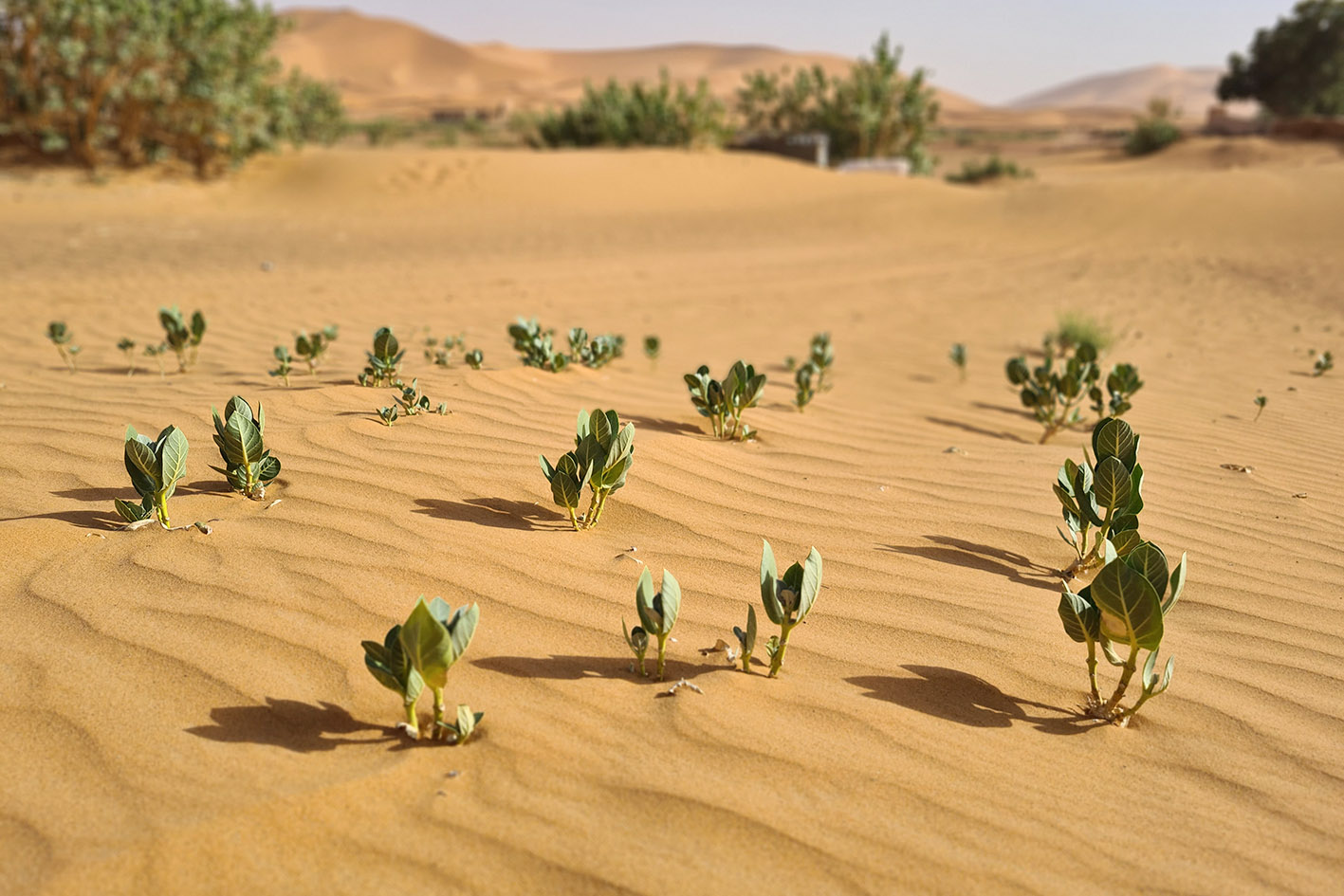
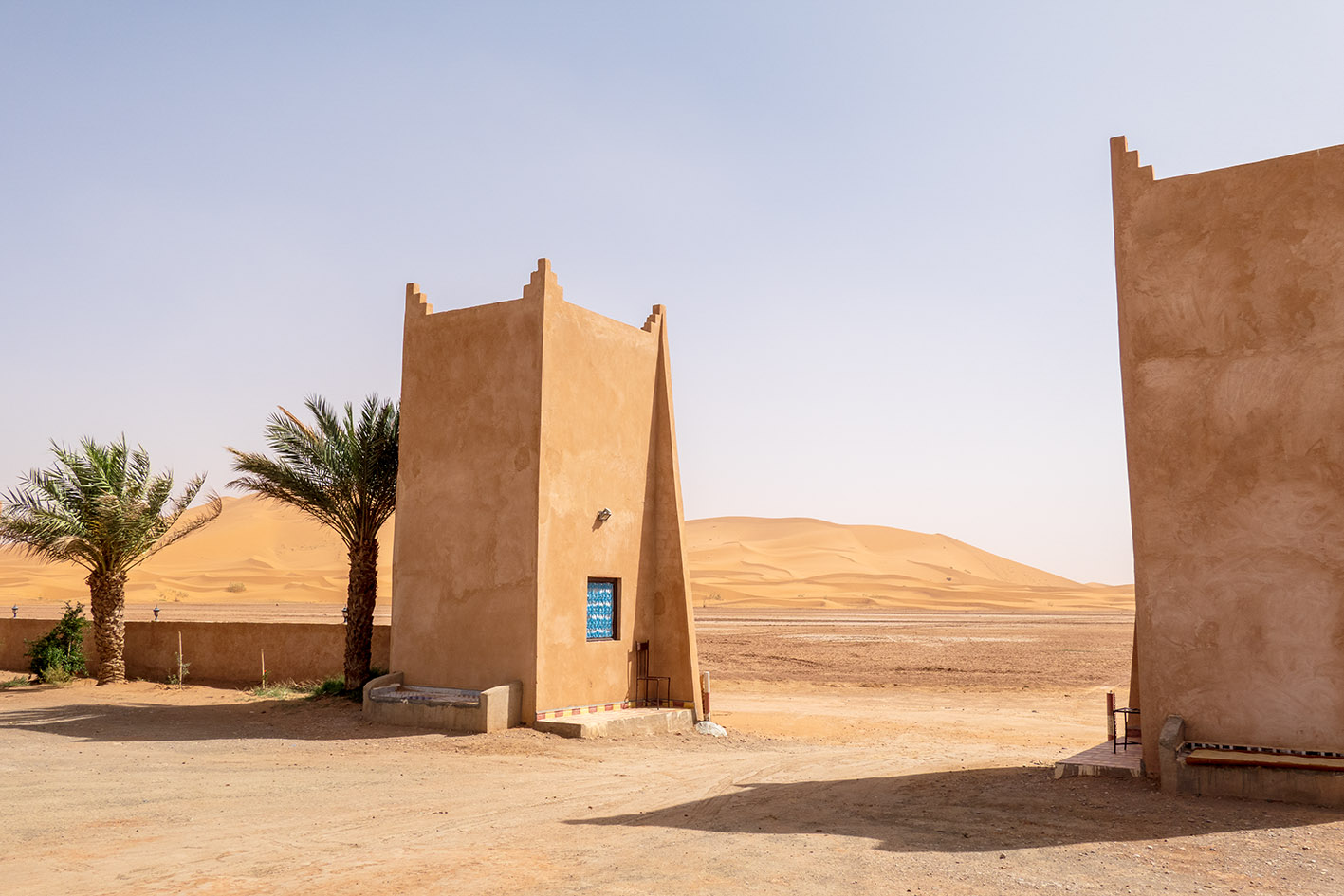

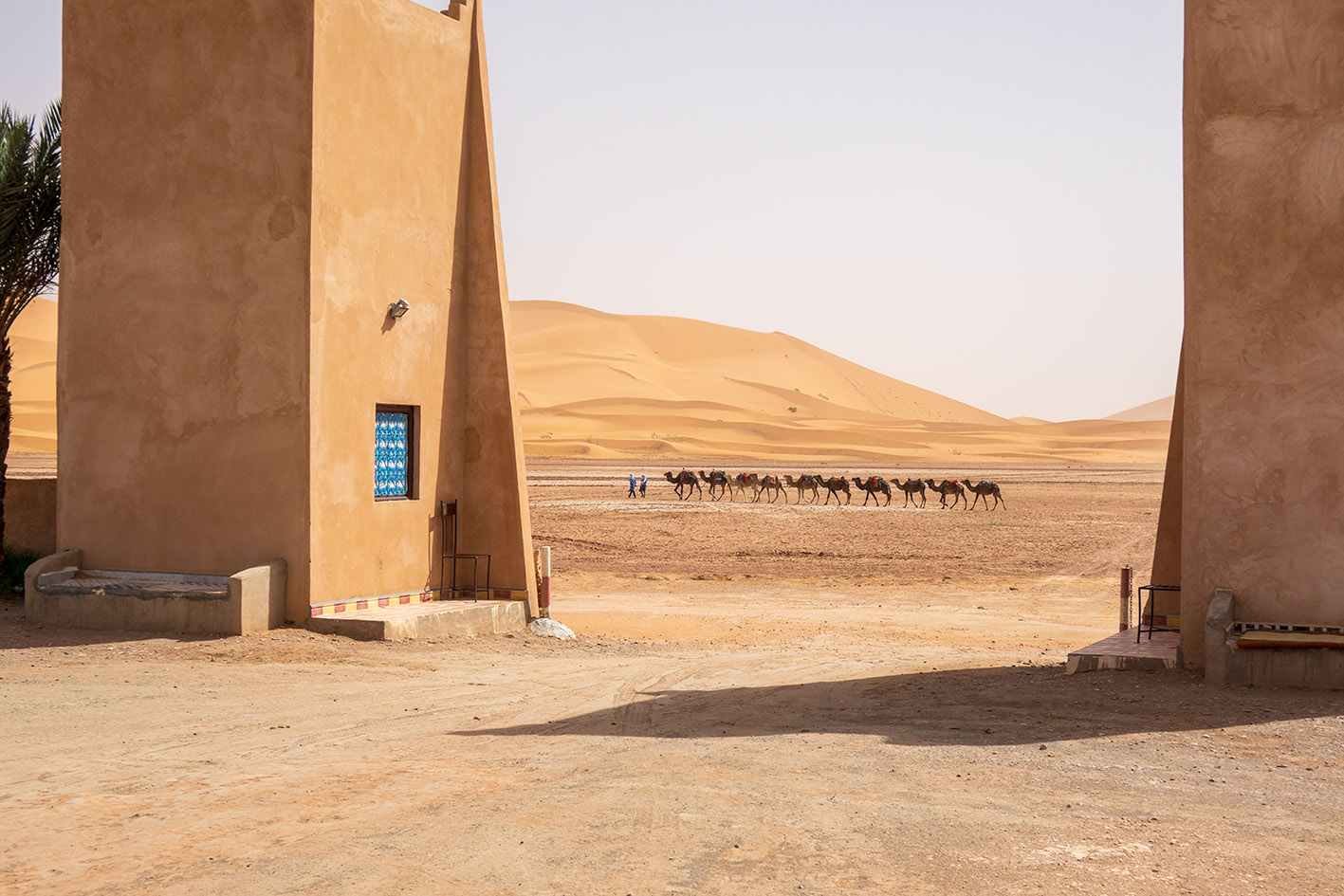
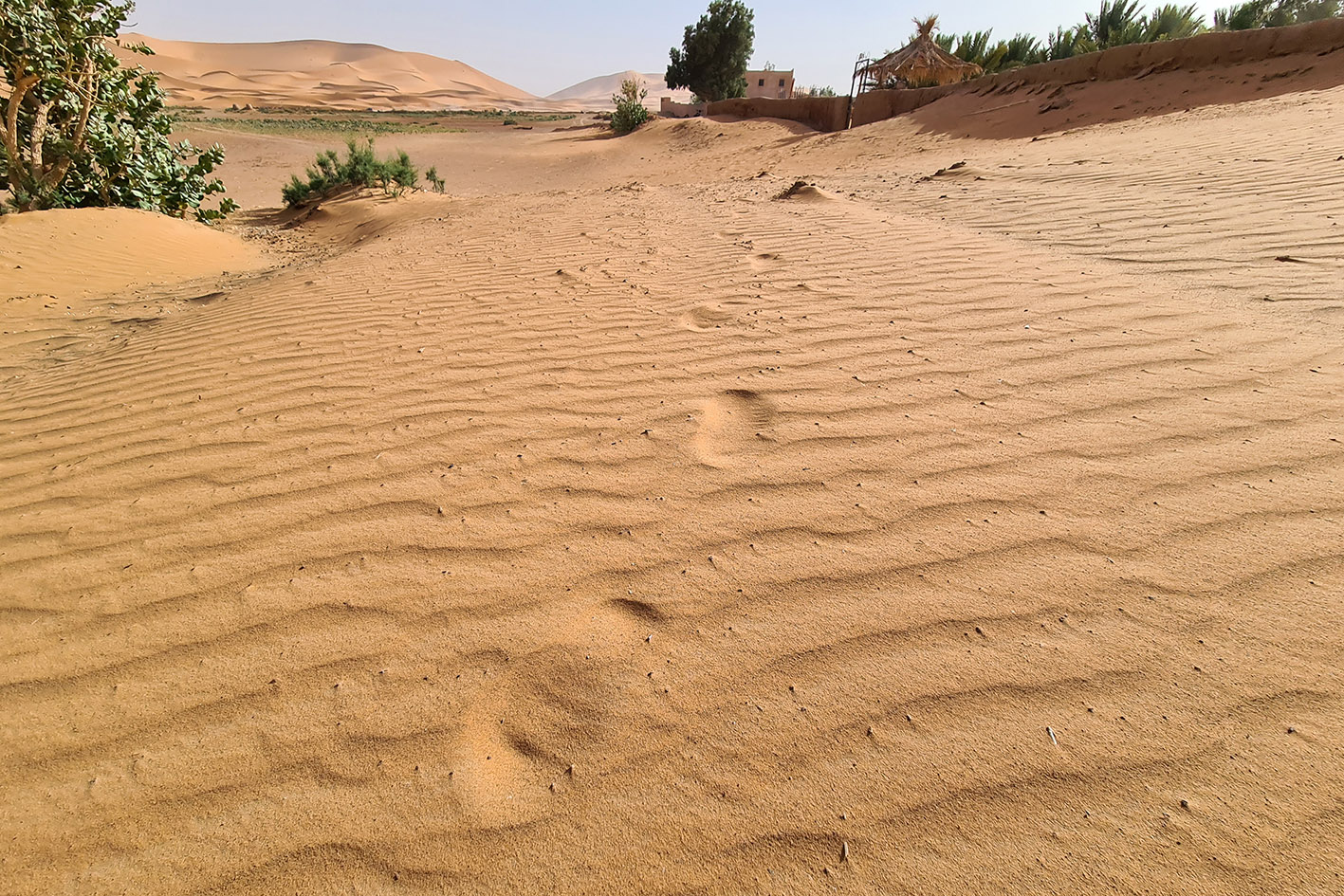
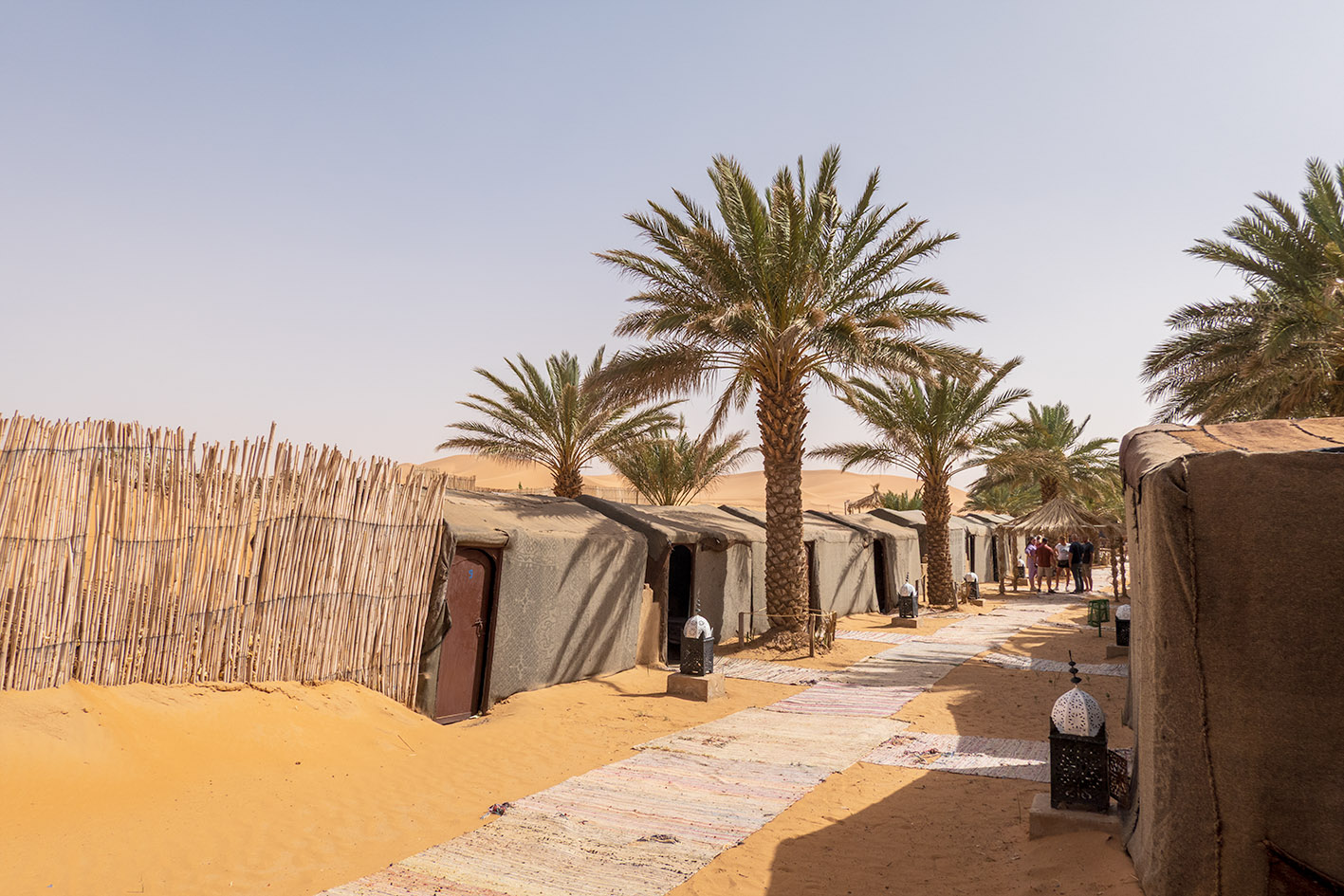
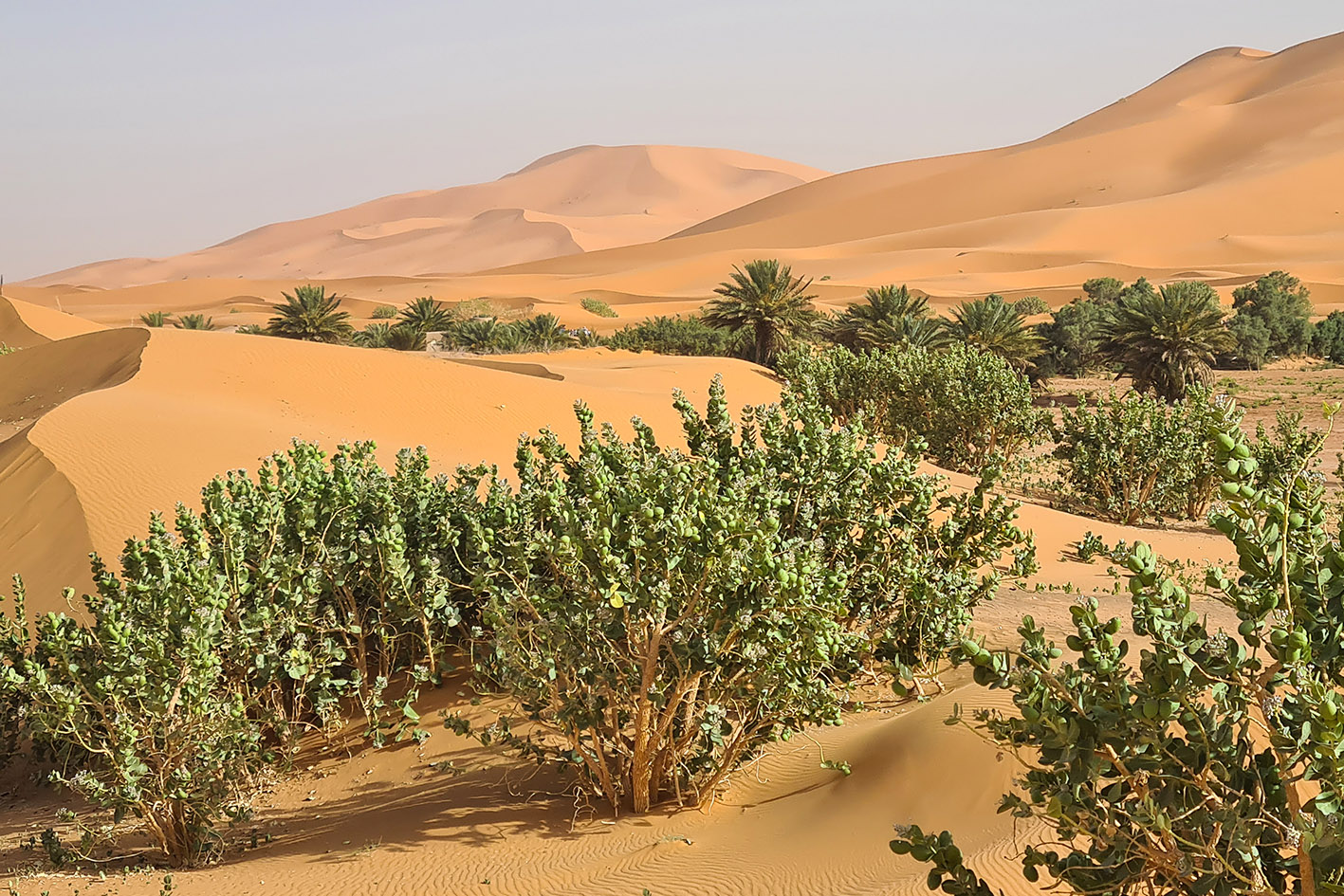
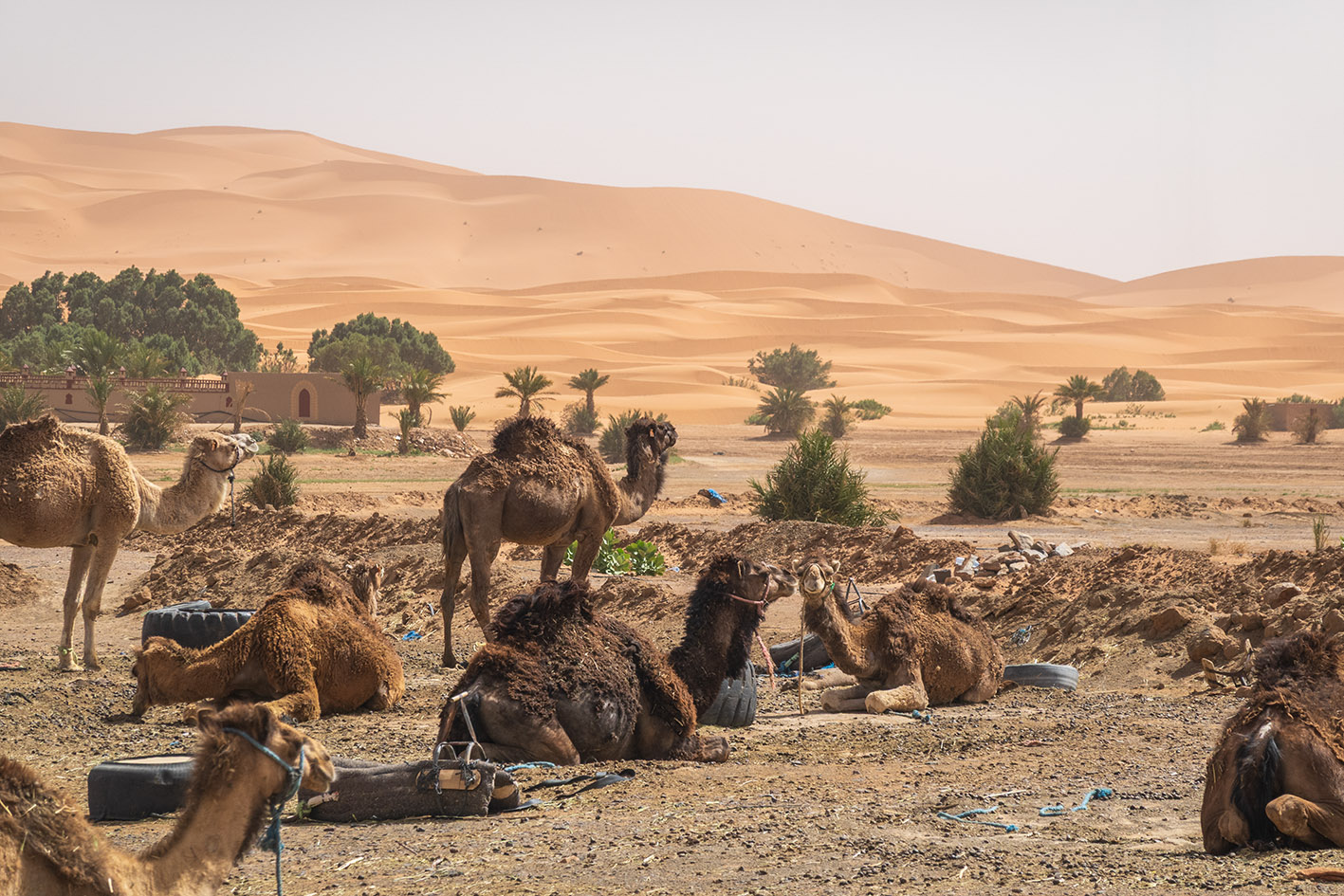
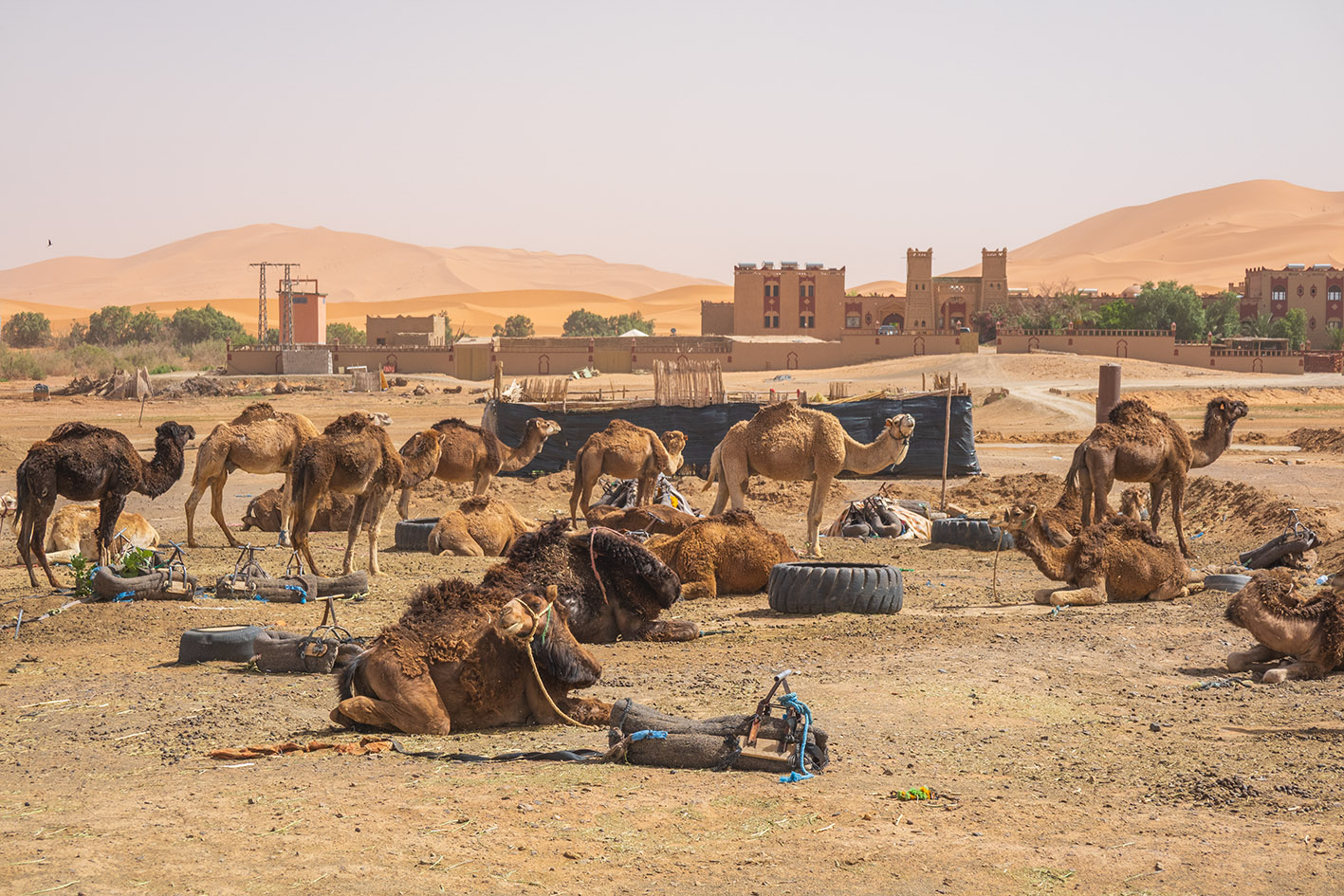
De foto’s van de waanzinige zonsondergang bewaar ik voor morgen. Te mooi om hier zomaar achteraan te plakken



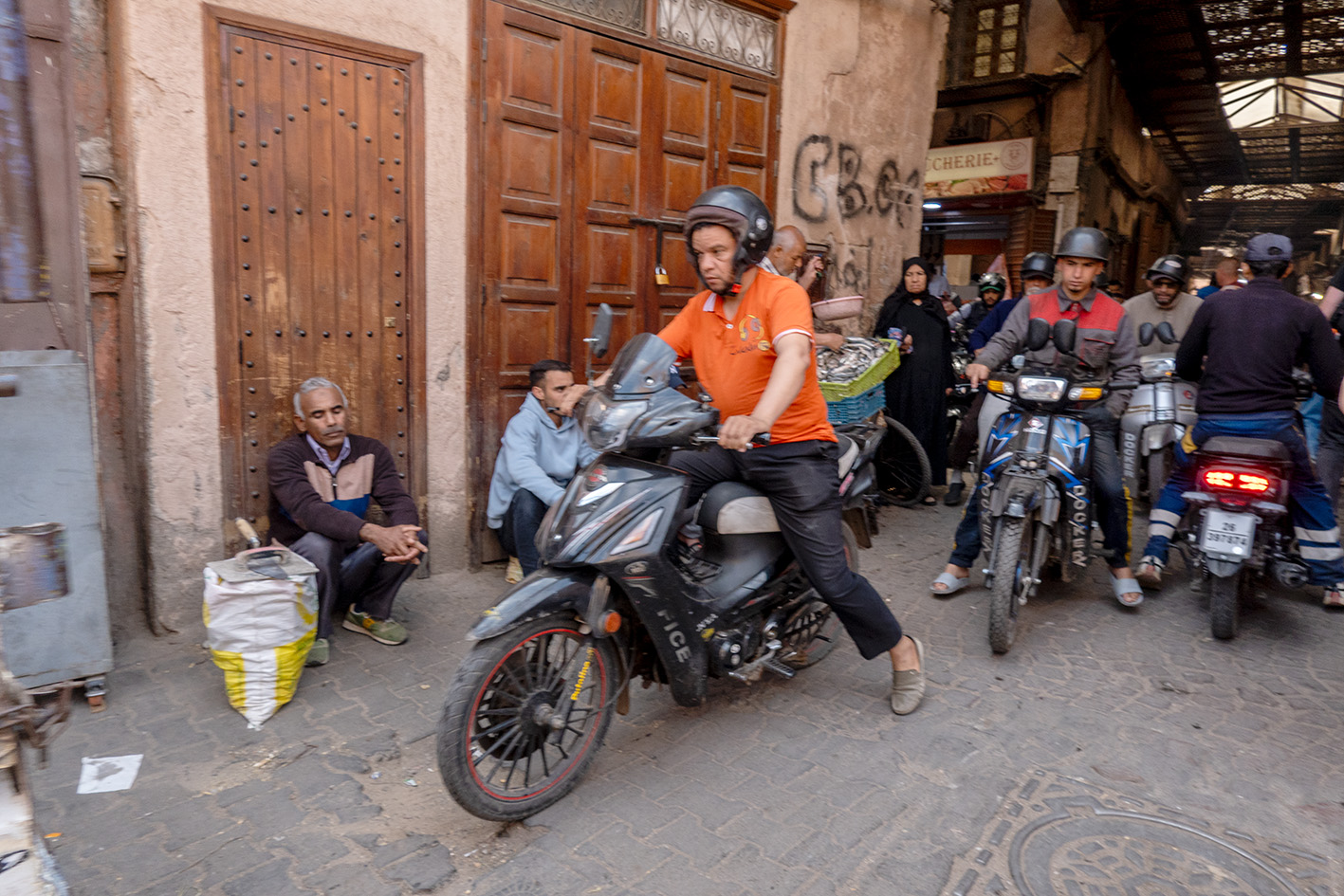
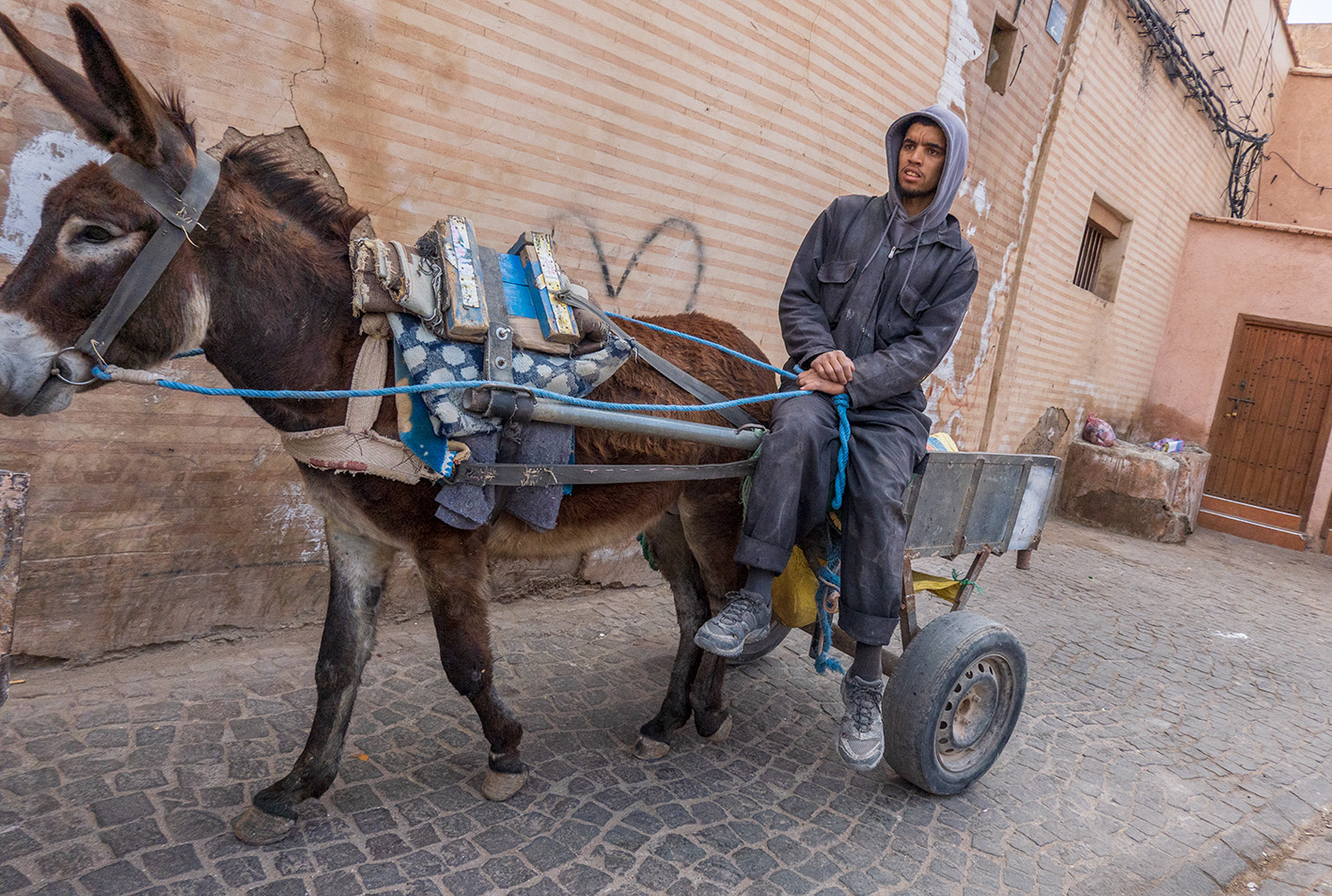
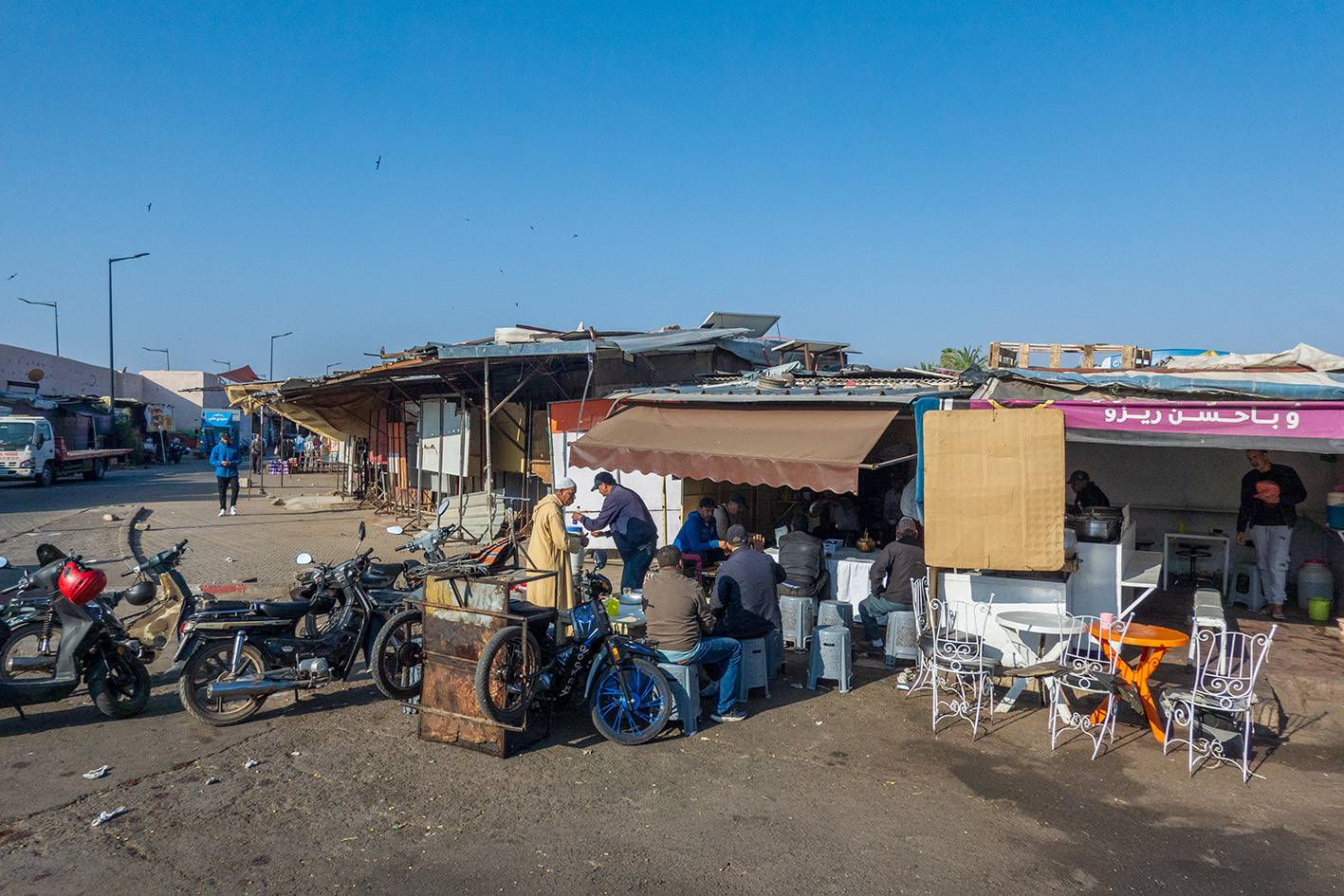
Random straatfoto’s in de Medina van Marrakech – overal gebeurt van alles tegelijk…




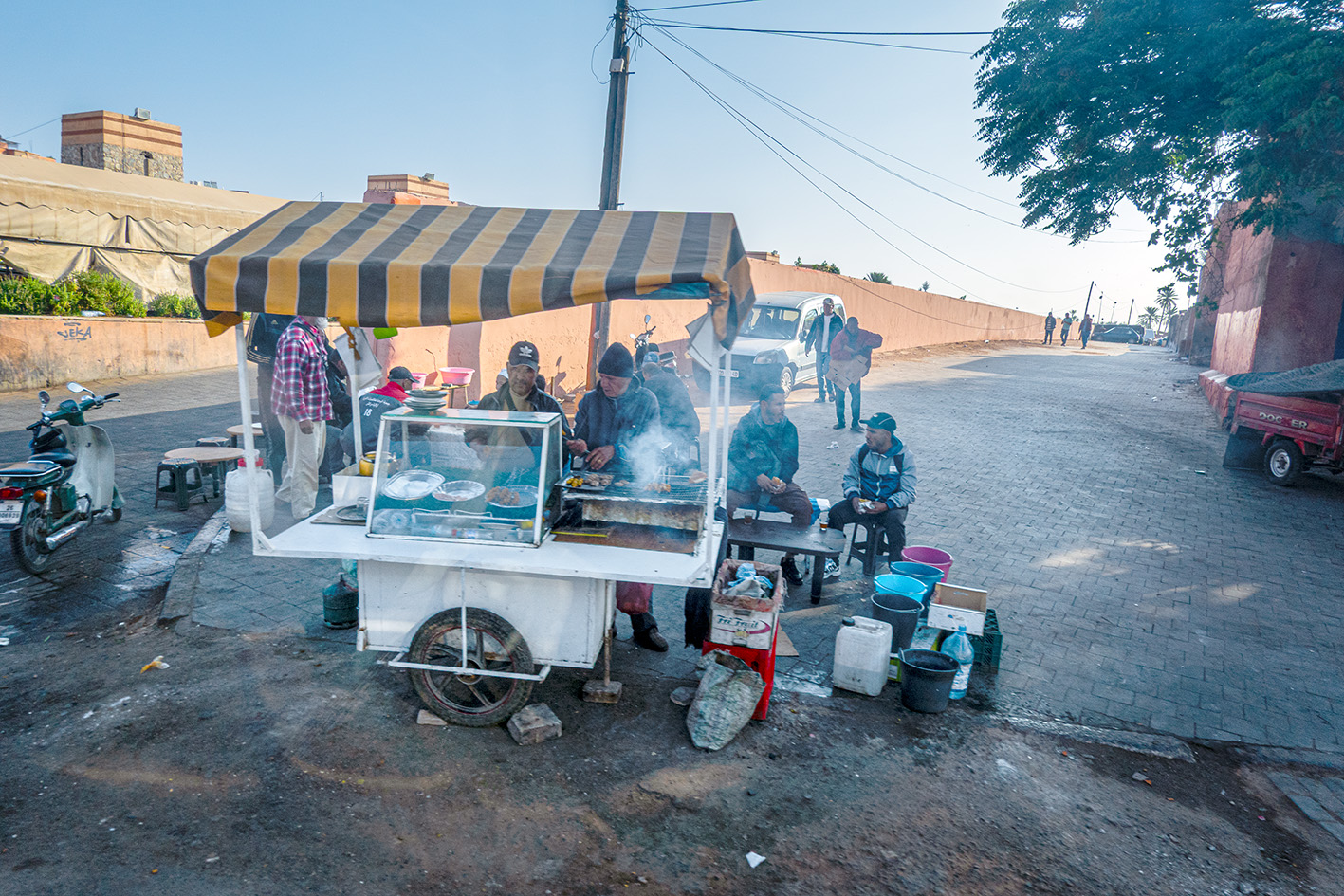

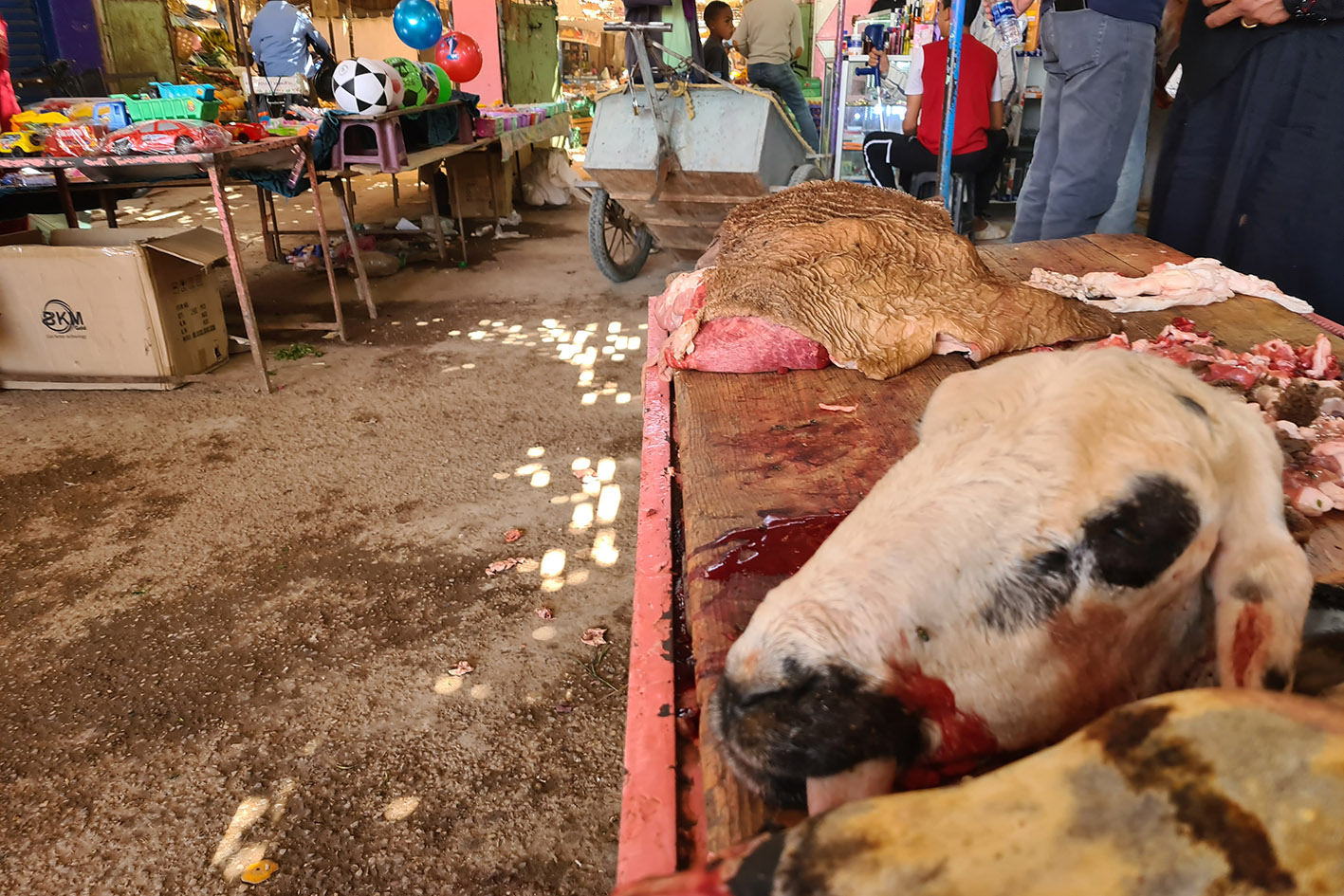
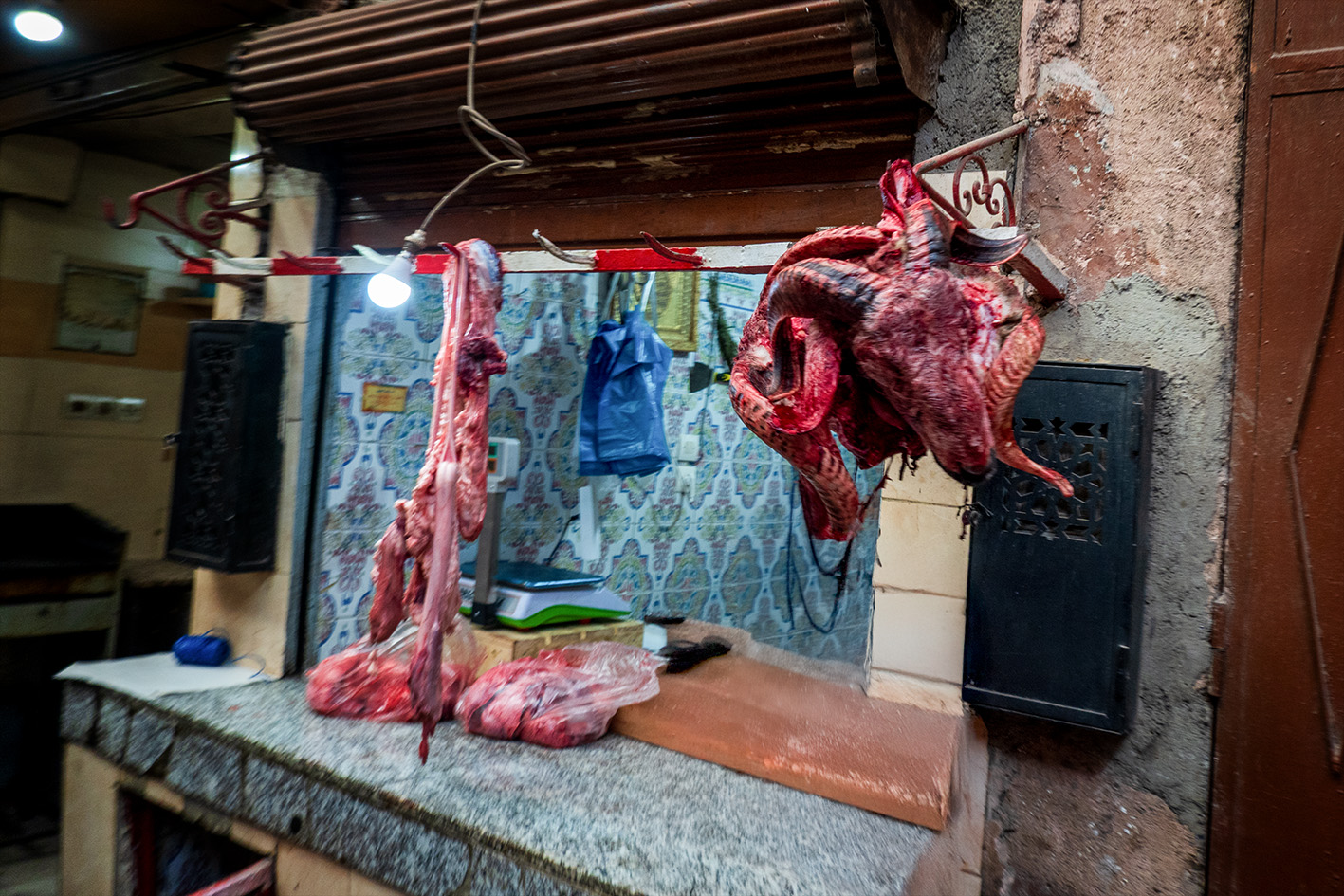
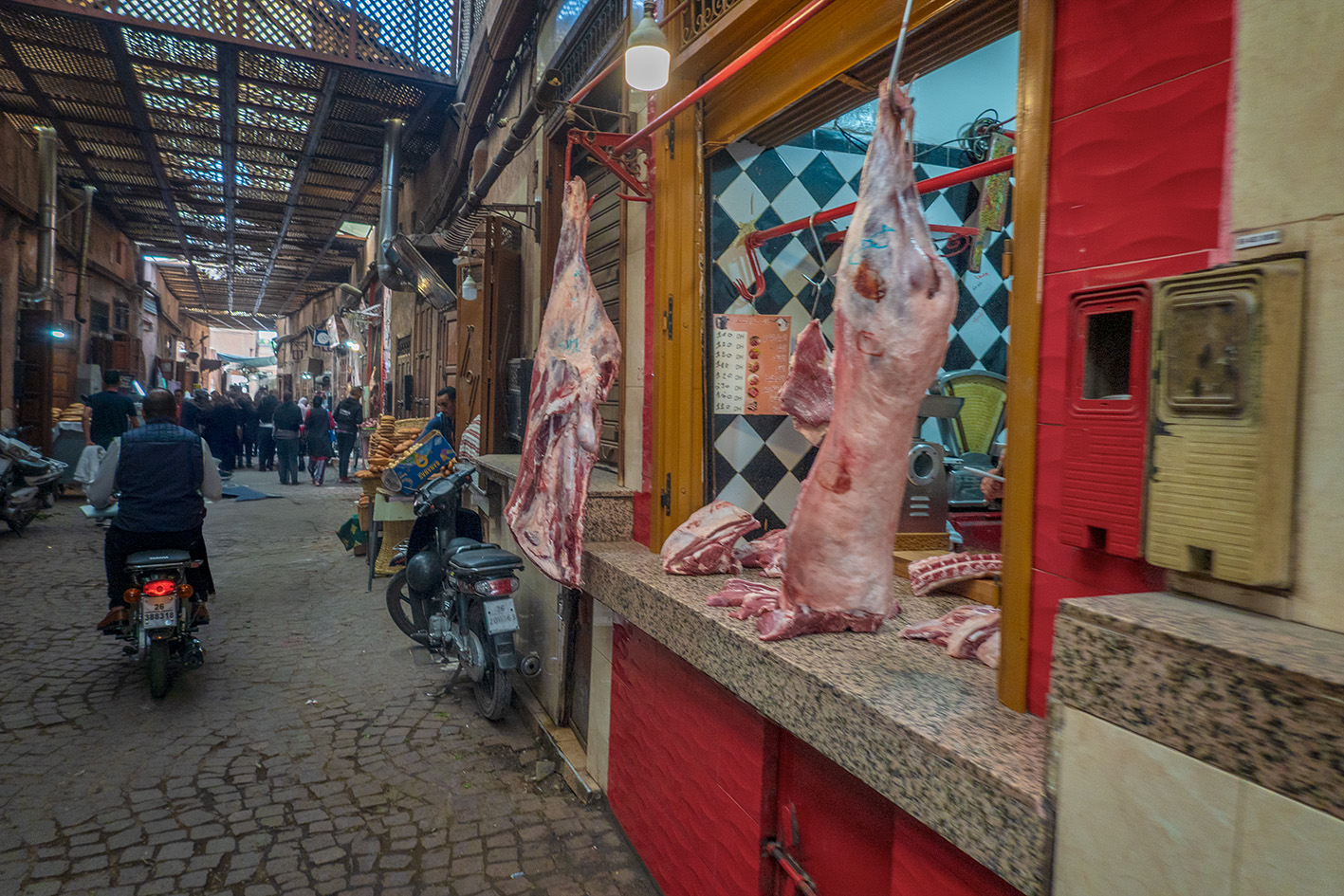
Met vlees gaan ze iets anders om dan wij gewend zijn

Bezoek aan de Koran school, waar studenten intern een opleiding kunnen volgen. Met tal van vakken zoals talen, geografie en wiskunde. Ook meisjes kunnen hier op school, en bijvoorbeeld op basis van de Koran en de sharia worden opgeleid tot rechter.
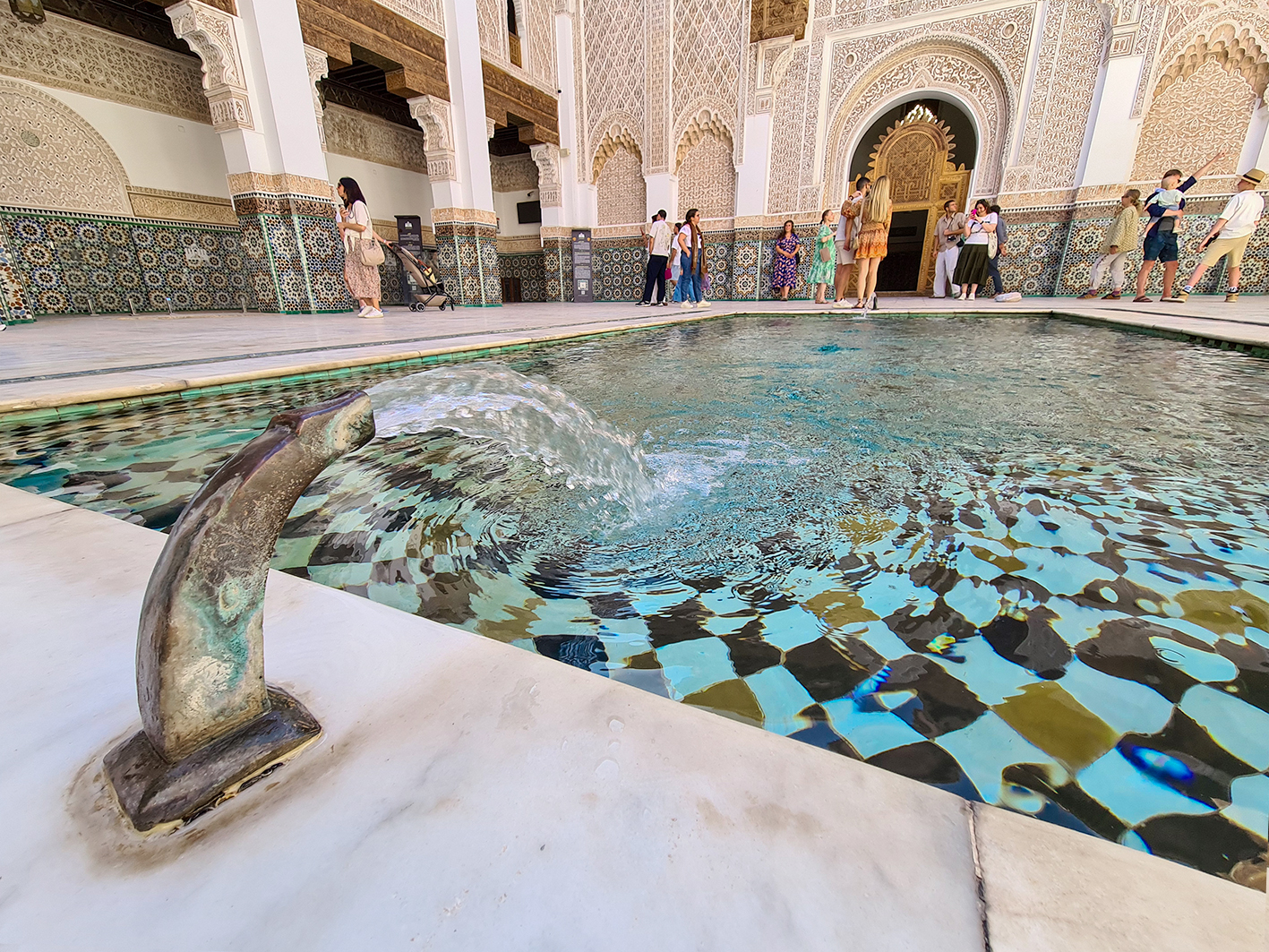
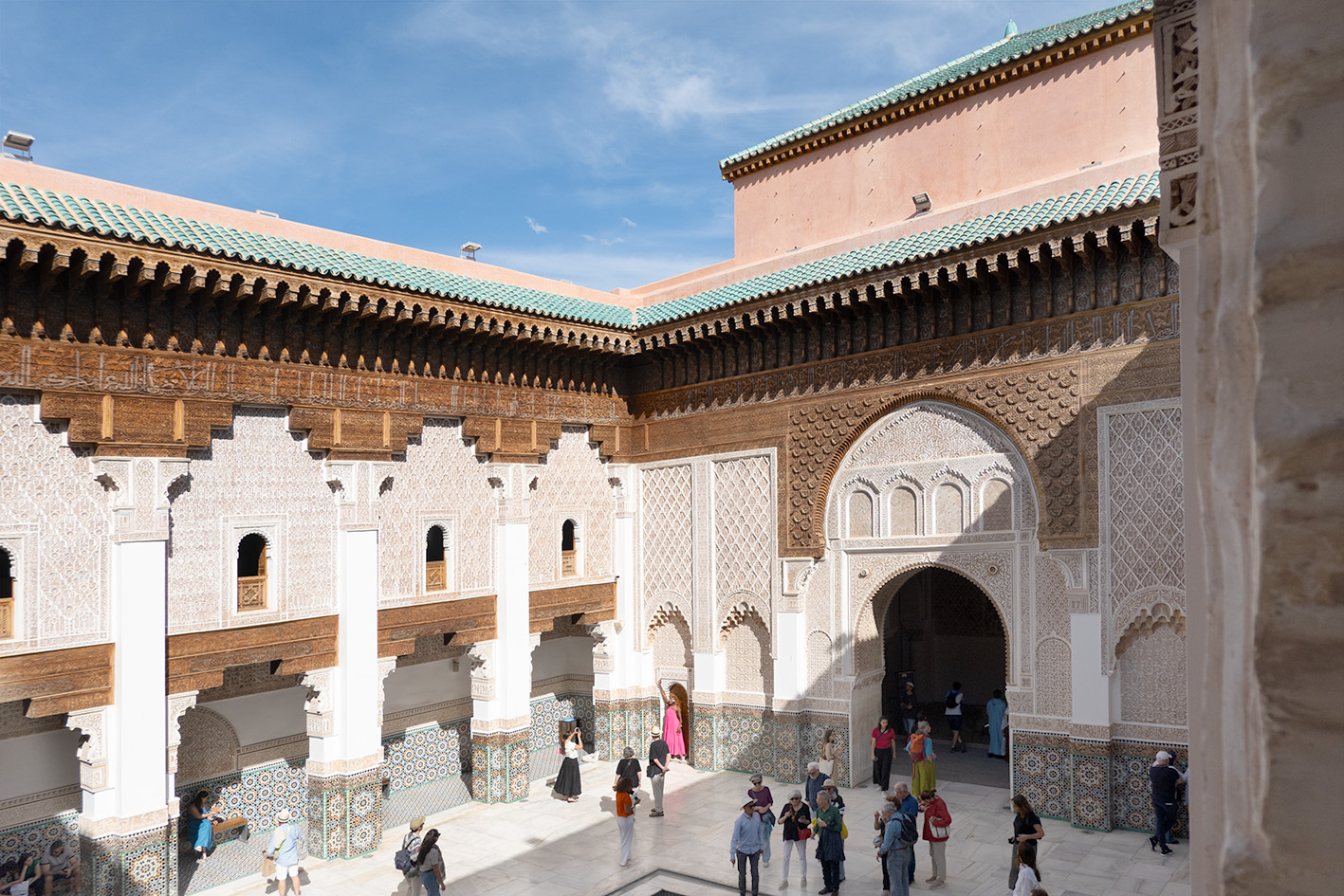


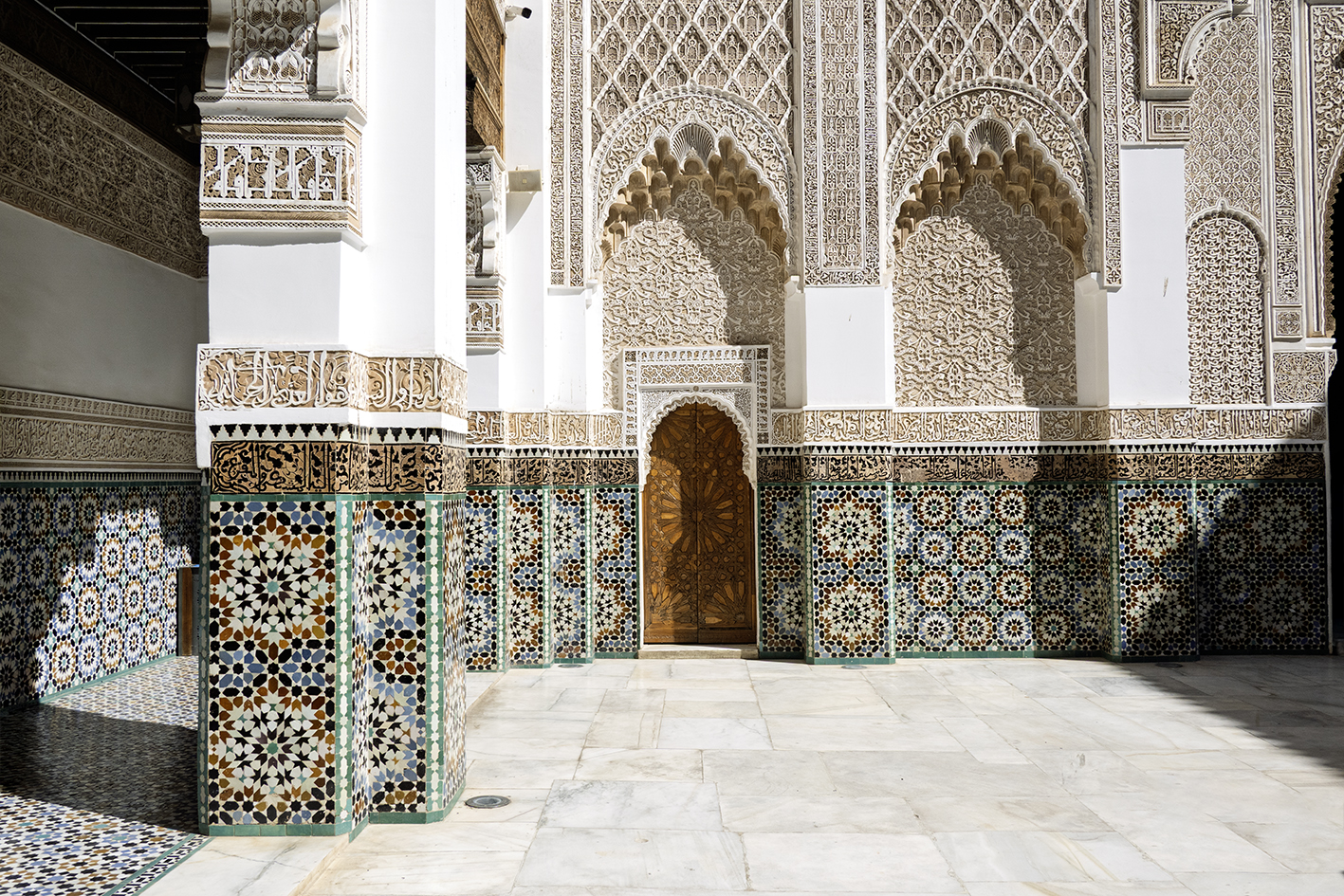

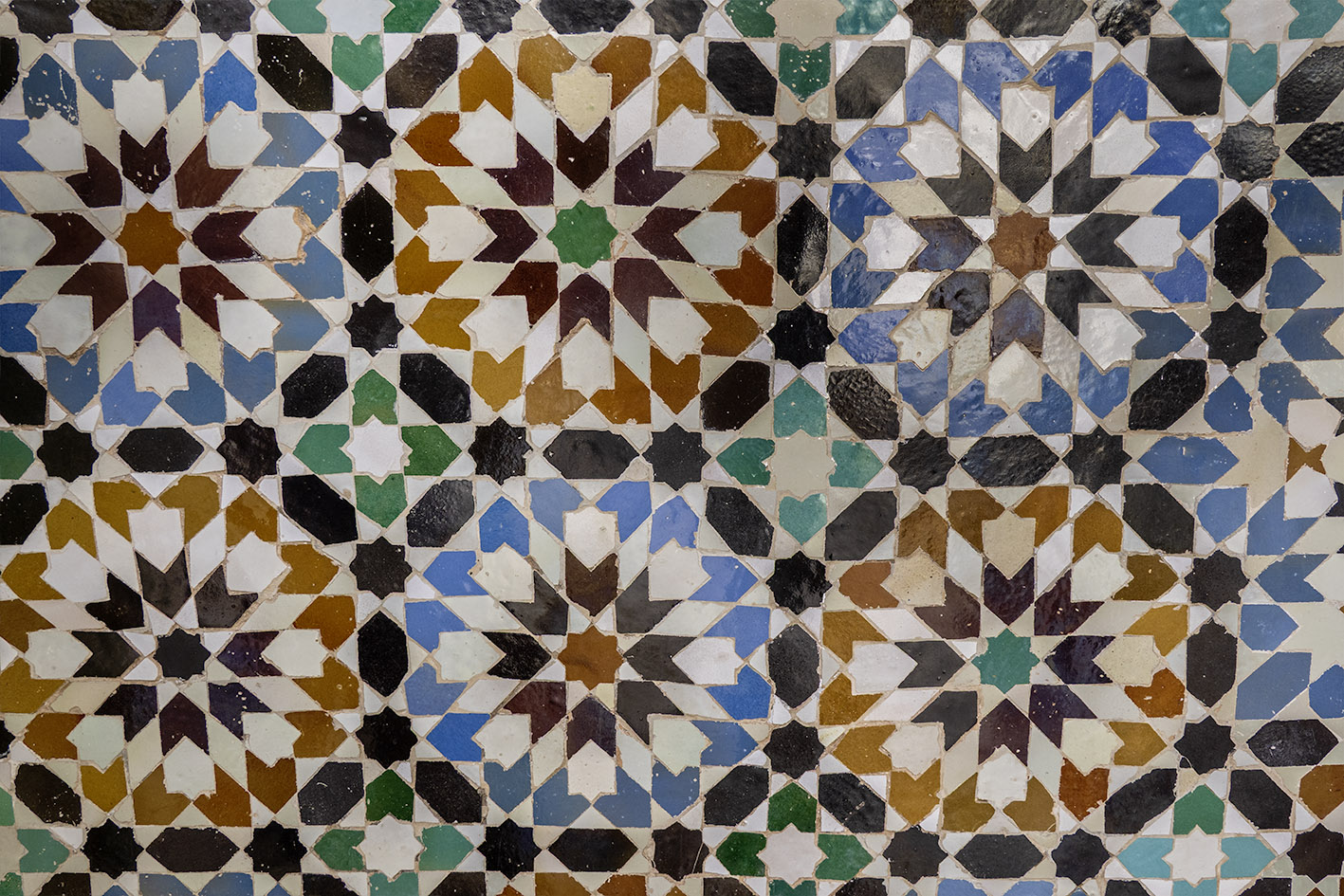
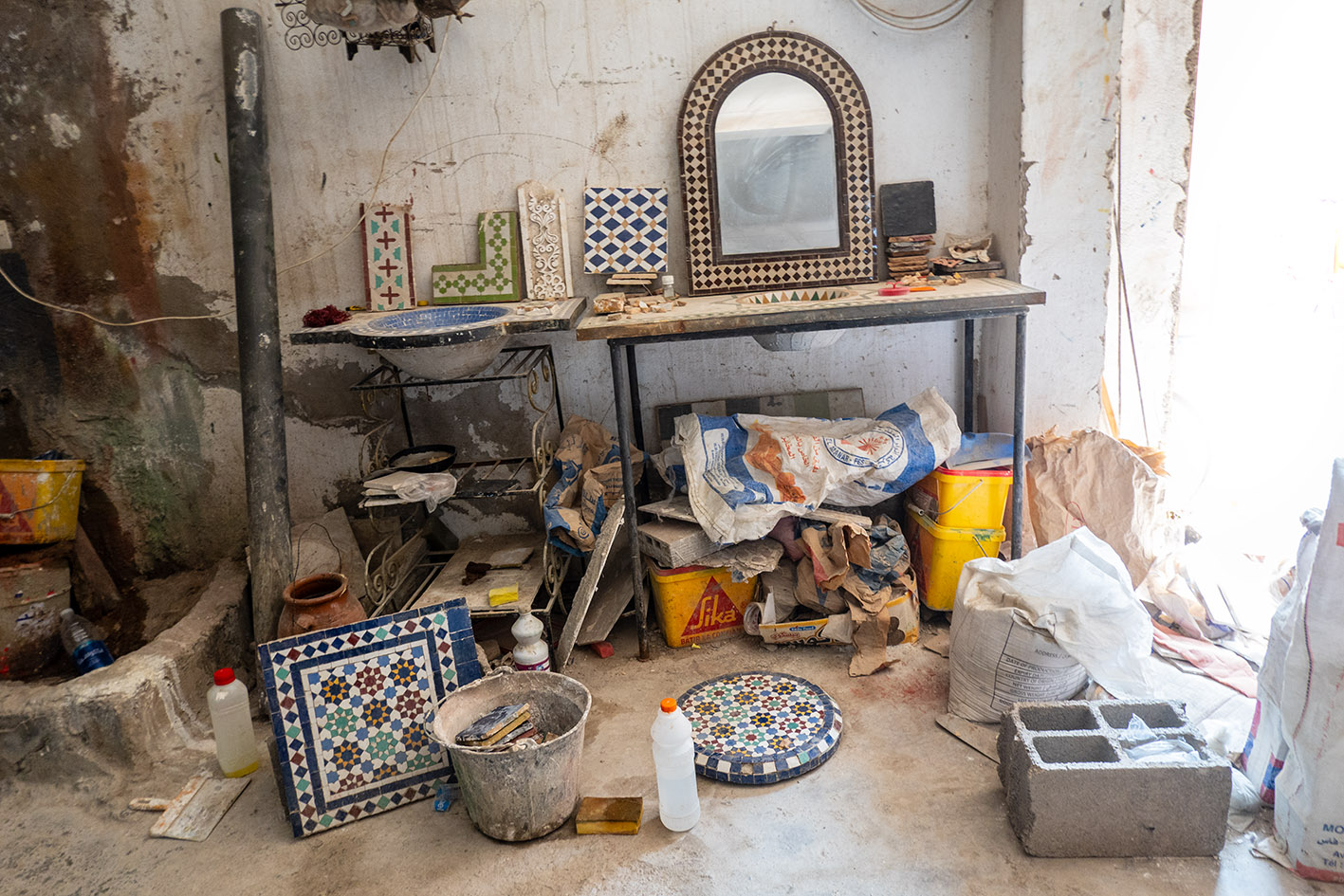
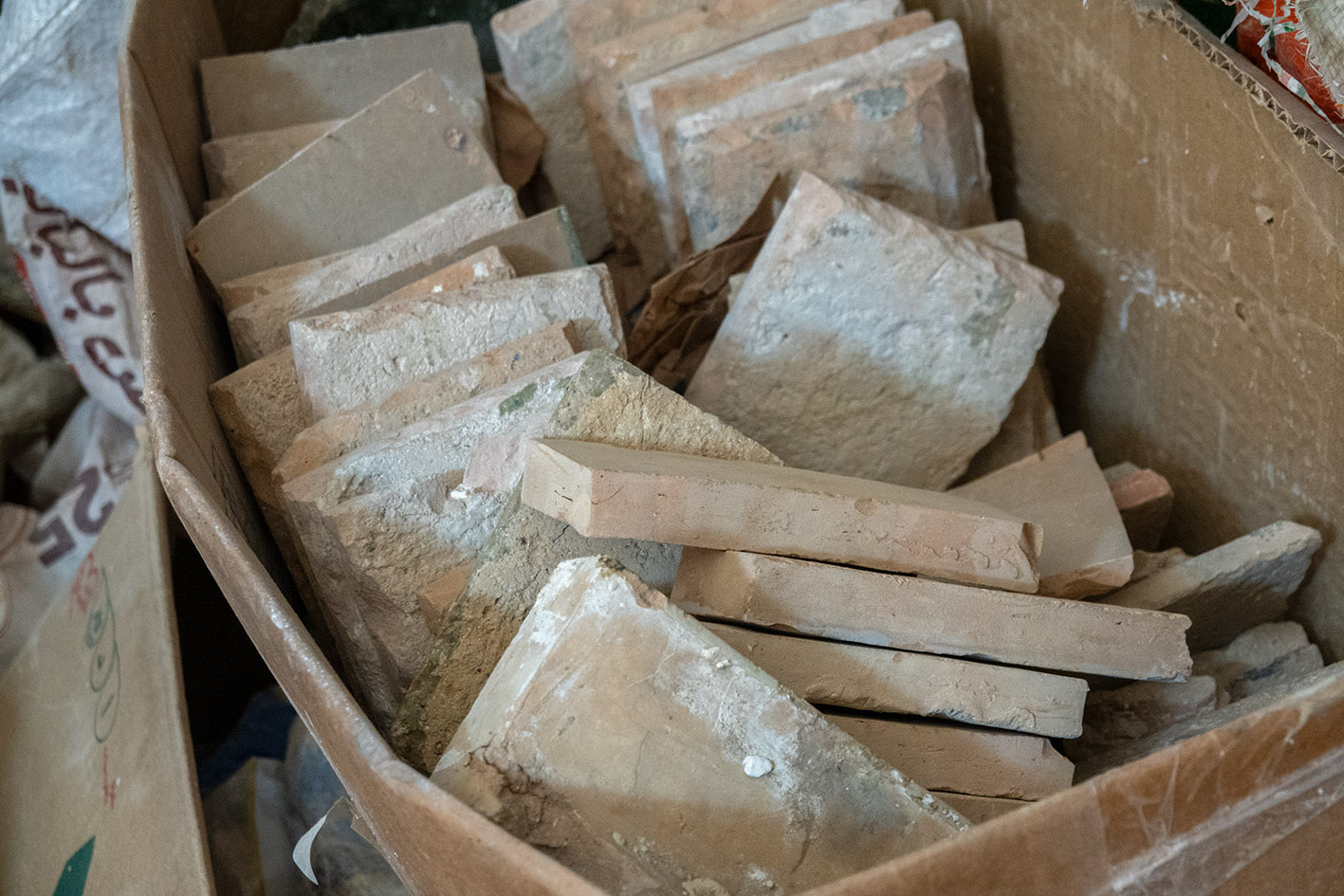
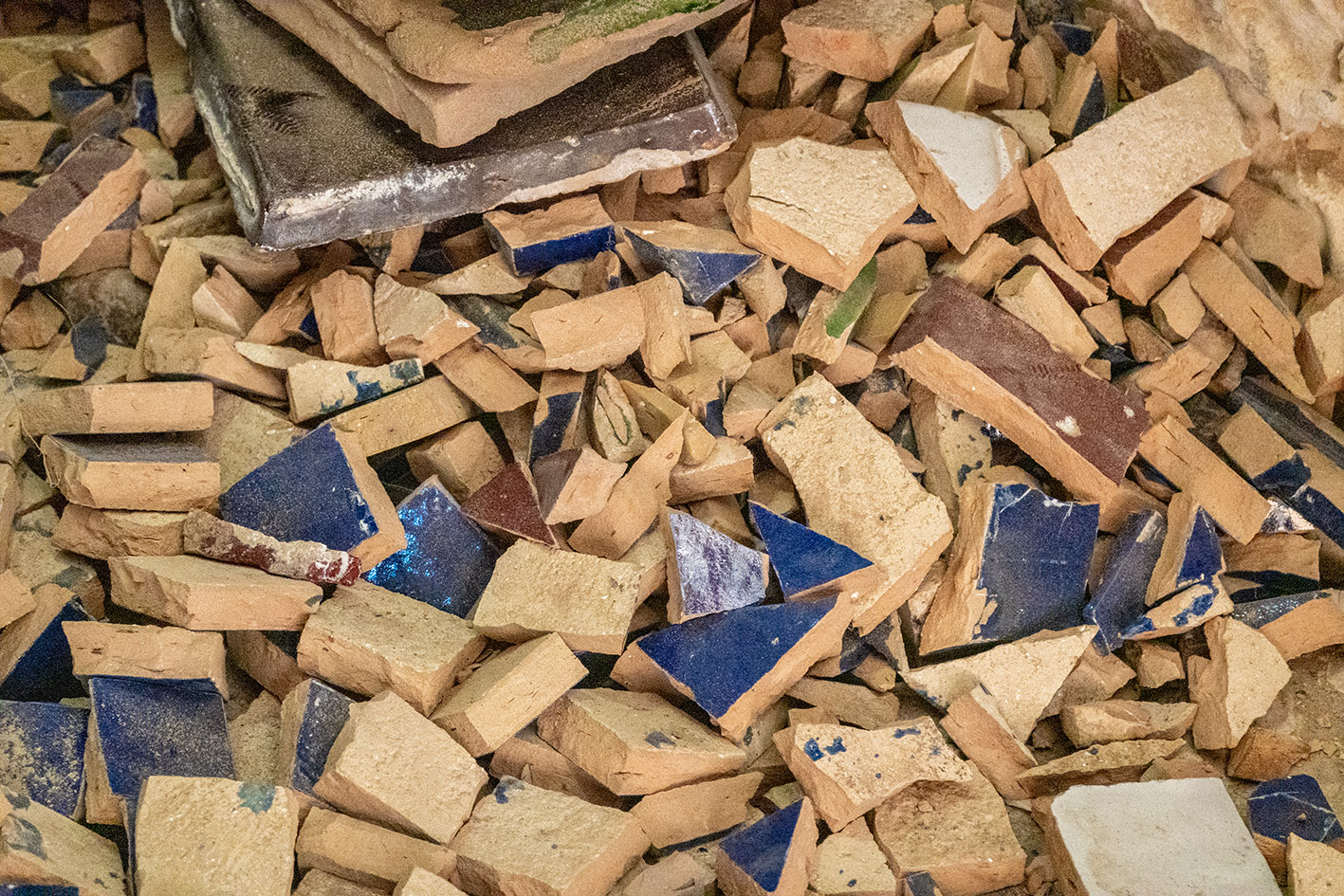
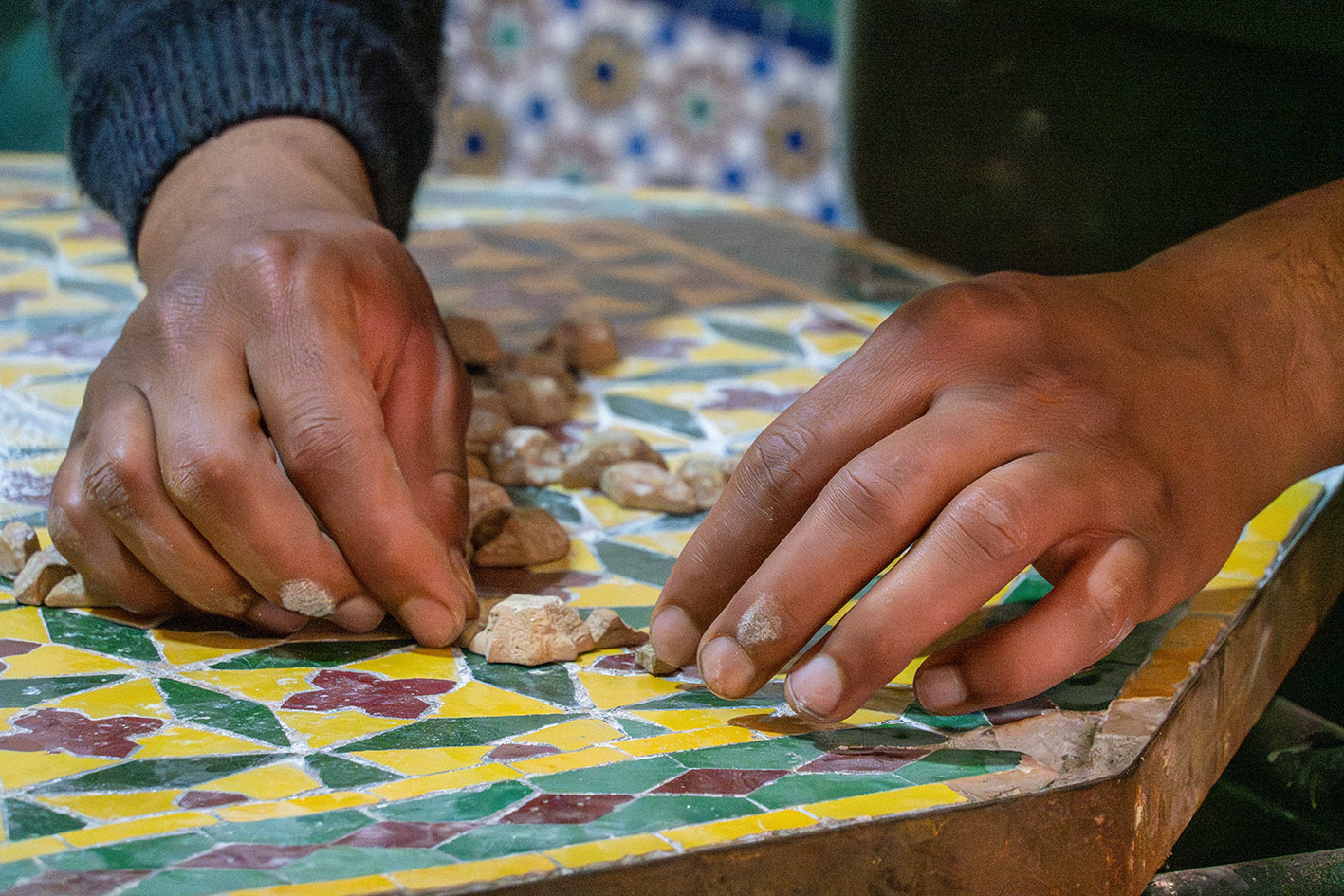
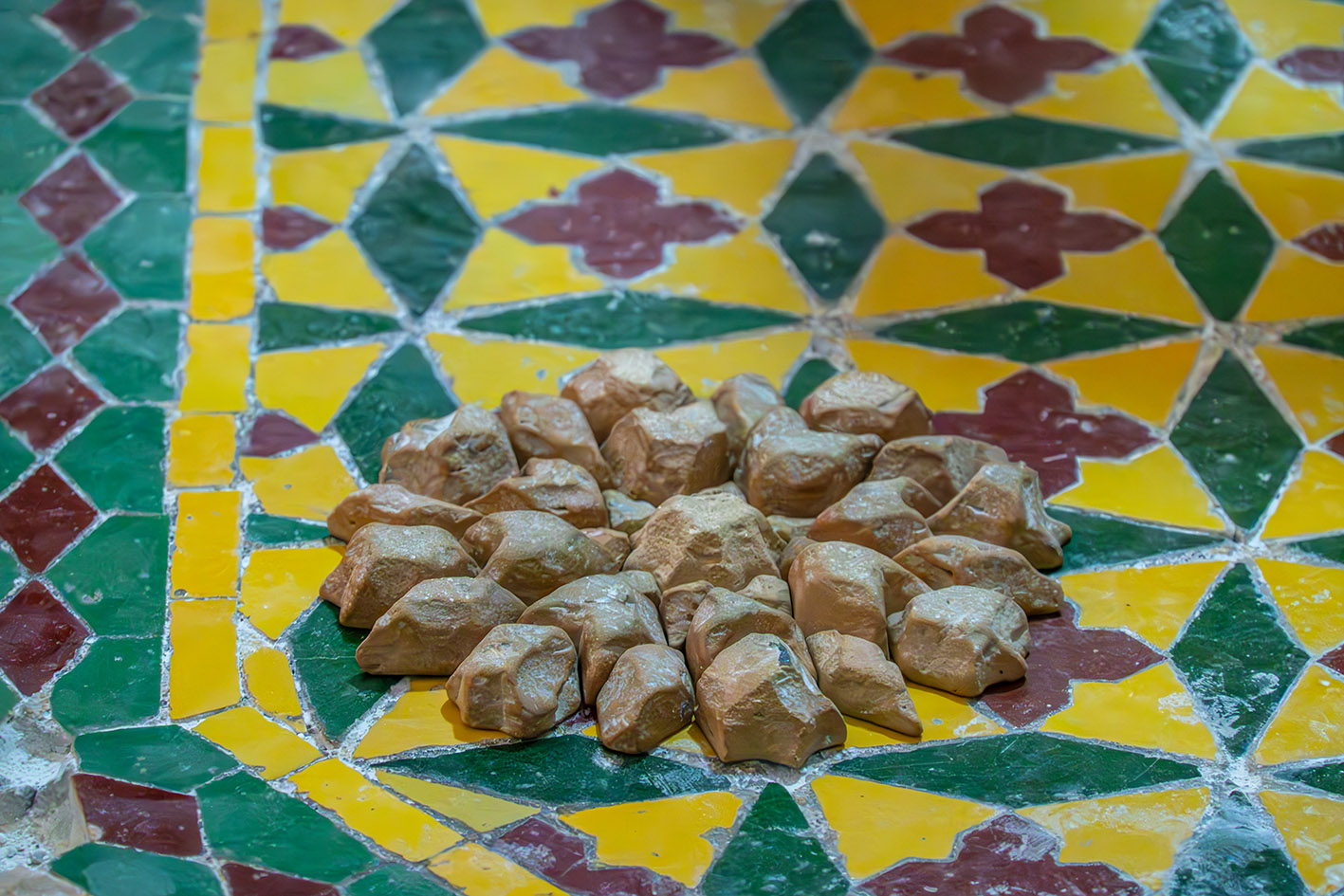
Als je je afvraagt hoe ze aan die prachtige mozaïeken komen: het is allemaal handwerk. Kleine vierkante tegeltjes in allerlei kleuren worden aangevoerd uit heel het land. De tegeltjes worden in kleine stukjes gebroken, en die stukjes worden zorgvuldig met de hand in vorm gehakt. Dan worden ze in een figuur gelegd, en aan elkaar gelijmd door er cement over te gieten.


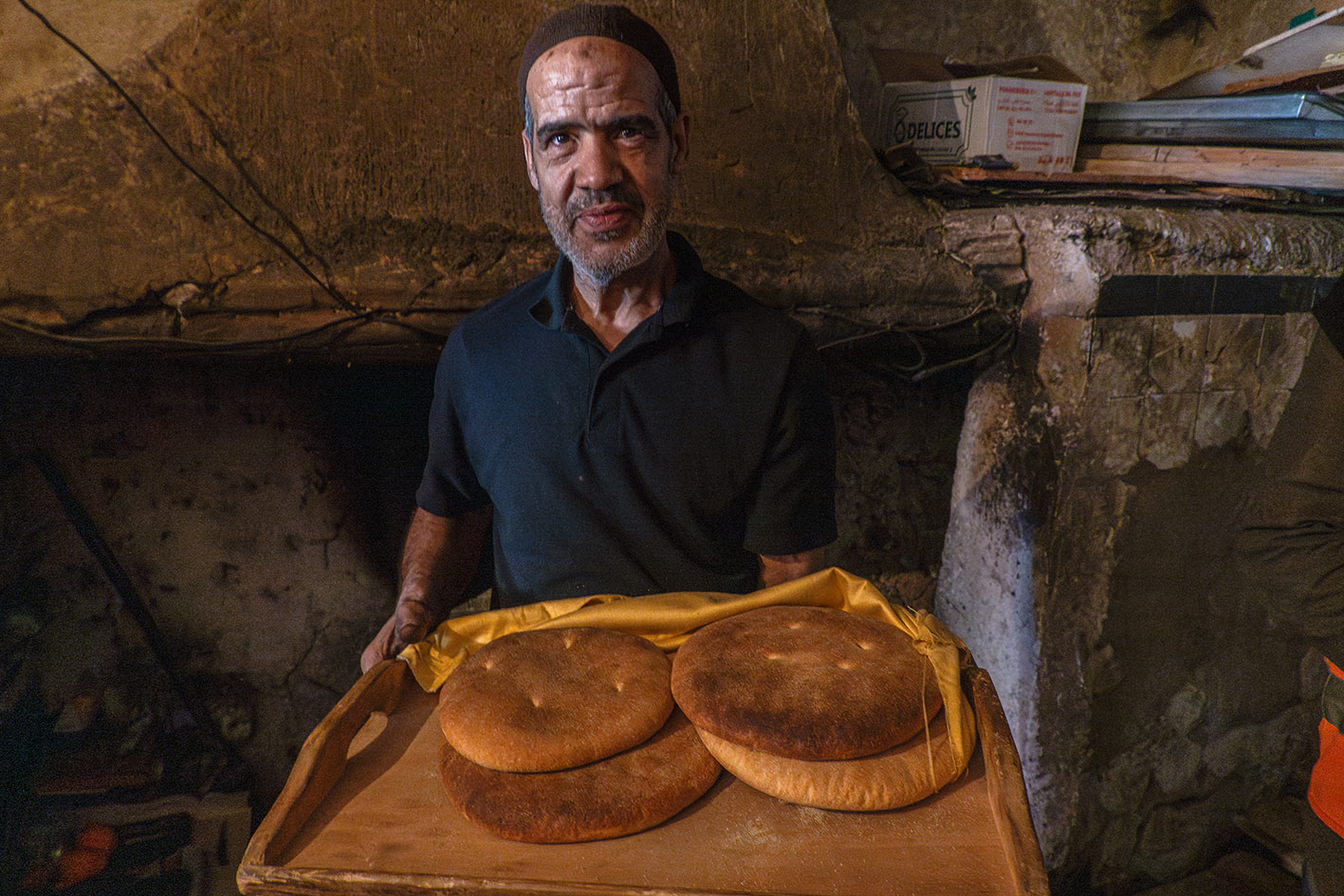
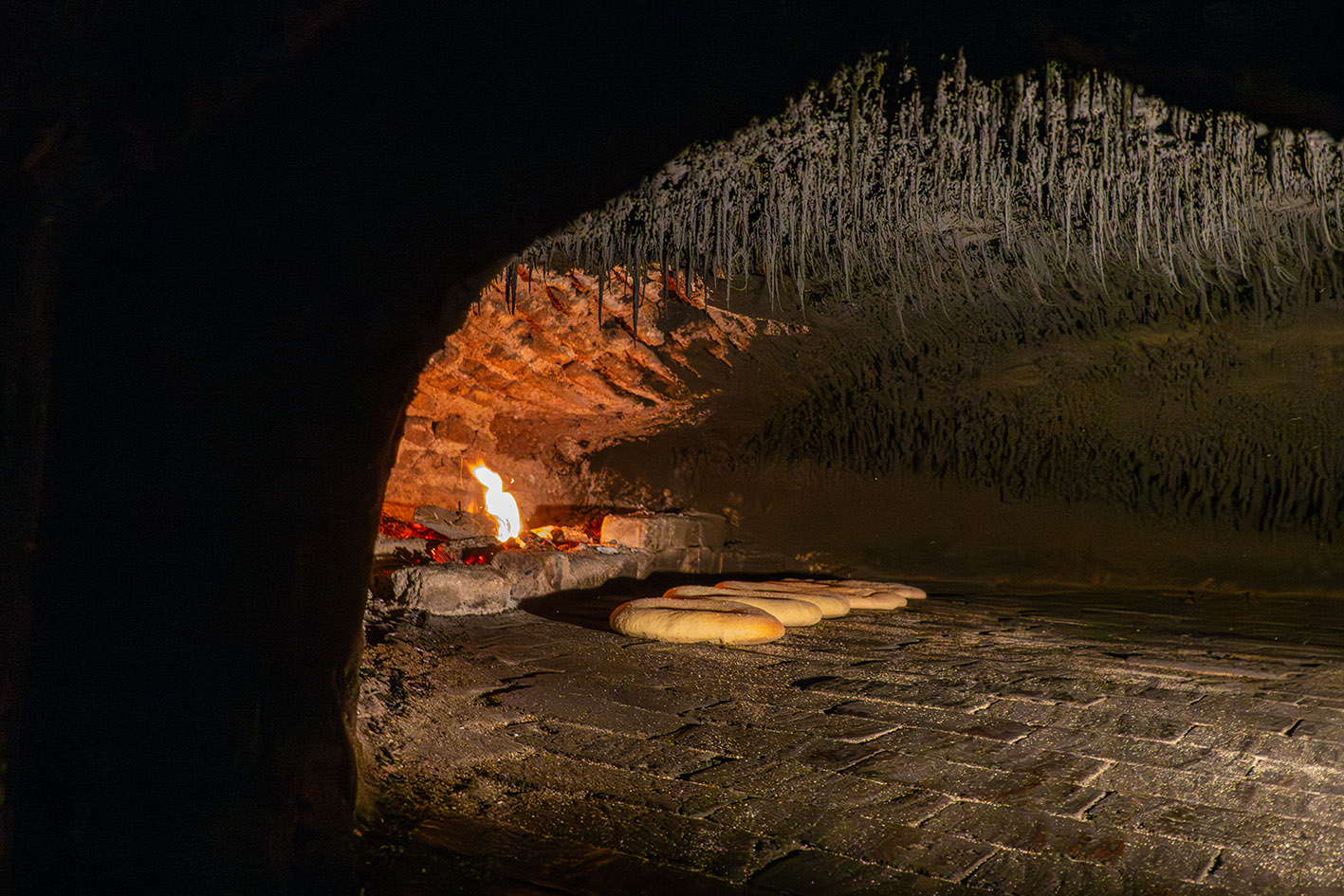
Bakker aan het werk in ambachtelijke steenoven

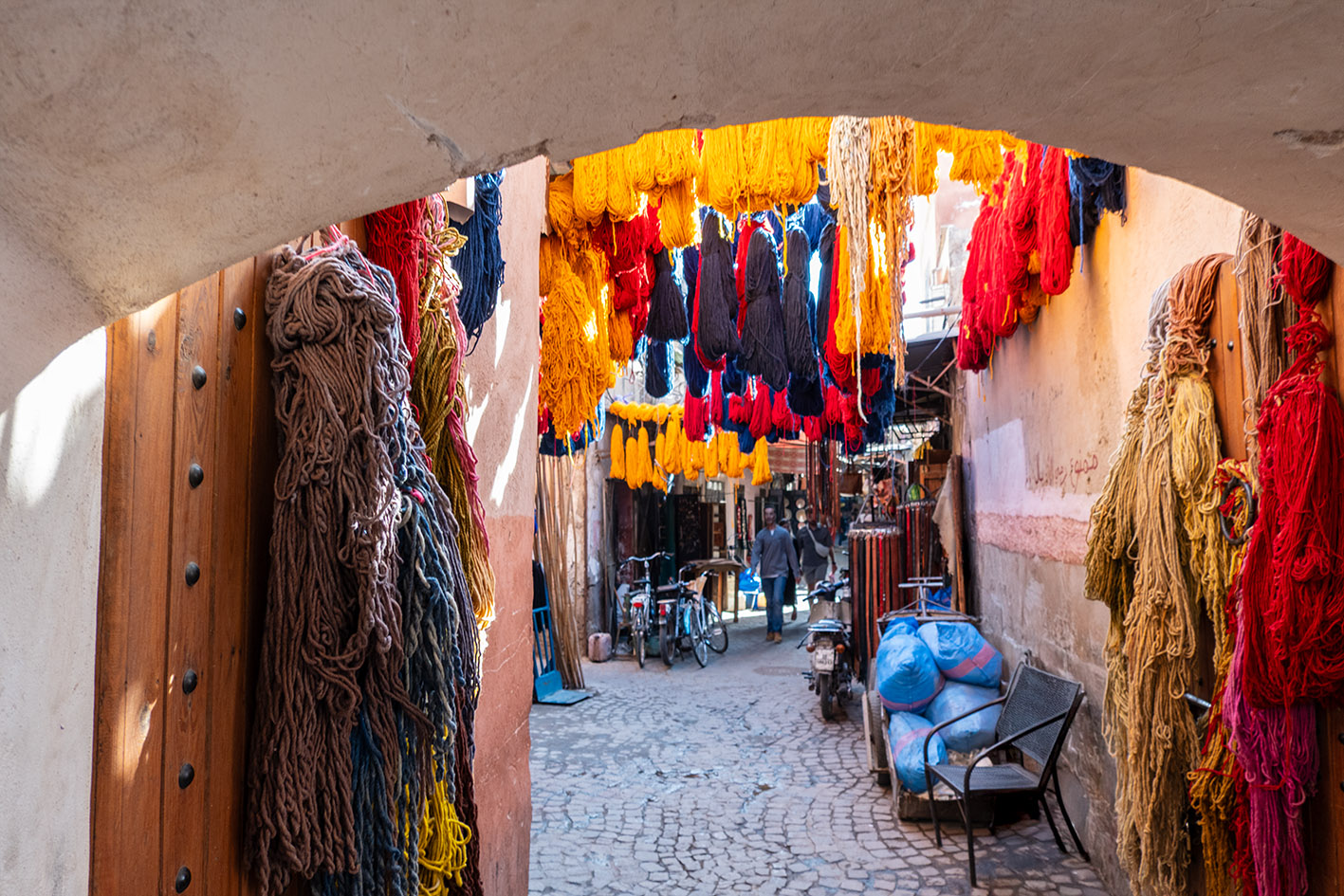
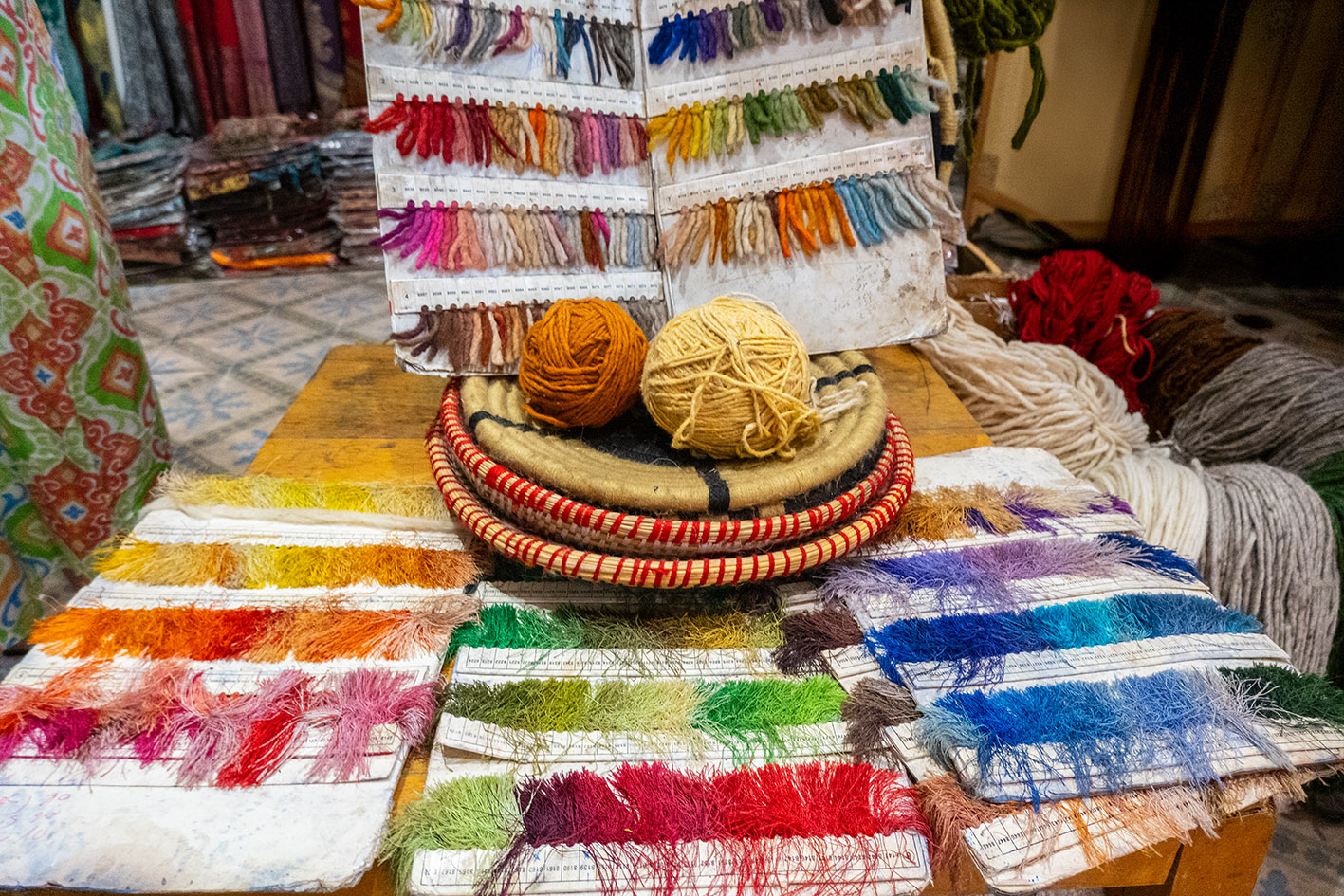
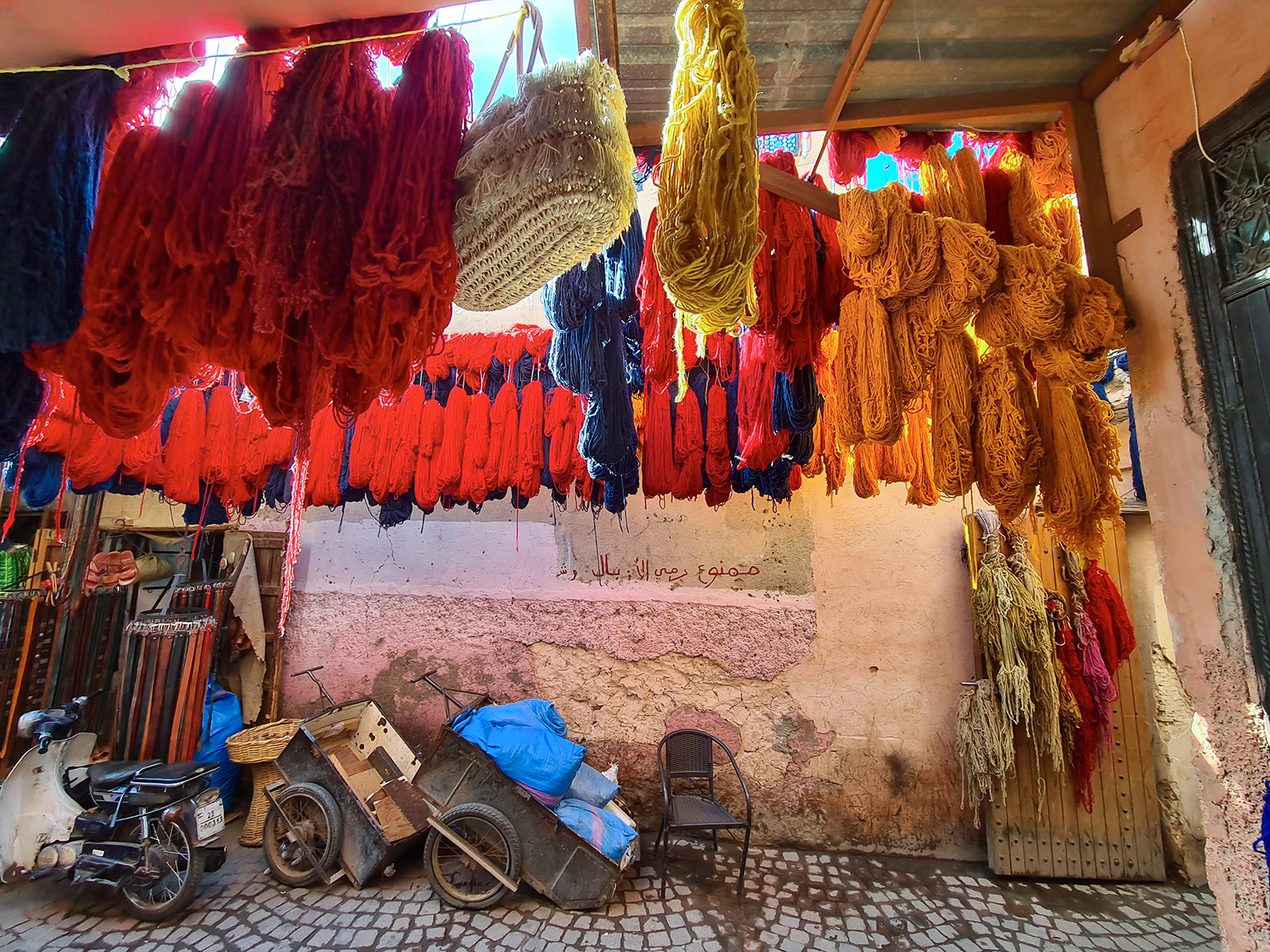
Geen fabriekswerk hier. Ook de prachtige kleuren van de kleden en gewaden komen uit handarbeid

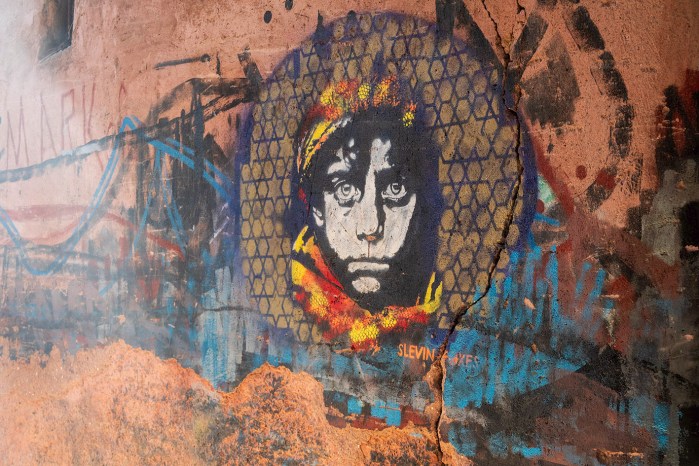
Street art van de jongere generatie
En hoe de straat zelf een kunstwerkje wordt

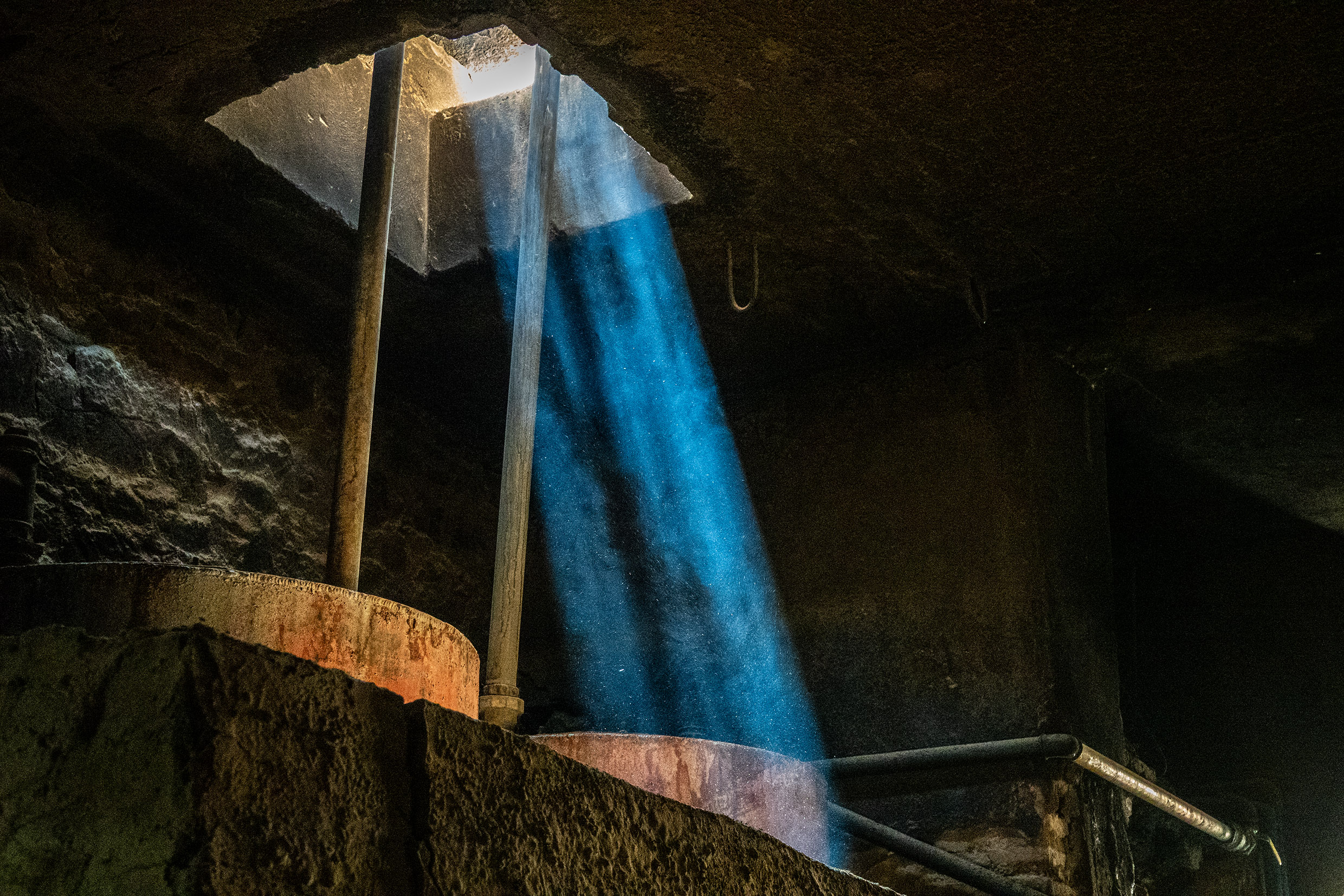
Een kijkje in de verwarmingsketels van de hammam – de warmte wordt ook benut voor het laten pruttelen van stoofpotjes

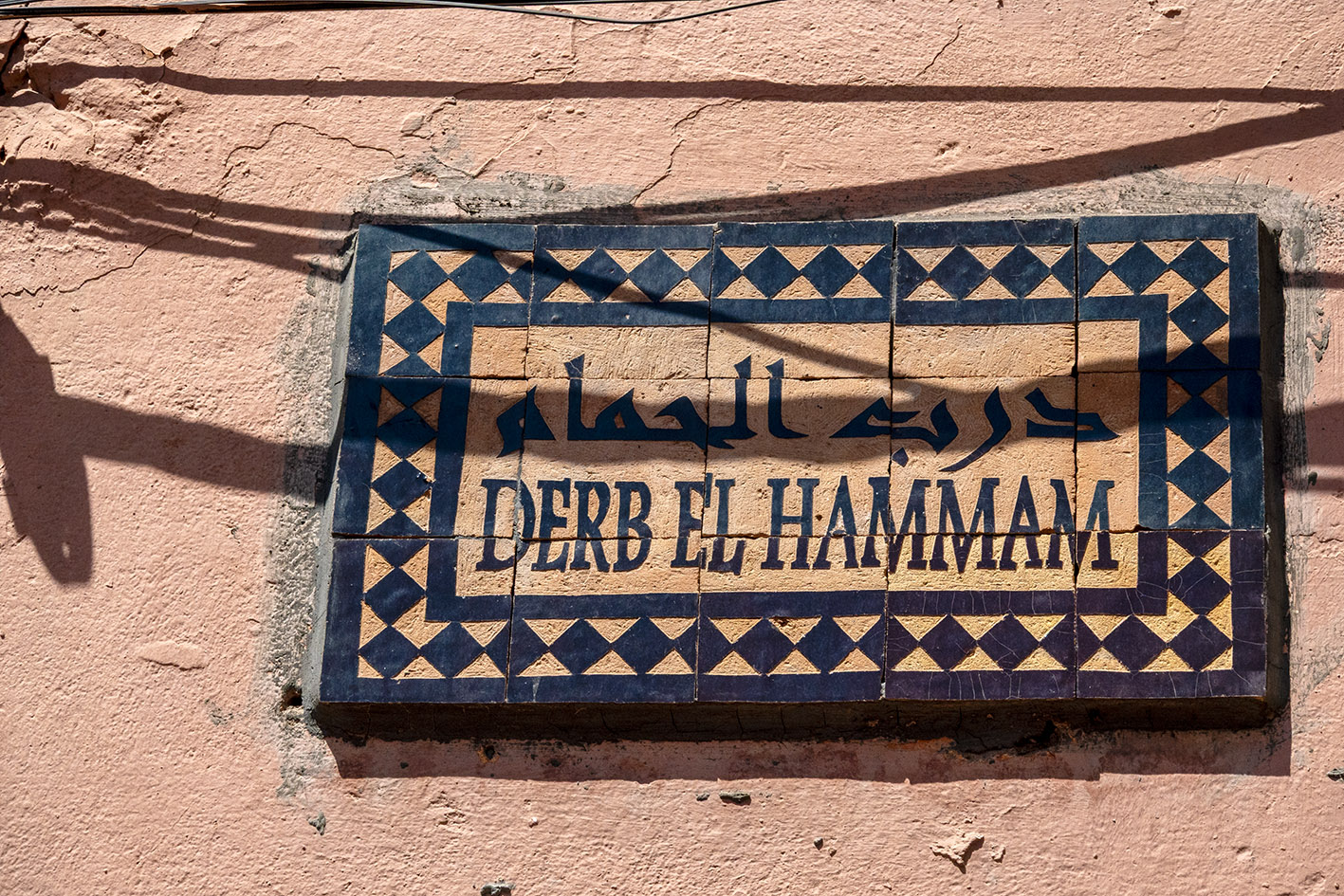
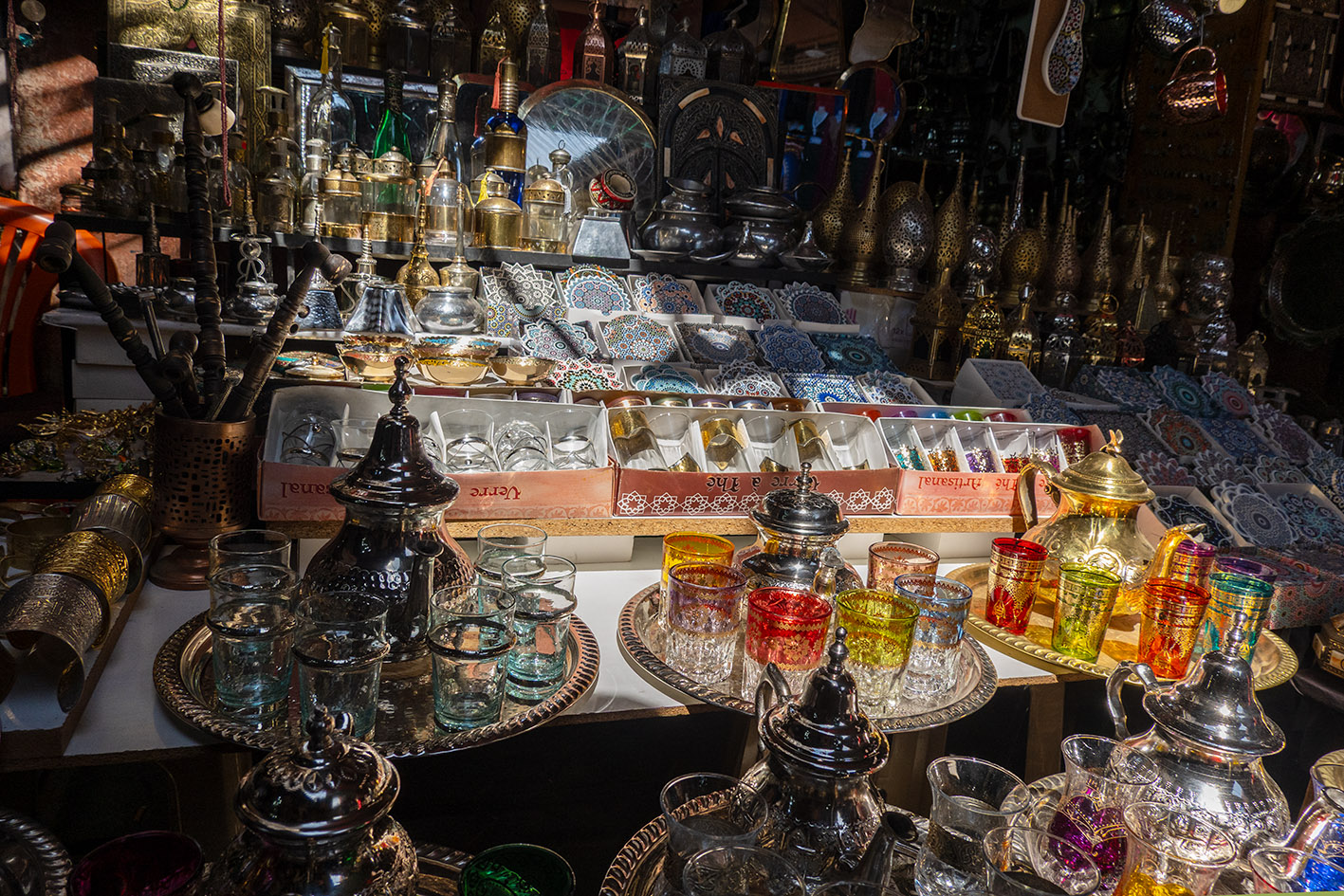
Prachtige kleuren en geuren in de Souk. En ook daar traditioneel ambachtelijk werk
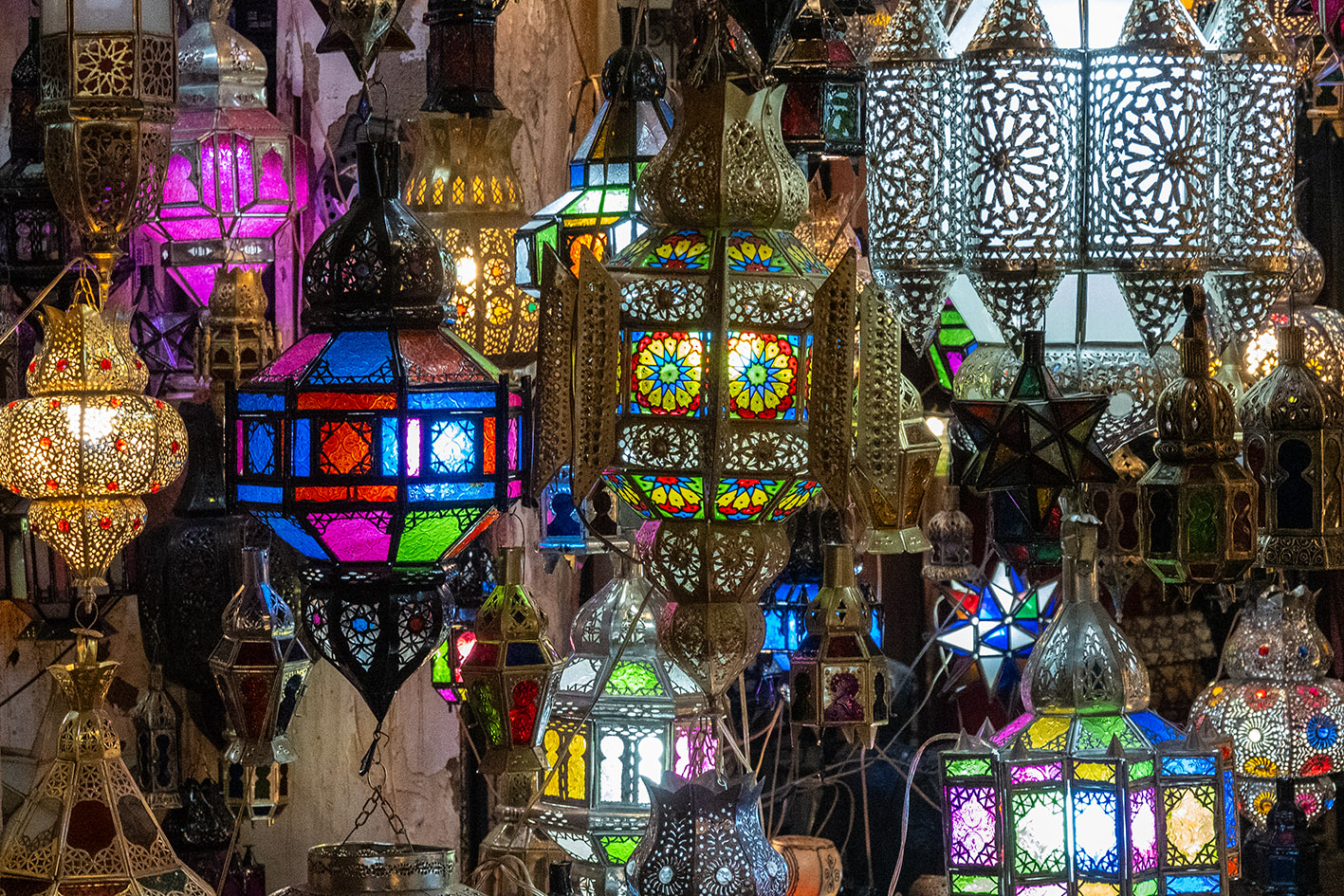
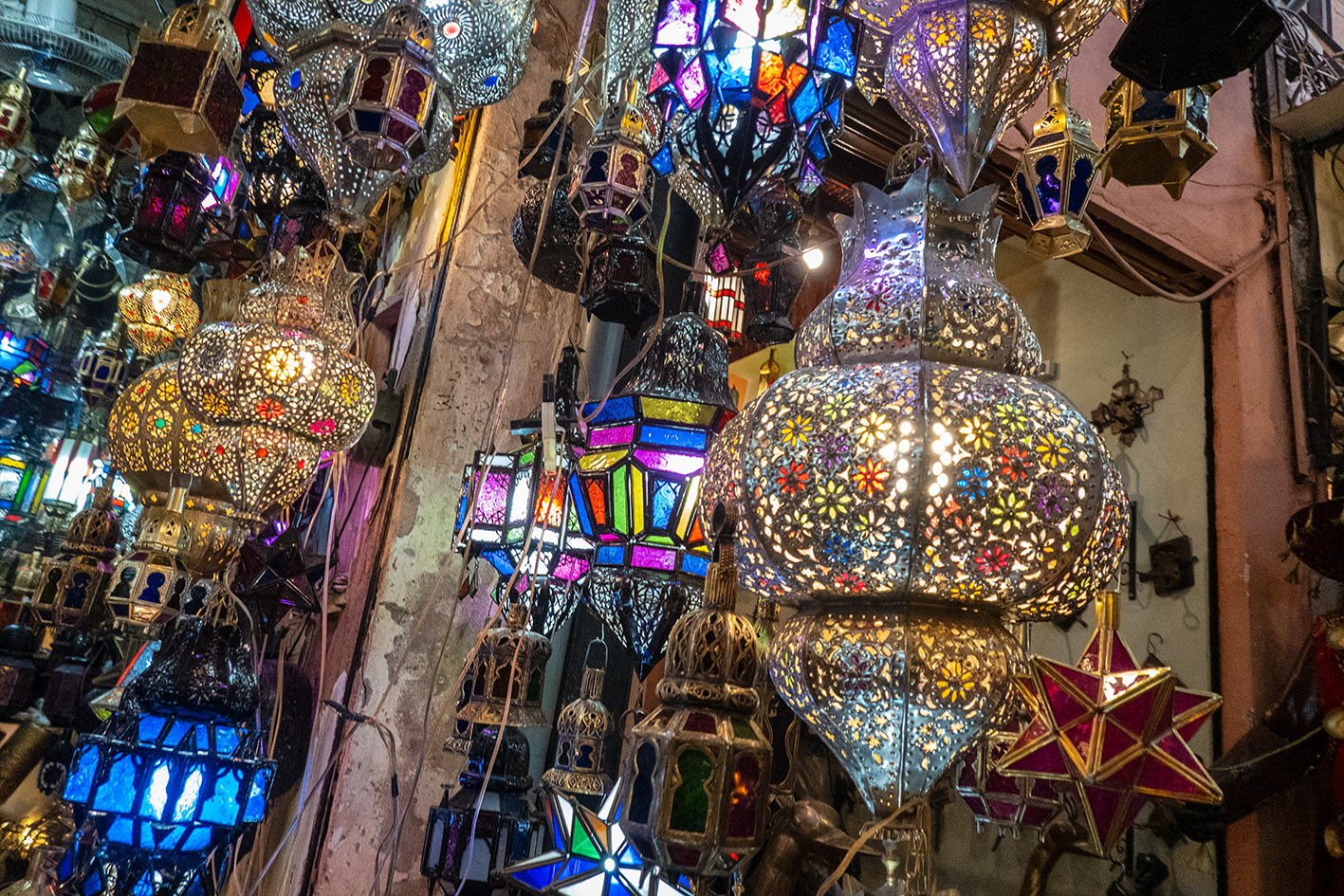
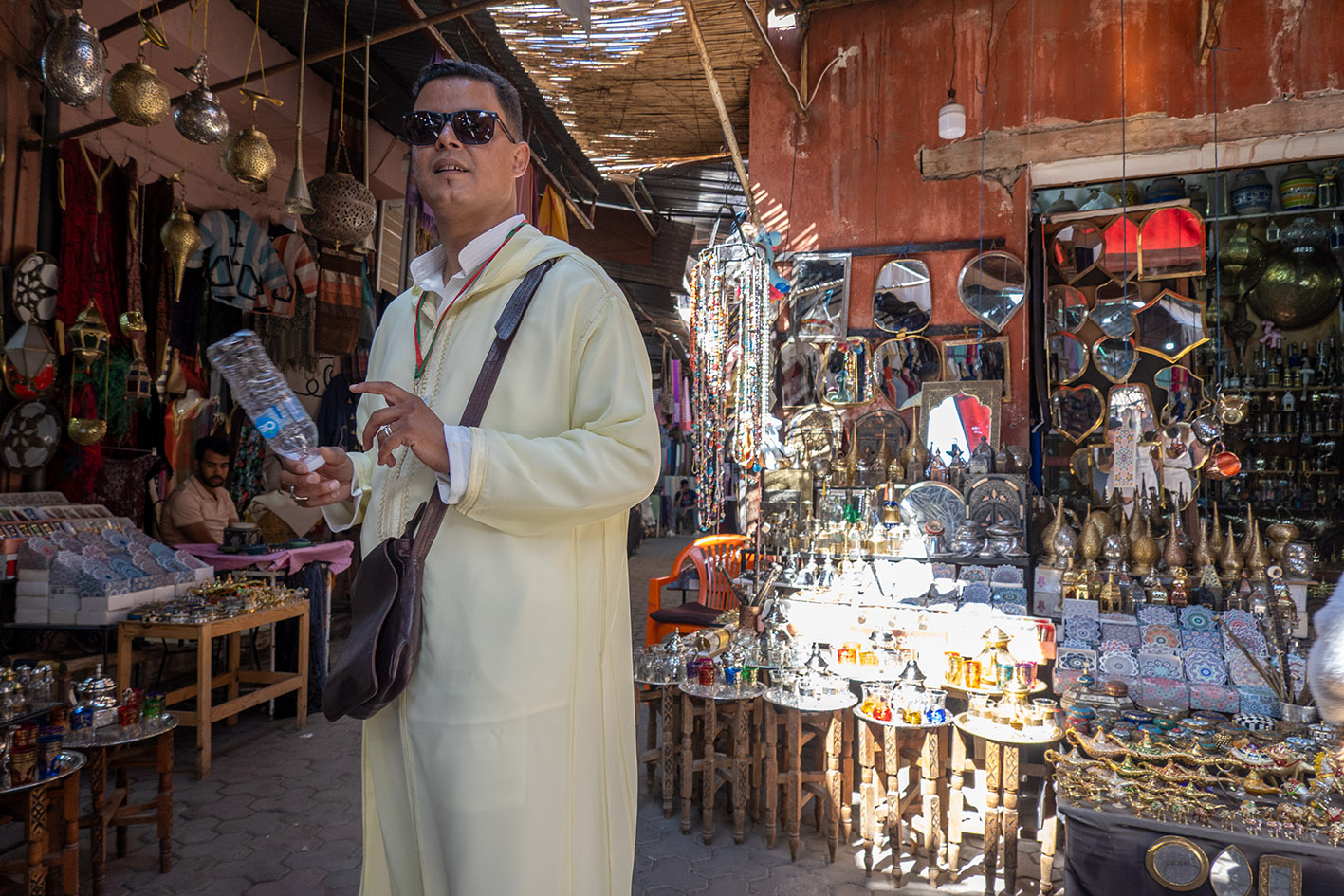
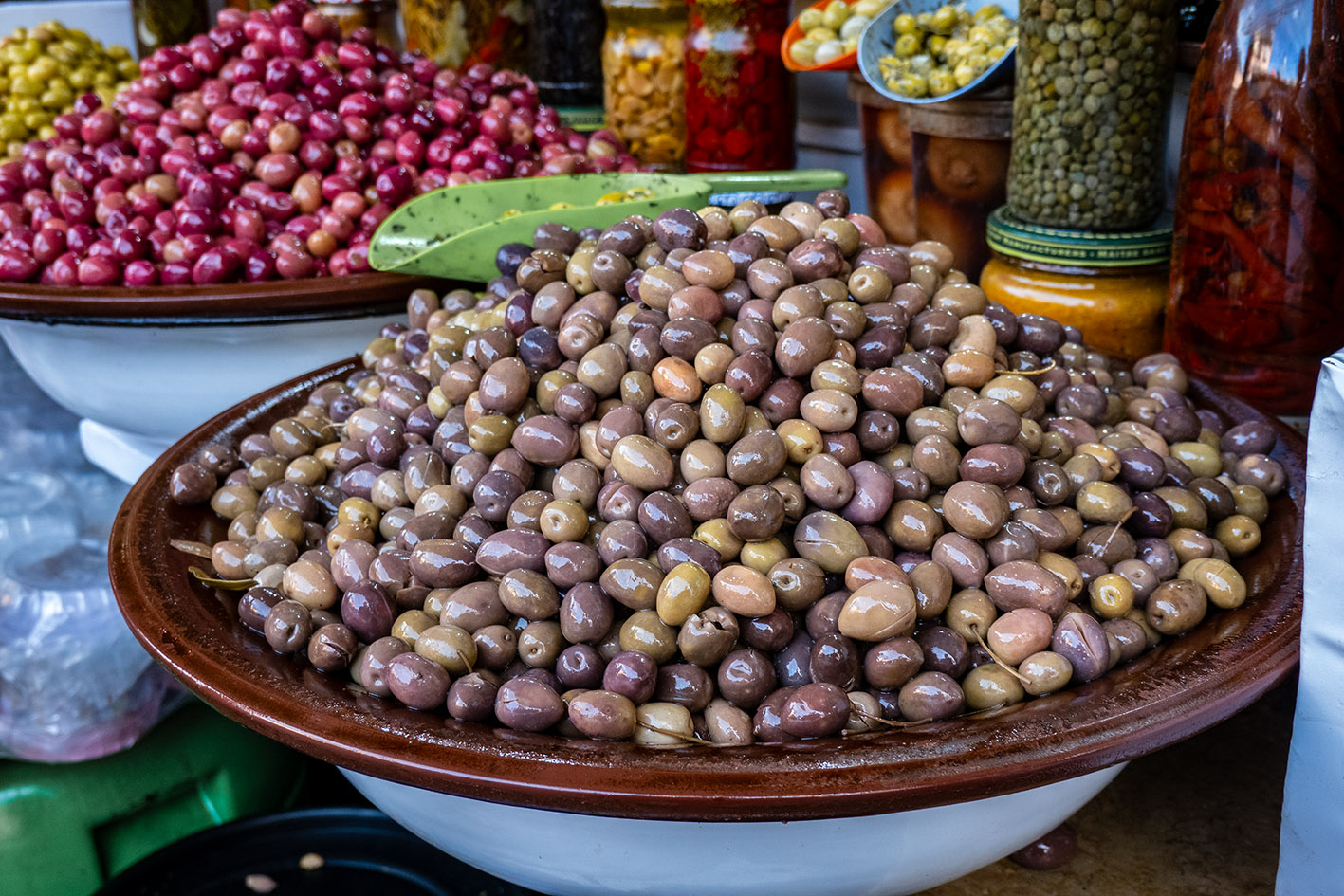

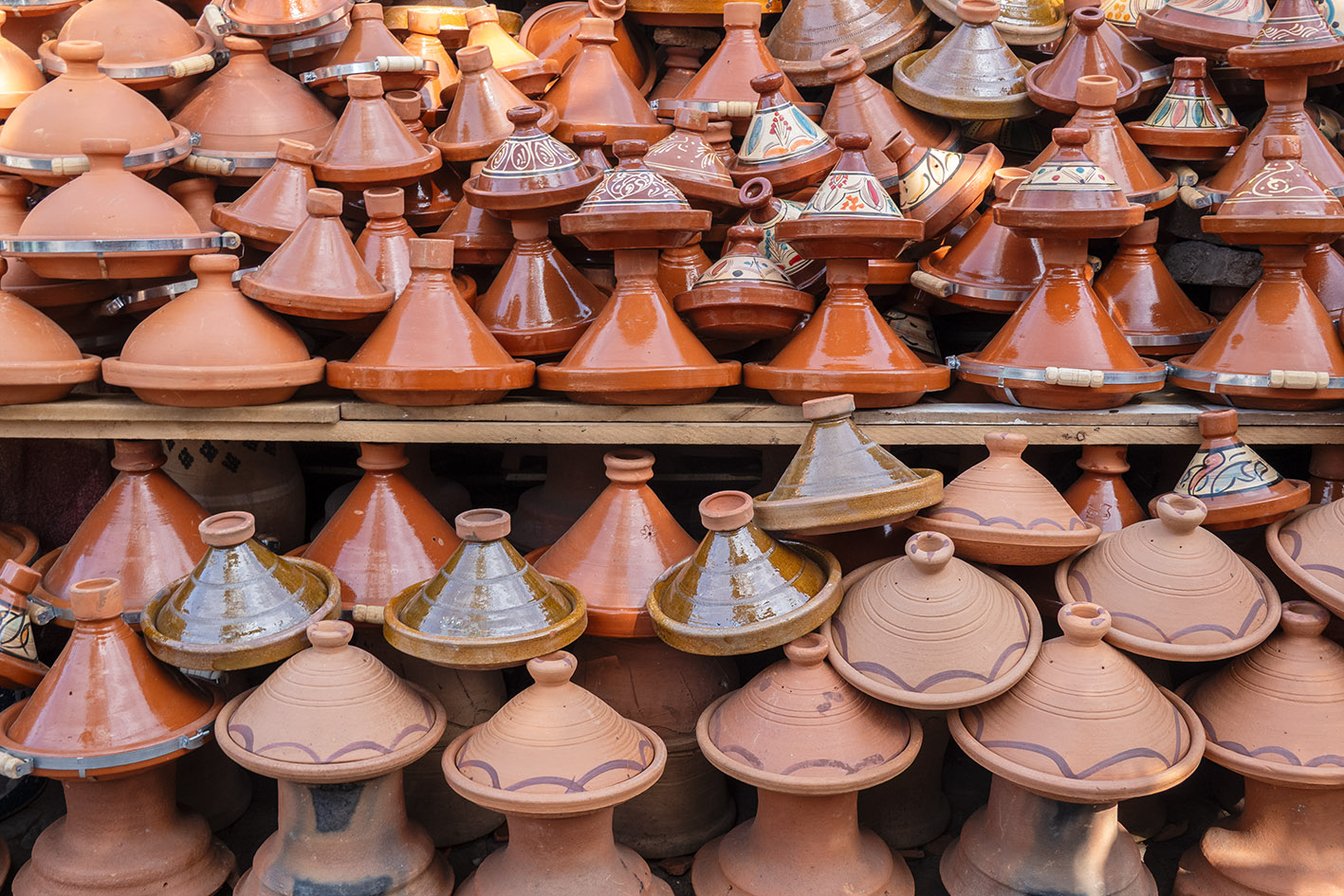
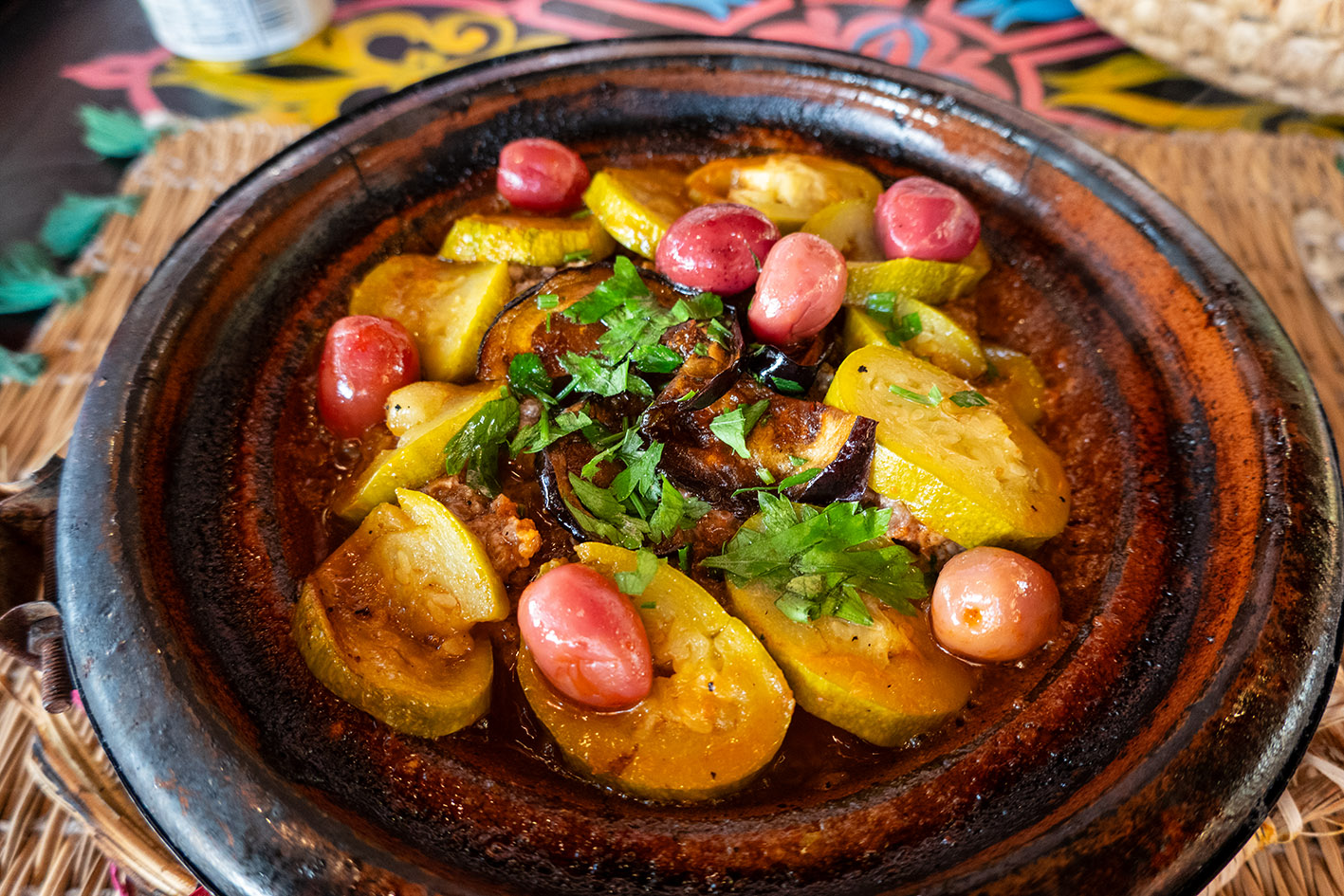
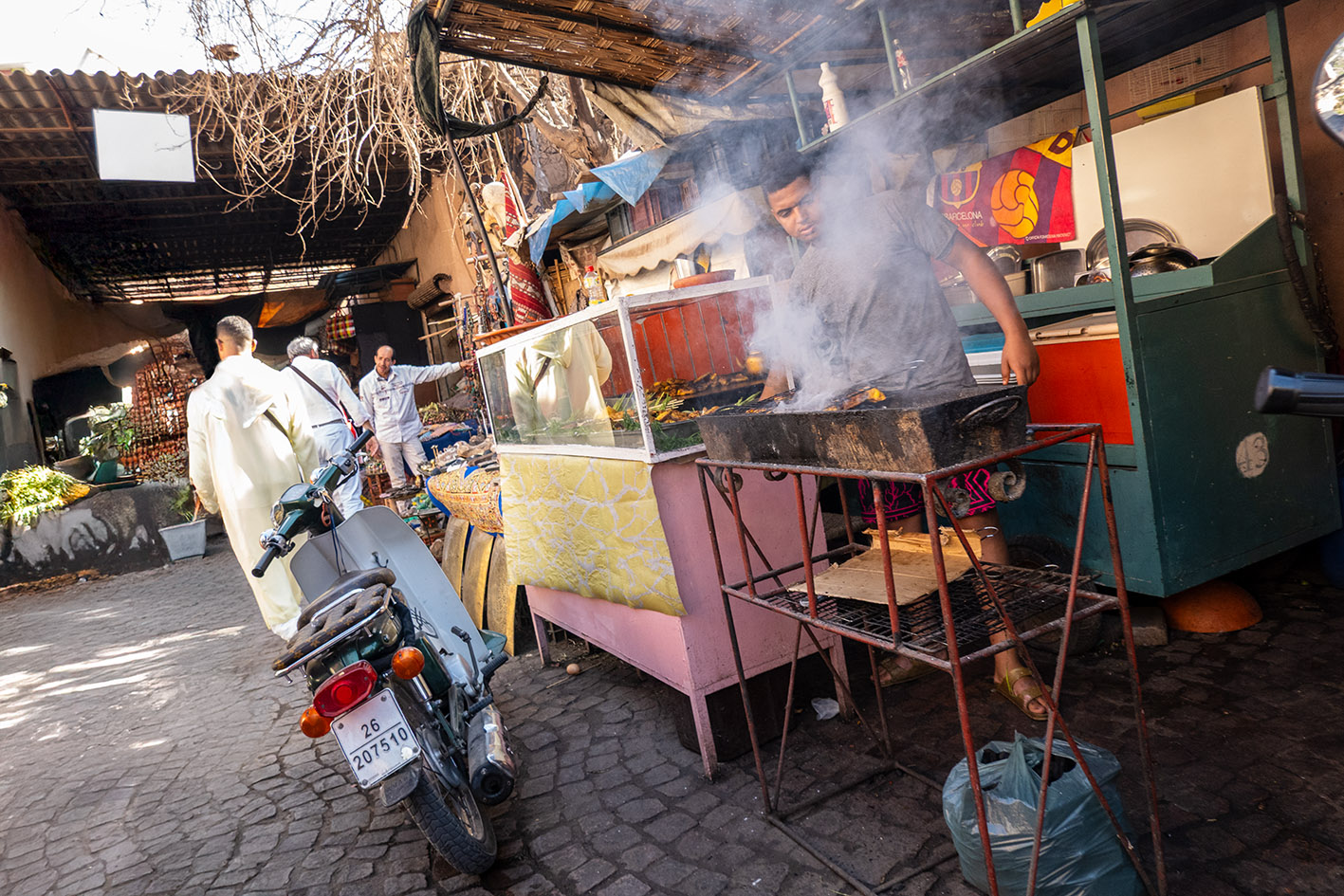
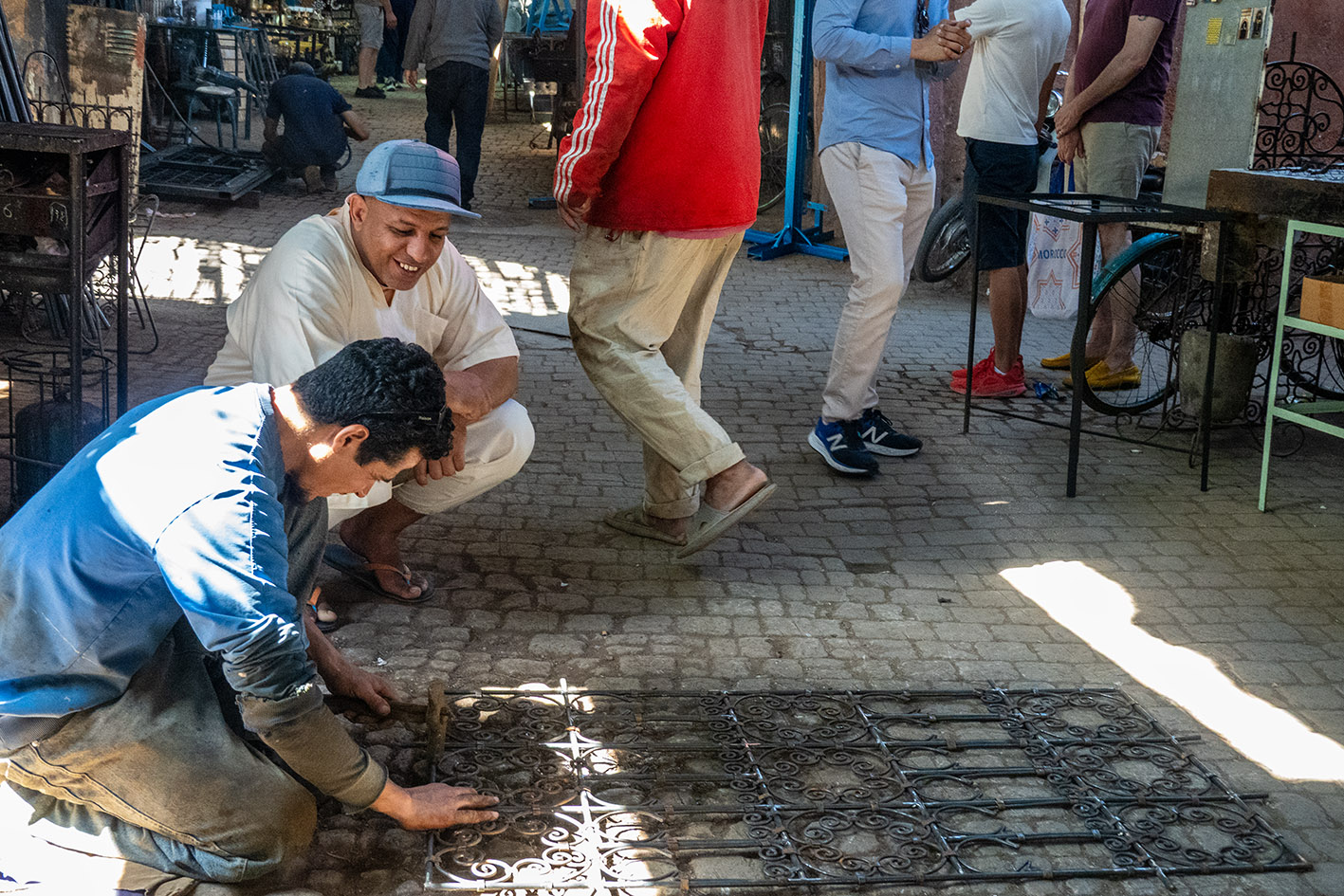
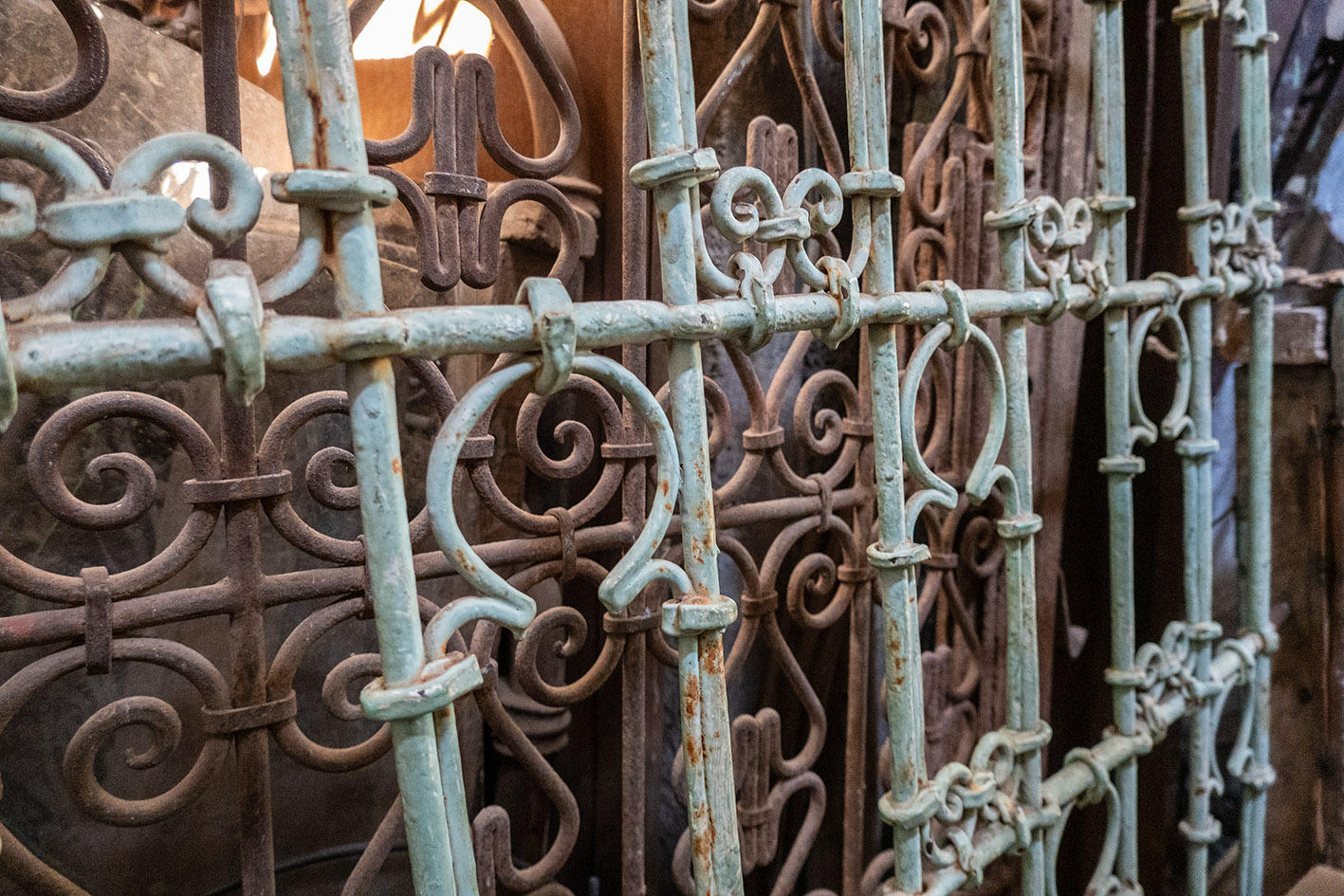
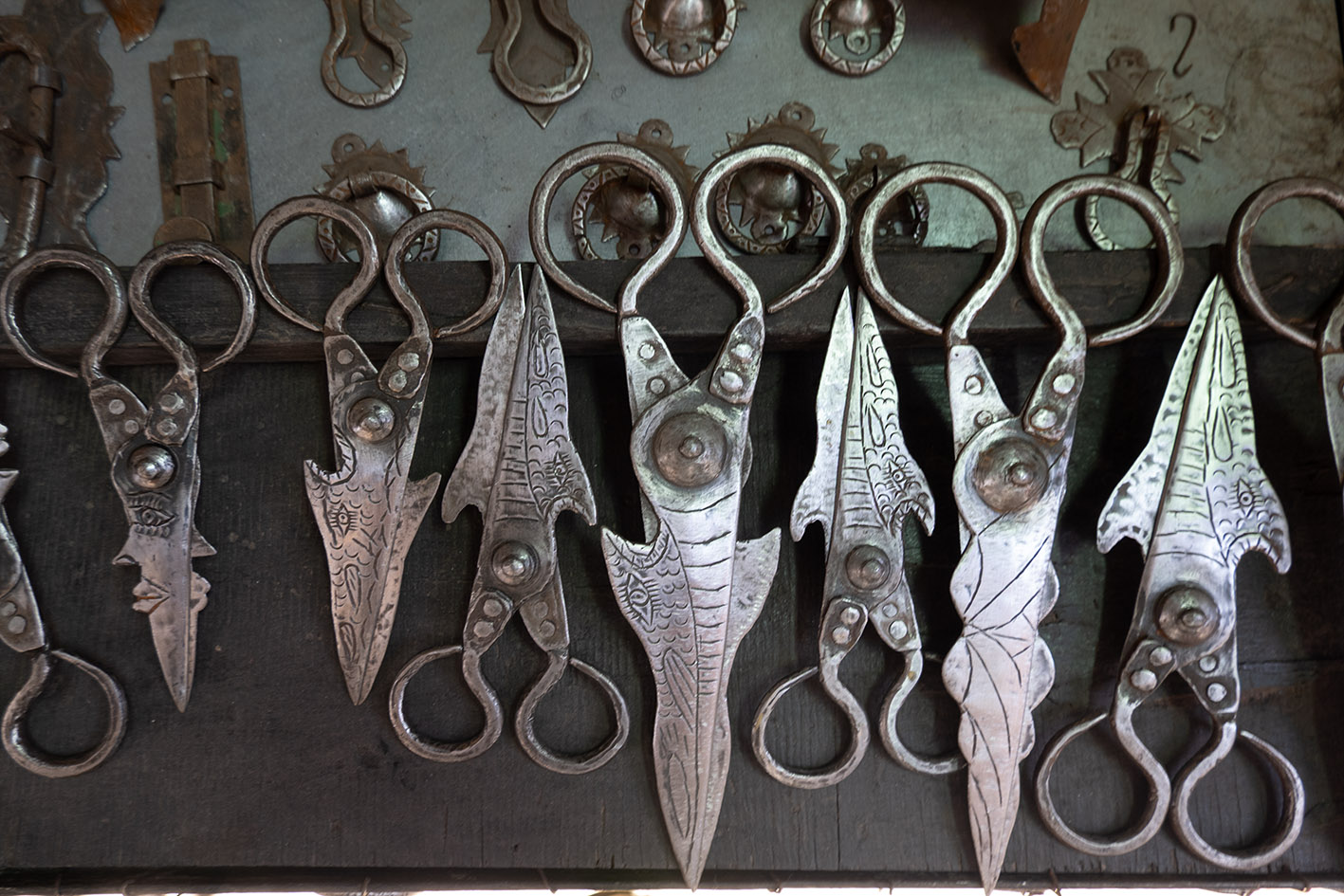
’s Avonds bruist het centrale plein, de Djemaa el-Fna, van het leven
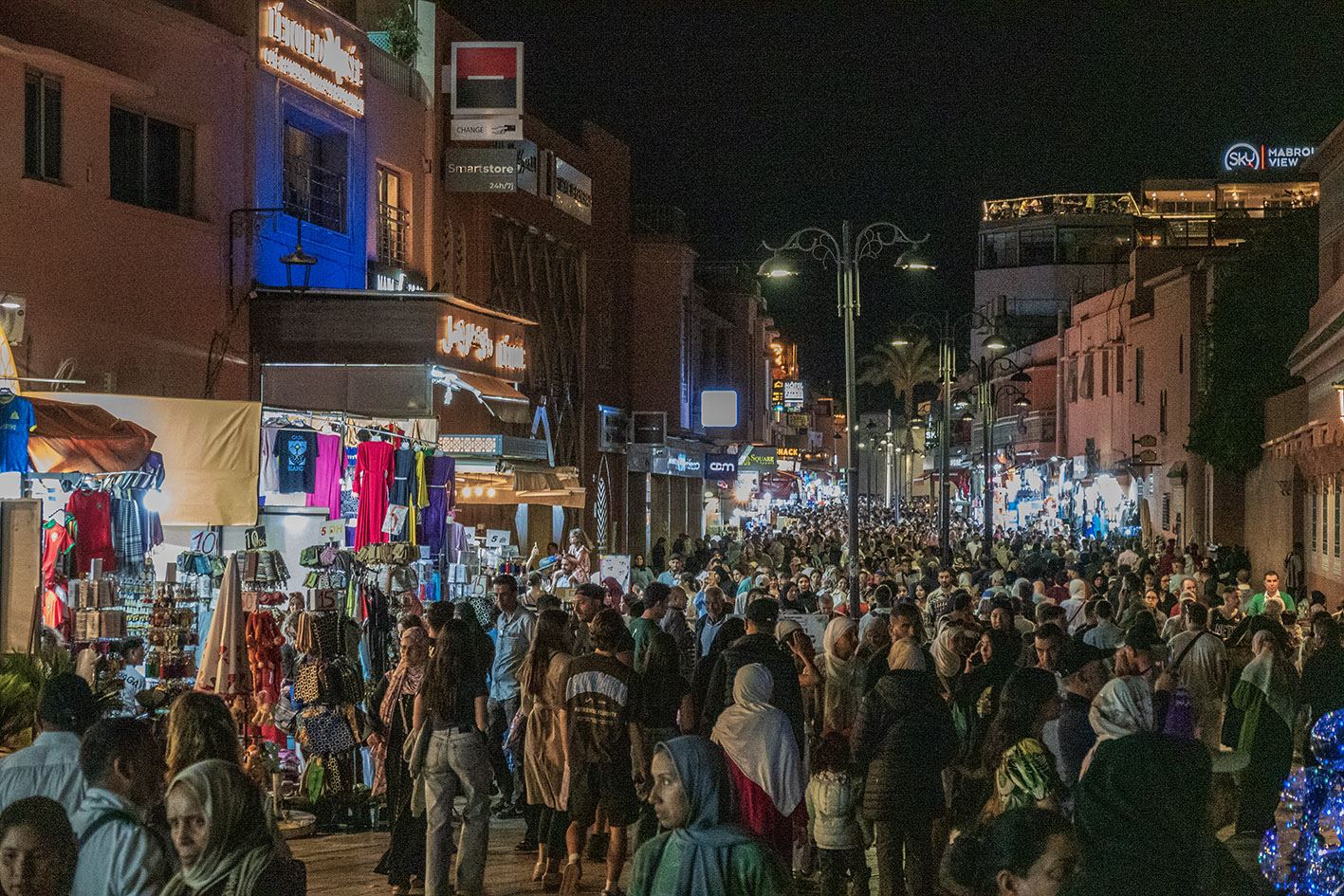
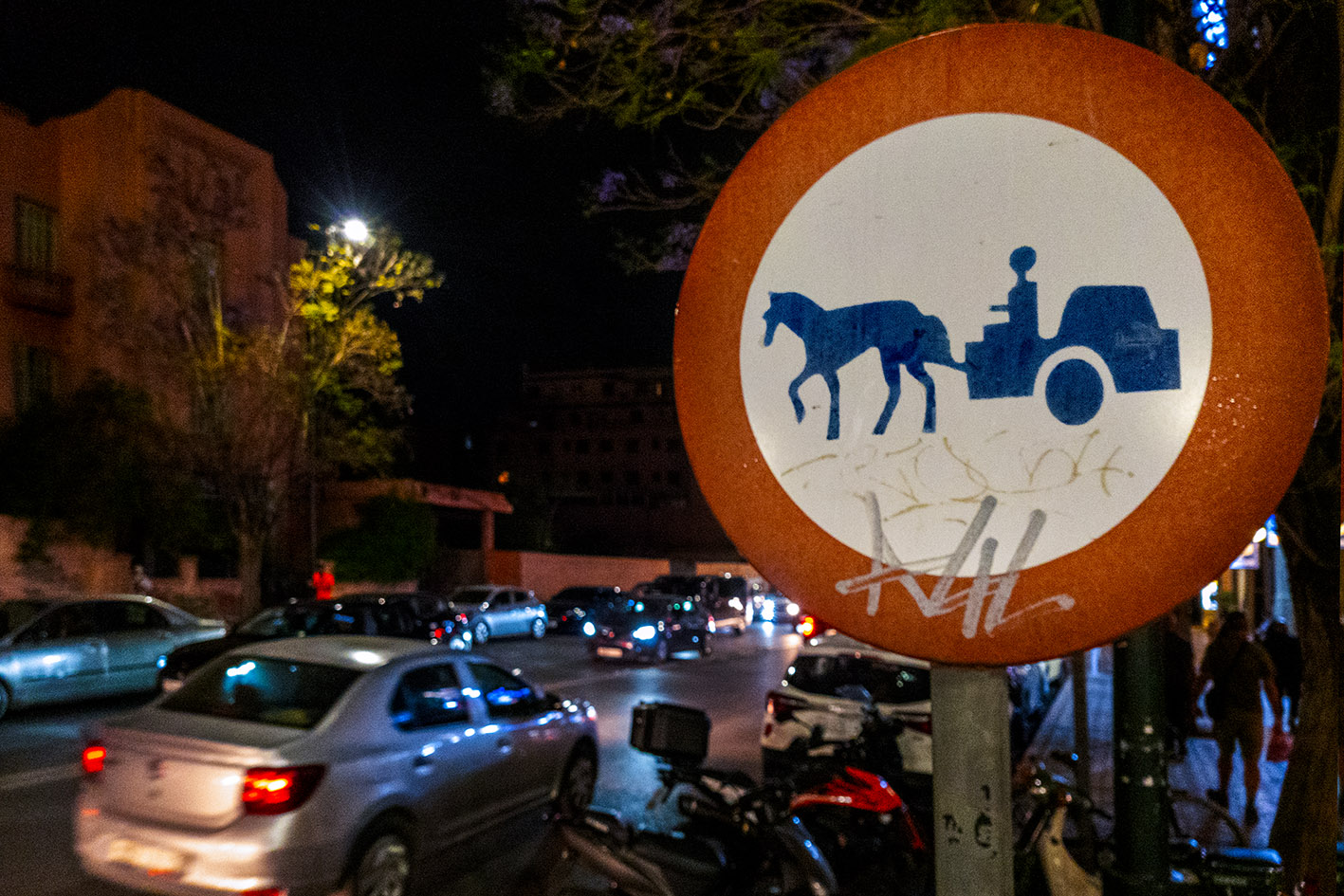
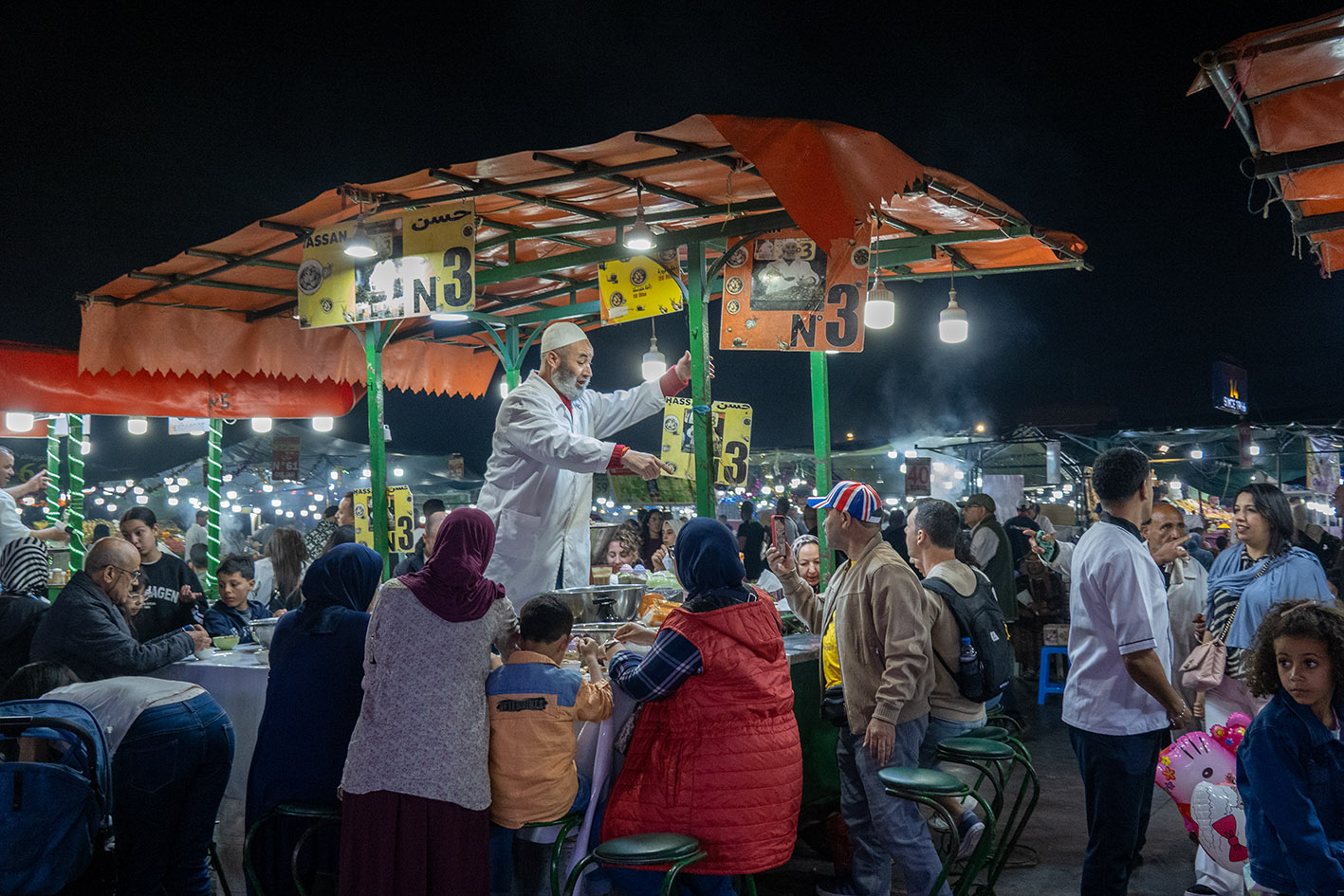
(Dag 1 van een Djoser reis met geweldig reisgezelschap. Fietstocht van Pikala tours, wandeling onder leiding van gids Mohammed)
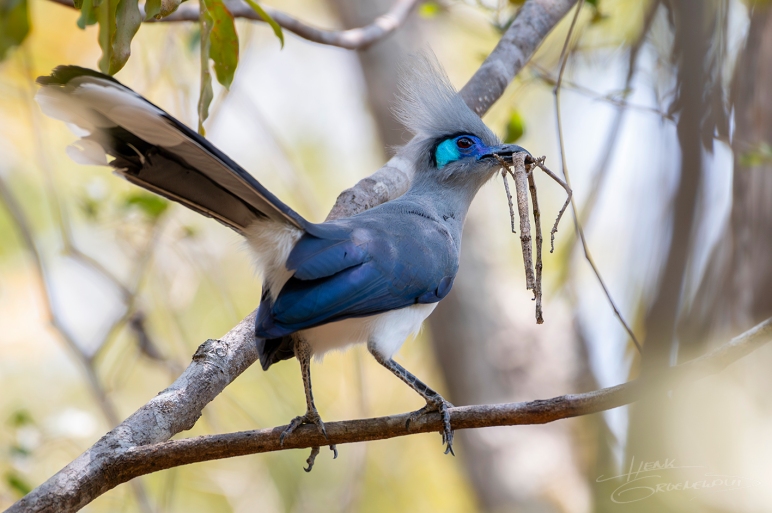
It’s too much!






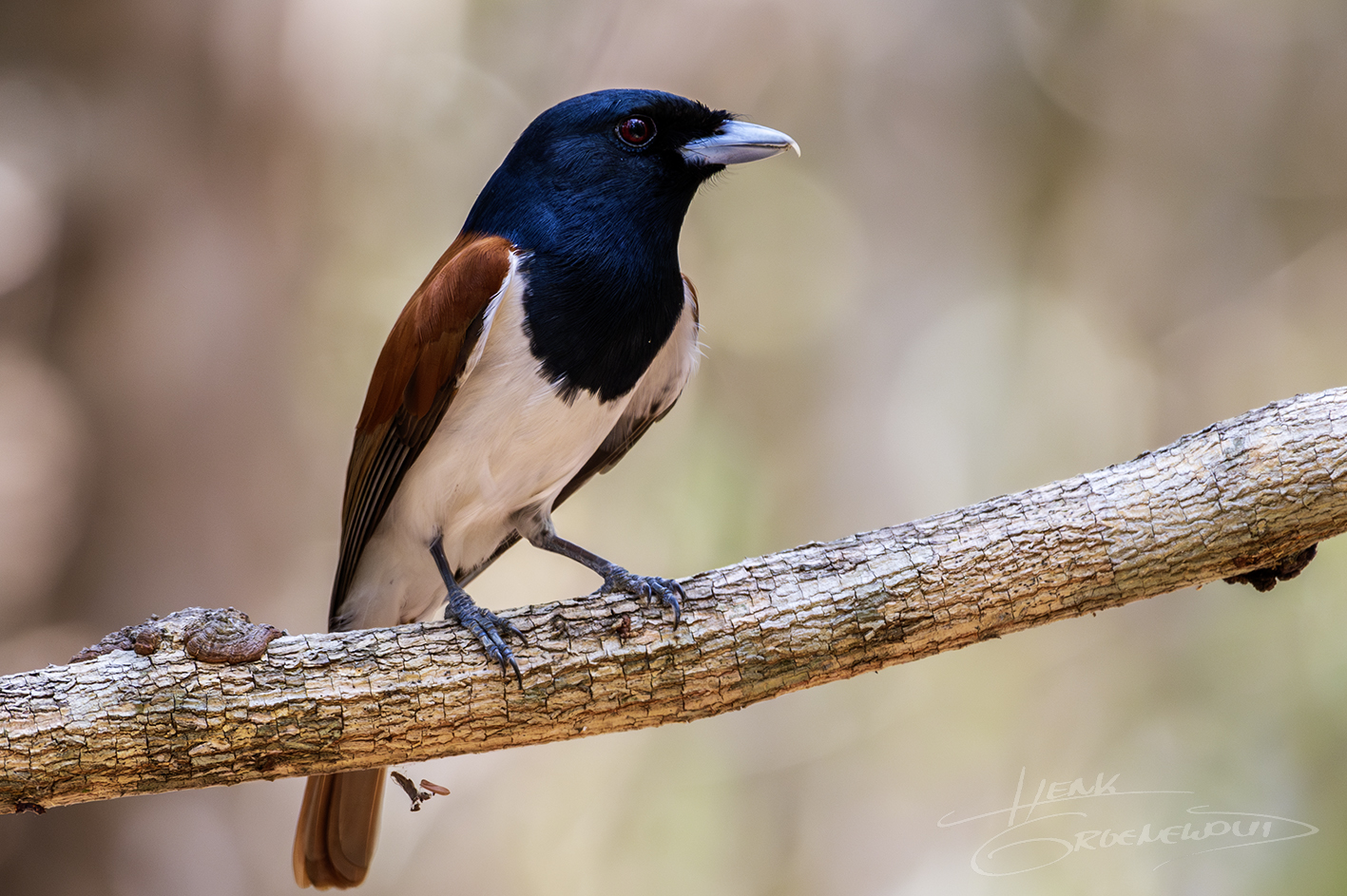
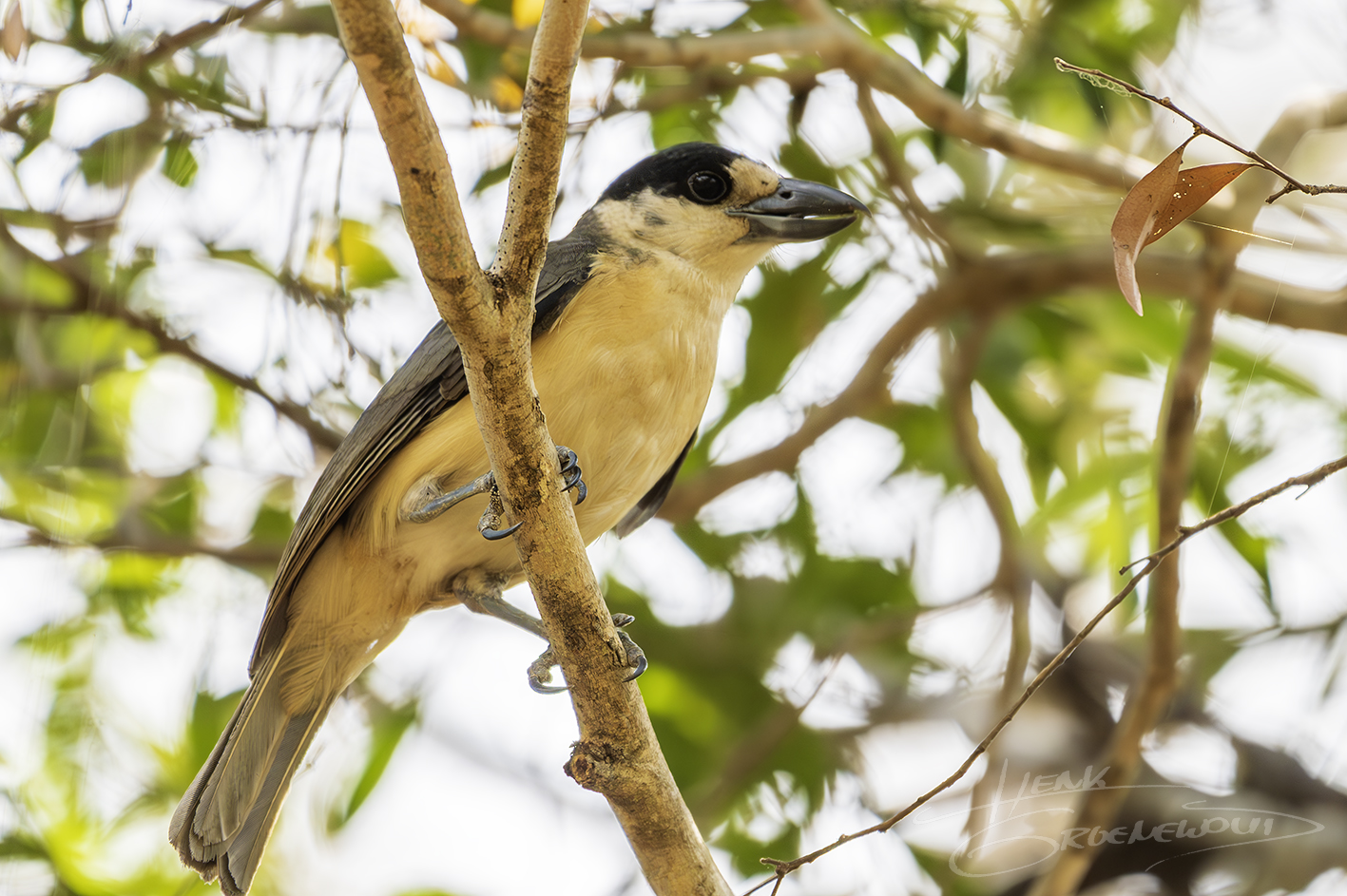

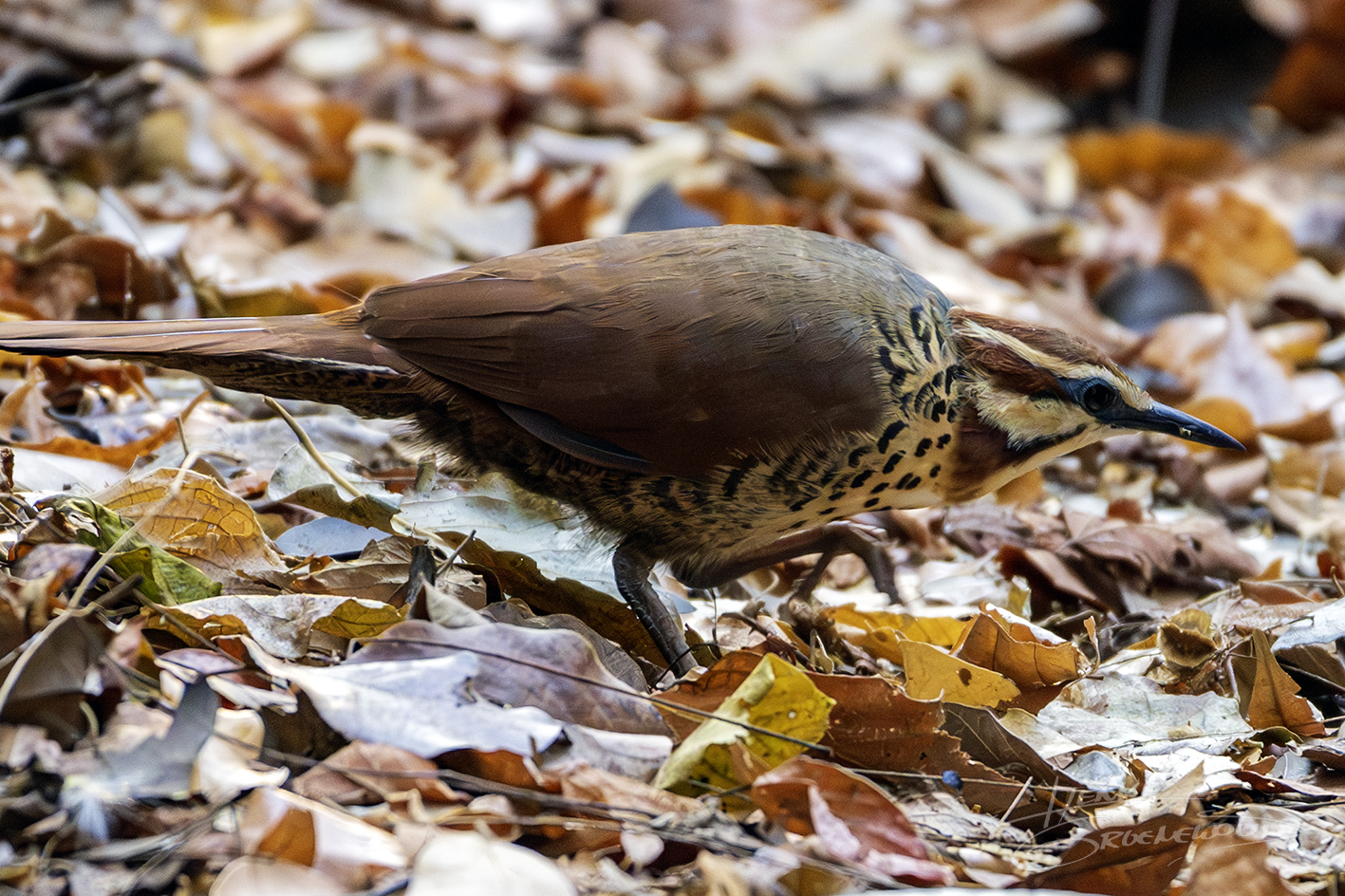

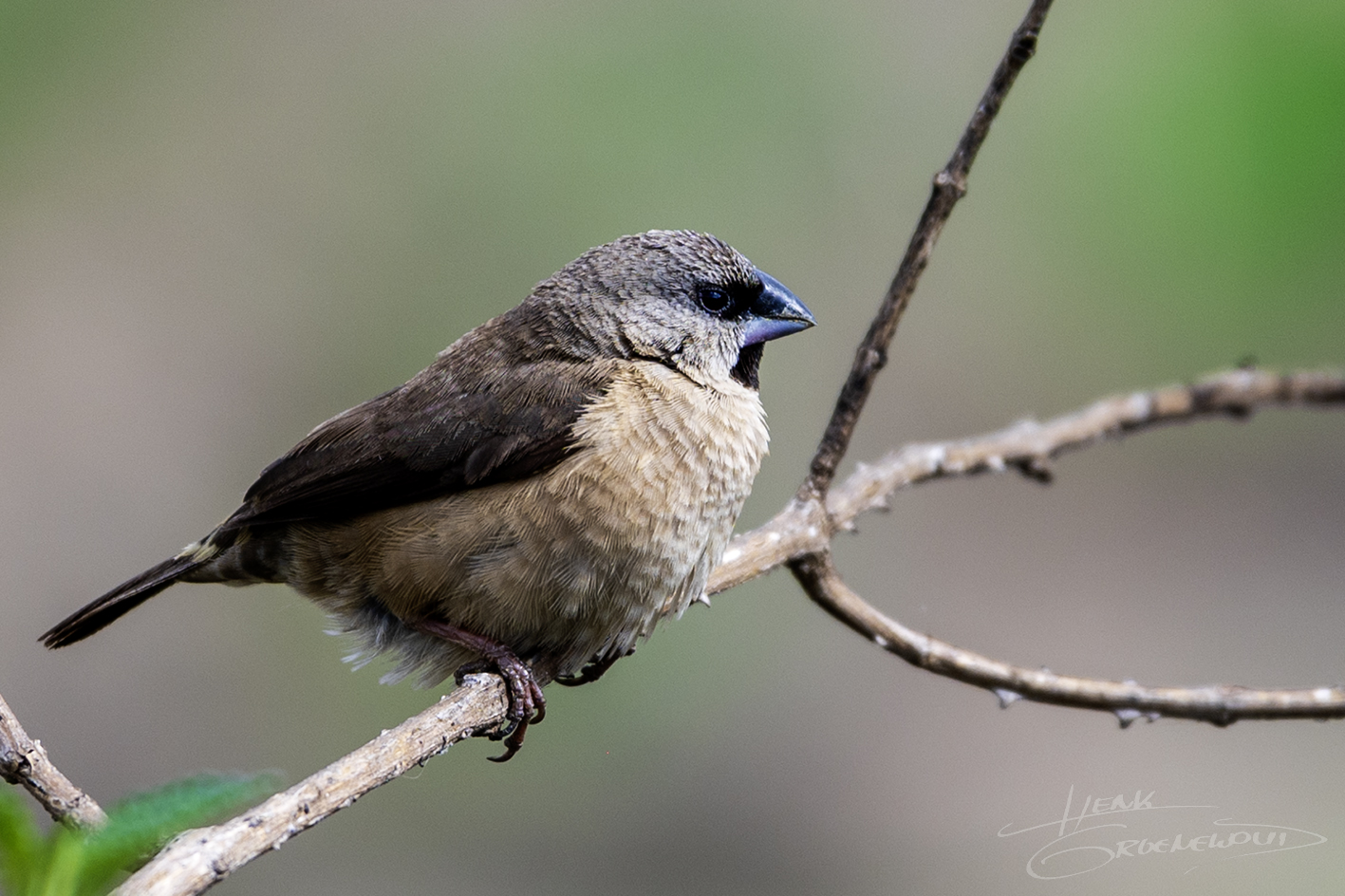



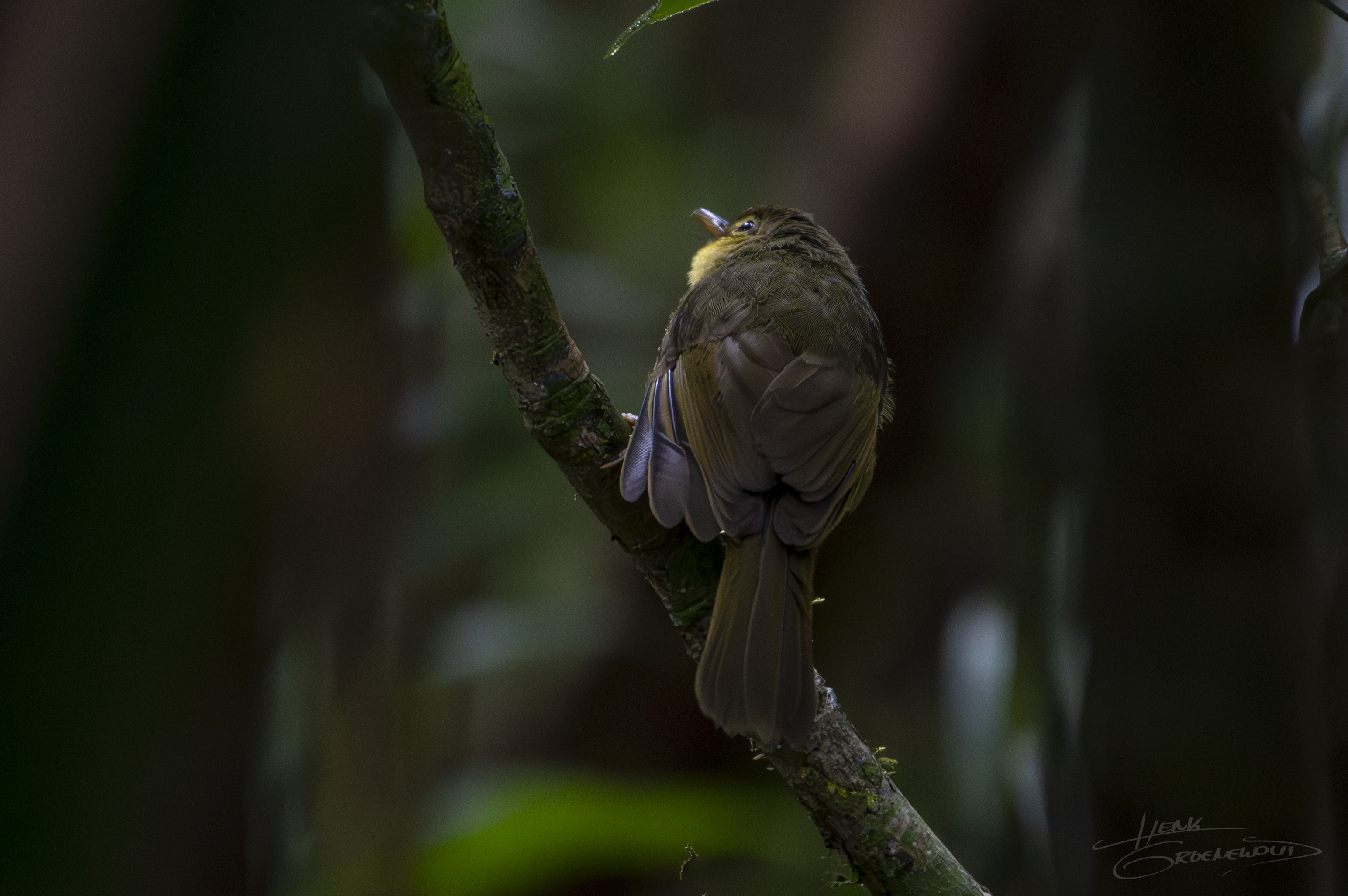
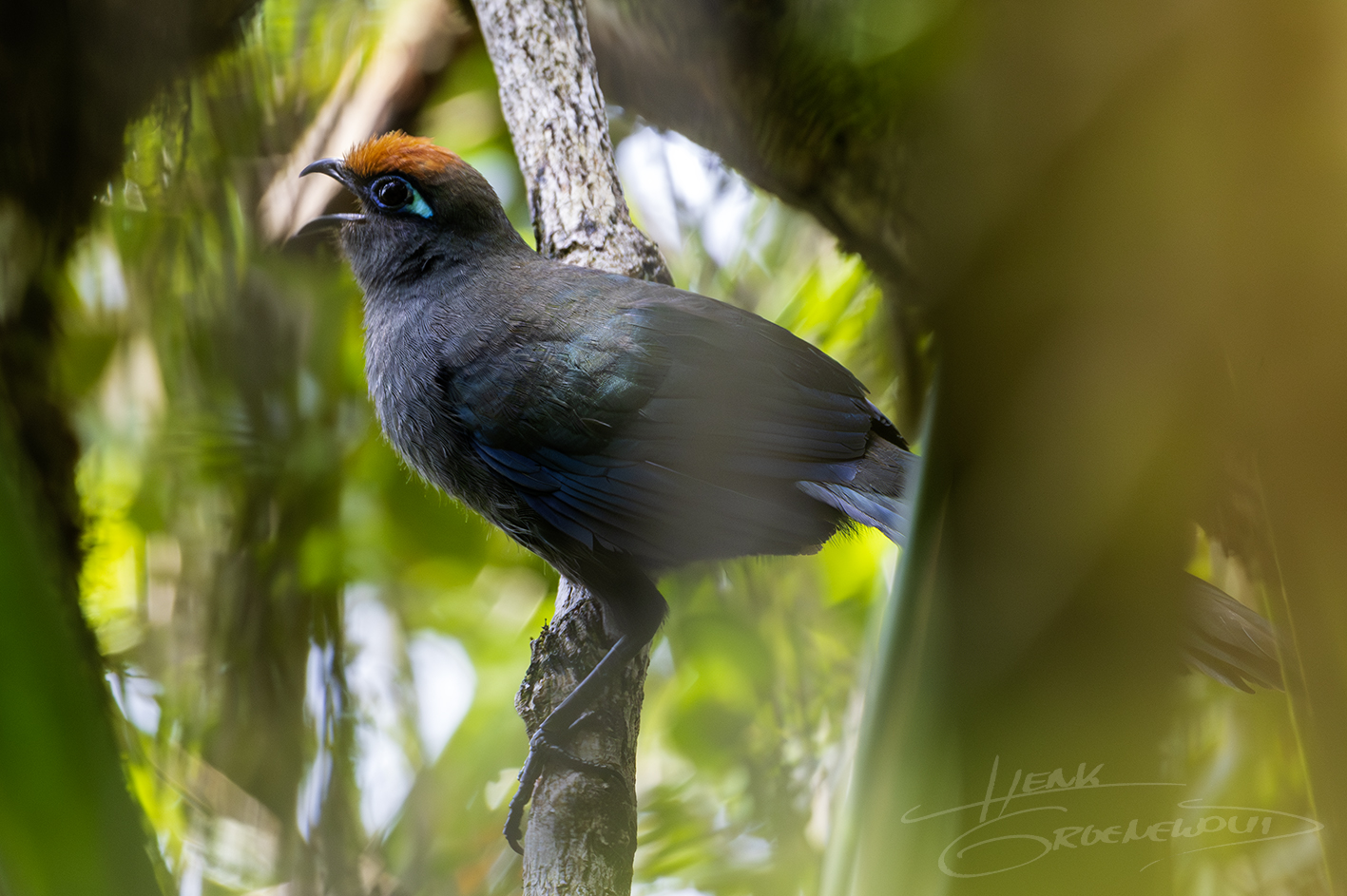
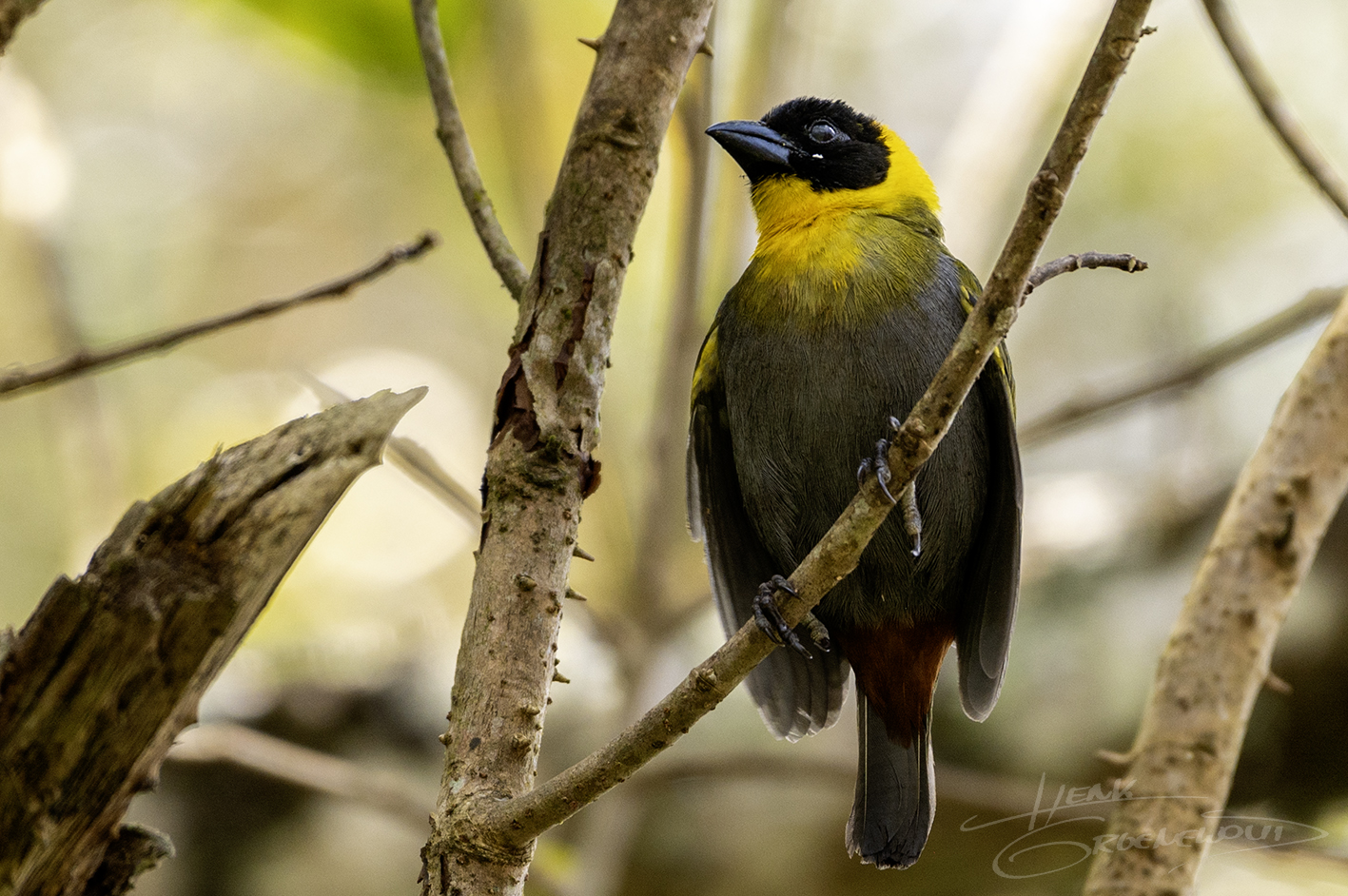
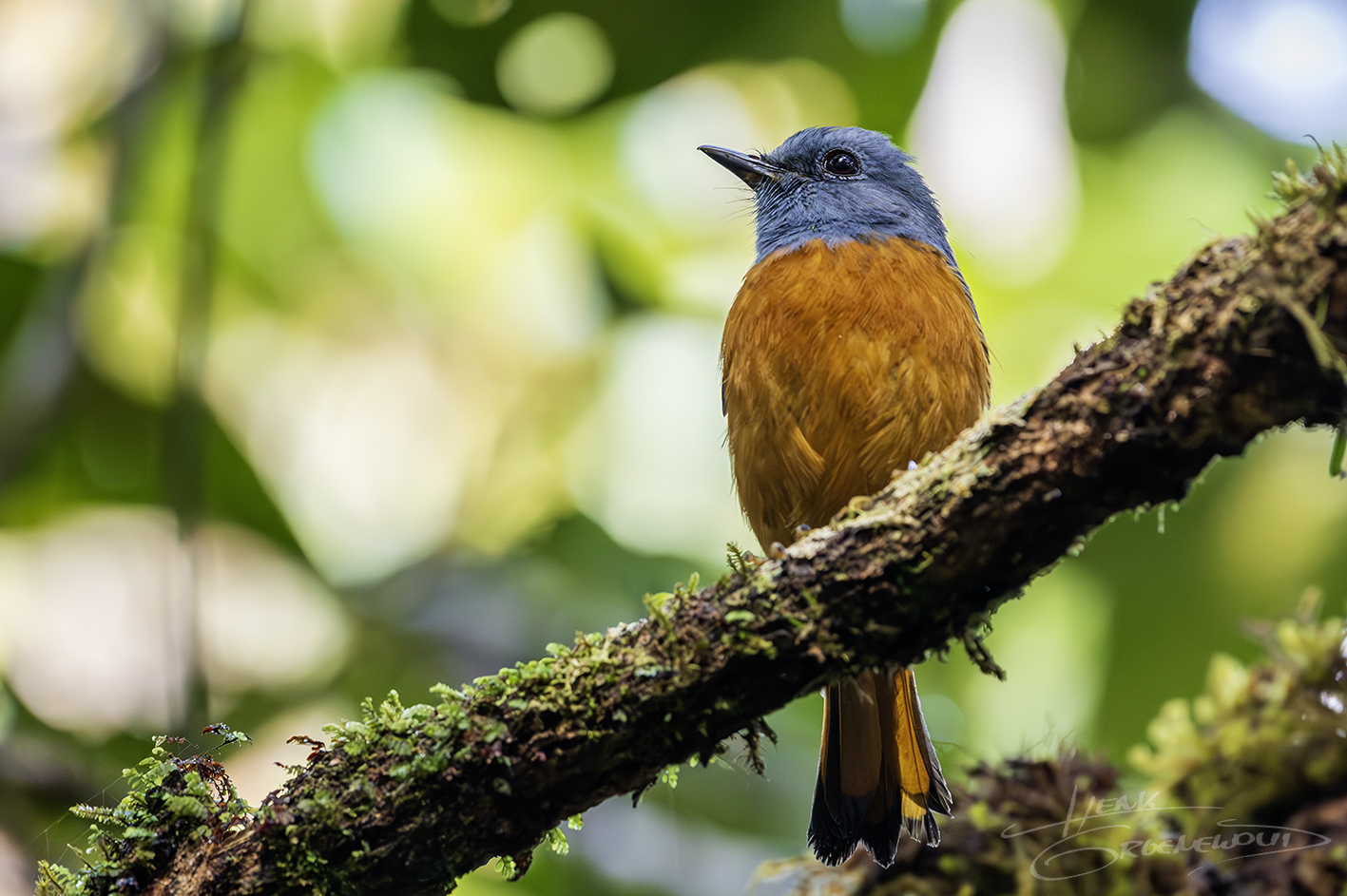

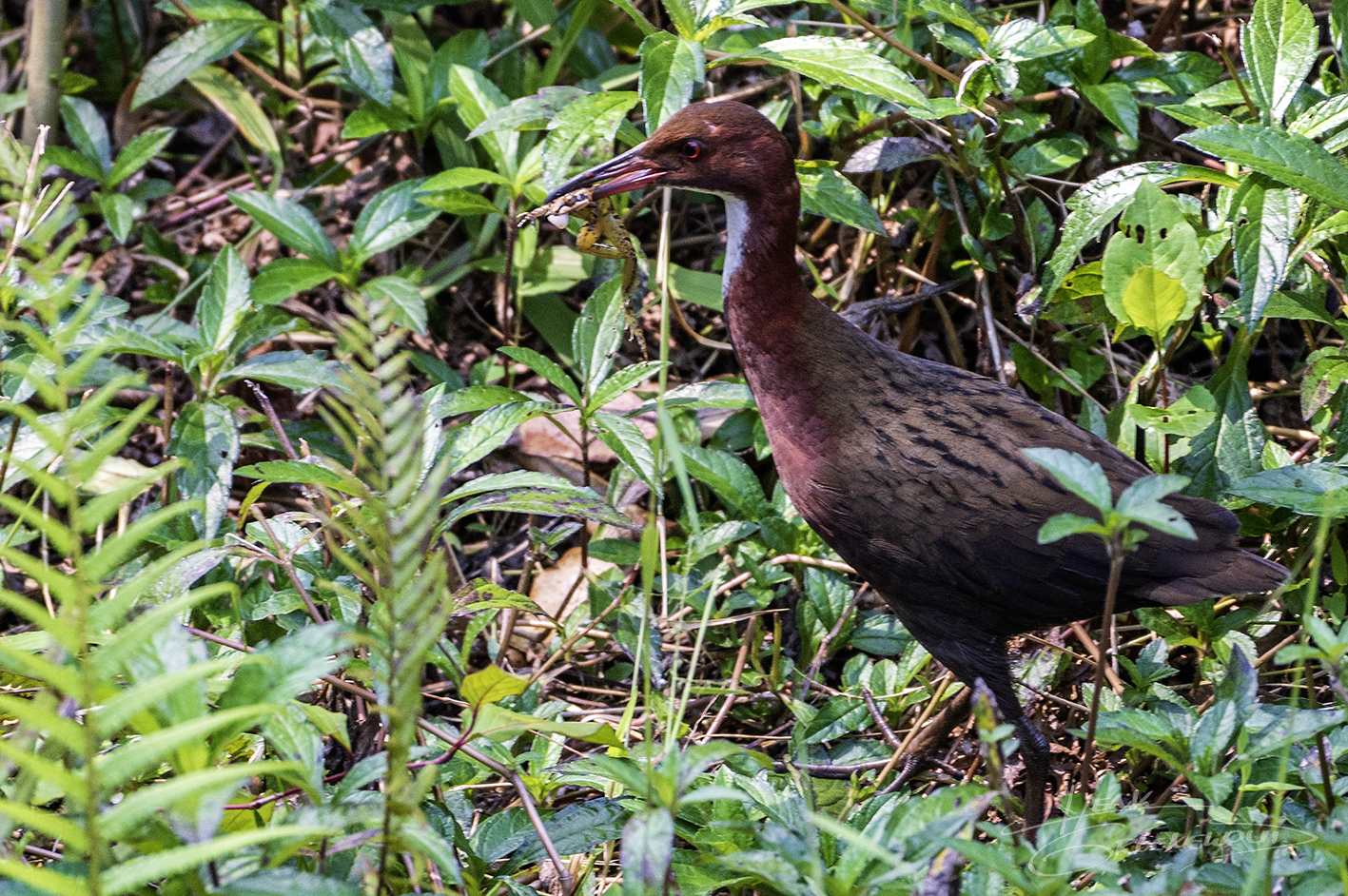

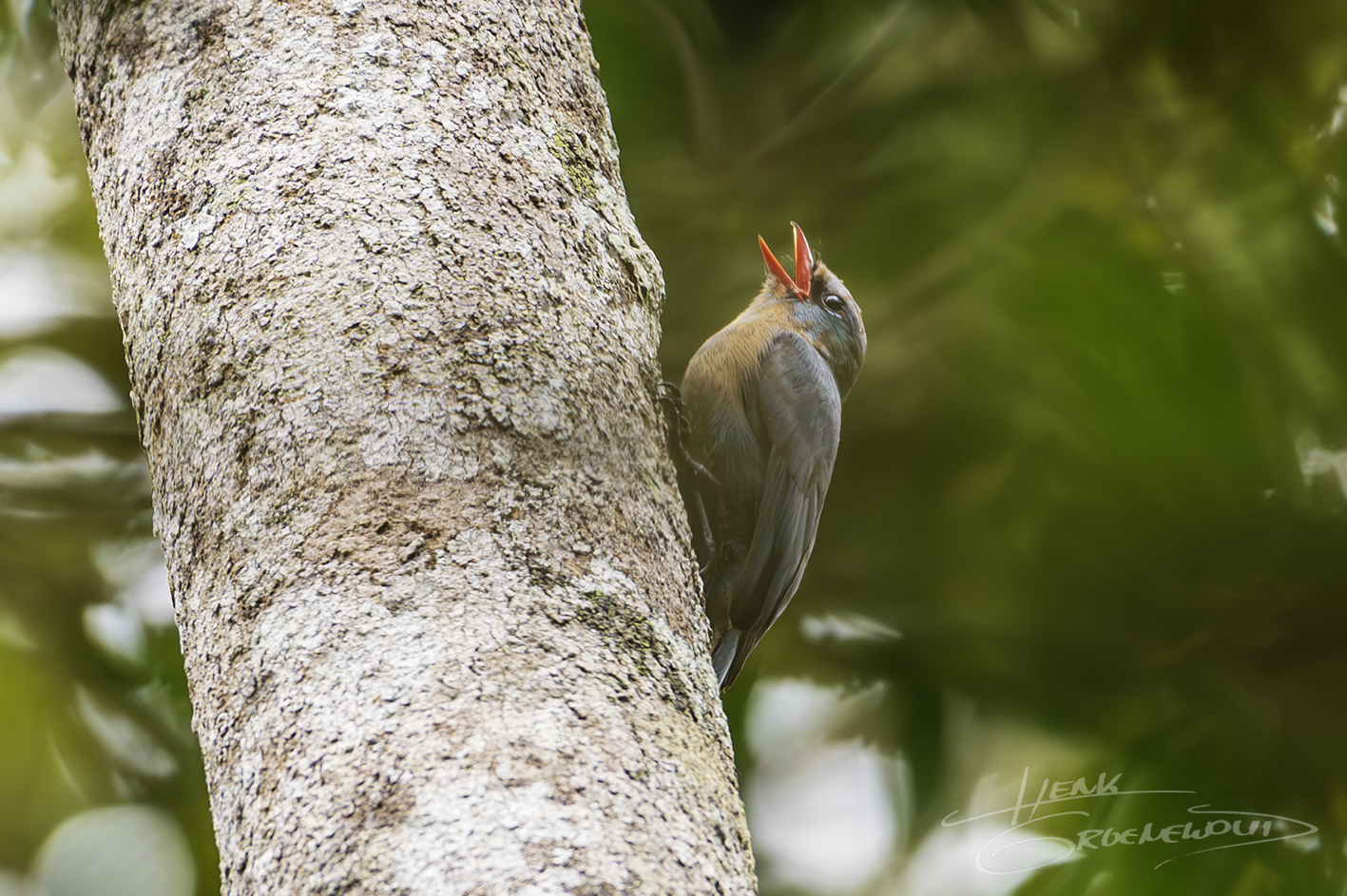
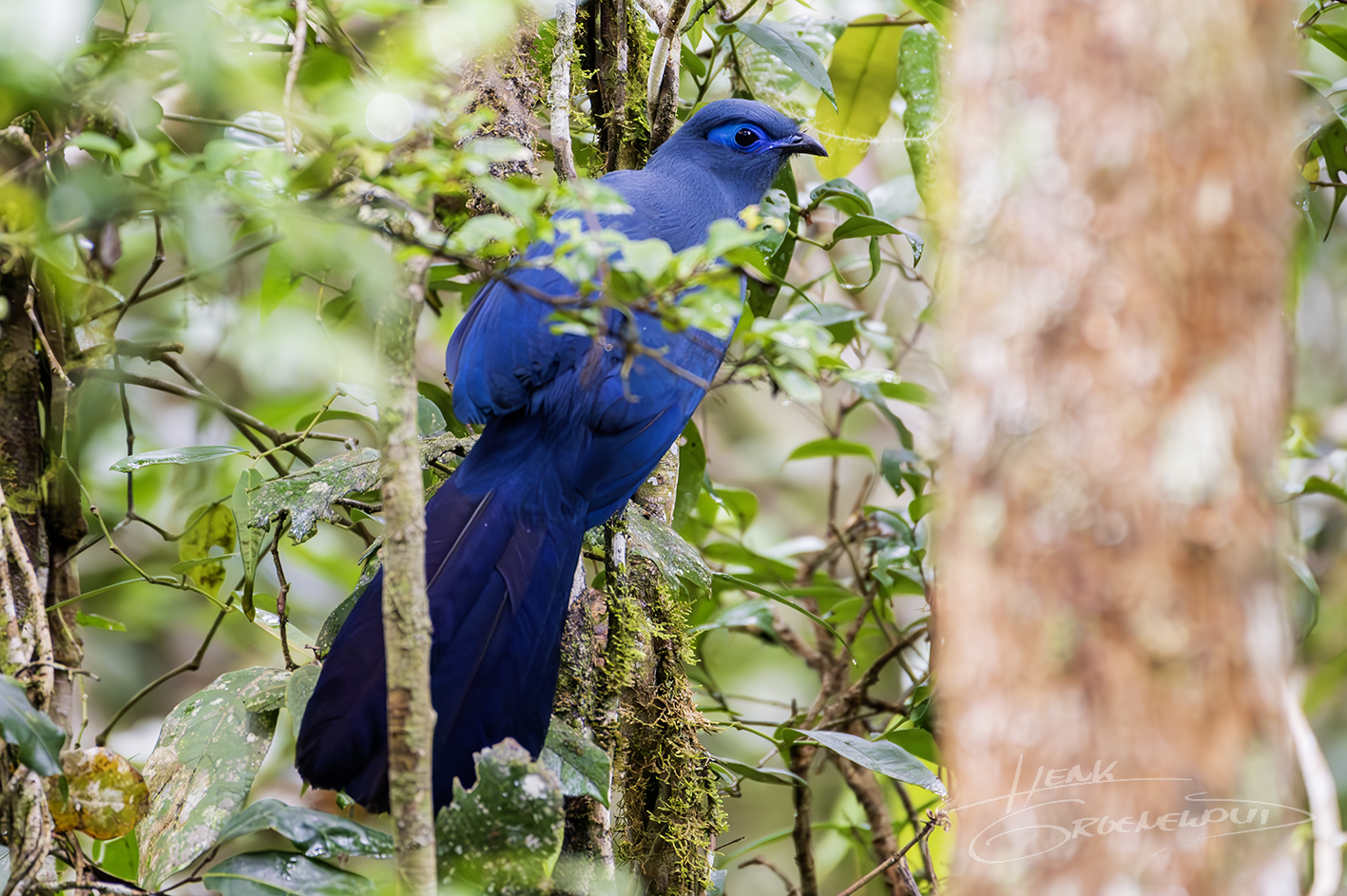

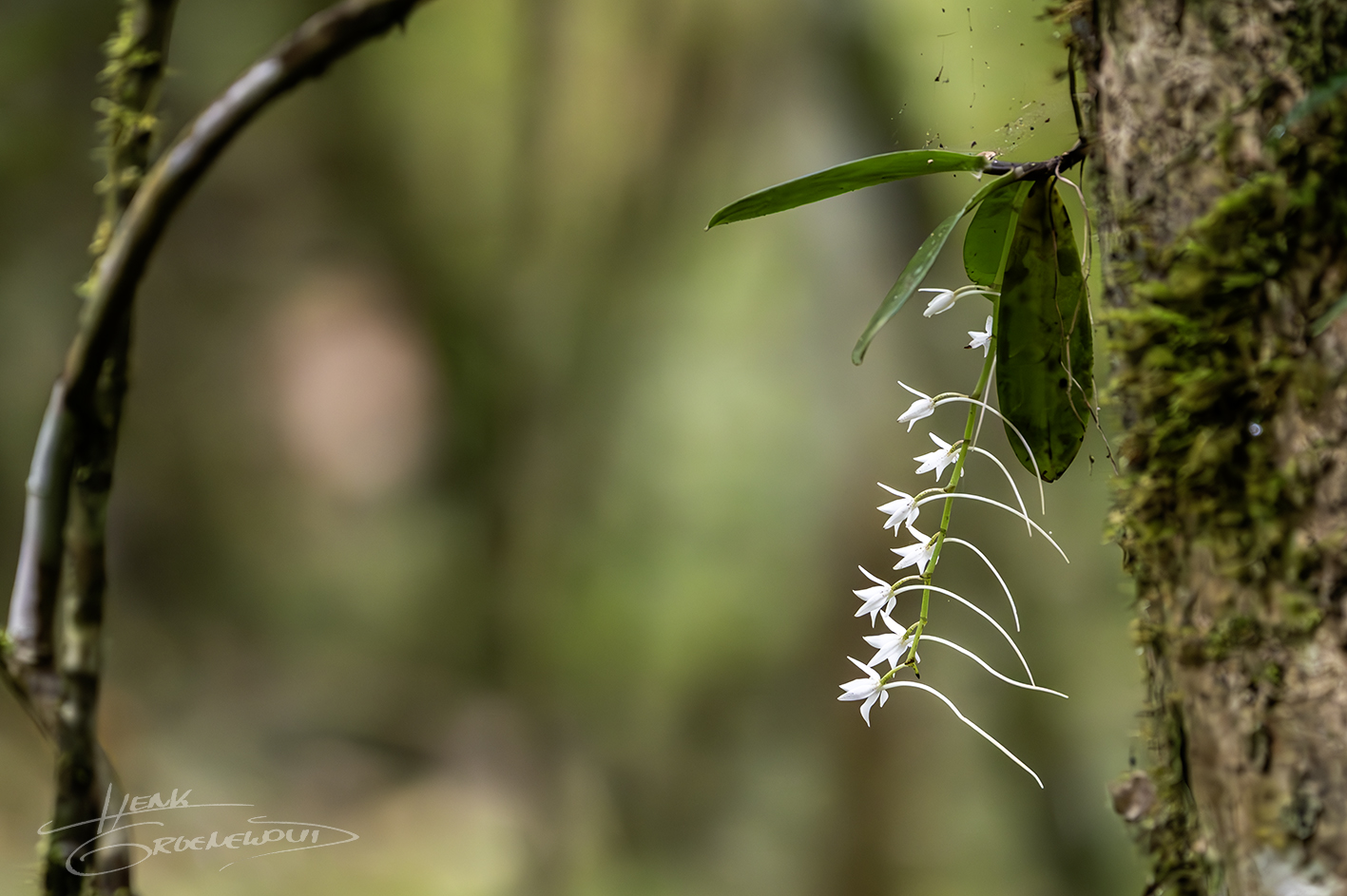













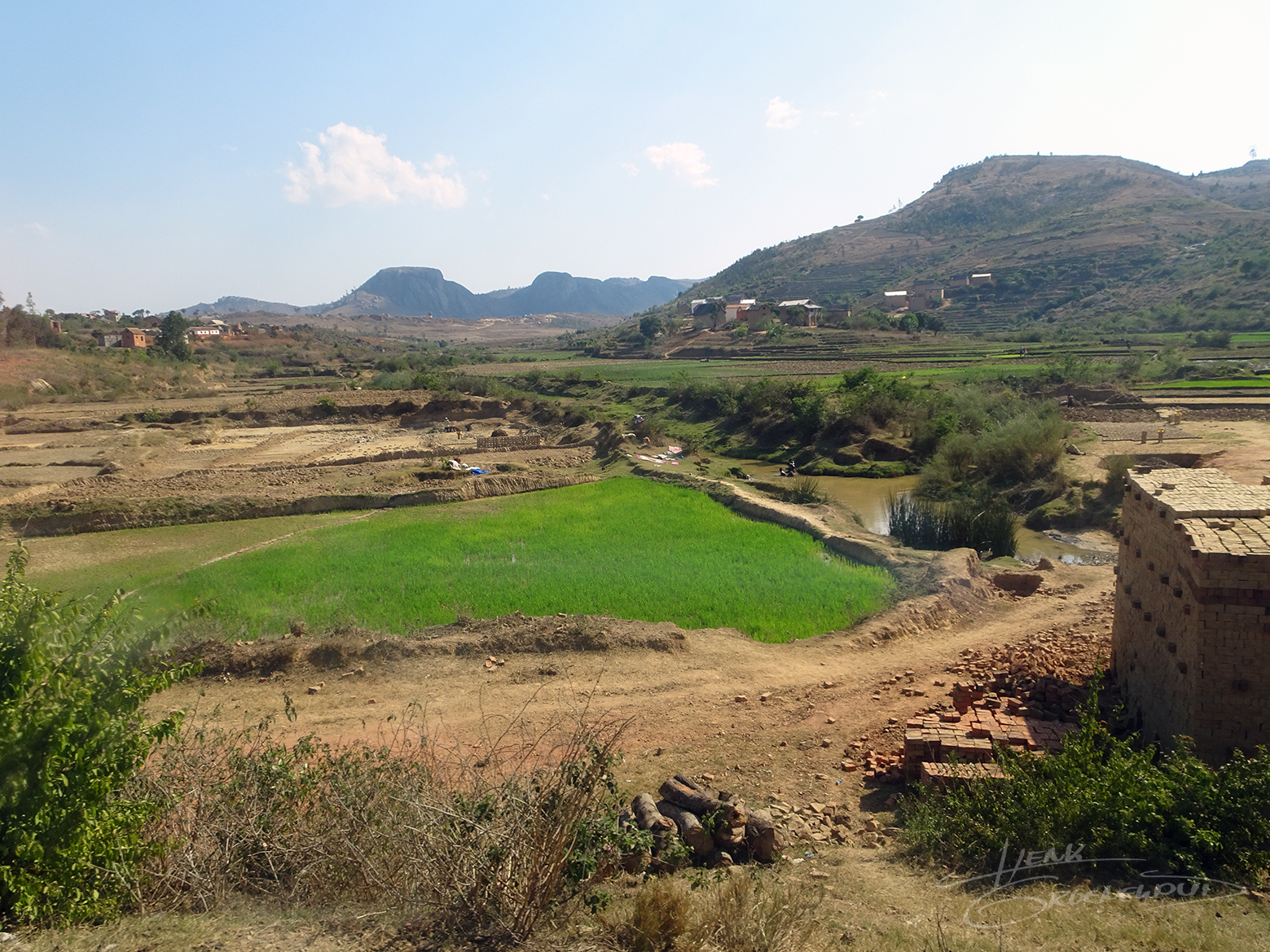
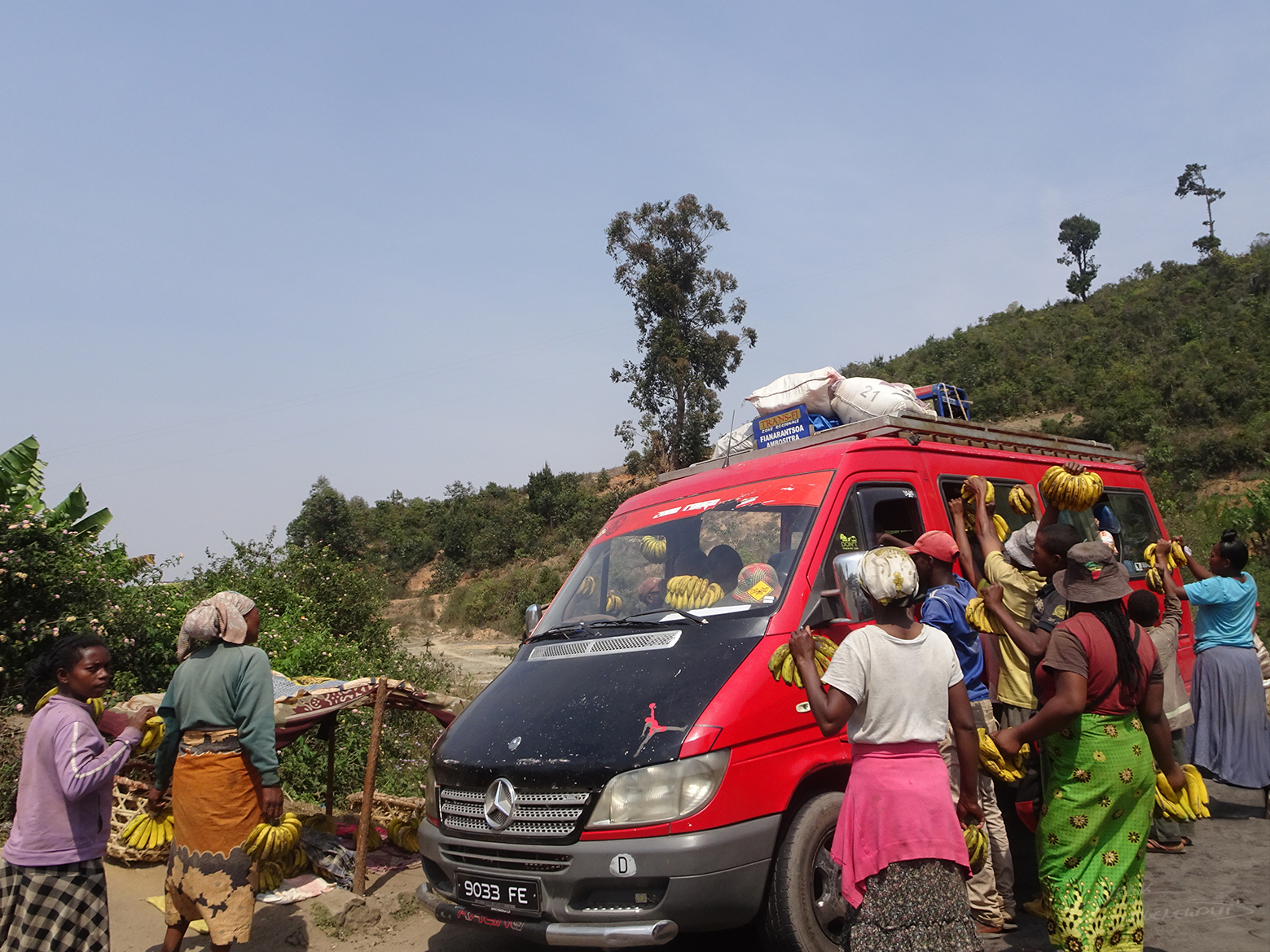
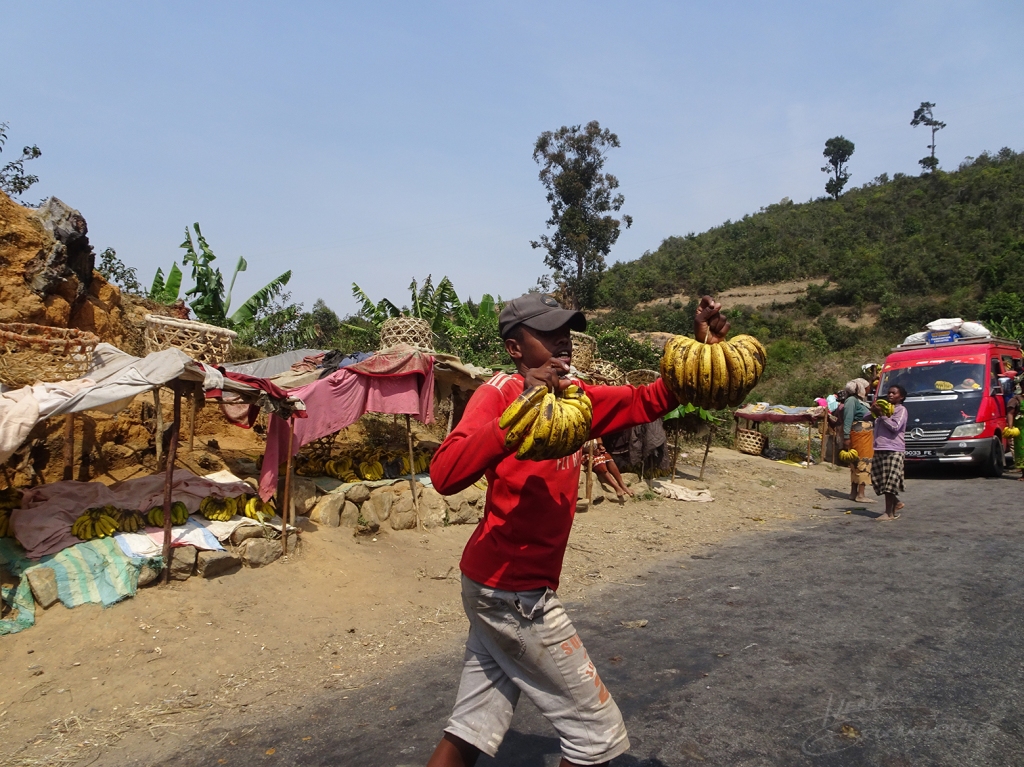

“Looking forward to see your pictures of insects of Madagascar,” my former colleague Gert van Ee said when I posted the first results from the Madagascar trip. Gert is a well-known insect expert in the Netherlands.
“I’ll see what I can find, but I’m afraid we didn’t see many insects,” I replied. “And it will take some time to go through those 15.000 pictures.”
So this is the result. A couple of insects indeed, and some other arthropods as well (arachnids)
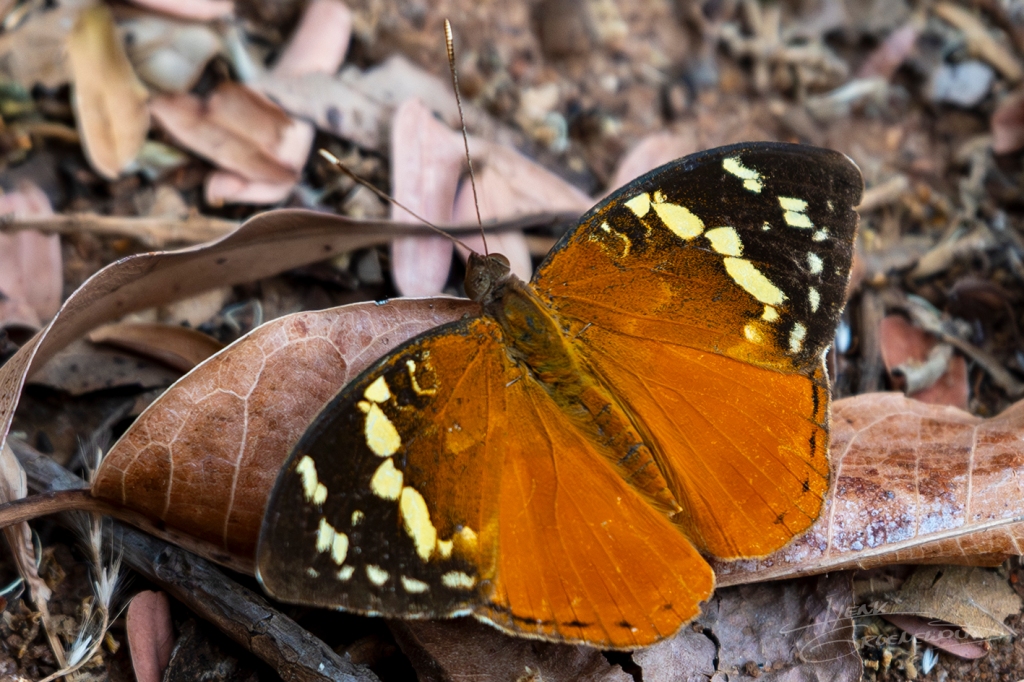

(lead picture: Brilliant blue – Junonia rhadama)
Madagascar Forest nymph – Aterica raben
Green lady – Graphium cyrnus (feeding on dung)
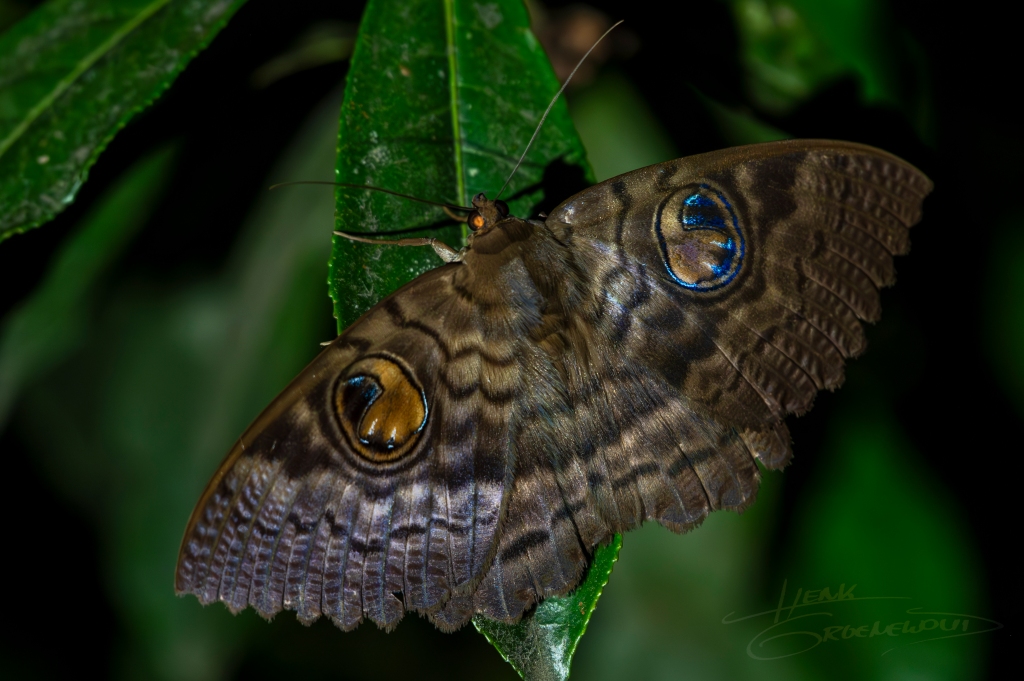
Walker’s owl – Erebus macrops (Huge! Like 15 cm.)
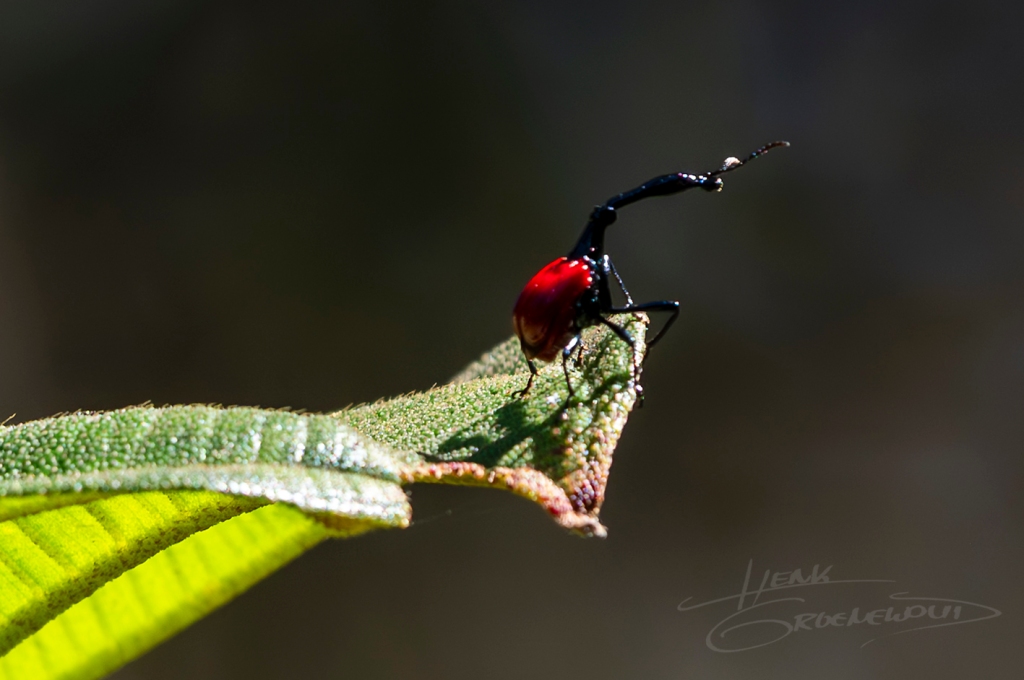
Giraffe-necked weevil – Trachelophorus giraffa
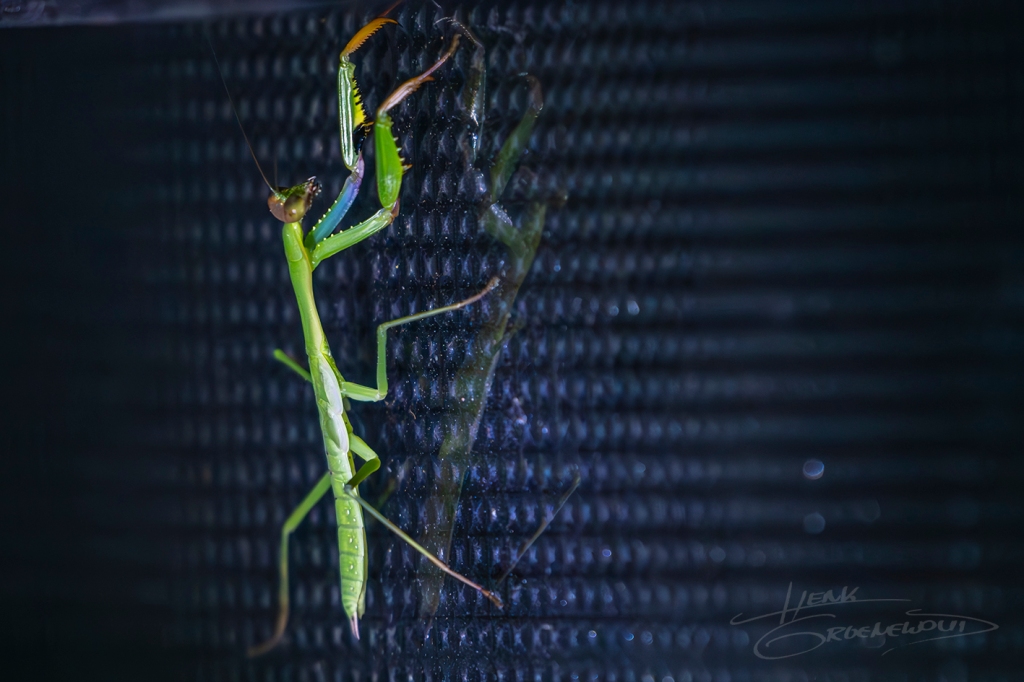

Praying mantis ( I apologise for not always finding the exact species names – If you know them do not hesitate to mention them)
Green stick insect – Achrioptera manga


Madagascar Flatid leaf insect – Phromnia rosea. They look like flowers, but they are tiny insects (see detail)
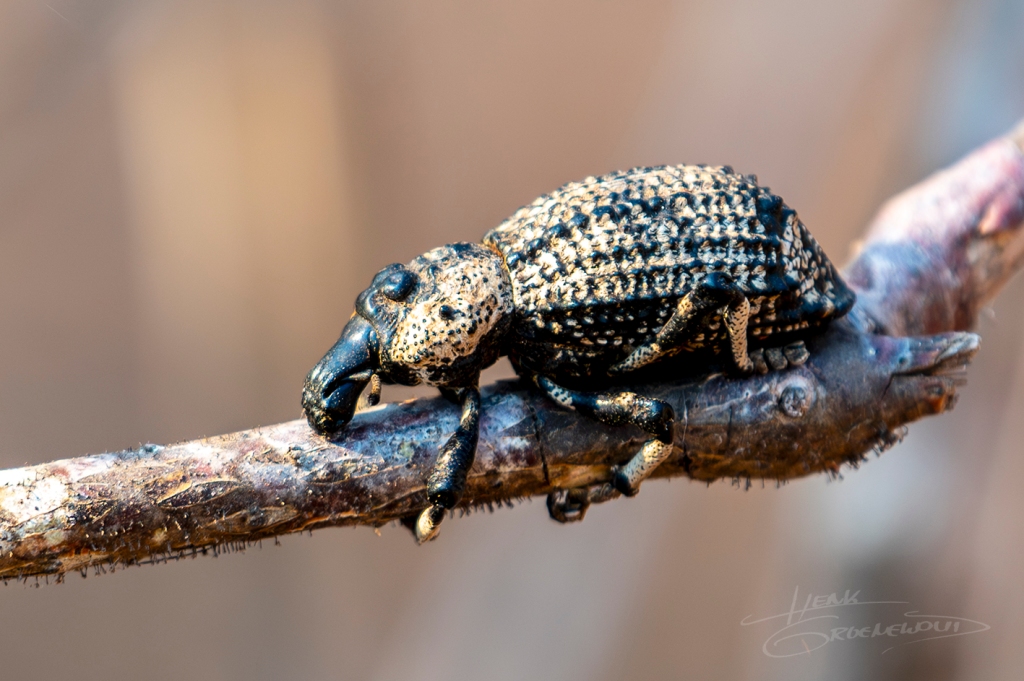

Black & White curculionidae weevil – Rhytidophloeus rothschildi
Grasshopper – locust (pretending to be larger than life)

Madagascar black scorpion – Grosphus madagascariensis
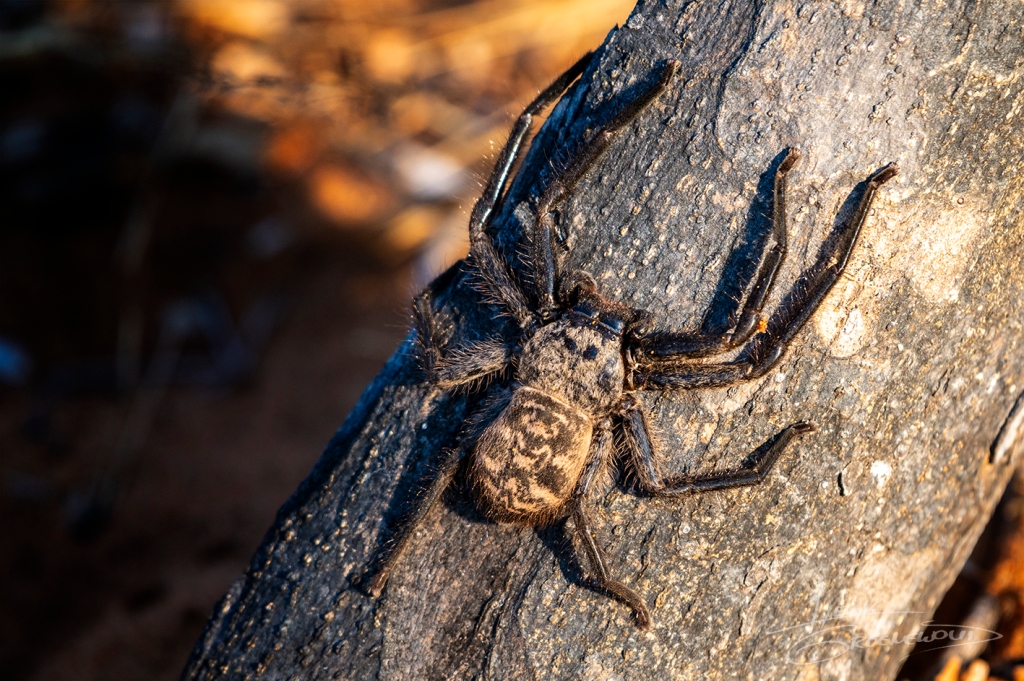
Huntsman spider – Damastes sp. (Like 10 cm big. And spitting venom to the guides!)
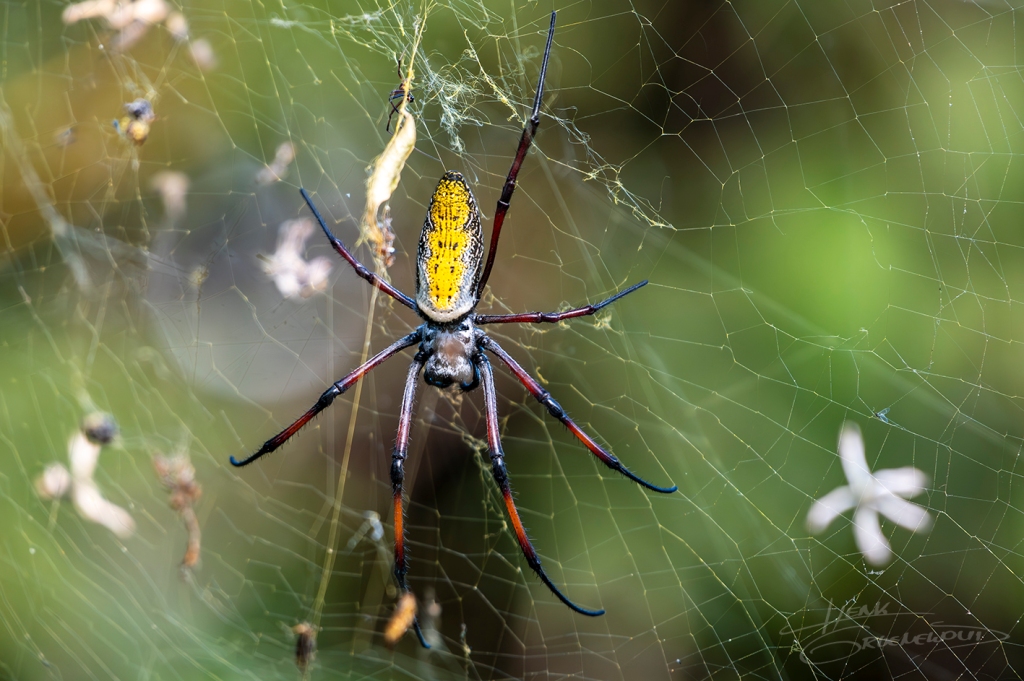

Golden orb web spider – Nephila sp. (Huge female, like 15 cm. And a tiny but very brave male behind her, hoping to mate but fearing to be eaten)
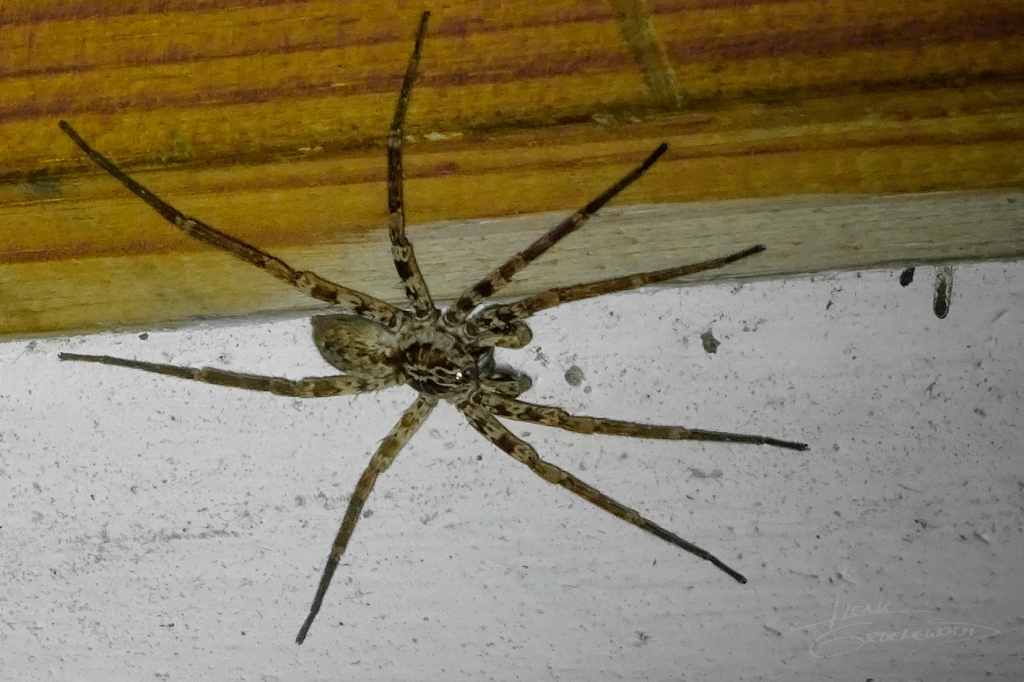
Zebra spider – Viridasius sp. (Huge! Like 15 cm, and living in our lodge)
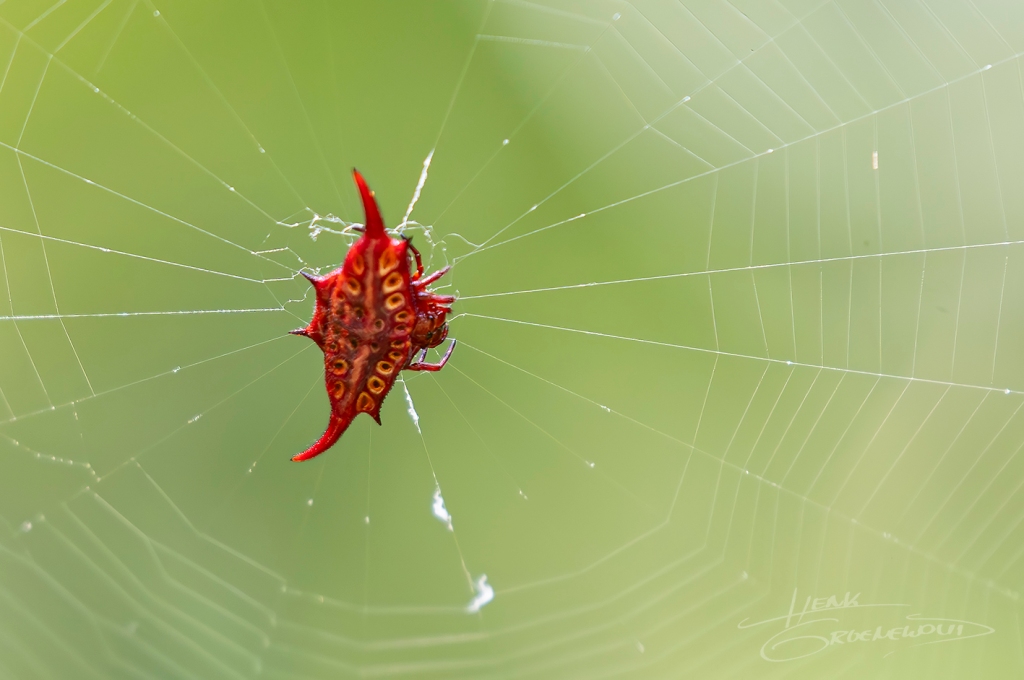
Red crab backed orb weaver – Medium wing kitespider – Gasteracantha versicolor (small but beautiful!)

Enormous, really huge wasp – Belonogaster sp.
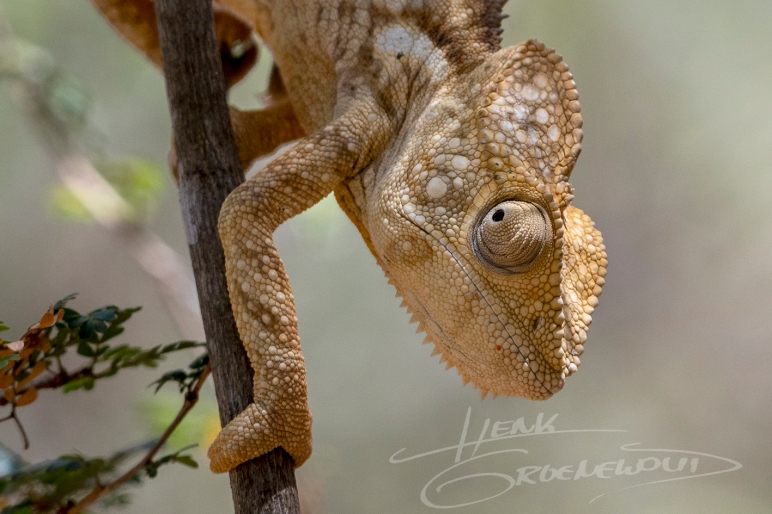
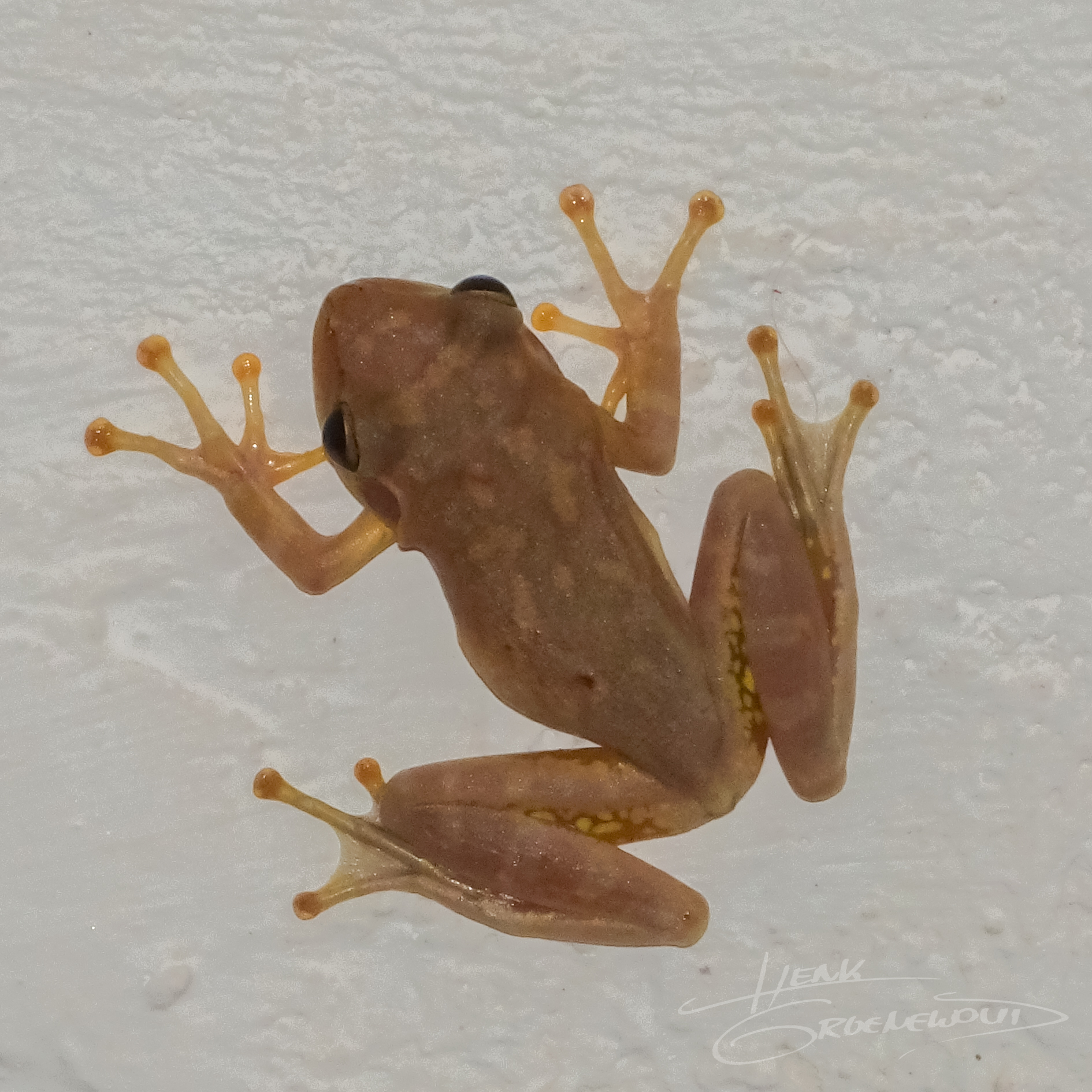
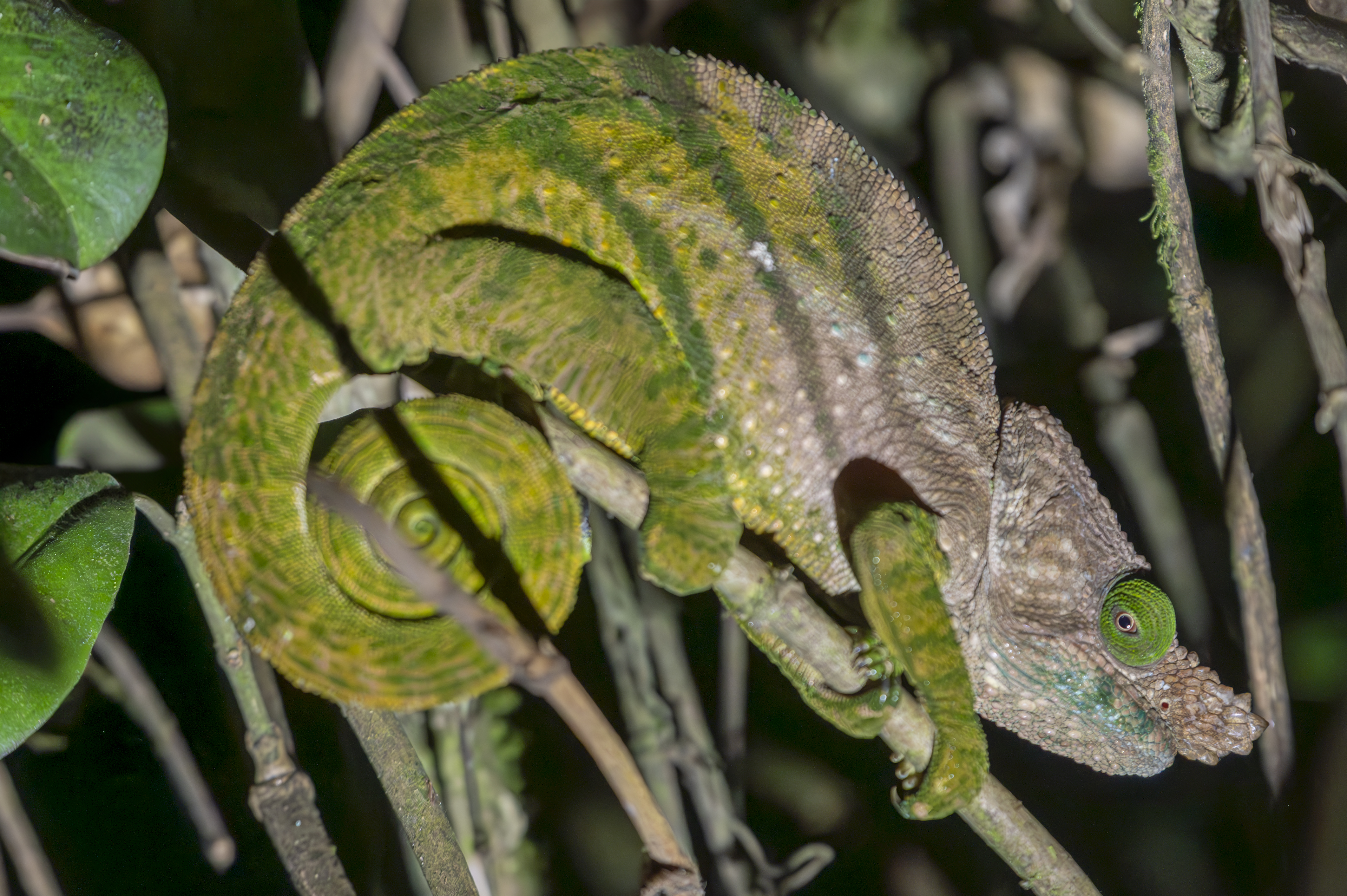
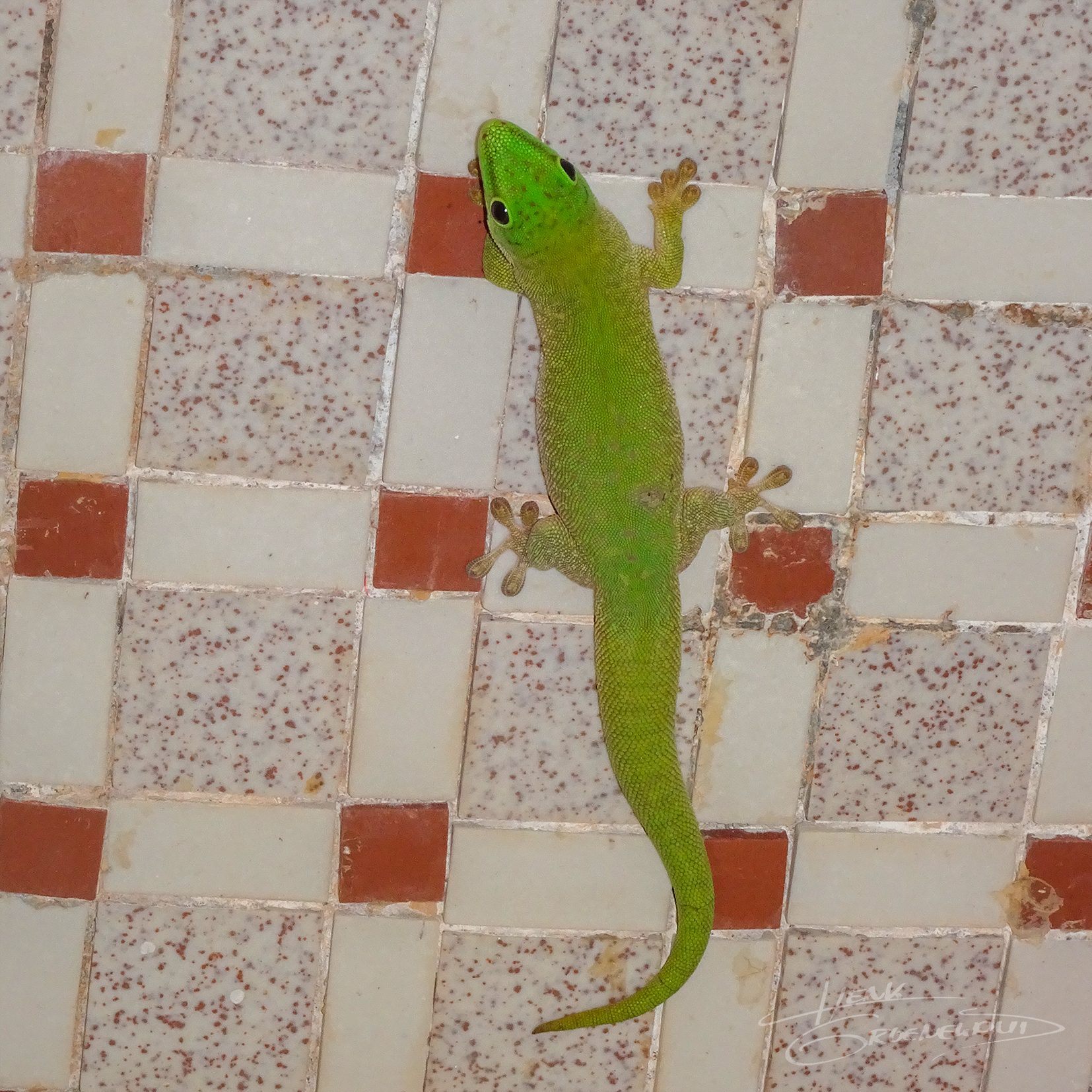
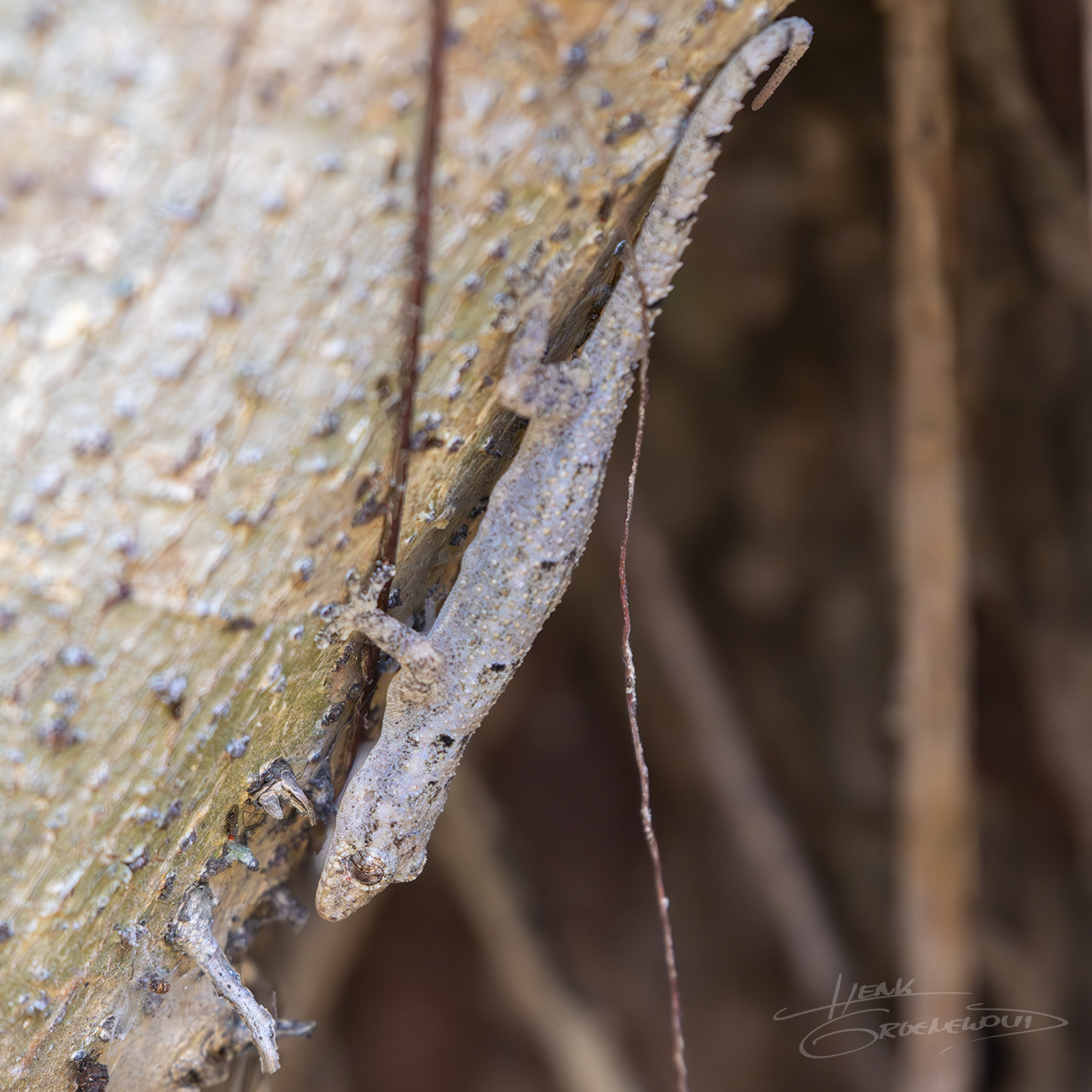
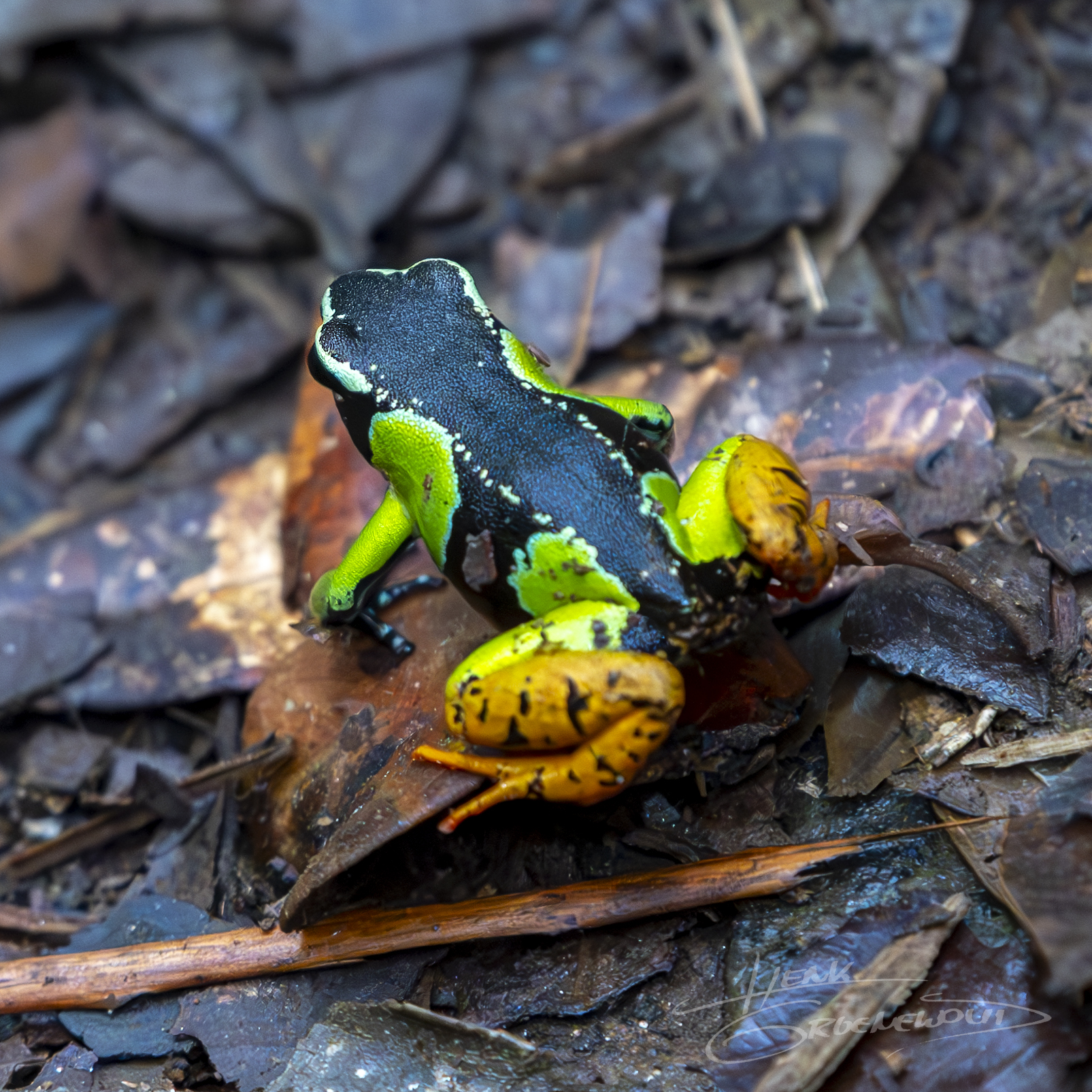
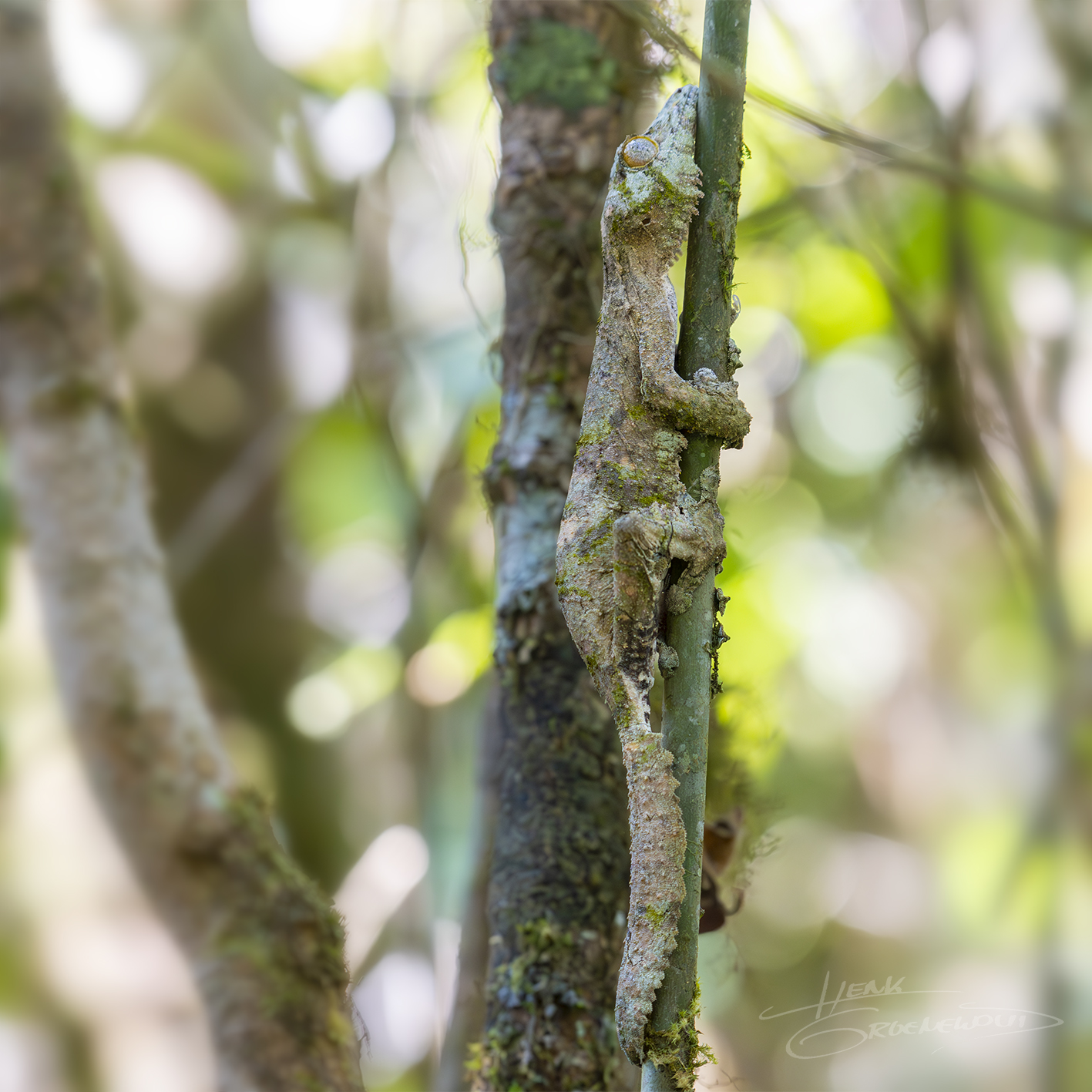
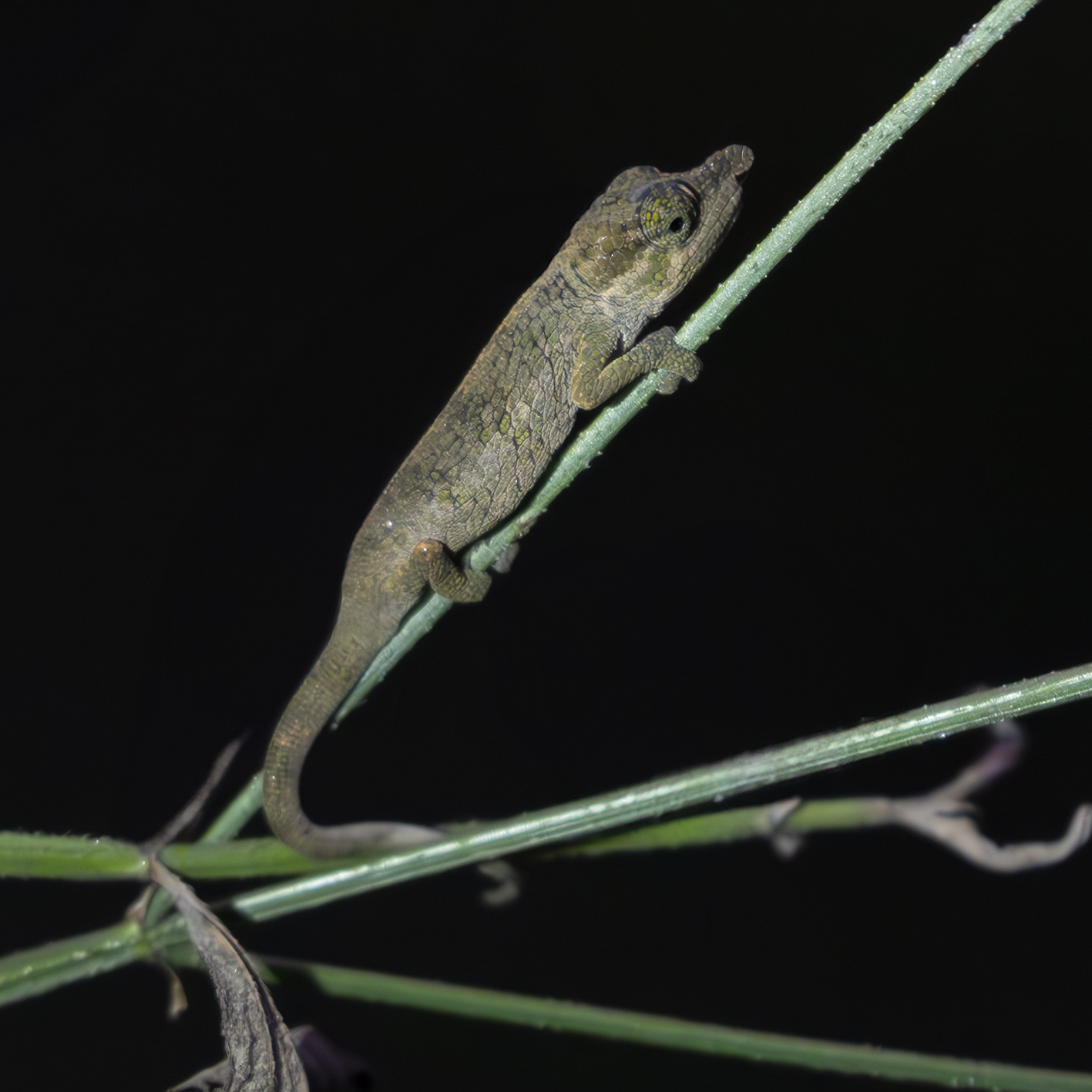
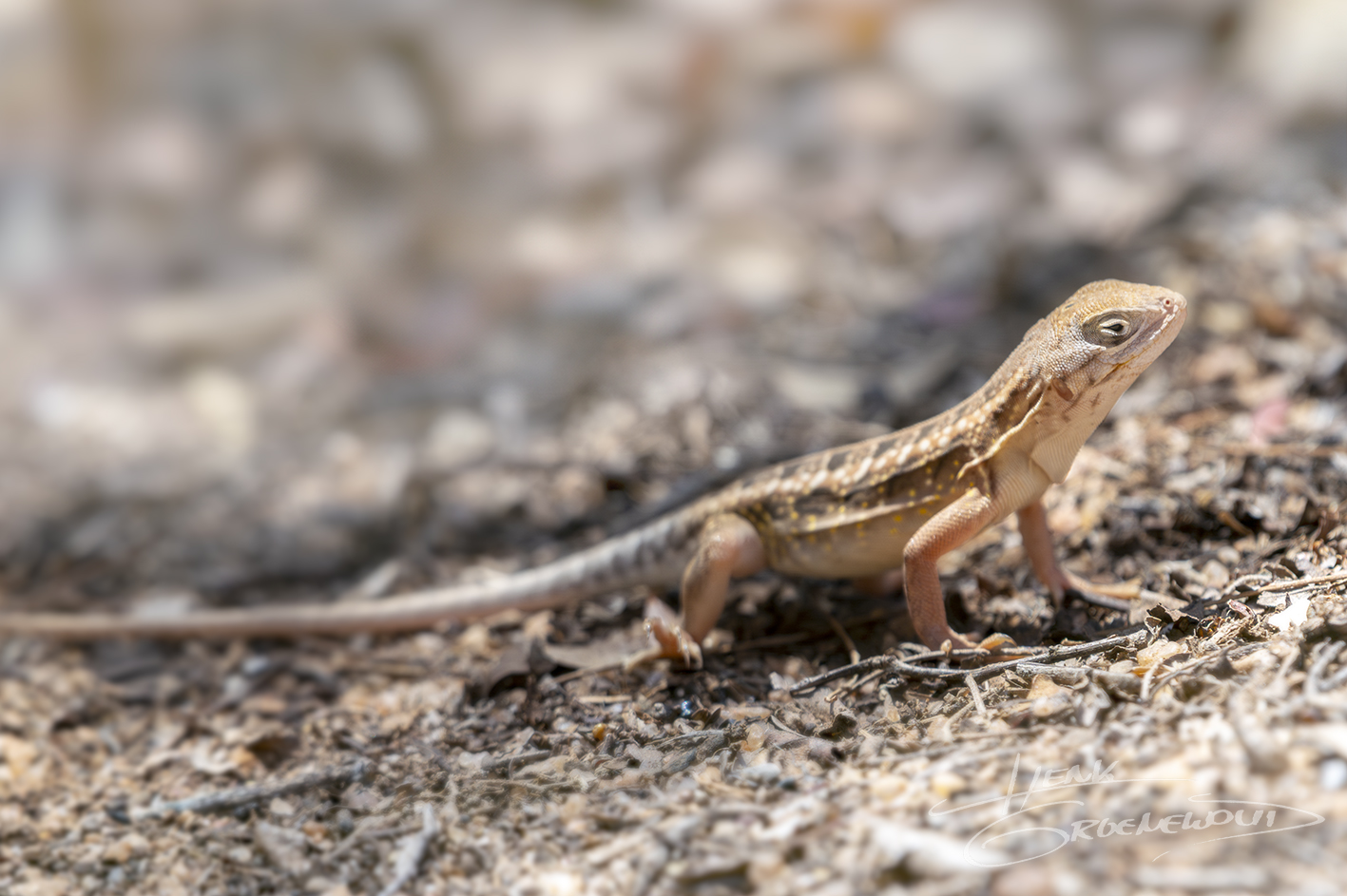
Back to Madagascar. Lots and lots of chameleons, lizards, frogs and snakes. Too much, I’d say. So here’s a whole bunch of them. Pay attention to the perfect disguise of the different chameleons (the smallest less than 5 cm!), the mossy leaf-tailed gecko’s, the beautiful frogs…
And did you know they even have Nile crocodiles? It’s all too much!

















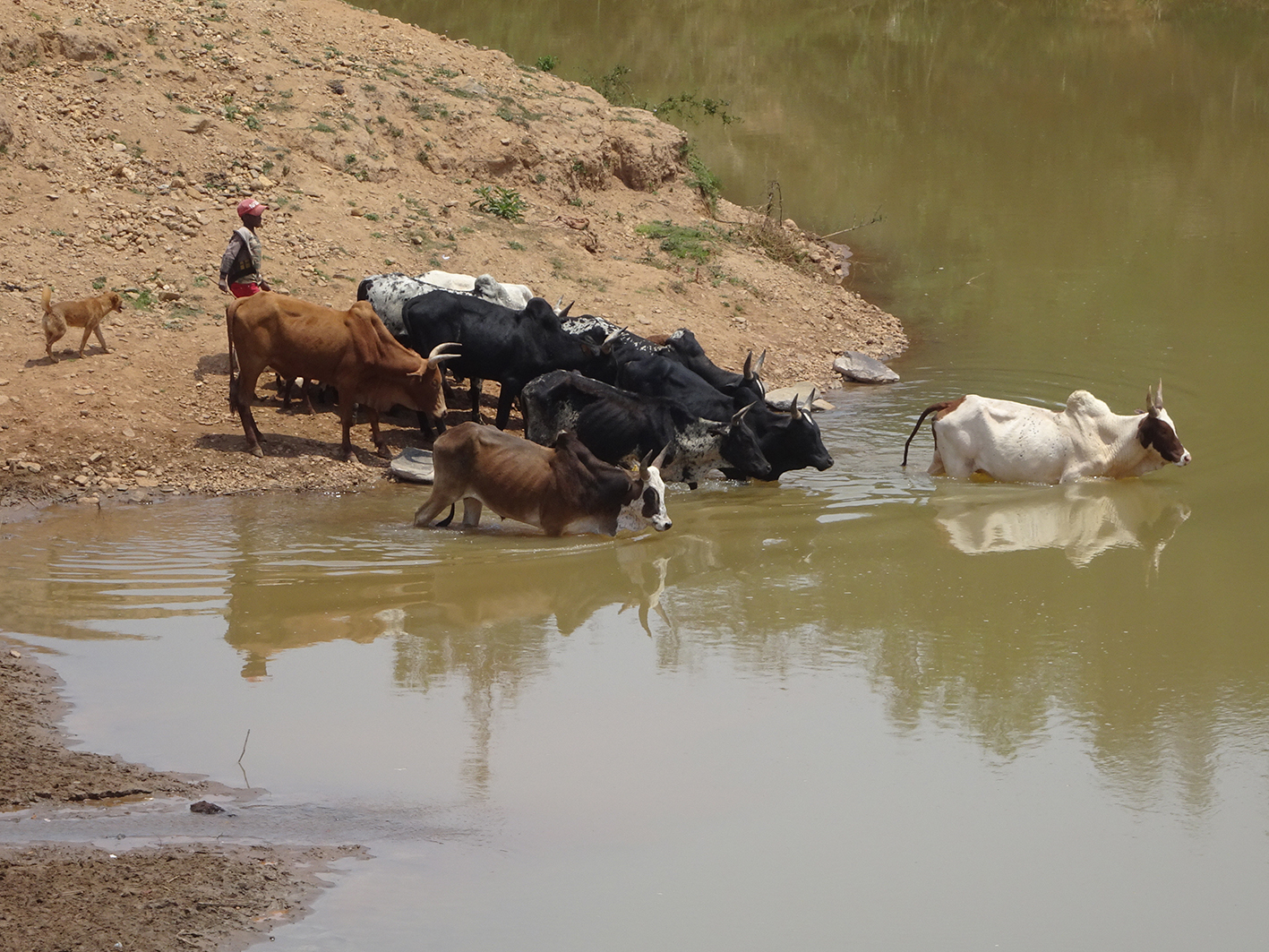
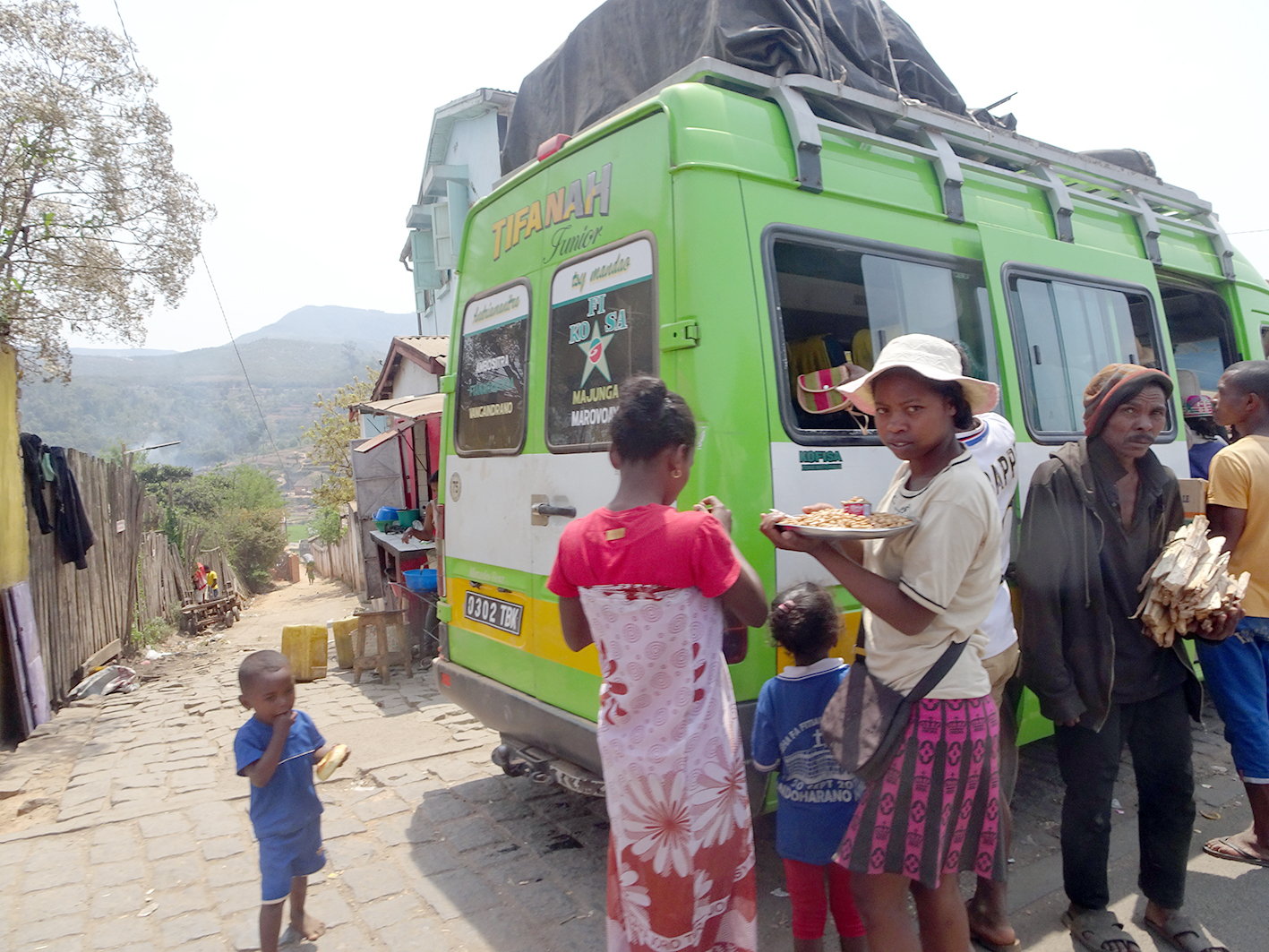
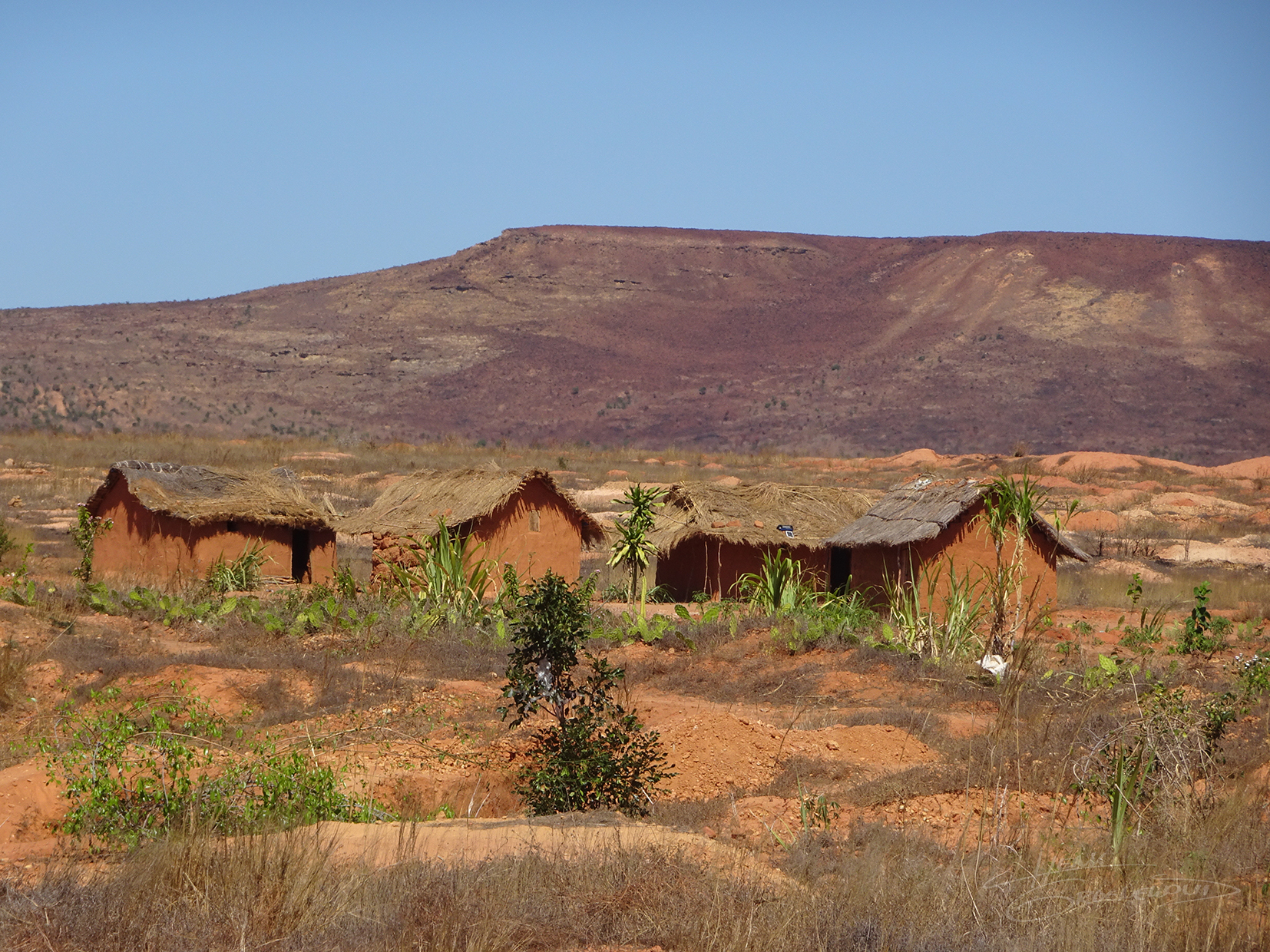
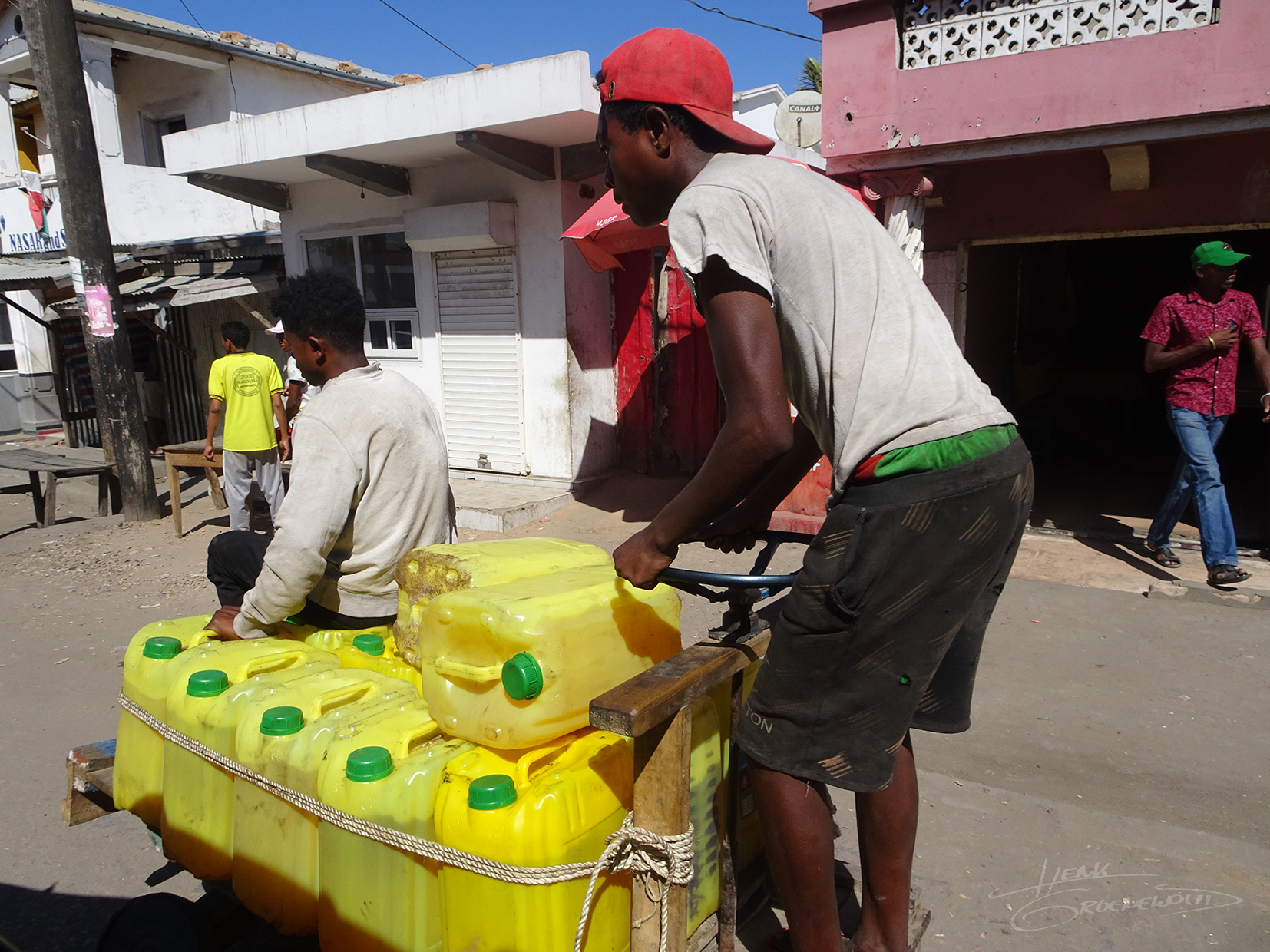
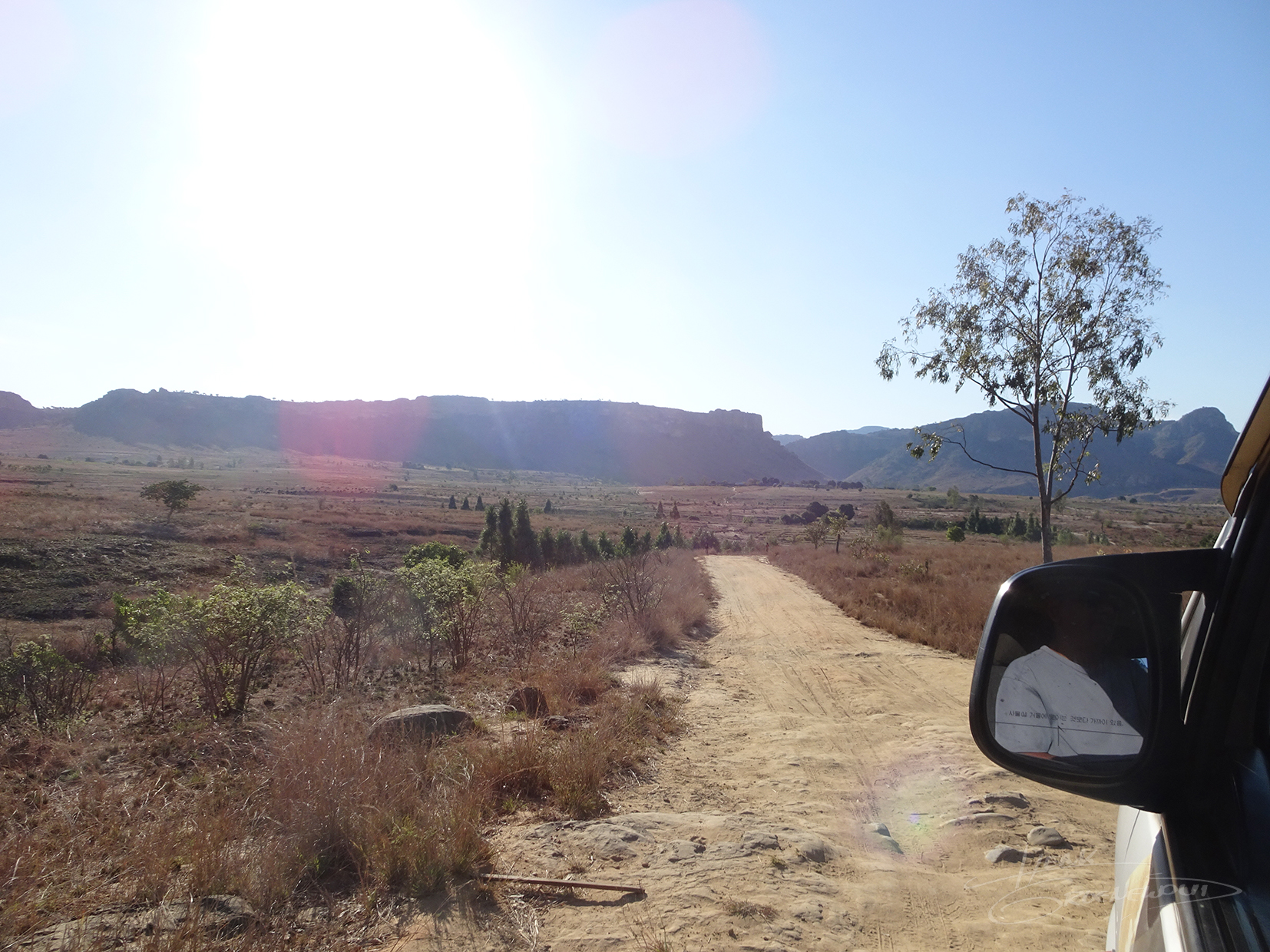
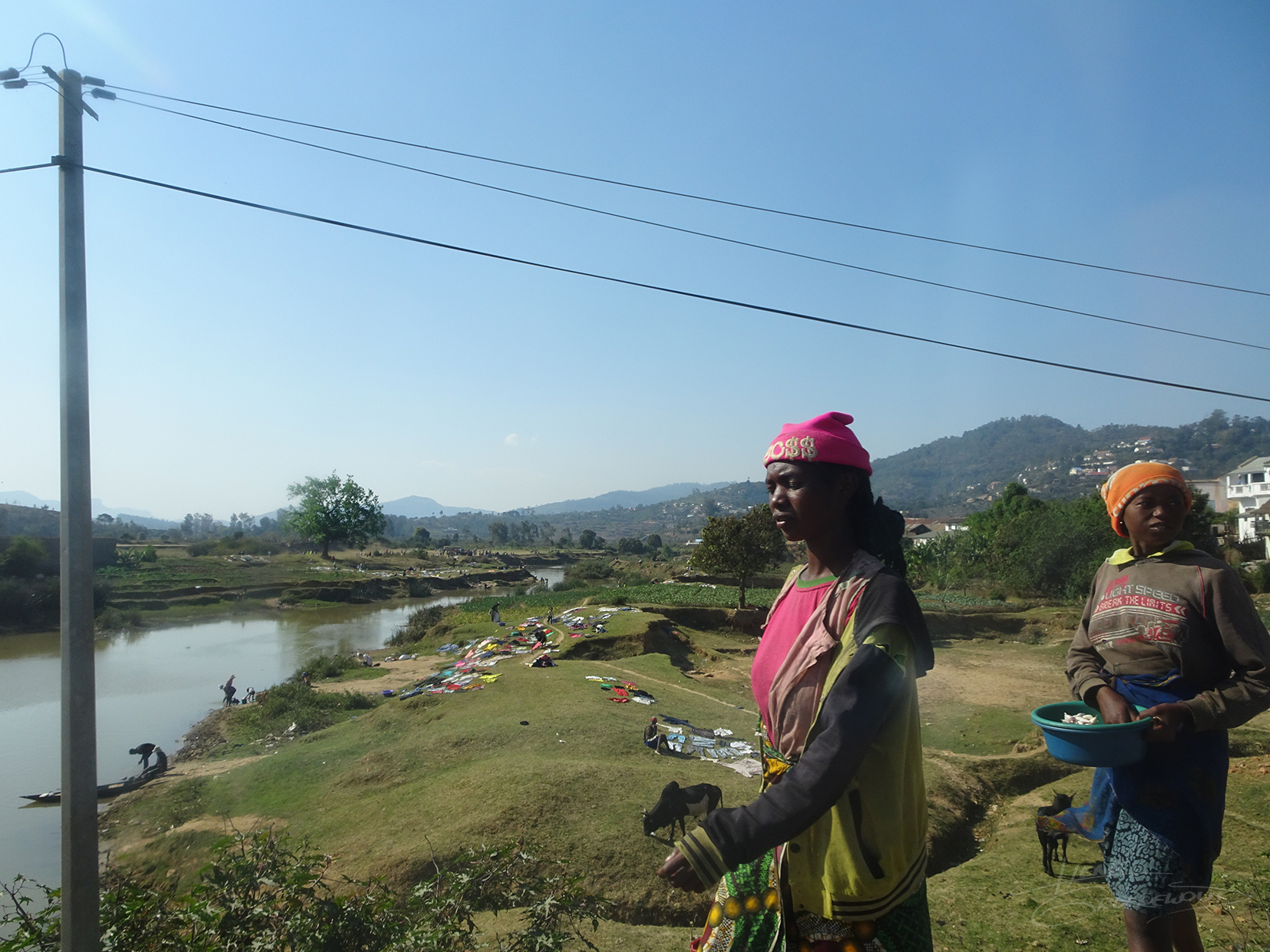
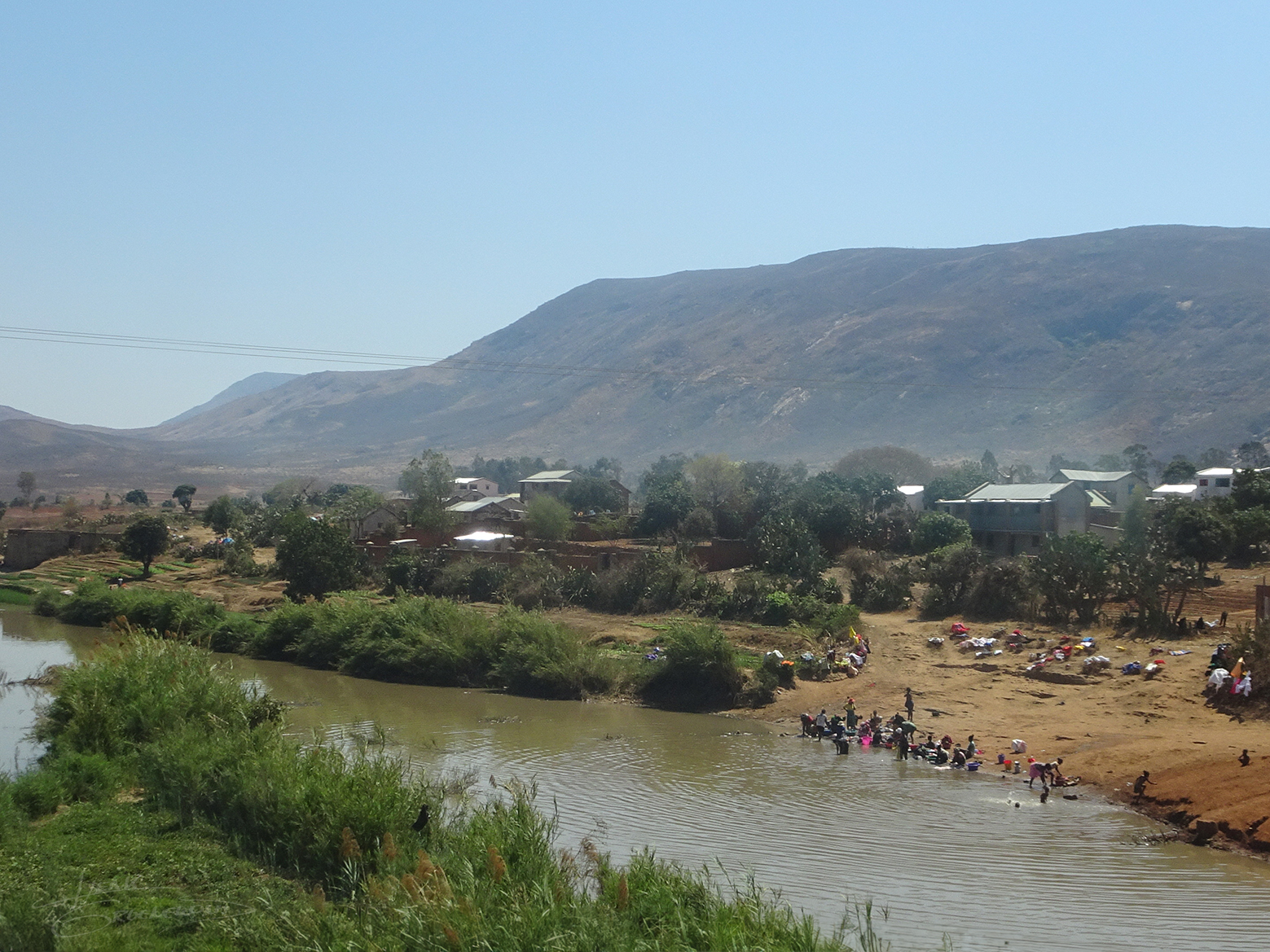
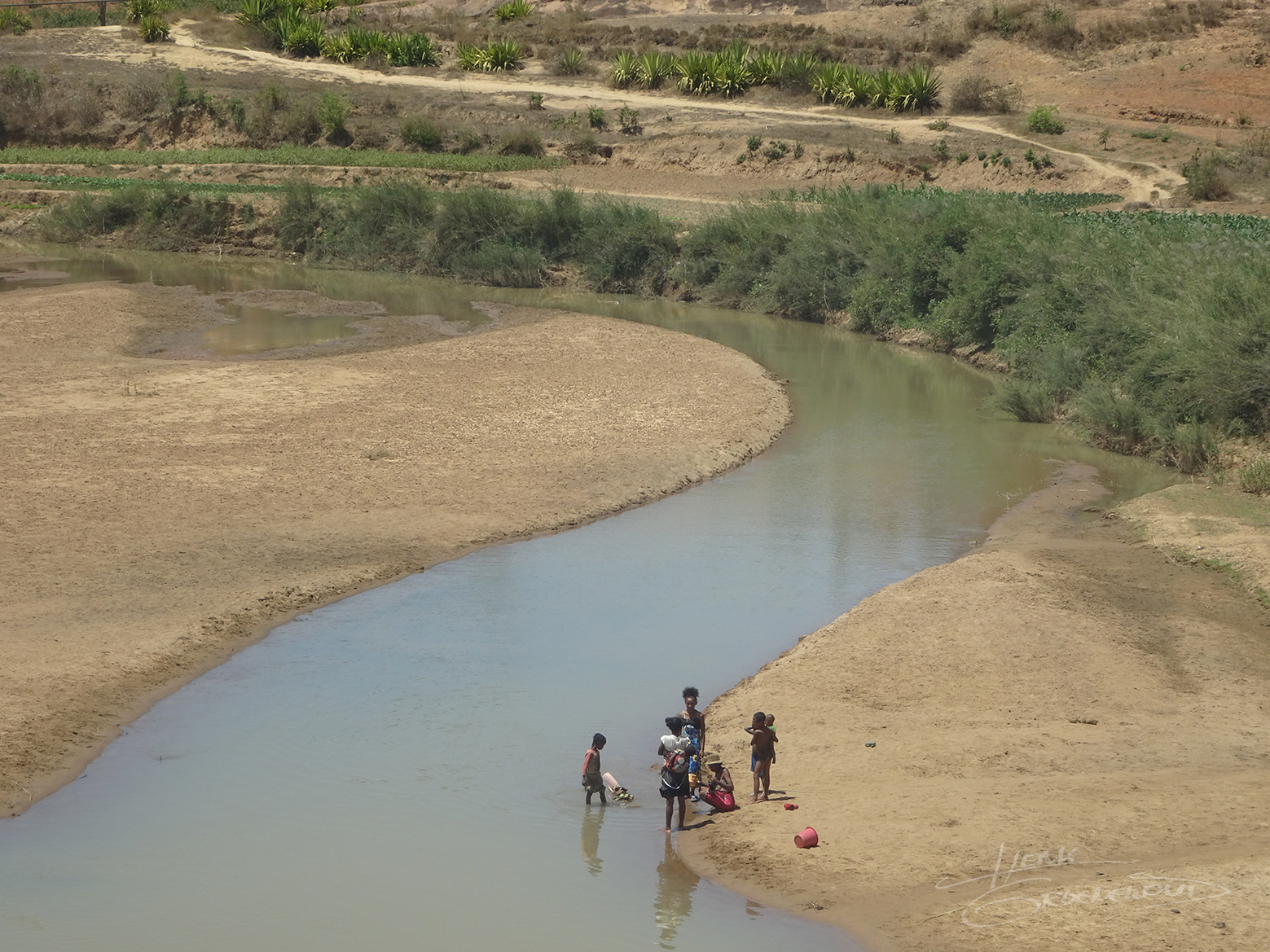
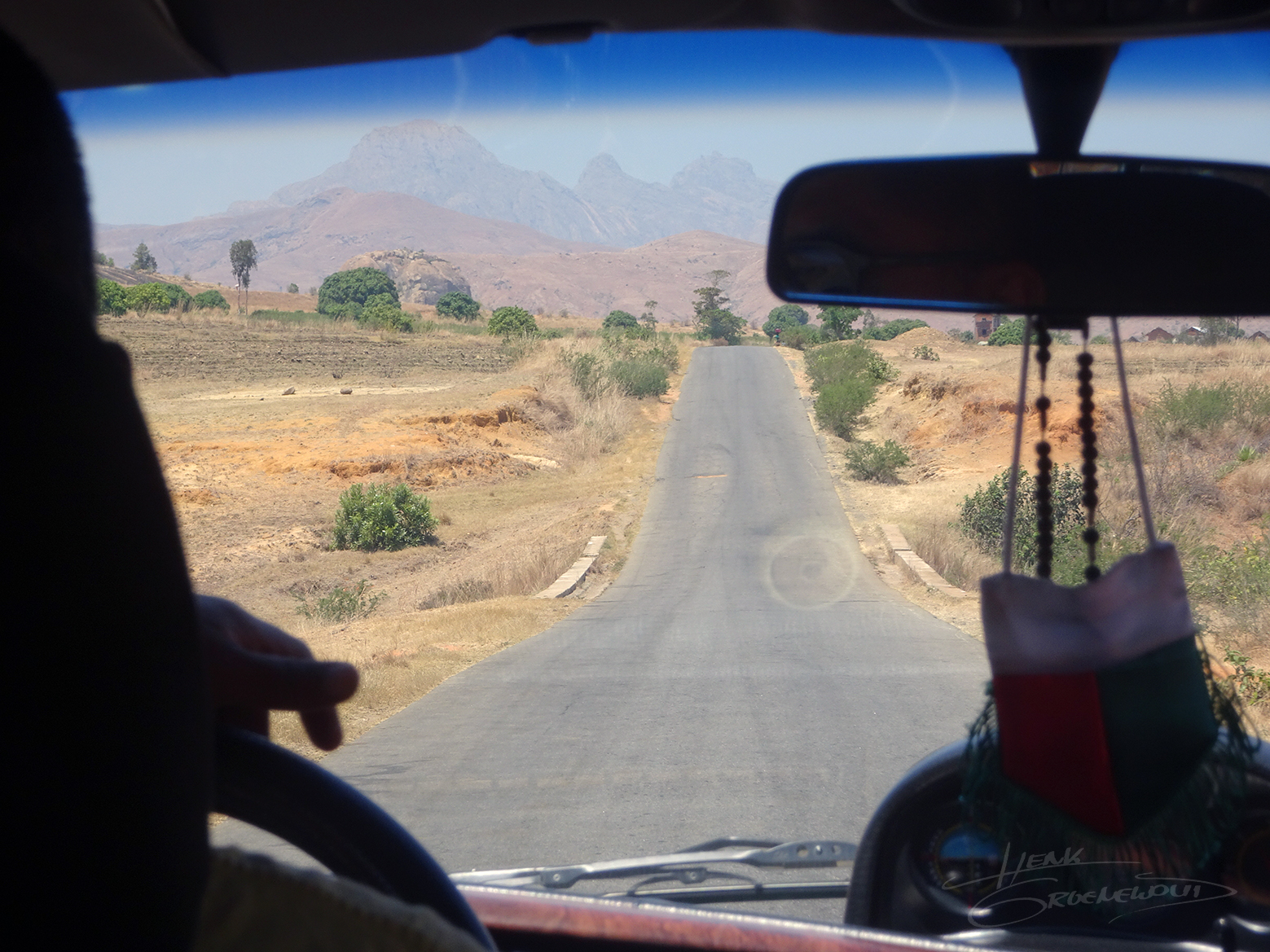
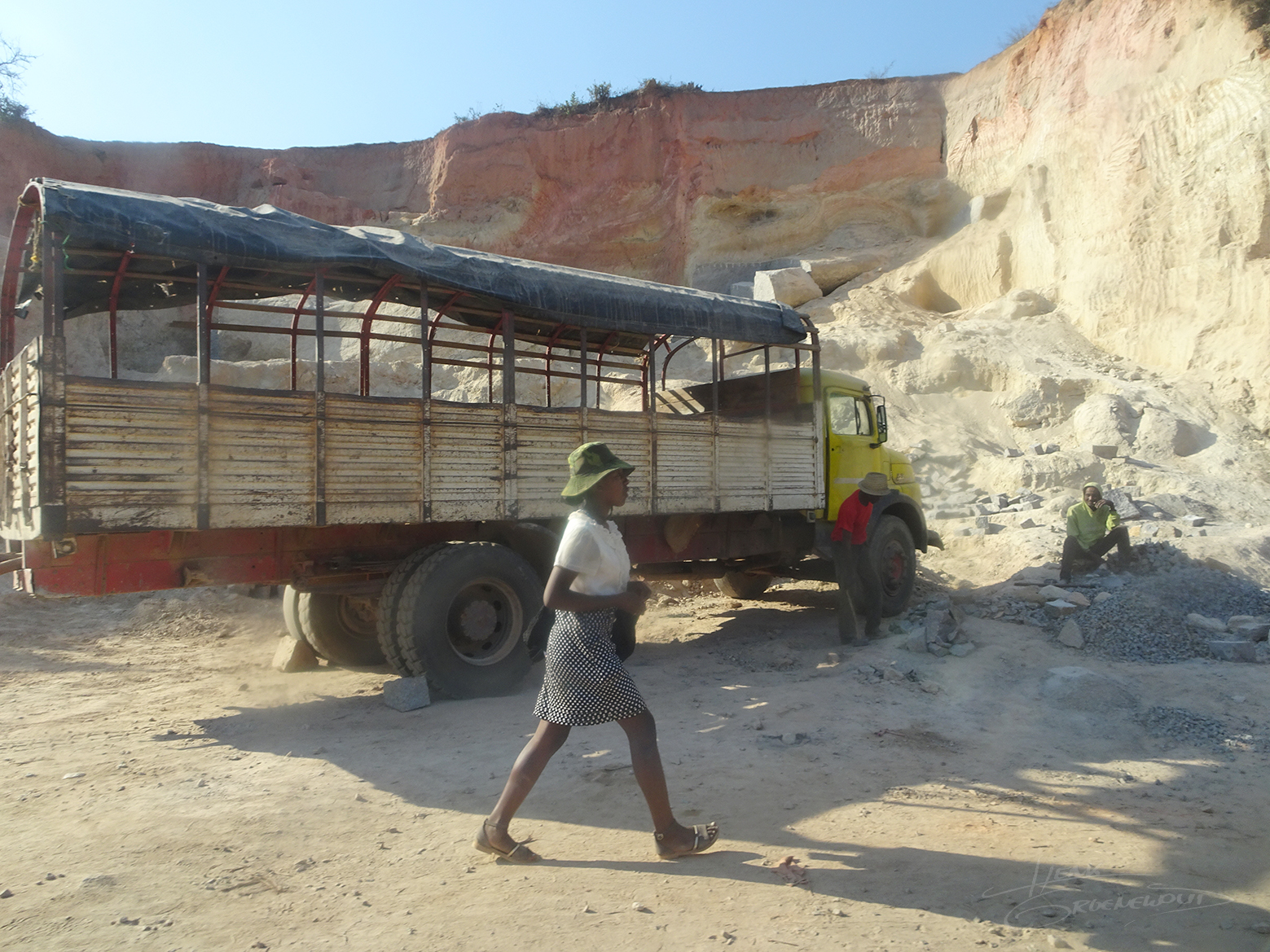
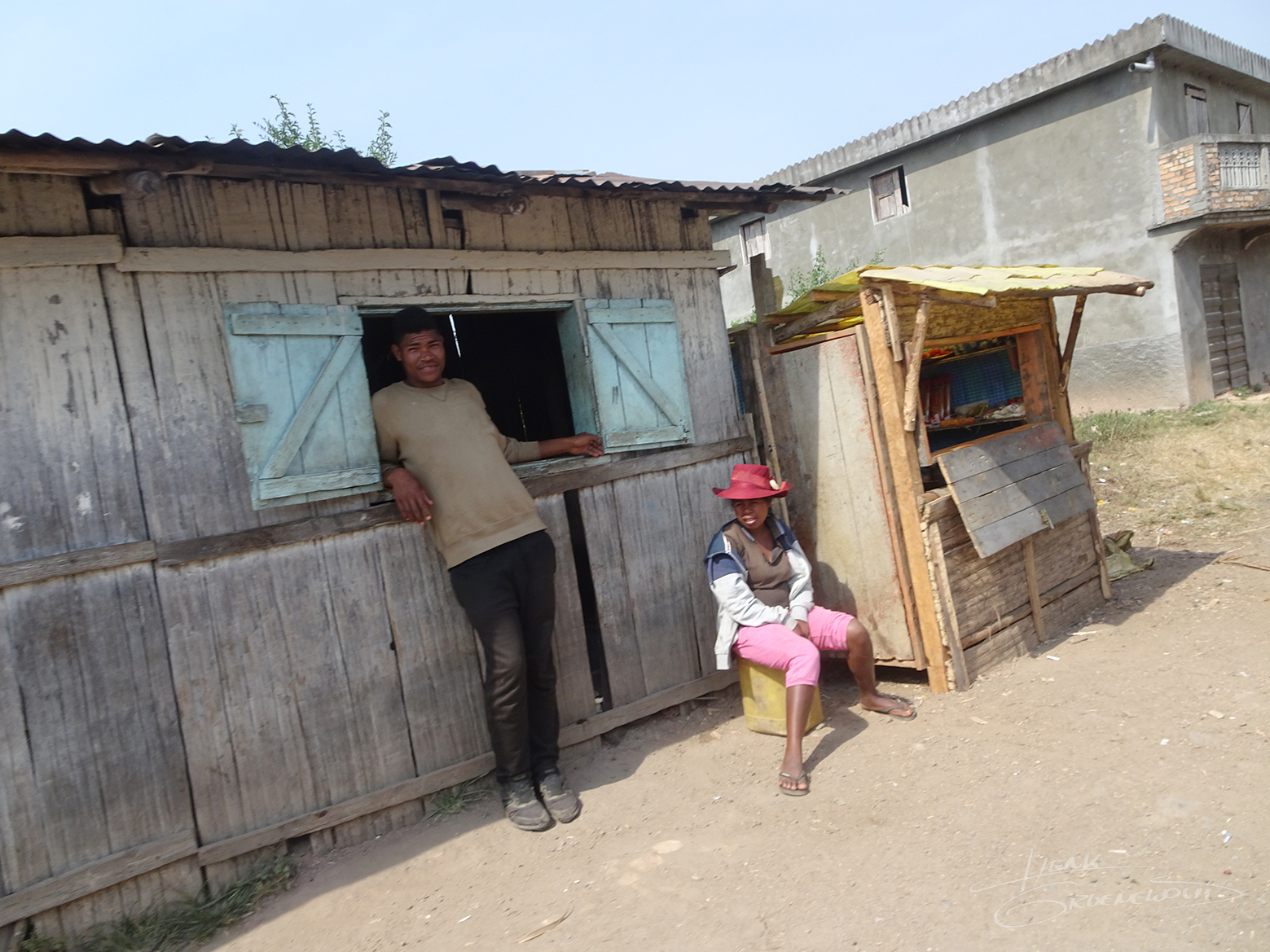
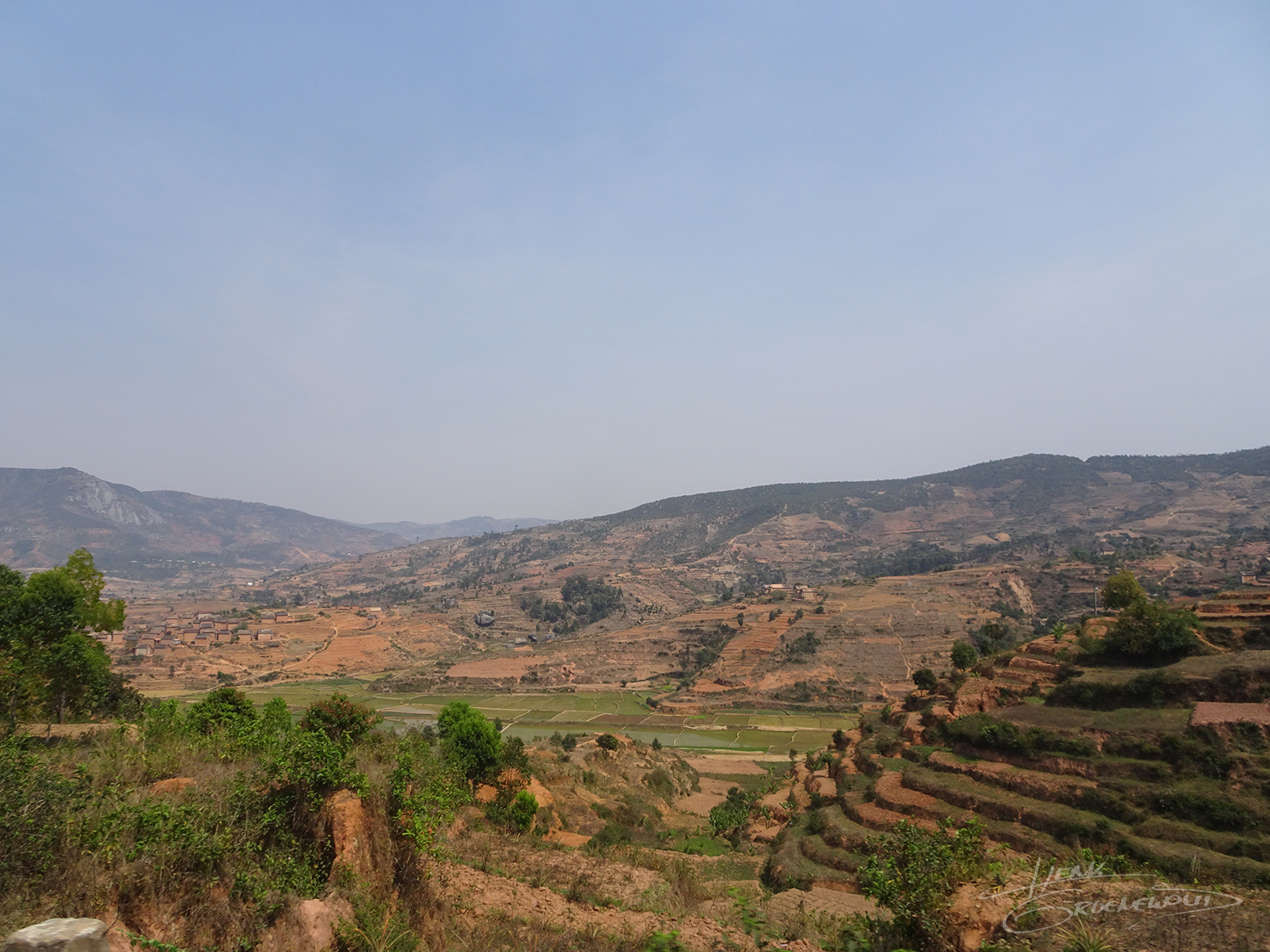
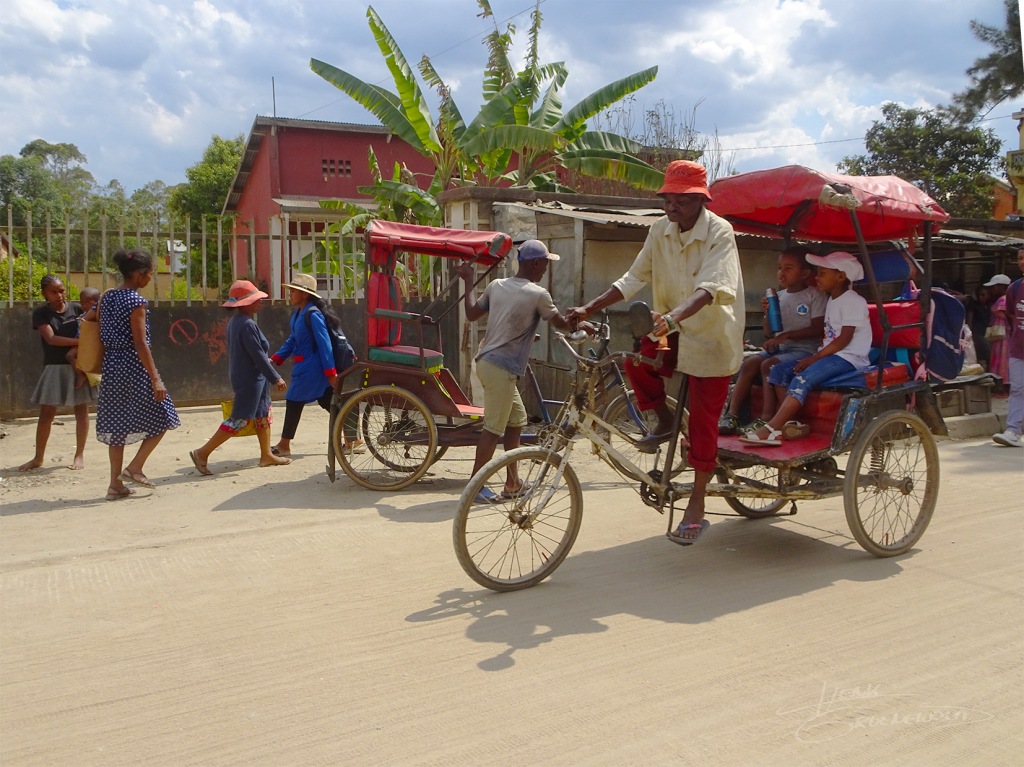
As in any African country, life in Madagascar is largely lived outside on the streets


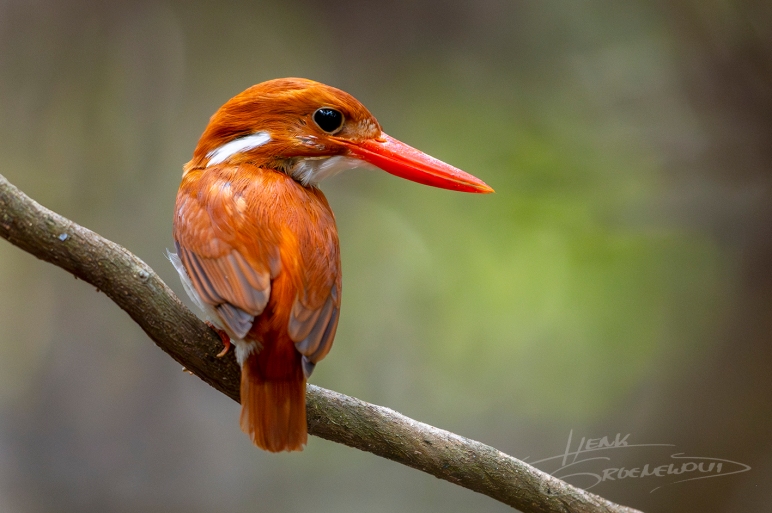
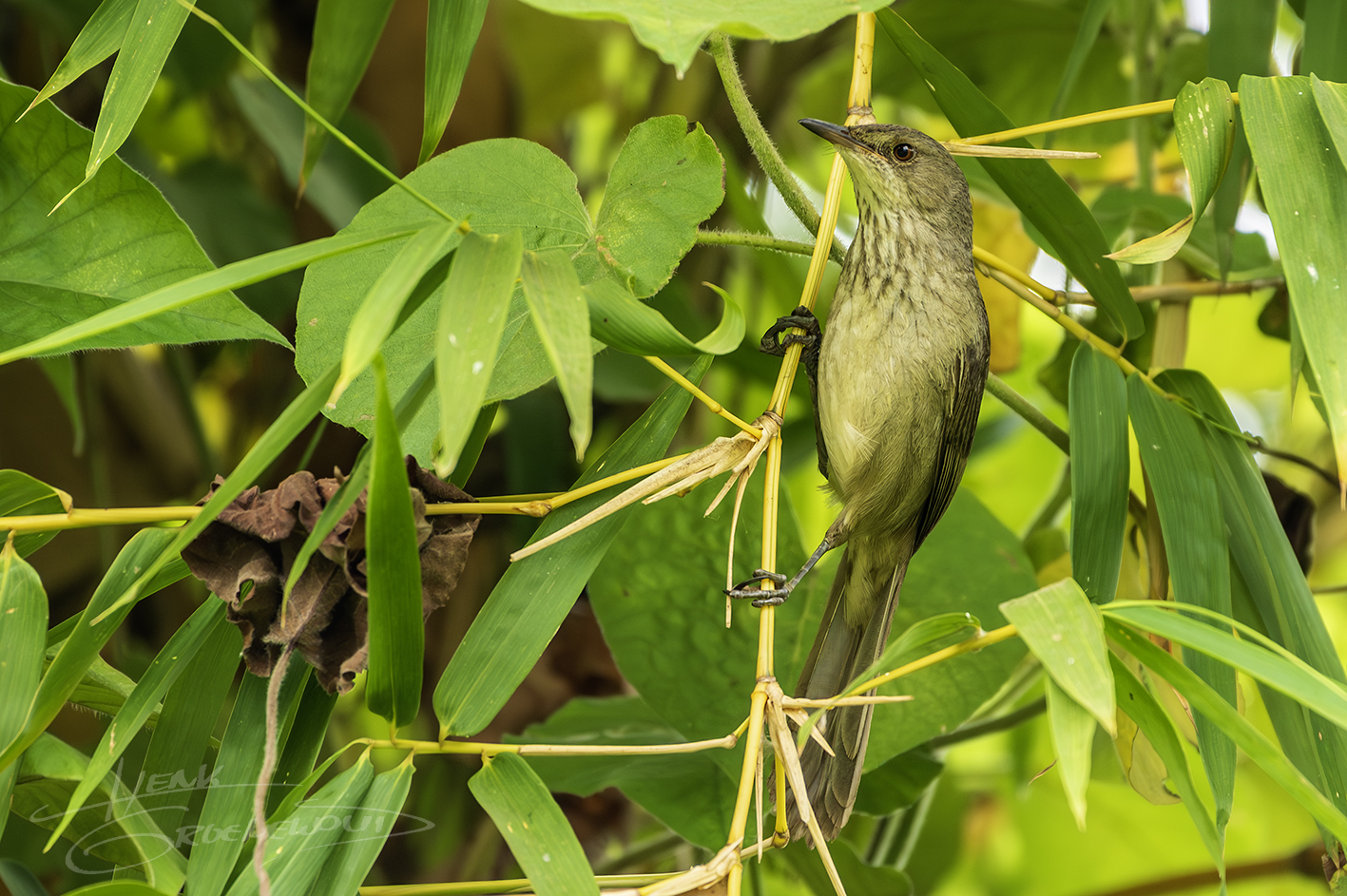
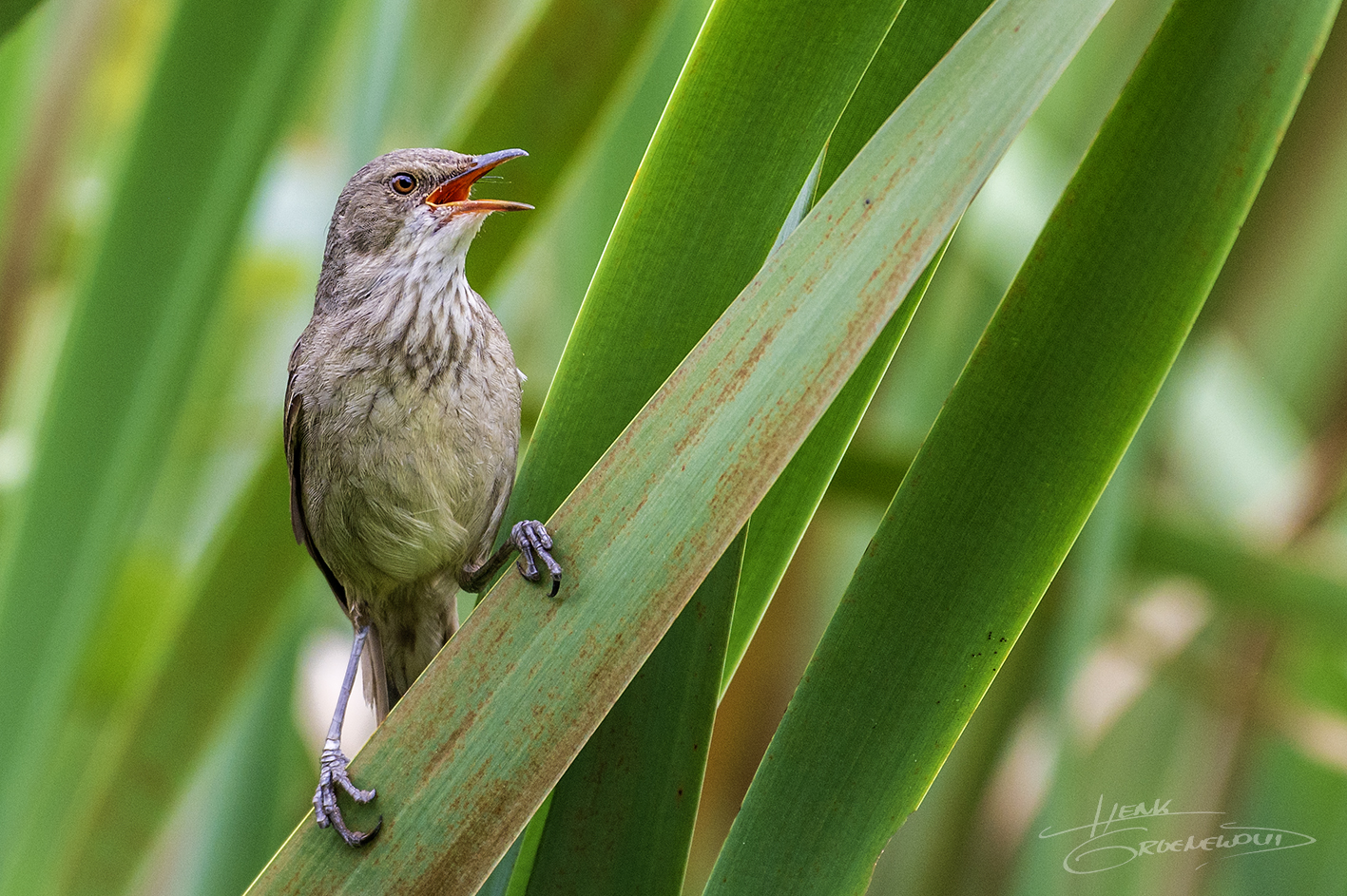
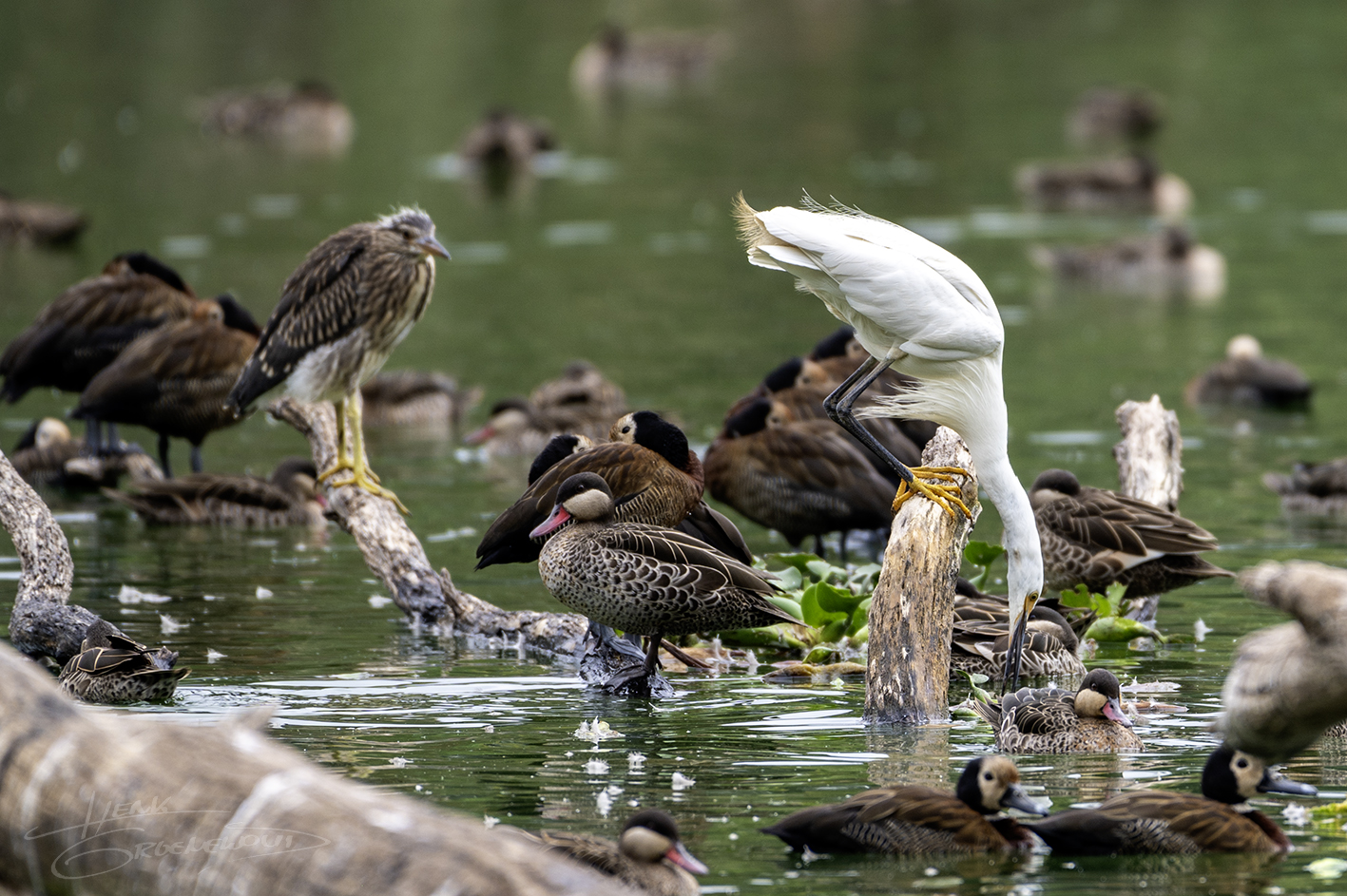
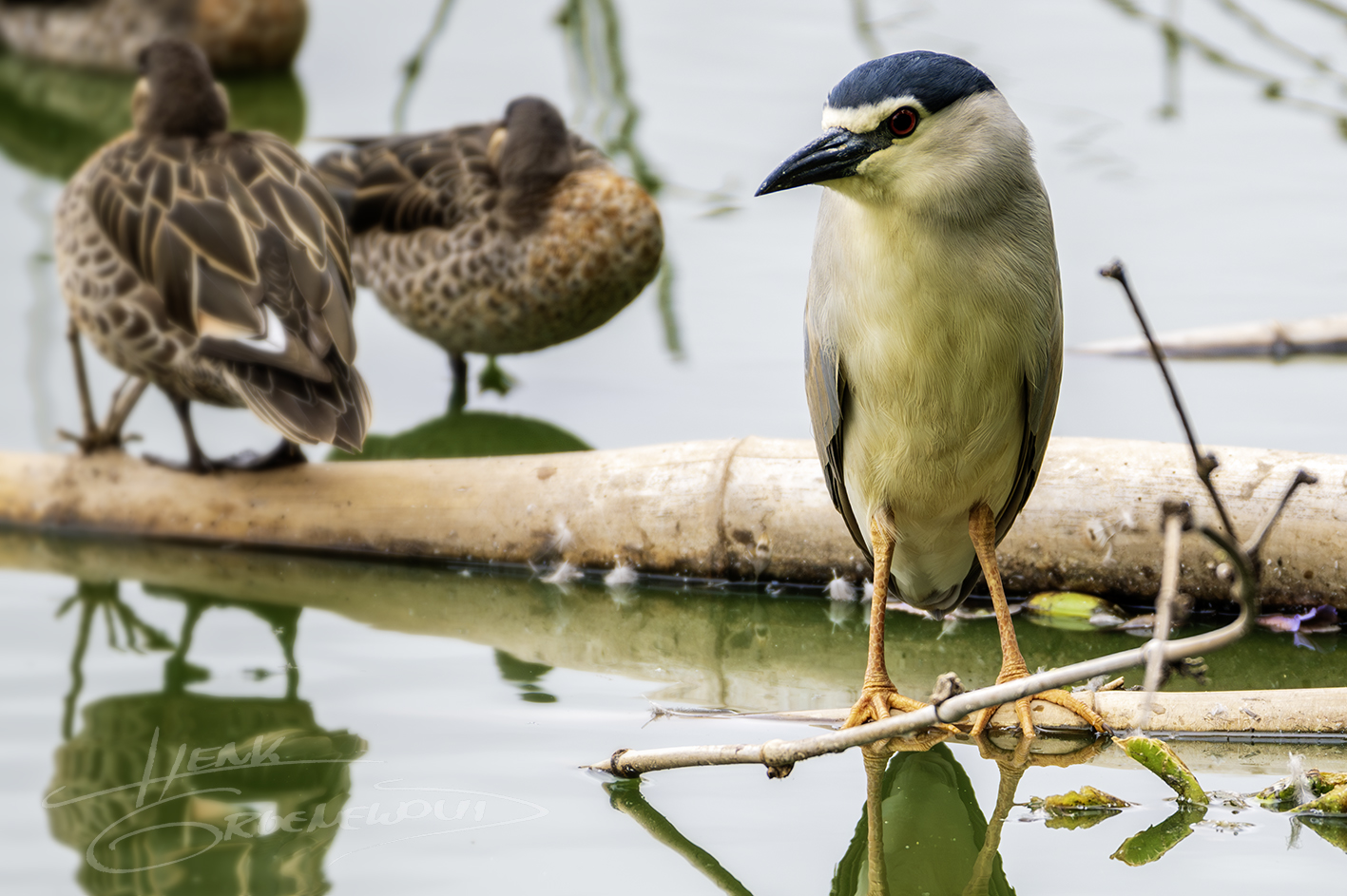
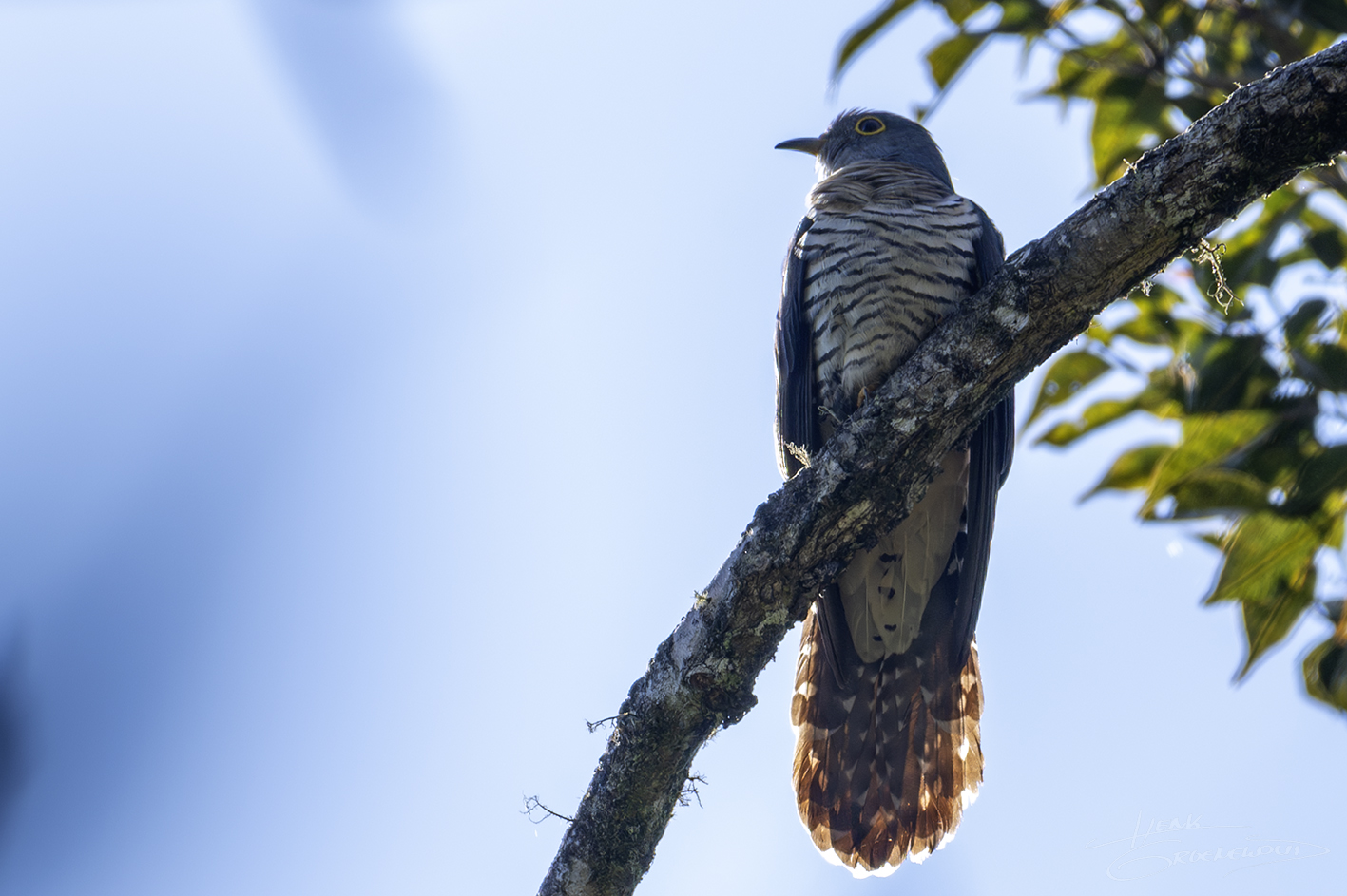
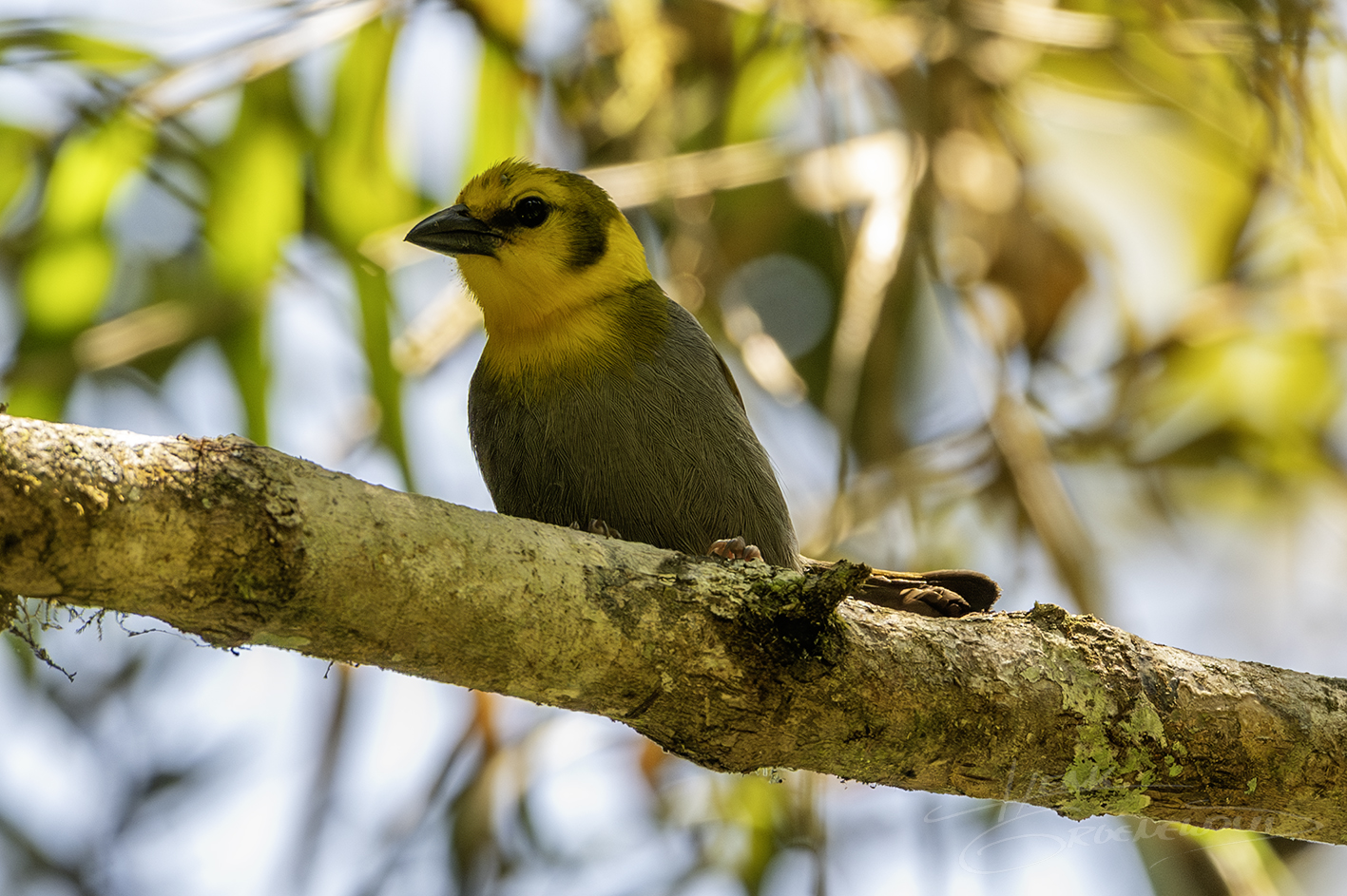
Yes, it was a birding trip to Madagascar. So it’s about time to show some of the beautiful birds that live there. Almost all of them endemic to the island as well, just as the lemurs. First the Madagascar Pygmy kingfisher Corythornis madagascariensis. An amazing success of our guide ‘Jacana’, who was able to spot this tiny bird in the trees of the rainforest

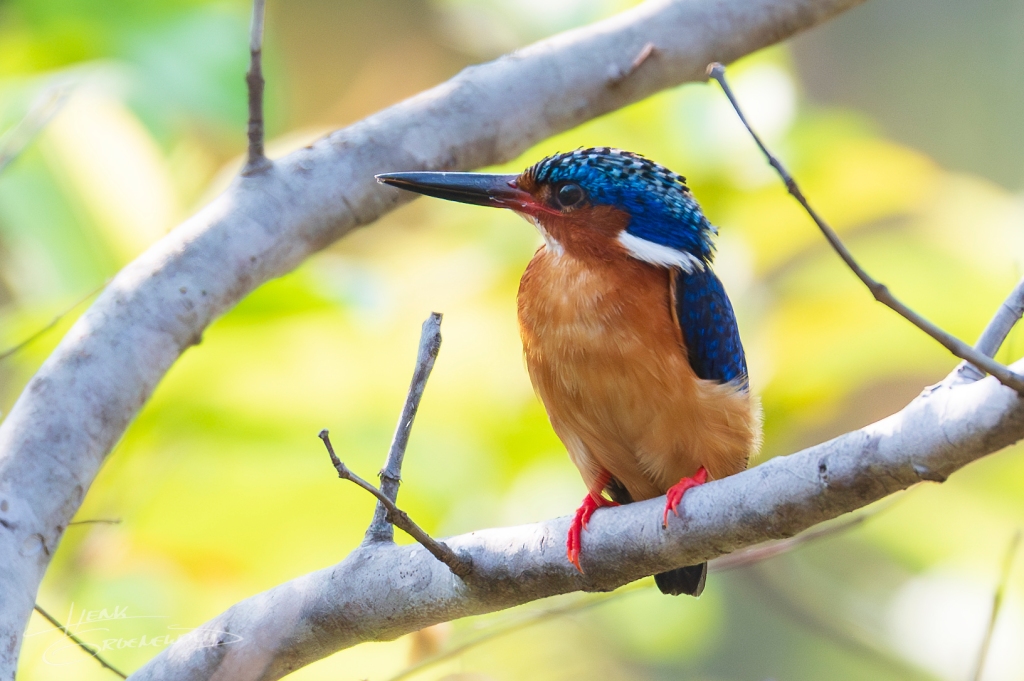
There is another kingfisher that looks a lot like our Eurasian kingfisher. At first glance they appear to be the same. But look closely: there is no blue cheek and less white on the chin. It’s a Madagascar malachite kingfisher Corythornis vintsioides
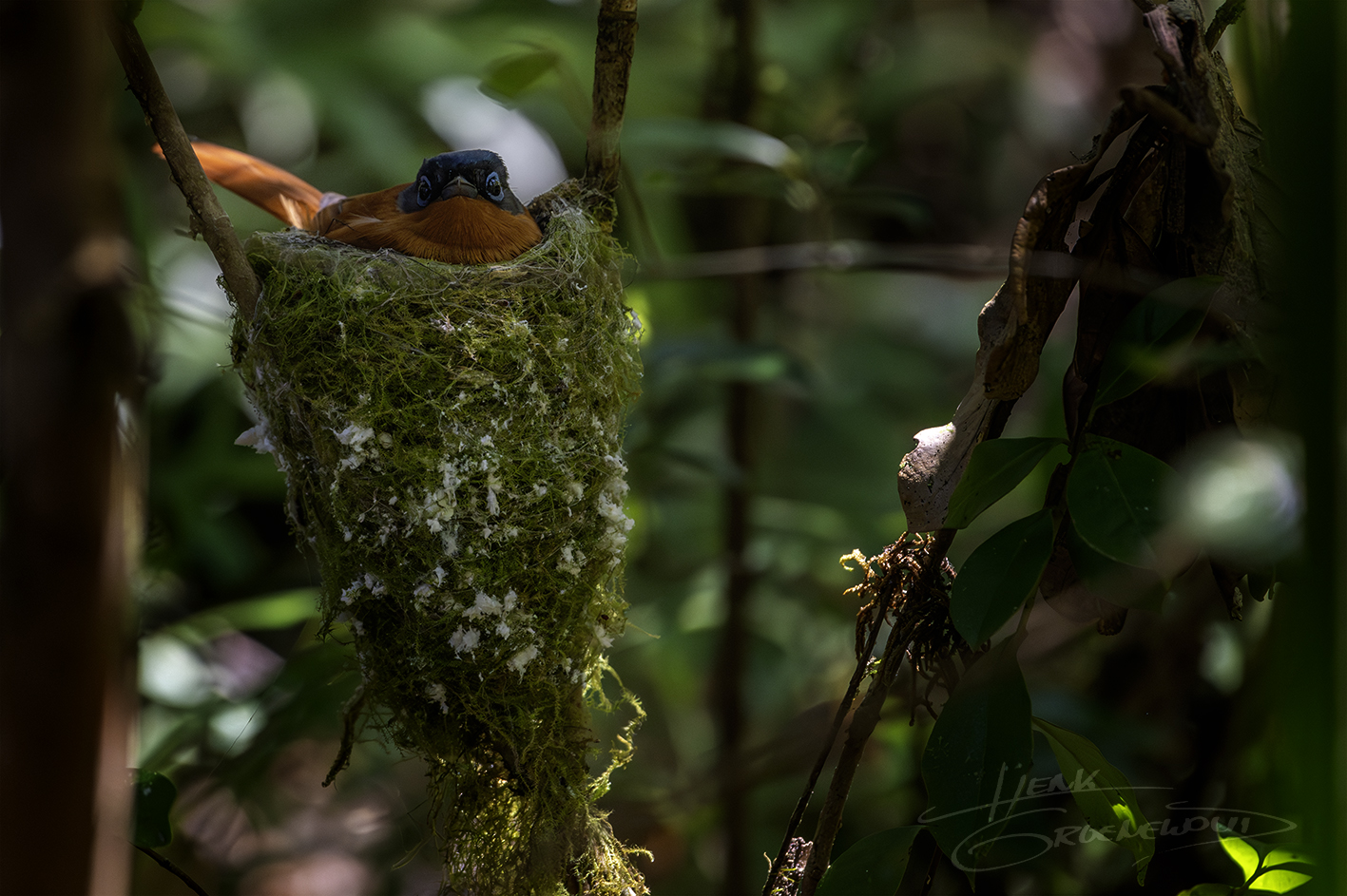
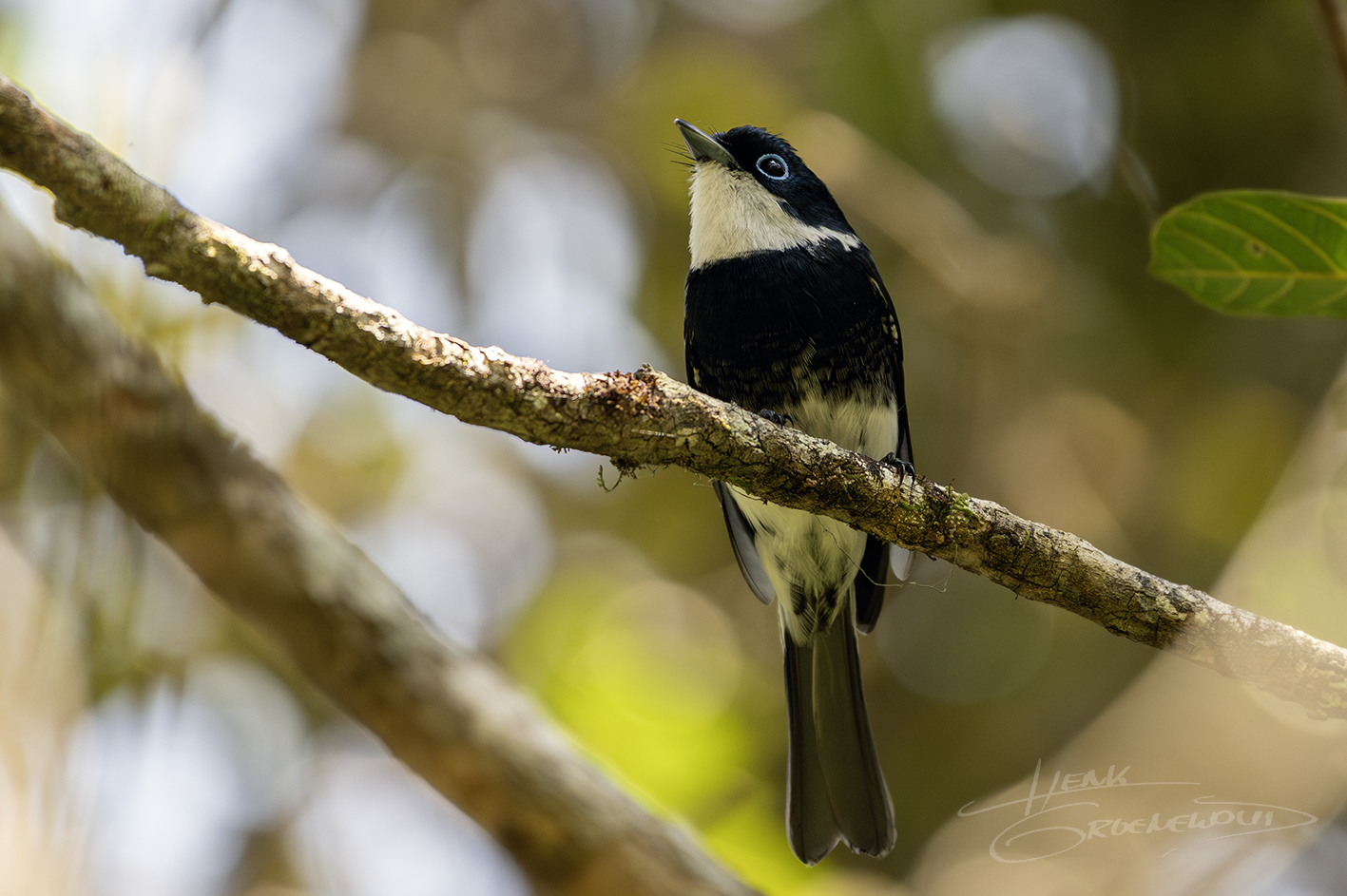
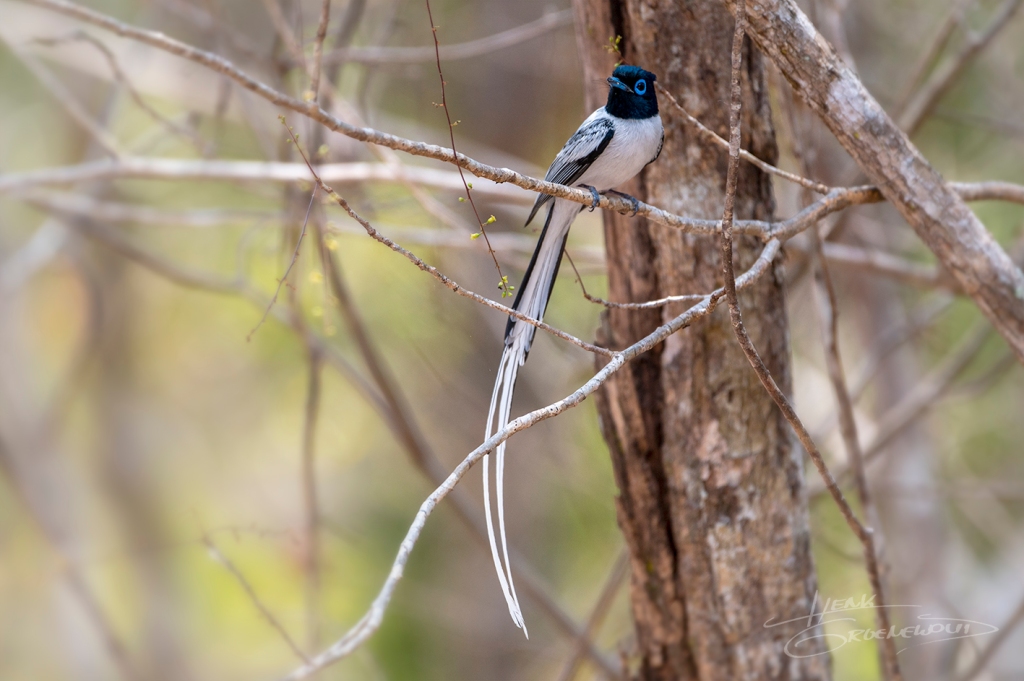
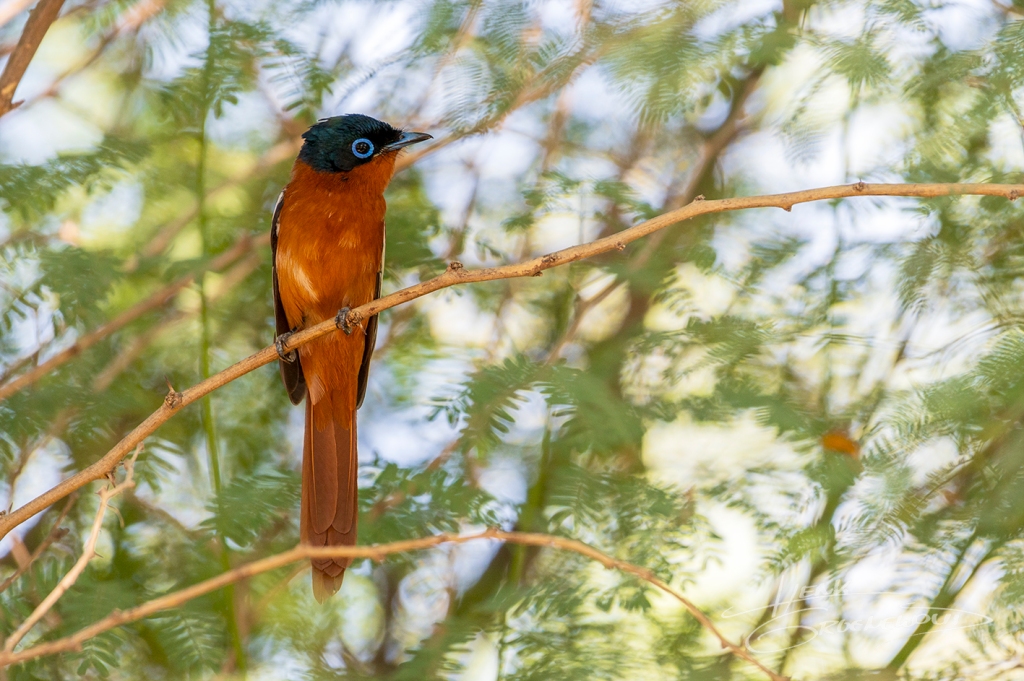
Incredibly graceful these Madagascar paradise flycatchers (Terpsiphone mutata mutata). Same species, white and brown morph
The Madagascar crested ibis Lophotibis cristata; quite shy and difficult to find. It took several days of searching before he showed up. “It has always been an endangered species,” the guide said, “but when the Covid pandemic broke out and tourists didn’t come anymore, lots of them were eaten…”

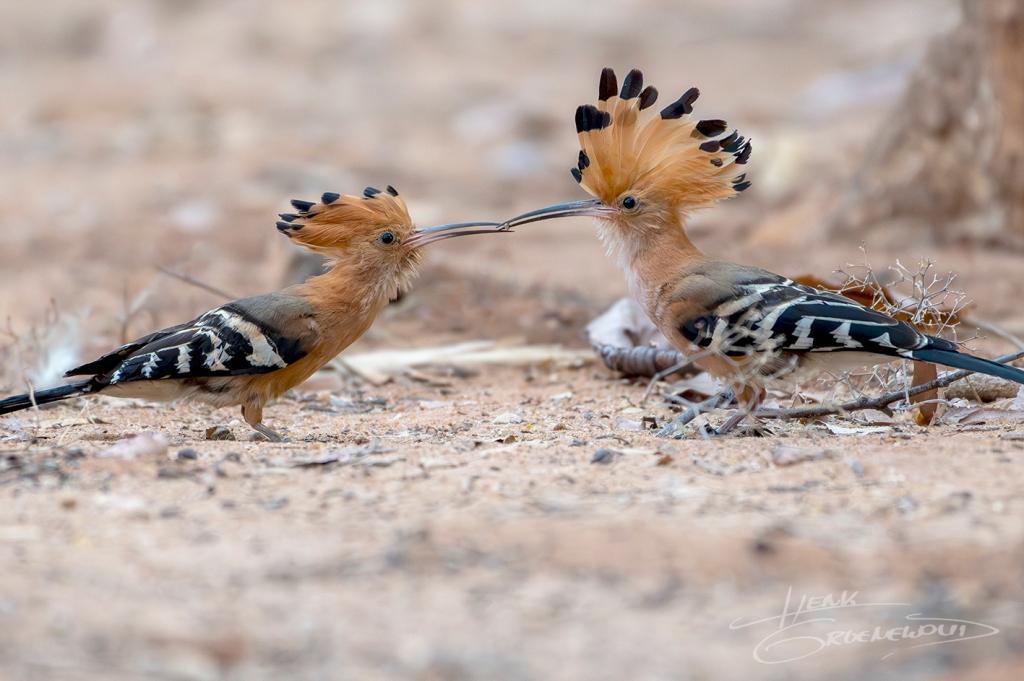
The hoopoe! And again an endemic: the Madagascar hoopoe Upupa marginata. I’m afraid I don’t see the difference with the Eurasian hoopoe
Souimanga sunbird – Cinnyris souimanga. That reflection of light on the feathers!

Another colourful bird: the Pitta-like ground-roller Atelornis pittiodes. Also very difficult to find, as he is walking in dense dark forests. So many colours: Green wings, ruby breast, blue spotted head… truly amazing

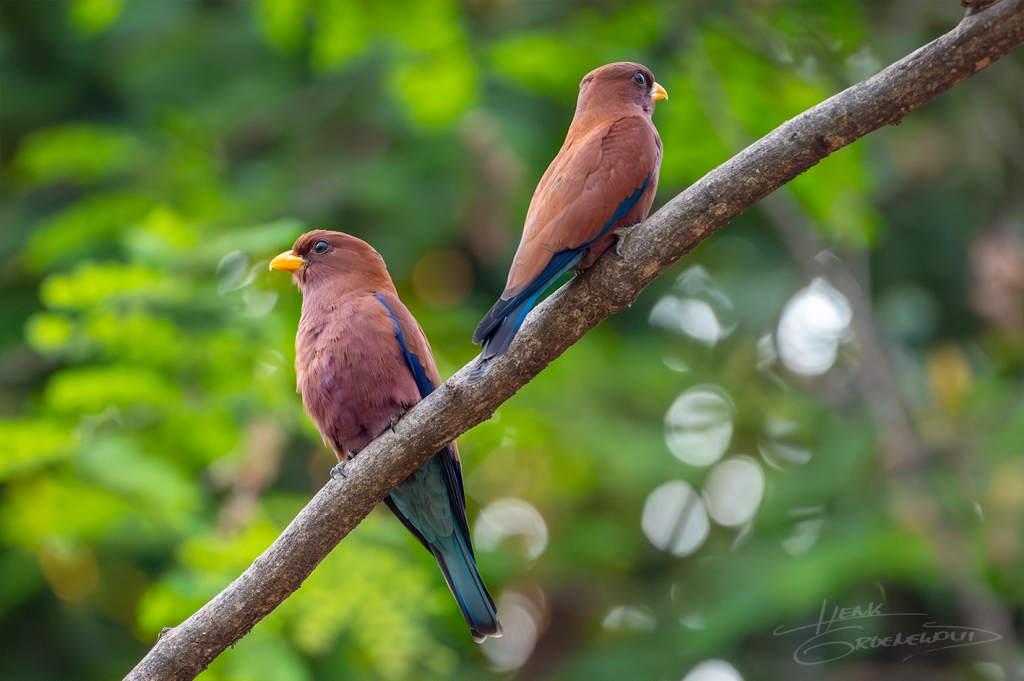
The family of rollers is one of my favourites. This is a Broad-billed roller Eurystomus glaucurus, mostly brown but it has beautiful blue feathers in the wings and tail
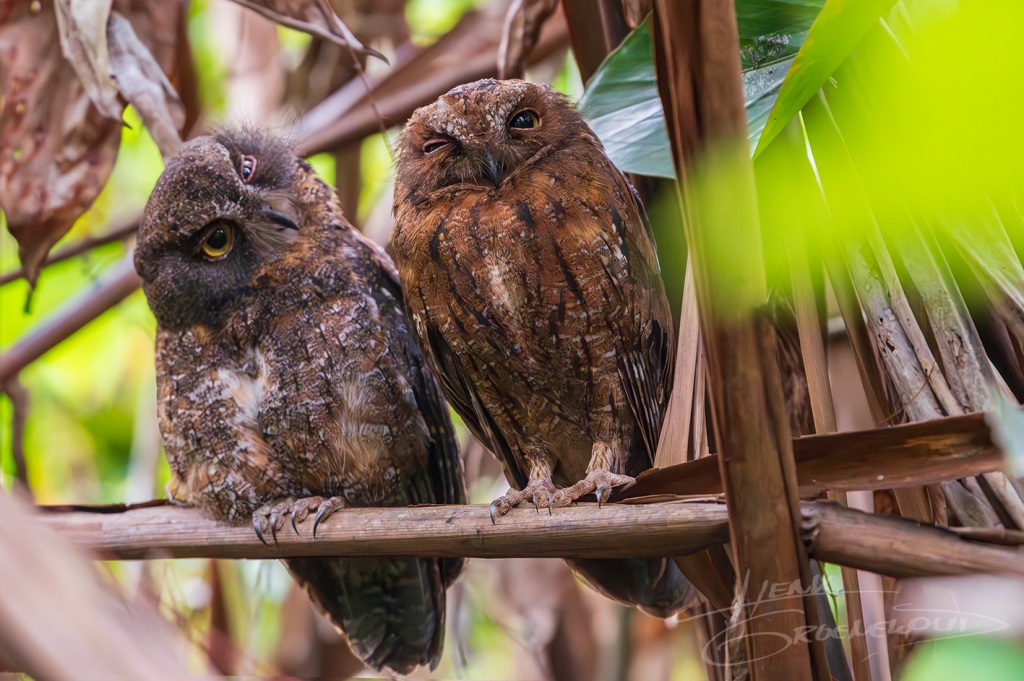
Last one for now: two Madagascar scops owls Otus rutilus happy together

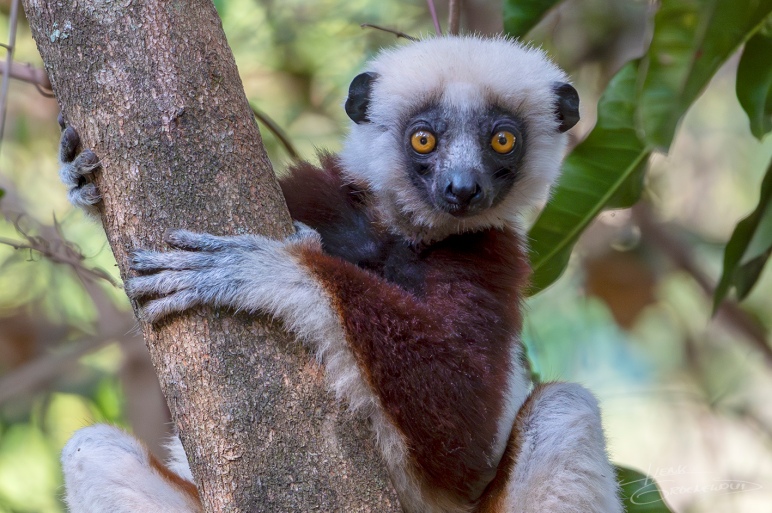
Lemurs are prosimians (halfapen) – they belong to the primates with probably the same common ancestors as apes, but as the apes continued to develop larger brains and a flatter snout, the lemurs kept their original character. Lemurs only live in Madagascar and surrounding islands; they are endemic there. There are five families still alive with dozens of species – often seriously endangered, as the total number of lemurs is estimated to have fallen with more than 95% in the last two decades


Rufous mouse lemur (Microcebus rufus)

Petter’s sportive lemur (Lepilemur petteri)

Crossley’s dwarf lemur (Cheirogaleus crossleyi)

Small-toothed sportive lemur (Lepilemur microdon)

Brown lemur (Eulemur fulvus)

Woolly lemur (Avahi spp.)

Ring tailed lemur (Lemur catta)

Ring tailed lemur (Lemur catta)
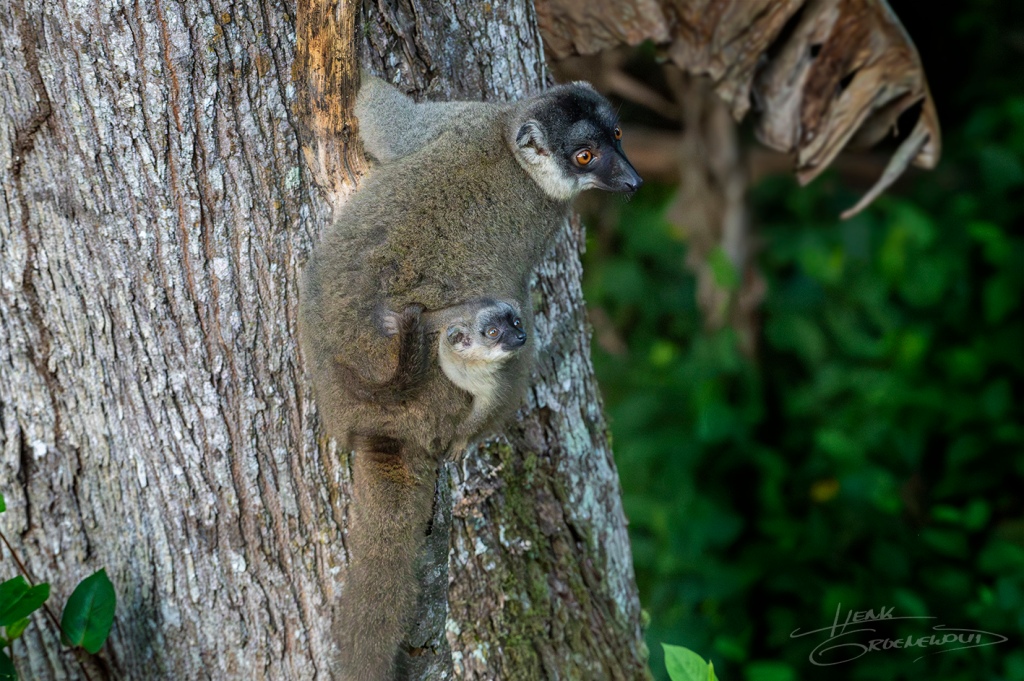
Brown lemur (Eulemur fulvus)

Red-bellied lemur (Eulemur rubriventer)

Coquerel’s Sifaka (Propithecus coquereli)

Diademed sifaka (Propithecus diadema)

Black and white ruffed lemur (Varecia variegata)

Grey bamboo lemur (Hapalemur griseus)

Grey bamboo lemur (Hapalemur griseus)

Indri (Indri indri)

Very curious Red-bellied lemurs (Eulemur rubriventer)

Just too cute! One last Coquerel’s sifaka (Propithecus coquereli)
 De Portrettenmaker