
Bye bye 2023!
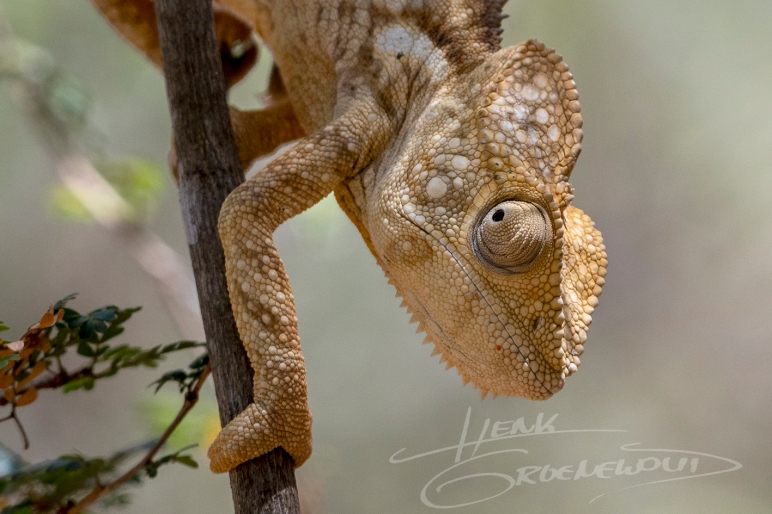
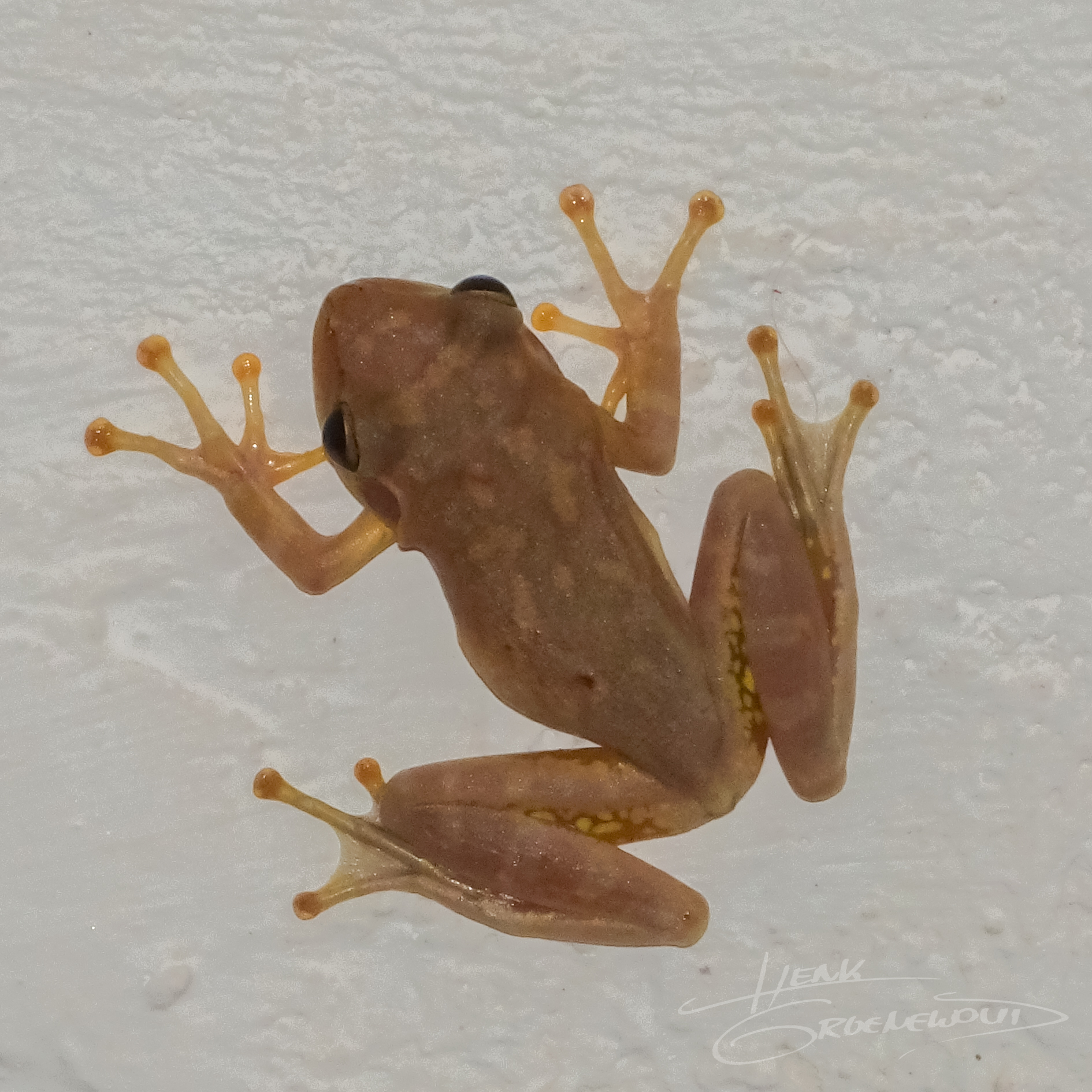
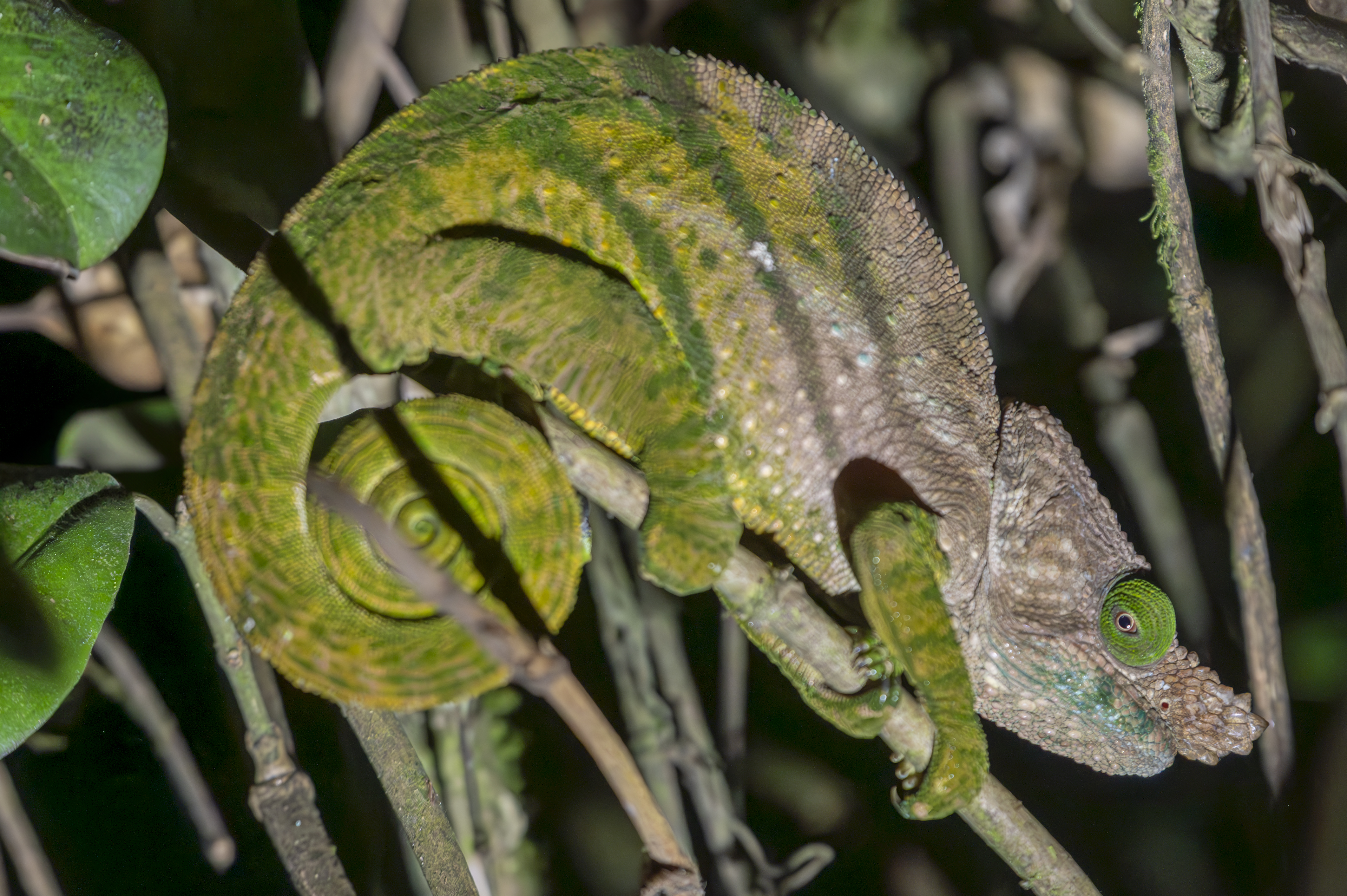
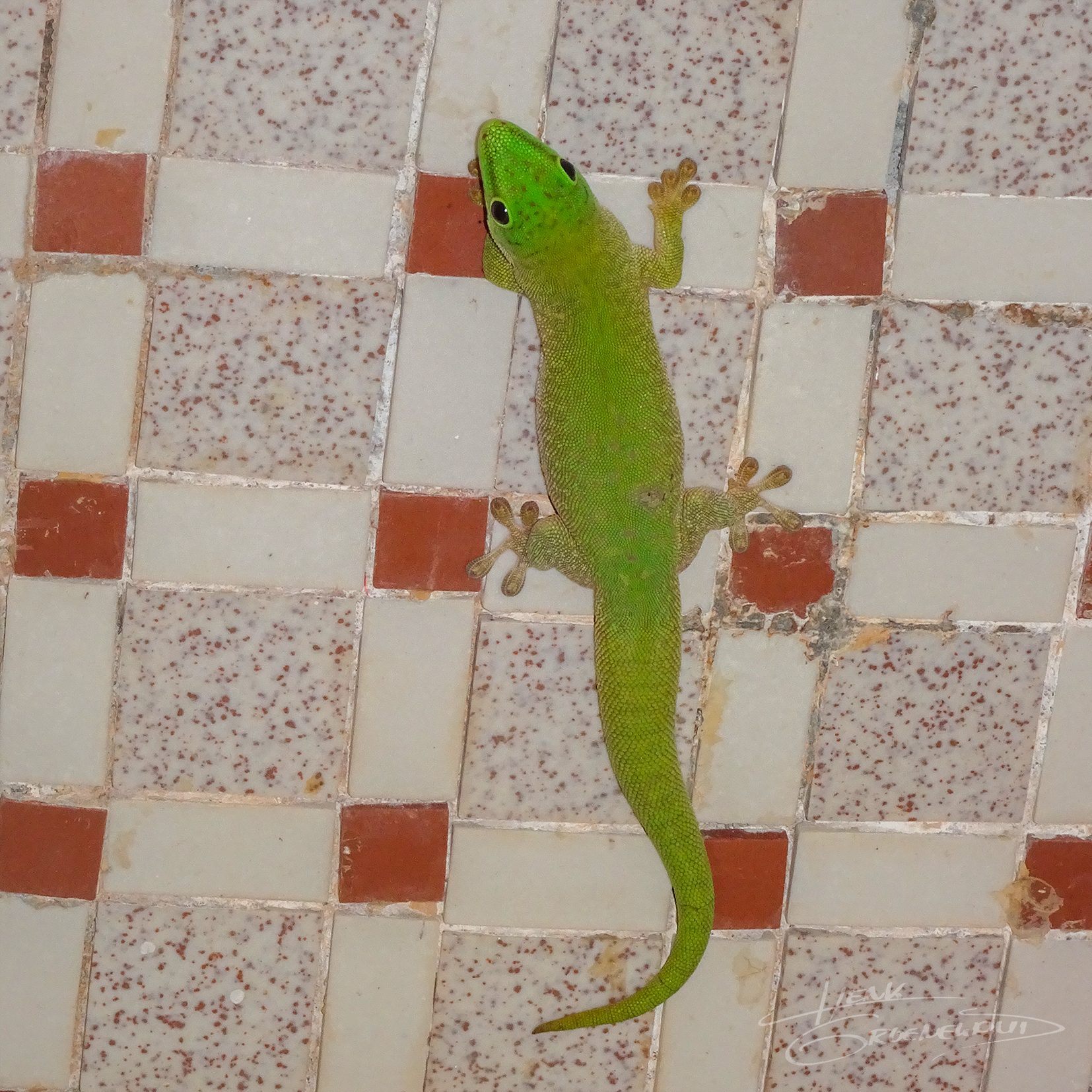
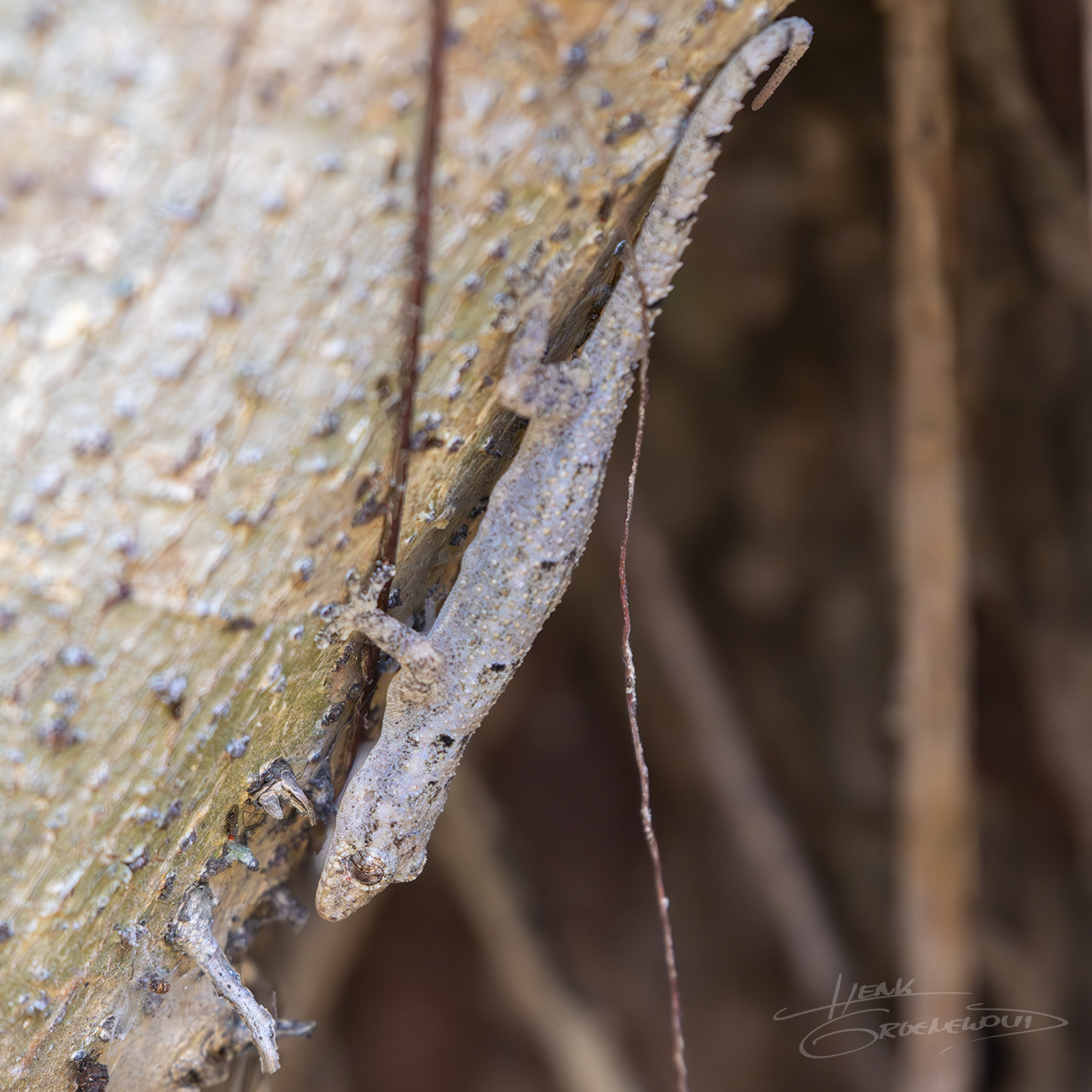
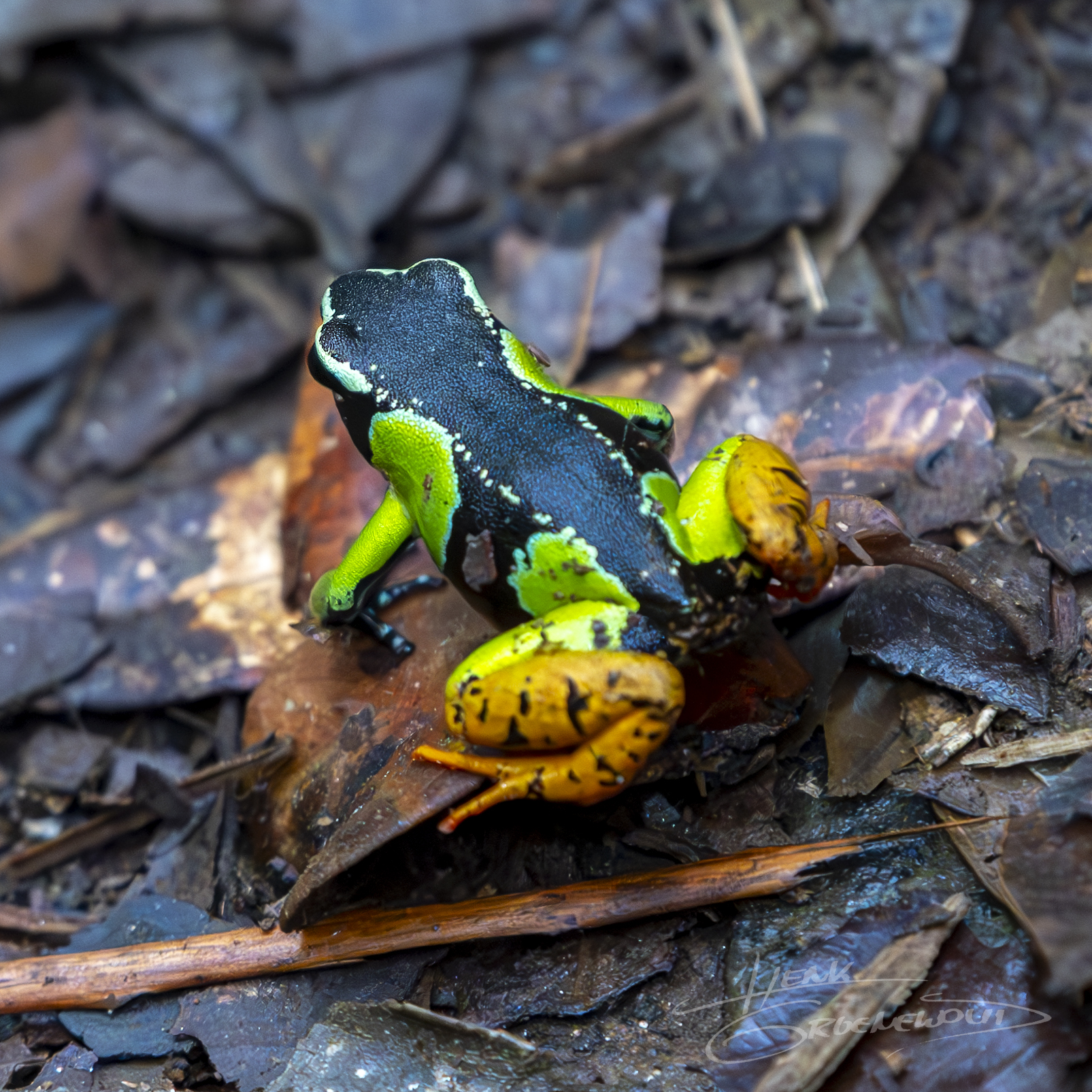
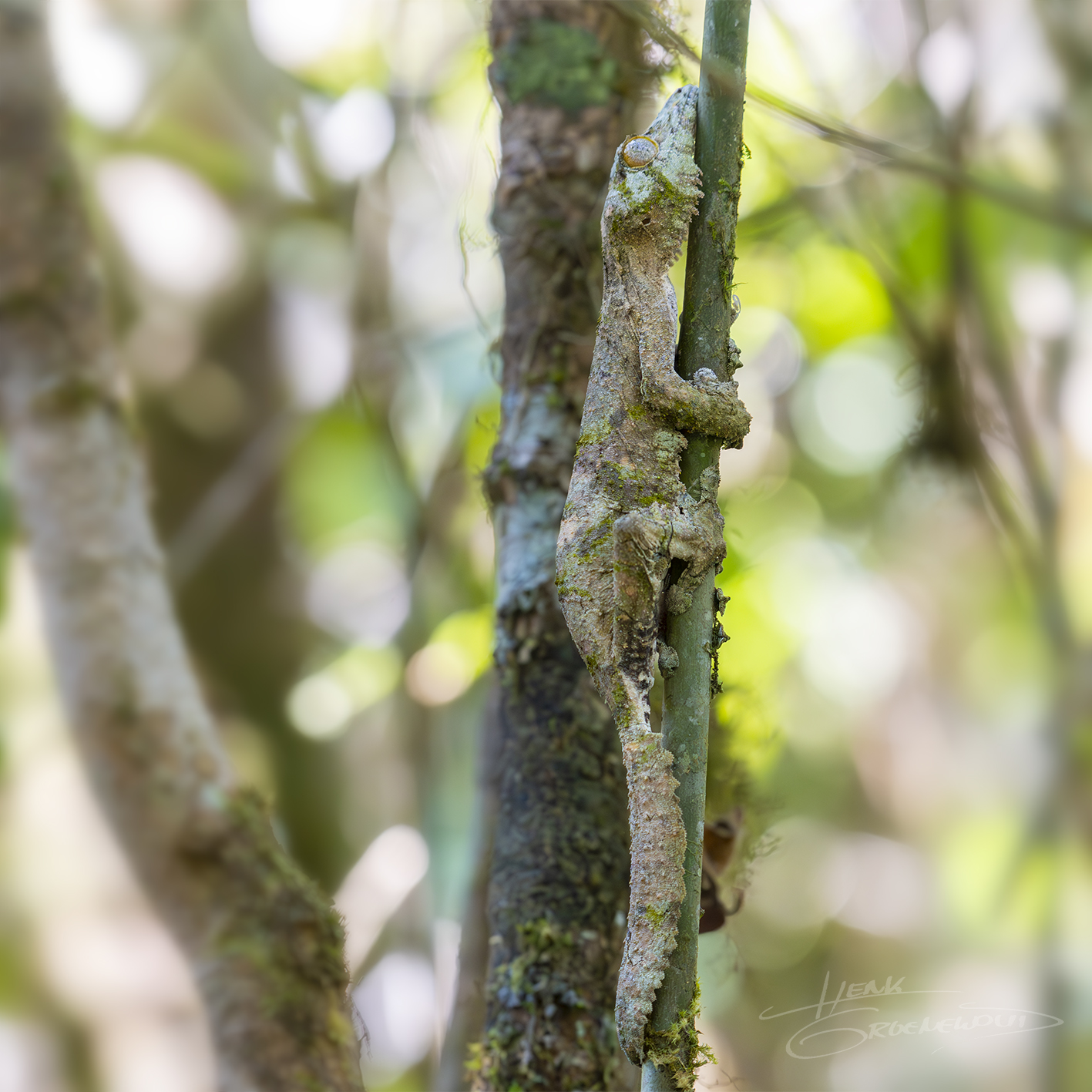
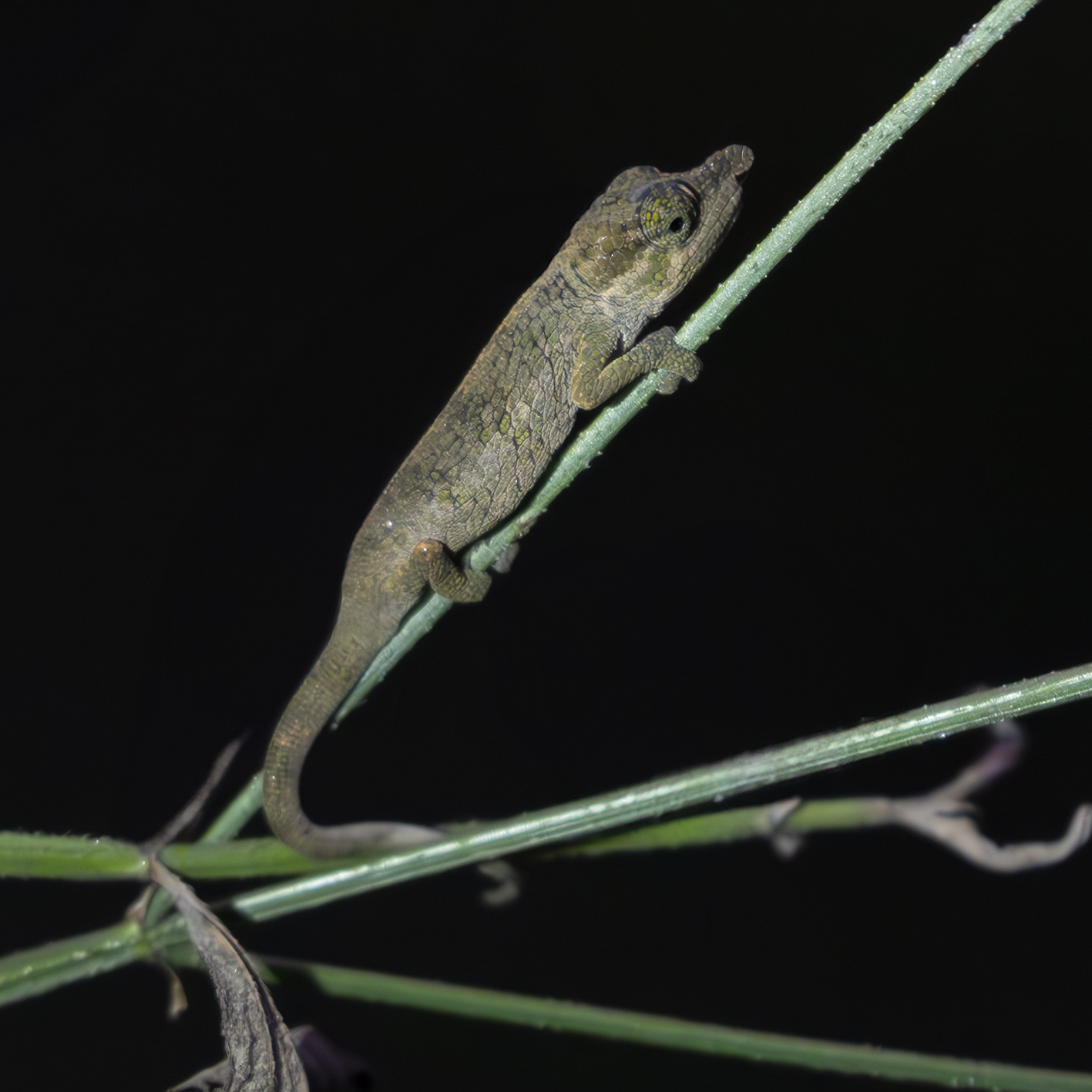
Back to Madagascar. Lots and lots of chameleons, lizards, frogs and snakes. Too much, I’d say. So here’s a whole bunch of them. Pay attention to the perfect disguise of the different chameleons (the smallest less than 5 cm!), the mossy leaf-tailed gecko’s, the beautiful frogs…
And did you know they even have Nile crocodiles? It’s all too much!

















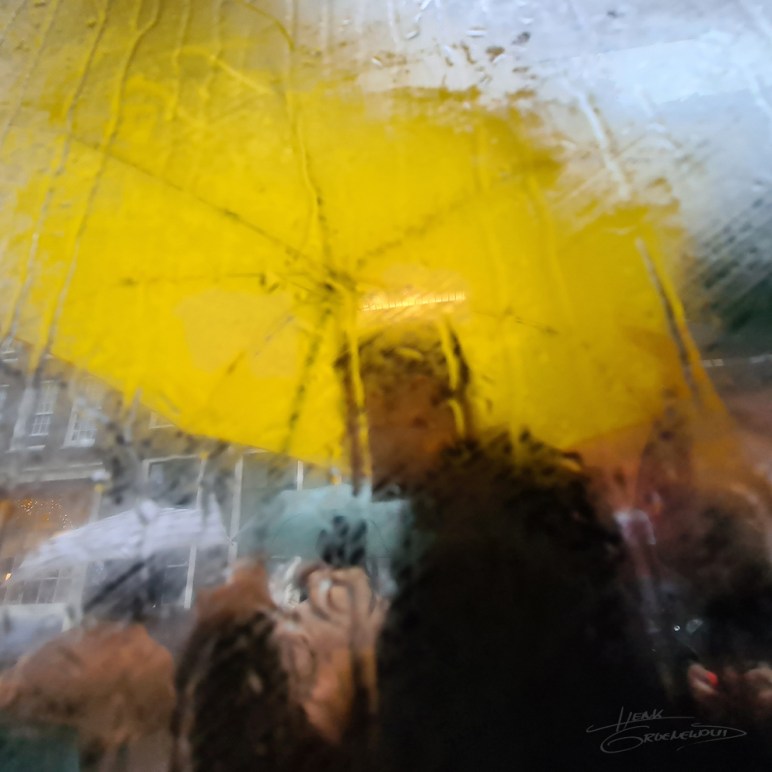
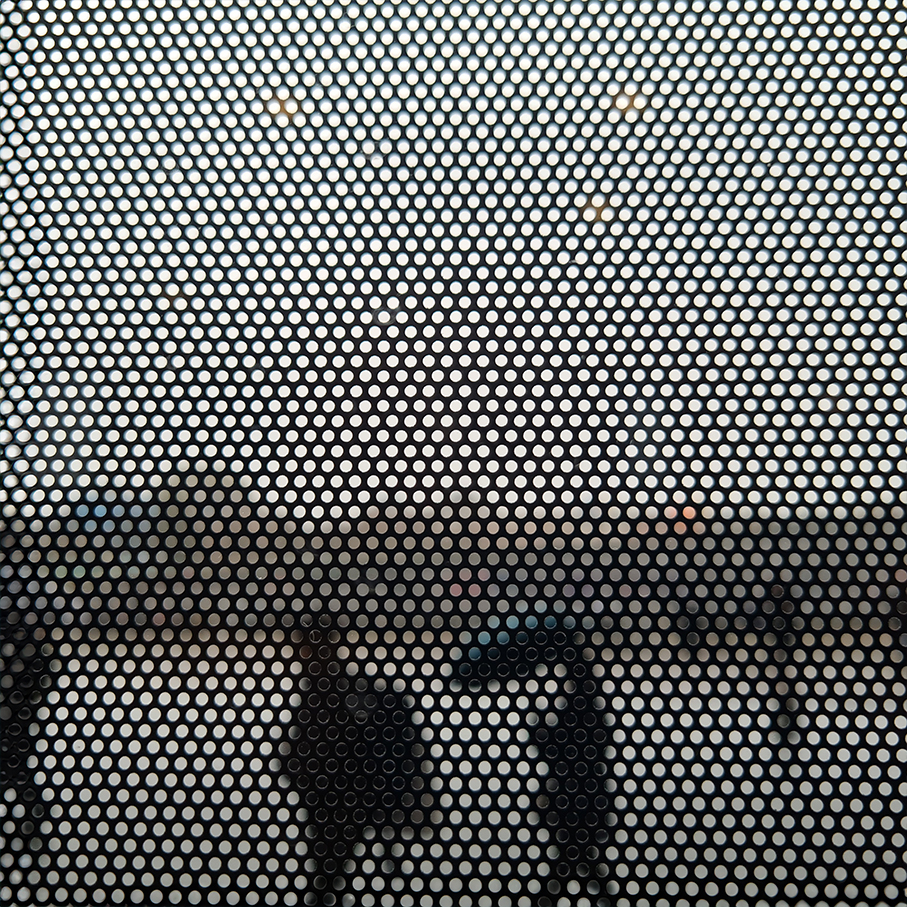
Autumn has arrived
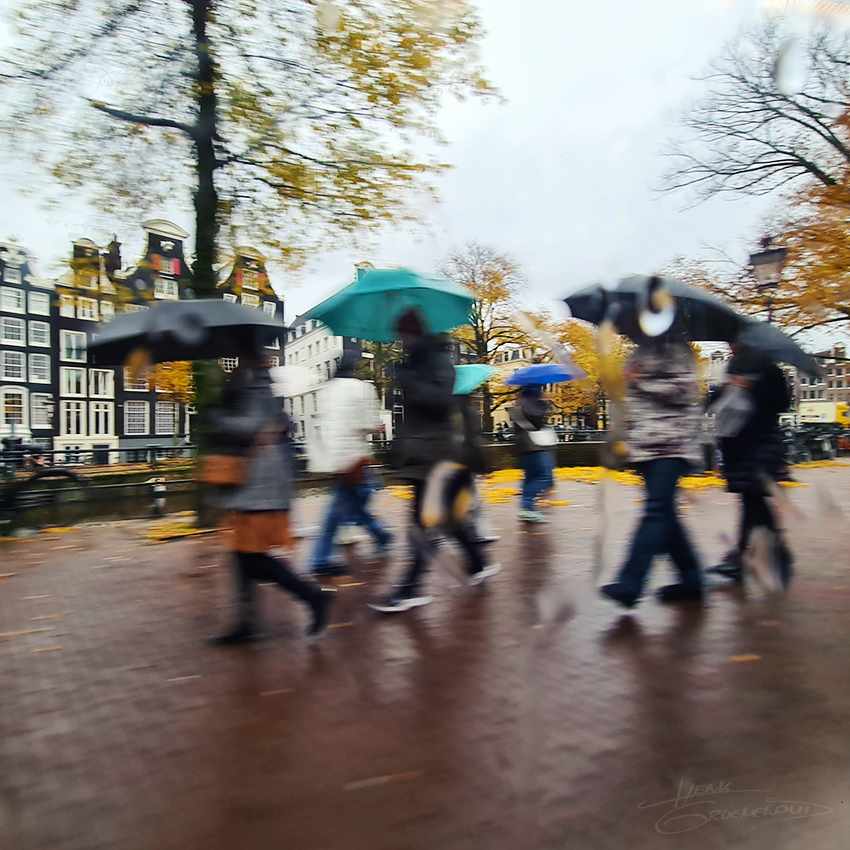


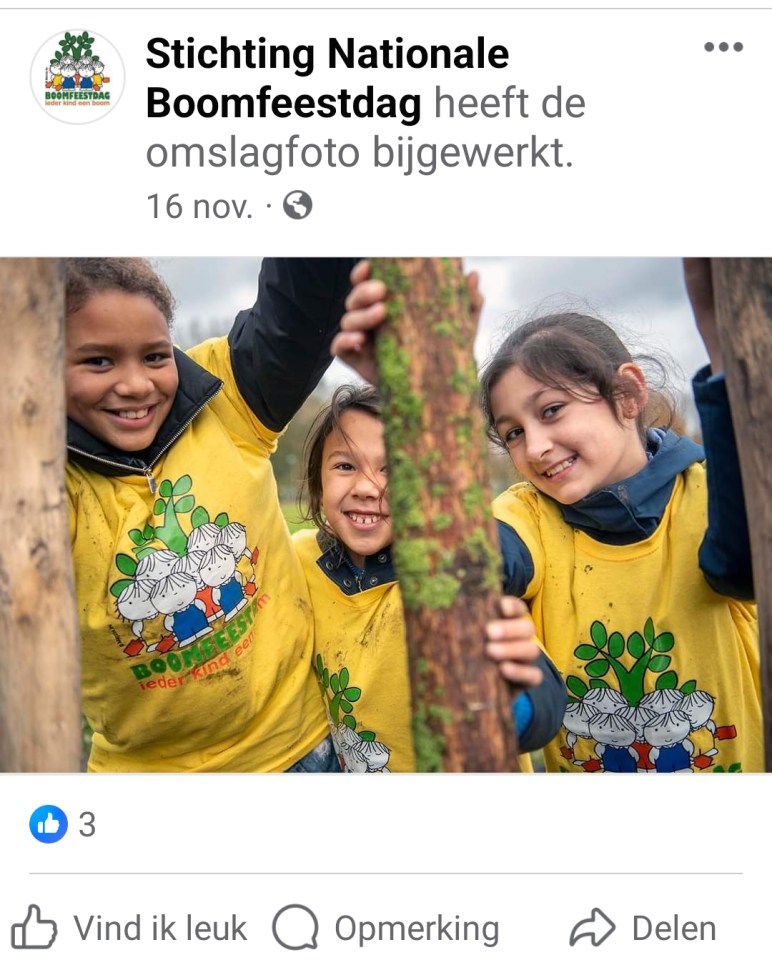
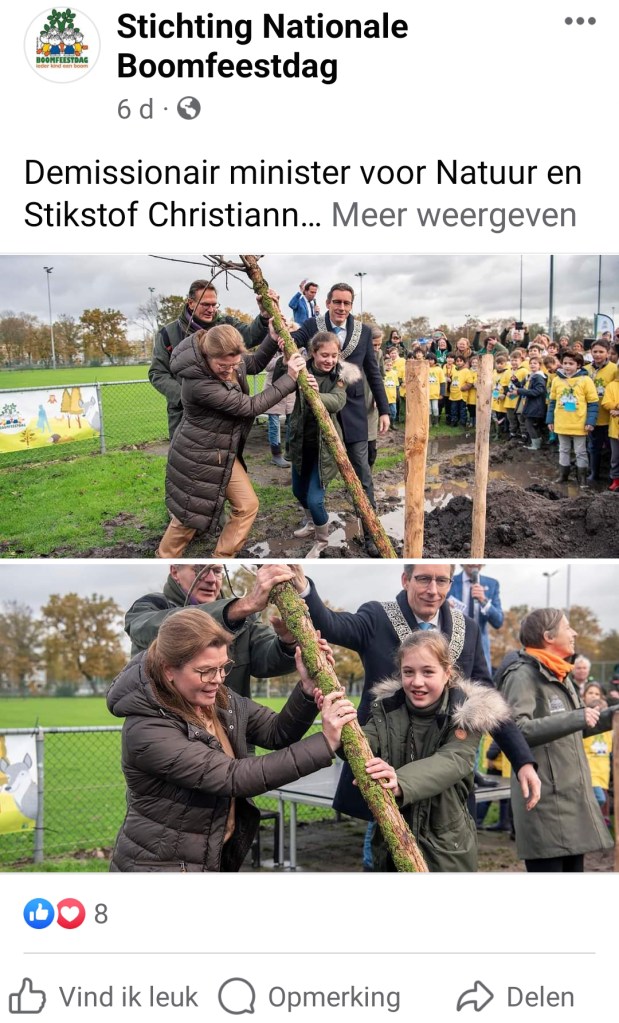
Afgelopen 15 november was de Nationale Boomfeestdag 2023. Alweer de 66e editie van dit jaarlijkse feest. In Amstelveen gaf demissionair minister voor Natuur en Stikstof Christianne van der Wal-Zeggelink samen met burgmeester Tjapko Poppens en directeur Sylvo Thijsen het startschot in Amstelveen met het planten van een es. Directeur Nationale Boomfeestdag Marleen van der Ham en kinderburgemeester Milanka gaven hen een helpende hand. Deze es was de eerste van 200.000 bomen die door kinderen in heel Nederland zijn geplant en het komende half jaar nog worden geplant



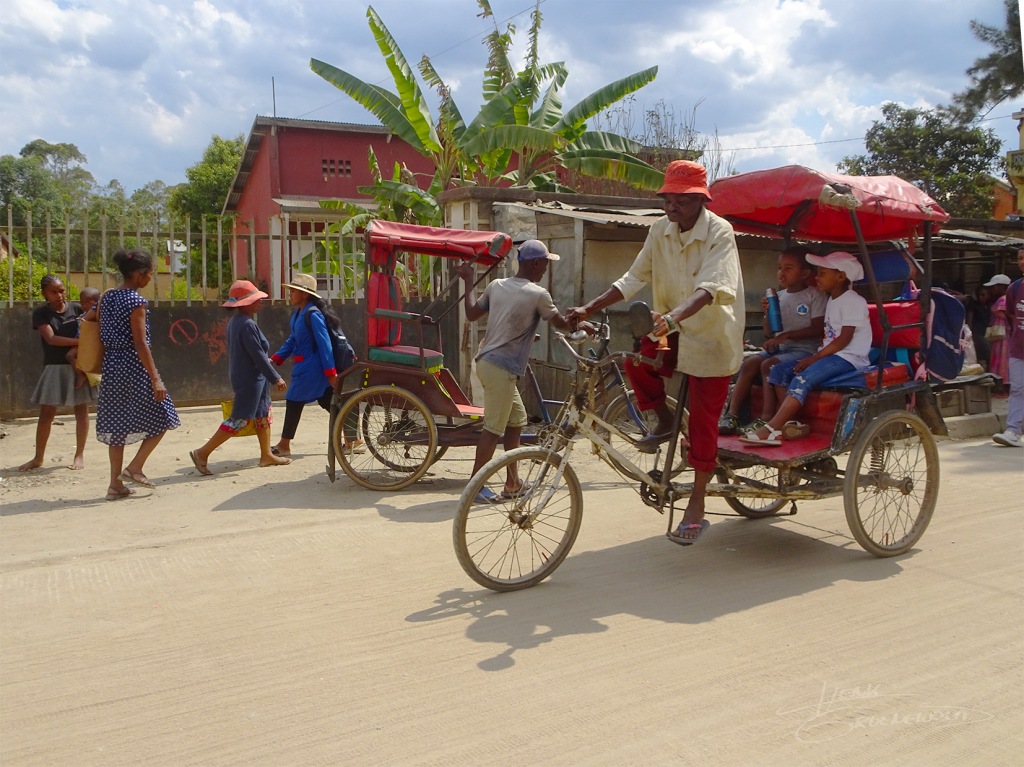
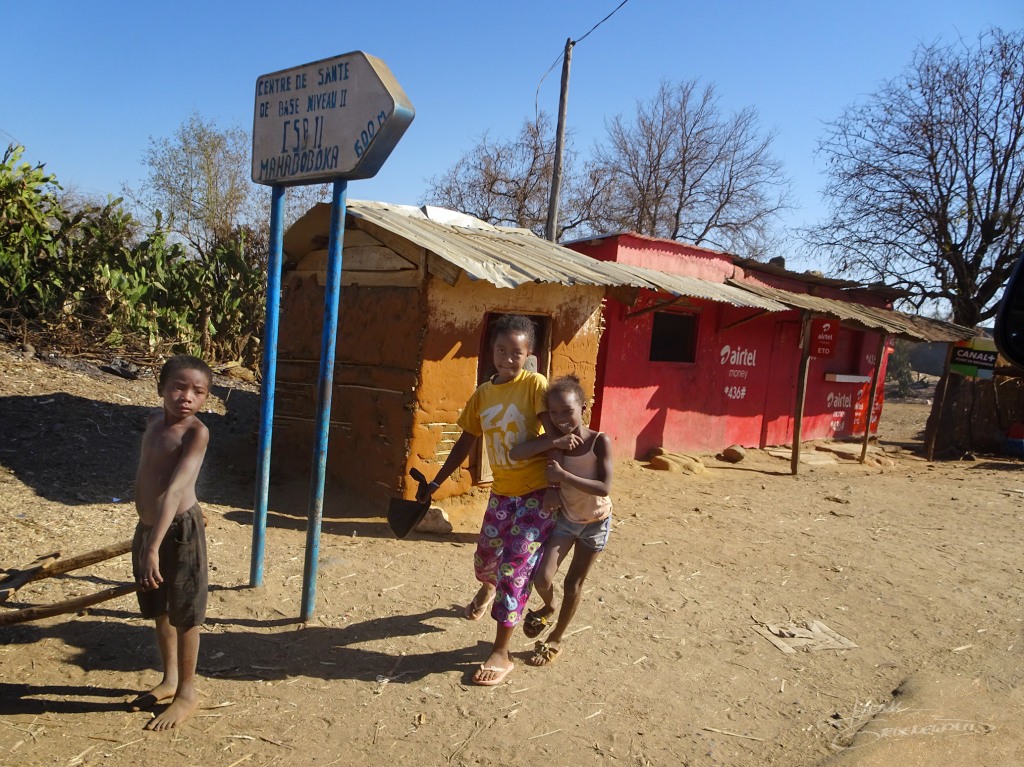
As in any African country, life in Madagascar is largely lived outside on the streets


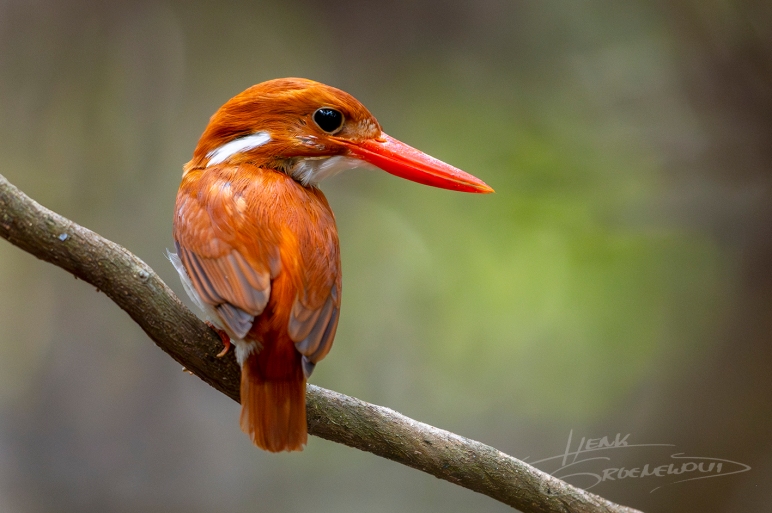
Yes, it was a birding trip to Madagascar. So it’s about time to show some of the beautiful birds that live there. Almost all of them endemic to the island as well, just as the lemurs. First the Madagascar Pygmy kingfisher Corythornis madagascariensis. An amazing success of our guide ‘Jacana’, who was able to spot this tiny bird in the trees of the rainforest

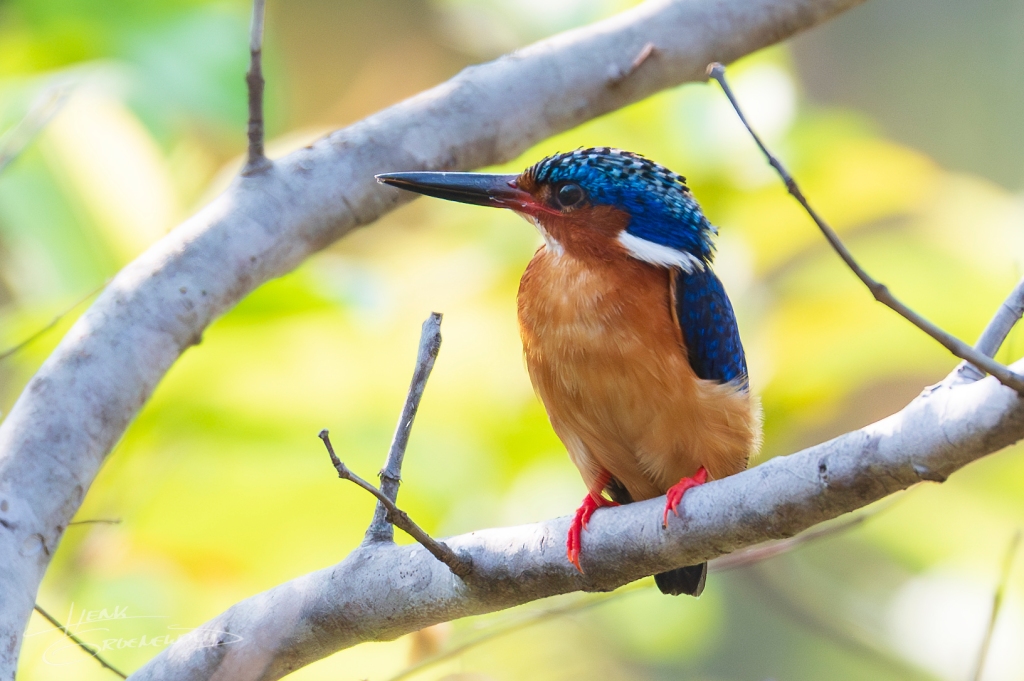
There is another kingfisher that looks a lot like our Eurasian kingfisher. At first glance they appear to be the same. But look closely: there is no blue cheek and less white on the chin. It’s a Madagascar malachite kingfisher Corythornis vintsioides
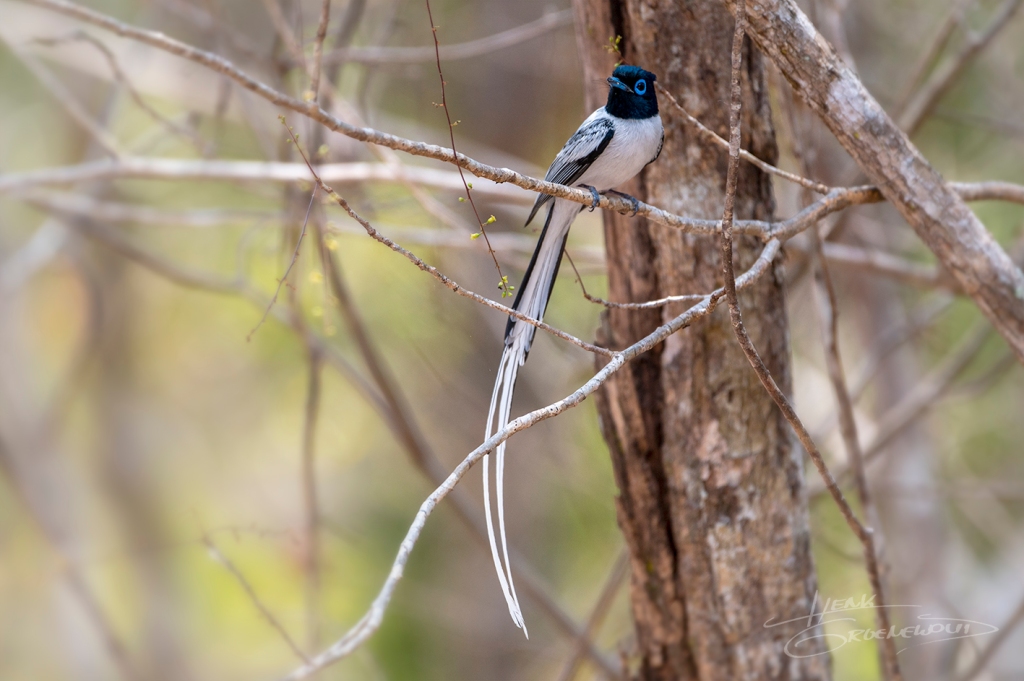
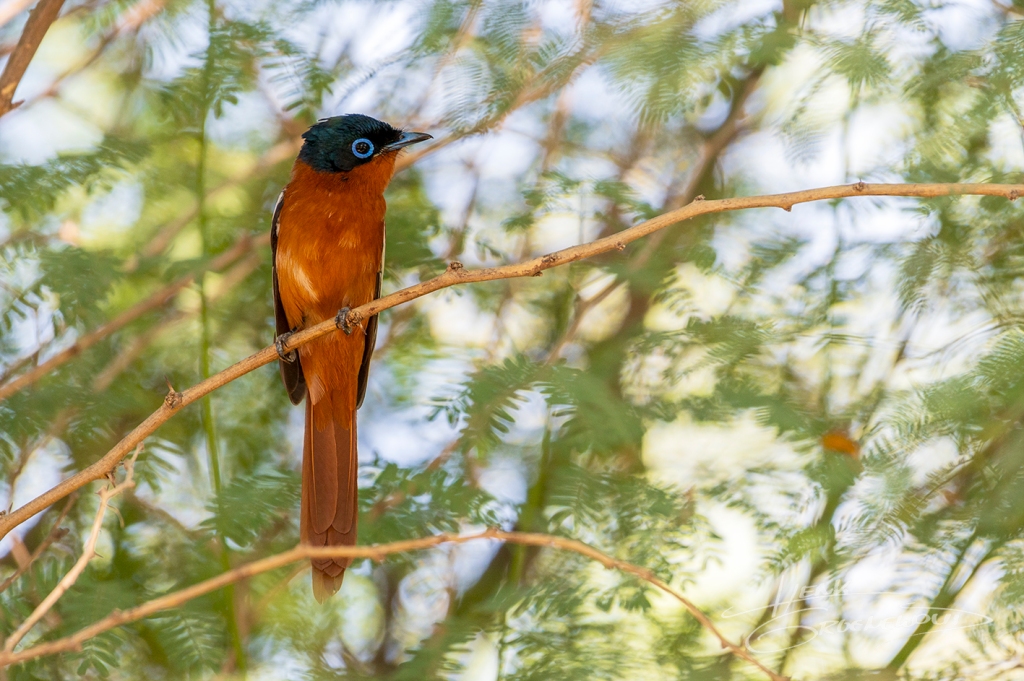
Incredibly graceful these Madagascar paradise flycatchers (Terpsiphone mutata mutata). Same species, white and brown morph
The Madagascar crested ibis Lophotibis cristata; quite shy and difficult to find. It took several days of searching before he showed up. “It has always been an endangered species,” the guide said, “but when the Covid pandemic broke out and tourists didn’t come anymore, lots of them were eaten…”

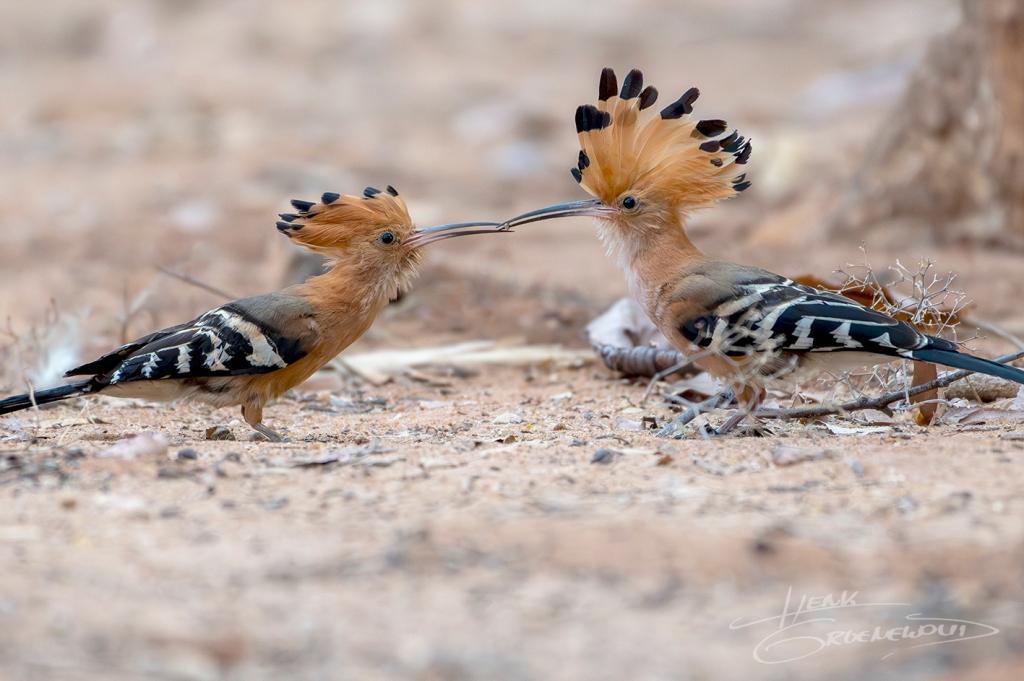
The hoopoe! And again an endemic: the Madagascar hoopoe Upupa marginata. I’m afraid I don’t see the difference with the Eurasian hoopoe
Souimanga sunbird – Cinnyris souimanga. That reflection of light on the feathers!

Another colourful bird: the Pitta-like ground-roller Atelornis pittiodes. Also very difficult to find, as he is walking in dense dark forests. So many colours: Green wings, ruby breast, blue spotted head… truly amazing

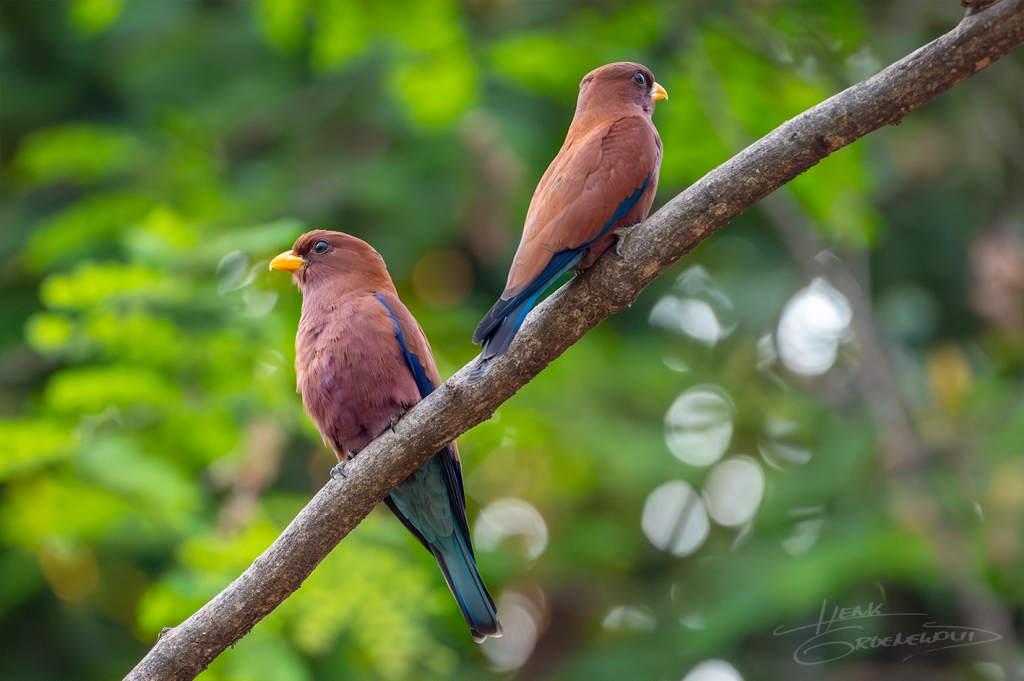
The family of rollers is one of my favourites. This is a Broad-billed roller Eurystomus glaucurus, mostly brown but it has beautiful blue feathers in the wings and tail
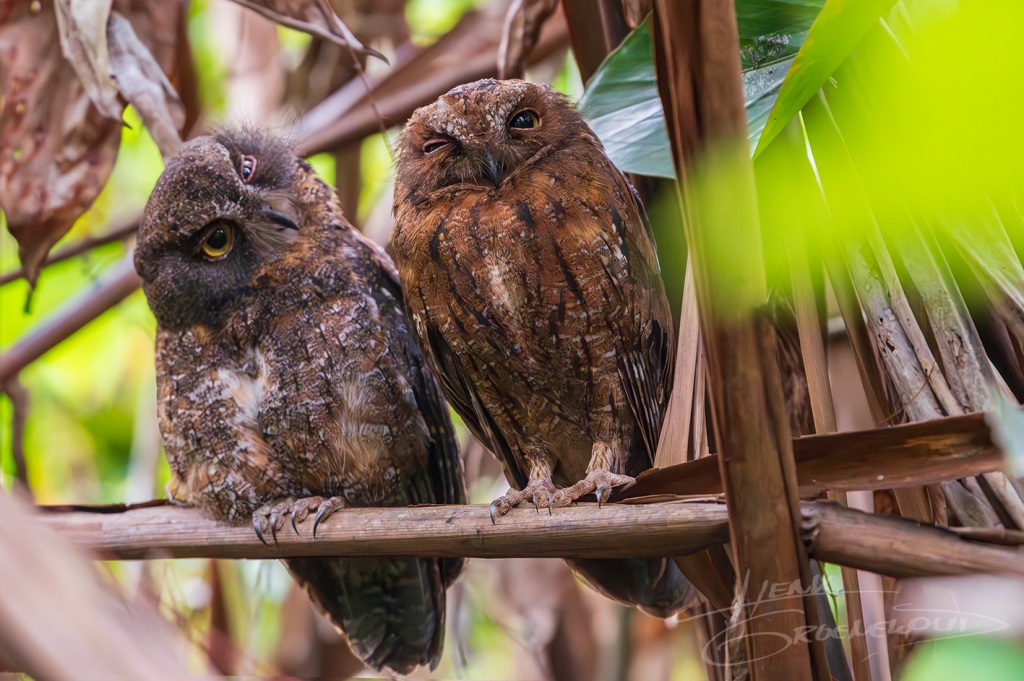
Last one for now: two Madagascar scops owls Otus rutilus happy together

Lemurs are prosimians (halfapen) – they belong to the primates with probably the same common ancestors as apes, but as the apes continued to develop larger brains and a flatter snout, the lemurs kept their original character. Lemurs only live in Madagascar and surrounding islands; they are endemic there. There are five families still alive with dozens of species – often seriously endangered, as the total number of lemurs is estimated to have fallen with more than 95% in the last two decades


Rufous mouse lemur (Microcebus rufus)

Petter’s sportive lemur (Lepilemur petteri)

Crossley’s dwarf lemur (Cheirogaleus crossleyi)

Small-toothed sportive lemur (Lepilemur microdon)

Brown lemur (Eulemur fulvus)

Woolly lemur (Avahi spp.)

Ring tailed lemur (Lemur catta)

Ring tailed lemur (Lemur catta)
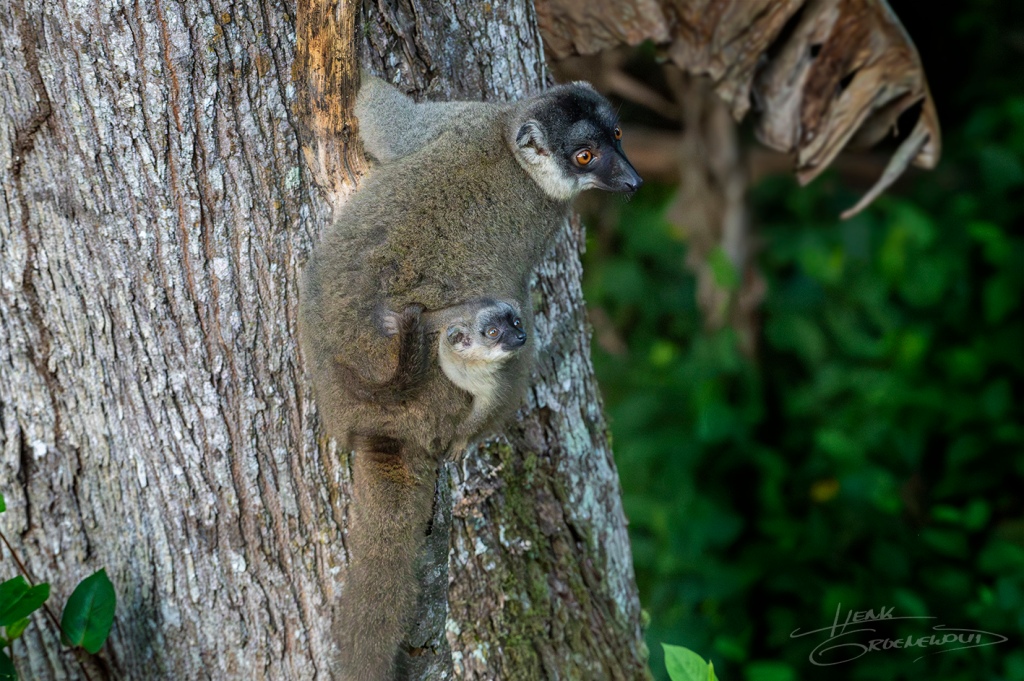
Brown lemur (Eulemur fulvus)

Red-bellied lemur (Eulemur rubriventer)

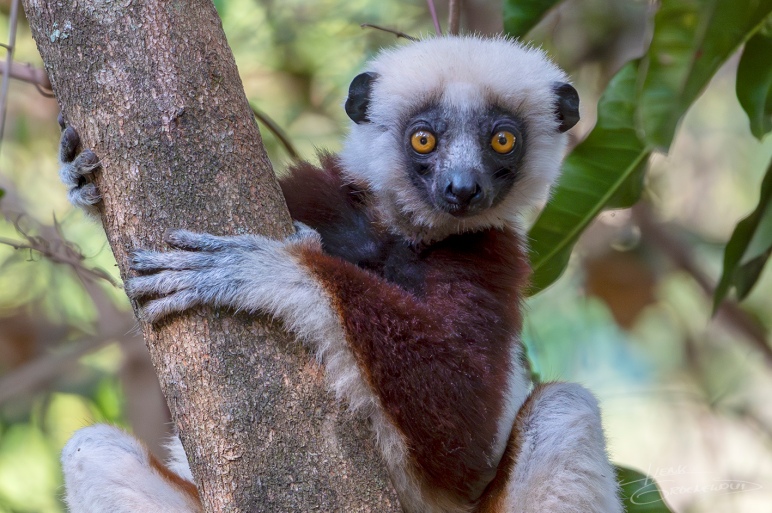
Coquerel’s Sifaka (Propithecus coquereli)

Diademed sifaka (Propithecus diadema)

Black and white ruffed lemur (Varecia variegata)

Grey bamboo lemur (Hapalemur griseus)

Grey bamboo lemur (Hapalemur griseus)

Indri (Indri indri)

Very curious Red-bellied lemurs (Eulemur rubriventer)

Just too cute! One last Coquerel’s sifaka (Propithecus coquereli)

Just returned from a trip to Madagascar. More than 16.000 pictures. Will make a selection – probably lots of birds, lemurs, chameleons, snakes and spiders. But first: people and the baobab


Eerder schreef ik over de fotobewerkingen geïnspireerd door Hockney. Dat was hier en hier en hier en hier. Een initiatief van Rob Renshoff van Fotokring Eemland om een tentoonstelling te realiseren – en het is hem gelukt!
Curator Mariska Doesburg heeft inmiddels 25 foto’s geselecteerd die samen een mooie eenheid vormen en die in de komende weken te zien zullen zijn in het Rietveld Paviljoen in Amersfoort (Zonnehof 8, 3811 ND). Met daartussen ook één van bovengenoemde foto’s.
Officiële opening is op 14 oktober 15:00 uur. Kan ik zelf helaas niet bij zijn, maar ik kom zo snel mogelijk
Anderhalve week geleden bracht ik met collega’s een werkbezoek aan kolonies van de plaagmier (Lasius neglectus) en het mediterraan draaigatje (Tapinoma nigerrimum). Onder leiding van Jinze Noordijk van EIS Kenniscentrum insecten werden een woonwijk, een duingebied en een tuincentrum bezocht.
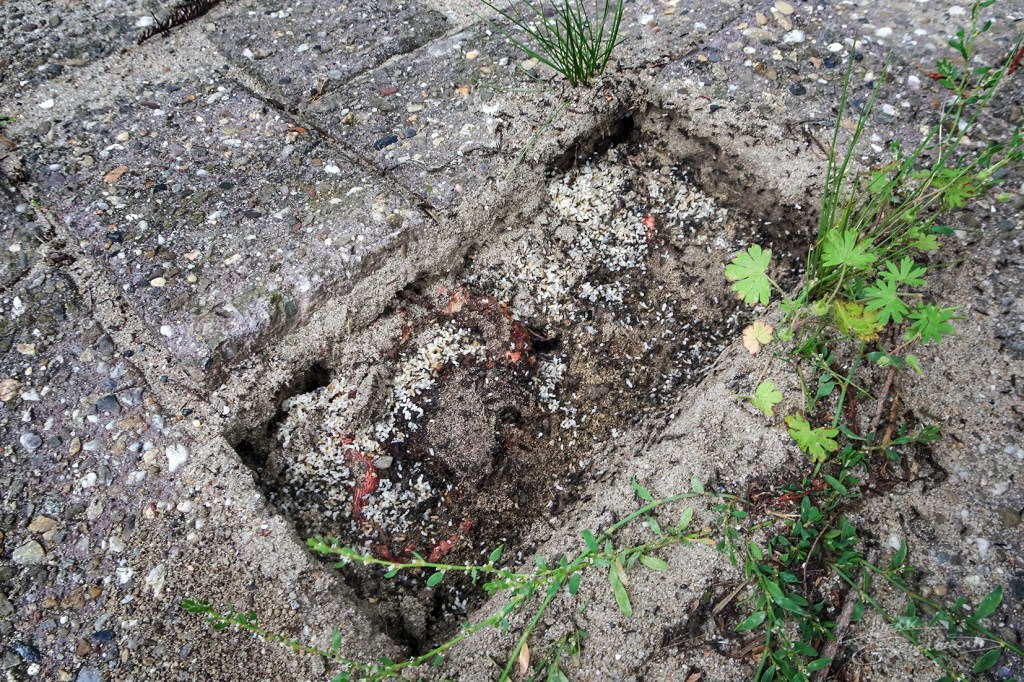
Na het oplichten van wat stoeptegels is een stukje zichtbaar van de kolonie, die zich hier uitstrekt over de hele woonwijk. De bewoners ervaren veel overlast

Snel worden alle eieren, poppen en larven in veiligheid gebracht

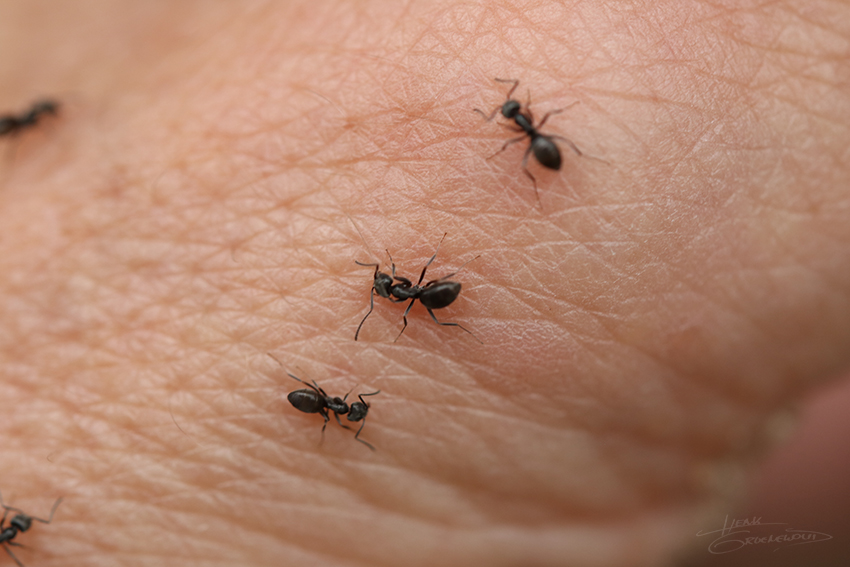
Even kijken hoe ze bijten
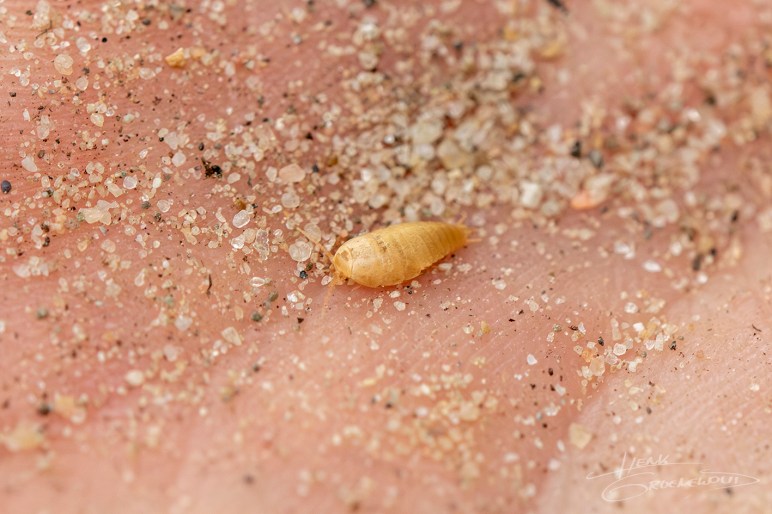
Groot was het enthousiasme toen Jinze in één van de nesten ook twee mierengoudvisjes (Atelura formicaria) vond. Deze soort is pas kort geleden in Nederland ontdekt (zie Nature Today en het wetenschappelijk artikel)

 De Portrettenmaker