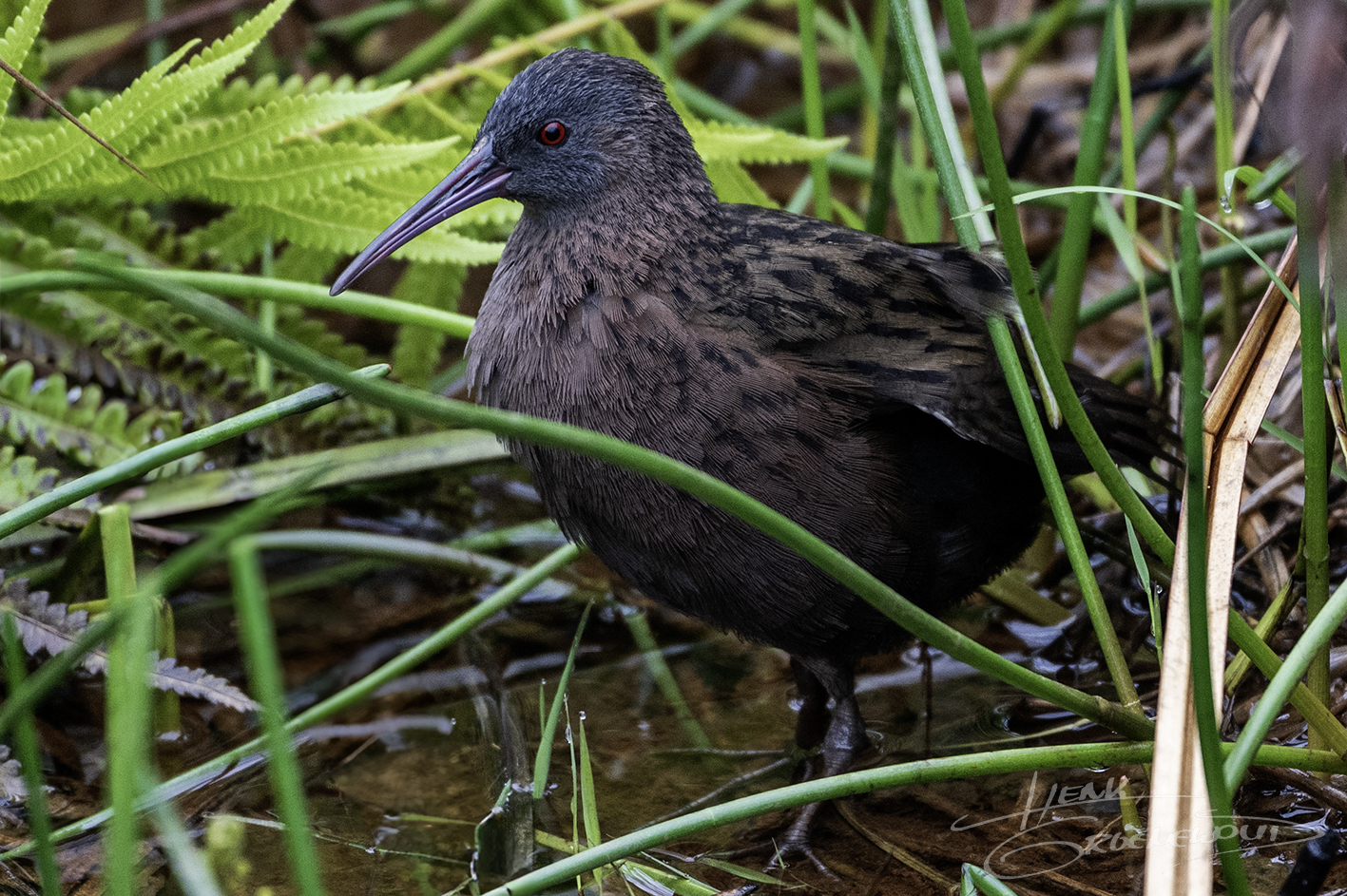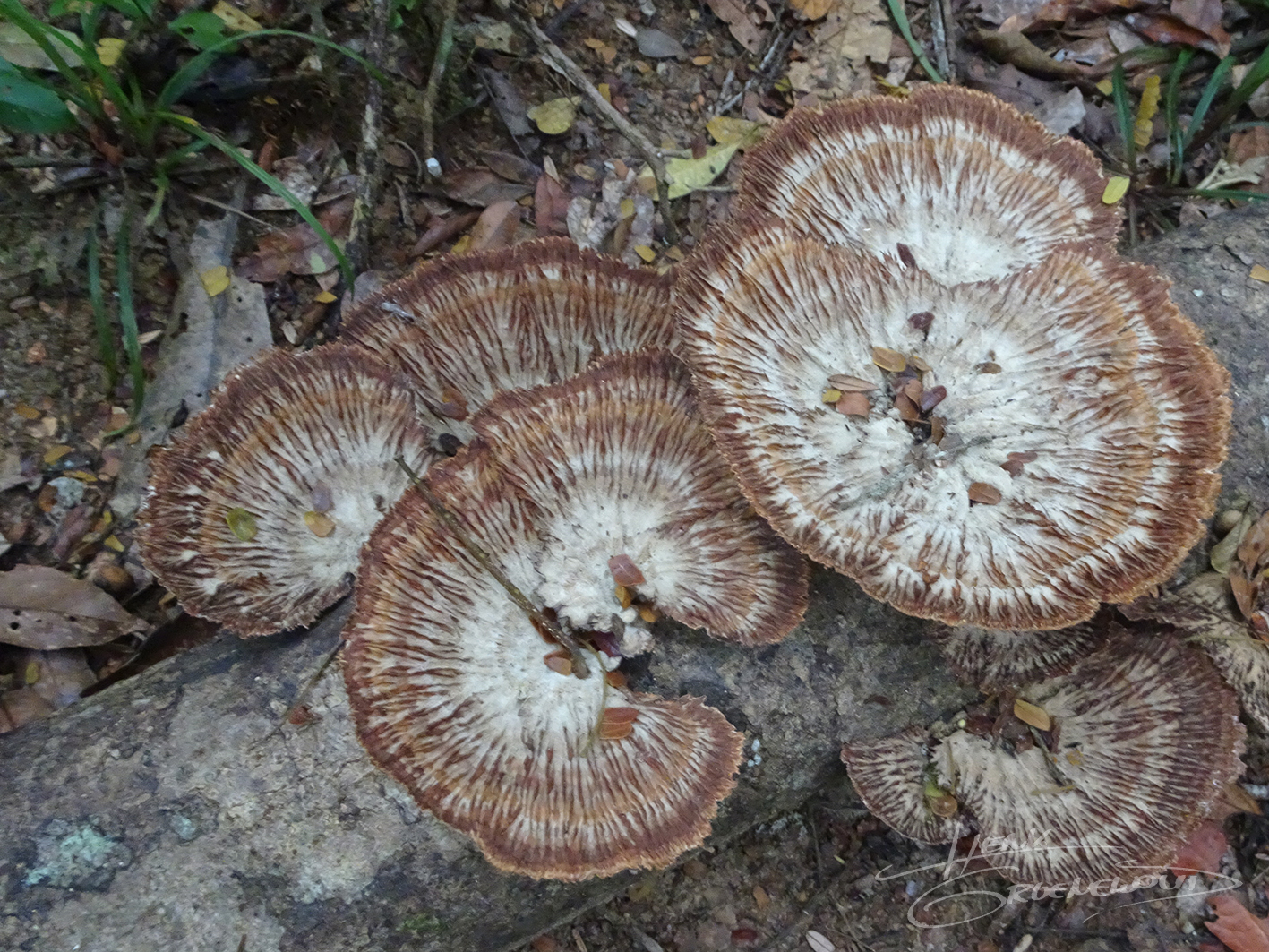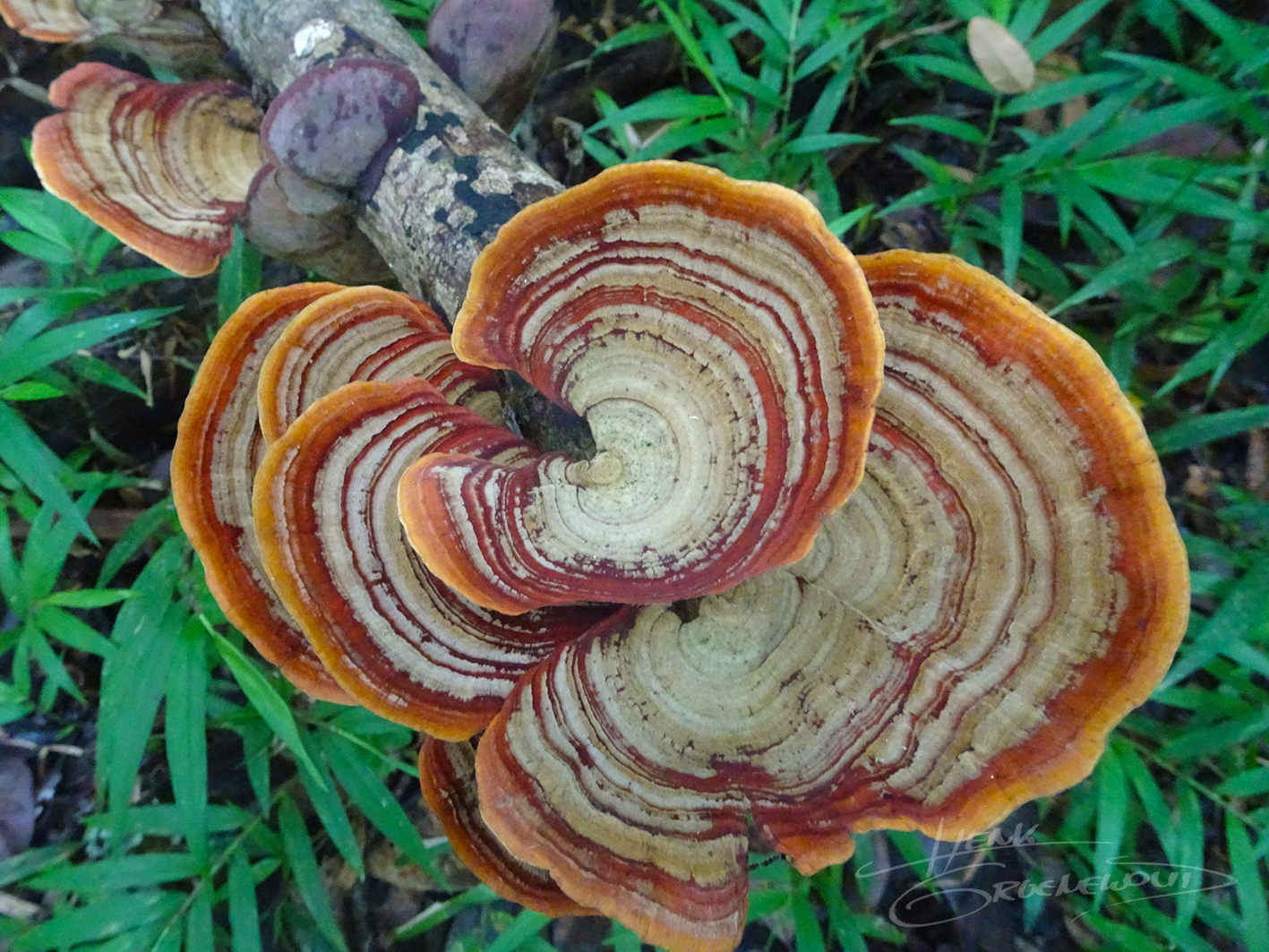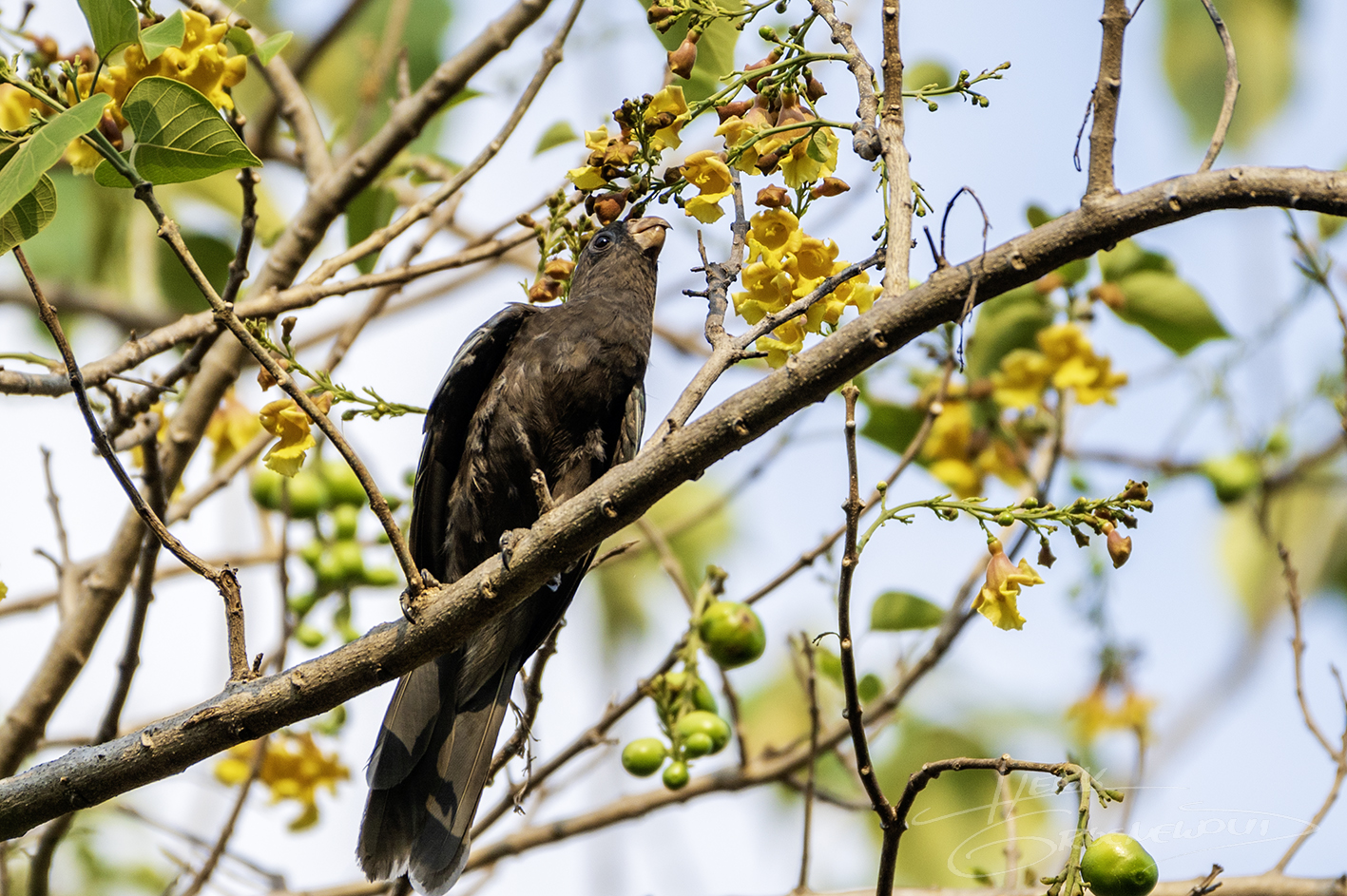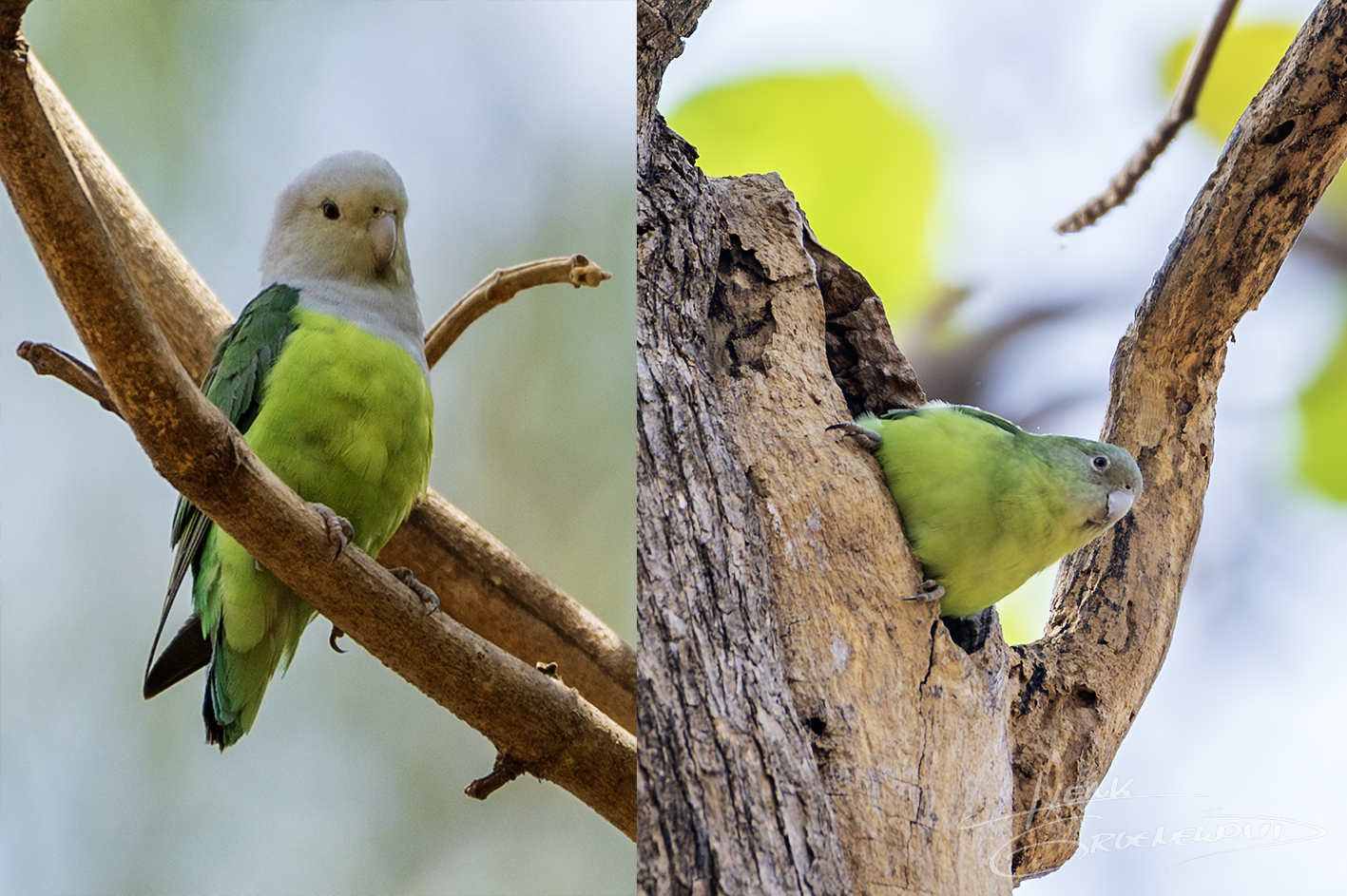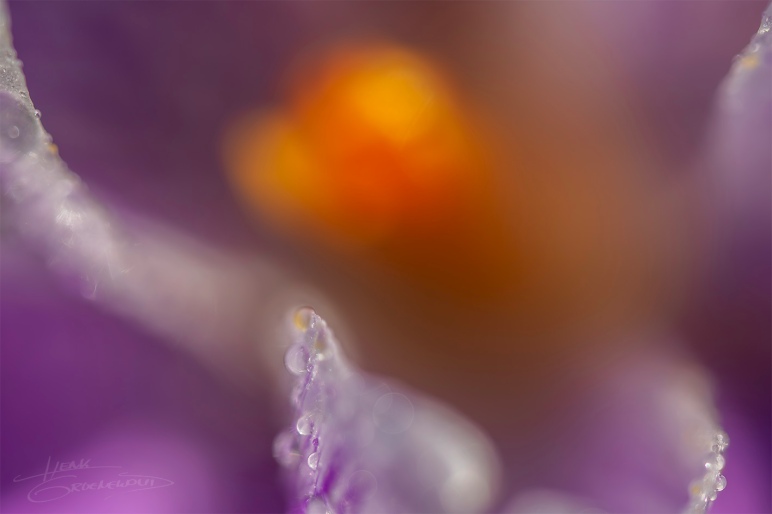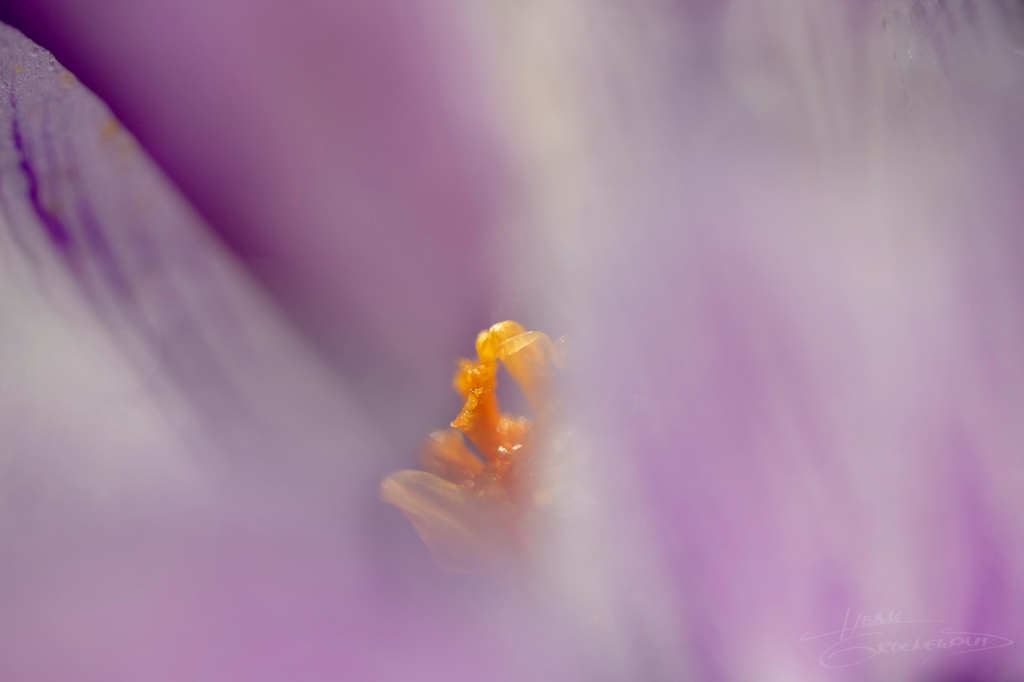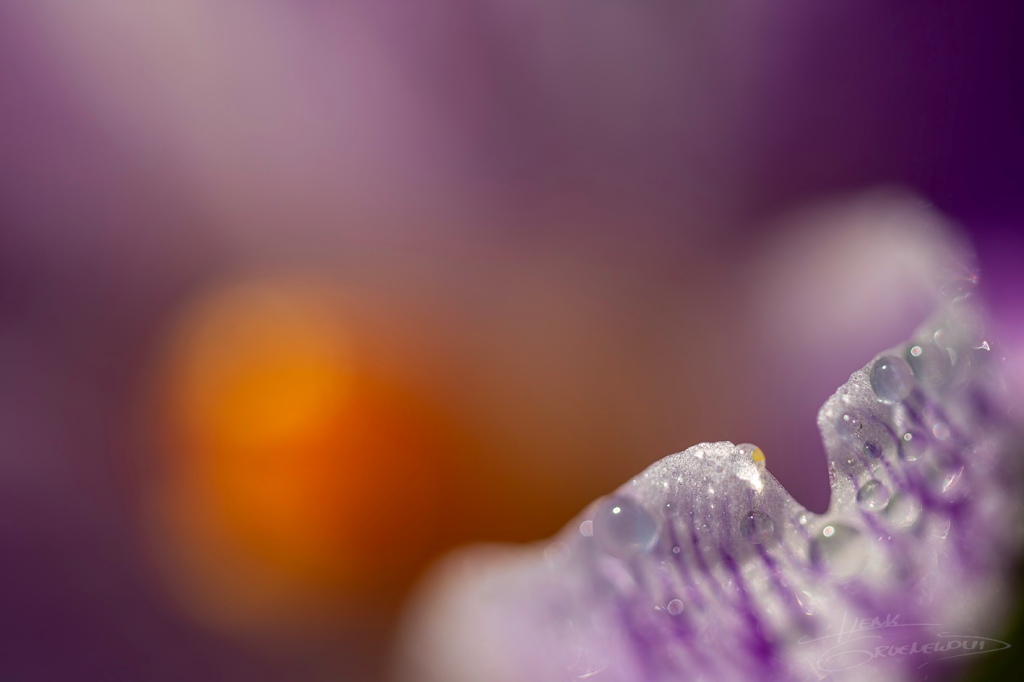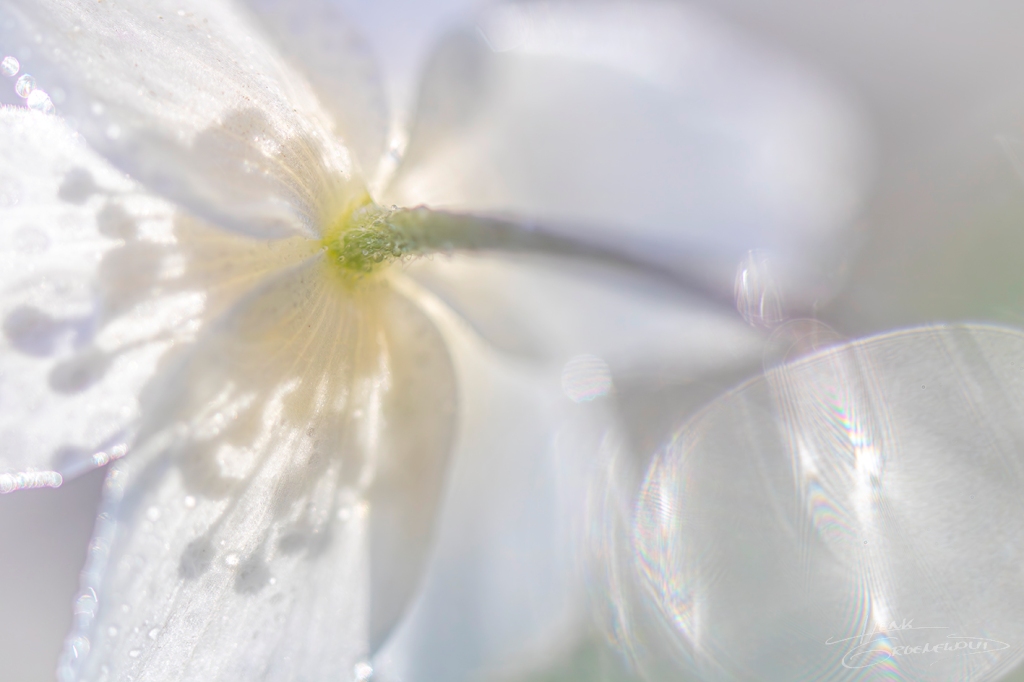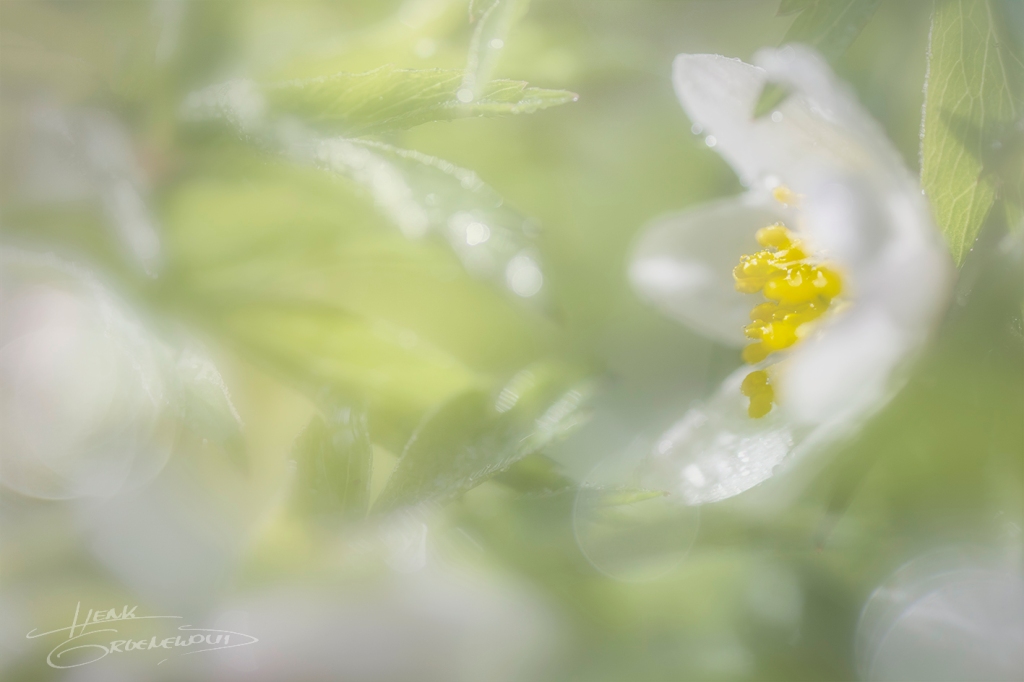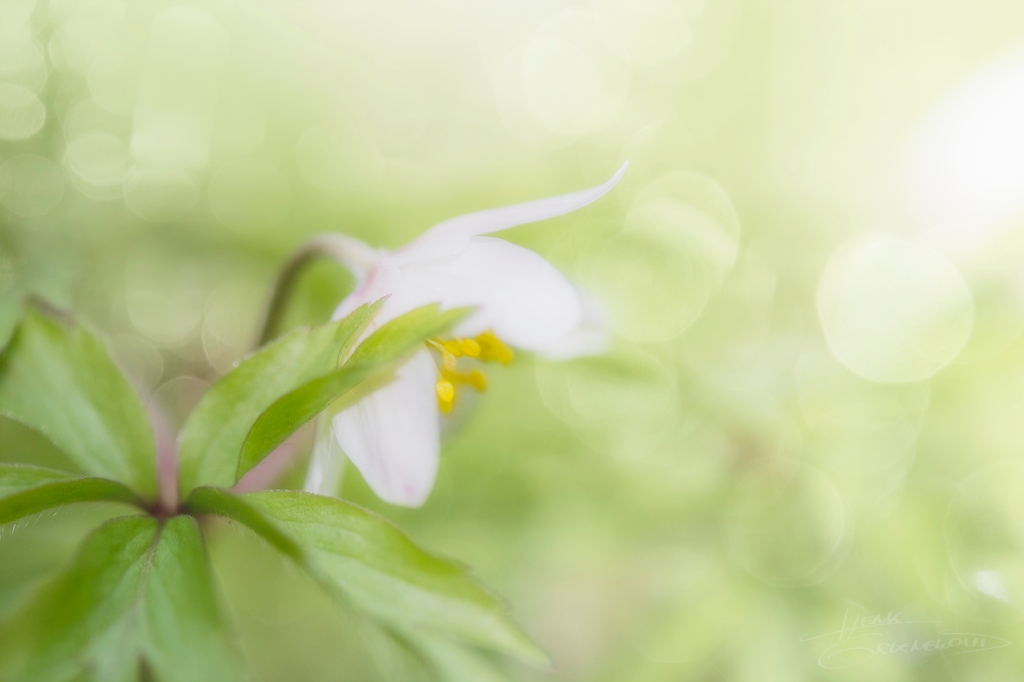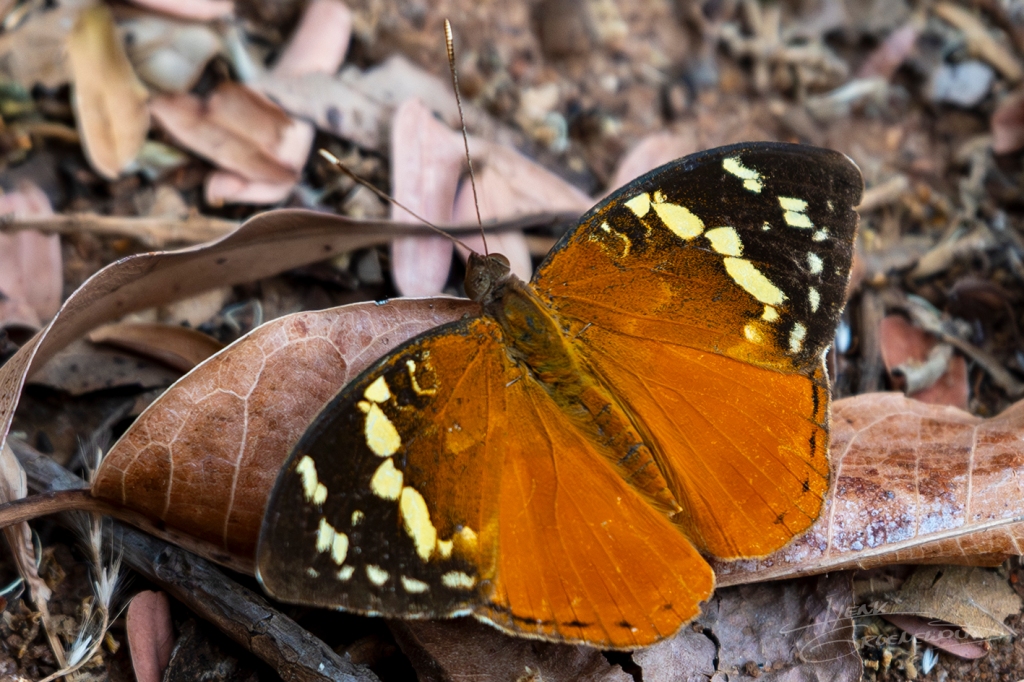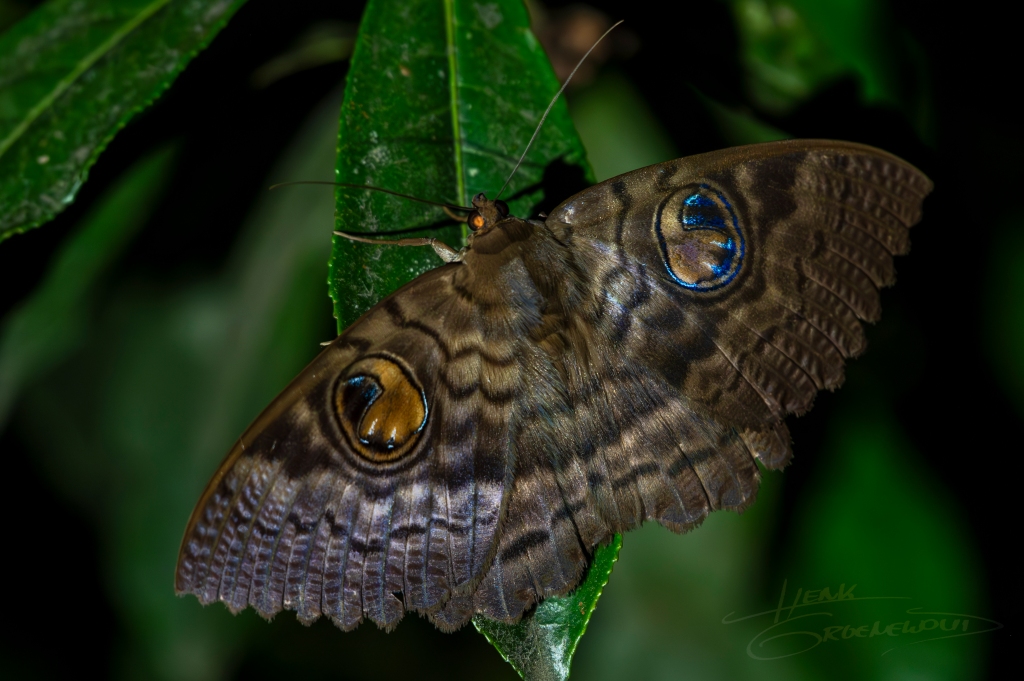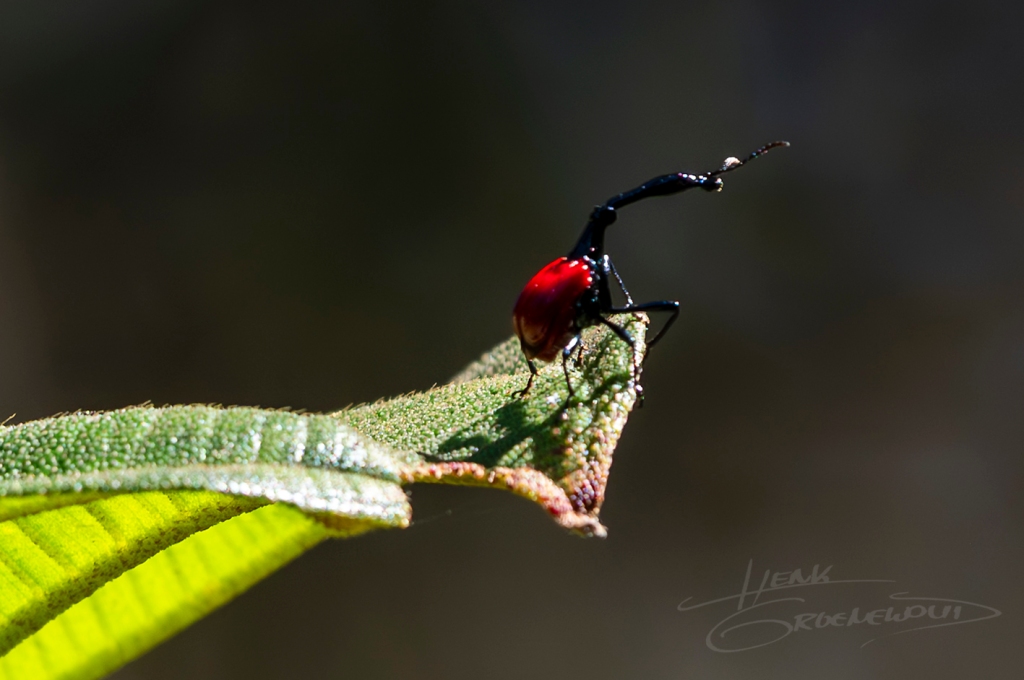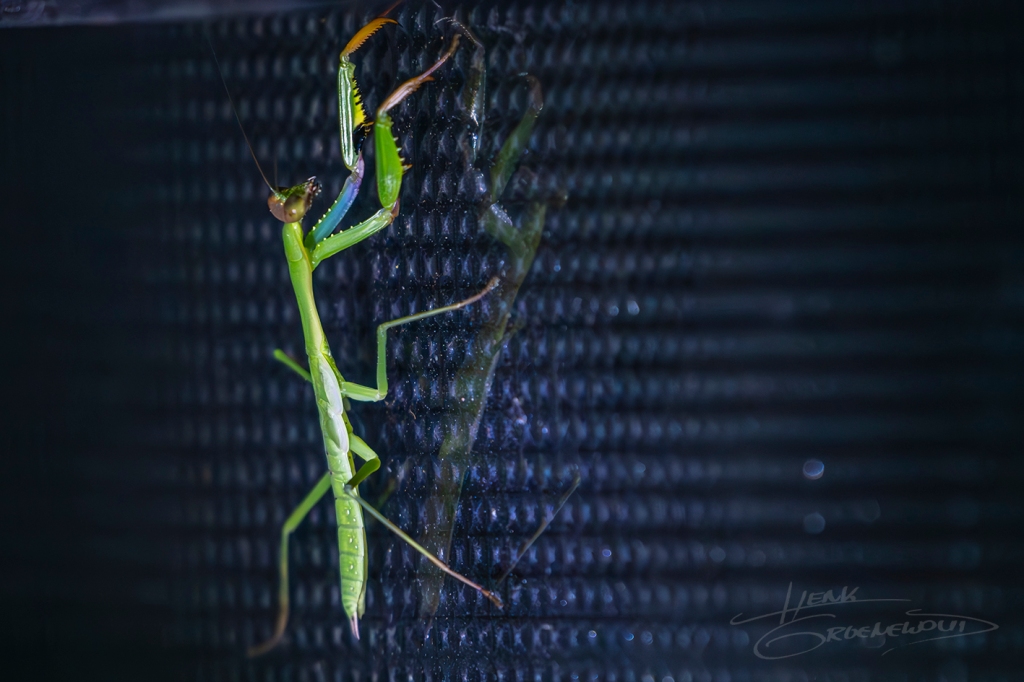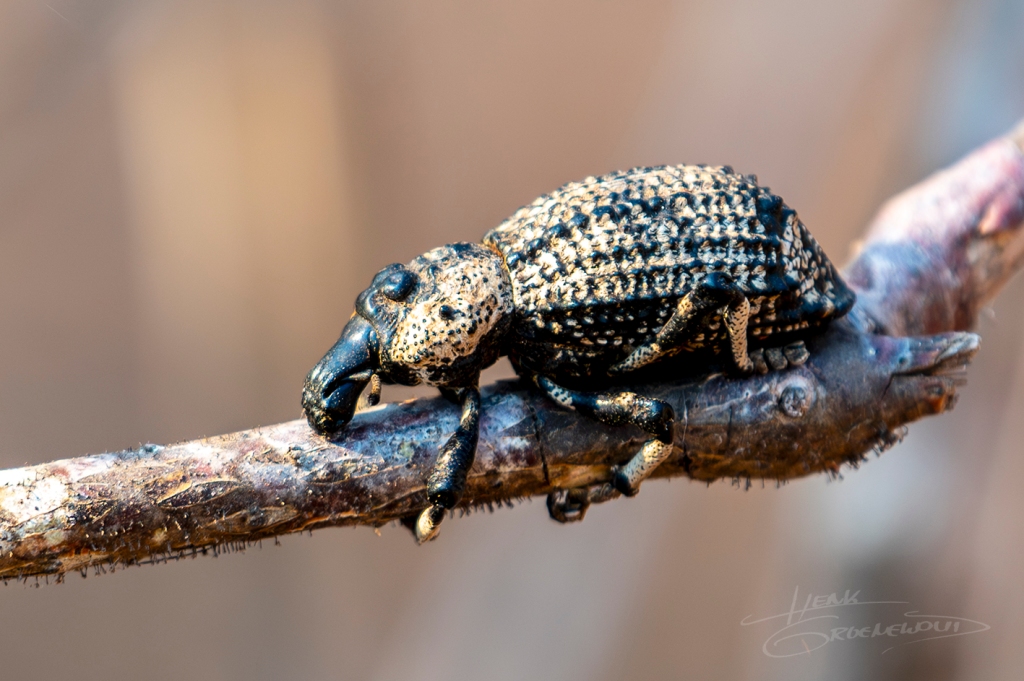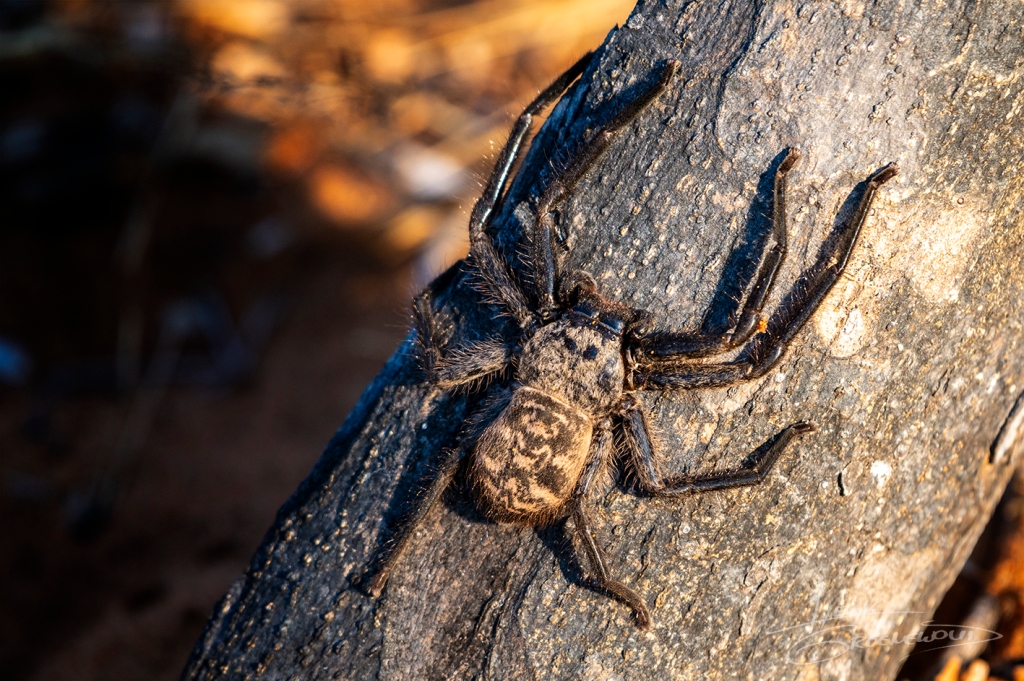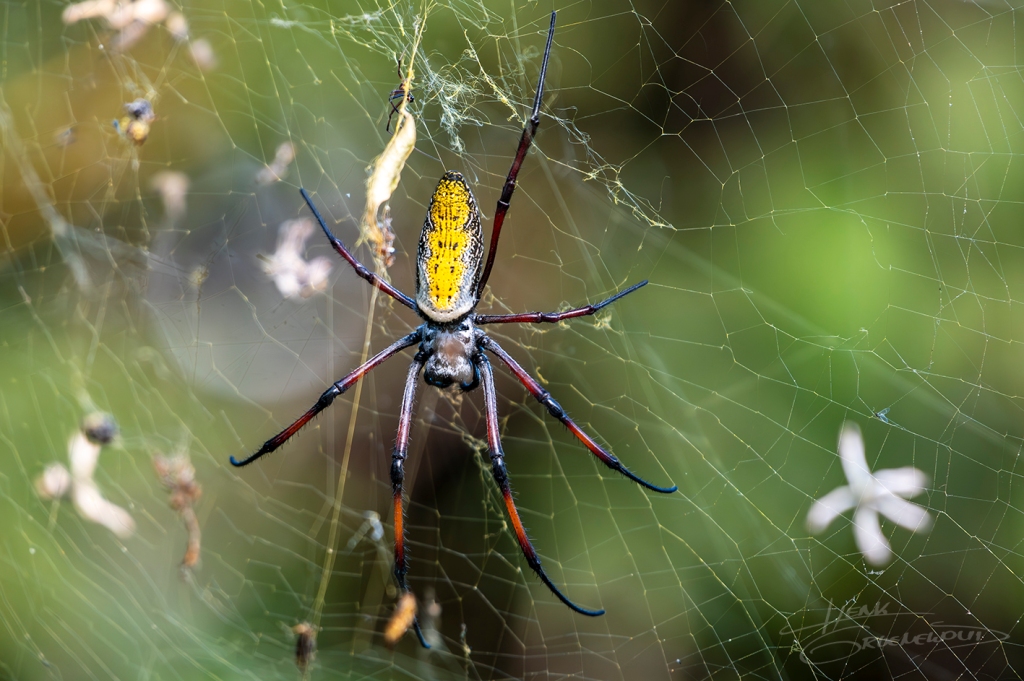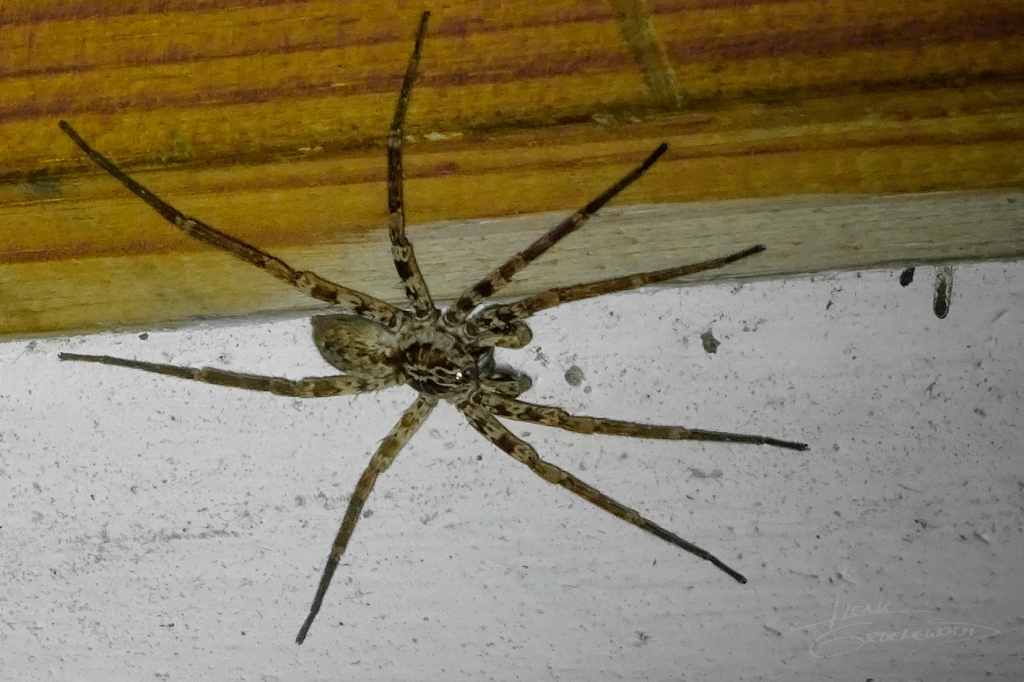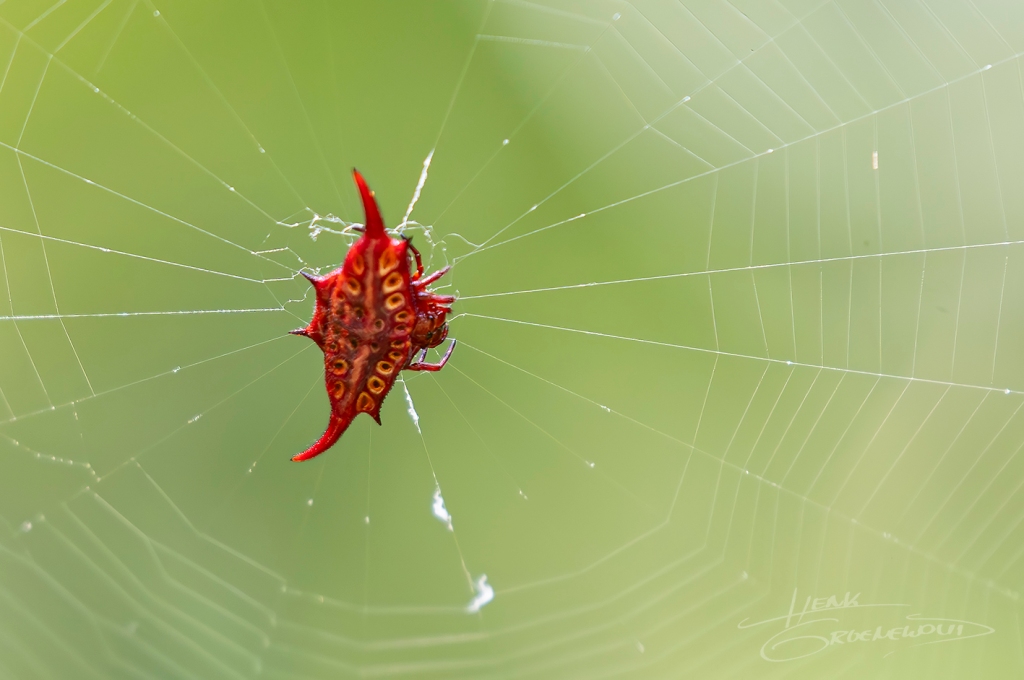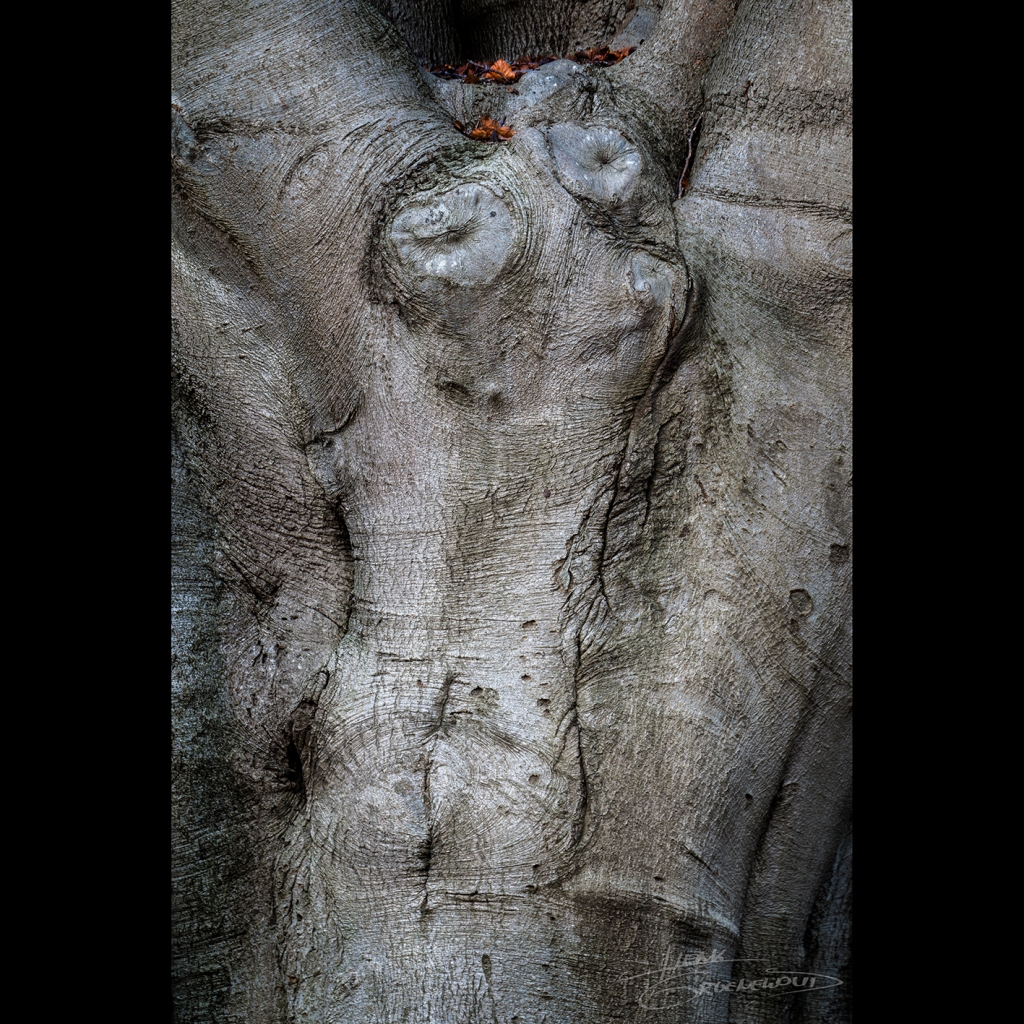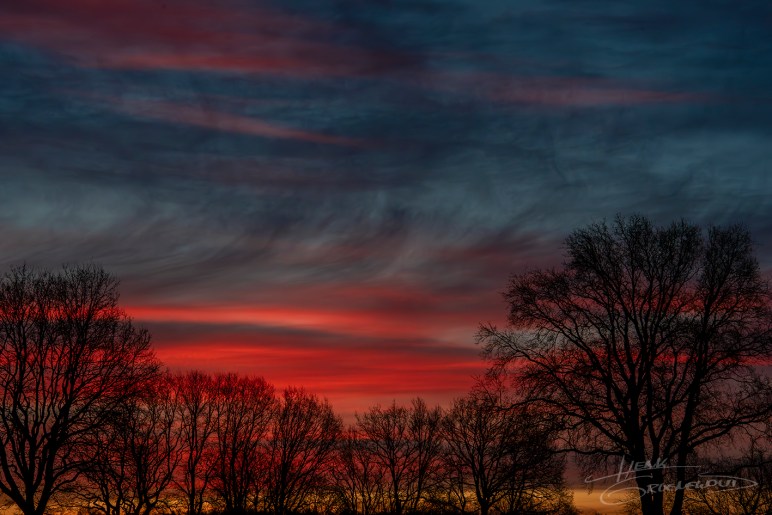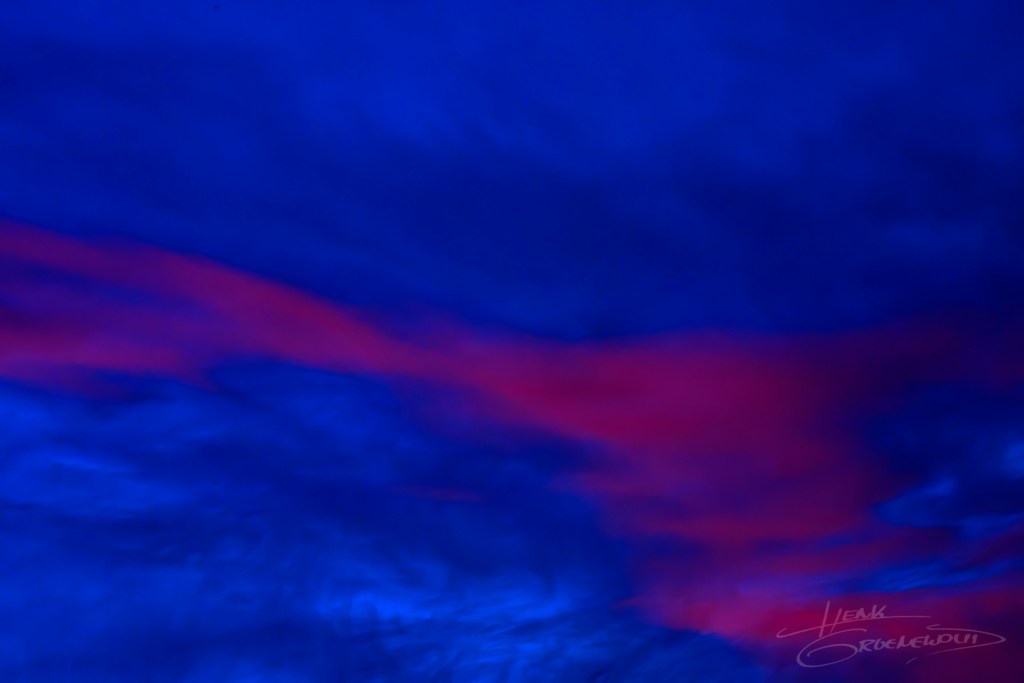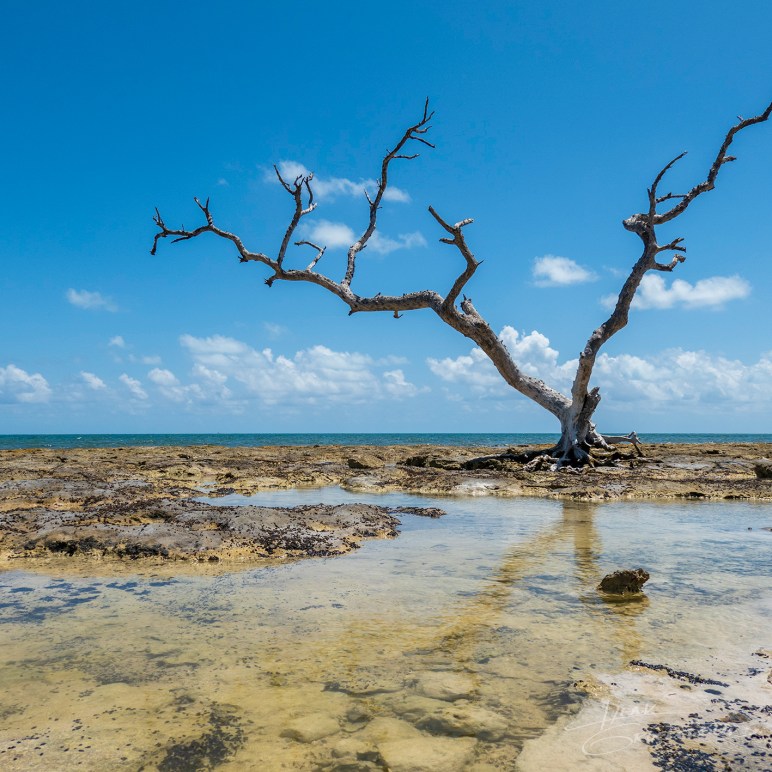
Today I went out for a personal challenge. To find and capture patterns in the world around and make an abstract of it. The beauty of the ordinary.
Found it!

Today I went out for a personal challenge. To find and capture patterns in the world around and make an abstract of it. The beauty of the ordinary.
Found it!
Back to Madagascar. Lots and lots of chameleons, lizards, frogs and snakes. Too much, I’d say. So here’s a whole bunch of them. Pay attention to the perfect disguise of the different chameleons (the smallest less than 5 cm!), the mossy leaf-tailed gecko’s, the beautiful frogs…
And did you know they even have Nile crocodiles? It’s all too much!


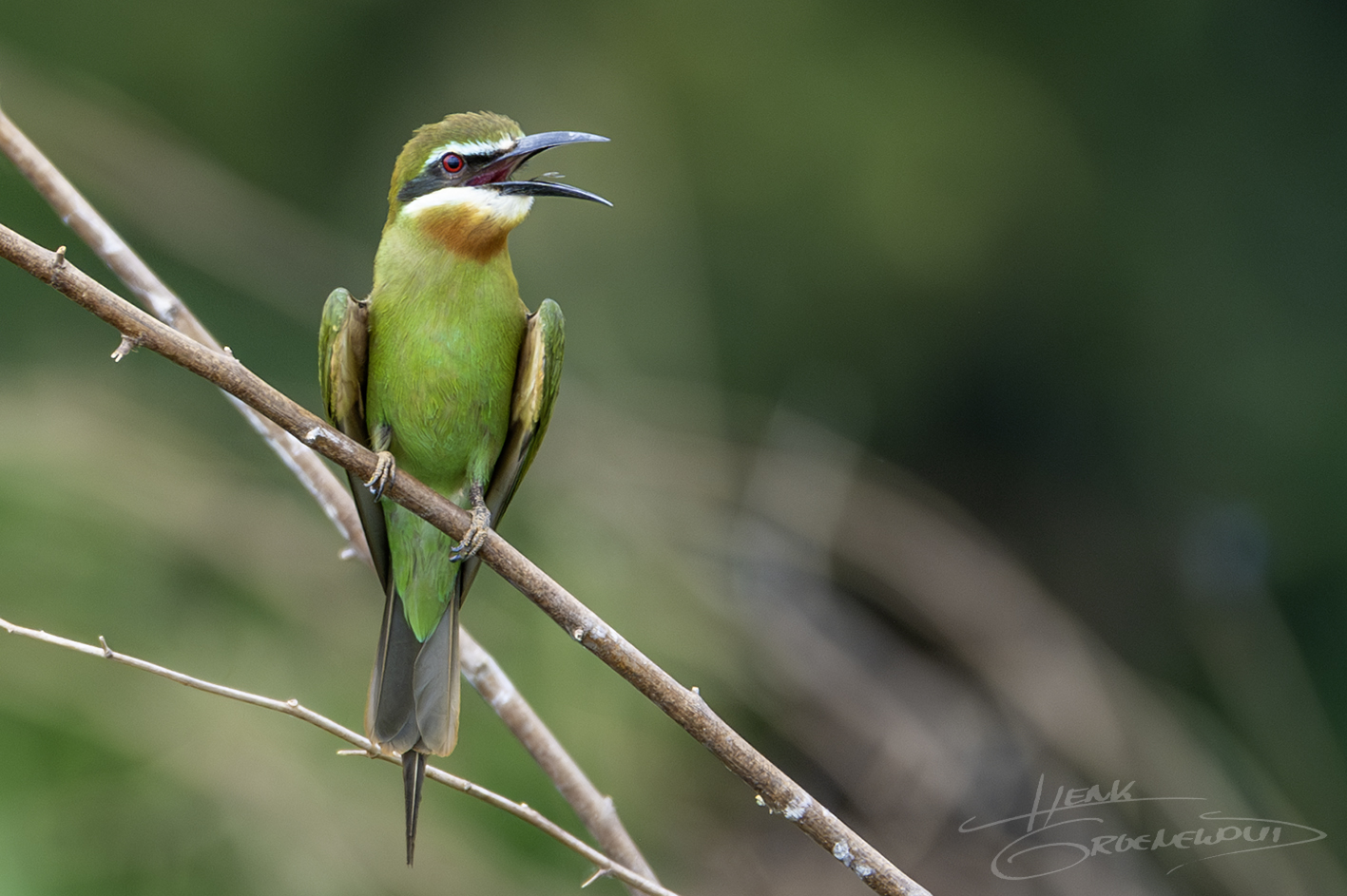
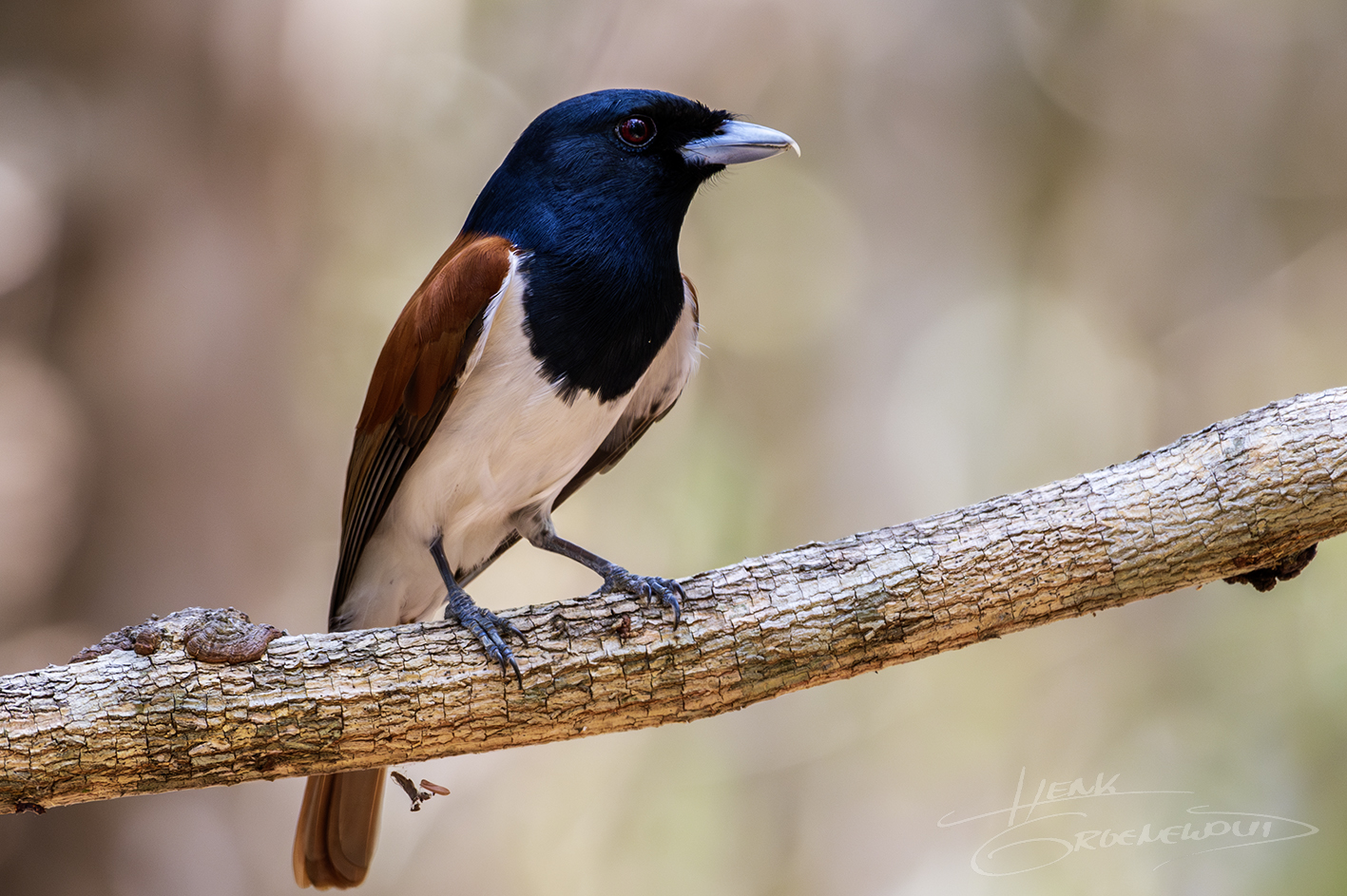
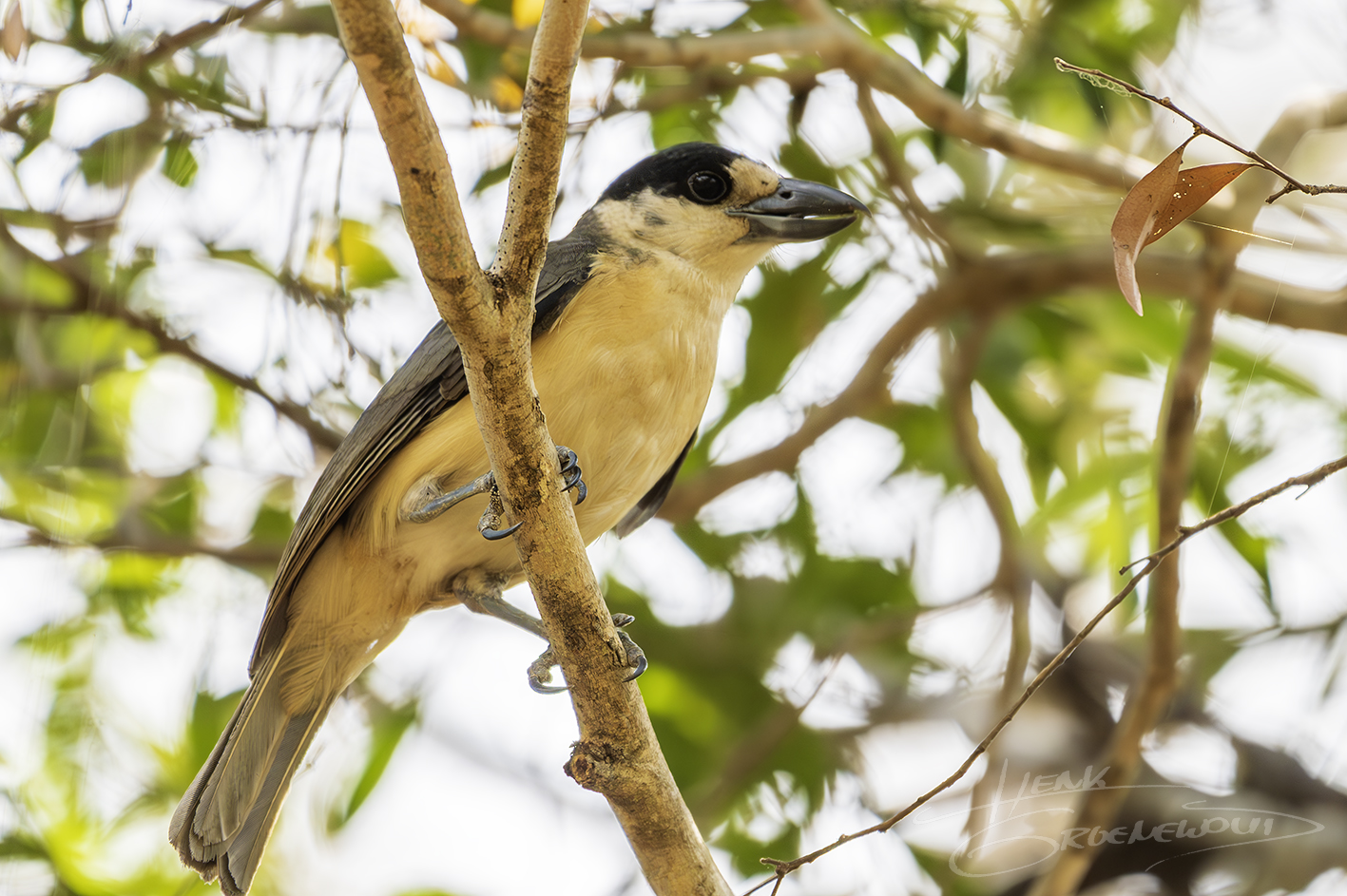
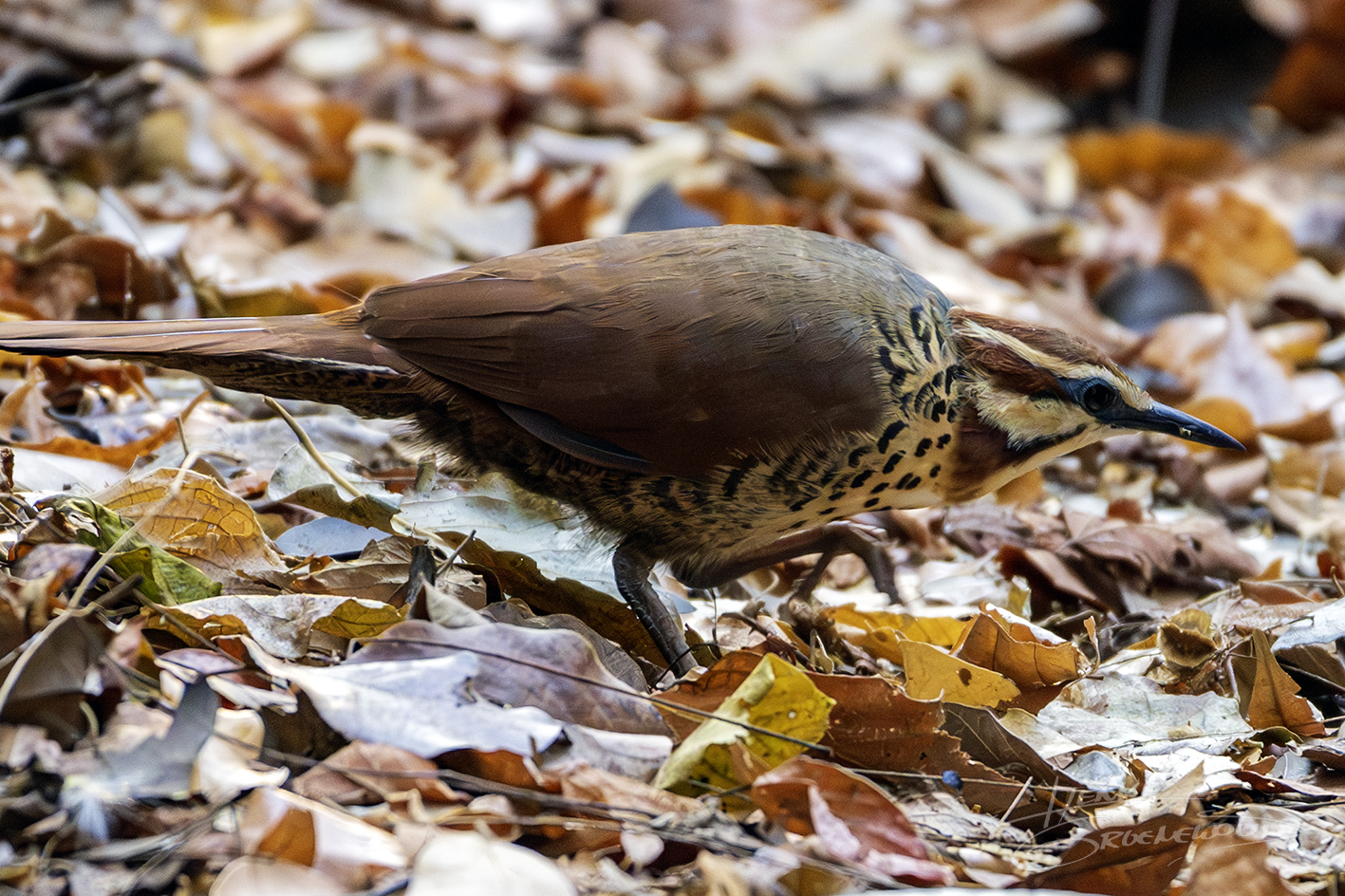
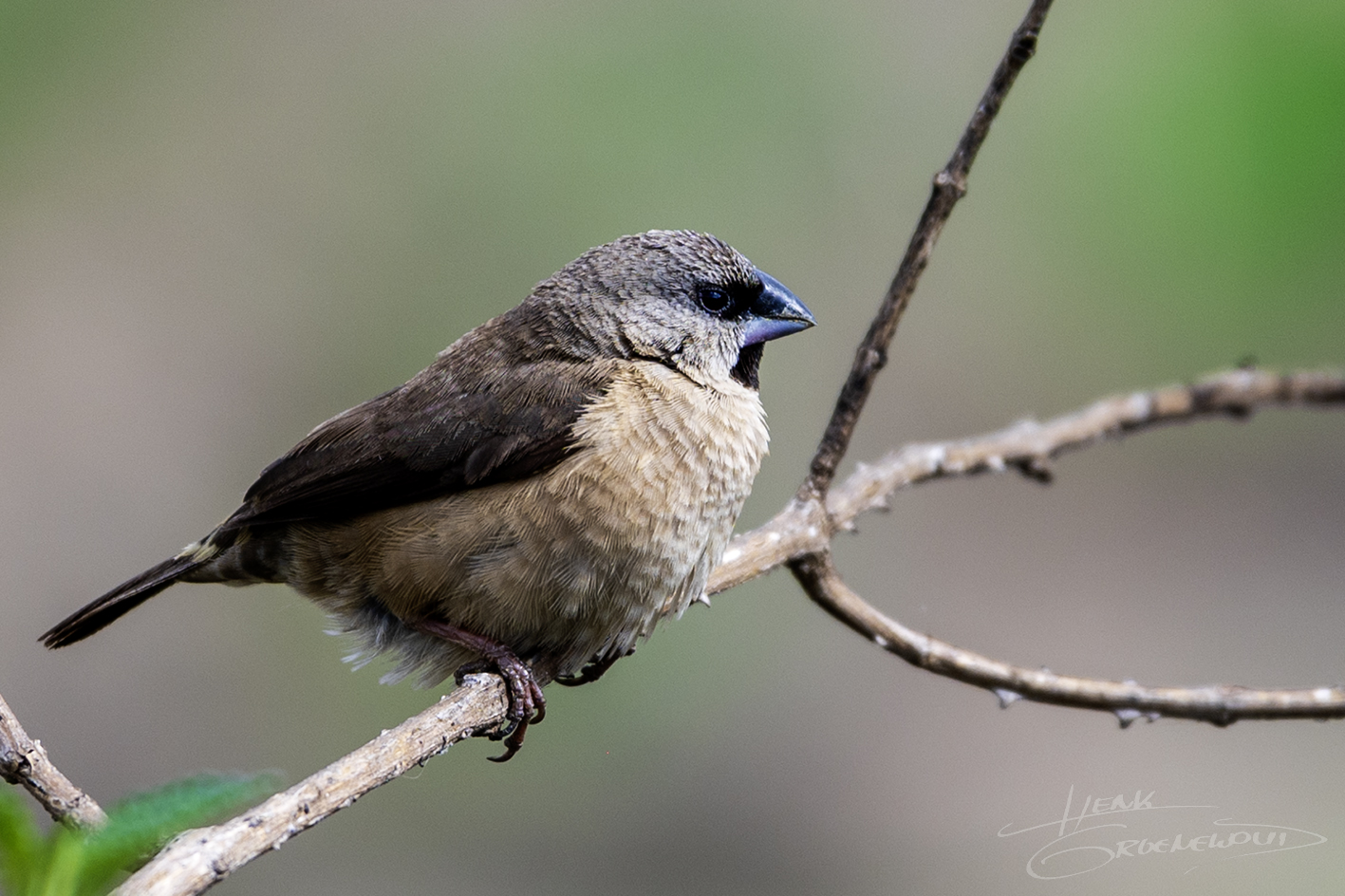
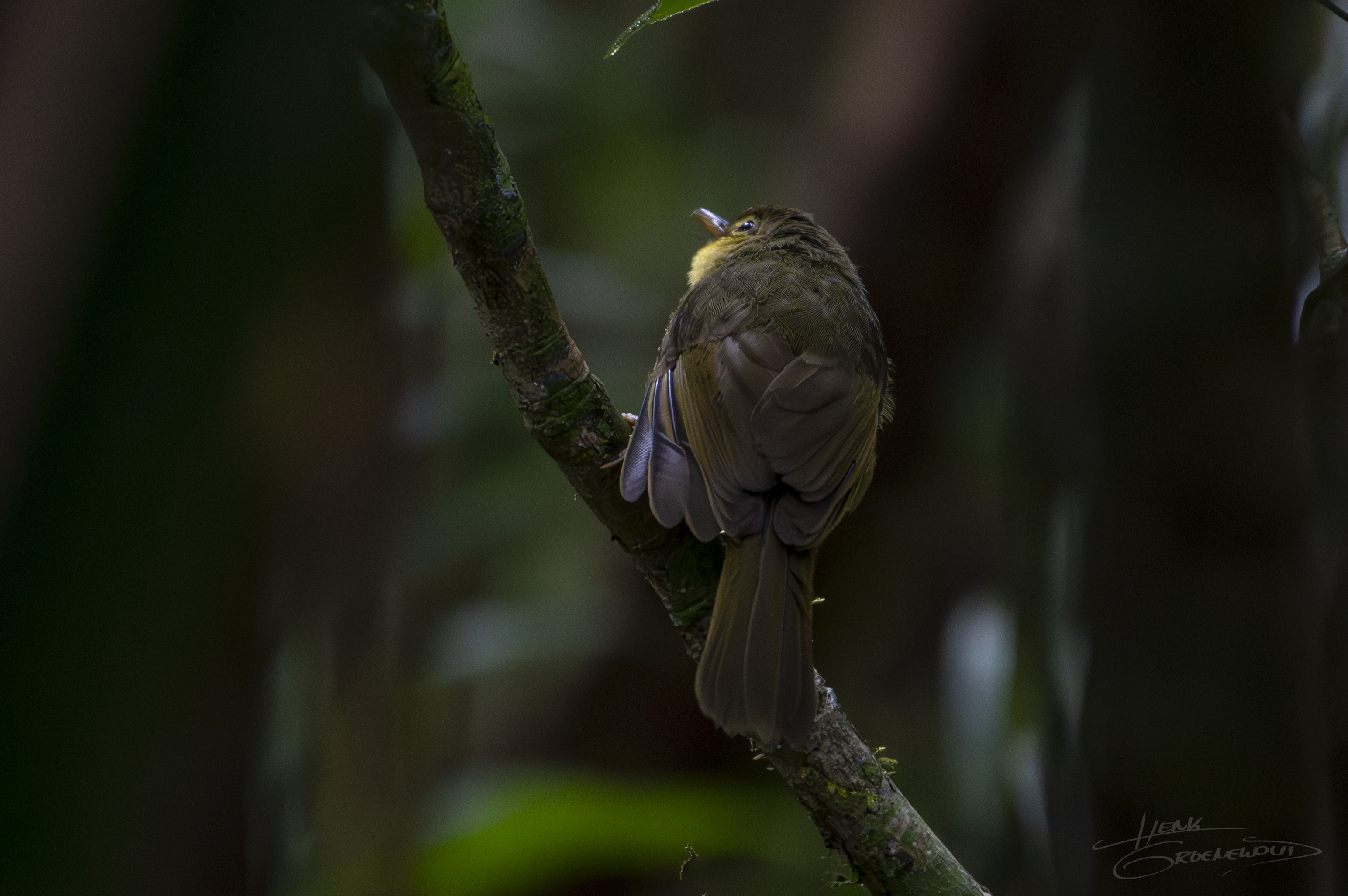
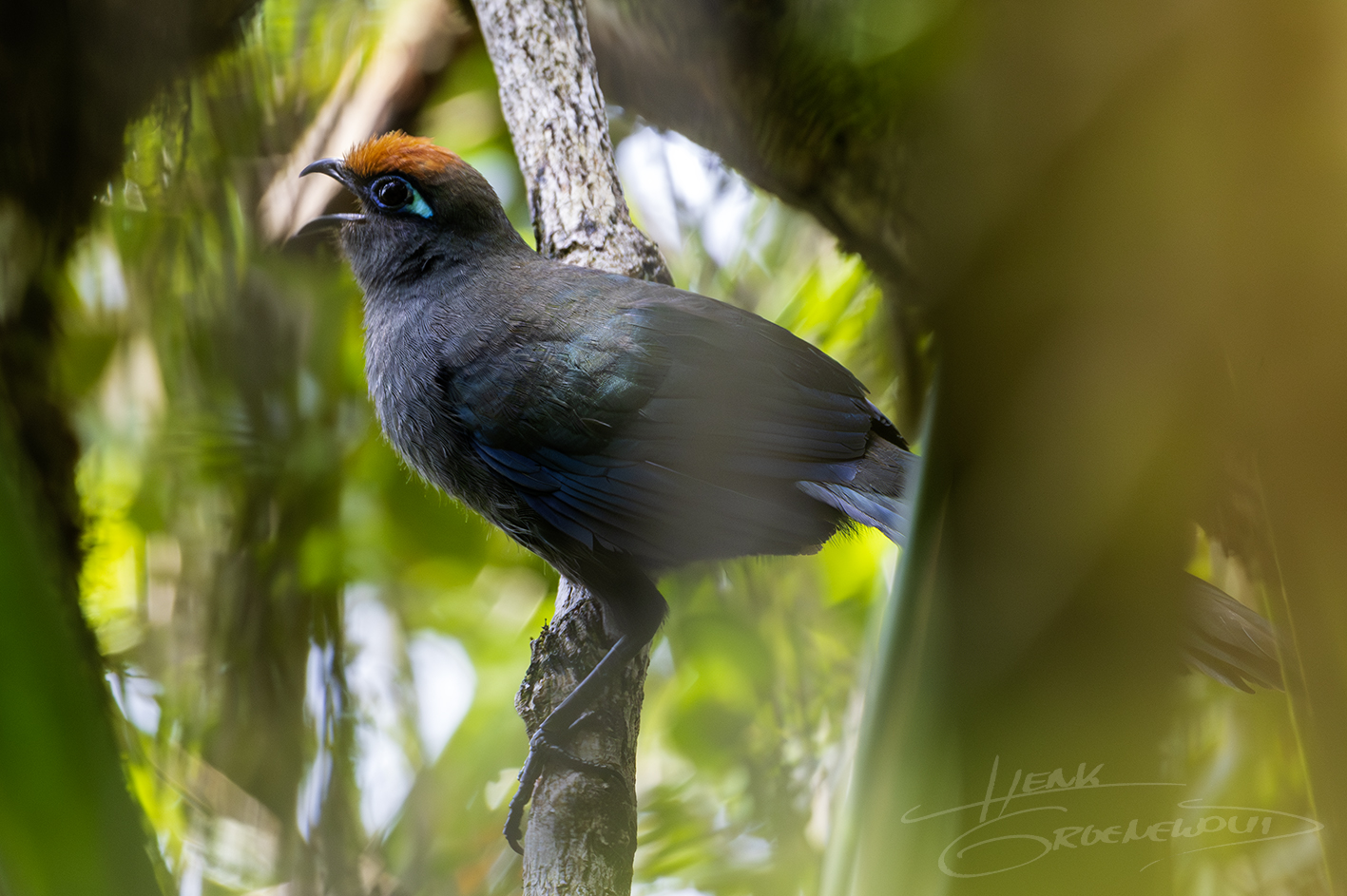
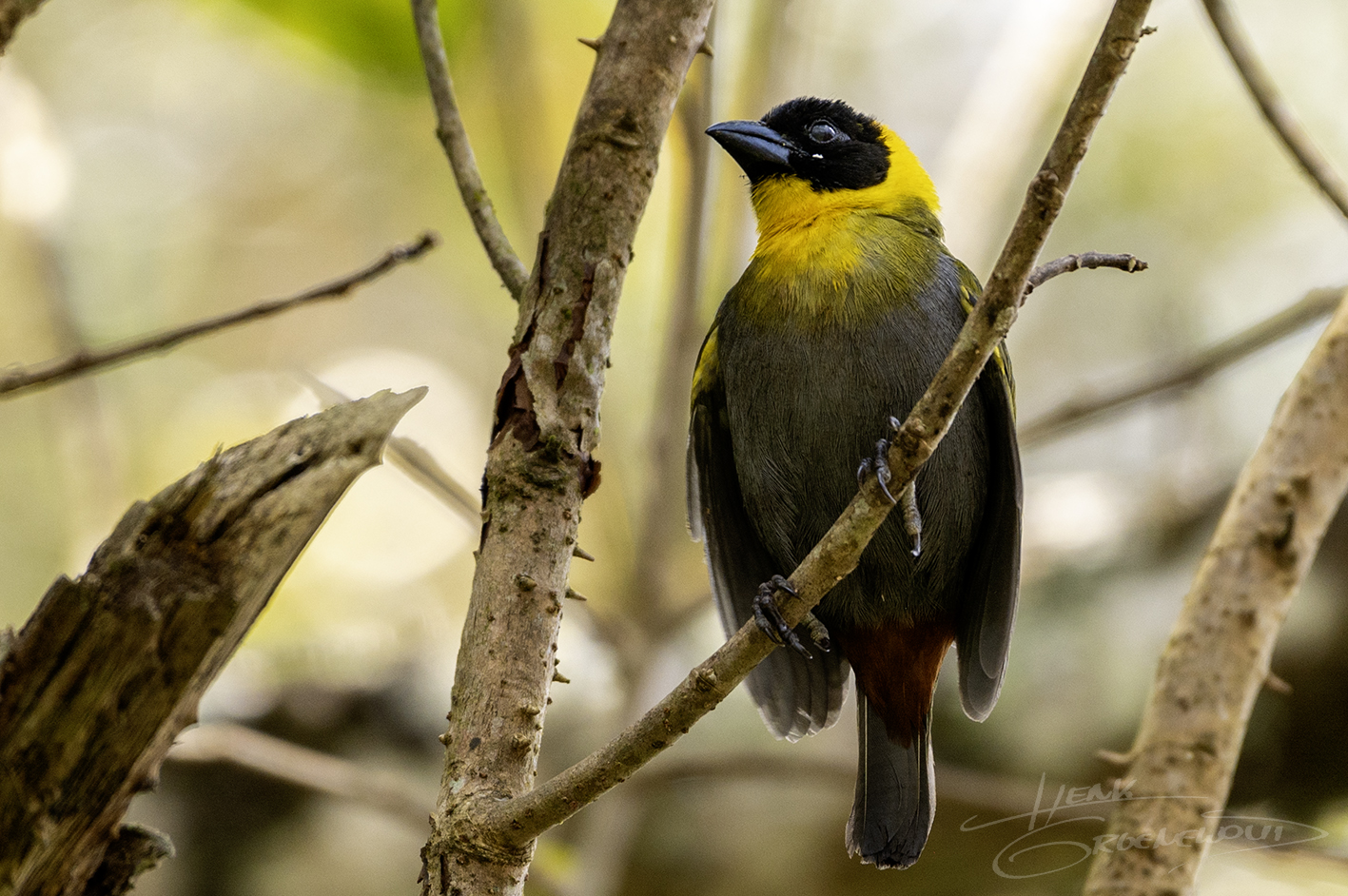
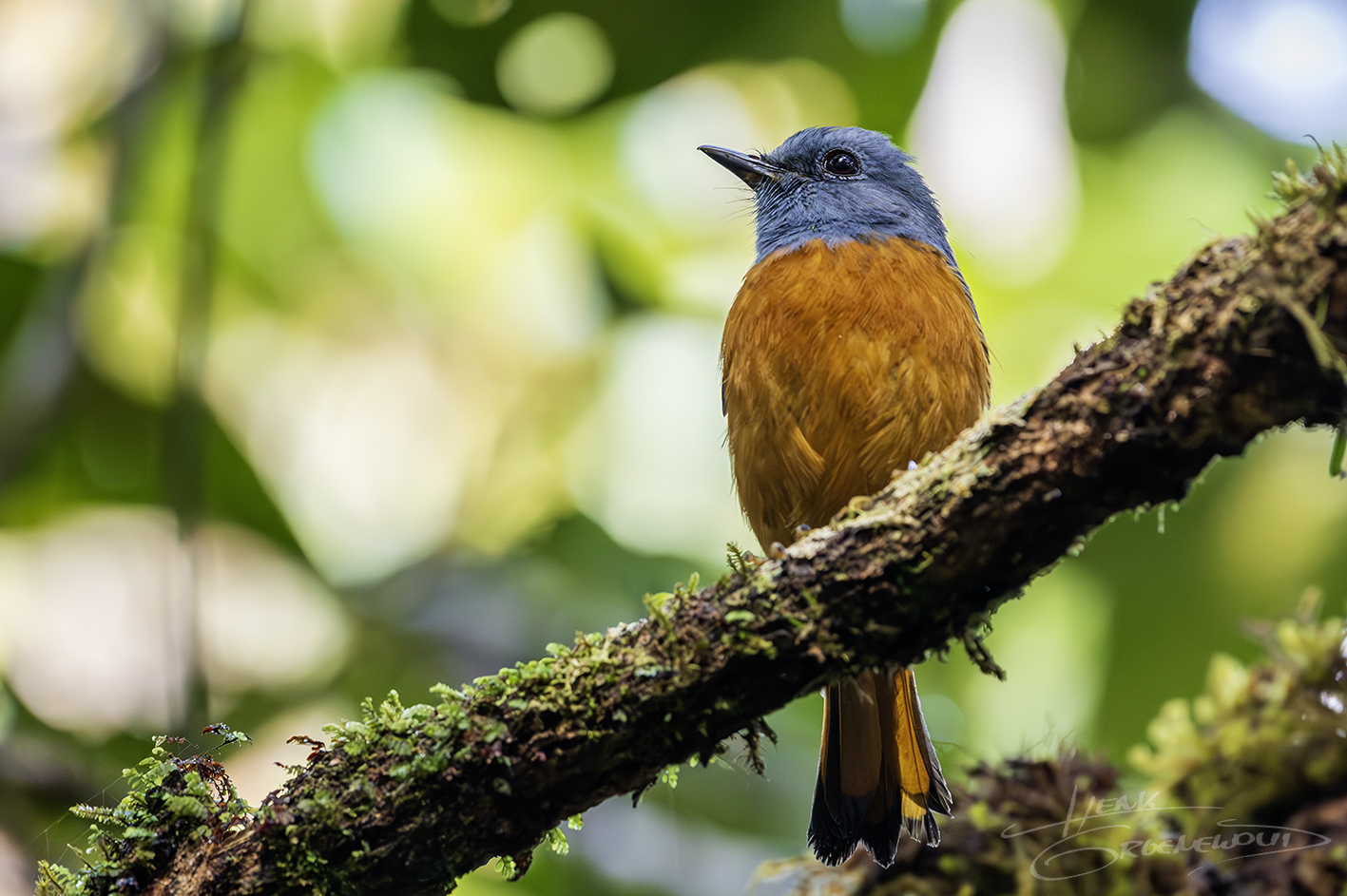
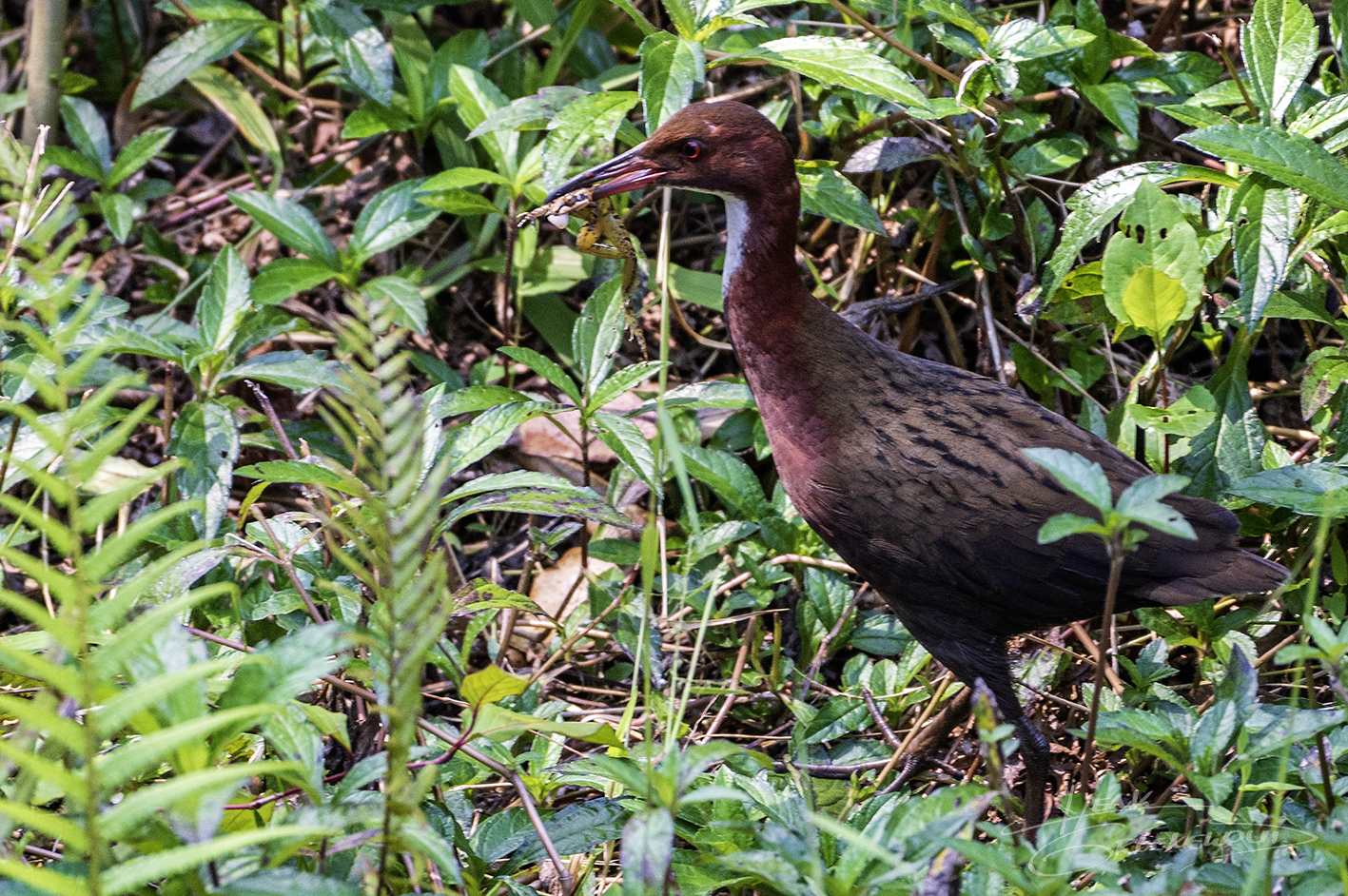
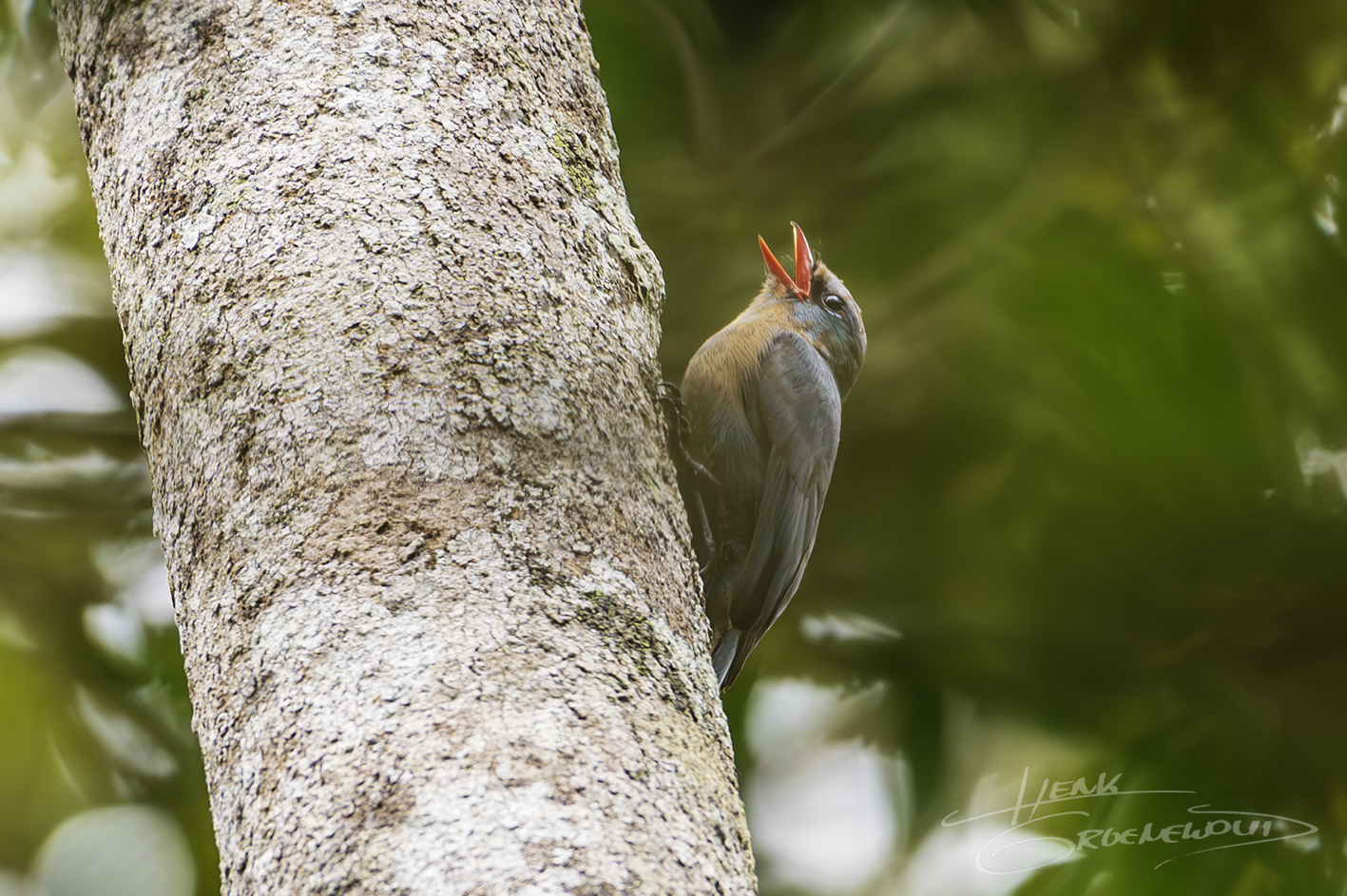
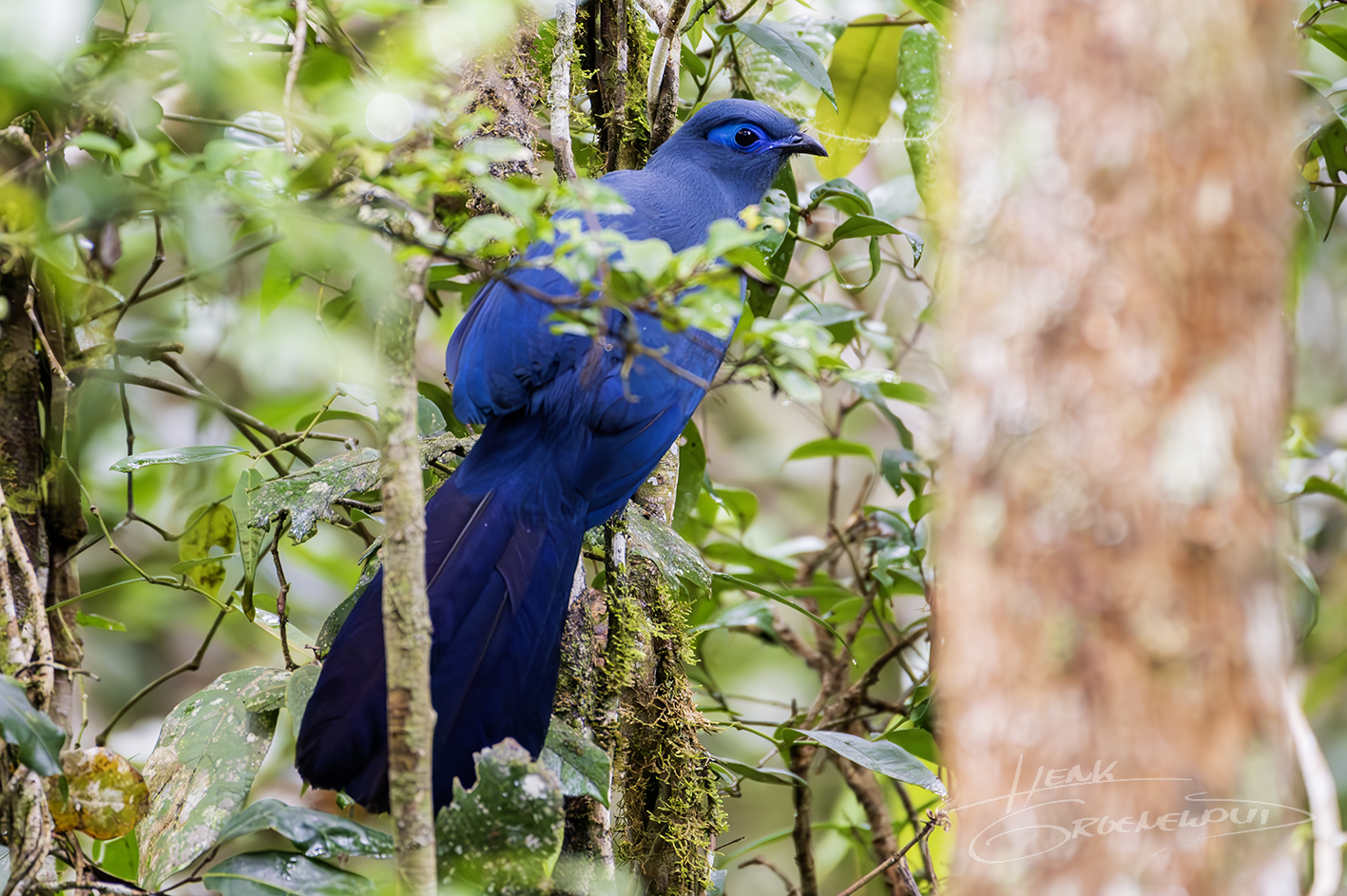
Yes, it was a birding trip to Madagascar. So it’s about time to show some of the beautiful birds that live there. Almost all of them endemic to the island as well, just as the lemurs. First the Madagascar Pygmy kingfisher Corythornis madagascariensis. An amazing success of our guide ‘Jacana’, who was able to spot this tiny bird in the trees of the rainforest

There is another kingfisher that looks a lot like our Eurasian kingfisher. At first glance they appear to be the same. But look closely: there is no blue cheek and less white on the chin. It’s a Madagascar malachite kingfisher Corythornis vintsioides

Incredibly graceful these Madagascar paradise flycatchers (Terpsiphone mutata mutata). Same species, white and brown morph


The Madagascar crested ibis Lophotibis cristata; quite shy and difficult to find. It took several days of searching before he showed up. “It has always been an endangered species,” the guide said, “but when the Covid pandemic broke out and tourists didn’t come anymore, lots of them were eaten…”

The hoopoe! And again an endemic: the Madagascar hoopoe Upupa marginata. I’m afraid I don’t see the difference with the Eurasian hoopoe

Souimanga sunbird – Cinnyris souimanga. That reflection of light on the feathers!

Another colourful bird: the Pitta-like ground-roller Atelornis pittiodes. Also very difficult to find, as he is walking in dense dark forests. So many colours: Green wings, ruby breast, blue spotted head… truly amazing

The family of rollers is one of my favourites. This is a Broad-billed roller Eurystomus glaucurus, mostly brown but it has beautiful blue feathers in the wings and tail

Last one for now: two Madagascar scops owls Otus rutilus happy together


Lemurs are prosimians (halfapen) – they belong to the primates with probably the same common ancestors as apes, but as the apes continued to develop larger brains and a flatter snout, the lemurs kept their original character. Lemurs only live in Madagascar and surrounding islands; they are endemic there. There are five families still alive with dozens of species – often seriously endangered, as the total number of lemurs is estimated to have fallen with more than 95% in the last two decades


Rufous mouse lemur (Microcebus rufus)

Petter’s sportive lemur (Lepilemur petteri)

Crossley’s dwarf lemur (Cheirogaleus crossleyi)

Small-toothed sportive lemur (Lepilemur microdon)

Brown lemur (Eulemur fulvus)

Woolly lemur (Avahi spp.)

Ring tailed lemur (Lemur catta)

Ring tailed lemur (Lemur catta)

Brown lemur (Eulemur fulvus)

Red-bellied lemur (Eulemur rubriventer)

Coquerel’s Sifaka (Propithecus coquereli)

Diademed sifaka (Propithecus diadema)

Black and white ruffed lemur (Varecia variegata)

Grey bamboo lemur (Hapalemur griseus)

Grey bamboo lemur (Hapalemur griseus)

Indri (Indri indri)

Very curious Red-bellied lemurs (Eulemur rubriventer)

Just too cute! One last Coquerel’s sifaka (Propithecus coquereli)
Anderhalve week geleden bracht ik met collega’s een werkbezoek aan kolonies van de plaagmier (Lasius neglectus) en het mediterraan draaigatje (Tapinoma nigerrimum). Onder leiding van Jinze Noordijk van EIS Kenniscentrum insecten werden een woonwijk, een duingebied en een tuincentrum bezocht.

Na het oplichten van wat stoeptegels is een stukje zichtbaar van de kolonie, die zich hier uitstrekt over de hele woonwijk. De bewoners ervaren veel overlast

Snel worden alle eieren, poppen en larven in veiligheid gebracht

Even kijken hoe ze bijten

Groot was het enthousiasme toen Jinze in één van de nesten ook twee mierengoudvisjes (Atelura formicaria) vond. Deze soort is pas kort geleden in Nederland ontdekt (zie Nature Today en het wetenschappelijk artikel)

I forgot. Didn’t see it coming…

Water everywhere…

Swim!

Breathe…

Float…

Washed ashore

My oh my, how beautiful can a sunset be?
Yesterday evening at Bergen aan Zee, Noord-Holland


Heb je Hockney’s landschappen van Yorkshire wel eens gezien? Kleurige velden en wegen lijken om elkaar te dansen en spelenderwijs om aandacht te vragen.

Afgelopen maand ben ik weer naar Frankrijk gegaan, fietsend over steile hellingen en zoekend naar dergelijke patronen in het landschap: boerderijen, houtwallen, percelen als een mozaïek door de geschiedenis neergelegd. Laat u niet bedriegen door het oog van de camera dat het landschap wat afstandelijk waarneemt: de fietser weet dat er hier wel degelijk behoorlijk steile hellingen zijn bedwongen. Jawel, ook die berg op de achtergrond!
(en dit is voorlopig de laatste met het thema Hockney)

Forest paths are a recurring theme in Hockney’s work. Shall I go left or right? Sometimes Hockney’s paths are mirrored, and a choice seems to make no difference.

Photo collages or ‘joiners’ are another recurring element. Sometimes to show one subject from different perspectives, sometimes to indicate the passage of time at a glance.

To me, forest paths are the perfect metaphor for choices that life sometimes unexpectedly presents. The mind craves rational choice, but you can never see beyond the first few trees. And in the end you always end up somewhere.

I must have been about 10 years old when we spent the holidays in Bergen near the North Sea (Netherlands). One night my father woke me up: “Get up! Put your shoes on, we’ll go to the beach!”
“Why?” did I ask, still very asleep.
“We are going to watch the light of the sea!”

It had been hot and windless all week. Ideal conditions to see sparkling sea turning the beach into a magical place. The waves radiated a blue light. As you moved through the water, blue light rippled around you. And as you walked over the wet sand, a trail of glowing footsteps slowly died out behind you. Zeevonk, it’s called in Dutch

The light comes from the alga Noctiluca scintillans, which emits a bluish light when moved. Earlier I told about the herrings in my fridge that gave light – probably also caused by the ingestion of these algae while swimming (see Luminescence).

All these years I hoped to one day see that light of the sea again. And last week I did. Not as exuberant as I remember; actually I would have walked right past it if another visitor hadn’t pointed out the puddle that the low tide had left on the beach. But I was just in time, for that night was the last that the phenomenon could be observed. So I am more than happy now, with some fresh memories.