Merritt Island. Too many bird, so I’ll skip a lot of them. Also some other creatures, such as manatees, turtles, tortoises, spiders…
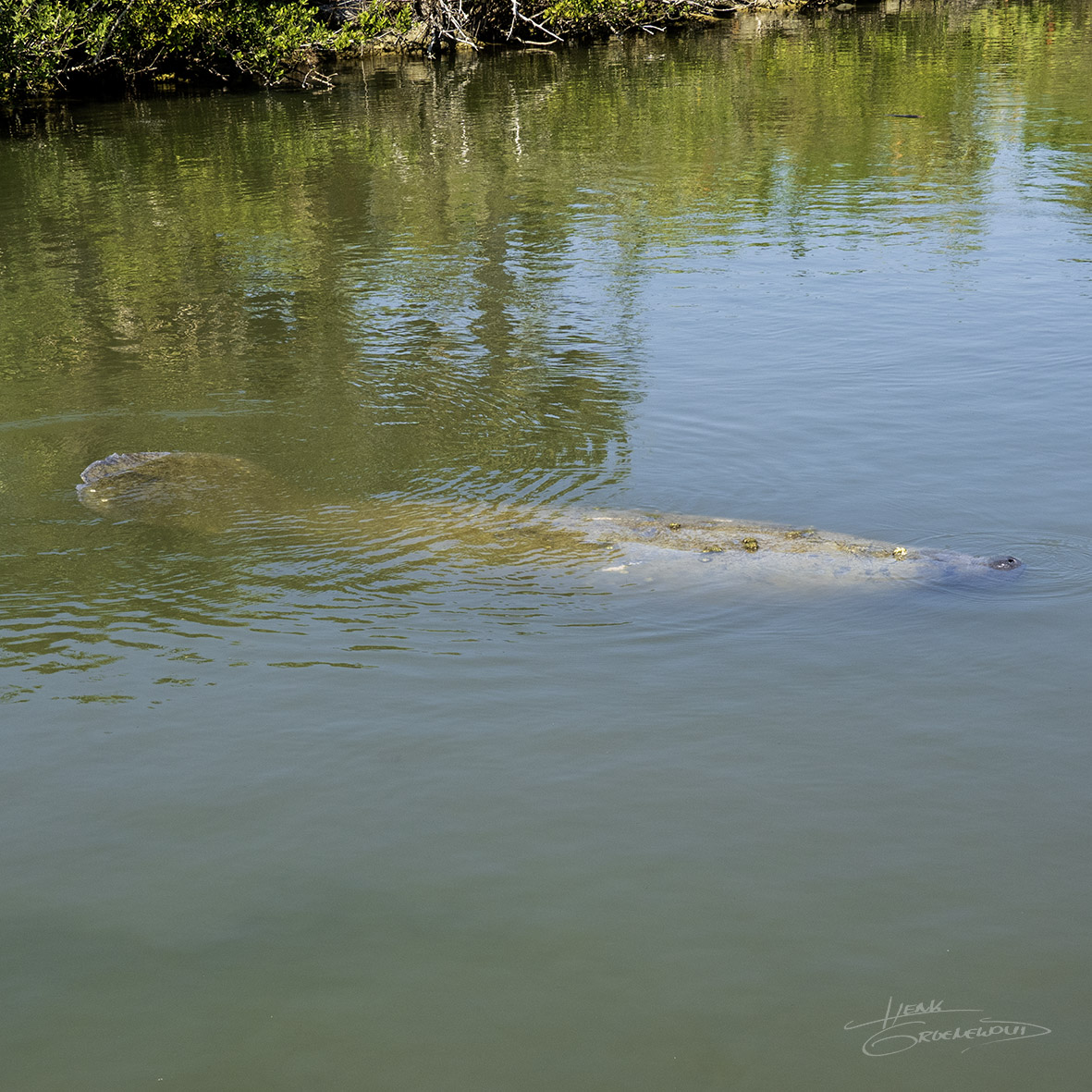


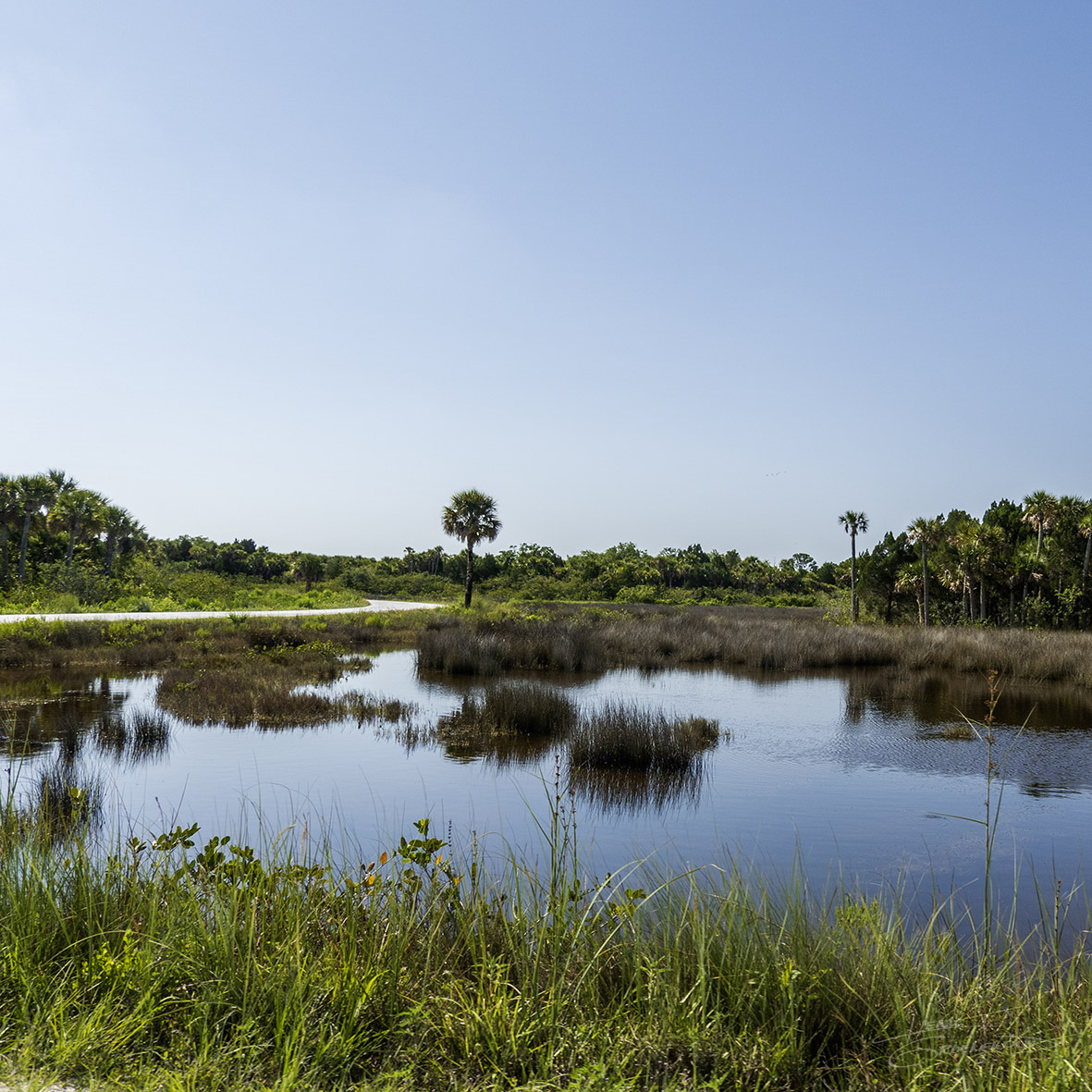
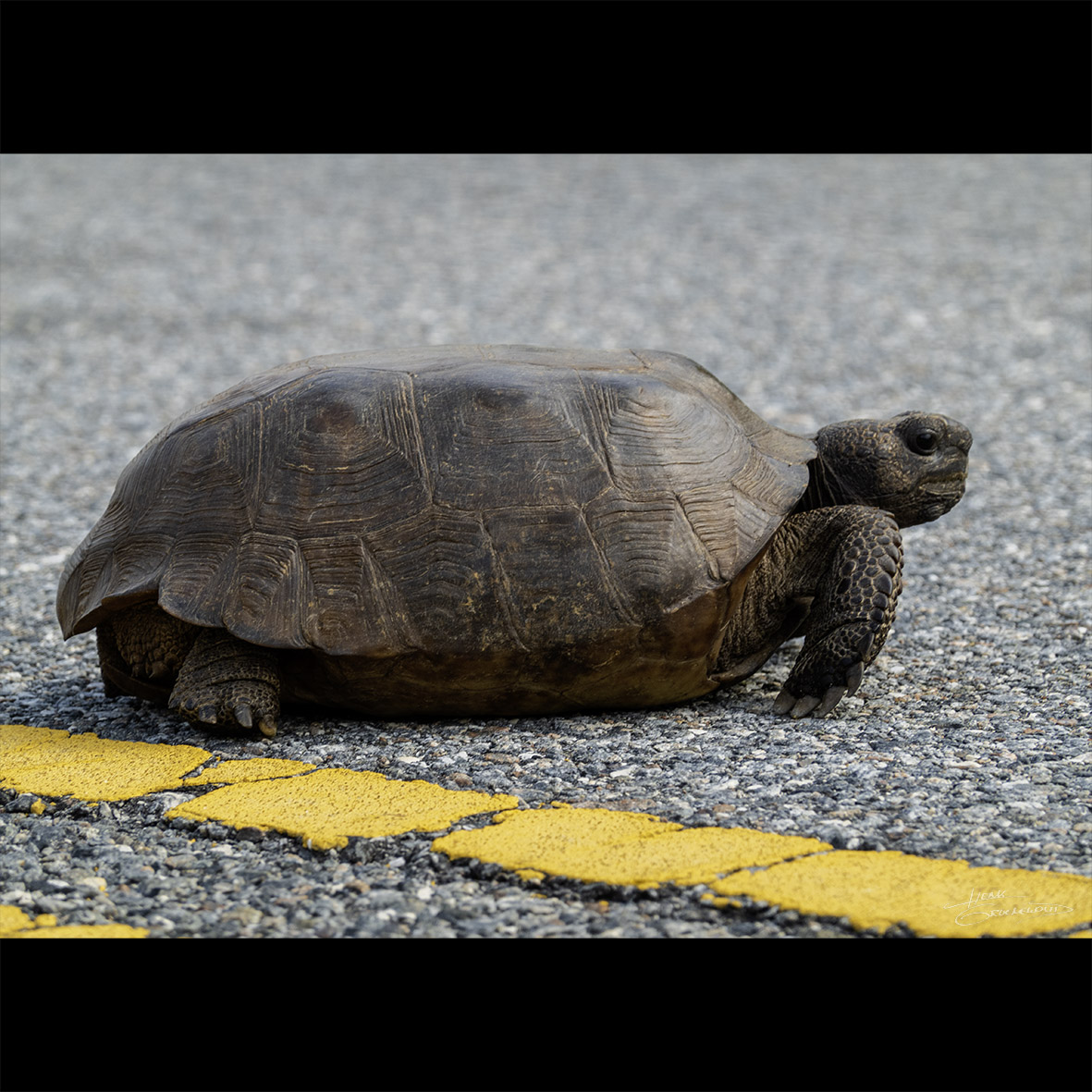
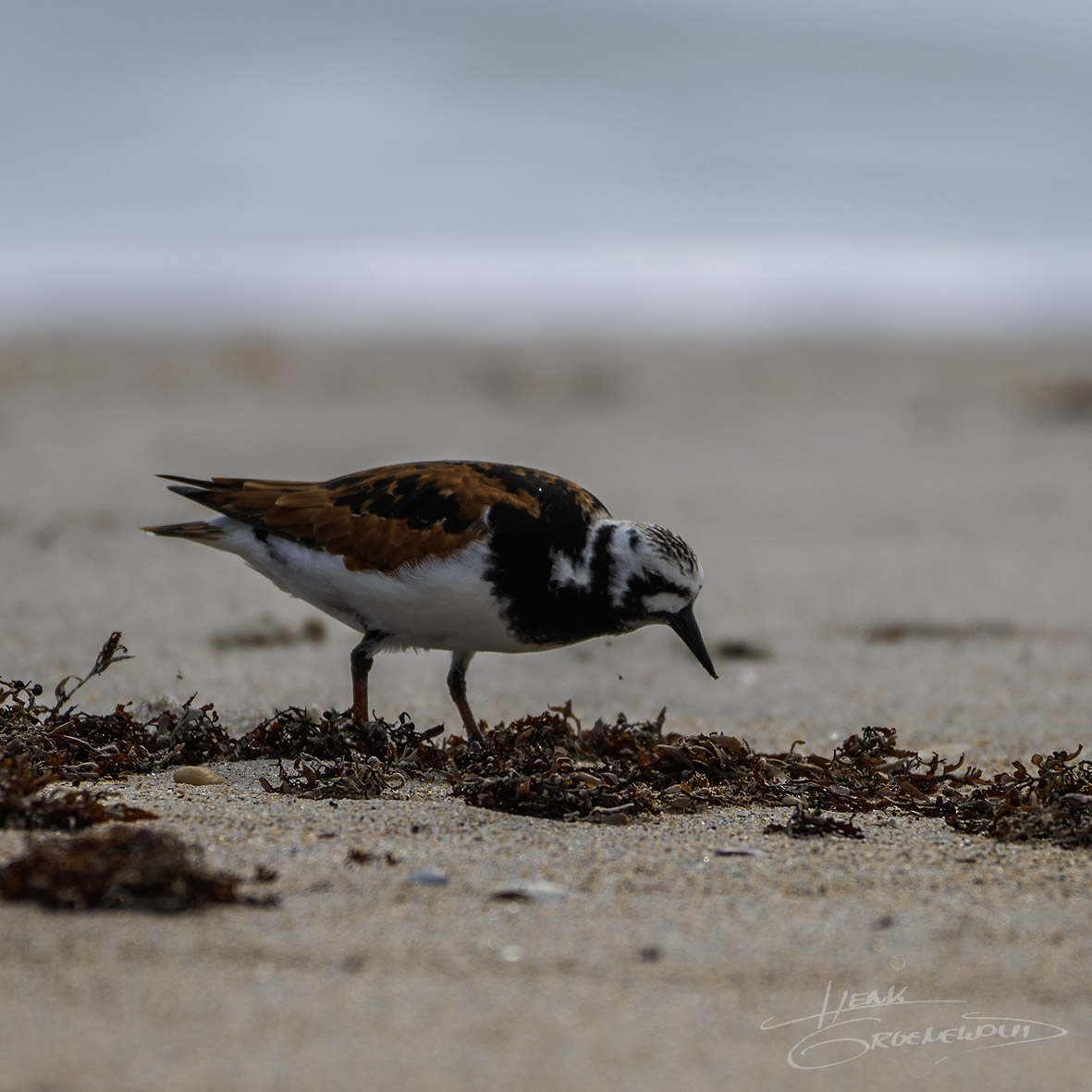
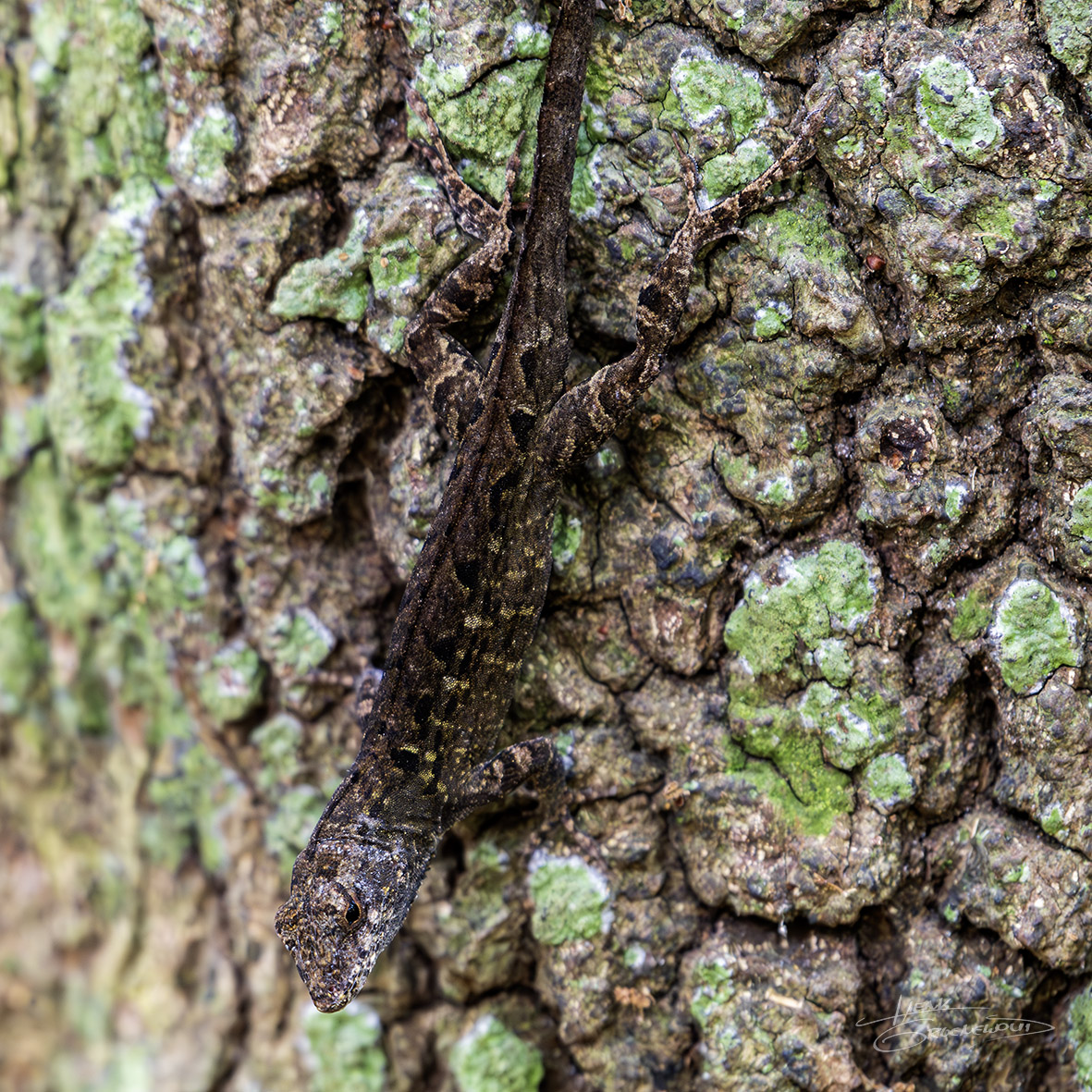

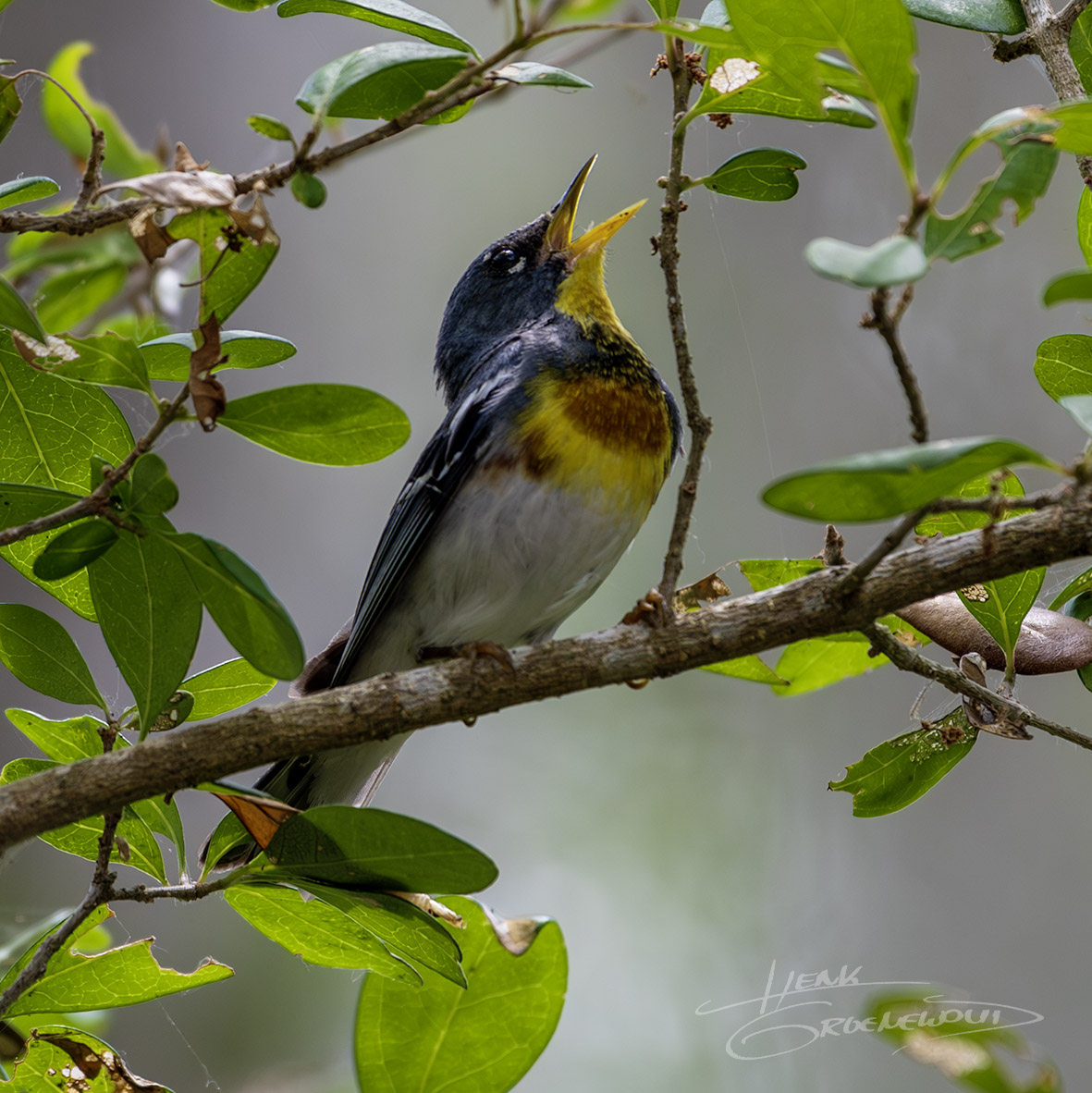
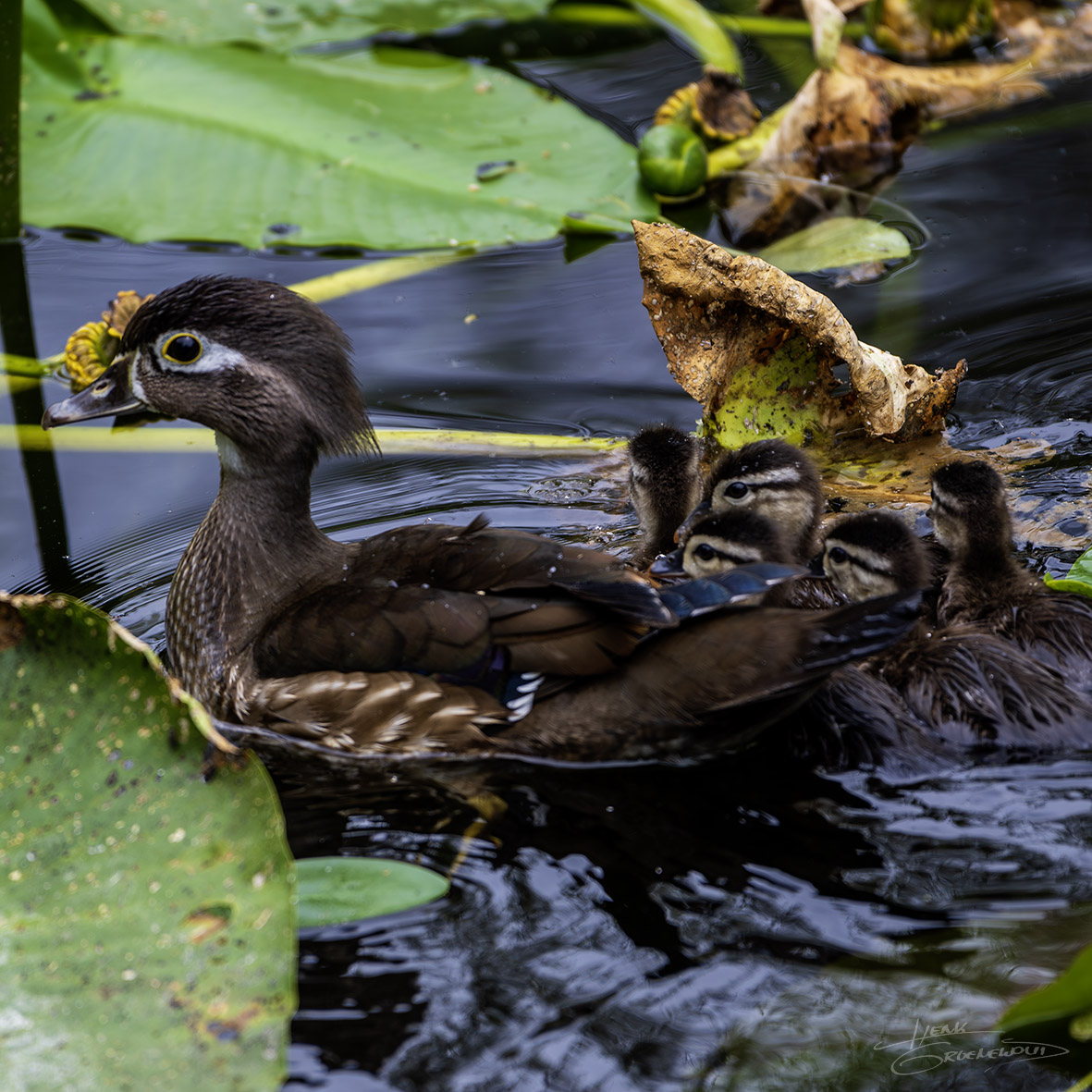
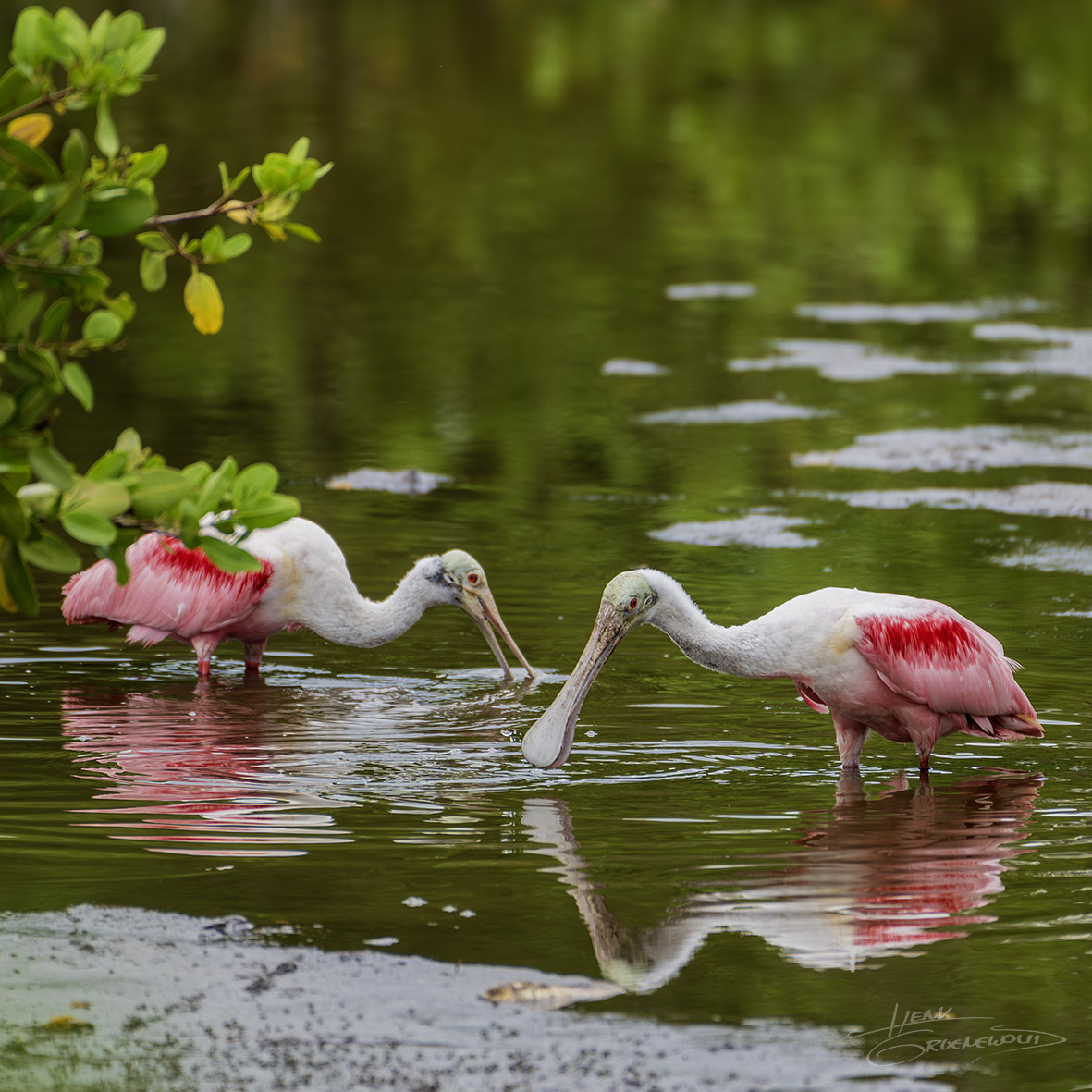
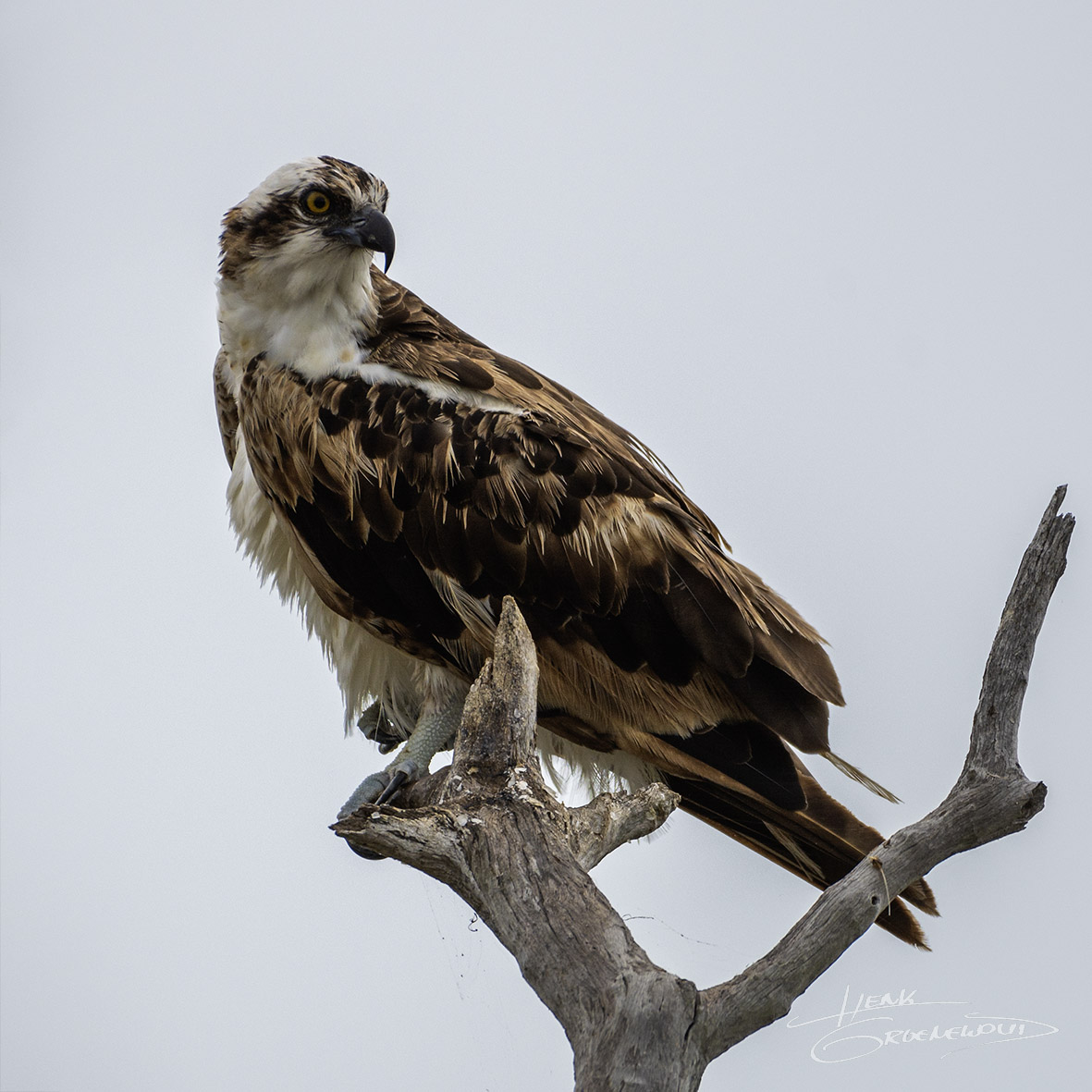
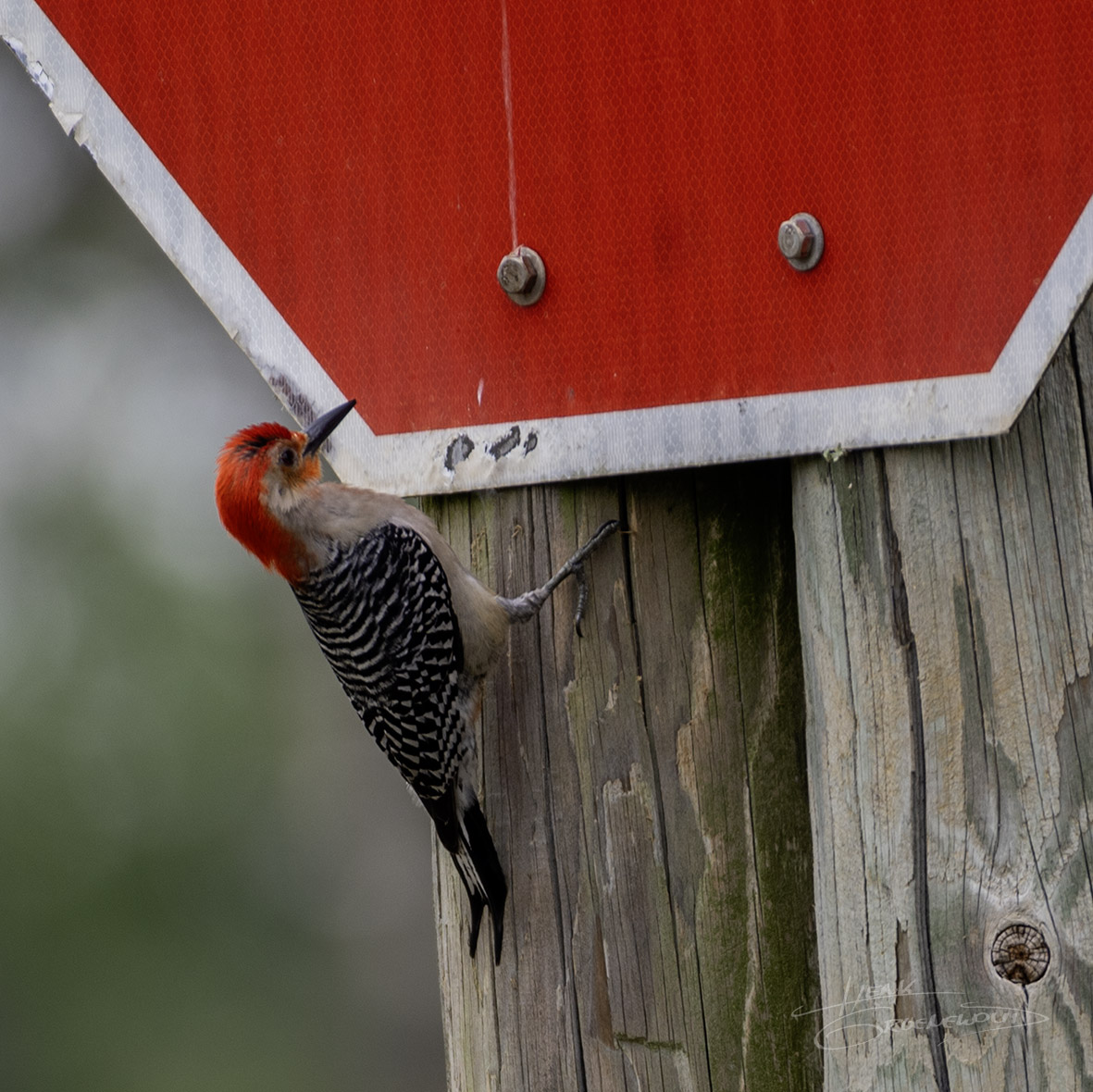
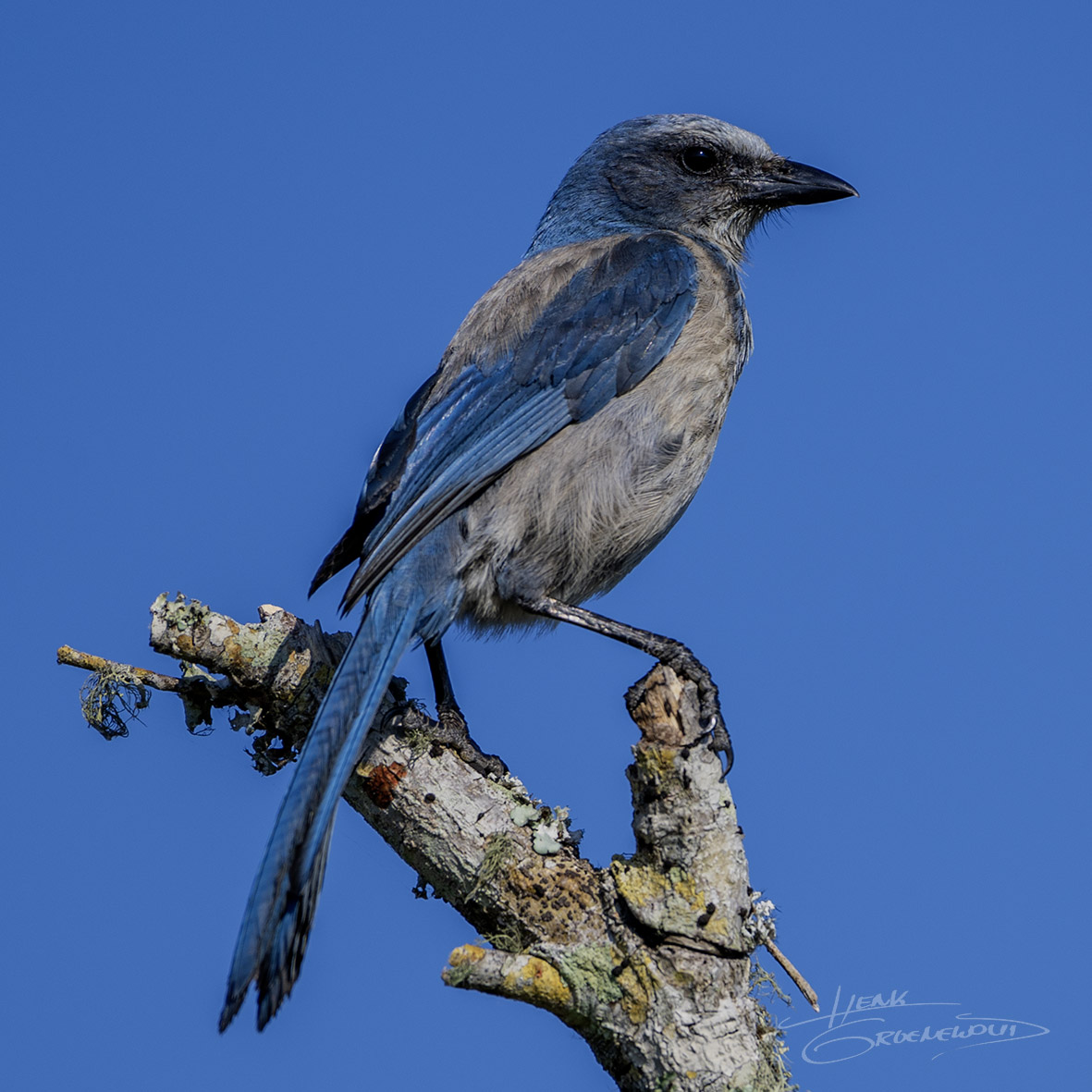
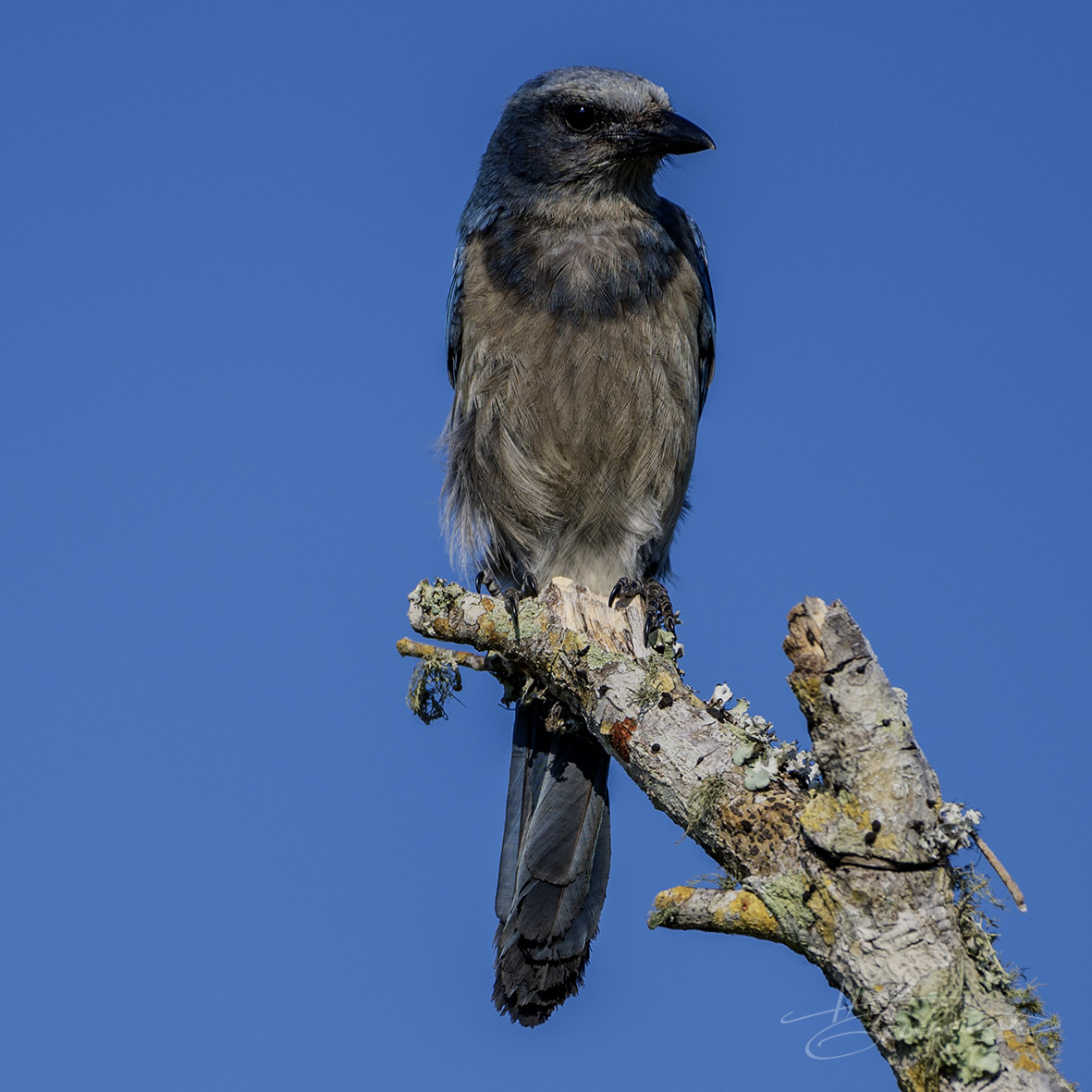
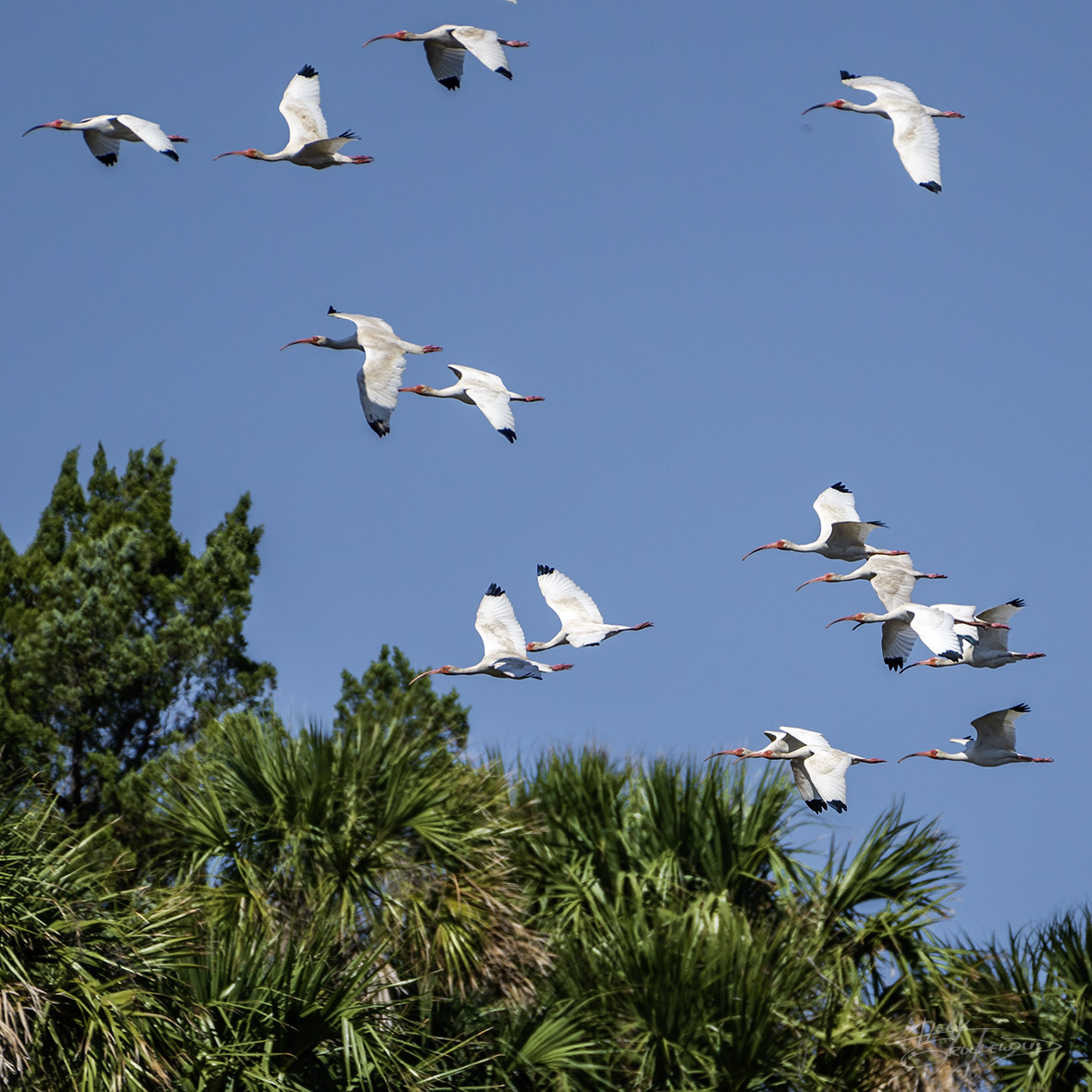
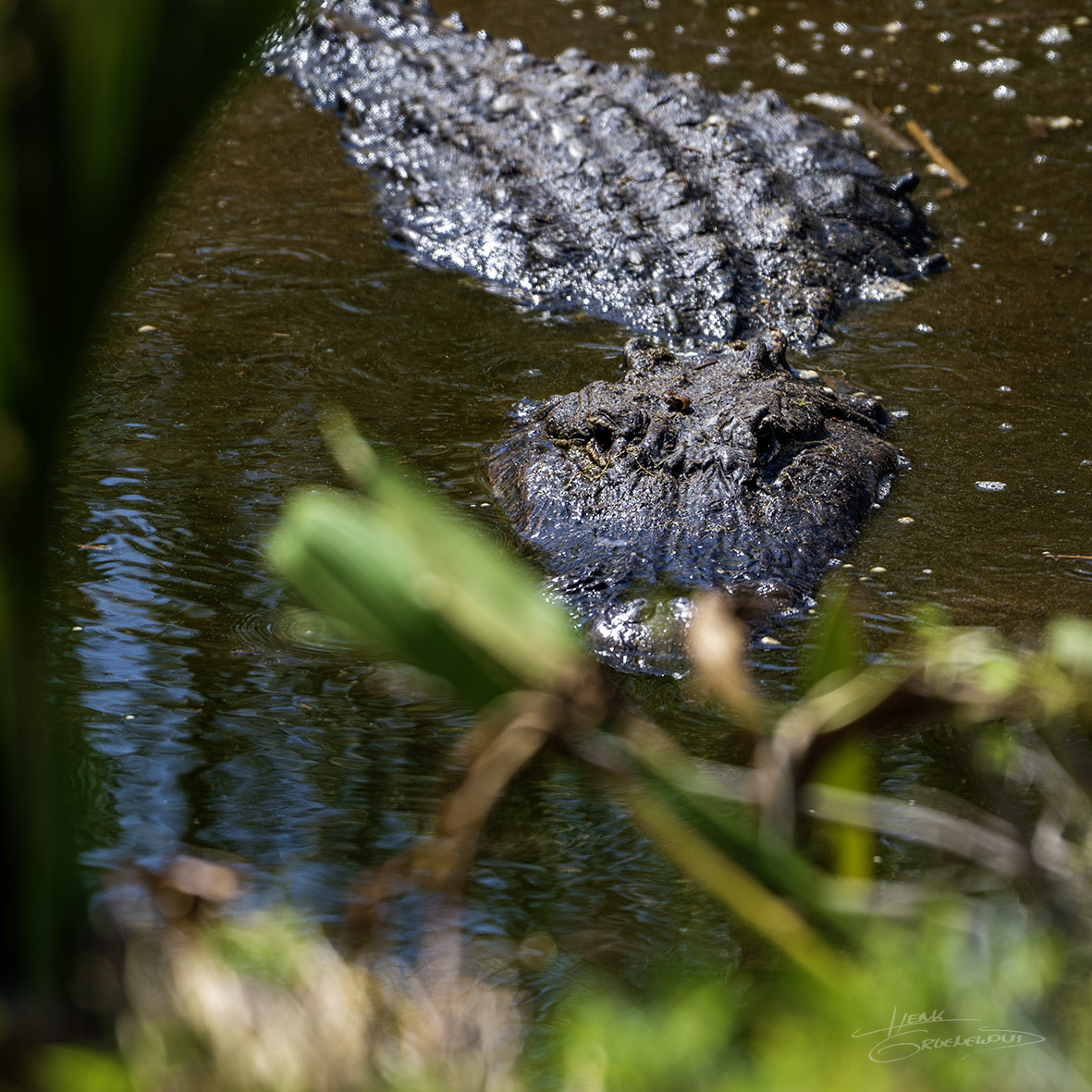
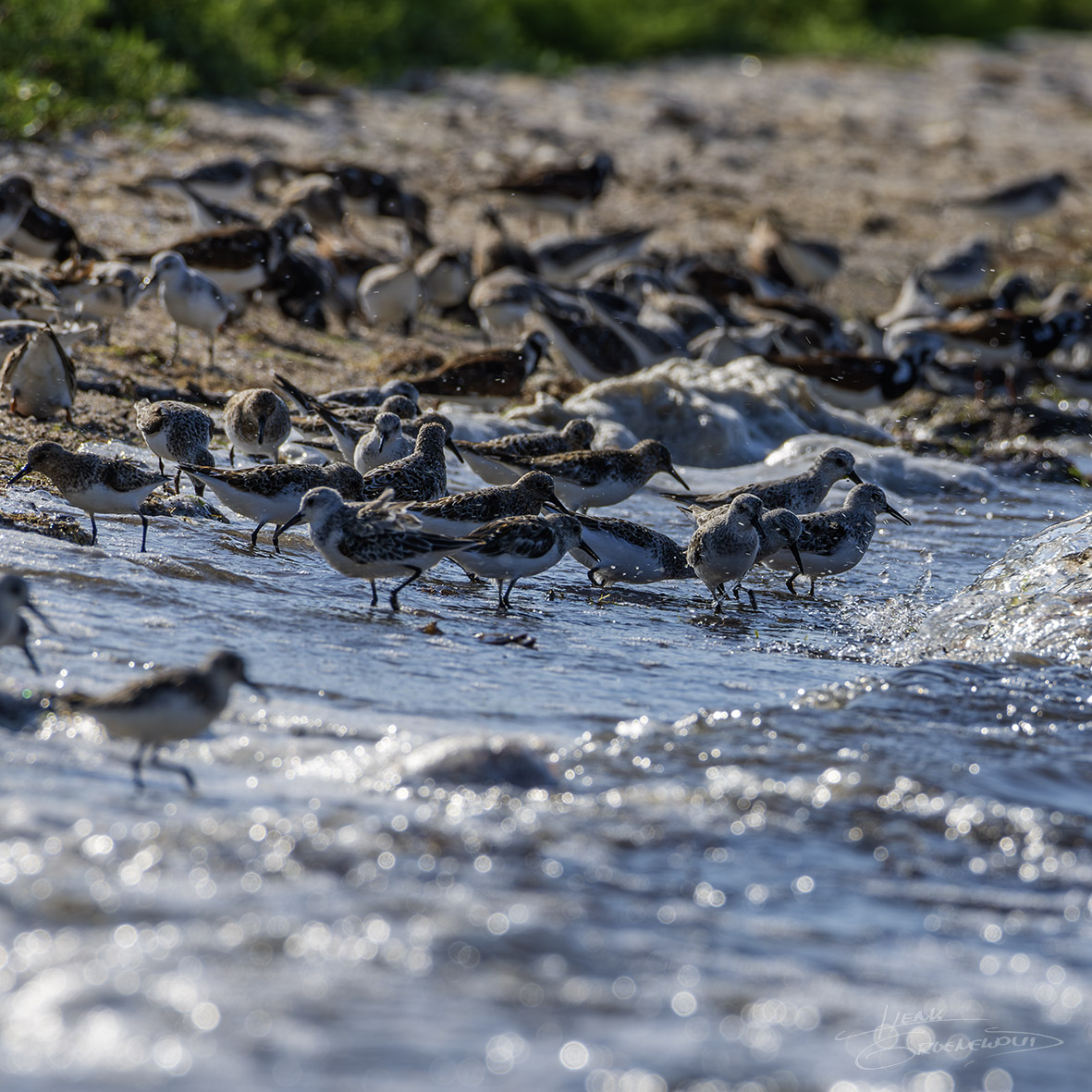
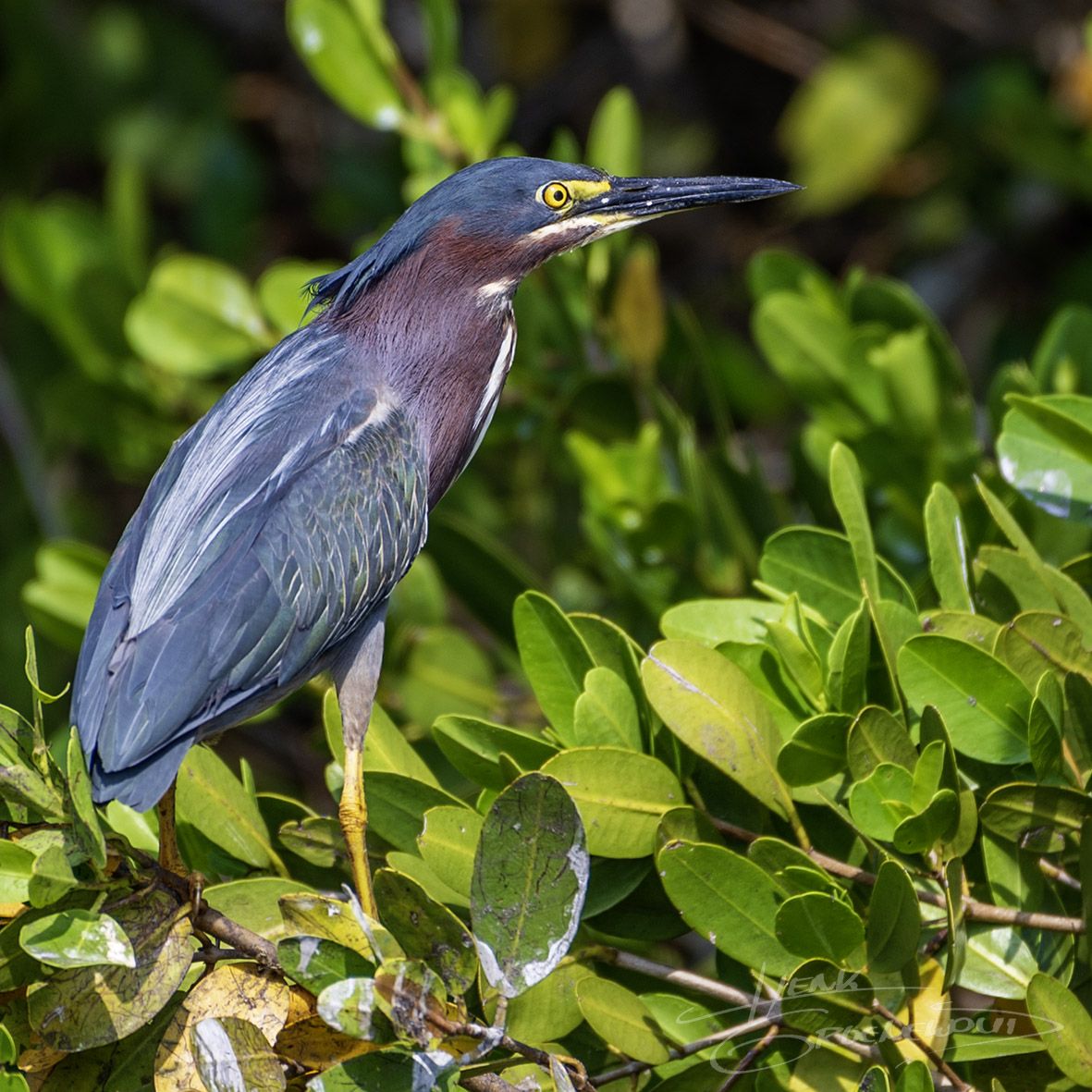
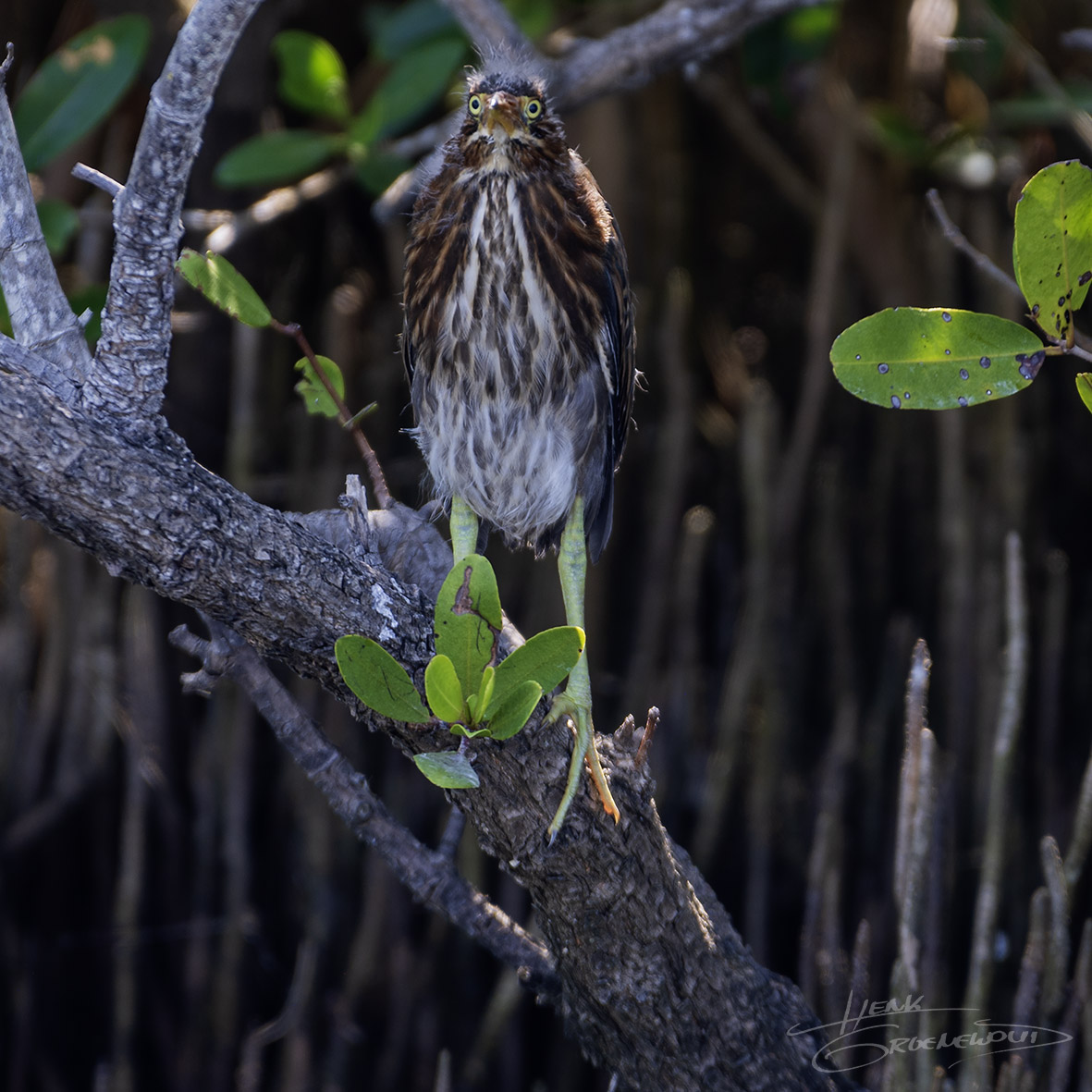
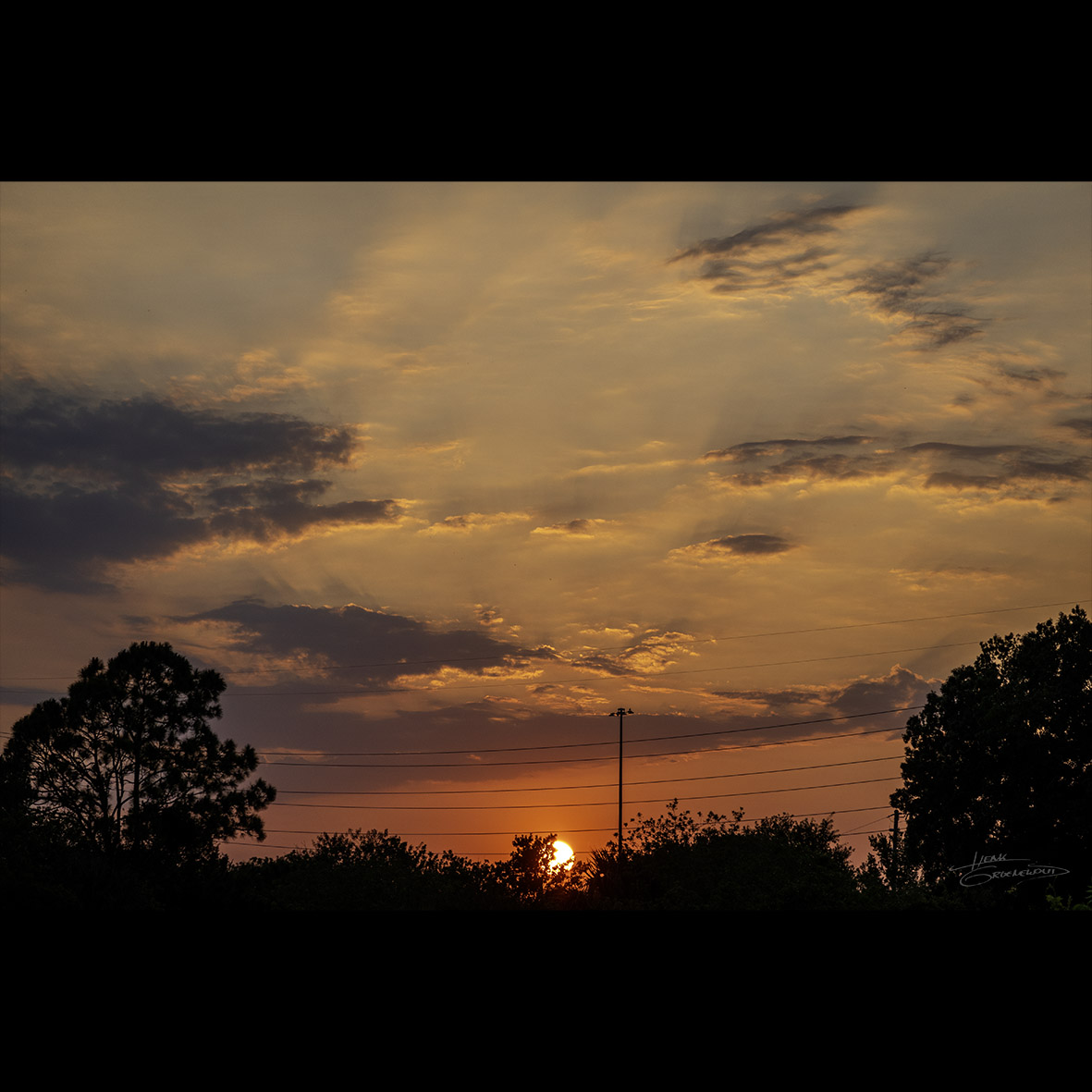
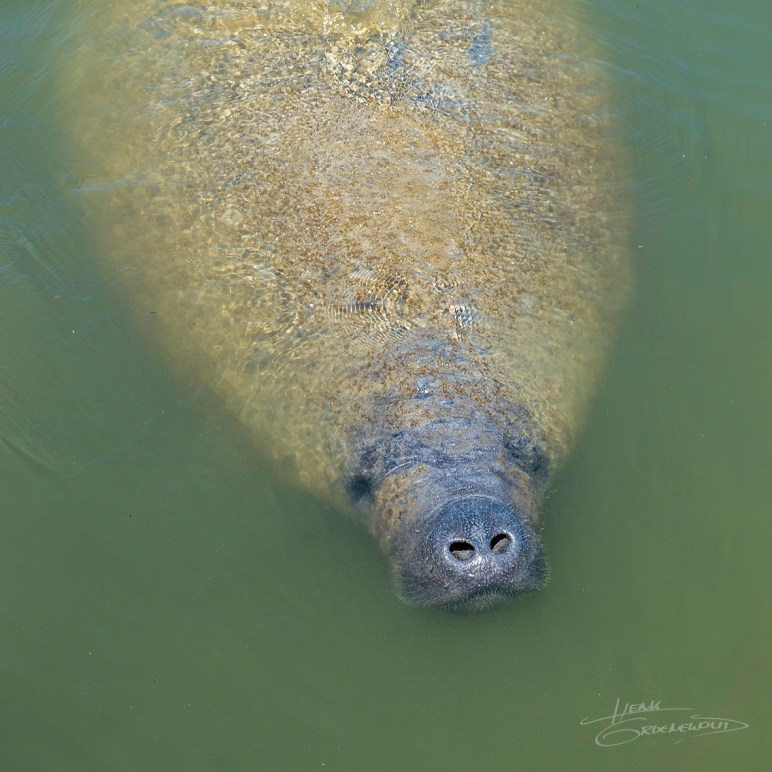
Merritt Island. Too many bird, so I’ll skip a lot of them. Also some other creatures, such as manatees, turtles, tortoises, spiders…
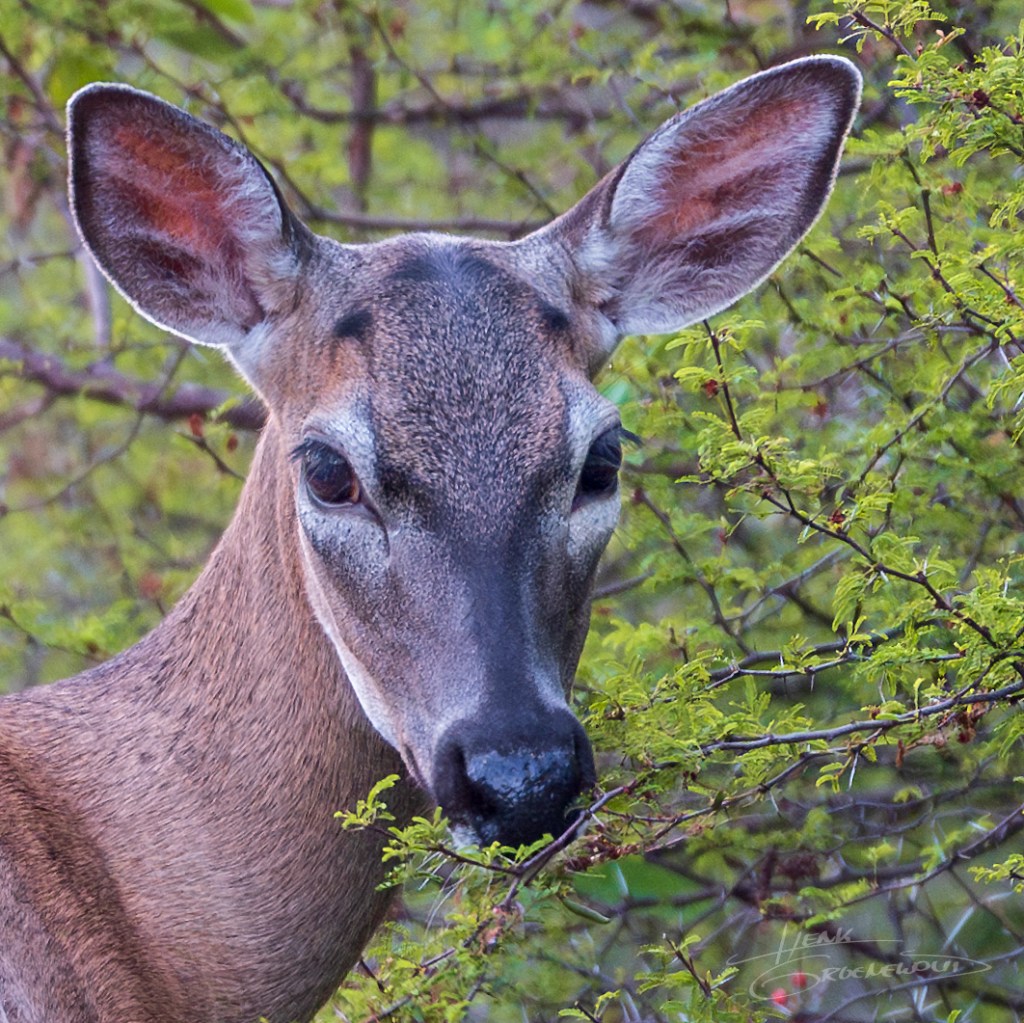
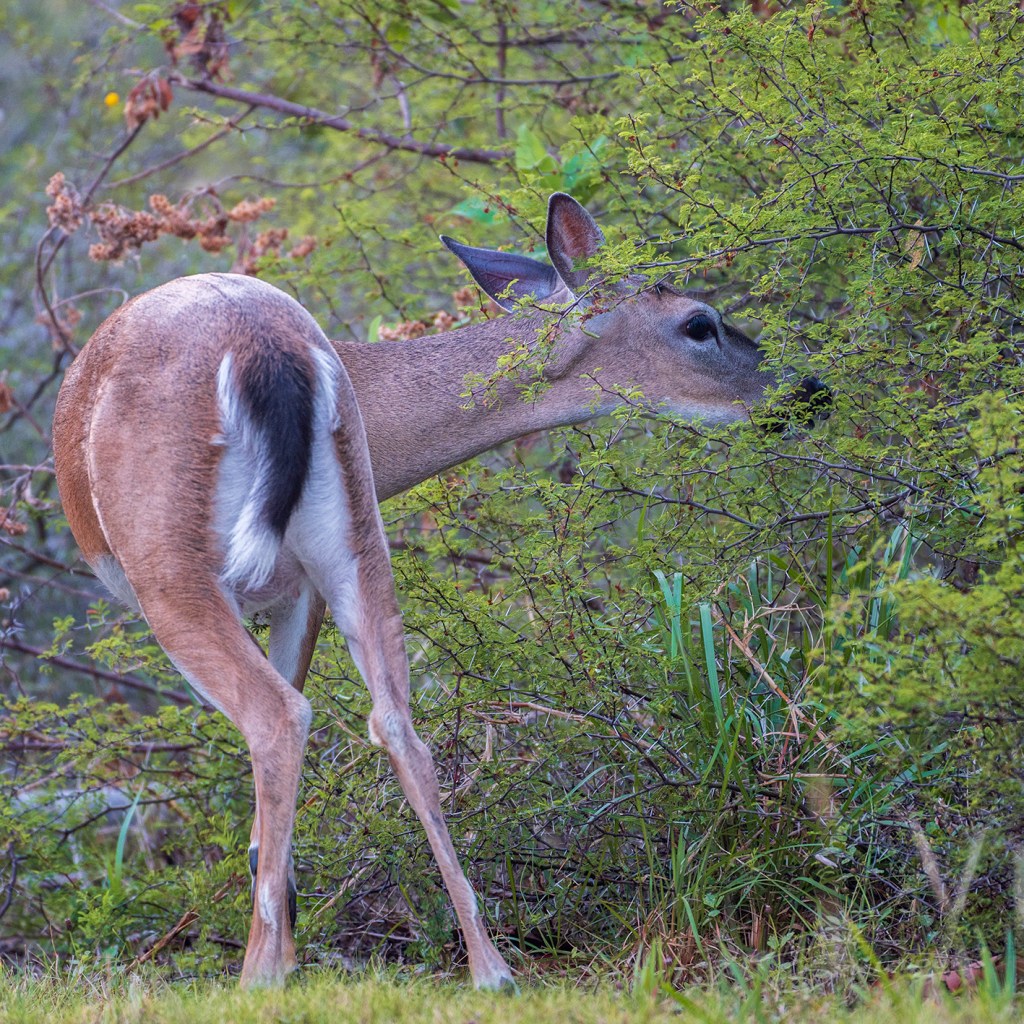
Next morning we were welcomed by this Key deer (Odocoileus virginianus clavium) walking through our garden. A miniature deer, but what beautiful eyes!
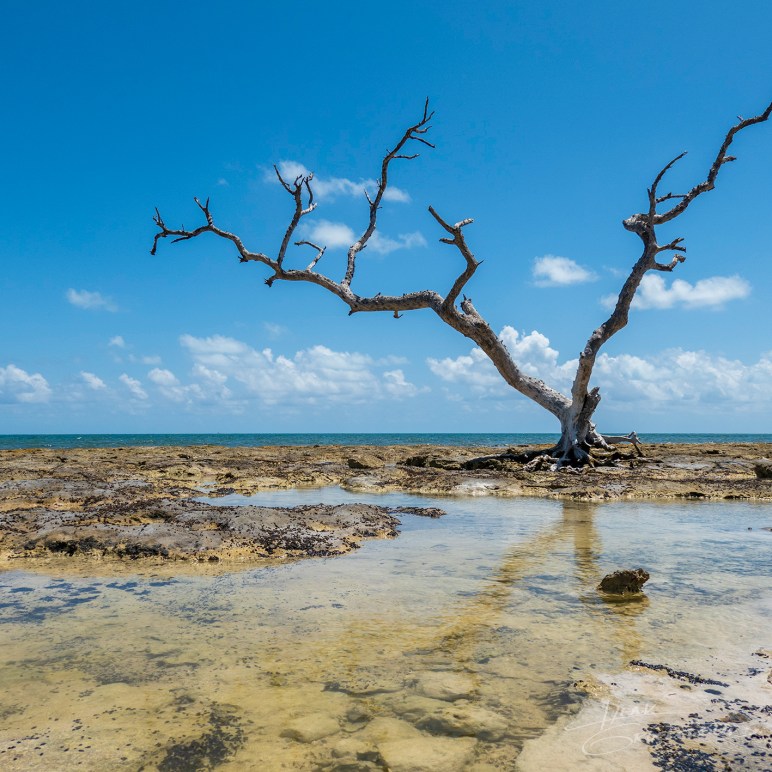
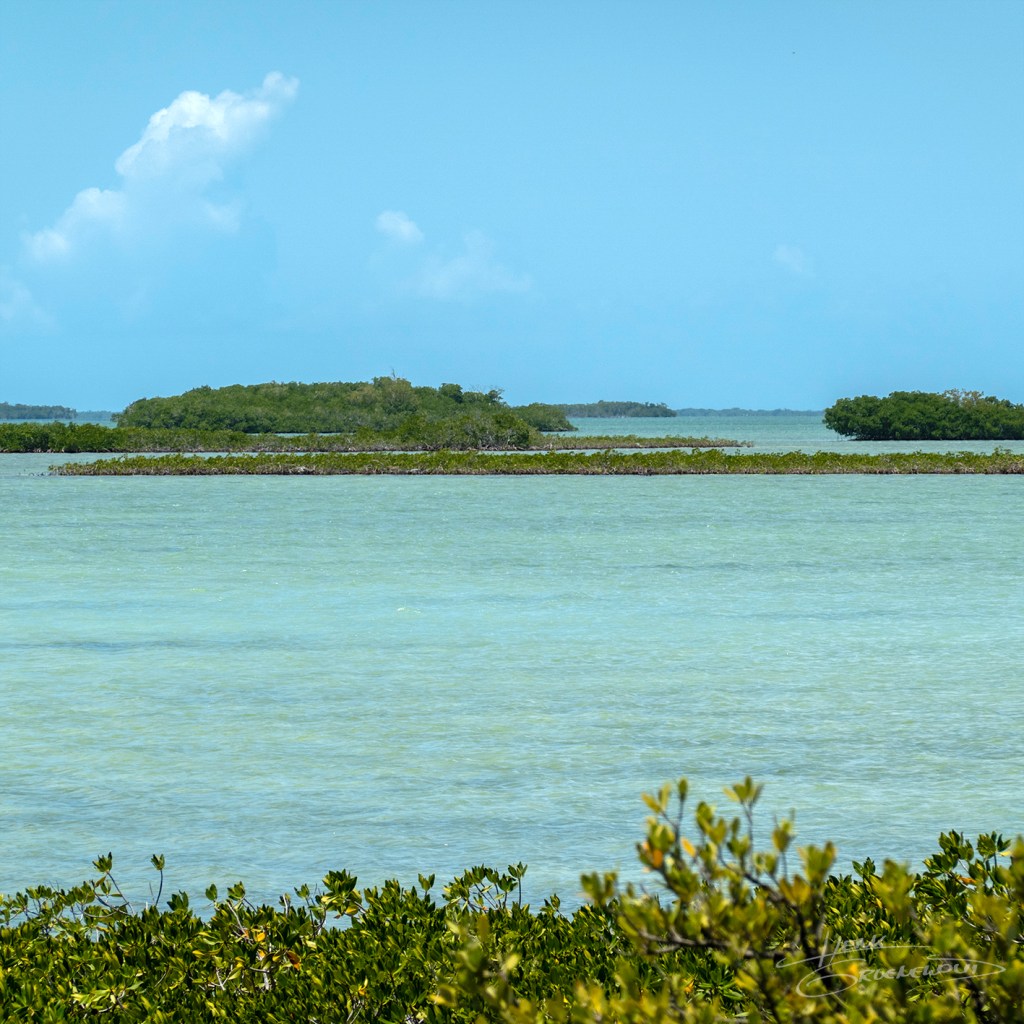
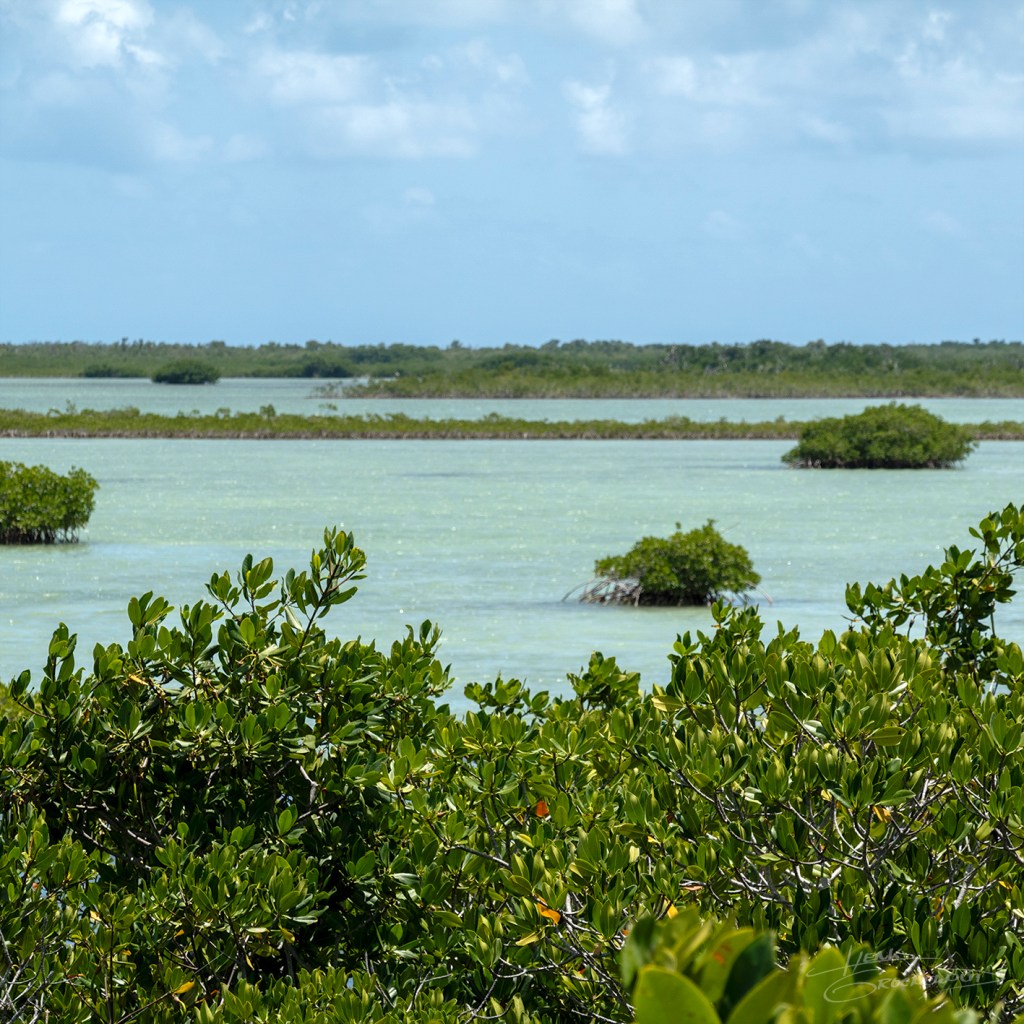
These colors of the mangroves!



Snorkling at the reef
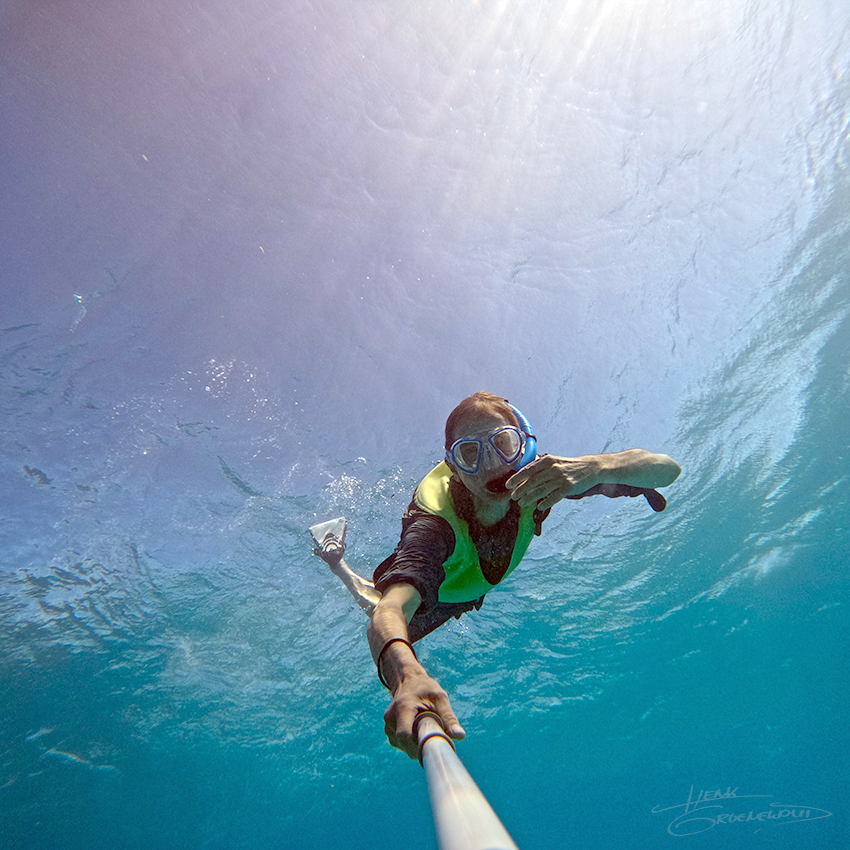

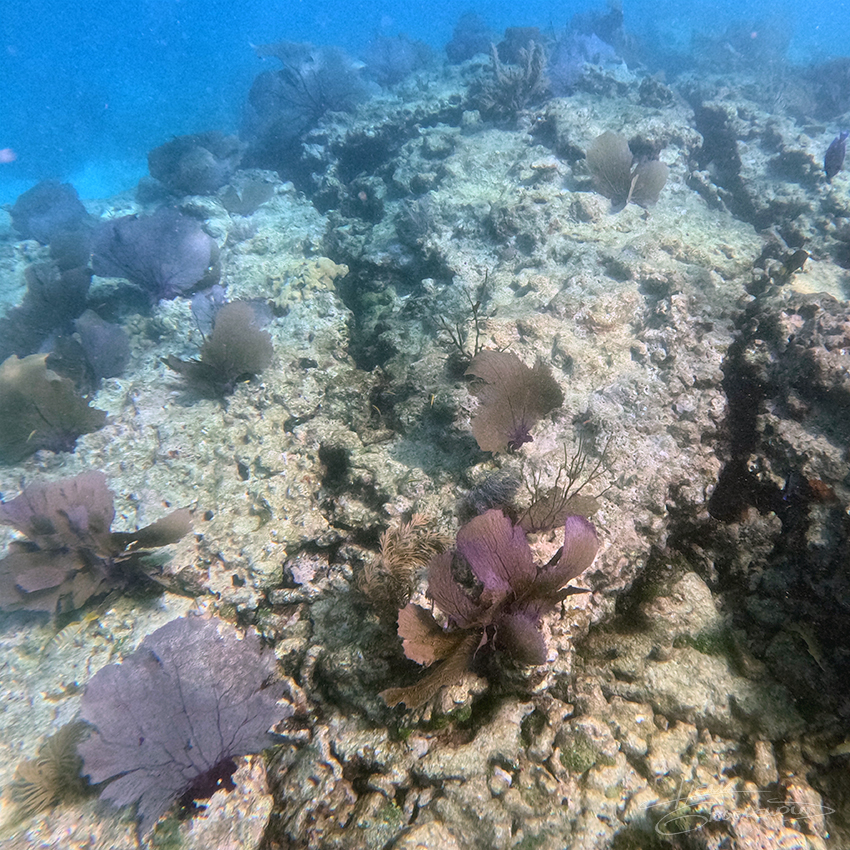
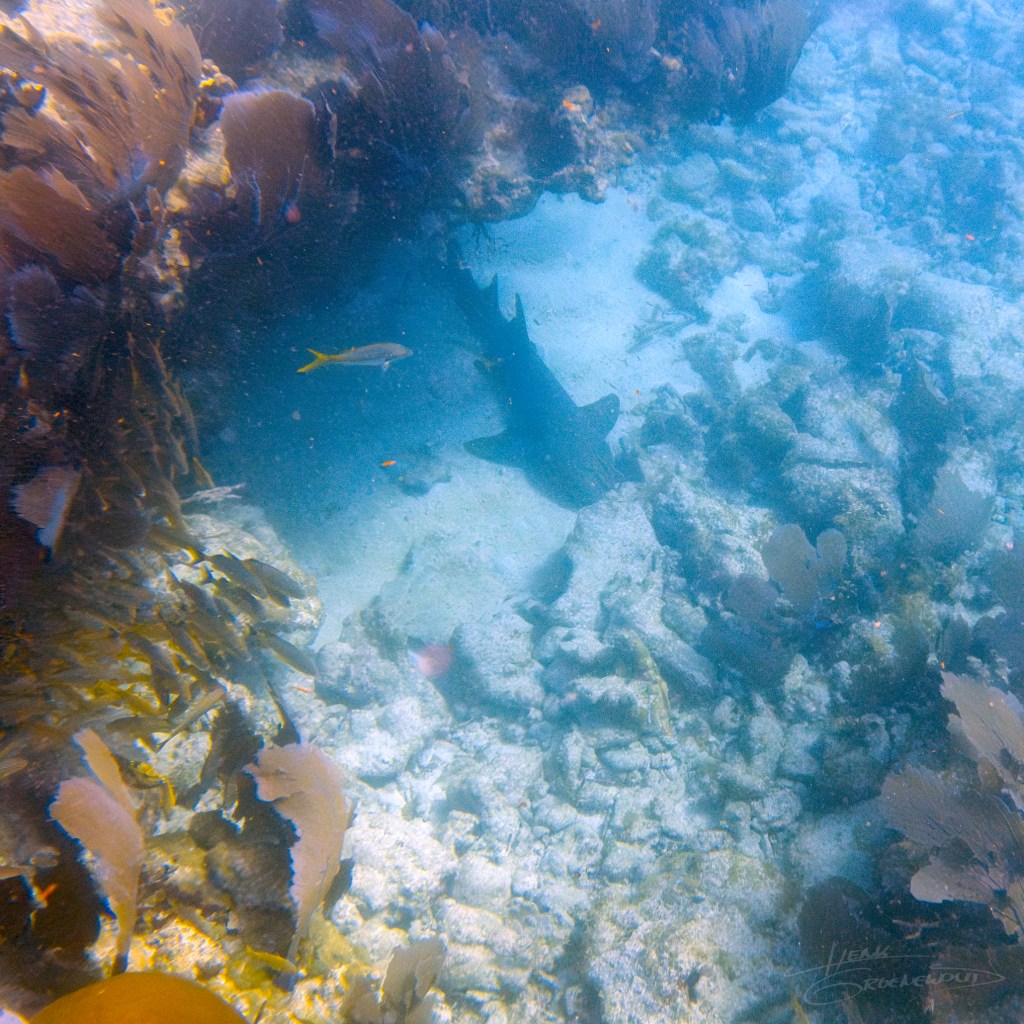
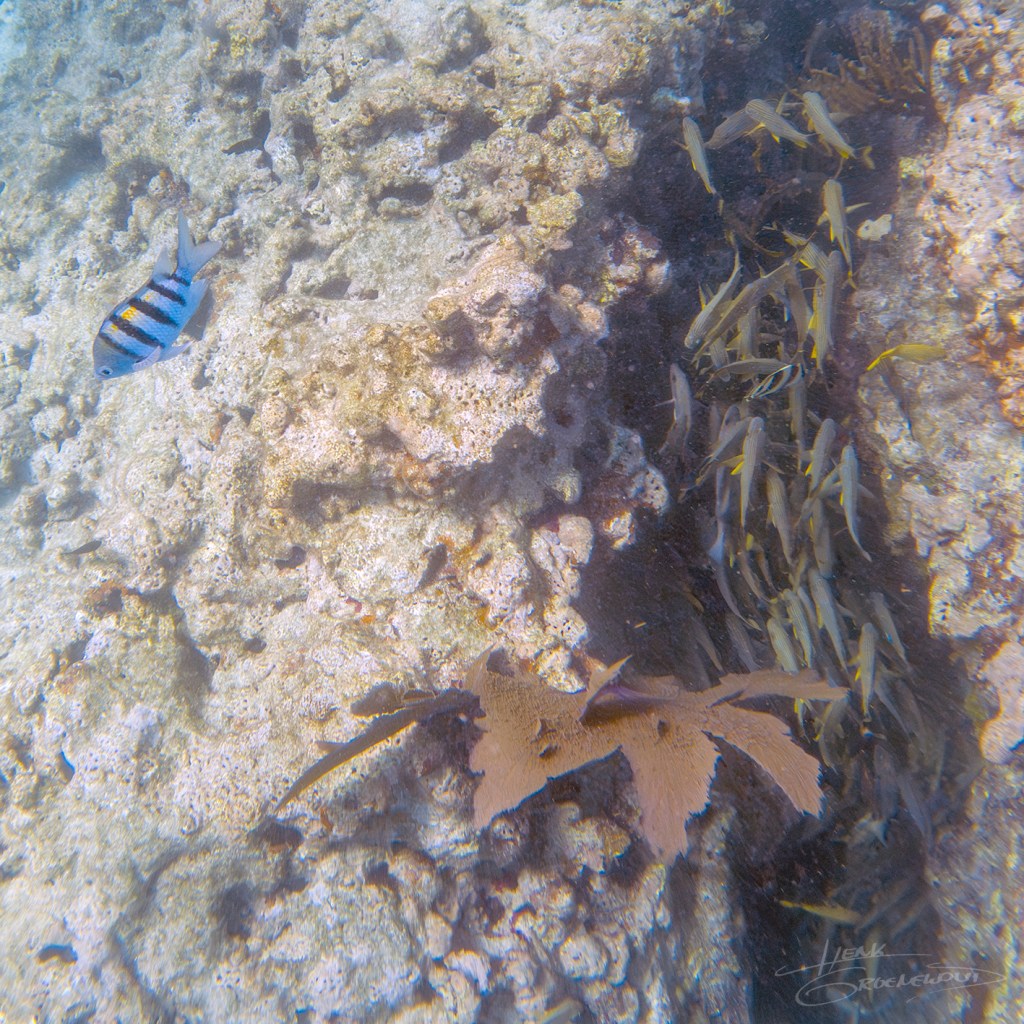

Schematic display of a stay in the Keys, Florida USA


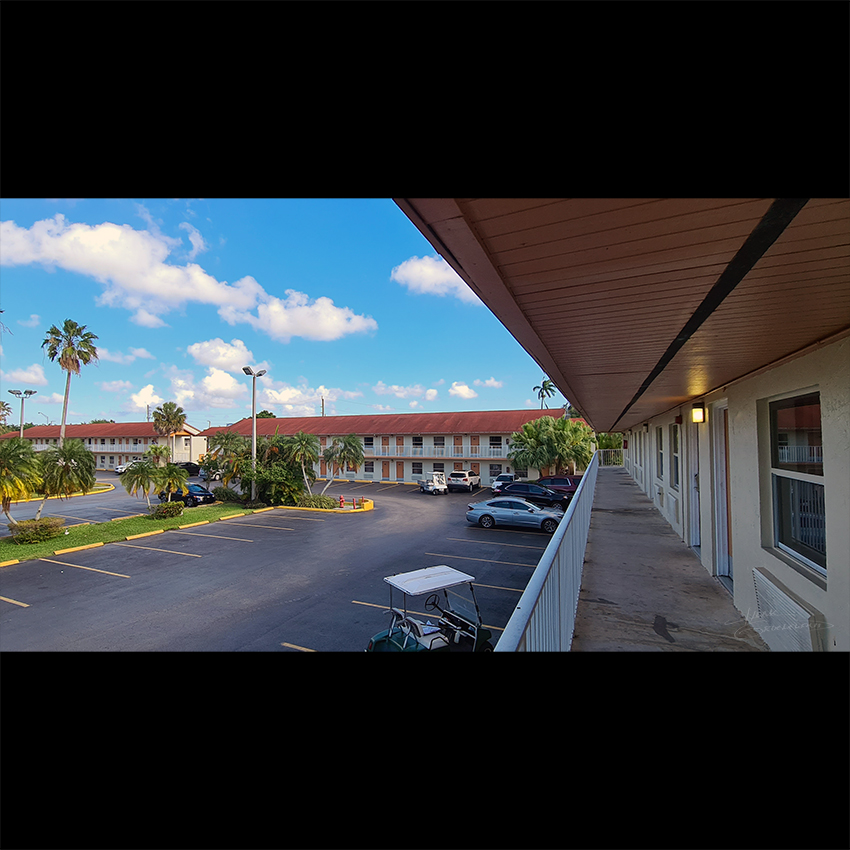
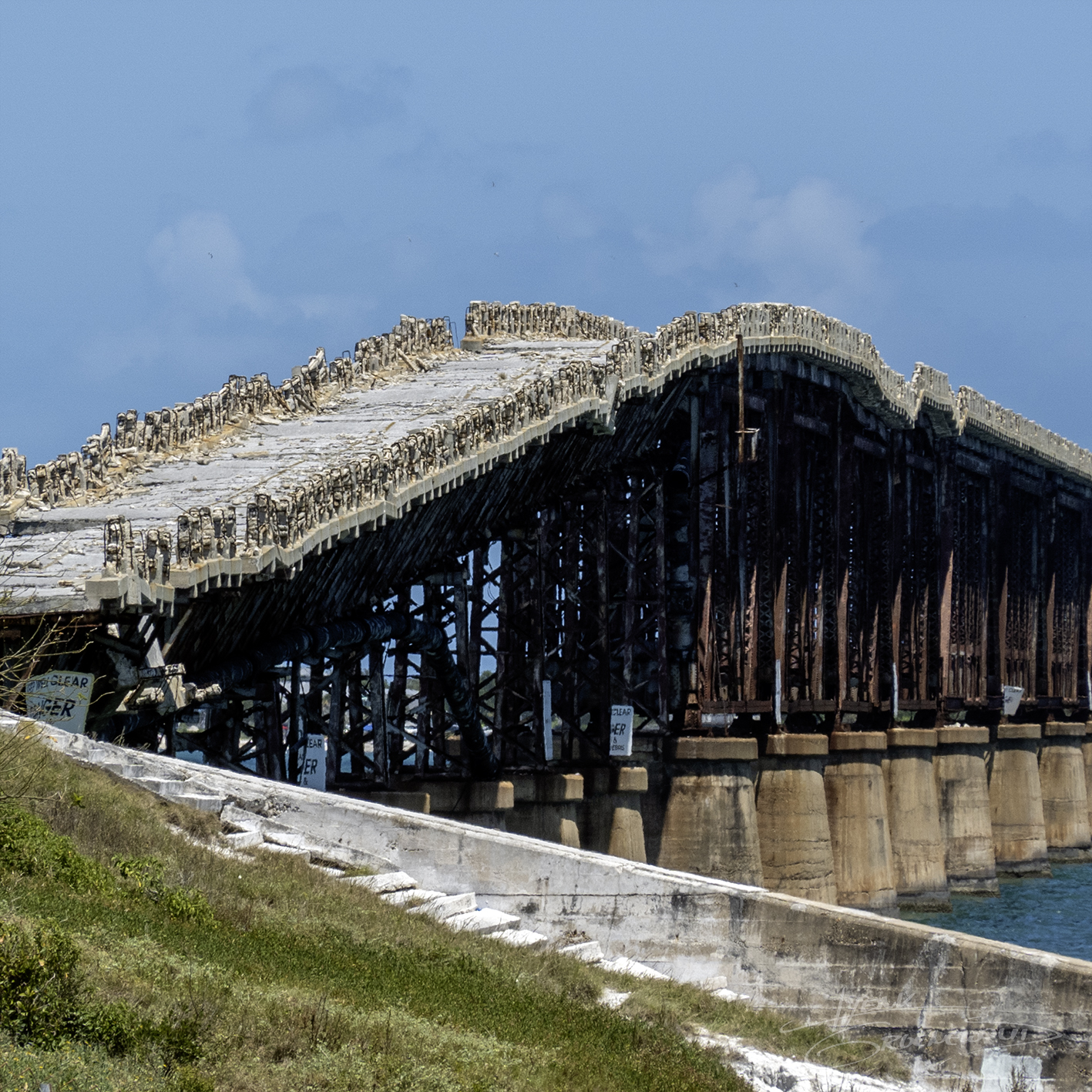
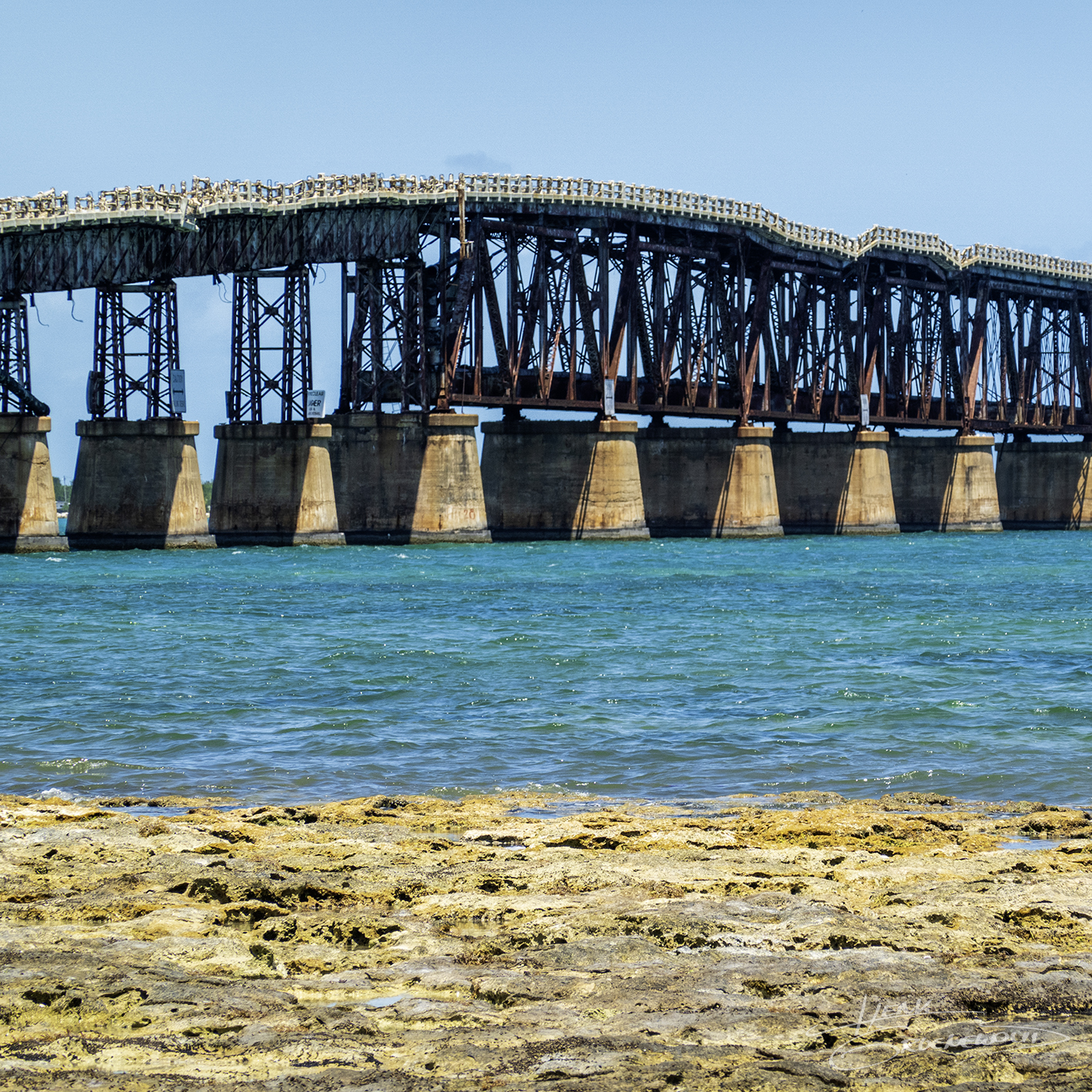
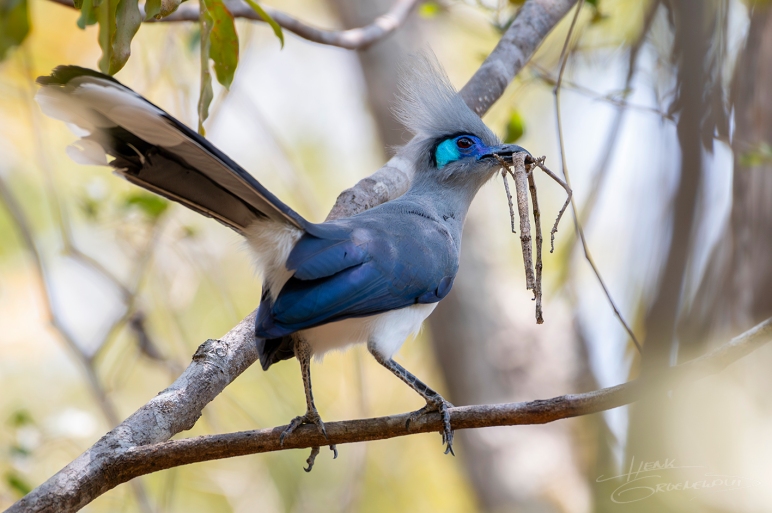
It’s too much!



















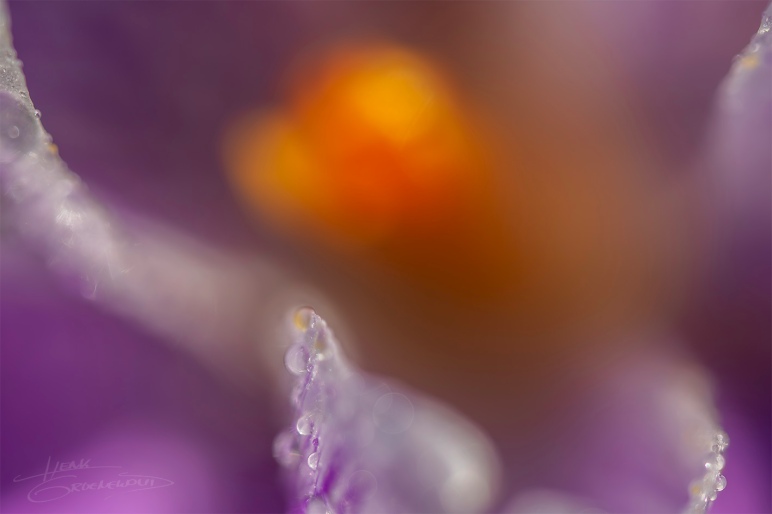
… the crocus
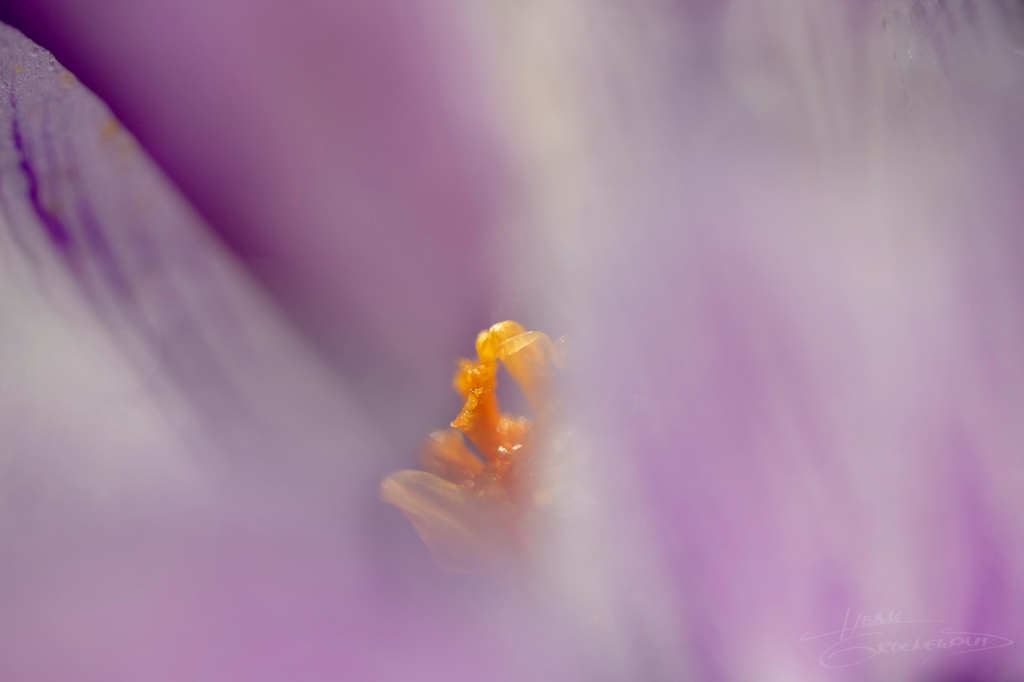
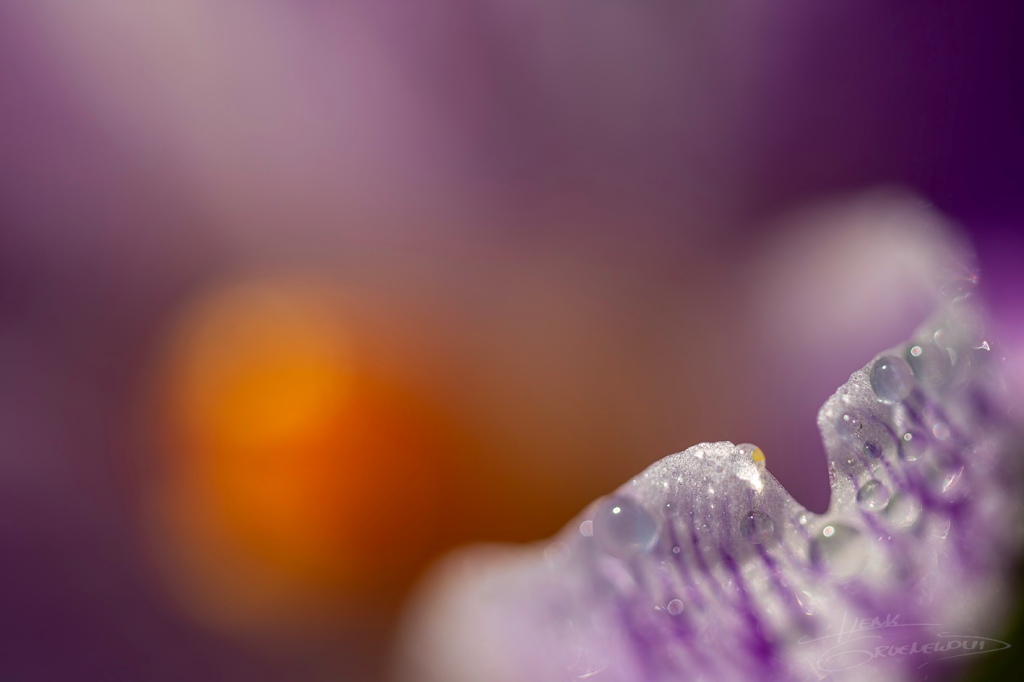

Spring is around the corner. And I just can´t wait!

“Looking forward to see your pictures of insects of Madagascar,” my former colleague Gert van Ee said when I posted the first results from the Madagascar trip. Gert is a well-known insect expert in the Netherlands.
“I’ll see what I can find, but I’m afraid we didn’t see many insects,” I replied. “And it will take some time to go through those 15.000 pictures.”
So this is the result. A couple of insects indeed, and some other arthropods as well (arachnids)
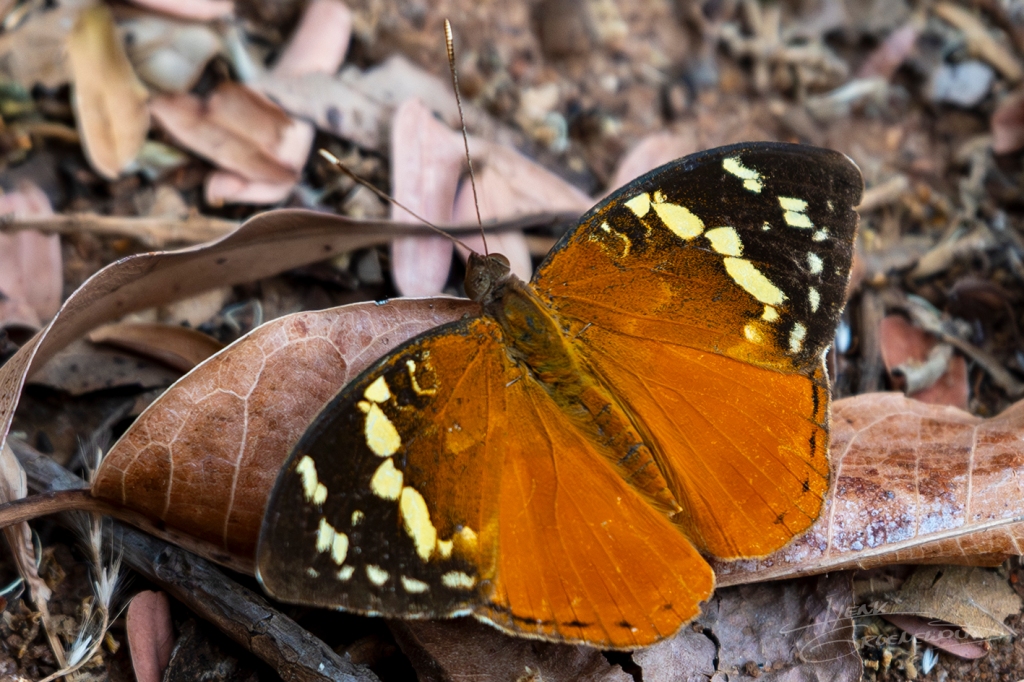

(lead picture: Brilliant blue – Junonia rhadama)
Madagascar Forest nymph – Aterica raben
Green lady – Graphium cyrnus (feeding on dung)
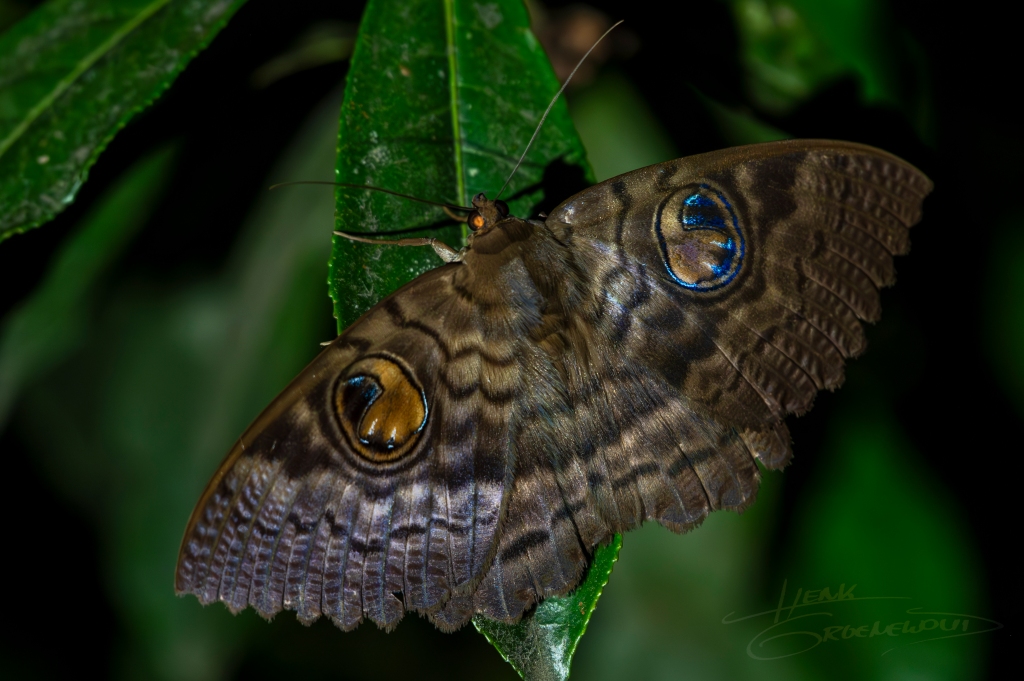
Walker’s owl – Erebus macrops (Huge! Like 15 cm.)
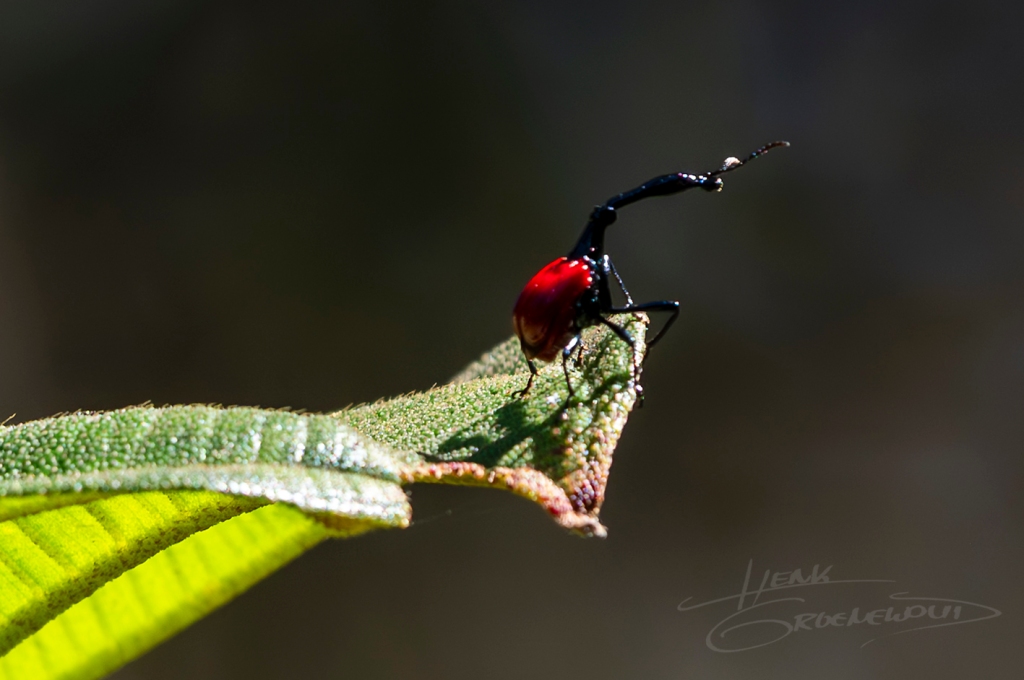
Giraffe-necked weevil – Trachelophorus giraffa
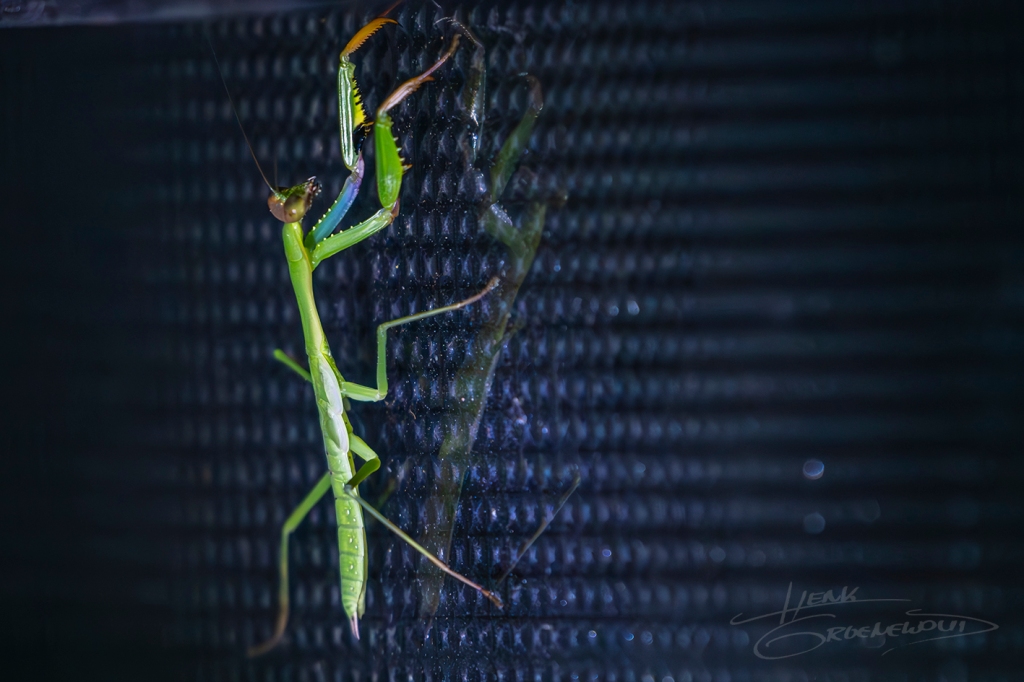

Praying mantis ( I apologise for not always finding the exact species names – If you know them do not hesitate to mention them)
Green stick insect – Achrioptera manga


Madagascar Flatid leaf insect – Phromnia rosea. They look like flowers, but they are tiny insects (see detail)
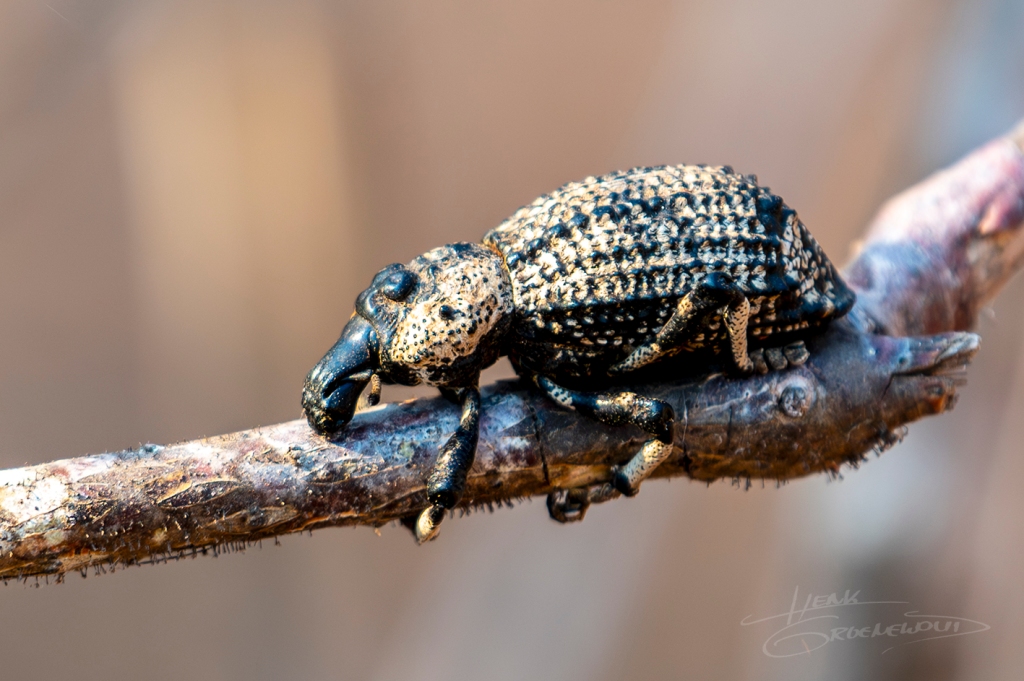

Black & White curculionidae weevil – Rhytidophloeus rothschildi
Grasshopper – locust (pretending to be larger than life)

Madagascar black scorpion – Grosphus madagascariensis
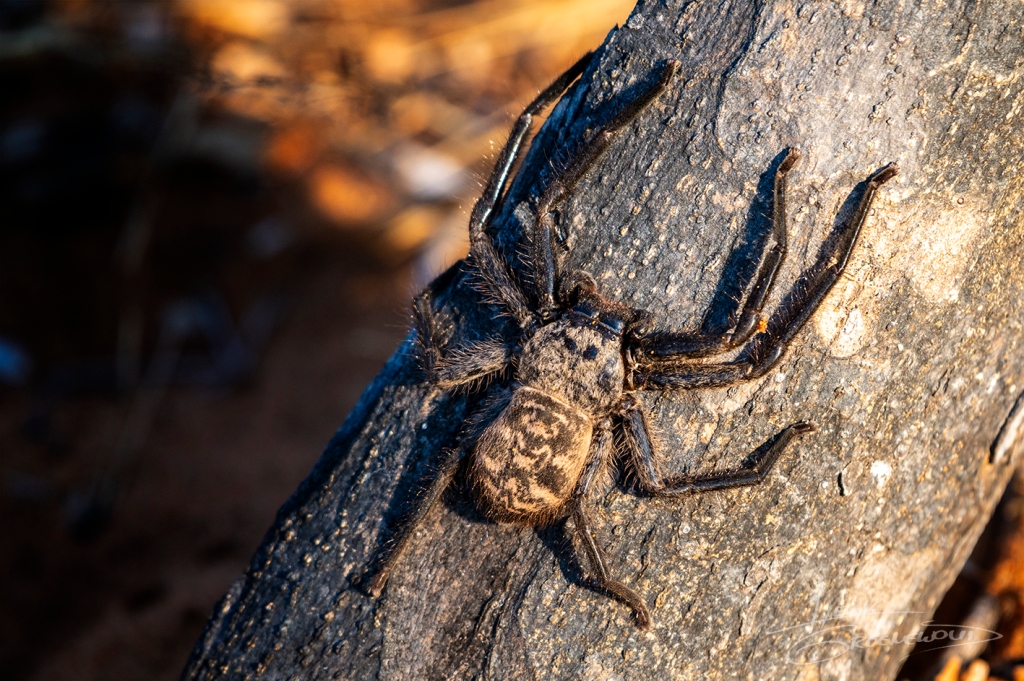
Huntsman spider – Damastes sp. (Like 10 cm big. And spitting venom to the guides!)
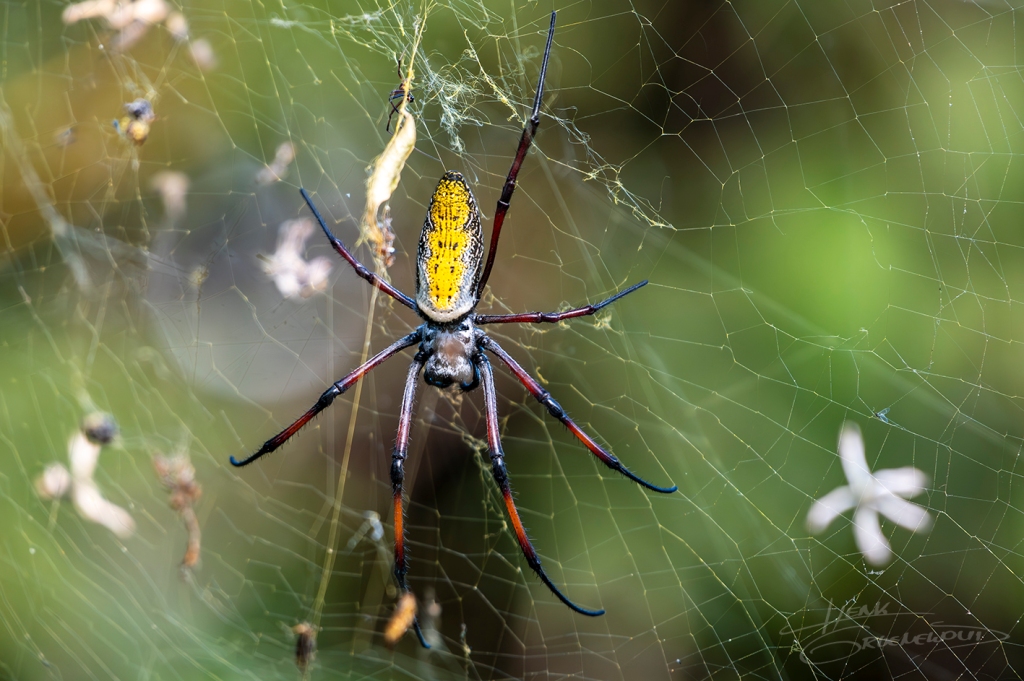

Golden orb web spider – Nephila sp. (Huge female, like 15 cm. And a tiny but very brave male behind her, hoping to mate but fearing to be eaten)
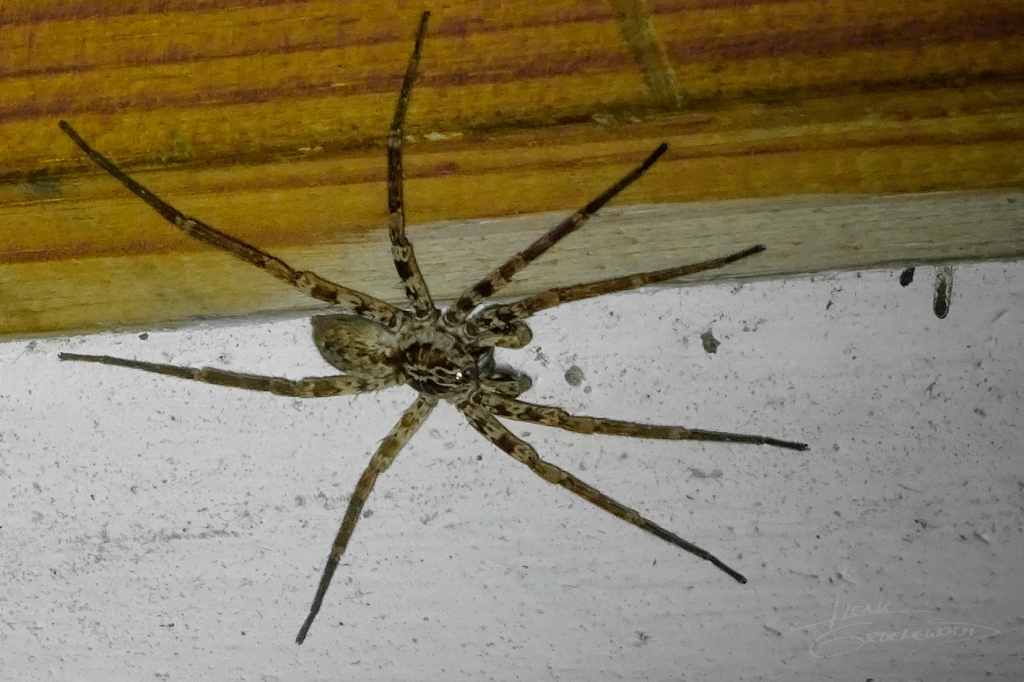
Zebra spider – Viridasius sp. (Huge! Like 15 cm, and living in our lodge)
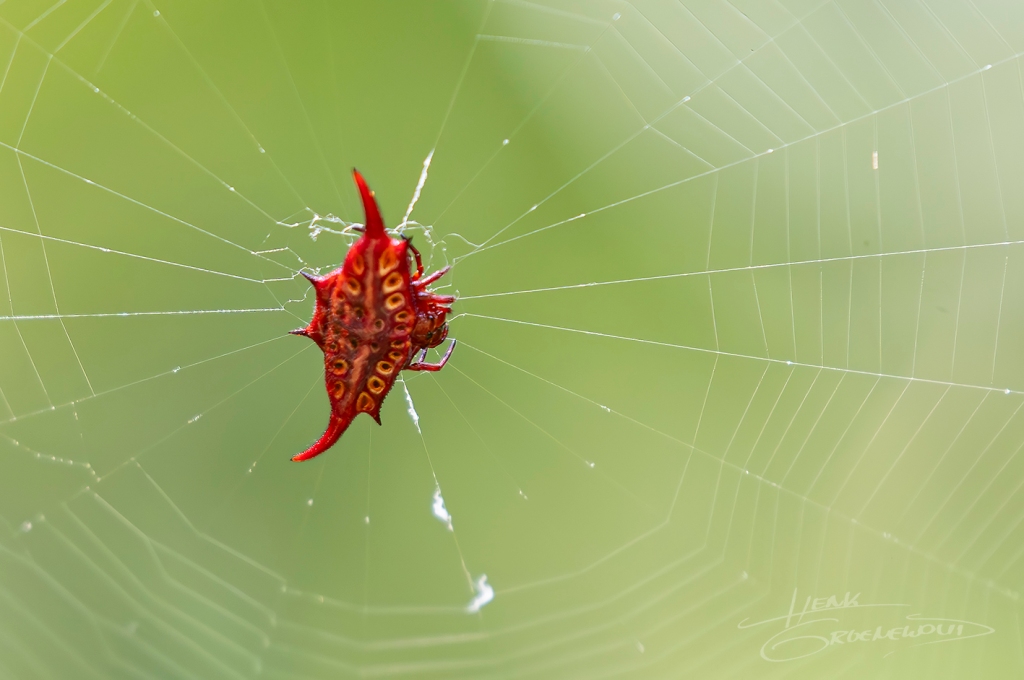
Red crab backed orb weaver – Medium wing kitespider – Gasteracantha versicolor (small but beautiful!)

Enormous, really huge wasp – Belonogaster sp.
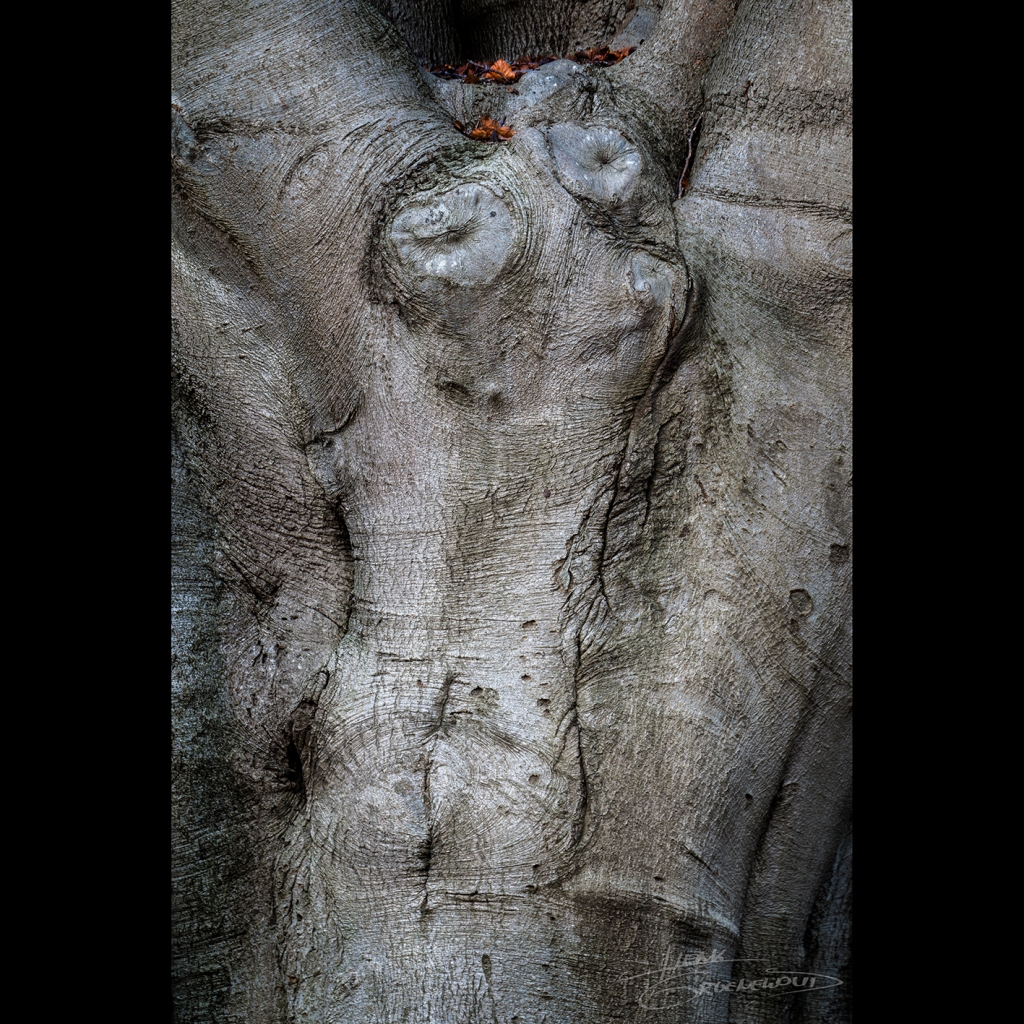
So I went into the woods (which is less than five minutes from home) and took this picture of a beech. “Quite erotic,” my girlfriend said when she saw the print. Like bodies in a state of ecstasy.
A real life Rorschach test, this tree!
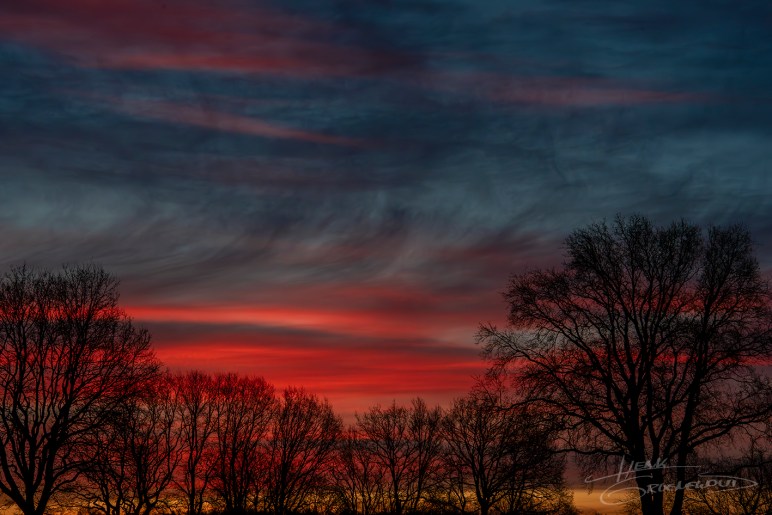
Every now and again at sunrise I open my curtains and immediately run out. That is: It takes me approximately 5 minutes to tear off my pyjamas, grab my clothes and camera, stumble to the front door and run to the meadows. But even those lousy 5 minutes can be too much, for rapidly the most stunning colours in the sky change to a boring, pale palette. No time to think, just run!

This Monday January 29 I made it. Once again Sahara dust swirled high in the atmosphere, as in March 2022 and February 2021. And like before, the most beautiful colours appeared before the sun peeked above the horizon. Wow!
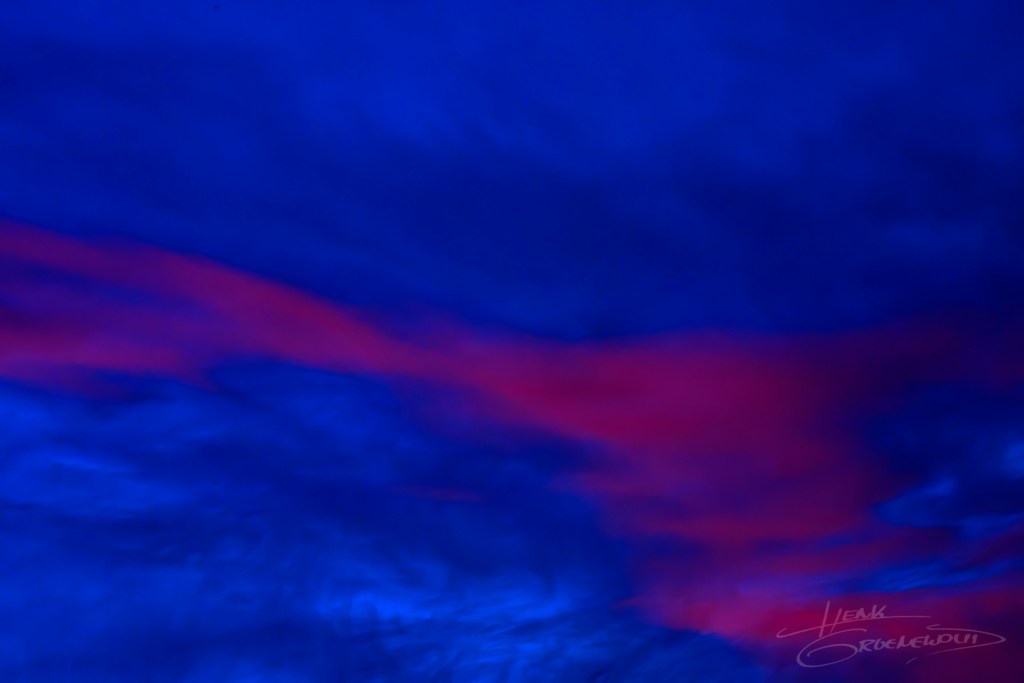

So we have this experimental photography group. Just playing around a little. This time the Italian Cinque Terre coast, but not as you know it. What do you think of it?

This picture made me think of Sting’s song ‘Fields of gold’. It´s wheat he sings about, but this comes close enough. Heard him sing during his show last December. Loved it!
But even the master can´t beat the voice of Eva Cassidy. She makes me want to walk through the fields forever

