Eerste dieren in Kenya


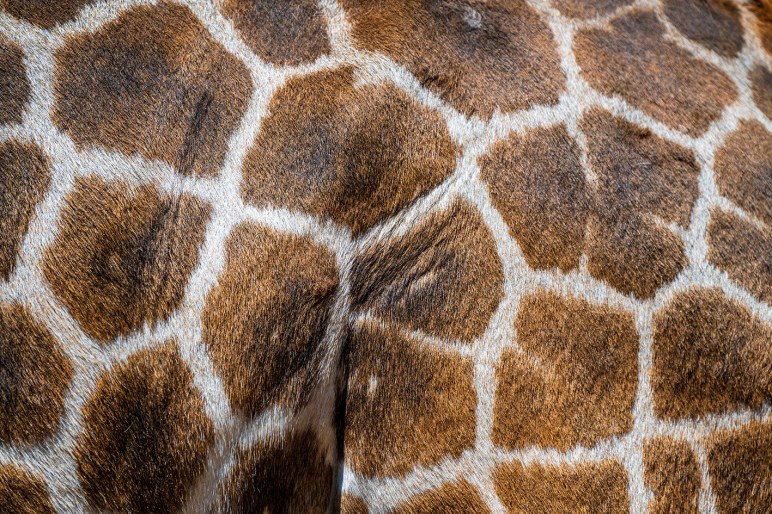
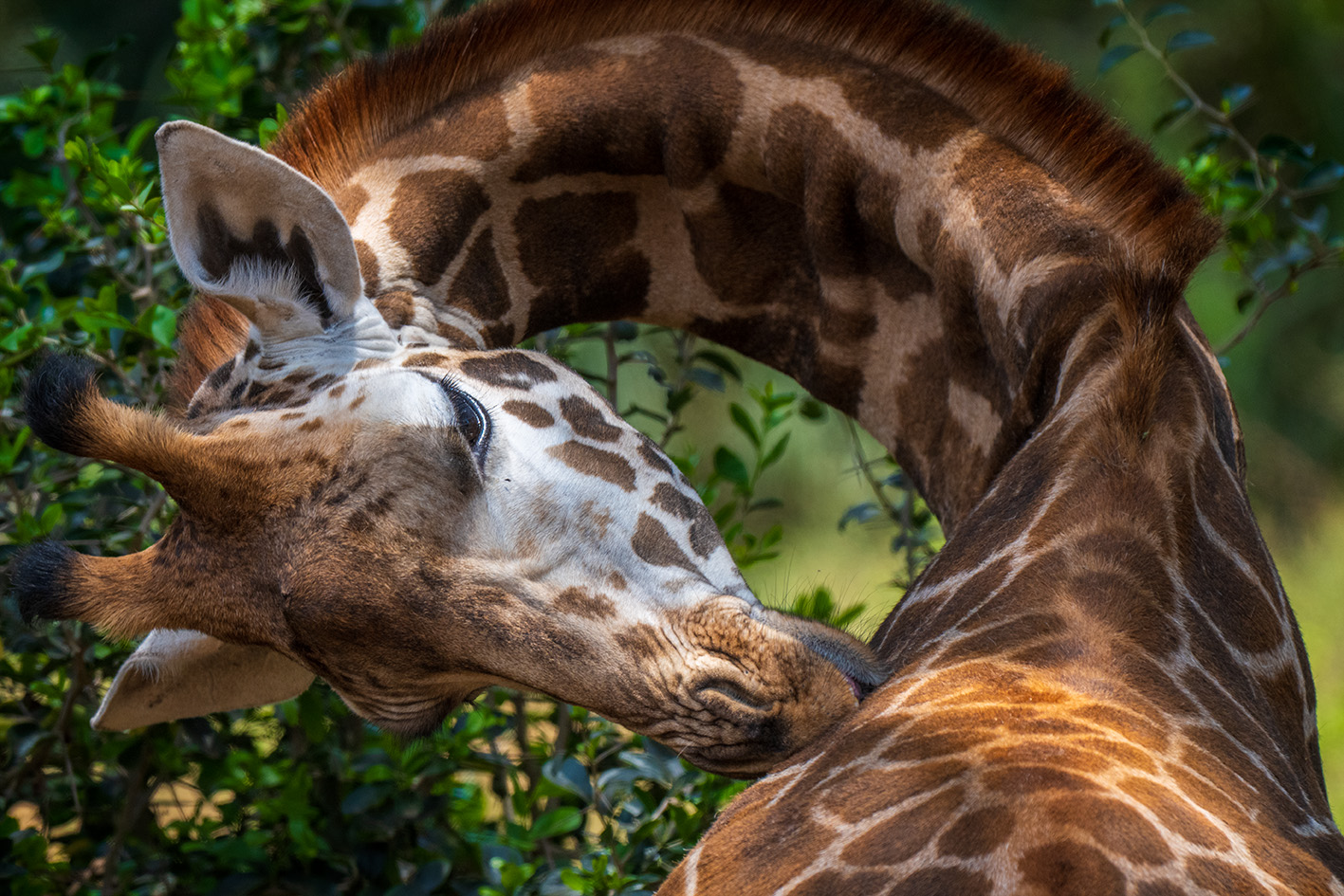
Rothschildgiraffe (Giraffa c. rothschildi)
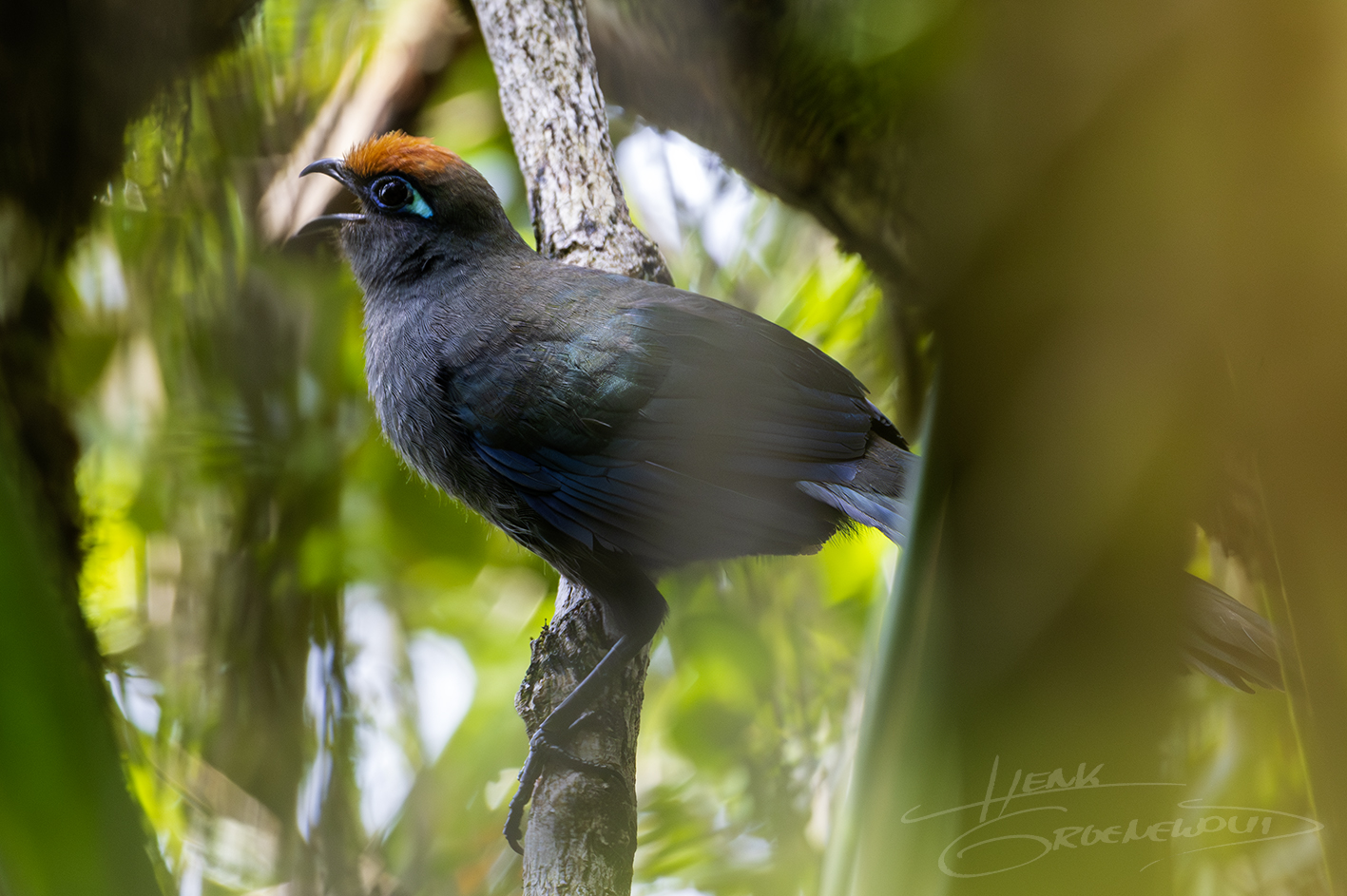
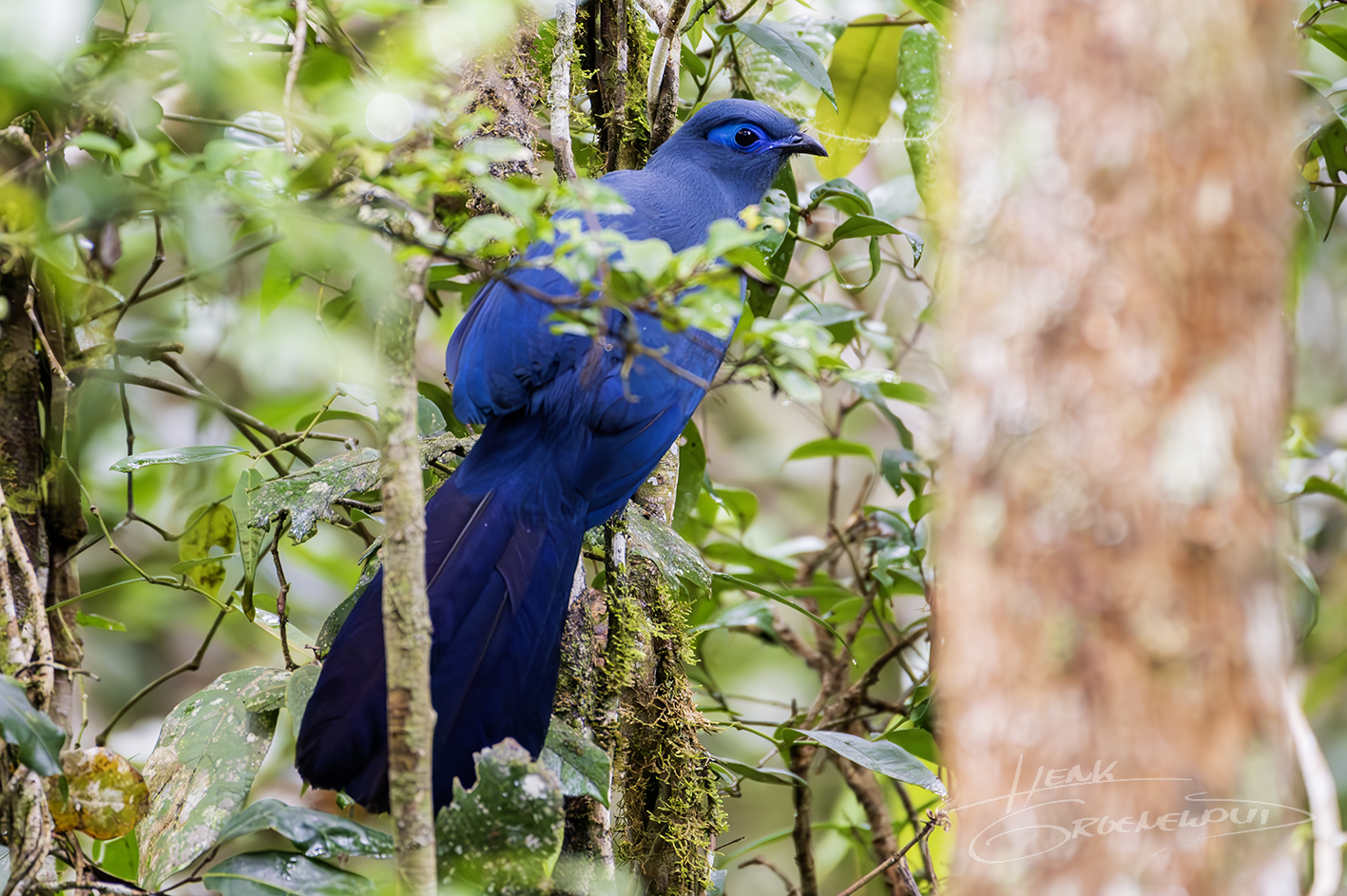
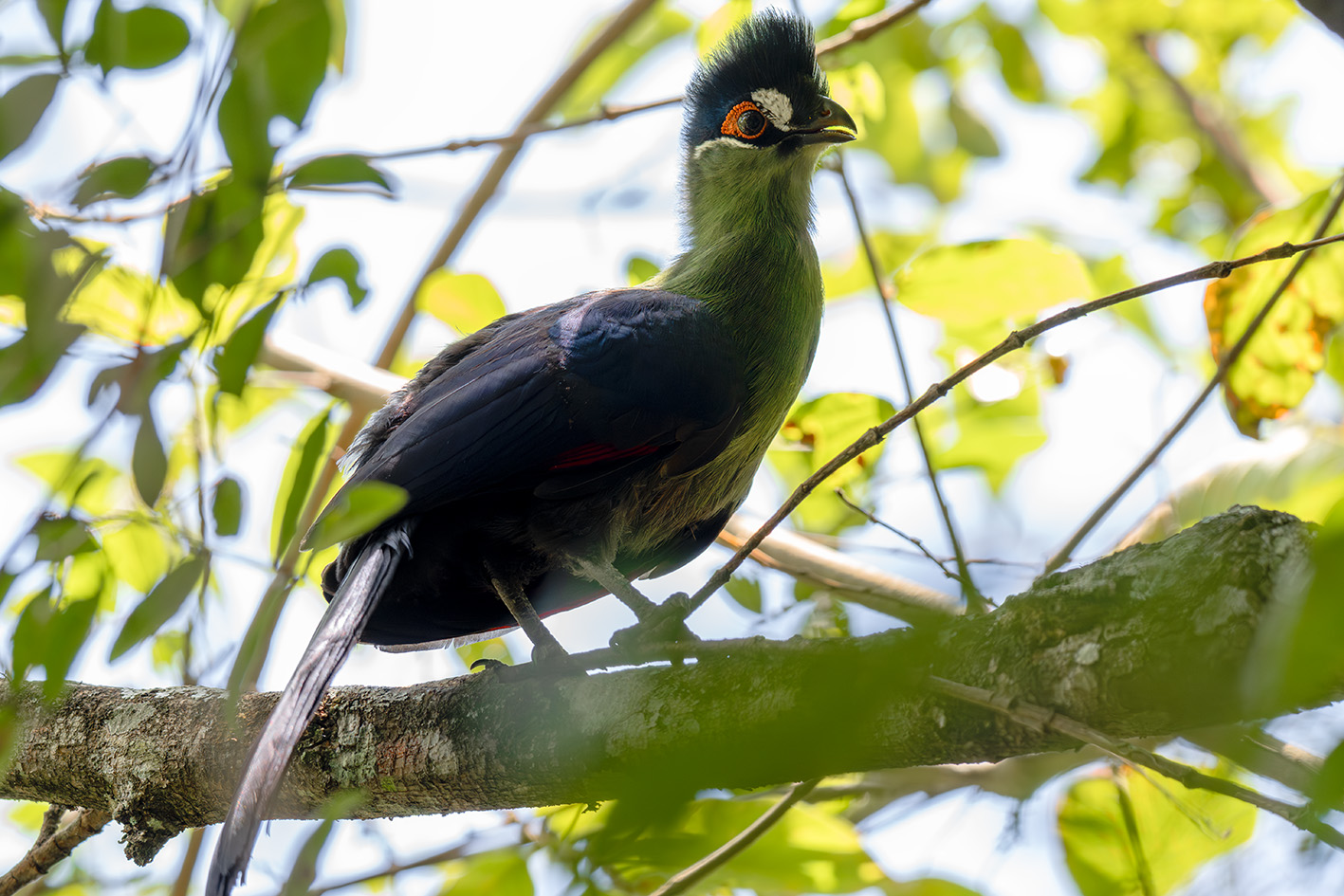
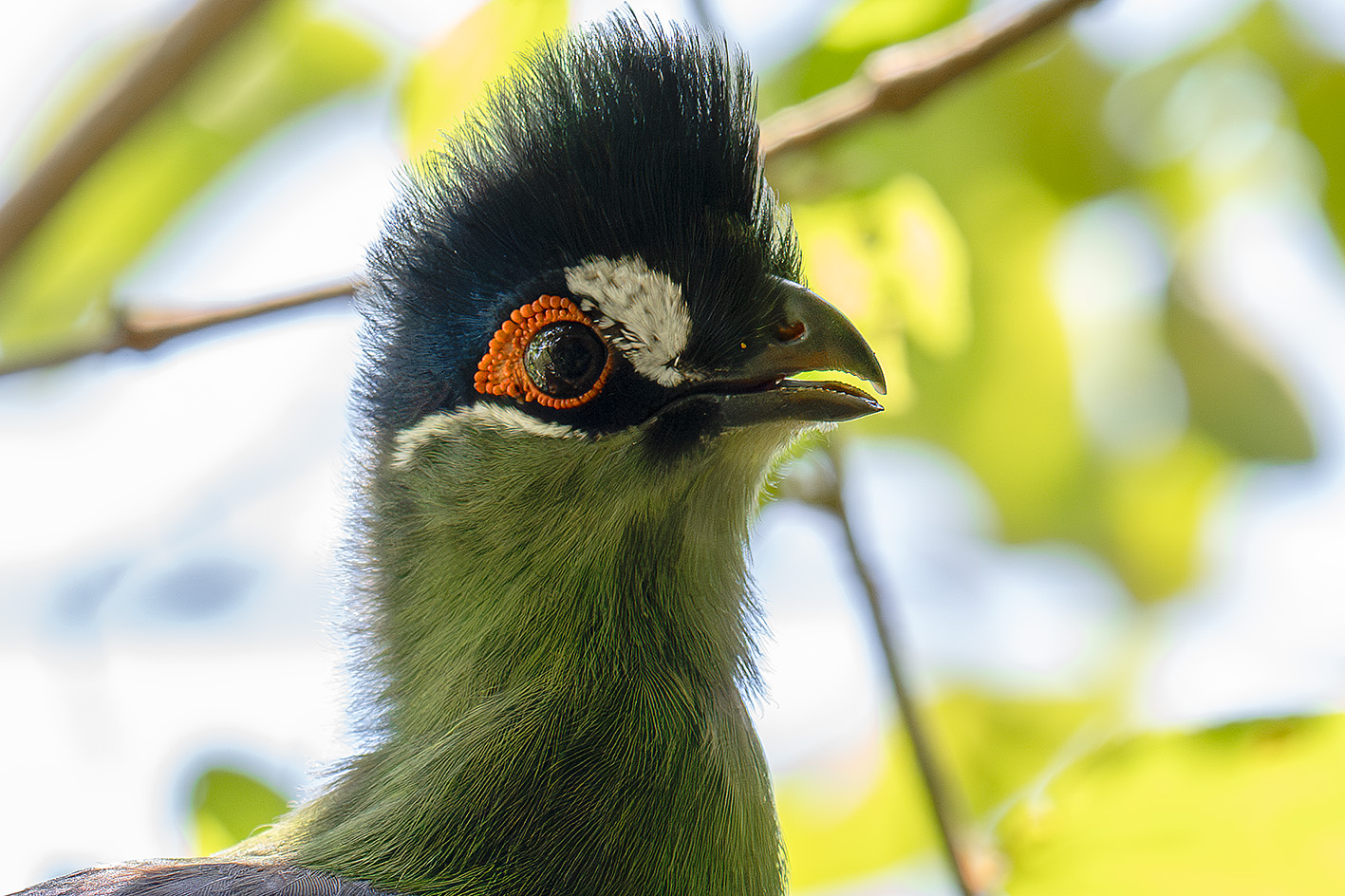
Hartlaub’s toerako (Hartlaub’s turaco – Tauraco hartlaubi)
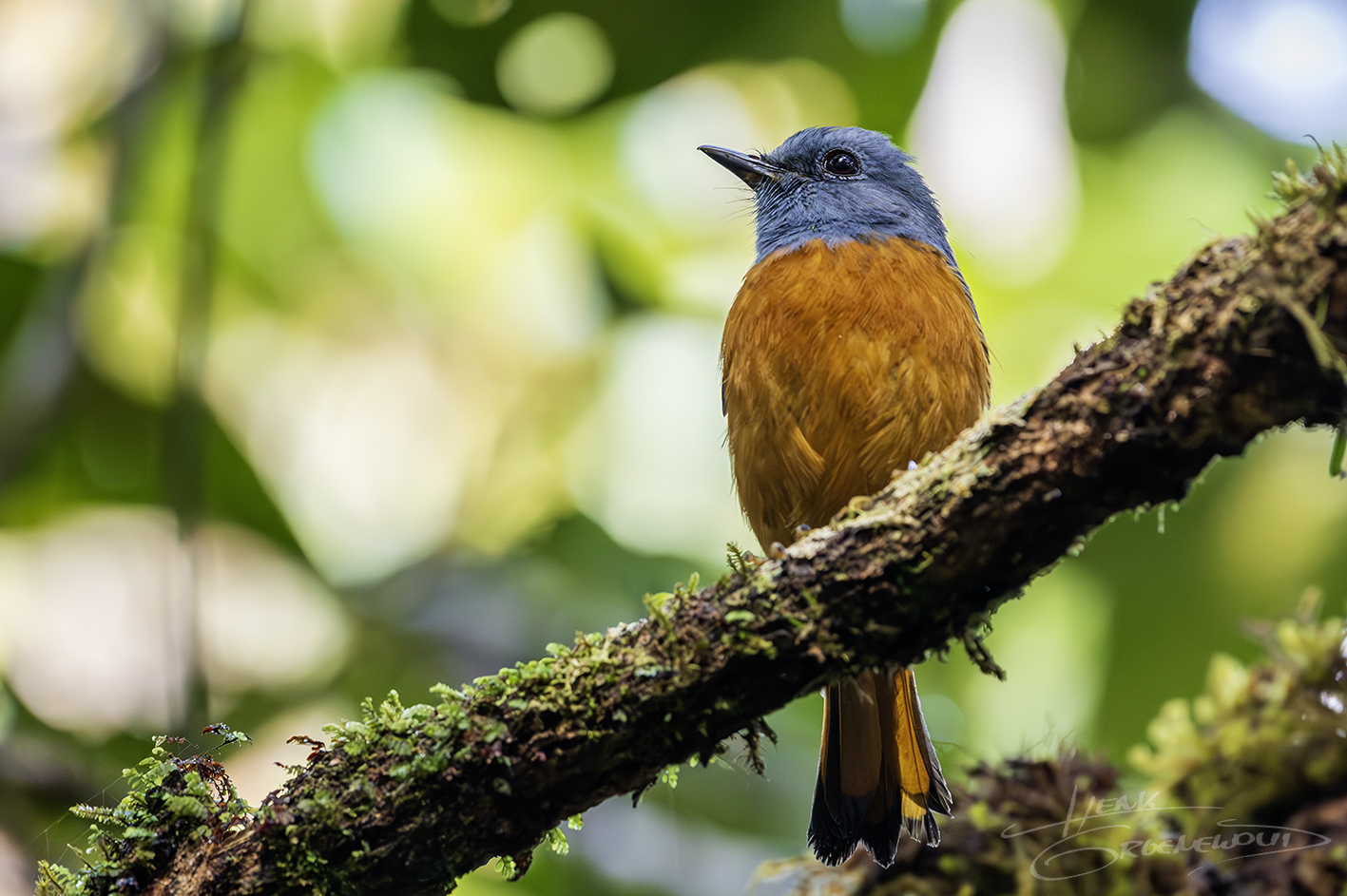
bergdrongovliegenvanger (White-eyed Slaty Flycatcher – Melaenornis fischeri
bruine muisvogel (Speckled mousebird – Colius triatus)
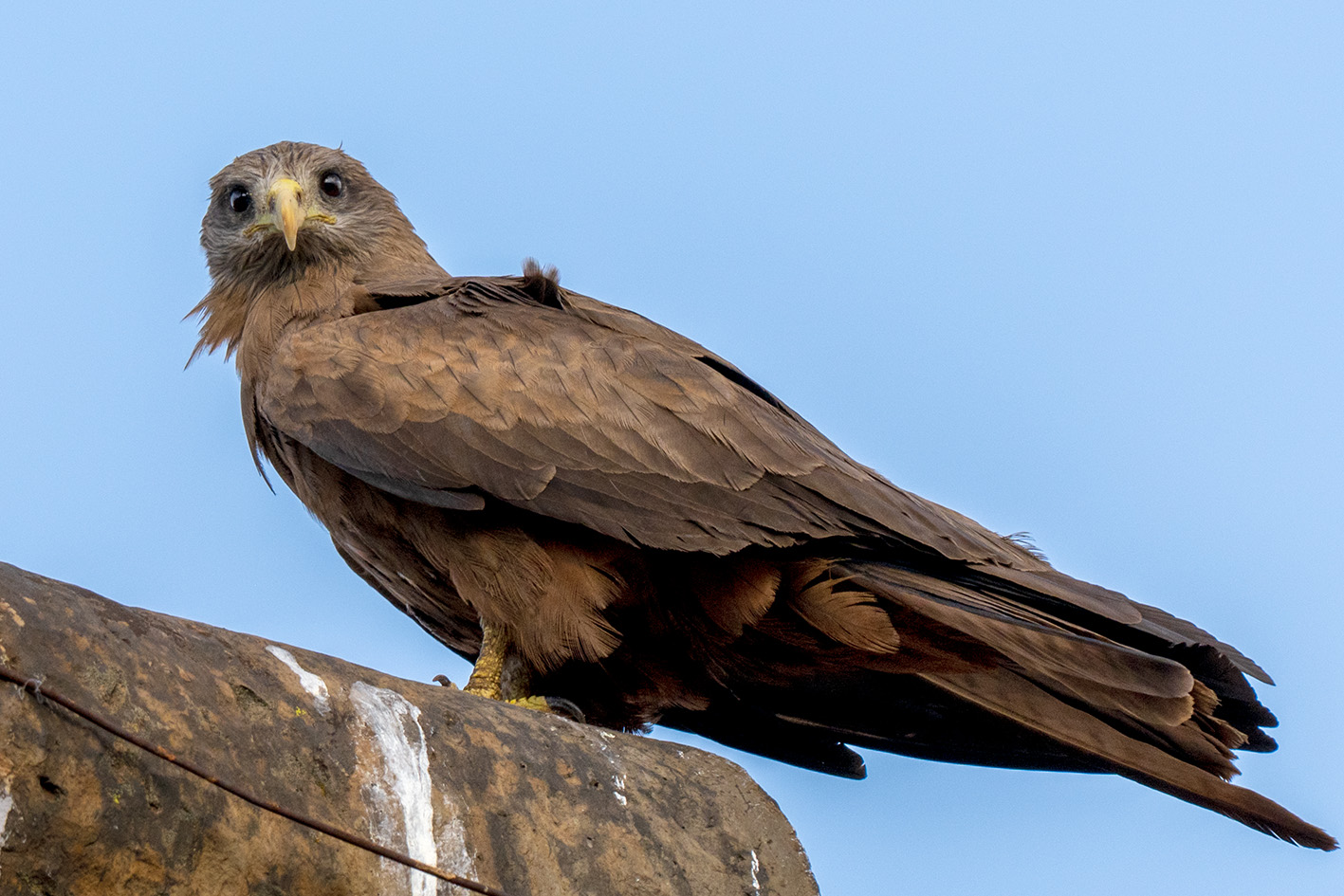
zwarte wouw (Black kite –  Milvus migrans)
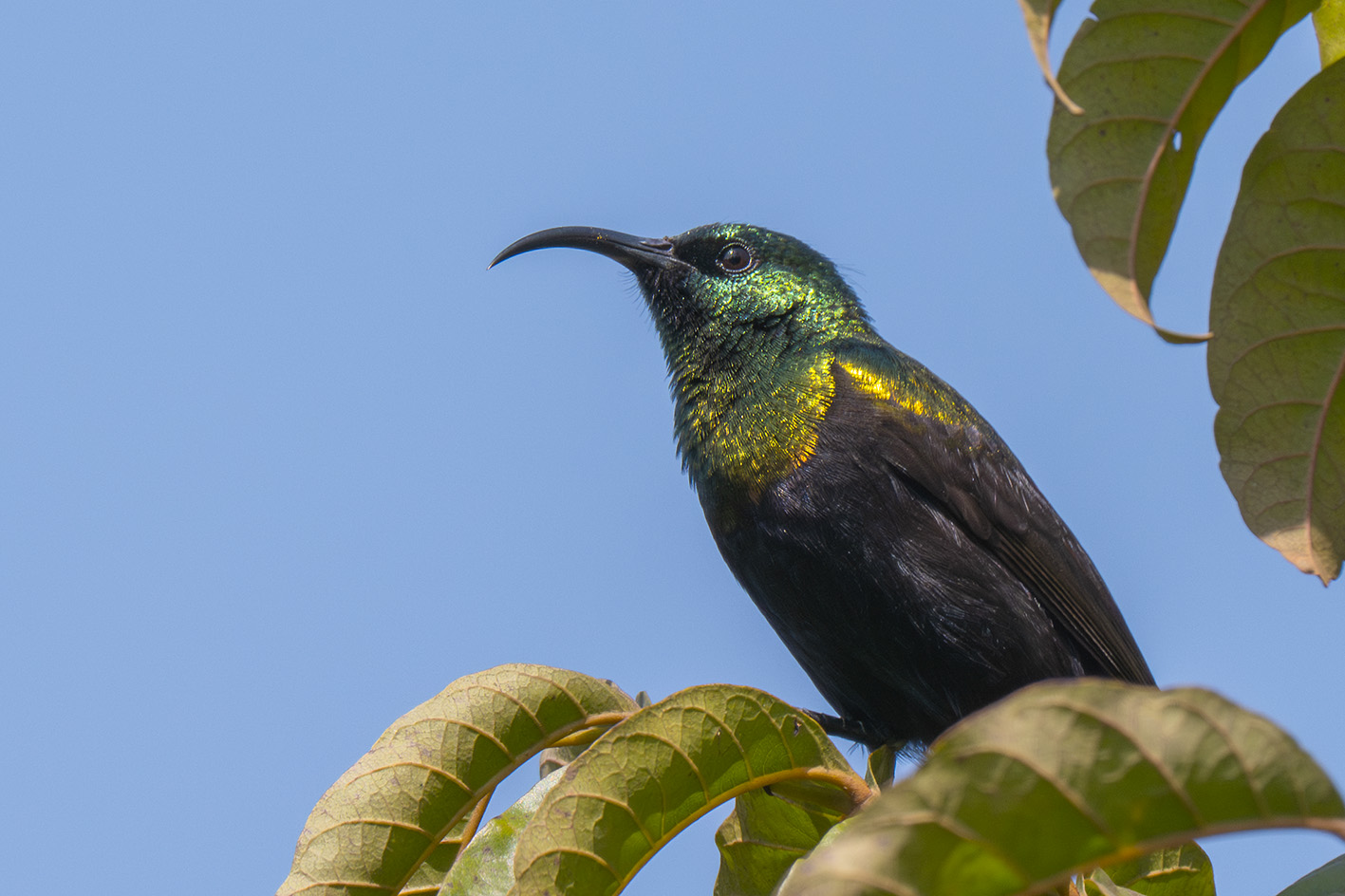
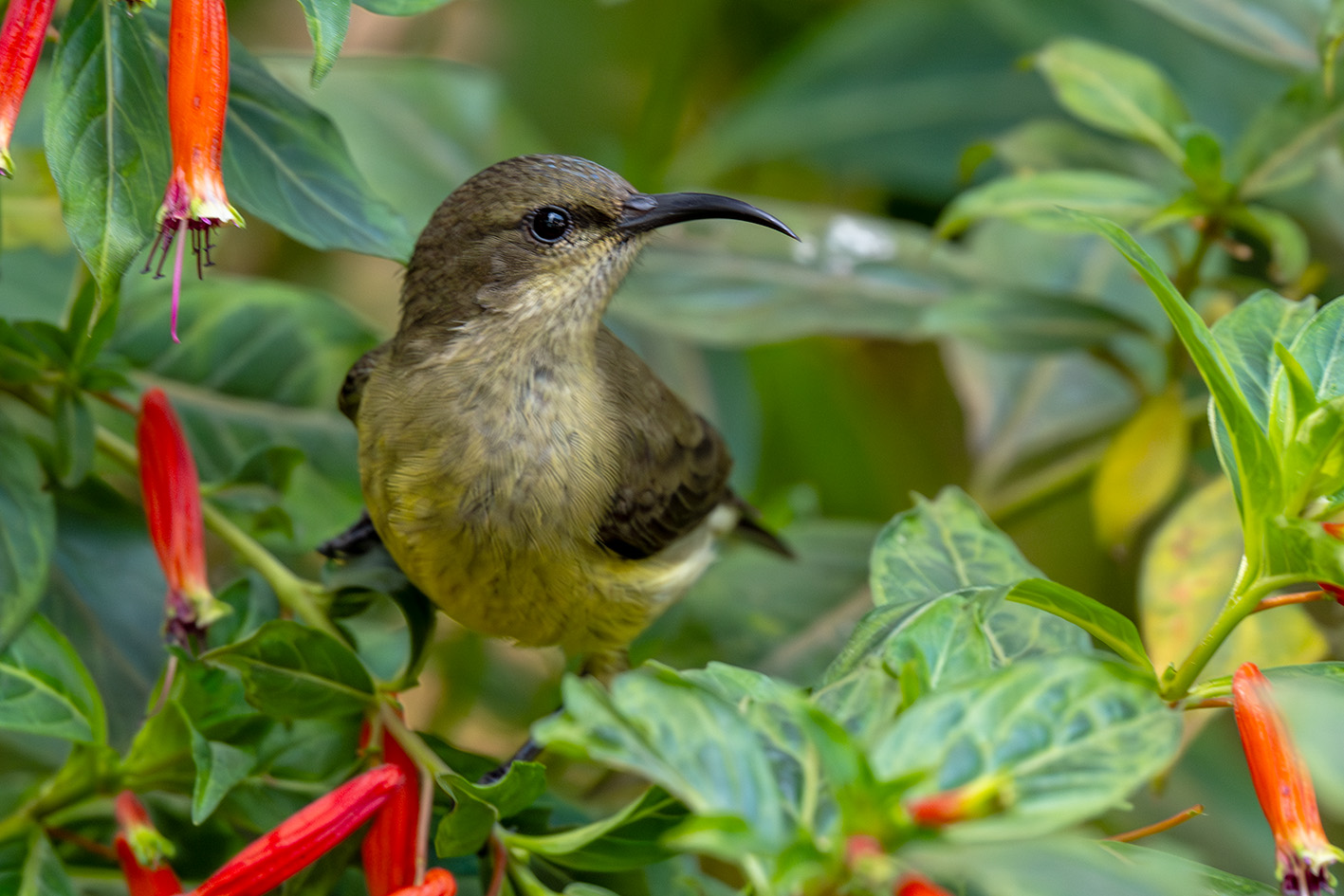
amethisthoningzuiger (Amethist or Black sunbird – Chalcomitra amethystina)
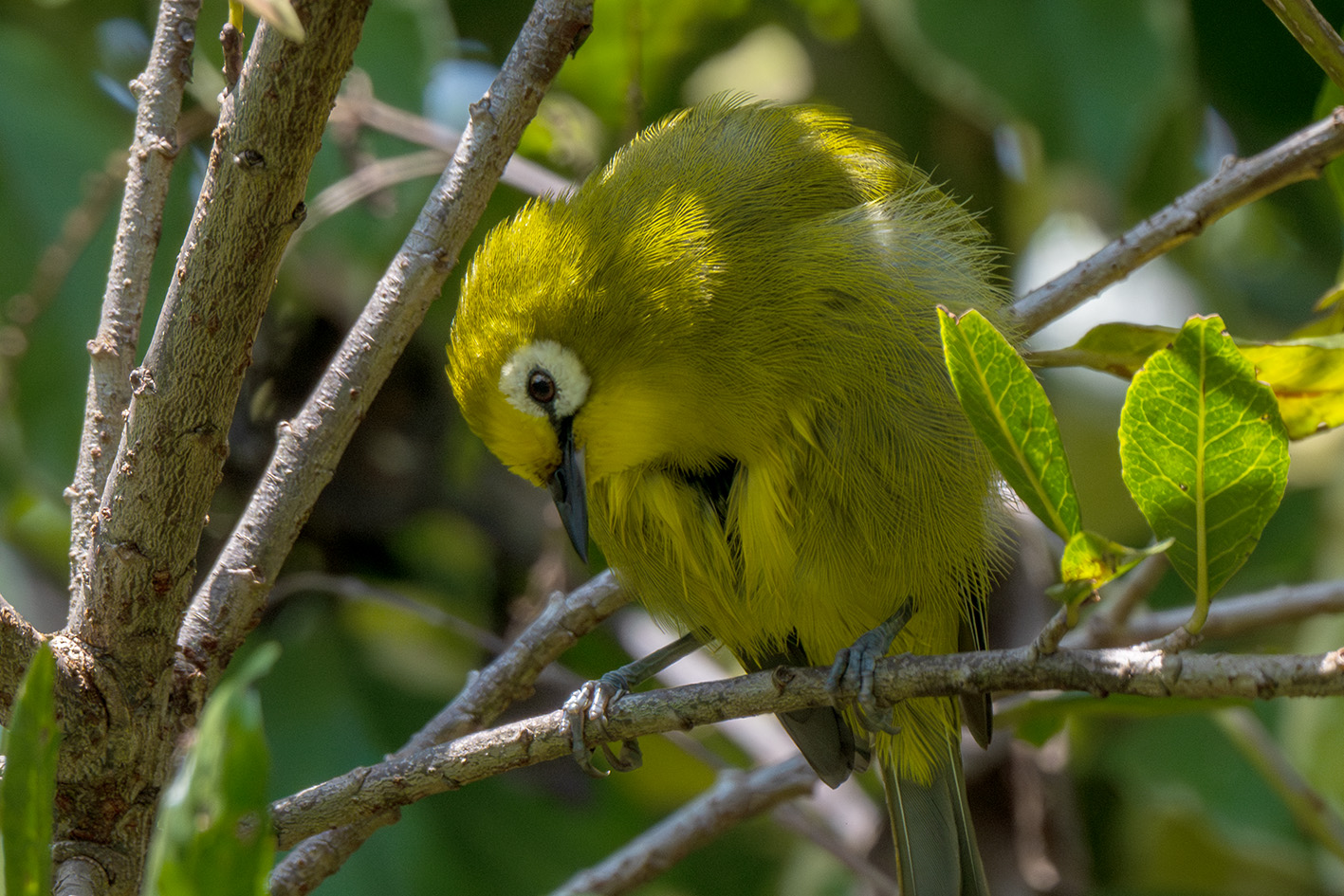
Somalische brilvogel (African yellow white-eye – Zosterops senegalensis)
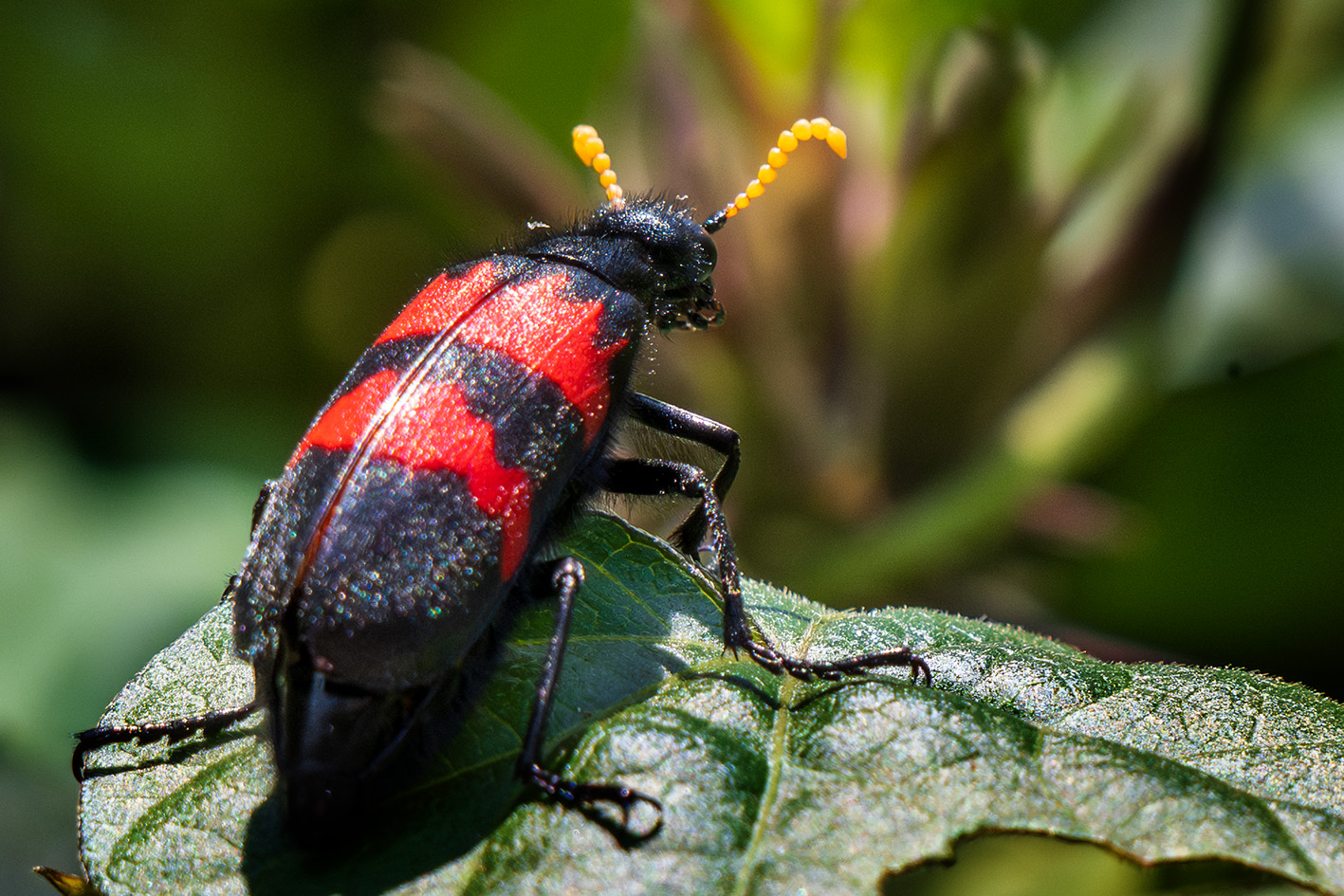
(Mylabris oculata) Een soort oliekever, Red and black blister beetle – Nairobi fly or bean beetle)
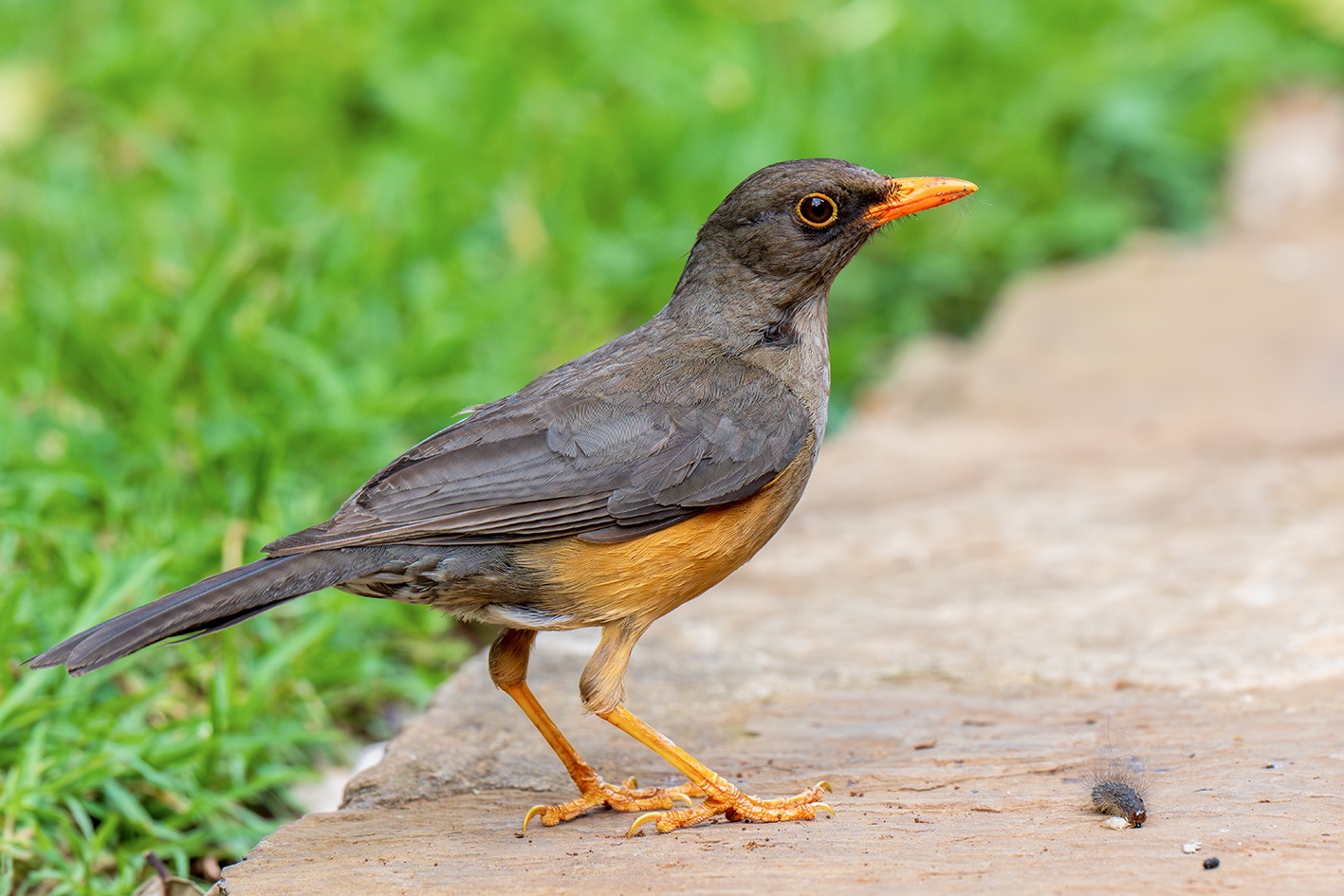
Afrikaanse berglijster (Abyssinian thrush – Turdus Abyssinicus)
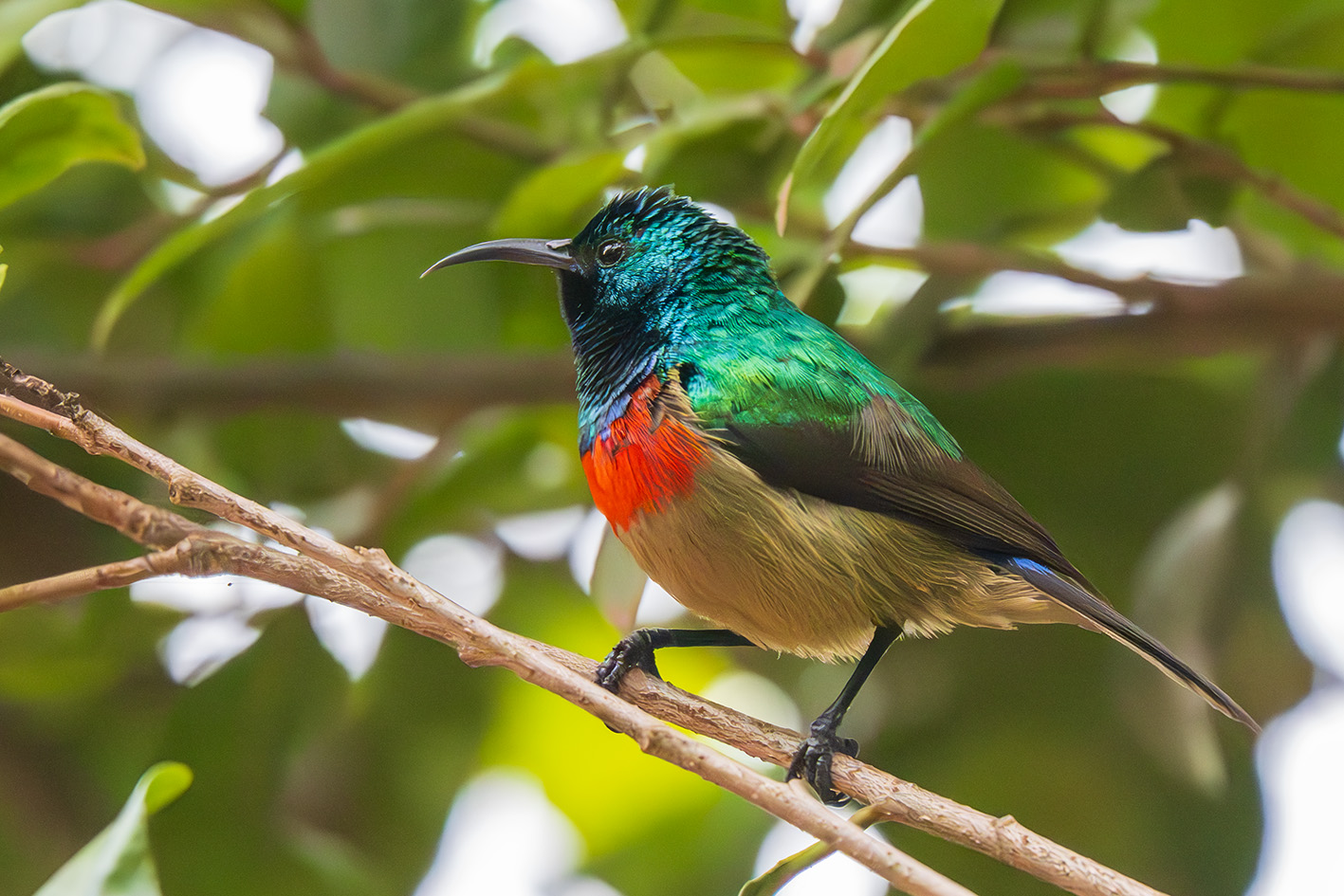
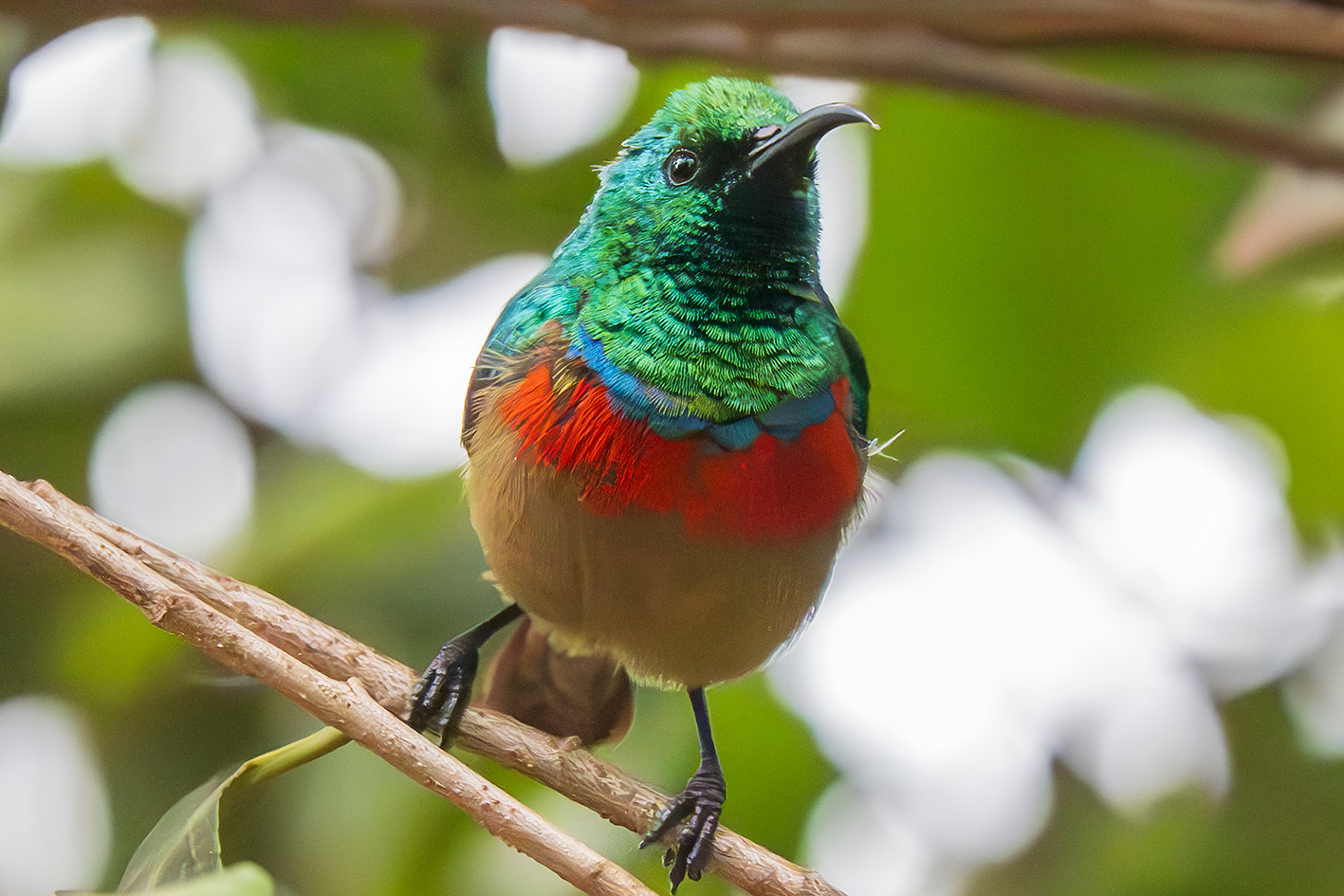
tacazze-honingzuiger (nectarine subird – Nectarinia tacazze)
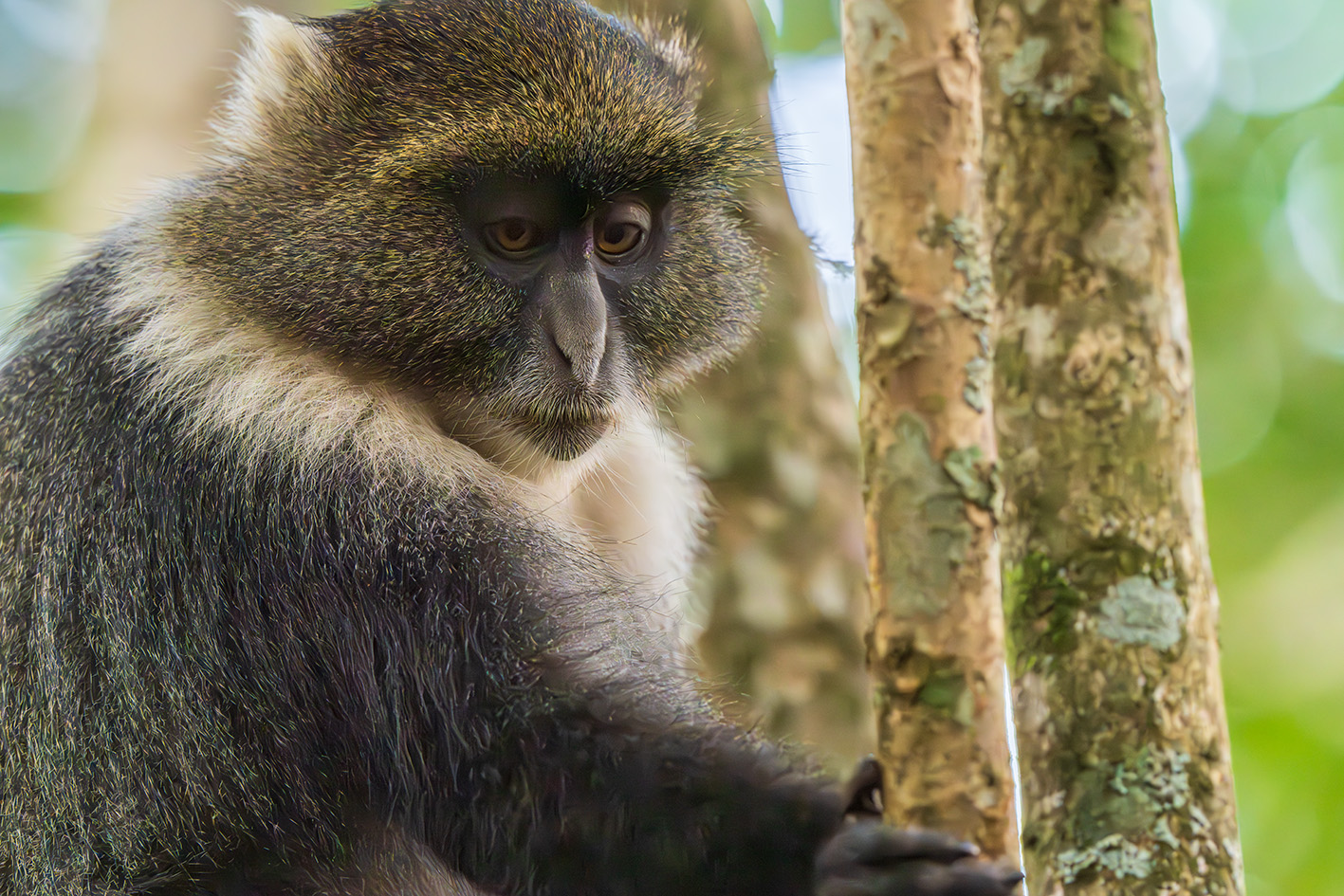
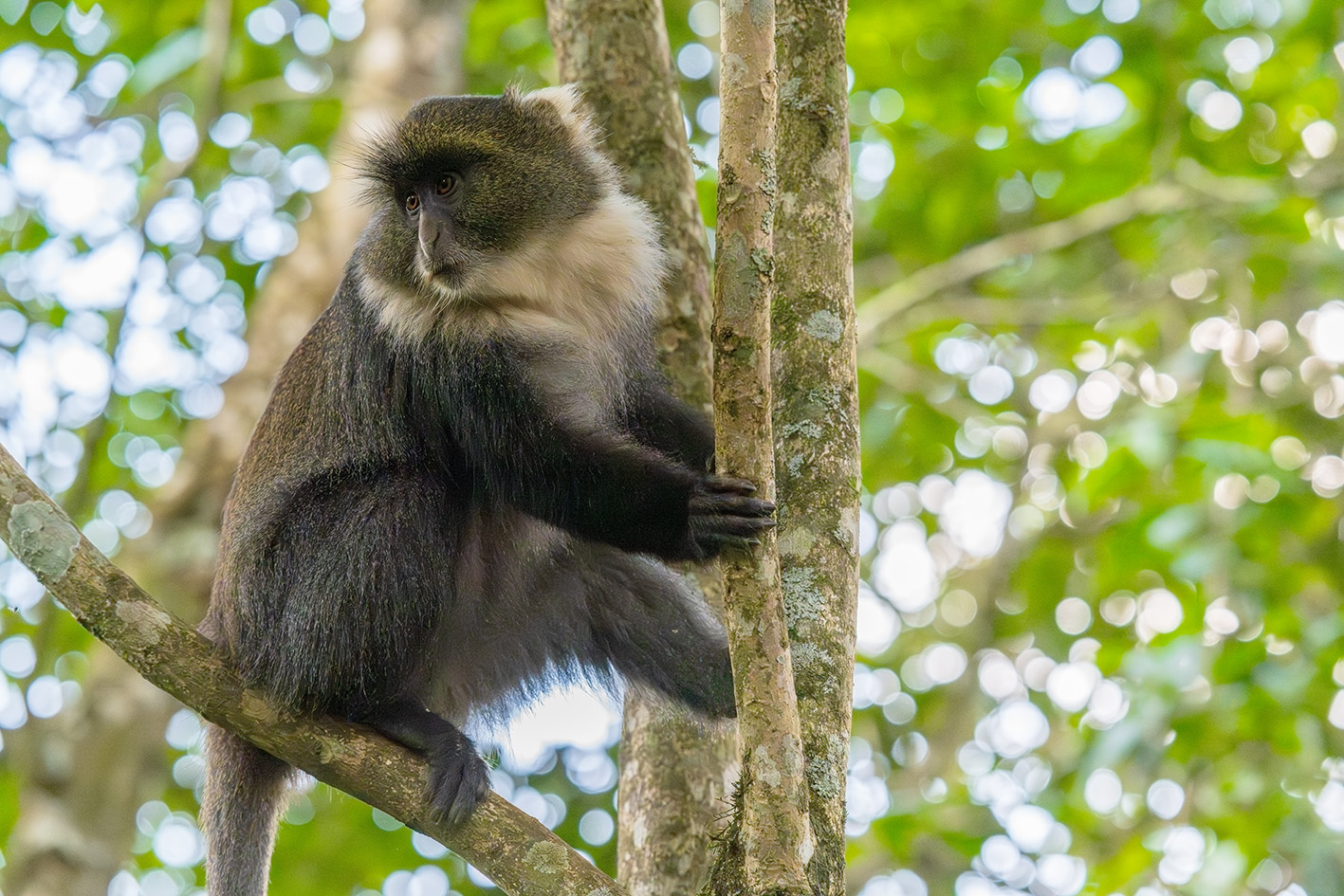
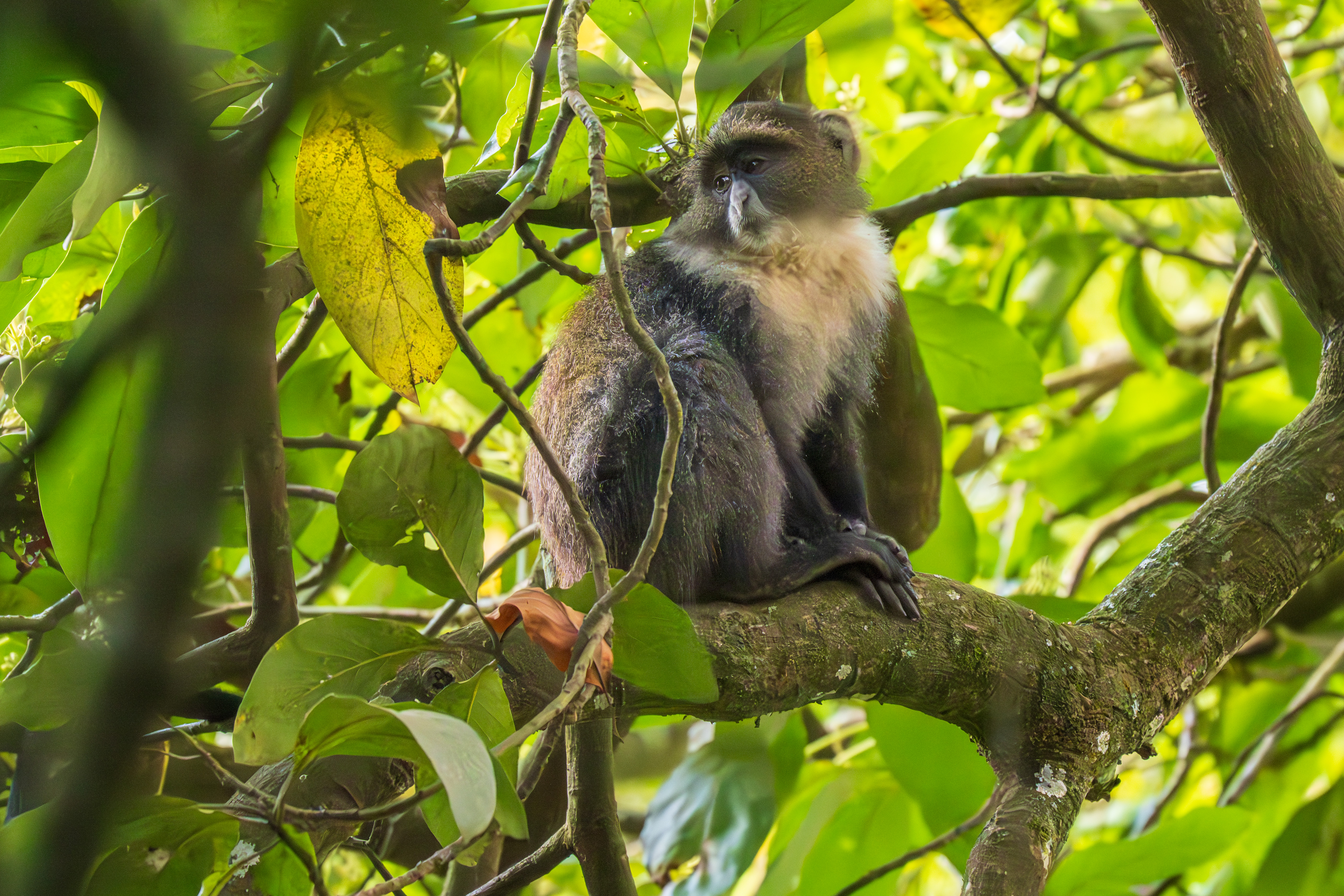
diadeemmeerkat (Blue monkey – Cercopithecus mitris)
feeenhoningzuiger (Beautiful sunbird – Cinnyris pulchellus)
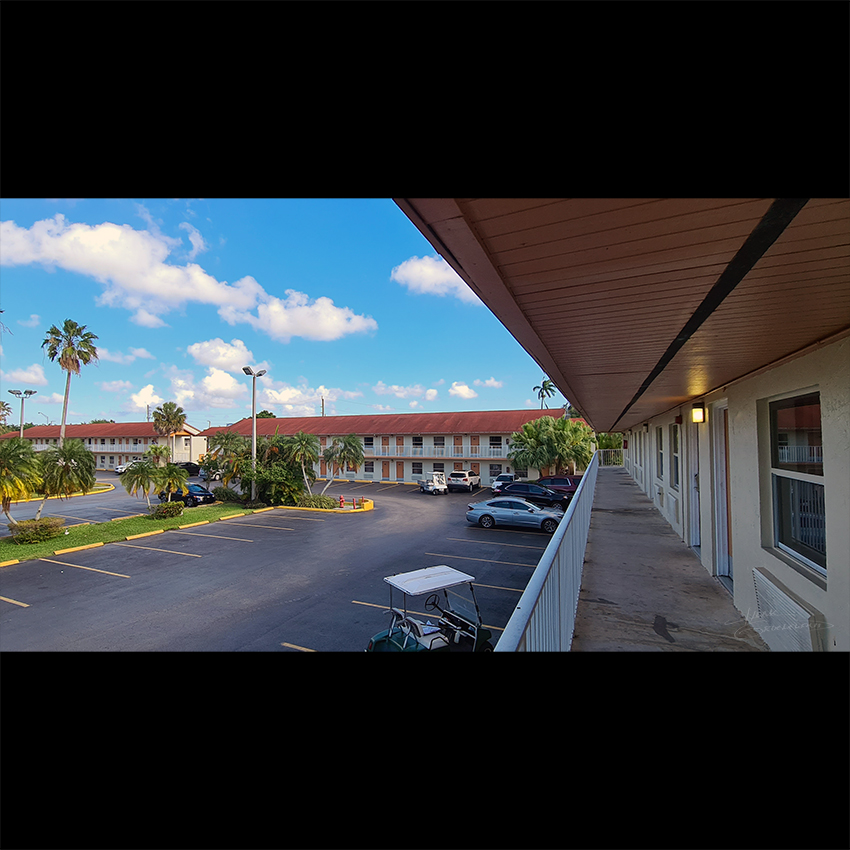
Florida – day 2

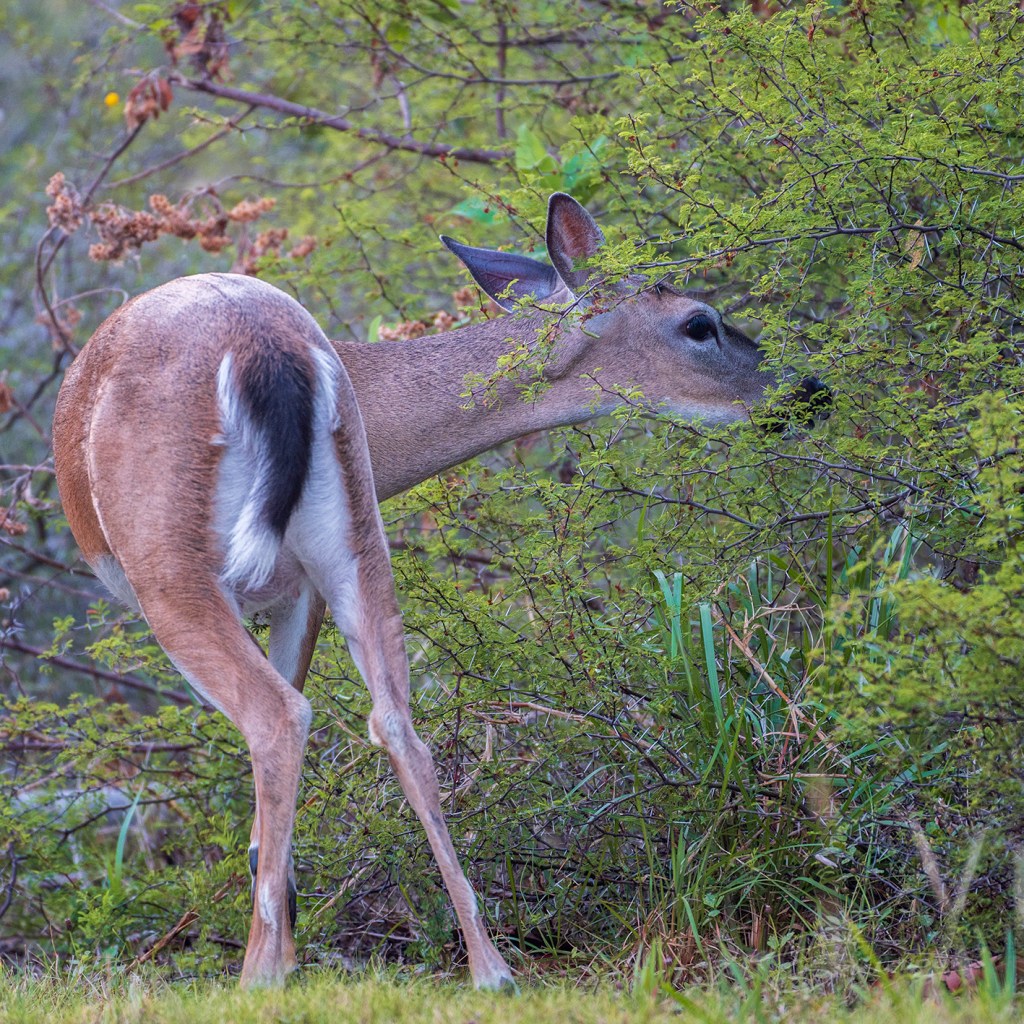
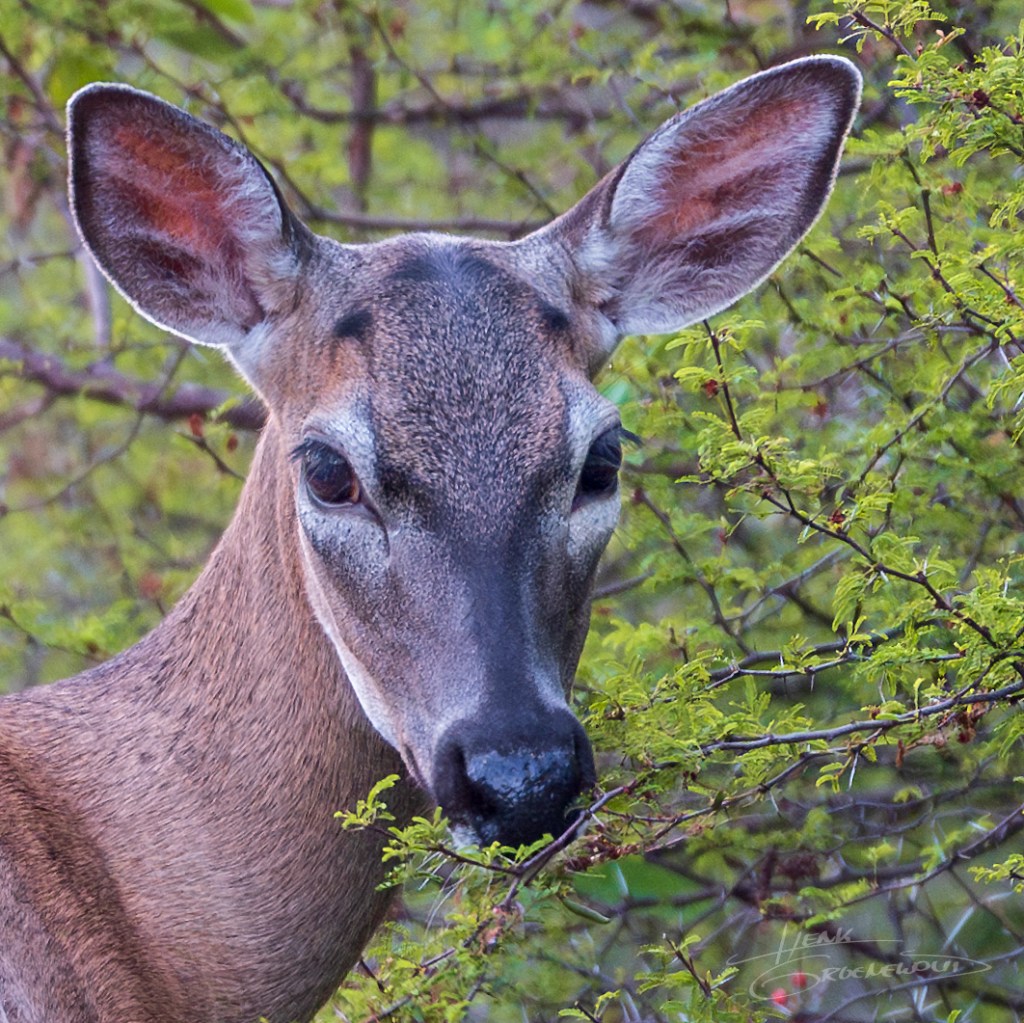
Next morning we were welcomed by this Key deer (Odocoileus virginianus clavium) walking through our garden. A miniature deer, but what beautiful eyes!


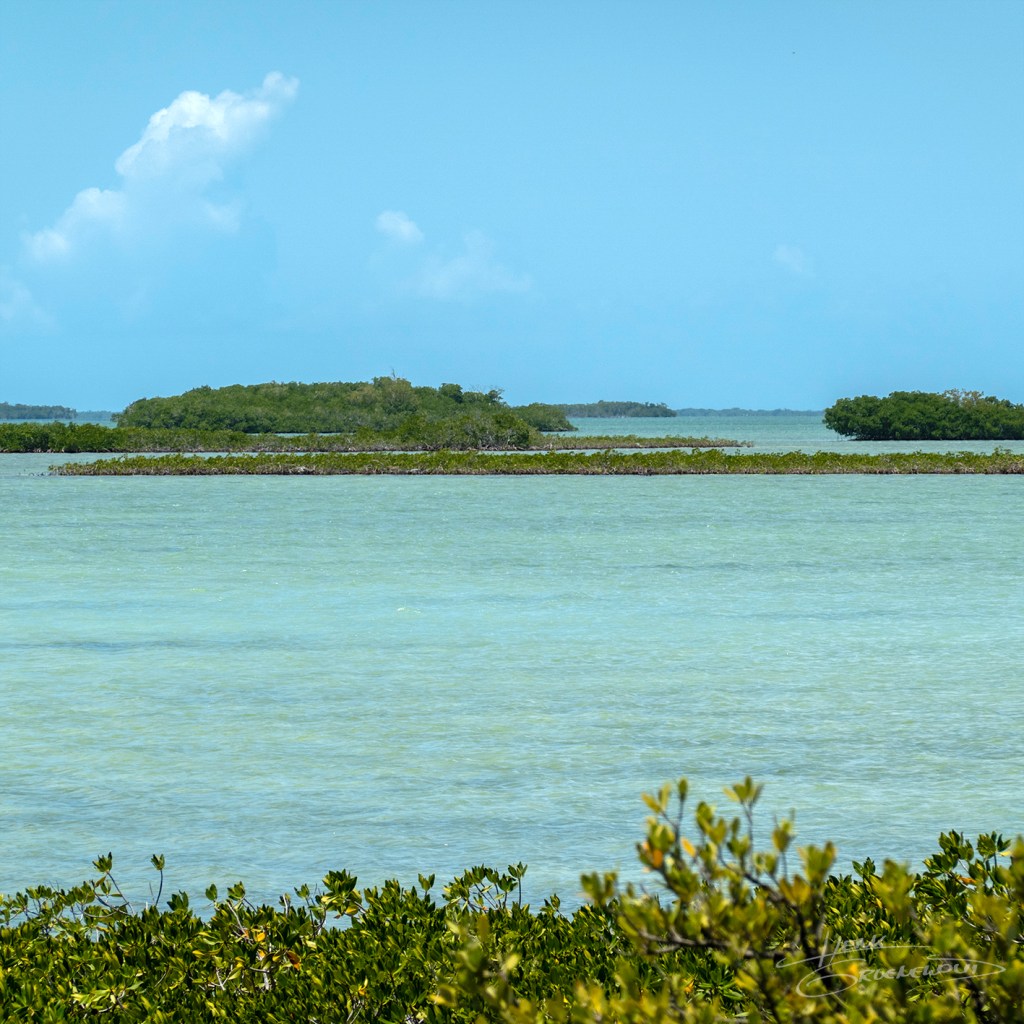
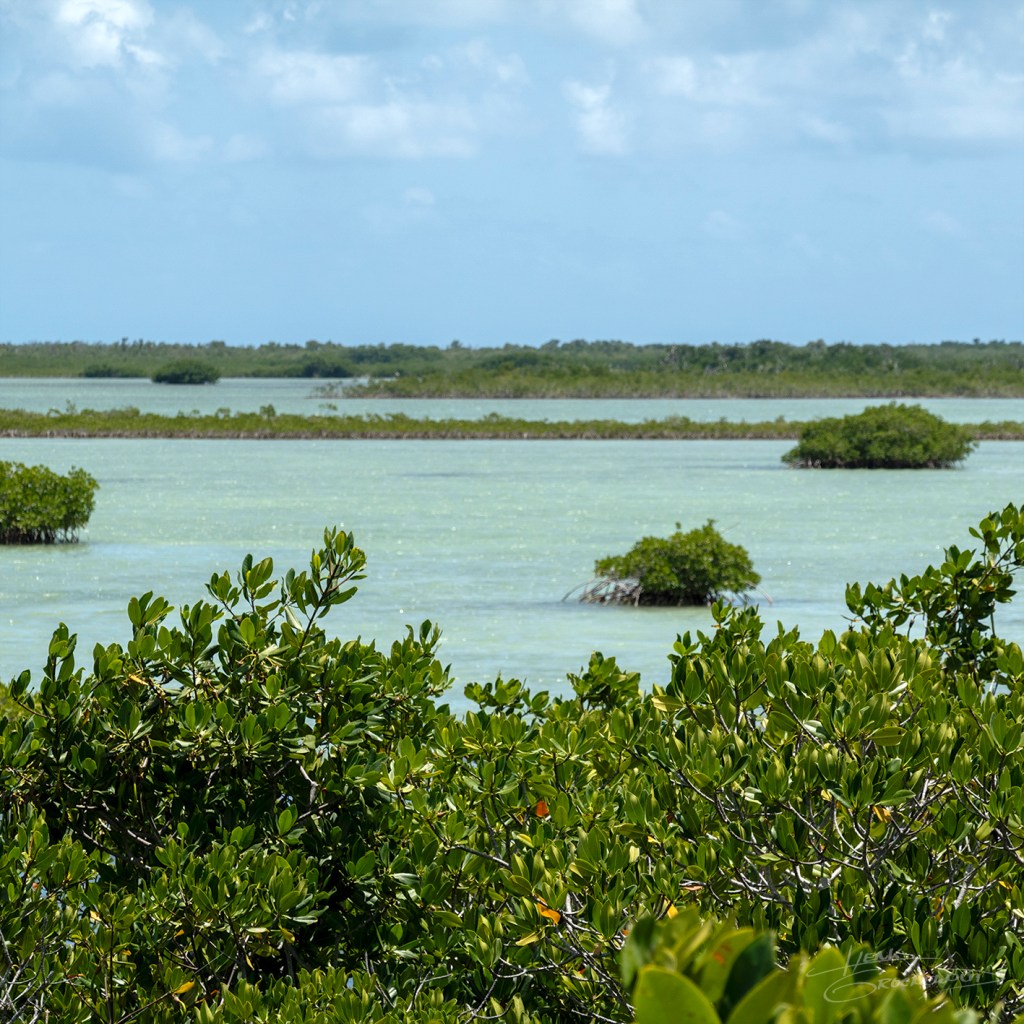
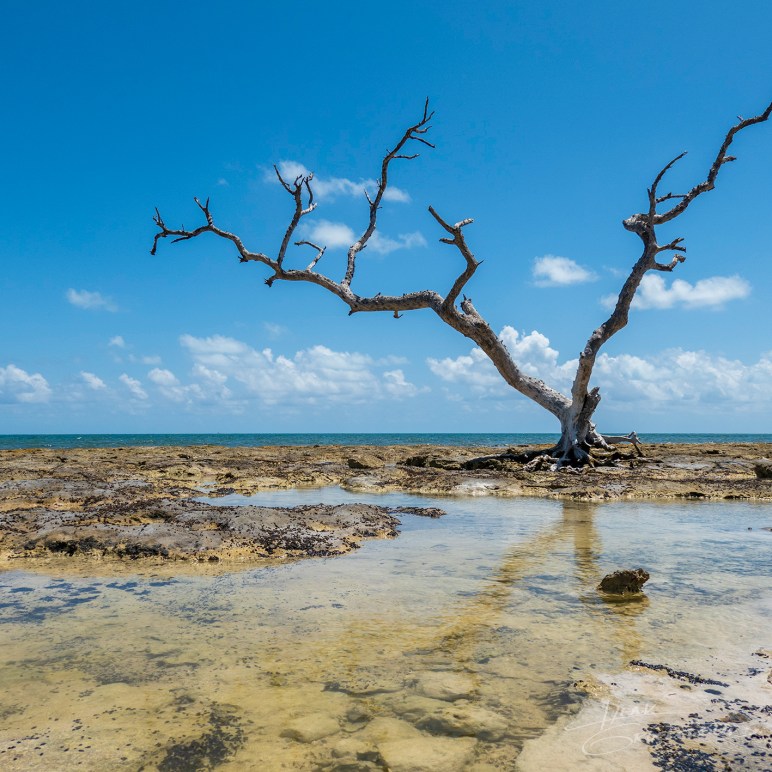
These colors of the mangroves!


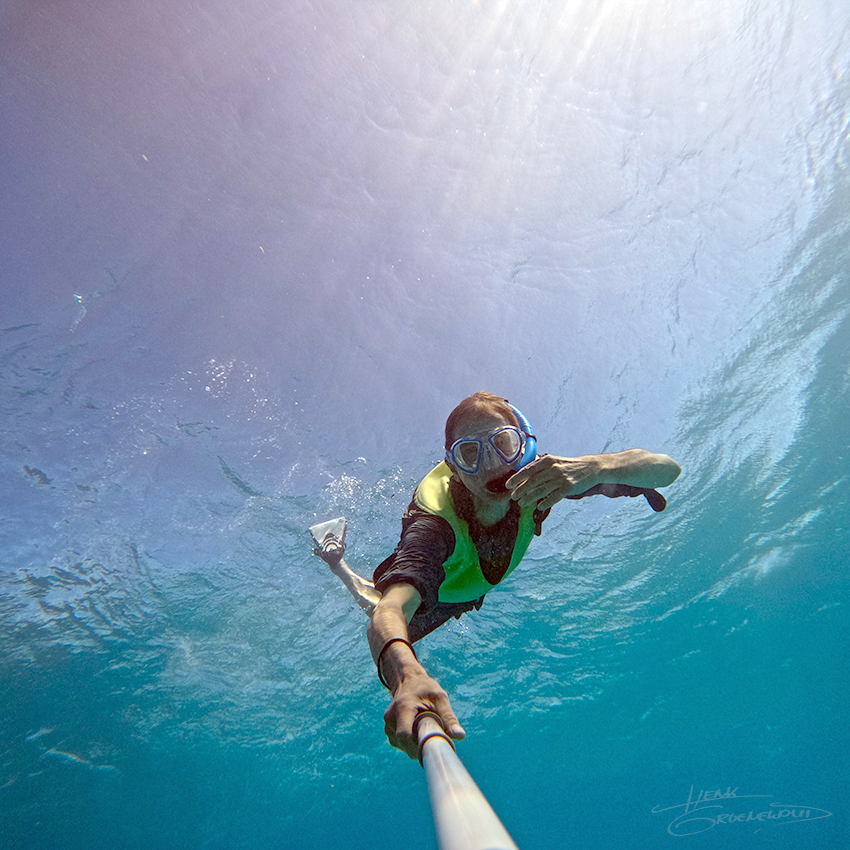
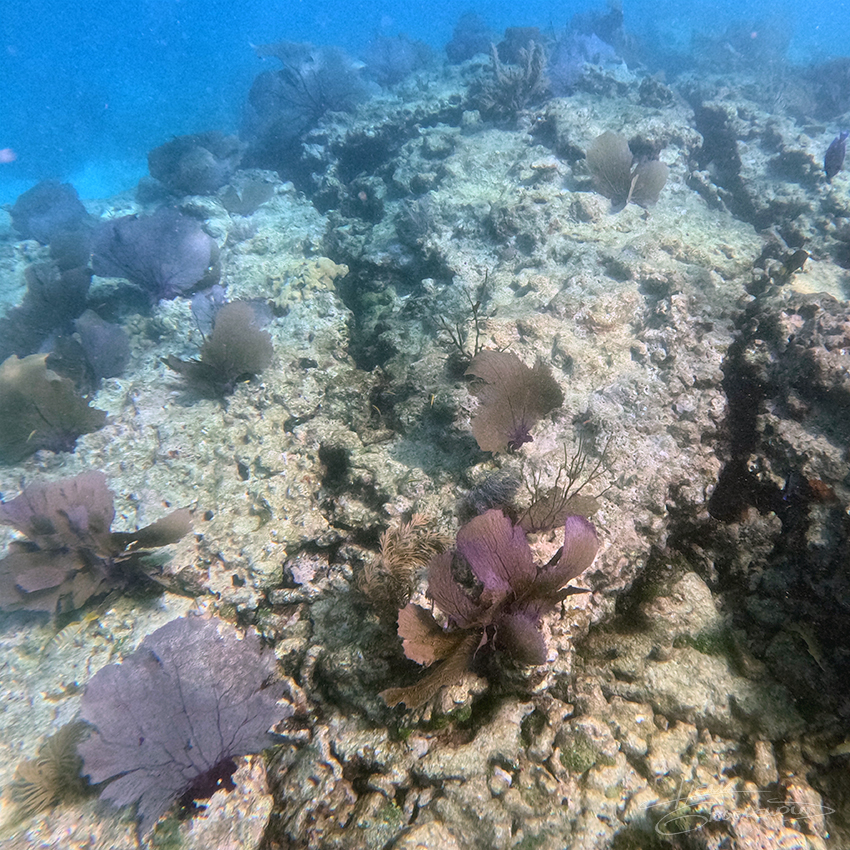
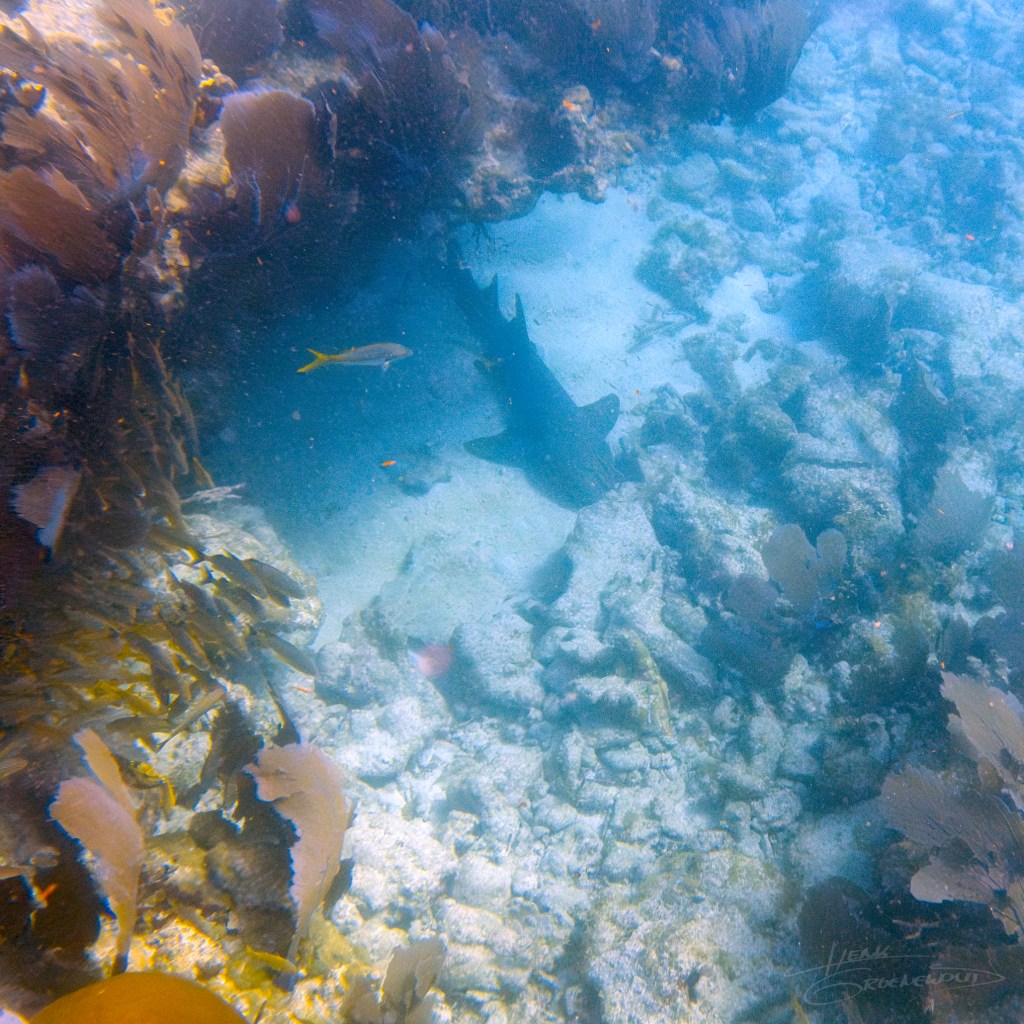
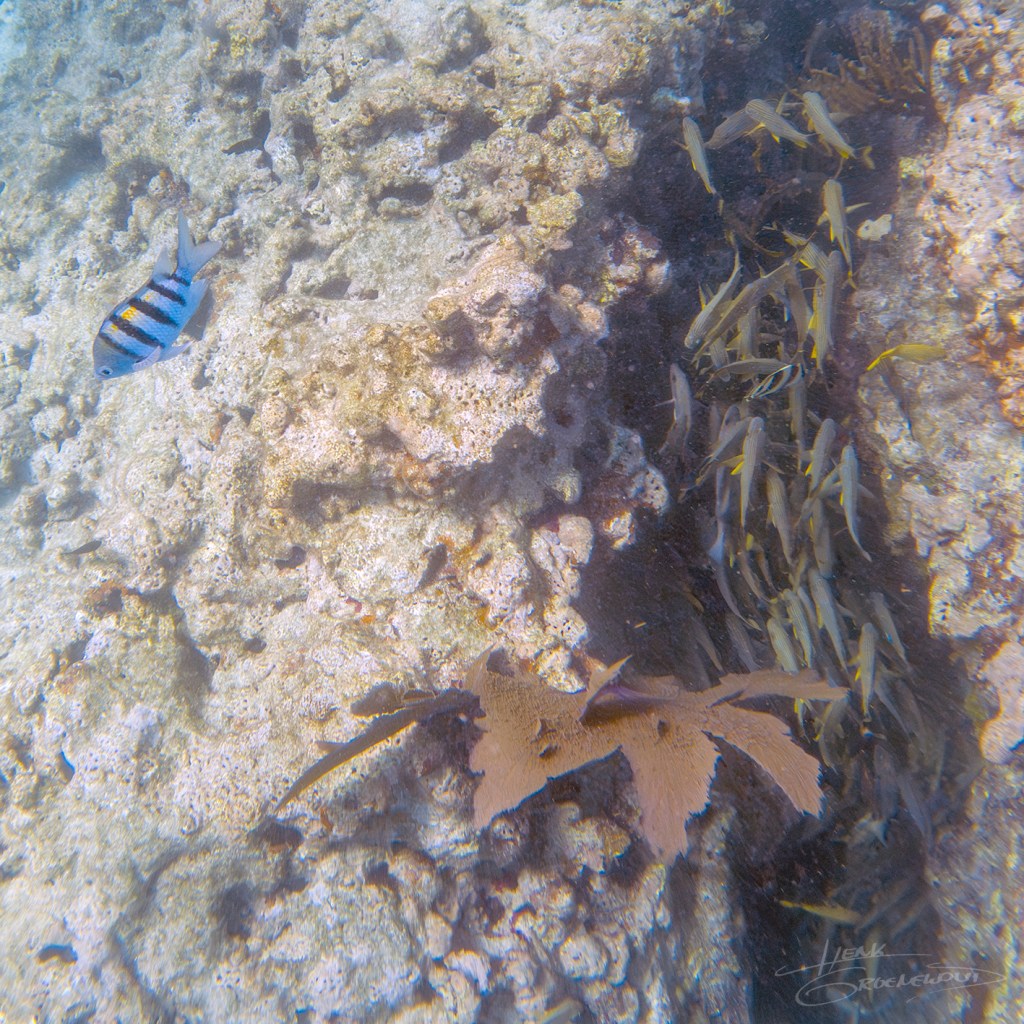
Snorkling at the reef

DCIM100GOPROG0030820.JPG


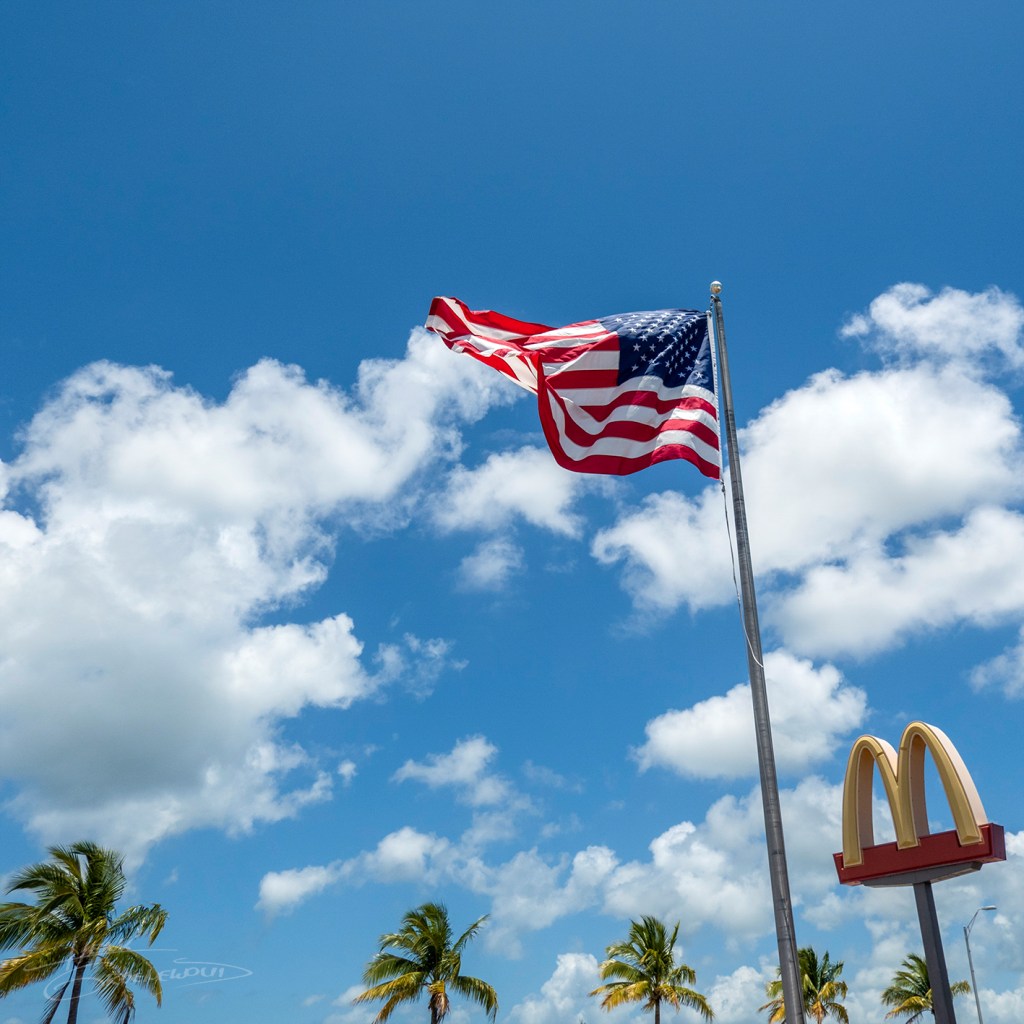
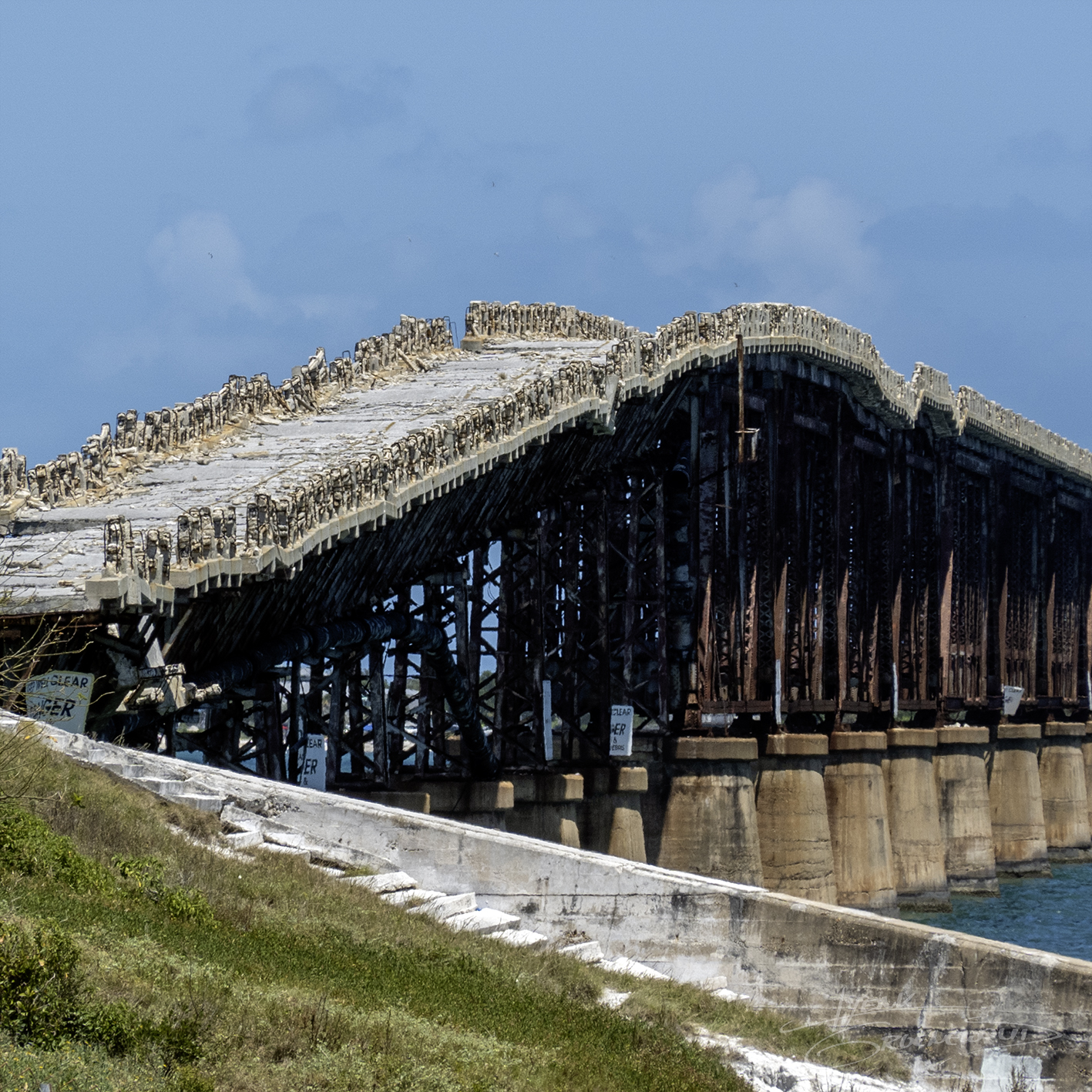
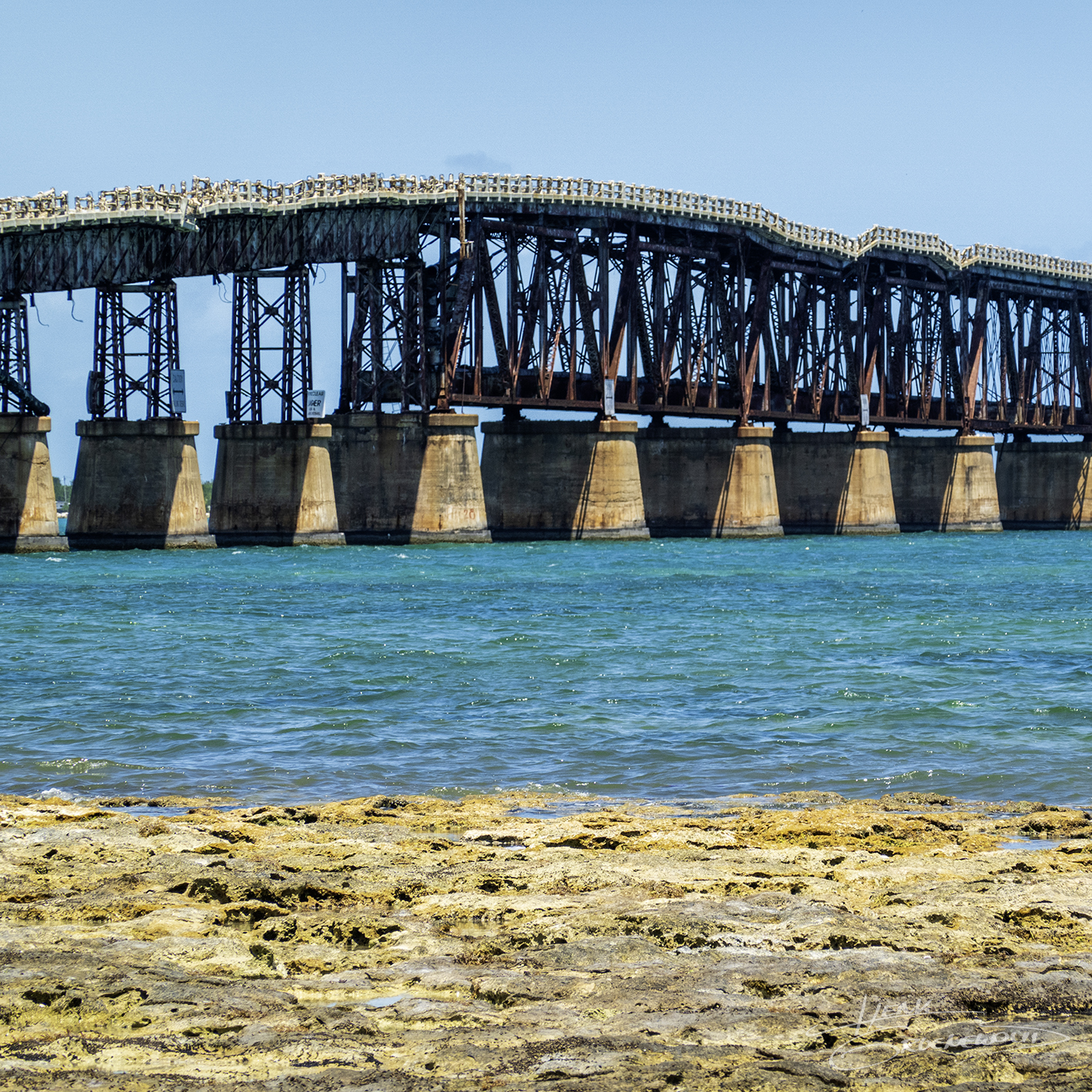
Schematic display of a stay in the Keys, Florida USA

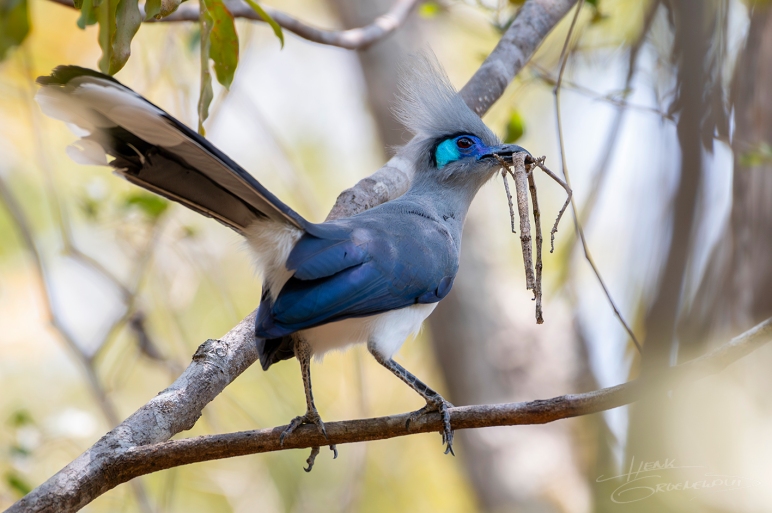
Last series of Madagascar

It’s too much!

Madagascar insects and arachnidae

“Looking forward to see your pictures of insects of Madagascar,” my former colleague Gert van Ee said when I posted the first results from the Madagascar trip. Gert is a well-known insect expert in the Netherlands.

“I’ll see what I can find, but I’m afraid we didn’t see many insects,” I replied. “And it will take some time to go through those 15.000 pictures.”

So this is the result. A couple of insects indeed, and some other arthropods as well (arachnids)
(lead picture: Brilliant blue – Junonia rhadama)
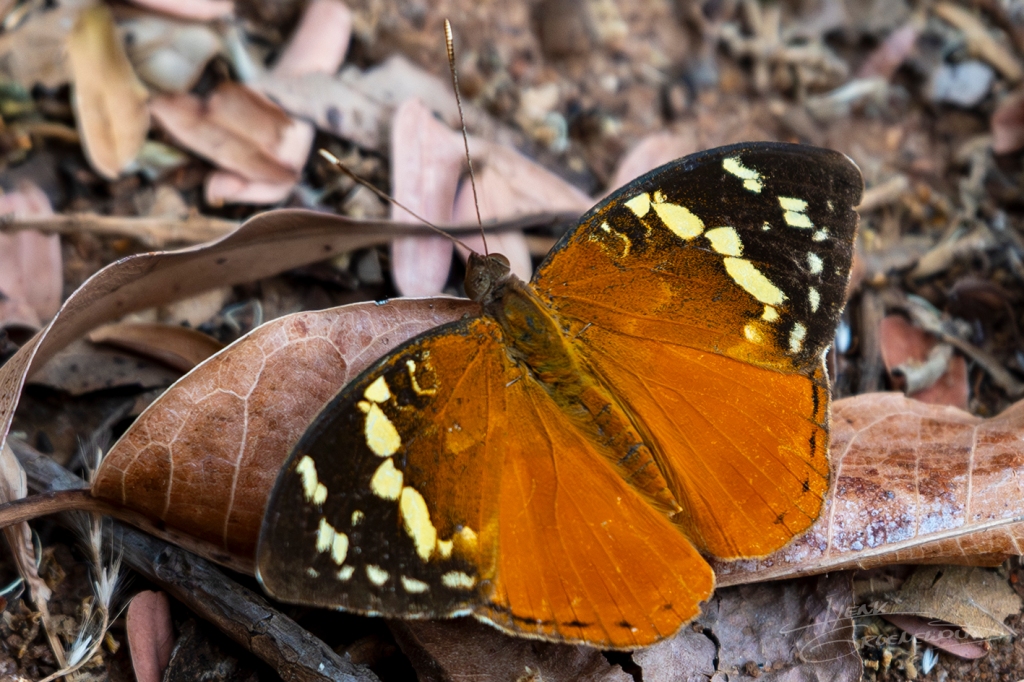
Madagascar Forest nymph  – Aterica raben
Green lady – Graphium cyrnus (feeding on dung)

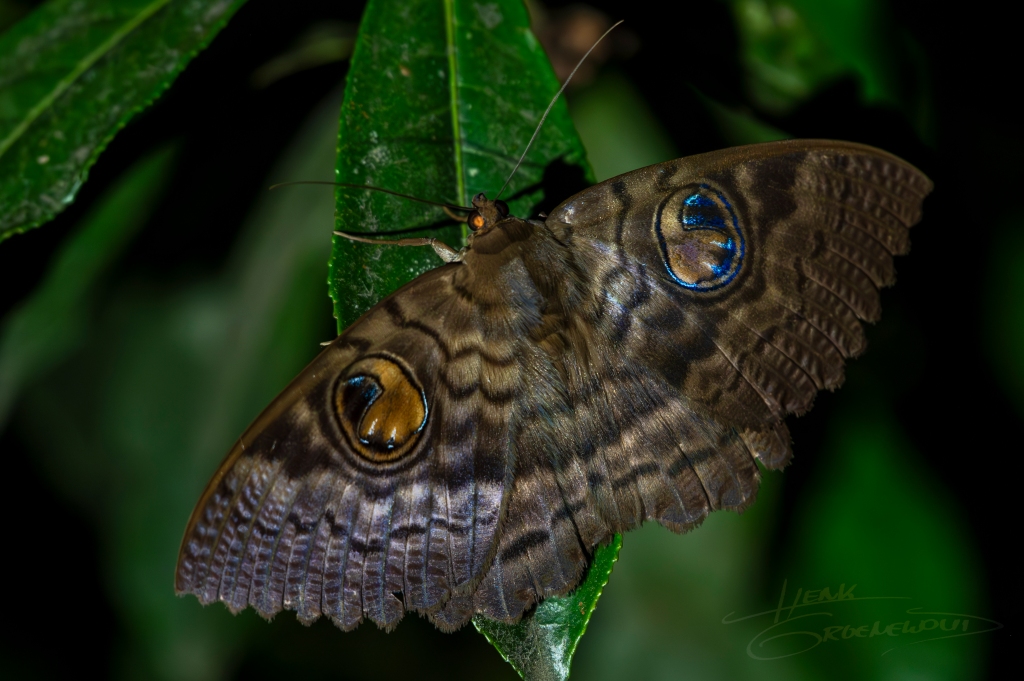
Walker’s owl – Erebus macrops (Huge! Like 15 cm.)
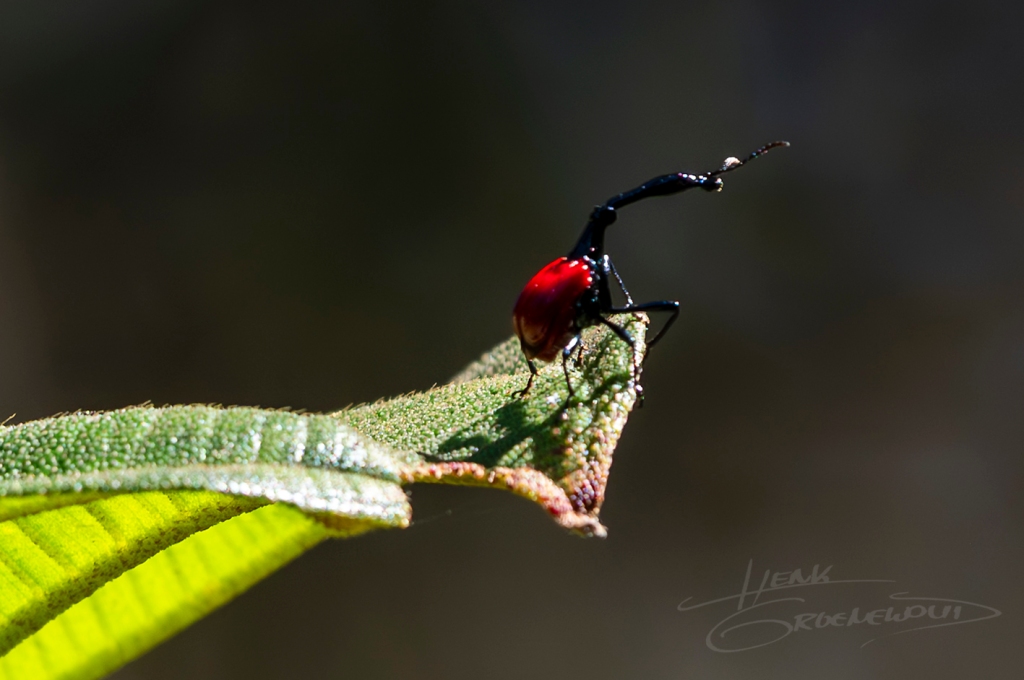
Giraffe-necked weevil – Trachelophorus giraffa

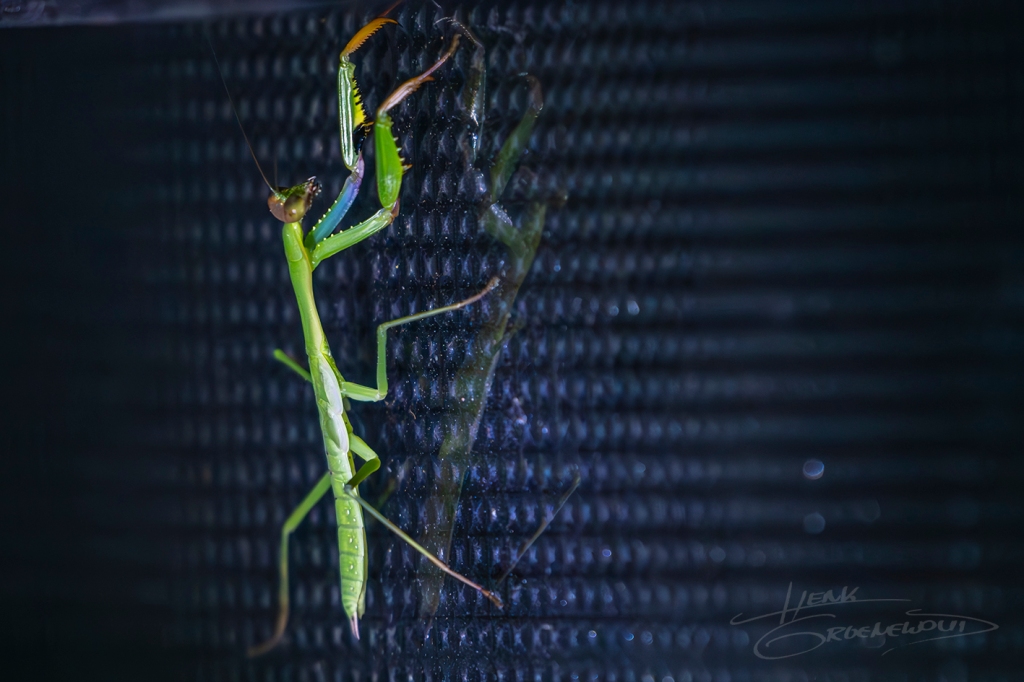
Praying mantis ( I apologise for not always finding the exact species names – If you know them do not hesitate to mention them)
Green stick insect – Achrioptera manga

Madagascar Flatid leaf insect – Phromnia rosea. They look like flowers, but they are tiny insects (see detail)

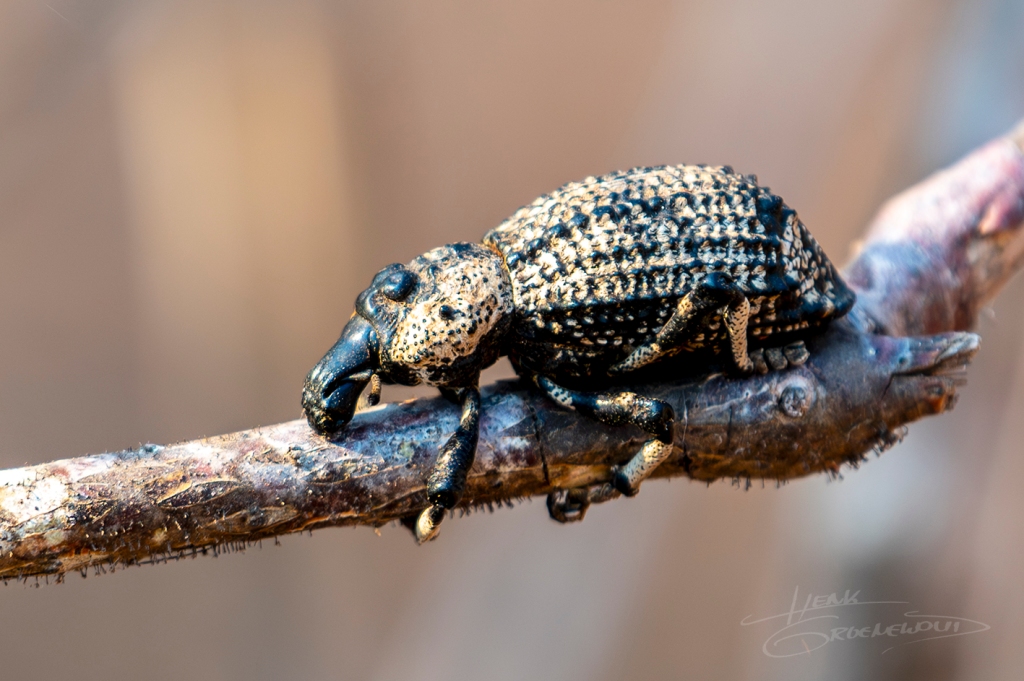
Black & White curculionidae weevil – Rhytidophloeus rothschildi
Grasshopper – locust (pretending to be larger than life)

Madagascar black scorpion – Grosphus madagascariensis
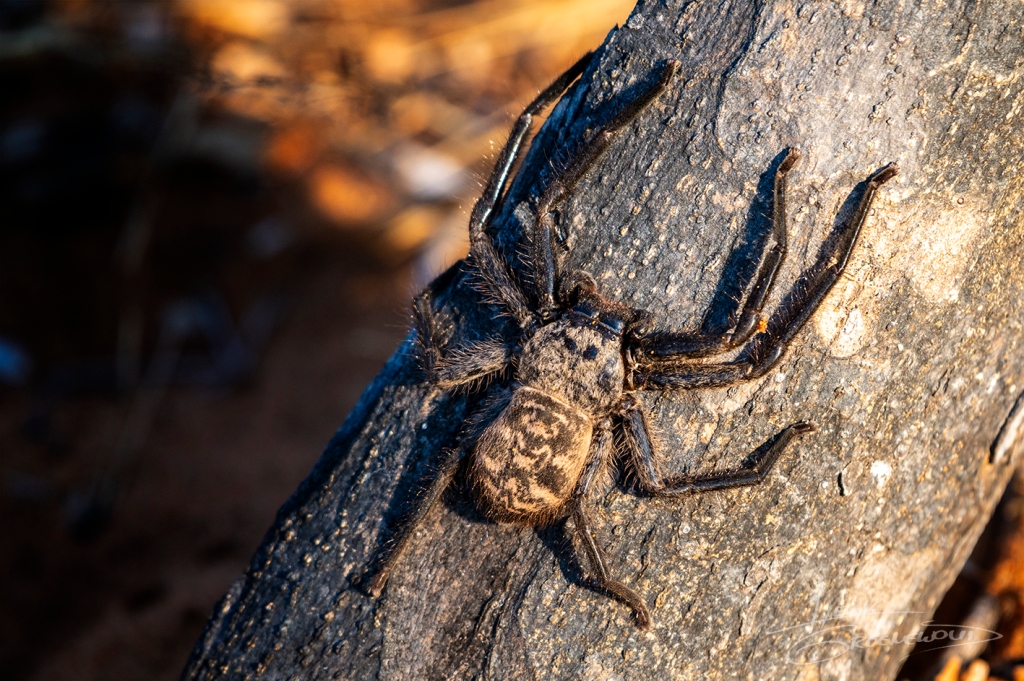
Huntsman spider – Damastes sp. (Like 10 cm big. And spitting venom to the guides!)        

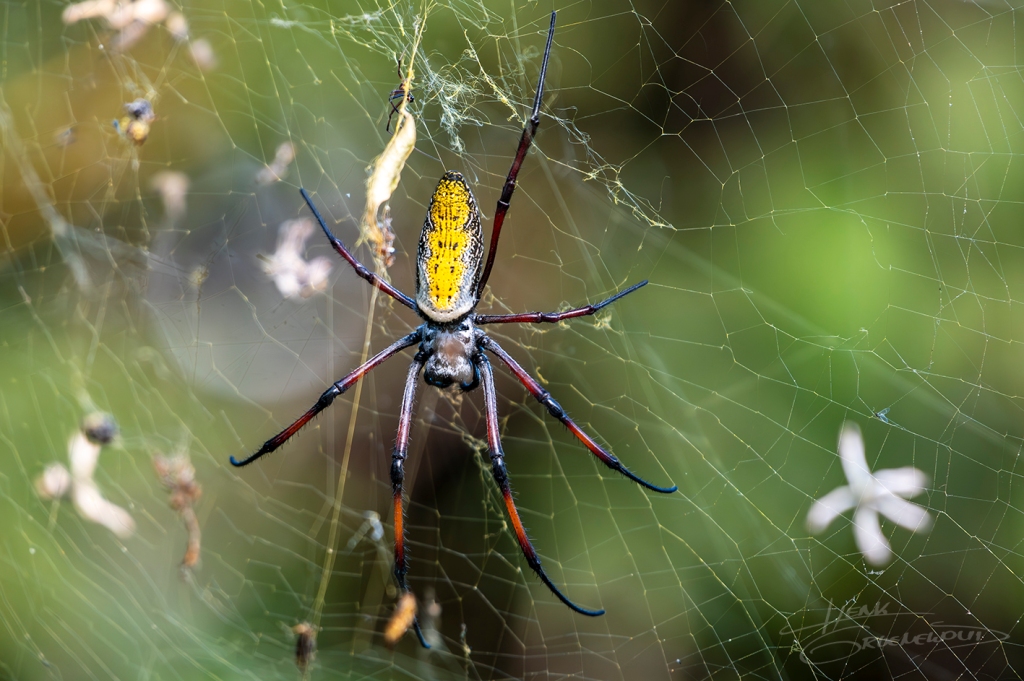
Golden orb web spider – Nephila sp. (Huge female, like 15 cm. And a tiny but very brave male behind her, hoping to mate but fearing to be eaten)

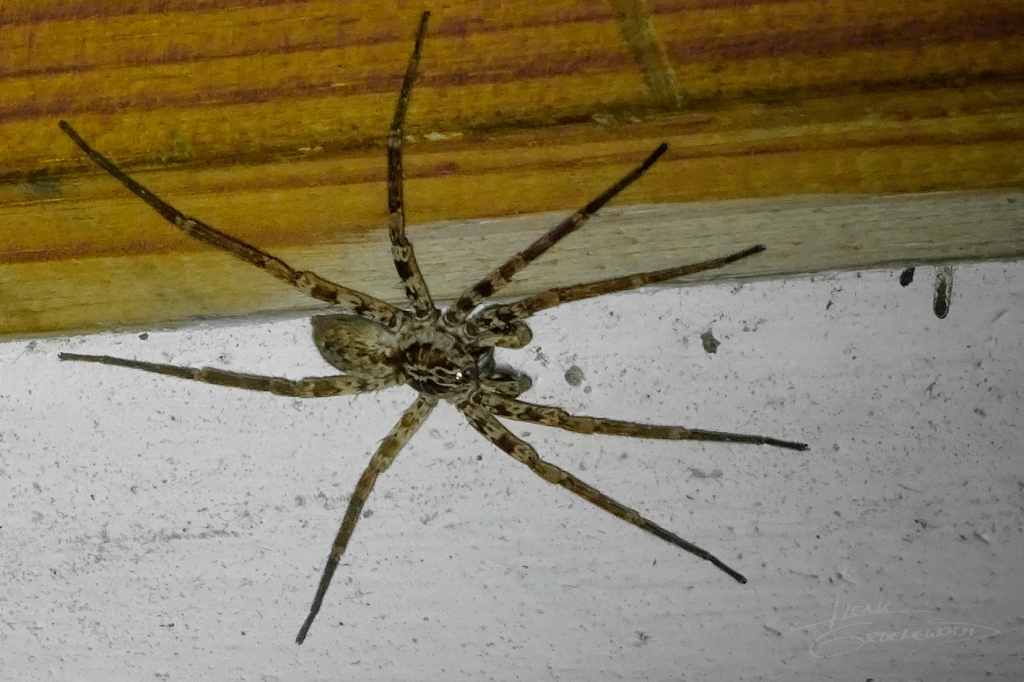
Zebra spider – Viridasius sp. (Huge! Like 15 cm, and living in our lodge)
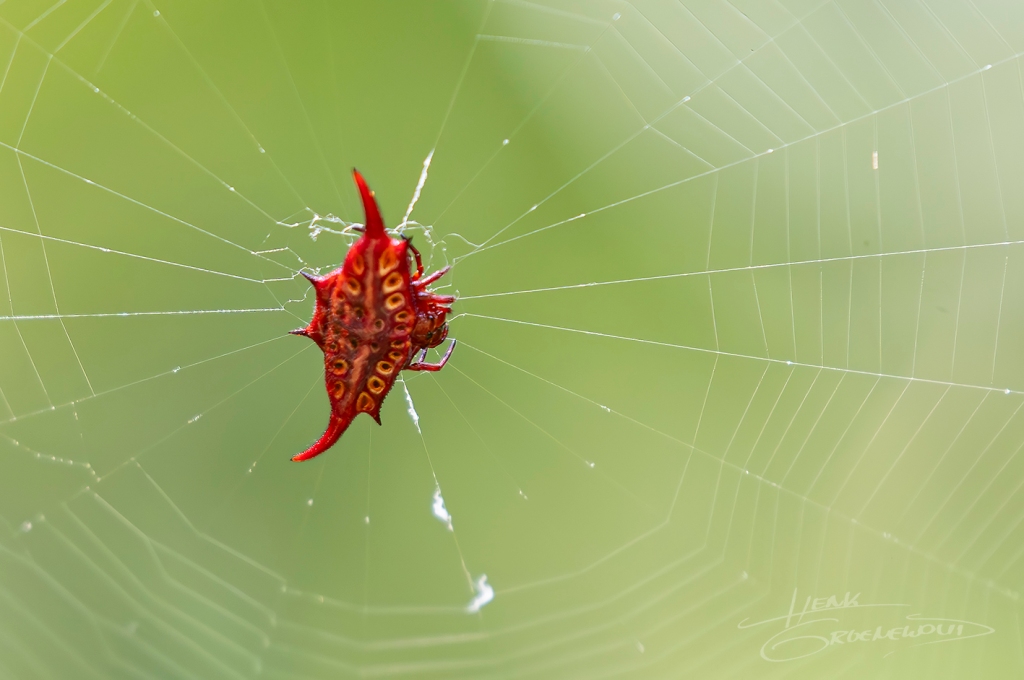
Red crab backed orb weaver – Medium wing  kitespider – Gasteracantha versicolor (small but beautiful!)

Enormous, really huge wasp – Belonogaster sp.

Sahara dusty sunrise

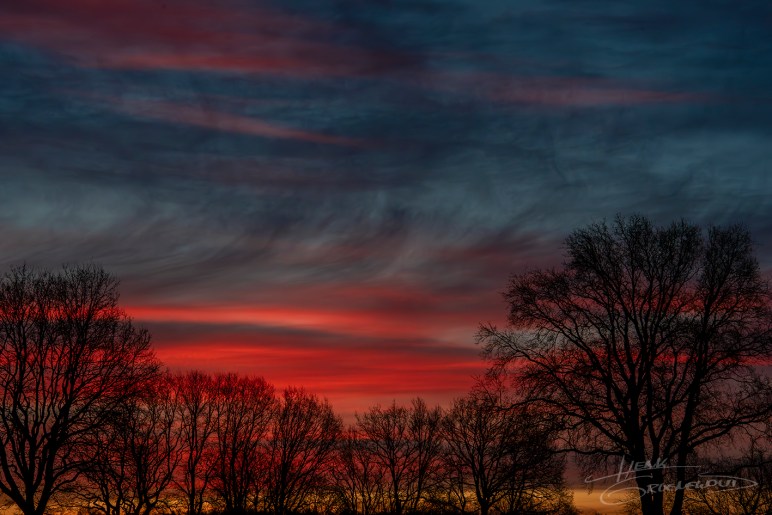
Every now and again at sunrise I open my curtains and immediately run out. That is: It takes me approximately 5 minutes to tear off my pyjamas, grab my clothes and camera, stumble to the front door and run to the meadows. But even those lousy 5 minutes can be too much, for rapidly the most stunning colours in the sky change to a boring, pale palette. No time to think, just run!


This Monday January 29 I made it. Once again Sahara dust swirled high in the atmosphere, as in March 2022 and February 2021. And like before, the most beautiful colours appeared before the sun peeked above the horizon. Wow!

Glow-in-the-dark sea

I must have been about 10 years old when we spent the holidays in Bergen near the North Sea (Netherlands). One night my father woke me up: “Get up! Put your shoes on, we’ll go to the beach!”
“Why?” did I ask, still very asleep.
“We are going to watch the light of the sea!”


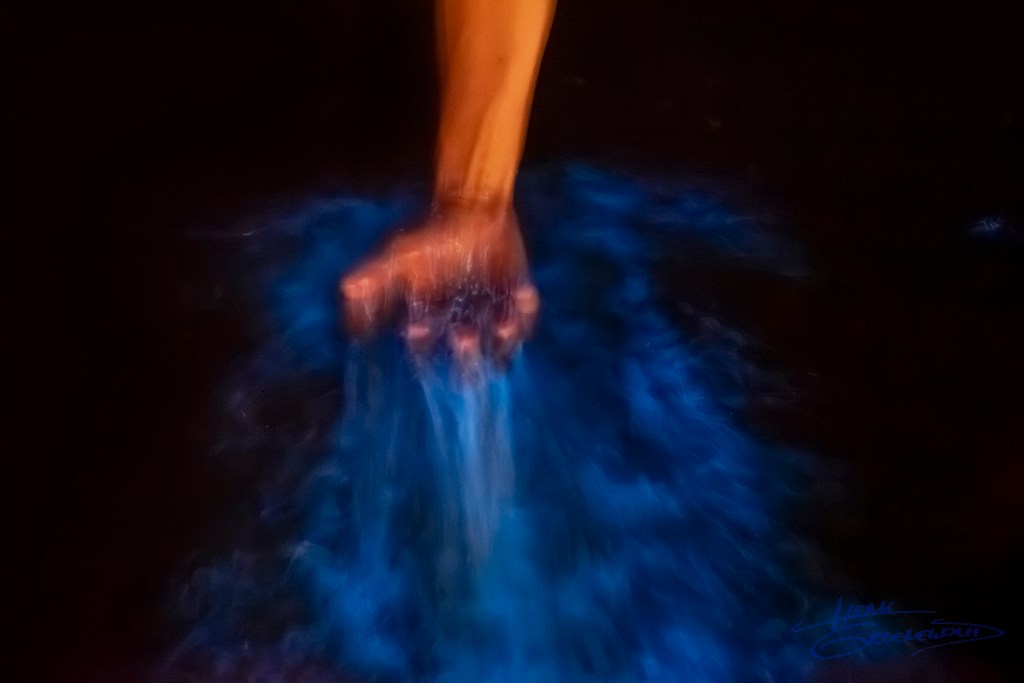
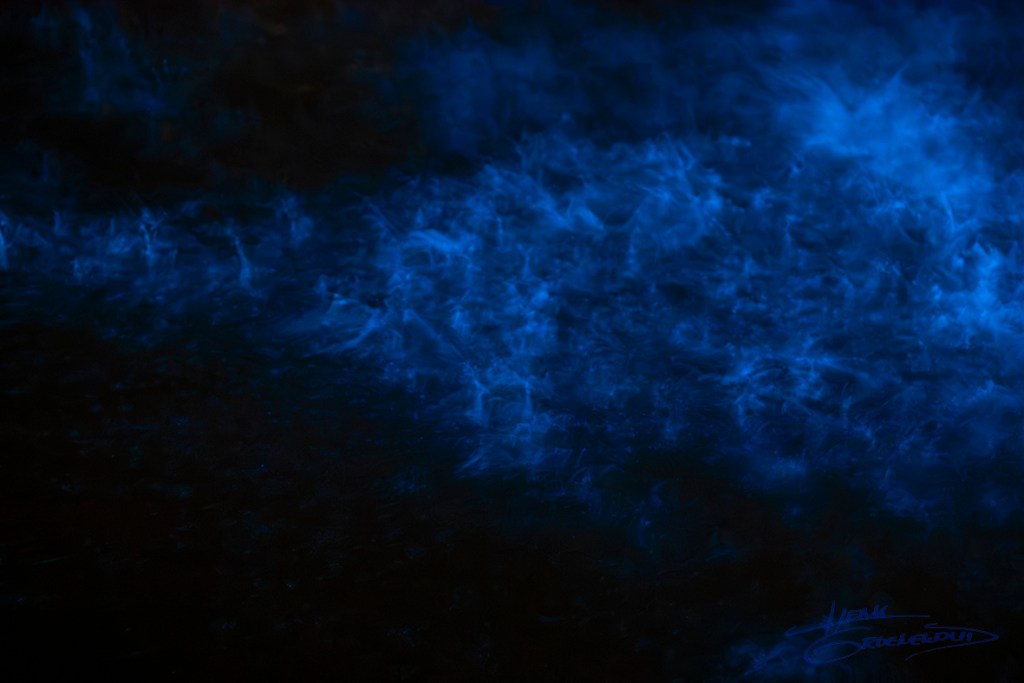
It had been hot and windless all week. Ideal conditions to see sparkling sea turning the beach into a magical place. The waves radiated a blue light. As you moved through the water, blue light rippled around you. And as you walked over the wet sand, a trail of glowing footsteps slowly died out behind  you. Zeevonk, it’s called in Dutch


The light comes from the alga Noctiluca scintillans, which emits a bluish light when moved. Earlier I told about the herrings in my fridge that gave light – probably also caused by the ingestion of these algae while swimming (see Luminescence).


All these years I hoped to one day see that light of the sea again. And last week I did. Not as exuberant as I remember; actually I would have walked right past it if another visitor hadn’t pointed out the puddle that the low tide had left on the beach. But I was just in time, for that night was the last that the phenomenon could be observed. So I am more than happy now, with some fresh memories.

Katla ice cave

Away from the paved roads into an alien world. Desolate. Windy. And once again bloody cold


The target is Katla glacier in Iceland. Cold winds have covered the icecap during many centuries in volcanic dust


A hostile but beautiful environment


I’m glad we came in these specially prepared ‘super jeeps’ that are able to drive over rocks and ice and through small glacier rivers

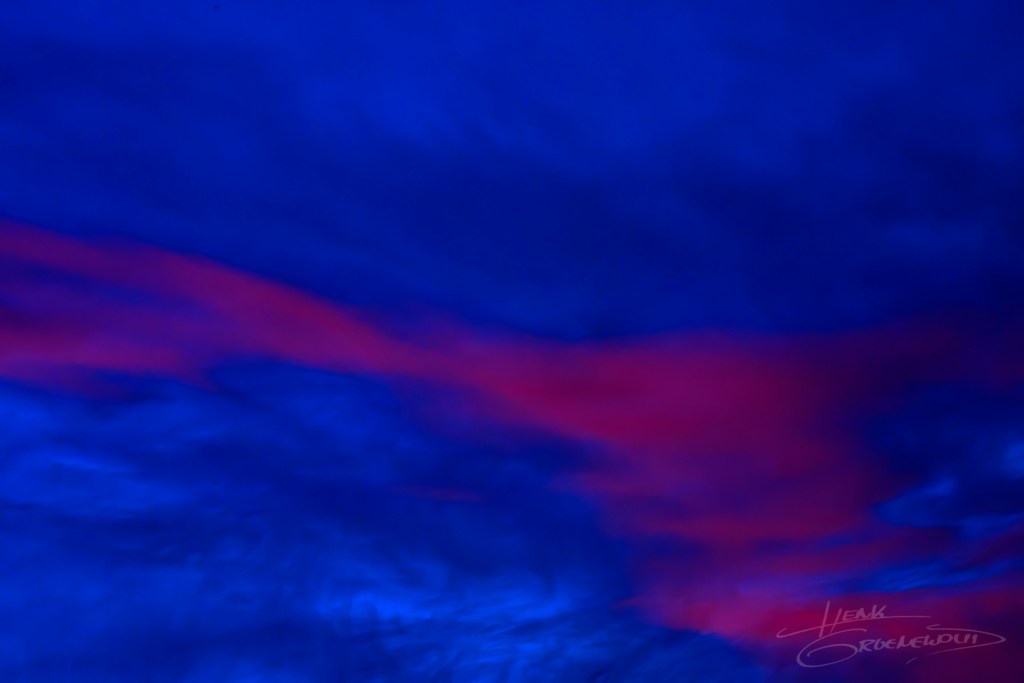
Kind of blue

Venus guided us all the way home after the Vienna trip.
The picture from the plane resembles a bit the picture I took at home a few days ago, with Jupiter and Venus in conjunction.

More blue lately:


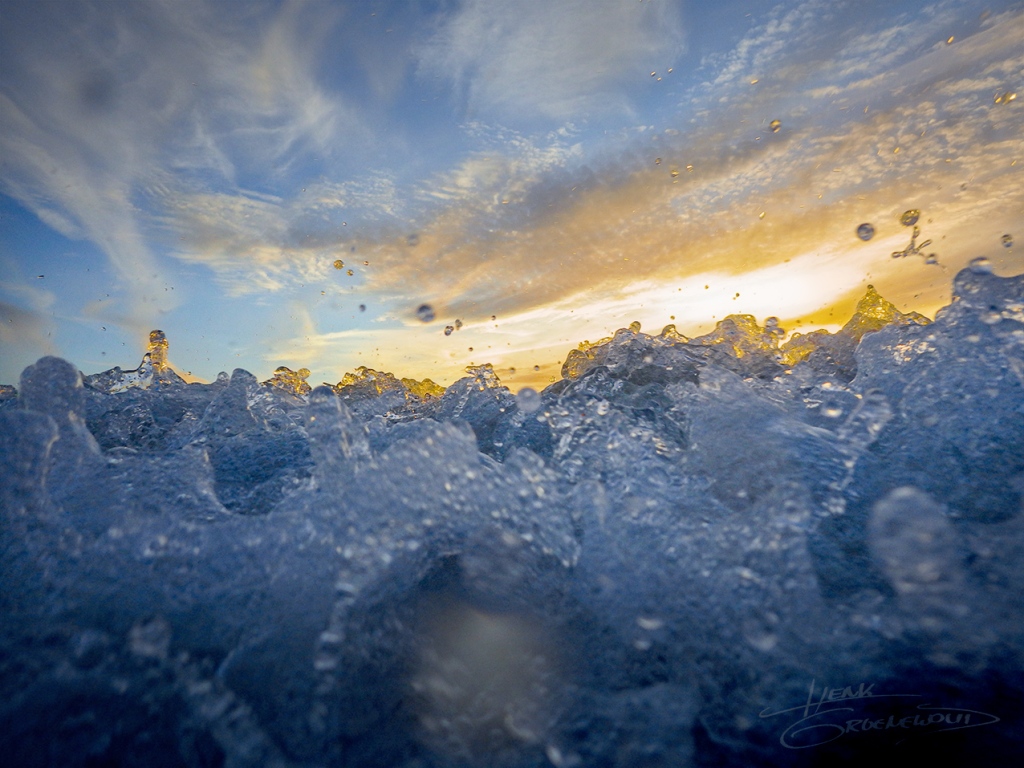
Angry ocean


Floating. Mesmerizing

Dusk settles


Venus and Jupiter

Tonight, Venus and Jupiter are standing very close together in the sky. That is: they’re standing very, very far apart, but they appear to look close together to us.

In the sunset picture you can see them cosily in the top right corner, in between the greylag geese. Beautiful sunset today.

I also took a few pictures with the standard 500 mm lens, and was very surprised about the details. You actually see the little balls in the sky, and a few moons around Jupiter. Always makes me feel like that little boy, staring into the sky with a small telescope and dreaming of the stars…