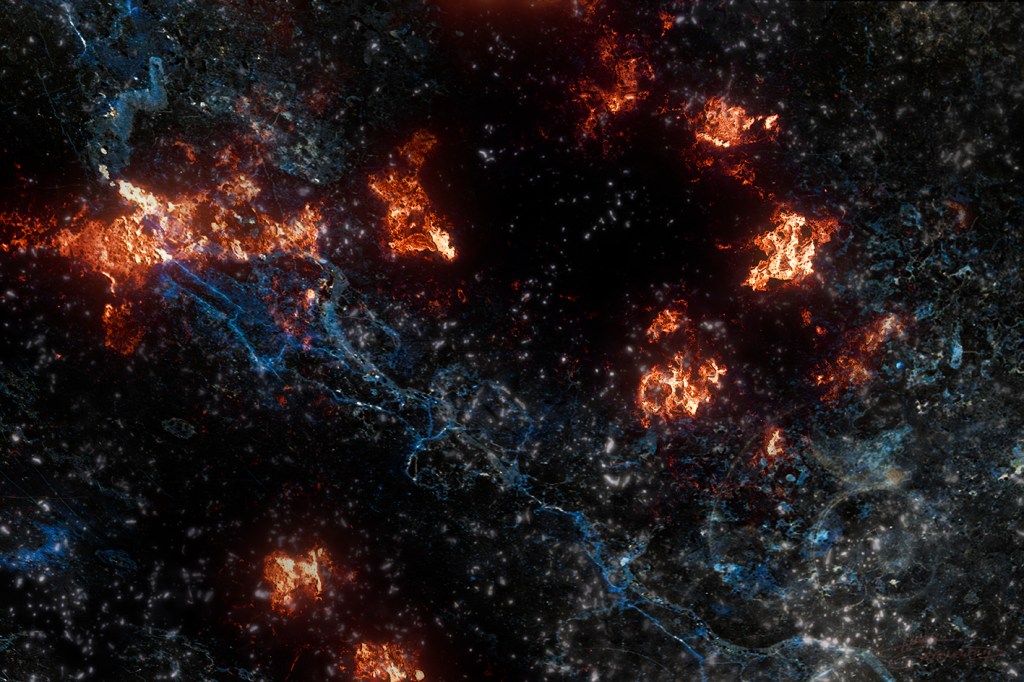
Today I went out for a personal challenge. To find and capture patterns in the world around and make an abstract of it. The beauty of the ordinary.
Found it!
Today I went out for a personal challenge. To find and capture patterns in the world around and make an abstract of it. The beauty of the ordinary.
Found it!
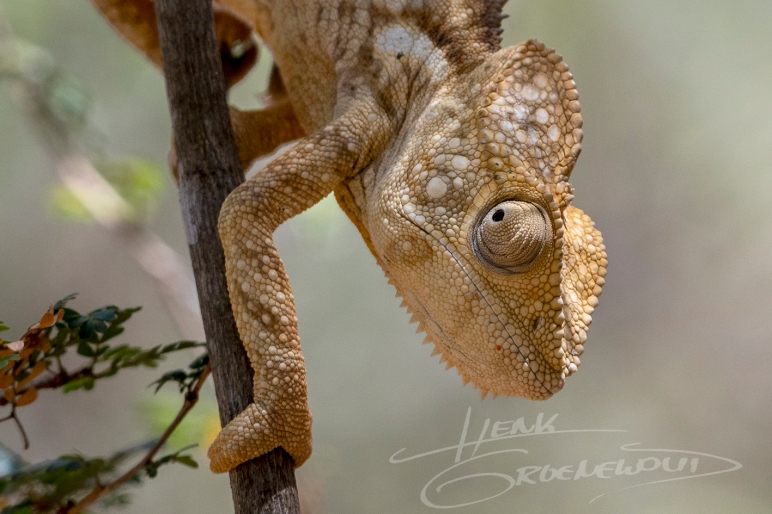
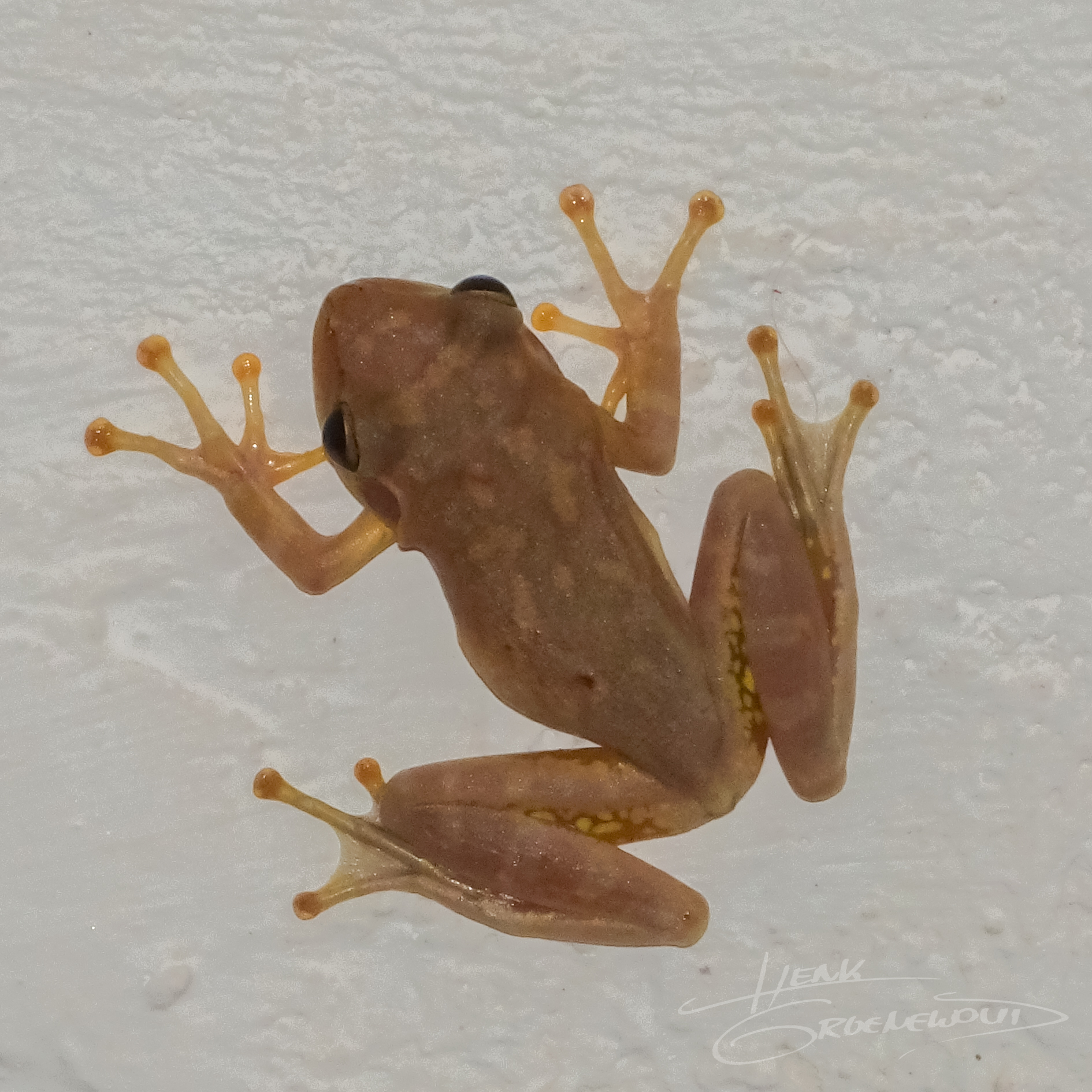
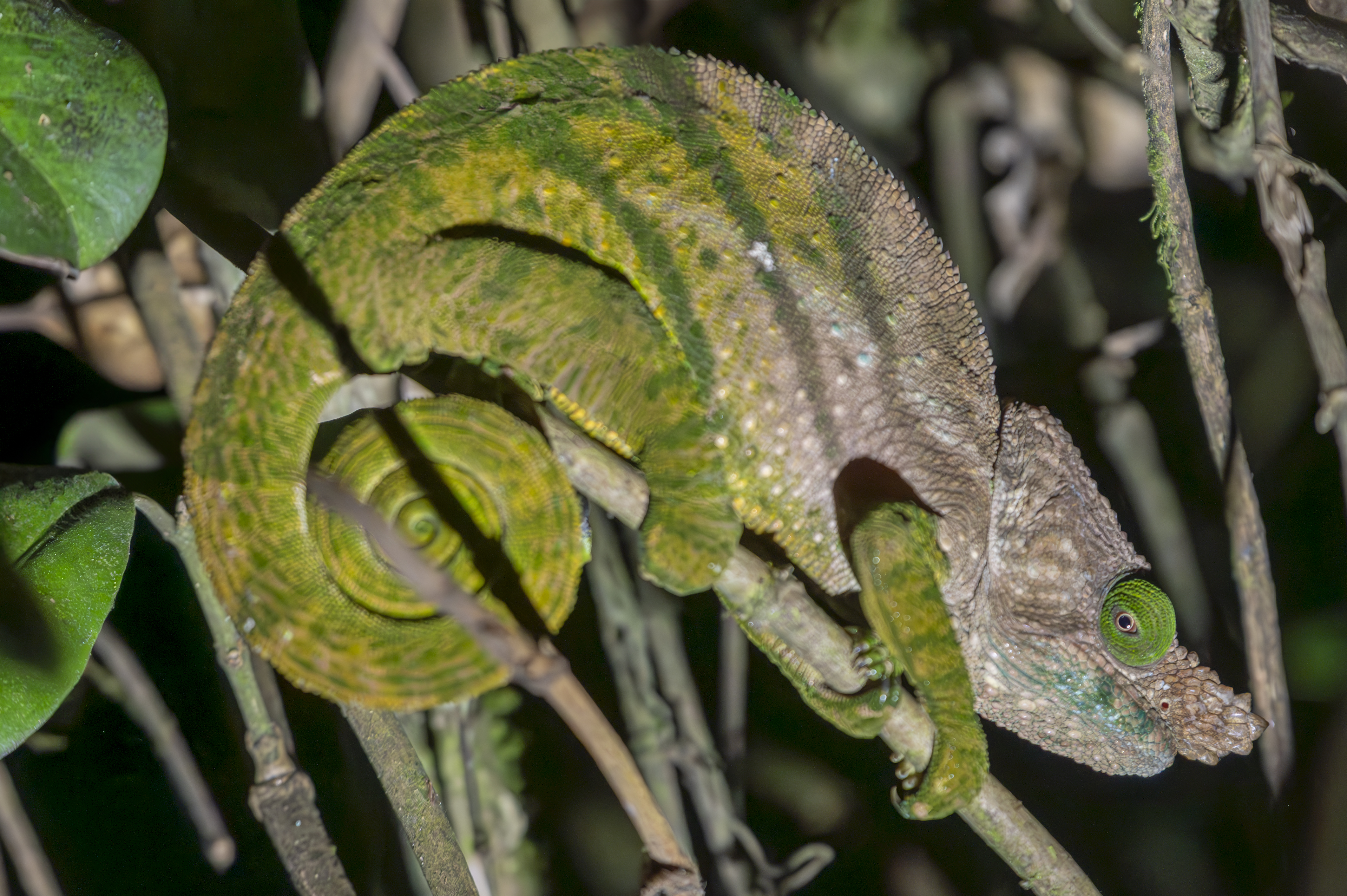
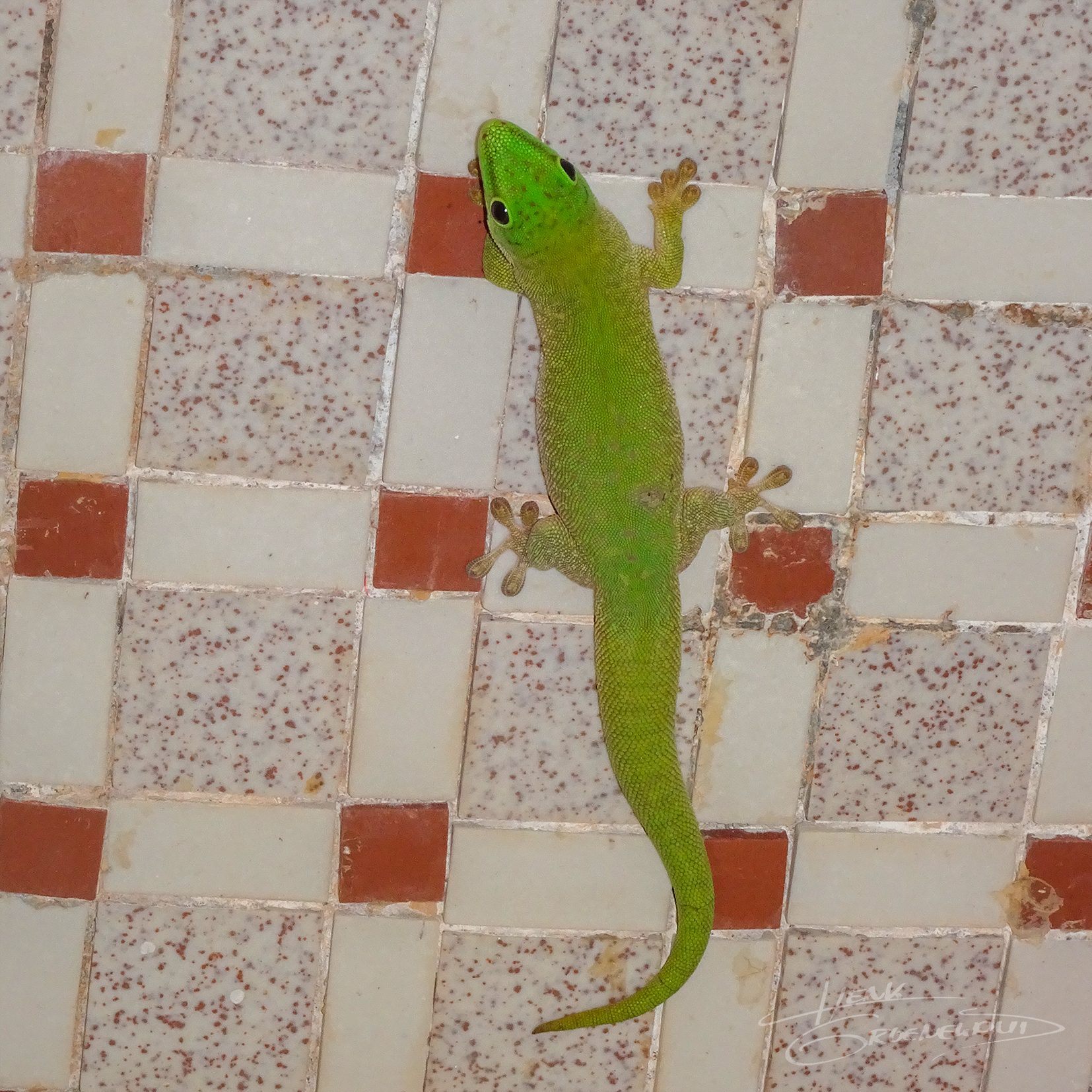
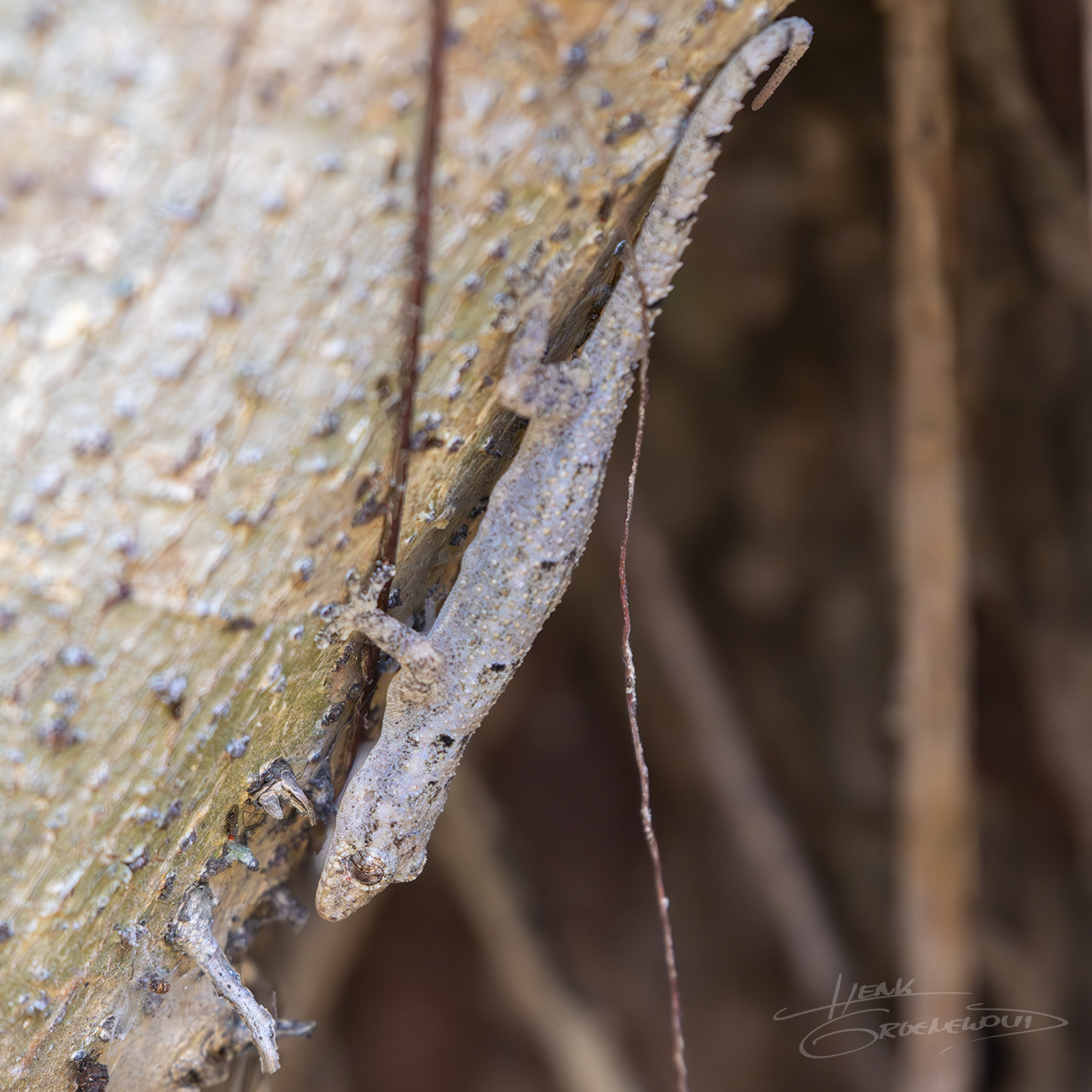
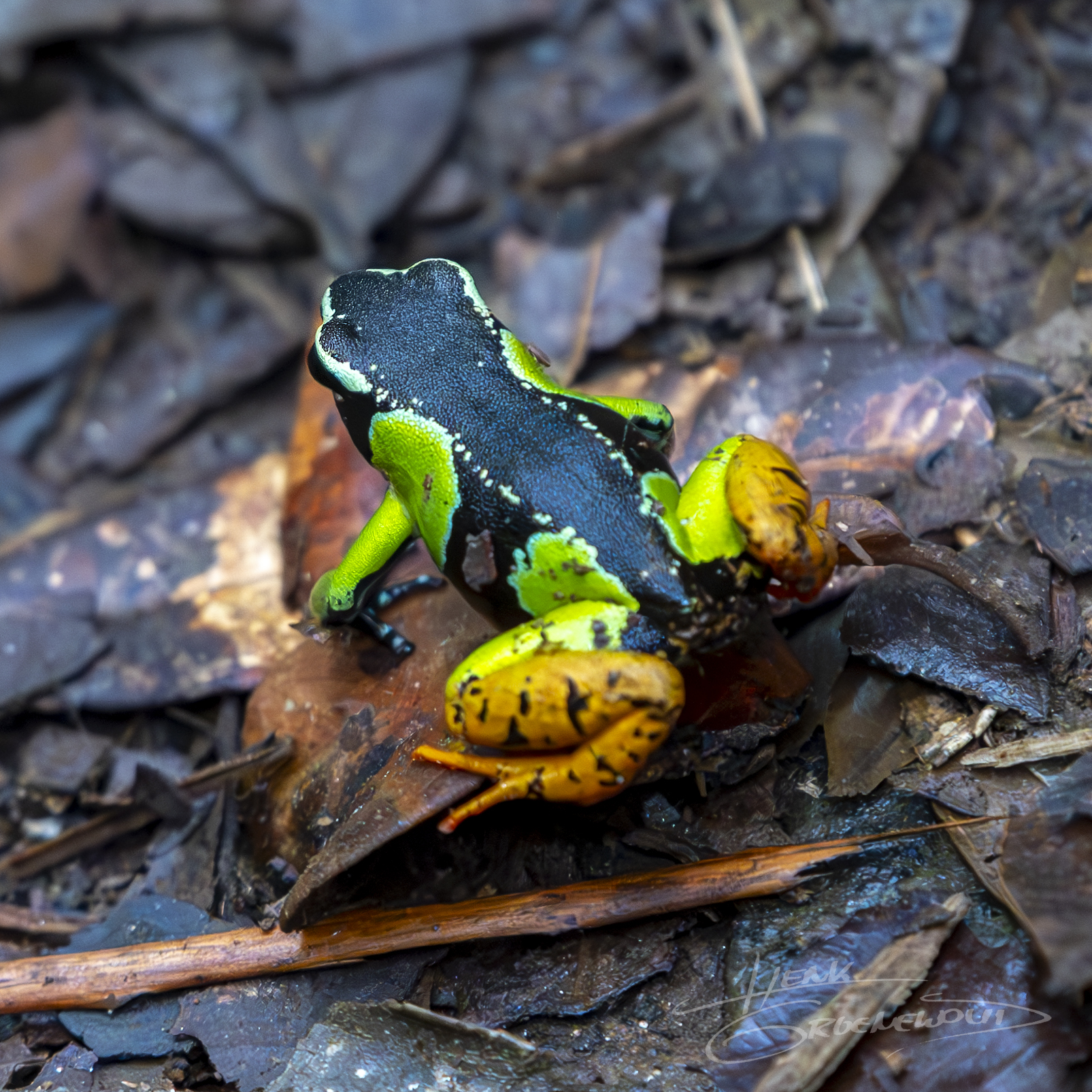
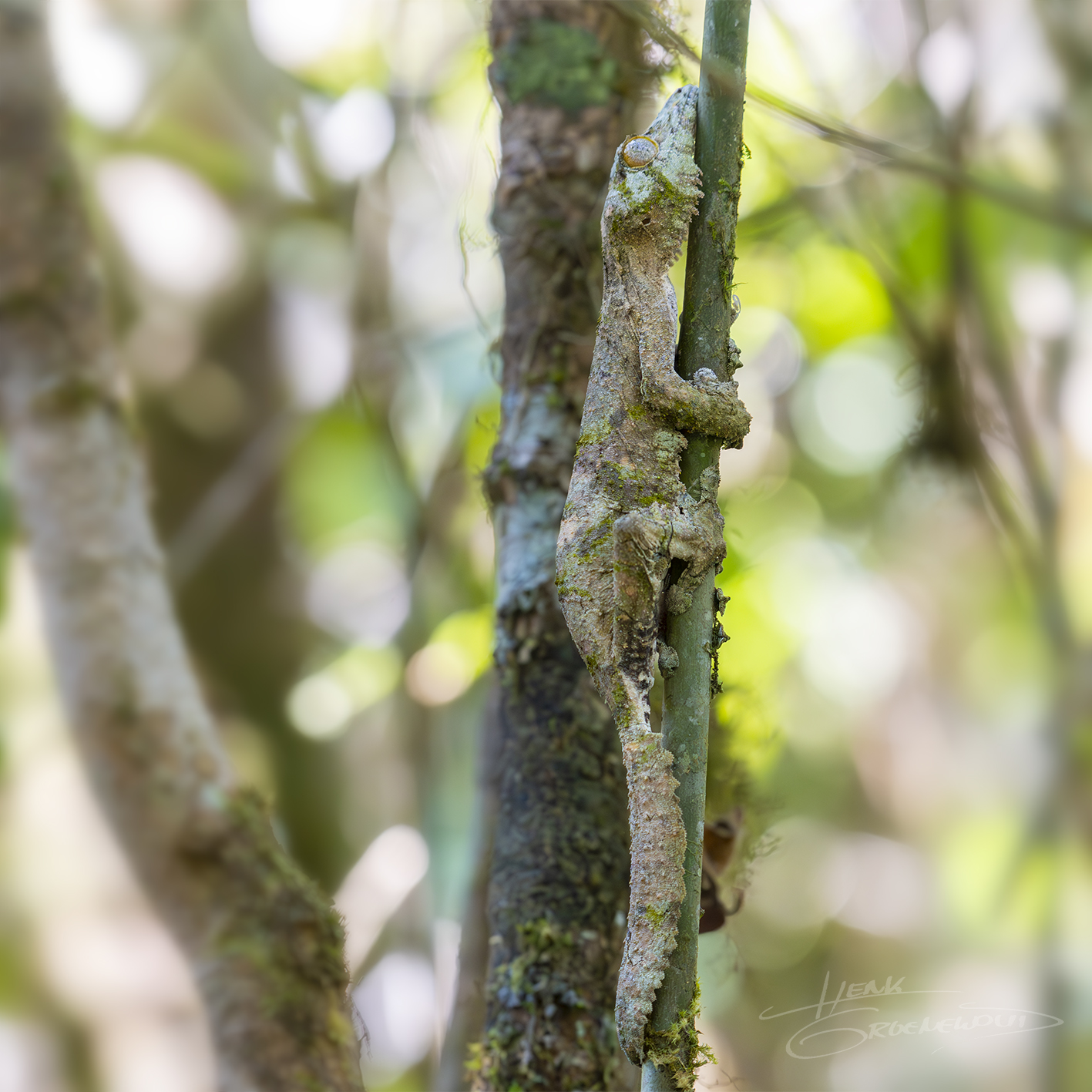
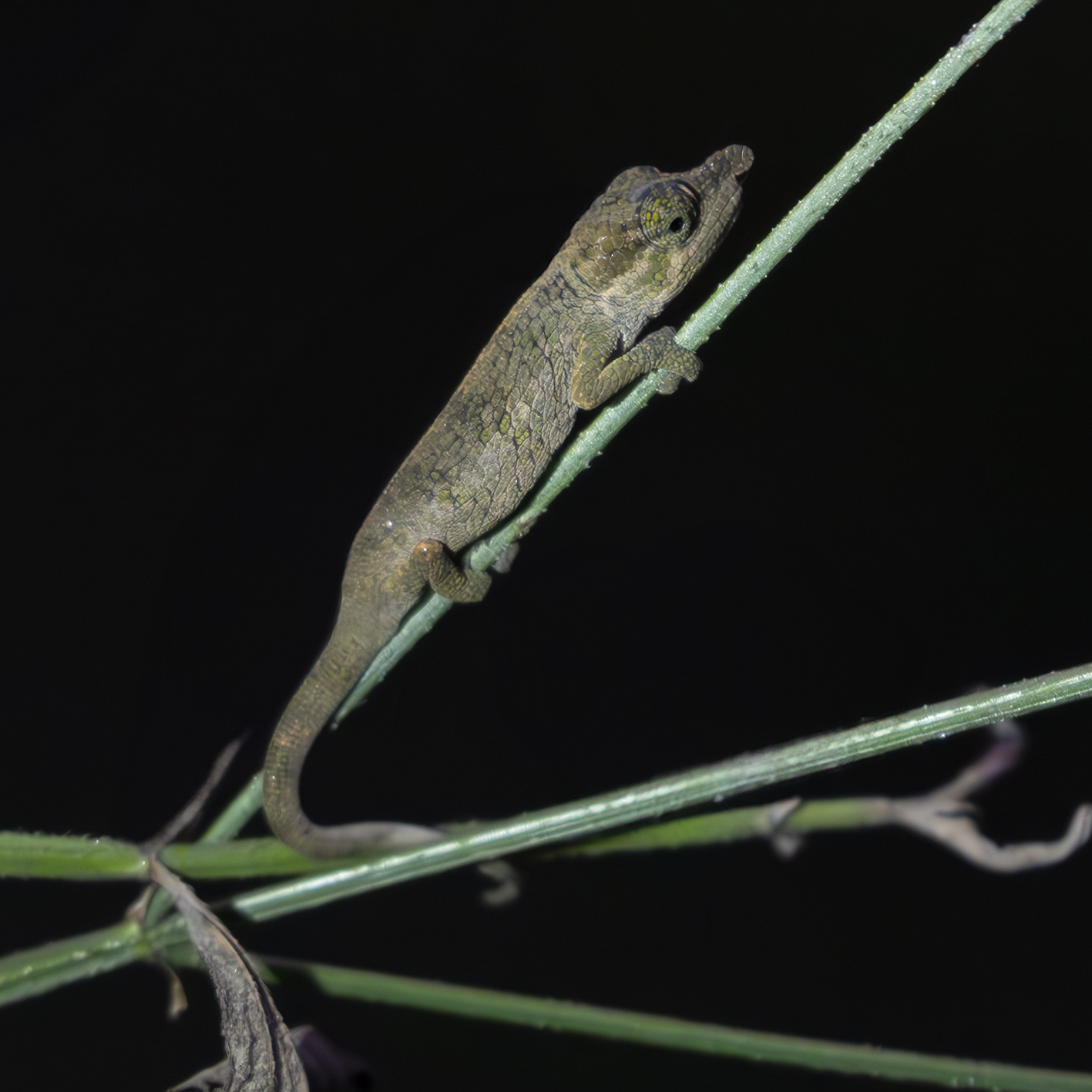
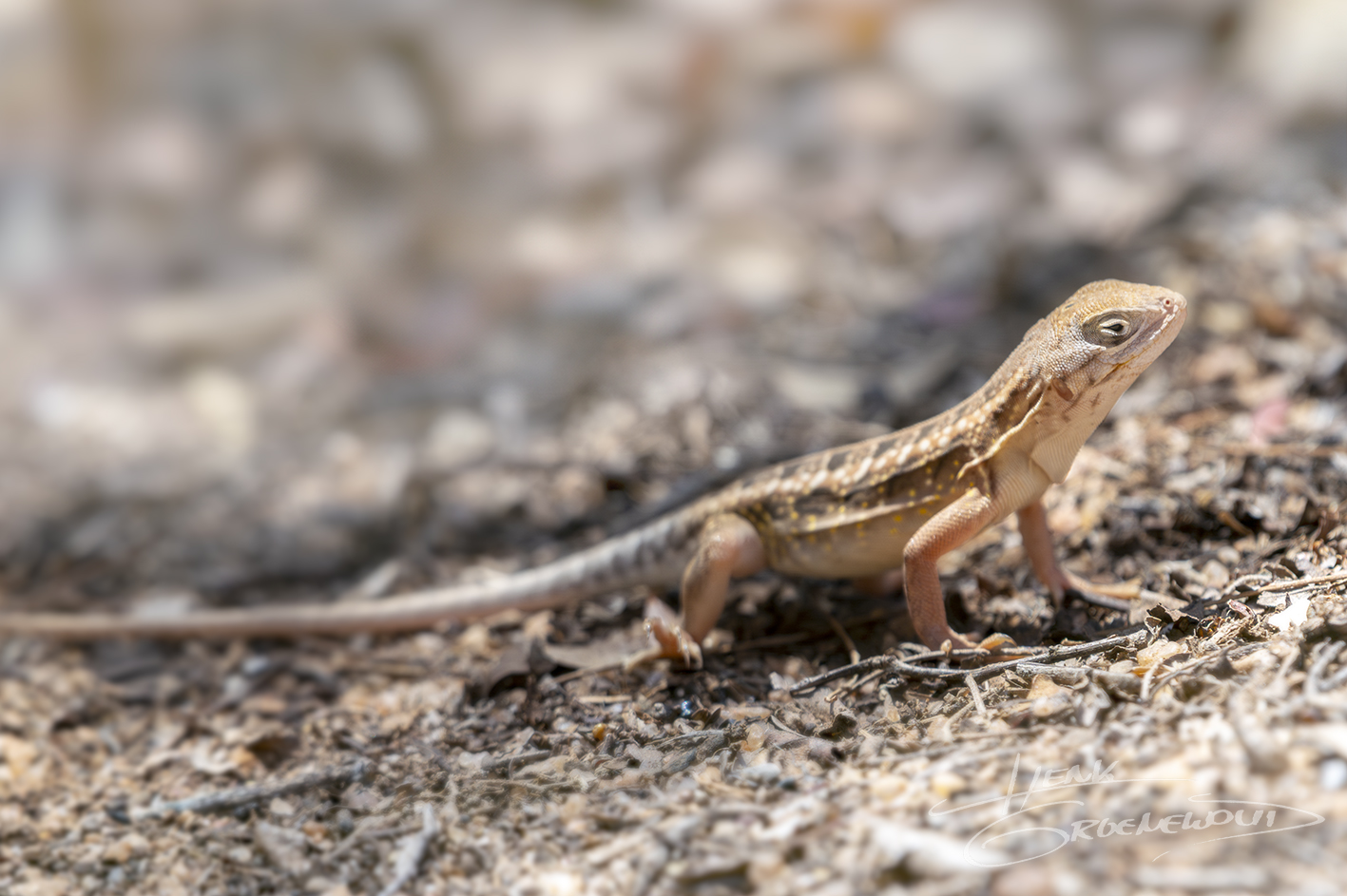
Back to Madagascar. Lots and lots of chameleons, lizards, frogs and snakes. Too much, I’d say. So here’s a whole bunch of them. Pay attention to the perfect disguise of the different chameleons (the smallest less than 5 cm!), the mossy leaf-tailed gecko’s, the beautiful frogs…
And did you know they even have Nile crocodiles? It’s all too much!

















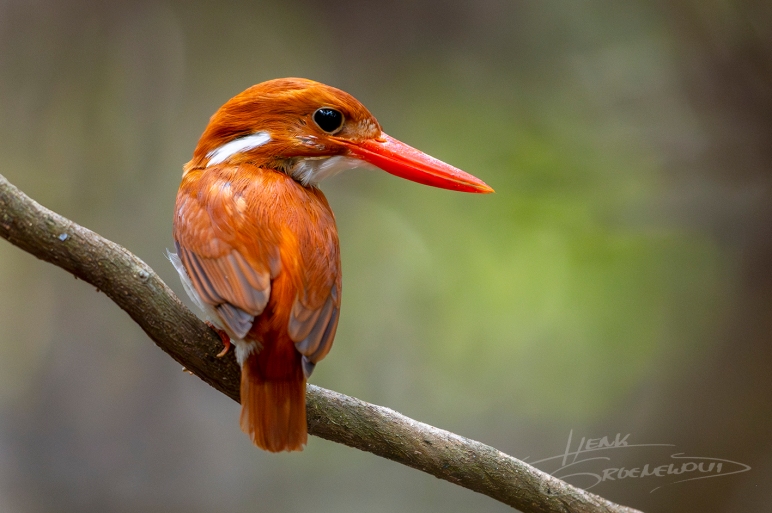
Yes, it was a birding trip to Madagascar. So it’s about time to show some of the beautiful birds that live there. Almost all of them endemic to the island as well, just as the lemurs. First the Madagascar Pygmy kingfisher Corythornis madagascariensis. An amazing success of our guide ‘Jacana’, who was able to spot this tiny bird in the trees of the rainforest

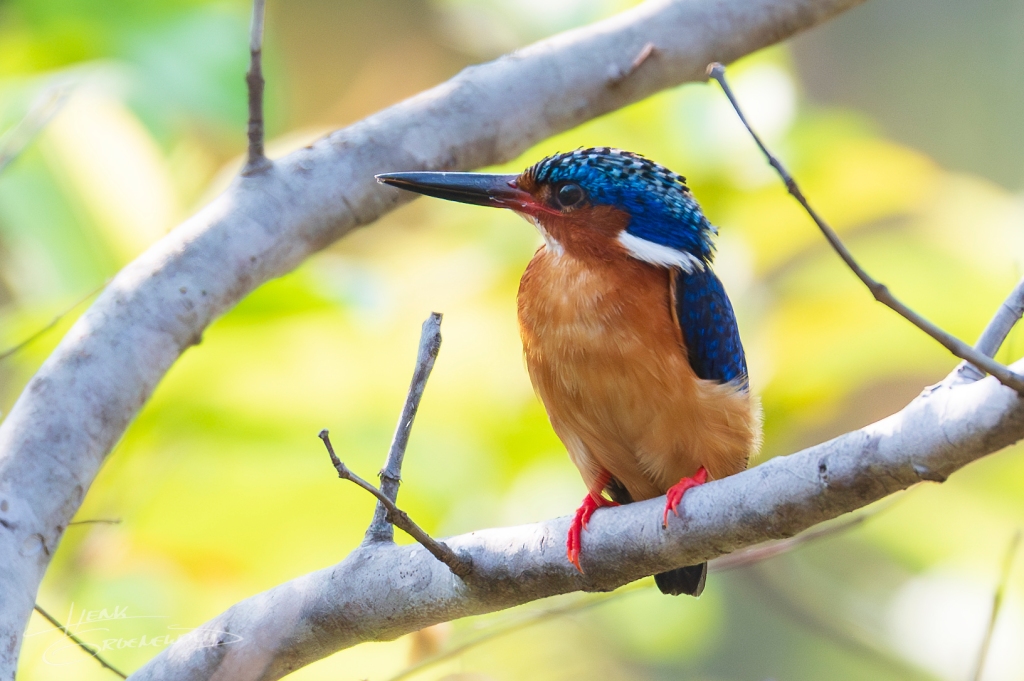
There is another kingfisher that looks a lot like our Eurasian kingfisher. At first glance they appear to be the same. But look closely: there is no blue cheek and less white on the chin. It’s a Madagascar malachite kingfisher Corythornis vintsioides
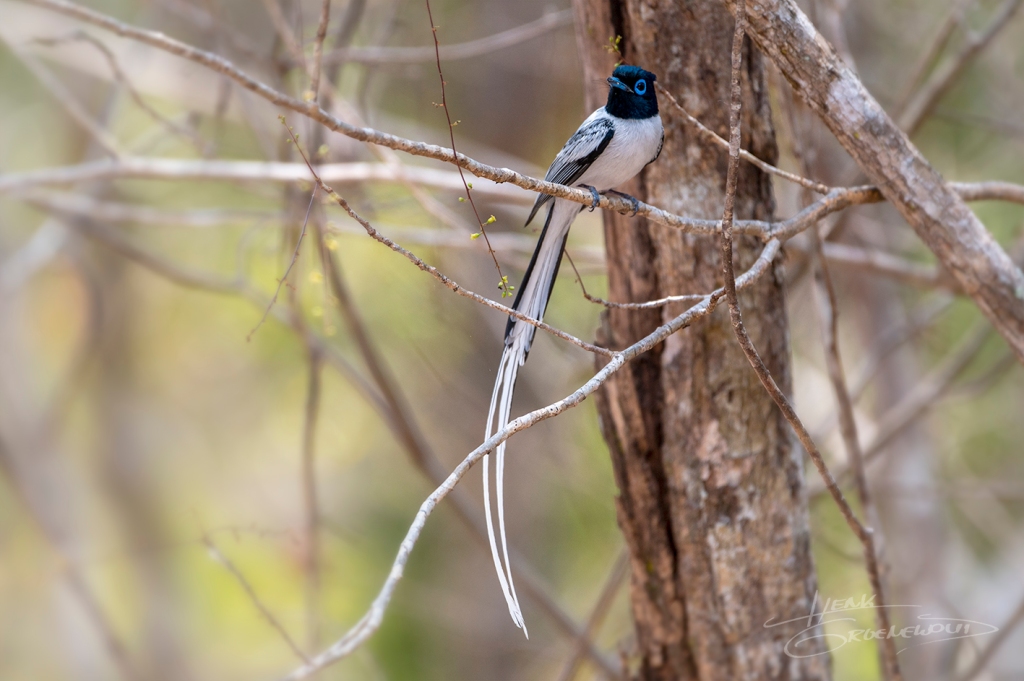
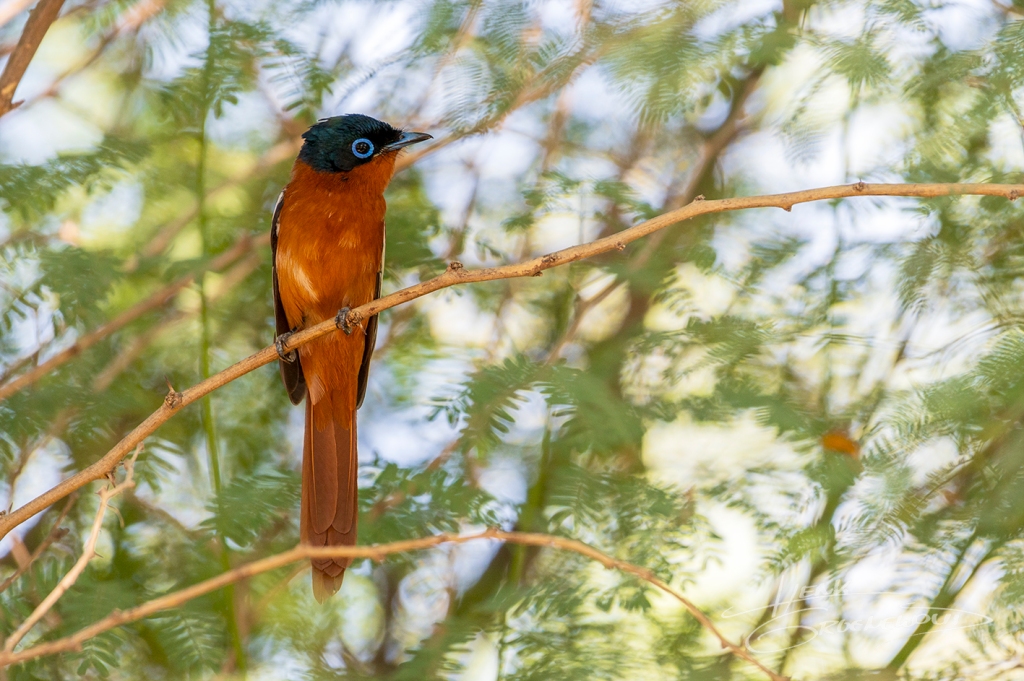
Incredibly graceful these Madagascar paradise flycatchers (Terpsiphone mutata mutata). Same species, white and brown morph
The Madagascar crested ibis Lophotibis cristata; quite shy and difficult to find. It took several days of searching before he showed up. “It has always been an endangered species,” the guide said, “but when the Covid pandemic broke out and tourists didn’t come anymore, lots of them were eaten…”

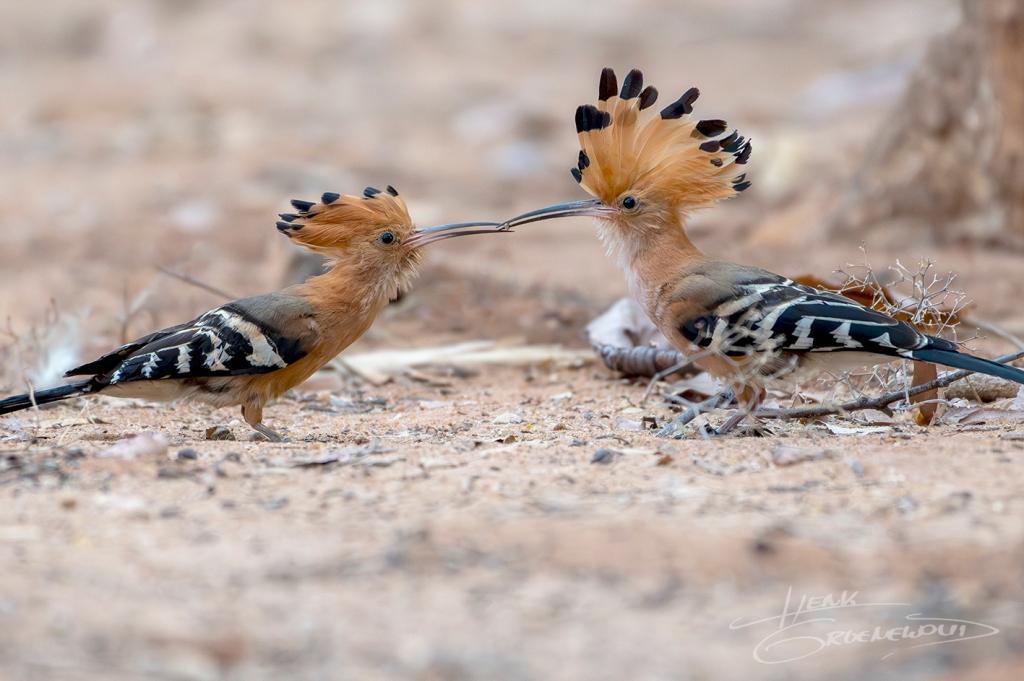
The hoopoe! And again an endemic: the Madagascar hoopoe Upupa marginata. I’m afraid I don’t see the difference with the Eurasian hoopoe
Souimanga sunbird – Cinnyris souimanga. That reflection of light on the feathers!

Another colourful bird: the Pitta-like ground-roller Atelornis pittiodes. Also very difficult to find, as he is walking in dense dark forests. So many colours: Green wings, ruby breast, blue spotted head… truly amazing

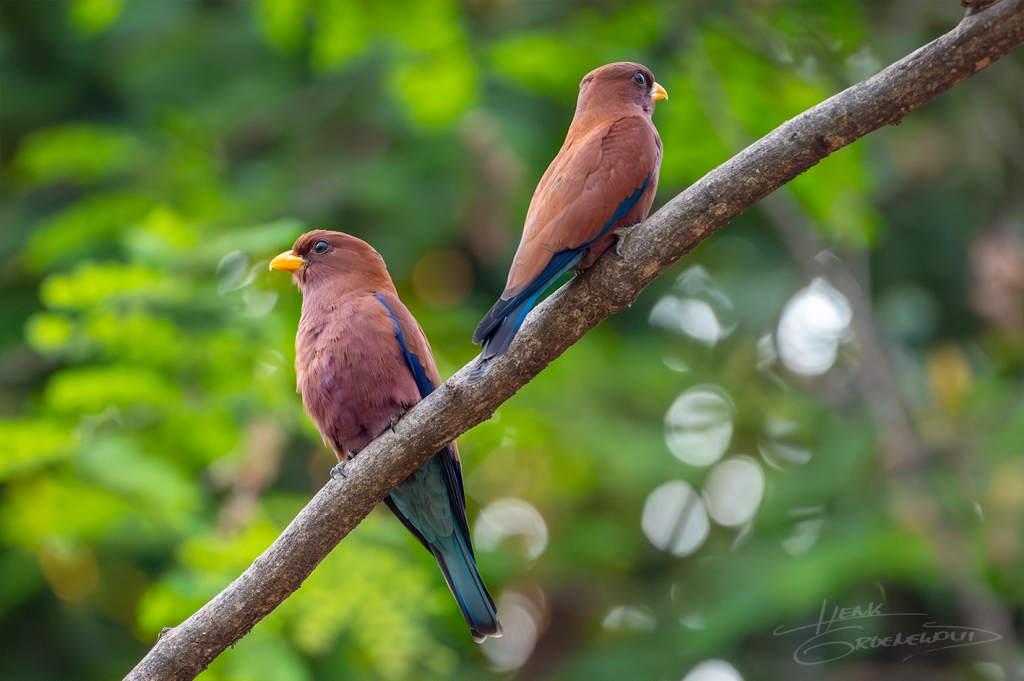
The family of rollers is one of my favourites. This is a Broad-billed roller Eurystomus glaucurus, mostly brown but it has beautiful blue feathers in the wings and tail
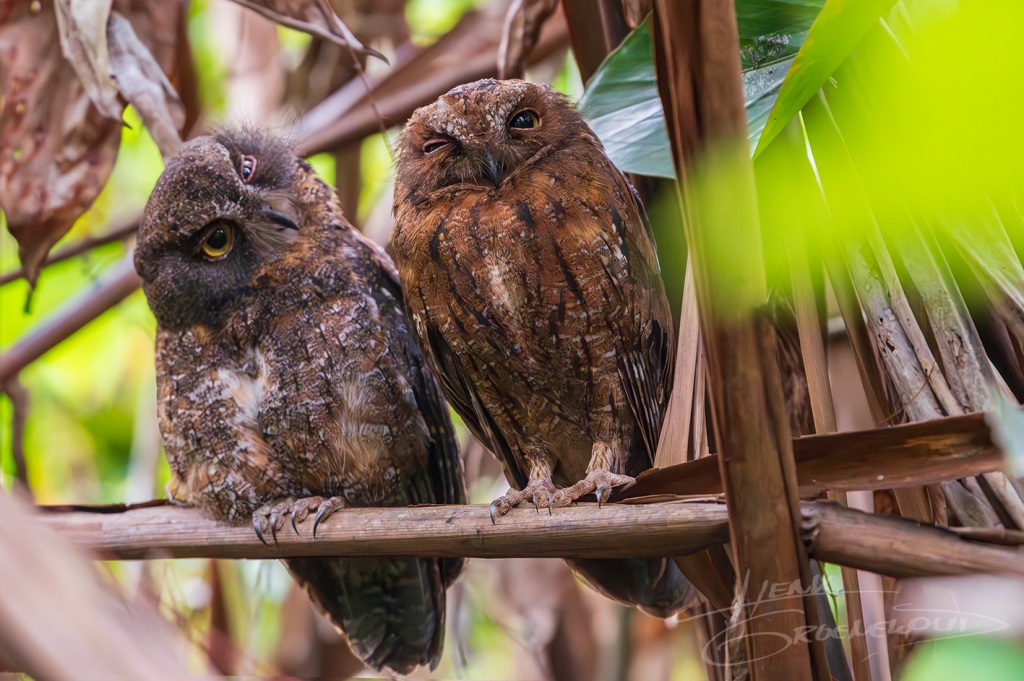
Last one for now: two Madagascar scops owls Otus rutilus happy together


I must have been about 10 years old when we spent the holidays in Bergen near the North Sea (Netherlands). One night my father woke me up: “Get up! Put your shoes on, we’ll go to the beach!”
“Why?” did I ask, still very asleep.
“We are going to watch the light of the sea!”

It had been hot and windless all week. Ideal conditions to see sparkling sea turning the beach into a magical place. The waves radiated a blue light. As you moved through the water, blue light rippled around you. And as you walked over the wet sand, a trail of glowing footsteps slowly died out behind you. Zeevonk, it’s called in Dutch
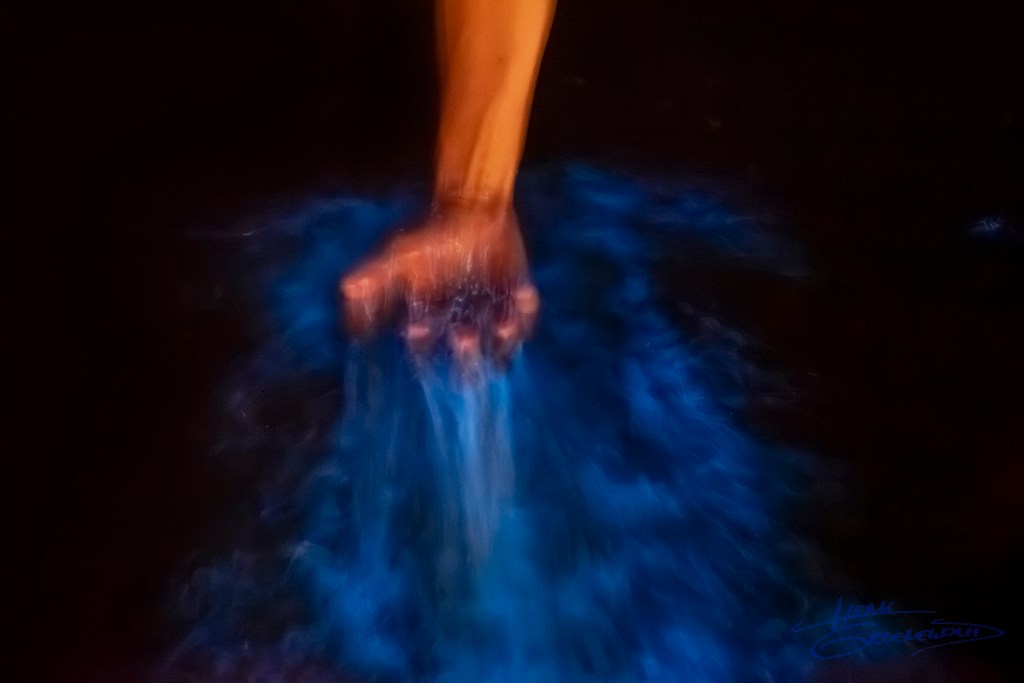
The light comes from the alga Noctiluca scintillans, which emits a bluish light when moved. Earlier I told about the herrings in my fridge that gave light – probably also caused by the ingestion of these algae while swimming (see Luminescence).
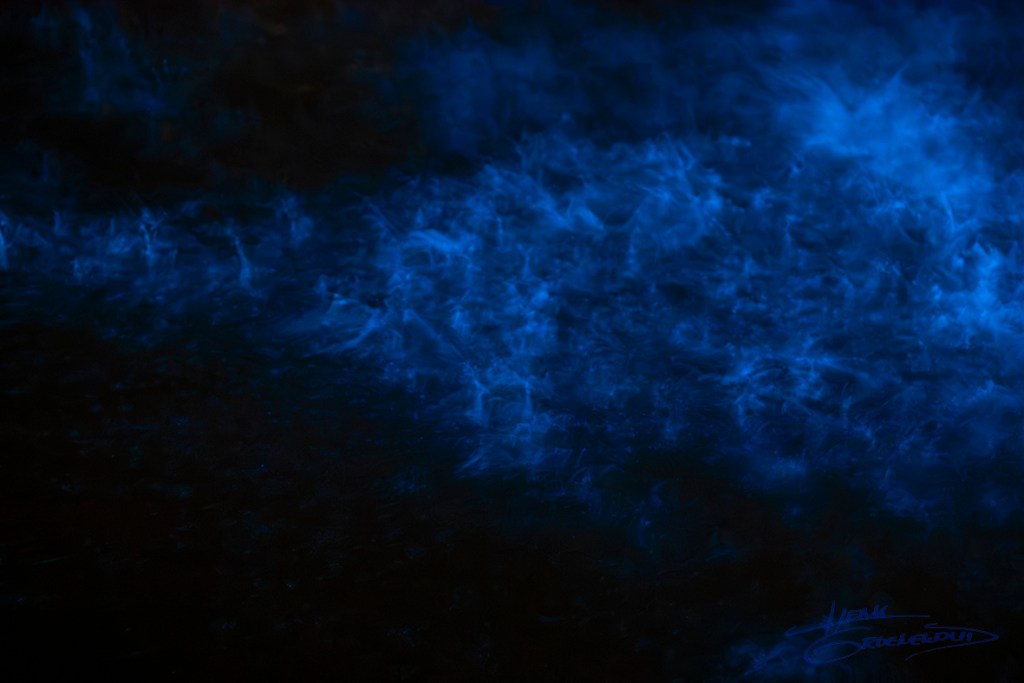
All these years I hoped to one day see that light of the sea again. And last week I did. Not as exuberant as I remember; actually I would have walked right past it if another visitor hadn’t pointed out the puddle that the low tide had left on the beach. But I was just in time, for that night was the last that the phenomenon could be observed. So I am more than happy now, with some fresh memories.


Did I say I love waterfalls? Plenty of them here in Iceland

Gulfoss


Skogarfoss

Seljalandsfoss

Oxararfoss

Away from the paved roads into an alien world. Desolate. Windy. And once again bloody cold

The target is Katla glacier in Iceland. Cold winds have covered the icecap during many centuries in volcanic dust

A hostile but beautiful environment

I’m glad we came in these specially prepared ‘super jeeps’ that are able to drive over rocks and ice and through small glacier rivers


They’re back! Spoonbills in their regular nesting place: a tiny piece of swamp forest tugged in between a highway and a lake. The archetype nature images in our heads are pristine, without human influence. And I have to confess: as a nature photographer I always try to replicate these images. Even when the pictures are taken in a densely populated and completely transformed area. I think we have a longing and even a need for dreams of purity and paradise. And well, it feels a bit like paradise here.
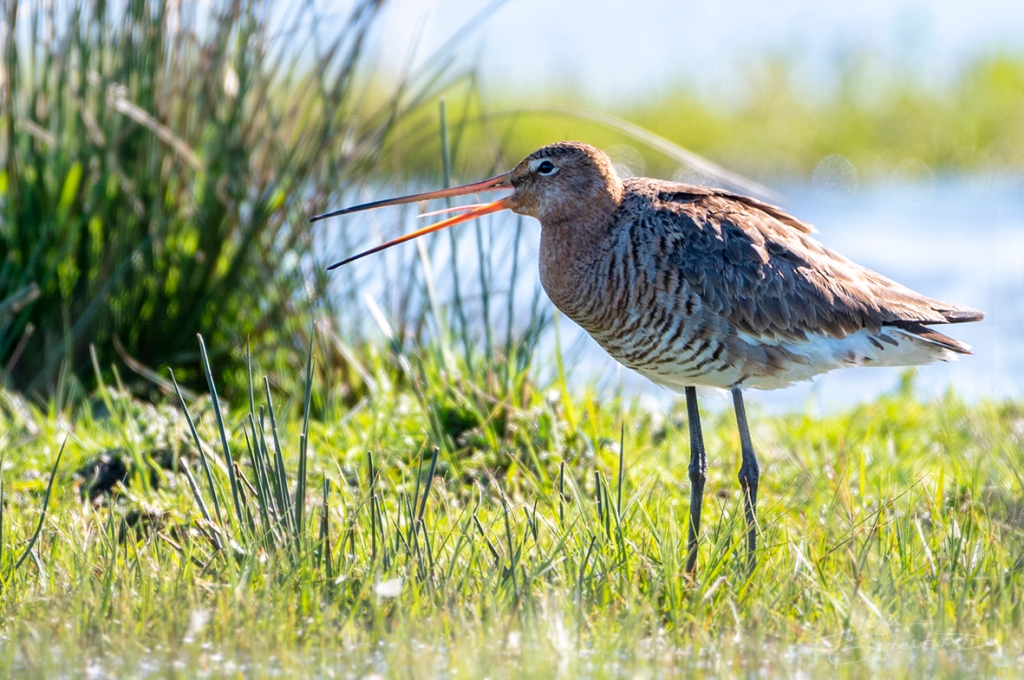
And now they´re back. All the way from Africa, ready for summer. Temperatures are still quite low here, but every spring when they return my heart leaps up.

And it’s not just one… It’s so many of them!
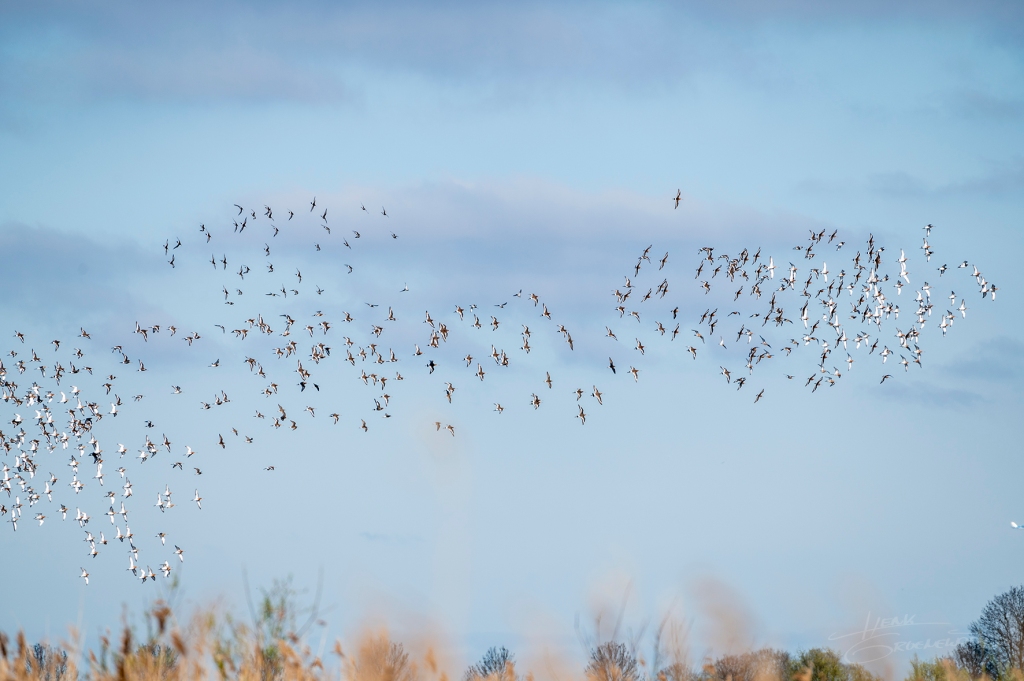
What a feeling to stand here in the middle of nowhere, and just see, hear, smell and feel nature all around.
This last little fellow brings back memories of the card playing game I had as a child. The bluethroat was my favourite card! I love this time of spring when all these birds have returned with a promise of lovely summer days to come


Bubbles of boiling hot vapour push the surface upward until they break through and Strokkur erupts. In the Netherlands we call these geothermal steam-eruptions ‘geisers’. This generic name is derived from this specific spot: Geysir in Iceland…

Steamy Strokkur. Minus ten degrees Celcius (fourteen Fahrenheit) makes it bloody cold right next to this boiling pond.

Geothermical area around Geysir and Strokkur. Steam everywhere…

Another geothermal area is Krysuvik or Seltun. A small path leads through the hot springs and steamy rivers.

The smell of sulfur is all around.


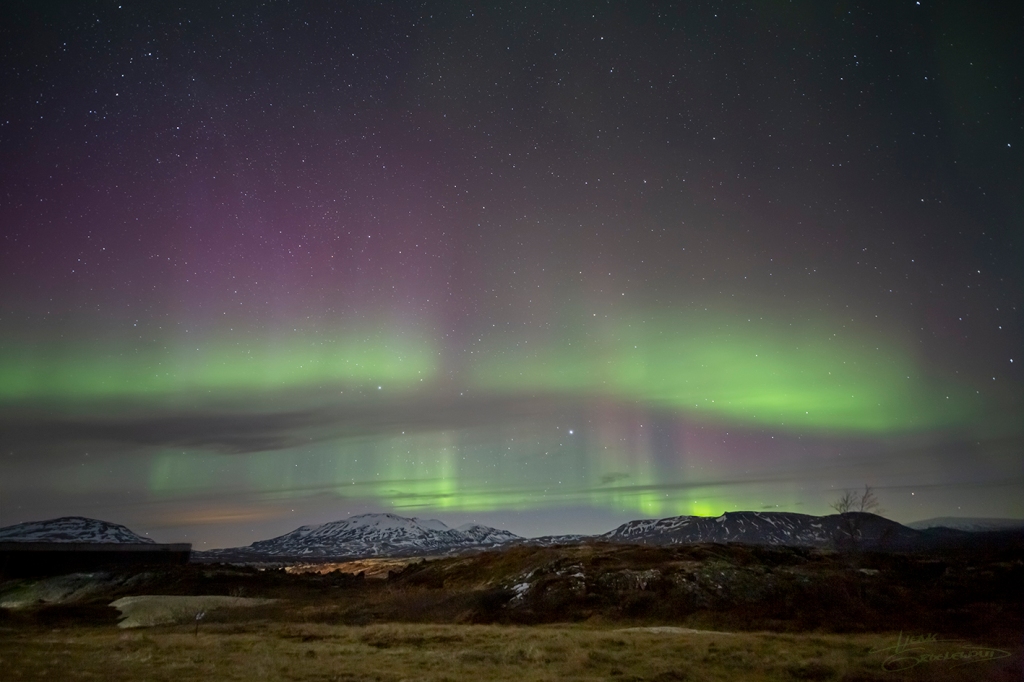
As a young boy I had a book with stories from all over the world. It had a drawing of a lone fur trapper in the woods, staring at the northern lights sky. I loved that drawing. Such wildness, such loneliness and such beauty! I dreamt of being in the wild myself and seeing the aurora borealis. But I had visited Iceland in summer once, with 5 days of just clouds and rain and wind (We were camping then, my daughter and I, and after 4 days of rain we fled into the first hotel we could find to get dry. Despite the rain and the clouds and the wind it was a great holiday, for even when it rains Iceland is really beautiful).

So I hesitated. What were the chances of going in winter and having both an active aurora and a clear sky? For years I didn’t dare to take the risk and buy a ticket.

Until last November, when I realised that if I didn’t try, I would surely never see it. I bought a ticket and… well, see for yourself.

There’s no need to go to a special dark place to see the aurora. You can see it right from the city. Reykjavic for instance, or more precisely: the bay of Kopavogur.

Venus guided us all the way home after the Vienna trip.
The picture from the plane resembles a bit the picture I took at home a few days ago, with Jupiter and Venus in conjunction.
More blue lately:

Angry ocean

Floating. Mesmerizing

Dusk settles
 De Portrettenmaker