Lake Naivasha, Limuru

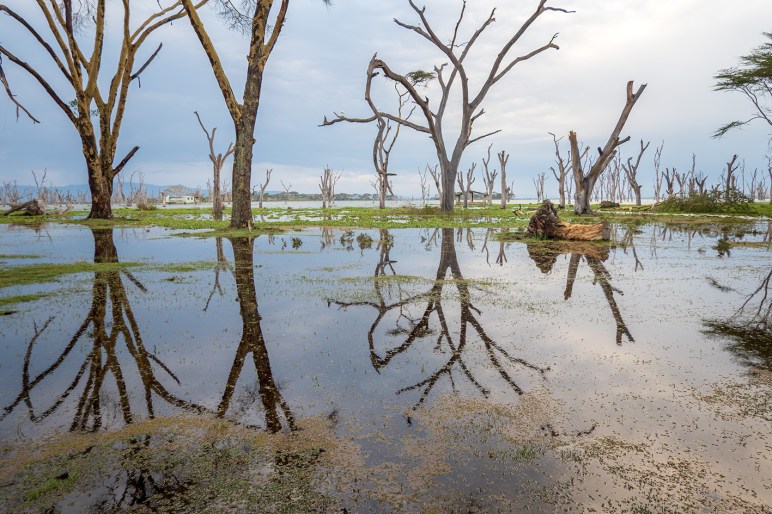
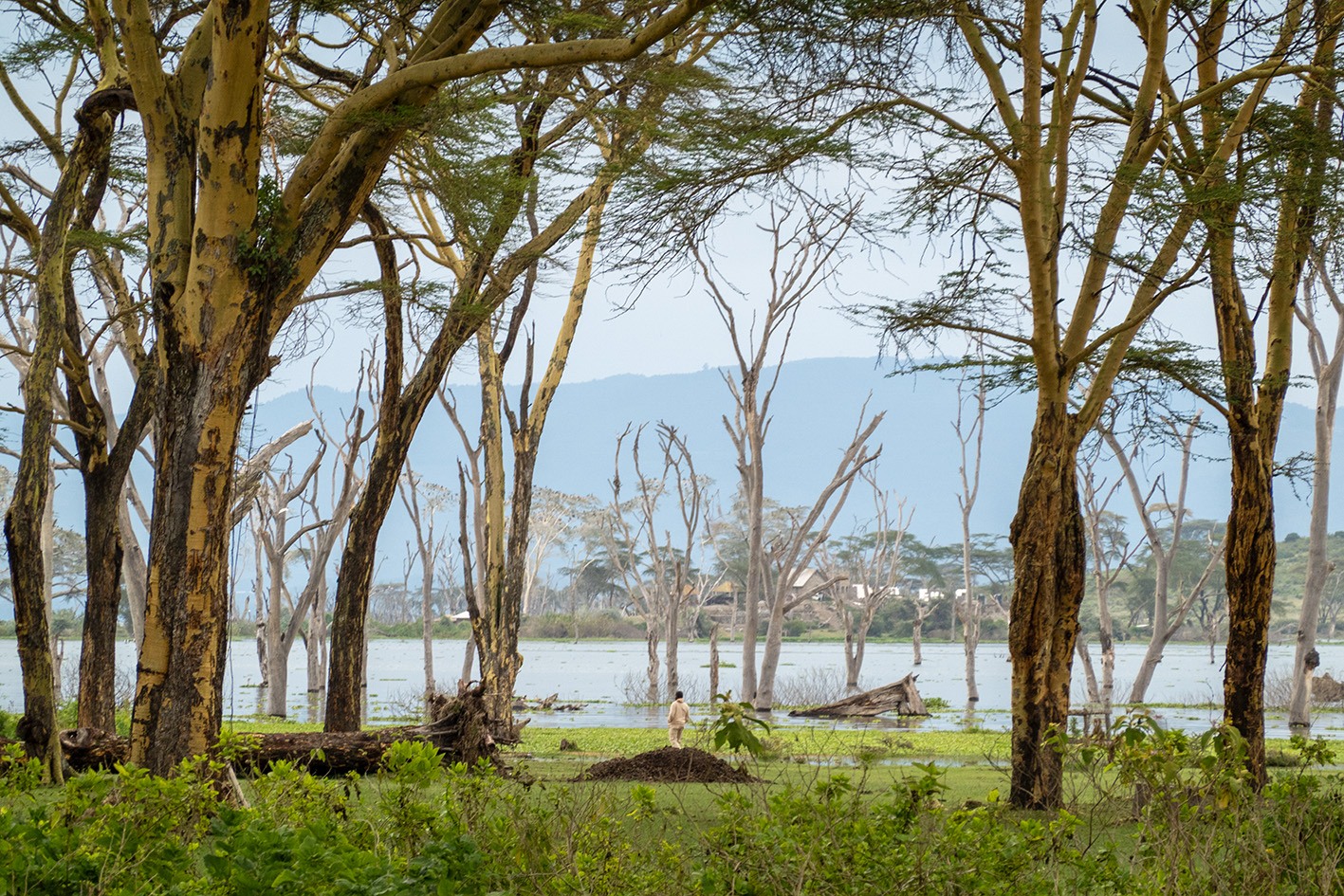
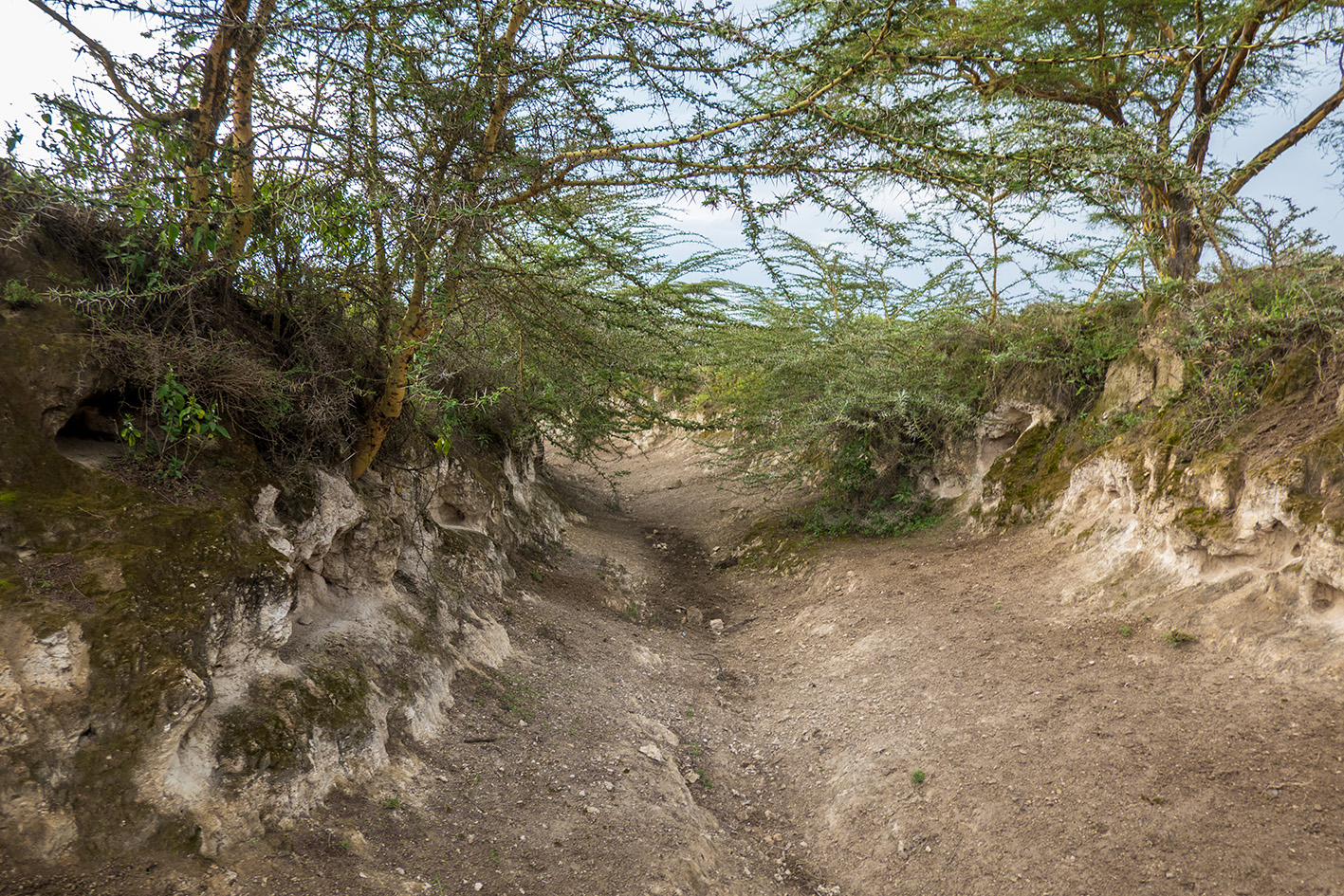
Verder in Kenya, naar Lake Naivasha, Limuru. Op de heenweg langs de indrukwekkende Rift gereden – dezelfde breuk van een jaar of 10 geleden, in Ethiopië. Door een aardbeving zijn het ondergrondse waterlopen langs de Rift Valley (de grote Afrikaagse slenk) verstopt geraakt. Met als gevolg dat de meren niet meer afwateren. Want tja, ook hier regent het wel eens.

In een verbazingwekkend snel tempo stijgt elk jaar de waterspiegel. Bossen en dorpen lopen onder, landbouwgrond gaat verloren…

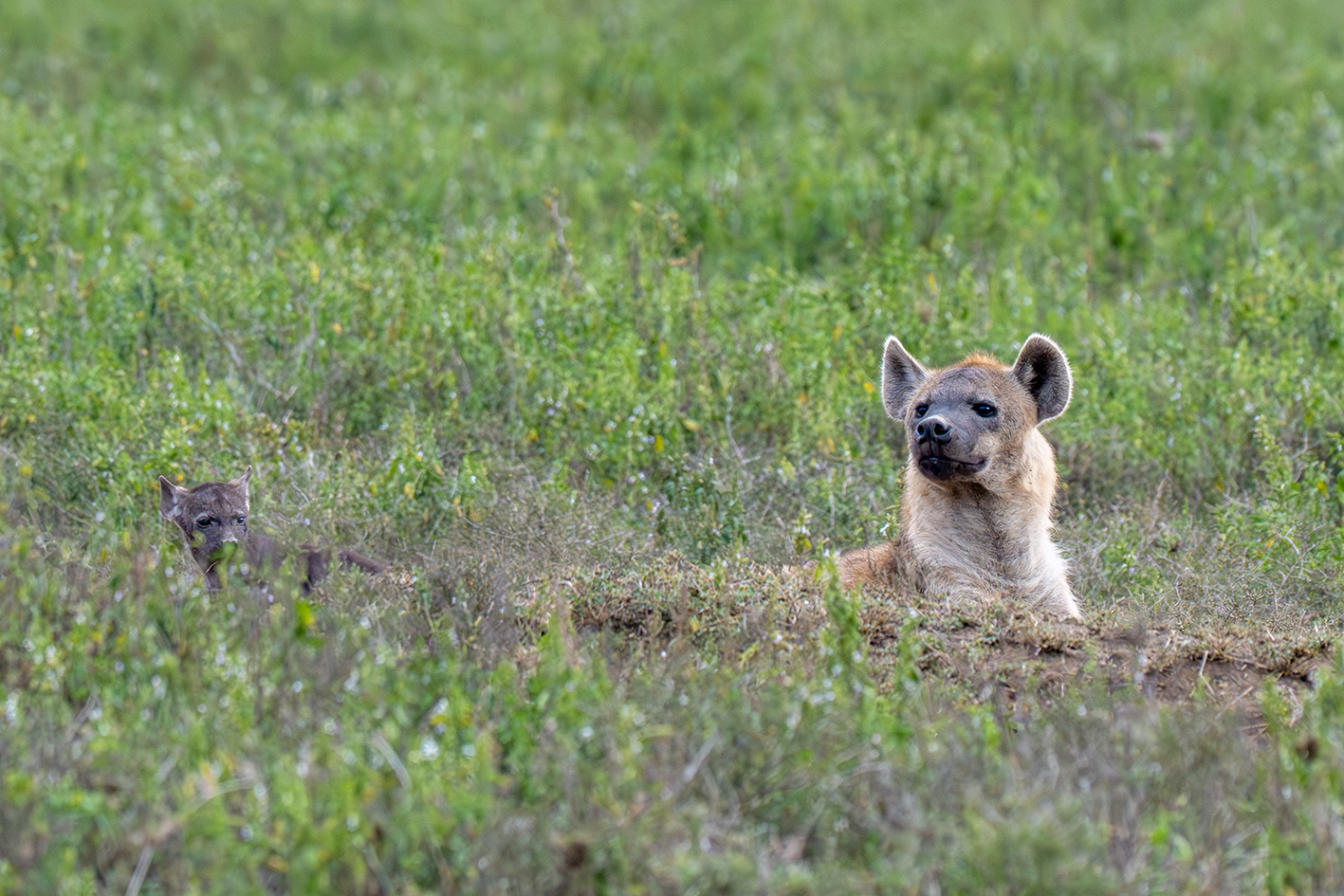
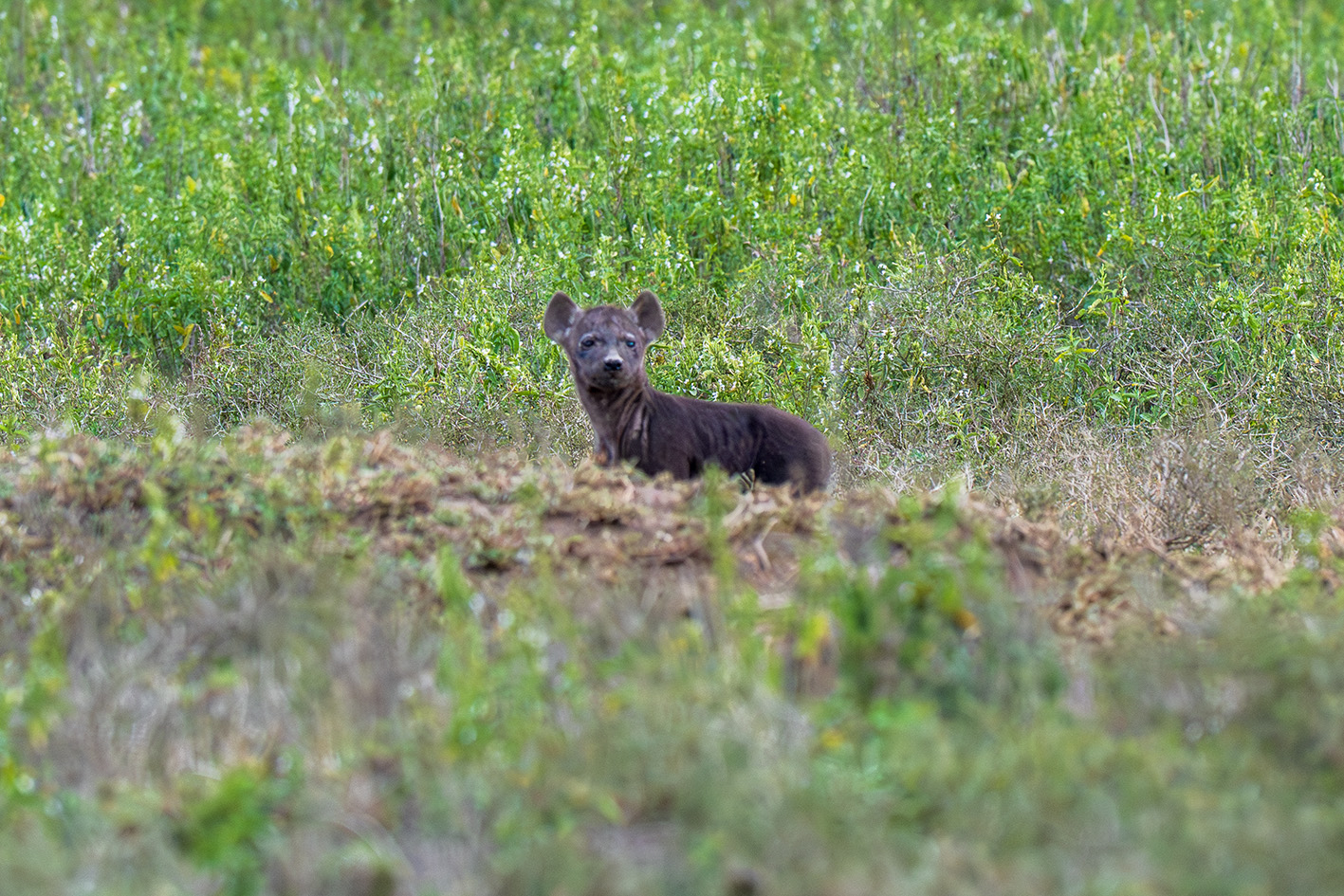
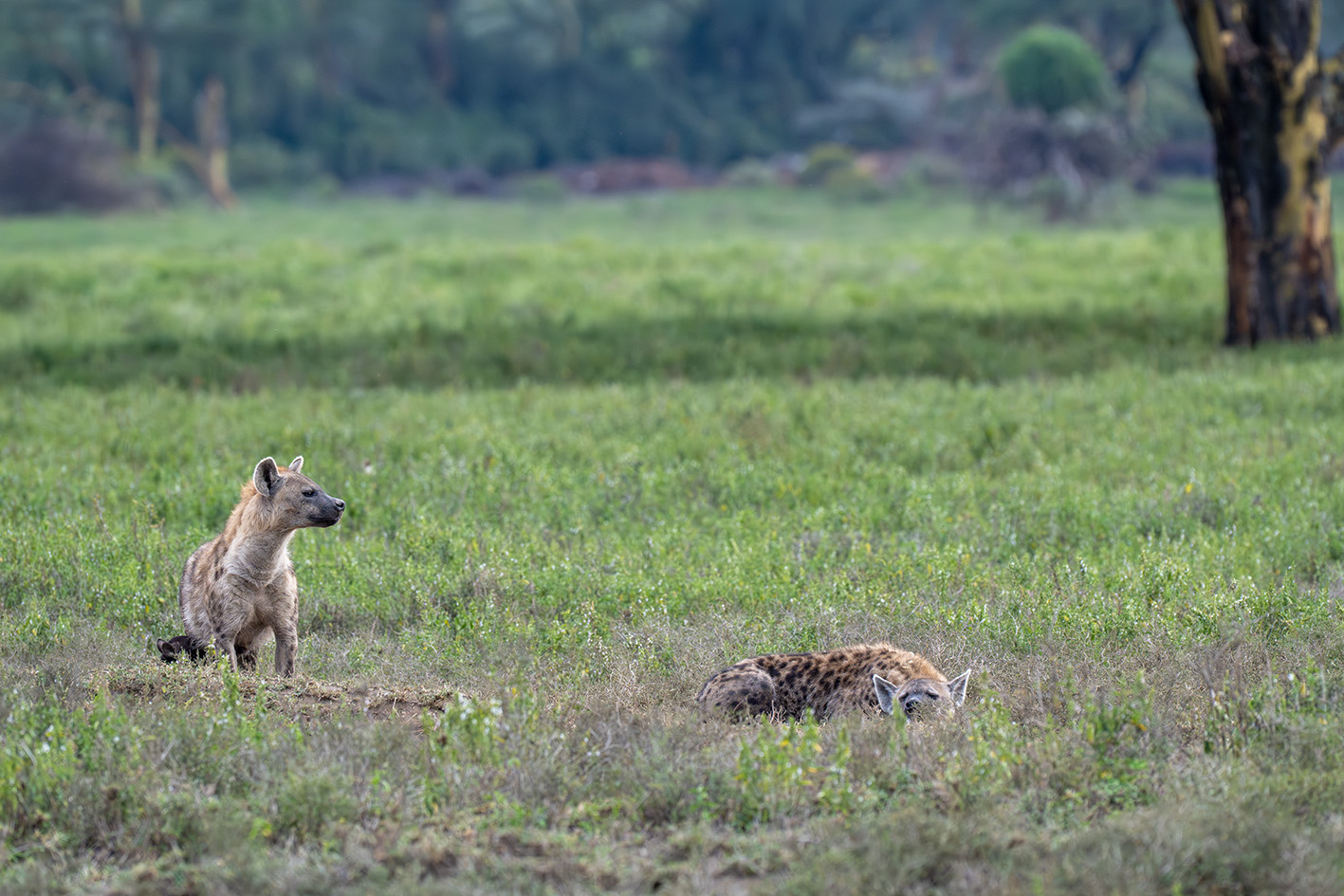
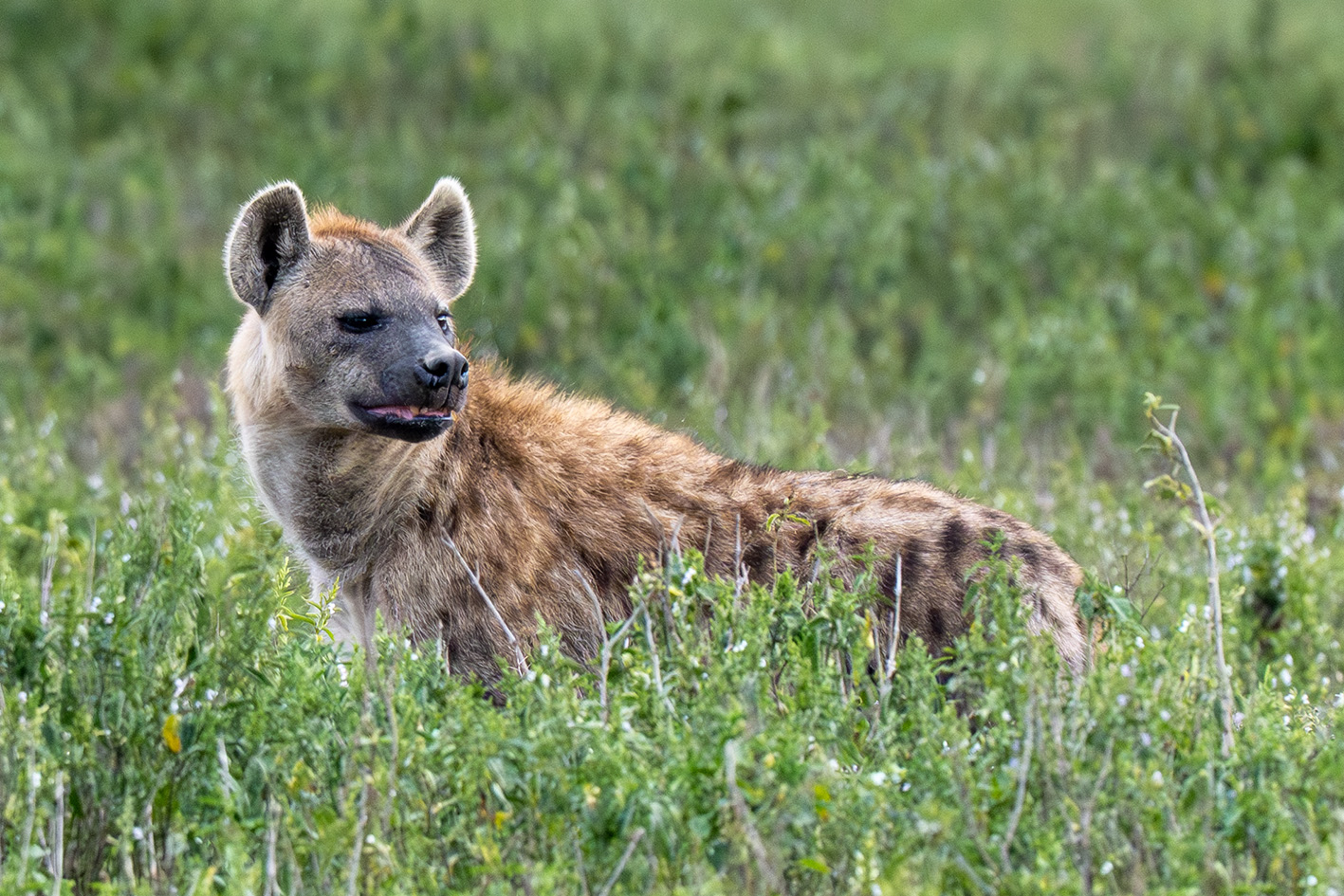
Enorm veel dieren deze eerste dagen. Meest indrukwekkend misschien wel de hyena’s met jongen – toen een groep toeristen te dichtbij kwam, verlieten ze hun burcht om de aandacht af te leiden


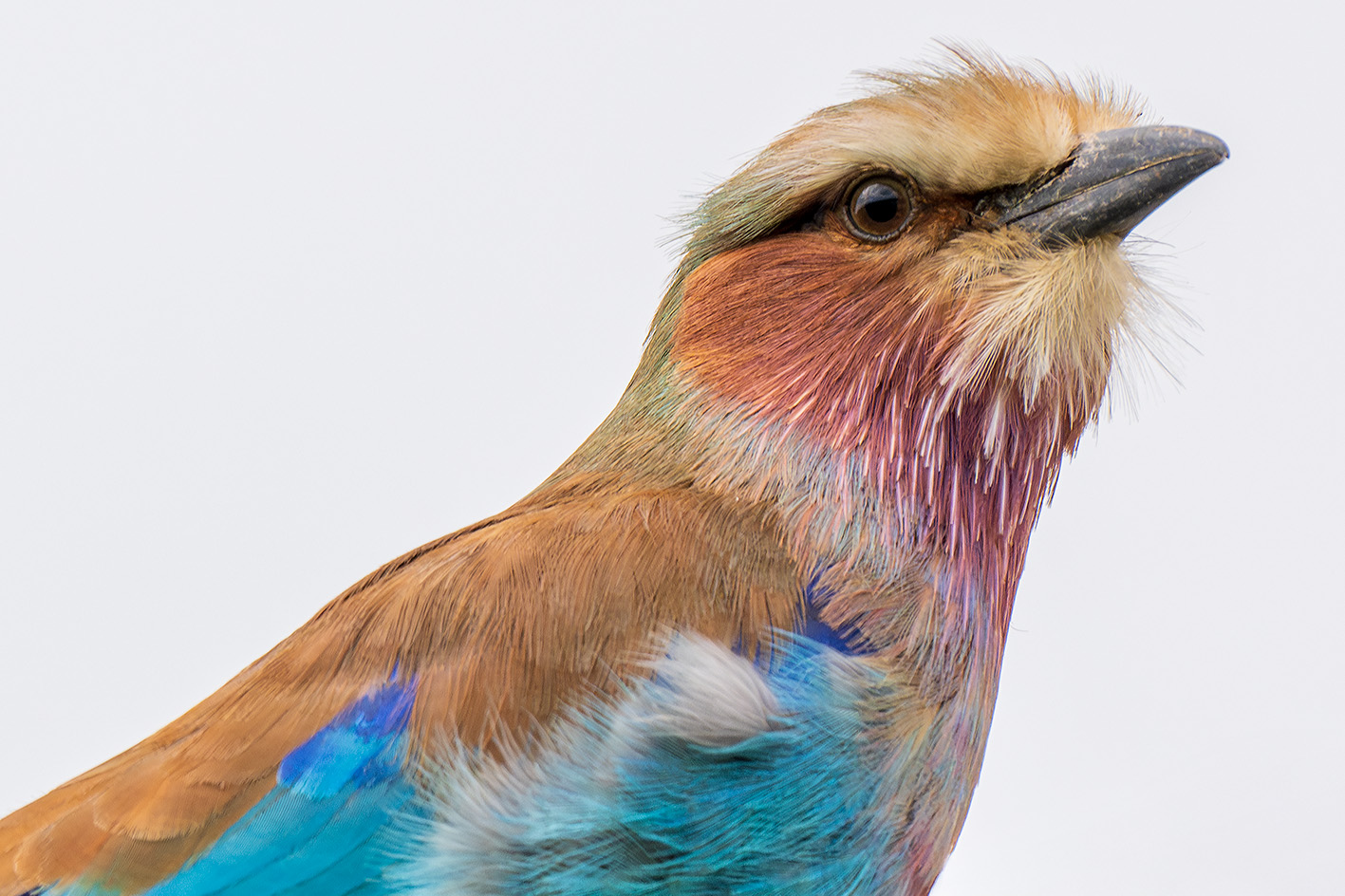
Vorkstaartscharrelaar (Lilac-breasted roller – Coracias caudatus
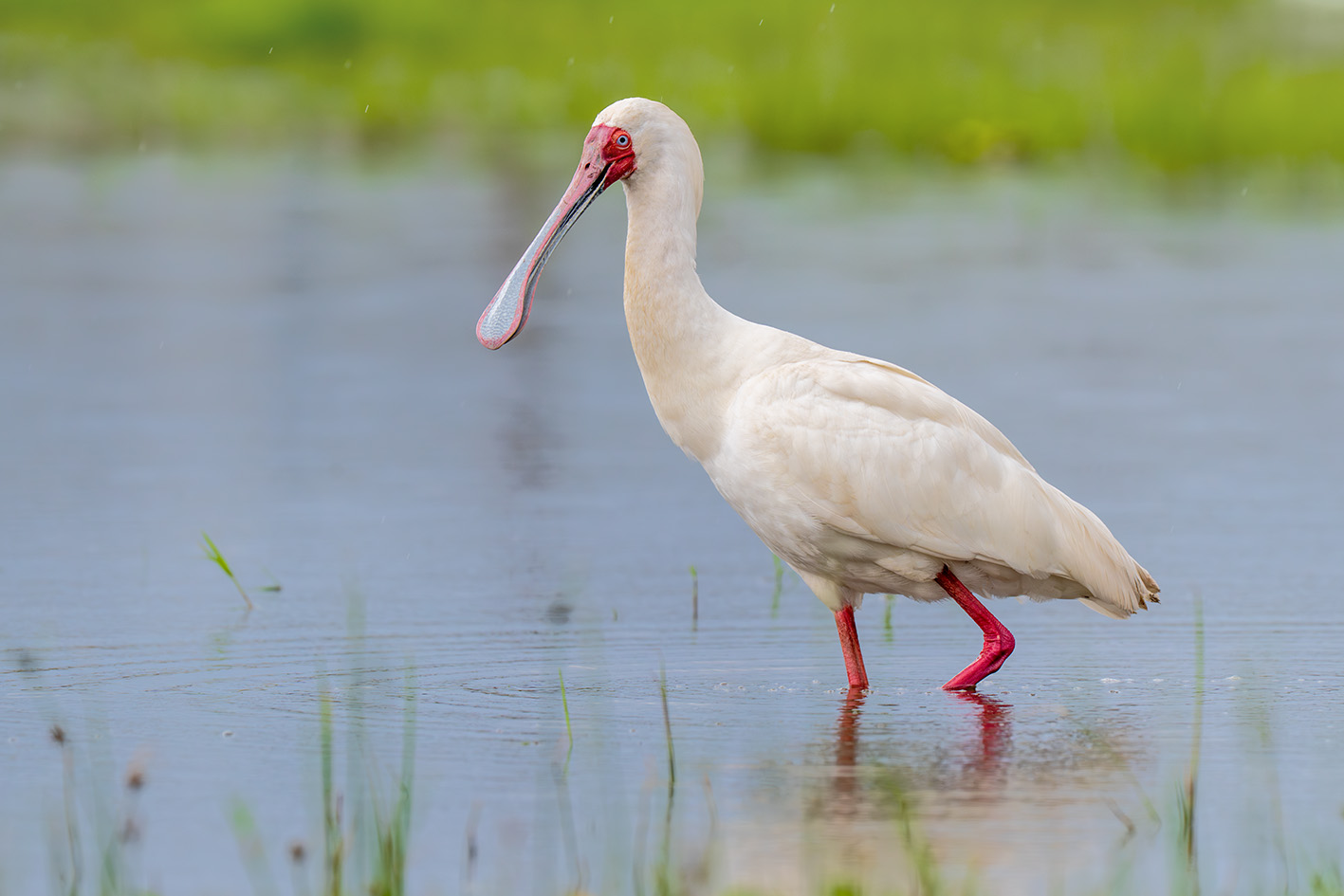
Afrikaanse lepelaar (African spoonbill – Platalea alba)
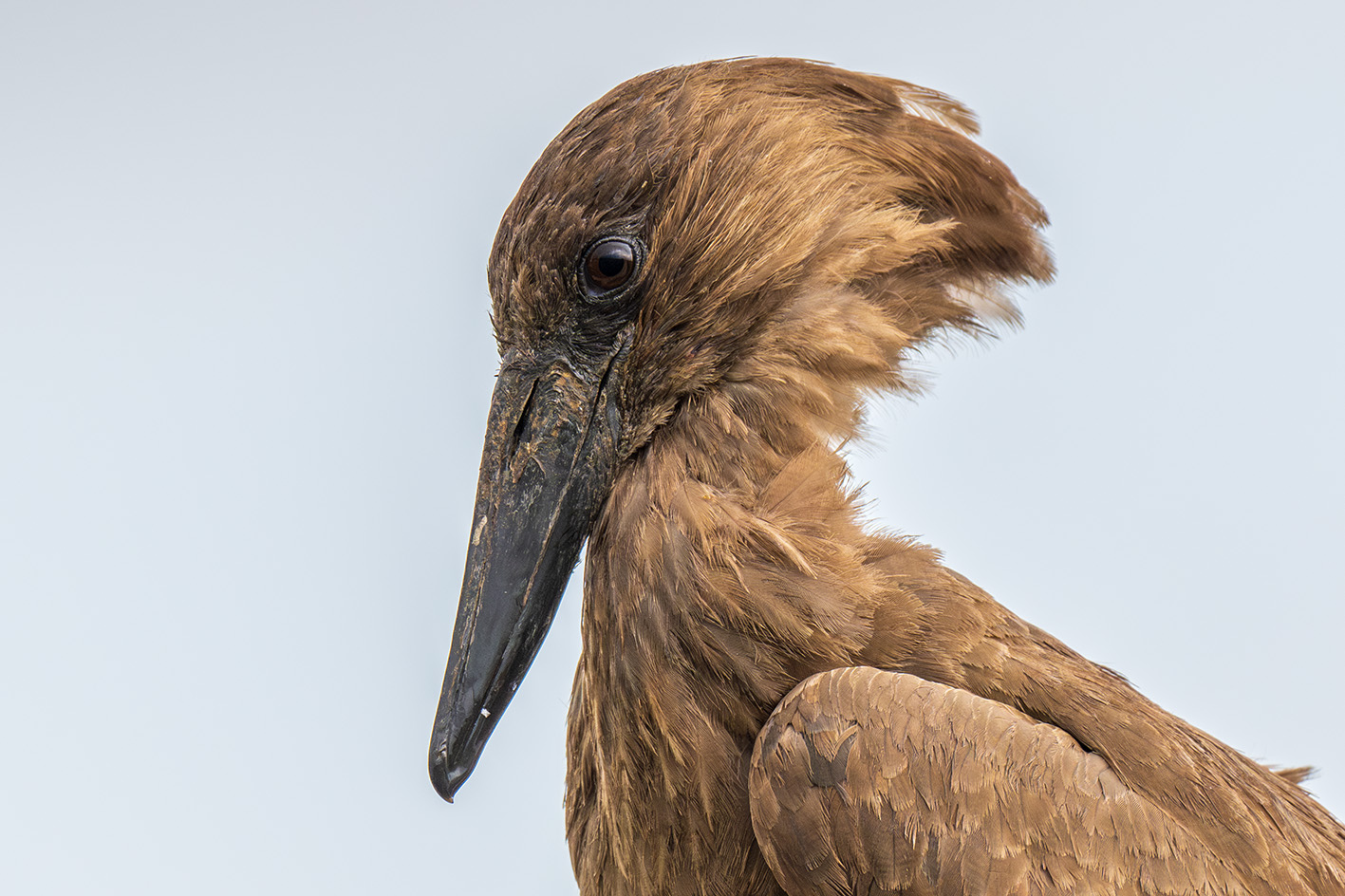
Hamerkop (Scopus umbretta)
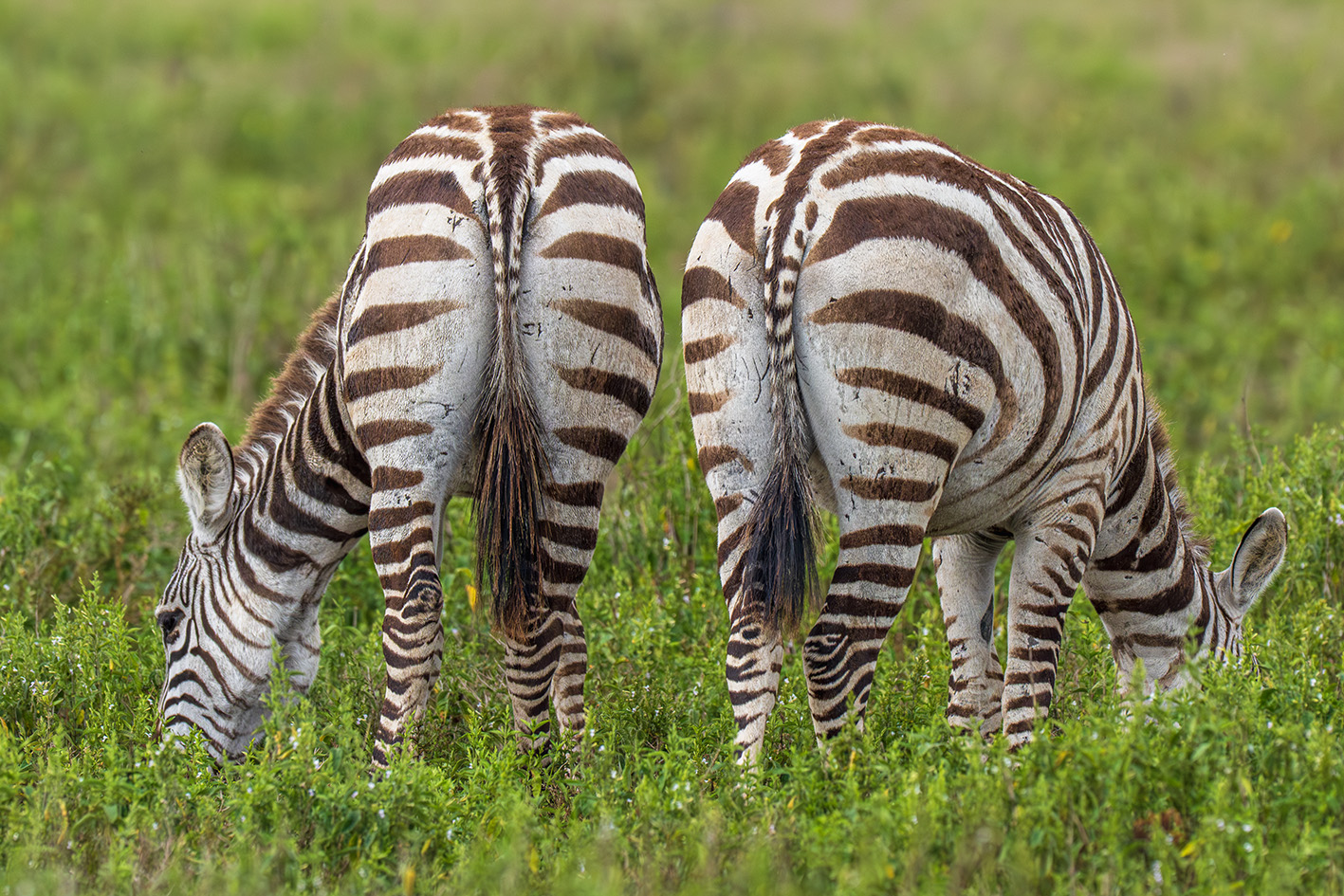
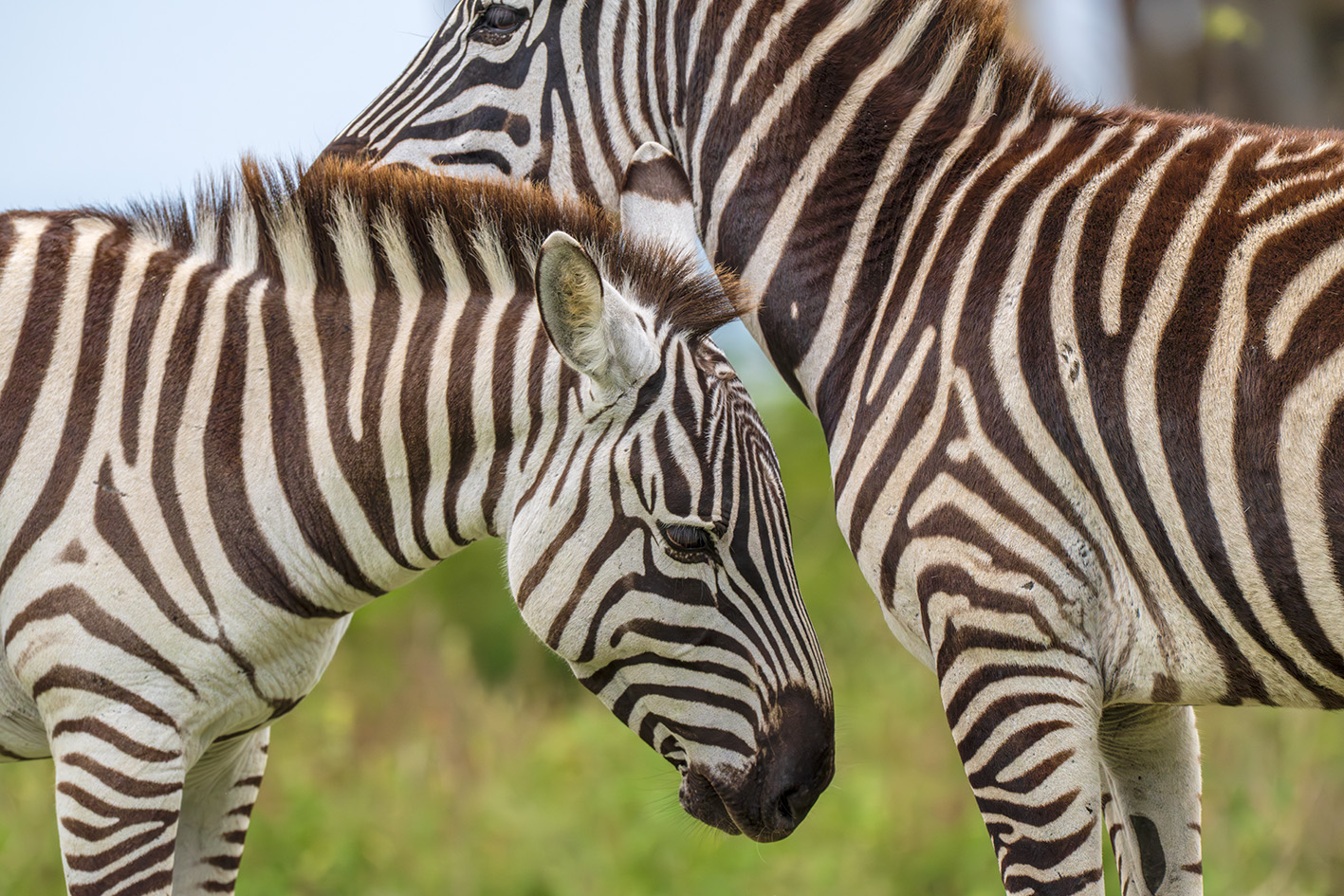
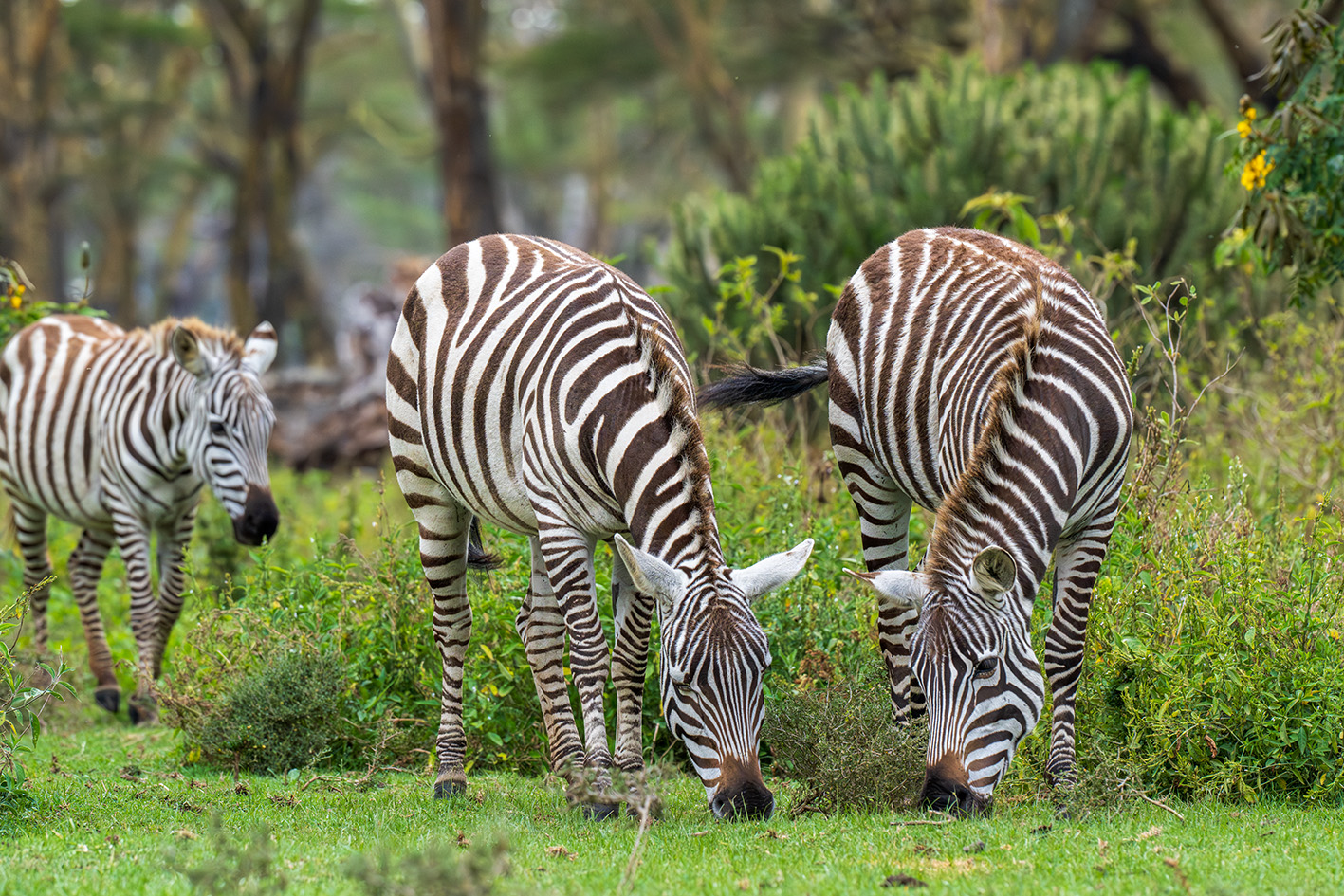
Steppezebra (Common zebra – Equus quagga)
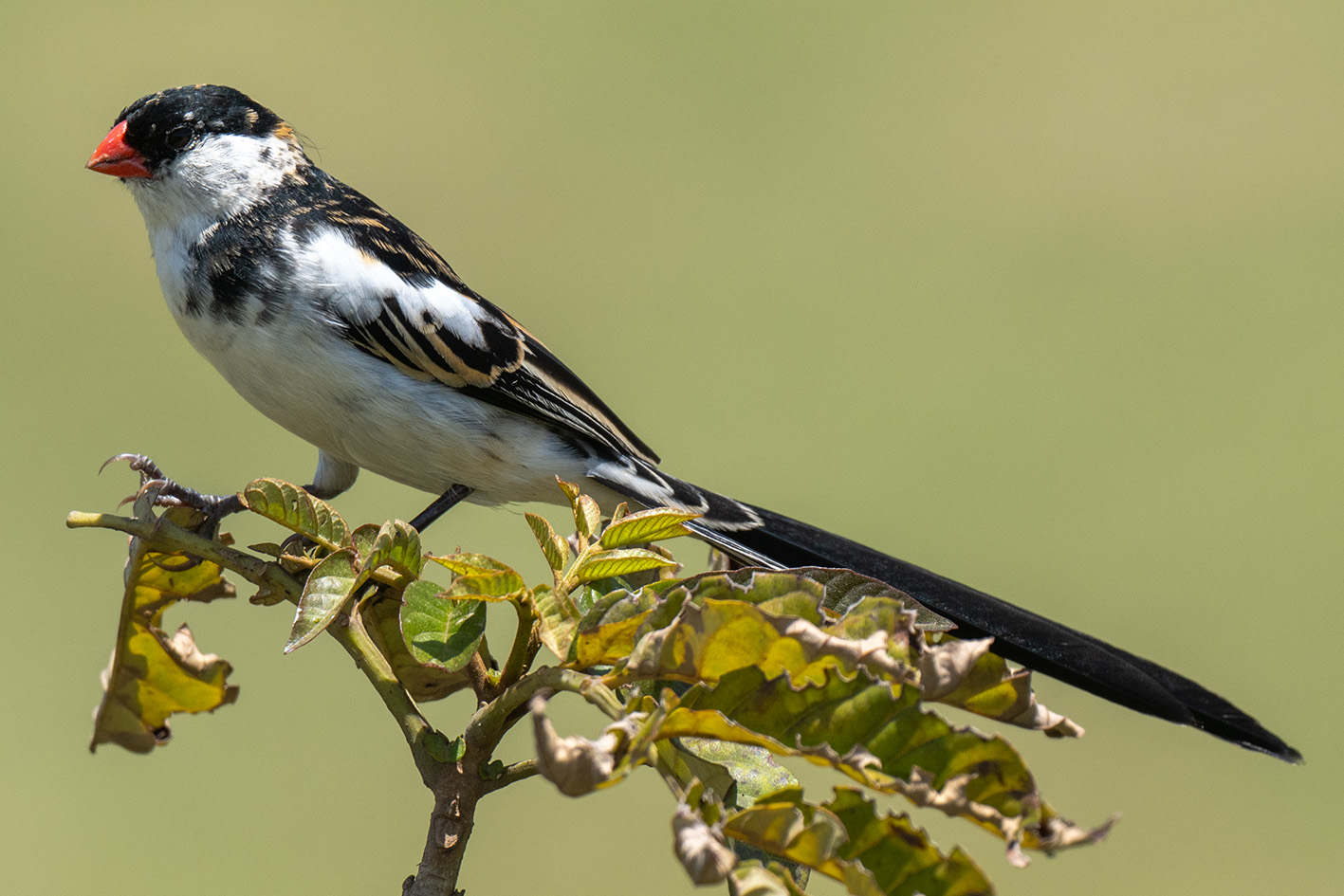
Domincaner wida (Pin-tailed whydah – Vidua macroura)
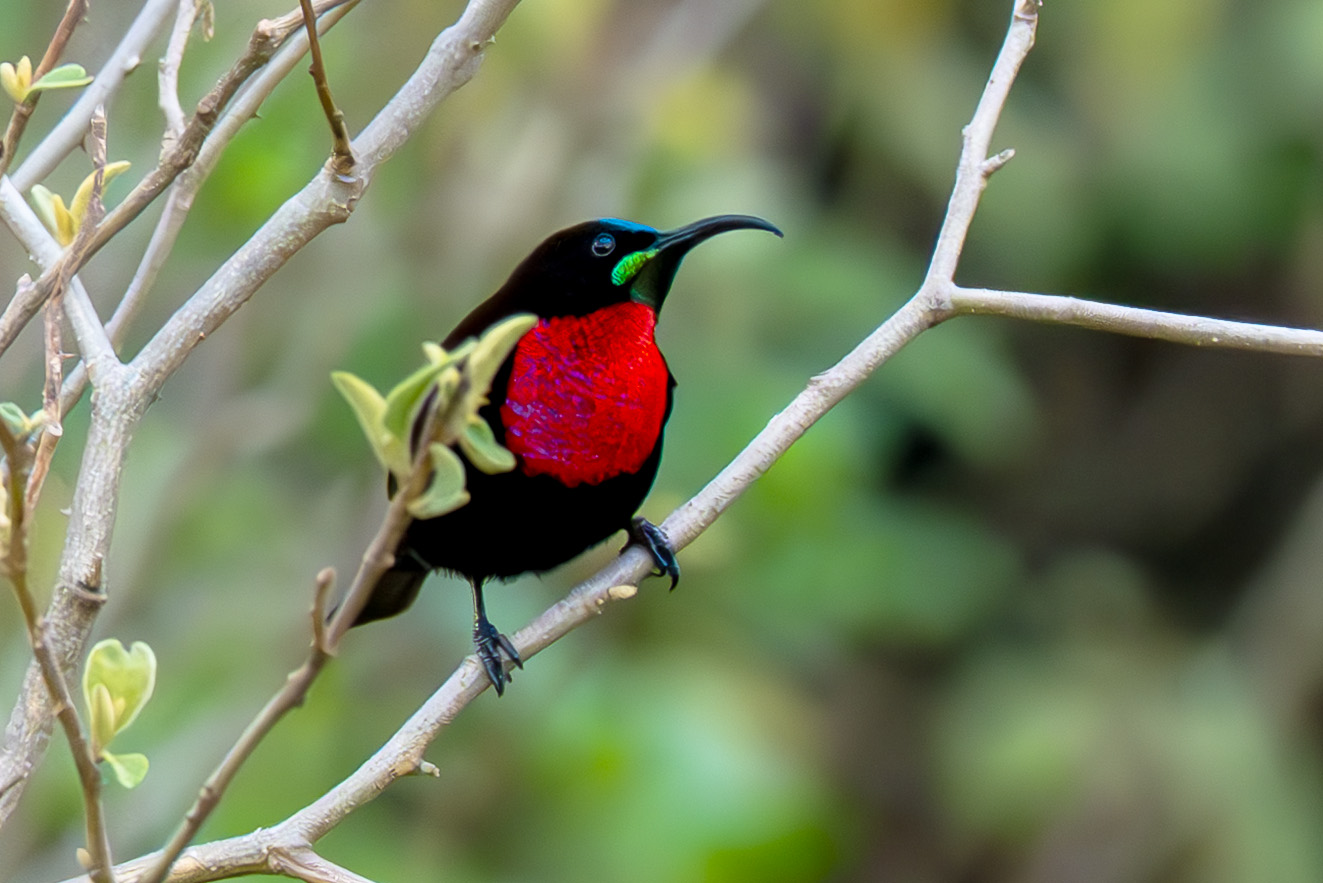
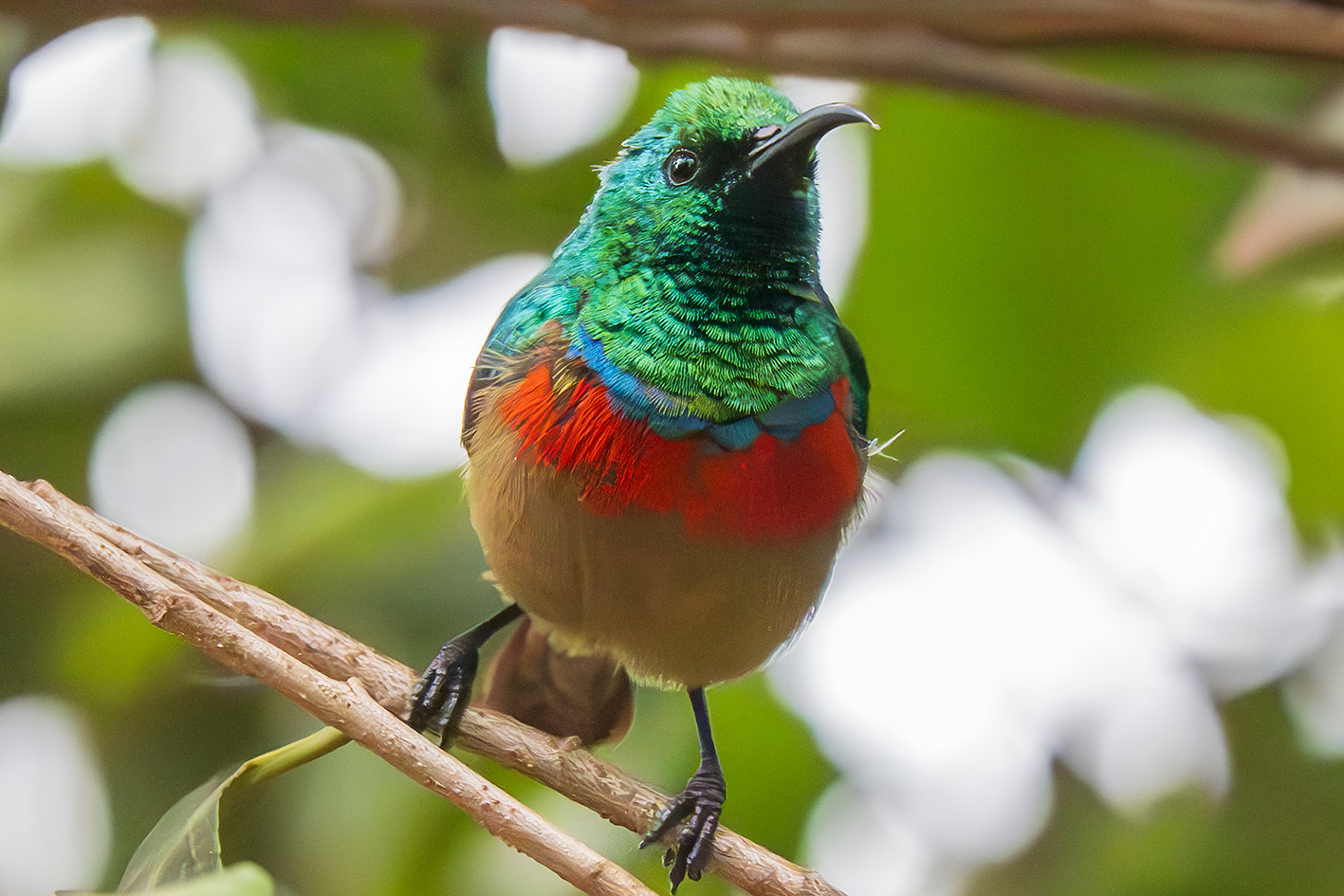
Roodborsthoningzuiger (Scarlet-chested sunbird – Chalcomitra senegalensis)
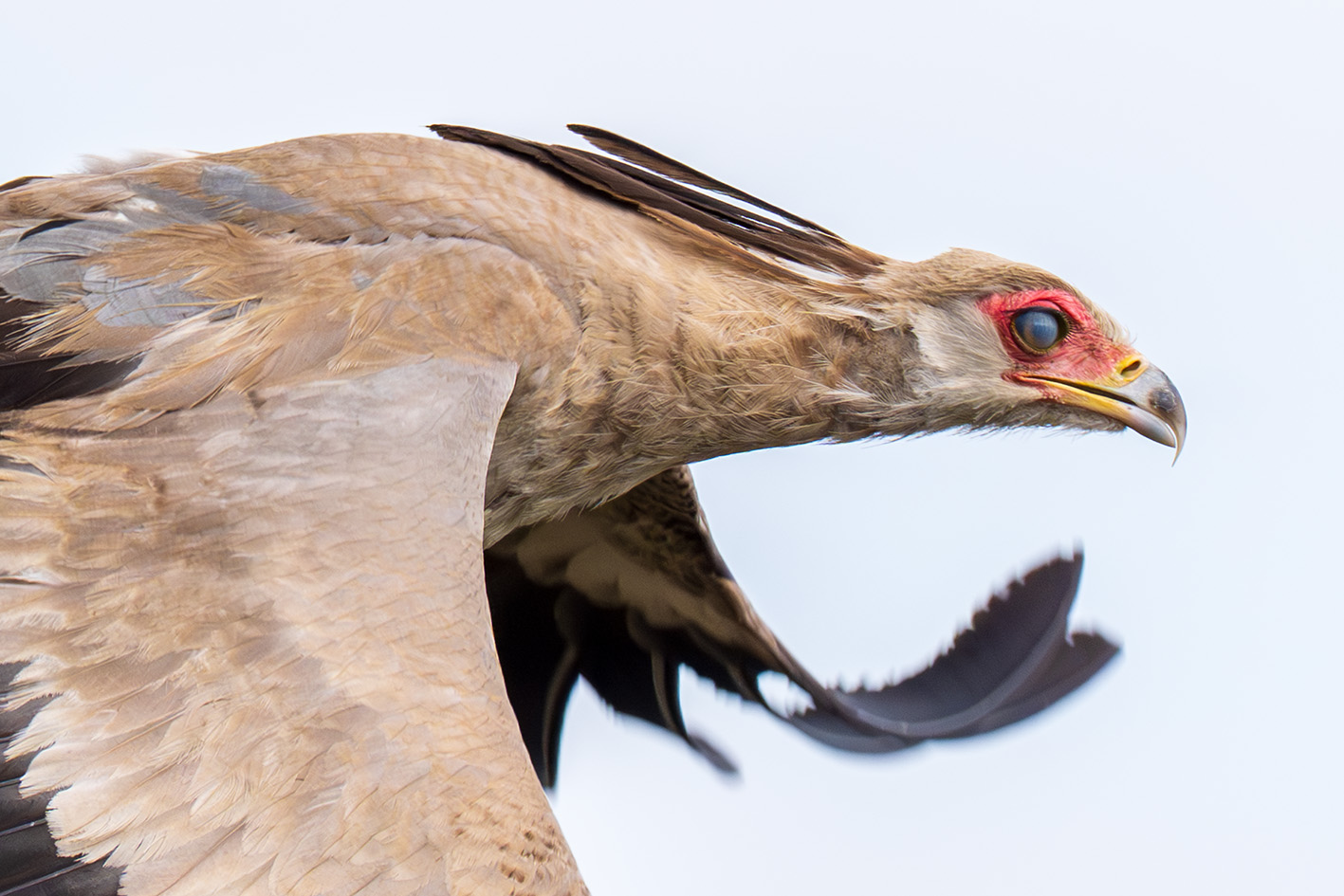
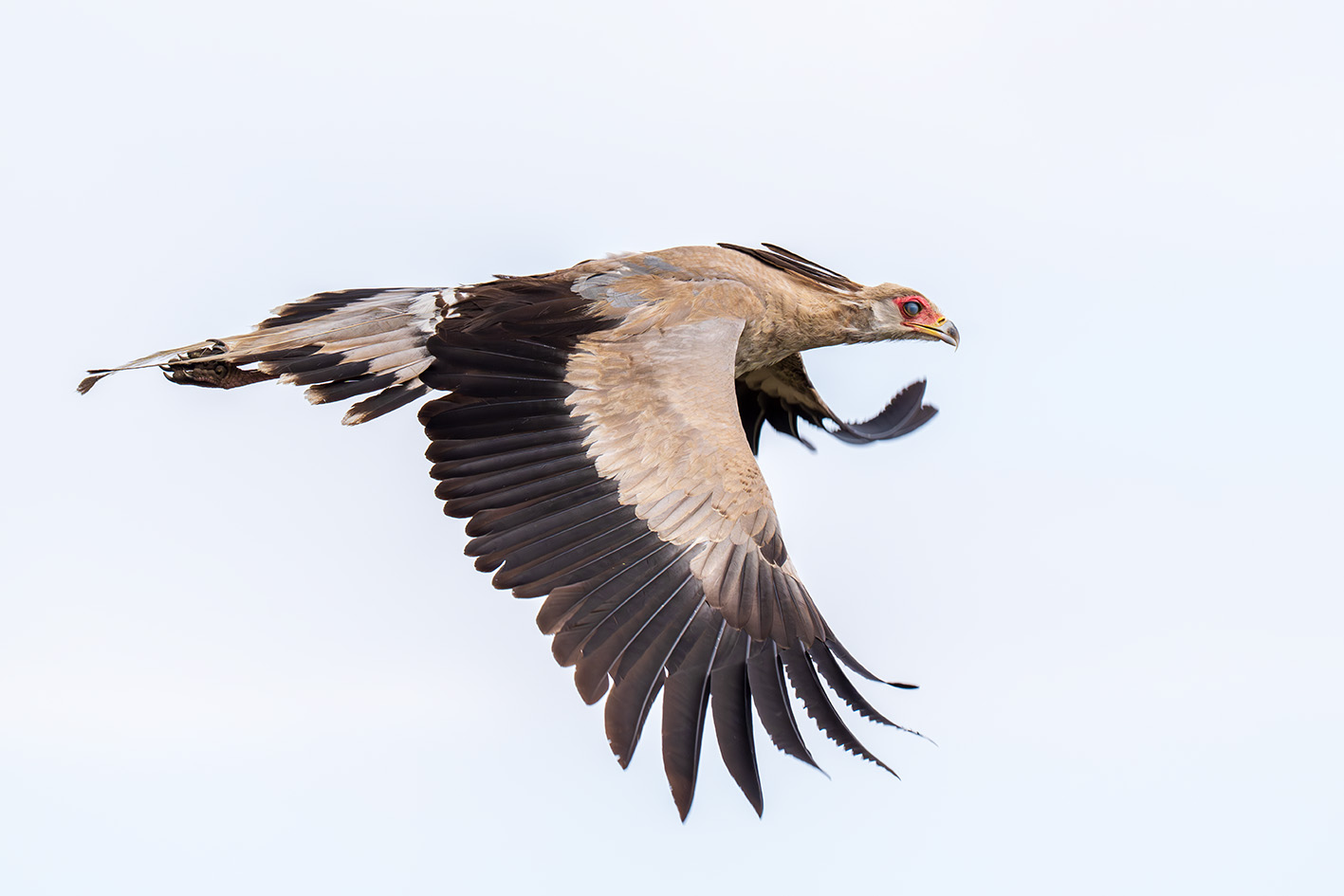
Secetarisvogel (Secretarybird – Sagittarius serpentarius)
Grijsgroene specht (Grey woodpecker – Dendropicos gaertae)
Impala (Aepyceros melampus)
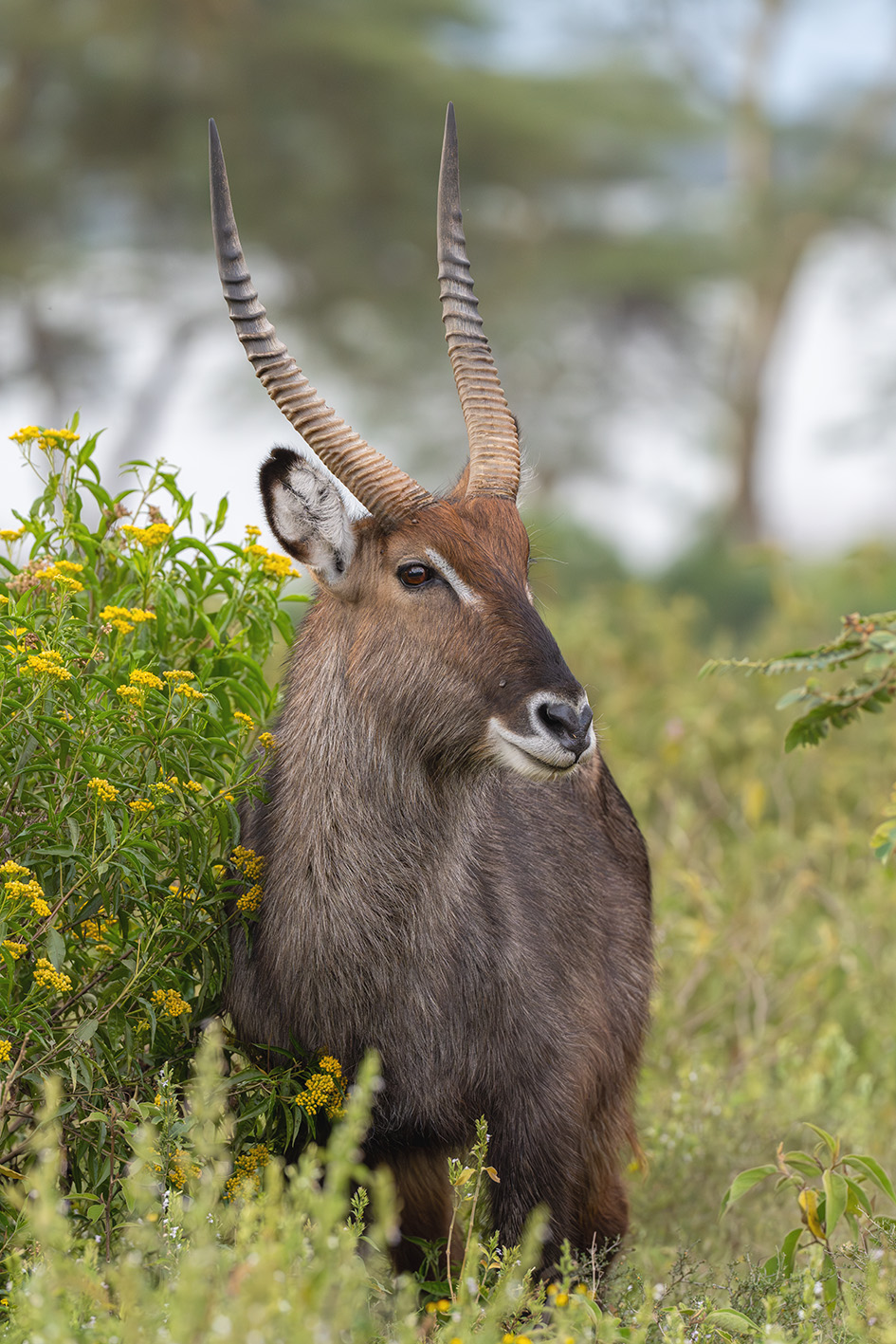
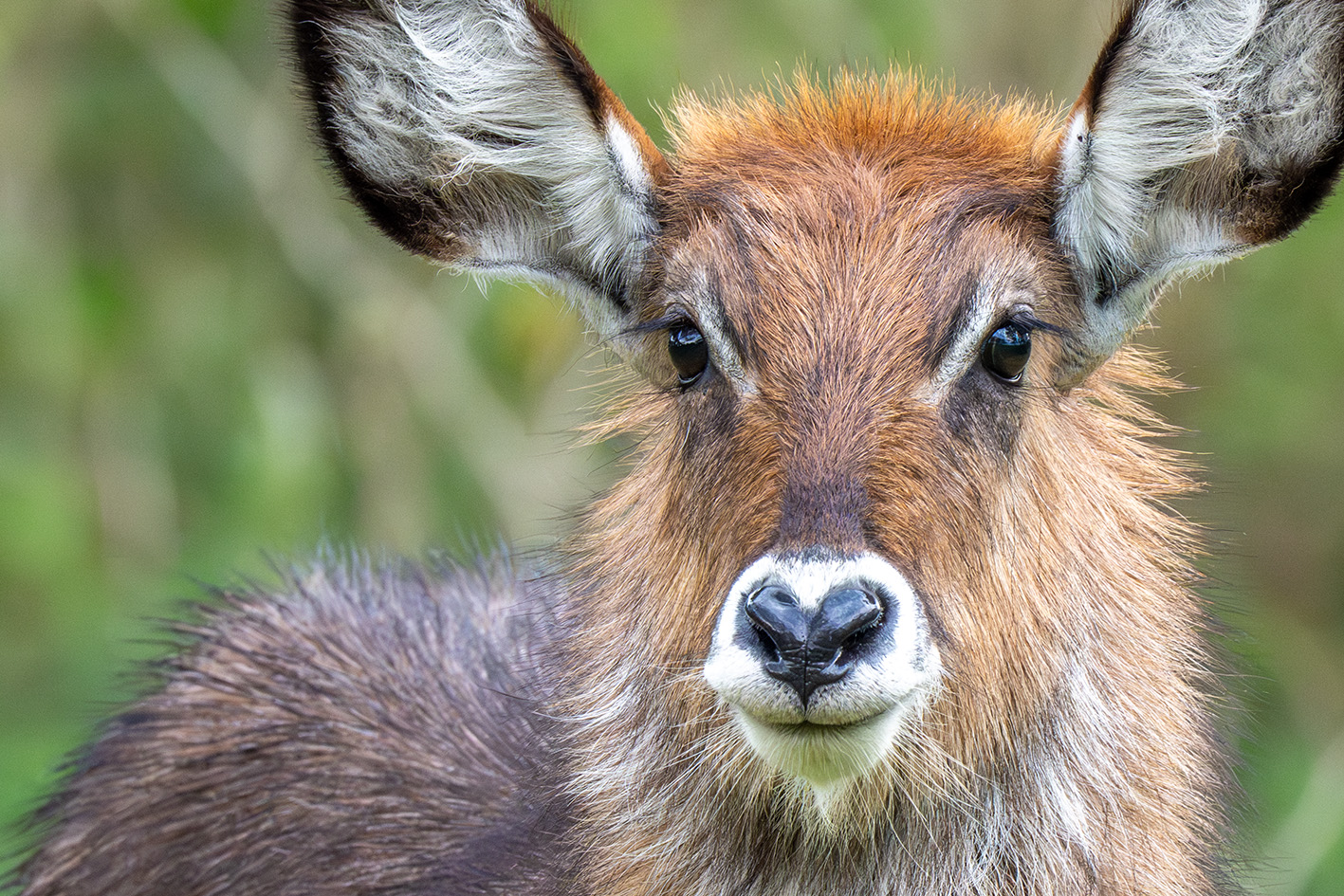
Defassawaterbok (Defassa waterbuck – Kobus e. defassa)
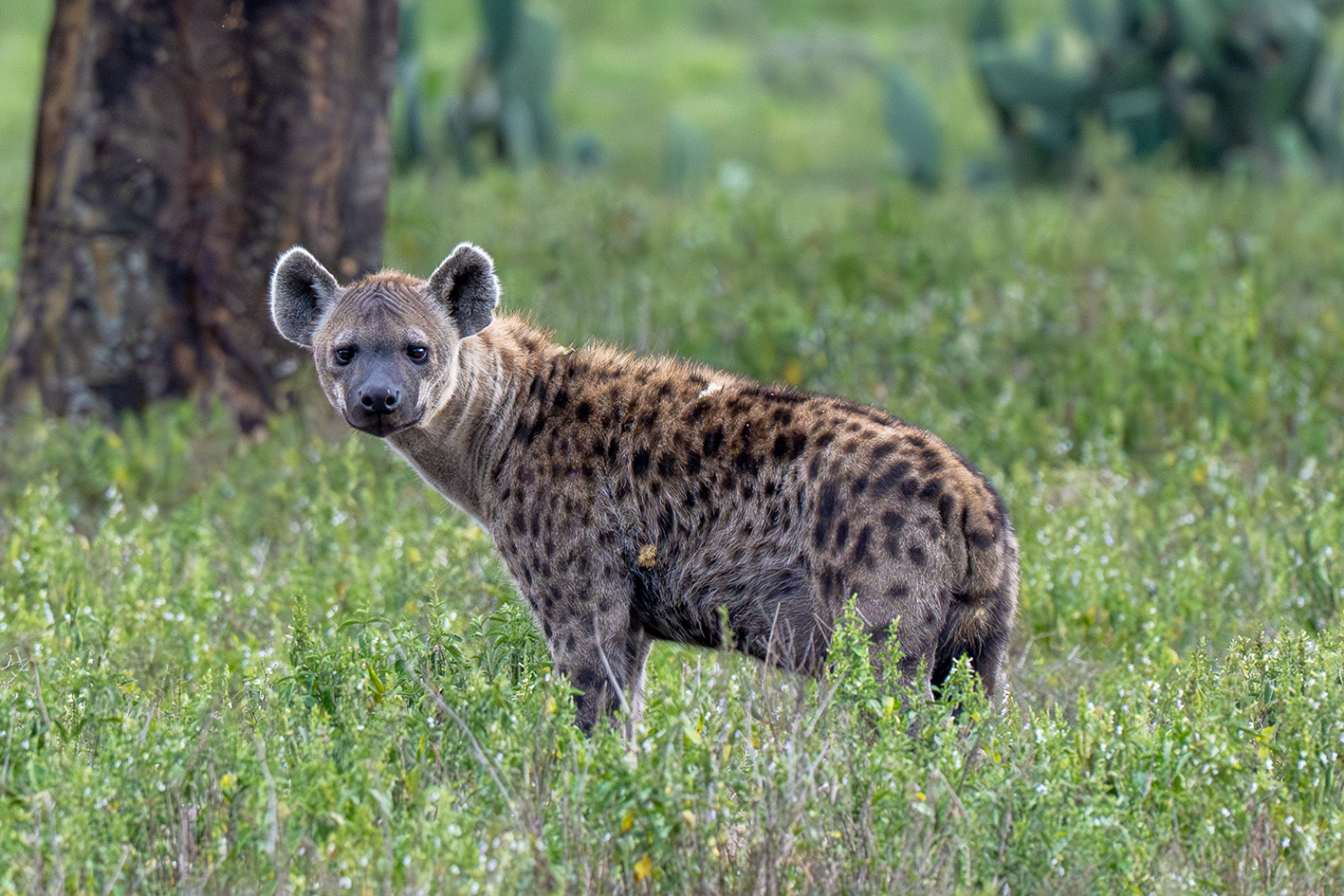
Gevlekte hyena (Spotted hyena – Crocuta crocuta)
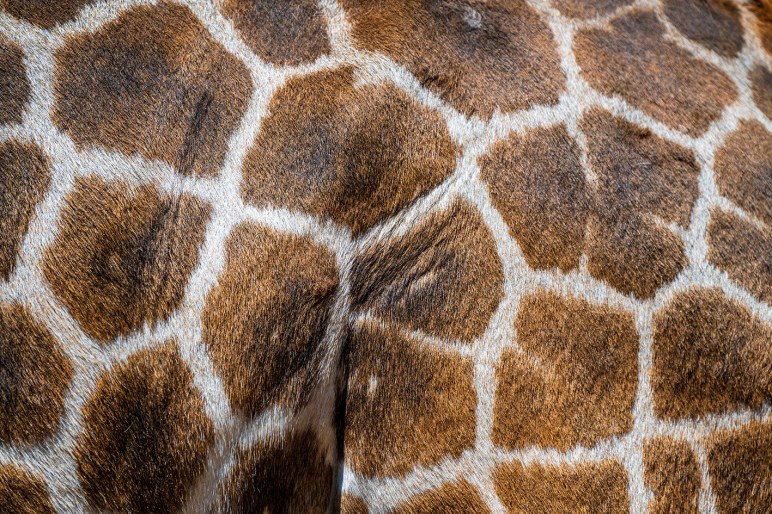
Netgiraf (Reticulated giraffe – Giraffa c. reticulata)
Driekleurige glansspreeuw (Superb starling – Lamprotornis superbus)
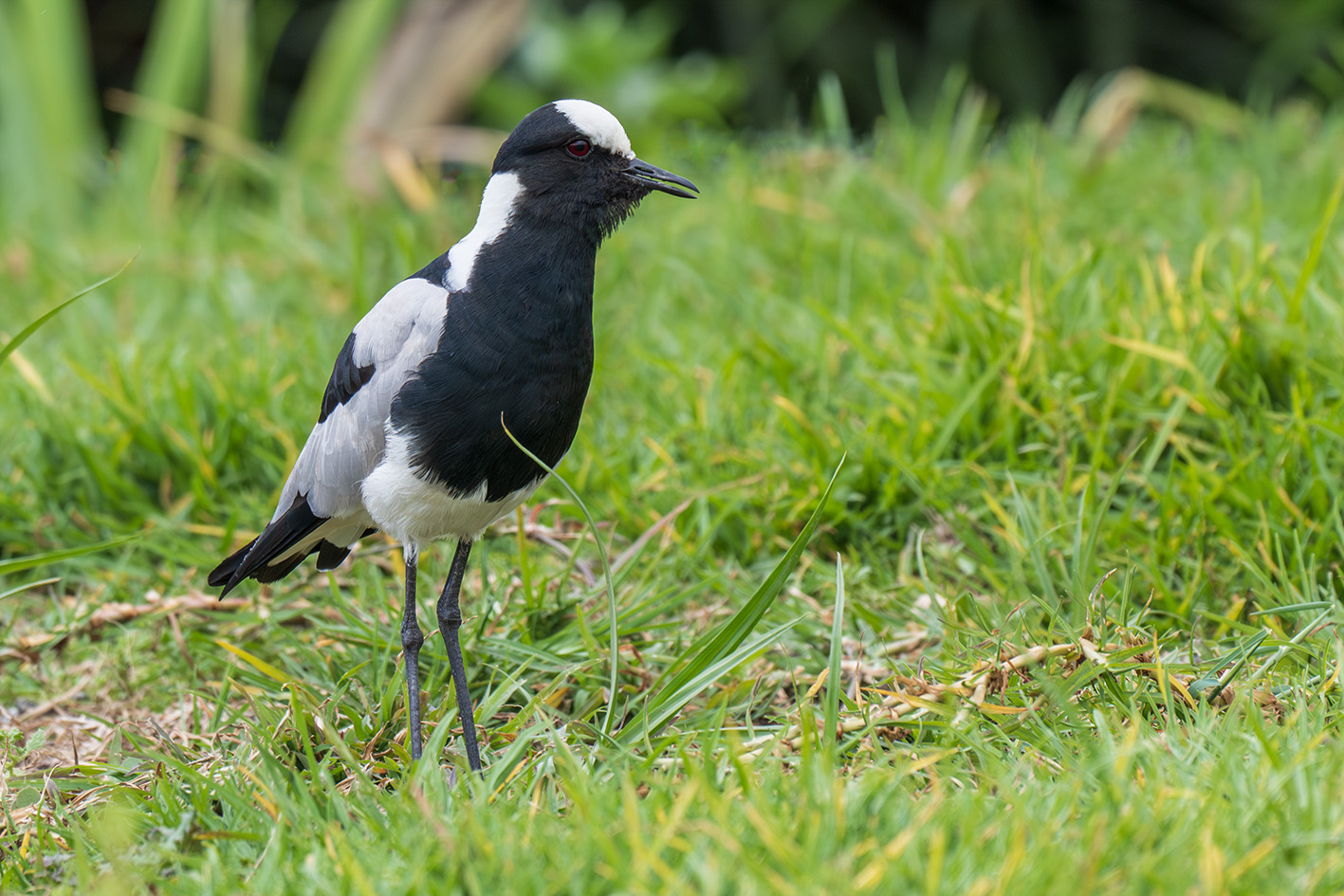
Smidsplevier (Blacksmith lapwing – Vanellus armatus)
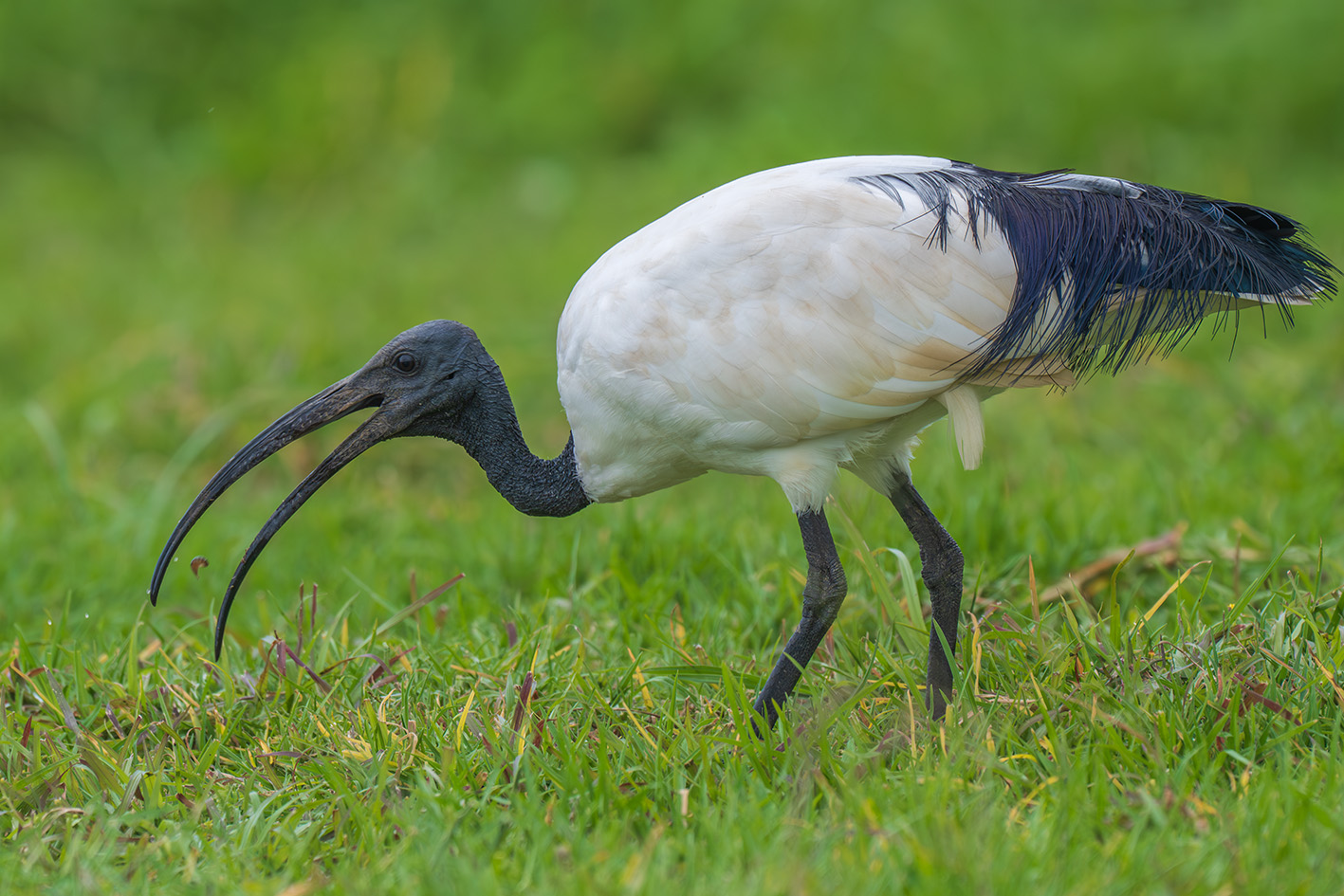
Heilige ibis (Sacred ibis – Threskiornis aethiopicus)
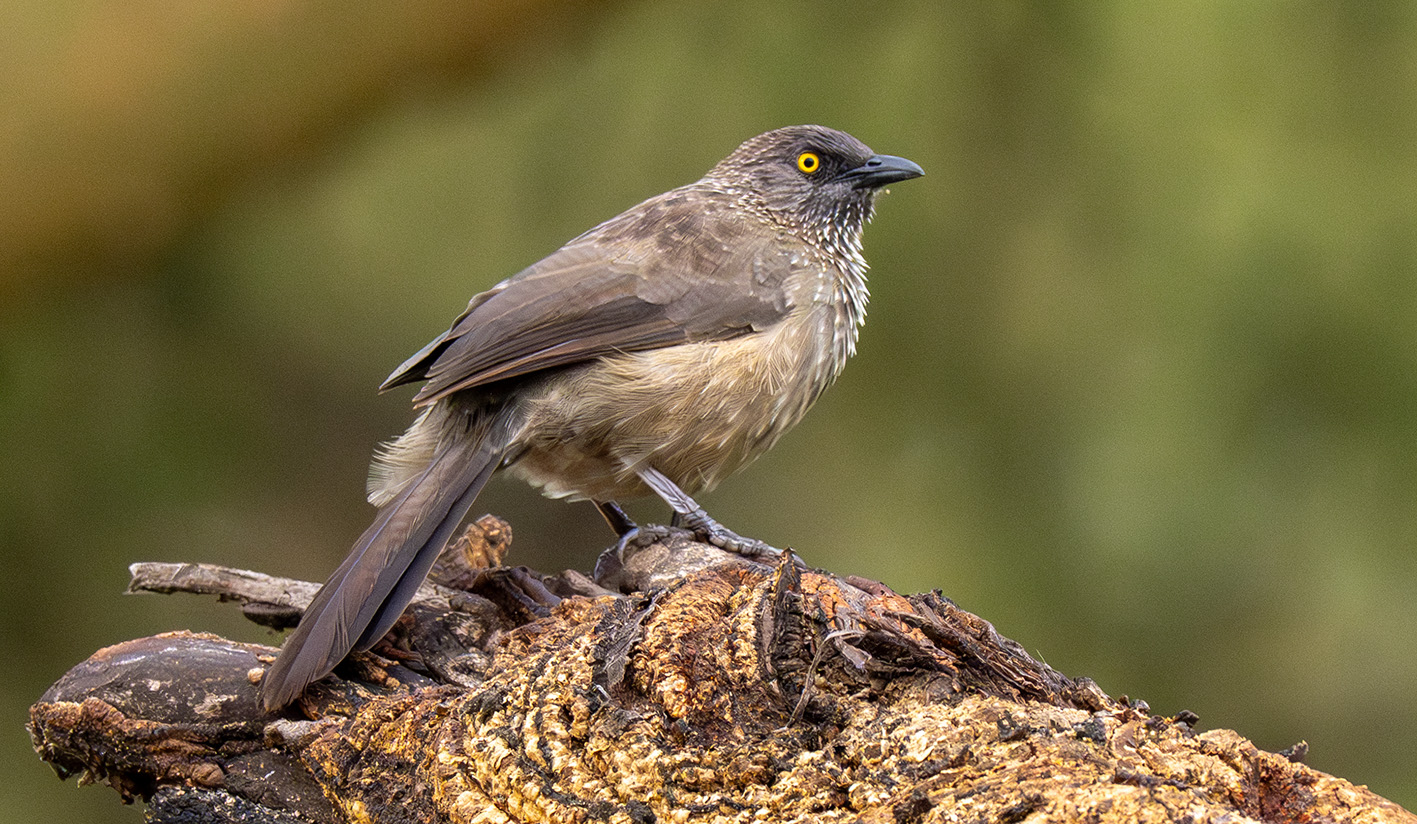
Pijlpuntbabbelaar (Arrow-marked babbler – Turdoides jardineii)
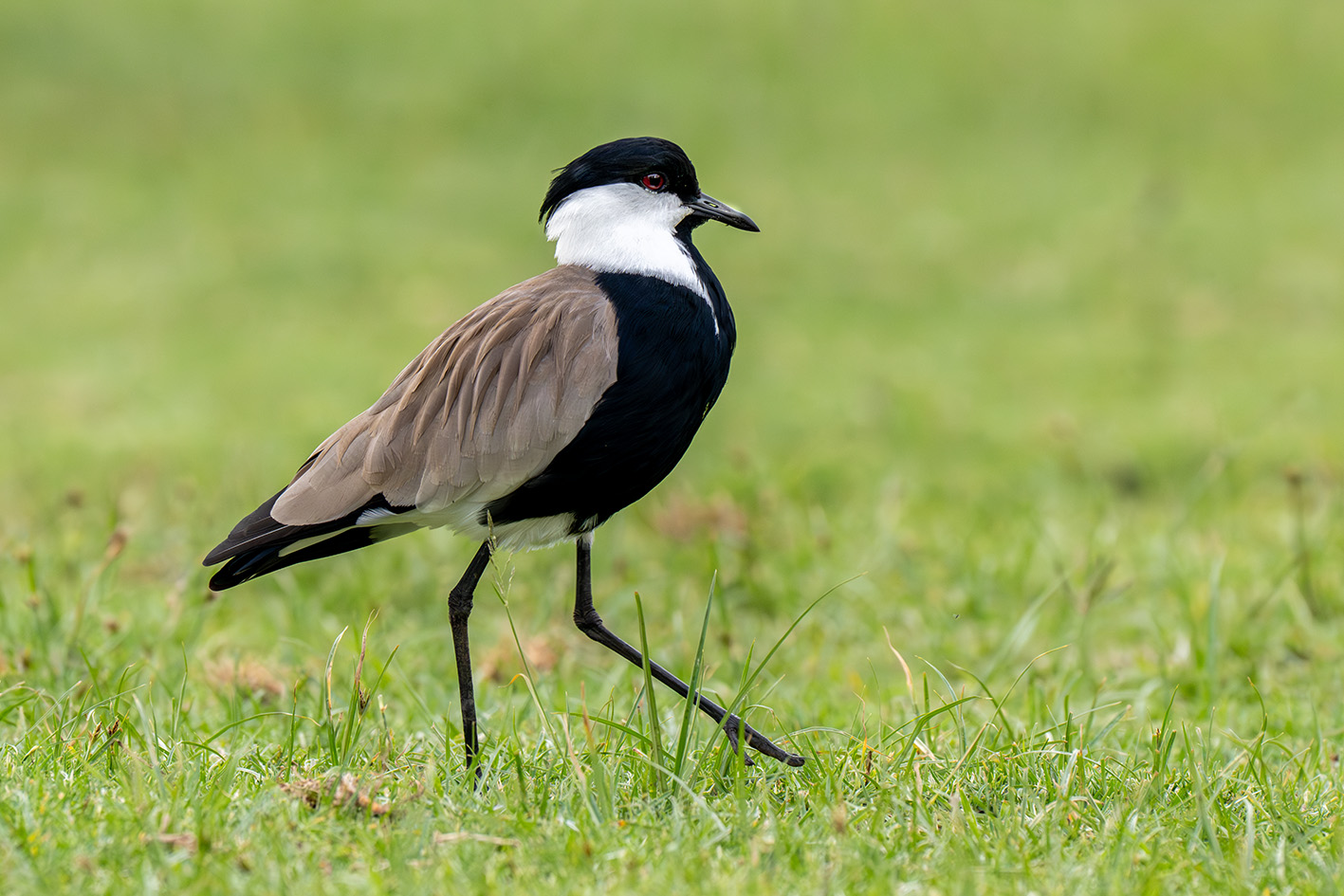
Sporenkievit (Spur-winged lapwing – Vanellus spinosis)
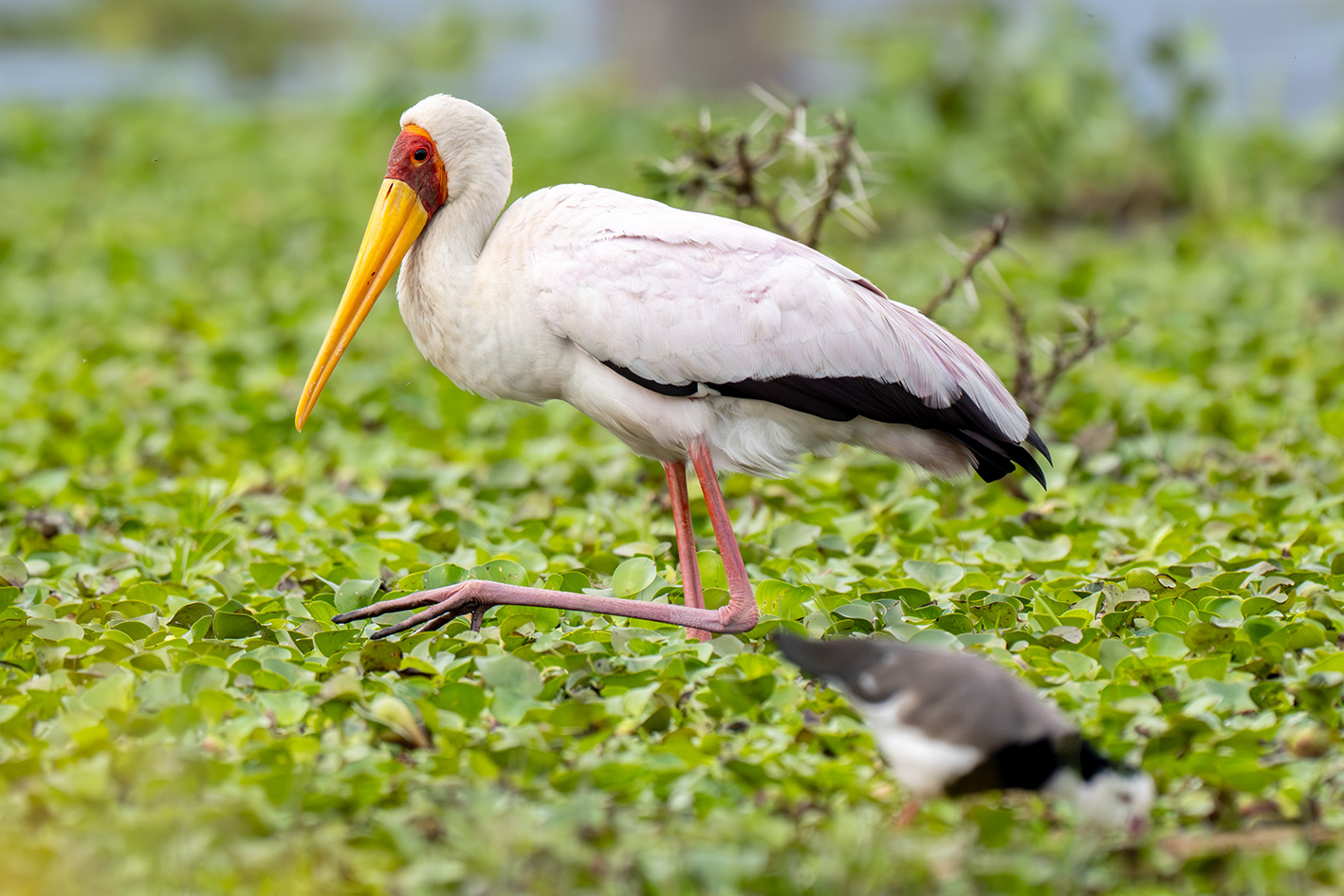
Nimmerzat (Yellow-billed stork – Mycteria ibis)
Langteenkievit (Long-toed lapwing – Vanellus crassirostris)
Reuzenreiger (Goliath heron – Ardea goliath)
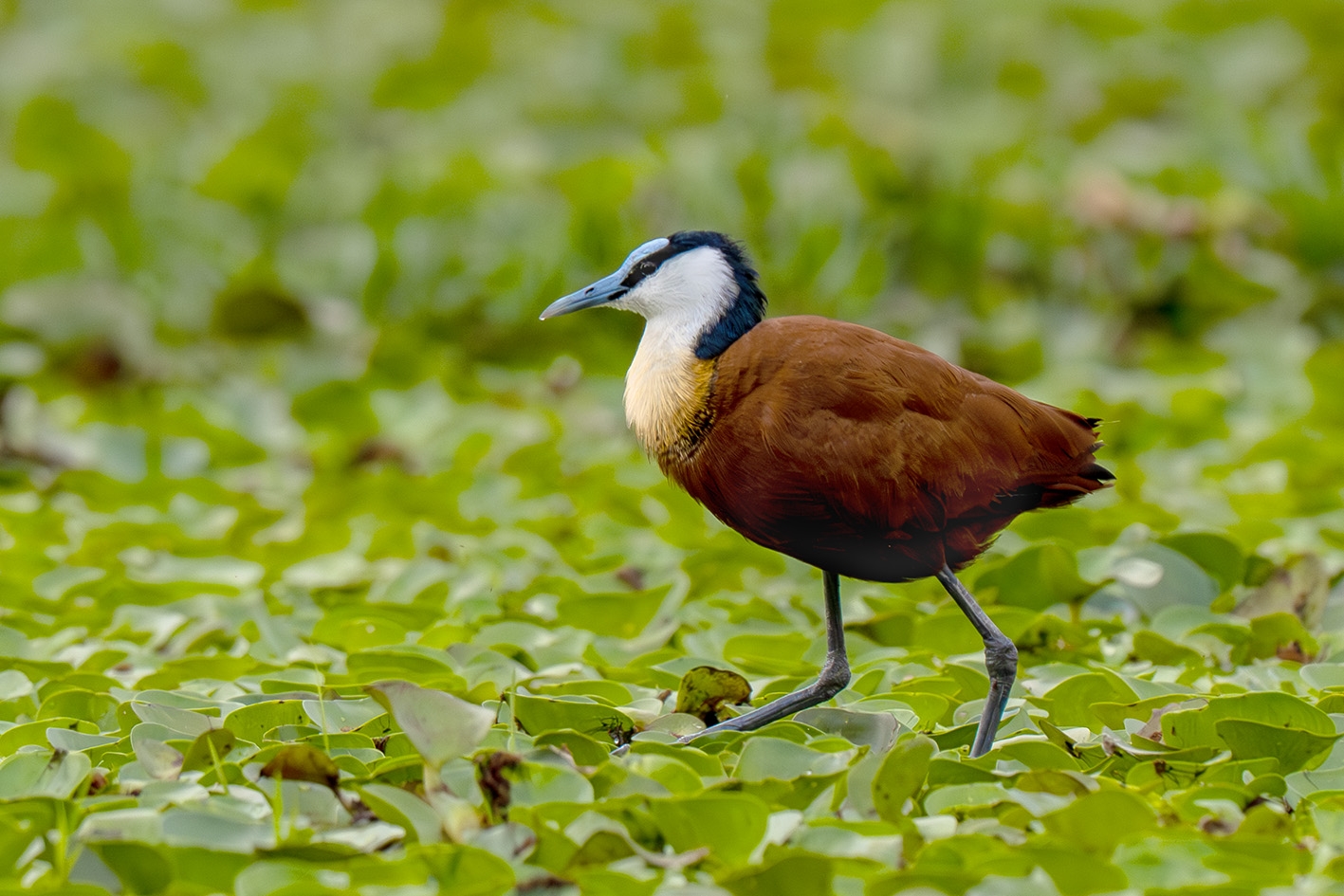
Lelieloper (African jacana – Actophilornis africanus)
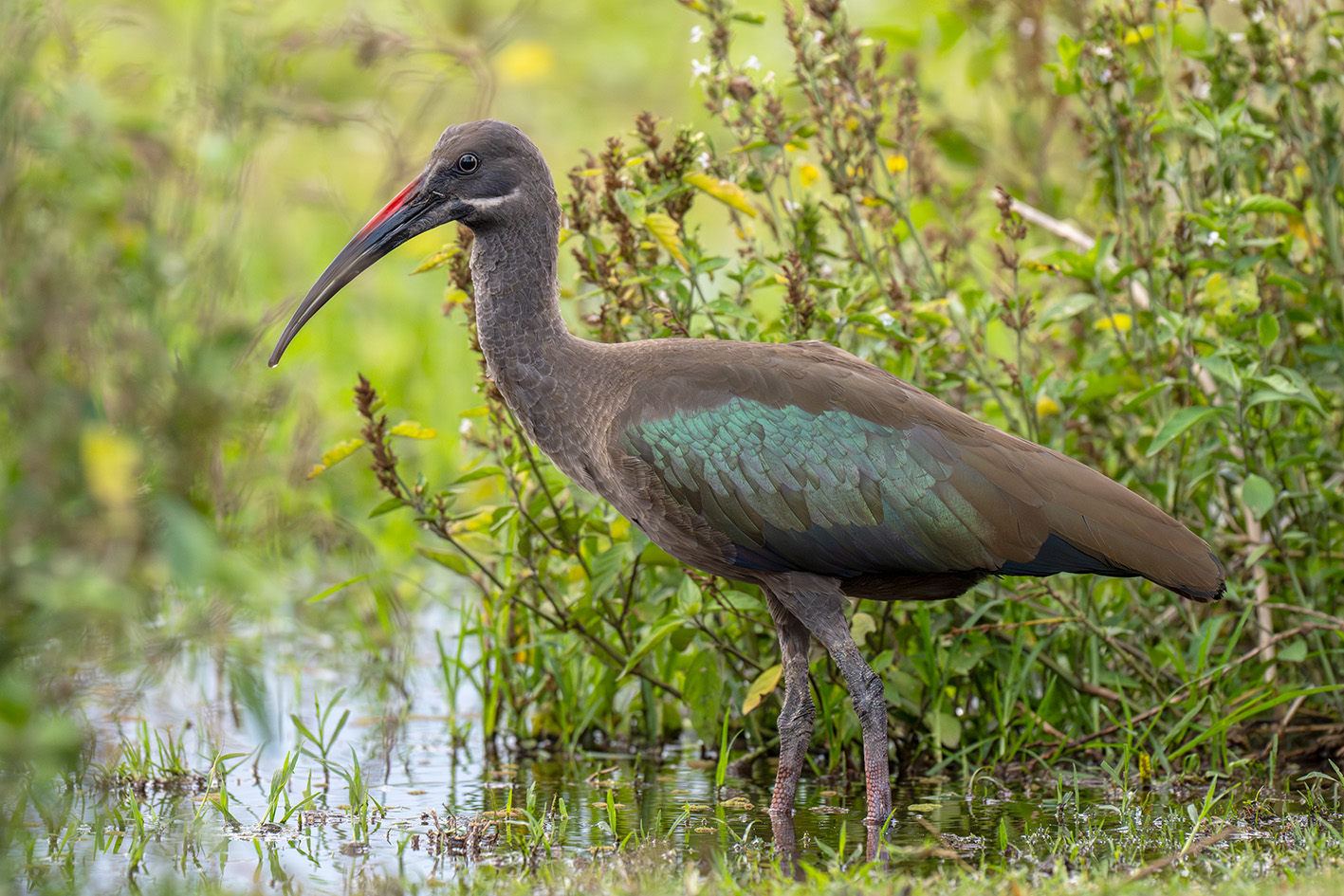
Hadada ibis (Bostrychia hagedash)
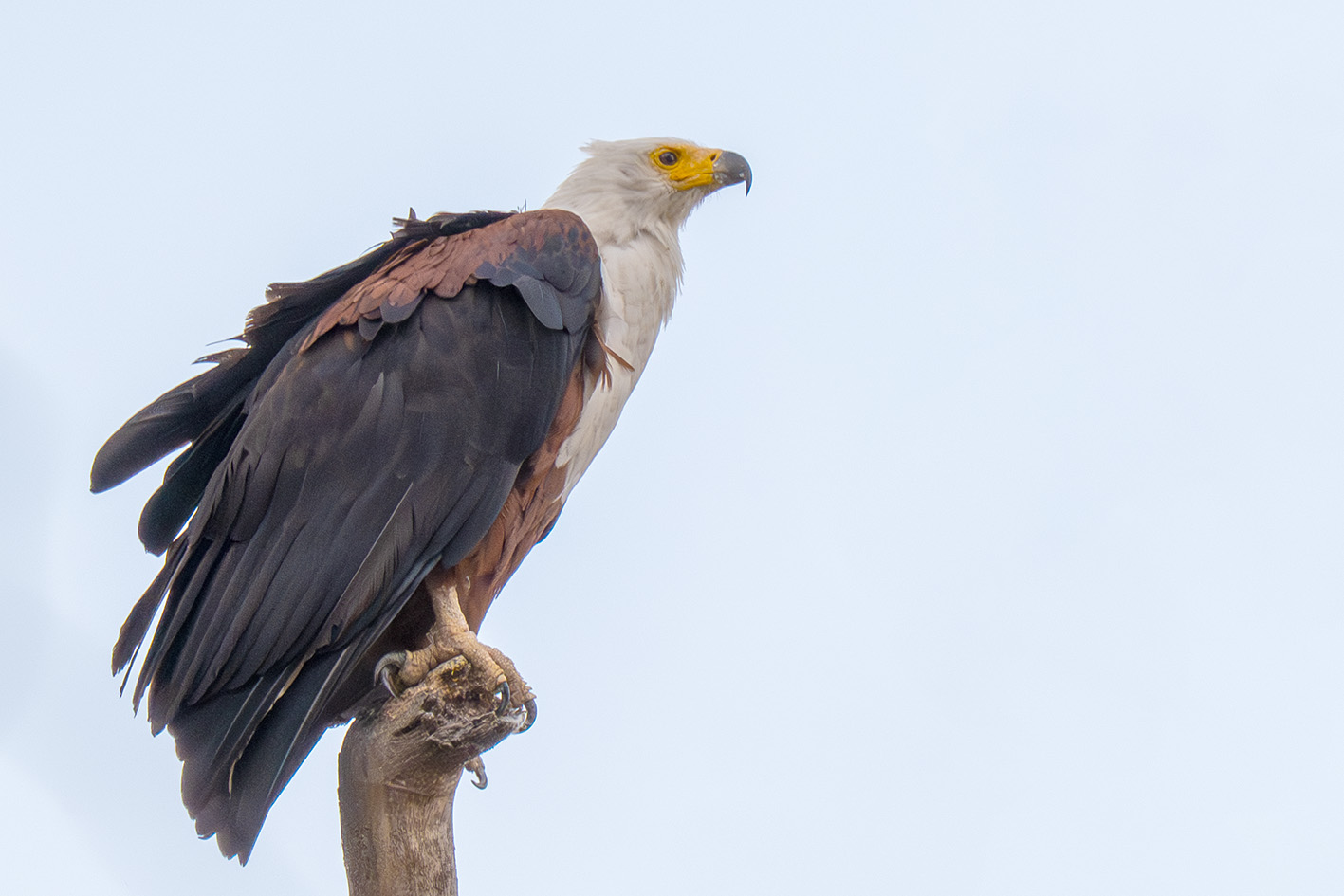
Afrikaanse zeearend (African fish-eagle – Haliaeetus vocifer)

Eerste dieren in Kenya


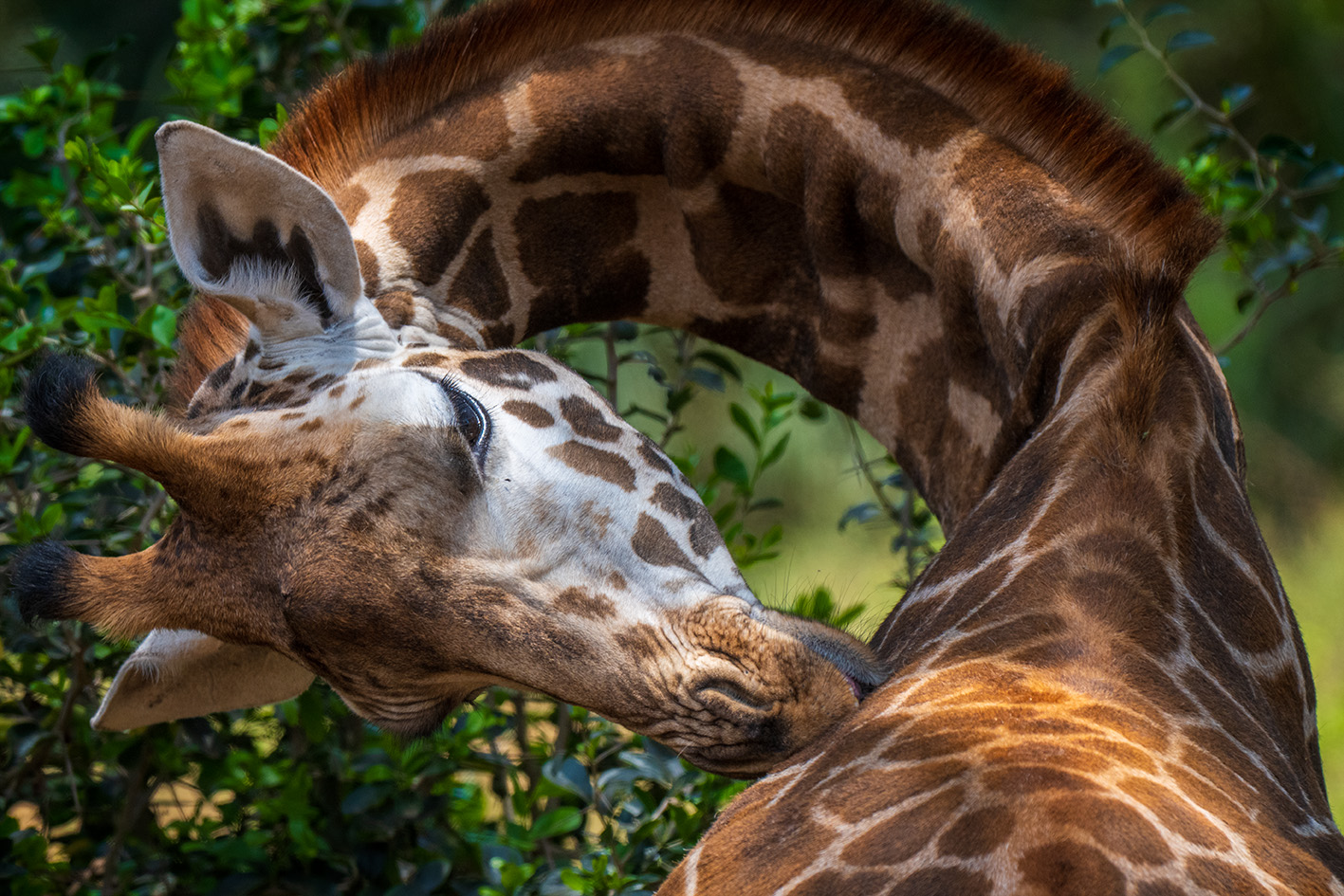
Rothschildgiraffe (Giraffa c. rothschildi)
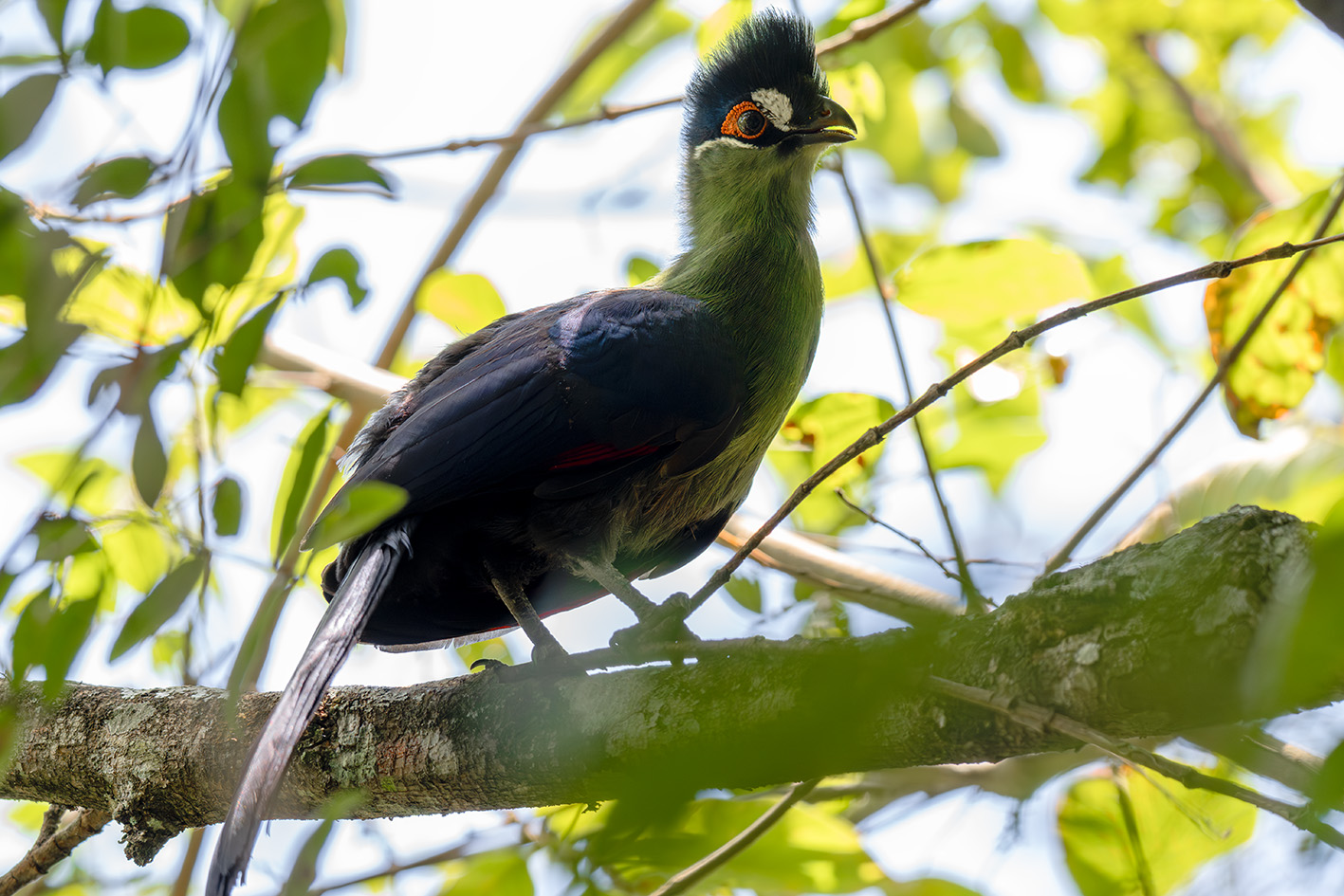
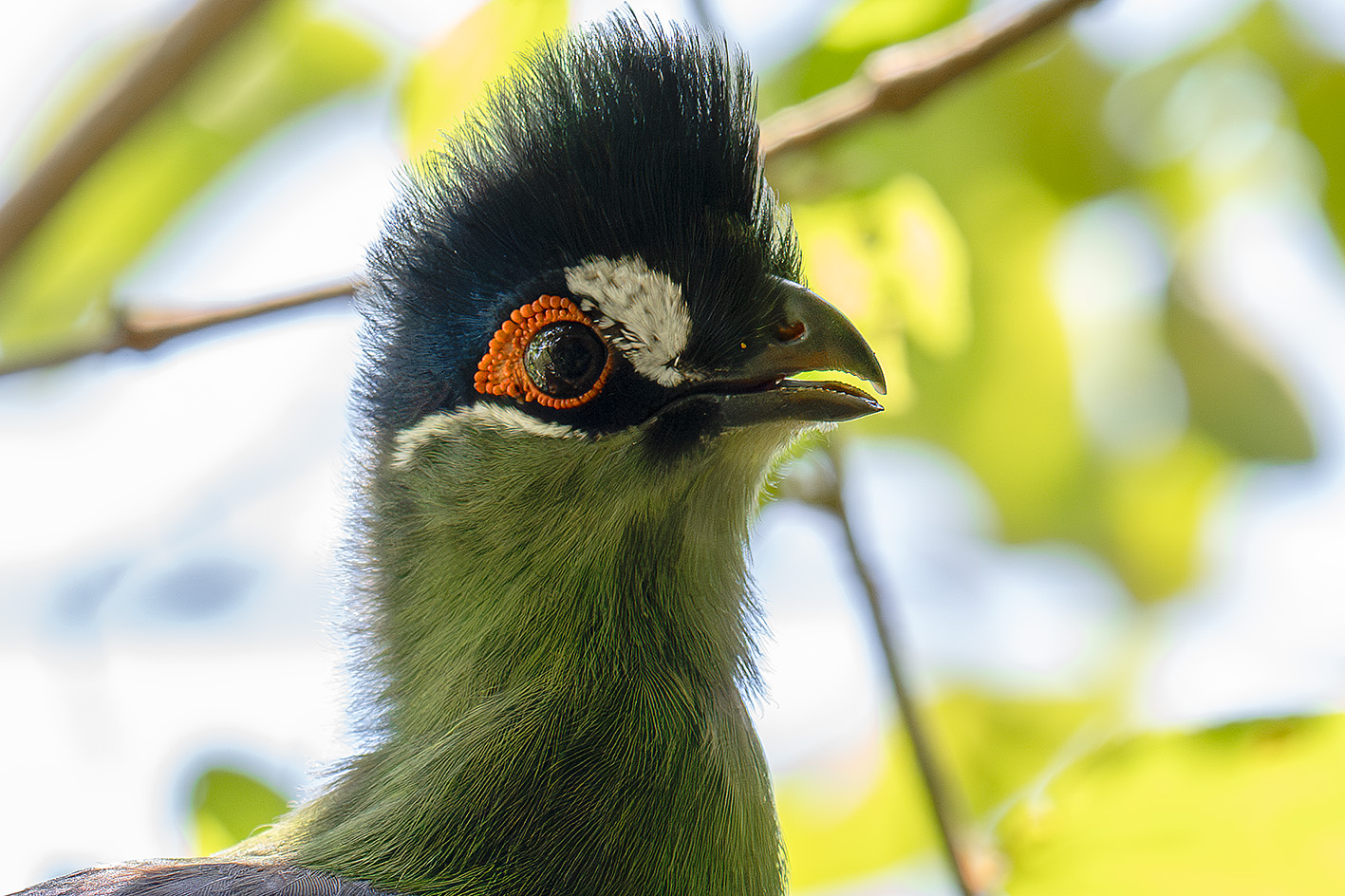
Hartlaub’s toerako (Hartlaub’s turaco – Tauraco hartlaubi)
bergdrongovliegenvanger (White-eyed Slaty Flycatcher – Melaenornis fischeri
bruine muisvogel (Speckled mousebird – Colius triatus)
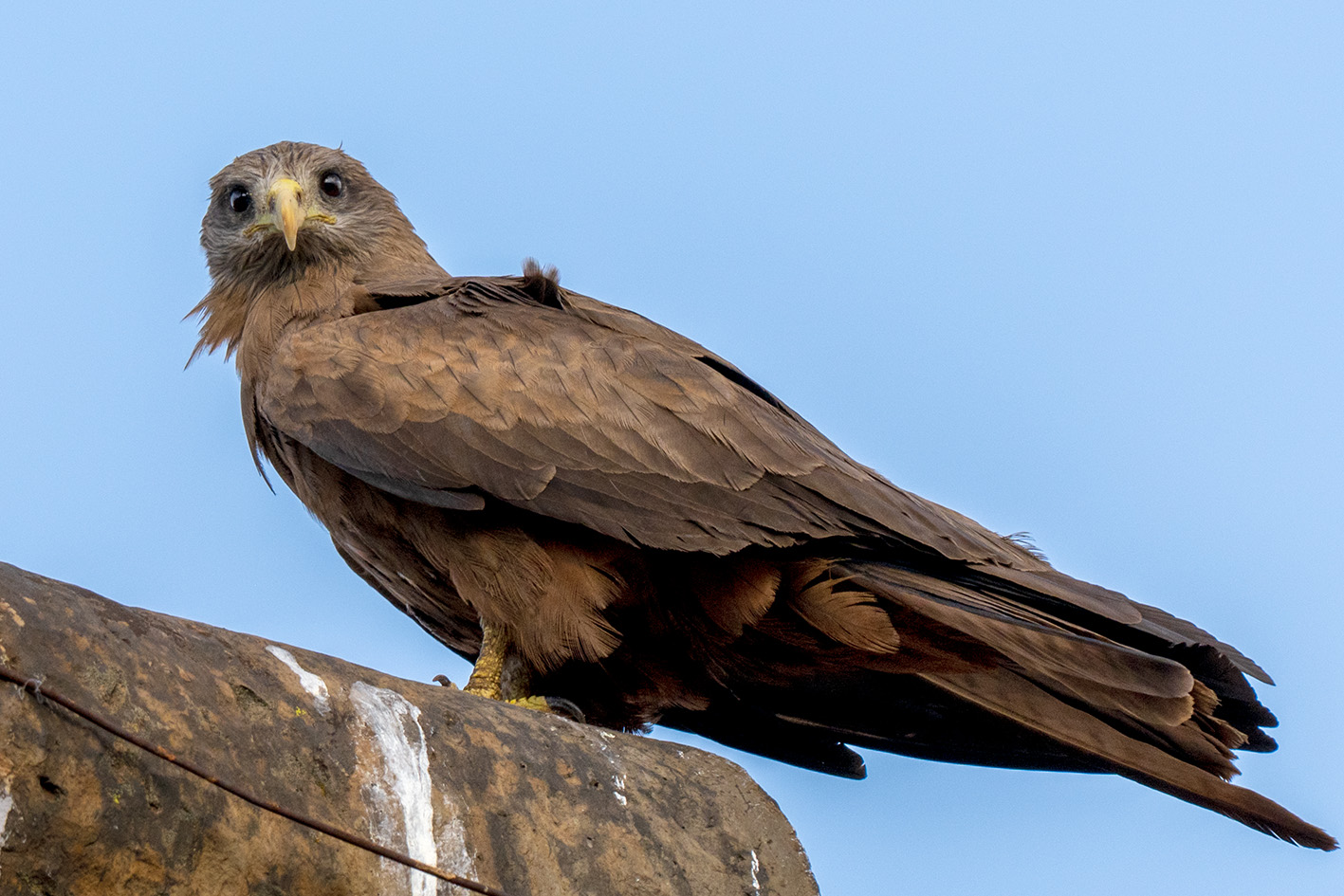
zwarte wouw (Black kite –  Milvus migrans)
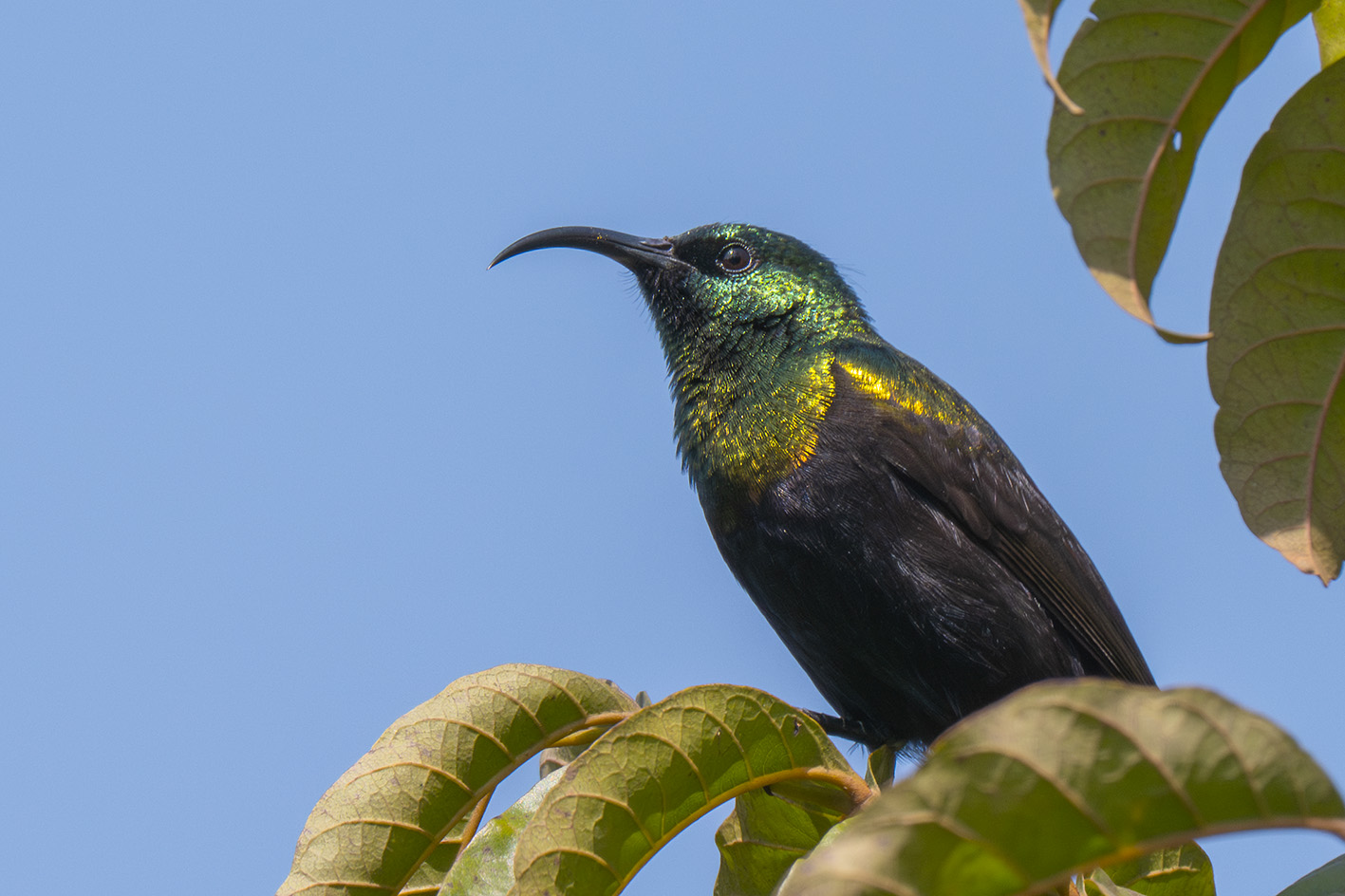
amethisthoningzuiger (Amethist or Black sunbird – Chalcomitra amethystina)
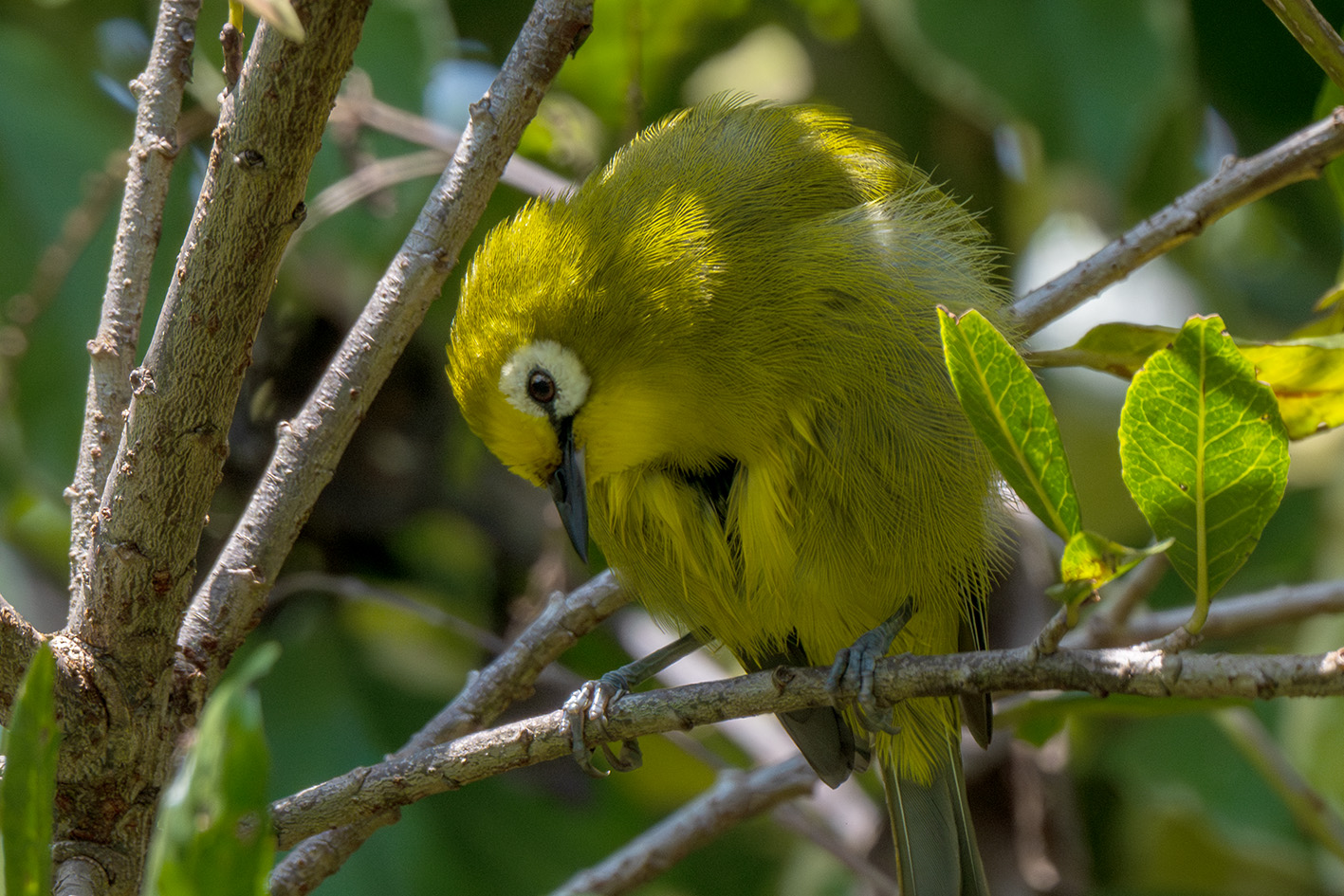
Somalische brilvogel (African yellow white-eye – Zosterops senegalensis)
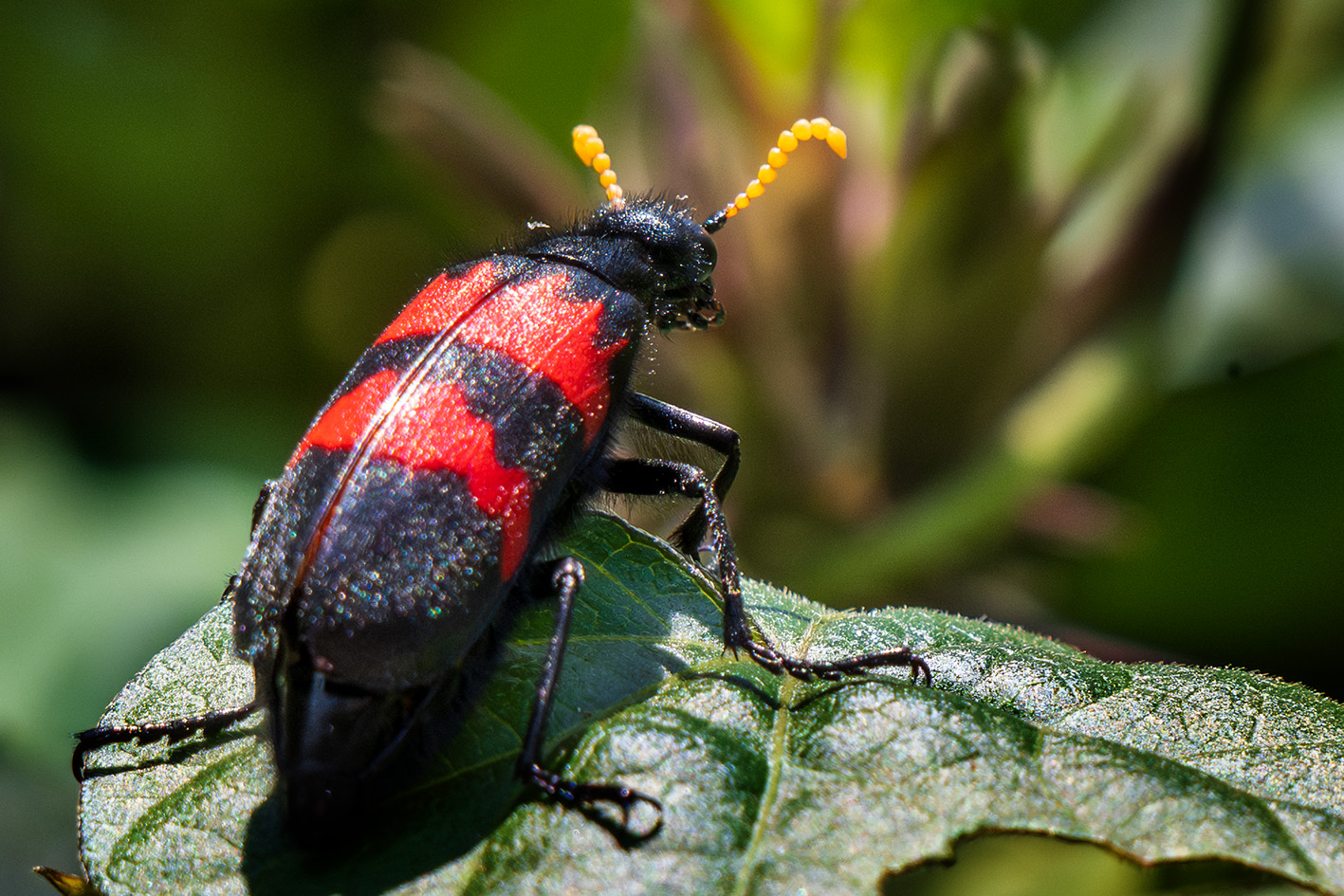
(Mylabris oculata) Een soort oliekever, Red and black blister beetle – Nairobi fly or bean beetle)
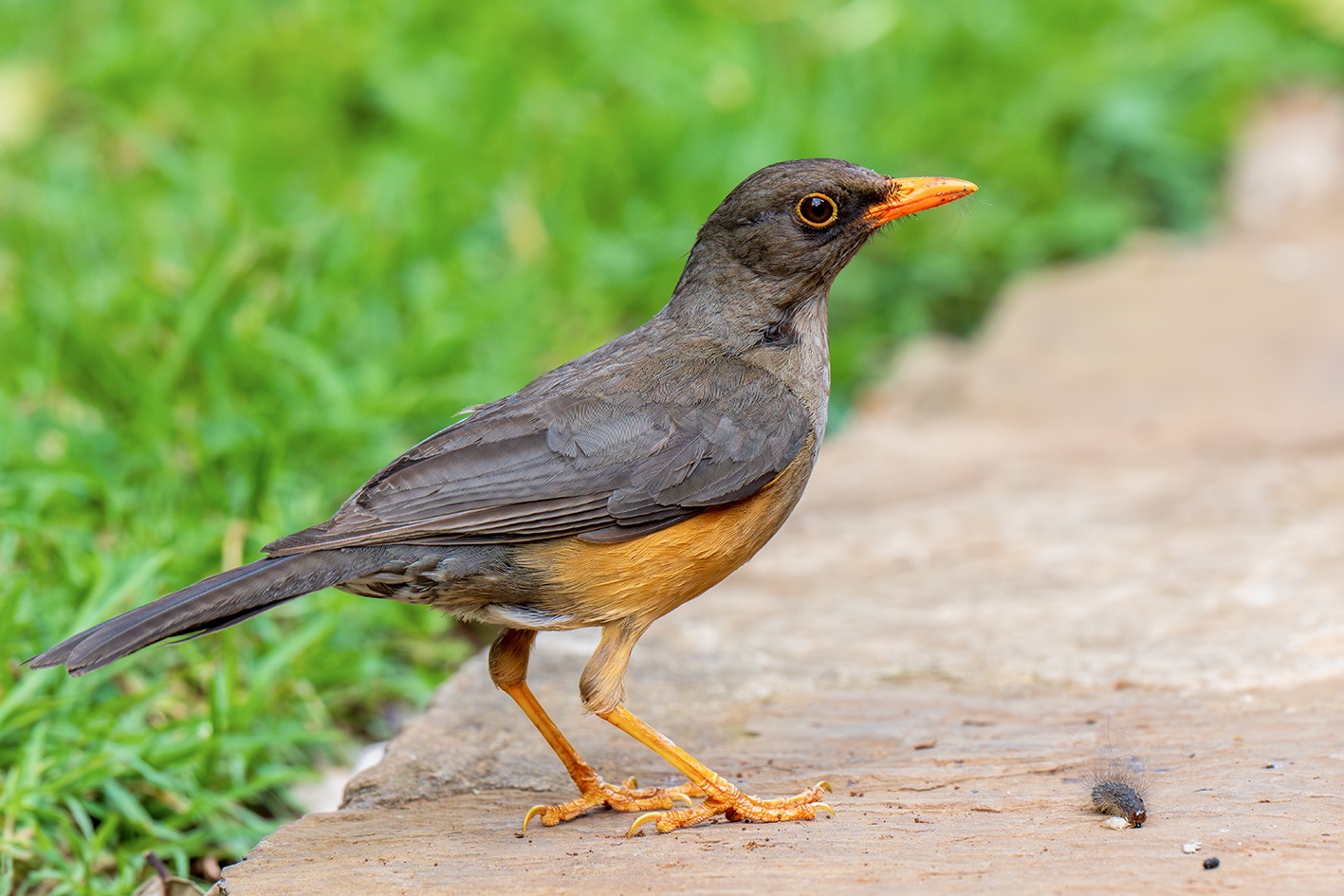
Afrikaanse berglijster (Abyssinian thrush – Turdus Abyssinicus)
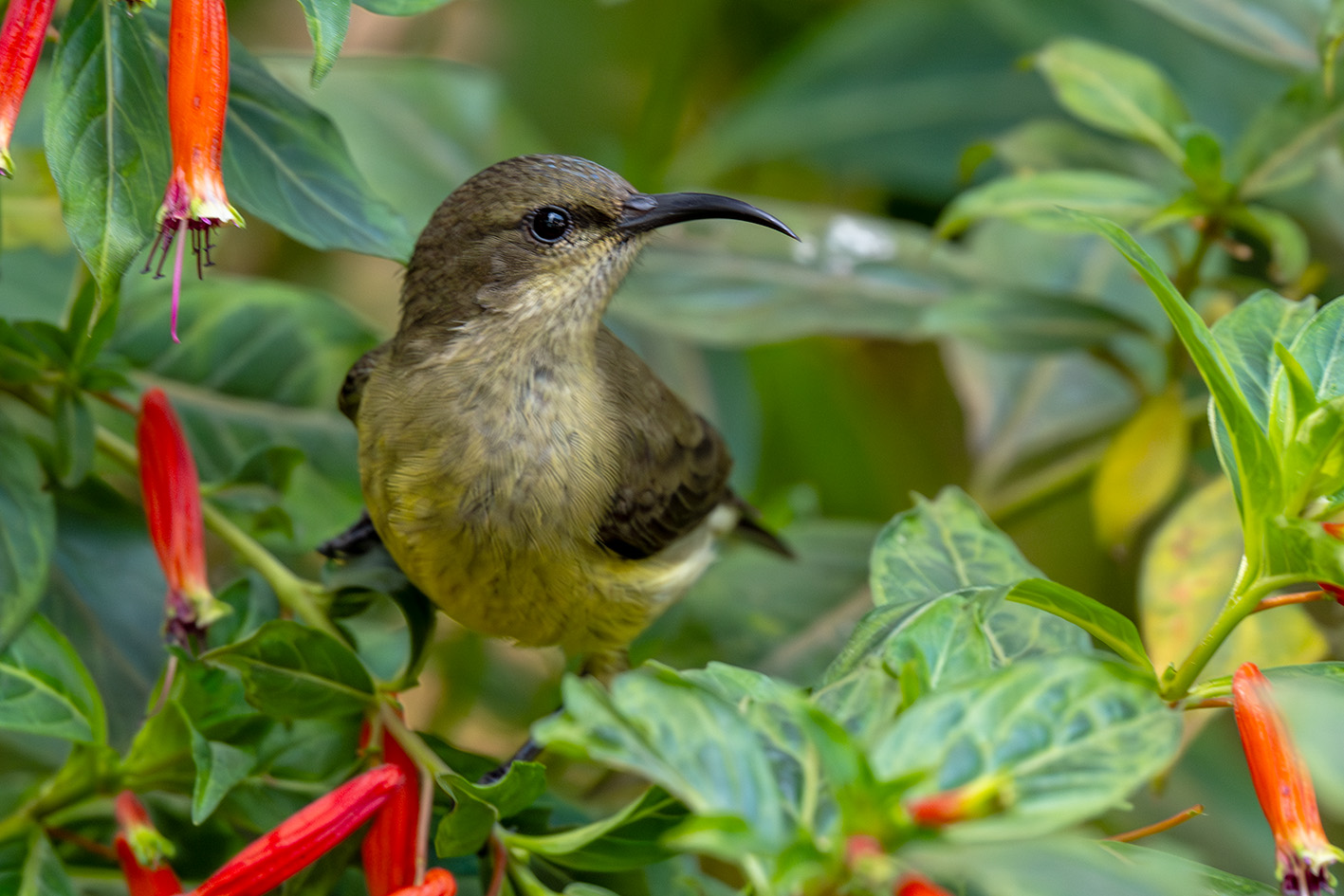
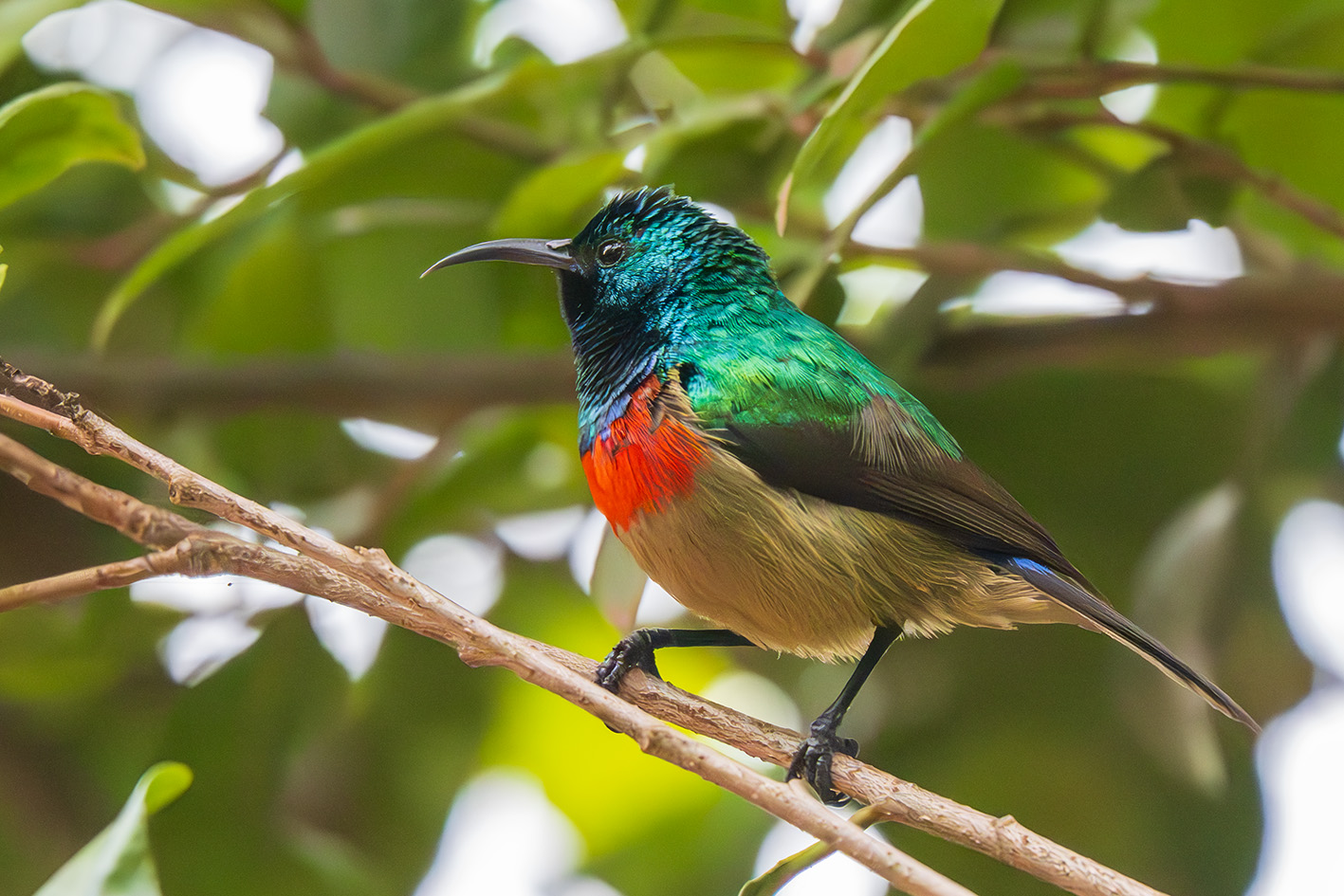
tacazze-honingzuiger (nectarine subird – Nectarinia tacazze)
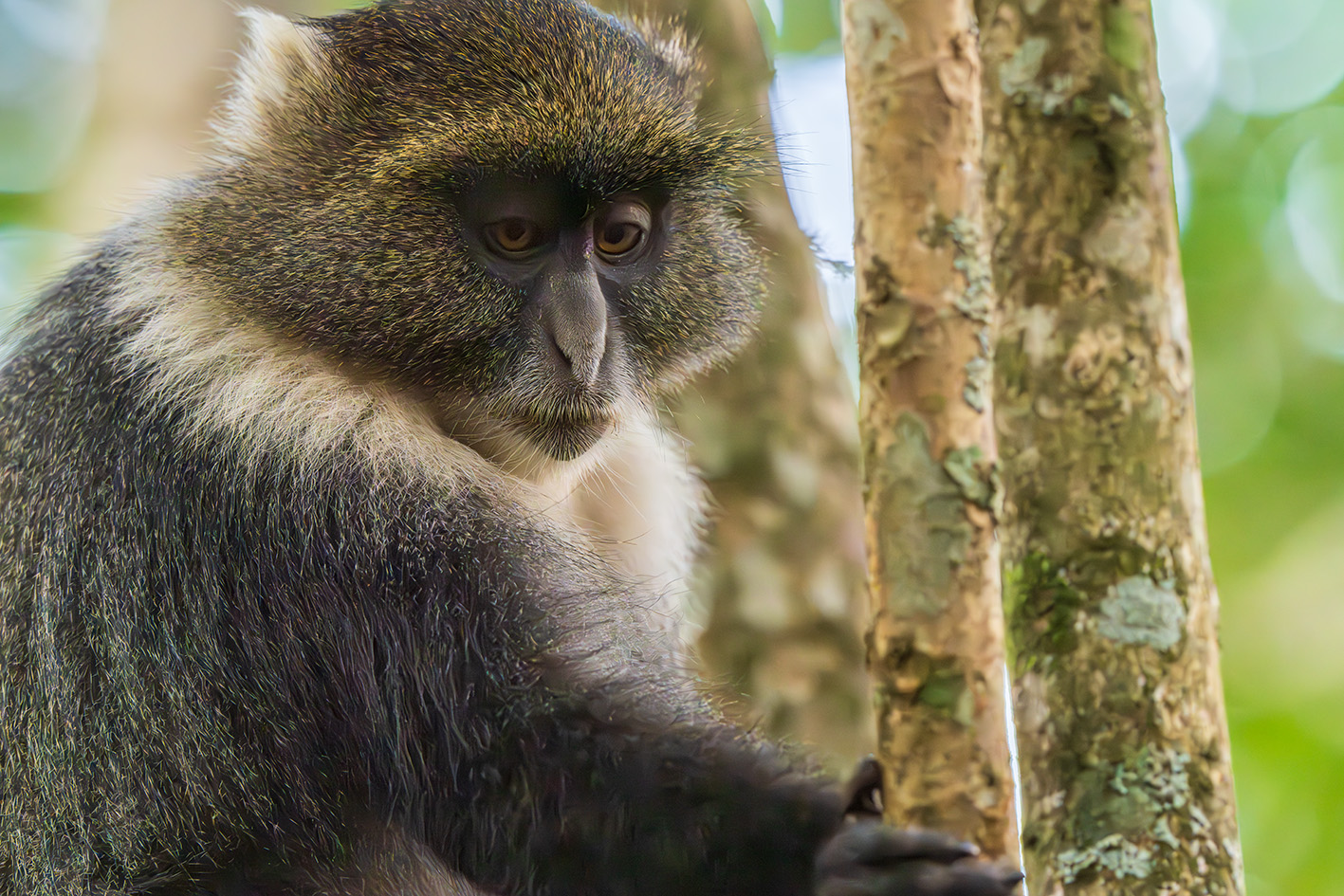
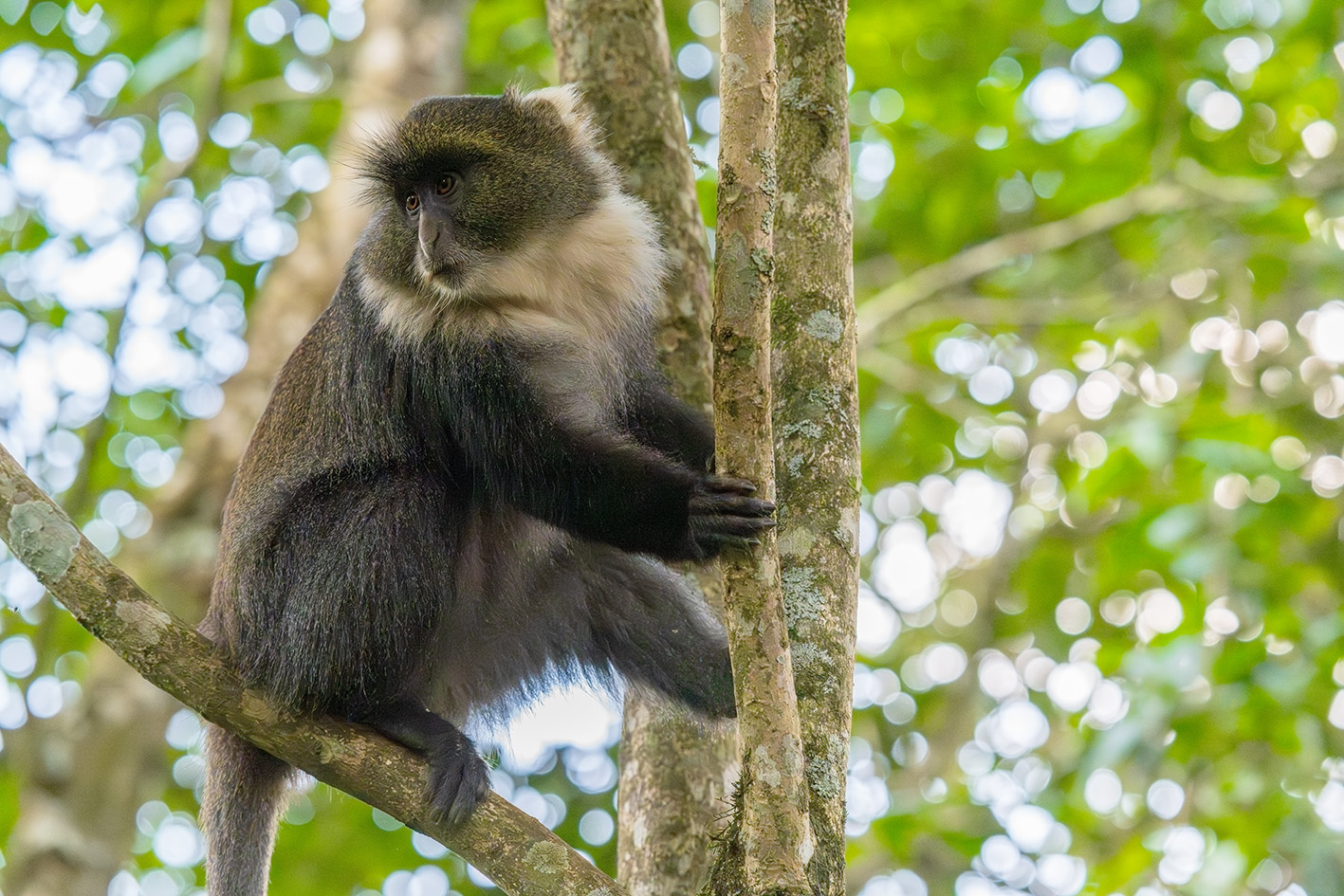
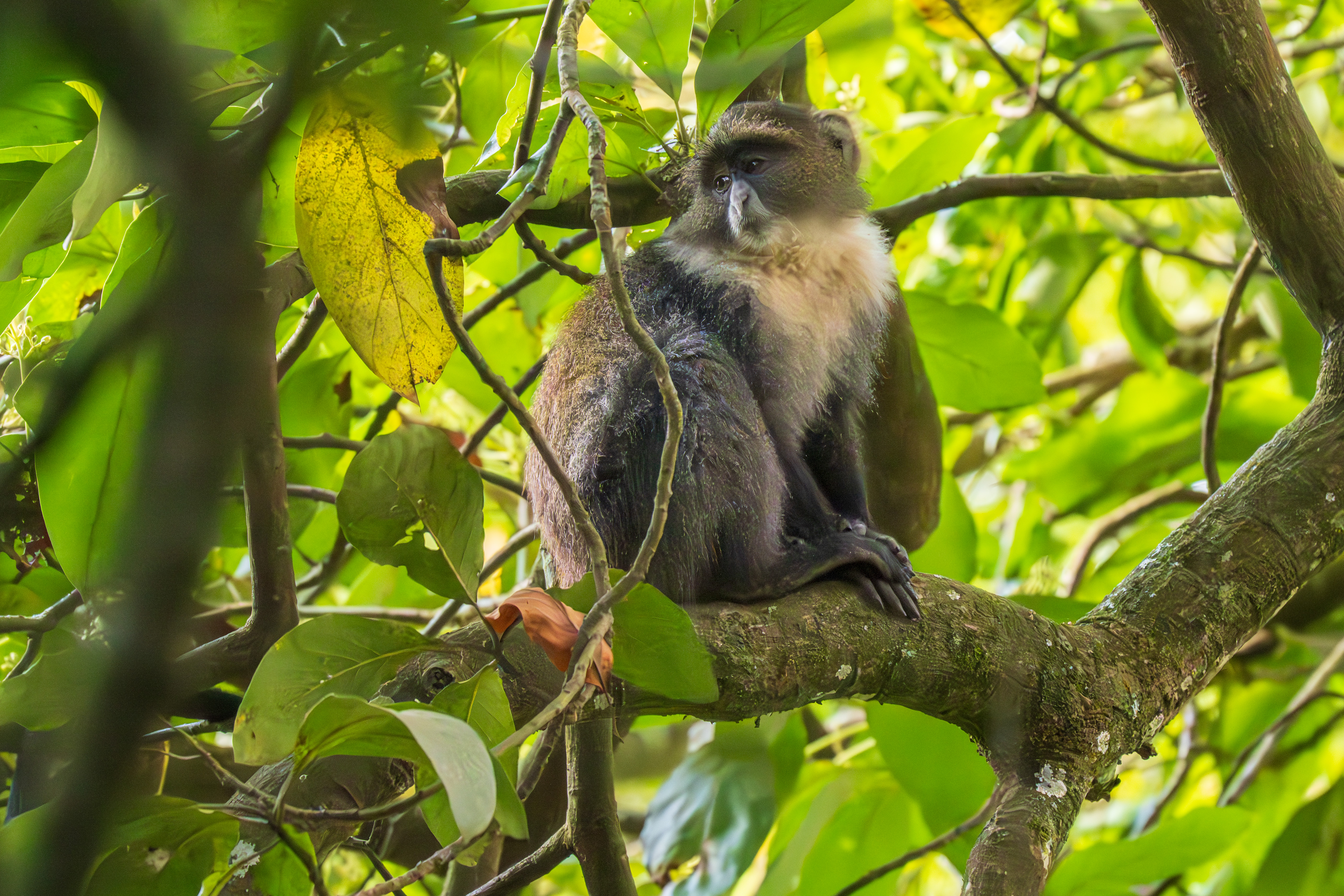
diadeemmeerkat (Blue monkey – Cercopithecus mitris)
feeenhoningzuiger (Beautiful sunbird – Cinnyris pulchellus)

Madagascar insects and arachnidae

“Looking forward to see your pictures of insects of Madagascar,” my former colleague Gert van Ee said when I posted the first results from the Madagascar trip. Gert is a well-known insect expert in the Netherlands.

“I’ll see what I can find, but I’m afraid we didn’t see many insects,” I replied. “And it will take some time to go through those 15.000 pictures.”

So this is the result. A couple of insects indeed, and some other arthropods as well (arachnids)

(lead picture: Brilliant blue – Junonia rhadama)
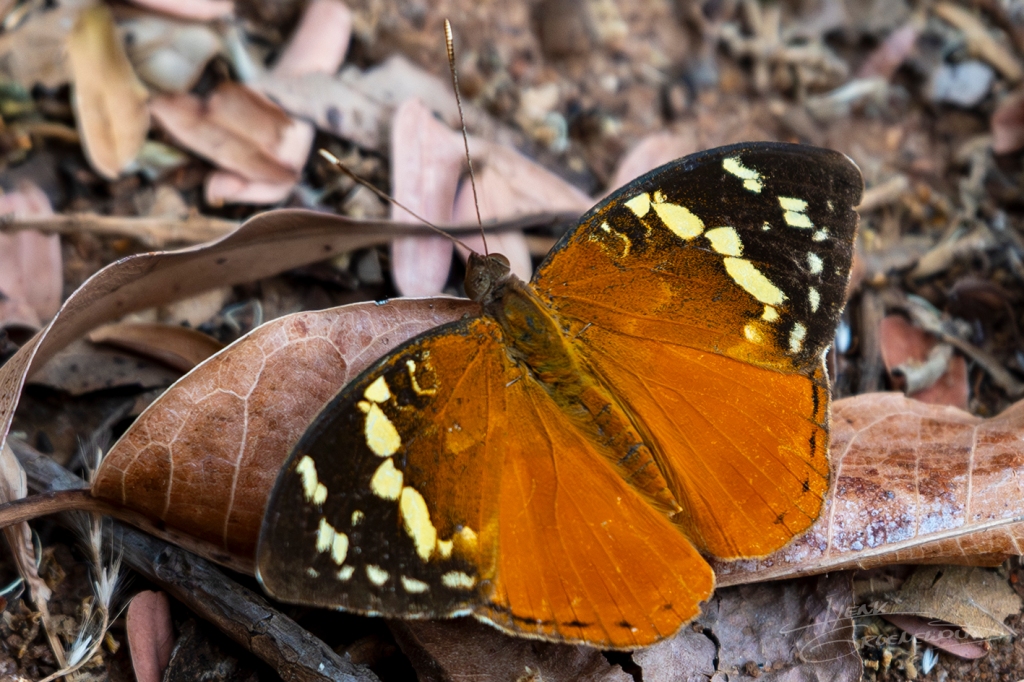
Madagascar Forest nymph  – Aterica raben
Green lady – Graphium cyrnus (feeding on dung)

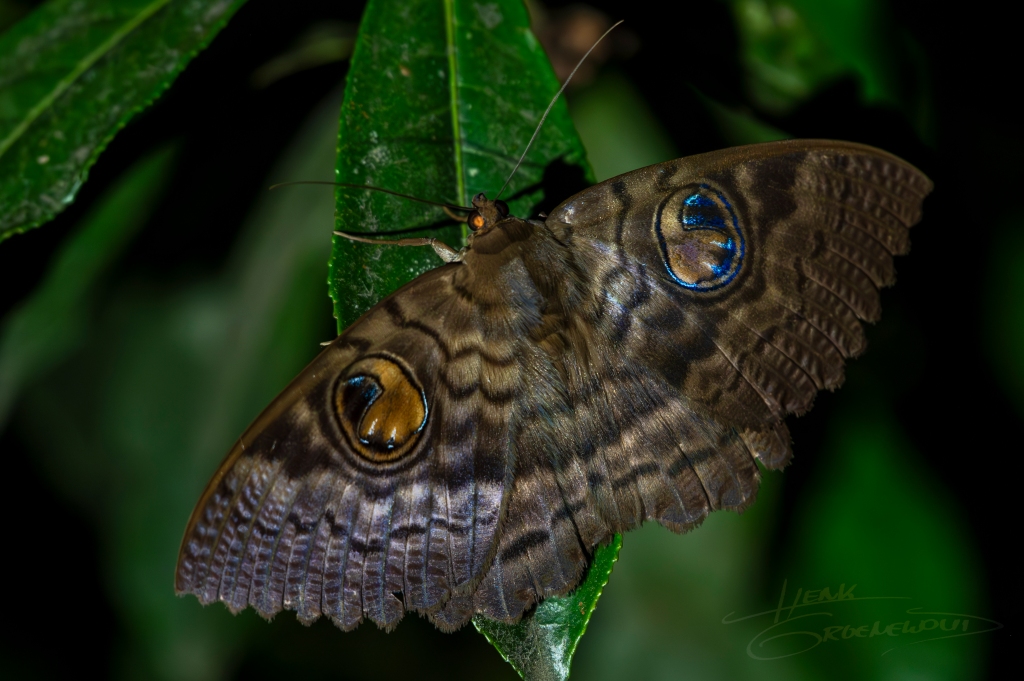
Walker’s owl – Erebus macrops (Huge! Like 15 cm.)
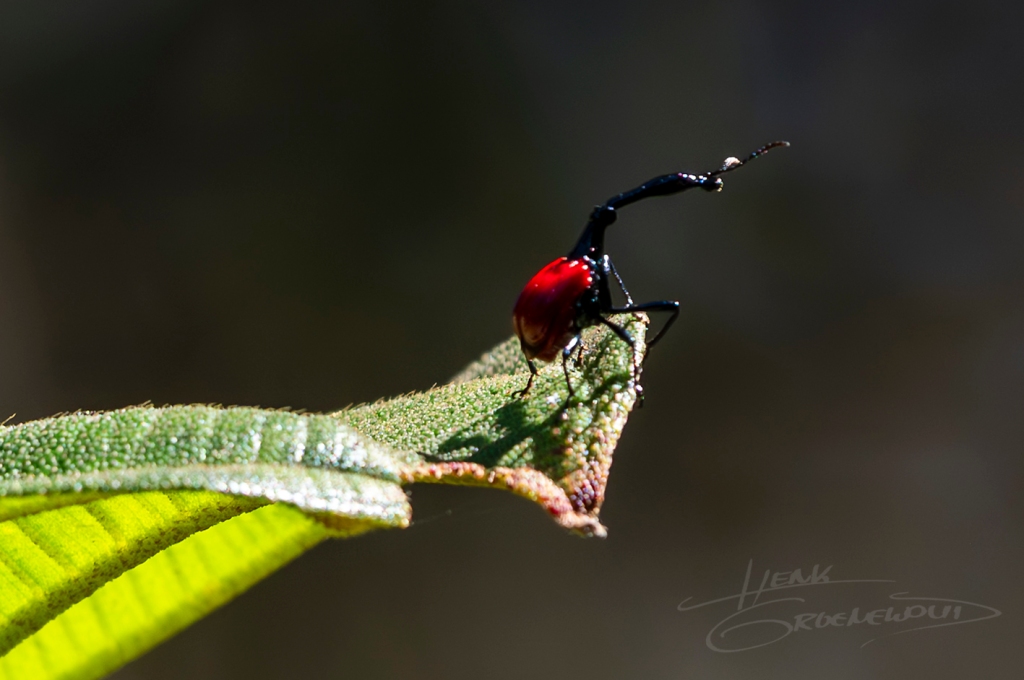
Giraffe-necked weevil – Trachelophorus giraffa

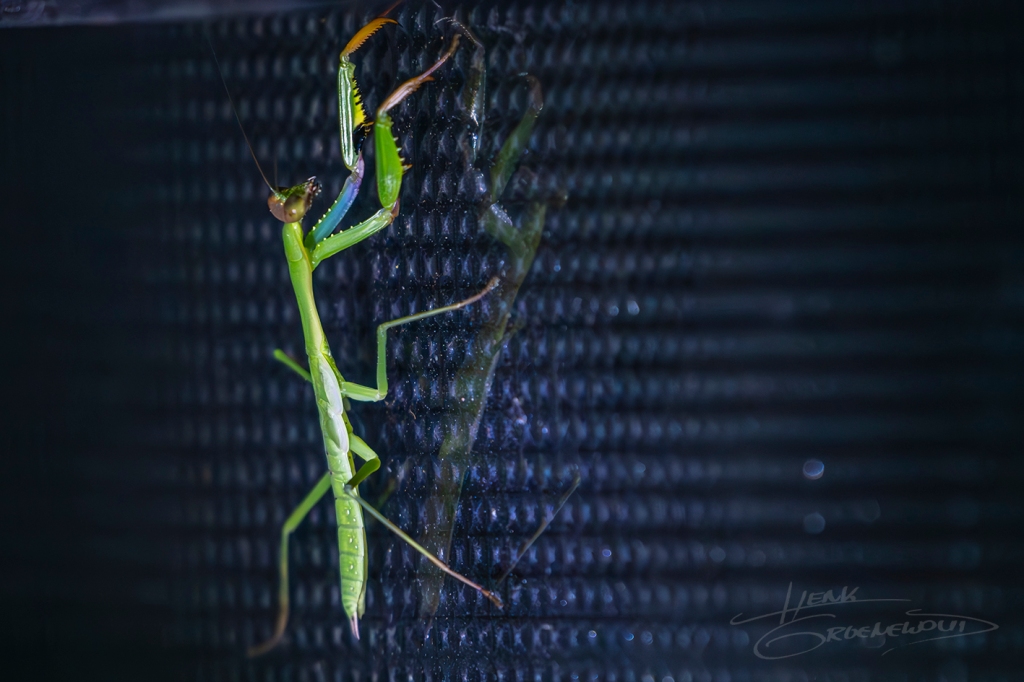
Praying mantis ( I apologise for not always finding the exact species names – If you know them do not hesitate to mention them)
Green stick insect – Achrioptera manga

Madagascar Flatid leaf insect – Phromnia rosea. They look like flowers, but they are tiny insects (see detail)

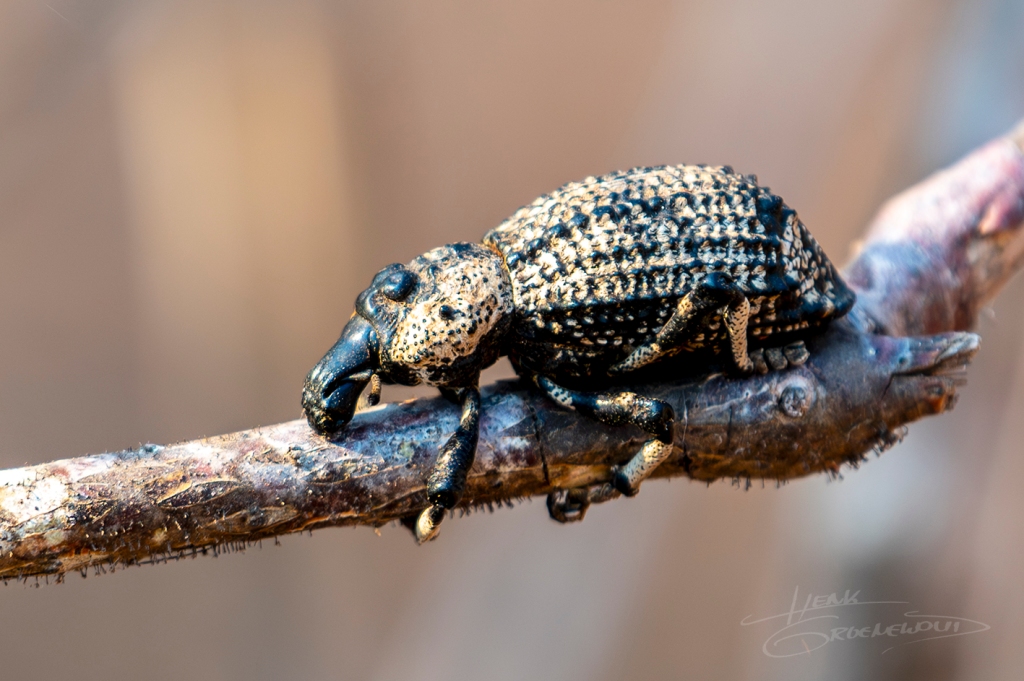
Black & White curculionidae weevil – Rhytidophloeus rothschildi
Grasshopper – locust (pretending to be larger than life)

Madagascar black scorpion – Grosphus madagascariensis
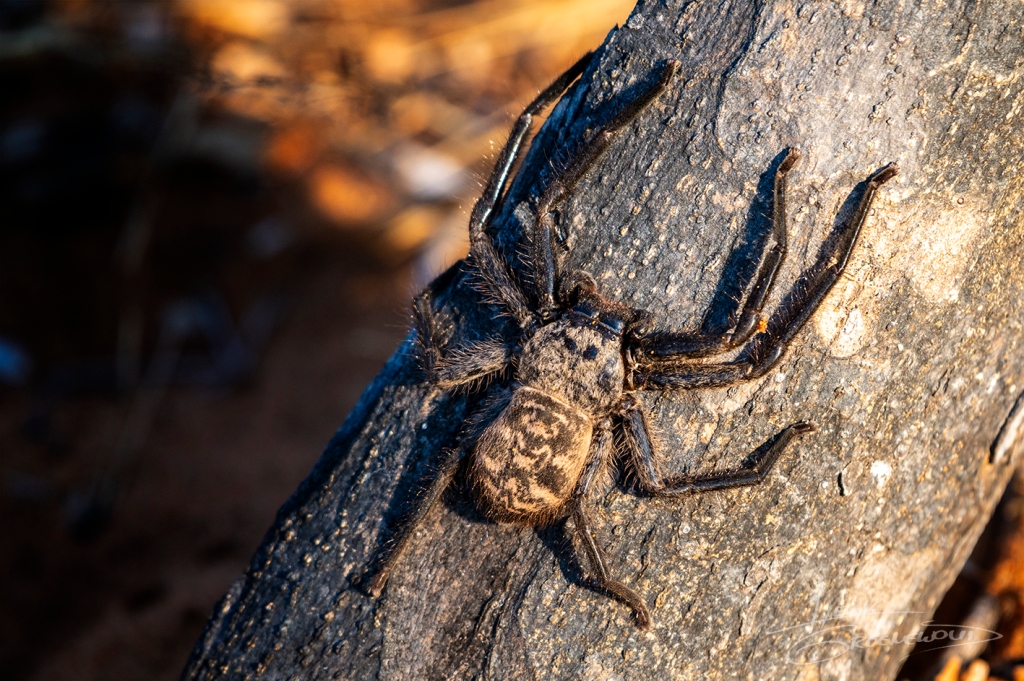
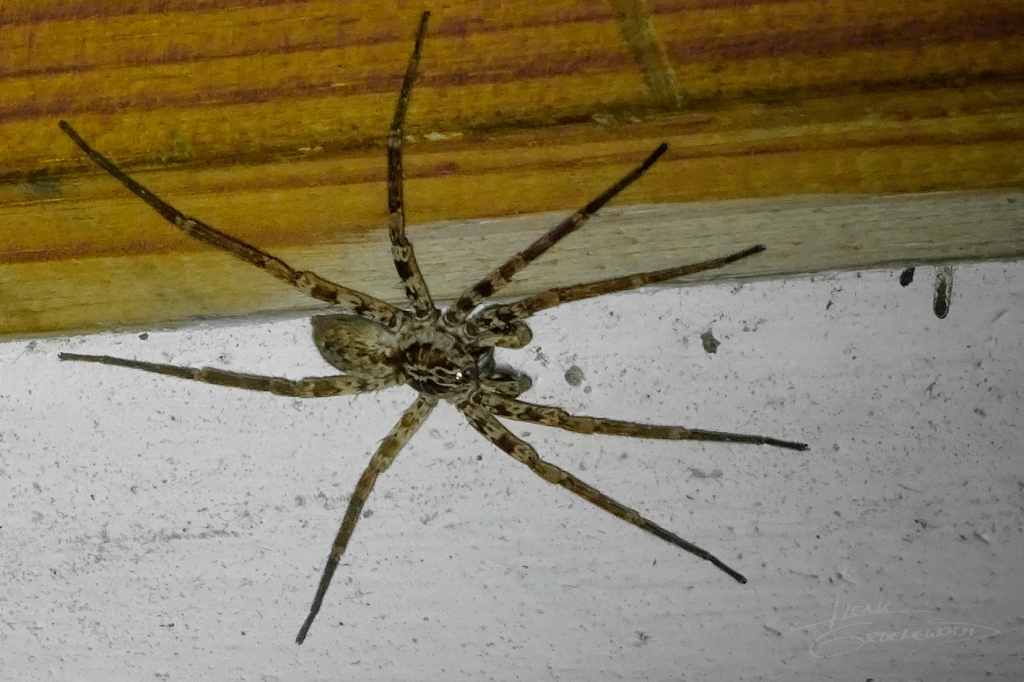
Huntsman spider – Damastes sp. (Like 10 cm big. And spitting venom to the guides!)        

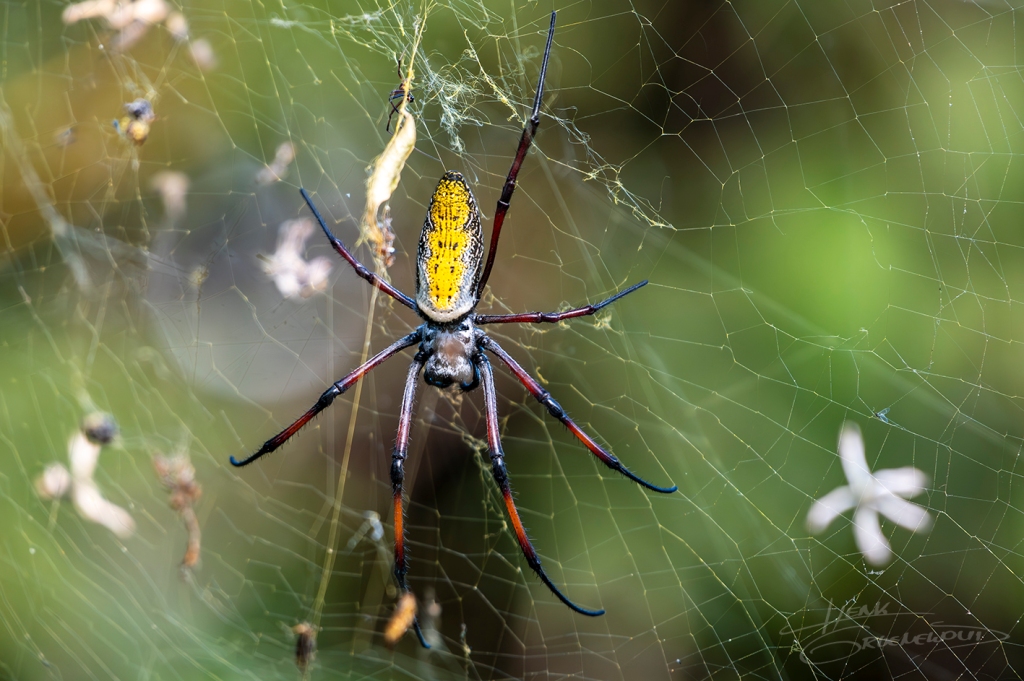
Golden orb web spider – Nephila sp. (Huge female, like 15 cm. And a tiny but very brave male behind her, hoping to mate but fearing to be eaten)

Zebra spider – Viridasius sp. (Huge! Like 15 cm, and living in our lodge)
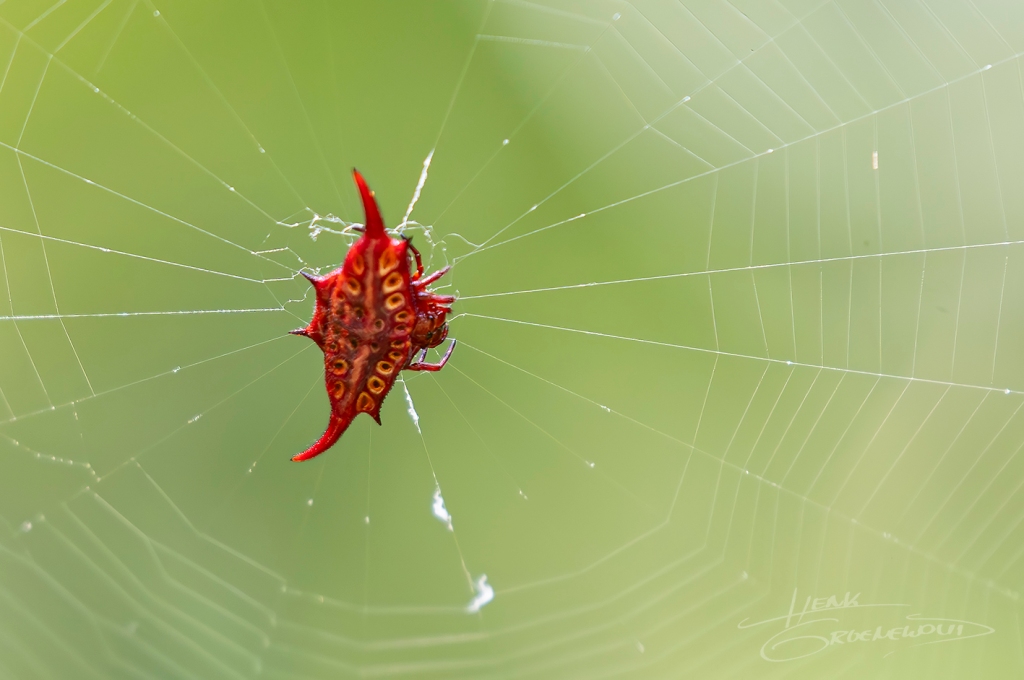
Red crab backed orb weaver – Medium wing  kitespider – Gasteracantha versicolor (small but beautiful!)

Enormous, really huge wasp – Belonogaster sp.

Madagascar 5: Chameleons, geckos, snakes and frogs

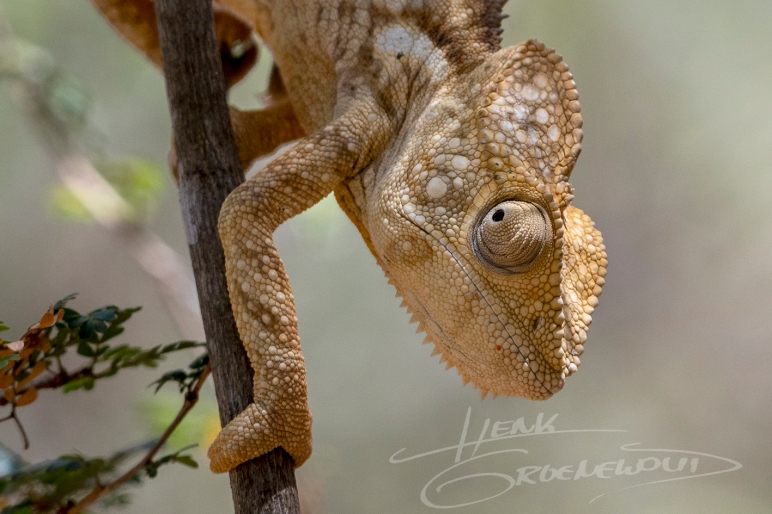
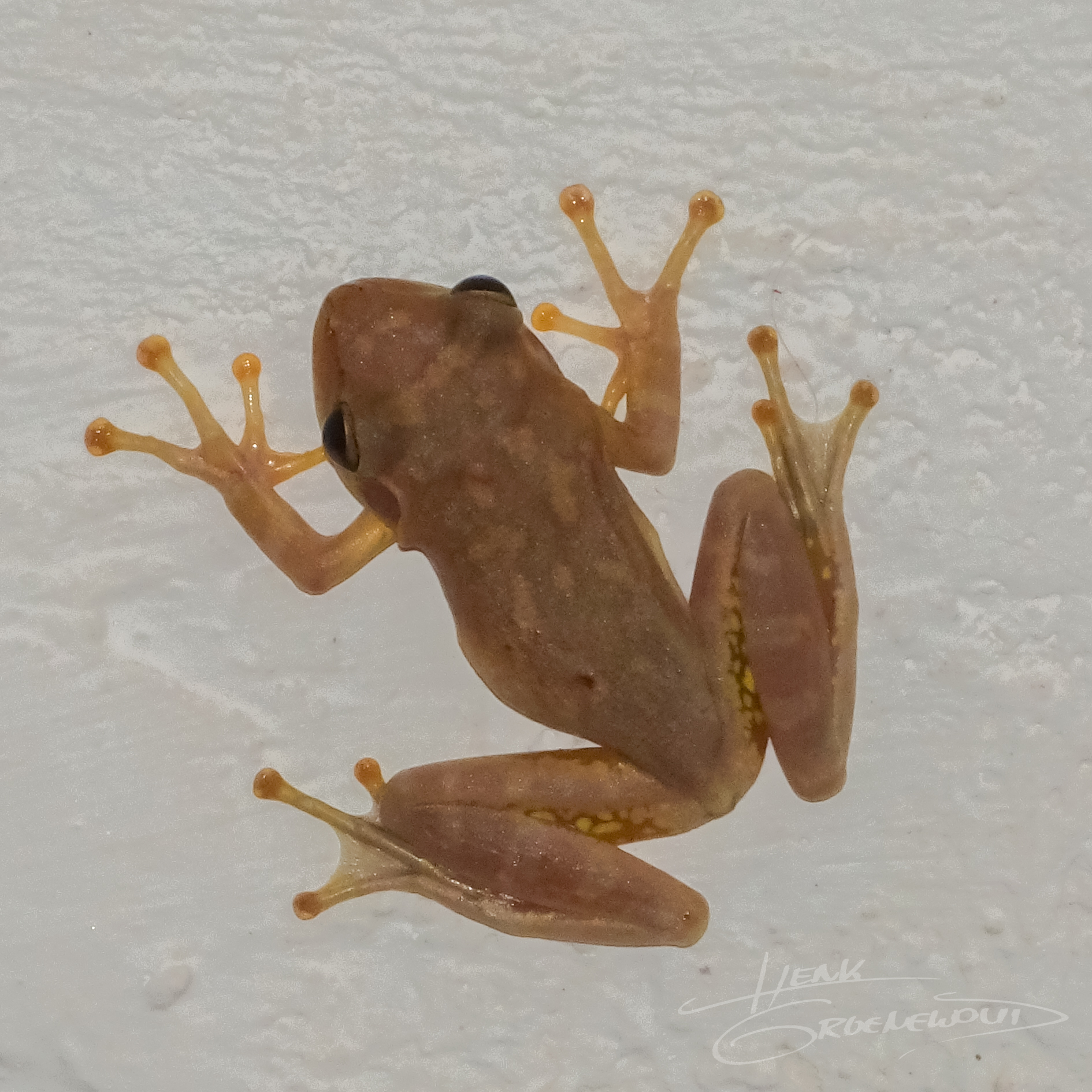
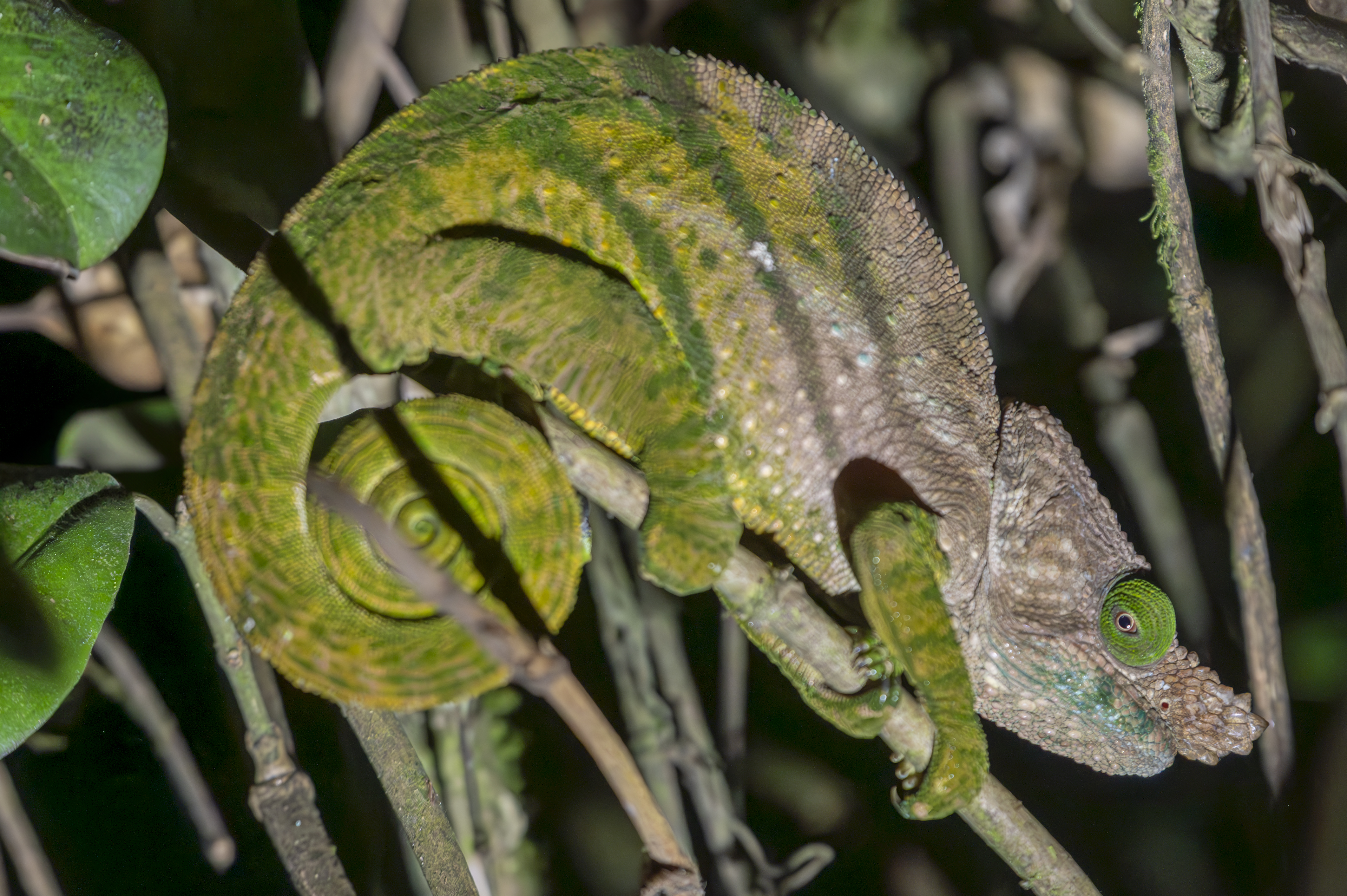
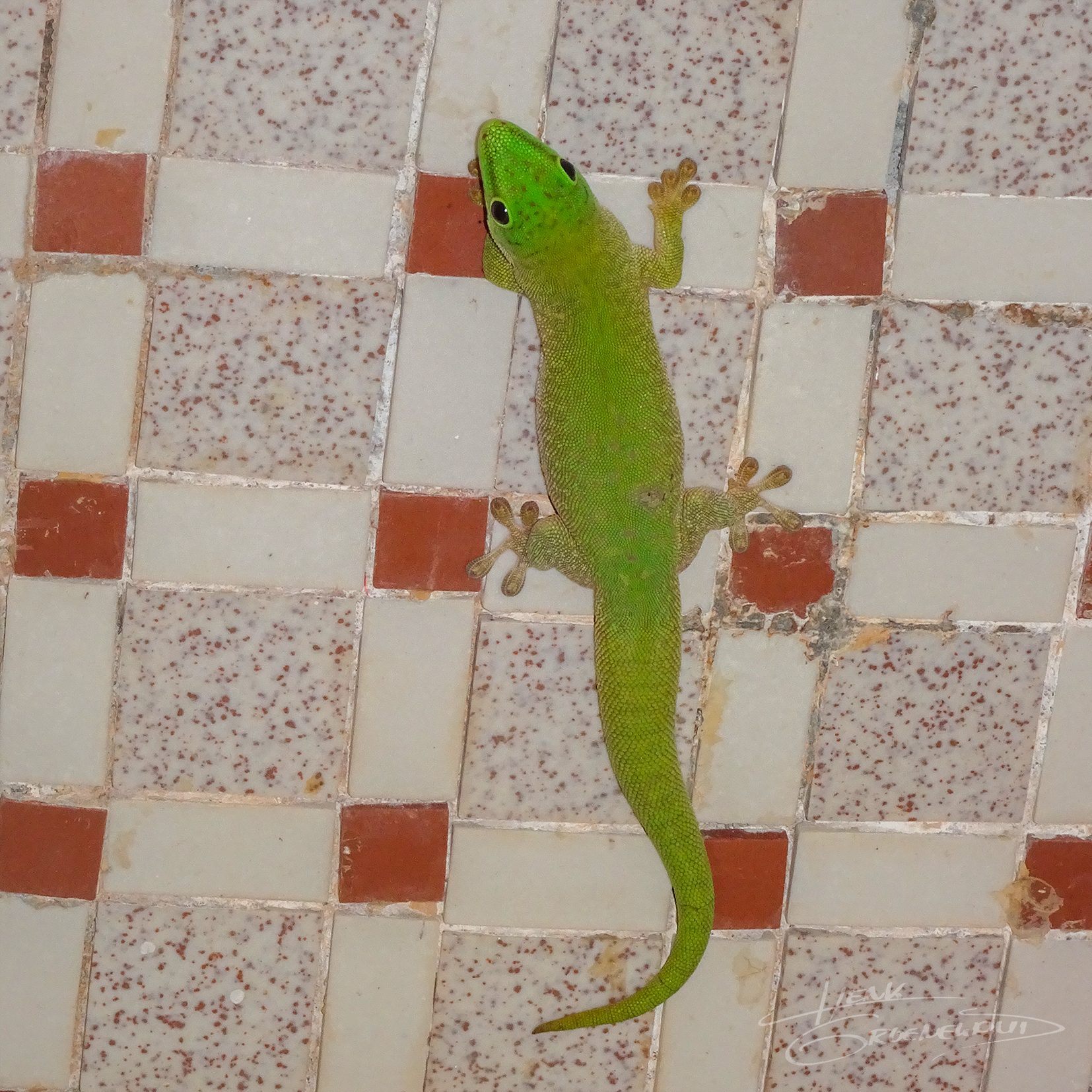
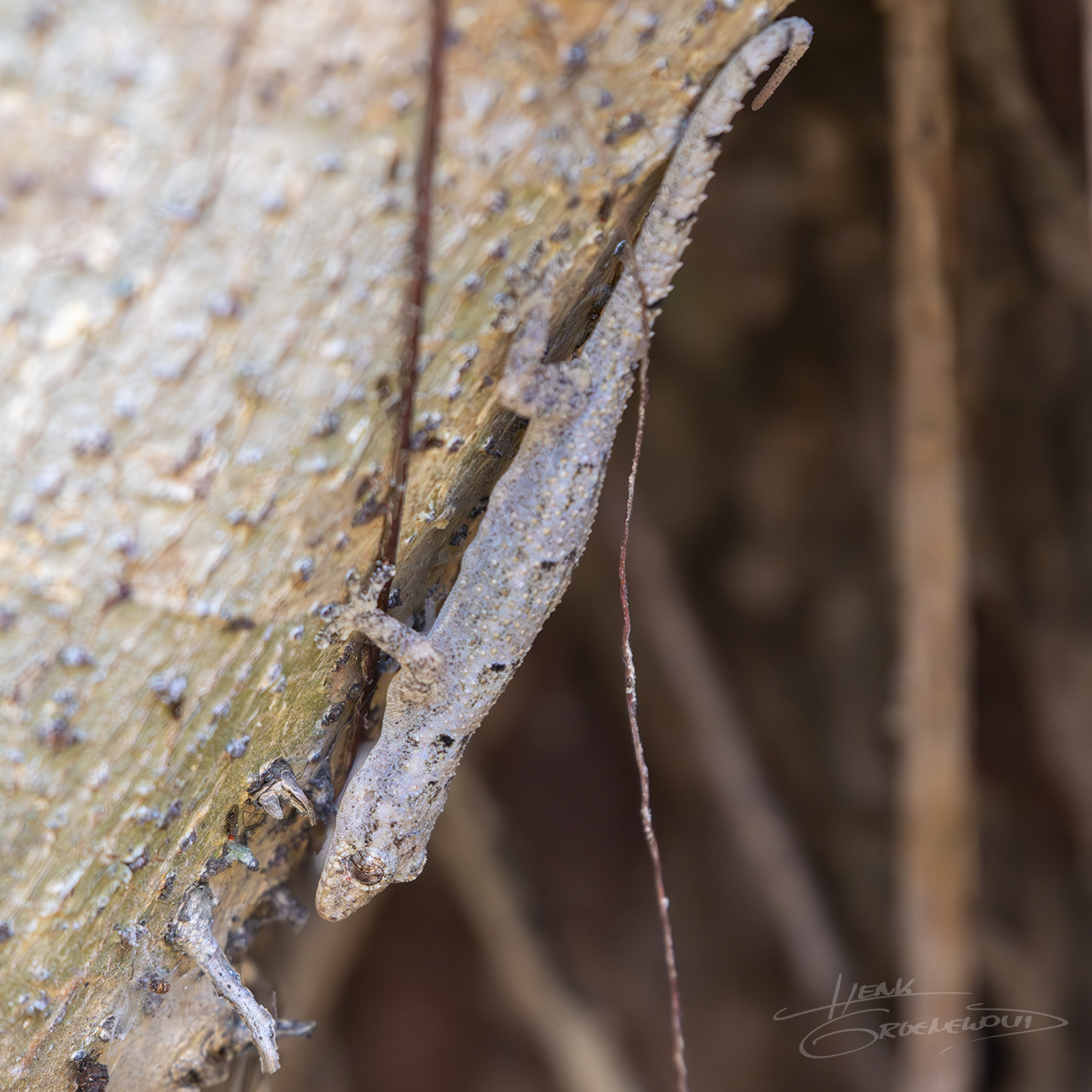
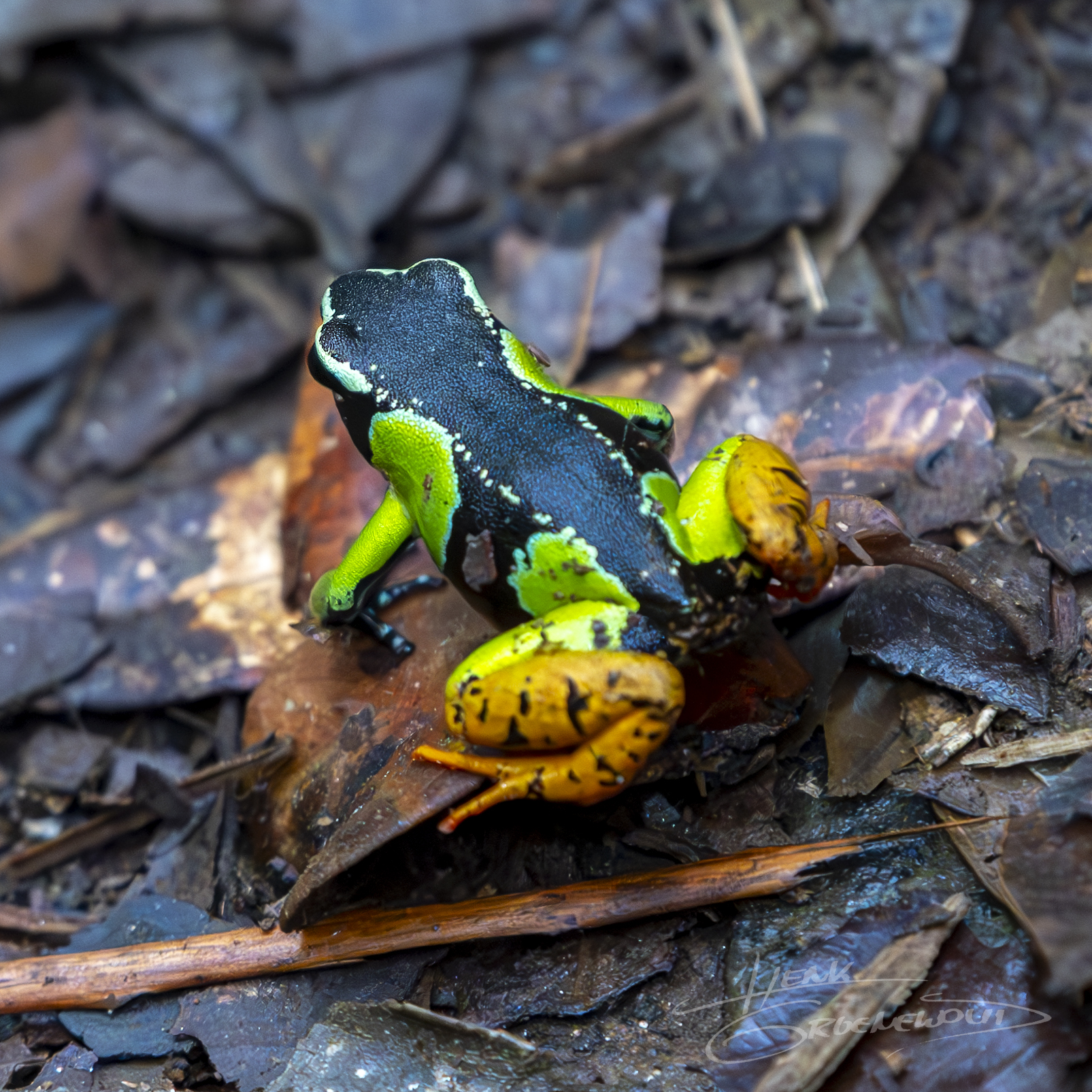
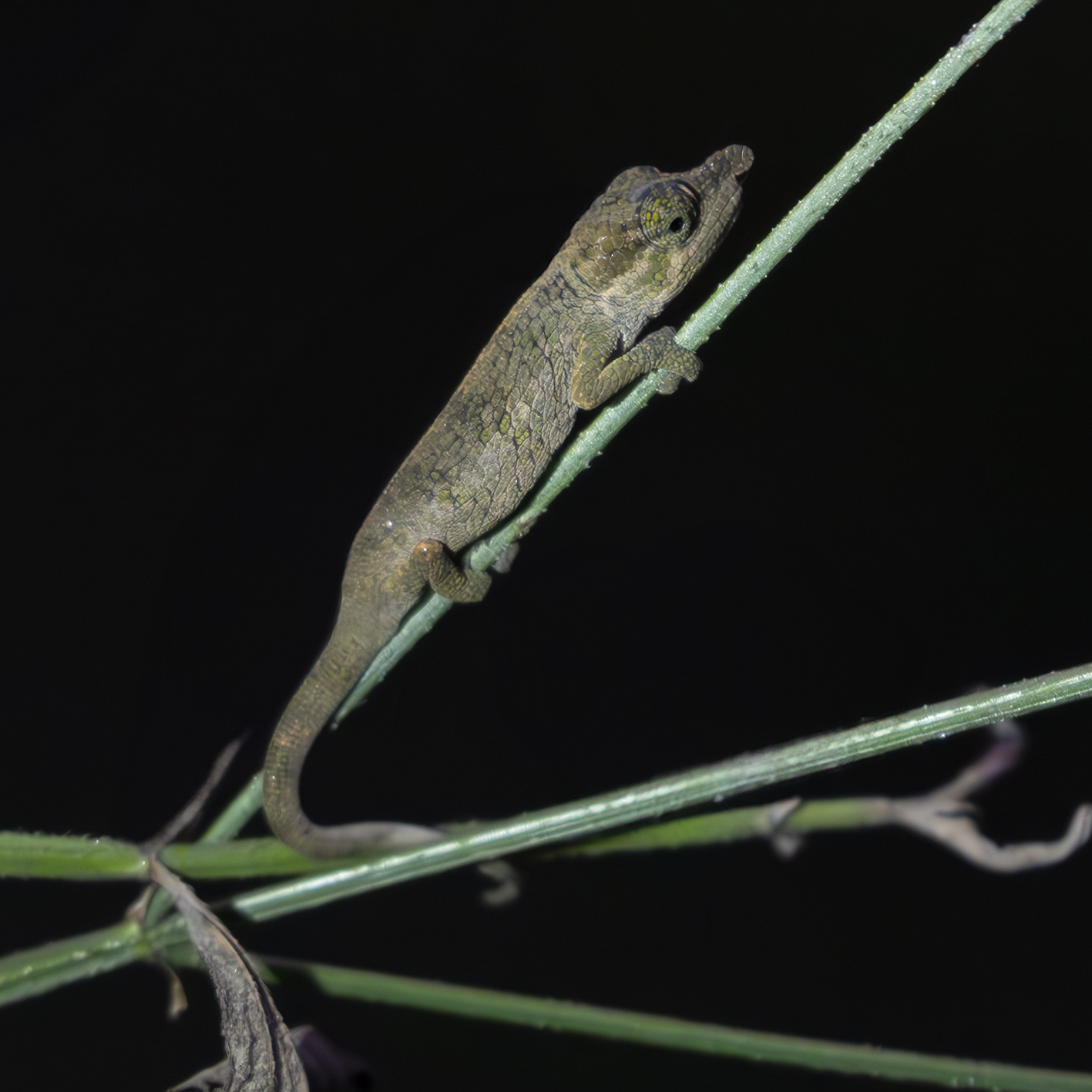
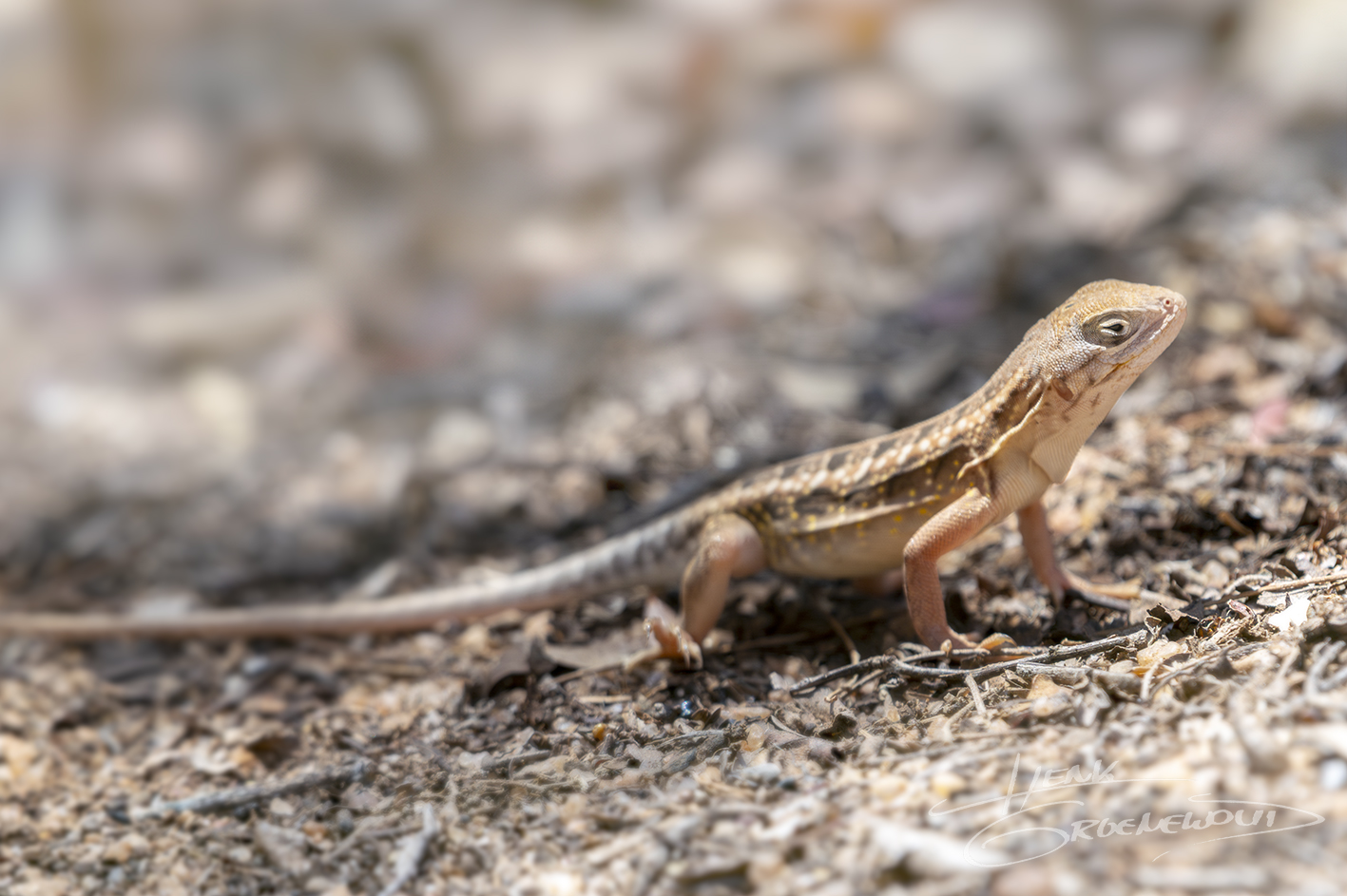
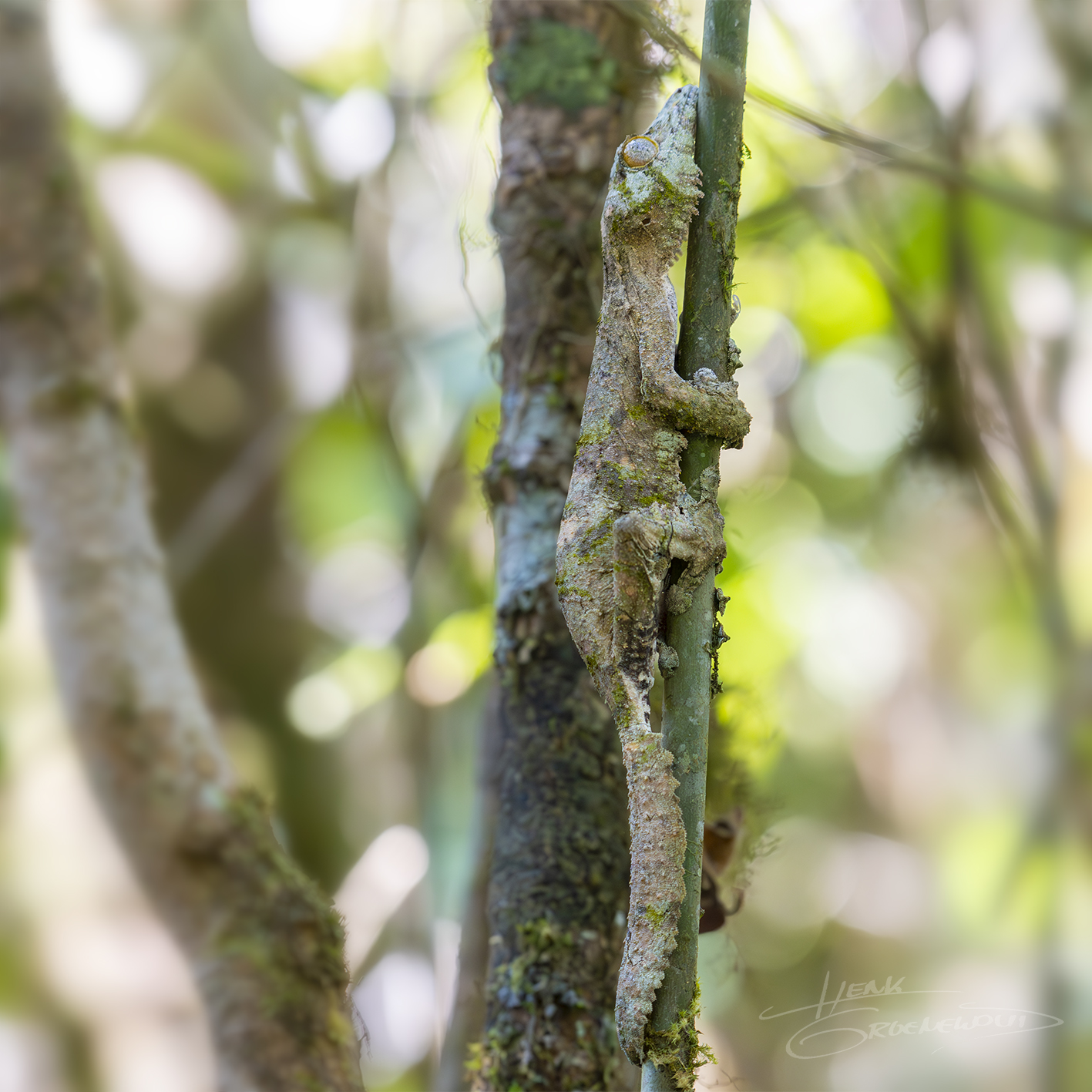
Back to Madagascar.  Lots and lots of chameleons, lizards, frogs and snakes. Too much, I’d say. So here’s a whole bunch of them. Pay attention to the perfect disguise of the different chameleons (the smallest less than 5 cm!), the mossy leaf-tailed gecko’s, the beautiful frogs…
And did you know they even have Nile crocodiles? It’s all too much!

And now: Birds

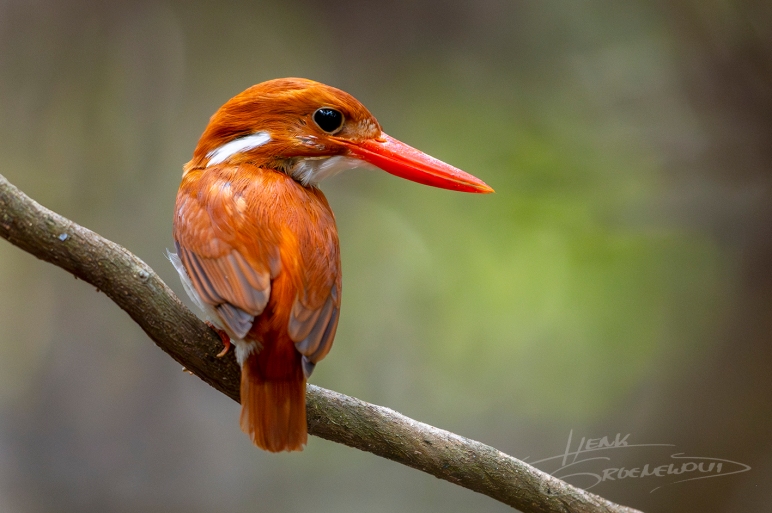
Yes, it was a birding trip to Madagascar. So it’s about time to show some of the beautiful birds that live there. Almost all of them endemic to the island as well, just as the lemurs. First the Madagascar Pygmy kingfisher Corythornis madagascariensis. An amazing success of our guide ‘Jacana’, who was able to spot this tiny bird in the trees of the rainforest


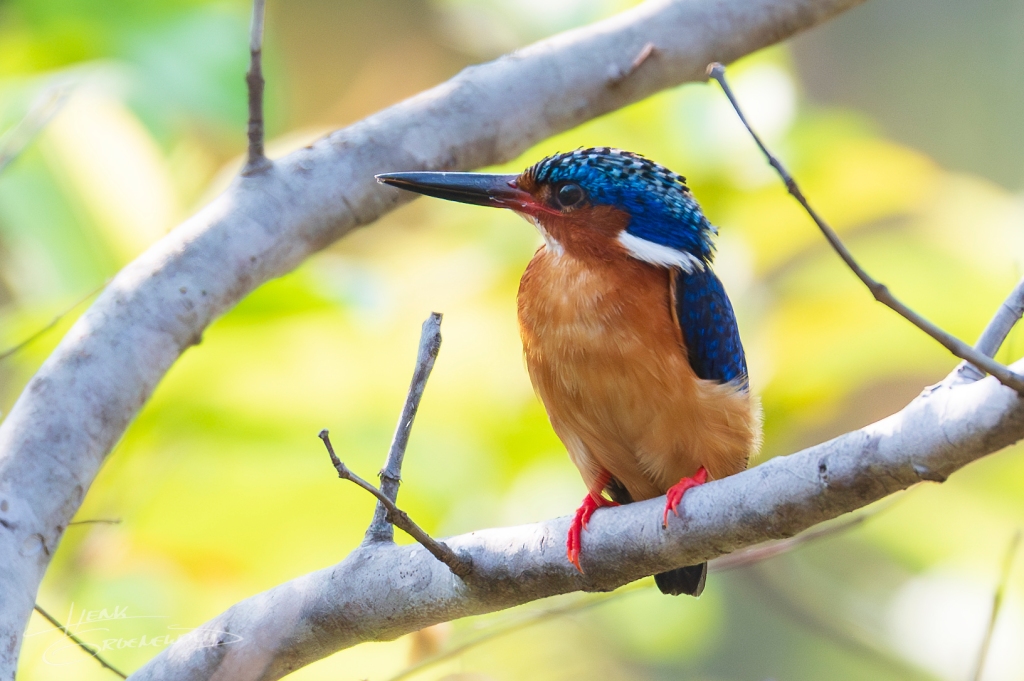
There is another kingfisher that looks a lot like our Eurasian kingfisher. At first glance they appear to be the same. But look closely: there is no blue cheek and less white on the chin. It’s a Madagascar malachite kingfisher Corythornis vintsioides


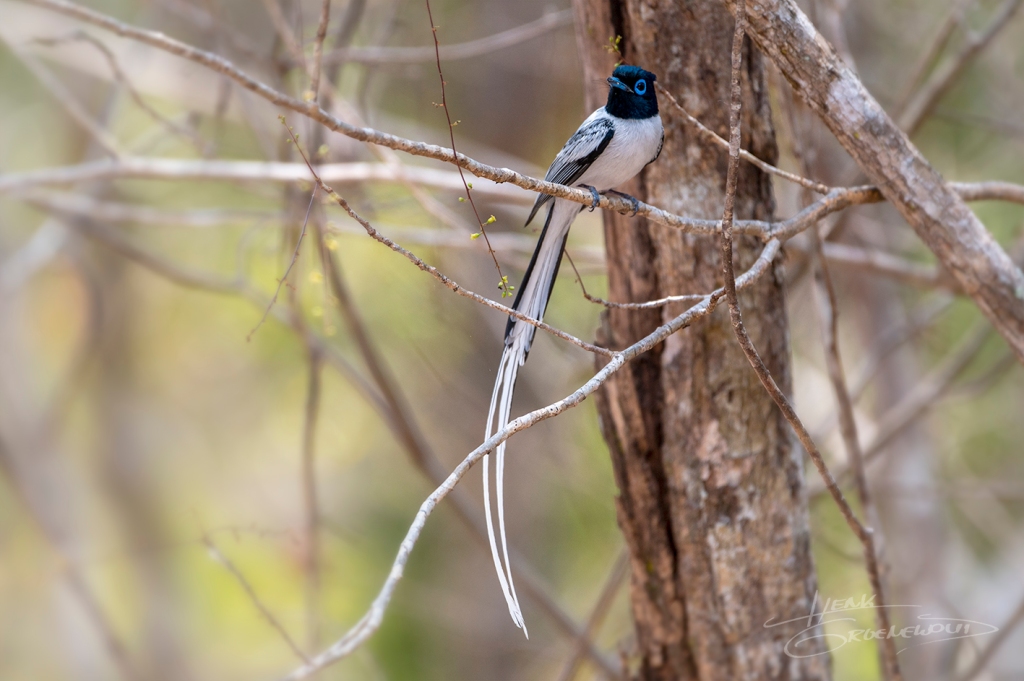
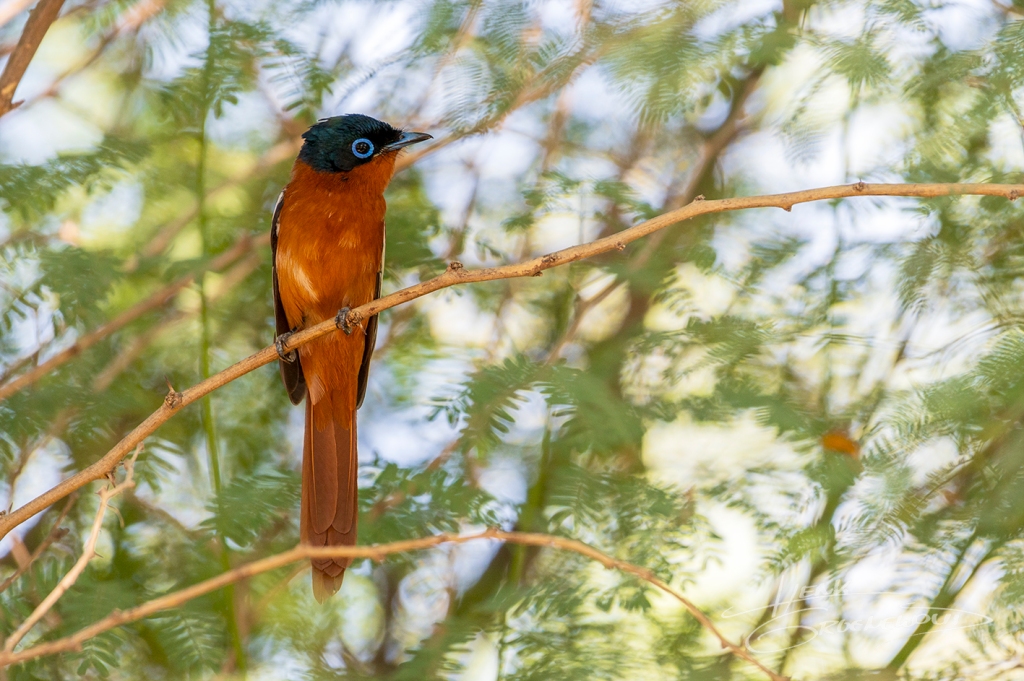
Incredibly graceful these Madagascar paradise flycatchers (Terpsiphone mutata mutata). Same species, white and brown morph

The Madagascar crested ibis Lophotibis cristata; quite shy and difficult to find. It took several days of searching before he showed up. “It has always been an endangered species,” the guide said, “but when the Covid pandemic broke out and tourists didn’t come anymore, lots of them were eaten…”


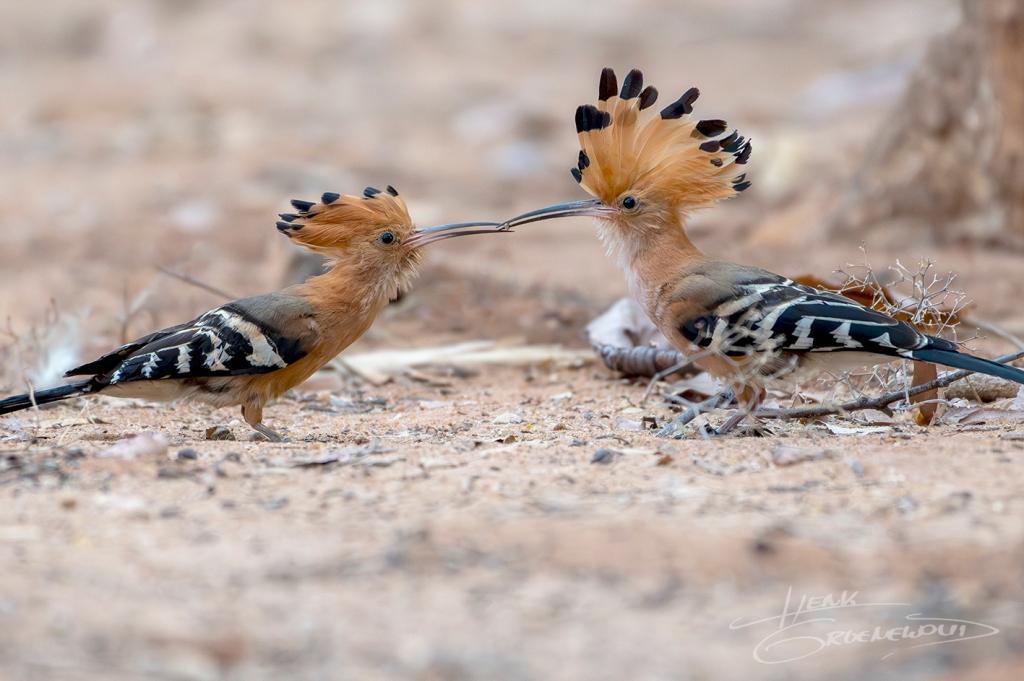
The hoopoe! And again an endemic: the Madagascar hoopoe Upupa marginata. I’m afraid I don’t see the difference with the Eurasian hoopoe


Souimanga sunbird – Cinnyris souimanga. That reflection of light on the feathers!  


Another colourful bird: the Pitta-like ground-roller Atelornis pittiodes. Also very difficult to find, as he is walking in dense dark forests. So many colours: Green wings, ruby breast, blue spotted head… truly amazing

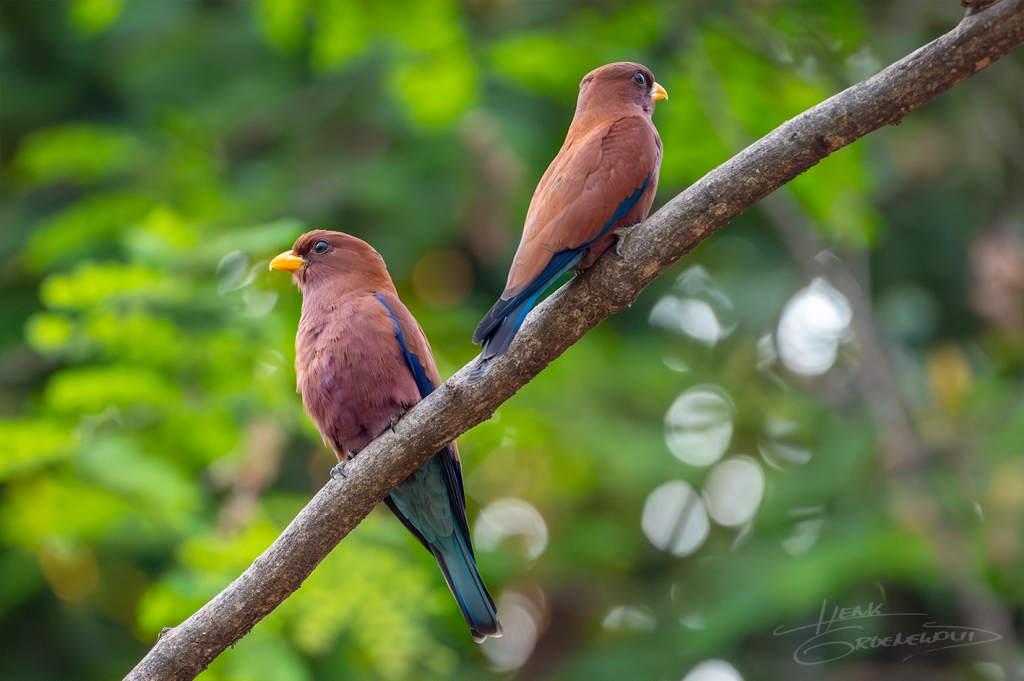
The family of rollers is one of my favourites. This is a Broad-billed roller Eurystomus glaucurus, mostly brown but it has beautiful blue feathers in the wings and tail

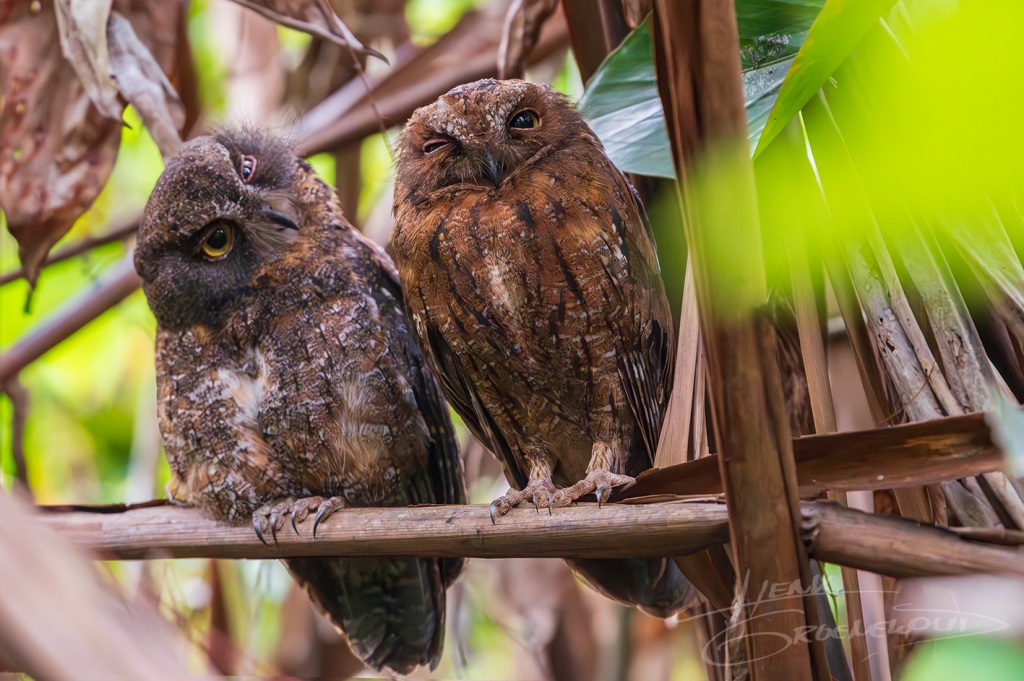
Last one for now: two Madagascar scops owls Otus rutilus happy together

Kind of blue

Venus guided us all the way home after the Vienna trip.
The picture from the plane resembles a bit the picture I took at home a few days ago, with Jupiter and Venus in conjunction.

More blue lately:


Angry ocean


Floating. Mesmerizing

Dusk settles


Venus and Jupiter

Tonight, Venus and Jupiter are standing very close together in the sky. That is: they’re standing very, very far apart, but they appear to look close together to us.

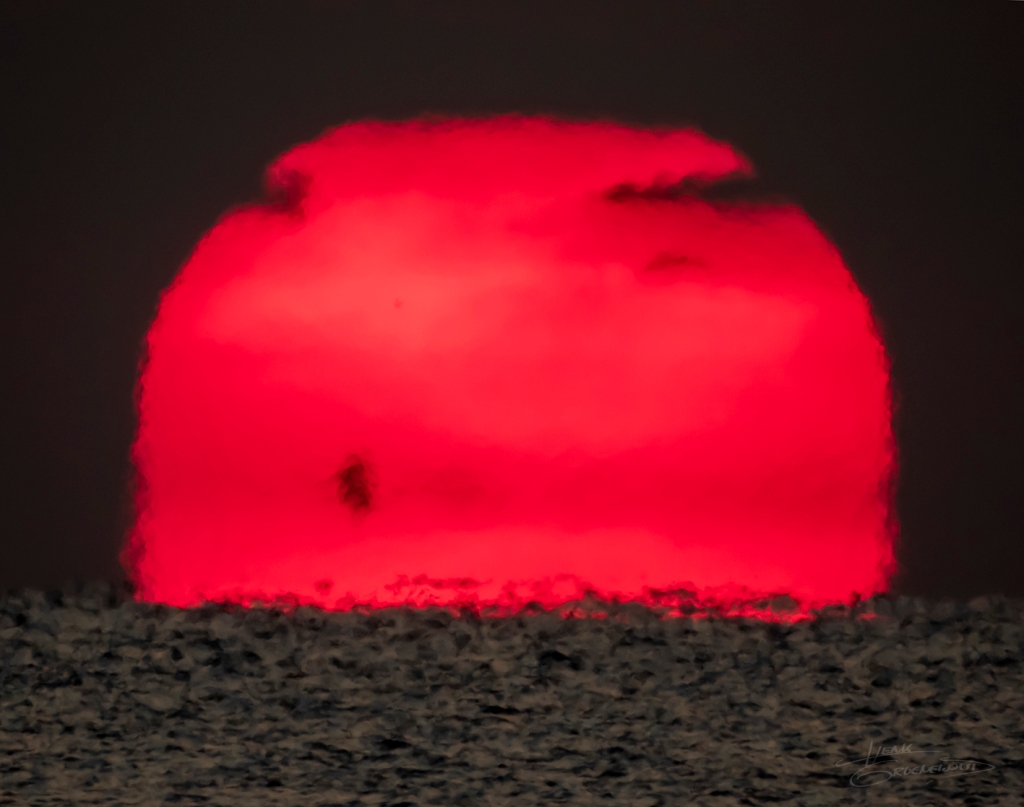
In the sunset picture you can see them cosily in the top right corner, in between the greylag geese. Beautiful sunset today.

I also took a few pictures with the standard 500 mm lens, and was very surprised about the details. You actually see the little balls in the sky, and a few moons around Jupiter. Always makes me feel like that little boy, staring into the sky with a small telescope and dreaming of the stars…

Threatened beauty

“What about nature in Cyprus?” you might ask. “Where are the birds, the mammals?”
Let’s start with the most famous eye-catchers: the flamingos. South of Larnaca, in the salt lakes. Larges groups and easy to see.

Apart from the flamingos, the first few days I hardly saw any birds. Very disappointing. A few common stonechats (Saxicola rubicola) – don’t need to go to Cyprus to see them. This one showed up shortly after sunrise, in the early orange light.

I soon found out why I saw so few birds. They are afraid! It is quite dangerous to be beautiful. In Cyprus, people shoot. Right after my beach house, there was a small nature reserve with a salt marsh. Information panels proudly stated how special the vegetation was. There were huge signs: Nature conservation area. No Hunting! And right after these signs, you find the empty shells. One at least at every 20 meter. No wonder I didn’t see any birds. And the ones I did see – quite special, endemic species – kept well hidden and so far away, that it was pointless to try and take pictures. I do Like Cyprus, but the hunting and shooting – even in nature reserves! – is awful.

Lots of lizards though. For instance this rock agame near Aphrodite’s bath. Previously this reptile was considered a subspecies of Laudakia stellio, but DNA research showed that Cyprus truly has its own endemic species: Laudakia cypriaca.

And another lizard, Schreiber’s fringe-fingered lizard (Acanthodactylus schreiberi). Quite a lot of them – even saw one on the beach.

Lots of dragonflies as well here. For instance the globe skimmer (Pantala flavescens) – a species found all over the world, able to migrate many thousands of miles during the year.

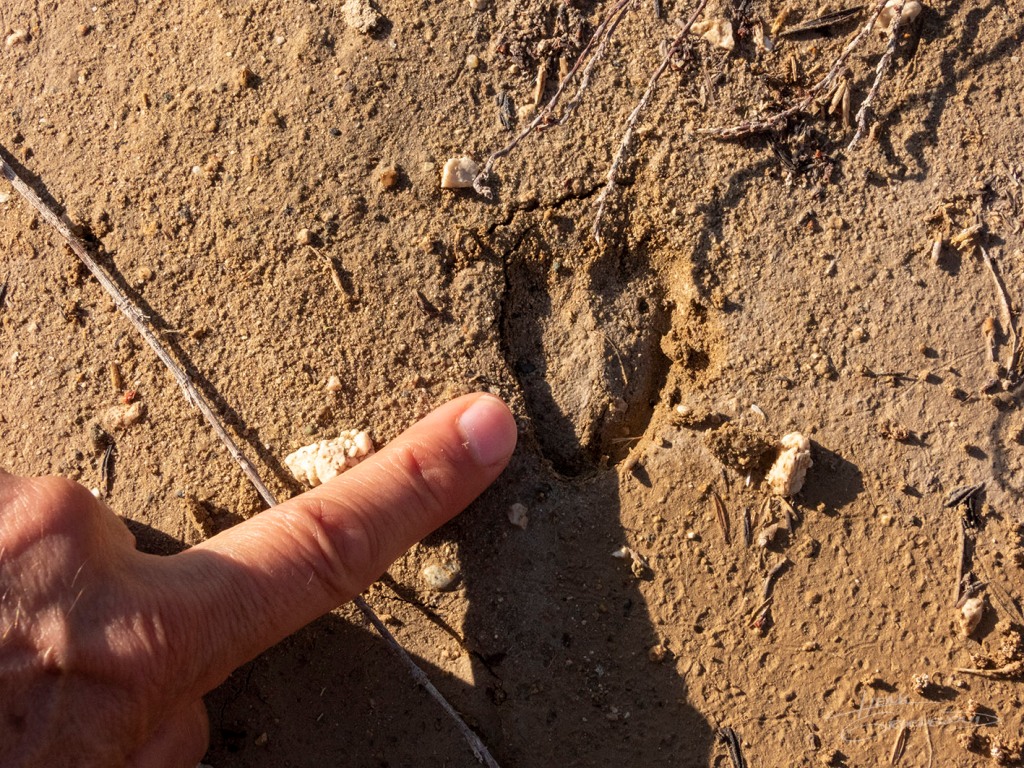
So what about the mammals in Cyprus? Of course they are present, but very, very well hidden. In between the shells, the silent witnesses of hunting in nature conservation areas, I also found fresh footprints of roe deer. The kind of deer that I can see almost daily where I live, where hunting is largely banned, but that are invisible ghosts here.

With these final remarks, I close off with some shaky air during another stunning sunrise.

Favoriete bosbewoner

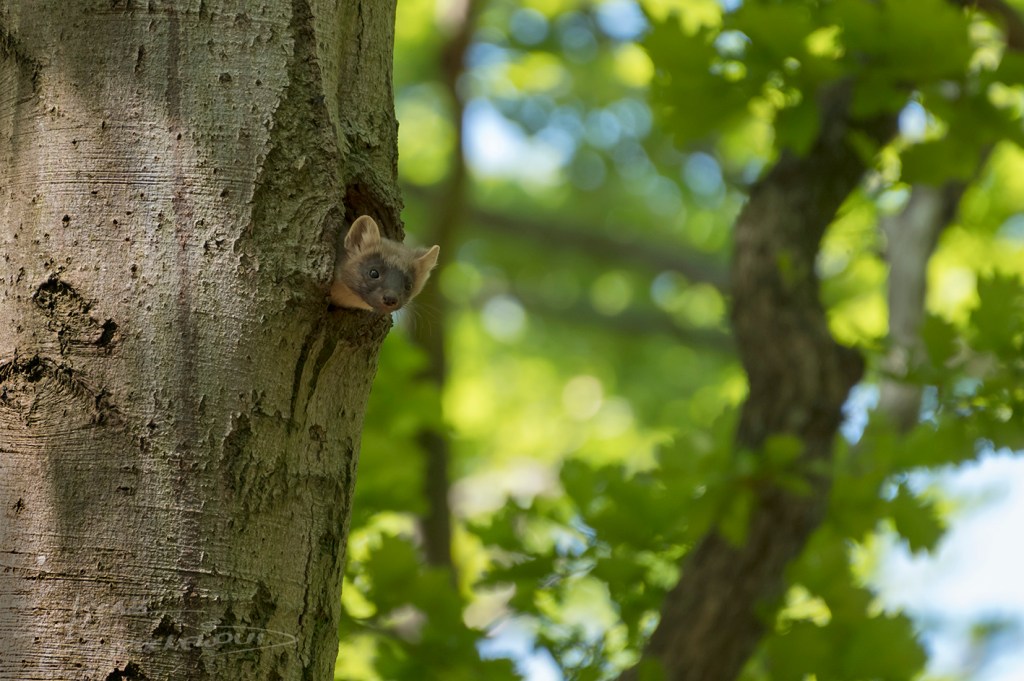
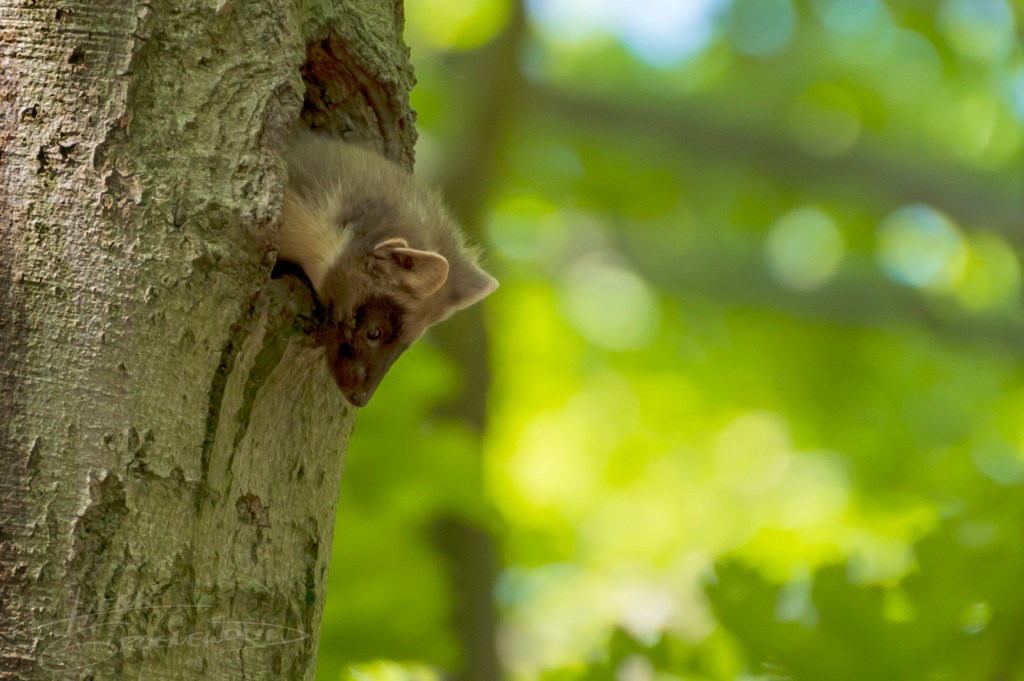
Dit is vermoedelijk mijn favoriete bosbewoner: de boommarter. Echte, wilde natuur, zomaar in ons eigen Nederland. Het is alweer twee jaar geleden dat ik er voor het laatst een zag. Vorig jaar vond ik wel een bewoonde boom, maar nét te laat. Het gezin had de boom waarschijnlijk de week ervoor verlaten, te oordelen aan de latrine. Nu zit het moertje er nog. Vandaag tenminste – het zal niet de eerste keer zijn dat een gezinnetje van de ene op de andere dag verdwijnt…

Vandaag een groot deel van de dag gepost bij het nest, om te kijken hoe het staat met de gezinsuitbreiding. Het moertje kwam één maal buiten kijken, en hield het daarna voor gezien. Niet zo spectaculair, maar in het nest waren de jongen te horen. Ik gok dat ze over één of twee weken zo ver zullen zijn dat ze het nest verlaten. Het is te hopen dat iedereen dan de hond aan de lijn houdt.

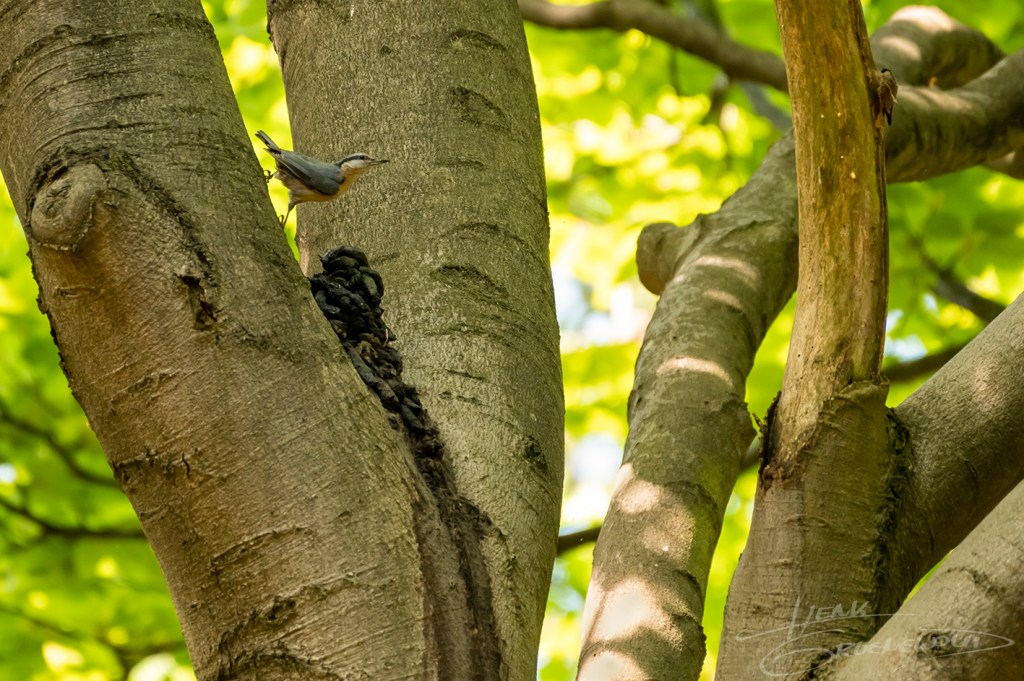
Zo´n lange dag in het bos geeft altijd nieuwe ervaringen. Bijvoorbeeld de koolmezen en boomklevers, die geregeld langs komen om de latrine te inspecteren. Ik vermoed dat daar wel wat insecten te vinden zijn.

Ook leuk zijn de toevallige ontmoetingen met andere bosbewoners. Zoals deze rode eekhoorn, die even stil hield om te kijken. Verrek, zit daar nou een mens? Ja zeg, het is echt een mens! Nou ja, rustig doorlopen maar, en doen alsof ik hem niet heb gezien…

Lachen met purperkoeten

Ooit was ik in Mallorca, waar ik erg graag de prachtige purperkoet op de foto wilde zetten. Dochter en vriendin hadden niet zo’n zin om mee te lopen en bleven liever in het cafeetje aan het begin van het lange, rechte pad door het moeras. Terwijl ik speurend verder liep hoorde ik ze opeens achter me schreeuwen. Ik draaide me om en gebaarde: “Wat is er?”

Weer riepen ze, en wezen mijn kant op. Ik begreep er niets van, en liep maar verder.

Later vertelden ze me gierend van de lach dat er een vlak achter mij rustig over het pad had gewandeld – die juist in de bosjes indook toen ik me omdraaide. En terwijl ik me omdraaide, rende een tweede achter mijn rug óók het pad over. Zij lagen dubbel – ik merkte niets.

Ik kreeg ze op de foto, maar ik had kunnen wachten tot deze winter. December 2021 werd de eerste purperkoet ooit in Nederland gezien, in Zevenhuizen. Meteen gevolgd door een tweede in Alblasserdam. Ik ben niet zo’n fanatieke twitcher die alle zeldzaamheden meteen afrent, dus ik heb ze lekker laten zitten.

Twee weken geleden was ik op die prachtige zondagochtend in Kinderdijk om de molens te fotograferen – die van de vorige blogpost. Iemand zag mijn telelens, en vroeg of ik nog zeldzame vogels had gezien. “Niet echt,” antwoordde ik. “De cetti’s zanger vind ik altijd wel leuk, want dat was vroeger een echte zeldzaamheid.” Een andere molen-fotograaf merkte op dat hij nog even zijn telelens ging halen voor de vogels. Ik ging rustig naar huis – een uur rijden – en kwam er pas dagen later achter dat die tweede purperkoet dus gewoon vierhonderd meter verderop langs hetzelfde fietspad had gezeten. Waar hij de hele winter had gezeten.

Nou ja, dat was toch wat te veel voor me. Het weekeinde daarna was de verwachting wederom stralend, en ben ik maar teruggekeerd. Nogmaals de molens bij zonsopkomst, en nu ook de purperkoet. Ik denk dat ik hem vanuit het riet heb horen grinniken.

(Op de laatste foto duikelt hij voorover omdat zijn poot bleef haken achter een rietstengel. Beetje onhandig zijn ze wel)