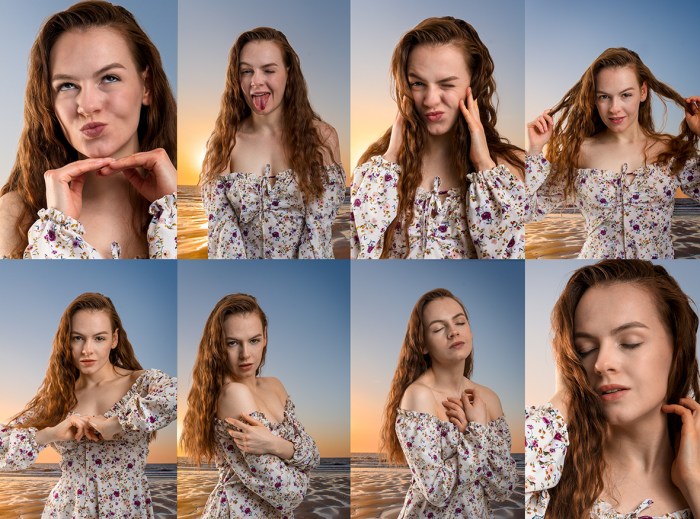
Siia

On day 9 the destination was Miami. Oh yes, I took a lot of pictures in the city. But only these ones are worth showing. The picture with hands (very kind man and woman begged me to take their picture).
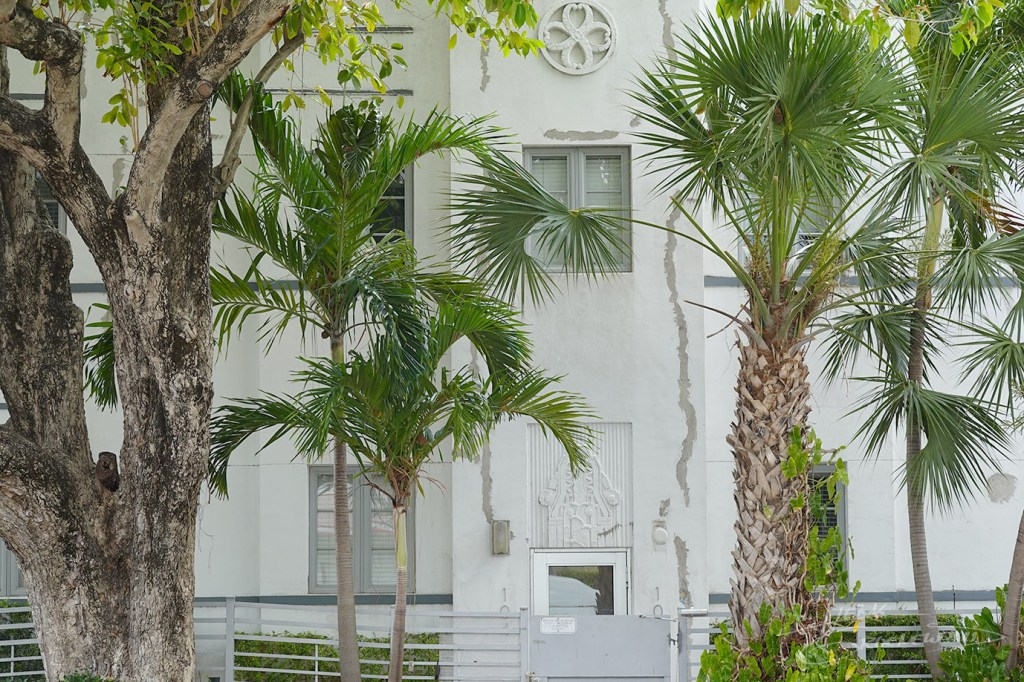
Many houses in Miami. But well, I think the pictures of the houses are rather boring.
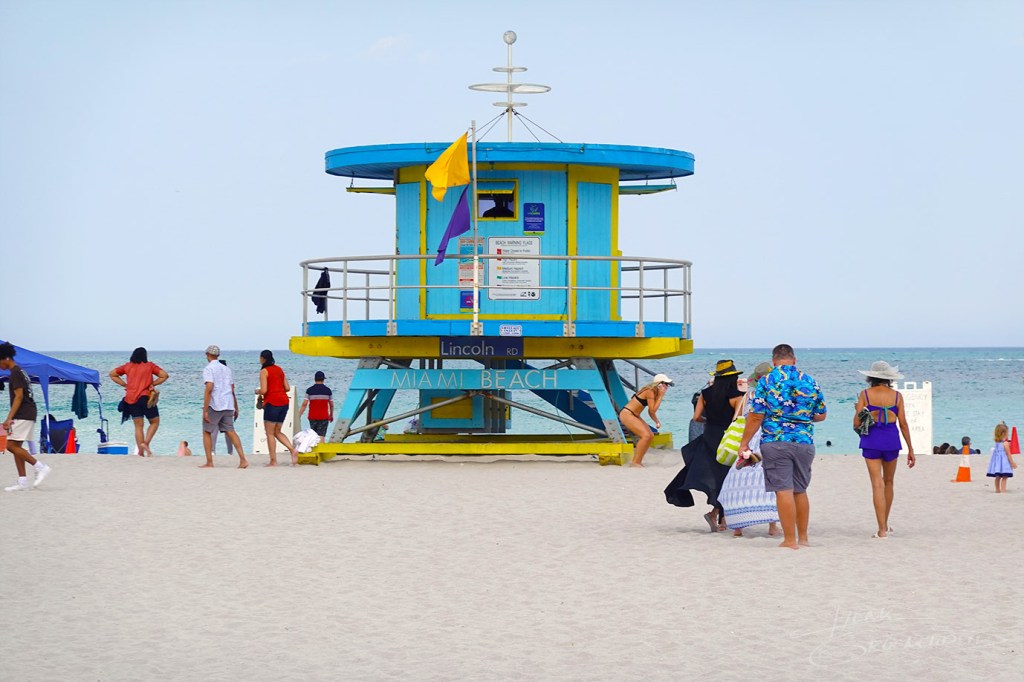
Miami beach which is… well, a beach with a lot of people and of course water where you can stand in
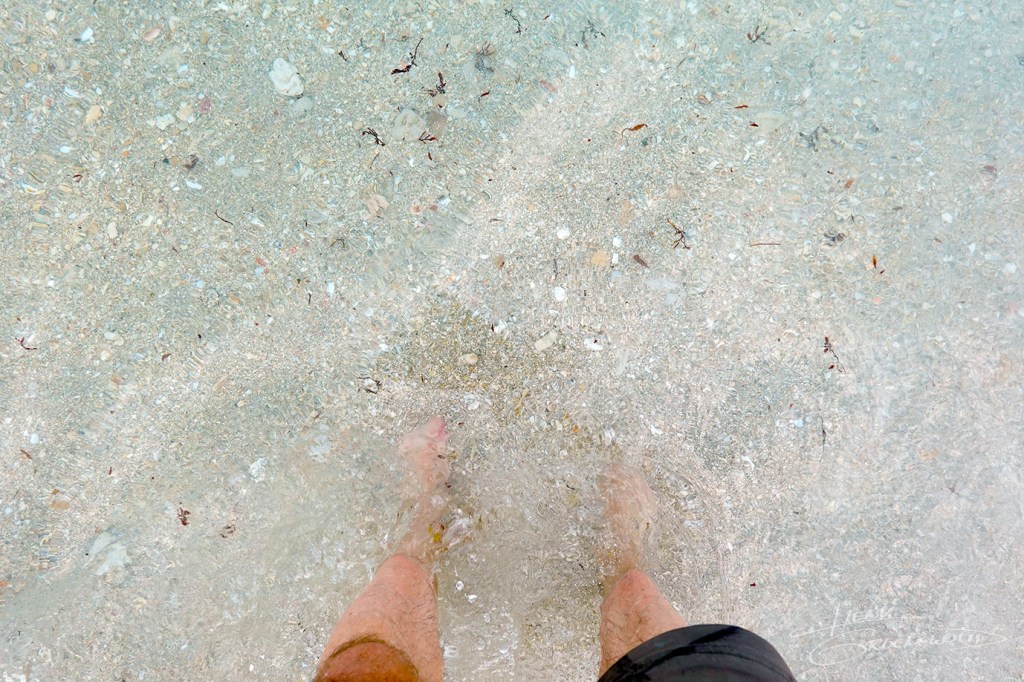
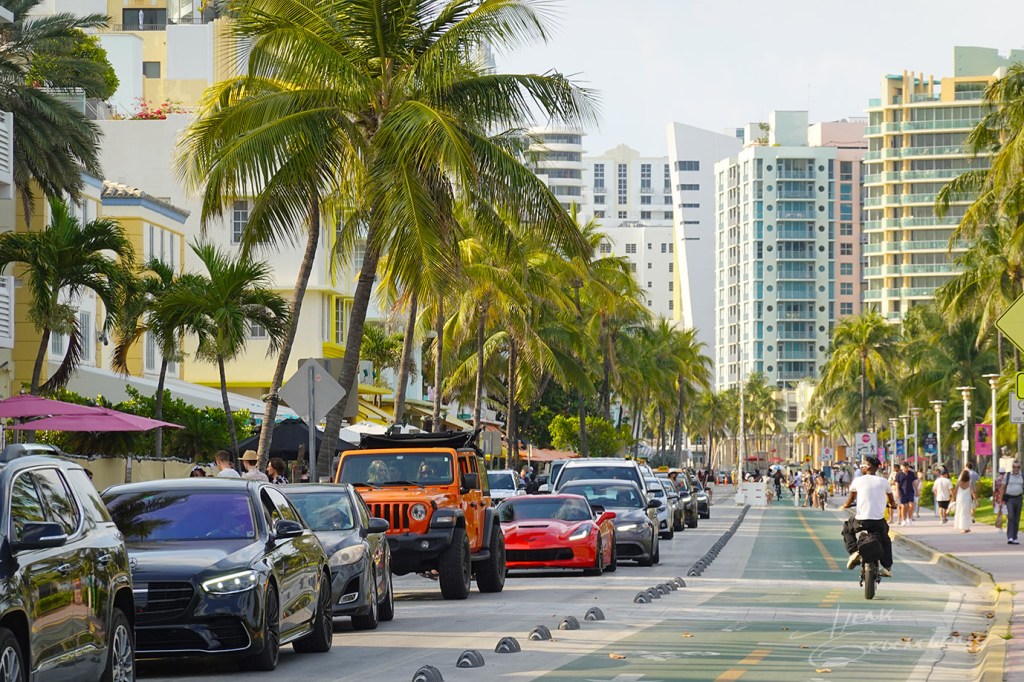
The famous strip where walking goes faster than driving – even if you have a fancy car
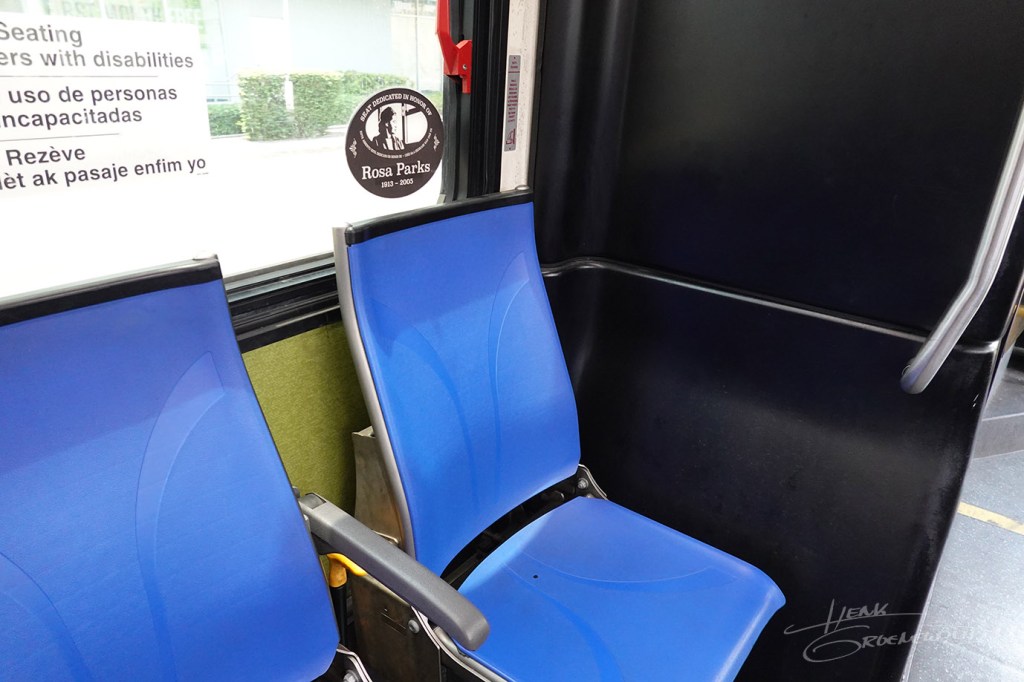
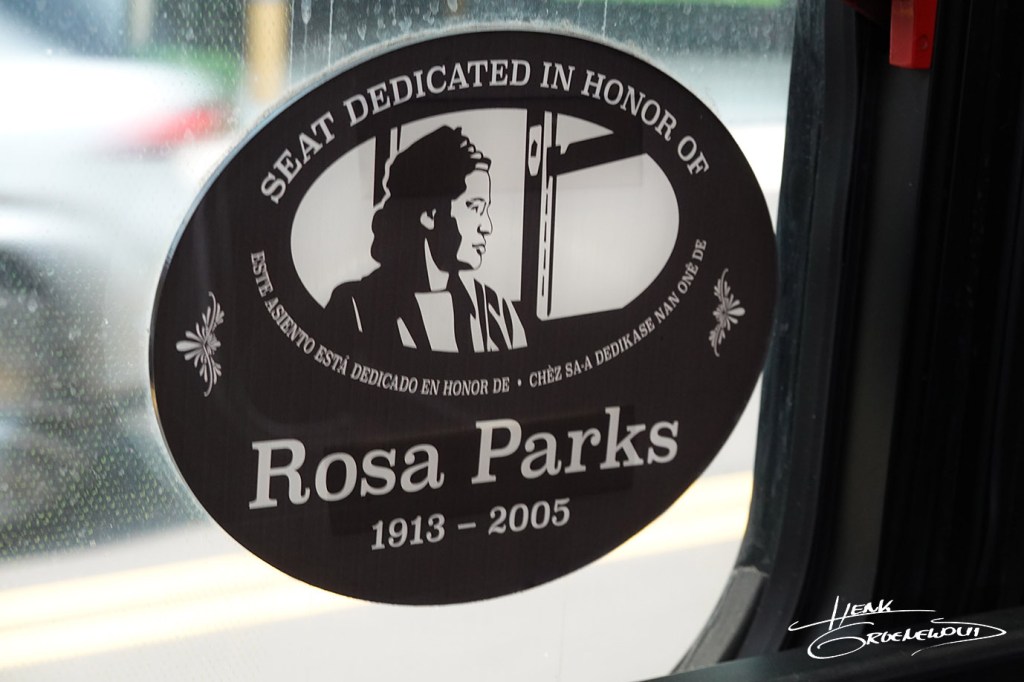
The Rosa Parks seats in the buses (if you don’t know who Rosa Parks is, you’re living in youre white bubble and definitely have to look her up). By the way, those bus drivers were really the most friendly bus drivers I have ever seen! Proud of their job, waiting for people, helping people, giving directions and even at the end of a shift telling the next driver where certain passengers need to get out

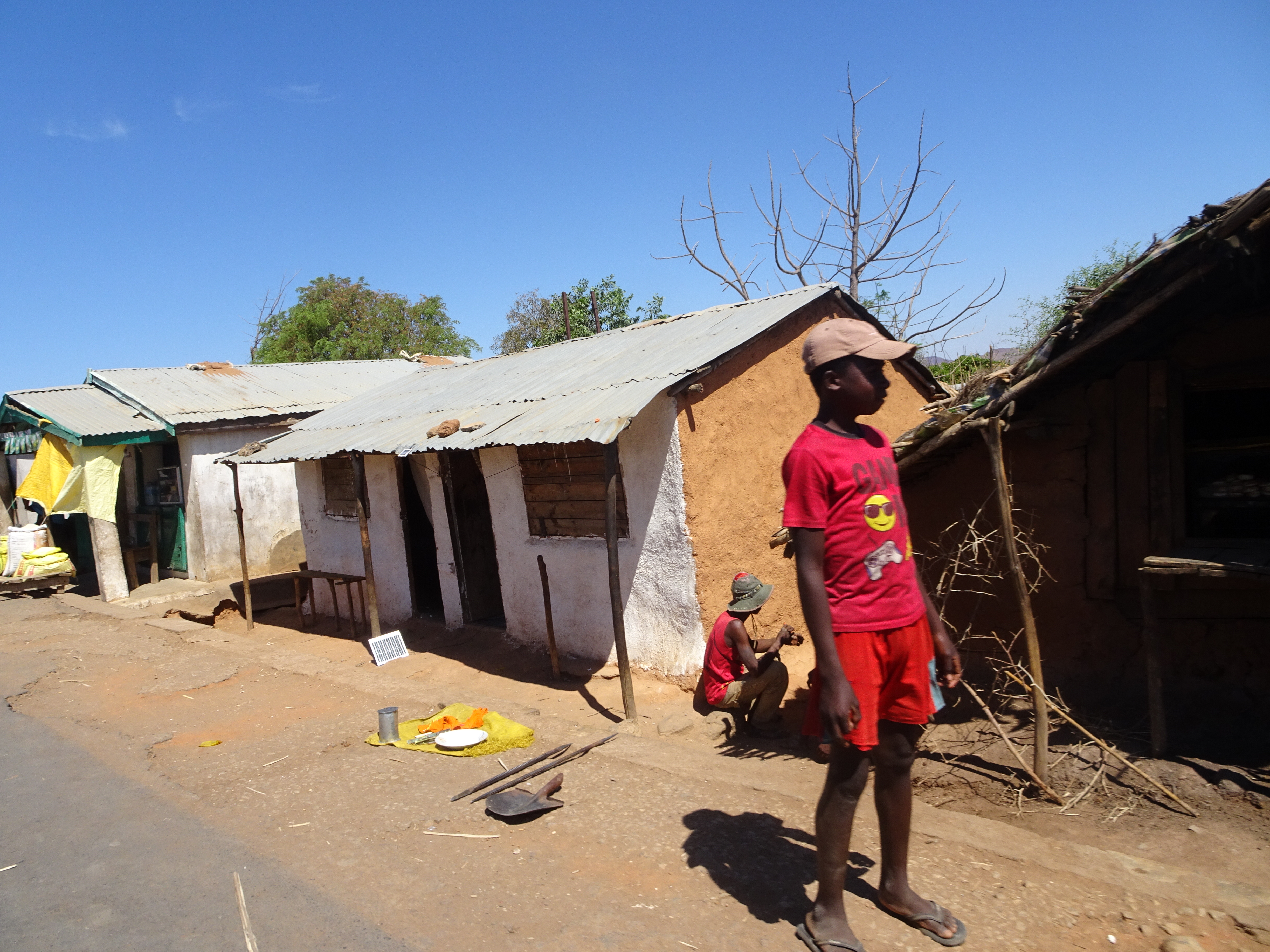
It´s been a while since I’ve been there, but I just have to share some more pictures of this beautiful, intriguing island in the Indian ocean.
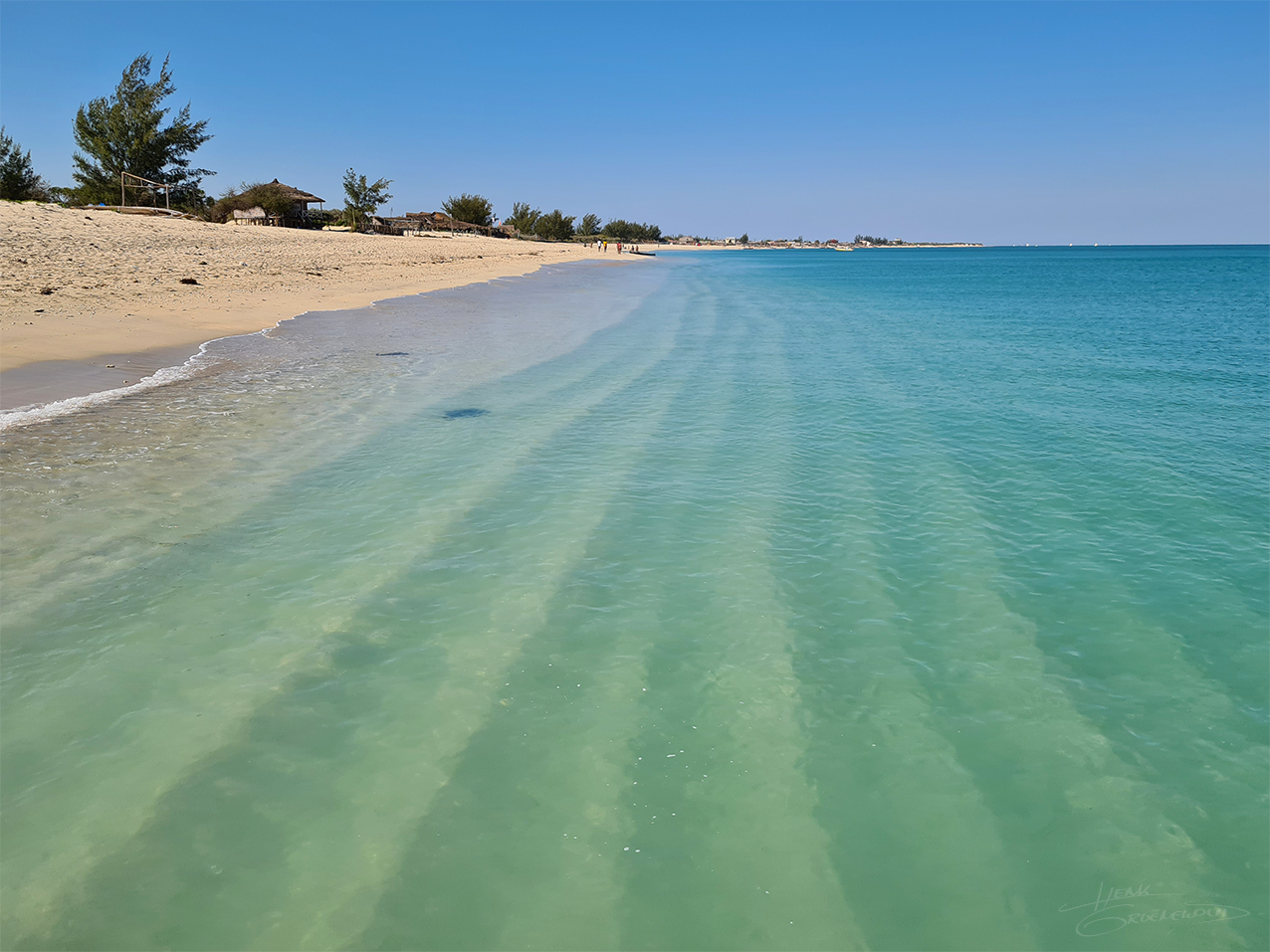


First part was in the south. Tulear with fishermen, water taxis and birds like the beautiful tropicbird.
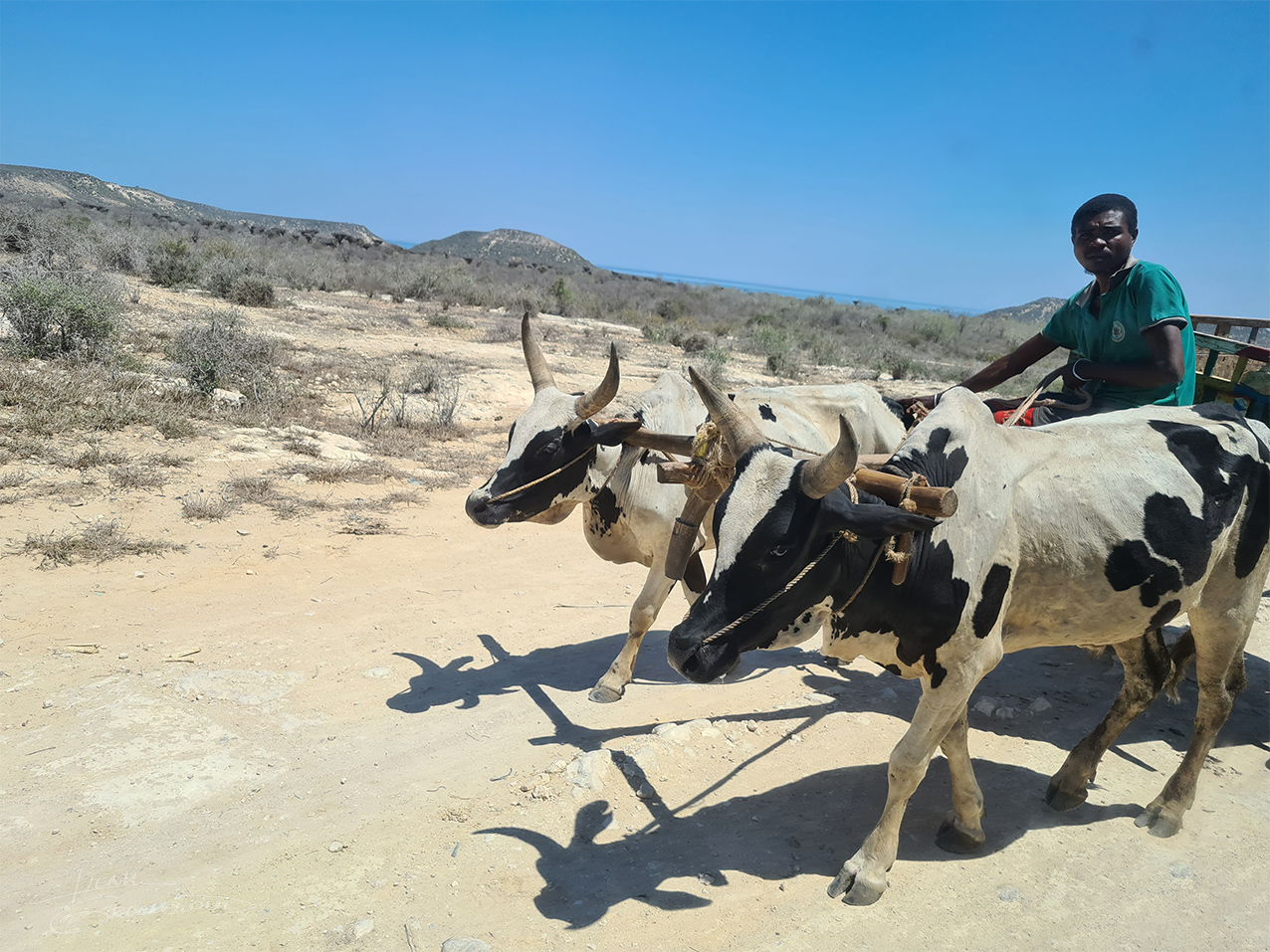

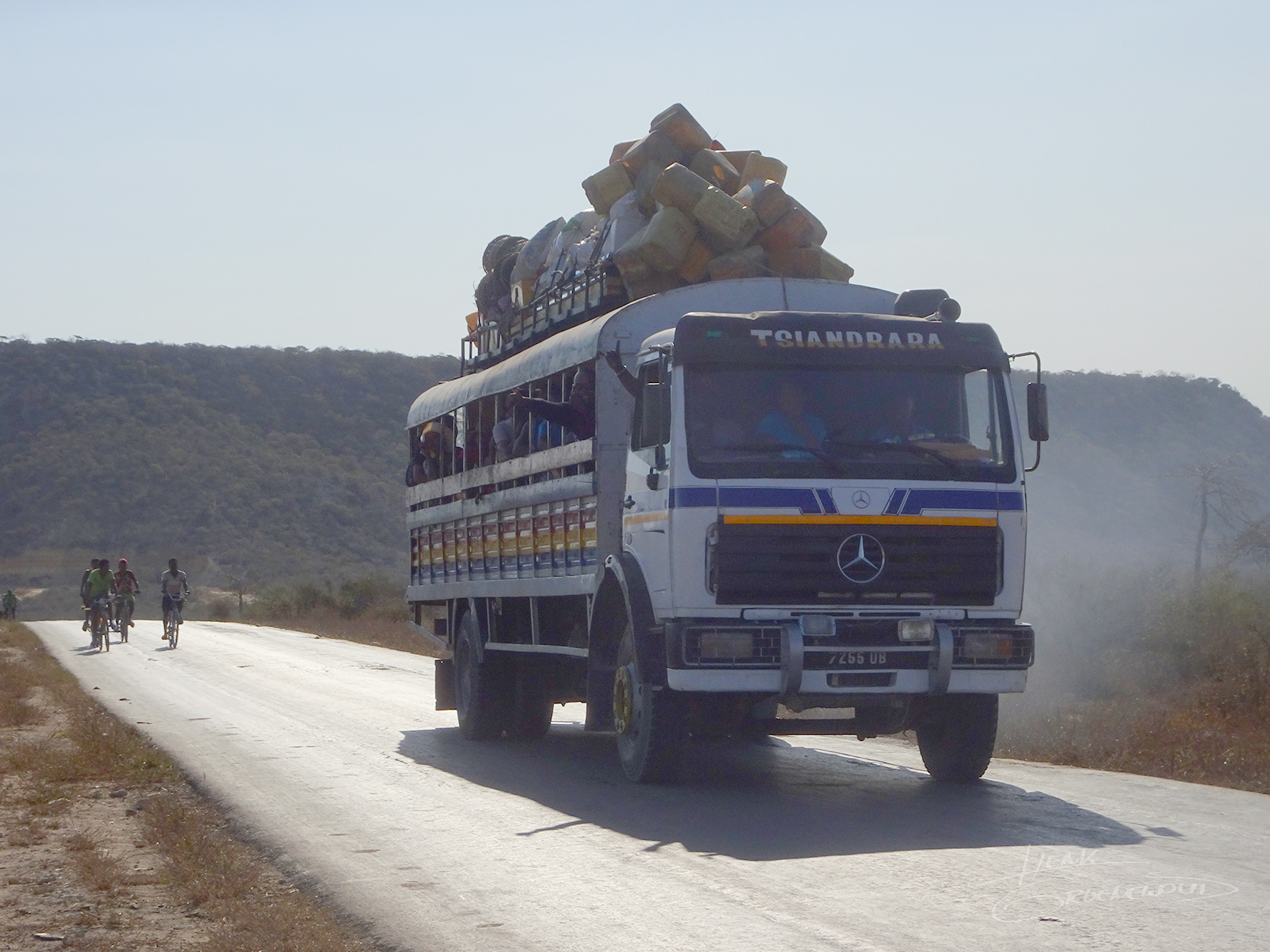


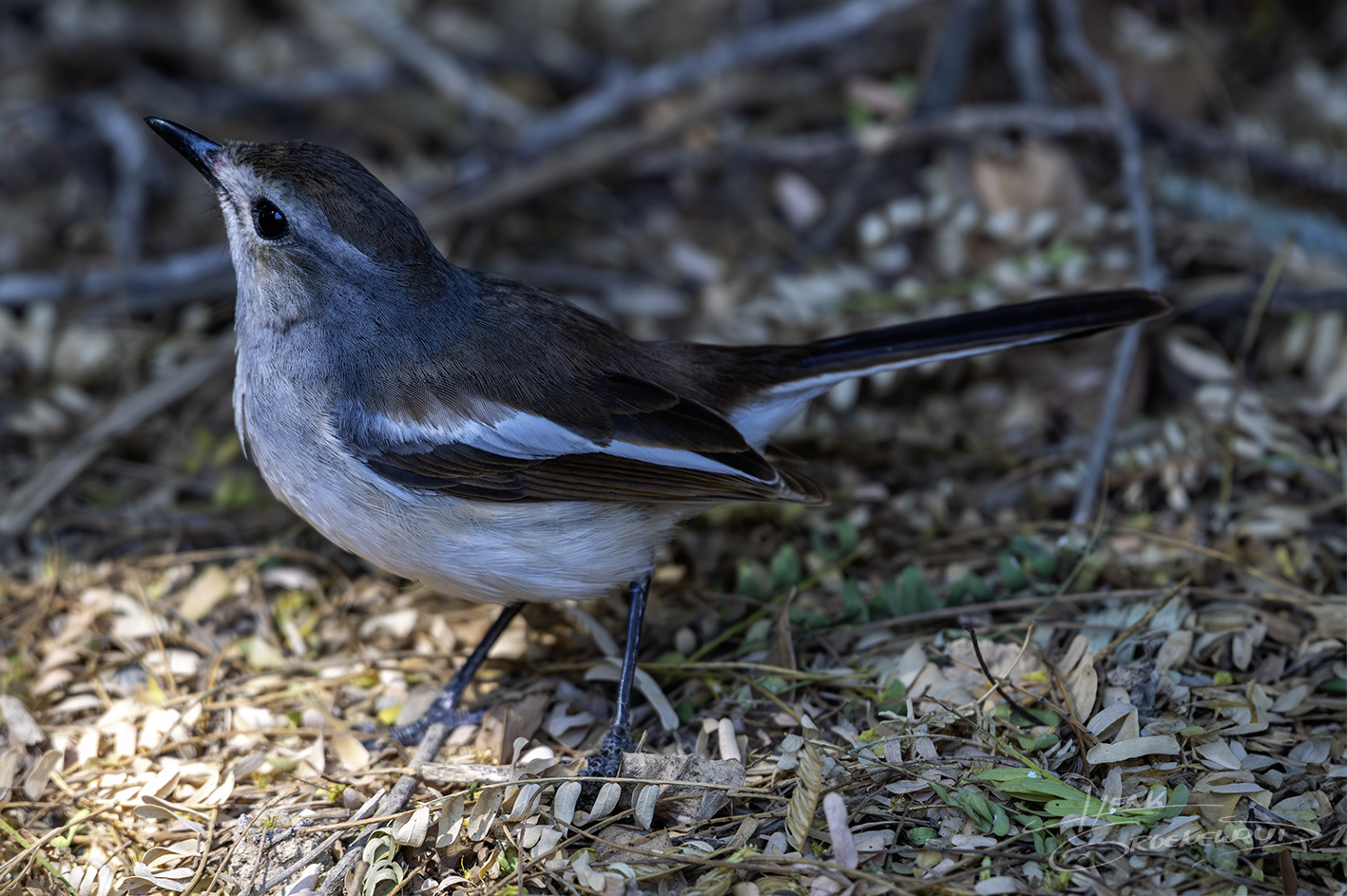

Then up to Antsokay an Anakao with birds lik the olive bee-eater and magpie-robin.


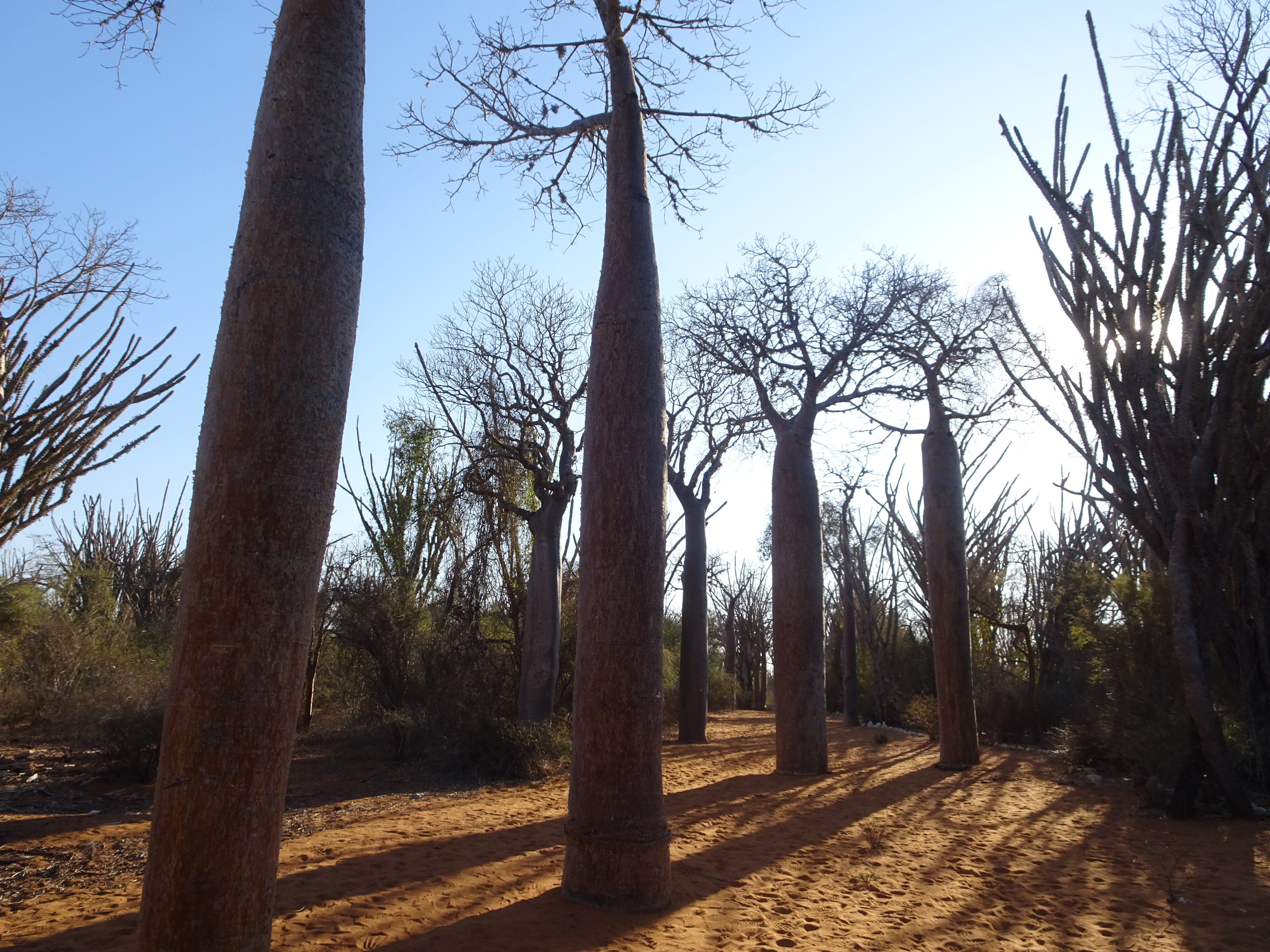
Further to the Mangily spiny forest, and from there to Zombitse




I forgot. Didn’t see it coming…

Water everywhere…
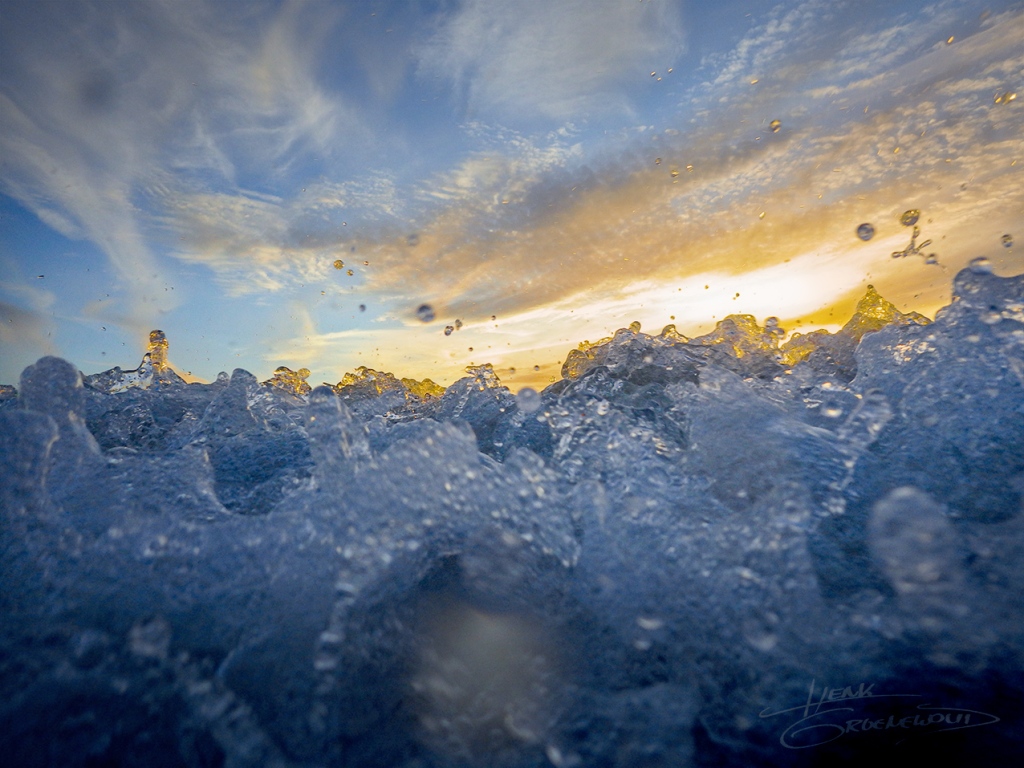
Swim!

Breathe…

Float…

Washed ashore


I must have been about 10 years old when we spent the holidays in Bergen near the North Sea (Netherlands). One night my father woke me up: “Get up! Put your shoes on, we’ll go to the beach!”
“Why?” did I ask, still very asleep.
“We are going to watch the light of the sea!”

It had been hot and windless all week. Ideal conditions to see sparkling sea turning the beach into a magical place. The waves radiated a blue light. As you moved through the water, blue light rippled around you. And as you walked over the wet sand, a trail of glowing footsteps slowly died out behind you. Zeevonk, it’s called in Dutch
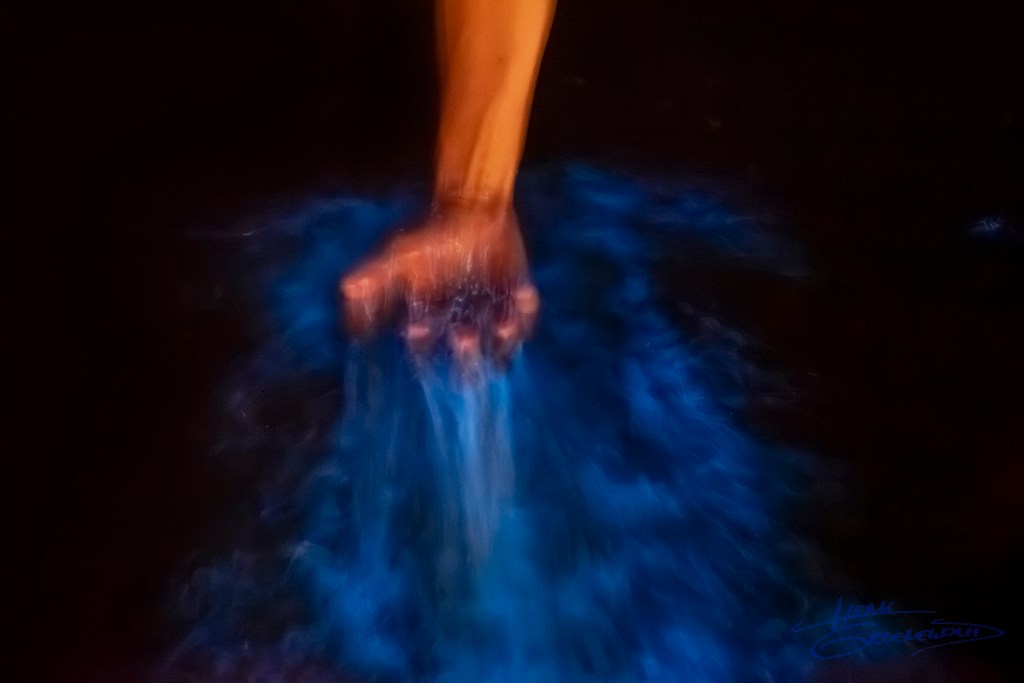
The light comes from the alga Noctiluca scintillans, which emits a bluish light when moved. Earlier I told about the herrings in my fridge that gave light – probably also caused by the ingestion of these algae while swimming (see Luminescence).
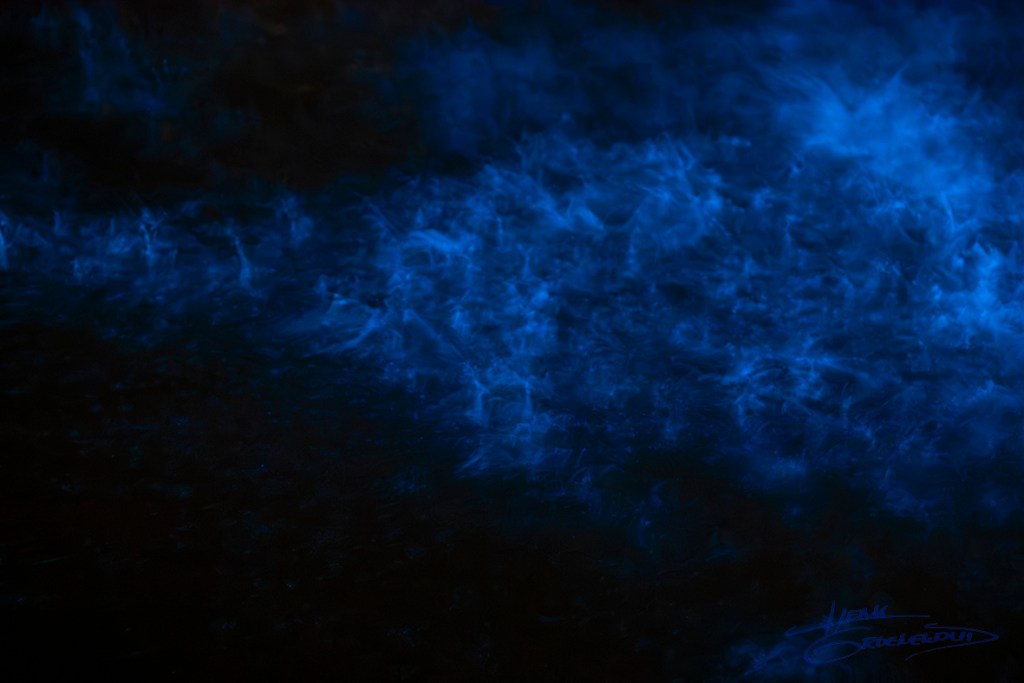
All these years I hoped to one day see that light of the sea again. And last week I did. Not as exuberant as I remember; actually I would have walked right past it if another visitor hadn’t pointed out the puddle that the low tide had left on the beach. But I was just in time, for that night was the last that the phenomenon could be observed. So I am more than happy now, with some fresh memories.


Venus guided us all the way home after the Vienna trip.
The picture from the plane resembles a bit the picture I took at home a few days ago, with Jupiter and Venus in conjunction.
More blue lately:

Angry ocean

Floating. Mesmerizing

Dusk settles

A special place in the Algarve is Salema Beach, Praia da Salema, near Vila do Bispo. There you can find well preserved dinosaur footprints right at the beach. As you can see, the toes are round and without claws, which indicates that these are the prints of a herbivore, an Ornithopod, a bit like an Iguanodon.

It is estimated that these prints are roughly 130 million years old, dating from the Early Cretaceous. Standing in these footprints of dragons long ago spurred my imagination with fantasies of time machines and walking between those animals in another era.

Let me show you one of the magnificent beaches in the Algarve! Lovely to spend some time here, in between the chase for dinosaur prints at Salema.

Incredible to witness these dinosaur tracks and imagine how some 130 million millions years ago, huge lizards roamed this place. Salema Beach has more footprints, but they are well hidden. You´ll probably need a local guide to help you out, for even if you are standing close to these vertical rock formations the prints are difficult to see. António Alfarroba pointed them out. As you can see this one does have claws, so it must have been hunting for prey here. I´m afraid I haven´t been able to find out the exact species – if you do know it, you’re welcome to mention it.


Famous statement of my old man. I guess he’s right

Going back down memory lane. Huge flocks of pictures are quietly scratching my hard drive. It’s time set some of them free and let them fly out into the wide wild world. Starting with the Algarve, Portugal.
First one above is the lighthouse at Sagres. Suddenly you’re in an Old Testament scene. A goat herd walking home after sunset in Vila do Bispo

Sunset at sea through a deserted customs building in Vila do Bispo

Sunset ´on the rocks´ near Atlantic ocean in Algarve, Portugal

Algarve beach in twilight after sunset

Same coast from a different point of view and way, way after sunset

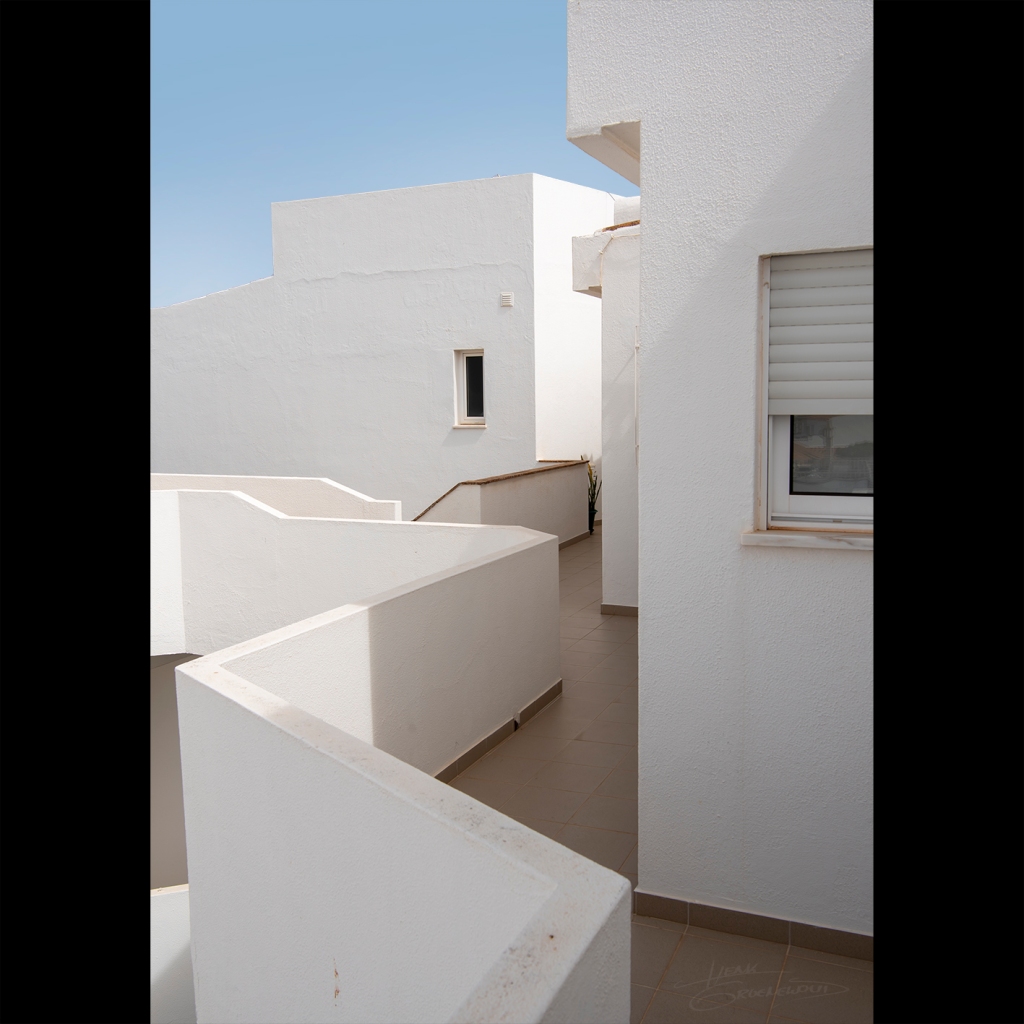
Holiday shapes in white

“What about nature in Cyprus?” you might ask. “Where are the birds, the mammals?”
Let’s start with the most famous eye-catchers: the flamingos. South of Larnaca, in the salt lakes. Larges groups and easy to see.
Apart from the flamingos, the first few days I hardly saw any birds. Very disappointing. A few common stonechats (Saxicola rubicola) – don’t need to go to Cyprus to see them. This one showed up shortly after sunrise, in the early orange light.

I soon found out why I saw so few birds. They are afraid! It is quite dangerous to be beautiful. In Cyprus, people shoot. Right after my beach house, there was a small nature reserve with a salt marsh. Information panels proudly stated how special the vegetation was. There were huge signs: Nature conservation area. No Hunting! And right after these signs, you find the empty shells. One at least at every 20 meter. No wonder I didn’t see any birds. And the ones I did see – quite special, endemic species – kept well hidden and so far away, that it was pointless to try and take pictures. I do Like Cyprus, but the hunting and shooting – even in nature reserves! – is awful.

Lots of lizards though. For instance this rock agame near Aphrodite’s bath. Previously this reptile was considered a subspecies of Laudakia stellio, but DNA research showed that Cyprus truly has its own endemic species: Laudakia cypriaca.

And another lizard, Schreiber’s fringe-fingered lizard (Acanthodactylus schreiberi). Quite a lot of them – even saw one on the beach.

Lots of dragonflies as well here. For instance the globe skimmer (Pantala flavescens) – a species found all over the world, able to migrate many thousands of miles during the year.

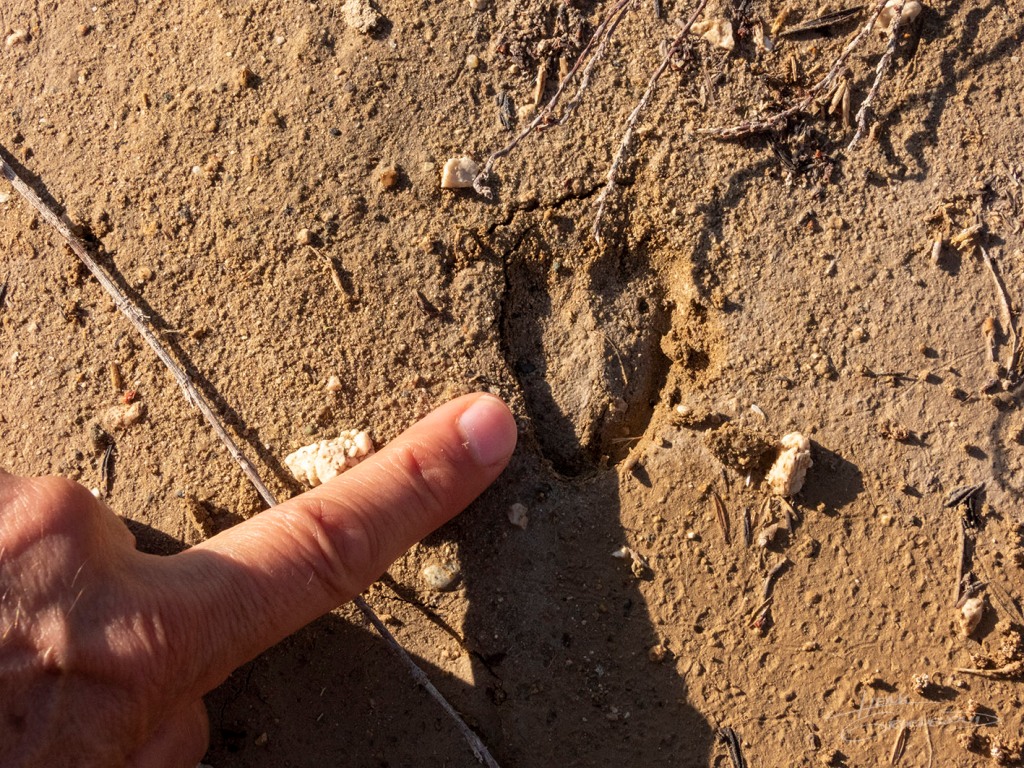
So what about the mammals in Cyprus? Of course they are present, but very, very well hidden. In between the shells, the silent witnesses of hunting in nature conservation areas, I also found fresh footprints of roe deer. The kind of deer that I can see almost daily where I live, where hunting is largely banned, but that are invisible ghosts here.
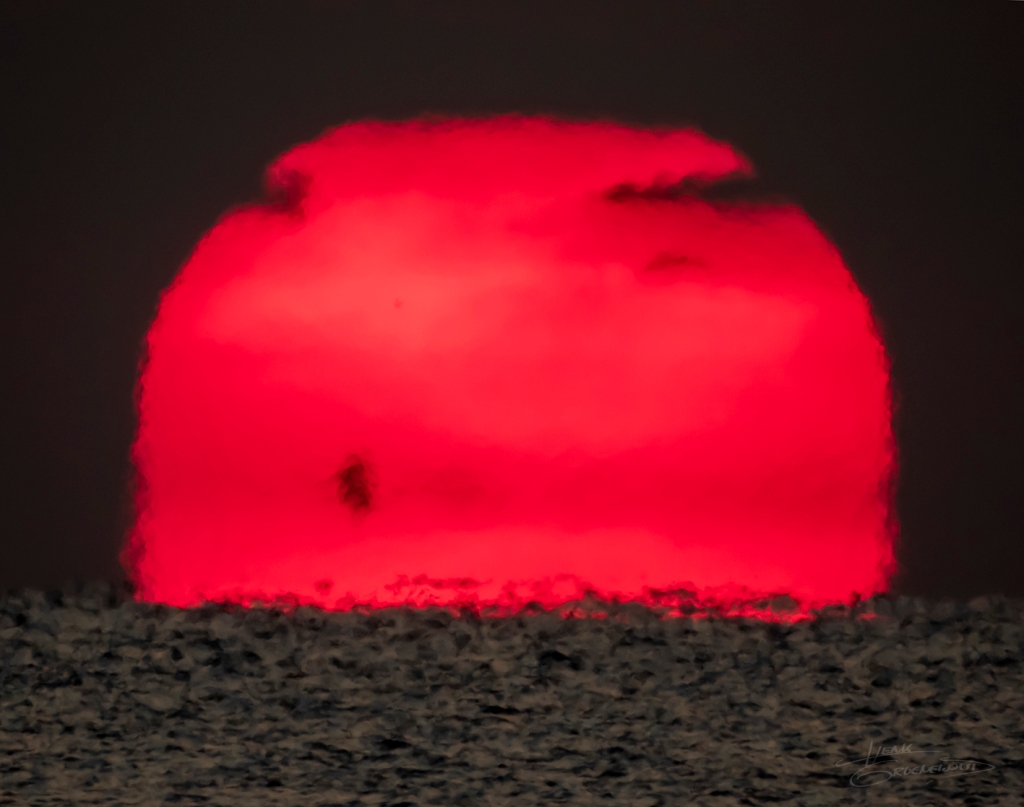
With these final remarks, I close off with some shaky air during another stunning sunrise.
 De Portrettenmaker