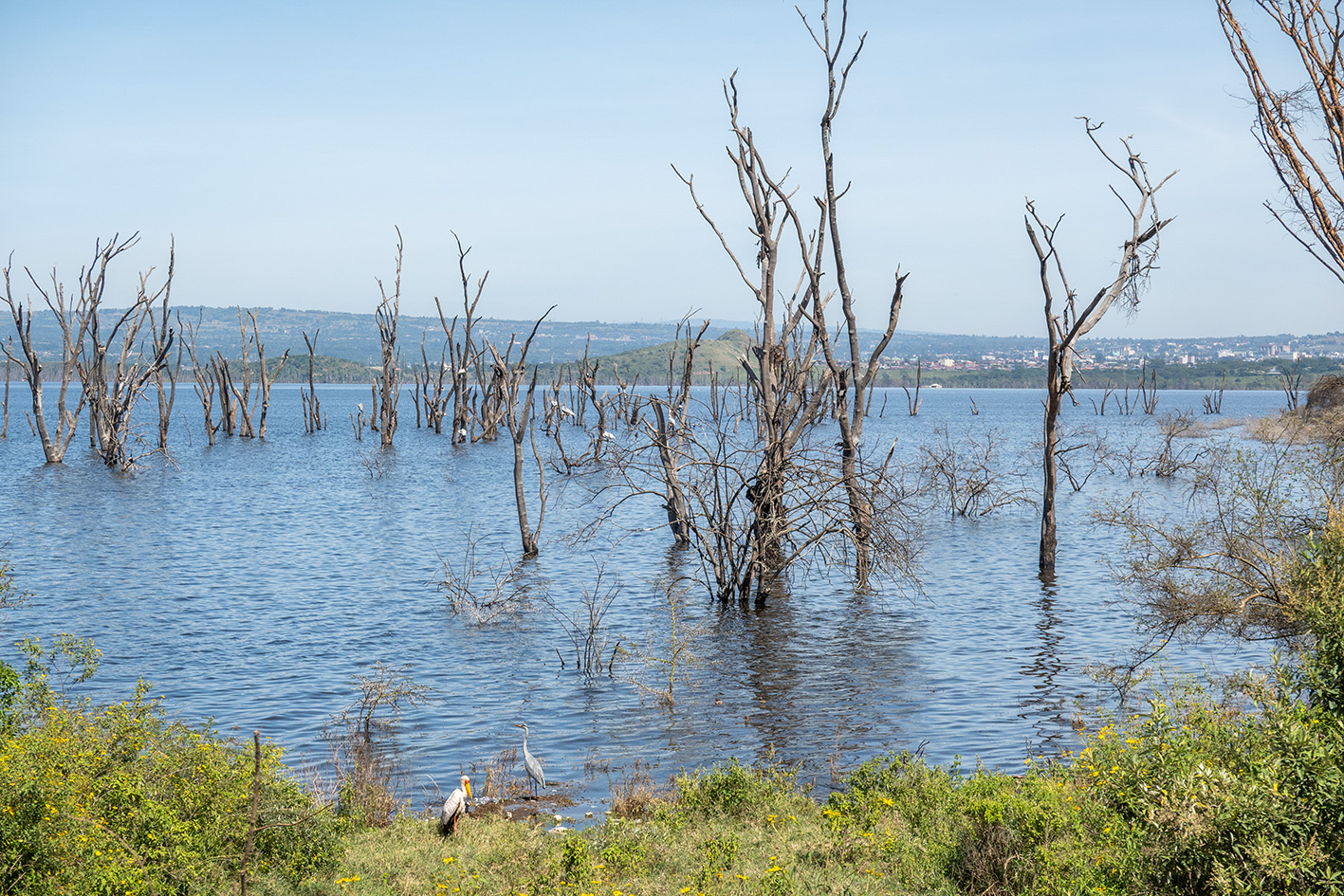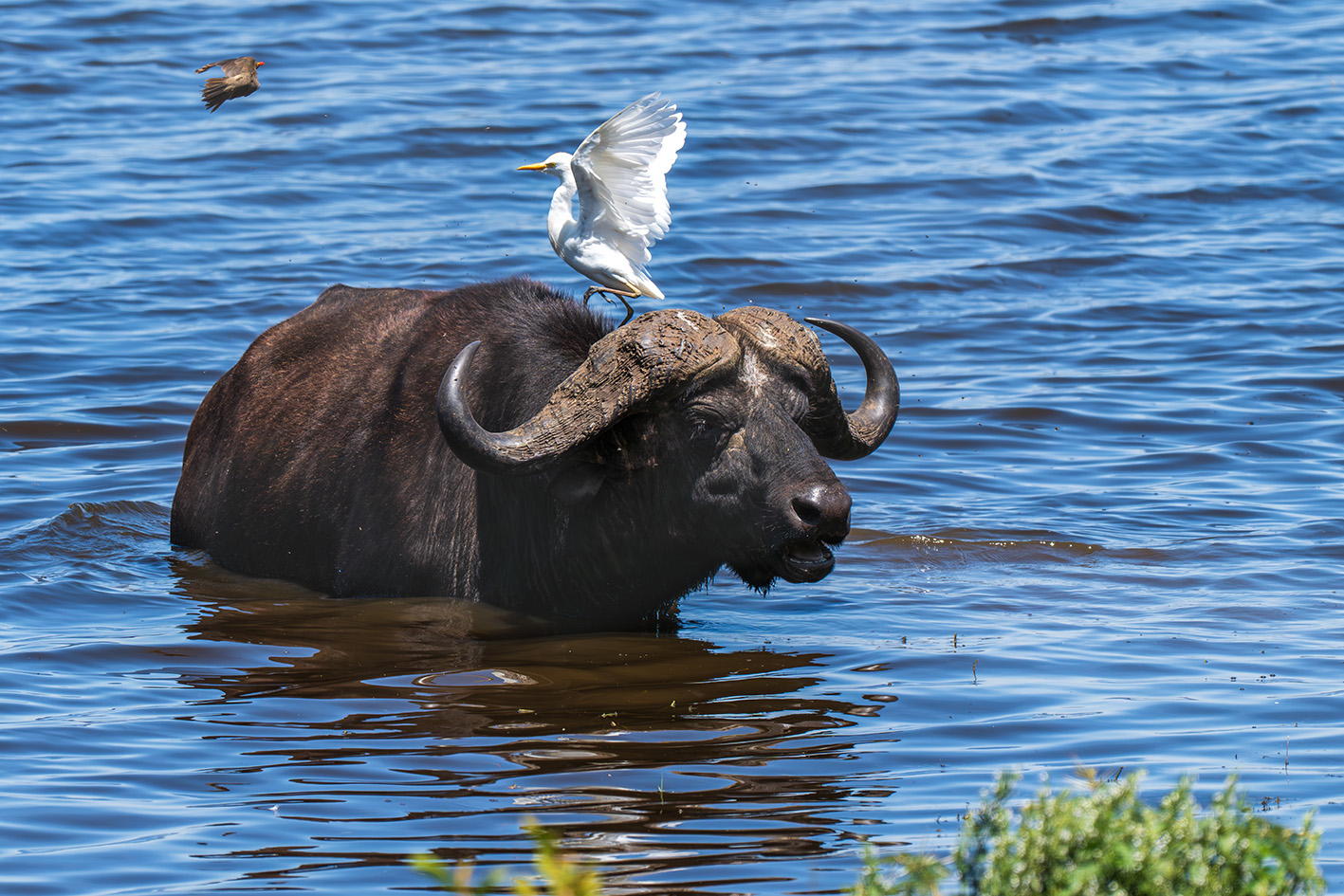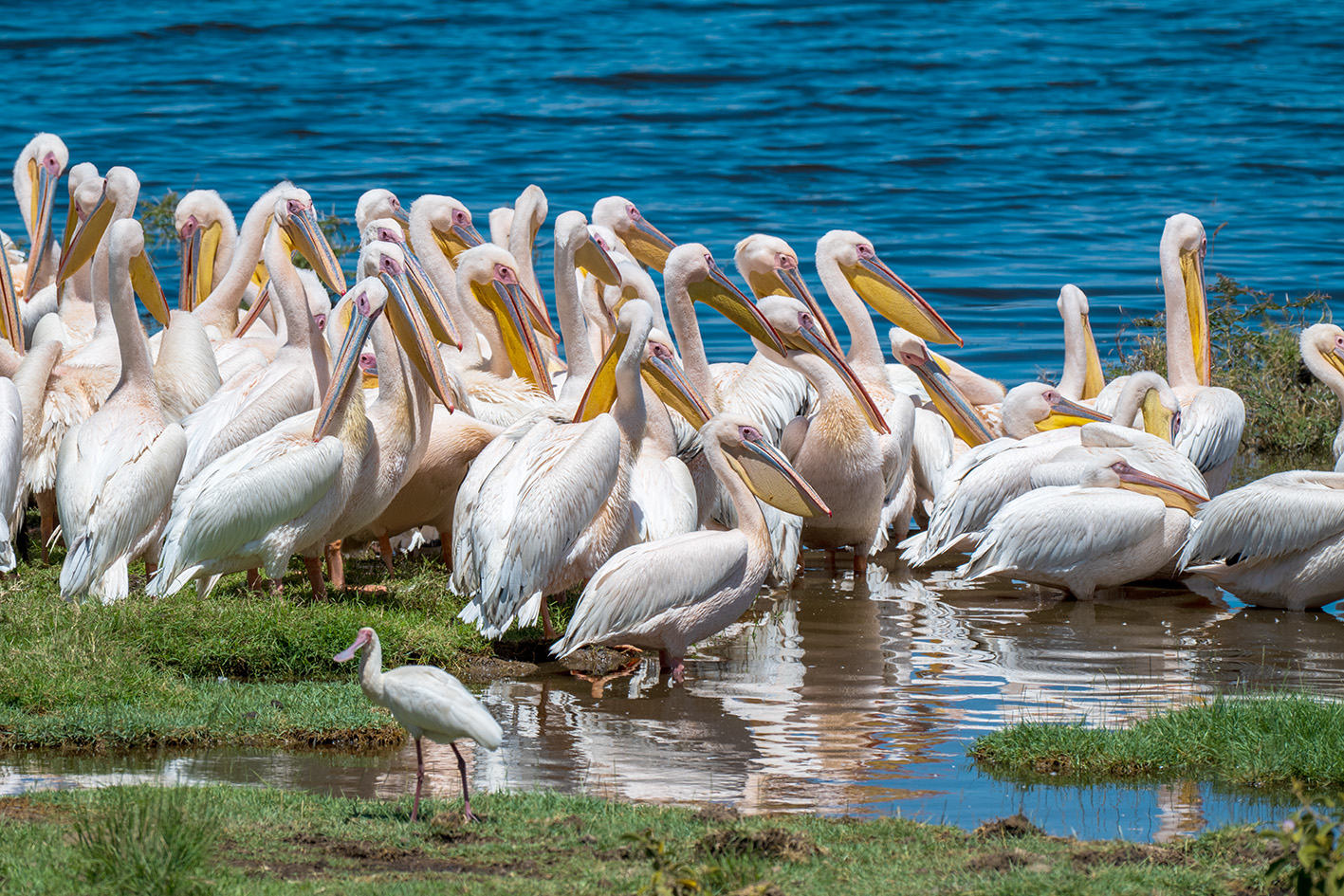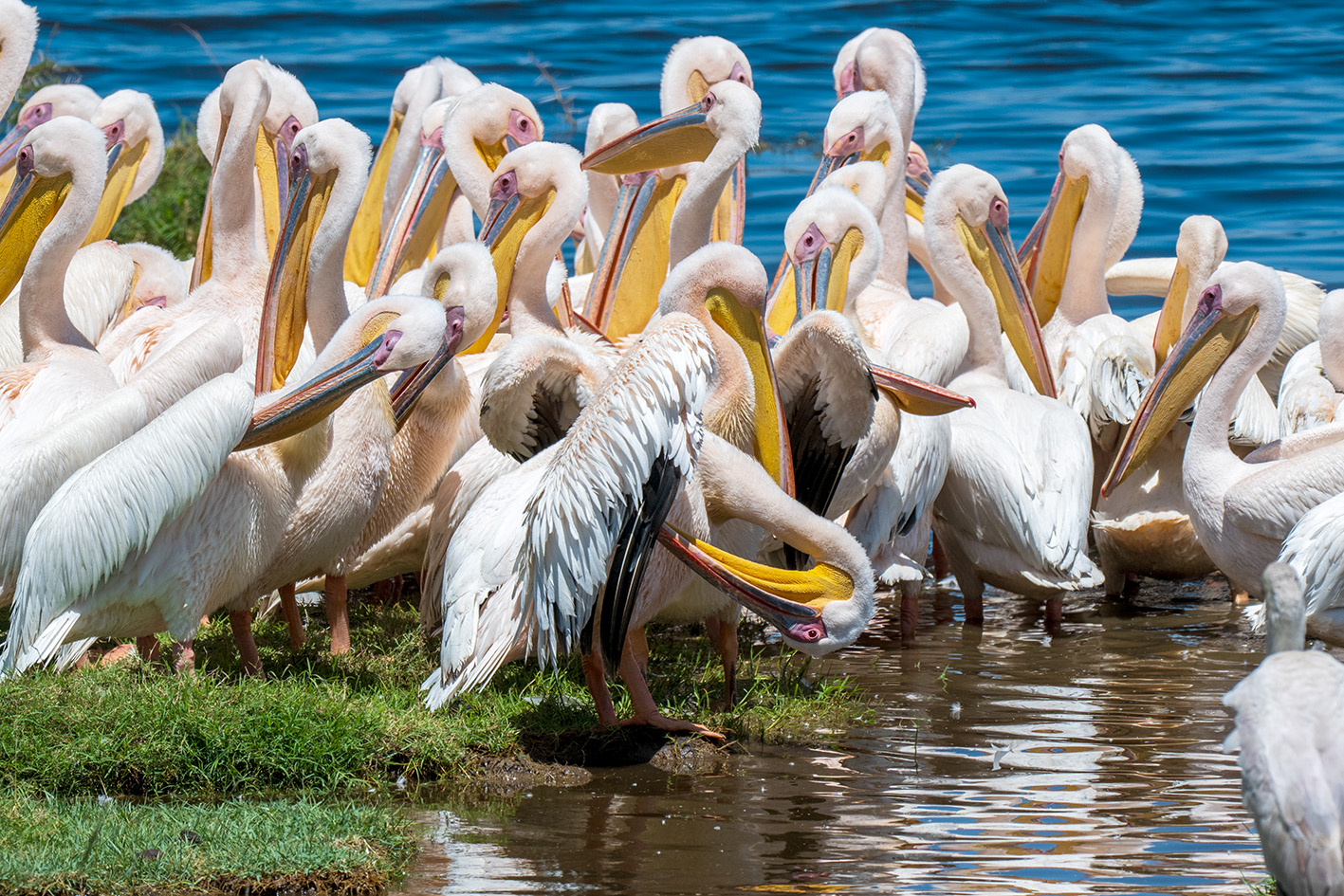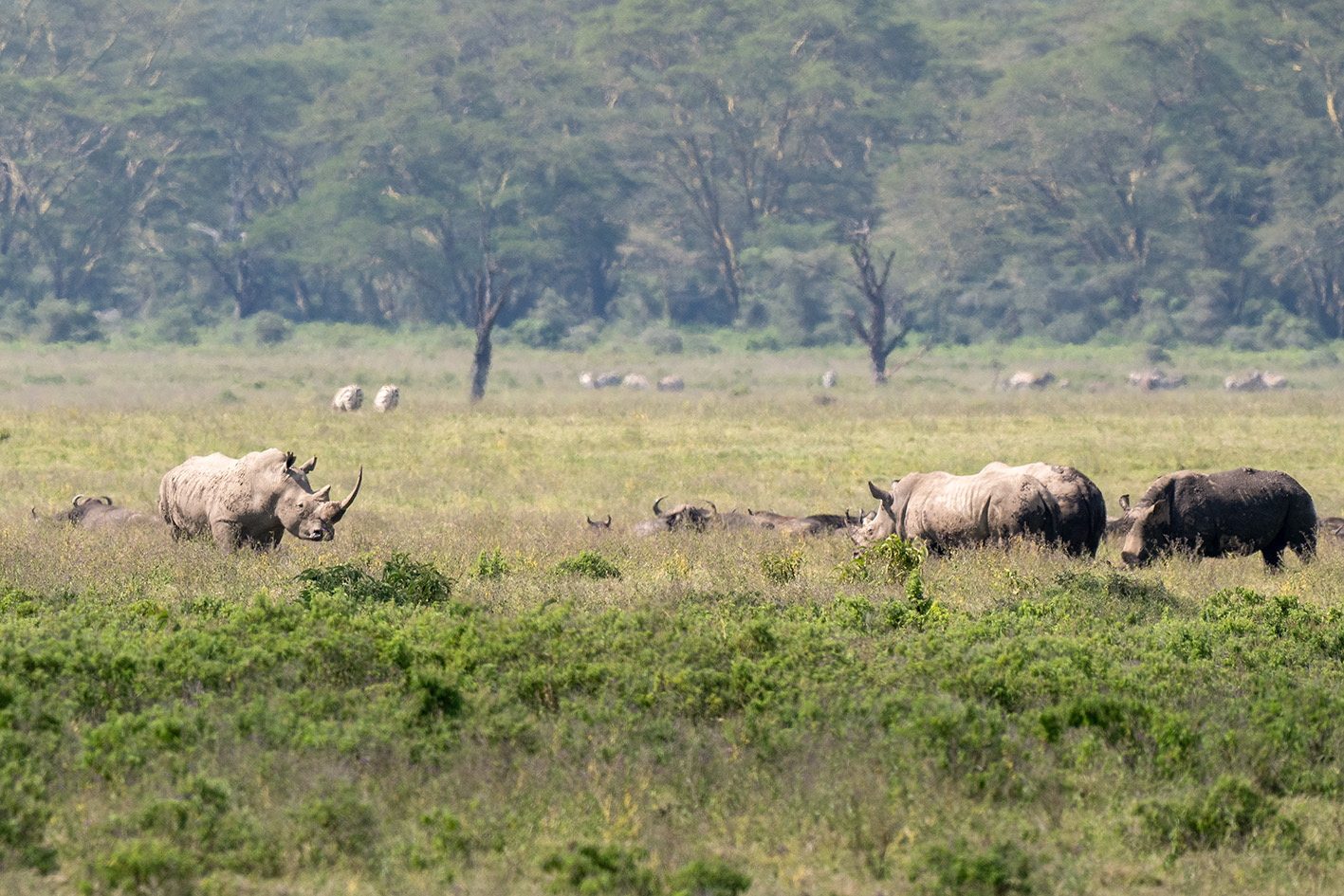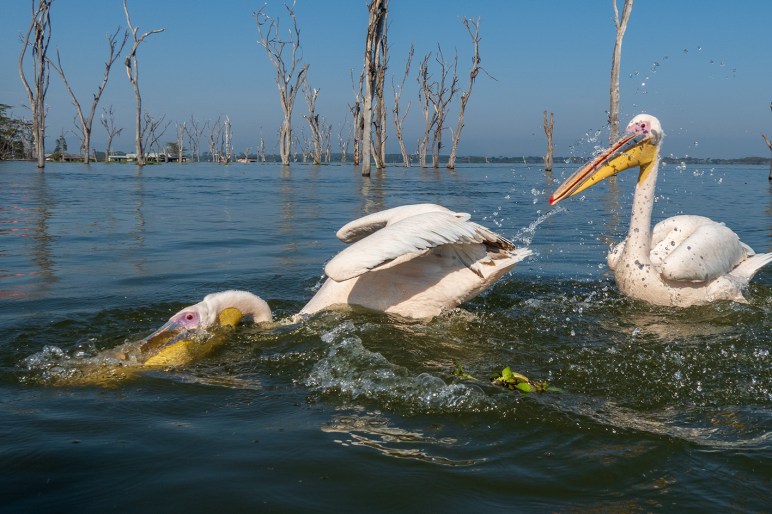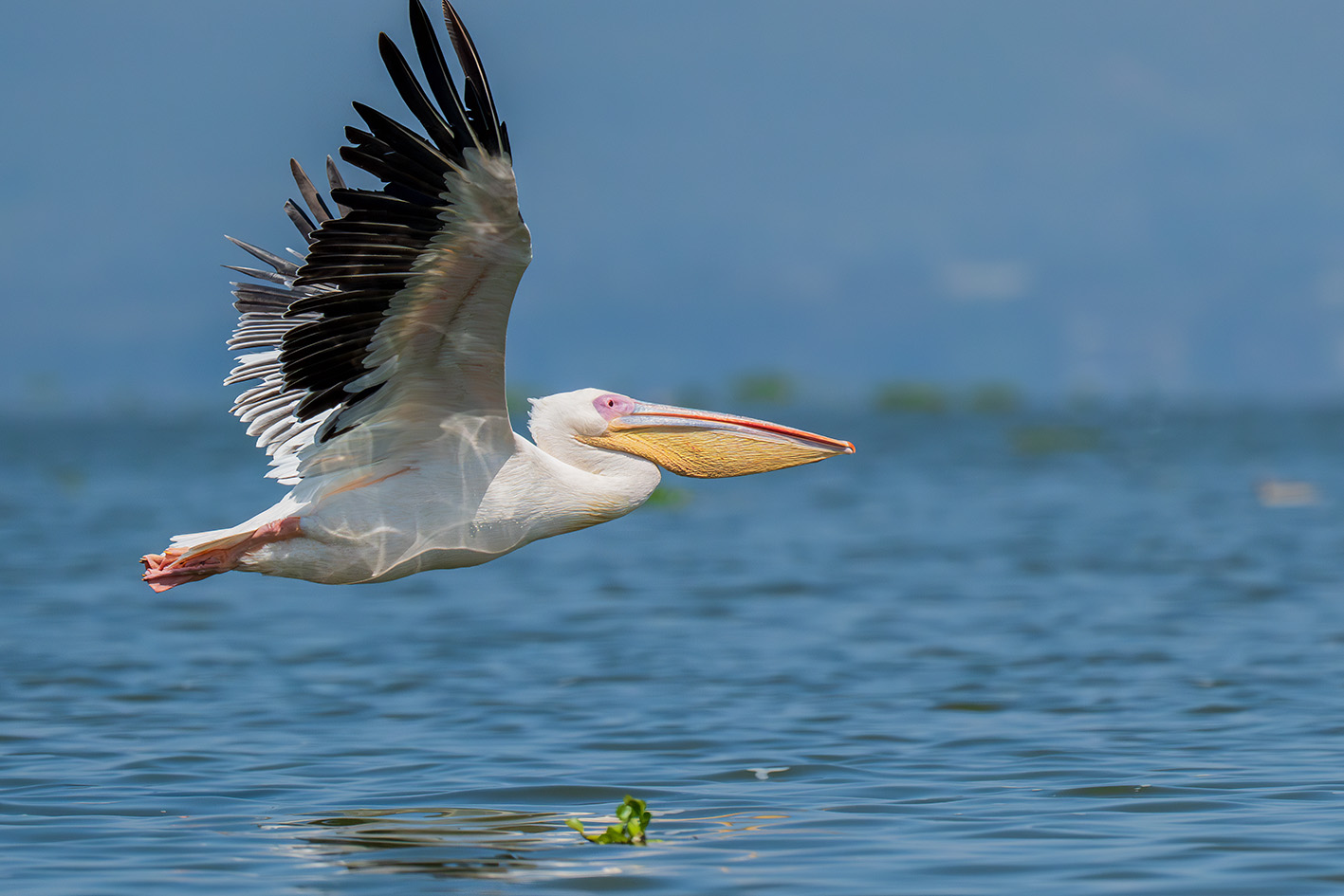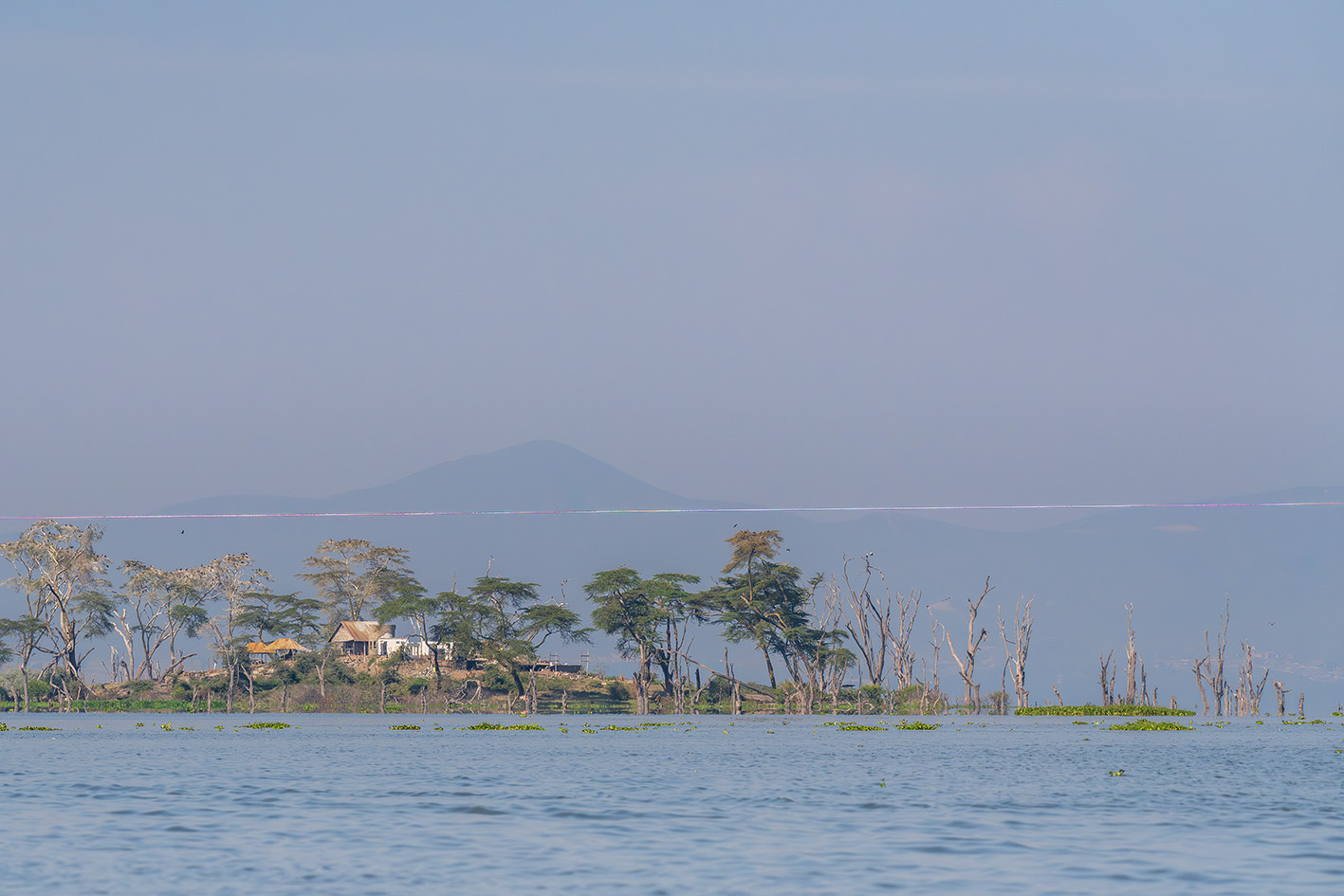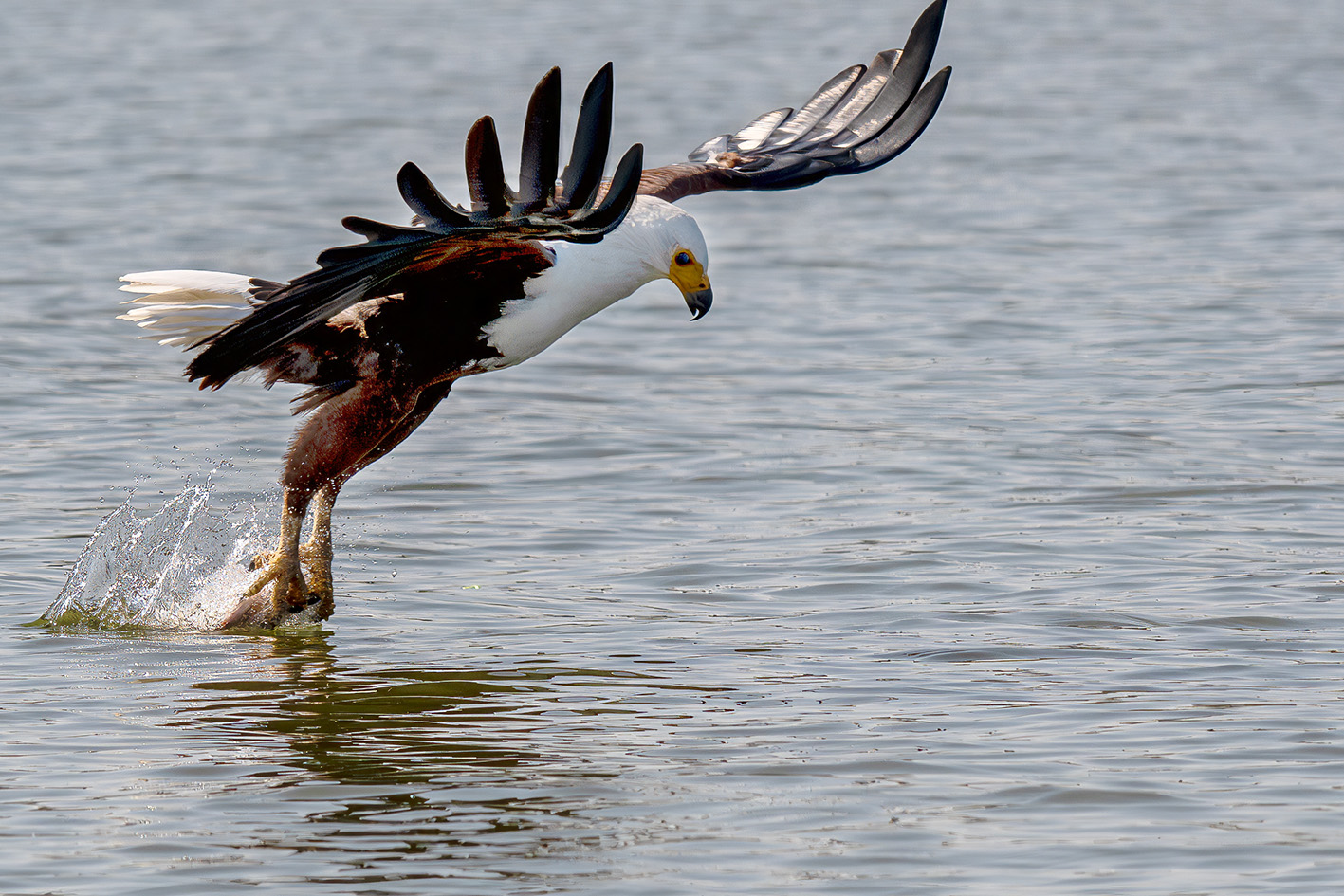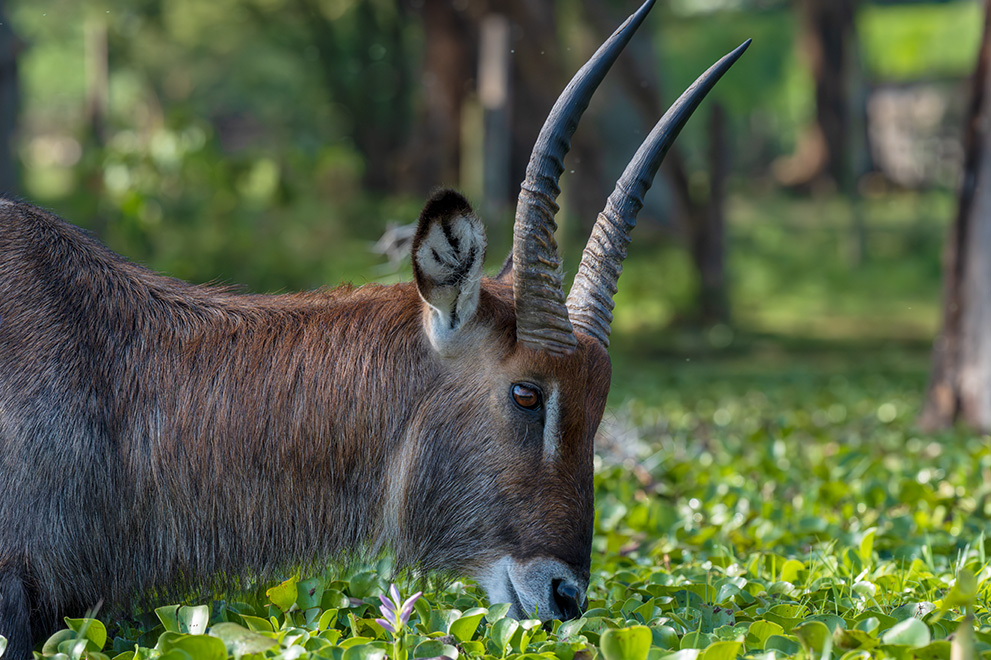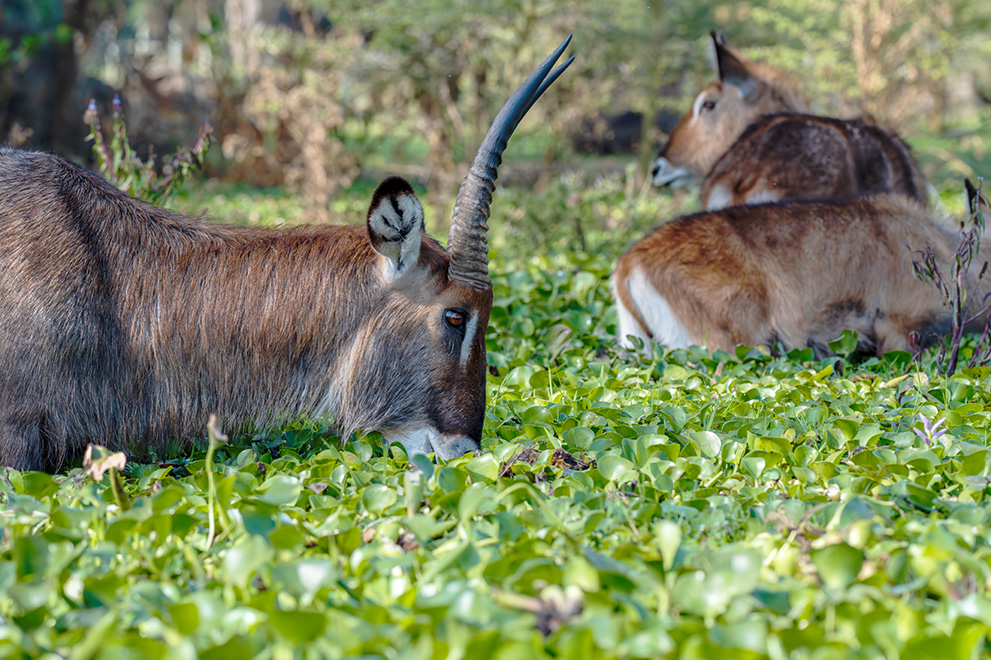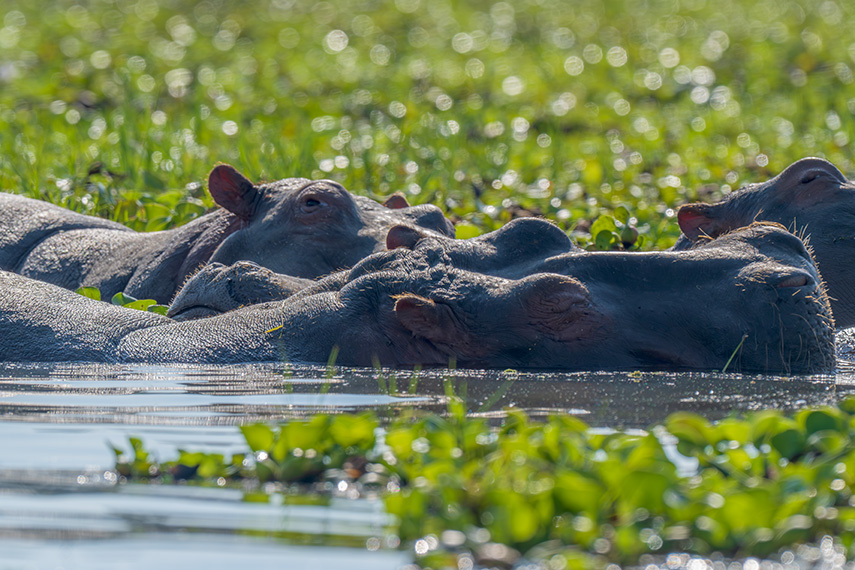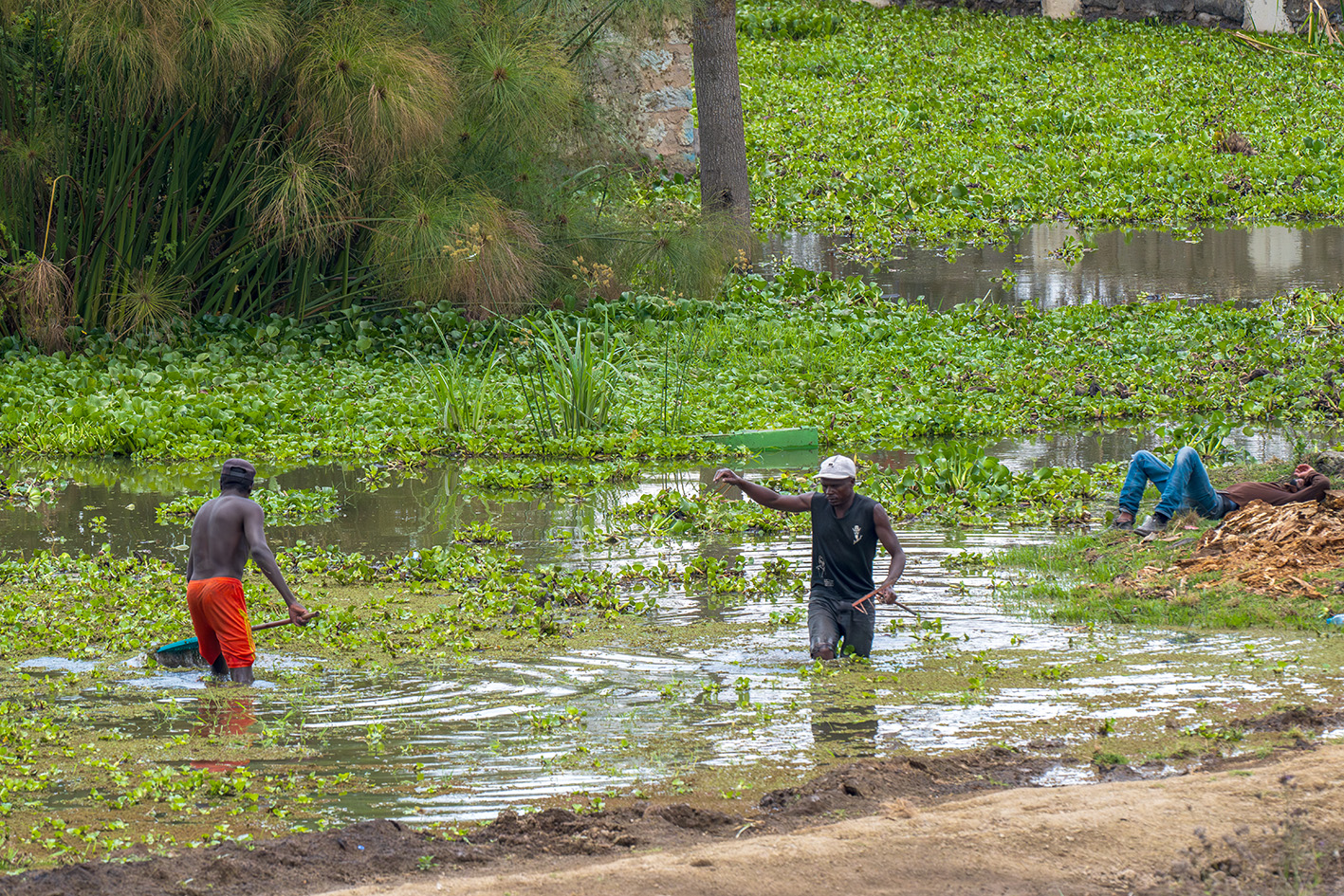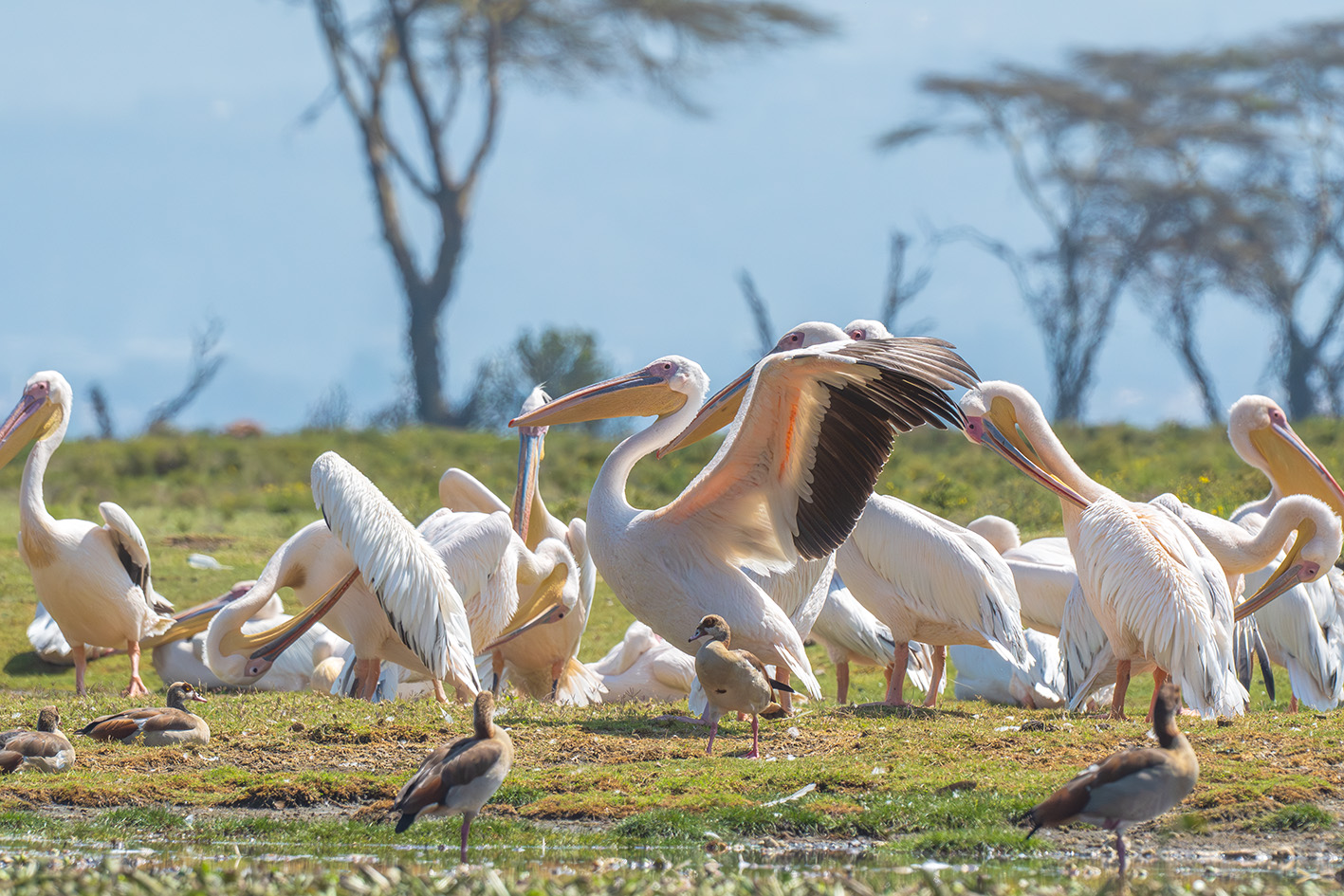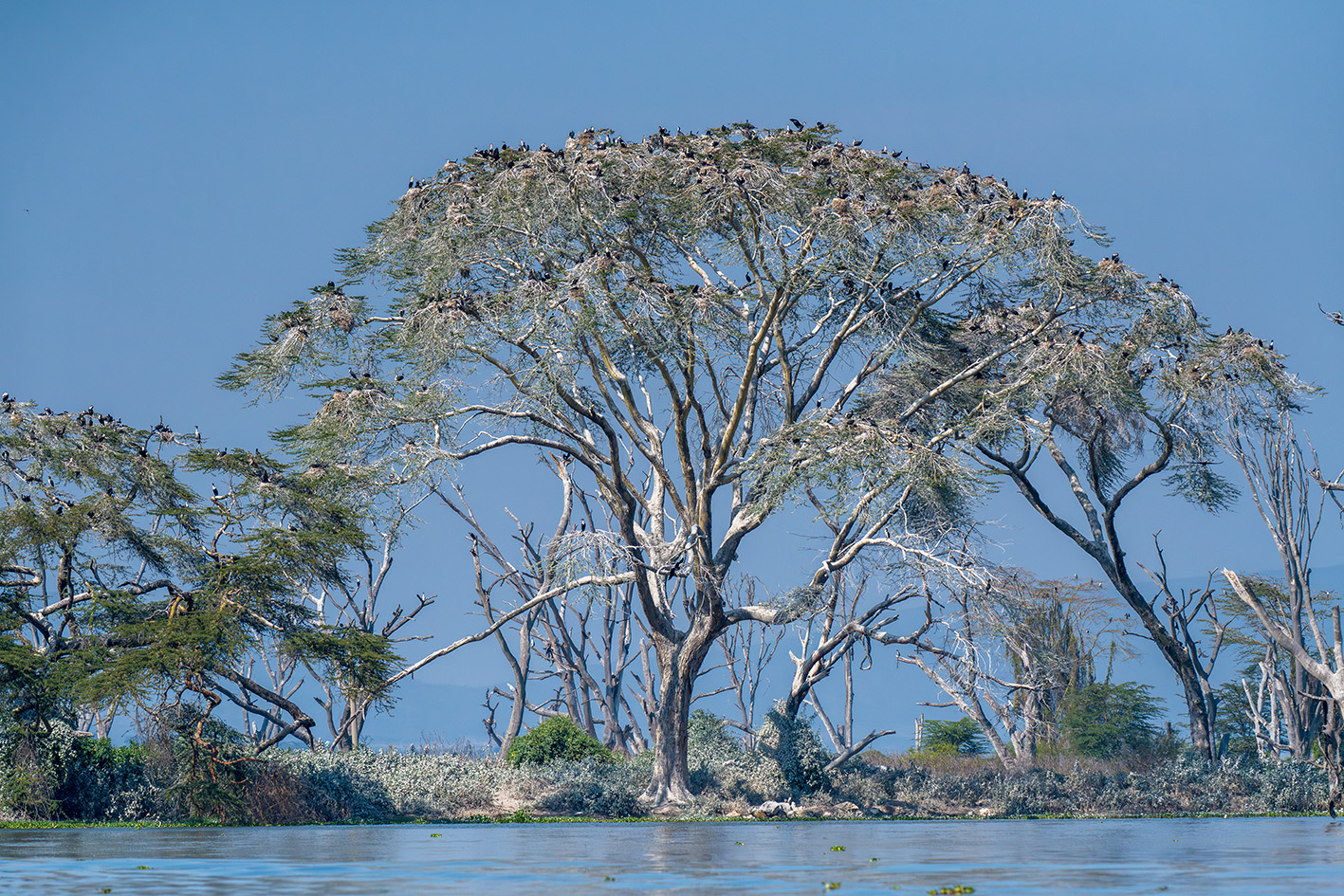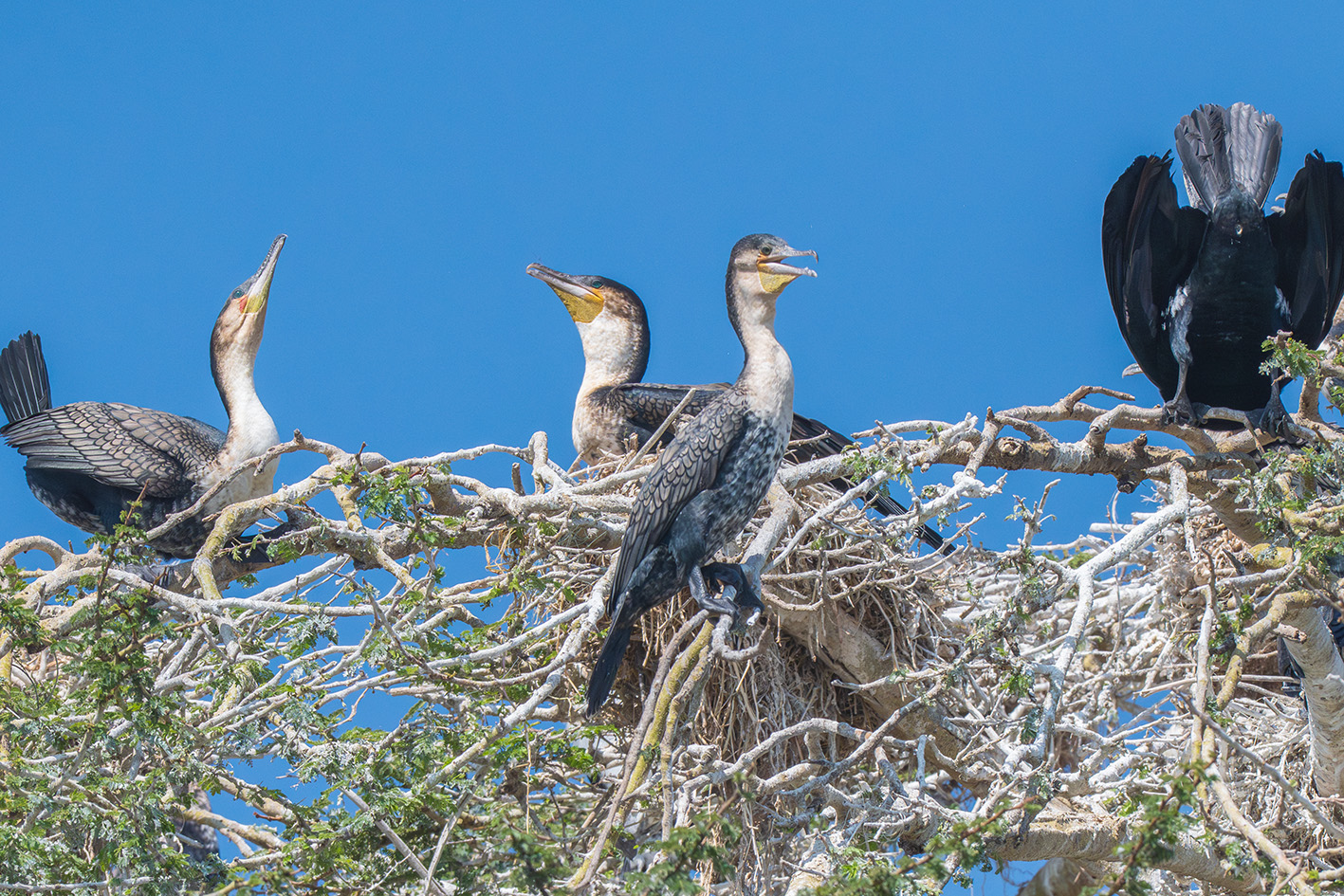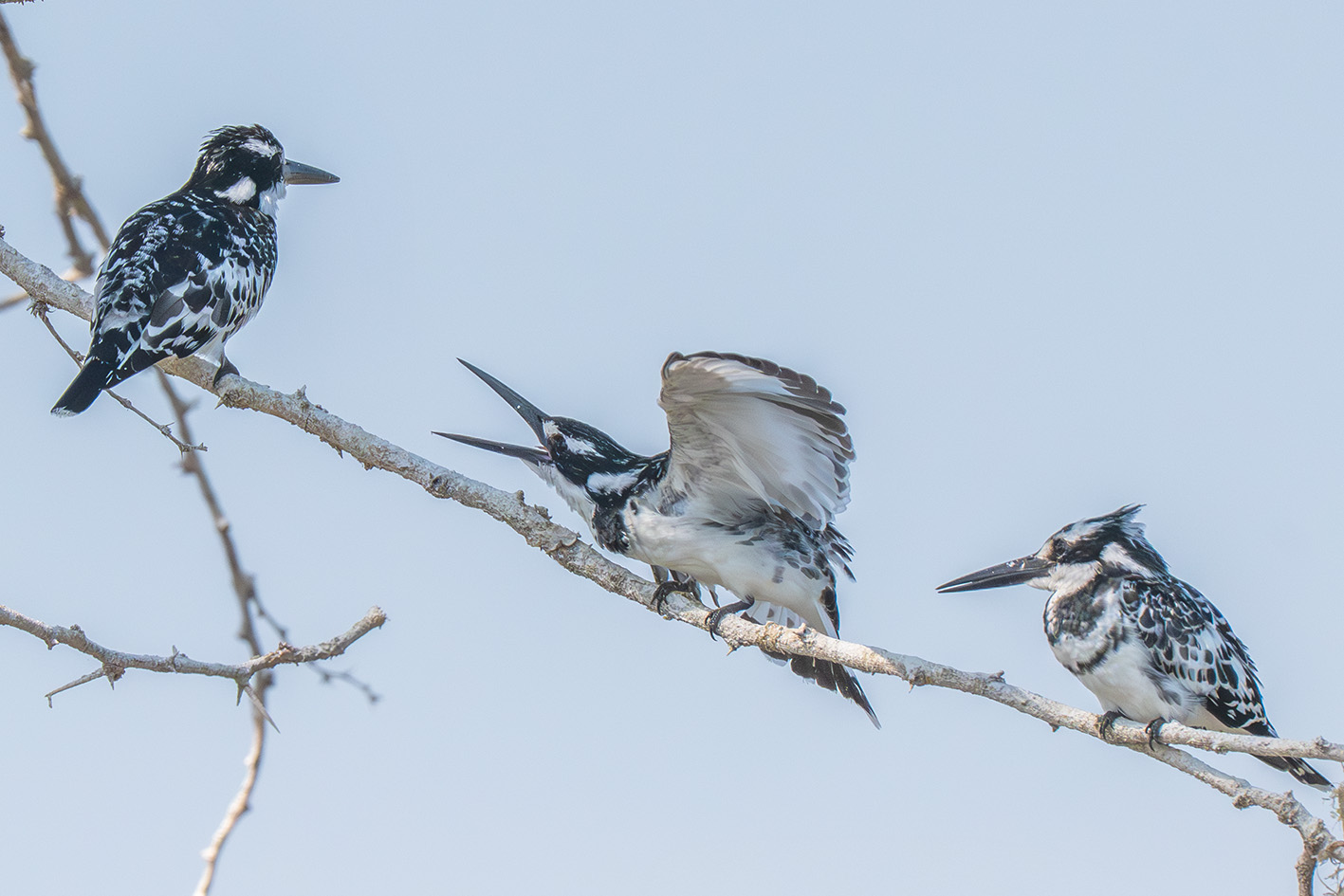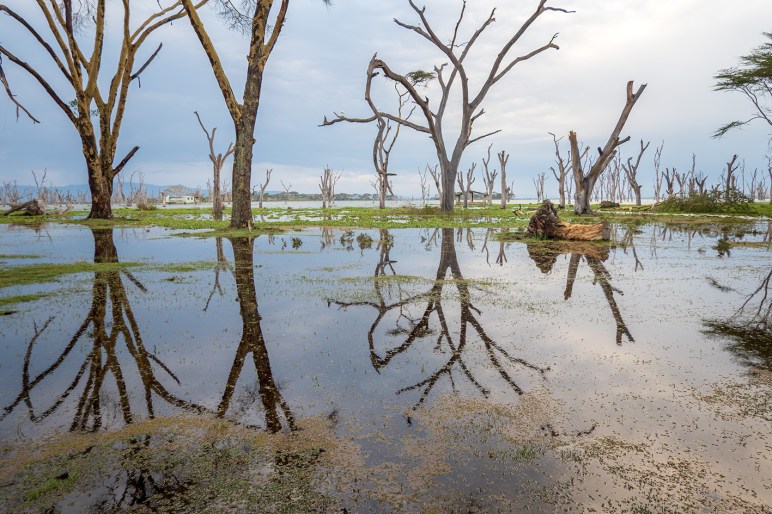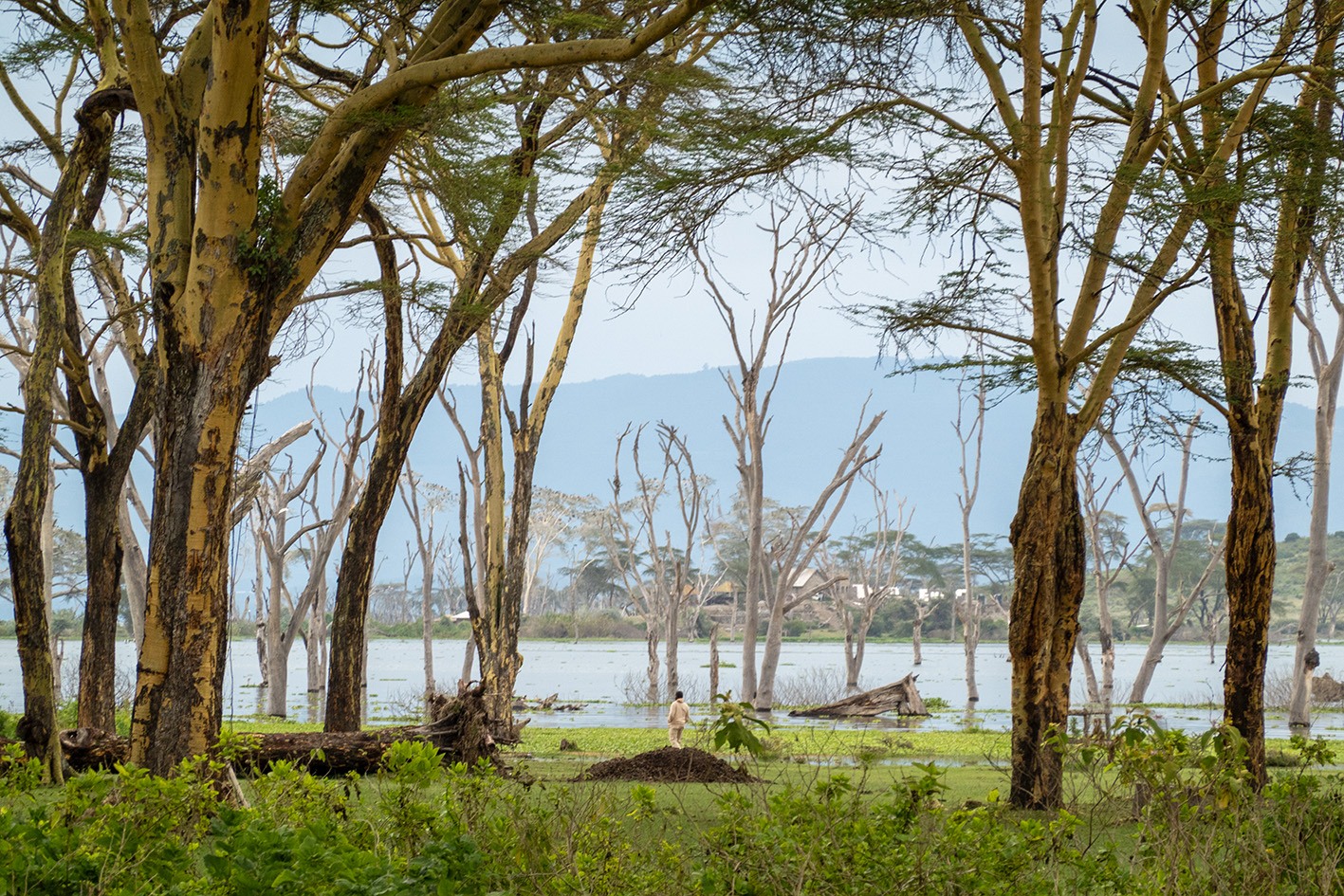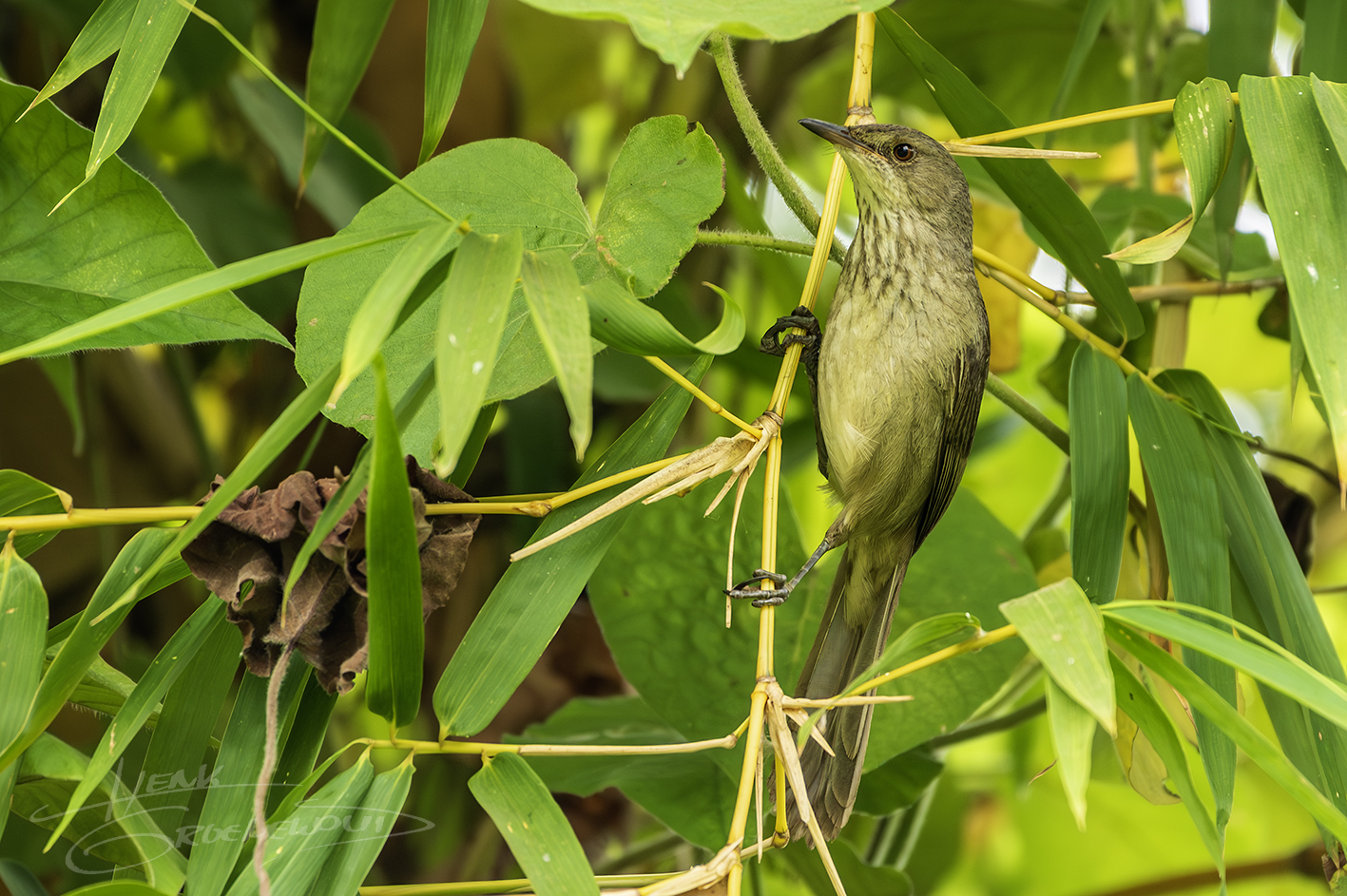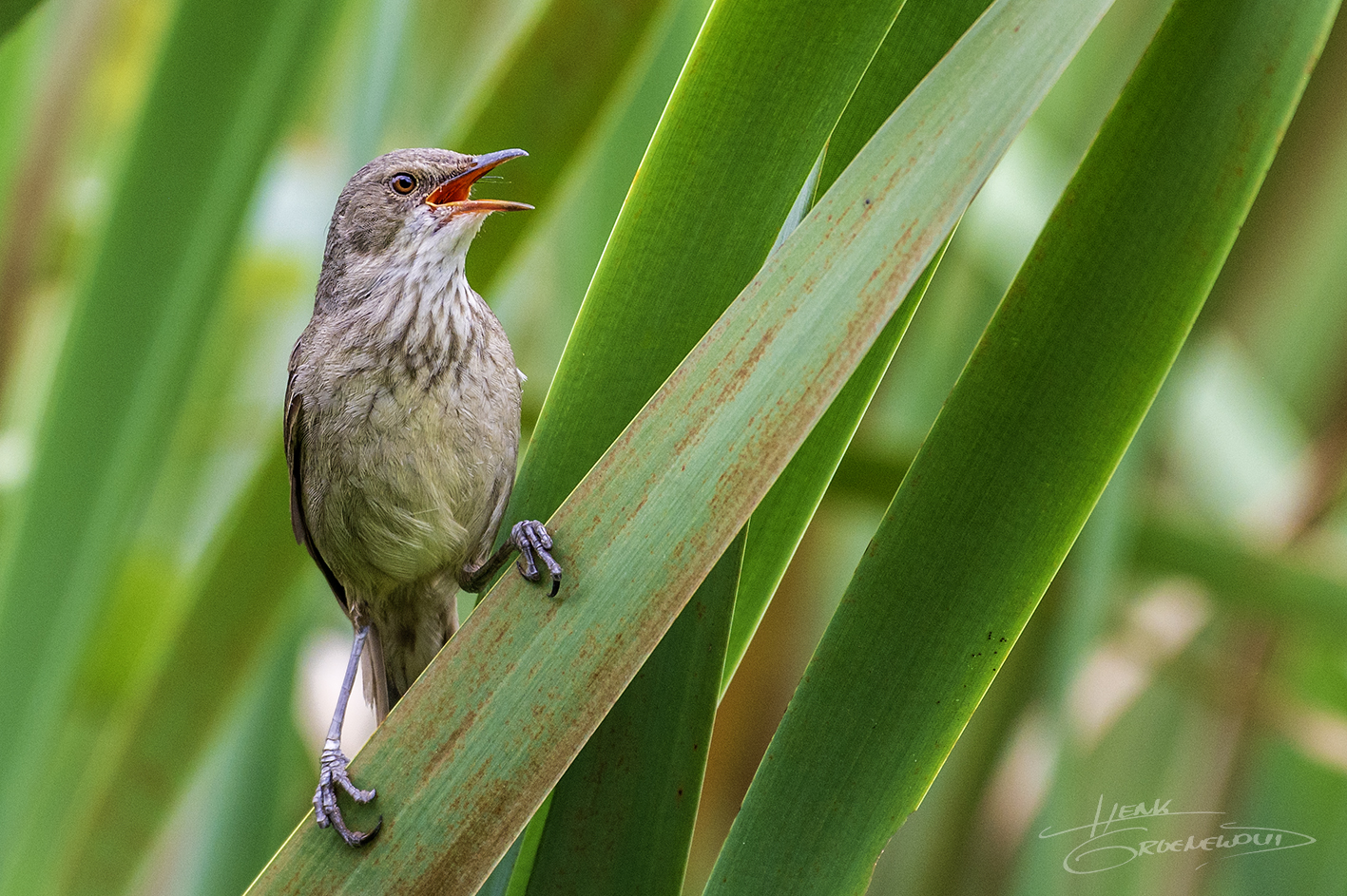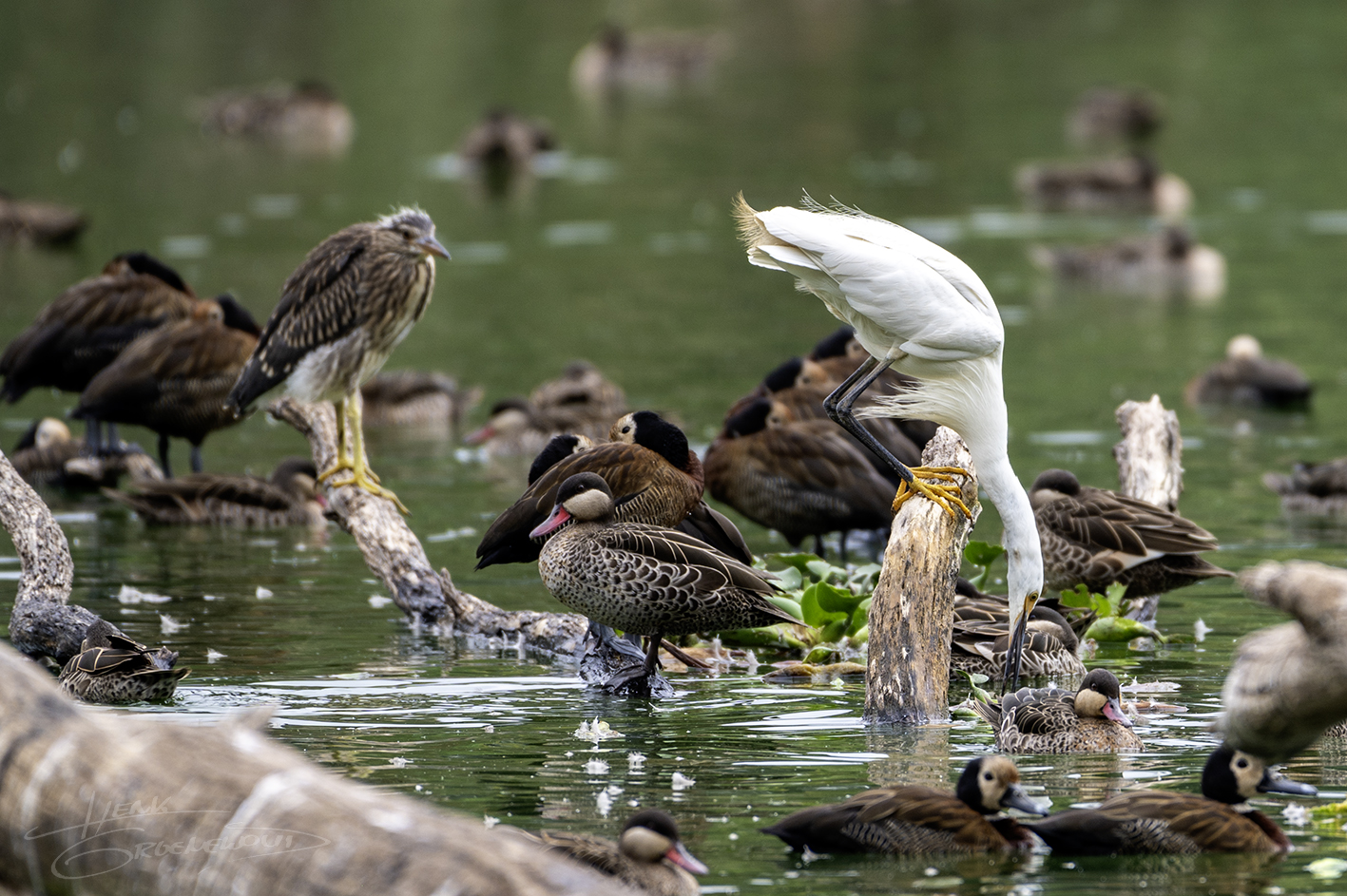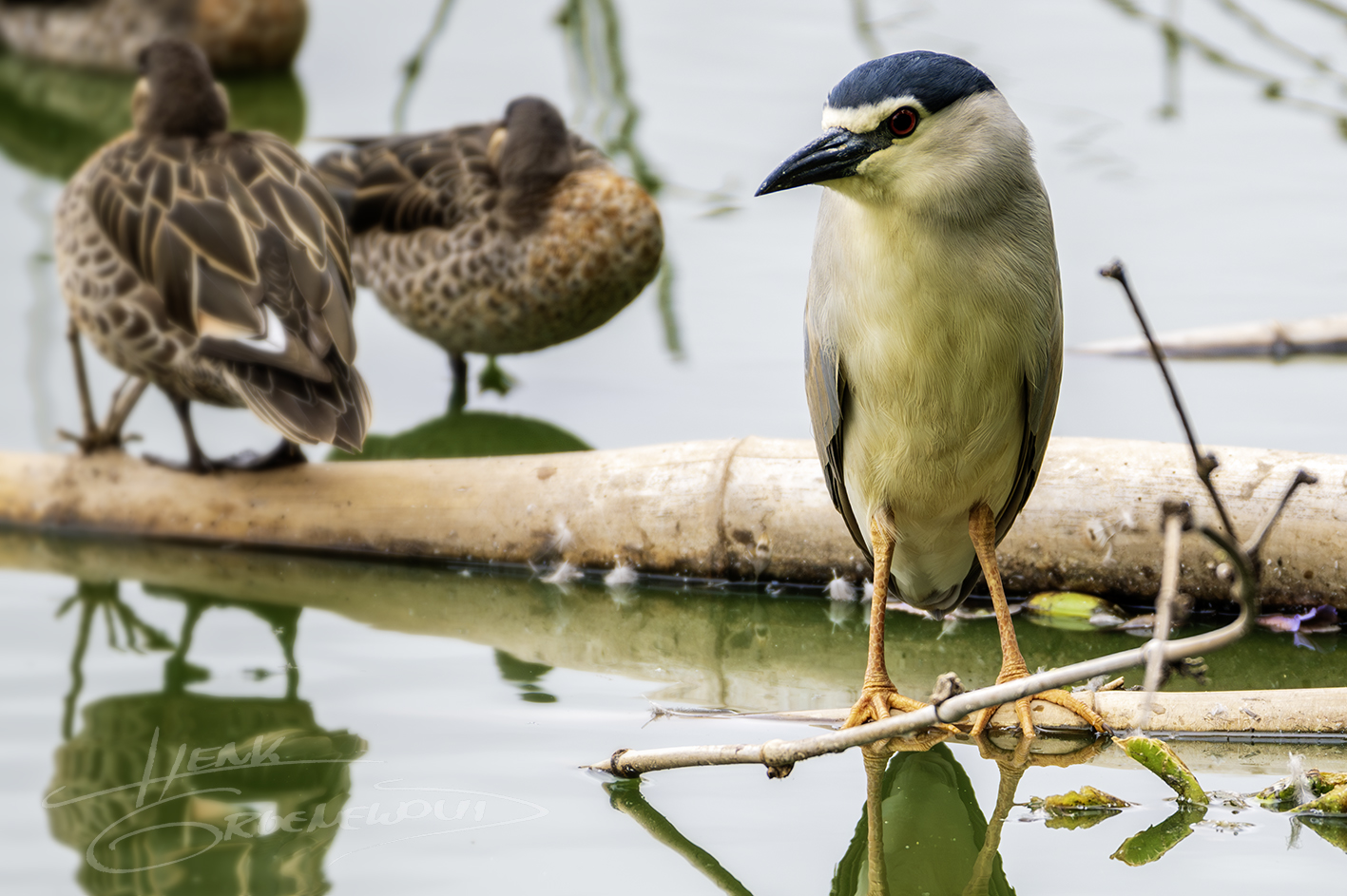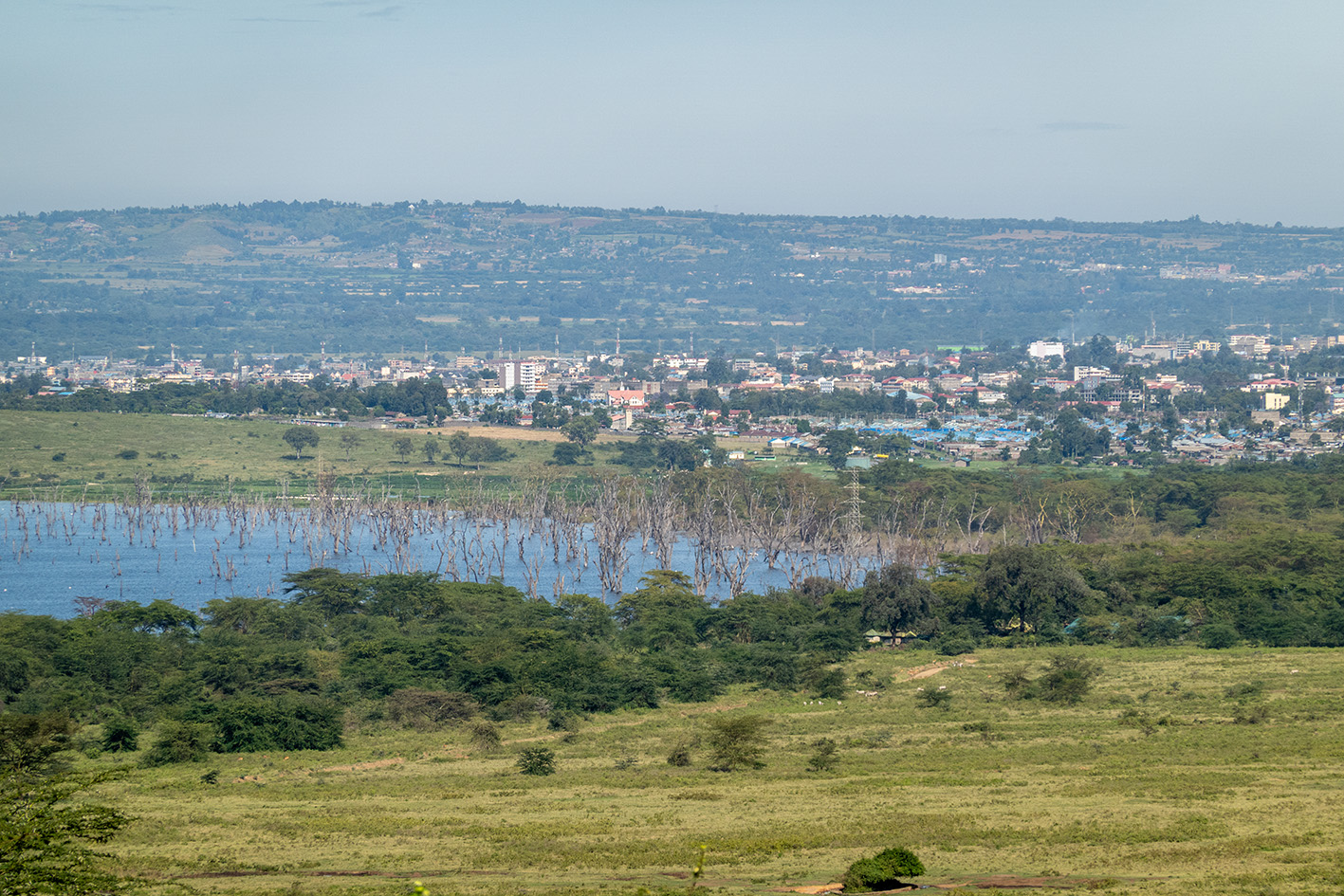
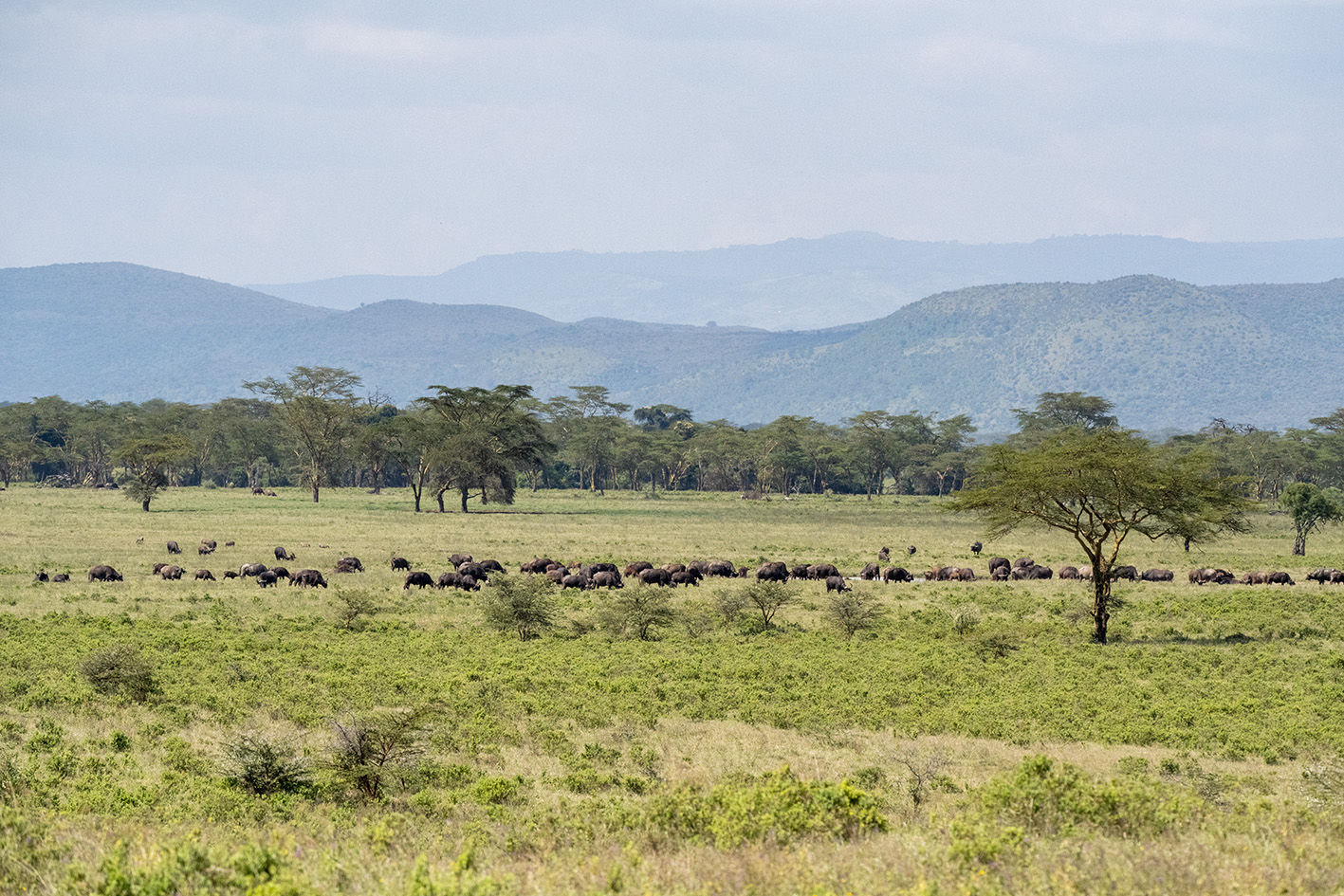
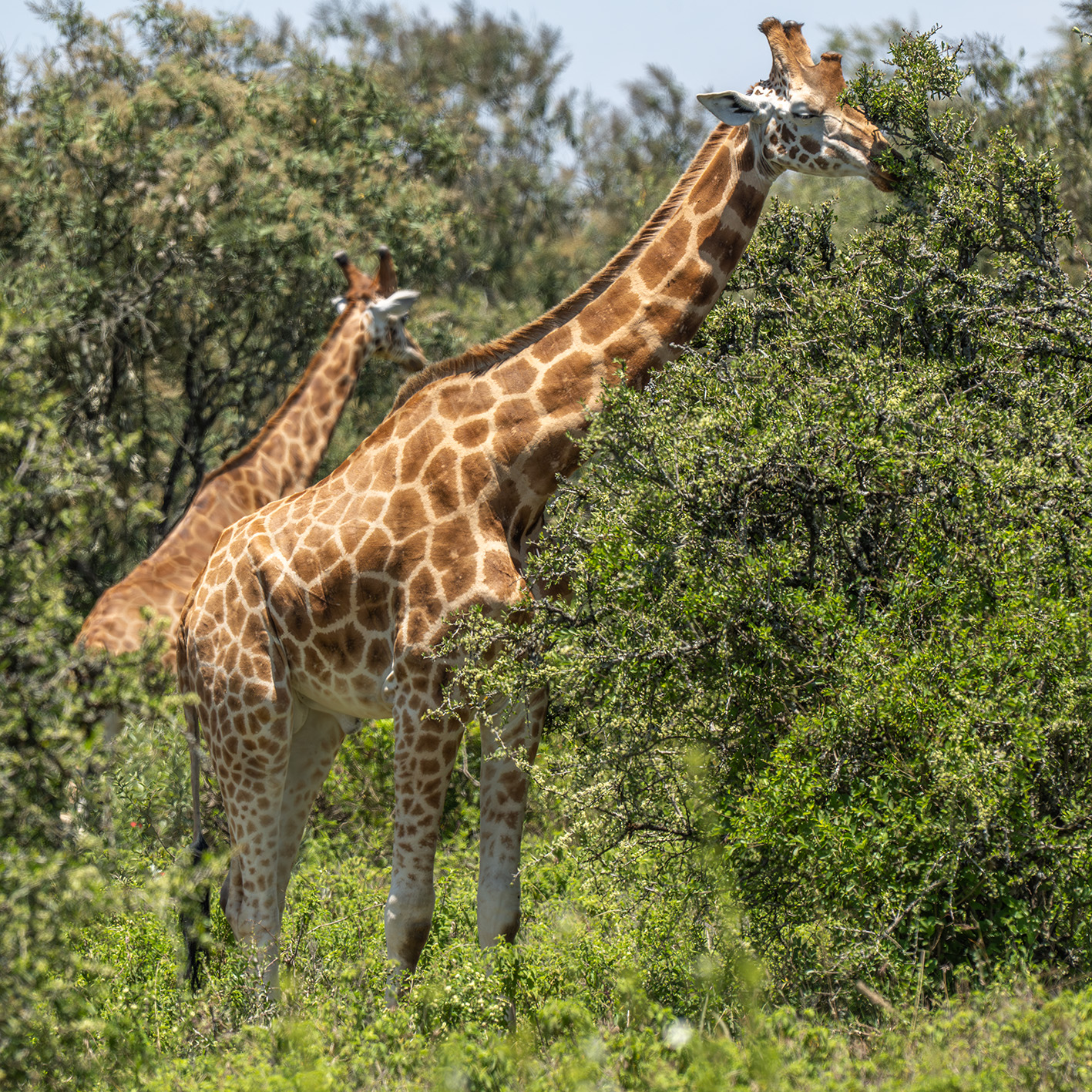
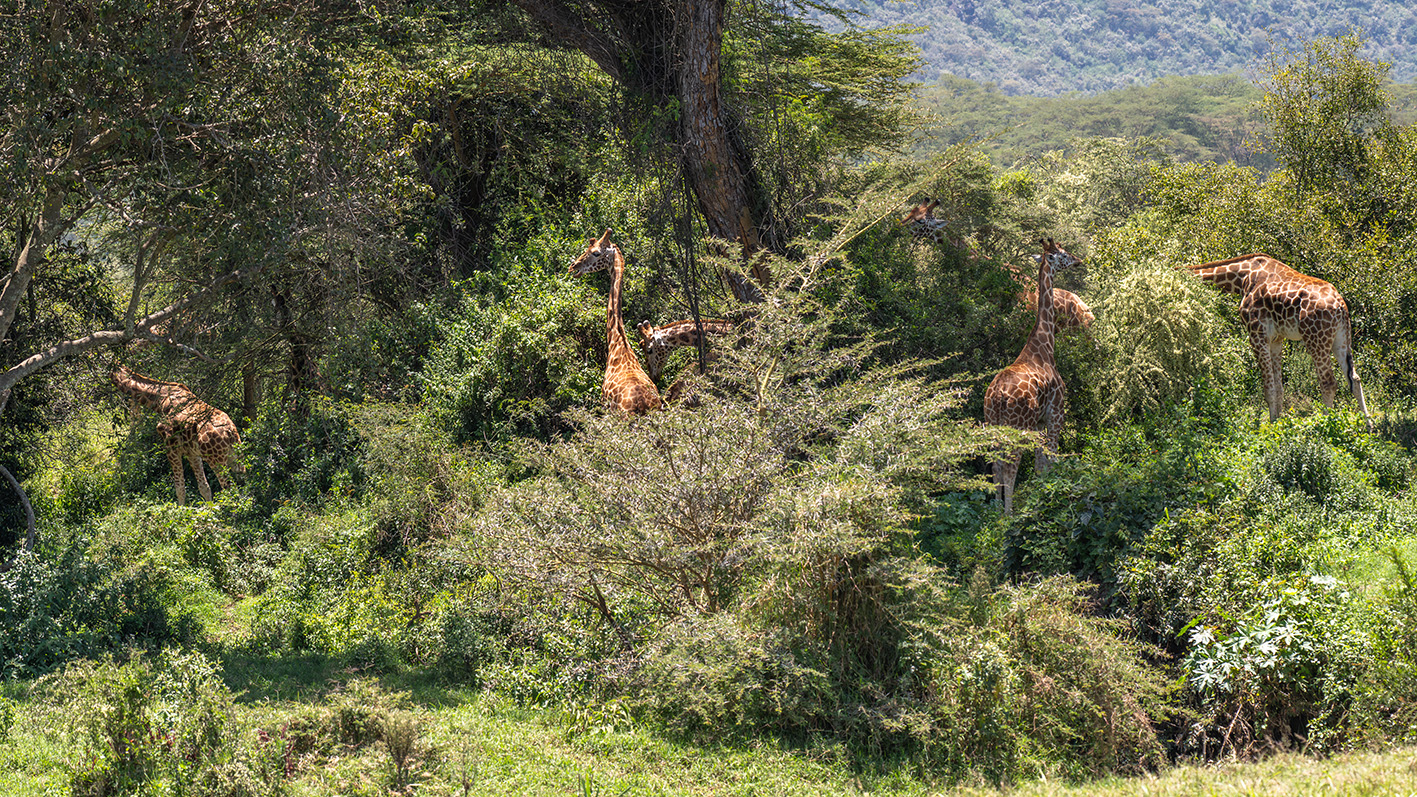
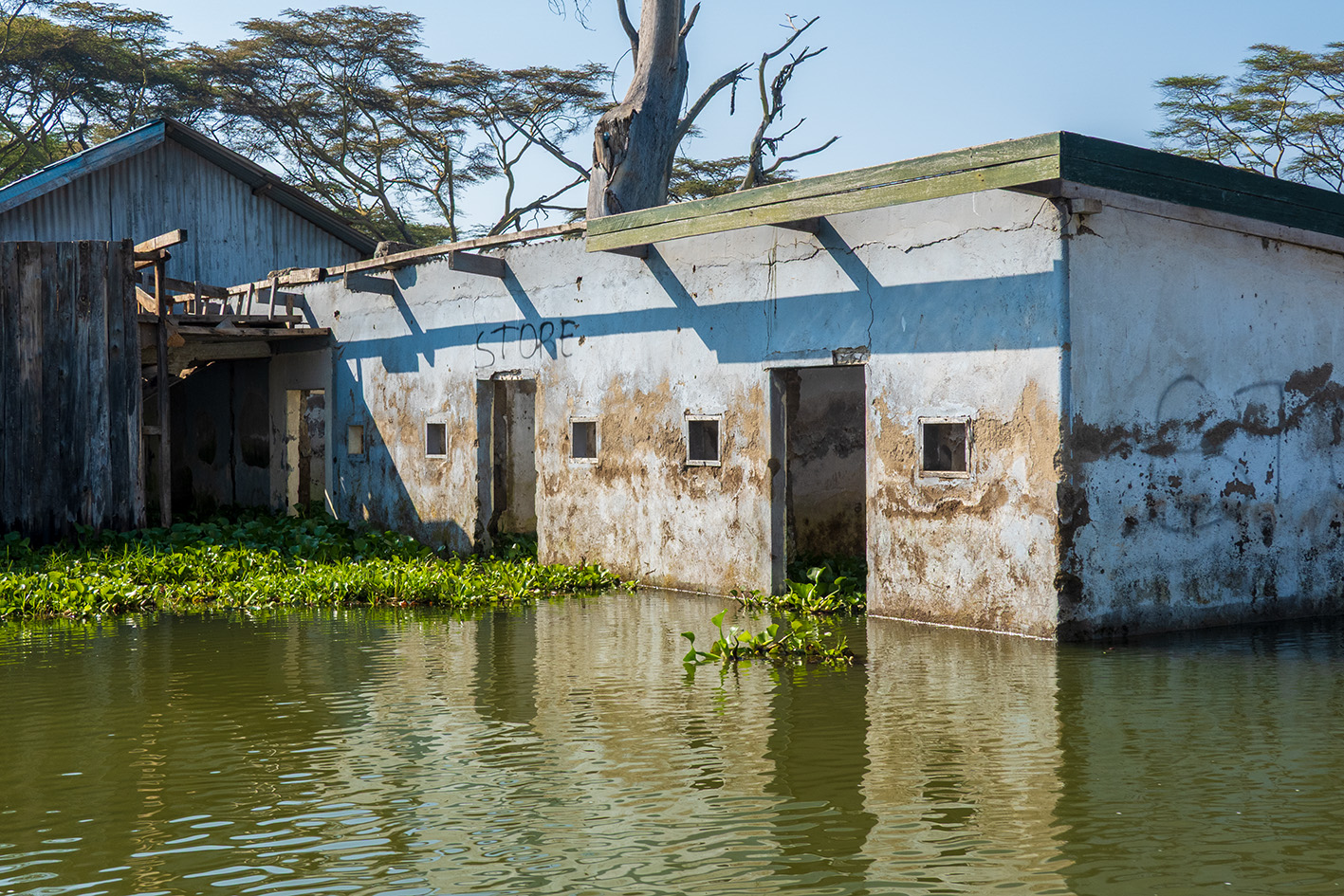
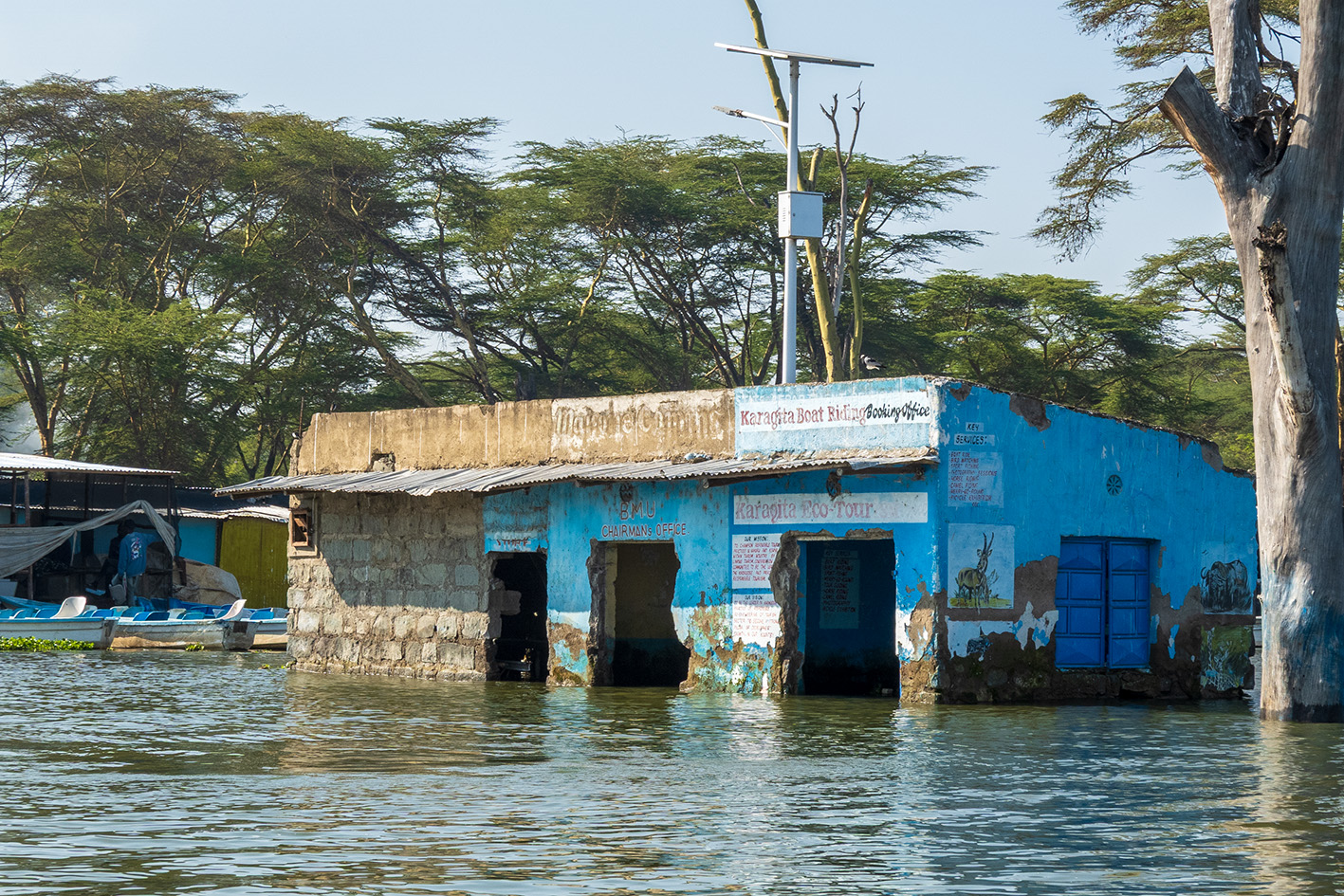
De waterstand stijgt schrikbarend snel. Lodges, winkels, alles loopt onder water. Voor de vissen, waterbuffels, de waterhyacint en de watervogels geen probleem. Maar voor de mensen…


Het meer is zo groot, dat je de kromming van de Aarde kunt zien!


De waterstand stijgt schrikbarend snel. Lodges, winkels, alles loopt onder water. Voor de vissen, waterbuffels, de waterhyacint en de watervogels geen probleem. Maar voor de mensen…


Het meer is zo groot, dat je de kromming van de Aarde kunt zien!


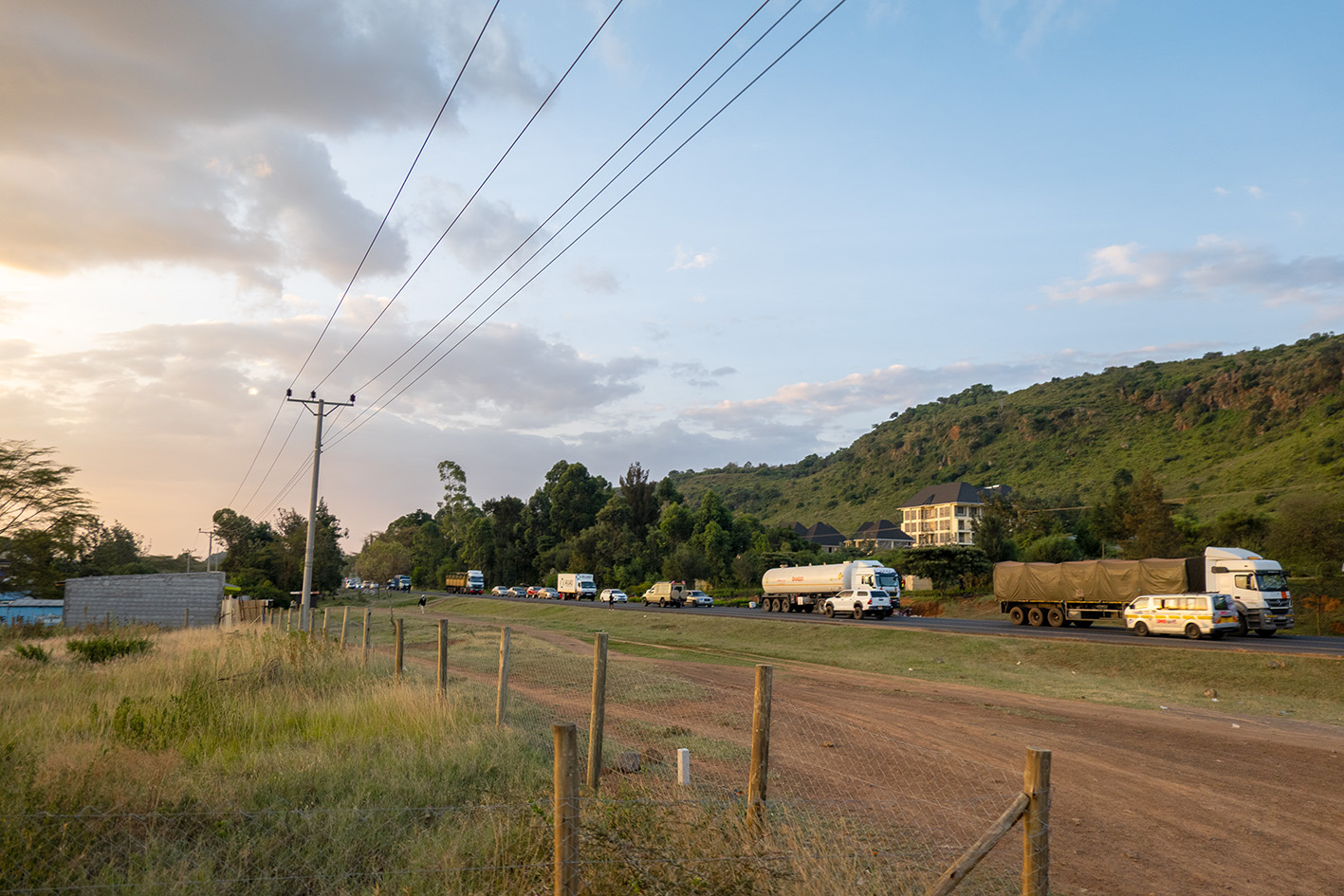
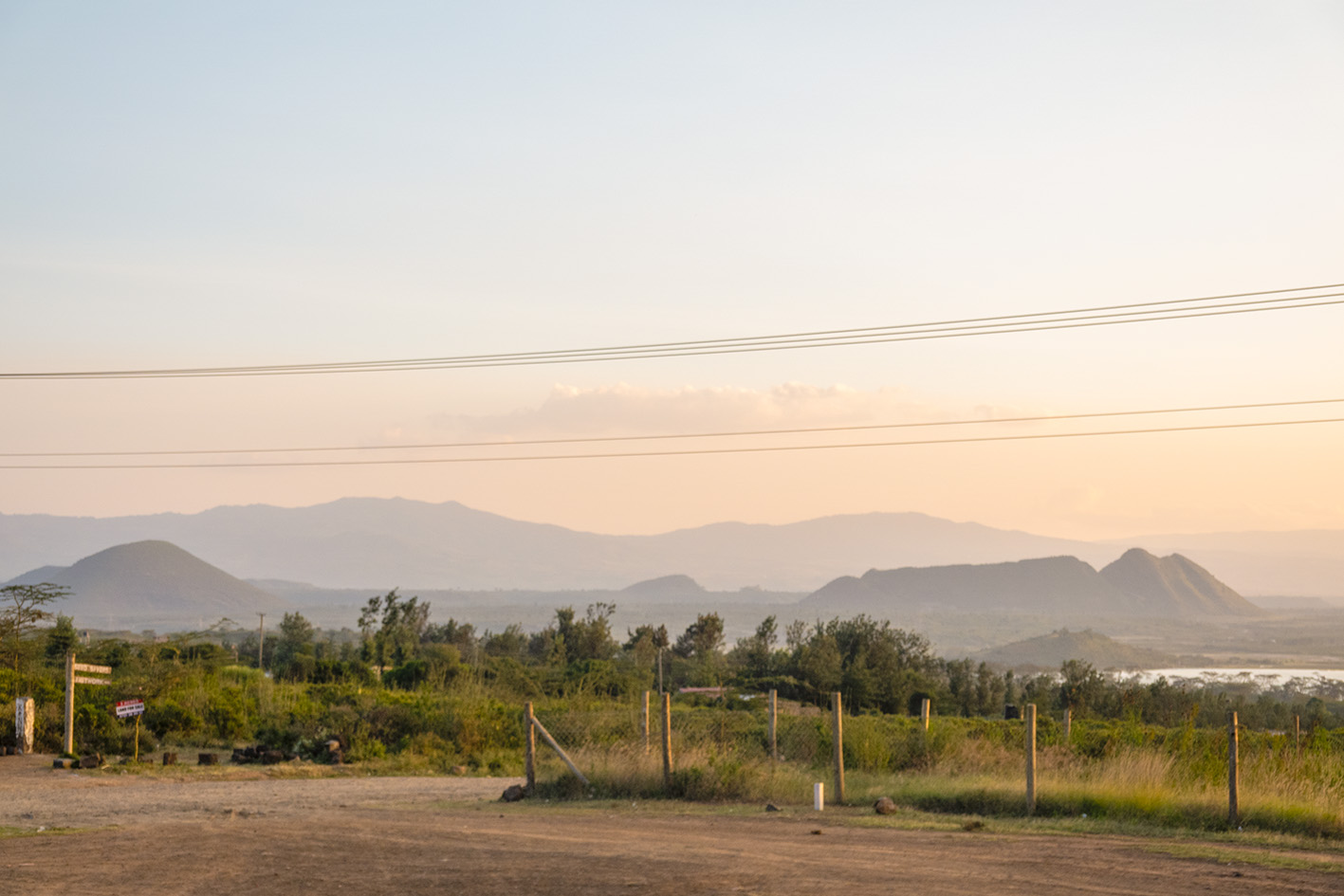
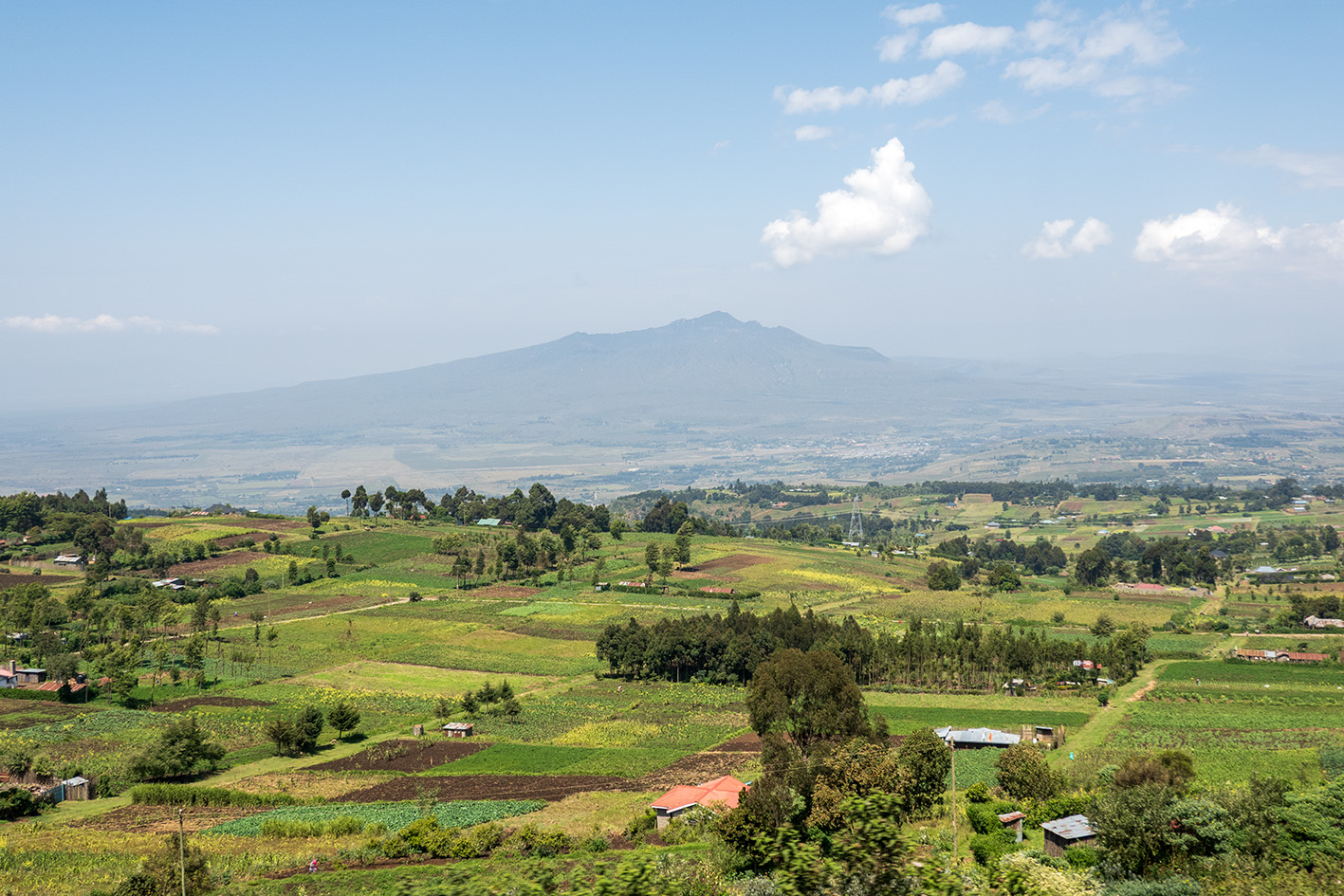
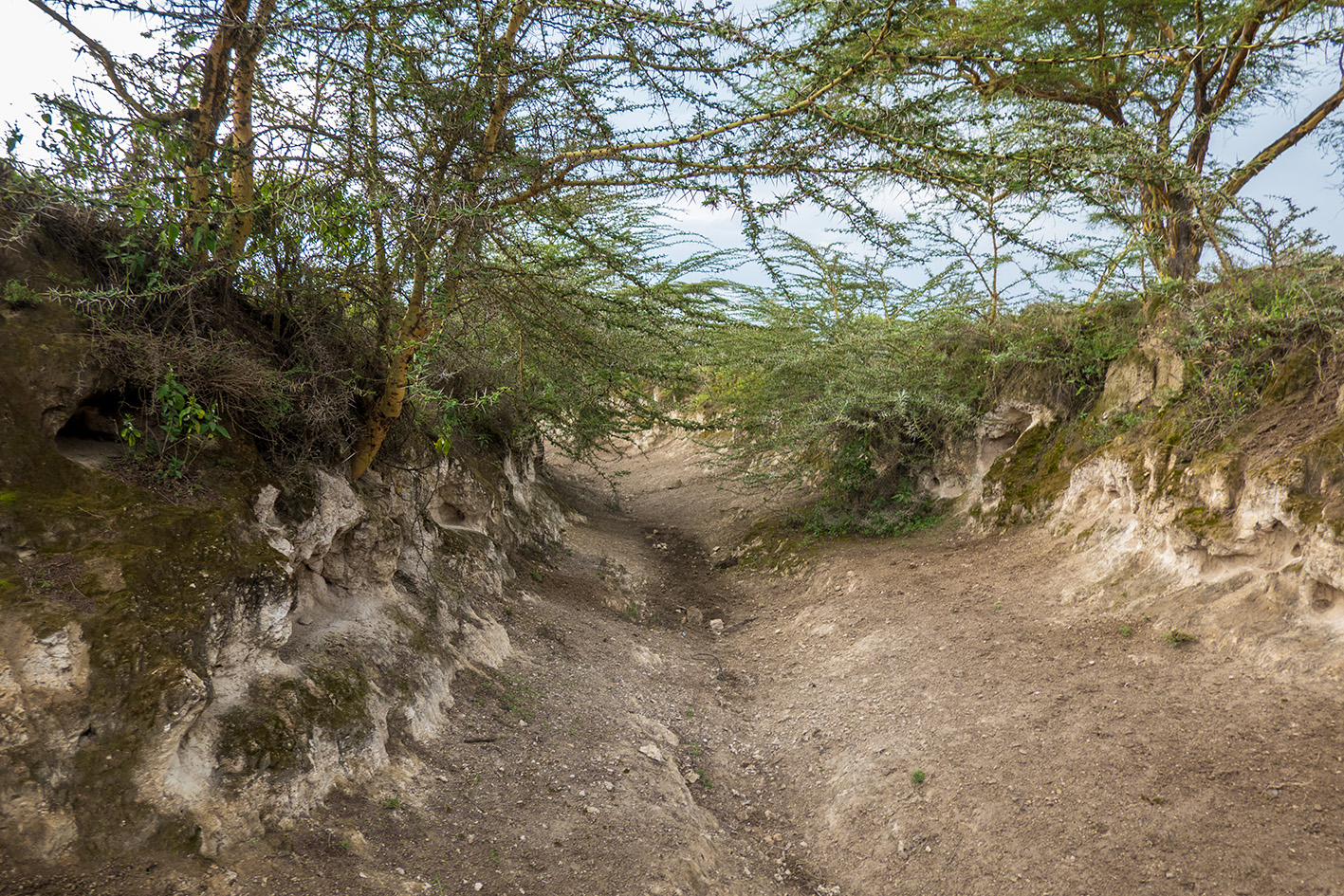
Verder in Kenya, naar Lake Naivasha, Limuru. Op de heenweg langs de indrukwekkende Rift gereden – dezelfde breuk van een jaar of 10 geleden, in Ethiopië. Door een aardbeving zijn het ondergrondse waterlopen langs de Rift Valley (de grote Afrikaagse slenk) verstopt geraakt. Met als gevolg dat de meren niet meer afwateren. Want tja, ook hier regent het wel eens.


In een verbazingwekkend snel tempo stijgt elk jaar de waterspiegel. Bossen en dorpen lopen onder, landbouwgrond gaat verloren…


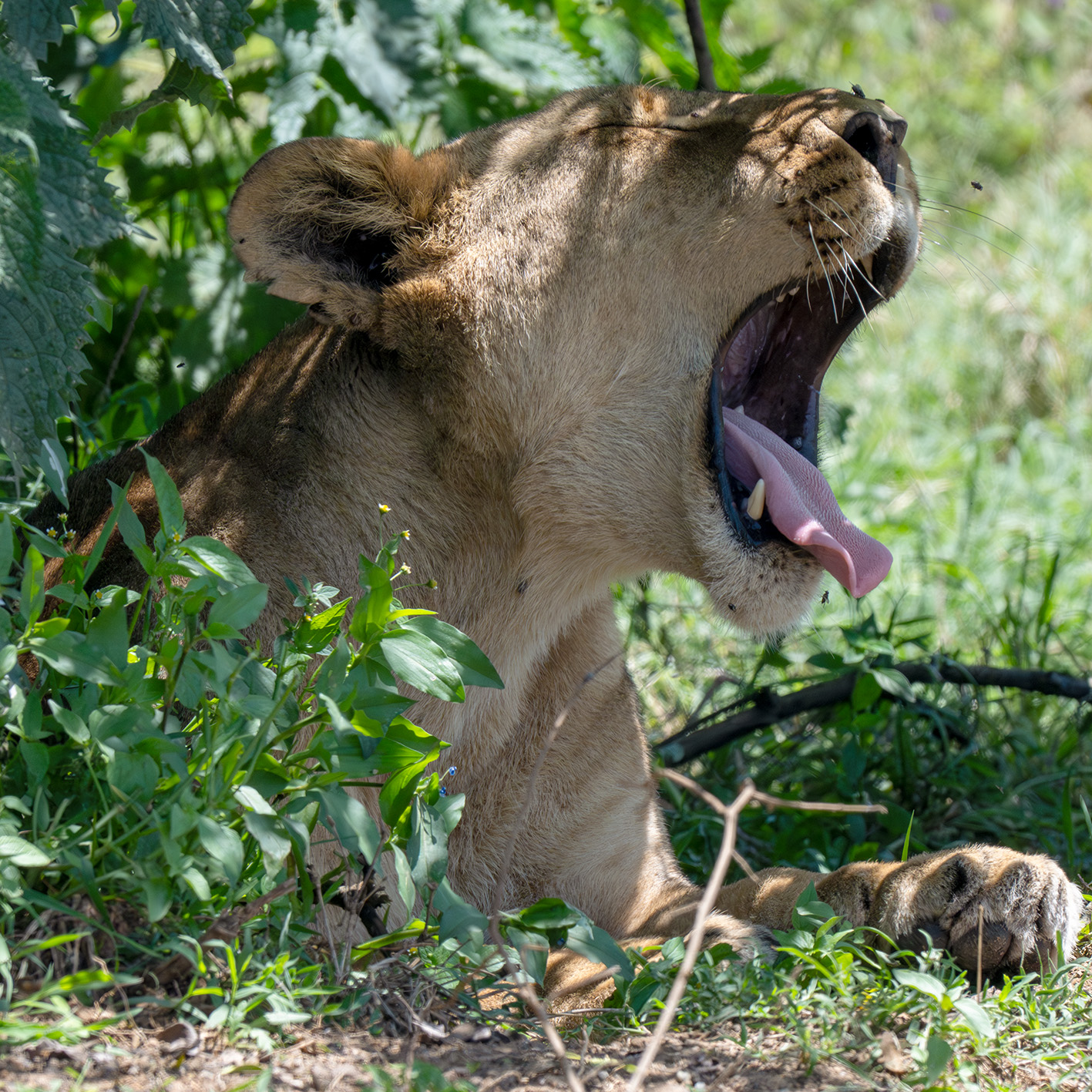
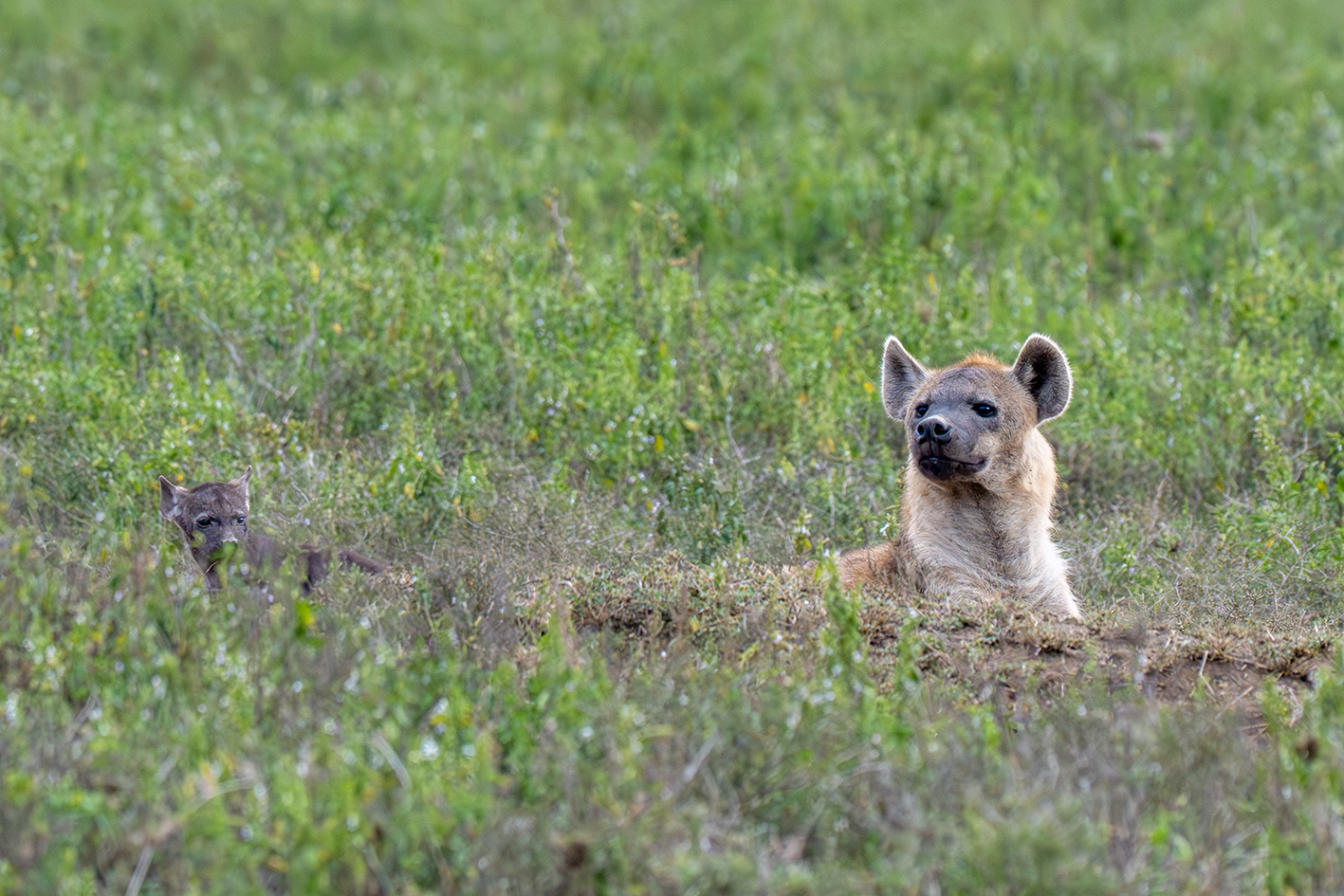
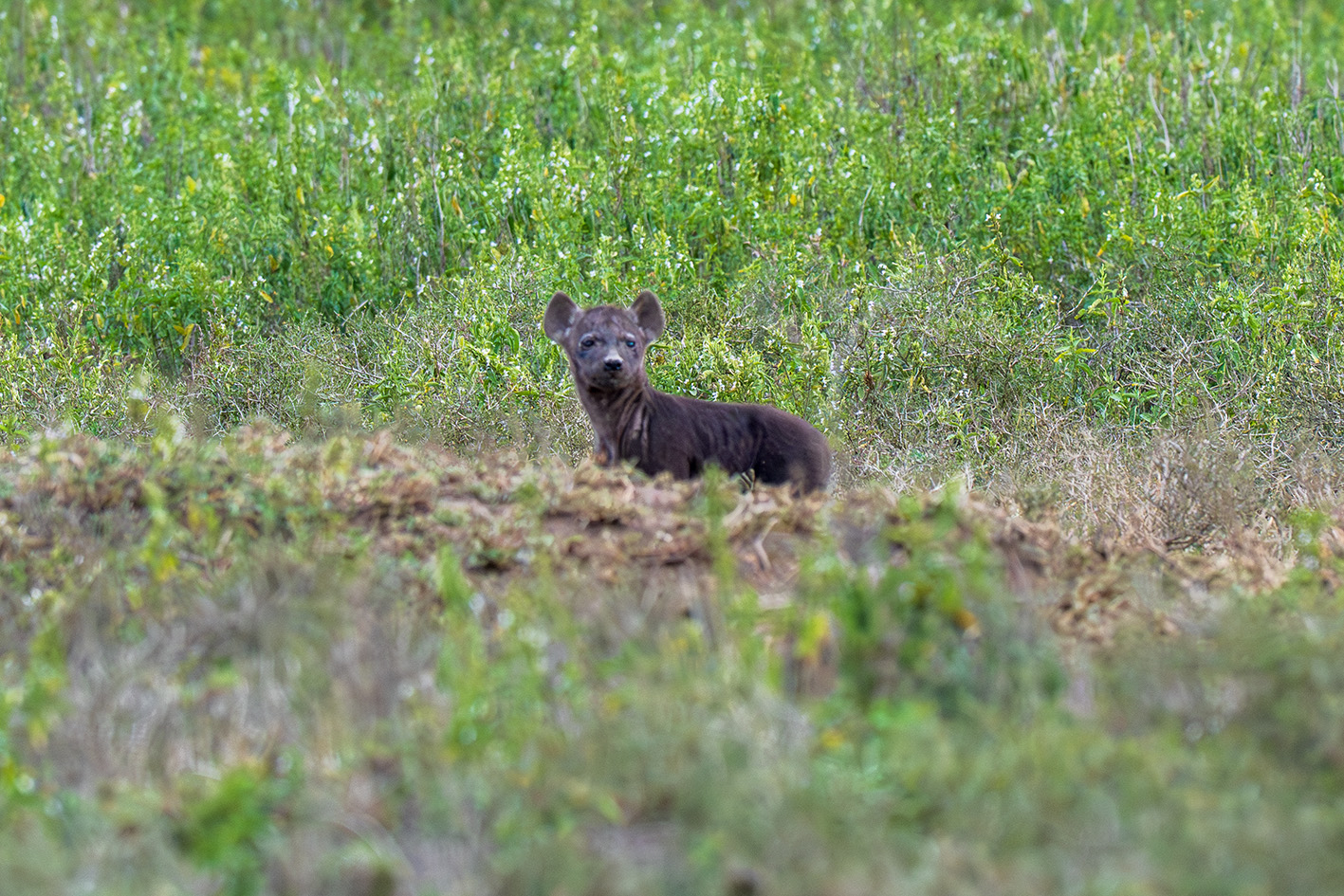
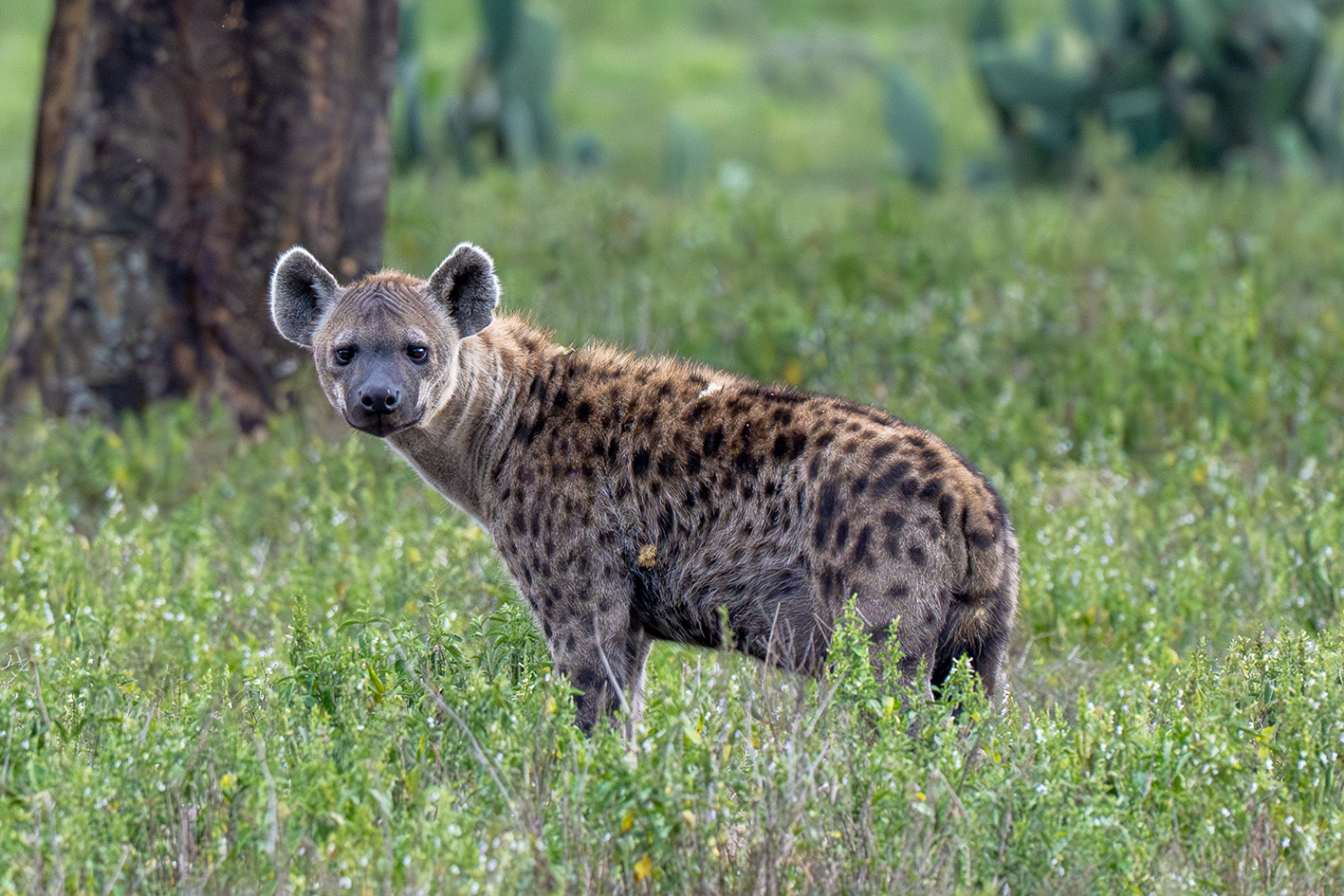
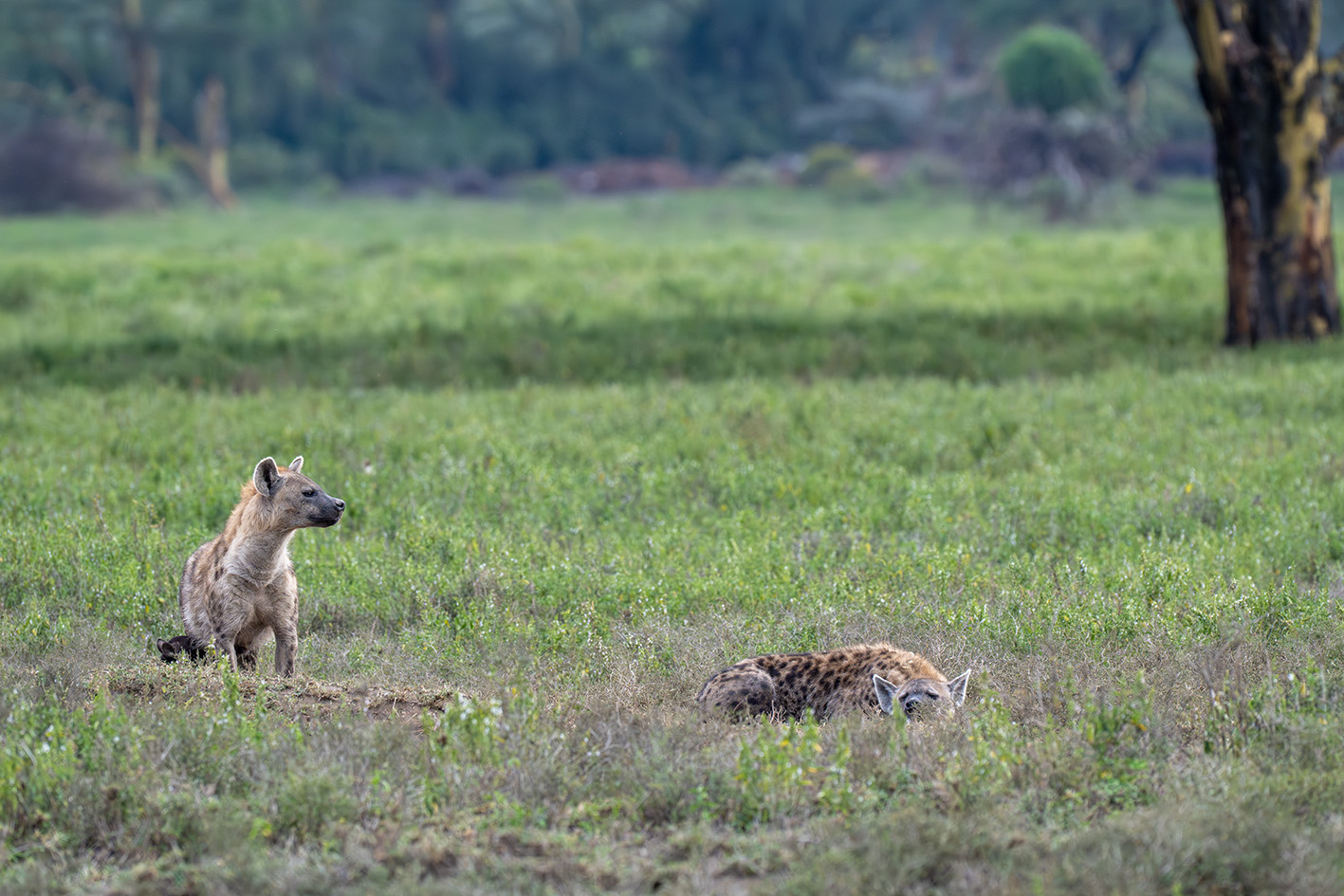
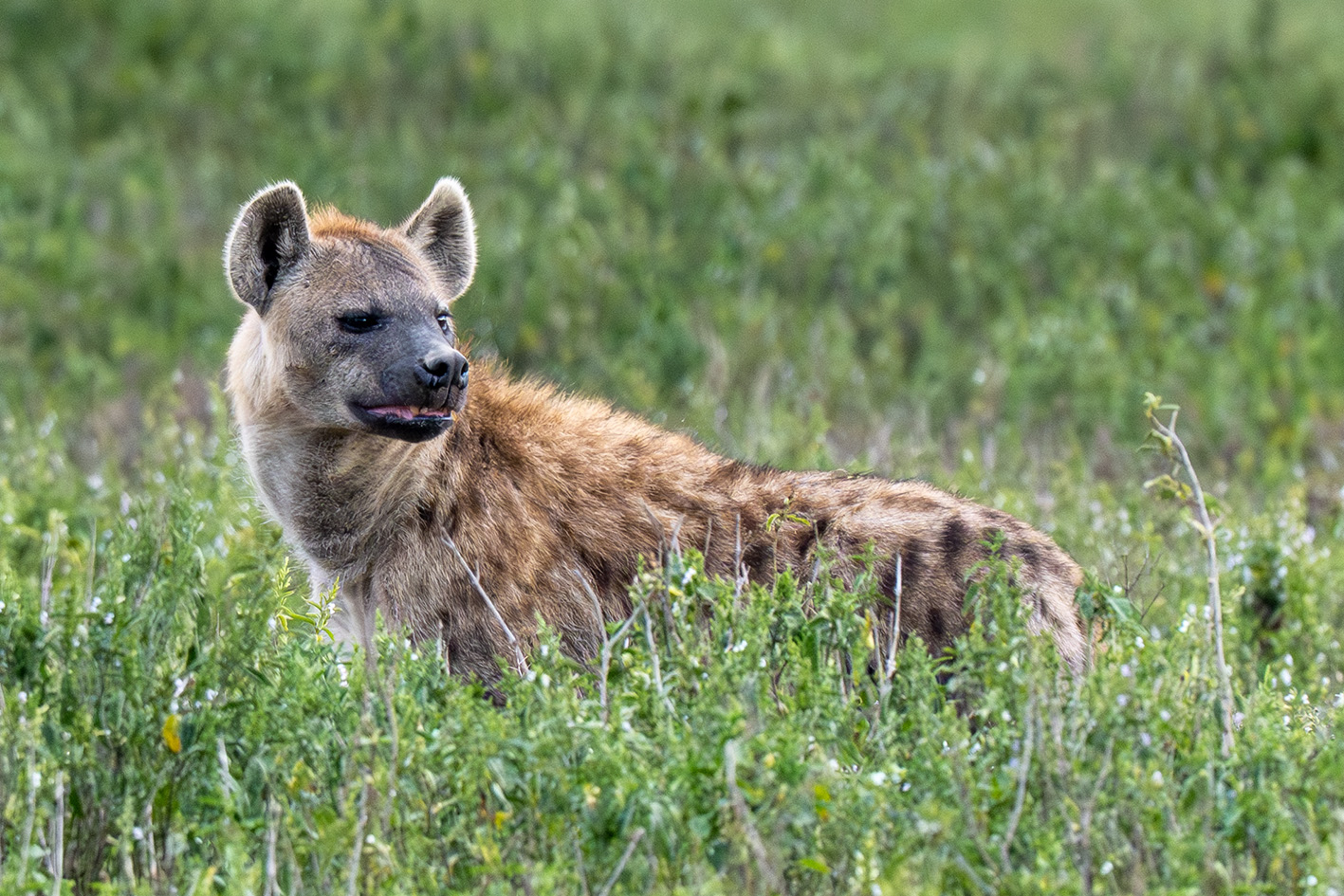
Enorm veel dieren deze eerste dagen. Meest indrukwekkend misschien wel de hyena’s met jongen – toen een groep toeristen te dichtbij kwam, verlieten ze hun burcht om de aandacht af te leiden


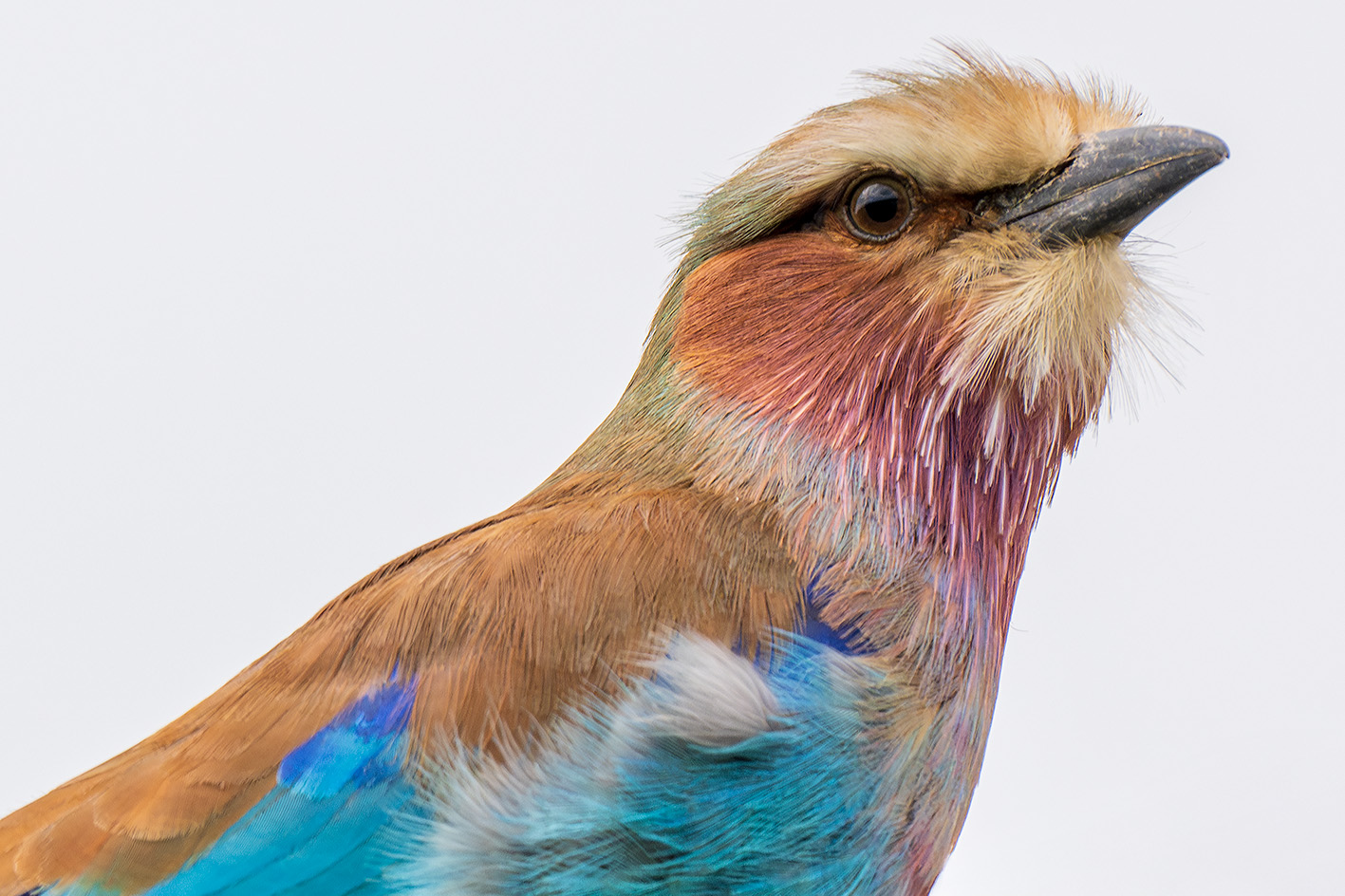
Vorkstaartscharrelaar (Lilac-breasted roller – Coracias caudatus
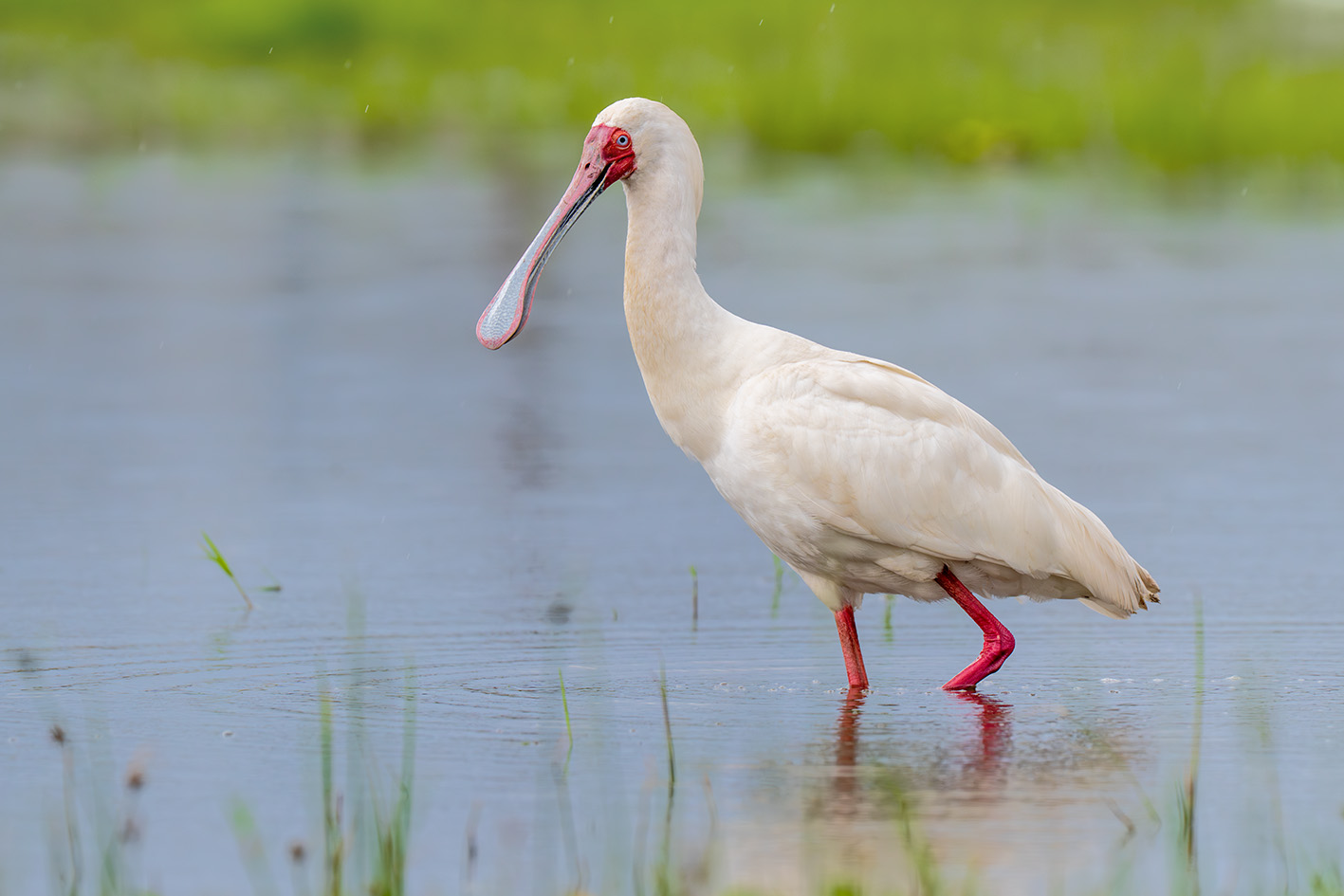
Afrikaanse lepelaar (African spoonbill – Platalea alba)
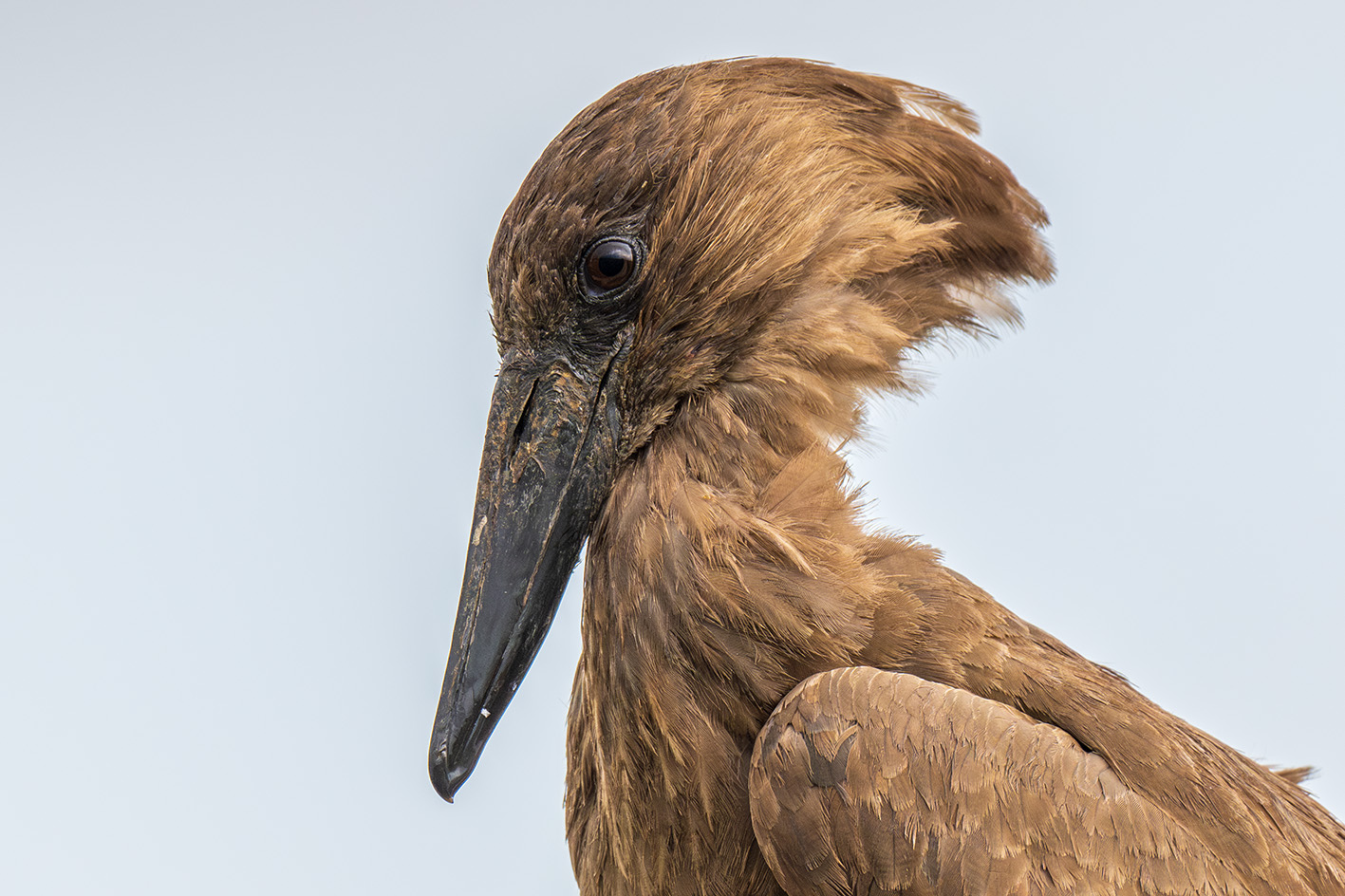
Hamerkop (Scopus umbretta)
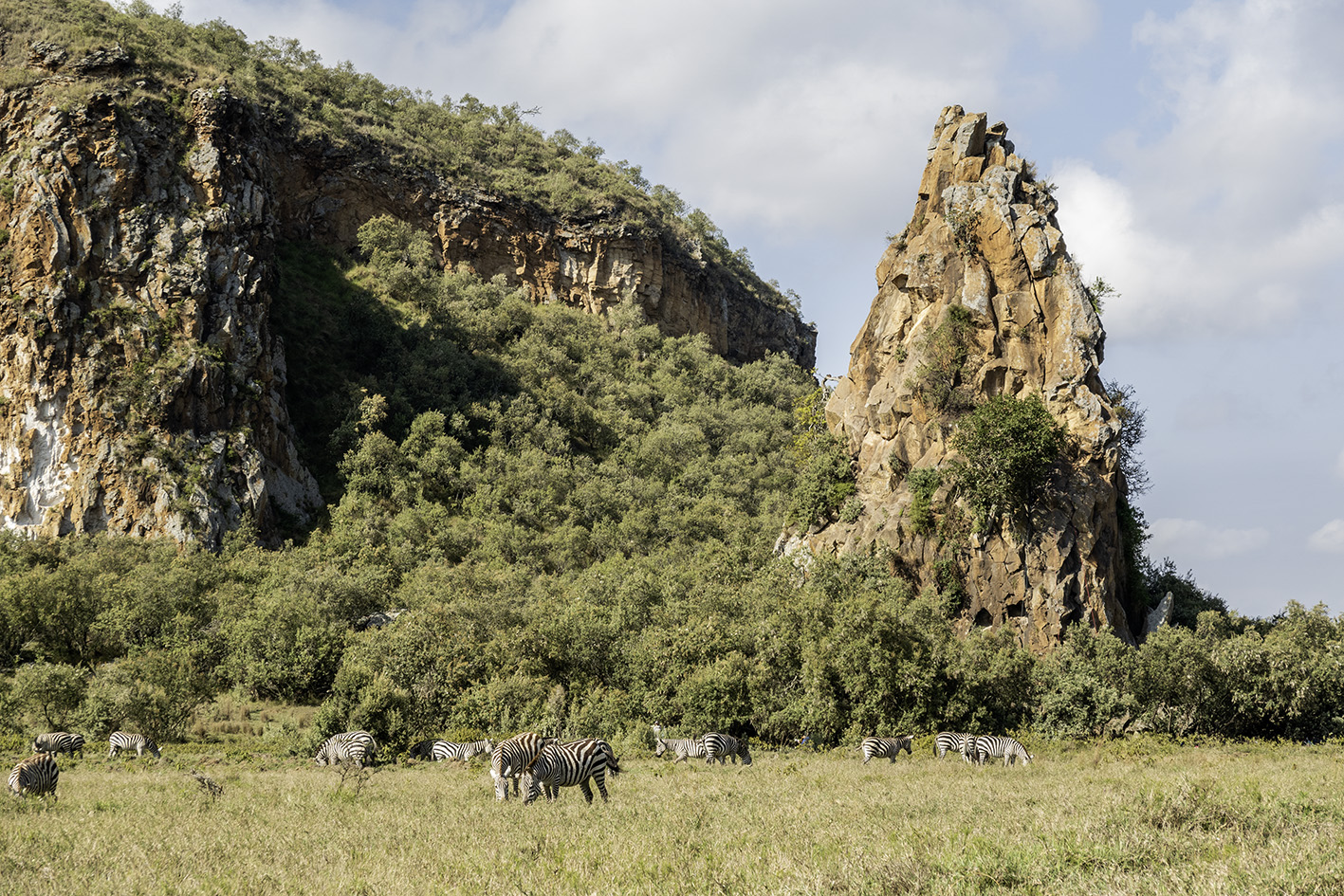
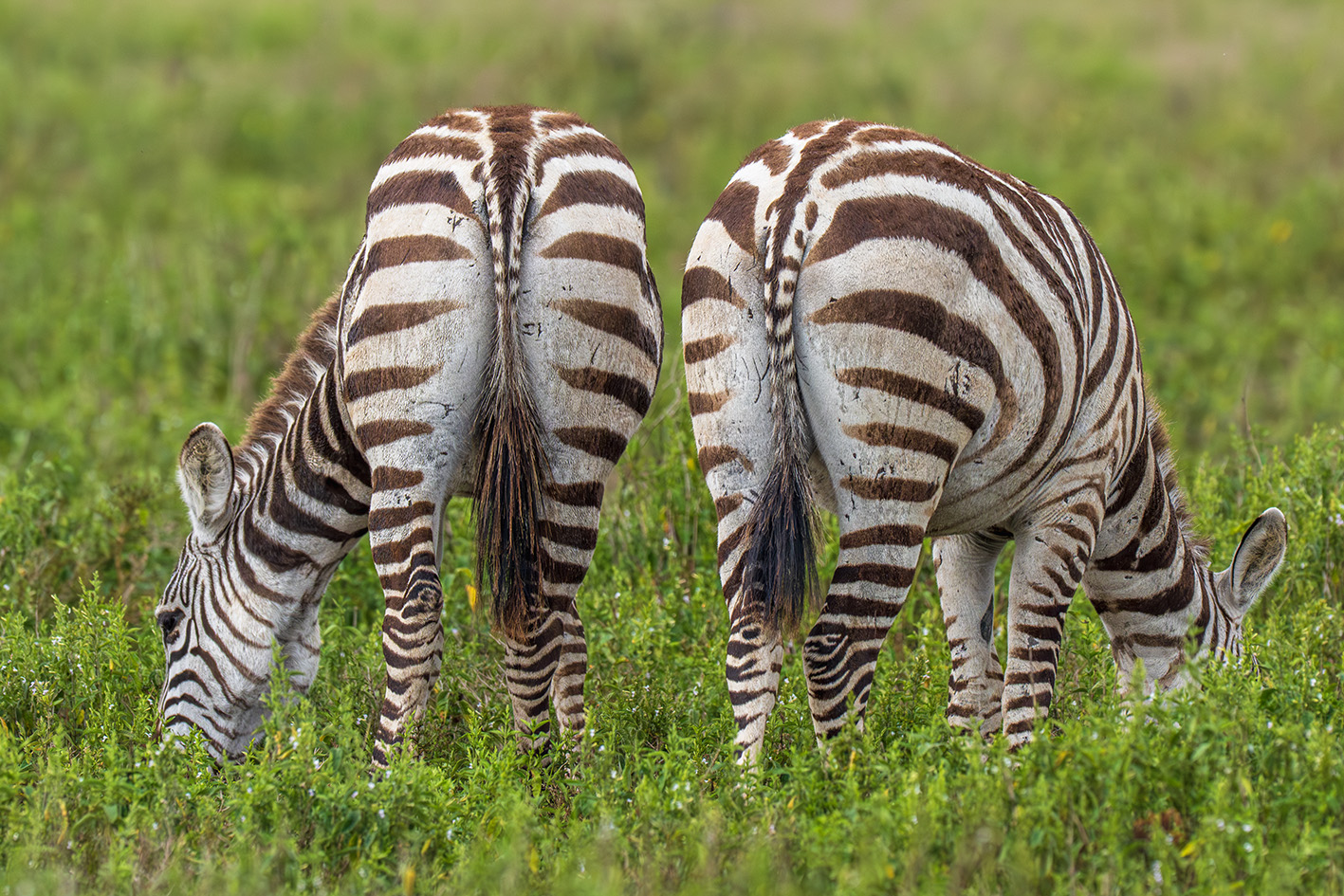
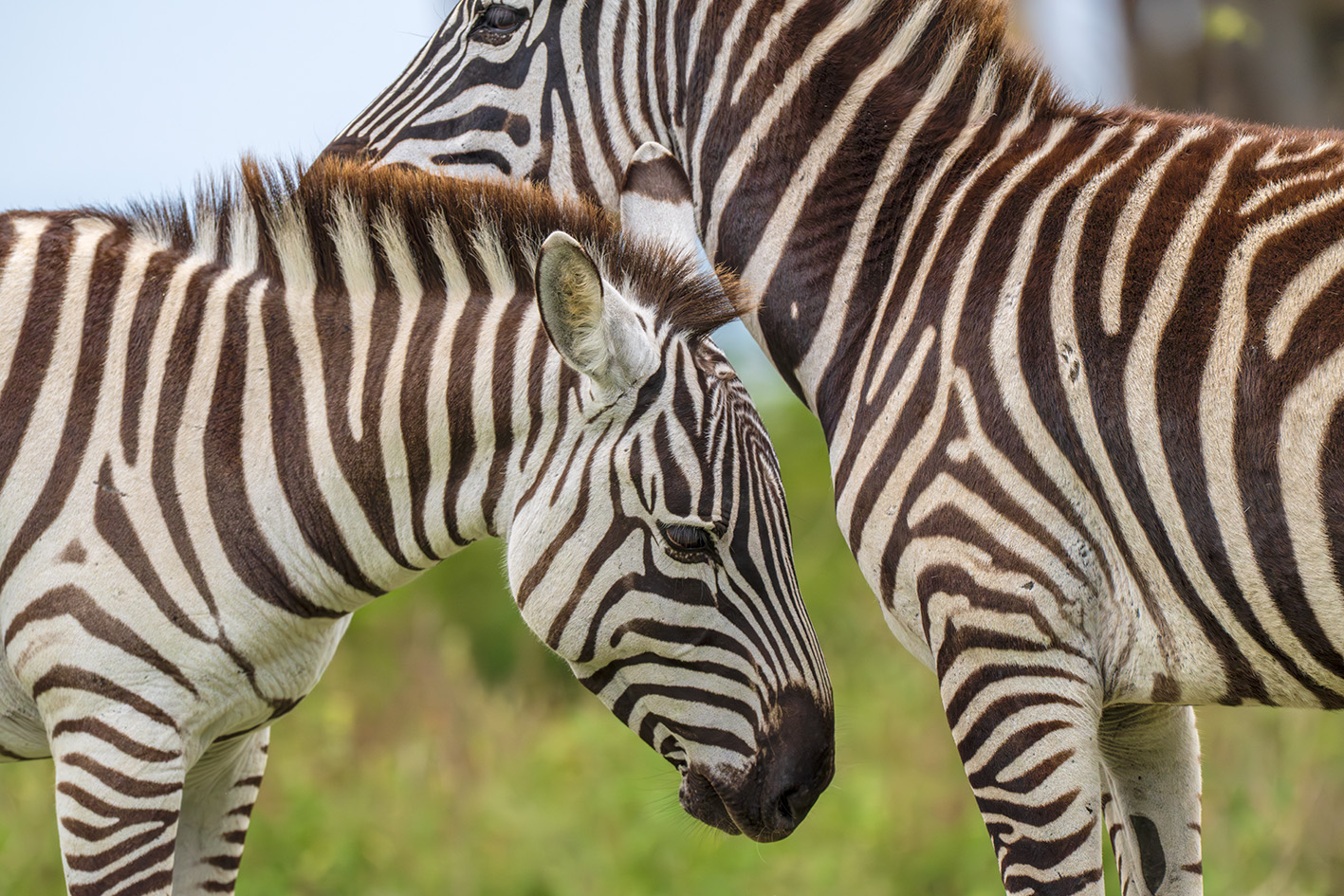
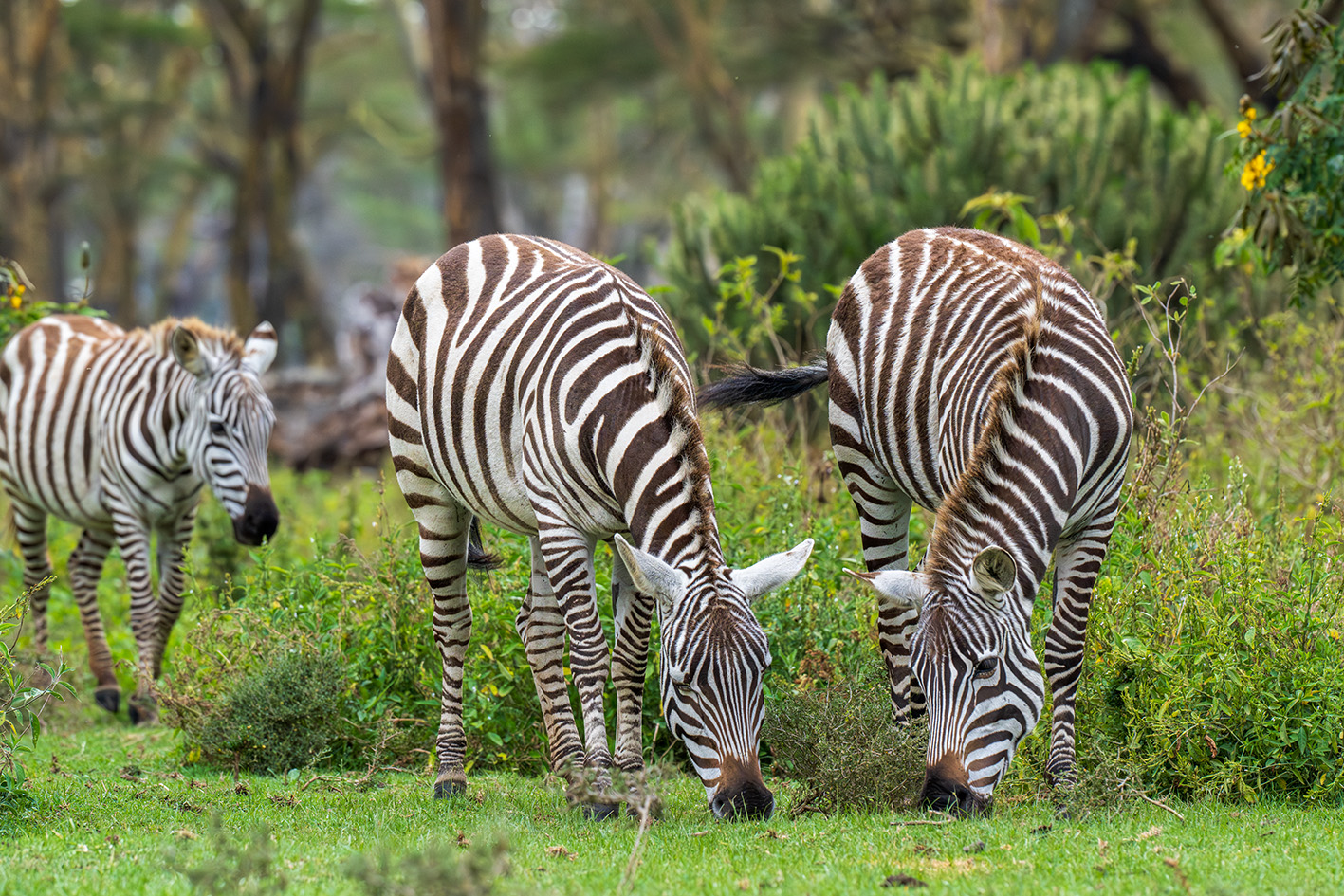
Steppezebra (Common zebra – Equus quagga)
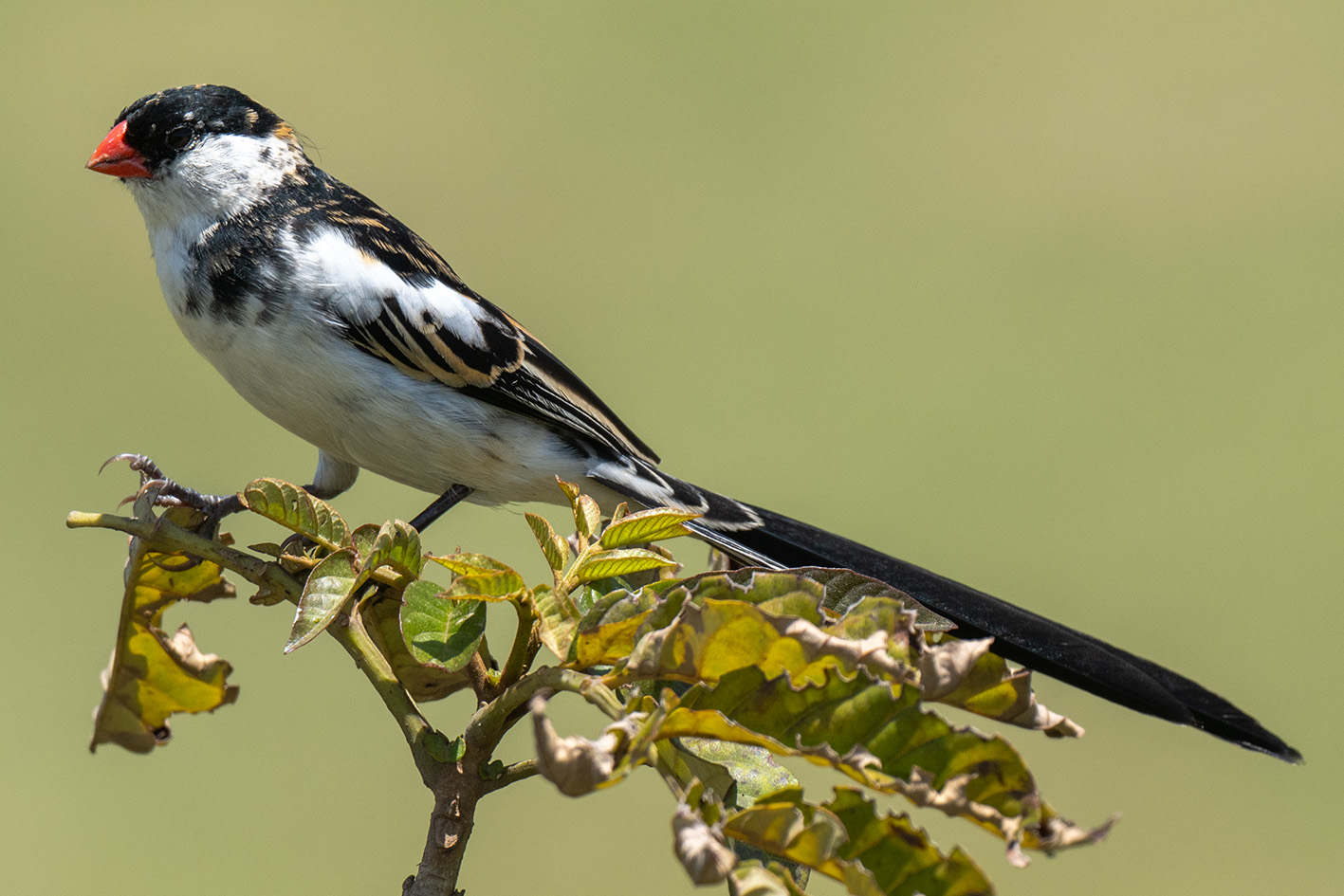
Domincaner wida (Pin-tailed whydah – Vidua macroura)
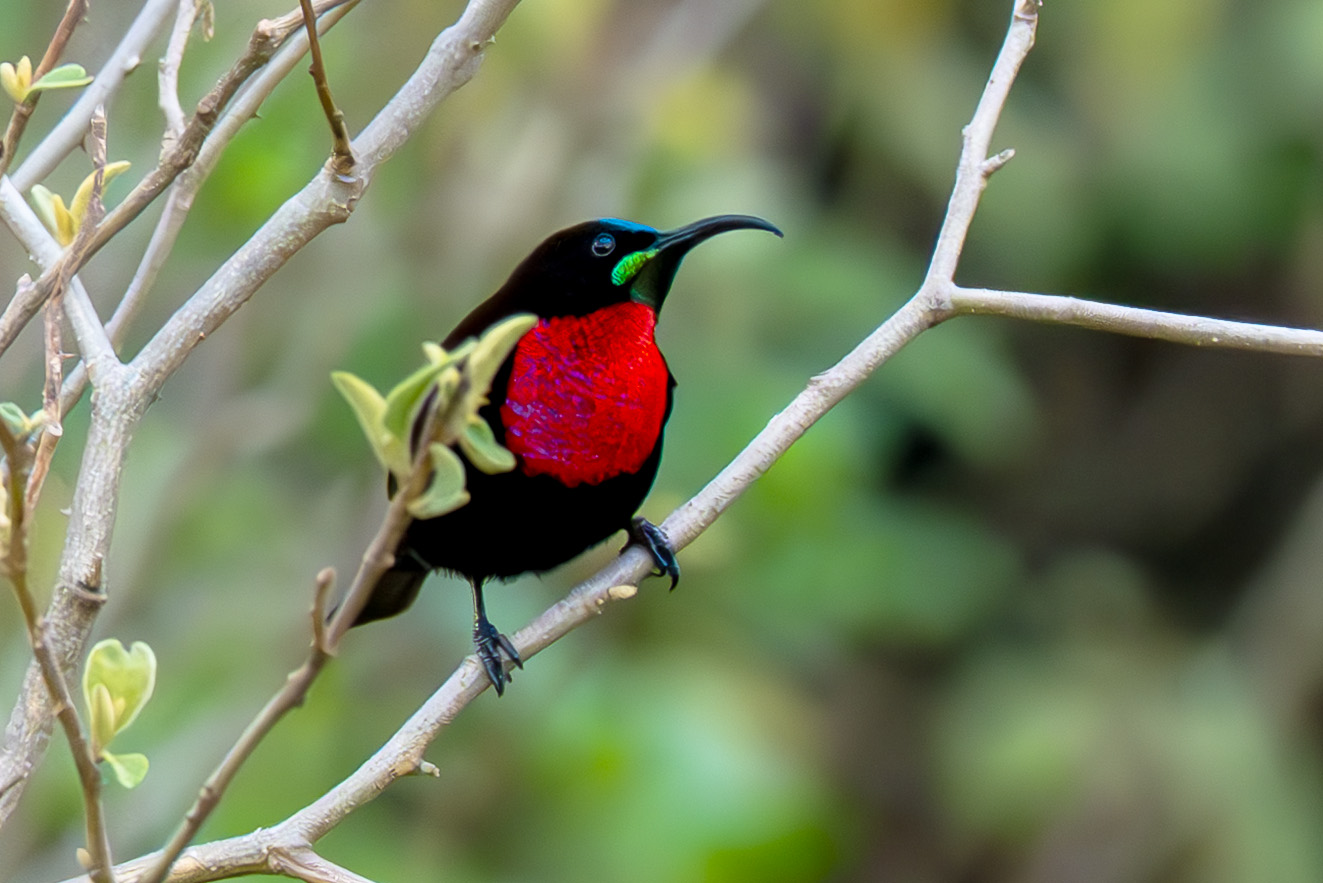
Roodborsthoningzuiger (Scarlet-chested sunbird – Chalcomitra senegalensis)
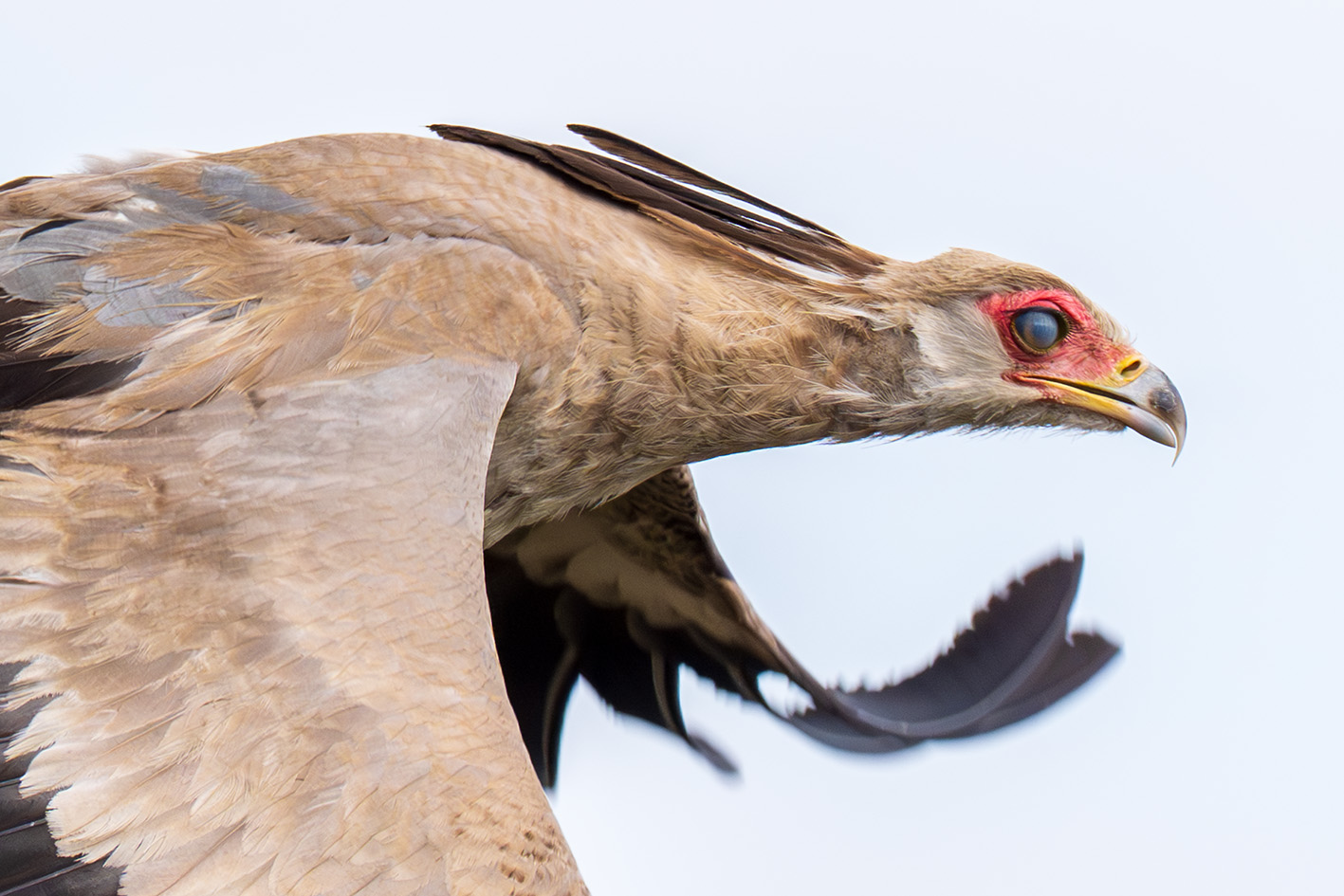
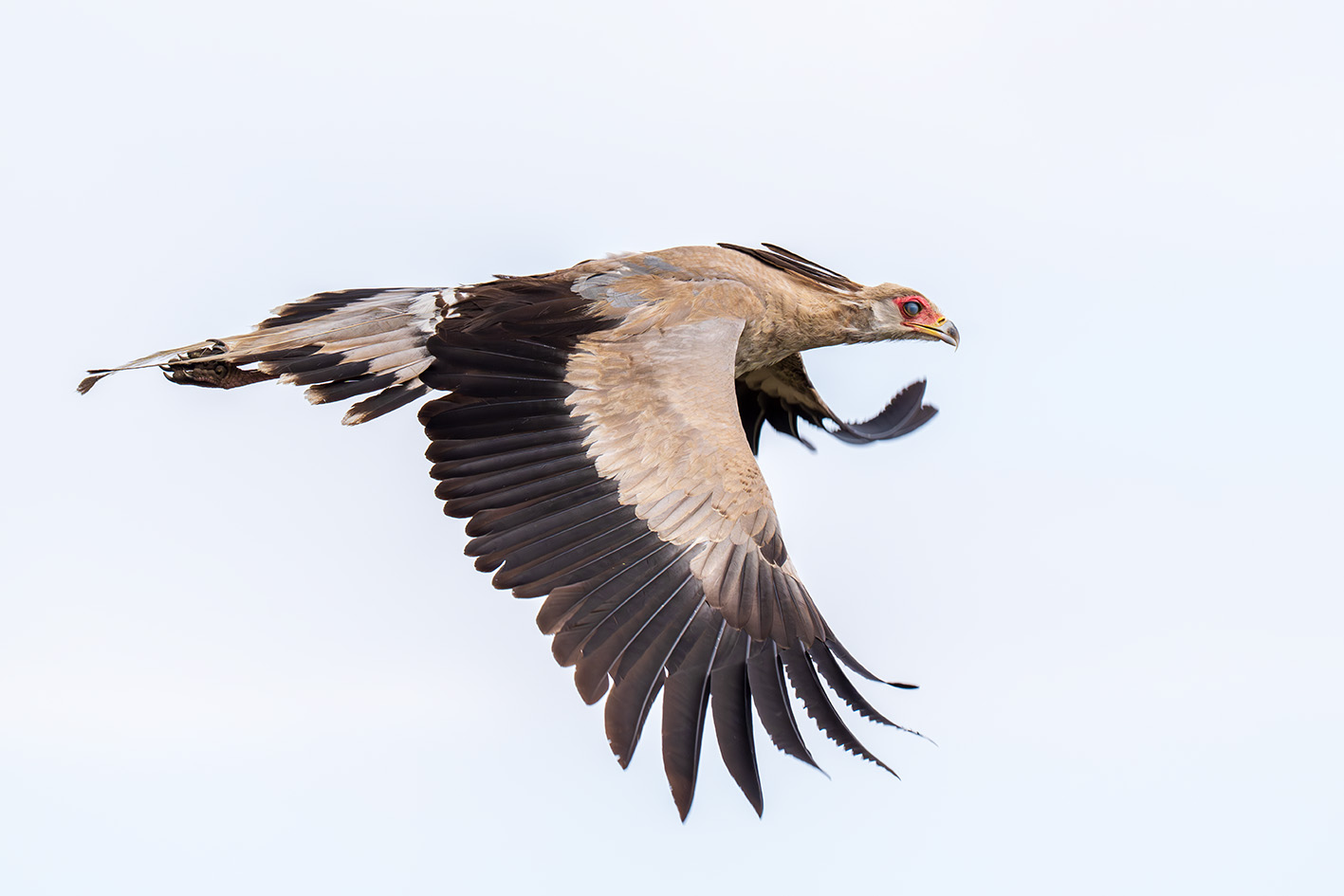
Secetarisvogel (Secretarybird – Sagittarius serpentarius)
Grijsgroene specht (Grey woodpecker – Dendropicos gaertae)
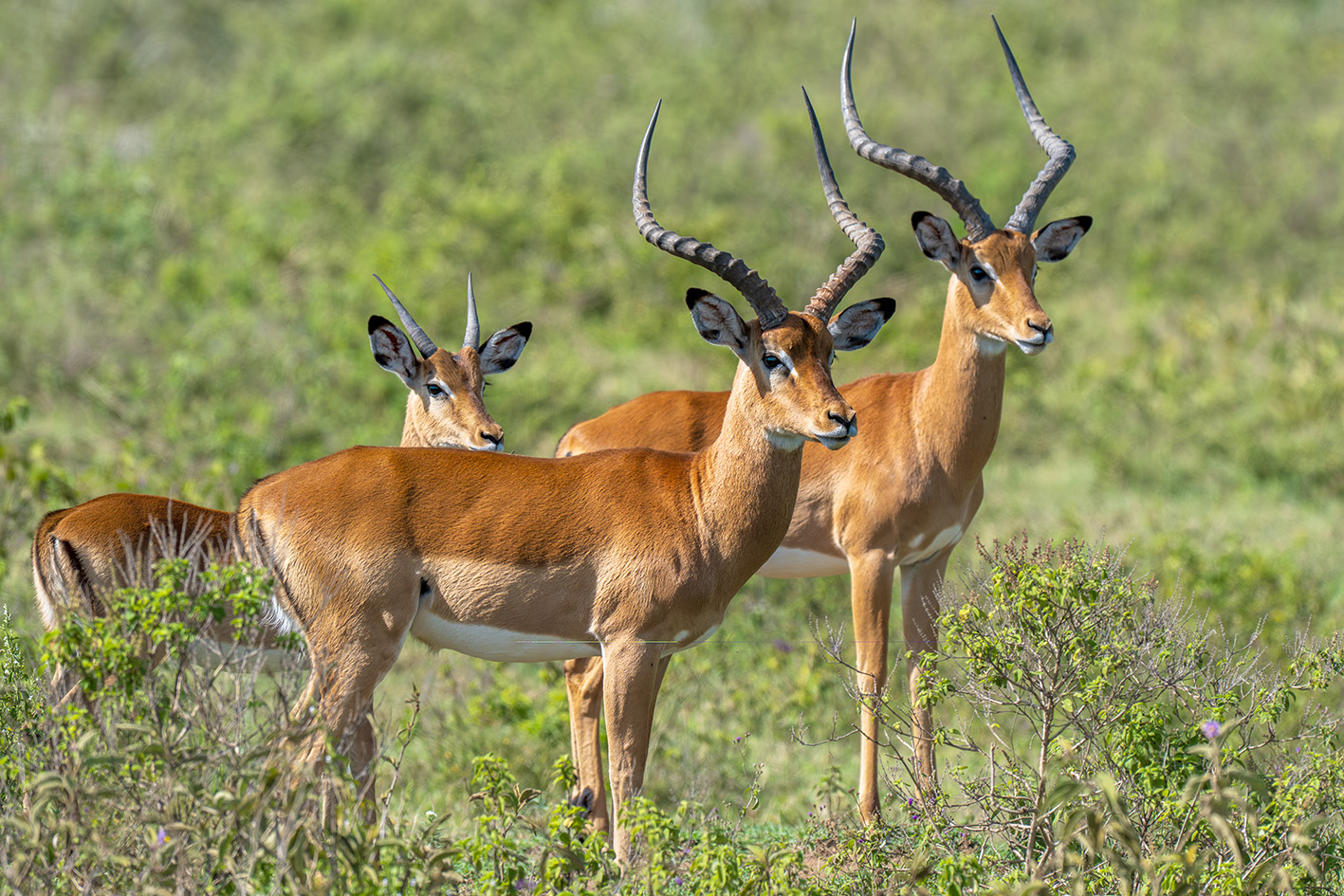
Impala (Aepyceros melampus)
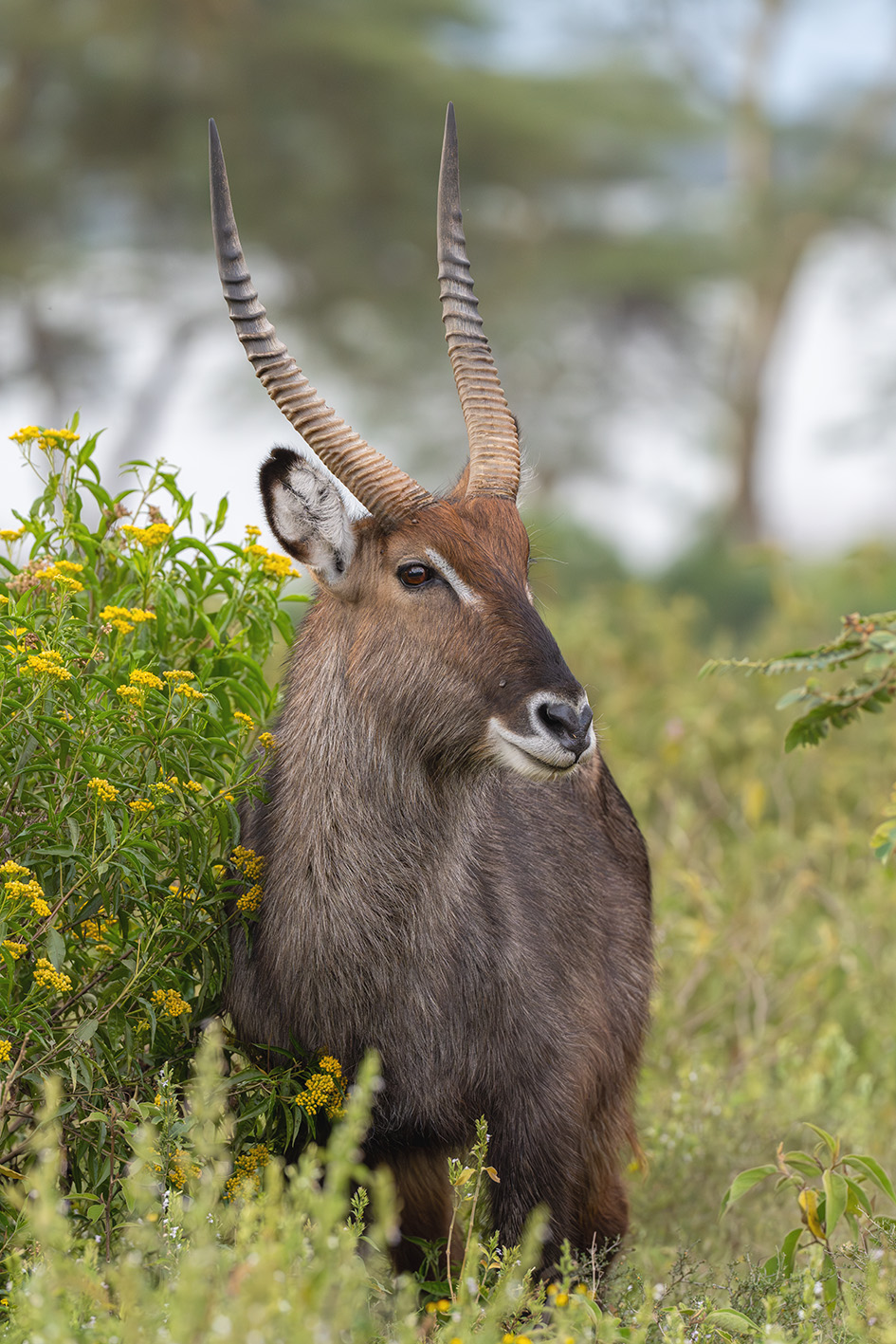
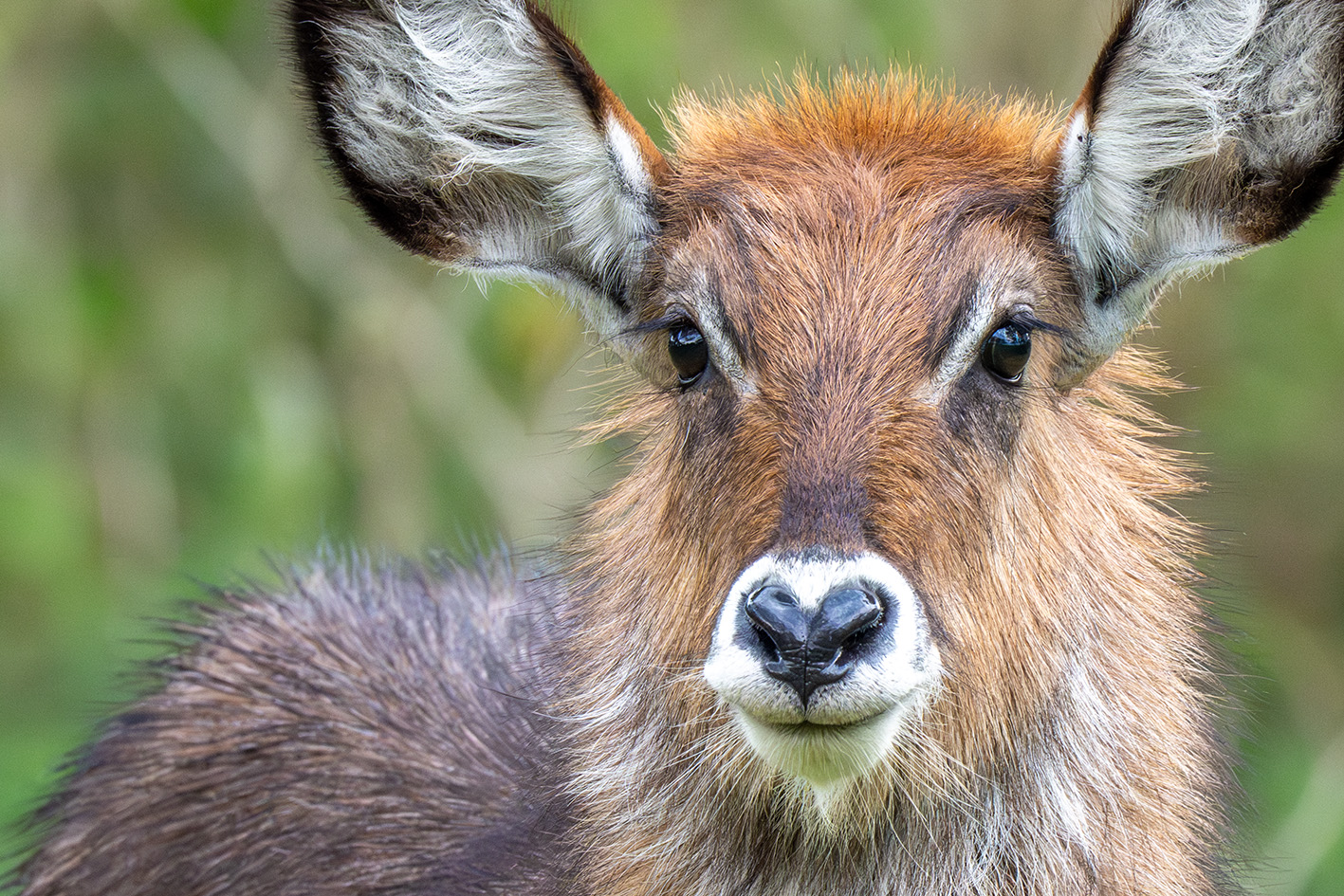
Defassawaterbok (Defassa waterbuck – Kobus e. defassa)
Gevlekte hyena (Spotted hyena – Crocuta crocuta)
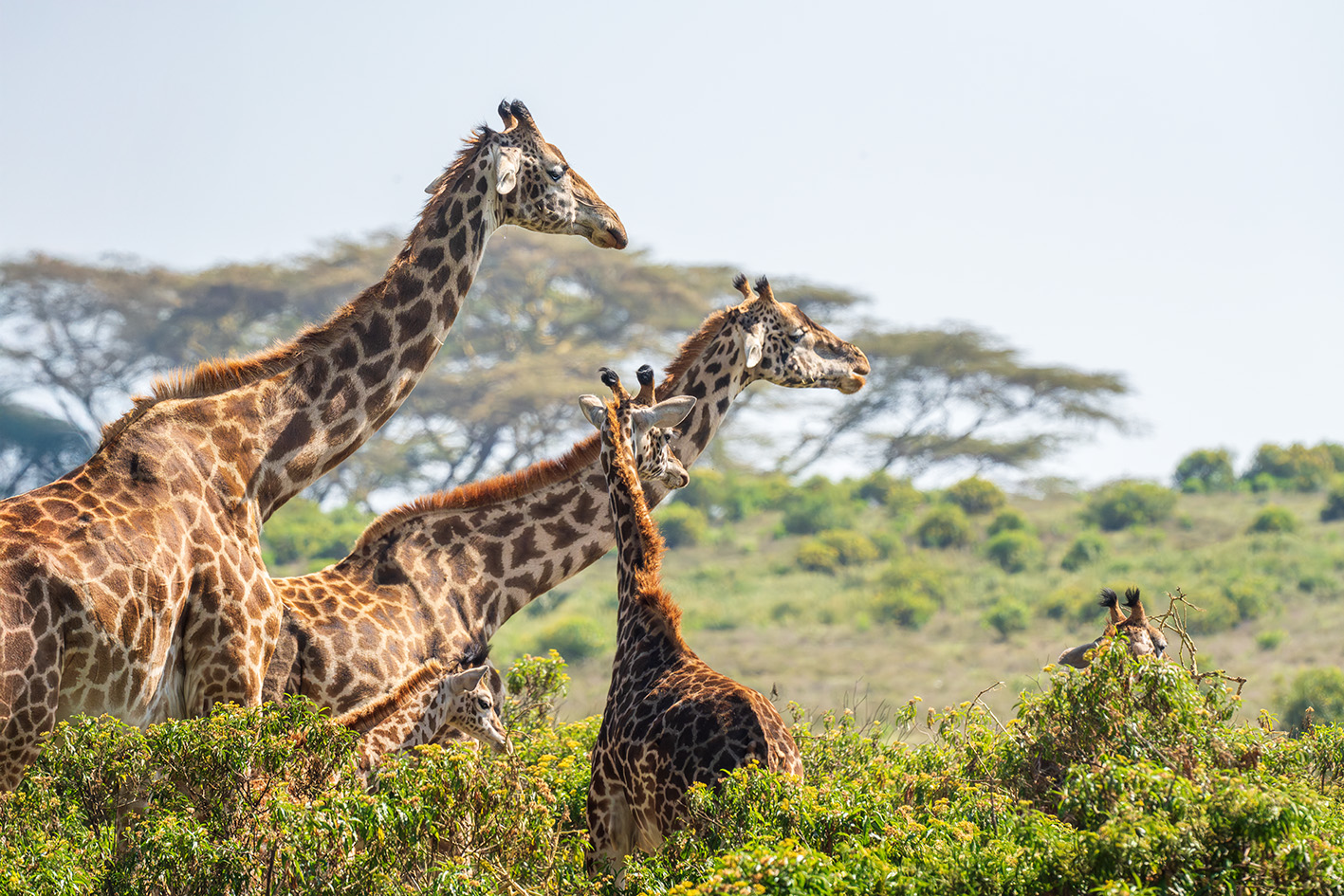
Netgiraf (Reticulated giraffe – Giraffa c. reticulata)
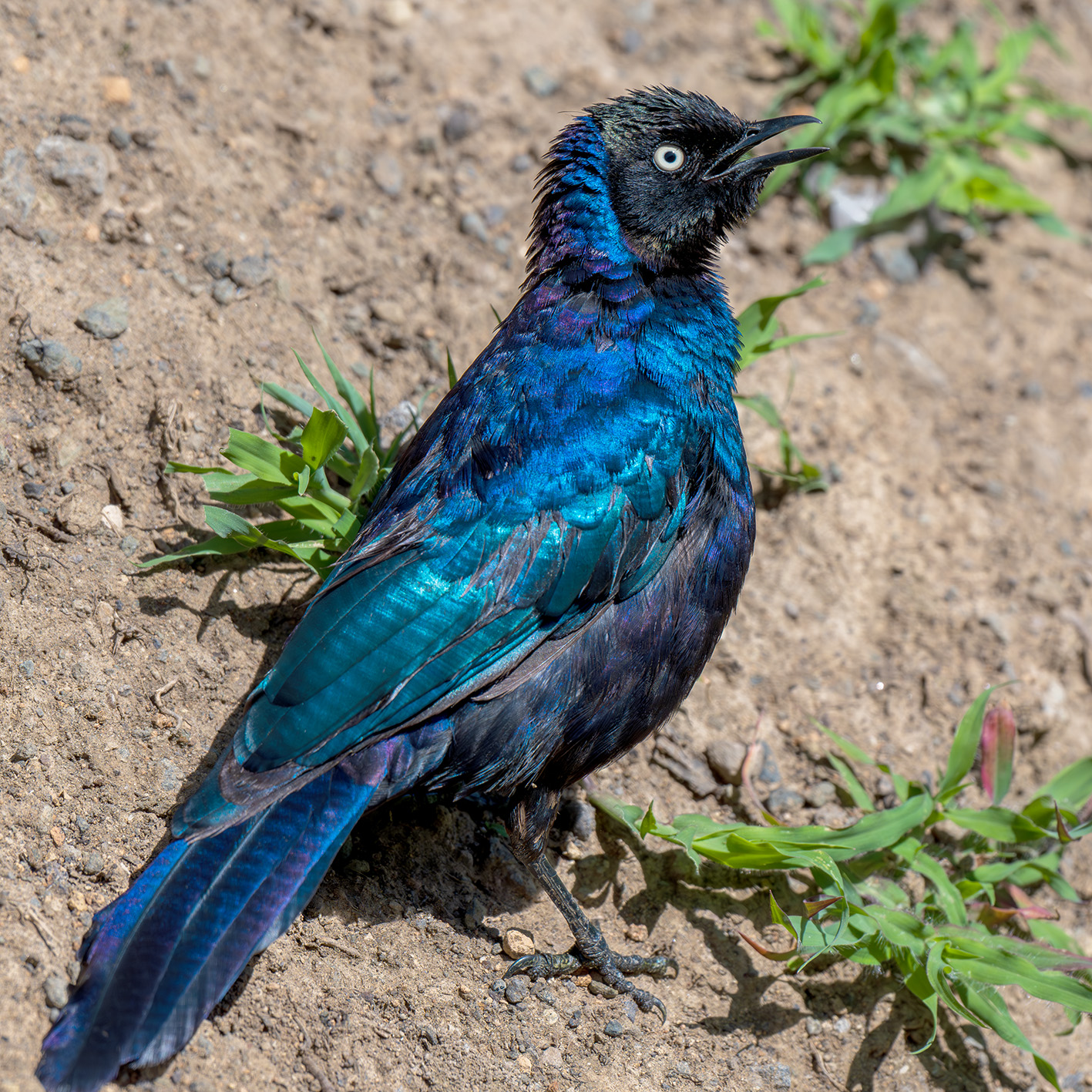
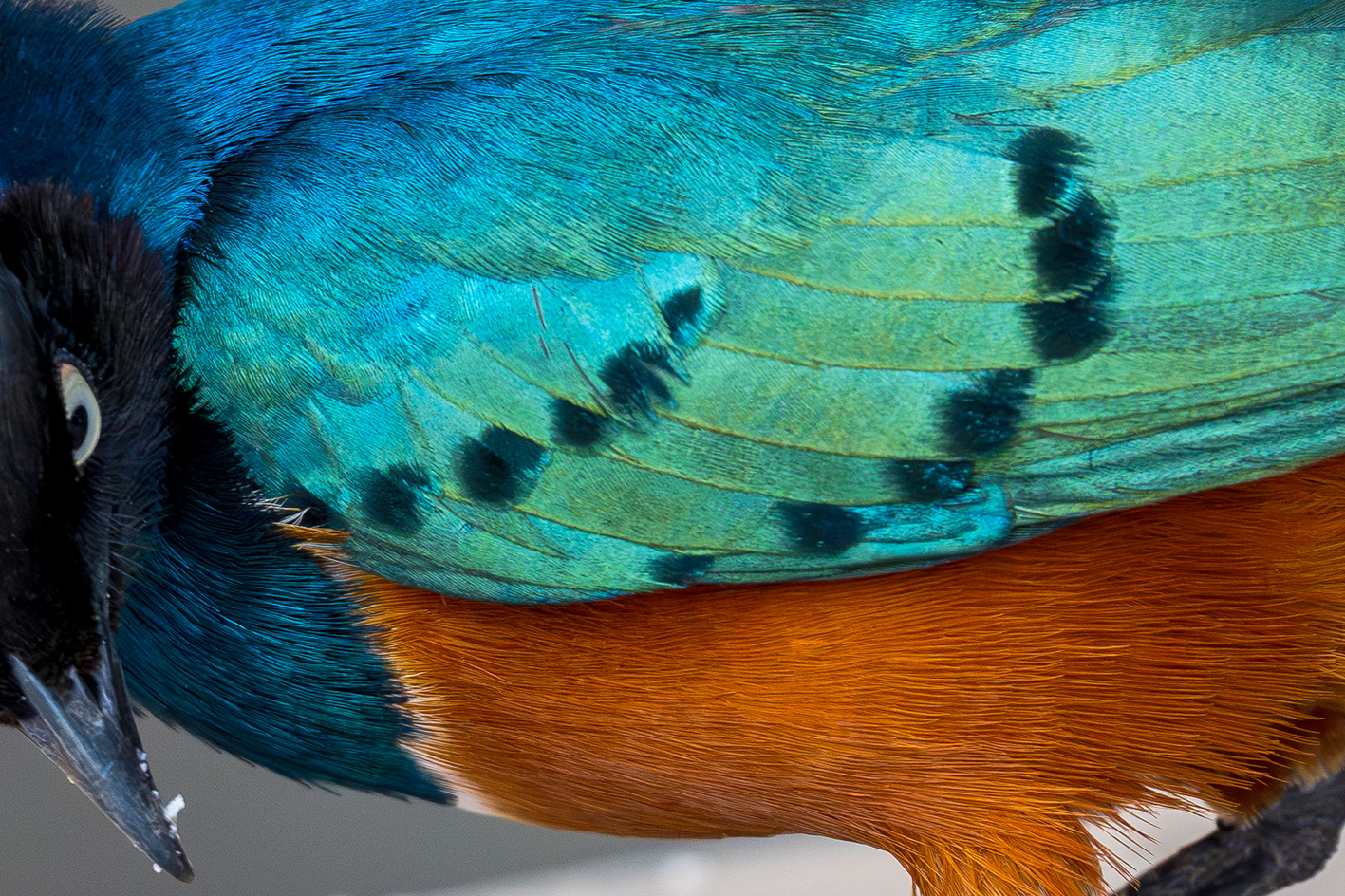
Driekleurige glansspreeuw (Superb starling – Lamprotornis superbus)
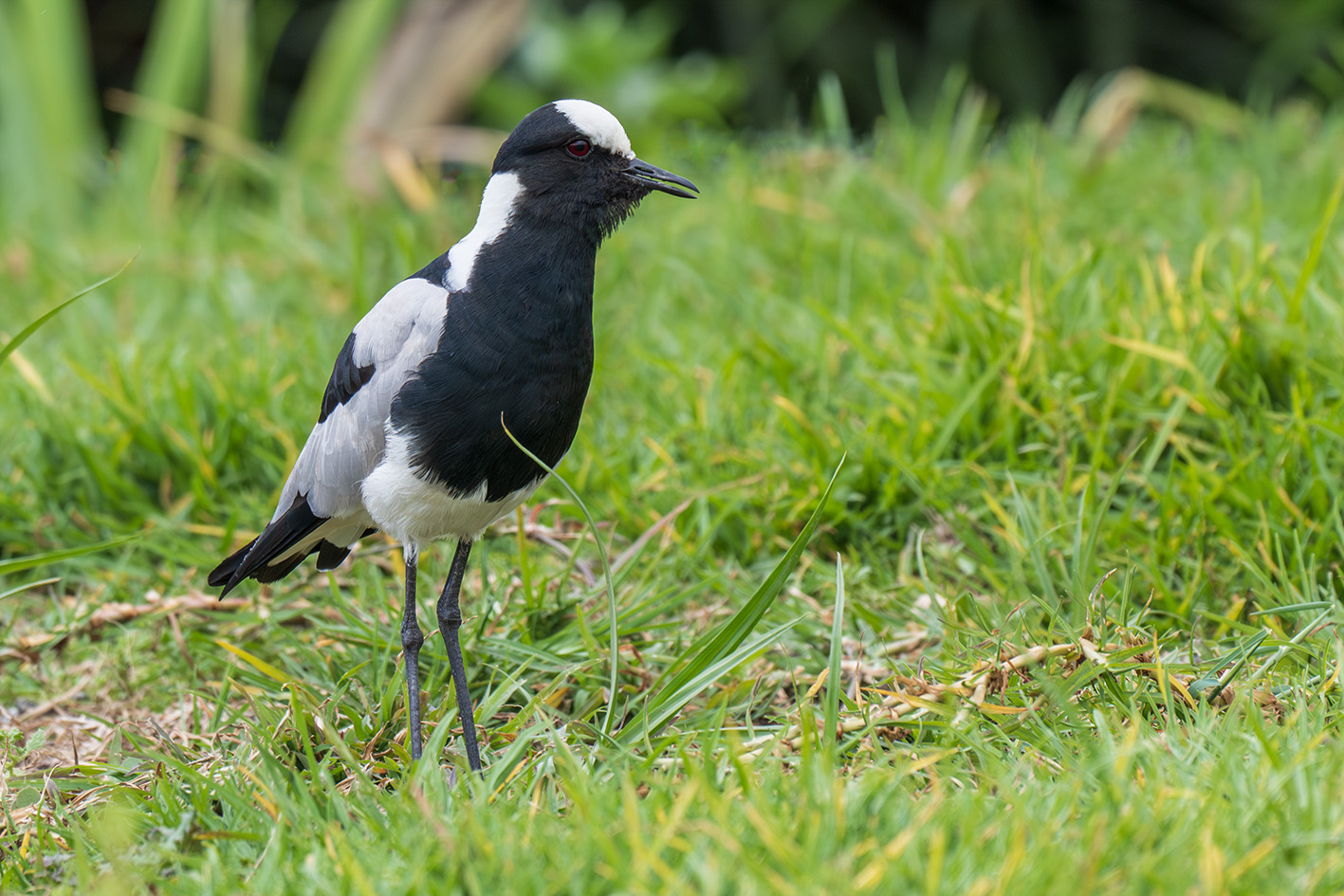
Smidsplevier (Blacksmith lapwing – Vanellus armatus)
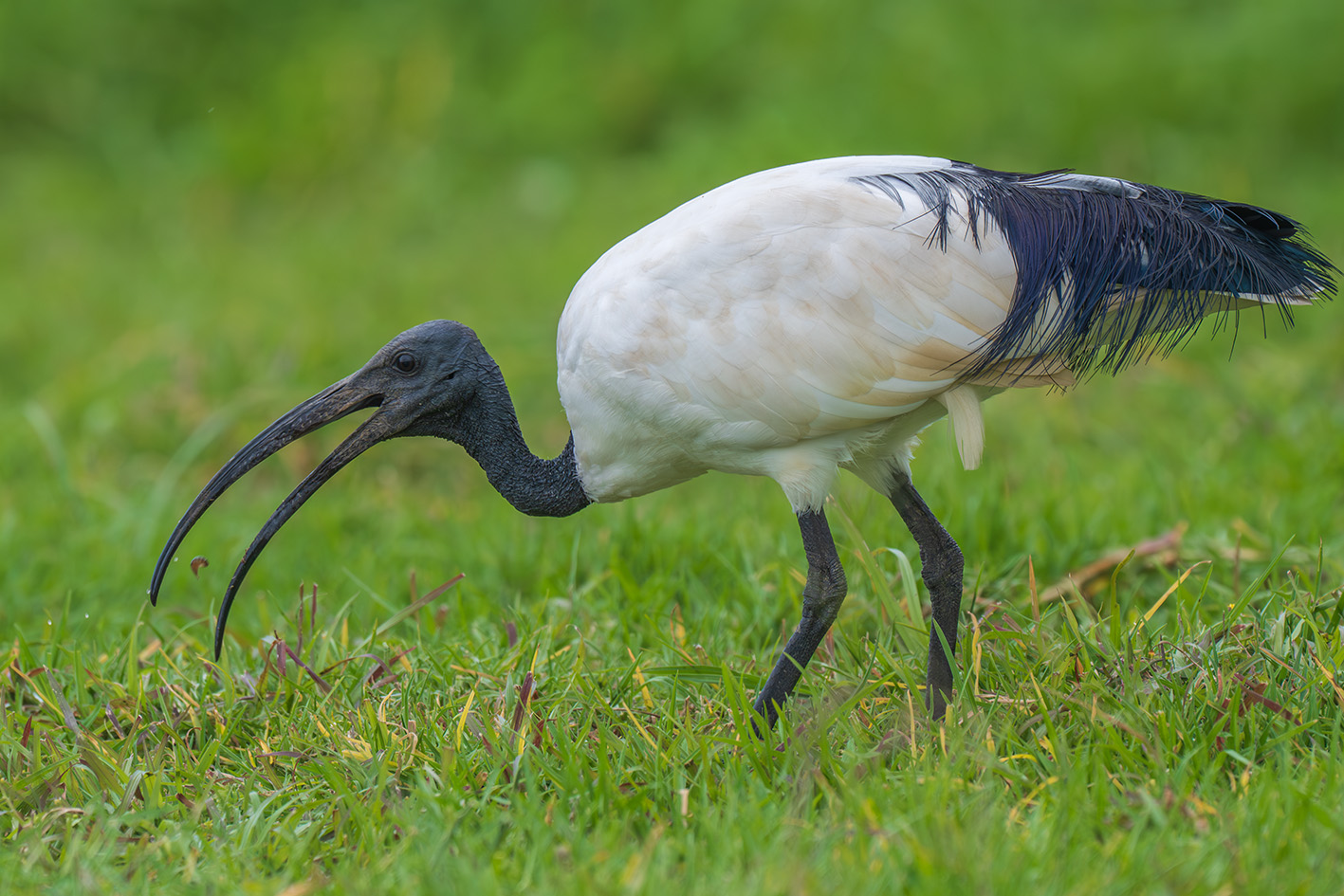
Heilige ibis (Sacred ibis – Threskiornis aethiopicus)
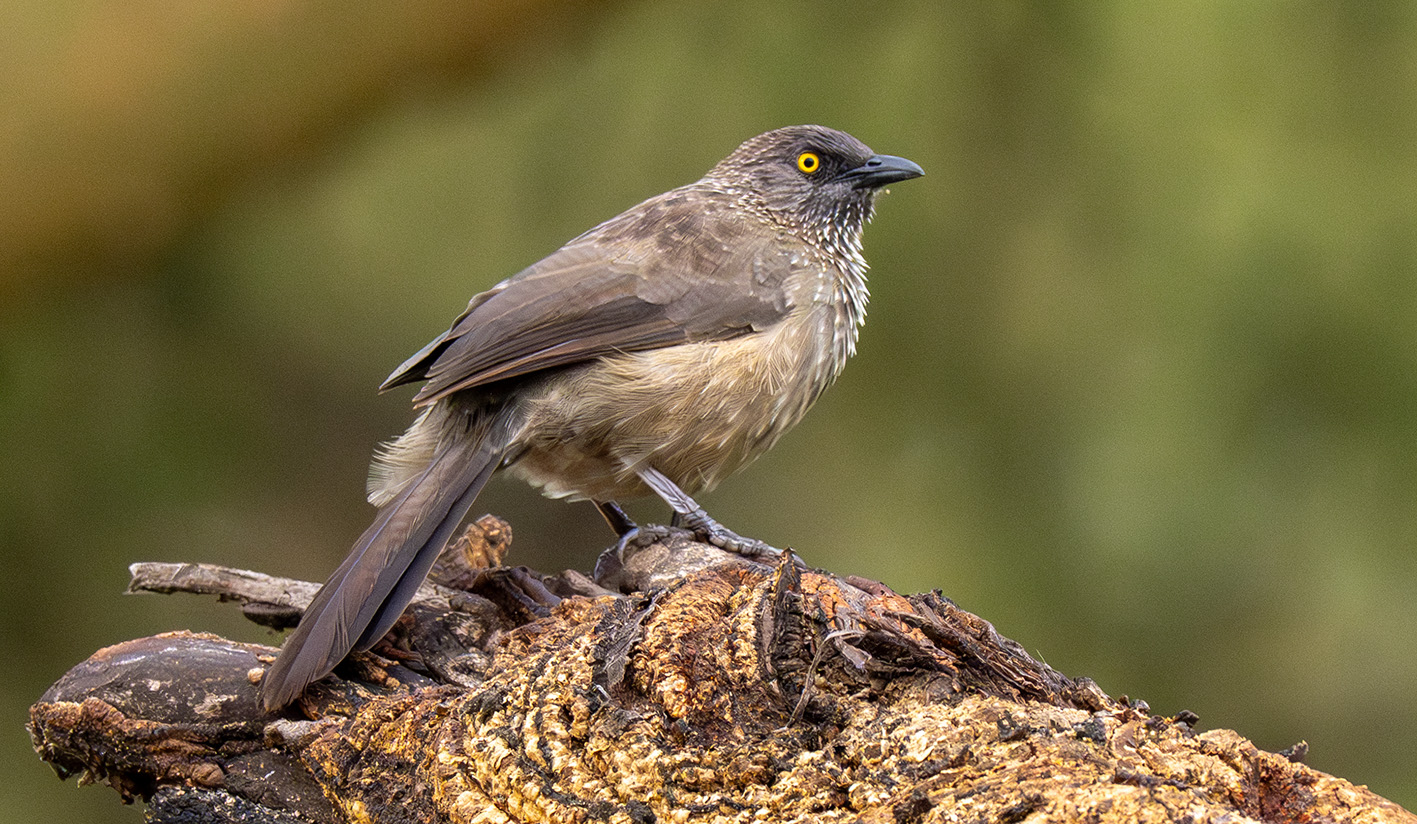
Pijlpuntbabbelaar (Arrow-marked babbler – Turdoides jardineii)
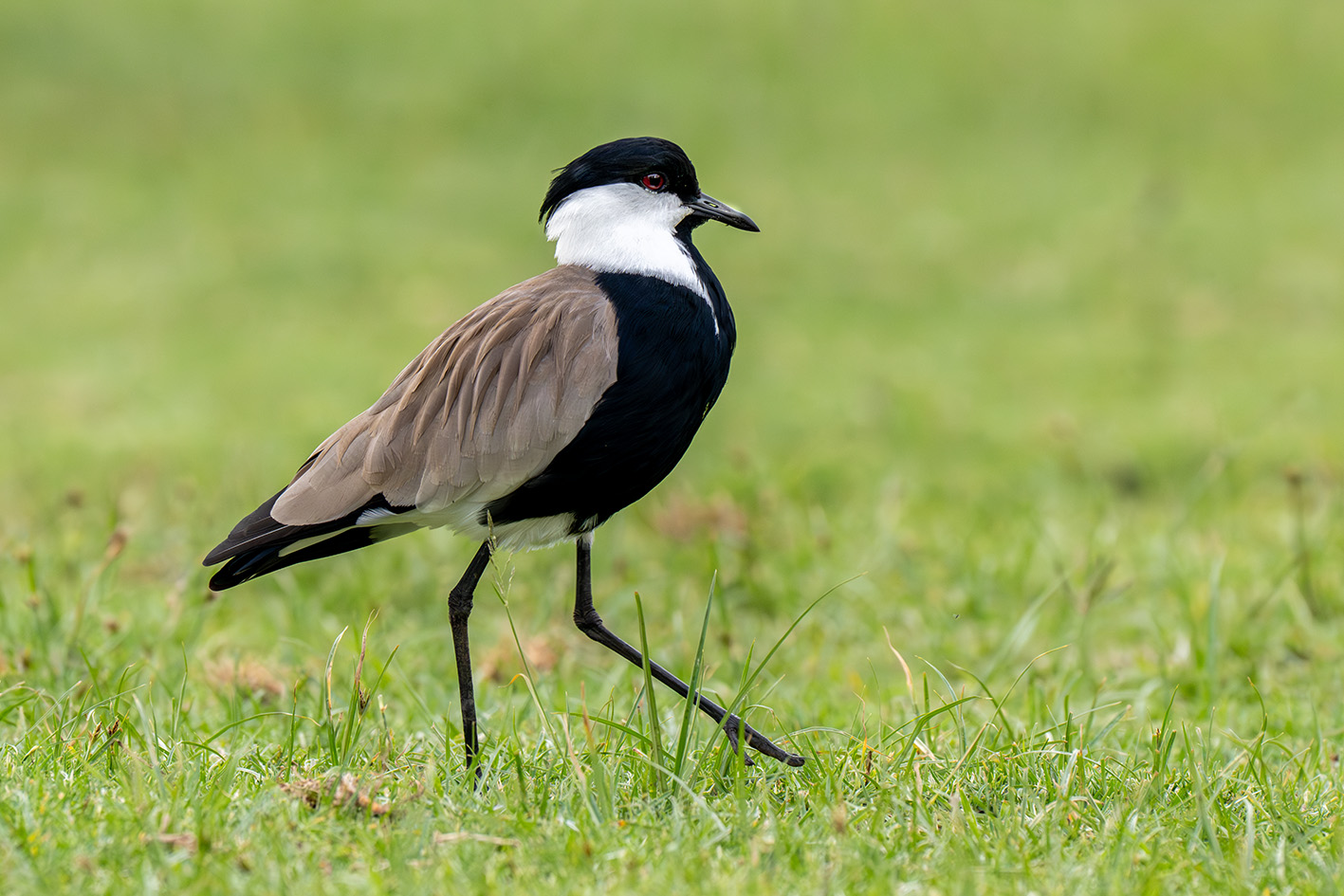
Sporenkievit (Spur-winged lapwing – Vanellus spinosis)
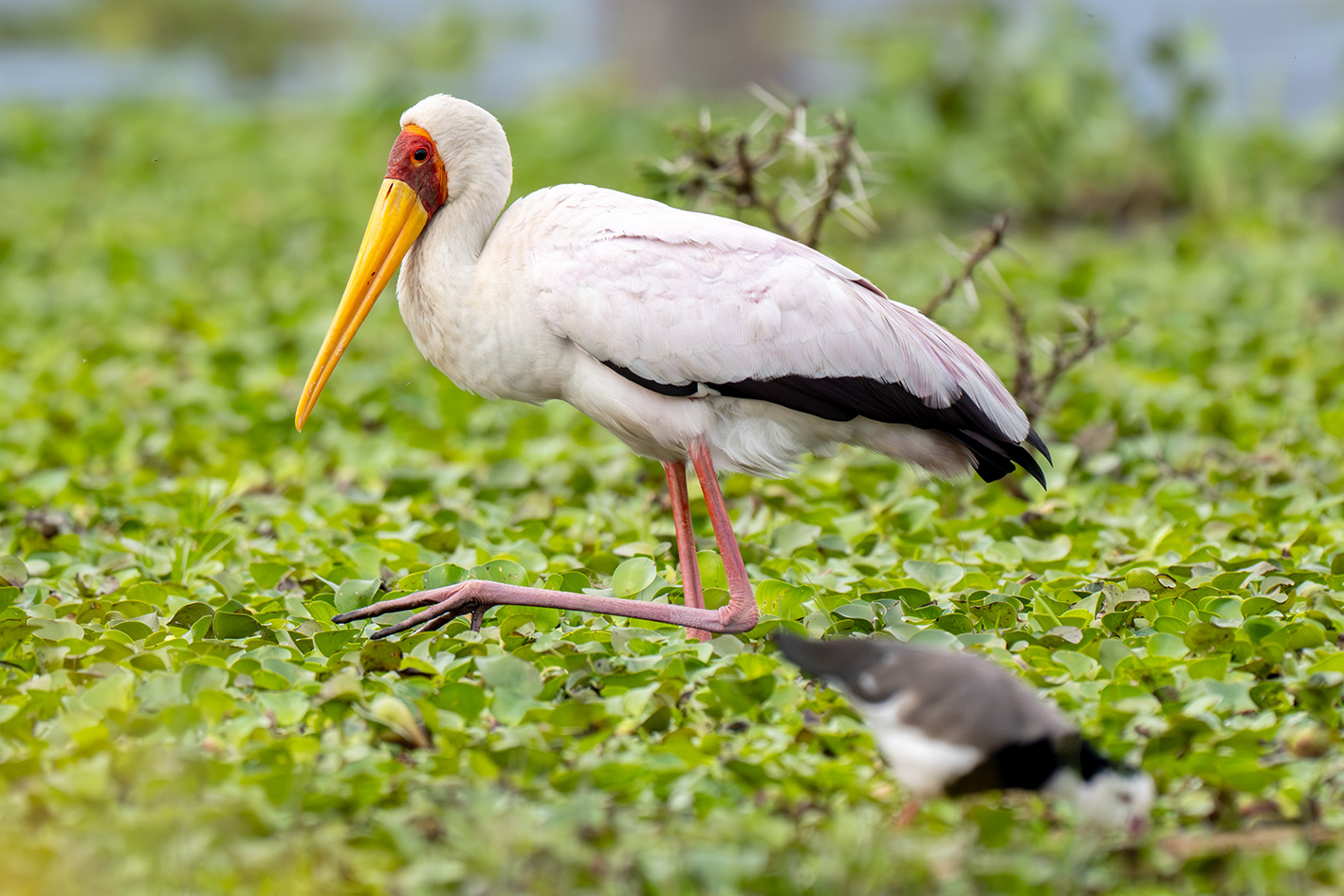
Nimmerzat (Yellow-billed stork – Mycteria ibis)
Langteenkievit (Long-toed lapwing – Vanellus crassirostris)
Reuzenreiger (Goliath heron – Ardea goliath)
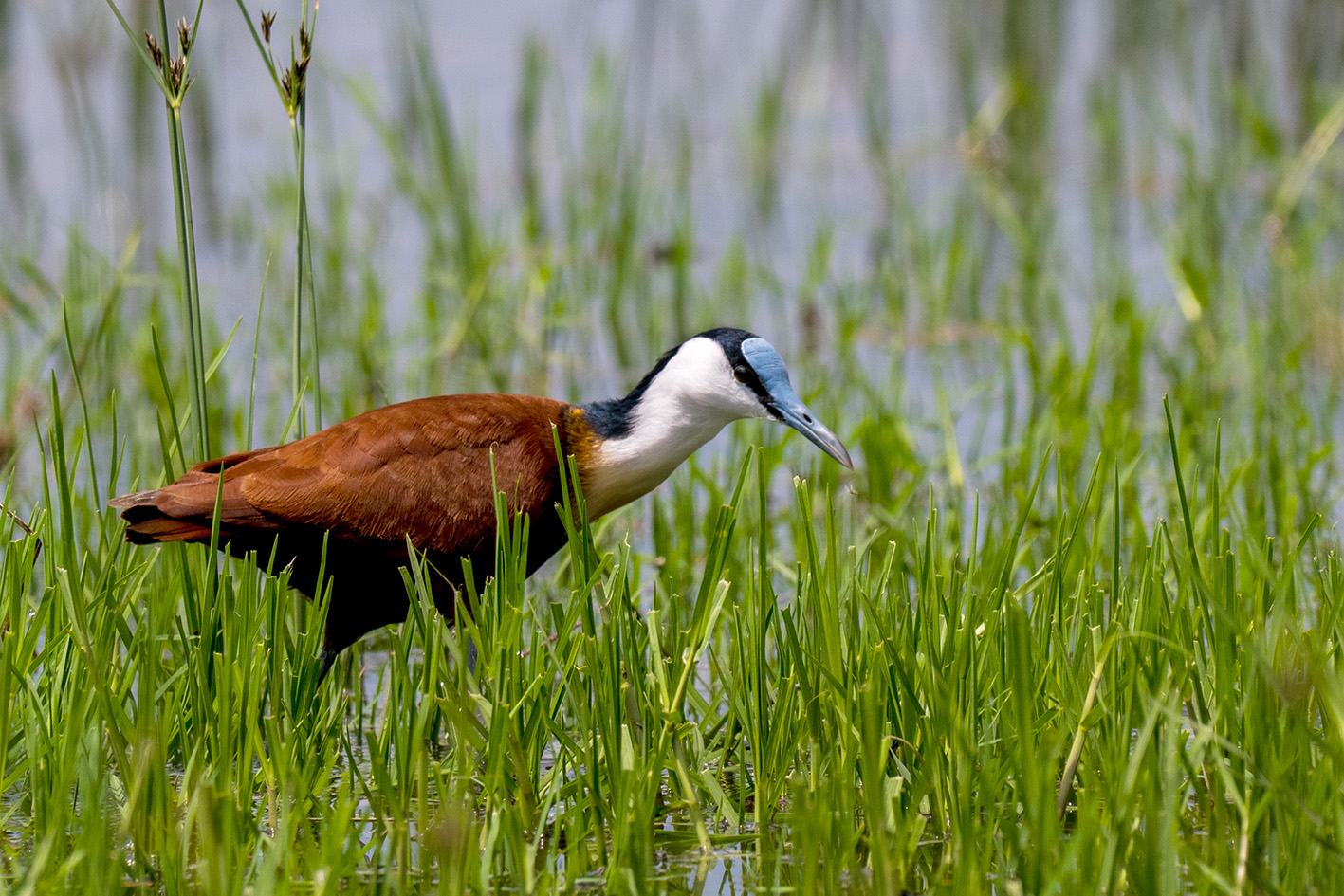
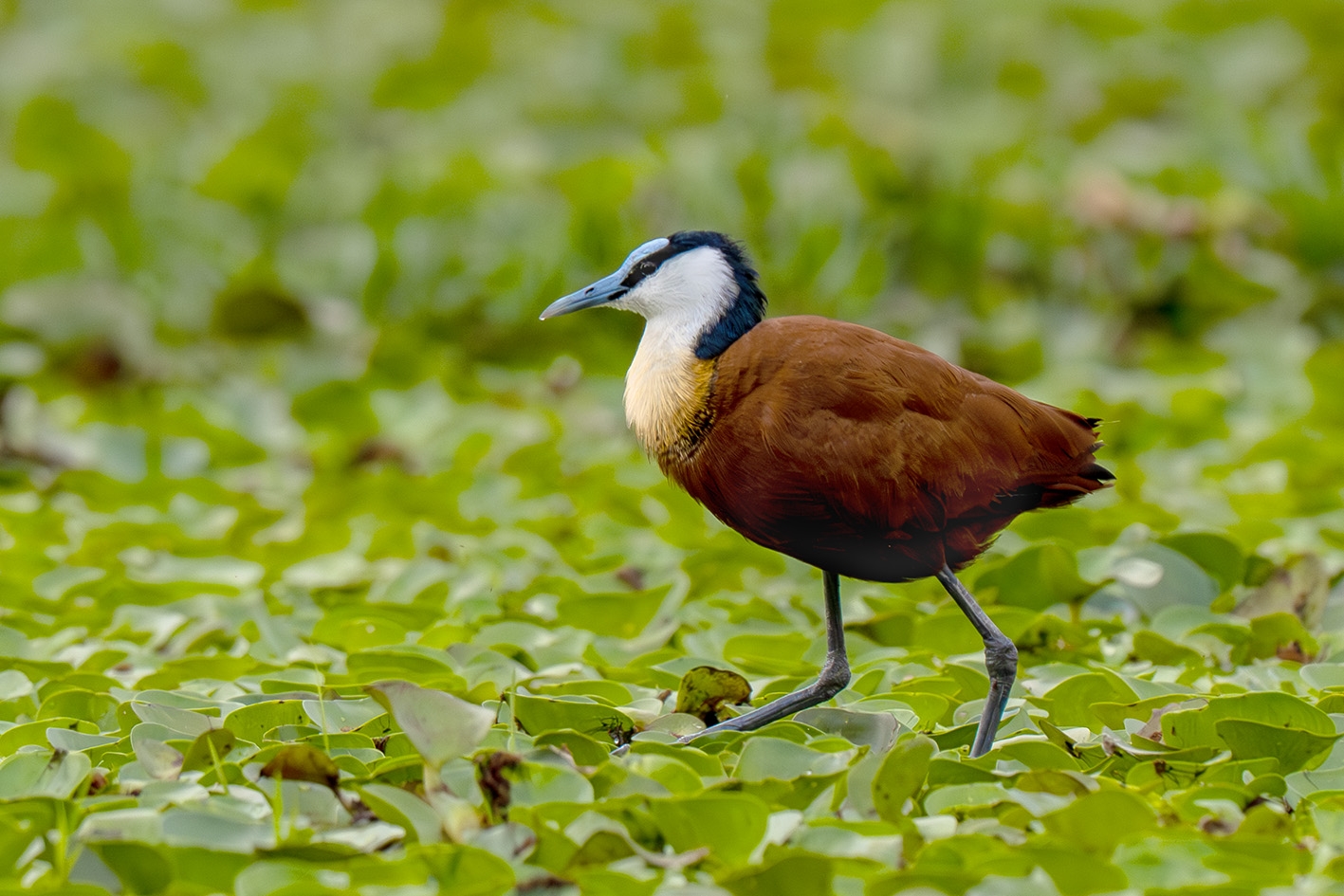
Lelieloper (African jacana – Actophilornis africanus)
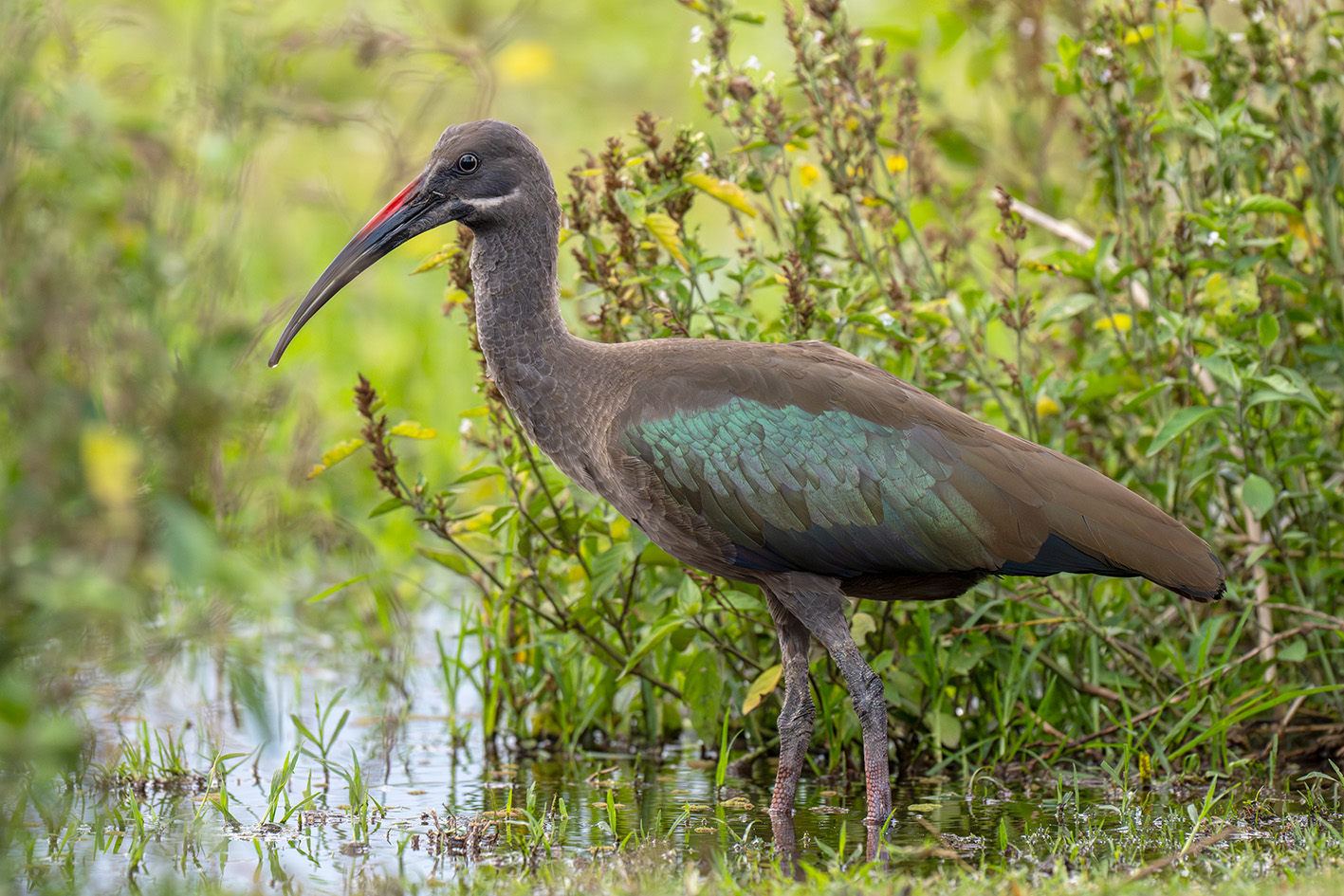
Hadada ibis (Bostrychia hagedash)
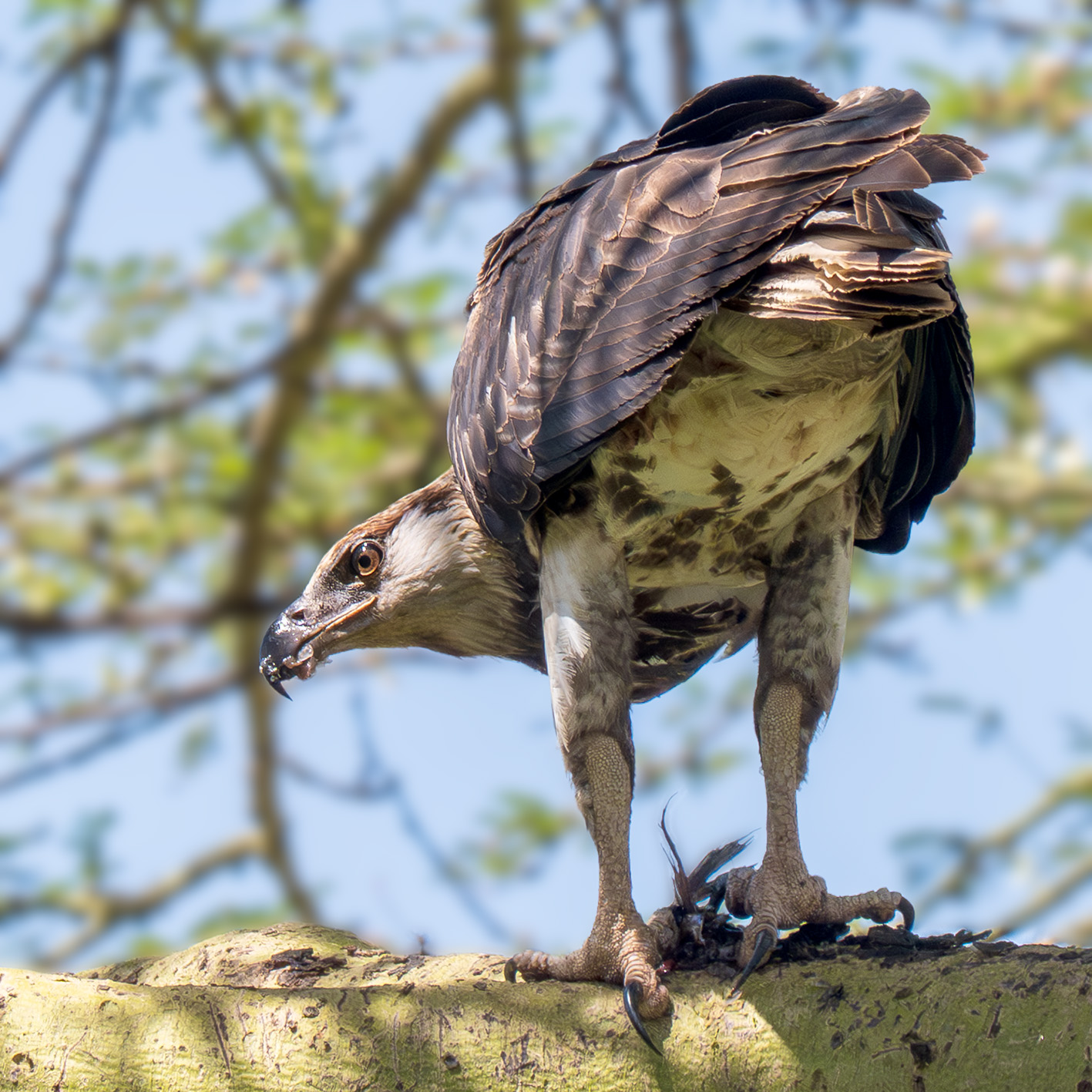
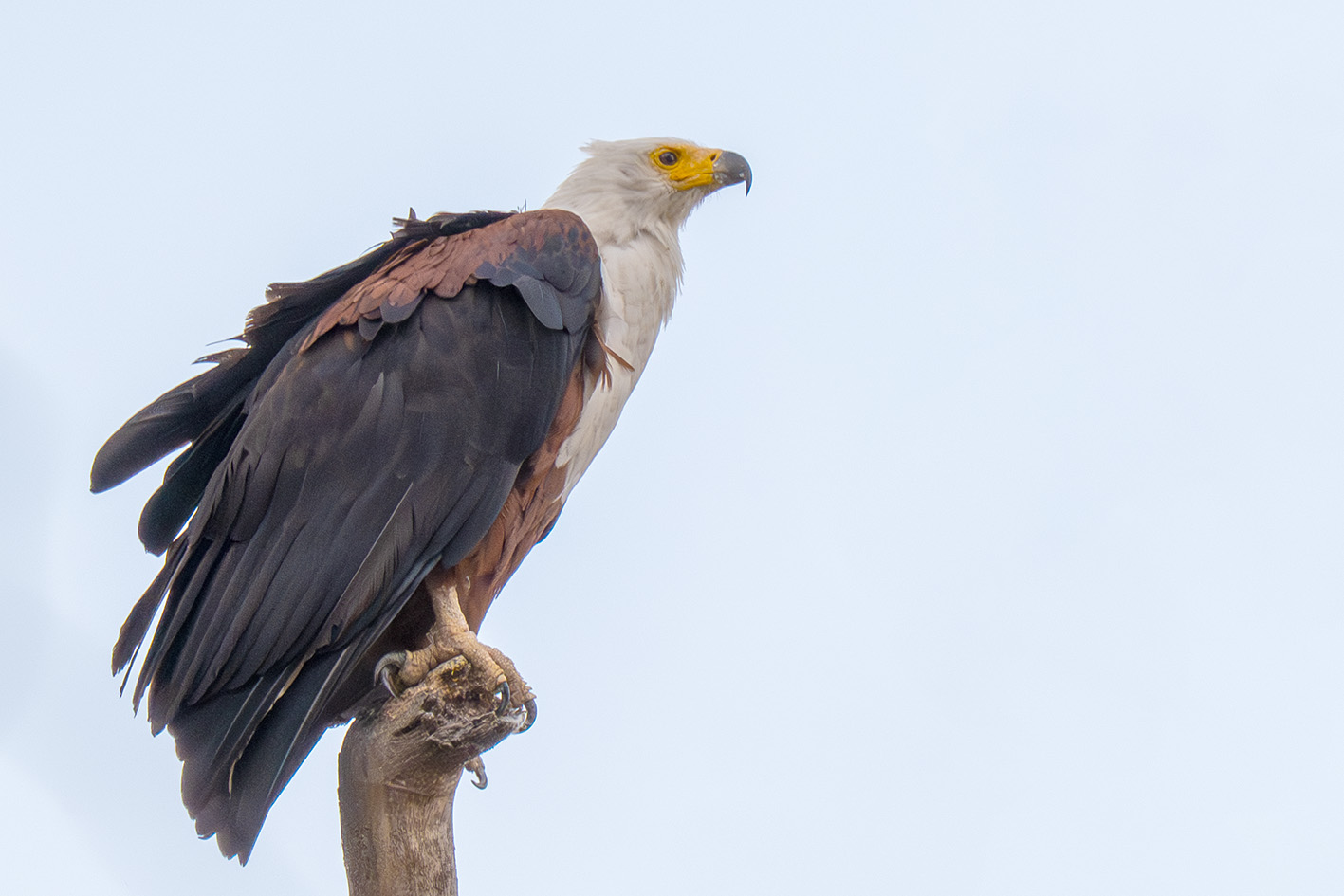
Afrikaanse zeearend (African fish-eagle – Haliaeetus vocifer)


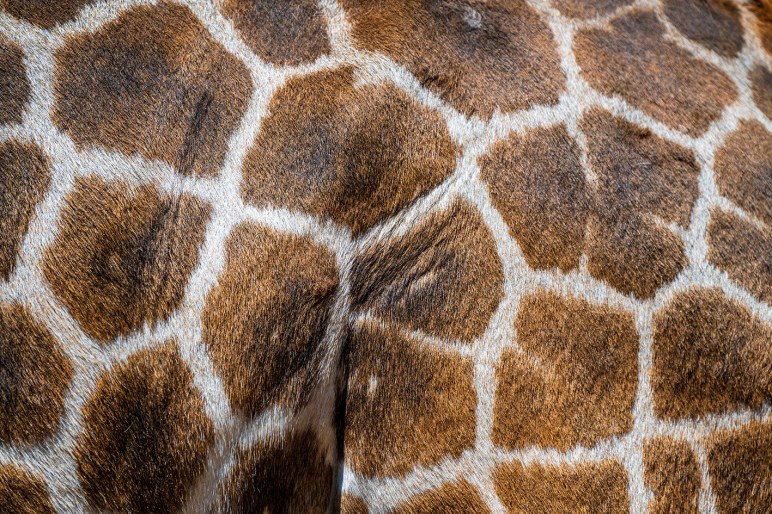
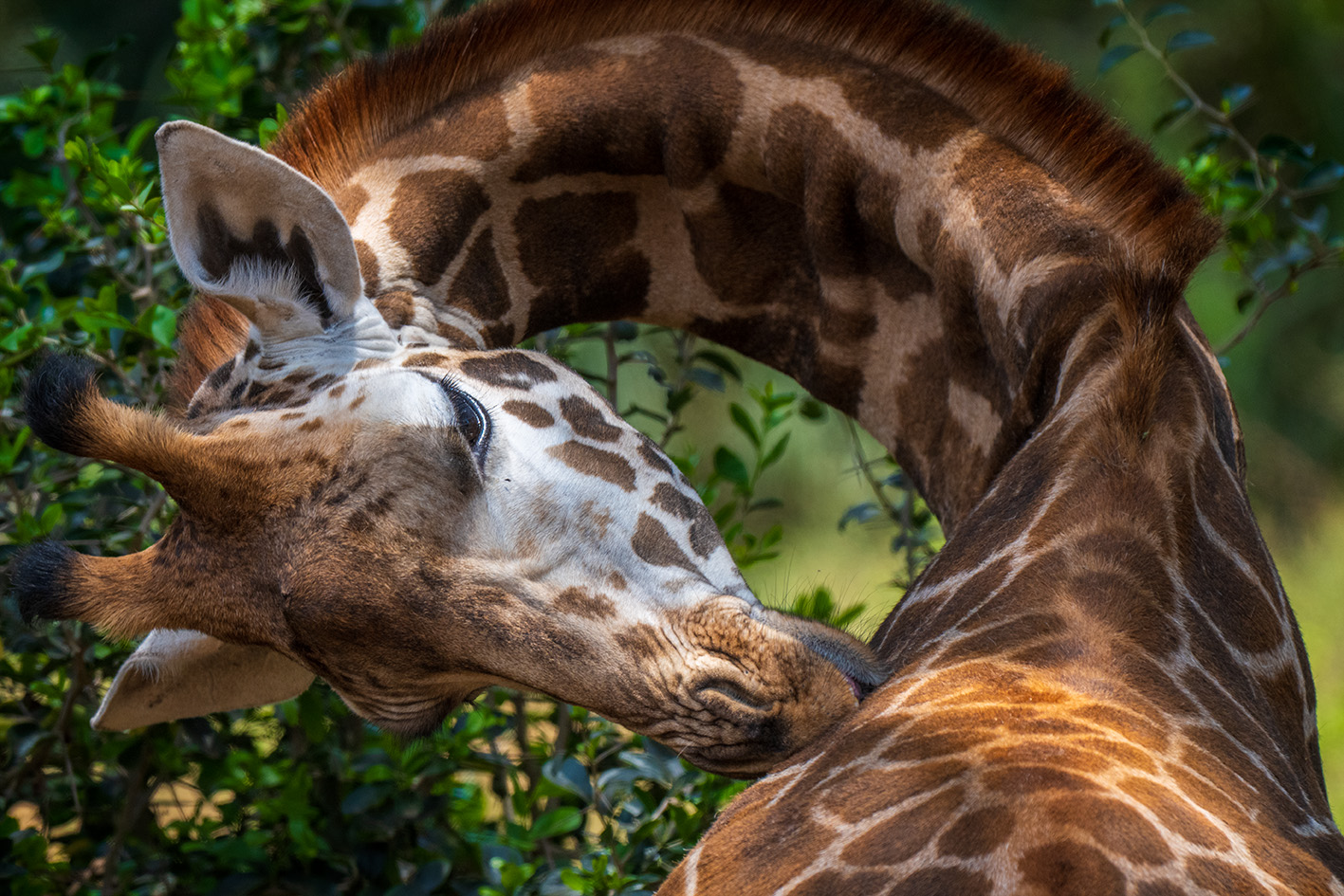
Rothschildgiraffe (Giraffa c. rothschildi)
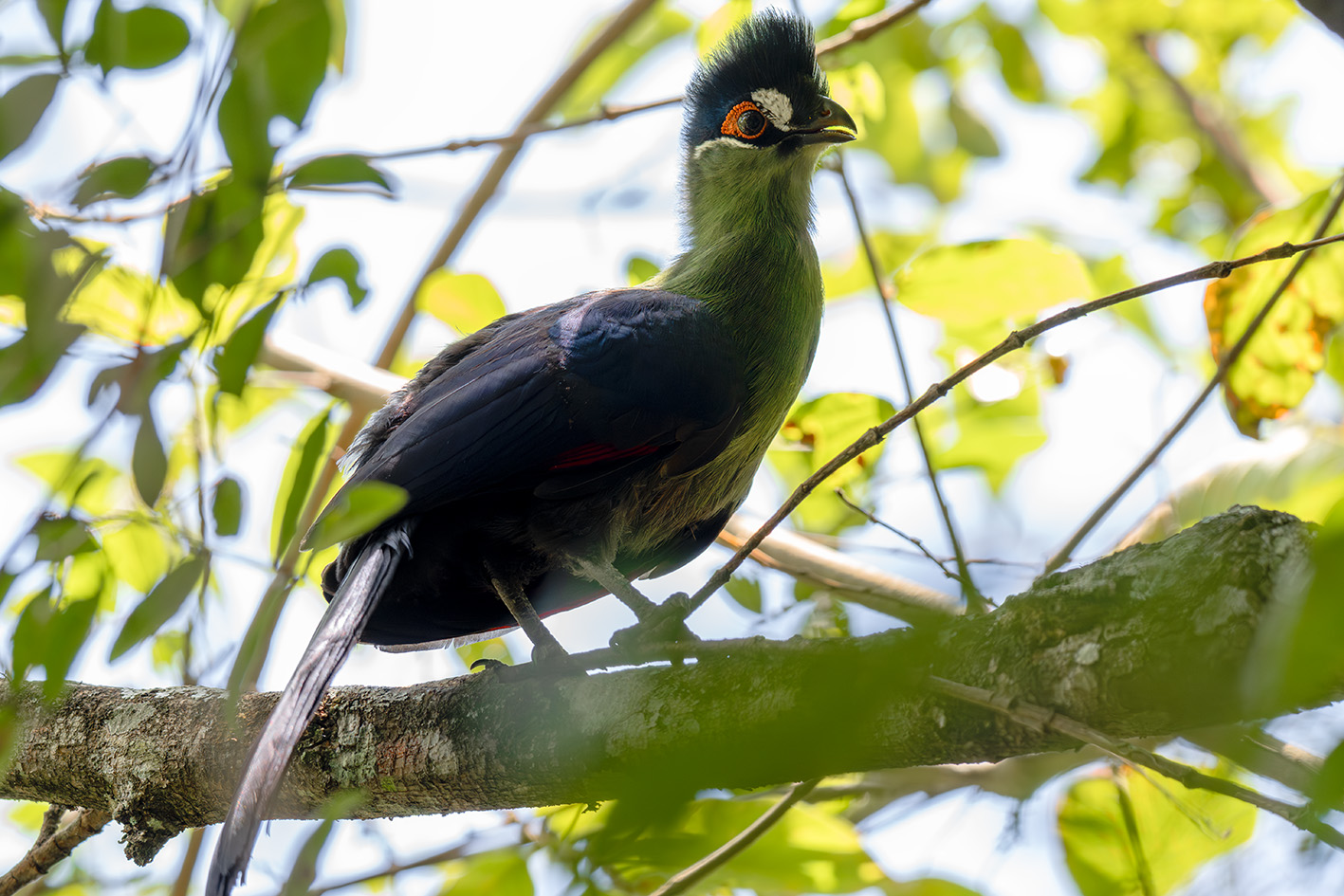
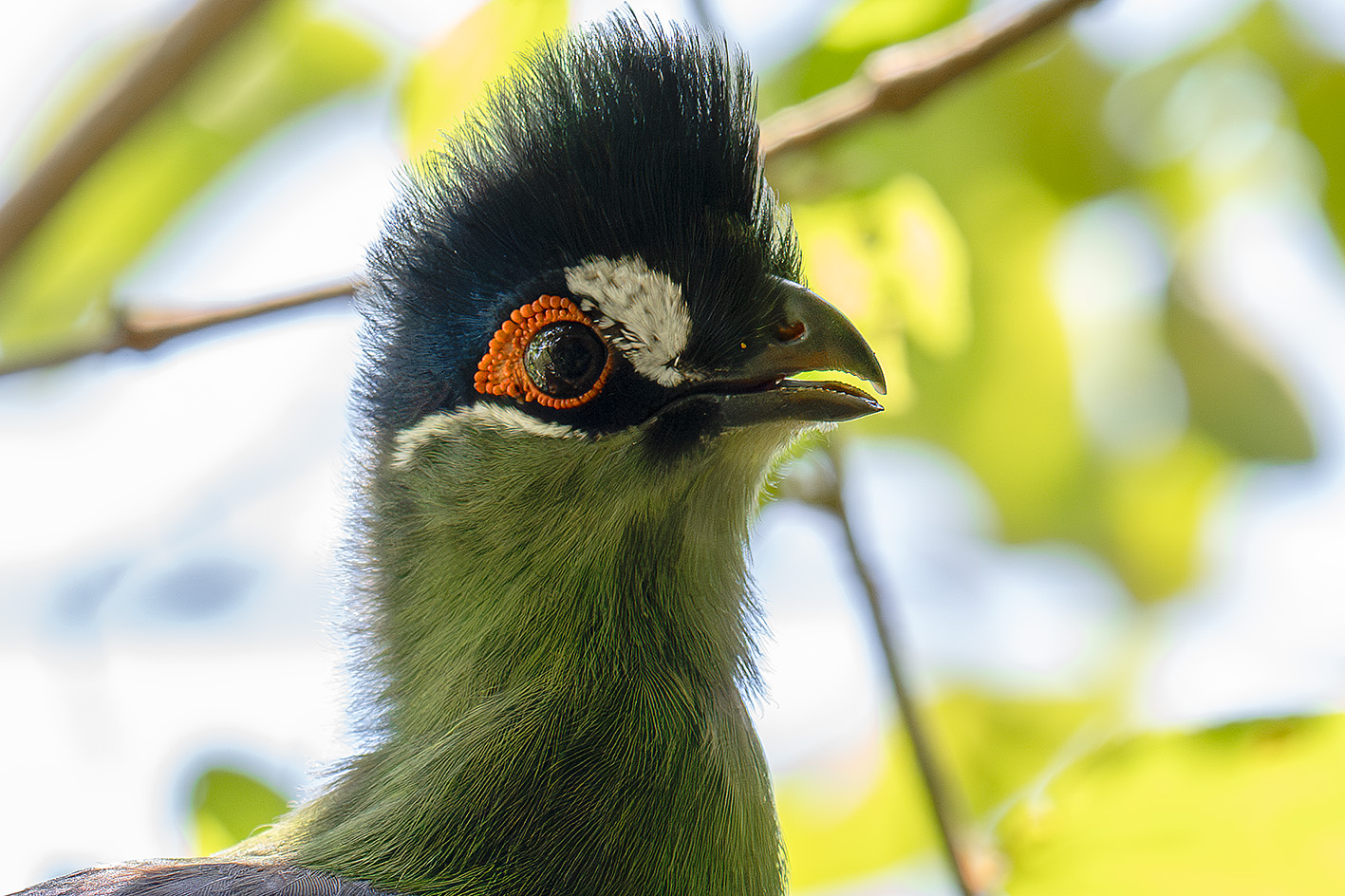
Hartlaub’s toerako (Hartlaub’s turaco – Tauraco hartlaubi)
bergdrongovliegenvanger (White-eyed Slaty Flycatcher – Melaenornis fischeri
bruine muisvogel (Speckled mousebird – Colius triatus)
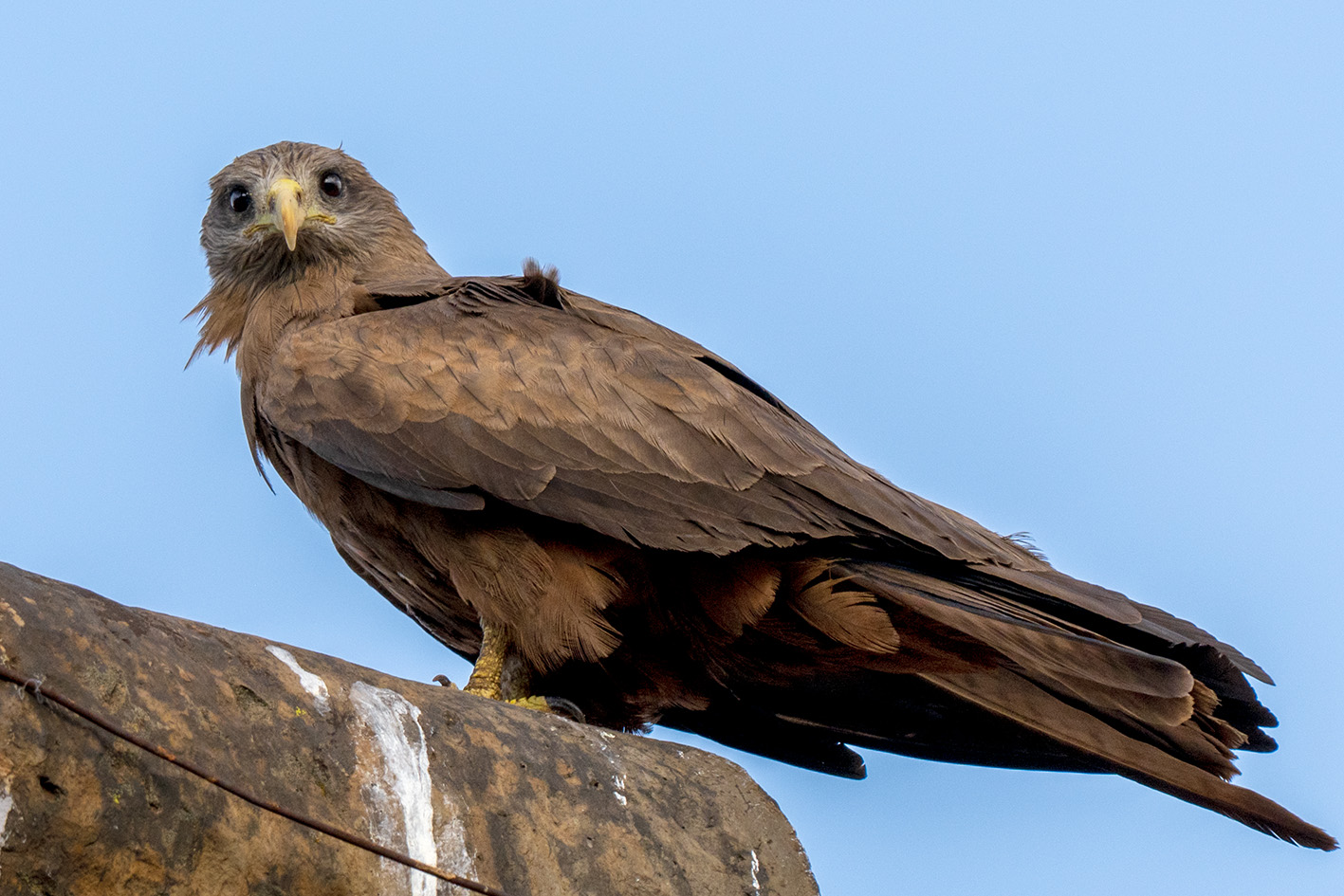
zwarte wouw (Black kite – Milvus migrans)
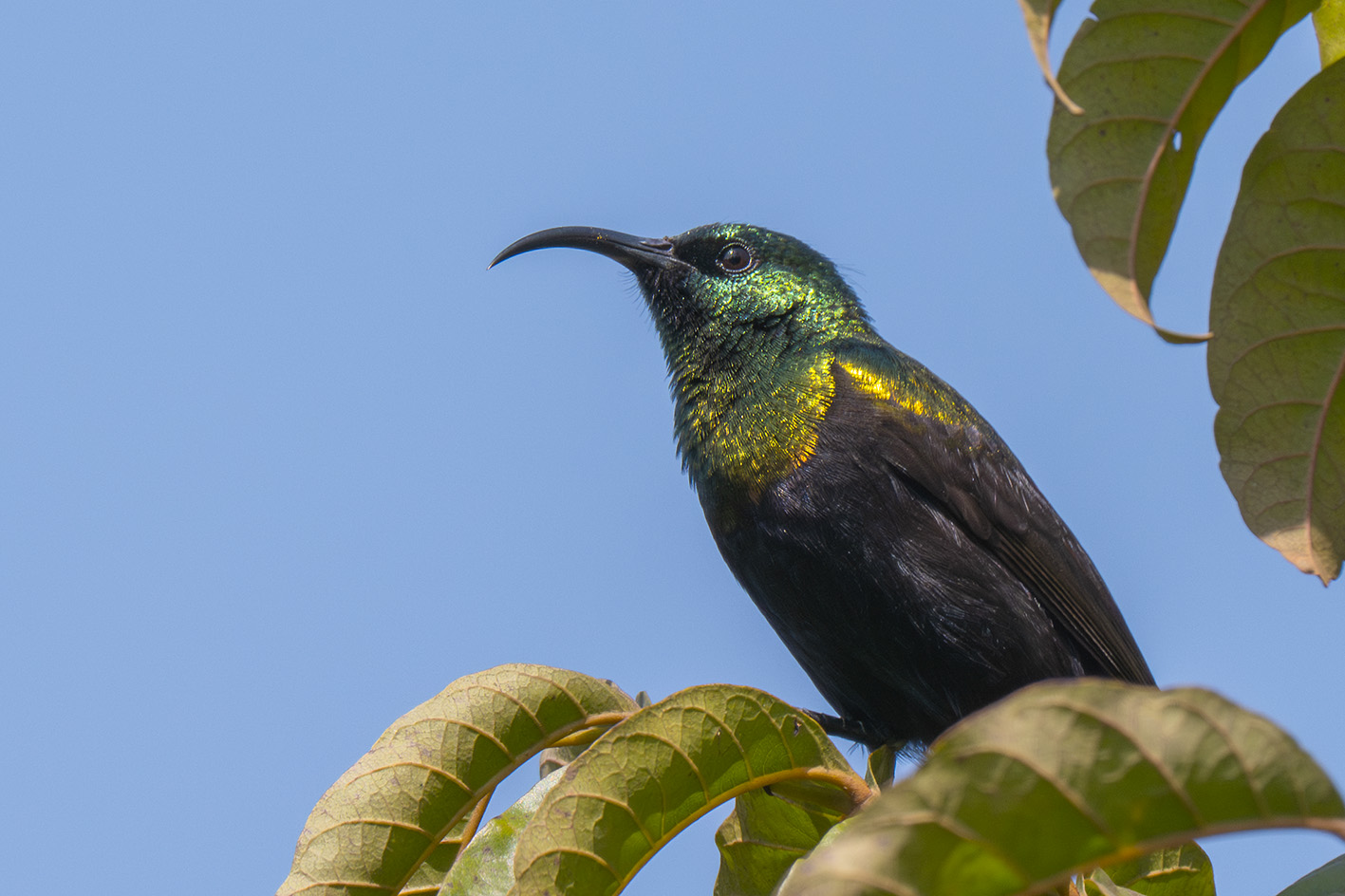
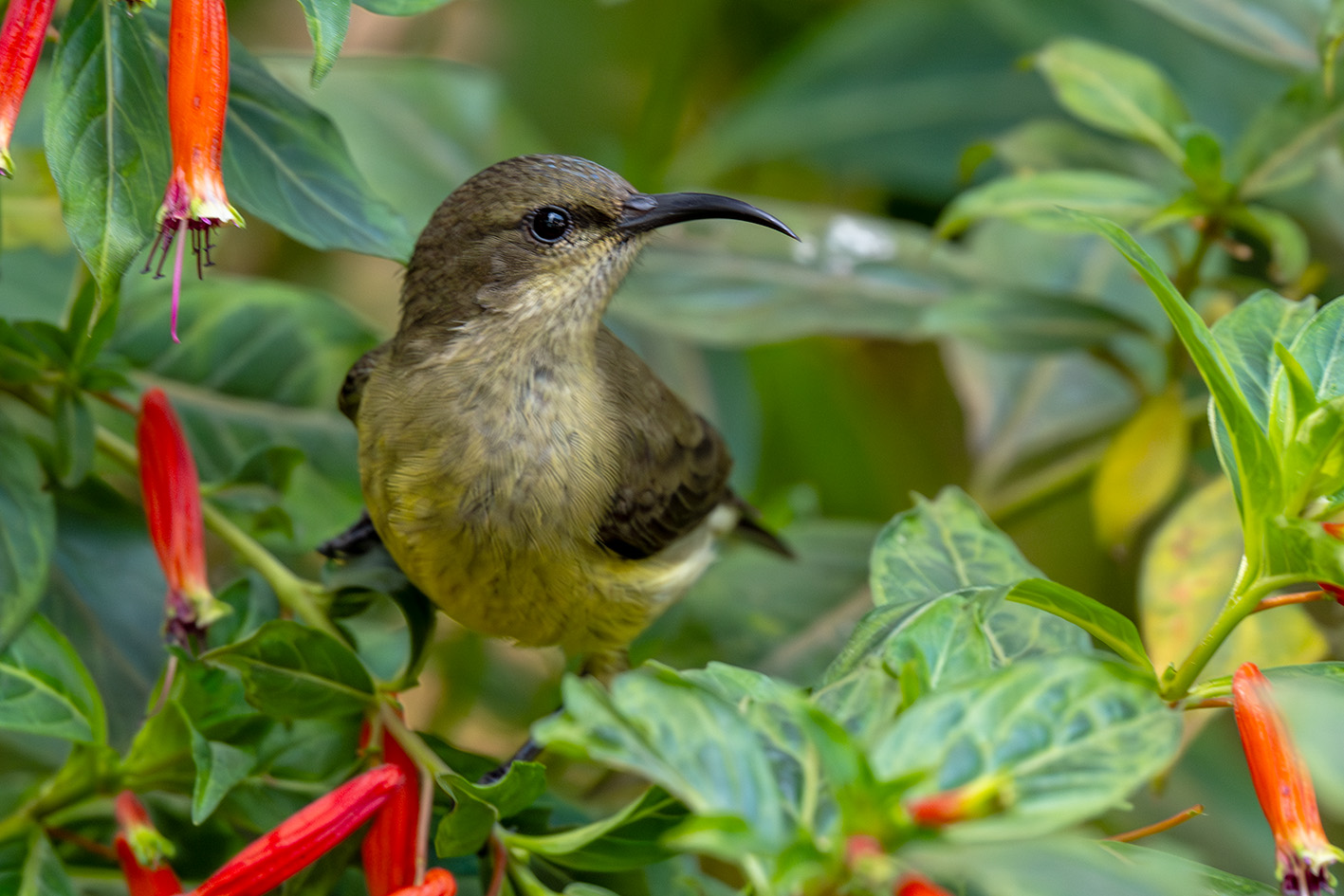
amethisthoningzuiger (Amethist or Black sunbird – Chalcomitra amethystina)
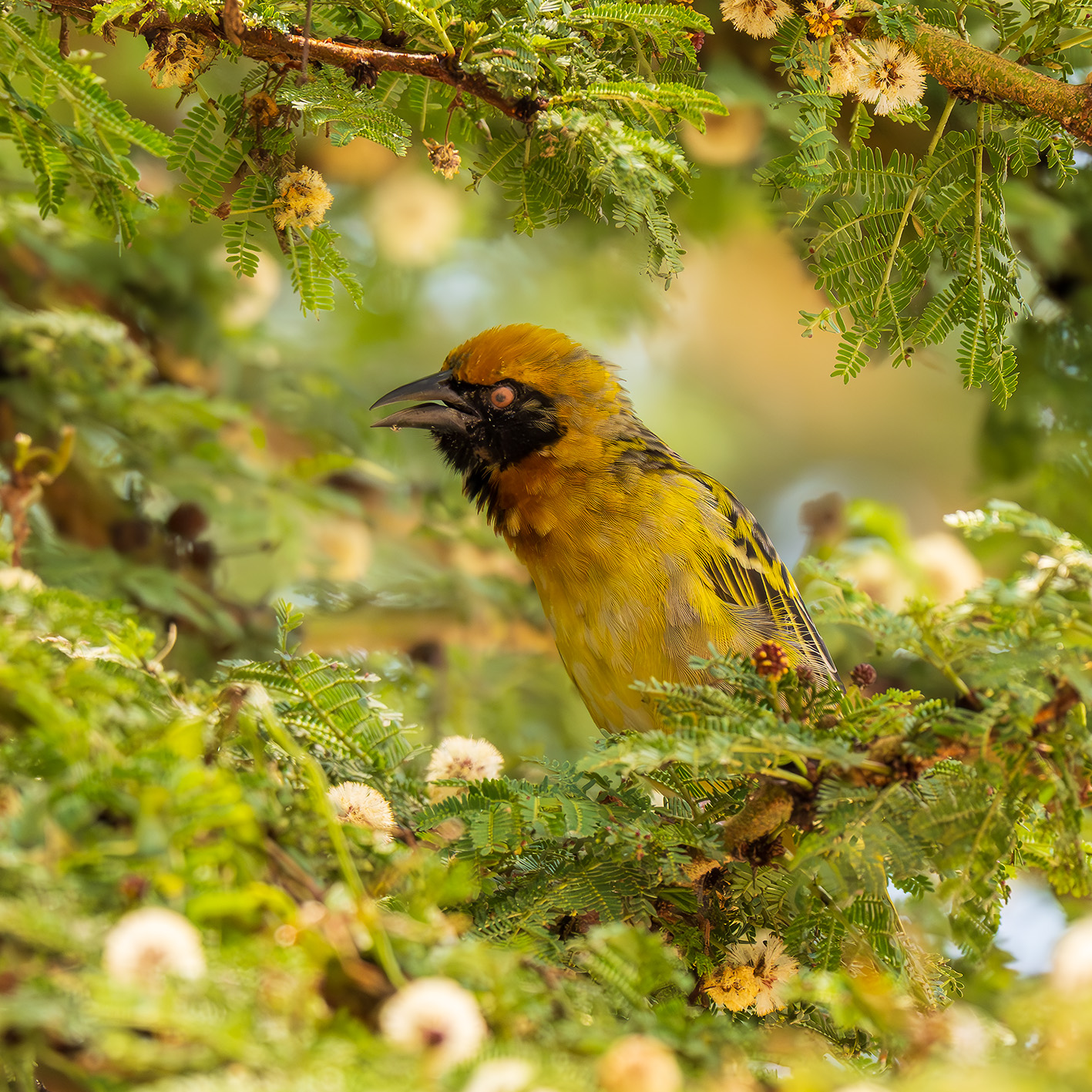
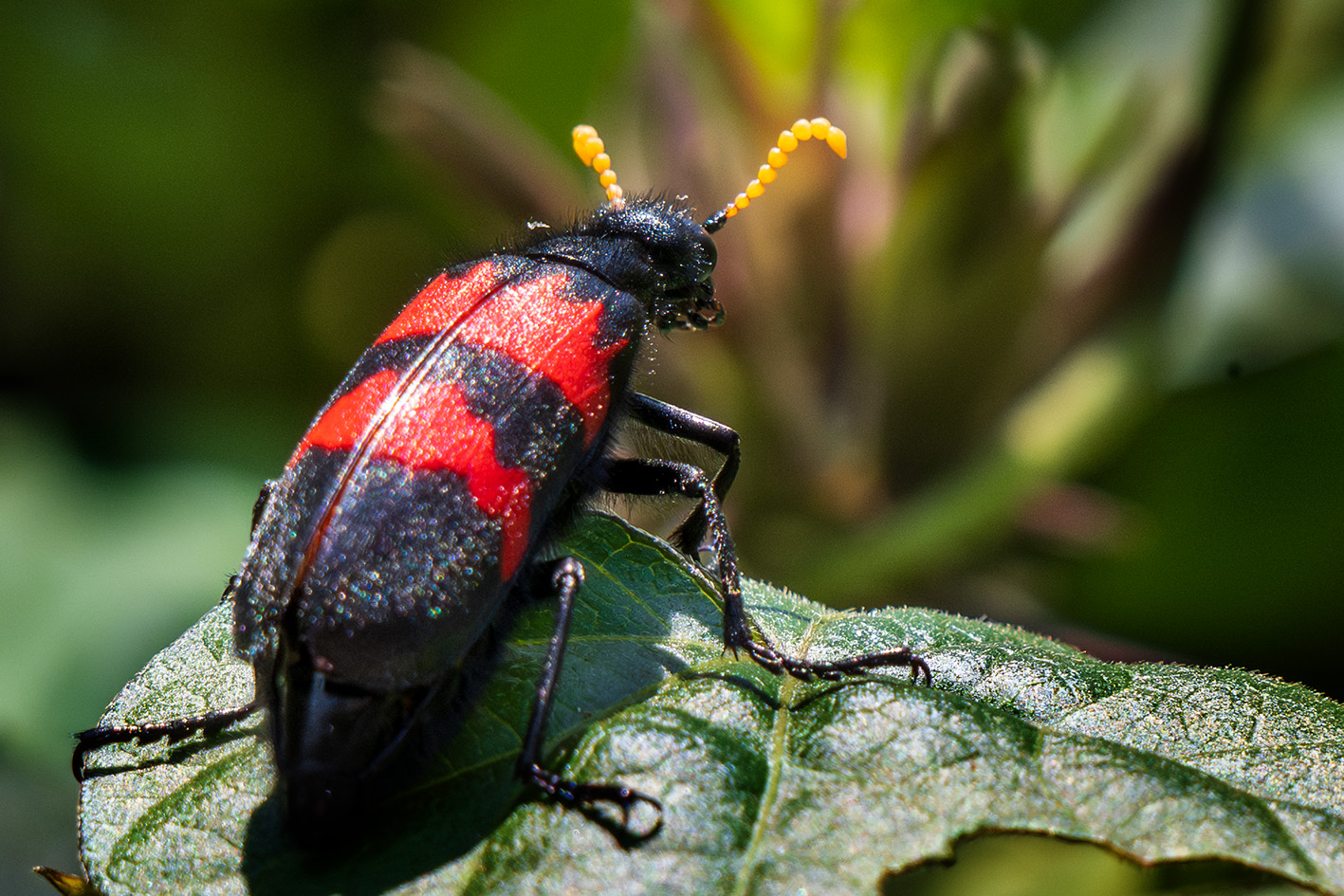
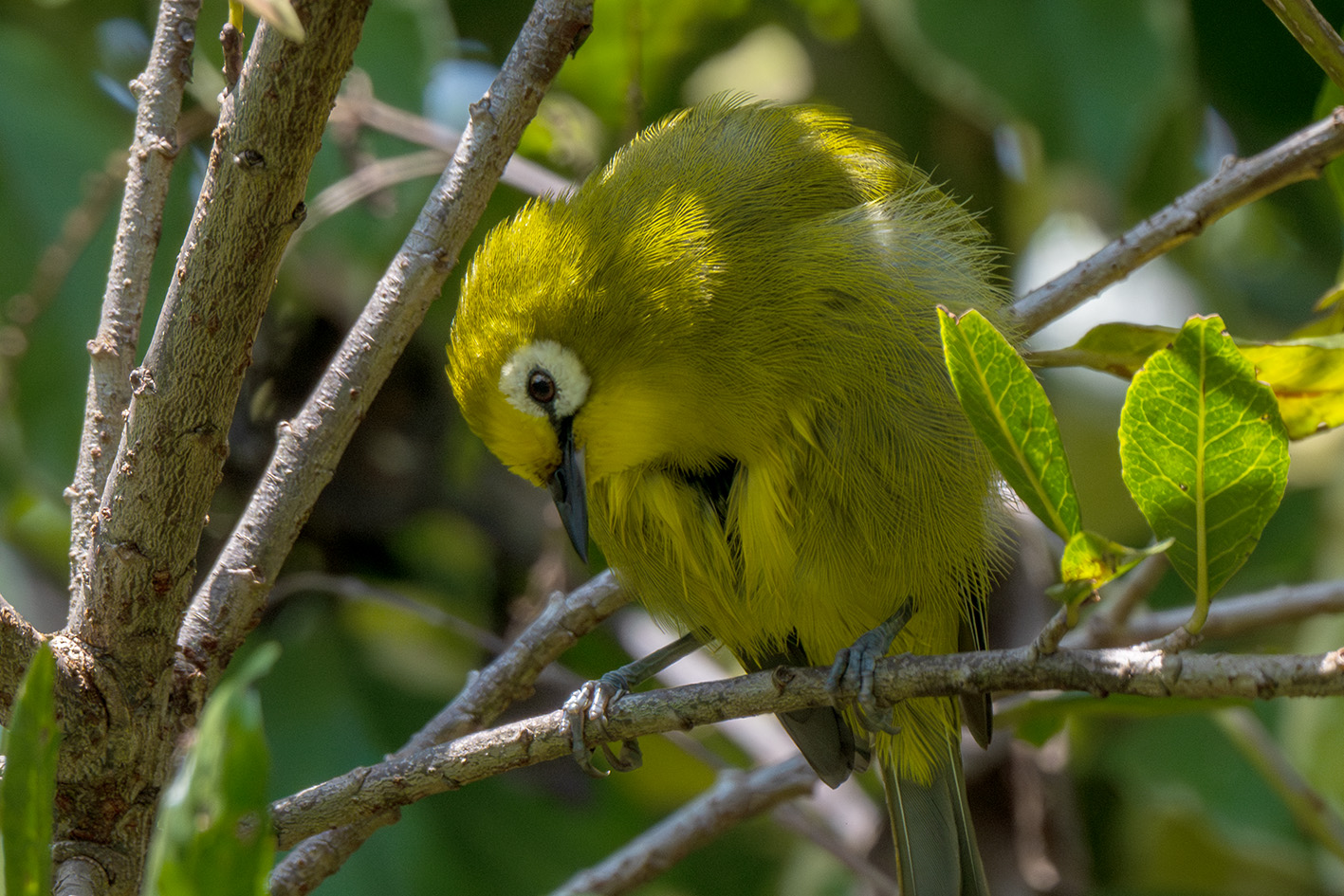
Somalische brilvogel (African yellow white-eye – Zosterops senegalensis)(Mylabris oculata) Een soort oliekever, Red and black blister beetle – Nairobi fly or bean beetle)
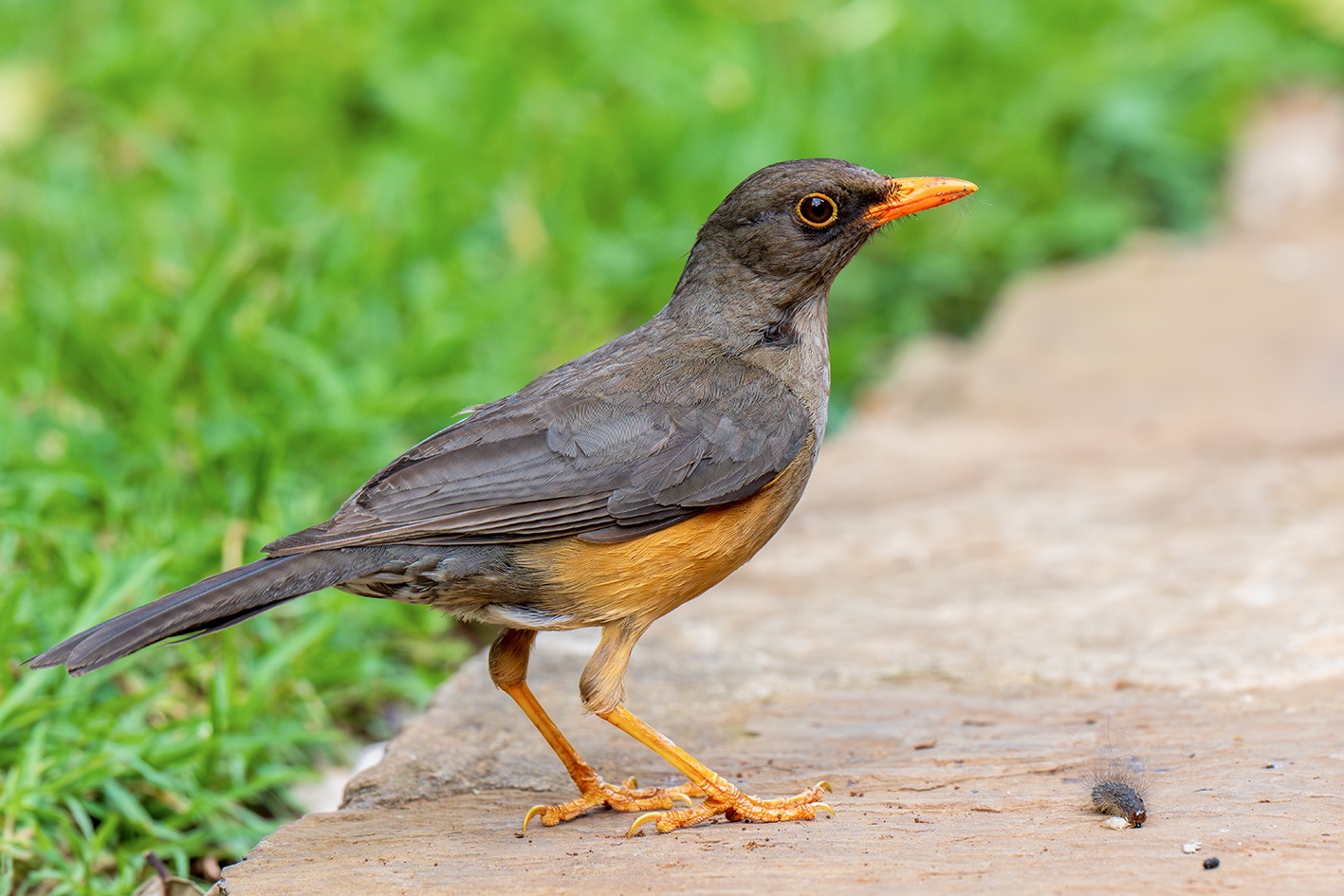
Afrikaanse berglijster (Abyssinian thrush – Turdus Abyssinicus)
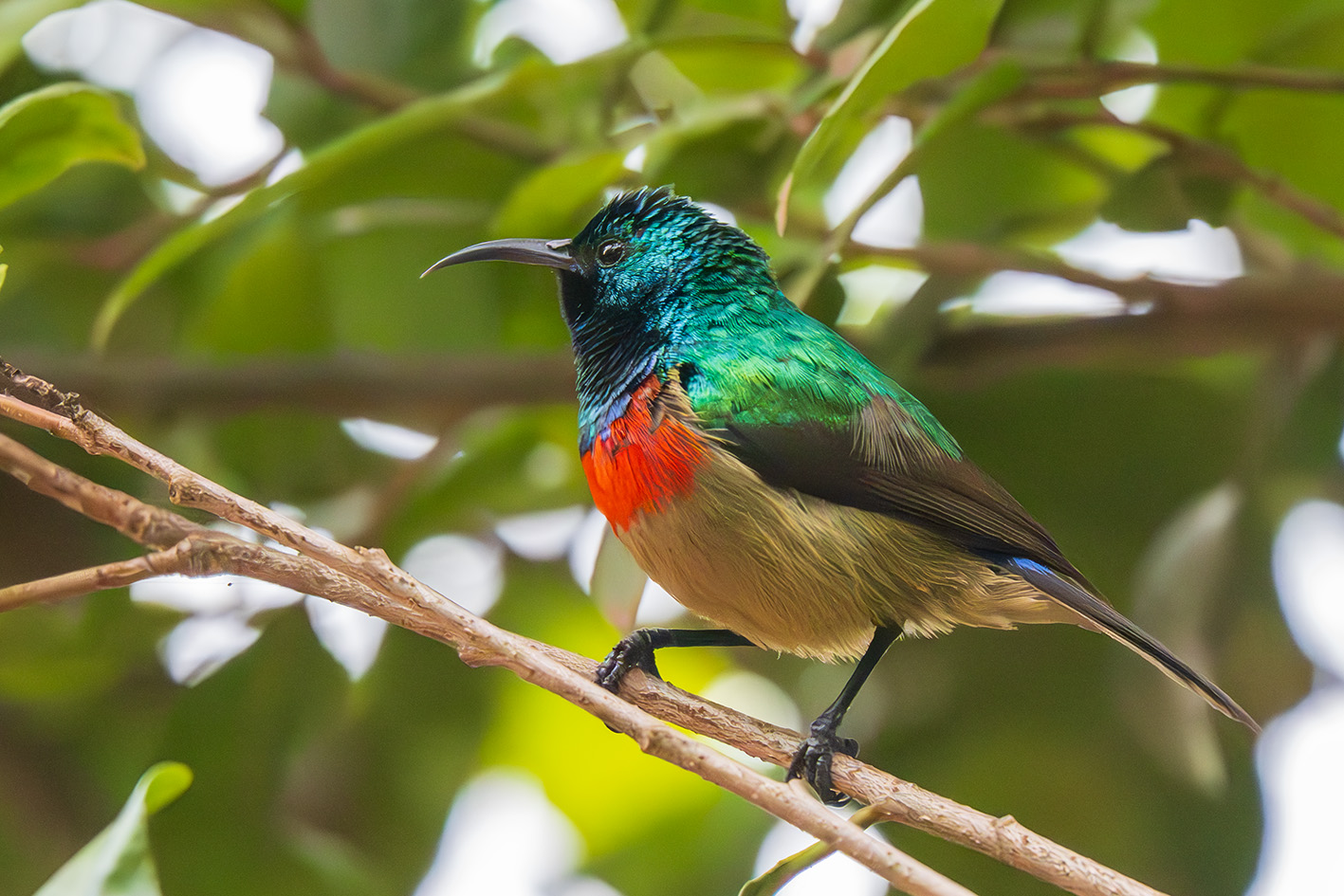
tacazze-honingzuiger (nectarine subird – Nectarinia tacazze)
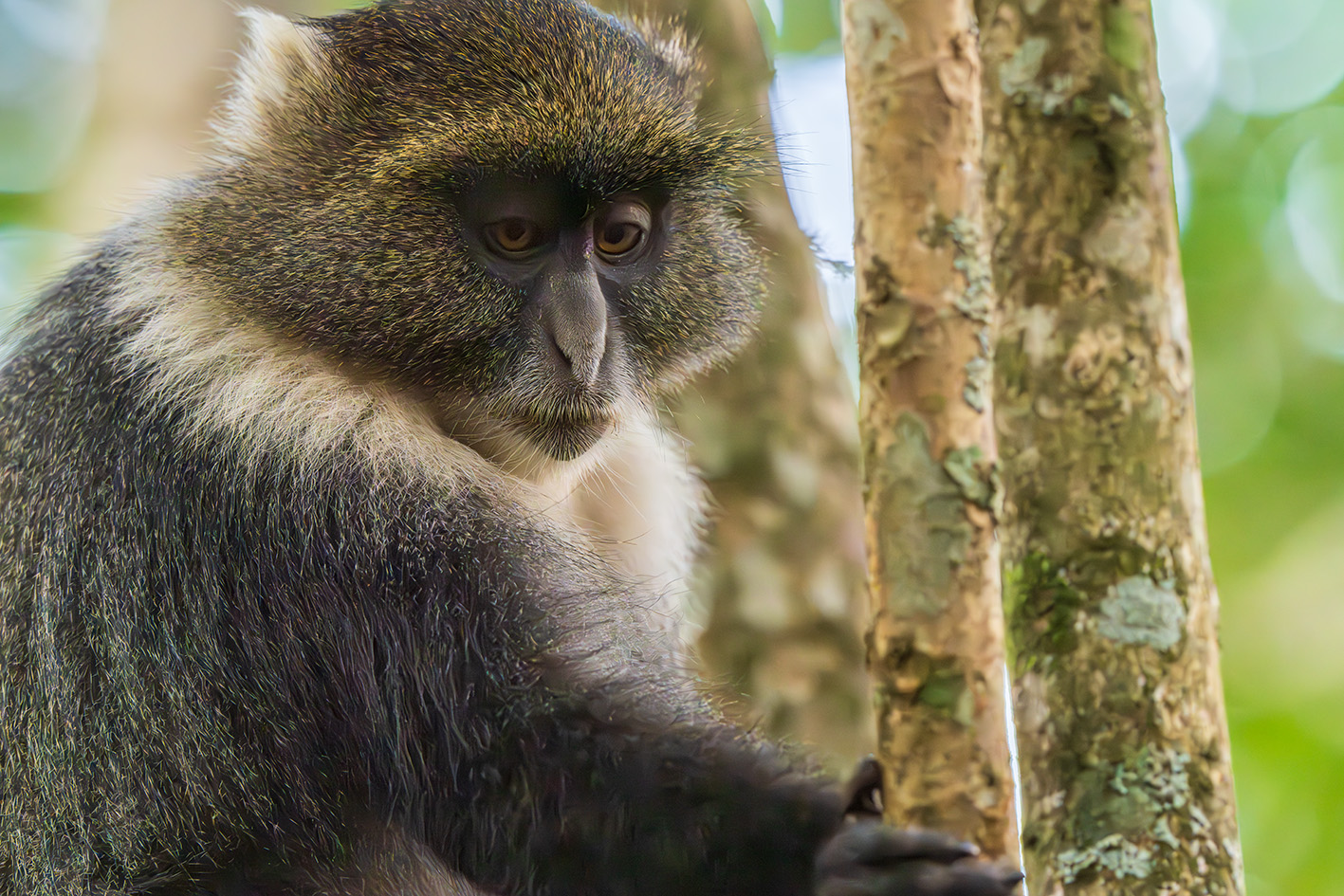
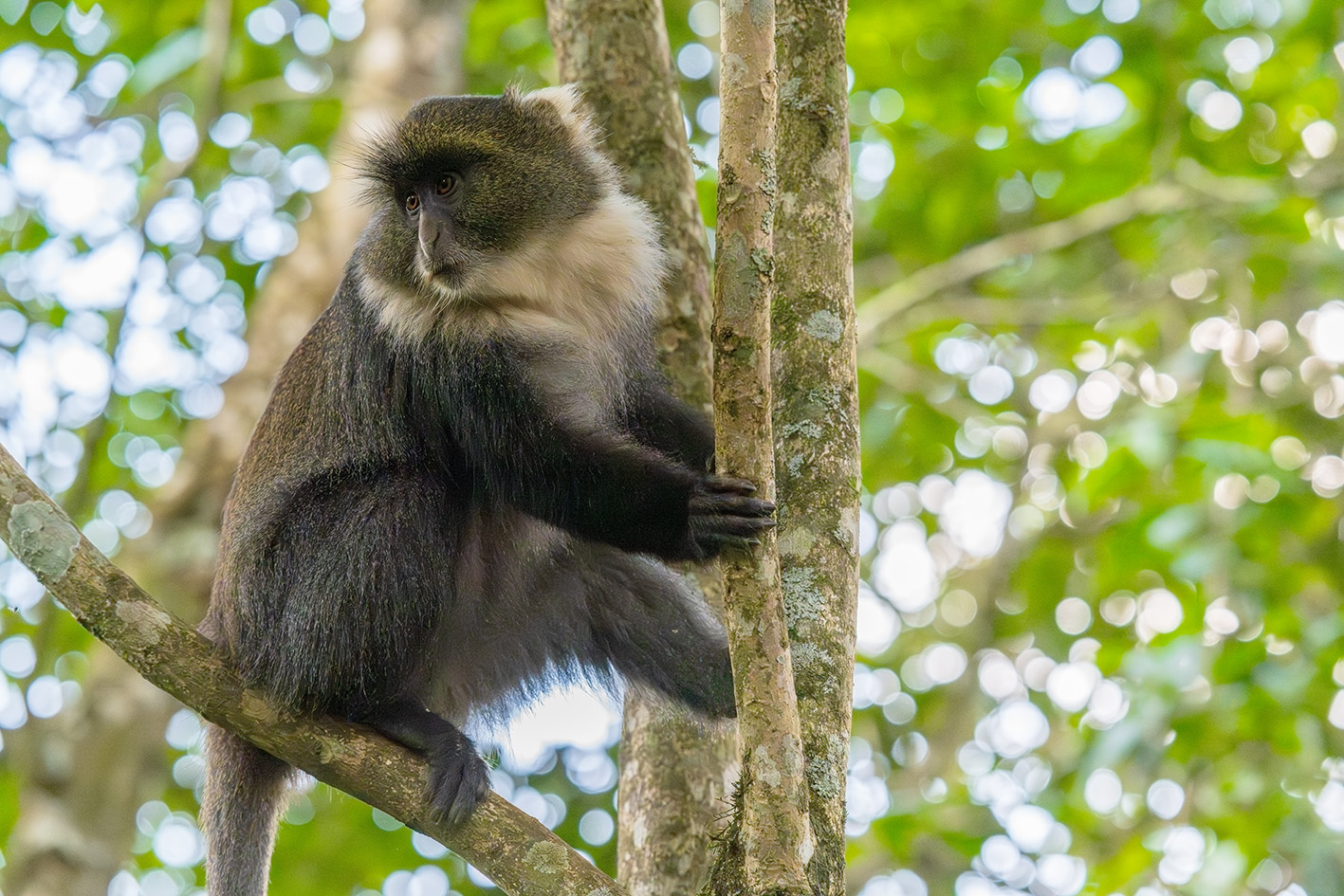
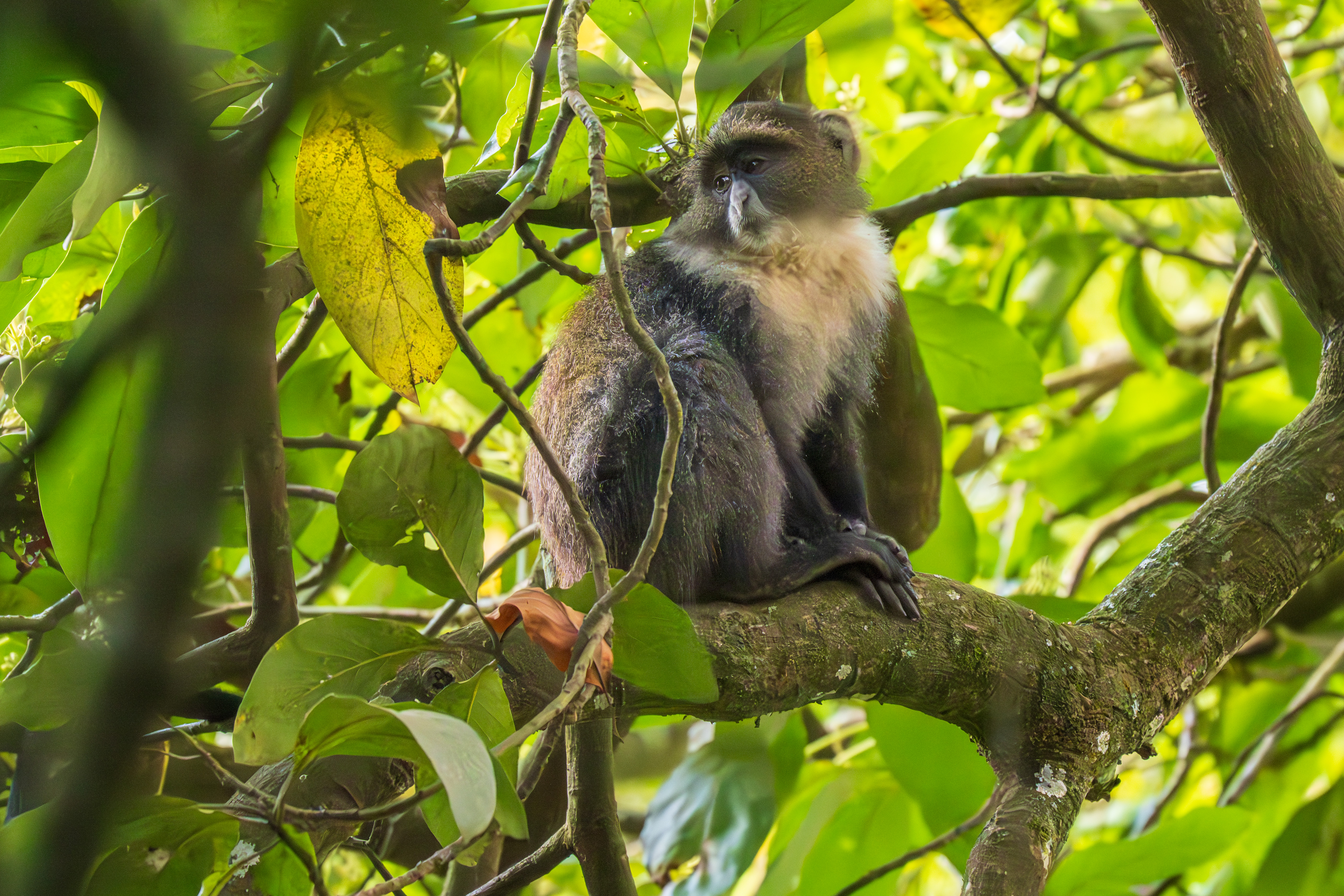
diadeemmeerkat (Blue monkey – Cercopithecus mitris)
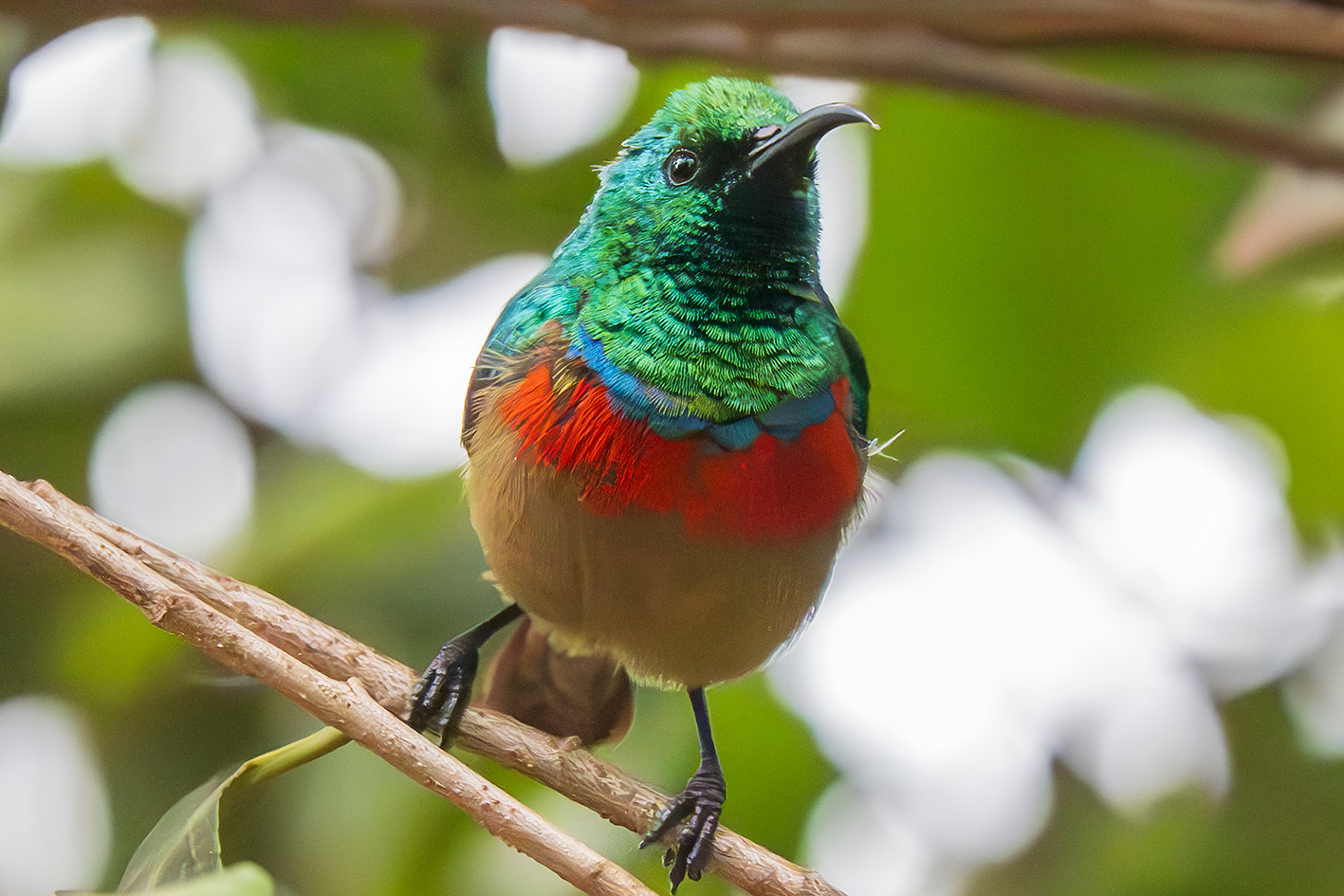
feeenhoningzuiger (Beautiful sunbird – Cinnyris pulchellus)
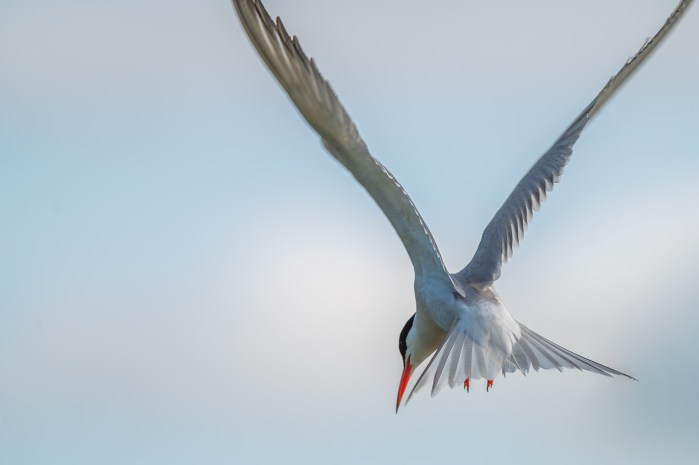
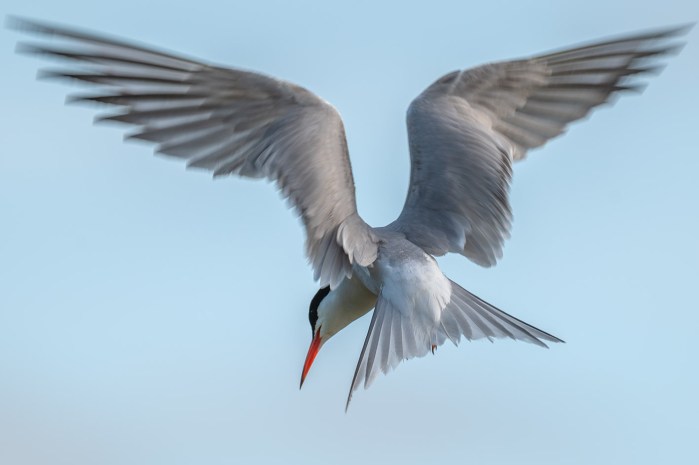
Op weg naar school was een sloot waar elke zomer visdiefjes kwamen. Waarschijnlijk broedden ze op één van de nabijgelegen flats, op die platte daken. Die schoonheid, die sierlijkheid! Als ik dat zag, en hun schelle roep hoorde, was mijn dag meteen goed.


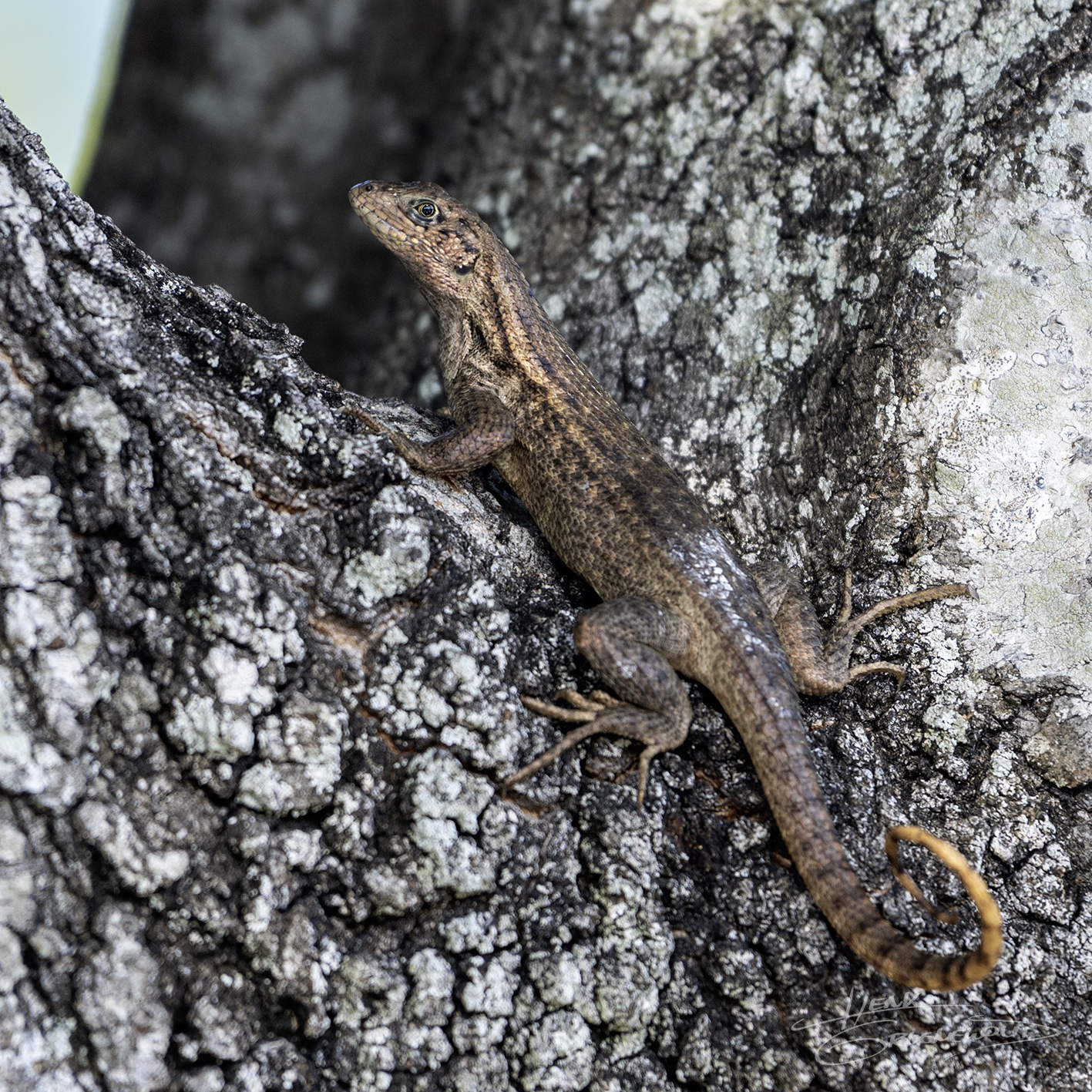
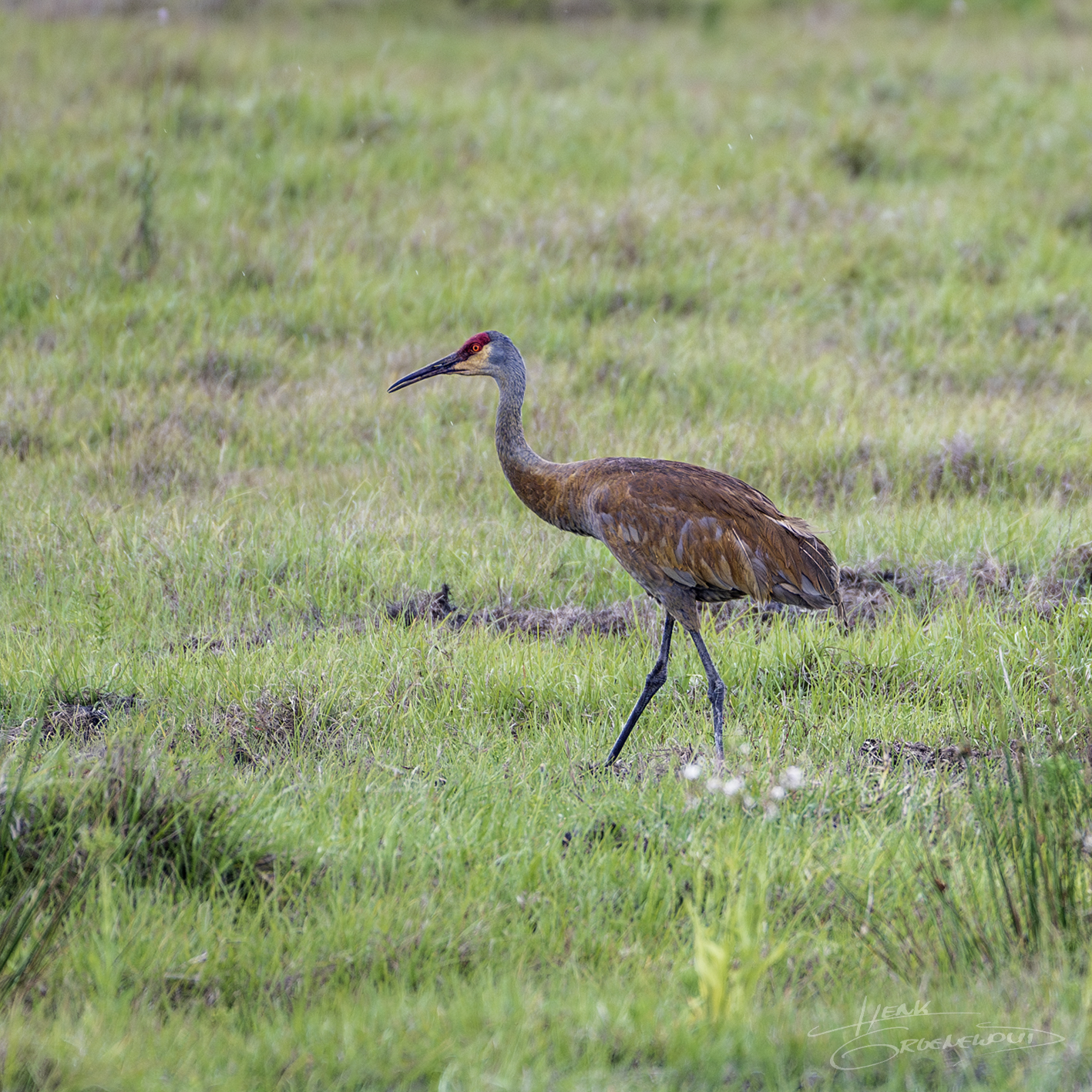
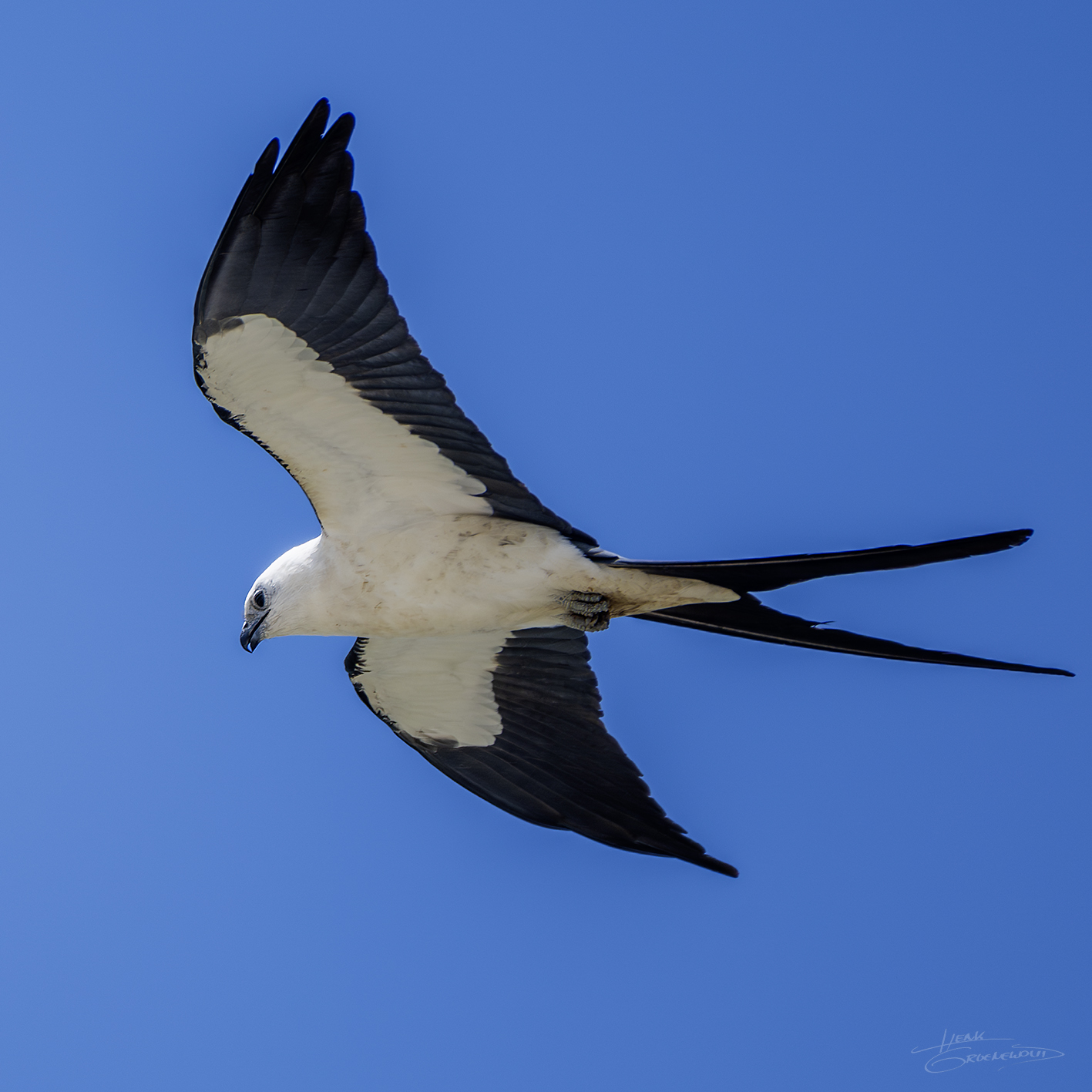
Around Melbourne, Erna Nixon Park, Ritch Grissom Memorial Wetlands and more. Lots and lots of bird… and some alligators and turtoises and trees. In Erna Nixon Park I saw a glimpse of an armadillo – just briefly and I was so excited that I forgot to take a picture…


Started day four in Sawgrass Recreation park, Everglades…
What shall I say? Lots of water. Lots of reed.
Further north to Lake Okeechobe and heading to Melbourne


It’s too much!


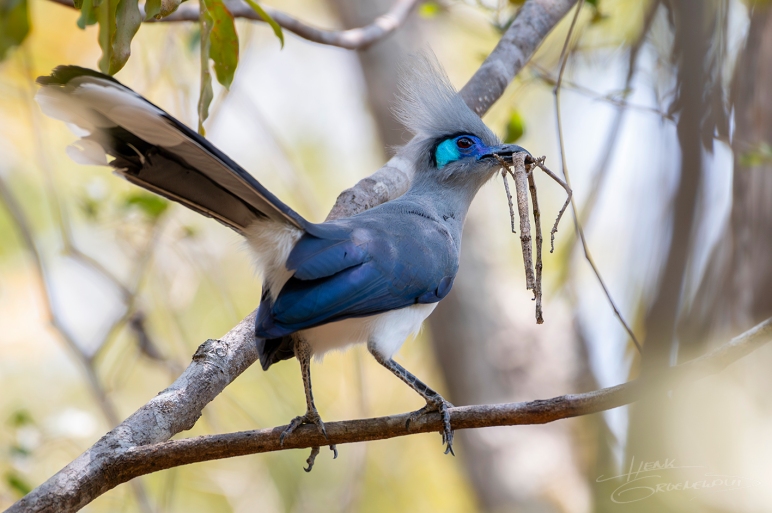
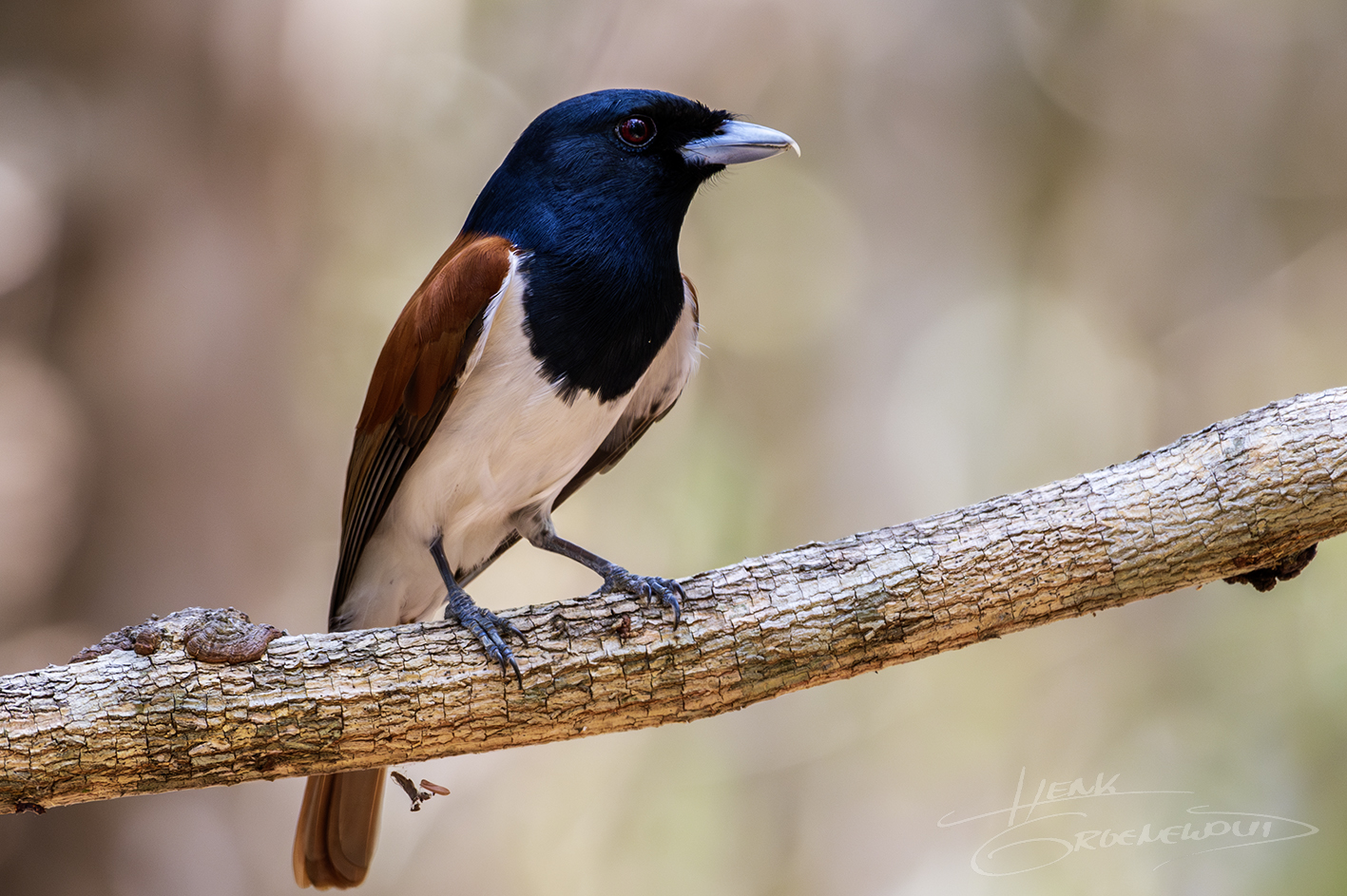
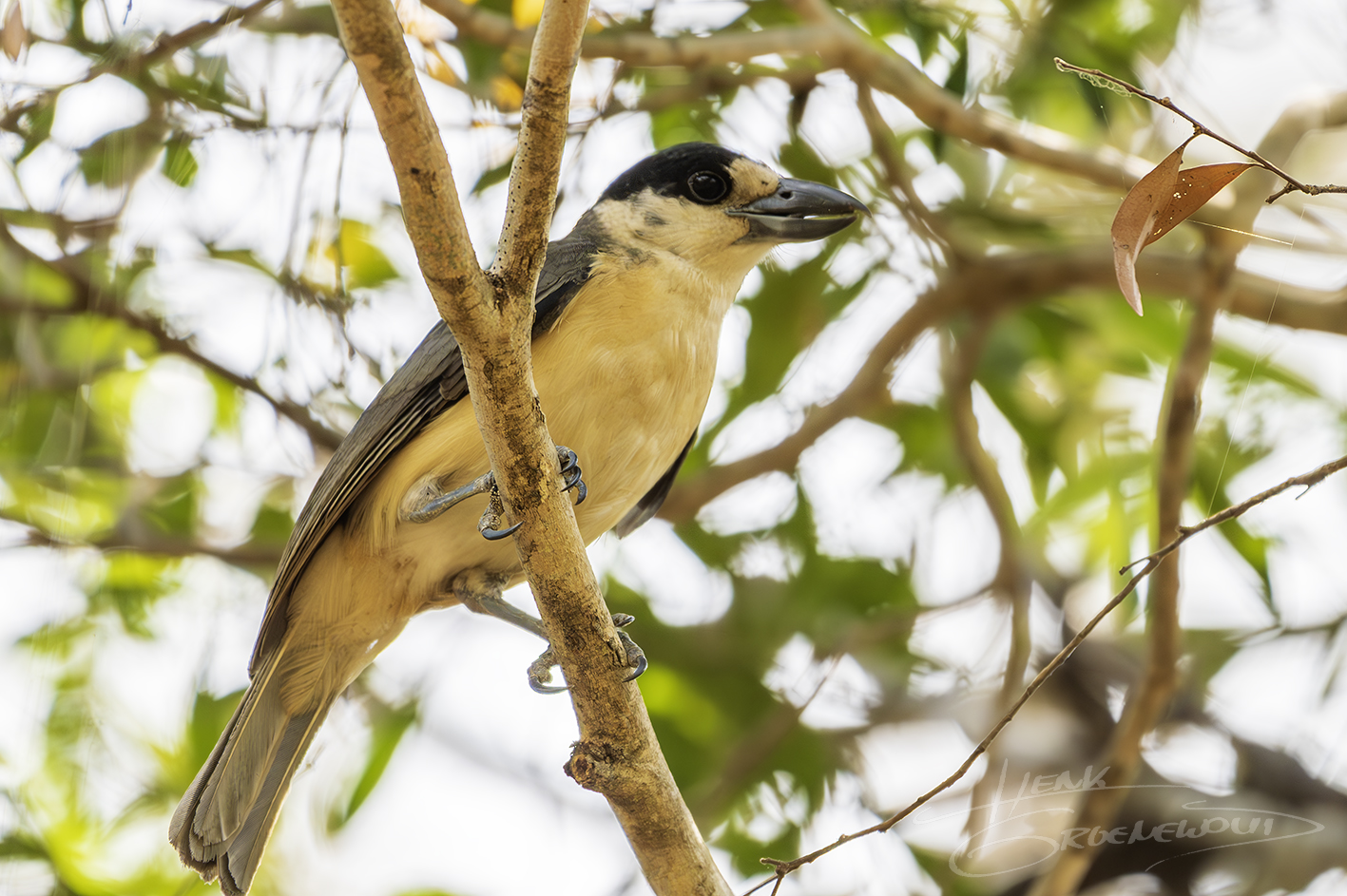
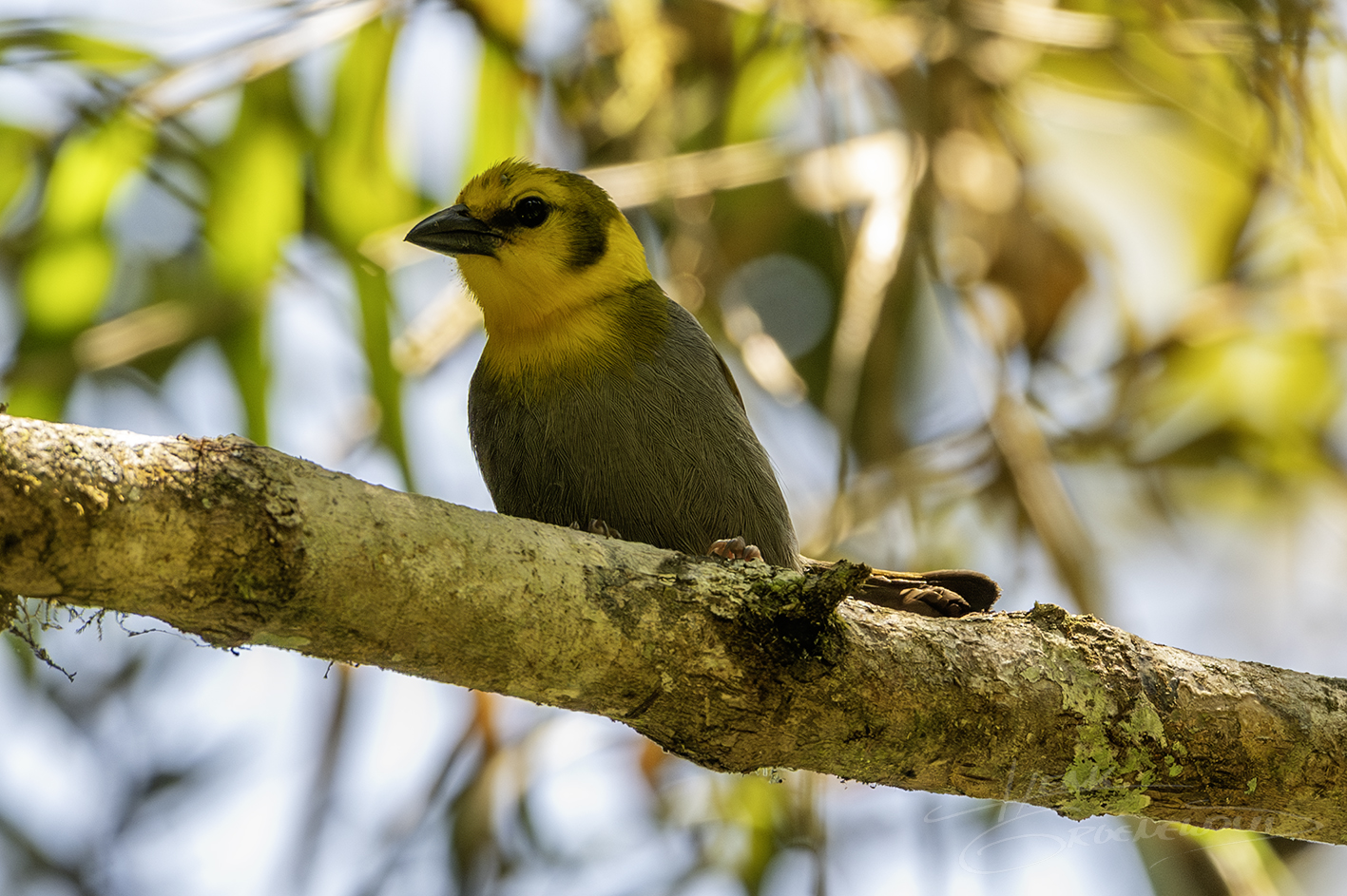
Yes, it was a birding trip to Madagascar. So it’s about time to show some of the beautiful birds that live there. Almost all of them endemic to the island as well, just as the lemurs. First the Madagascar Pygmy kingfisher Corythornis madagascariensis. An amazing success of our guide ‘Jacana’, who was able to spot this tiny bird in the trees of the rainforest

There is another kingfisher that looks a lot like our Eurasian kingfisher. At first glance they appear to be the same. But look closely: there is no blue cheek and less white on the chin. It’s a Madagascar malachite kingfisher Corythornis vintsioides

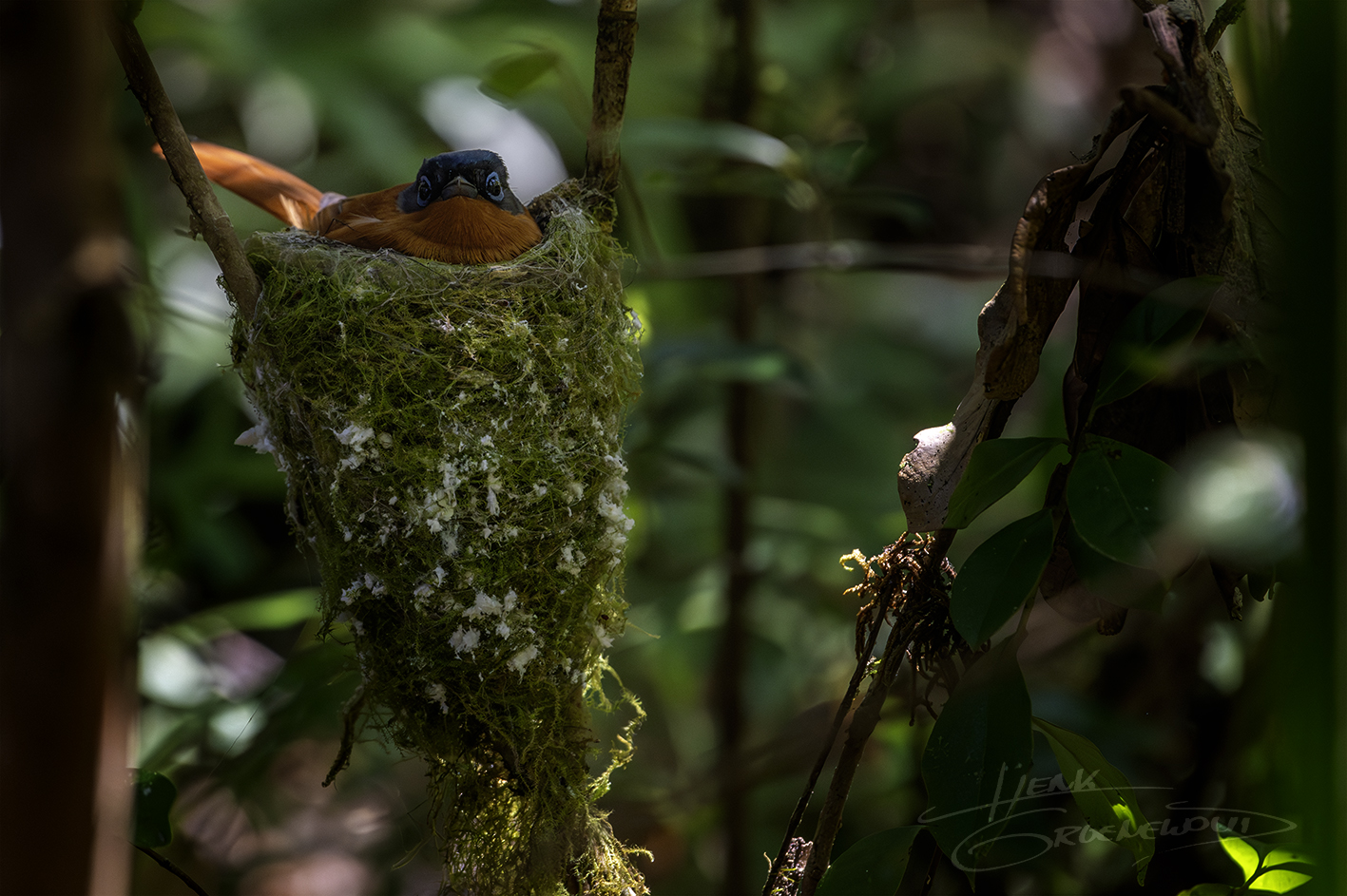
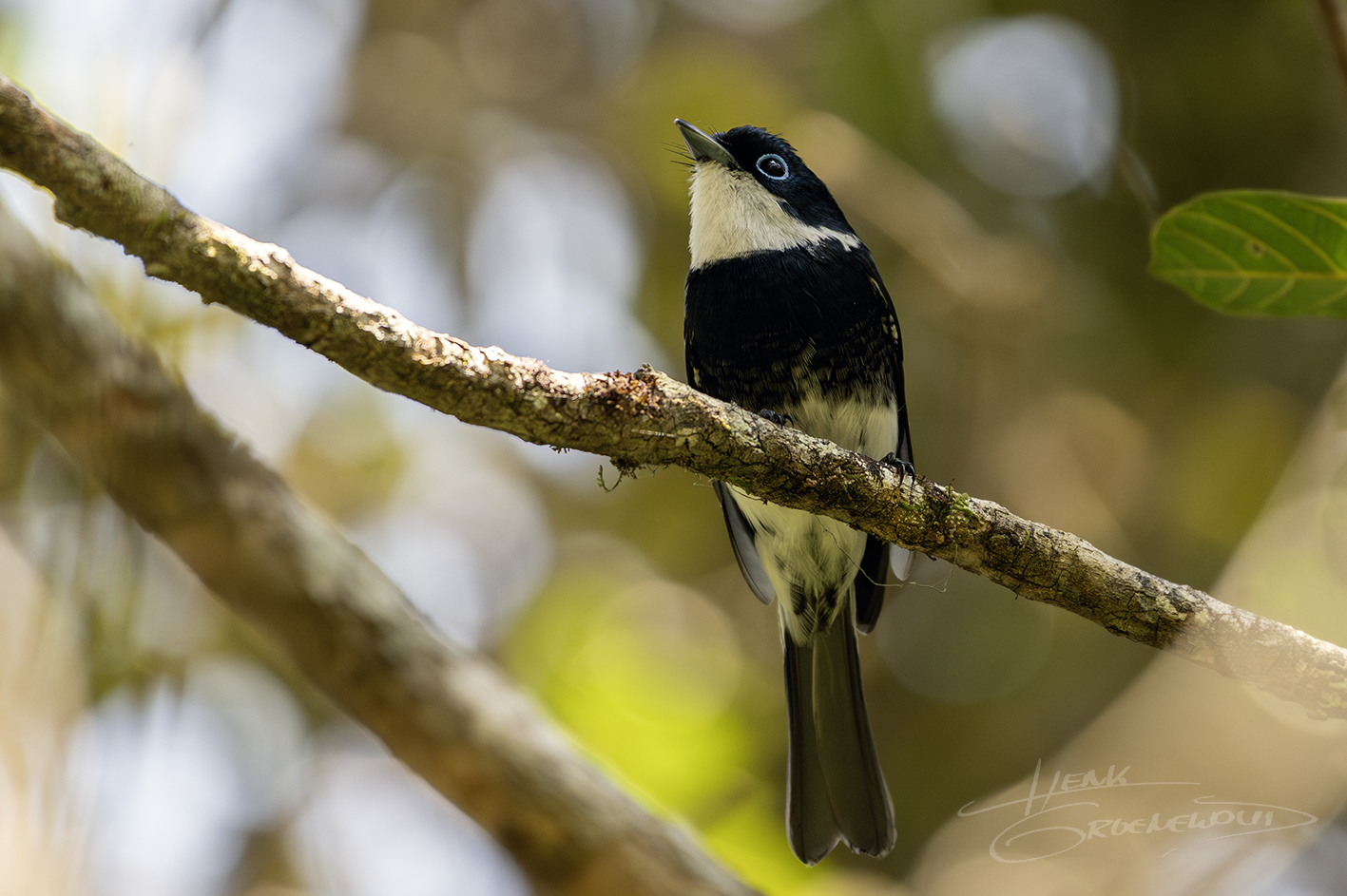
Incredibly graceful these Madagascar paradise flycatchers (Terpsiphone mutata mutata). Same species, white and brown morph


The Madagascar crested ibis Lophotibis cristata; quite shy and difficult to find. It took several days of searching before he showed up. “It has always been an endangered species,” the guide said, “but when the Covid pandemic broke out and tourists didn’t come anymore, lots of them were eaten…”

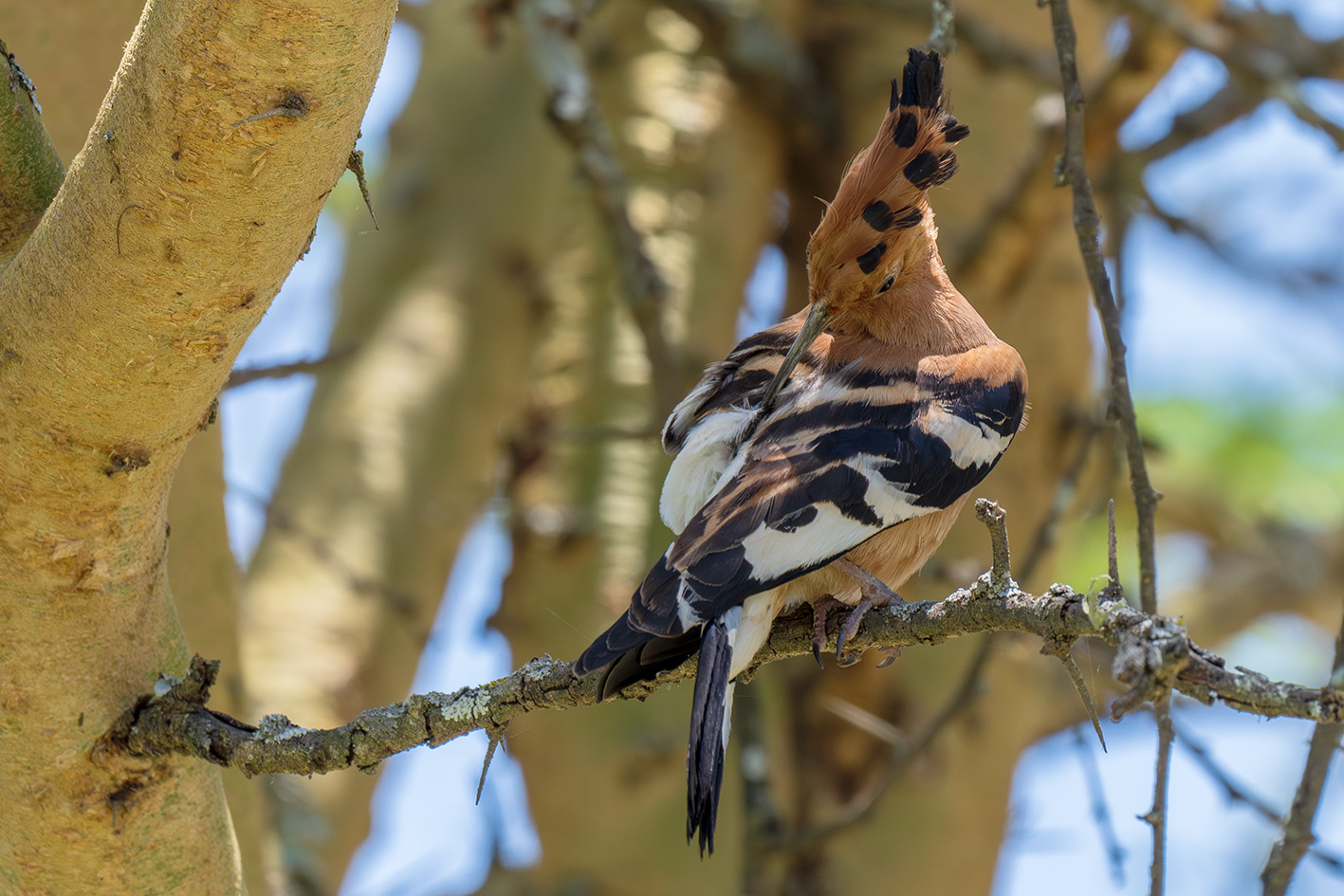
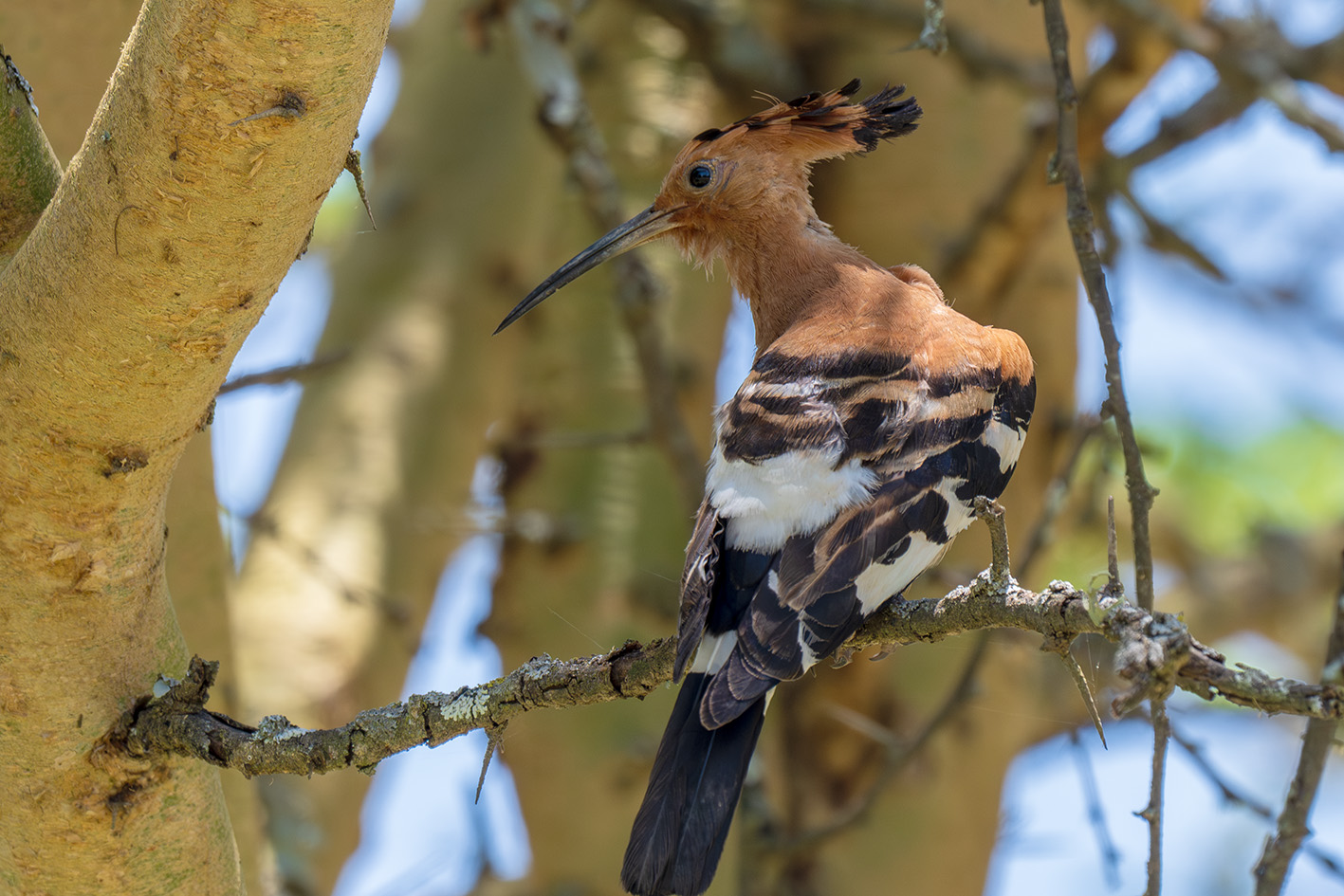
The hoopoe! And again an endemic: the Madagascar hoopoe Upupa marginata. I’m afraid I don’t see the difference with the Eurasian hoopoe

Souimanga sunbird – Cinnyris souimanga. That reflection of light on the feathers!

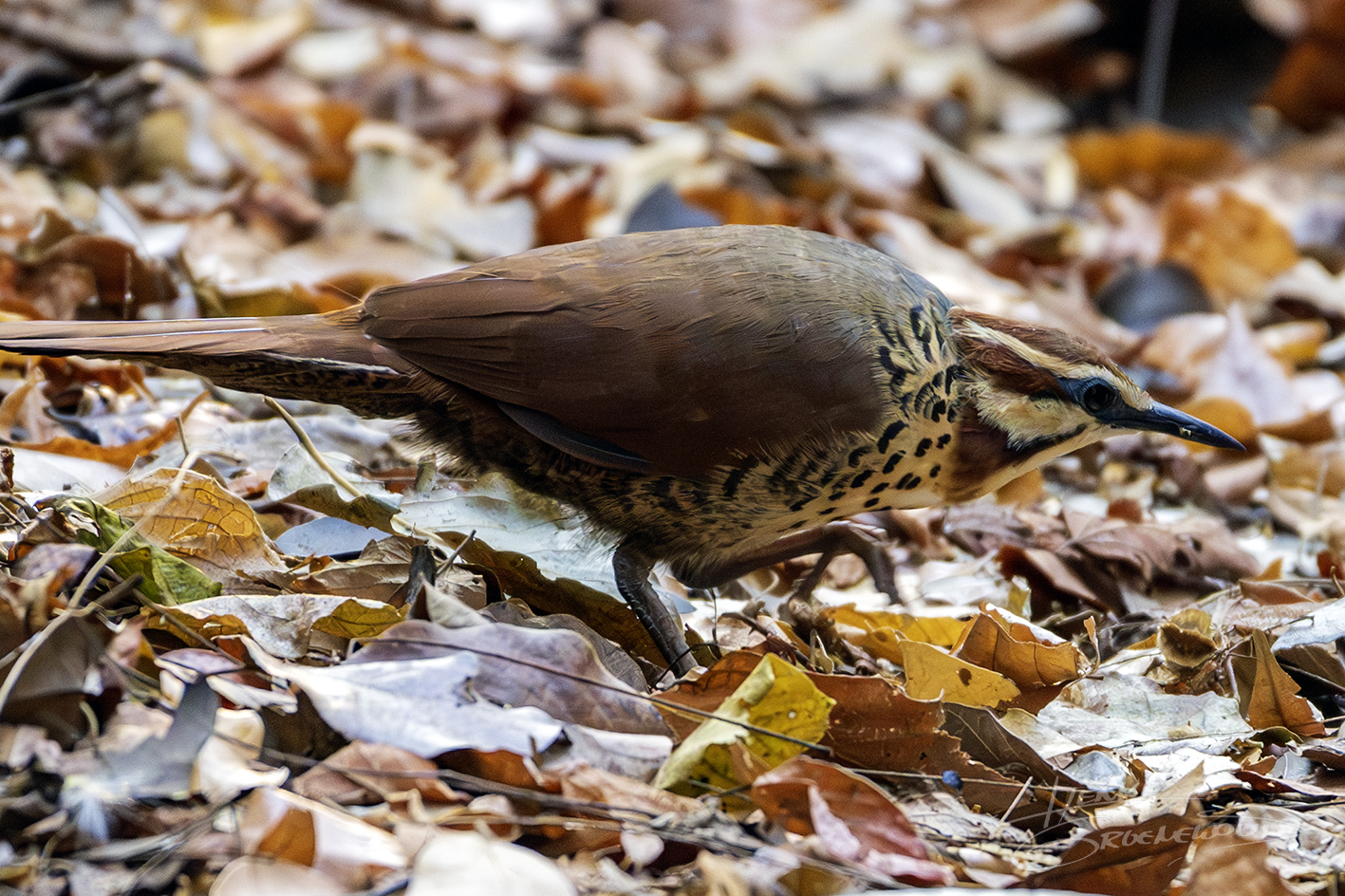
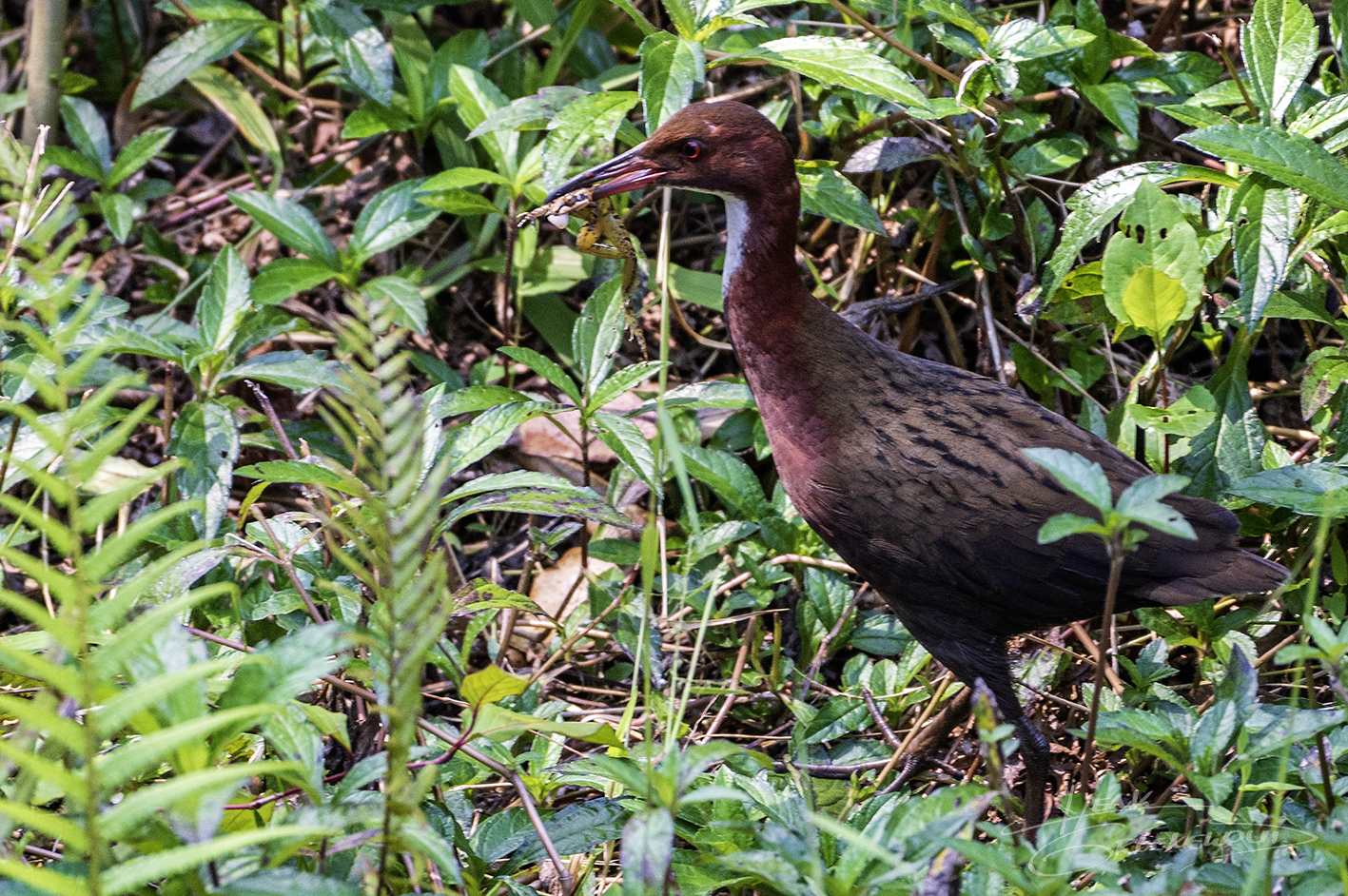
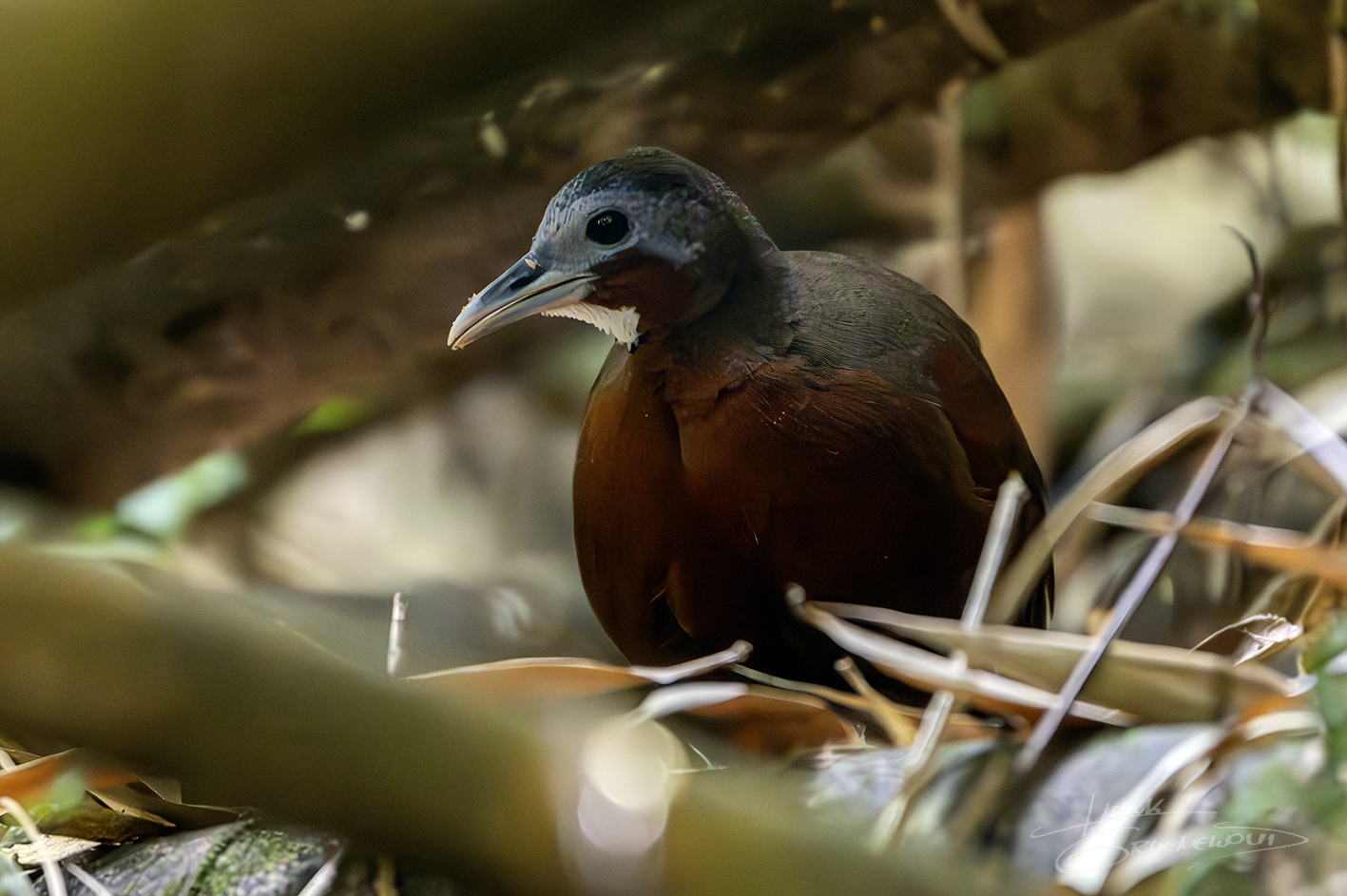
Another colourful bird: the Pitta-like ground-roller Atelornis pittiodes. Also very difficult to find, as he is walking in dense dark forests. So many colours: Green wings, ruby breast, blue spotted head… truly amazing

The family of rollers is one of my favourites. This is a Broad-billed roller Eurystomus glaucurus, mostly brown but it has beautiful blue feathers in the wings and tail

Last one for now: two Madagascar scops owls Otus rutilus happy together


They’re back! Spoonbills in their regular nesting place: a tiny piece of swamp forest tugged in between a highway and a lake. The archetype nature images in our heads are pristine, without human influence. And I have to confess: as a nature photographer I always try to replicate these images. Even when the pictures are taken in a densely populated and completely transformed area. I think we have a longing and even a need for dreams of purity and paradise. And well, it feels a bit like paradise here.

And now they´re back. All the way from Africa, ready for summer. Temperatures are still quite low here, but every spring when they return my heart leaps up.

And it’s not just one… It’s so many of them!

What a feeling to stand here in the middle of nowhere, and just see, hear, smell and feel nature all around.
This last little fellow brings back memories of the card playing game I had as a child. The bluethroat was my favourite card! I love this time of spring when all these birds have returned with a promise of lovely summer days to come