How to improvise in the dark

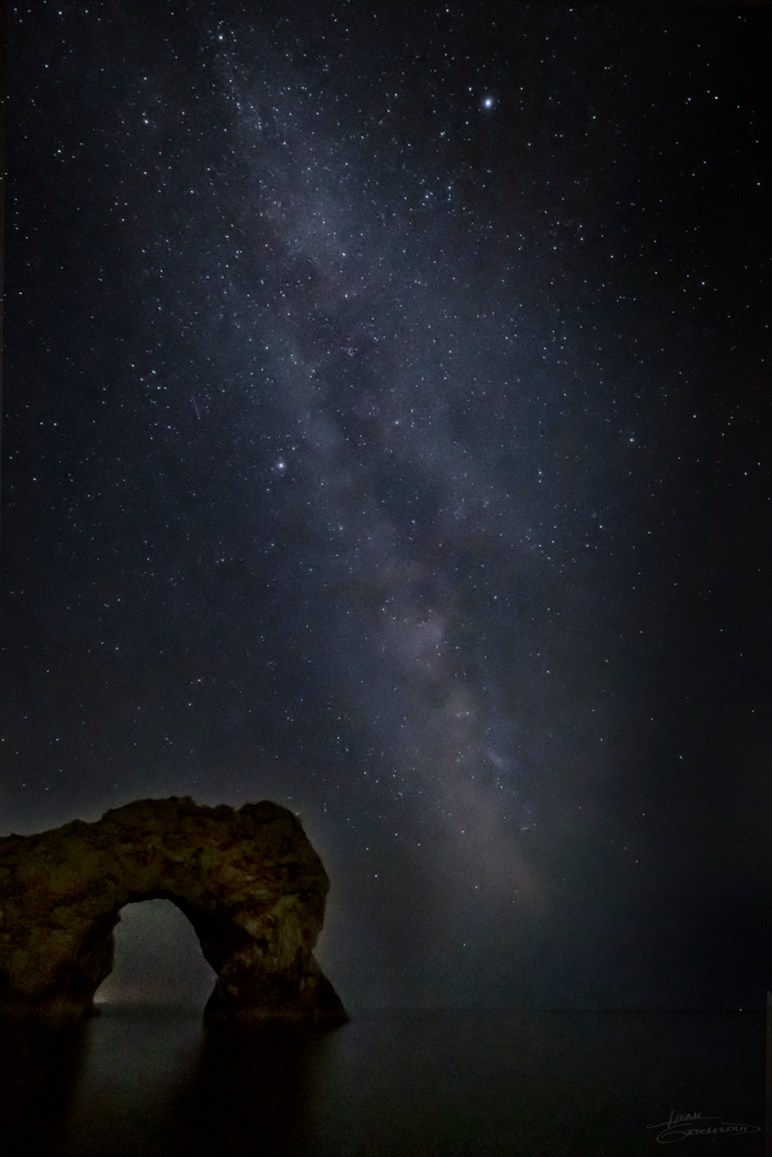
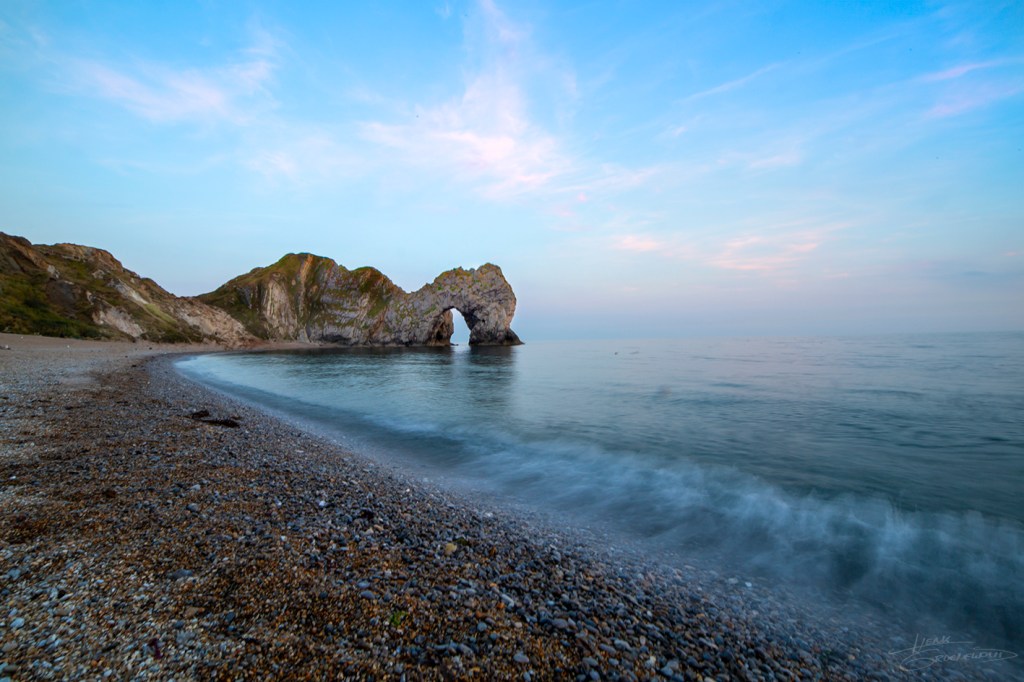
So I was in the UK this weekend, visiting my daughter. Thought it would be a good idea to enjoy the seaside and try to capture the Durdle Door rock formation with a milky way background. The weather forecast wasn´t great, but we went anyway.

At the beach I saw I had made a terrible mistake. I had taken a lightweight travel tripod from home, but at the last moment I had changed the head (the thingy that connects your tripod to the camera). I tried to assemble it, but it didn’t fit. Tripod and head were from different systems. You know that feeling when all the blood in your body seems to flush down through your toes into the sand?

There I was, thousands of kilometres flying and many hours driving from home, after sunset on a deserted beach. With just this one night, this one opportunity here. I owe my brave daughter a huge thanks that she insisted we stayed – even when it got dark and cold. And I improvised. Tried the limits of the equipment I had. For instance that 15 mm wide angle lens: Would it be possible to take pictures with a shutter speed of a whole second right out of the hand? I have shaky hands, and this lens did not have any shake reduction at all. But the wide angle saved me. You may be the judge; I think it’s good enough to present here.

The milky way was also shot out of the hand, lying down on the beach with the camera resting on the bag for support, With a full 5 seconds exposure. The result was far better than I expected.

Of course, I would have wanted pictures of the rock formation with a shutter speed of 30 seconds or more, to see details. And I would have loved to take the milky way with 20 or 30 seconds, to get more clear and profound details. And I would have wanted to use the auto – noise reduction of the camera. But it is what it is, and I am really happy with this no-tripod experiments.

The good news is: I have an incentive to once again visit this beautiful part of Dorset, with fairy tale like villages such as Lulworth and Corfe Castle village and Man O’War beach. And next time, with a complete and functional tripod.

Still too much…

Previous post I said: Thousands of pictures. Too much nature. I´ll keep it brief this time.

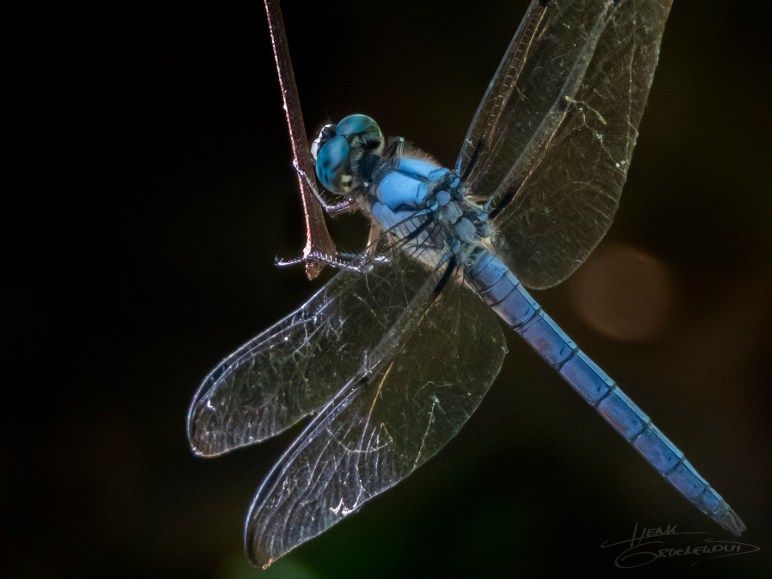
First of all, that blue dragonfly above. I’m not sure of the species, it might indeed just be ´Blue dragonfly´. Feel free to mention the name if you know it. Same for the yellow one below. If you know the species, let me know! Both of them were resting in a small nature reserve between Savannah and Beaufort.

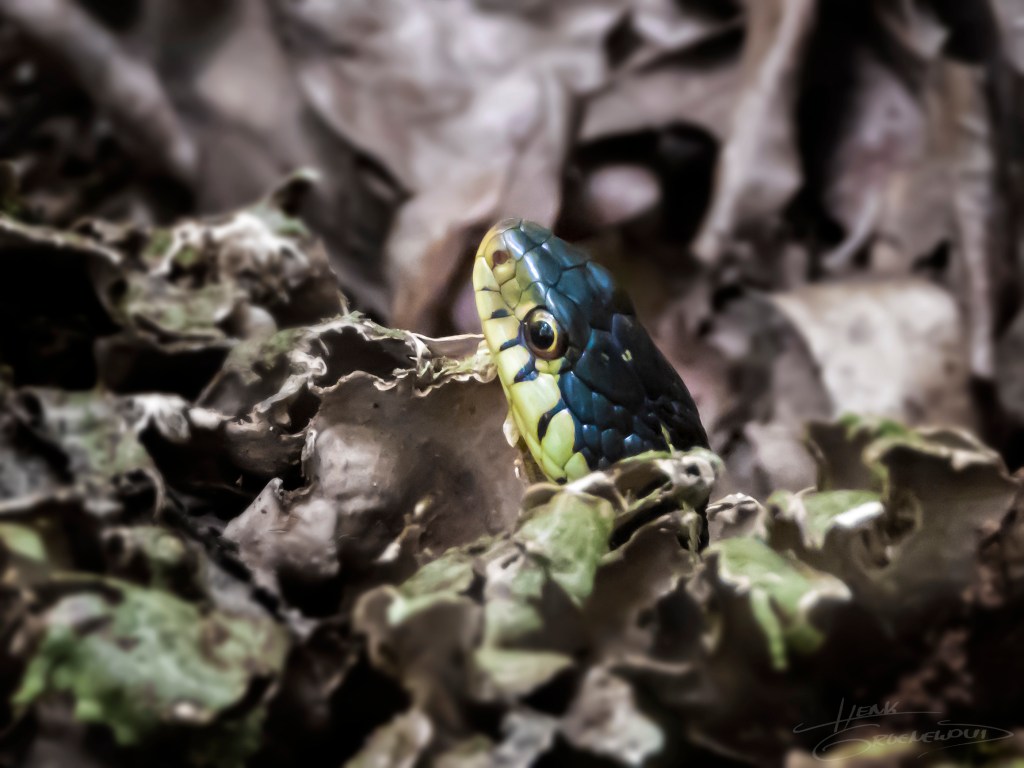
What´s next? An encounter with a snake near Chattahoochee river. Common garter, friendly and not poisonous. So no worries.

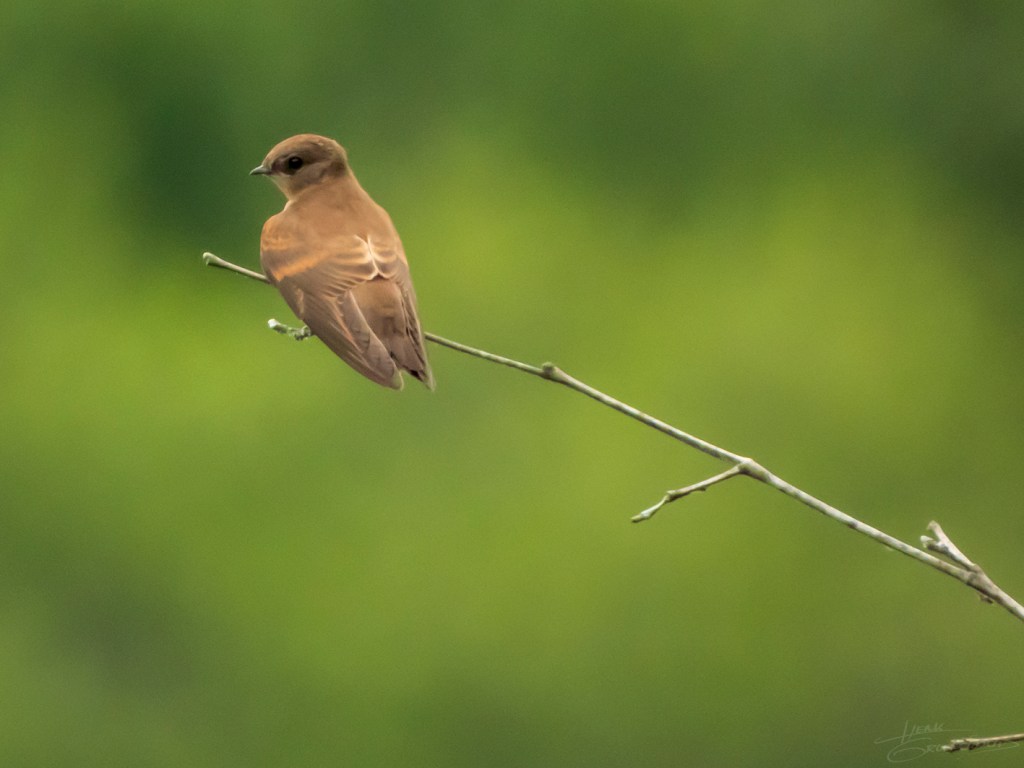
Sand martin. Whole families were learning their offspring to fly and hunt for insects above the river.

Another bird, a killdeer (why that name?). Common kind of plover. Picture taken while canoeing – it’s really great to jump in a canoe on a sunny day!

This one was taken in the city of Atlanta, Memorial Park, a few months ago. Some kind of mushroom – tried to capture the lightness and luminousity of it.

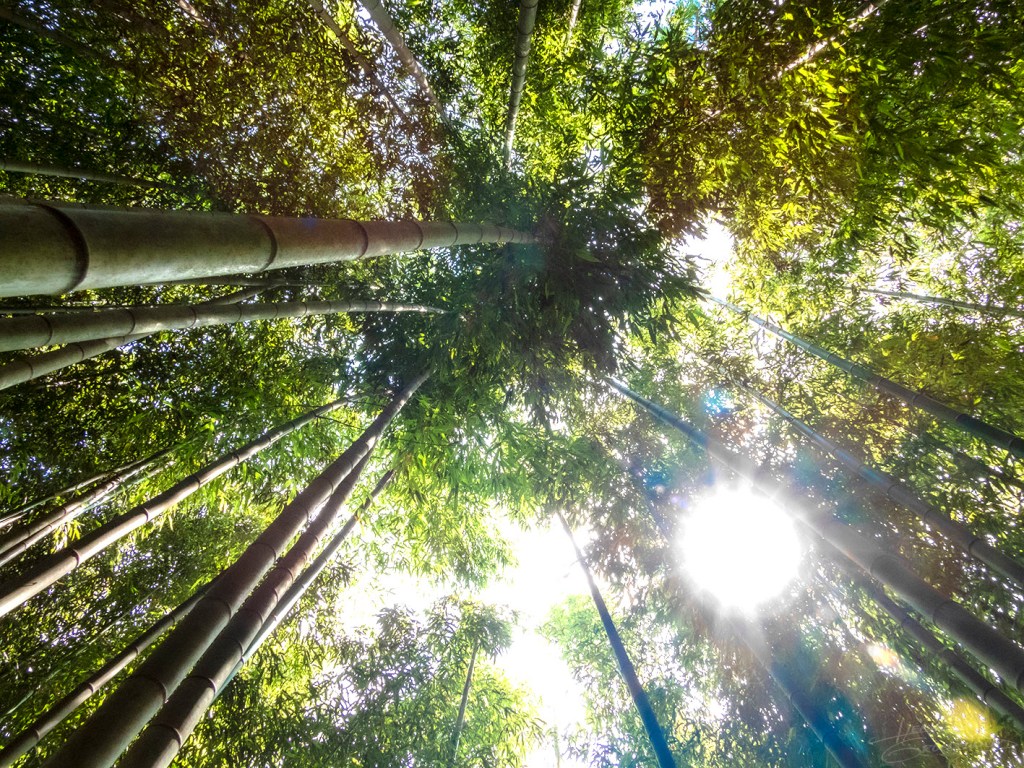
Last one to close this series: the bamboo forest at the banks of the river.

Too much nature!

Every time in the USA I am overwhelmed by the abundance of nature. There is so much to see! I come home with thousands of pictures. Let me show a few of them here.

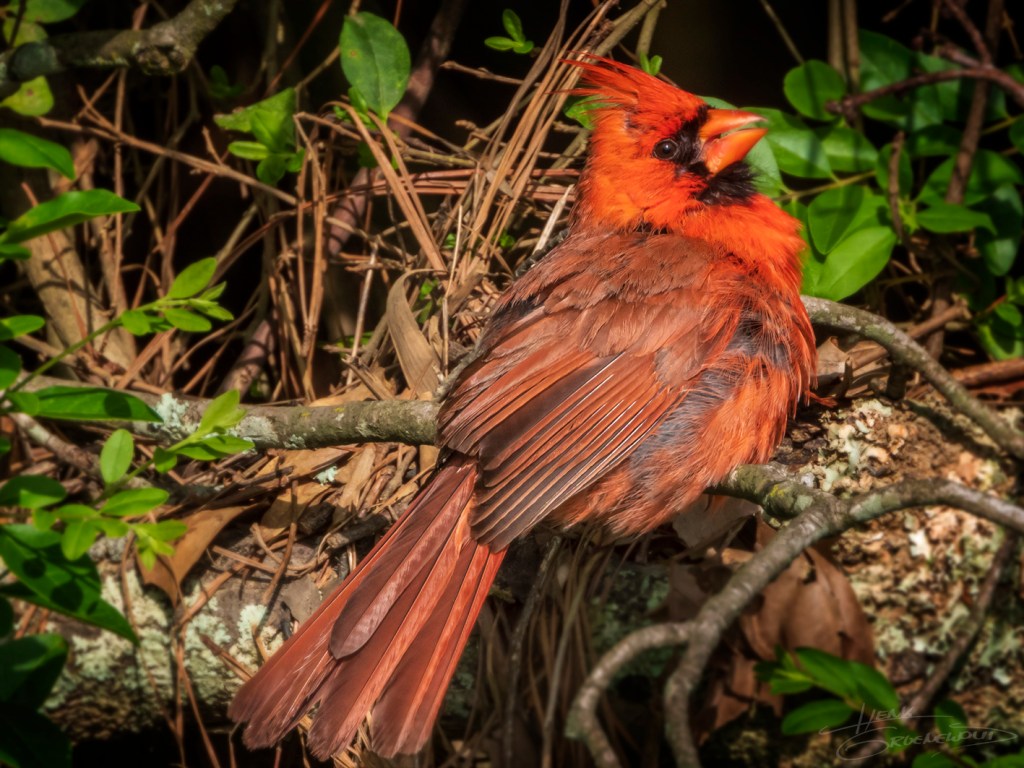
I woke up with birds singing, and they kept on singing all day long. You don’t need to go out to do birding, you can just sit on your veranda and they come to you. The intense red of the Northern cardinal (Cardinalis cardinalis) – just can’t stop taking pictures! I have them hunting for insects in the grass, singing and hiding in the bushes, but this one I like most: sunbathing in the scorching sun.

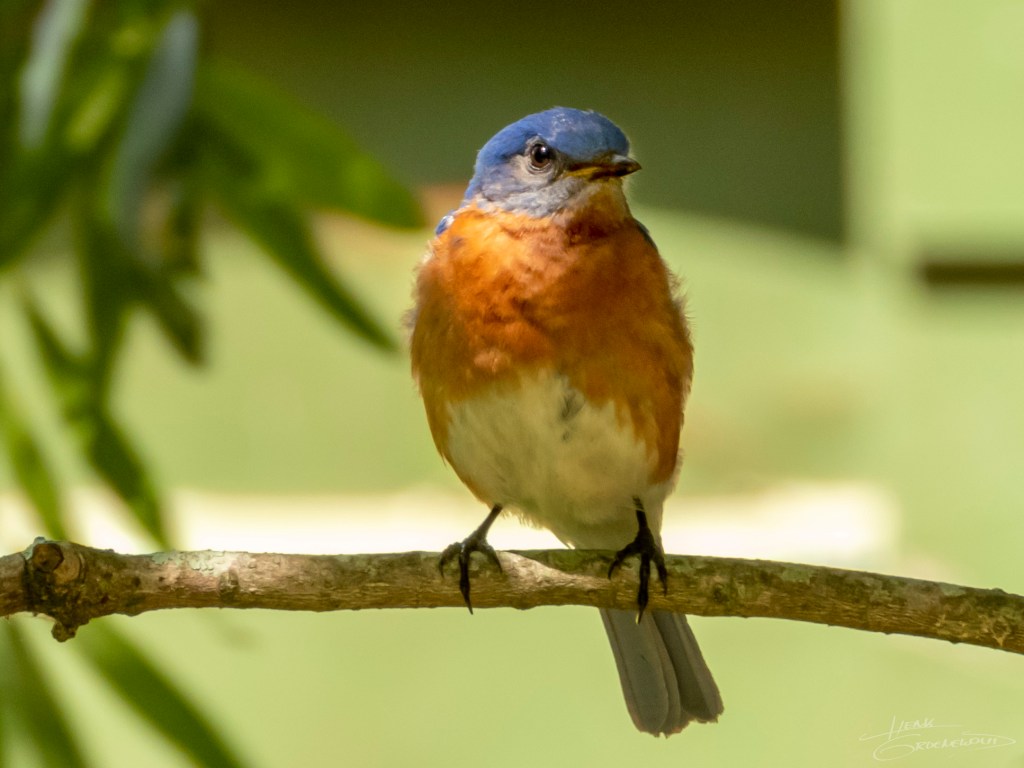
Then the eastern bluebird (Sialia sialis). Such beautiful colours! Funny, the nuthatch in the Netherlands has almost the same colours, but is a little paler.

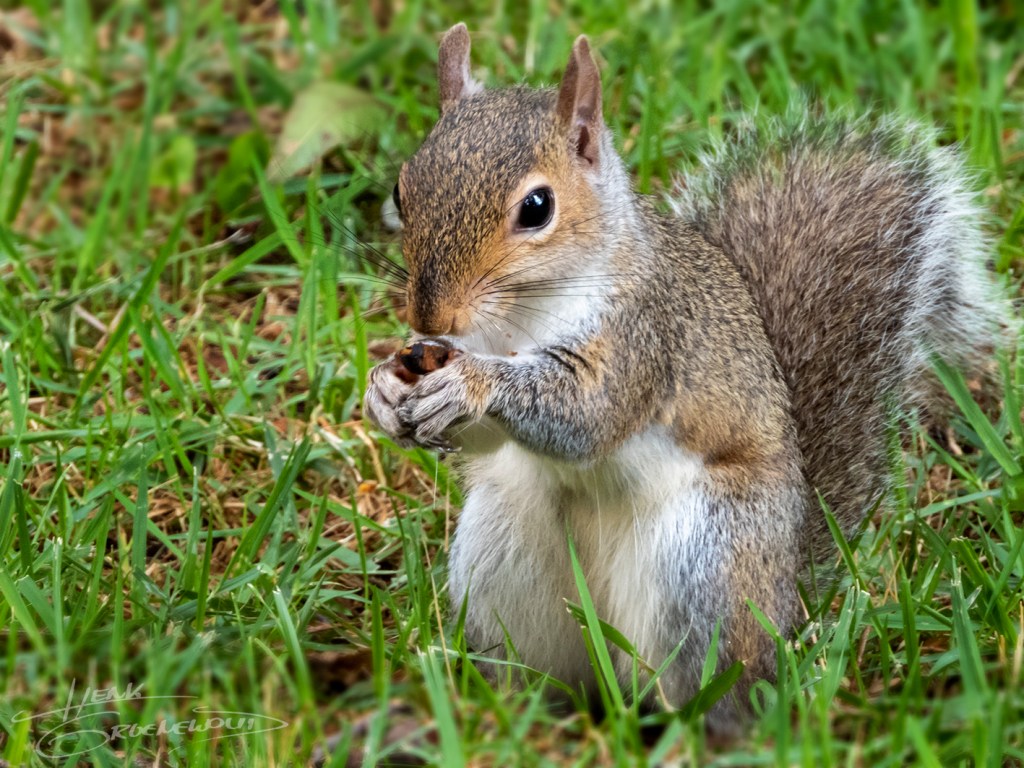
“Look at those cute squirrels!”
I was immediately corrected. “They are not cute. They are rats with a tail. They climb through the rain gutter, come into the house. They gnaw and make a huge mess!”
“They won’t be that bad will they?” I thought. But indeed. They’re everywhere. Really everywhere, in huge numbers, in and around the houses.
In Europe, the grey squirrel (Sciurus carolinensis) is considered an invasive alien species. They eradicated the indigenous red squirrel (Sciurus vulgaris) in most of the United Kingdom, as they are bigger, stronger and resistant to squirrel diseases they carry.

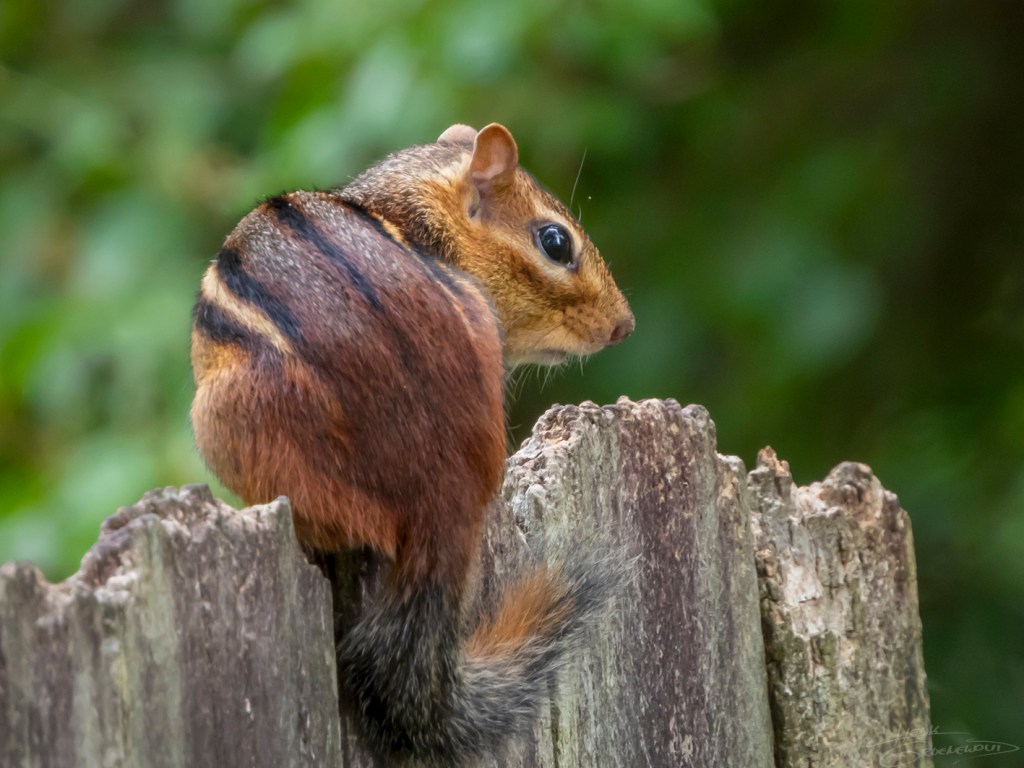
“What about those chipmunks? Those ‘ground squirrels’, as we call them?”
“Less bad than the grey squirrels. But I still don’t need them in the garden. They dig holes everywhere.”
I have to t confess: last week in my garden back home I saw mouse holes. Shrews probably, there are a lot of them here. And my first thought was: How do I get those bloody mice out of my garden?
Anyhow, the Eastern chipmunks (Tamias striatus) is not considered an invasive species in Europe. But it’s nephew, the Siberian chipmunk (Tamias sibiricus) is.

Another unwelcome animal. That is: In Europe again. Many red eared sliders (Trachemys scripta) have been imported as pets. So cute, these tiny baby-sliders with their flip-flop-feet! But baby sliders grow big, too big for small aquariums, and the entire house starts to smell. Eventually all these imported pet sliders are dumped in nature. No one wants to kill his pet, and the animal shelters are full. The pet industry doesn’t care – when a European ban on import and trade was imminent, thousands of extra baby sliders were rapidly imported and ‘put in storage’. To be able to continue selling them for some time after the ban. Anyhow, the one on the picture is enjoying his natural habitat. In the USA.

– To be continued –

Savannah (en Beaufort)

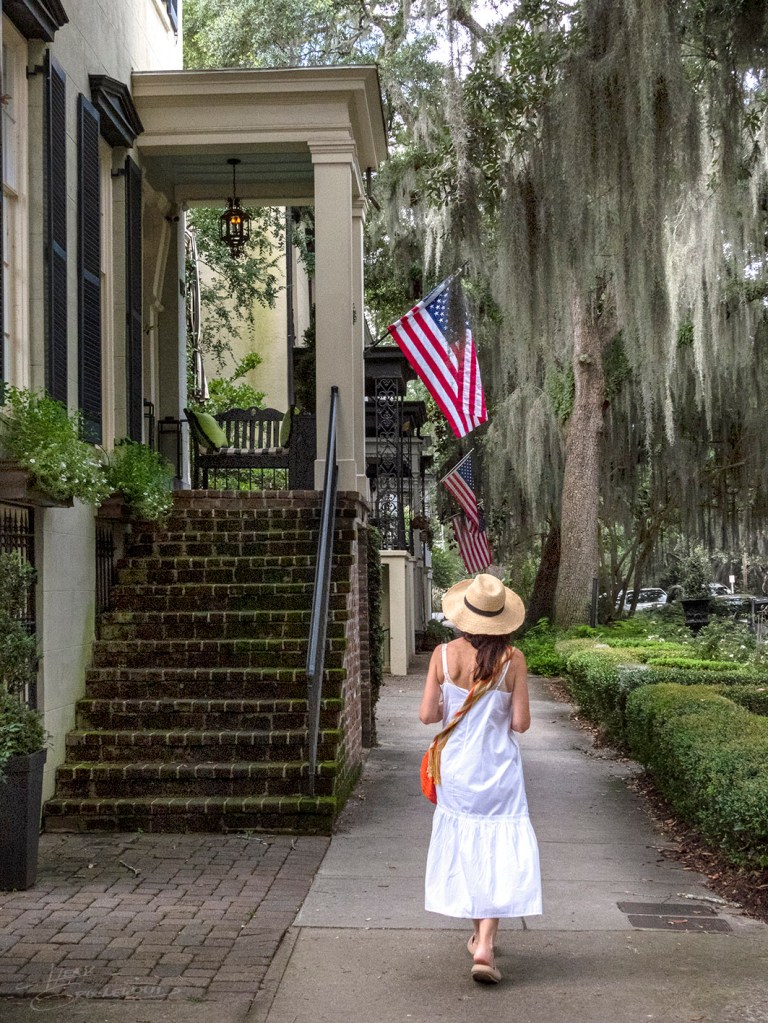
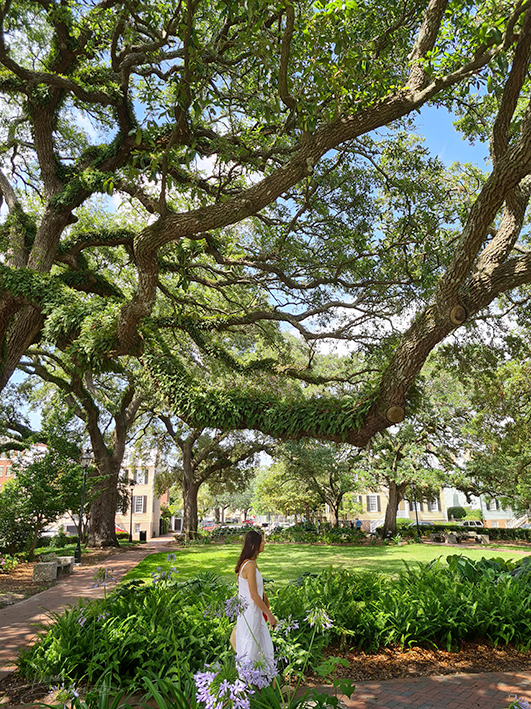
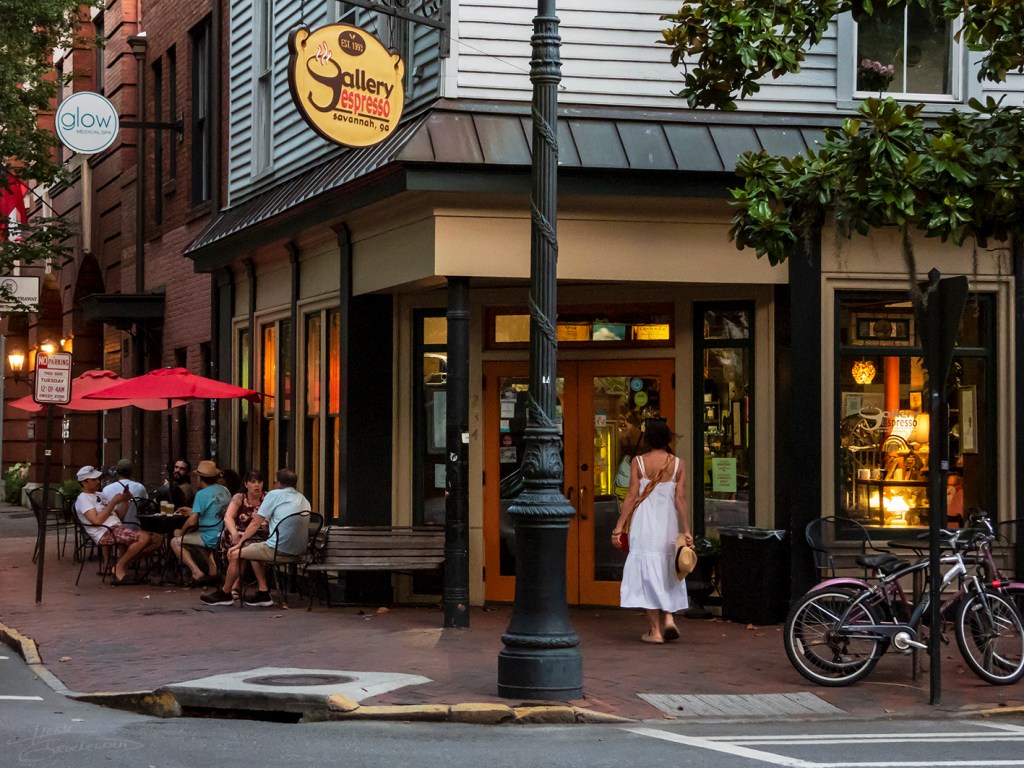
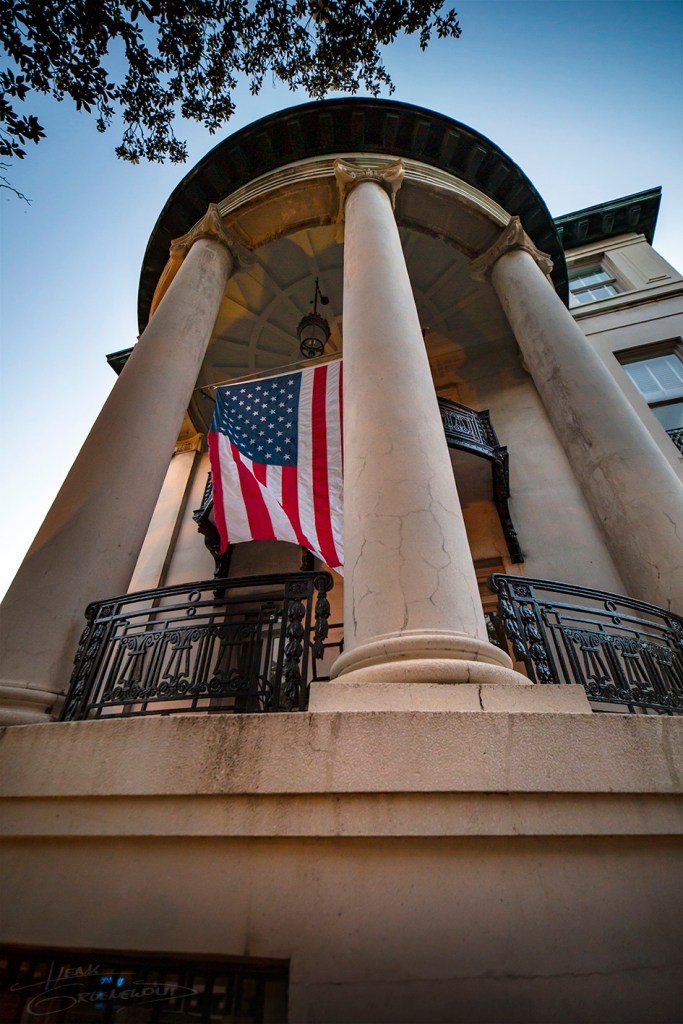
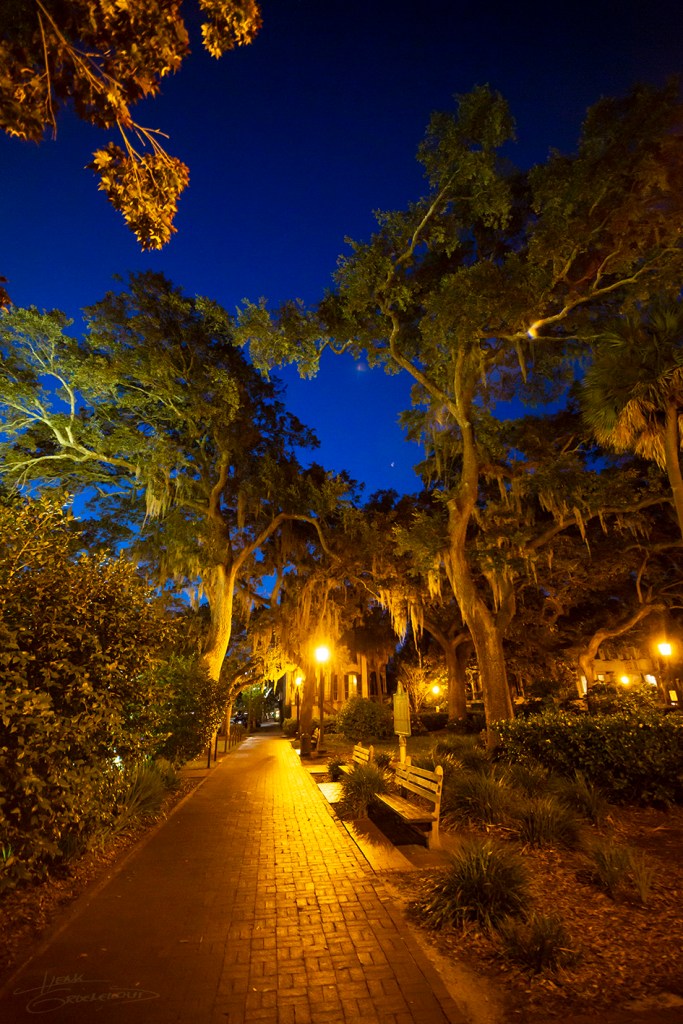
Wat een prachtig stadje! Nu begrijp ik waarom iedereen aanraadde om eens te kijken in Savannah. Oude huizen in koloniale stijl wekken een Zuideuropese of Latijnsamerikaanse sfeer op. In tegenstelling tot veel andere plekken in de VS kun je uitstekend wandelen in de historische binnenstad. Talloze parkjes – bijna elk tweede blok is park –  nodigen uit tot aangenaam verpozen.

Het verleden van de slavenhandel druk een zwaar stempel op de stad. Dit was één van de belangrijkste havens waar schepen met slaven uit Afrika aanlegden. “Als ik de kelders zie, dan moet ik altijd denken aan de mensen die daar misschien opgesloten hebben gezeten,” zei iemand.

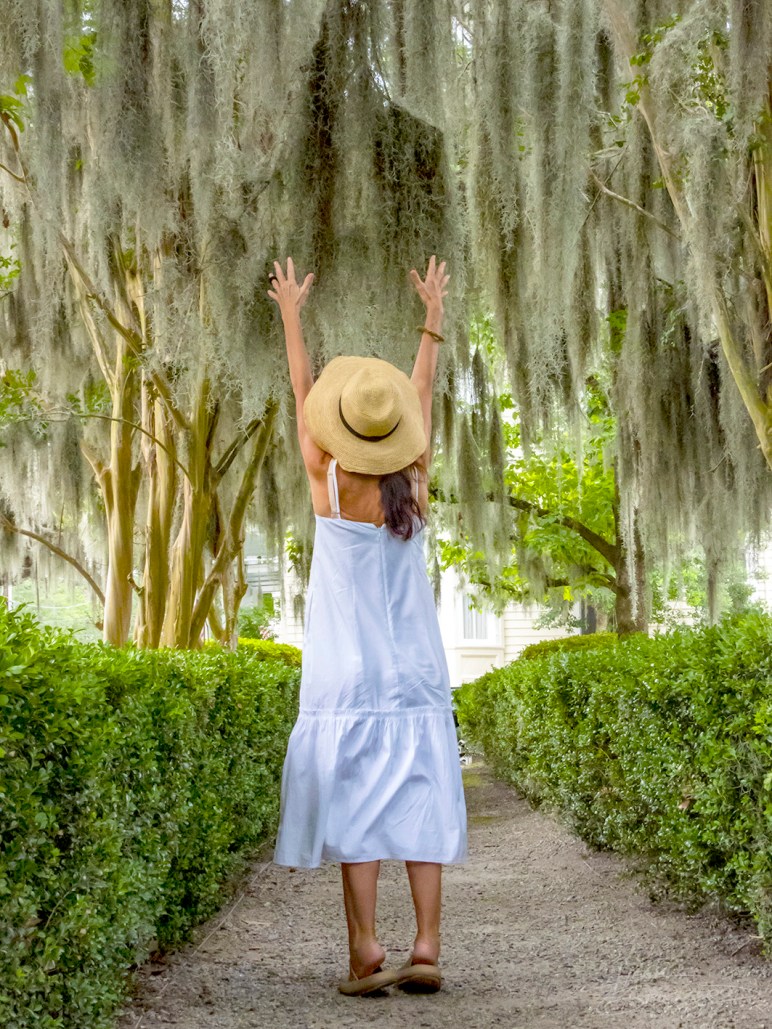
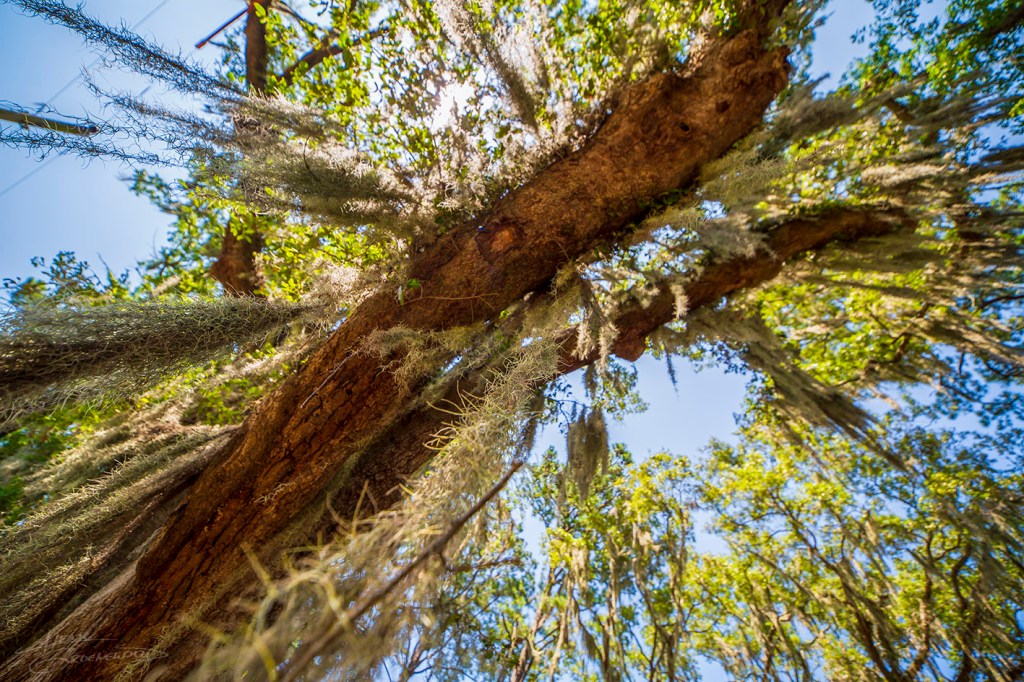
Kenmerkend voor deze kuststrook zijn de lang slierten korstmossen die van de bomen hangen, het Spanish moss. En ook dat draagt bij aan die enge sfeer: als ’s nachts de slierten in de wind wuiven, lijken het wel geesten die komen spoken.

“Overdag vind ik de stad mooi, maar ’s nachts vind ik het eng,” zei iemand. Als geen ander weten de Amerikanen ook daarvan een business te maken, want het aanbod van Ghost tours en spookverhalen is enorm.

Eén foto is gemaakt in Beaufort, en stadje op zo’n 30 mijl afstand. Ook prachtig, ook historisch en met een minder beladen verleden. Ik hoop snel nog eens terug te komen, en dan ook Charleston te bezoeken.

Dichtbij en ver weg

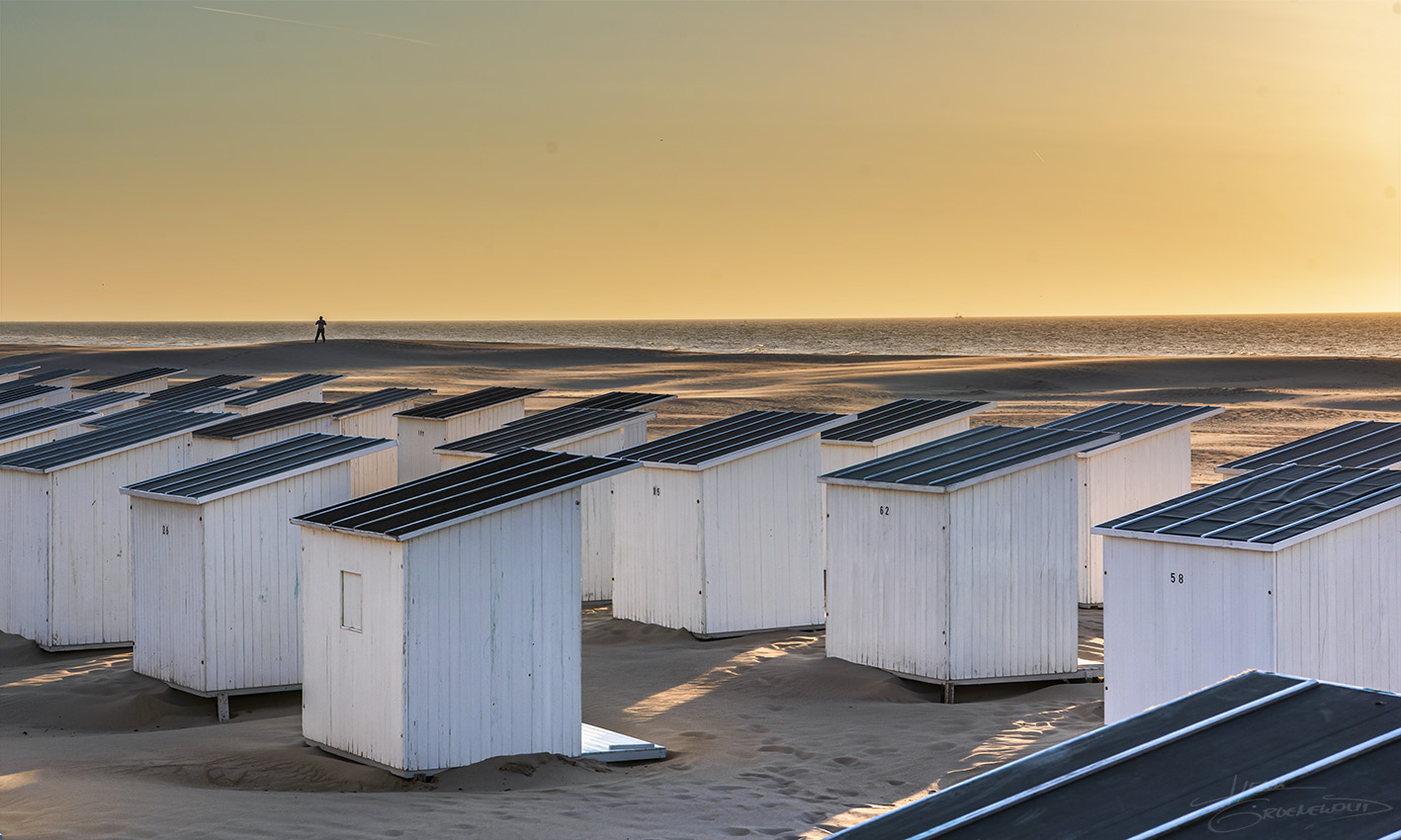
Soms vind je vlak bij huis de meest exotische locaties. Vorige week was ik in het Belgische Oostende, dat me verwende met een paar prachtige zonsondergangen. Met het on-Nederlandse licht leek het ver, heel ver weg. Dichtbij of ver weg, uiteindelijk zit het allebei in jezelf…

Terug in de tijd

“Geen windmolens meer! Ze ontsieren het landschap!”
Niks bijzonders die uitspraak, ware het niet dat het artikel dateerde uit achttienhonderd-zoveel. Ook toen al protest tegen al dat moderne gedoe dat ons landschap helemaal naar de vernieling hielp.
Het is lang geleden dat mijn vader het artikel liet zien – Ik hoop dat ik het ooit nog ergens terugvind in zijn huis.

Dilemma: ’s ochtends nog even omdraaien in het warme bed, of eruit springen en op pad gaan? De keuze voor naar buiten is eigenlijk altijd de beste. Alle zintuigen worden geprikkeld: je voelt de koelte, het vocht, je ruikt de naderende lente, je hoort het ontwaken van de natuur… Misschien is dit wel de essentie van leven: om de schoonheid van de wereld zo intens te voelen binnenkomen.

En dan dat magische moment…

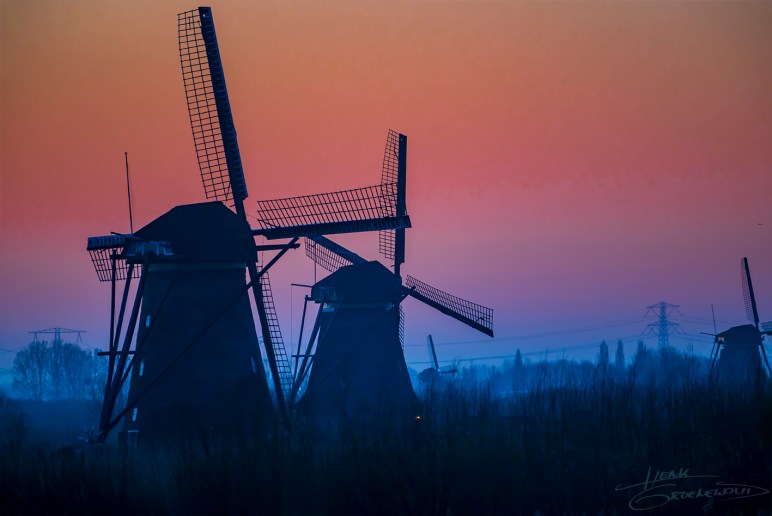
Terwijl aan de ene horizon de zon opkomt, gaat aan de andere de maan onder.

Er is maar één nadeel op een plek als deze. Je blijft foto’s maken. Elke minuut verandert het licht en is er weer iets nieuws te zien…

Er is maar één nadeel op een plek als deze. Je blijft foto’s maken. Elke minuut verandert het licht en is er weer iets nieuws te zien.

Een laatste blik op de windmolens… en dan op naar de volgende verrassing!

Bye bye Londen!

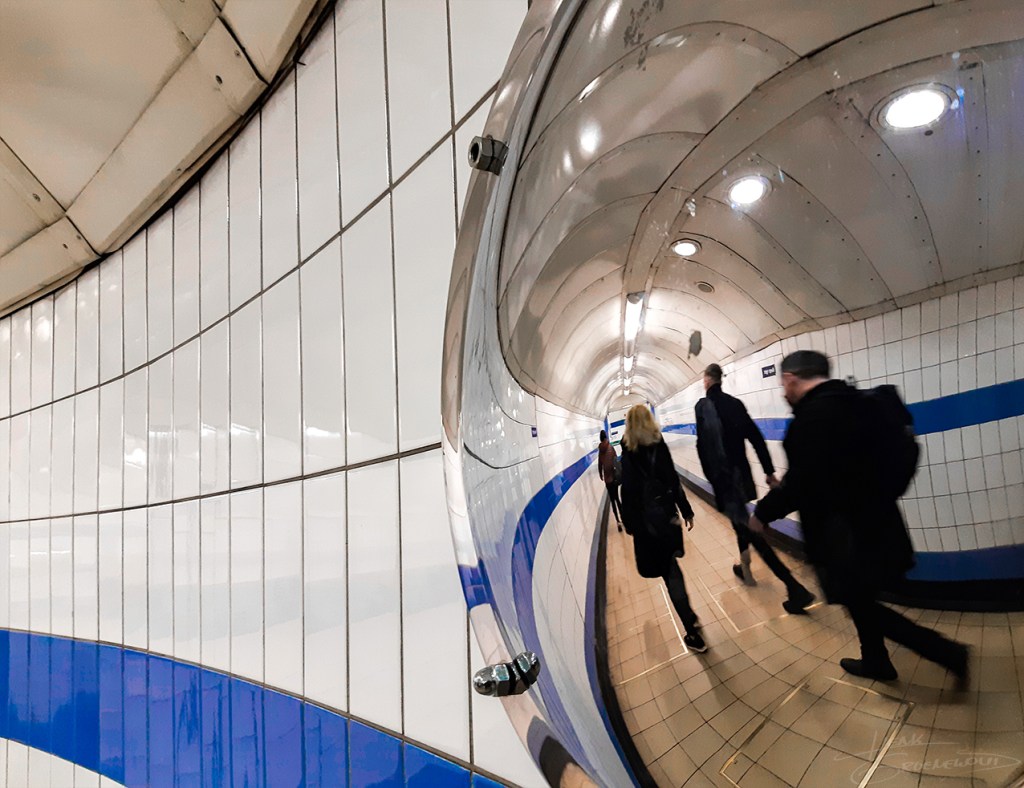
“Het verleden is een verhaal,” zegt Eckhard Tolle. Een verhaal dat je met je mee draagt in je lichaam.  In je geheugen natuurlijk, maar ook als je bepaalde gebeurtenissen allang weer bent vergeten, dan nog weet je lichaam soms als vanzelf welke oude emoties daarbij speelden. Waarbij bepaalde aspecten worden uitvergroot en andere verdrongen, alsof je in de bolle spiegel kijkt.

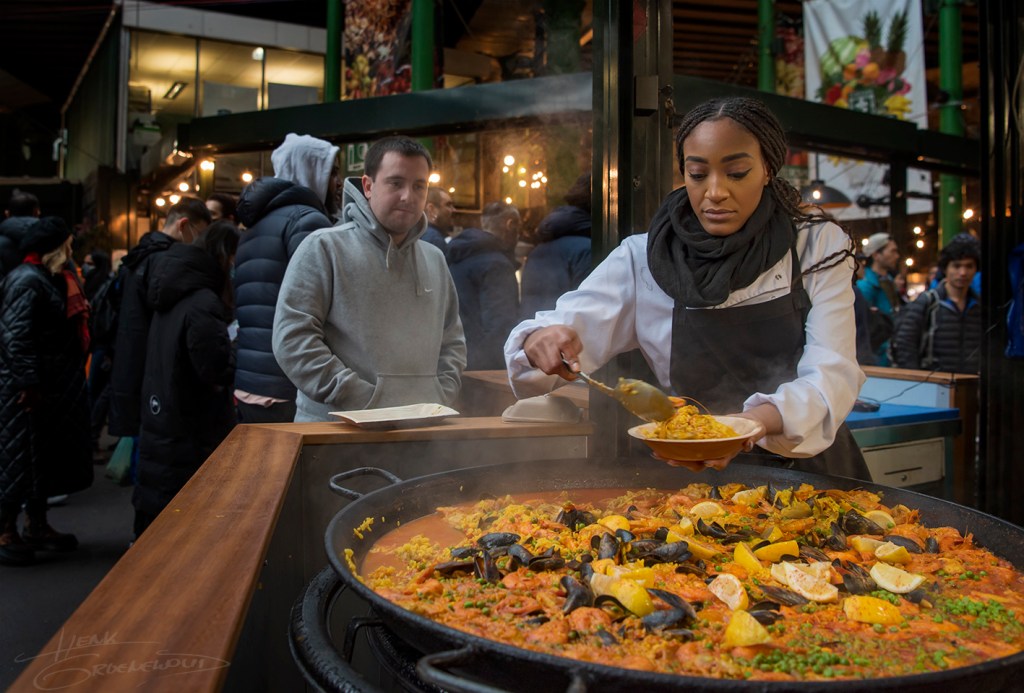
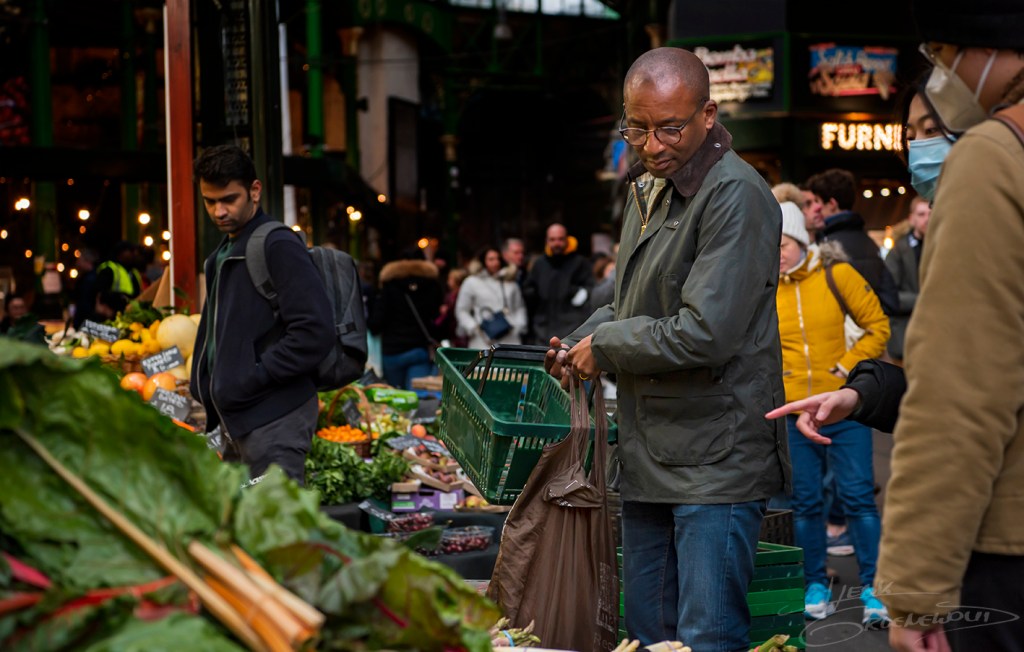
Londen is ook een verhaal. Nog vers in mijn geheugen, en ik ben blij dat ik er was. Toevallige ontmoetingen, voedselstalletjes op Borough Market (wat ziet die paella er goed uit!) en een prachtige zonsondergang. Mooie herinneringen om mee te dragen.

Het mooie in het grauwe

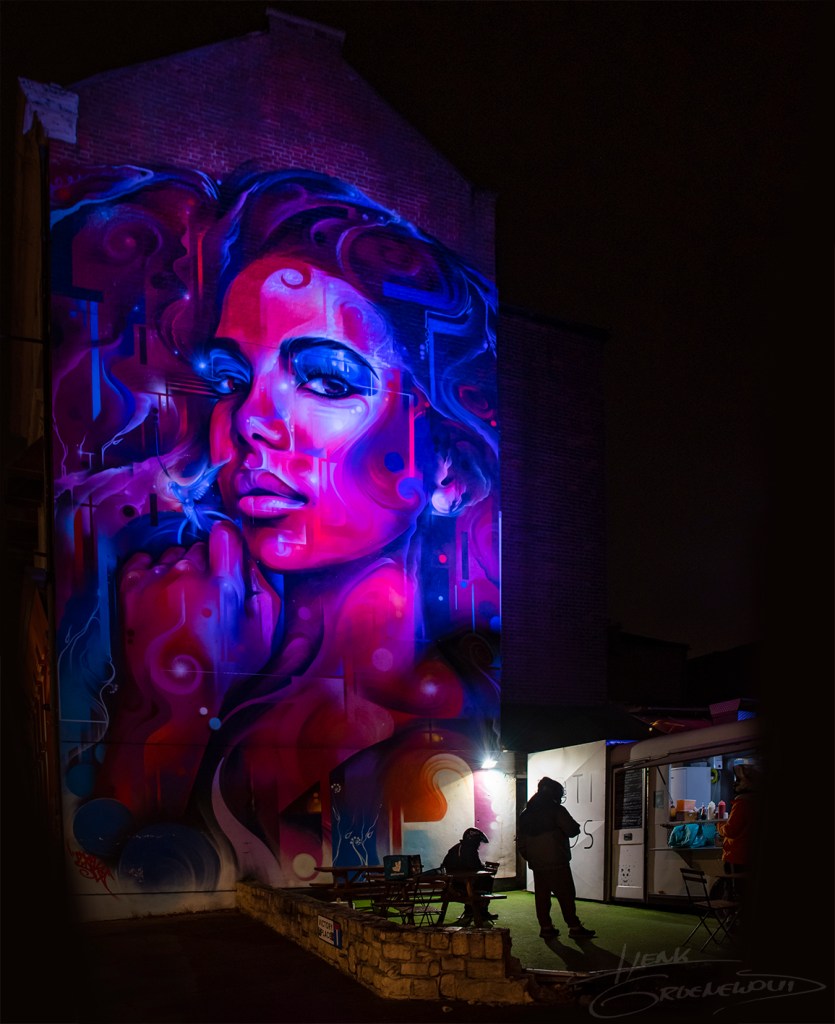
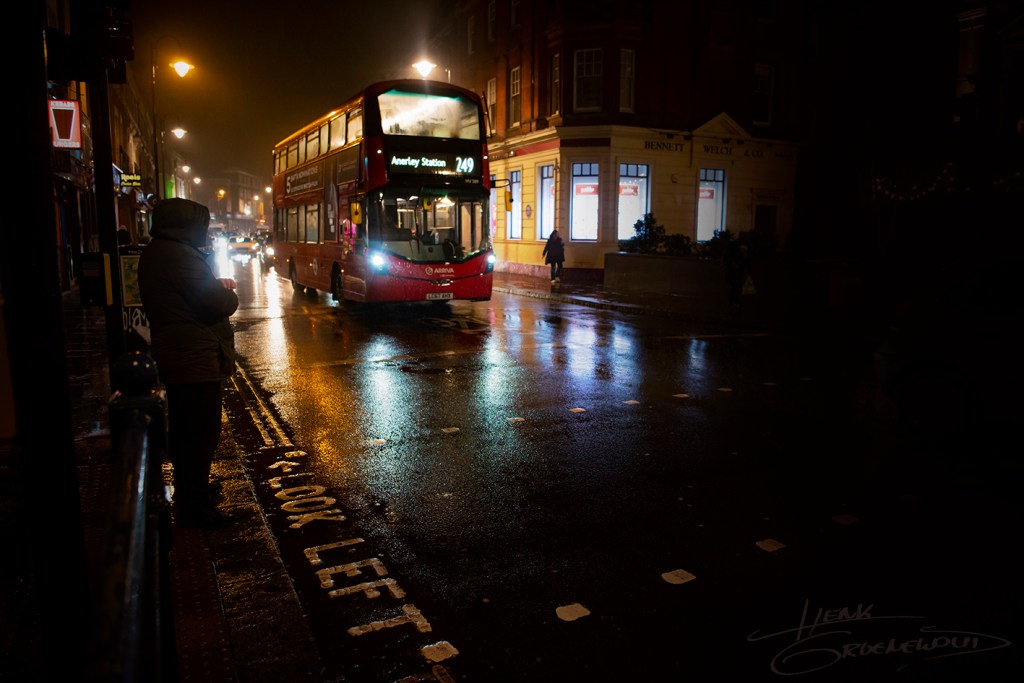
Het lijkt alsof ik in Londen zit. Maar Londen is alweer verleden tijd; ik ben terug en sorteer thuis de foto’s. Bijvoorbeeld deze hierboven met bezorgers van de Roti Brothers in Crystal Palace.

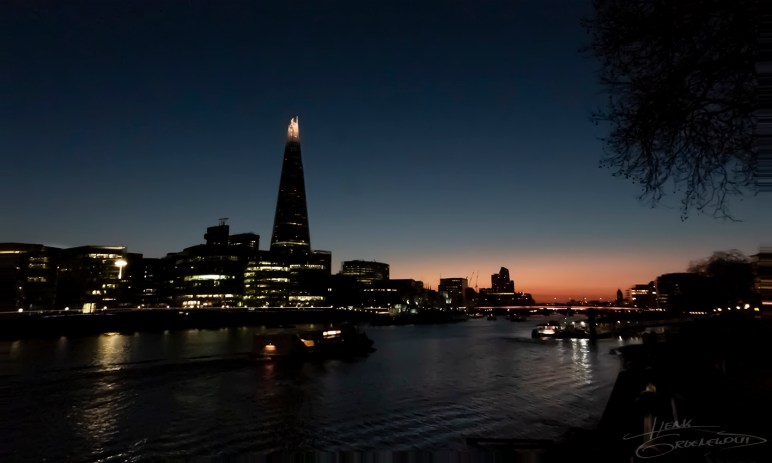
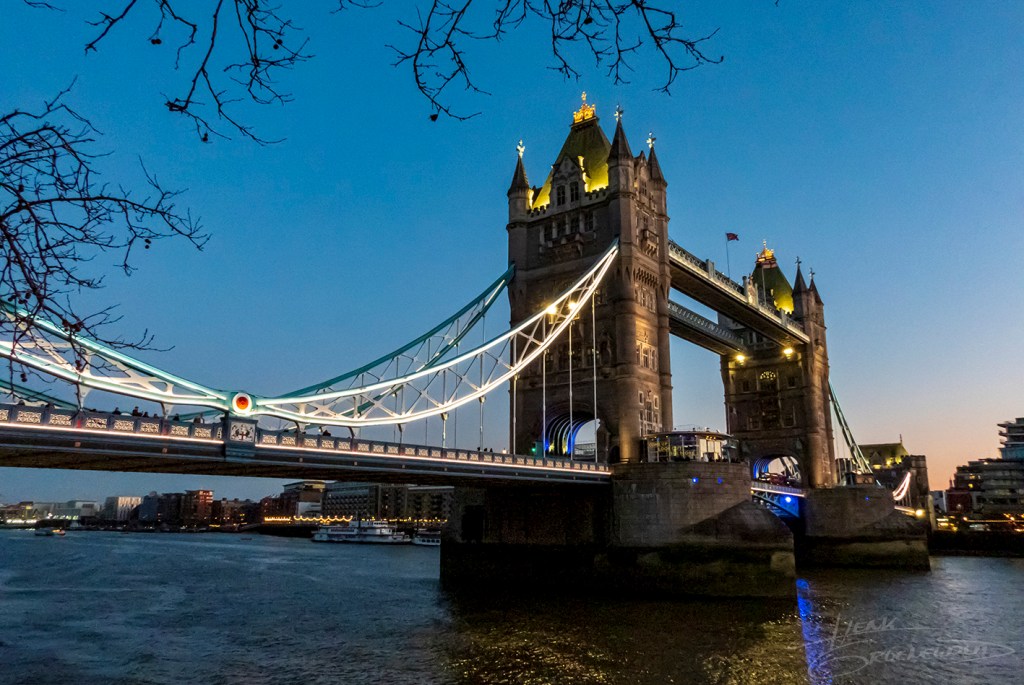
Prachtig weer toen ik aankwam. Even wachten op het mooiste licht.

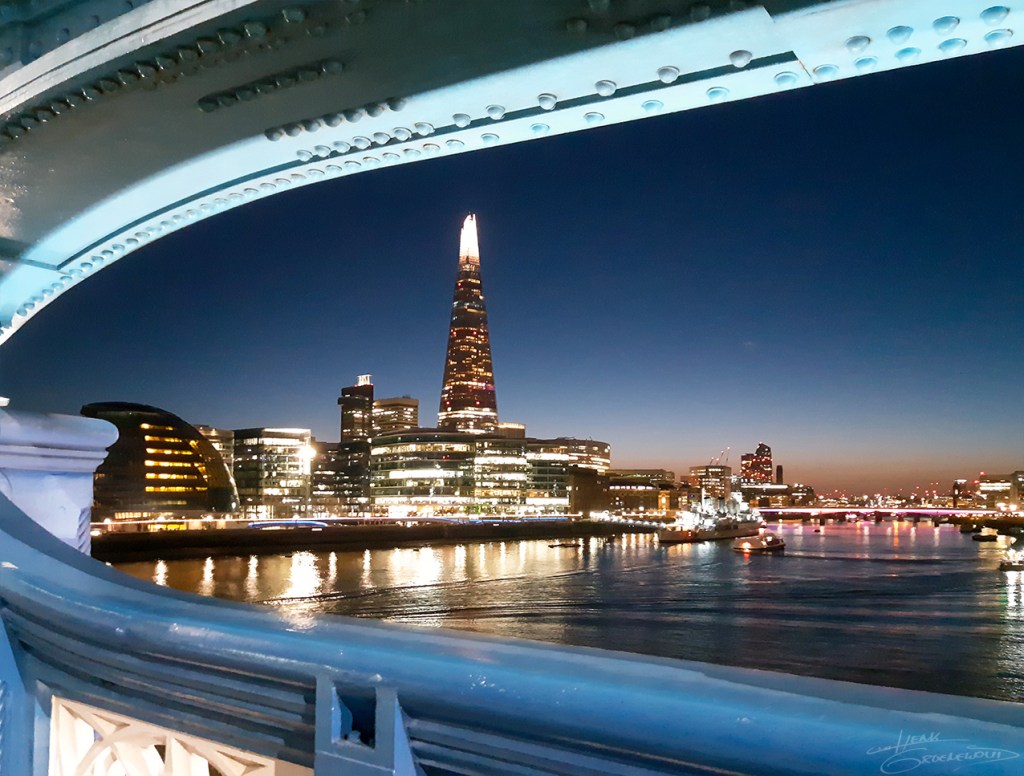
Geweldig om vanaf de Tower Bridge over de Thames te kijken en de Shard te zien – bij de bouw het hoogste gebouw in Europa. Op de achtergrond de London Bridge. Hoeveel landmarks wil je op één foto?

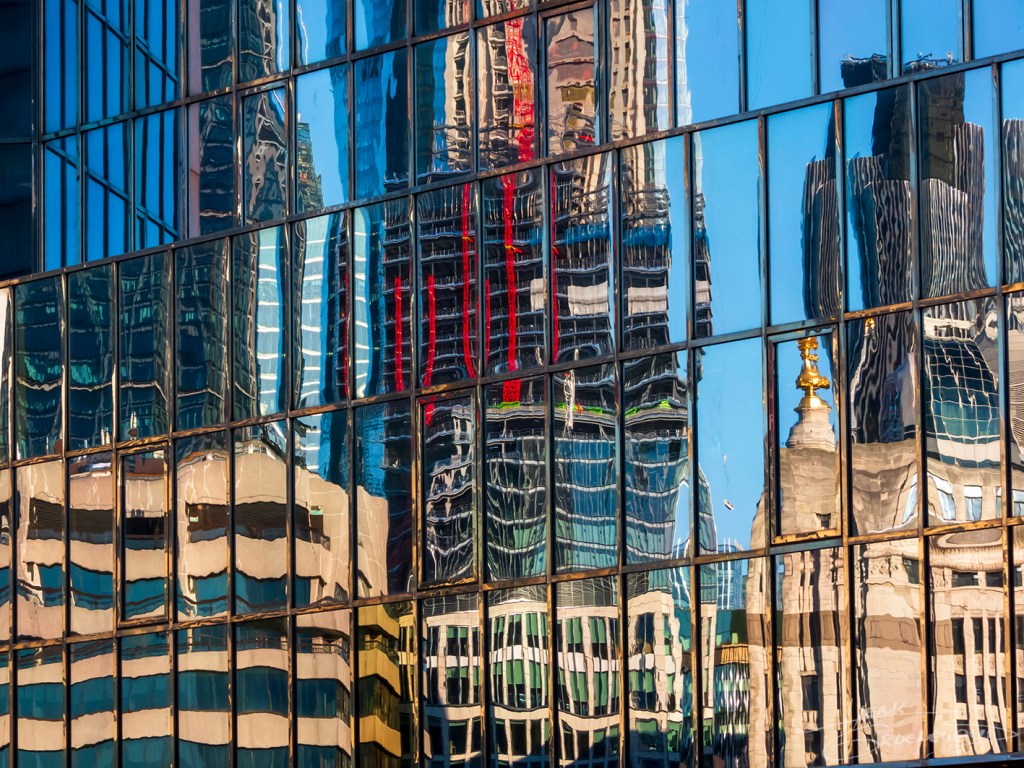
Soms lijkt het leven wiebelig en gefragmenteerd. Grote kans dat je in de verkeerde richting kijkt 😊

En toch, er zit me iets dwars. Jaren geleden vertelde iemand mij over critical discours analyses. Wetenschappelijke analyse van teksten van een groep en het discours, het taalgebruik daarin. In dat taalgebruik zit opgesloten hoe volgens de groep de werkelijkheid in elkaar steekt, en wat daarbij als moreel goed en fout wordt gezien. Boodschap was: “Er bestaat geen objectieve werkelijkheid. Alles is een verhaal.”

“Wat een flauwekul,” dacht ik toen. Typisch zo’n uitspraak van iemand die zijn eigen vakgebied critical discourse analyses het allerbelangrijkste vond.

Maar inmiddels weet ik beter. Het is waar. Dankzij mijn spirituele leraren weet ik dat het nog erger is dat ik ooit had kunnen vermoeden. Wat wij denken te zien als werkelijkheid is alleen maar een waarneming, niets meer dan een verhaal in onze geest.

Ik moest er weer aan denken bij deze Londen foto’s. De verleiding is groot om een mooi weer verhaal te schrijven over hoe geweldig reizen toch is. Net als zo veel mooi weer reisverhalen die via social media langskomen. Maar het was geen mooi weer, behalve die eerste dag dan. En het was ook geen fijne reis.

Ik heb mijzelf de opdracht gegeven om schoonheid te vinden in de grauwe werkelijkheid. Bijvoorbeeld hoe mooi een regenfoto in Crystal Palace kan zijn.

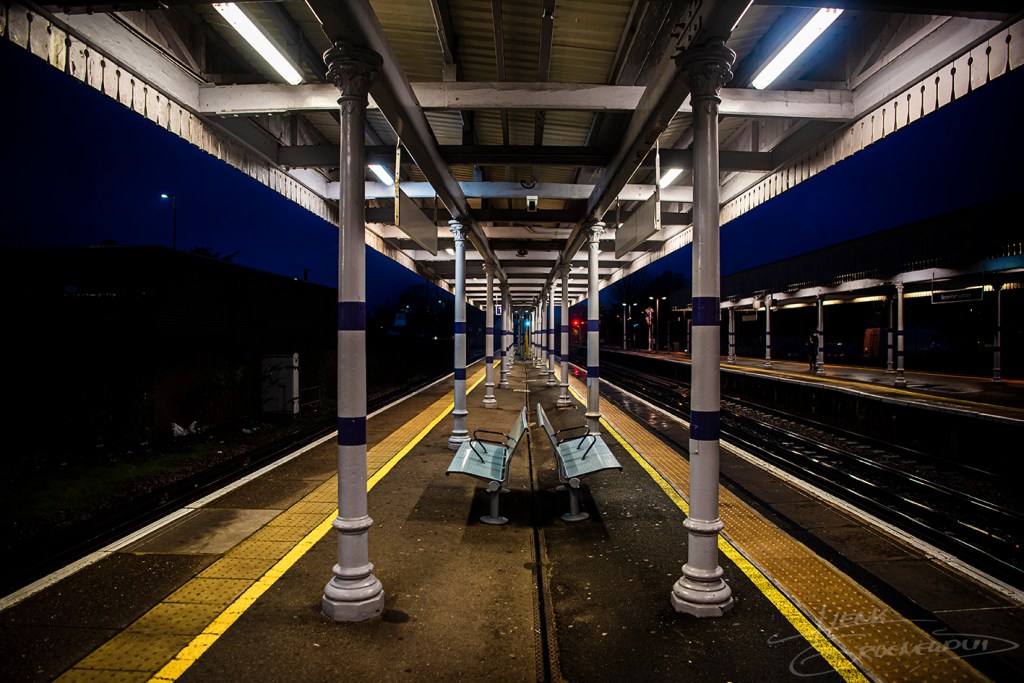
Of hoeveel schoonheid je kunt vinden als je de trein mist en een half uur moet wachten op een leeg perron in Beckenham Junction.

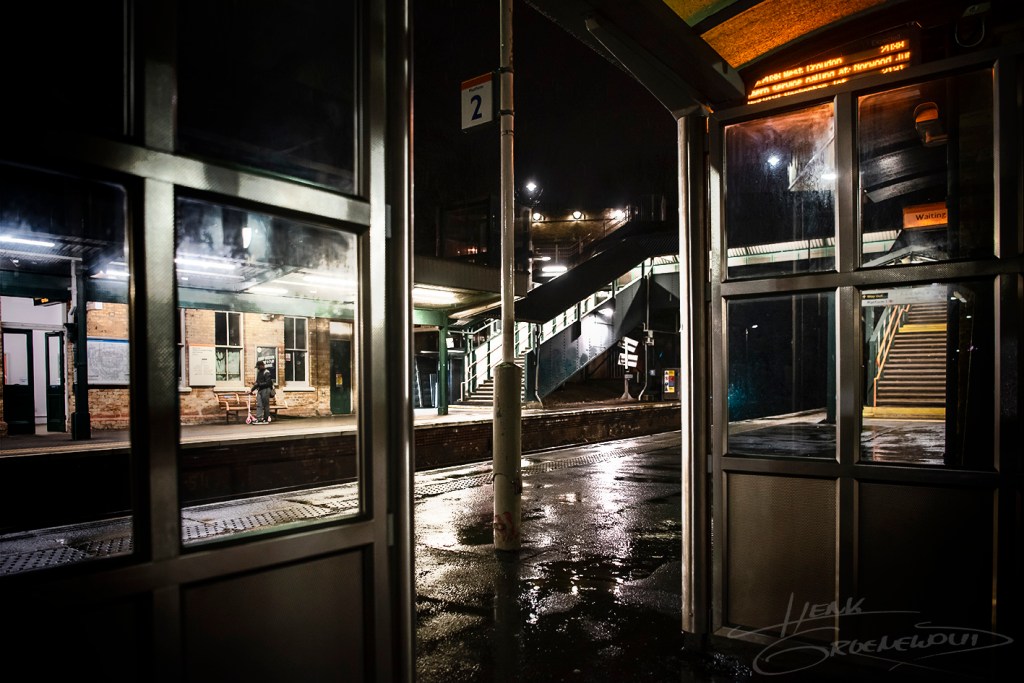
Of de schoonheid van anderhalf uur geen treinen in Crystal Palace en niets anders te doen dan afwachten.
 
Ik heb mensen gezien, veel mensen. Ieder met hun eigen verhaal – afgezien van de verhalen waarvoor ik kwam ook de verhalen over roti bezorgen, over de bus naar huis nemen, over toeristische bezoekjes aan de Tower Bridge. En dit is mijn verhaal geworden, over het mooie in het grauwe