Ugly little plant


It´s not what you see. It never is.
It´s what you think you see.
 
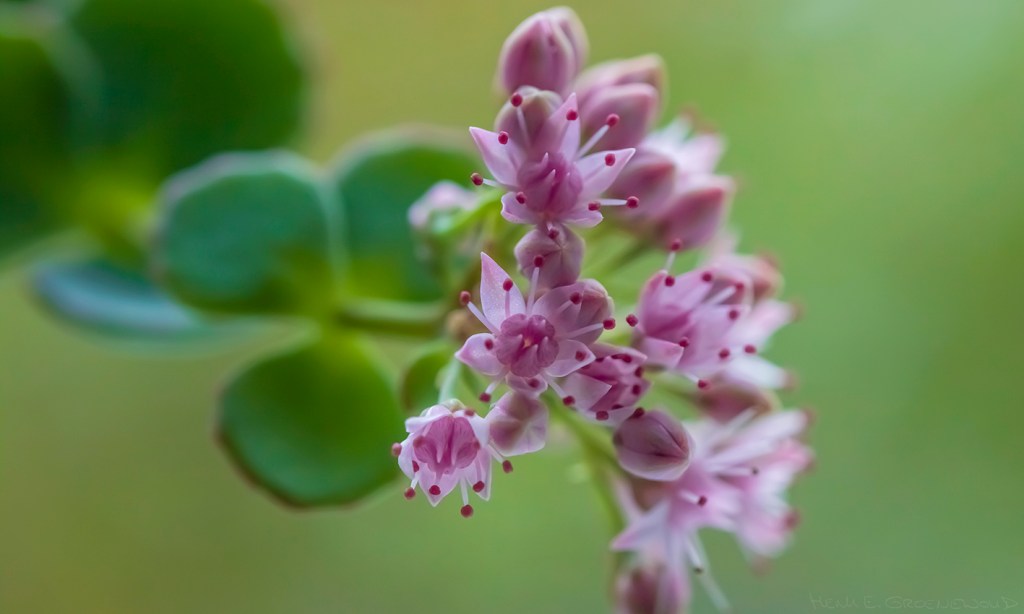
This is an ugly little plant. You might think it is nice, with delicate flowers, but that is because I´m a great photographer (– cough! –). It has been in our family for sixty years. It is tiny, with small leaves and even smaller flowers, and after flowering it shrivels, dies and disappears again.

And then after a short while, it comes back alive.
As long as I can remember it has been in our house. My father made a little note that lies besides it: “No one ever said: ‘What a nice little plant!’ We don’t think much of it either.”
 
But it’s not  about what we see with our eyes. It’s what we see with our minds. It is a sole survivor of the flowers arrangements of my parent’s wedding. If I look at it, I see my parents wedding pictures. Amsterdam, black and white, sunny day and everyone radiating from happiness! A strong little fellow. It survived my mother, and it will probably survive my father as well. Who knows, it might even survive me…
 
I secretly took a cutting of it, and grew it at home. It needs little care, just a little light and a little water – not too much! It keeps on growing, flowering, dying and rising up again.
Look really, really close, and see how beautiful these tiny flowers are!
 
I do think it is a nice little plant after all
 

Winds of change

Panta rhei. All is change. Somehow these words echoed around this week. Talking with a friend about the future of nature. Taking with elderly about getting old and seeing all that once was so familiar crumbling down. We tend to focus on what we lose during these changes, things we want to keep forever. But there is no forever.

At the age of seventeen, my friends and I went traveling by train for a month through Europe, all the way to Greece. So many precious memories! I still have a few pictures of us sleeping on the beach under the stars.

Last week we went out again, camping for the weekend at the island of Schiermonnikoog. Unfortunately on the way there we got into the worst traffic jam ever, due to a what can be described as no less than a small disaster in the regional power grid. Four hours delay – we missed our boat and we also missed the last boat of that night.

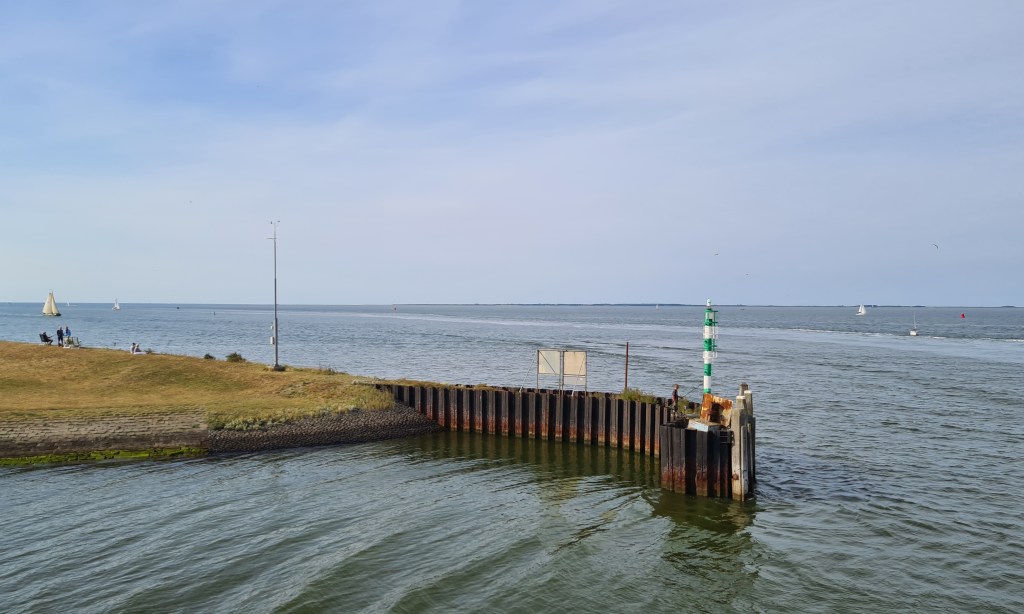
Great camping just under the green / white pole – a bit rocky though

No problem. Once again, we unrolled our sleeping bags (this time on the edge of a jetty) and slept under the stars.

The next day we took the first boat and laid down on the beach like forty-two years ago, under a clear blue sky. I felt 17 again – although swimming was a bit colder here.

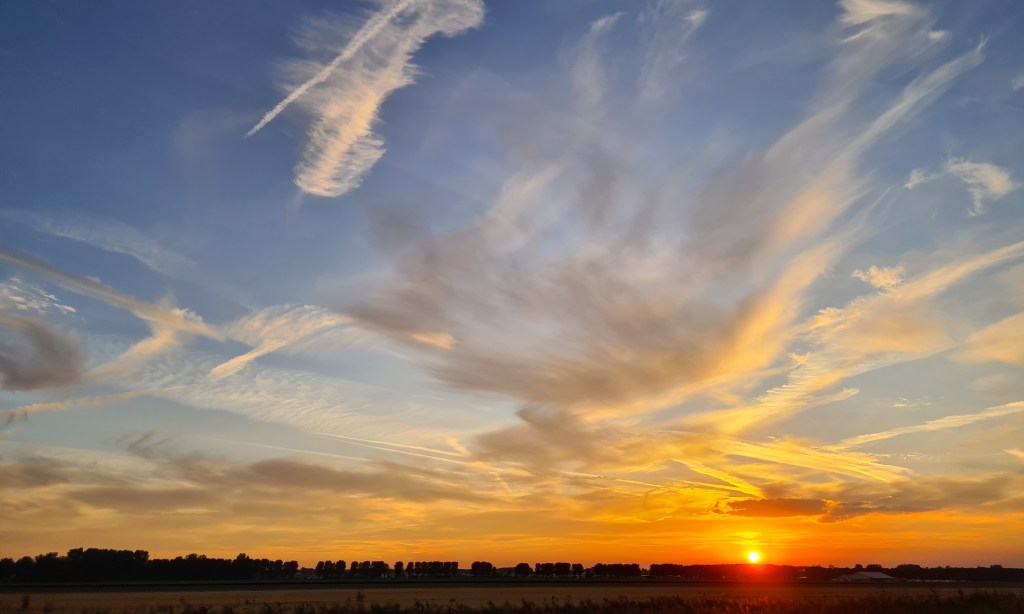
The winds of change are blowing fiercely. Always. It might hurt sometimes, but there is and always will be beauty in the world. Like that stunning sunset that concluded our wonderful weekend. No Photoshop, no filters, no tricks. Just taken with the phone from the backseat of the car.

How to improvise in the dark

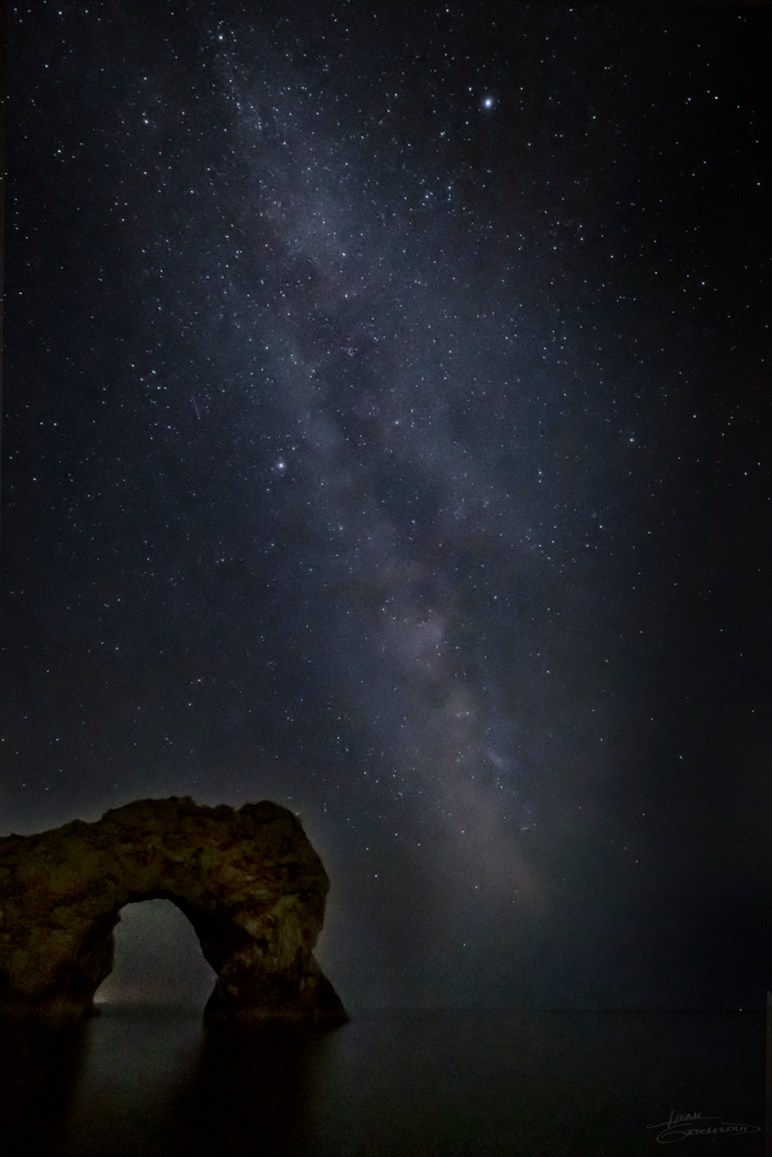
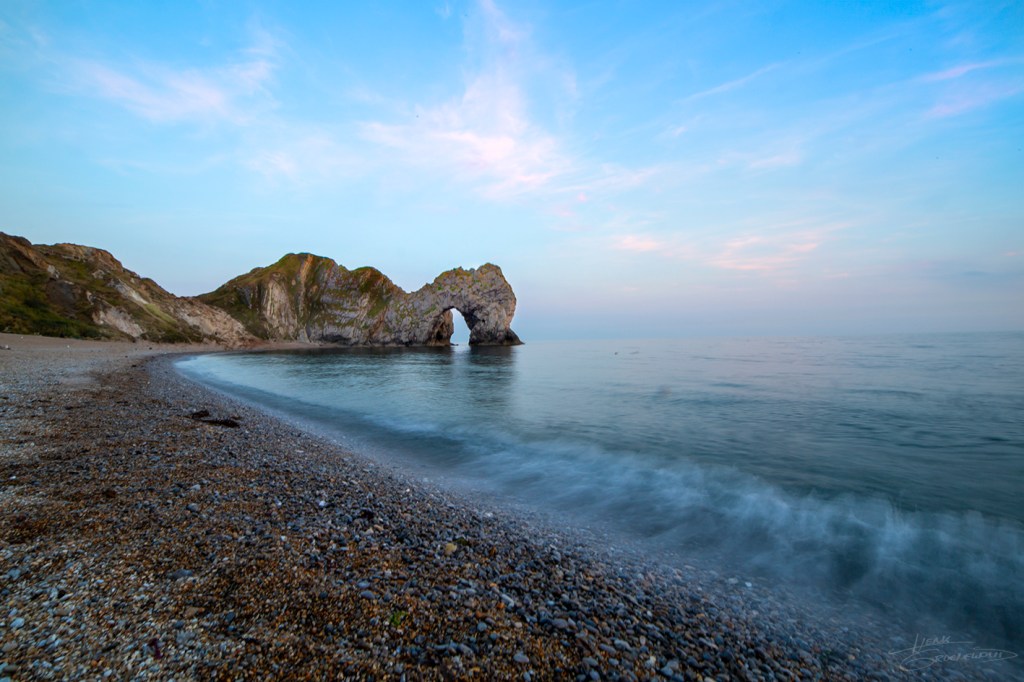
So I was in the UK this weekend, visiting my daughter. Thought it would be a good idea to enjoy the seaside and try to capture the Durdle Door rock formation with a milky way background. The weather forecast wasn´t great, but we went anyway.

At the beach I saw I had made a terrible mistake. I had taken a lightweight travel tripod from home, but at the last moment I had changed the head (the thingy that connects your tripod to the camera). I tried to assemble it, but it didn’t fit. Tripod and head were from different systems. You know that feeling when all the blood in your body seems to flush down through your toes into the sand?

There I was, thousands of kilometres flying and many hours driving from home, after sunset on a deserted beach. With just this one night, this one opportunity here. I owe my brave daughter a huge thanks that she insisted we stayed – even when it got dark and cold. And I improvised. Tried the limits of the equipment I had. For instance that 15 mm wide angle lens: Would it be possible to take pictures with a shutter speed of a whole second right out of the hand? I have shaky hands, and this lens did not have any shake reduction at all. But the wide angle saved me. You may be the judge; I think it’s good enough to present here.

The milky way was also shot out of the hand, lying down on the beach with the camera resting on the bag for support, With a full 5 seconds exposure. The result was far better than I expected.

Of course, I would have wanted pictures of the rock formation with a shutter speed of 30 seconds or more, to see details. And I would have loved to take the milky way with 20 or 30 seconds, to get more clear and profound details. And I would have wanted to use the auto – noise reduction of the camera. But it is what it is, and I am really happy with this no-tripod experiments.

The good news is: I have an incentive to once again visit this beautiful part of Dorset, with fairy tale like villages such as Lulworth and Corfe Castle village and Man O’War beach. And next time, with a complete and functional tripod.

And there’s nature back home

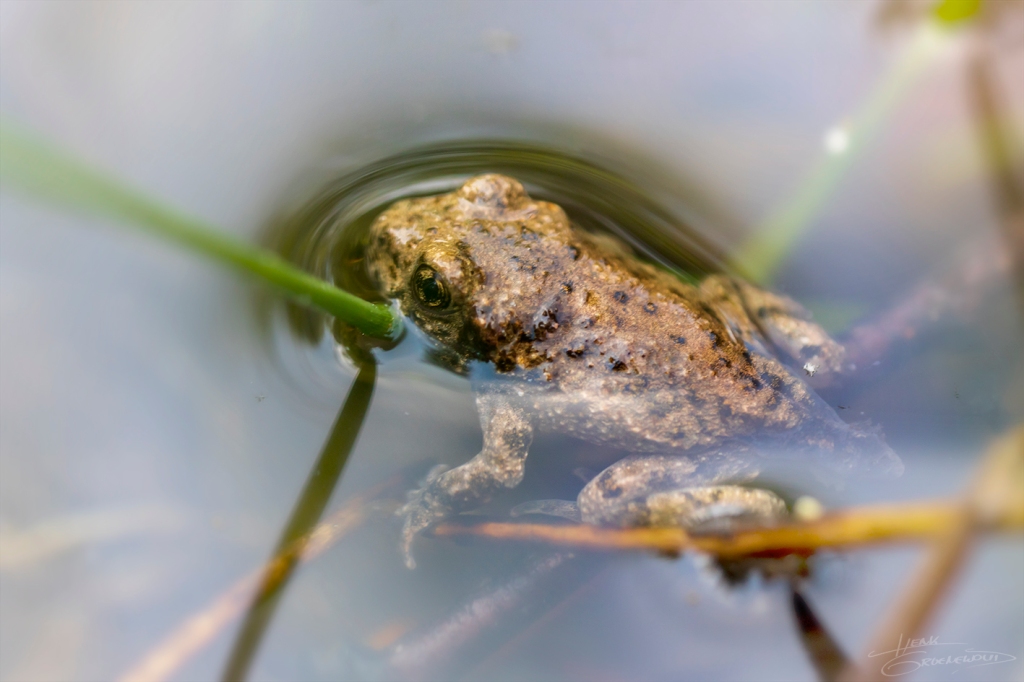
A little more nature here, but now from Netherlands. These pictures are taken during a work-visit to a nature reserve in the dunes. First the the tree frog – boomkikker above. Genetic research proved that this population originated somewhere in the Mediterranean. Probably deliberately released, which could lead to a loss of genetic diversity.

Azure bluet – azuurwaterjuffer. Common in this part of Europe.

Lots of marsh helleborine – moeraswespenorchis here. Quite rare in the Netherlands, but if the water quality is okay it can pop up with a lot of enthusiasm.

Grasshopper – but what species? I’m afraid I don’t know, so feel free to leave your guess.

Another grasshopper, the great green bush-cricket – grote groene sabelsprinkhaan.

Parnassia, one of my favorites. Used to be quite rare, but thanks to the efforts of nature conservation organizations they have returned. Every day, one stamen rises until all five of them are standing up.

Last one: the common midwife toad. Also alien to this area, so probably also deliberately released. This was a young one. It still has it’s tadpole tail.

Still too much…

Previous post I said: Thousands of pictures. Too much nature. I´ll keep it brief this time.

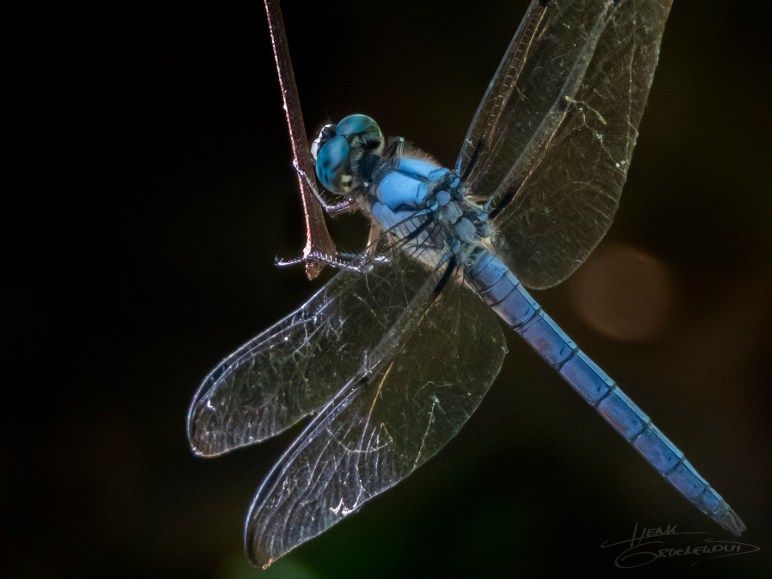
First of all, that blue dragonfly above. I’m not sure of the species, it might indeed just be ´Blue dragonfly´. Feel free to mention the name if you know it. Same for the yellow one below. If you know the species, let me know! Both of them were resting in a small nature reserve between Savannah and Beaufort.

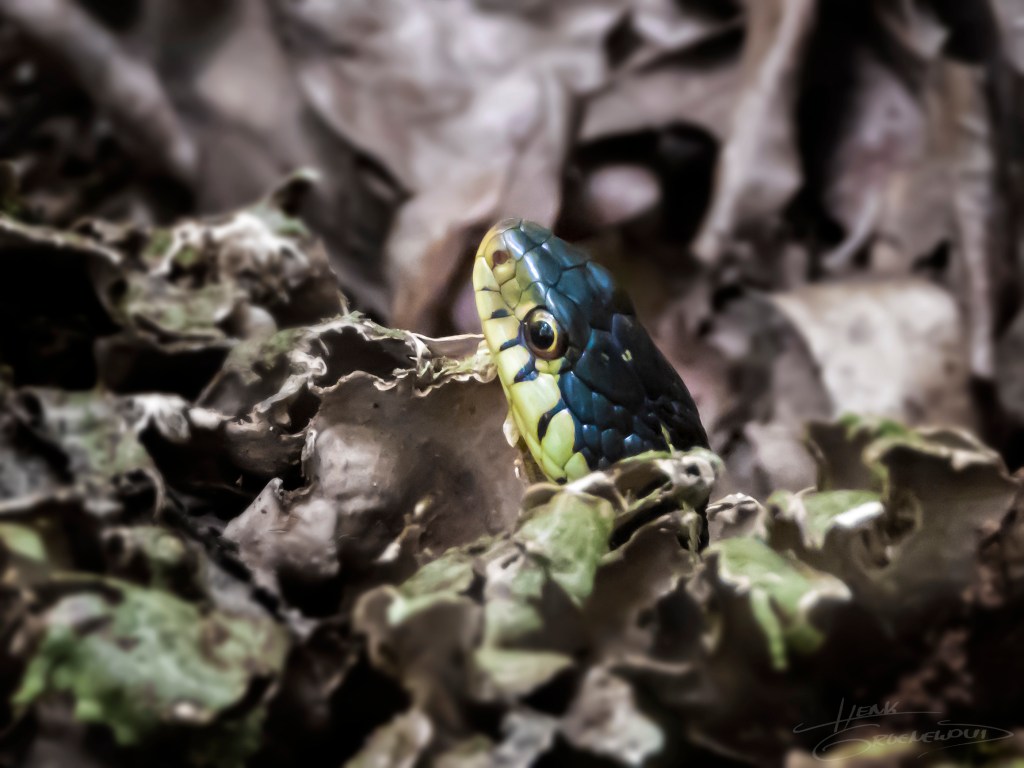
What´s next? An encounter with a snake near Chattahoochee river. Common garter, friendly and not poisonous. So no worries.

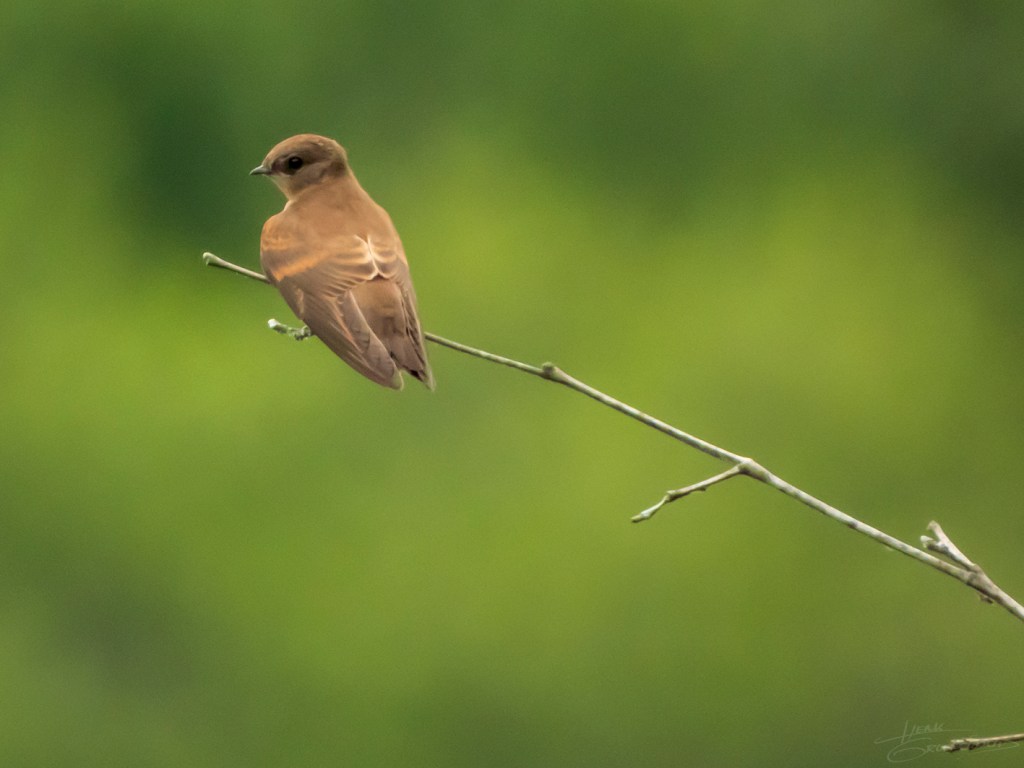
Sand martin. Whole families were learning their offspring to fly and hunt for insects above the river.

Another bird, a killdeer (why that name?). Common kind of plover. Picture taken while canoeing – it’s really great to jump in a canoe on a sunny day!

This one was taken in the city of Atlanta, Memorial Park, a few months ago. Some kind of mushroom – tried to capture the lightness and luminousity of it.

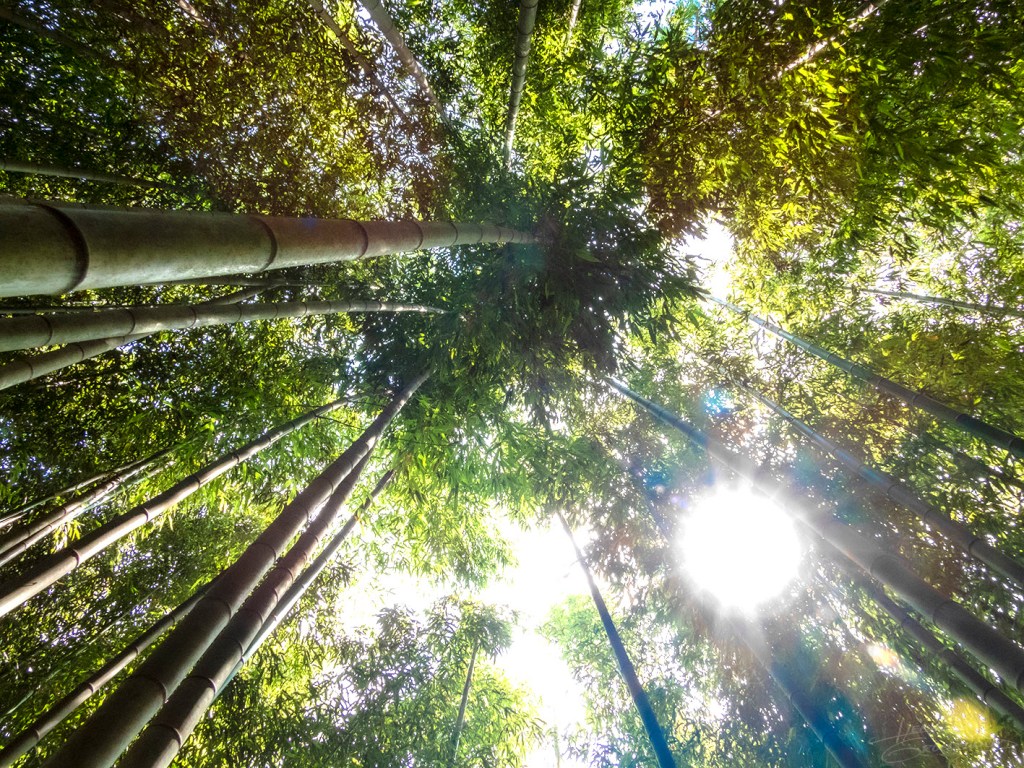
Last one to close this series: the bamboo forest at the banks of the river.

Too much nature!

Every time in the USA I am overwhelmed by the abundance of nature. There is so much to see! I come home with thousands of pictures. Let me show a few of them here.

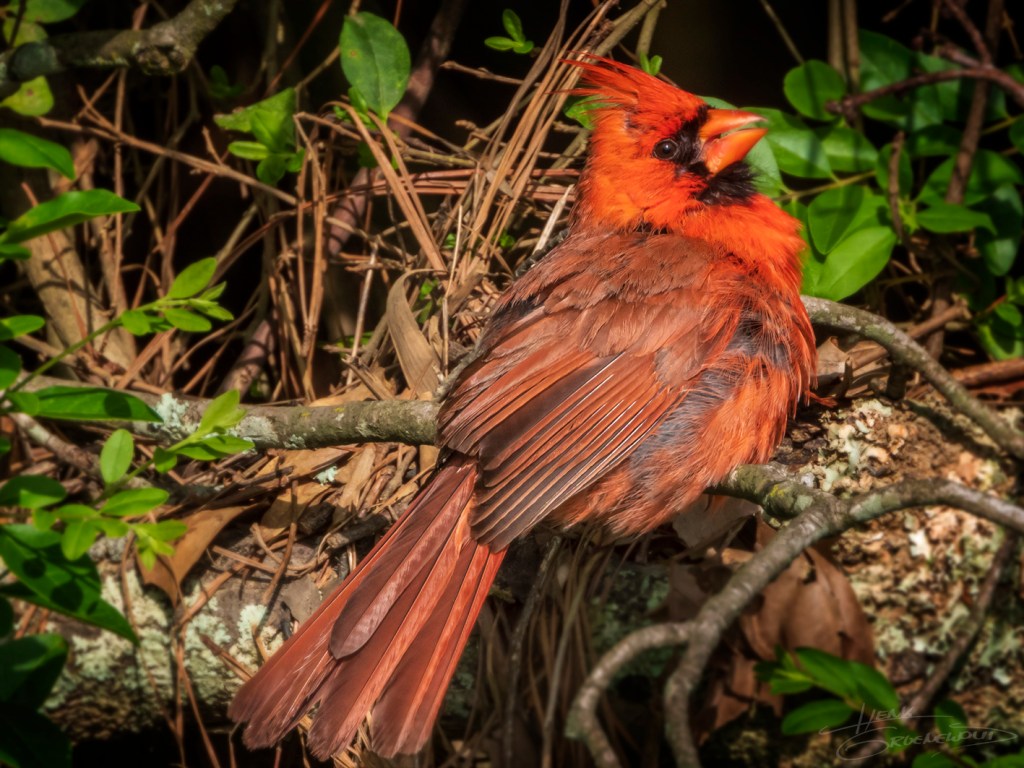
I woke up with birds singing, and they kept on singing all day long. You don’t need to go out to do birding, you can just sit on your veranda and they come to you. The intense red of the Northern cardinal (Cardinalis cardinalis) – just can’t stop taking pictures! I have them hunting for insects in the grass, singing and hiding in the bushes, but this one I like most: sunbathing in the scorching sun.

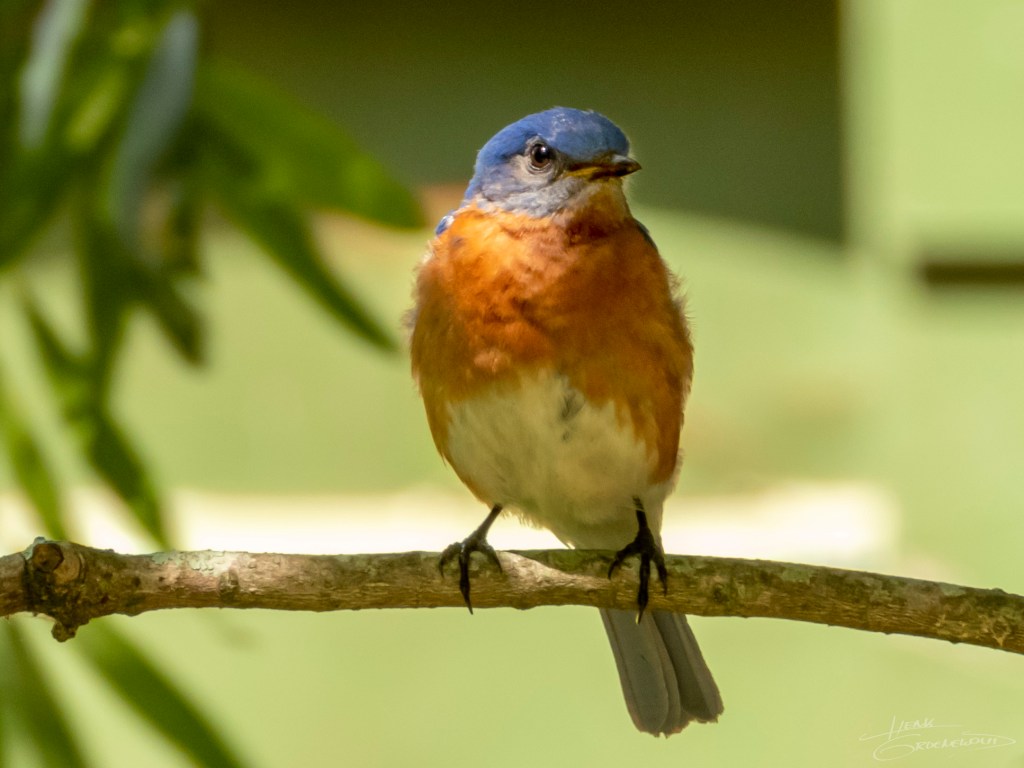
Then the eastern bluebird (Sialia sialis). Such beautiful colours! Funny, the nuthatch in the Netherlands has almost the same colours, but is a little paler.

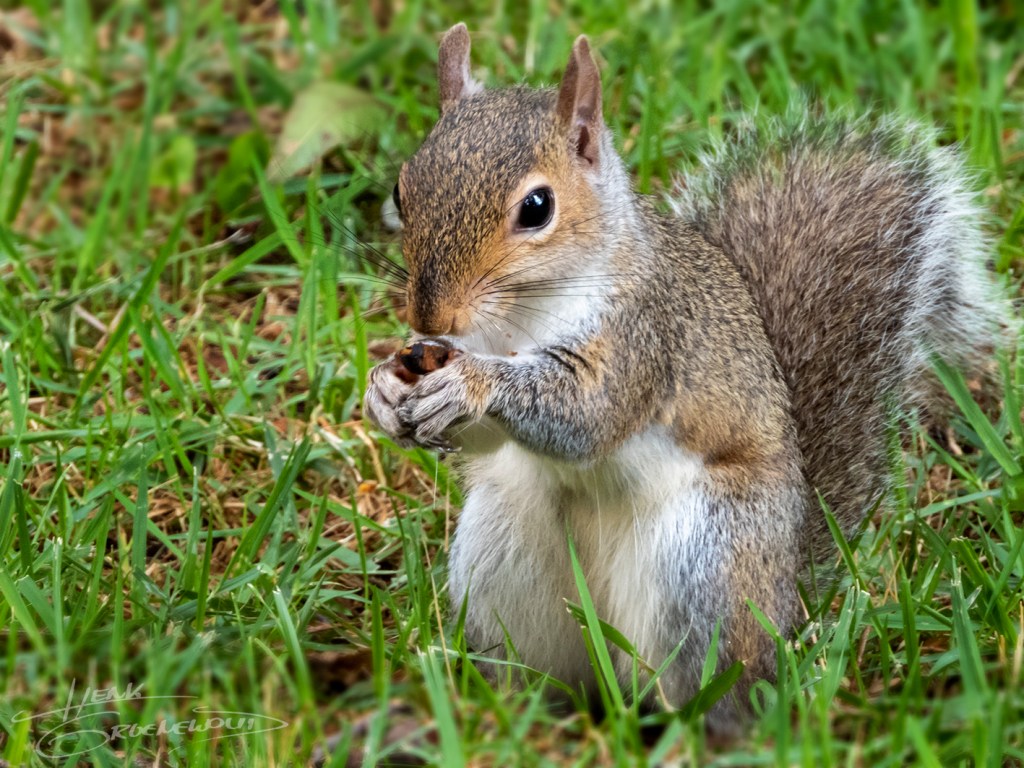
“Look at those cute squirrels!”
I was immediately corrected. “They are not cute. They are rats with a tail. They climb through the rain gutter, come into the house. They gnaw and make a huge mess!”
“They won’t be that bad will they?” I thought. But indeed. They’re everywhere. Really everywhere, in huge numbers, in and around the houses.
In Europe, the grey squirrel (Sciurus carolinensis) is considered an invasive alien species. They eradicated the indigenous red squirrel (Sciurus vulgaris) in most of the United Kingdom, as they are bigger, stronger and resistant to squirrel diseases they carry.

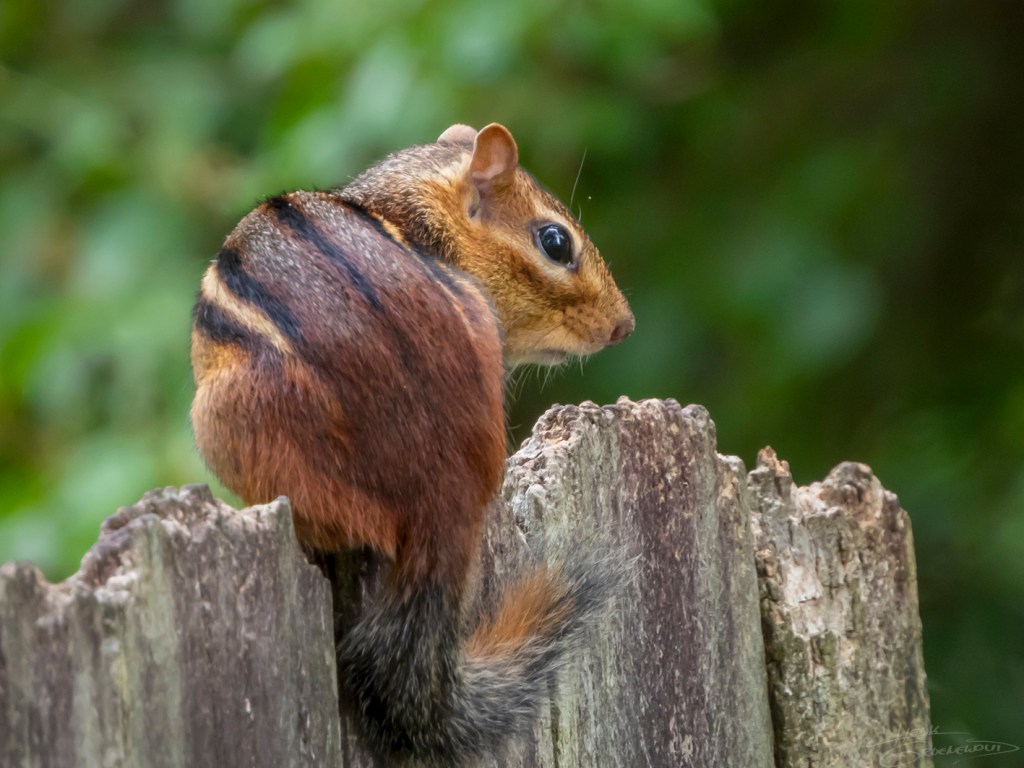
“What about those chipmunks? Those ‘ground squirrels’, as we call them?”
“Less bad than the grey squirrels. But I still don’t need them in the garden. They dig holes everywhere.”
I have to t confess: last week in my garden back home I saw mouse holes. Shrews probably, there are a lot of them here. And my first thought was: How do I get those bloody mice out of my garden?
Anyhow, the Eastern chipmunks (Tamias striatus) is not considered an invasive species in Europe. But it’s nephew, the Siberian chipmunk (Tamias sibiricus) is.

Another unwelcome animal. That is: In Europe again. Many red eared sliders (Trachemys scripta) have been imported as pets. So cute, these tiny baby-sliders with their flip-flop-feet! But baby sliders grow big, too big for small aquariums, and the entire house starts to smell. Eventually all these imported pet sliders are dumped in nature. No one wants to kill his pet, and the animal shelters are full. The pet industry doesn’t care – when a European ban on import and trade was imminent, thousands of extra baby sliders were rapidly imported and ‘put in storage’. To be able to continue selling them for some time after the ban. Anyhow, the one on the picture is enjoying his natural habitat. In the USA.

– To be continued –

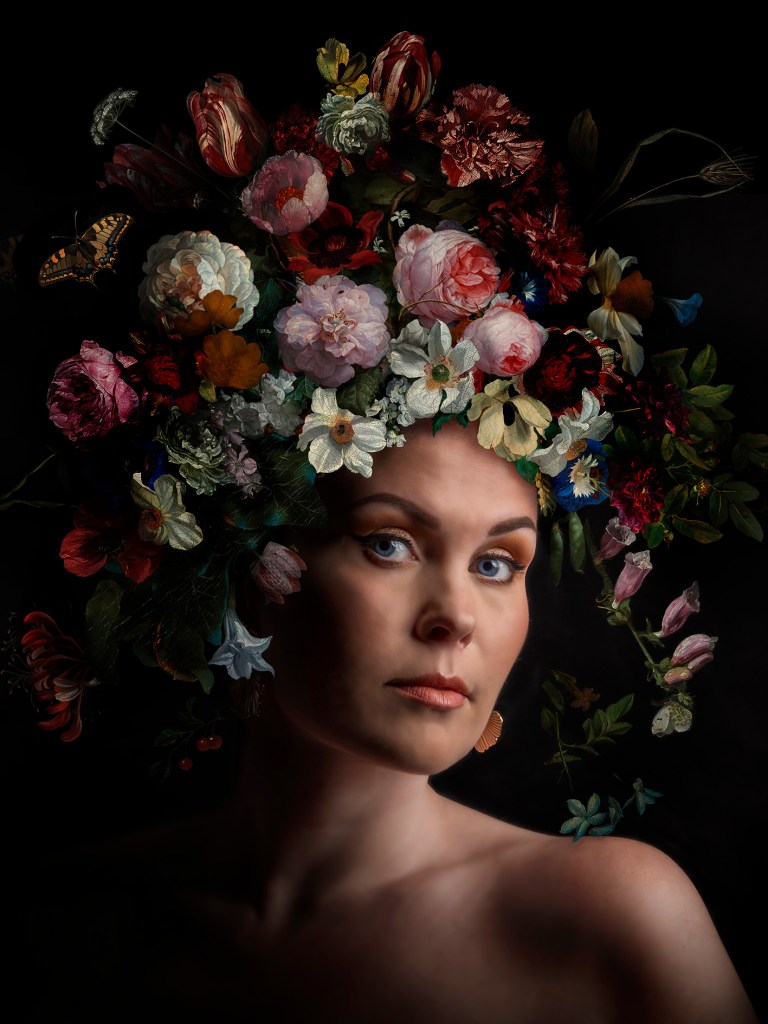
Portret met bloemen

Af en toe komt iemand met een leuke vraag.
“Ik wil graag  zo’n portret met bloemen op mijn hoofd. Maar dan wel met mijn eigen gezicht, want ik wil geen vreemde in mijn huis.”

Et voilá. Een portret in de stijl van de oude meesters.

Ik ben benieuwd: Hoe zou jij jezelf terug willen zien?

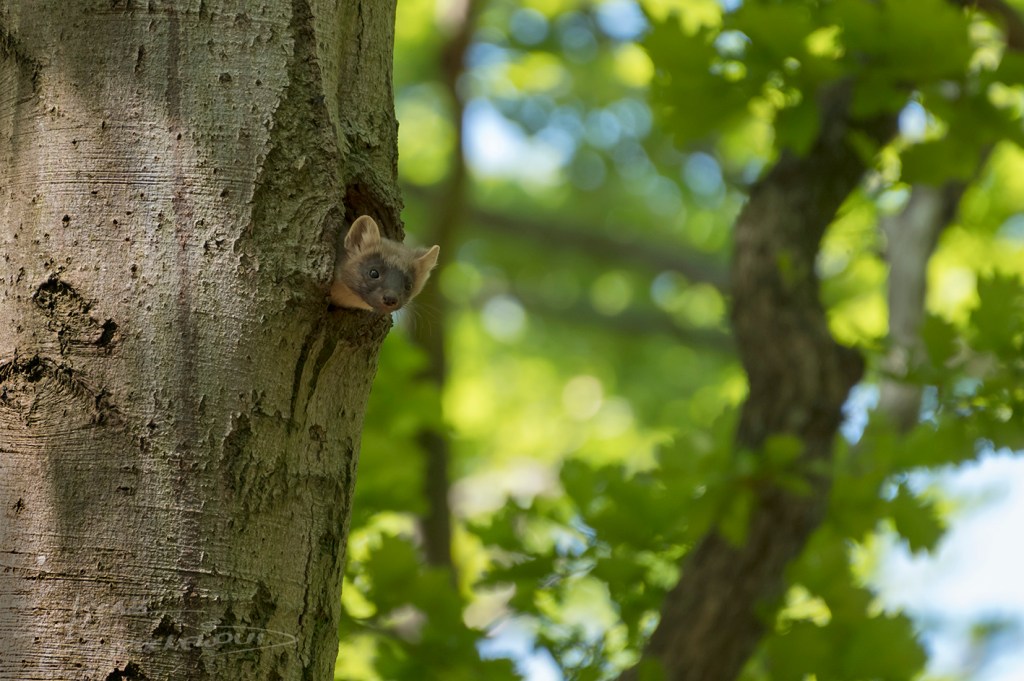
Favoriete bosbewoner

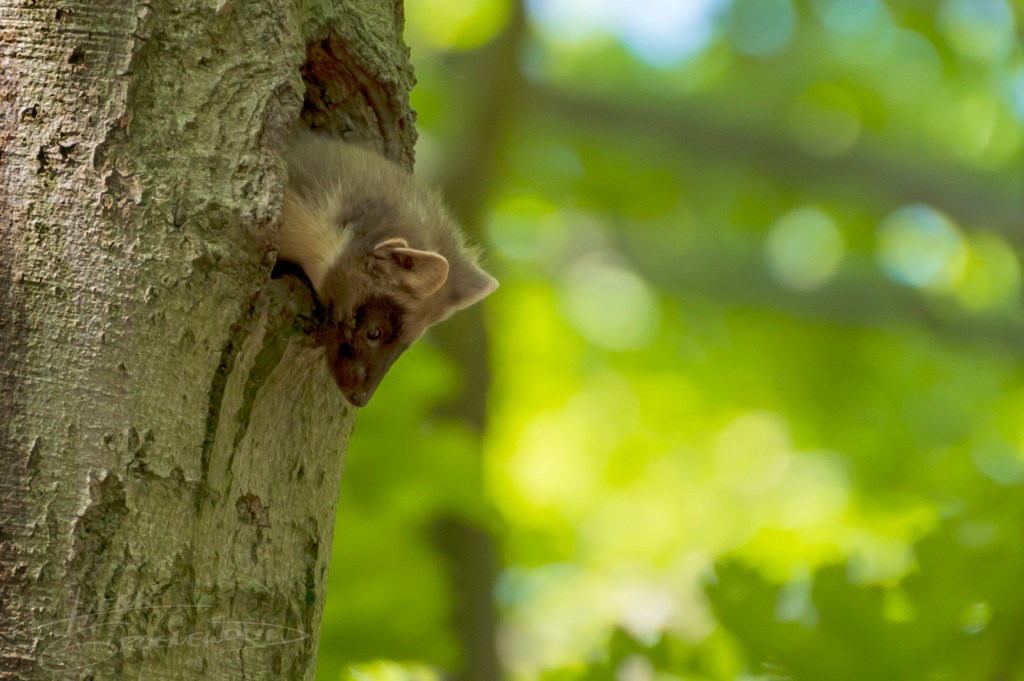
Dit is vermoedelijk mijn favoriete bosbewoner: de boommarter. Echte, wilde natuur, zomaar in ons eigen Nederland. Het is alweer twee jaar geleden dat ik er voor het laatst een zag. Vorig jaar vond ik wel een bewoonde boom, maar nét te laat. Het gezin had de boom waarschijnlijk de week ervoor verlaten, te oordelen aan de latrine. Nu zit het moertje er nog. Vandaag tenminste – het zal niet de eerste keer zijn dat een gezinnetje van de ene op de andere dag verdwijnt…

Vandaag een groot deel van de dag gepost bij het nest, om te kijken hoe het staat met de gezinsuitbreiding. Het moertje kwam één maal buiten kijken, en hield het daarna voor gezien. Niet zo spectaculair, maar in het nest waren de jongen te horen. Ik gok dat ze over één of twee weken zo ver zullen zijn dat ze het nest verlaten. Het is te hopen dat iedereen dan de hond aan de lijn houdt.

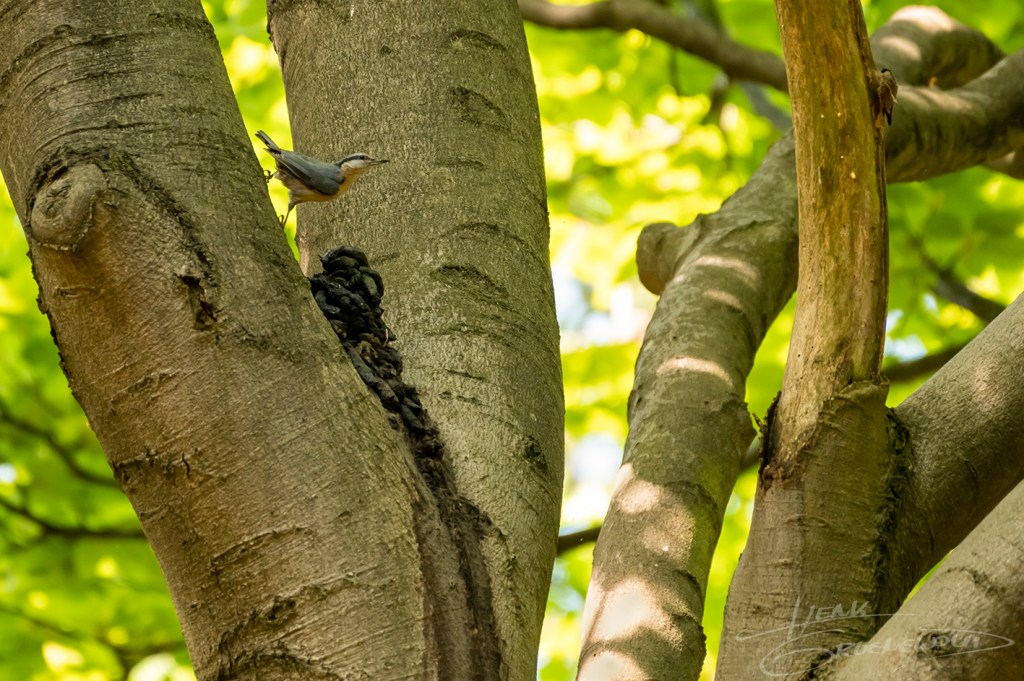
Zo´n lange dag in het bos geeft altijd nieuwe ervaringen. Bijvoorbeeld de koolmezen en boomklevers, die geregeld langs komen om de latrine te inspecteren. Ik vermoed dat daar wel wat insecten te vinden zijn.

Ook leuk zijn de toevallige ontmoetingen met andere bosbewoners. Zoals deze rode eekhoorn, die even stil hield om te kijken. Verrek, zit daar nou een mens? Ja zeg, het is echt een mens! Nou ja, rustig doorlopen maar, en doen alsof ik hem niet heb gezien…

Dichtbij en ver weg

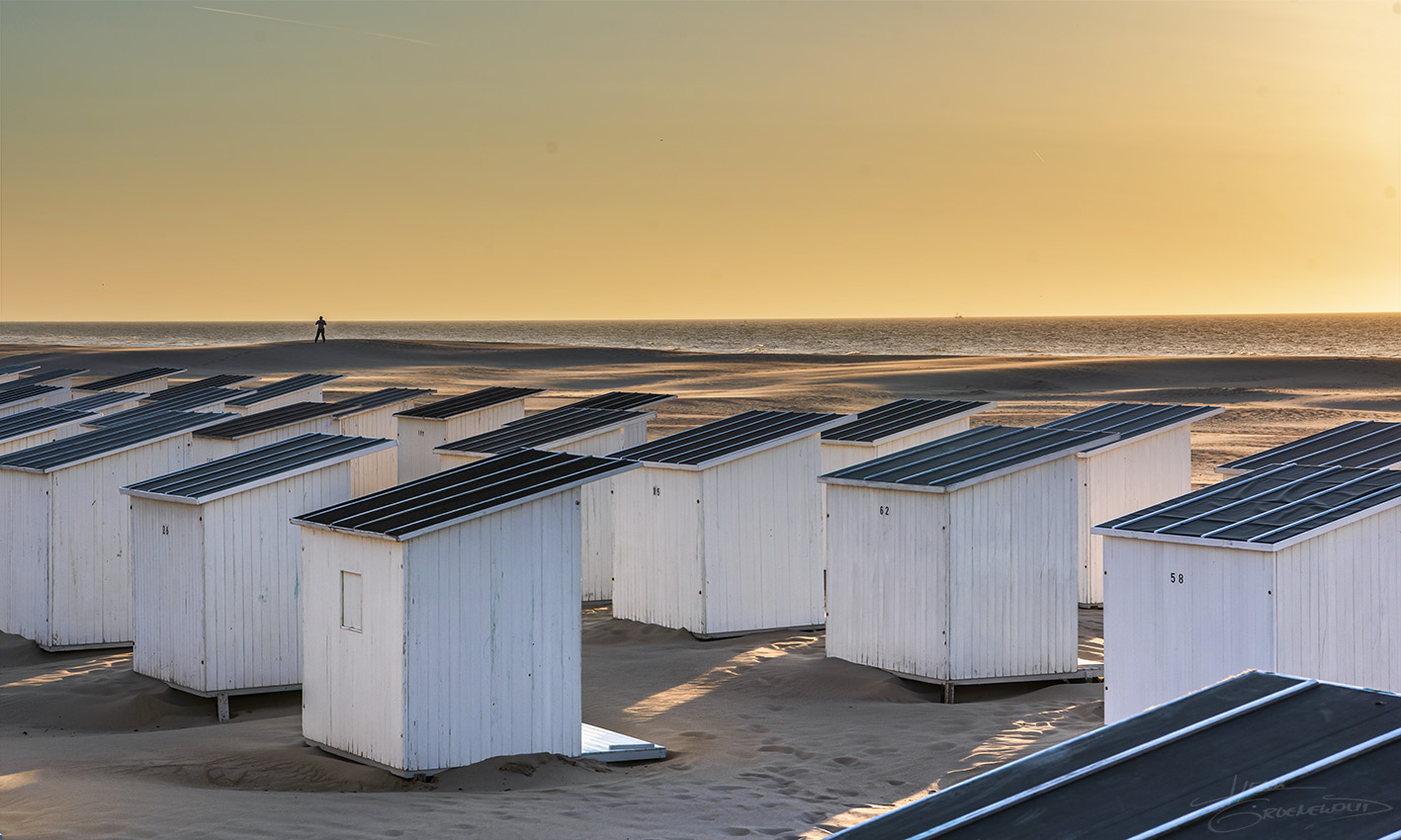
Soms vind je vlak bij huis de meest exotische locaties. Vorige week was ik in het Belgische Oostende, dat me verwende met een paar prachtige zonsondergangen. Met het on-Nederlandse licht leek het ver, heel ver weg. Dichtbij of ver weg, uiteindelijk zit het allebei in jezelf…

Kersenbloesem

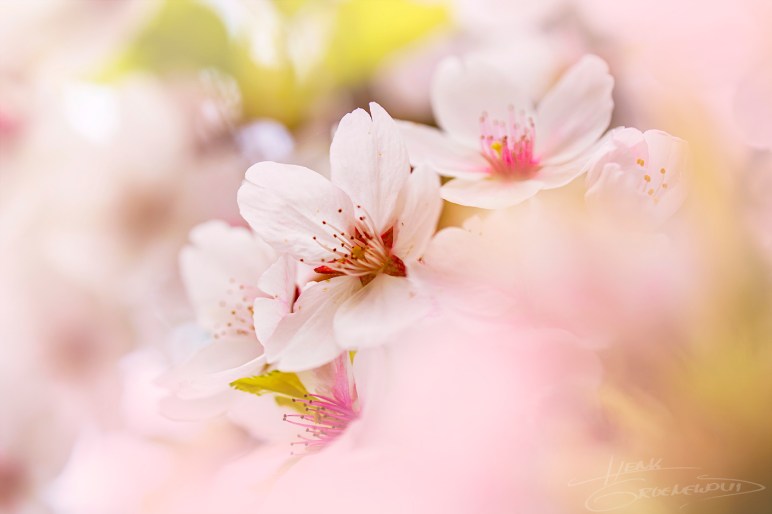
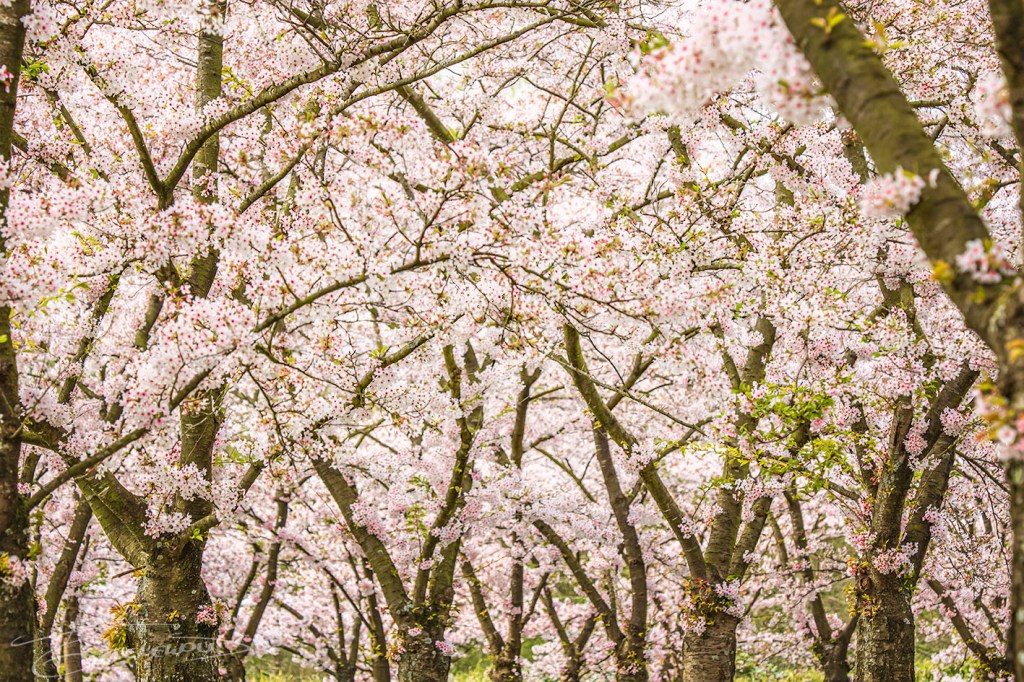
Elk jaar ben ik te laat, maar elk jaar een klein beetje minder te laat. Als de trend zo doorzet, dan zal ik volgend jaar misschien bijna op tijd zijn voor de kersenbloesem. Die hoor je natuurlijk in Japan te zien, maar dat is wat ver. Ik kies voorlopig voor de Japanse tuin in het Amsterdamse bos.

Onderweg naar mijn vader had ik 15 minuten om even snel uit te stappen, de vouwfiets te pakken en wat snapshots te maken. En ik was niet de enige: dranghekken en tijdelijke fietsenrekken moesten de enorme meute bezoekers in goede banen leiden. Nu vind ik mensen op een foto geen enkel probleem – vaak zelfs noodzakelijk om een foto voldoende interessant  te maken. Maar dit waren er wat veel; bovendien waren mijn gedachten elders en wilde ik door. Dus hield ik de blik naar boven gericht.
Wie volgend jaar zin heeft om met zonsopkomst in de Japanse tuin op de foto te gaan, moet maar even een seintje geven. Zet het vast in de agenda – en dan maar afwachten of de natuur zich aan jouw afspraak houdt.